
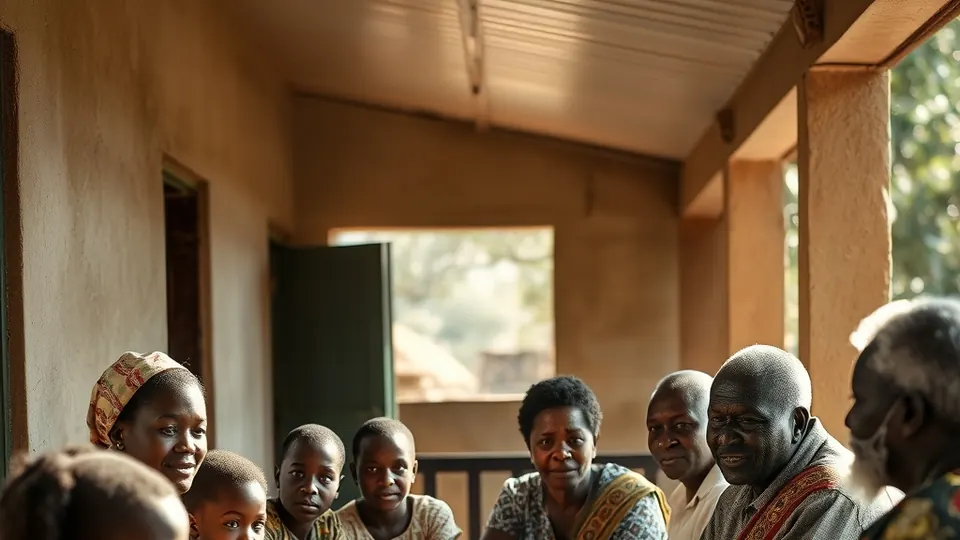
Discover the different members of a family, and explore nuclear vs. extended family types with their key advantages and disadvantages. Learn how family structure impacts society.
Introduction
The family is the foundation of every society. It plays a vital role in shaping individuals, providing emotional support, and instilling values. Across cultures and time, families have taken on different structures—but their purpose remains largely the same: to nurture, protect, and guide.
This blog explores the members who constitute a family, the main types of family systems—particularly nuclear and extended families—and their respective advantages and disadvantages. Whether you live in a small home with parents and siblings or within a multi-generational household, understanding family structures is essential for building healthy relationships and communities.
1. Members Constituting a Family
A family is made up of individuals who are related by blood, marriage, or adoption. Depending on the cultural context, the number of members may vary. However, the core family unit often includes the following:
🔸 a. Father
Traditionally seen as the head of the family, responsible for protection, provision, and leadership.
🔸 b. Mother
Often plays a nurturing and caregiving role. Mothers may also contribute financially and emotionally to family development.
🔸 c. Children
These include sons and daughters. Children are central to the family, representing continuity and legacy.
🔸 d. Siblings
Brothers and sisters who share parents. They offer companionship, support, and often lifelong relationships.
🔸 e. Grandparents
Parents of one’s mother or father. In many African and extended family settings, grandparents help raise children and provide wisdom.
🔸 f. Uncles and Aunts
Siblings of one’s parents. They can serve as secondary caregivers or even primary guardians in some situations.
🔸 g. Cousins
Children of uncles and aunts. In many African cultures, cousins are treated as siblings.
🔸 h. Guardians (in foster/adoptive situations)
Individuals who legally or informally take on the role of raising a child.
🔸 i. Step-parents and step-siblings
In blended families, individuals may have step-relatives who play an important role.
✅ 2. Types of Family: Nuclear and Extended
Families can be classified into different types based on structure and relationships. The most common forms are:
🏠 A. Nuclear Family
This consists of a father, mother, and their biological or adopted children living in one household.
✅ Advantages of Nuclear Families:
- Greater privacy – Small size ensures fewer disruptions.
- Better financial control – Fewer people to support.
- Faster decision-making – No need to consult extended relatives.
- Stronger emotional bonds – Closer relationships within the immediate family.
- Independence – Parents and children can set their routines and values.
- Better mobility – Easier to move or relocate for jobs or schooling.
- Efficient parenting – Focused attention on children.
- Conflict management – Fewer interpersonal disagreements.
- Simplified inheritance – Fewer complications in property division.
- Modern lifestyle – Aligns with urban living and employment structures.
❌ Disadvantages of Nuclear Families:
- Lack of extended support – Especially during emergencies or childcare.
- Isolation – Children and parents may feel lonely.
- Increased pressure on parents – Dual responsibilities without shared help.
- Limited exposure to cultural traditions – Especially in urban setups.
- Less guidance from elders – Miss out on wisdom and life experiences.
- Weaker family bonds across generations – Distant from cousins and grandparents.
- Stress on working parents – Balancing jobs and family without assistance.
- Costly childcare – No free help from relatives.
- Risk of emotional breakdowns – Lack of extended emotional cushions.
- Lower resilience during crises – Less collective problem-solving.
🏡 B. Extended Family
An extended family includes the nuclear family plus grandparents, aunts, uncles, cousins, and sometimes even close family friends. They often live together or in close proximity.
✅ Advantages of Extended Families:
- Shared responsibilities – Childcare, finances, and chores are spread out.
- Emotional support – Stronger safety net during hard times.
- Cultural preservation – Traditions and languages are passed down.
- Social development – Children learn to cooperate with others early.
- Financial support – More earning members can contribute.
- Wisdom of elders – Guidance from grandparents and older relatives.
- Role modeling – Exposure to diverse adult perspectives.
- Strength in numbers – A united front during family issues.
- Help in emergencies – Relatives can step in quickly.
- Community identity – Strong family ties lead to stronger communities.
❌ Disadvantages of Extended Families:
- Lack of privacy – Overcrowding and shared spaces.
- Conflicts and misunderstandings – Differing views can create tension.
- Slower decision-making – Need consensus from multiple people.
- Dependency – Some members may rely too much on others.
- Generational clashes – Modern vs. traditional thinking.
- Unequal contribution – Some work more than others.
- Resource strain – More mouths to feed, more expenses.
- Inheritance disputes – Especially in polygamous or multi-heir families.
- Favoritism – Some children may be treated better than others.
- Difficult mobility – Moving or relocating becomes complicated.
✅ 3. Cultural Context: Family Systems in Africa
In most African cultures, the extended family system is deeply respected. It reflects values such as ubuntu (I am because we are), interdependence, and collective responsibility.
Children are considered the responsibility of the whole family, not just the biological parents. Grandparents and uncles often discipline and guide children. This support network strengthens family unity but can sometimes clash with modern values of privacy and independence.
In urban areas, however, the nuclear family model is increasing, driven by employment, migration, and housing limitations.
✅ 4. Impact of Family Structure on Children and Society
The type of family structure has a direct influence on a child’s:
- Personality development
- Education
- Emotional stability
- Moral upbringing
- Social skills
Stable families—whether nuclear or extended—build strong individuals who become productive members of society. Families that lack cohesion often lead to broken relationships, delinquency, or emotional challenges.
✅ Importance of Family in Promoting Unity, Responsibility, Loyalty, Generosity, and Harmony
The family is more than just a social unit—it is a training ground for values that shape individuals and the broader community. Regardless of whether a family is nuclear or extended, its influence in promoting strong moral and ethical principles is unmatched. Here’s how family contributes to key social values:
🔹 1. Unity
Families encourage a sense of belonging and togetherness. Shared meals, mutual support, and problem-solving build unity. Children who grow up in united families often carry this spirit into their communities, promoting peace and collaboration.
🔹 2. Responsibility
Within a family, each member has roles—from house chores to financial duties. Children learn to be accountable for their actions and to contribute to the well-being of others. This responsibility prepares them for adulthood and civic duties.
🔹 3. Loyalty
Family ties foster deep emotional bonds. Through shared experiences and support in times of need, members develop unshakable loyalty. This loyalty reinforces trust and dependability in relationships beyond the family.
🔹 4. Generosity
In families—especially extended ones—resources, time, and skills are shared without expecting anything in return. Generosity is modeled and learned in everyday life, teaching children to care for others and to give selflessly.
🔹 5. Harmony
Families promote peaceful coexistence, compromise, and respect. Conflict resolution is often first learned at home. Harmonious families model how differences can be managed respectfully, nurturing emotionally healthy individuals.
Conclusion
Understanding family structures—both nuclear and extended—is crucial in shaping relationships and social well-being. While nuclear families offer independence and privacy, extended families provide emotional strength and cultural heritage.
Both models come with unique benefits and limitations, and the most effective approach is one that blends the strengths of each system while addressing the unique needs of the family.
In today’s changing world, it’s not about choosing one over the other, but rather about adapting wisely to ensure love, unity, and stability remain at the heart of every home.
✅ Frequently Asked Questions (FAQs)
🔹 1. What are the basic members of a family?
A typical family includes the father, mother, children, and in extended forms, grandparents, uncles, aunts, and cousins.
🔹 2. What is the difference between a nuclear and an extended family?
A nuclear family is a small unit with parents and children. An extended family includes additional relatives like grandparents and cousins.
🔹 3. Which family structure is better—nuclear or extended?
Each has its pros and cons. Nuclear families offer privacy; extended families provide support. The best choice depends on personal and cultural circumstances.
🔹 4. Can a child grow up well in a nuclear family?
Yes—provided there’s love, attention, and support, children can thrive in any family setting.
🔹 5. Why is family structure important?
It shapes a person’s values, social behavior, and emotional health. Strong families lead to strong societies.
Leave a Reply