Tag: senior 3

  • Anaerobic Respiration Pathways in Plants and Microorganisms: A Comprehensive Guide

    Anaerobic Respiration Pathways in Plants and Microorganisms: A Comprehensive Guide

    Introduction

    Anaerobic respiration is a metabolic process that occurs in the absence of oxygen, allowing organisms to generate energy (ATP) when oxygen is limited. In plants and microorganisms, this pathway is crucial for survival in hypoxic or anoxic environments. The process involves glycolysis followed by fermentation, which regenerates NAD+ from NADH, enabling glycolysis to continue. This article provides comprehensive notes on anaerobic respiration pathways, focusing on ethanol fermentation in plants and microorganisms, the word equation for anaerobic respiration in plants and animals, and the detailed biochemistry involved. Understanding these pathways is essential for fields like microbiology, plant physiology, and biotechnology.

    The Process of Anaerobic Respiration

    Anaerobic respiration is the process by which cells break down glucose to produce energy without using oxygen. It begins with glycolysis, which occurs in the cytoplasm and converts one glucose molecule (6 carbons) into two pyruvate molecules (3 carbons each), yielding a net gain of 2 ATP and 2 NADH. In the absence of oxygen, the pyruvate is further metabolized through fermentation pathways to regenerate NAD+ from NADH, allowing glycolysis to continue. In plants and microorganisms (e.g., yeast), the most common pathway is ethanol fermentation, where pyruvate is decarboxylated to acetaldehyde and then reduced to ethanol by NADH, regenerating NAD+. This process produces ethanol and carbon dioxide as end products. The overall ATP yield is only 2 ATP per glucose, much lower than aerobic respiration (36-38 ATP), but it allows survival in oxygen-depleted conditions.

    Key Steps in Anaerobic Respiration

    1. Glycolysis: Glucose is phosphorylated and split into two molecules of glyceraldehyde-3-phosphate, which are then oxidized to pyruvate, producing ATP and NADH.
    2. Pyruvate Decarboxylation: In ethanol fermentation, pyruvate is converted to acetaldehyde by the enzyme pyruvate decarboxylase, releasing CO2.
    3. Reduction to Ethanol: Acetaldehyde is reduced to ethanol by alcohol dehydrogenase, using NADH, which regenerates NAD+.

    This process is vital for organisms like yeast in bread-making and alcohol production, and for plant roots in waterlogged soils.

    Word Equation for Anaerobic Respiration in Plants and Animals

    The word equation for anaerobic respiration differs between plants/animals and microorganisms. In plants and animals (including humans), anaerobic respiration leads to lactic acid fermentation, while in plants and microorganisms like yeast, it leads to ethanol fermentation. The word equation for anaerobic respiration in plants and animals is: Glucose → Lactic Acid + Energy (ATP). In contrast, the word equation for anaerobic respiration in plants and microorganisms (ethanol fermentation) is: Glucose → Ethanol + Carbon Dioxide + Energy (ATP). The chemical equations are: C6H12O6 → 2C3H6O3 (lactic acid) + 2 ATP, and C6H12O6 → 2C2H5OH (ethanol) + 2CO2 + 2 ATP. These equations highlight the different end products and their applications.

    Comparison of Word Equations

    Organism Word Equation End Products
    Plants (e.g., yeast) Glucose → Ethanol + Carbon Dioxide + Energy Ethanol, CO2, ATP
    Animals (e.g., humans) Glucose → Lactic Acid + Energy Lactic acid, ATP
    Some bacteria Glucose → Lactic Acid or Ethanol + CO2 + Energy Varies

    Understanding these equations is fundamental for biochemistry and industrial microbiology.

    Ethanol Fermentation

    Ethanol fermentation is a specific type of anaerobic respiration carried out by yeast (Saccharomyces cerevisiae) and some bacteria (e.g., Zymomonas mobilis). In this process, pyruvate from glycolysis is first decarboxylated to acetaldehyde by pyruvate decarboxylase, which requires thiamine pyrophosphate (TPP) as a cofactor. Acetaldehyde is then reduced to ethanol by alcohol dehydrogenase, using NADH as the reducing agent. This regenerates NAD+, which is essential for glycolysis to continue. The net reaction is: Glucose + 2 ADP + 2 Pi → 2 Ethanol + 2 CO2 + 2 ATP + 2 H2O. Ethanol fermentation is widely used in the production of alcoholic beverages, biofuels, and bread. The efficiency of this process depends on factors like pH, temperature, and substrate concentration.

    Biochemistry of Ethanol Fermentation

    The pathway involves two key enzymes: pyruvate decarboxylase (PDC) and alcohol dehydrogenase (ADH). PDC catalyzes the non-oxidative decarboxylation of pyruvate to acetaldehyde and CO2. ADH then catalyzes the reduction of acetaldehyde to ethanol, using NADH. The NAD+ regenerated is crucial for the continuation of glycolysis. In yeast, this pathway is tightly regulated; for instance, high ethanol concentrations can inhibit enzyme activity. Additionally, the Crabtree effect describes how high glucose concentrations can repress respiration and promote fermentation even in aerobic conditions. Understanding these regulatory mechanisms is important for optimizing industrial fermentation processes.

    Anaerobic Respiration in Plants

    In plants, anaerobic respiration occurs primarily in roots during flooding or waterlogging, where oxygen diffusion is limited. Under such conditions, plant cells switch to ethanol fermentation to generate ATP. The accumulation of ethanol can be toxic, but plants have mechanisms to tolerate or detoxify it, such as converting ethanol to acetaldehyde via alcohol dehydrogenase and then to acetyl-CoA for entry into the TCA cycle when oxygen becomes available. Some plants also produce lactic acid initially, but then shift to ethanol fermentation to avoid acidosis. The key enzyme in plant anaerobic respiration is alcohol dehydrogenase (ADH), which is induced under low oxygen conditions. Studies have shown that ADH activity increases in flooded roots, allowing continued glycolysis and ATP production. but, prolonged anaerobic conditions can lead to cell death due to energy depletion and ethanol toxicity.

    Adaptations of Plants to Anaerobic Conditions

    Plants have evolved several adaptations to survive hypoxia, including the formation of aerenchyma (air channels) in roots to facilitate oxygen transport, and the upregulation of fermentative enzymes. for instance, rice (Oryza sativa) is highly tolerant of flooding due to its ability to rapidly induce ADH and maintain energy production. In contrast, sensitive species like maize (Zea mays) suffer from reduced growth and yield under waterlogged conditions. Understanding these adaptations is crucial for developing flood-tolerant crop varieties.

    Anaerobic Respiration in Microorganisms

    Microorganisms exhibit diverse anaerobic respiration pathways, including ethanol fermentation, lactic acid fermentation, and other types like propionic acid fermentation or butyric acid fermentation. In yeast, ethanol fermentation is the primary pathway, while in bacteria like Lactobacillus, lactic acid fermentation dominates. Some bacteria, such as Clostridium, can perform butyric acid fermentation, producing butyrate, CO2, and H2. The choice of pathway depends on the organism and environmental conditions. Anaerobic respiration in microorganisms is exploited in various biotechnological applications, including the production of biofuels, organic acids, and fermented foods. For instance, Zymomonas mobilis is used for high-yield ethanol production due to its high tolerance to ethanol and efficient fermentation.

    Diversity of Fermentation Pathways

    Microorganisms have evolved a wide range of fermentation pathways to regenerate NAD+ and produce ATP. These include:

    • Ethanol fermentation: Yeast and some bacteria (e.g., Zymomonas).
    • Lactic acid fermentation: Lactic acid bacteria (e.g., Lactobacillus, Streptococcus).
    • Mixed acid fermentation: Escherichia coli produces a mixture of acids (lactic, acetic, succinic) and ethanol.
    • Butyric acid fermentation: Clostridium species produce butyrate, butanol, acetone, and isopropanol.

    Each pathway has unique enzymes and regulatory mechanisms, and they are important in both natural ecosystems and industrial processes.

    Comparison of Aerobic and Anaerobic Respiration

    Feature Aerobic Respiration Anaerobic Respiration
    Oxygen requirement Required Not required
    Location Mitochondria (eukaryotes) Cytoplasm
    ATP yield per glucose 36-38 ATP 2 ATP
    End products CO2 and H2O Ethanol + CO2 (yeast), Lactic acid (animals)
    Electron acceptor Oxygen Organic molecules (e.g., pyruvate)
    Efficiency High Low

    This comparison highlights why aerobic respiration is preferred when oxygen is available, but anaerobic respiration is essential for survival in hypoxic conditions.

    Industrial Applications of Anaerobic Respiration

    Anaerobic respiration, particularly ethanol fermentation, is widely used in industry. The production of alcoholic beverages (beer, wine, spirits) relies on yeast fermentation. Bioethanol production from biomass (e.g., corn, sugarcane) is a major renewable energy source. Additionally, lactic acid fermentation is used in dairy products (yogurt, cheese) and in the production of bioplastics. The efficiency of these processes is enhanced by optimizing fermentation conditions, such as temperature, pH, and nutrient supply. Genetic engineering of microorganisms has also improved yields and tolerance to end products.

    Optimization of Fermentation Processes

    Key factors affecting fermentation include:

    • Temperature: Optimal for yeast is 30-35°C; higher temperatures increase rate but risk denaturing enzymes.
    • pH: Yeast prefers pH 4-5; bacteria vary.
    • Substrate concentration: High glucose can cause osmotic stress and inhibit fermentation (Crabtree effect).
    • Oxygen: Even in anaerobic fermentation, small amounts of oxygen may be needed for lipid synthesis.

    Understanding these factors allows for scale-up and cost-effective production.

    Energy Yield and Efficiency

    Anaerobic respiration yields only 2 ATP per glucose, which is about 5% of the energy available from glucose. The rest of the energy remains in the end products (ethanol, lactic acid). This low efficiency is why organisms prefer aerobic respiration when oxygen is present. but, the rapid production of ATP via glycolysis can support short bursts of activity (e.g., muscle contraction in animals). In microorganisms, fermentation allows survival in environments where oxygen is scarce, such as deep sediments or inside host organisms.

    Regulation of Anaerobic Respiration

    The switch from aerobic to anaerobic respiration is regulated at the genetic and enzymatic levels. In yeast, the transcription factor Rox1 represses aerobic genes under anaerobic conditions. Enzymes like pyruvate decarboxylase and alcohol dehydrogenase are induced. In plants, the transcription factor ERF (Ethylene Response Factor) family, such as SUB1A in rice, regulates the expression of ADH and other hypoxia-responsive genes. Understanding these regulatory networks is important for engineering stress-tolerant crops and microorganisms.

    Environmental Impact of Anaerobic Respiration

    Anaerobic respiration in microorganisms plays a significant role in biogeochemical cycles. for instance, methanogenesis (production of methane) by archaea in wetlands and ruminants is a form of anaerobic respiration that contributes to greenhouse gas emissions. Denitrification, another anaerobic process, reduces nitrates to nitrogen gas, impacting soil fertility. Ethanol fermentation in yeast is used in bioremediation to degrade organic wastes. but, uncontrolled anaerobic decomposition in landfills produces methane, a potent greenhouse gas.

    Evolutionary Perspective

    Anaerobic respiration is considered an ancient metabolic pathway that evolved before oxygenic photosynthesis. The ability to ferment glucose to lactate or ethanol likely arose early in life’s history, providing energy in the anoxic primordial Earth. Later, aerobic respiration evolved as oxygen became abundant, offering greater energy efficiency. Many organisms retain both pathways, allowing flexibility in fluctuating oxygen levels. The conservation of fermentation pathways across diverse taxa underscores their fundamental importance.

    Future Directions in Research

    Current research focuses on improving the efficiency of anaerobic respiration for biofuel production, engineering flood-tolerant crops, and understanding the role of fermentation in human health (e.g., gut microbiota). Synthetic biology approaches are being used to create novel fermentation pathways that produce valuable chemicals from renewable feedstocks. Additionally, studying extremophiles that thrive in anaerobic conditions may reveal new enzymes and pathways with industrial potential.

    Frequently Asked Questions

    What is the word equation for anaerobic respiration in plants and animals?

    In plants and microorganisms (like yeast), the word equation is: Glucose → Ethanol + Carbon Dioxide + Energy (ATP). In animals (including humans), it is: Glucose → Lactic Acid + Energy (ATP).

    What is ethanol fermentation?

    Ethanol fermentation is a type of anaerobic respiration where pyruvate is converted to ethanol and carbon dioxide, regenerating NAD+ for glycolysis. It is carried out by yeast and some bacteria.

    Why do plants undergo anaerobic respiration?

    Plants undergo anaerobic respiration when oxygen is limited, such as during flooding, to continue producing ATP via glycolysis. Ethanol fermentation allows survival, though prolonged exposure can be toxic.

    How does anaerobic respiration differ from aerobic respiration?

    Aerobic respiration uses oxygen and yields 36-38 ATP per glucose, while anaerobic respiration doesn’t use oxygen and yields only 2 ATP. Aerobic respiration occurs in mitochondria, while anaerobic occurs in the cytoplasm.

    What are the end products of anaerobic respiration in yeast?

    The end products are ethanol, carbon dioxide, and ATP. This is used in baking and alcoholic beverage production.

    Conclusion

    Anaerobic respiration pathways, particularly ethanol fermentation, are vital for energy production in plants and microorganisms under oxygen-limited conditions. The process involves glycolysis followed by fermentation, regenerating NAD+ and producing ATP. The word equation for anaerobic respiration differs between plants/animals (lactic acid) and microorganisms (ethanol). Ethanol fermentation is industrially important for biofuels and beverages. Understanding the biochemistry, regulation, and applications of these pathways is essential for advances in biotechnology, agriculture, and environmental science. Future research promises to enhance the efficiency and scope of anaerobic respiration for sustainable development.

    Introduction

    Anaerobic respiration is a metabolic process that occurs in the absence of oxygen, allowing organisms to generate energy (ATP) when oxygen is limited. In plants and microorganisms, this pathway is crucial for survival in hypoxic or anoxic environments. The process involves glycolysis followed by fermentation, which regenerates NAD+ from NADH, enabling glycolysis to continue. This article provides comprehensive notes on anaerobic respiration pathways, focusing on ethanol fermentation in plants and microorganisms, the word equation for anaerobic respiration in plants and animals, and the detailed biochemistry involved. Understanding these pathways is essential for fields like microbiology, plant physiology, and biotechnology.

    The Process of Anaerobic Respiration

    Anaerobic respiration is the process by which cells break down glucose to produce energy without using oxygen. It begins with glycolysis, which occurs in the cytoplasm and converts one glucose molecule (6 carbons) into two pyruvate molecules (3 carbons each), yielding a net gain of 2 ATP and 2 NADH. In the absence of oxygen, the pyruvate is further metabolized through fermentation pathways to regenerate NAD+ from NADH, allowing glycolysis to continue. In plants and microorganisms (e.g., yeast), the most common pathway is ethanol fermentation, where pyruvate is decarboxylated to acetaldehyde and then reduced to ethanol by NADH, regenerating NAD+. This process produces ethanol and carbon dioxide as end products. The overall ATP yield is only 2 ATP per glucose, much lower than aerobic respiration (36-38 ATP), but it allows survival in oxygen-depleted conditions.

    Key Steps in Anaerobic Respiration

    1. Glycolysis: Glucose is phosphorylated and split into two molecules of glyceraldehyde-3-phosphate, which are then oxidized to pyruvate, producing ATP and NADH.
    2. Pyruvate Decarboxylation: In ethanol fermentation, pyruvate is converted to acetaldehyde by the enzyme pyruvate decarboxylase, releasing CO2.
    3. Reduction to Ethanol: Acetaldehyde is reduced to ethanol by alcohol dehydrogenase, using NADH, which regenerates NAD+.

    This process is vital for organisms like yeast in bread-making and alcohol production, and for plant roots in waterlogged soils.

    Word Equation for Anaerobic Respiration in Plants and Animals

    The word equation for anaerobic respiration differs between plants/animals and microorganisms. In plants and animals (including humans), anaerobic respiration leads to lactic acid fermentation, while in plants and microorganisms like yeast, it leads to ethanol fermentation. The word equation for anaerobic respiration in plants and animals is: Glucose → Lactic Acid + Energy (ATP). In contrast, the word equation for anaerobic respiration in plants and microorganisms (ethanol fermentation) is: Glucose → Ethanol + Carbon Dioxide + Energy (ATP). The chemical equations are: C6H12O6 → 2C3H6O3 (lactic acid) + 2 ATP, and C6H12O6 → 2C2H5OH (ethanol) + 2CO2 + 2 ATP. These equations highlight the different end products and their applications.

    Comparison of Word Equations

    Organism Word Equation End Products
    Plants (e.g., yeast) Glucose → Ethanol + Carbon Dioxide + Energy Ethanol, CO2, ATP
    Animals (e.g., humans) Glucose → Lactic Acid + Energy Lactic acid, ATP
    Some bacteria Glucose → Lactic Acid or Ethanol + CO2 + Energy Varies

    Understanding these equations is fundamental for biochemistry and industrial microbiology.

    Ethanol Fermentation

    Ethanol fermentation is a specific type of anaerobic respiration carried out by yeast (Saccharomyces cerevisiae) and some bacteria (e.g., Zymomonas mobilis). In this process, pyruvate from glycolysis is first decarboxylated to acetaldehyde by pyruvate decarboxylase, which requires thiamine pyrophosphate (TPP) as a cofactor. Acetaldehyde is then reduced to ethanol by alcohol dehydrogenase, using NADH as the reducing agent. This regenerates NAD+, which is essential for glycolysis to continue. The net reaction is: Glucose + 2 ADP + 2 Pi → 2 Ethanol + 2 CO2 + 2 ATP + 2 H2O. Ethanol fermentation is widely used in the production of alcoholic beverages, biofuels, and bread. The efficiency of this process depends on factors like pH, temperature, and substrate concentration.

    Biochemistry of Ethanol Fermentation

    The pathway involves two key enzymes: pyruvate decarboxylase (PDC) and alcohol dehydrogenase (ADH). PDC catalyzes the non-oxidative decarboxylation of pyruvate to acetaldehyde and CO2. ADH then catalyzes the reduction of acetaldehyde to ethanol, using NADH. The NAD+ regenerated is crucial for the continuation of glycolysis. In yeast, this pathway is tightly regulated; for instance, high ethanol concentrations can inhibit enzyme activity. Additionally, the Crabtree effect describes how high glucose concentrations can repress respiration and promote fermentation even in aerobic conditions. Understanding these regulatory mechanisms is important for optimizing industrial fermentation processes.

    Anaerobic Respiration in Plants

    In plants, anaerobic respiration occurs primarily in roots during flooding or waterlogging, where oxygen diffusion is limited. Under such conditions, plant cells switch to ethanol fermentation to generate ATP. The accumulation of ethanol can be toxic, but plants have mechanisms to tolerate or detoxify it, such as converting ethanol to acetaldehyde via alcohol dehydrogenase and then to acetyl-CoA for entry into the TCA cycle when oxygen becomes available. Some plants also produce lactic acid initially, but then shift to ethanol fermentation to avoid acidosis. The key enzyme in plant anaerobic respiration is alcohol dehydrogenase (ADH), which is induced under low oxygen conditions. Studies have shown that ADH activity increases in flooded roots, allowing continued glycolysis and ATP production. but, prolonged anaerobic conditions can lead to cell death due to energy depletion and ethanol toxicity.

    Adaptations of Plants to Anaerobic Conditions

    Plants have evolved several adaptations to survive hypoxia, including the formation of aerenchyma (air channels) in roots to facilitate oxygen transport, and the upregulation of fermentative enzymes. for instance, rice (Oryza sativa) is highly tolerant of flooding due to its ability to rapidly induce ADH and maintain energy production. In contrast, sensitive species like maize (Zea mays) suffer from reduced growth and yield under waterlogged conditions. Understanding these adaptations is crucial for developing flood-tolerant crop varieties.

    Anaerobic Respiration in Microorganisms

    Microorganisms exhibit diverse anaerobic respiration pathways, including ethanol fermentation, lactic acid fermentation, and other types like propionic acid fermentation or butyric acid fermentation. In yeast, ethanol fermentation is the primary pathway, while in bacteria like Lactobacillus, lactic acid fermentation dominates. Some bacteria, such as Clostridium, can perform butyric acid fermentation, producing butyrate, CO2, and H2. The choice of pathway depends on the organism and environmental conditions. Anaerobic respiration in microorganisms is exploited in various biotechnological applications, including the production of biofuels, organic acids, and fermented foods. For instance, Zymomonas mobilis is used for high-yield ethanol production due to its high tolerance to ethanol and efficient fermentation.

    Diversity of Fermentation Pathways

    Microorganisms have evolved a wide range of fermentation pathways to regenerate NAD+ and produce ATP. These include:

    • Ethanol fermentation: Yeast and some bacteria (e.g., Zymomonas).
    • Lactic acid fermentation: Lactic acid bacteria (e.g., Lactobacillus, Streptococcus).
    • Mixed acid fermentation: Escherichia coli produces a mixture of acids (lactic, acetic, succinic) and ethanol.
    • Butyric acid fermentation: Clostridium species produce butyrate, butanol, acetone, and isopropanol.

    Each pathway has unique enzymes and regulatory mechanisms, and they are important in both natural ecosystems and industrial processes.

    Comparison of Aerobic and Anaerobic Respiration

    Feature Aerobic Respiration Anaerobic Respiration
    Oxygen requirement Required Not required
    Location Mitochondria (eukaryotes) Cytoplasm
    ATP yield per glucose 36-38 ATP 2 ATP
    End products CO2 and H2O Ethanol + CO2 (yeast), Lactic acid (animals)
    Electron acceptor Oxygen Organic molecules (e.g., pyruvate)
    Efficiency High Low

    This comparison highlights why aerobic respiration is preferred when oxygen is available, but anaerobic respiration is essential for survival in hypoxic conditions.

    Industrial Applications of Anaerobic Respiration

    Anaerobic respiration, particularly ethanol fermentation, is widely used in industry. The production of alcoholic beverages (beer, wine, spirits) relies on yeast fermentation. Bioethanol production from biomass (e.g., corn, sugarcane) is a major renewable energy source. Additionally, lactic acid fermentation is used in dairy products (yogurt, cheese) and in the production of bioplastics. The efficiency of these processes is enhanced by optimizing fermentation conditions, such as temperature, pH, and nutrient supply. Genetic engineering of microorganisms has also improved yields and tolerance to end products.

    Optimization of Fermentation Processes

    Key factors affecting fermentation include:

    • Temperature: Optimal for yeast is 30-35°C; higher temperatures increase rate but risk denaturing enzymes.
    • pH: Yeast prefers pH 4-5; bacteria vary.
    • Substrate concentration: High glucose can cause osmotic stress and inhibit fermentation (Crabtree effect).
    • Oxygen: Even in anaerobic fermentation, small amounts of oxygen may be needed for lipid synthesis.

    Understanding these factors allows for scale-up and cost-effective production.

    Energy Yield and Efficiency

    Anaerobic respiration yields only 2 ATP per glucose, which is about 5% of the energy available from glucose. The rest of the energy remains in the end products (ethanol, lactic acid). This low efficiency is why organisms prefer aerobic respiration when oxygen is present. but, the rapid production of ATP via glycolysis can support short bursts of activity (e.g., muscle contraction in animals). In microorganisms, fermentation allows survival in environments where oxygen is scarce, such as deep sediments or inside host organisms.

    Regulation of Anaerobic Respiration

    The switch from aerobic to anaerobic respiration is regulated at the genetic and enzymatic levels. In yeast, the transcription factor Rox1 represses aerobic genes under anaerobic conditions. Enzymes like pyruvate decarboxylase and alcohol dehydrogenase are induced. In plants, the transcription factor ERF (Ethylene Response Factor) family, such as SUB1A in rice, regulates the expression of ADH and other hypoxia-responsive genes. Understanding these regulatory networks is important for engineering stress-tolerant crops and microorganisms.

    Environmental Impact of Anaerobic Respiration

    Anaerobic respiration in microorganisms plays a significant role in biogeochemical cycles. for instance, methanogenesis (production of methane) by archaea in wetlands and ruminants is a form of anaerobic respiration that contributes to greenhouse gas emissions. Denitrification, another anaerobic process, reduces nitrates to nitrogen gas, impacting soil fertility. Ethanol fermentation in yeast is used in bioremediation to degrade organic wastes. but, uncontrolled anaerobic decomposition in landfills produces methane, a potent greenhouse gas.

    Evolutionary Perspective

    Anaerobic respiration is considered an ancient metabolic pathway that evolved before oxygenic photosynthesis. The ability to ferment glucose to lactate or ethanol likely arose early in life’s history, providing energy in the anoxic primordial Earth. Later, aerobic respiration evolved as oxygen became abundant, offering greater energy efficiency. Many organisms retain both pathways, allowing flexibility in fluctuating oxygen levels. The conservation of fermentation pathways across diverse taxa underscores their fundamental importance.

    Future Directions in Research

    Current research focuses on improving the efficiency of anaerobic respiration for biofuel production, engineering flood-tolerant crops, and understanding the role of fermentation in human health (e.g., gut microbiota). Synthetic biology approaches are being used to create novel fermentation pathways that produce valuable chemicals from renewable feedstocks. Additionally, studying extremophiles that thrive in anaerobic conditions may reveal new enzymes and pathways with industrial potential.

    Detailed Biochemical Pathways of Anaerobic Respiration

    To fully understand anaerobic respiration, a deeper dive into the biochemical steps is necessary. Glycolysis, the first phase, involves ten enzymatic reactions that convert glucose to pyruvate. The net reaction is: Glucose + 2 NAD+ + 2 ADP + 2 Pi → 2 Pyruvate + 2 NADH + 2 ATP + 2 H+ + 2 H2O. The NADH produced must be reoxidized to NAD+ for glycolysis to continue. In aerobic respiration, this occurs via the electron transport chain. In anaerobic conditions, fermentation pathways regenerate NAD+ by transferring electrons from NADH to an organic molecule derived from pyruvate. In ethanol fermentation, pyruvate is first decarboxylated to acetaldehyde by pyruvate decarboxylase, a reaction that requires thiamine pyrophosphate and releases CO2. Then, alcohol dehydrogenase reduces acetaldehyde to ethanol, using NADH as the electron donor. The overall reaction for ethanol fermentation is: Pyruvate + NADH + H+ → Ethanol + CO2 + NAD+. This simple pathway efficiently regenerates NAD+ and allows ATP production to continue.

    Enzyme Mechanisms and Cofactors

    Pyruvate decarboxylase (PDC) is a key enzyme in ethanol fermentation. It is a homotetramer with a thiamine pyrophosphate (TPP) cofactor. The mechanism involves the formation of a covalent adduct between TPP and pyruvate, followed by decarboxylation to produce a hydroxyethyl-TPP intermediate. This intermediate then releases acetaldehyde. Alcohol dehydrogenase (ADH) is a zinc-containing enzyme that catalyzes the reversible reduction of acetaldehyde to ethanol. The reaction proceeds via a hydride transfer from NADH to the carbonyl carbon of acetaldehyde. The equilibrium favors ethanol formation under physiological conditions. These enzymes are highly conserved across yeast and plants, with slight variations in kinetic properties.

    Regulation of Ethanol Fermentation in Yeast

    Yeast cells regulate the switch between respiration and fermentation based on glucose availability and oxygen levels. The Crabtree effect describes how high glucose concentrations repress respiration and promote fermentation even in aerobic conditions. This is mediated by glucose repression of genes encoding mitochondrial proteins and respiratory enzymes. Under anaerobic conditions, the transcription factor Rox1 represses aerobic genes, while the heme activator protein Hap1 is inactive due to lack of heme synthesis. Additionally, the expression of PDC and ADH is upregulated by the transcription factors Gcr1 and Gcr2. The availability of NAD+ also regulates the flux through fermentation. Understanding these regulatory networks is crucial for industrial fermentation optimization.

    Anaerobic Respiration in Bacteria: Beyond Ethanol

    While ethanol fermentation is prominent, many bacteria employ other anaerobic respiration strategies. for instance, lactic acid bacteria (LAB) like Lactobacillus use lactate dehydrogenase to convert pyruvate to lactate, regenerating NAD+. This is a single-step reaction: Pyruvate + NADH + H+ → Lactate + NAD+. LAB are used in yogurt, cheese, and sauerkraut production. Some bacteria, such as Clostridium acetobutylicum, perform butyric acid fermentation, producing butyrate, butanol, acetone, and isopropanol. This pathway involves the conversion of pyruvate to acetyl-CoA via pyruvate-ferredoxin oxidoreductase, followed by a series of reactions leading to butyrate. The production of hydrogen gas is also common in these fermentations. Mixed acid fermentation in Enterobacteriaceae (e.g., E. coli) yields a mixture of lactic acid, acetic acid, succinic acid, ethanol, CO2, and H2. The specific products depend on the organism and growth conditions.

    Anaerobic Respiration in Archaea: Methanogenesis

    Methanogenesis is a unique form of anaerobic respiration carried out by methanogenic archaea. These organisms use CO2 as an electron acceptor, reducing it to methane (CH4) using electrons from H2, formate, or other compounds. The pathway involves several coenzymes, including methanofuran, tetrahydromethanopterin, and coenzyme M. The overall reaction is: CO2 + 4 H2 → CH4 + 2 H2O. This process is important in anaerobic environments like wetlands, ruminant guts, and biogas reactors. Methanogenesis is a major source of atmospheric methane, a potent greenhouse gas. Understanding this pathway is crucial for climate change mitigation and biogas production.

    Role of Anaerobic Respiration in Soil and Aquatic Ecosystems

    In waterlogged soils and sediments, oxygen is depleted, creating anoxic zones where anaerobic respiration dominates. Different electron acceptors are used in a sequence based on redox potential: nitrate reduction (denitrification), manganese reduction, iron reduction, sulfate reduction, and methanogenesis. These processes are carried out by diverse microbial communities and are essential for nutrient cycling. for instance, denitrification removes fixed nitrogen from ecosystems, while sulfate reduction produces hydrogen sulfide, which can be toxic. The balance of these processes affects soil fertility and greenhouse gas emissions. In aquatic ecosystems, anaerobic respiration in sediments influences water quality and the cycling of elements like carbon, nitrogen, and sulfur.

    Biotechnological Enhancements of Anaerobic Respiration

    Genetic engineering has been used to improve the efficiency and product yield of anaerobic respiration. For bioethanol production, yeast strains have been engineered to tolerate higher ethanol concentrations, reduce byproduct formation, and utilize a wider range of sugars (e.g., xylose from lignocellulosic biomass). Similarly, bacteria like Zymomonas mobilis have been engineered to produce ethanol from various feedstocks. For lactic acid production, LAB have been modified to produce high yields of optically pure L-lactic acid for bioplastics. Metabolic engineering approaches, such as overexpression of key enzymes and knockout of competing pathways, have significantly enhanced industrial fermentation processes.

    Anaerobic Respiration and Human Health

    Anaerobic respiration in the human gut microbiota plays a crucial role in digestion and health. Gut bacteria ferment undigested carbohydrates to produce short-chain fatty acids (SCFAs) like acetate, propionate, and butyrate, which serve as energy sources for colonocytes and have anti-inflammatory effects. Lactic acid bacteria in the gut also contribute to maintaining a healthy microbiome. but, excessive fermentation can lead to gas production and bloating. In pathological conditions, such as ischemia, host tissues switch to anaerobic respiration, producing lactic acid that can cause acidosis. Understanding these processes is important for managing metabolic diseases and developing probiotics.

    Comparison of Ethanol and Lactic Acid Fermentation

    Feature Ethanol Fermentation Lactic Acid Fermentation
    Organisms Yeast, some bacteria (Zymomonas) Lactic acid bacteria, animal muscle cells
    End products Ethanol + CO2 Lactic acid
    Enzymes Pyruvate decarboxylase, alcohol dehydrogenase Lactate dehydrogenase
    NAD+ regeneration Via reduction of acetaldehyde to ethanol Via reduction of pyruvate to lactate
    ATP yield 2 ATP per glucose 2 ATP per glucose
    Applications Alcoholic beverages, biofuels, baking Dairy products, sauerkraut, silage

    Both pathways are essential for different industries and physiological contexts.

    Advanced Topics: Metabolic Flux Analysis and Systems Biology

    To optimize anaerobic respiration for biotechnological applications, researchers use metabolic flux analysis (MFA) and systems biology. MFA quantifies the flow of metabolites through pathways using isotopic tracers (e.g., 13C-labeled glucose) and mass spectrometry. This allows identification of bottlenecks and targets for genetic engineering. Systems biology integrates genomic, transcriptomic, proteomic, and metabolomic data to model cellular metabolism. for instance, genome-scale metabolic models of yeast and E. coli have been used to predict the effects of gene knockouts on fermentation yields. These approaches are accelerating the development of efficient microbial cell factories.

    Conclusion

    Anaerobic respiration pathways, particularly ethanol fermentation, are vital for energy production in plants and microorganisms under oxygen-limited conditions. The process involves glycolysis followed by fermentation, regenerating NAD+ and producing ATP. The word equation for anaerobic respiration differs between plants/animals (lactic acid) and microorganisms (ethanol). Ethanol fermentation is industrially important for biofuels and beverages. Understanding the biochemistry, regulation, and applications of these pathways is essential for advances in biotechnology, agriculture, and environmental science. Future research promises to enhance the efficiency and scope of anaerobic respiration for sustainable development. The detailed exploration of enzyme mechanisms, microbial diversity, ecological roles, and engineering approaches provides a comprehensive foundation for further study and innovation.

    Frequently Asked Questions

    What is the word equation for anaerobic respiration in plants and animals?

    In plants and microorganisms (like yeast), the word equation is: Glucose → Ethanol + Carbon Dioxide + Energy (ATP). In animals (including humans), it is: Glucose → Lactic Acid + Energy (ATP).

    What is ethanol fermentation?

    Ethanol fermentation is a type of anaerobic respiration where pyruvate is converted to ethanol and carbon dioxide, regenerating NAD+ for glycolysis. It is carried out by yeast and some bacteria.

    Why do plants undergo anaerobic respiration?

    Plants undergo anaerobic respiration when oxygen is limited, such as during flooding, to continue producing ATP via glycolysis. Ethanol fermentation allows survival, though prolonged exposure can be toxic.

    How does anaerobic respiration differ from aerobic respiration?

    Aerobic respiration uses oxygen and yields 36-38 ATP per glucose, while anaerobic respiration doesn’t use oxygen and yields only 2 ATP. Aerobic respiration occurs in mitochondria, while anaerobic occurs in the cytoplasm.

    What are the end products of anaerobic respiration in yeast?

    The end products are ethanol, carbon dioxide, and ATP. This is used in baking and alcoholic beverage production.

    What are the industrial applications of anaerobic respiration?

    Anaerobic respiration is used in the production of alcoholic beverages, biofuels (ethanol), dairy products (lactic acid fermentation), and in wastewater treatment (methanogenesis).

    How is anaerobic respiration regulated in yeast?

    Regulation involves glucose repression (Crabtree effect), oxygen sensing via transcription factors (Rox1, Hap1), and induction of fermentative enzymes (PDC, ADH).

    What is the role of anaerobic respiration in the environment?

    It drives nutrient cycling (denitrification, sulfate reduction, methanogenesis) and contributes to greenhouse gas emissions (methane). It is also used in bioremediation.

    Can anaerobic respiration be engineered for better yields?

    Yes, metabolic engineering and synthetic biology are used to improve ethanol tolerance, substrate utilization, and product yields in microorganisms.

  • Anatomy and Physiology of Cattle: Digestive and Reproductive Systems

    Anatomy and Physiology of Cattle: Digestive and Reproductive Systems

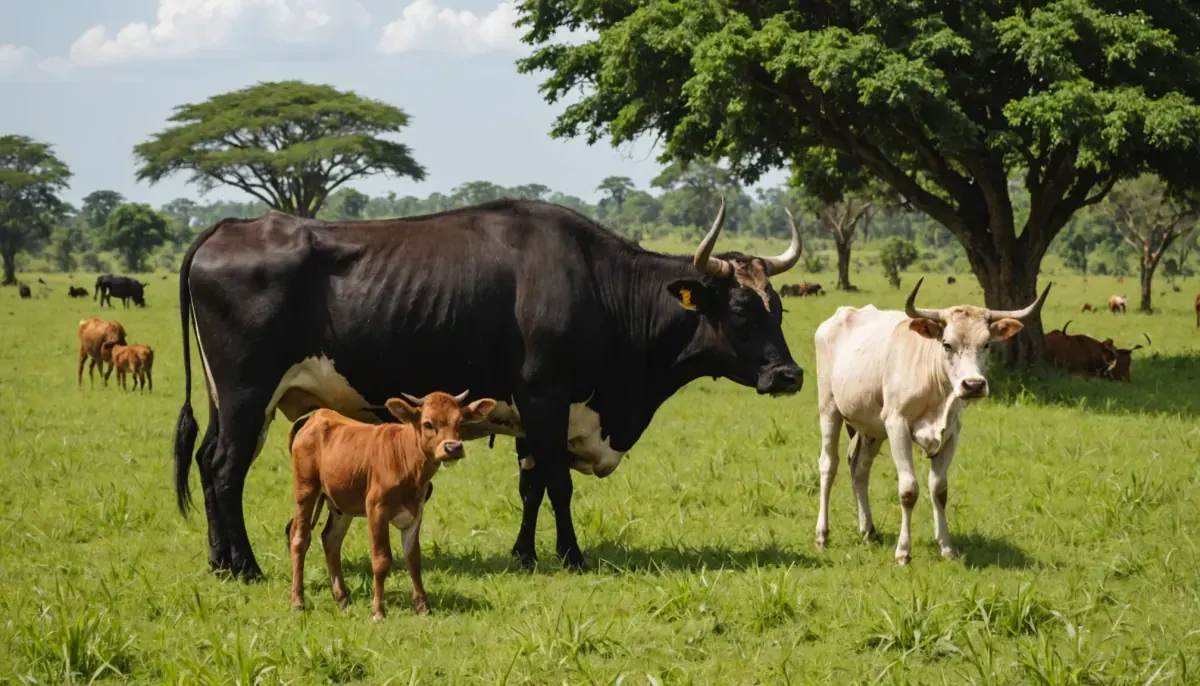
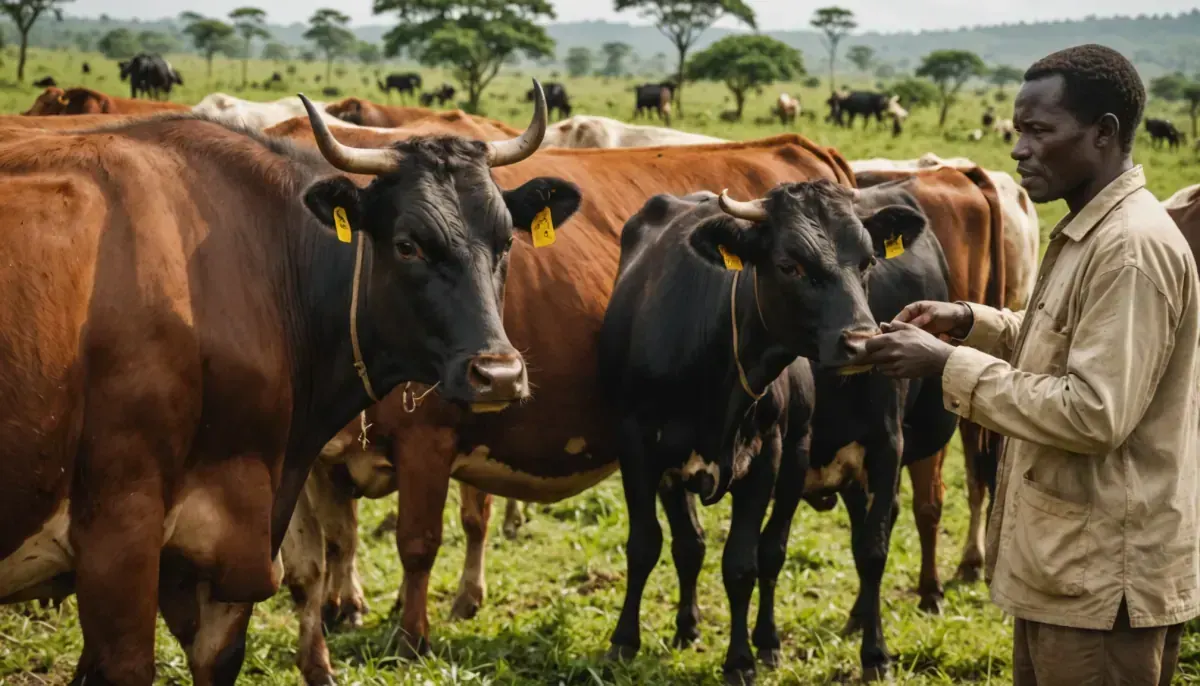
    Ankole long-horned cow and a zebu calf grazing open pasture on a Ugandan cattle farm
    An Ankole long-horned cow and a zebu calf graze open pasture, the kind of communal grazing where most of Uganda’s indigenous cattle feed.

    Cattle anatomy and physiology is the study of the body structures (anatomy) of a cow or bull and how those structures work (physiology). For Senior 3 Agriculture in Uganda, it means the internal organs, the four-compartment bovine digestive system, rumination, and the female and male reproductive systems.

    A cow turns grass into milk and meat because microbes in its rumen break down fibre the cow cannot digest alone. These notes apply every idea to an Ankole steer on communal grazing and a Friesian in a zero-grazing unit in Wakiso, and they close with a revision summary you can use before your exam.

    This page is part of the Senior 3 Agriculture notes on cattle production series. It follows the NCDC Agriculture Syllabus (2019, ISBN 978-9970-00-120-0), theme “Animal Production”, Senior 3 topic “Cattle production” (Term 1, 48 periods), and covers learning outcomes 3.1(c) and 3.1(d) on the internal organs, the digestive system and the reproductive systems. See the full Senior 3 Agriculture notes hub for the other topics in the course.

    Internal organs of cattle and their functions

    Understanding cattle anatomy and physiology begins with the internal organs, the structures inside the chest and abdomen that keep the animal alive and productive. For the S3 exam, focus on the organs of the digestive tract and the reproductive tract, then the lungs, heart, liver and kidneys that support them. Each organ has one main job, and each fails in a recognisable way.

    The same cattle anatomy and physiology serves every Ugandan herd, whether it is an Ankole steer grazing open rangeland in the cattle corridor or a Friesian housed in a zero-grazing stall. Uganda’s national herd stood at 14.5 million cattle in 2021, of which 77% (11.2 million) were indigenous zebu and Ankole and 23% exotic or cross-bred, according to the UBOS National Livestock Census 2021.

    A quick check of the share: 14.5 million × 0.77 = 11.165 million, which UBOS rounds to 11.2 million.

    • Heart — a muscular pump in the chest that pushes blood through the lungs and around the body, carrying oxygen and nutrients to every organ.
    • Lungs — two spongy organs that take in oxygen and remove carbon dioxide, which the blood delivers to and collects from all body tissues.
    • Liver — the largest internal organ, which processes nutrients absorbed from the gut, stores energy as glycogen and removes poisons from the blood.
    • Kidneys — a pair of organs that filter waste products such as urea out of the blood and send them to the bladder to leave the body as urine.
    • Spleen — an organ near the stomach that filters old red blood cells and helps the immune system fight infection.
    • Rumen — the first and largest stomach compartment, a fermentation vat where microbes break down the fibre in grass.
    • Reticulum — the second stomach compartment, whose honeycomb lining traps heavy objects a cow swallows before they reach the gut.
    • Omasum — the third compartment, a book-like organ with many folds that squeezes water and minerals out of partly digested feed.
    • Abomasum — the fourth compartment, also called the true stomach, which secretes acid and enzymes to digest protein like a human stomach.
    • Small intestine — a long coiled tube where enzymes finish digestion and the villi absorb sugars, amino acids and fatty acids into the blood.
    • Large intestine — the wider final part of the gut that absorbs water and forms solid faeces for excretion.
    • Ovaries — two organs in the cow that produce ova (eggs) and the hormones oestrogen and progesterone.
    • Uterus — the hollow muscular organ where a fertilised egg implants and the foetus grows during pregnancy.
    • Testes — two organs in the bull’s scrotum that produce spermatozoa and the male hormone testosterone throughout adult life.
    OrganFunctionWhat goes wrong when it fails
    HeartPumps blood to deliver oxygen and nutrientsWeak circulation, swelling, collapse and death
    LungsExchange oxygen and carbon dioxideLaboured breathing and pneumonia
    LiverProcesses nutrients and removes toxinsPoison build-up, jaundice and poor growth
    KidneysFilter waste from blood into urineWaste build-up (uraemia) and illness
    RumenFerments fibre using microbesBloat, indigestion and poor body condition
    ReticulumTraps heavy swallowed objectsHardware disease, a pierced gut wall
    OmasumAbsorbs water and mineralsDehydration and hard, dry digesta
    AbomasumDigests protein with acid and enzymesDisplaced abomasum and poor digestion
    Small intestineAbsorbs digested nutrientsDiarrhoea and malnutrition
    Large intestineAbsorbs water and forms faecesConstipation or scouring

    Common mistake: learners write that the heart “digests food” or that the liver “pumps blood”. Match each organ to its one main job — the heart pumps, the lungs breathe, the liver processes nutrients, and the four stomach compartments digest.

    Anatomy of the bovine digestive system

    The digestive half of cattle anatomy and physiology follows one long tube from the mouth to the anus, but because cattle are ruminants it begins with four stomach compartments before the small and large intestines. The four compartments — rumen, reticulum, omasum and abomasum — work in that order to turn fibrous grass into nutrients the cow can absorb. Learning the order is worth easy marks in the exam.

    Whether an Ankole steer picks grass from open range or a Friesian eats cut Napier in a stall, the same tube processes the feed. The difference between the two is what is fed and how it is managed, which the cattle management systems notes cover. Anatomy stays the same across breeds.

    • Mouth and teeth — the cow has no upper incisors; a hard dental pad meets the lower incisors to grip and tear grass.
    • Tongue — a long, rough, muscular organ that wraps around grass and pulls it into the mouth.
    • Salivary glands — produce large volumes of alkaline saliva that moisten feed and buffer acid produced in the rumen.
    • Oesophagus — the tube carrying feed from the mouth to the stomach, and carrying the cud back up during rumination.
    • Rumen — the enormous first compartment filling the left side of the abdomen, where billions of microbes ferment fibre.
    • Reticulum — the second compartment, a small honeycomb-lined pouch next to the heart that sorts feed and traps heavy objects.
    • Omasum — the third compartment, the “book” with many leaf-like folds that absorb water and grind feed particles.
    • Abomasum — the fourth compartment, the true stomach, which secretes hydrochloric acid and pepsin to digest protein.
    • Small intestine — the duodenum, jejunum and ileum, where enzymes and bile finish digestion and villi absorb nutrients.
    • Large intestine — the caecum, colon and rectum, which absorb the remaining water and form faeces.
    • Liver — receives nutrient-rich blood from the gut through the hepatic portal vein and processes the absorbed products.
    • Pancreas — a gland that releases digestive enzymes and hormones into the small intestine.
    • Gall bladder — stores bile produced by the liver and releases it to emulsify fats in the intestine.
    • Anus — the exit through which undigested residue leaves the body as faeces.
    CompartmentAlso calledFunctionPosition and size
    RumenPaunchFerments fibre with microbes into volatile fatty acids and microbial proteinLargest; fills the left abdomen
    ReticulumHoneycombTraps heavy objects and sorts feed for regurgitationSmall; lies next to the heart
    OmasumManyplies / bookAbsorbs water and minerals and grinds feedMany leaf-like folds
    AbomasumTrue stomachSecretes acid and enzymes to digest proteinOnly compartment with glands

    Exam tip: memorise the order with the letters R–R–O–A: Rumen, Reticulum, Omasum, Abomasum. If a question asks for the “true stomach”, the answer is always the abomasum.

    Physiological processes of ruminant digestion

    A core idea in cattle anatomy and physiology, ruminant digestion is the process by which cattle break down fibrous plant feed using microbes in the rumen before the feed reaches the true stomach. Rumination is the process of bringing back swallowed feed from the rumen, re-chewing it, and swallowing it again. The microbes, not the cow’s own enzymes, do most of the work on cellulose.

    A zebu steer on communal grazing eats mature grass and must ruminate for hours to expose the fibre to its rumen microbes. A Friesian in a zero-grazing unit in Wakiso is fed cut-and-carry forage and concentrates, so it spends less time chewing cud. The underlying cattle anatomy and physiology is identical; only the feed quality differs.

    Zebu steer chewing the cud on communal rangeland while a second cow rests nearby
    A zebu steer chews the cud on communal rangeland, the visible sign of rumination that follows a grazing bout.
    • Ingestion — the cow grips grass, chews it only lightly, and swallows it quickly so it can graze for longer.
    • Microbial fermentation — bacteria, protozoa and fungi in the rumen break down cellulose, which the cow’s own enzymes cannot.
    • Volatile fatty acids — the microbes produce acetate, propionate and butyrate, which the rumen wall absorbs as the cow’s main energy source.
    • Microbial protein — the multiplying microbes are later digested in the abomasum, giving the cow protein even from poor grass.
    • Rumination — swallowed feed is regurgitated, re-chewed and re-swallowed so microbes can attack more surface area.
    • Eructation — the cow belches out fermentation gases such as methane and carbon dioxide; if gas is trapped, bloat follows.
    • Reticulo-rumen contractions — rhythmic muscle movements mix the contents and push digested feed onward.
    • Passage to the omasum — fine particles flow to the omasum, where water and minerals are squeezed out.
    • Abomasal digestion — acid denatures protein and pepsin begins breaking it down, in a process like human digestion.
    • Intestinal digestion — pancreatic enzymes and bile complete the breakdown of protein, fat and carbohydrate.
    • Absorption — finger-like villi in the small intestine take sugars, amino acids and fatty acids into the blood.
    • Saliva buffering — bicarbonate in saliva neutralises the acid produced in the rumen, keeping the microbes alive.
    • Bloat — a build-up of trapped gas that can kill a cow, caused by frothy feed or a blocked eructation.
    • Calf digestion — a calf’s oesophageal groove lets milk bypass the undeveloped rumen straight to the abomasum.
    FeatureRuminant (cattle)Monogastric (pig, human)
    StomachOne stomach, four compartmentsOne simple stomach
    Cellulose digestionYes, by rumen microbesVery limited
    ChewingRuminates (chews the cud)Chews once and swallows
    Fermentation vatRumenNone (some hindgut in the pig)
    Main energy sourceVolatile fatty acidsGlucose
    Protein sourceMicrobial protein plus feed proteinFeed protein only
    Gas releaseBelches methane regularlyMinimal gas
    Natural dietFibrous forage and grassGrains and mixed feeds

    Common mistake: don’t say a cow “has four stomachs”. It has one stomach with four compartments. Saying “four stomachs” is the single most common error examiners mark wrong.

    Female reproductive system in cattle

    The reproductive half of cattle anatomy and physiology starts with the female, whose system produces ova (eggs), receives sperm, supports pregnancy and delivers the calf. It lies in the pelvic and abdominal cavity and is made up of the ovaries, oviducts, uterus, cervix, vagina and vulva. The cow is polyoestrous, meaning she comes on heat repeatedly through the year rather than only in one season.

    • Ovaries — two small organs that release mature ova and produce the hormones oestrogen and progesterone.
    • Ovulation — the release of a mature ovum from the ovary, which in the cow happens during each oestrous cycle.
    • Oviducts — the two fallopian tubes that catch the released ovum and are the site where fertilisation occurs.
    • Uterus — a hollow organ with two horns and a body, where the fertilised egg implants and the foetus develops.
    • Cervix — a thick muscular neck that seals the uterus shut during pregnancy and opens at calving.
    • Vagina — the muscular canal that receives the penis during mating and forms part of the birth canal.
    • Vulva — the external opening of the female tract through which the calf is born.
    • Oestrous cycle — the repeating cycle of about 21 days in which a cow comes on heat, ovulates and returns to heat if not mated.
    • Oestrus (heat) — the short receptive period when a cow stands to be mounted and will accept a bull.
    • Oestrogen — the hormone that brings a cow into heat and causes the visible signs of oestrus.
    • Progesterone — the hormone that maintains pregnancy once the cow has conceived.
    • Fertilisation — the joining of a sperm and an ovum in the oviduct to form a zygote.
    • Gestation — the period of pregnancy, which in cattle lasts about nine months (roughly 280 days).
    • Parturition — the process of giving birth, also called calving, which ends with delivery of the calf.
    • Ankole reproductive performance — FAO/UNEP AGRI 15 recorded an Ankole age at first calving of about 51 months and a calving interval of 342 days (historical research-station figures).
    OrganFunction
    OvaryProduces ova and the hormones oestrogen and progesterone
    OviductCatches the ovum; site of fertilisation
    UterusHolds and nourishes the developing foetus
    CervixSeals the uterus during pregnancy
    VaginaReceives the penis; forms the birth canal
    VulvaExternal opening of the tract

    Ugandan performance: Ankole on range, Friesian in the shed

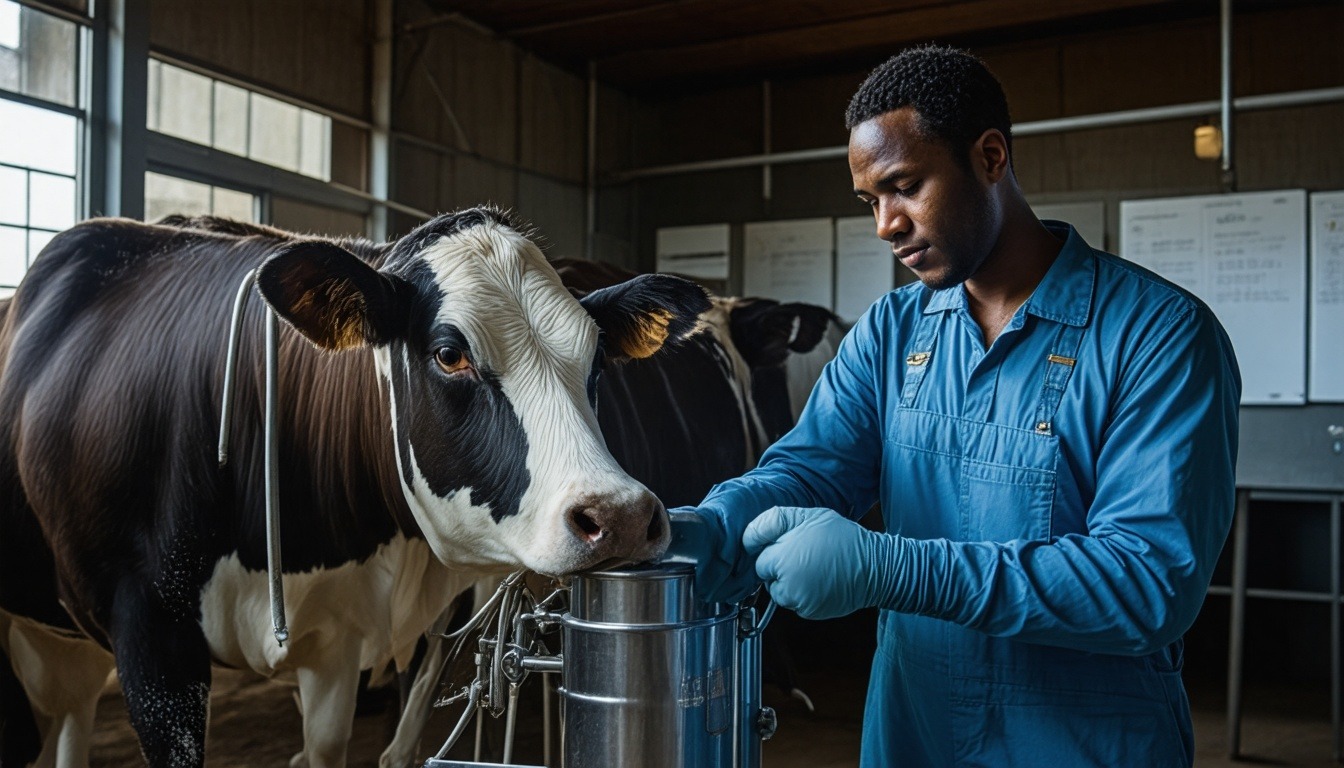
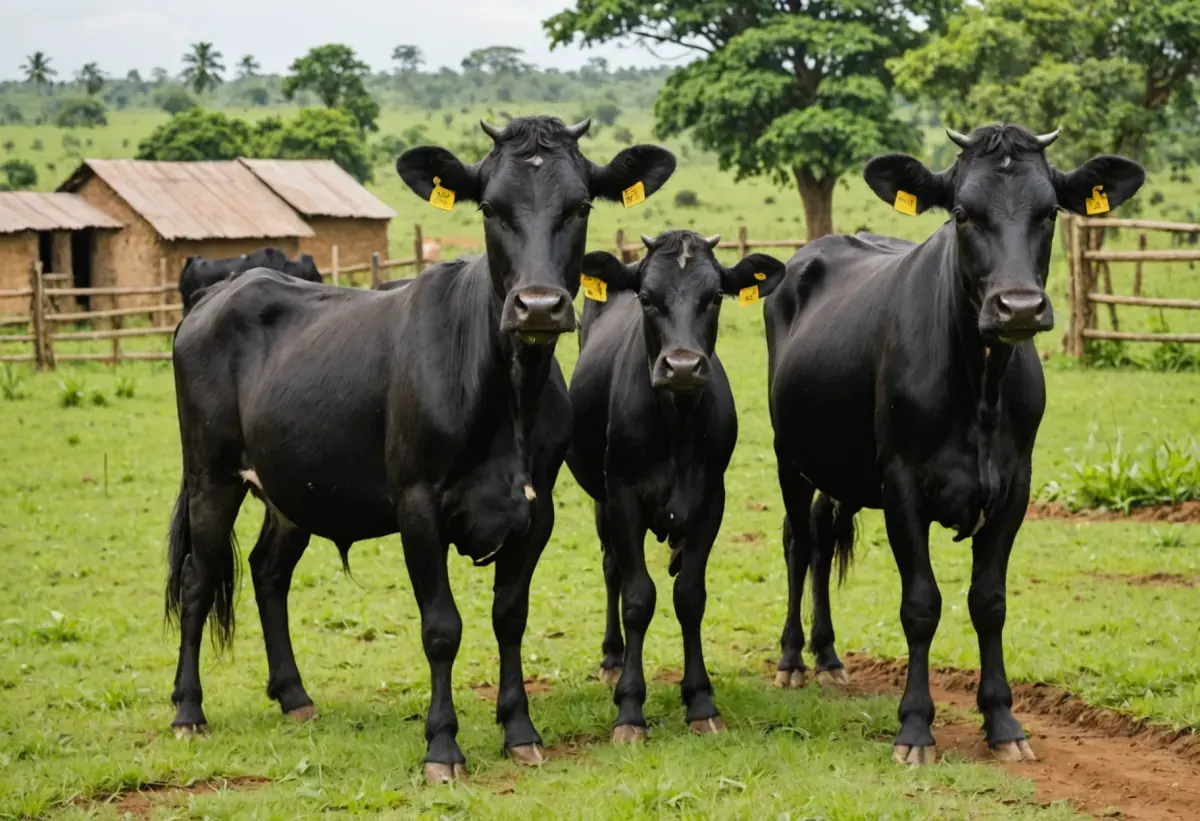
    Friesian dairy cow standing in a roofed zero-grazing stall with a feed trough on a Wakiso farm
    A Friesian dairy cow stands in a roofed zero-grazing stall with a feed trough on a smallholder farm in Wakiso district.

    The reproductive data explains why Ugandan farmers cross Ankole with Friesian. The FAO/UNEP AGRI 15 Uganda country report recorded these historical research-station figures: an Ankole first calves at about 51 months and gives 882 litres in a lactation, while a zebu first calves at 43 months and gives 692 litres.

    A 2008 on-farm study of 18 farms in Kiruhura (Galukande et al.) measured daily yields of 2.4 litres for Ankole and 11.2 litres for a 50% Friesian cross.

    TraitAnkoleZebuNganda
    Age at first calving (months)514342
    Lactation length (days)243239267
    Calving interval (days)342362420
    Lactation milk yield (litres)882692859

    Two worked examples. First, the difference in daily milk: 11.2 litres minus 2.4 litres equals 8.8 litres more milk per day for the Friesian cross. Second, UBOS recorded 71.7 million litres of milk per week in 2021; multiply by 52 weeks to get 3,728.4 million litres, about 3.7 billion litres a year. Both are re-checked: 11.2 − 2.4 = 8.8, and 71.7 × 52 = 3,728.4.

    Exam tip: if asked to trace an ovum, write: ovary → ovulation → oviduct (fertilisation) → uterus (implantation). That four-step path earns full marks on the most repeated reproductive question.

    Male reproductive system in cattle

    Cattle anatomy and physiology also covers the bull, whose reproductive system produces spermatozoa and the hormone testosterone, then delivers the sperm into the female tract. Its main organs are the testes, epididymis, vas deferens, accessory glands and penis. The testes hang outside the body in the scrotum so they stay a few degrees cooler than the body, which sperm production requires.

    • Testes — two oval organs that produce spermatozoa continuously and secrete the male hormone testosterone.
    • Scrotum — the skin pouch holding the testes outside the body to keep them cool enough for sperm to form.
    • Epididymis — the coiled tube attached to each testis where sperm are stored and mature.
    • Vas deferens — the sperm duct that carries sperm from the epididymis to the urethra.
    • Accessory glands — the seminal vesicles, prostate and bulbourethral glands add seminal fluid to nourish and carry the sperm.
    • Penis — the organ that deposits semen into the cow’s vagina during mating.
    • Prepuce (sheath) — the fold of skin that protects the penis when it is not erect.
    • Spermatogenesis — the continuous production of sperm in the testes, which happens best at a temperature slightly below body heat.
    • Semen — the mixture of spermatozoa and seminal plasma that is ejaculated into the female tract.
    • Testosterone — the hormone responsible for the bull’s libido and male characteristics such as a thick neck and muscling.
    • Castration — removal of the testes to make a steer or bullock calmer, a syllabus skill done for draught and fattening animals.
    • Serving capacity — a bull’s willingness and ability to mate, which determines how many cows one bull can serve.
    • NAGRC&DB bull stud — Uganda’s national breeding centre collects semen from selected bulls for artificial insemination across the country.
    • Zebu and Ankole bulls — both carry the hump over the shoulder; zebu bulls are also widely used for draught work on Ugandan farms.
    OrganFunction
    TestisProduces sperm and testosterone
    ScrotumKeeps the testes cooler than the body
    EpididymisStores and matures sperm
    Vas deferensCarries sperm to the urethra
    Accessory glandsAdd seminal fluid to semen
    PenisDeposits semen in the vagina

    Common mistake: learners write that sperm are made in the penis or the bladder. Sperm are made in the testes, mature in the epididymis, and only travel through the penis during mating. Castration and identification are also part of the routine husbandry practices you must be able to describe.

    Frequently asked questions about cattle anatomy and physiology

    What are the four stomach compartments of a cow?

    A cow has one stomach divided into four compartments: the rumen, reticulum, omasum and abomasum. The rumen ferments fibre with microbes, the reticulum traps heavy objects, the omasum absorbs water, and the abomasum secretes acid and enzymes. Only the abomasum is a true stomach.

    Why do cattle chew the cud?

    Cattle chew the cud to break fibrous feed into smaller pieces so rumen microbes can digest it faster. Swallowed grass is brought back up from the rumen, re-chewed and re-swallowed in a process called rumination. Extra chewing also produces more saliva, which buffers the rumen.

    How is a cow’s stomach different from a human’s stomach?

    A human is monogastric and has one simple stomach, while a cow is a ruminant with four compartments. The cow’s rumen holds microbes that digest cellulose and release volatile fatty acids and microbial protein. A human stomach uses only its own acid and enzymes and cannot digest grass fibre.

    What are the main internal organs of a cow and their functions?

    The main internal organs are the heart, lungs, liver, kidneys, spleen, the four stomach compartments, small and large intestines, and the reproductive organs. These are the ovaries and uterus in the cow and the testes in the bull. Each organ pumps, filters, digests or reproduces, and each fails in a recognisable way.

    How long is a cow pregnant for?

    A cow is pregnant for about nine months (roughly 280 days), a period called gestation. During this time the foetus grows inside the uterus and is sealed in by the cervix. The cow then delivers the calf in a process called parturition, or calving.

    What happens during the oestrous cycle of a cow?

    The oestrous cycle is the repeating cycle of about 21 days in which a cow comes on heat, ovulates, and, if she is not fertilised, returns to heat. Oestrogen drives heat and progesterone maintains pregnancy. Cows are polyoestrous, so they keep cycling all year.

    Key terms and revision summary

    Use this glossary to check your cattle anatomy and physiology revision before you attempt the questions below.

    TermDefinition
    AnatomyThe study of the body structures of an animal
    PhysiologyThe study of how those body structures work
    RuminationBringing back swallowed feed, re-chewing it and re-swallowing it
    RumenThe first and largest stomach compartment, a microbial fermentation vat
    AbomasumThe true stomach, which secretes acid and enzymes
    Oestrous cycleThe repeating cycle of about 21 days of heat and ovulation in a cow
    OestrusThe period of heat when a cow accepts a bull
    GestationThe period of pregnancy, about nine months in cattle
    OvulationThe release of a mature ovum from an ovary
    Artificial inseminationPlacing semen into the female tract without natural mating
    EructationBelching out fermentation gas from the rumen
    MonogastricAn animal with a single simple stomach, such as a pig or human

    Exam-style questions

    1. Name the four stomach compartments of a cow in order and give one function of each. Rumen (ferments fibre), reticulum (traps heavy objects), omasum (absorbs water), abomasum (digests protein with acid and enzymes).
    2. Explain why a cow can digest grass but a pig cannot. A cow’s rumen microbes break cellulose into volatile fatty acids and microbial protein; a pig is monogastric with no rumen microbes, so it digests very little fibre.
    3. Outline the path an ovum follows from the ovary until fertilisation. Ovary (ovulation) → oviduct (fertilisation by sperm) → uterus (implantation if fertilised).
    4. Worked calculation: UBOS recorded 71.7 million litres of milk per week in Uganda in 2021. Work out the annual total in billion litres. Working: 71.7 × 52 = 3,728.4 million litres = 3.7284 billion ≈ 3.7 billion litres a year.
    5. Worked calculation: an Ankole cow yields 2.4 litres of milk a day while a Friesian cross yields 11.2 litres. Calculate the difference per day. Working: 11.2 − 2.4 = 8.8 litres more milk per day for the cross.

    Test yourself with these Agriculture quiz questions, and check the breeds and physical selection of production cattle notes to connect anatomy to the breed you are describing.

  • Work Ideals, Career Selection, and Personal Fulfillment

    Work Ideals, Career Selection, and Personal Fulfillment

    Career choice and personal fulfillment belong together: a person finds lasting satisfaction when the work chosen matches the talents God gave and the values the person holds. In Uganda, a Senior 3 learner can follow many honest paths, including teaching, nursing, farming, market vending, boda-boda riding and running a mobile money agency.

    A wise career decision does not chase only the biggest salary; it weighs ability, service to the community and personal happiness. These notes follow the Senior 3 CRE themes set out by Uganda’s National Curriculum Development Centre (NCDC). They also show why voluntary work builds the character that makes any career satisfying. Use the notes, comparison tables and exam tips to prepare your CRE answers.

    Ugandan students discussing career choices with a teacher at the front of a classroom
    Senior 3 learners discuss career choices with their teacher in a Ugandan classroom.

    Utilizing personal talents in making career choices

    Utilising personal talents in making career choices means noticing what you do well and enjoy, then matching that strength to honest work you can learn and sustain. A talent is an ability God gives to be used, not buried. In Matthew 25:14-30 the master gives “to each according to his own ability” and expects every servant to use the gift. Talents therefore sit at the centre of career choice and personal fulfillment.

    1. Talent identification. A learner identifies talents by noticing what comes easily: writing essays, solving numbers, leading a school club, repairing radios or singing in the church choir.
    2. Ability differs by person. Matthew 25:15 records that the master gave different talents “to each according to his own ability,” so no learner should copy a friend’s career blindly.
    3. Interest and enjoyment. A talent usually shows itself through enjoyment, because you practise willingly what you love, whether it is growing vegetables or keeping accounts for a SACCO.
    4. School subjects as clues. Steady effort and good marks in particular subjects, such as Agriculture, Mathematics or Art, point toward careers like farming, engineering or design.
    5. Guidance from teachers and parents. Honest advice from teachers, parents and career counsellors helps a learner separate a passing dream from a realistic, sustainable career.
    6. Matching talent to market demand. In Uganda a talent is useful when it meets a community need, such as tailoring, phone repair, motor mechanics or mobile money agency work.
    7. Faithful use of small beginnings. The servants who used their talents were praised and given more, which teaches a learner to develop a small skill before expecting a big job.
    8. Avoid burying talent through fear. The servant who hid his one talent was condemned for fear and laziness, a warning against wasting ability while waiting for the perfect job.
    9. Practice and training. Talent is raw material; a gifted footballer still trains daily, and a gifted learner still needs formal study or an apprenticeship to become employable.
    10. Honest self-assessment. A learner asks three questions: What can I do well? What do I enjoy? What does my community need? The overlap of the three points to a fitting career.
    11. God as the giver of ability. Recognising talent as a gift from God makes career choice an act of stewardship rather than mere self-promotion or chasing prestige.
    12. Career choice is revisable. A young person may discover a new talent through school clubs, holiday work or church service, so career direction can grow as the person matures.
    13. East African examples. A boy who mends bicycles for neighbours may become a mechanic, and a girl who keeps the family produce records may grow into an accountant or a SACCO treasurer.
    Young Ugandan mechanic repairing a bicycle in a roadside workshop
    A young mechanic repairs a bicycle, using a practical talent many learners can develop into a career.
    Talent or strengthPossible career pathHow to develop it
    Clear speaking and patienceTeacher or catechistLead class discussions; train as a teacher
    Working with numbersAccountant, SACCO clerk, shop cashierStudy Mathematics; keep church or school accounts
    Working with hands and toolsMechanic, carpenter, electricianApprentice at a local garage or workshop
    Growing crops and animalsFarmer, veterinary assistantWork in the family garden; study Agriculture
    Caring for the sickNurse, clinical officer, caregiverVolunteer at a health centre; study Biology and Chemistry
    Selling and serving customersMarket vendor, shopkeeper, mobile money agentHelp in a family shop; learn customer care

    Exam tip: When a question asks how talents guide career choice, structure your answer as define talent, give a biblical example from Matthew 25:14-30, name a Ugandan example, then state one benefit. Practise the same structure with CRE past papers.

    Ideals of responsibility and dedication in work

    Responsibility is accepting a duty and answering for its results; dedication is staying faithful to that duty over time. In Uganda, a responsible worker arrives on time, finishes the job and guards the money or tools entrusted to him. Scripture roots this in creation, where God placed the man in the garden “to cultivate and keep it” (Genesis 2:15).

    1. Responsibility defined. Responsibility is the readiness to accept a duty and answer for the result, whether sweeping a classroom, guarding a shop or delivering goods on a boda-boda.
    2. Dedication defined. Dedication is steady commitment over time; it keeps a teacher marking books late and a nurse checking patients even when tired.
    3. Work as stewardship. Genesis 2:15 says God put the man in the garden “to cultivate and keep it,” showing that work is caring for what God has entrusted to us.
    4. Punctuality. Arriving on time respects other people’s time and money, as when a market vendor opens early so customers and wholesalers are not kept waiting.
    5. Completing tasks. A responsible worker finishes what he starts, so a carpenter completes the desk rather than leaving it half-made for the client to finish.
    6. Caring for resources. Dedicated workers look after tools, stock and money; a mobile money agent who balances daily is trusted with more customers.
    7. Honesty in reporting. Responsibility includes reporting mistakes and shortages truthfully instead of hiding them, because hidden errors grow into bigger losses.
    8. The ant’s self-drive. Proverbs 6:6-8 points to the ant, which works without a supervisor and “provides her bread in the summer, and gathers her food in the harvest.”
    9. Working without constant supervision. A dedicated worker does not need someone standing over him; he digs the garden and serves customers even when the boss is away.
    10. Faithful in small duties. Matthew 25:21 praises the servant as “good and faithful” over a few things before he is set over many, so small duties train for big ones.
    11. Loyalty to the employer. Dedication means defending the employer’s good name and not stealing time, stock or secrets, because worker and employer depend on each other.
    12. Responsibility beyond pay. A responsible worker serves the community through the job, so a clinic cleaner who sanitises properly protects patients, not just earns a wage.
    13. Consequences of irresponsibility. Neglecting duty brings loss and shame, as a lazy guard leaves property unguarded and a careless cook wastes food that a family needs.
    14. Building a good name. A reputation for responsibility opens doors, because Ugandan employers and customers recommend people they can trust with money and goods.
    SituationResponsible workerIrresponsible worker
    Morning arrivalReports early and prepares toolsArrives late and gives excuses
    A difficult taskAsks for help and keeps tryingAbandons the work halfway
    Money or stockRecords and balances honestlyMixes accounts or takes stock
    A mistakeReports and corrects itHides it and blames others
    SupervisionWorks well even when aloneWorks only when watched
    The communitySees the job as serviceSees only personal pay

    Common mistake: Learners write that dedication means working long hours. Dedication is faithfulness to the task, not just long hours. Link it to reliability and finishing the job, and add Genesis 2:15 or Proverbs 6:6-8.

    Importance of determination honesty and co-operation

    Determination is refusing to give up; honesty is speaking and acting truthfully with people and their property; co-operation is working together toward a shared goal. Together these three ideals build trust in a Ugandan workplace where people depend on one another, from family gardens to SACCO meetings and market stalls.

    1. Determination defined. Determination is the inner strength to keep trying after failure, as a student retakes a failed paper or a farmer replants after a dry season.
    2. Honesty defined. Honesty is telling the truth and dealing fairly with money, goods and information, so a vendor gives correct change and full measure.
    3. Co-operation defined. Co-operation is joining effort with others toward a common goal, as neighbours clear a field together or a church choir practises as one team.
    4. Perseverance in scripture. Galatians 6:9 urges, “Let us not be weary in doing good, for we will reap in due season, if we don’t give up.”
    5. Honesty as sowing truth. Galatians 6:7 warns, “Don’t be deceived. God is not mocked, for whatever a man sows, that he will also reap,” so dishonest gain brings its own harvest.
    6. Fair wages and honest dealings. Leviticus 19:13 says, “You shall not oppress your neighbor, nor rob him,” which in Uganda means paying a casual labourer his agreed wage on time.
    7. Bearing one another’s burdens. Galatians 6:2 says, “Bear one another’s burdens, and so fulfill the law of Christ,” the foundation of teamwork and mutual help.
    8. Determination and delayed reward. Many good results come late, so a learner who persists through revision and a trader who persists through slow seasons both reap in due time.
    9. Honesty builds trust. Customers return to a vendor who gives correct change, and members save with a SACCO treasurer who records every shilling faithfully.
    10. Co-operation in family and community work. In many Ugandan homes, siblings share garden, cooking and fetching water, teaching the teamwork that workplaces later require.
    11. Co-operation in school and church. School clubs, sports teams and church fundraising train learners to plan, share tasks and credit the whole group, not only themselves.
    12. Determination overcomes obstacles. A determined learner finds a way around obstacles, such as studying by lamp where electricity fails or revising with a friend when books are few.
    13. Honesty costs now but pays later. Refusing a bribe or returning lost money may lose a quick gain but protects a clean name that employers and communities trust.
    14. The three ideals together. Determination keeps the worker going, honesty keeps the work clean, and co-operation multiplies the result, so all three should appear together in answers.
    IdealMeaningUgandan exampleResult
    DeterminationPersisting despite difficultyFarmer replants after a dry seasonHarvest in due season
    HonestyTruthful and fair dealingVendor gives correct changeCustomer trust
    Co-operationWorking togetherNeighbours clear a fieldFaster, bigger result

    Exam tip: When explaining Galatians 6:9, connect “due season” to patience in results. A learner who writes only “do not give up” misses the harvest idea the verse contains. Test yourself with CRE quizzes.

    Relationship between work and personal happiness

    Work and personal happiness are connected because a job done well brings provision, dignity and the joy of serving others. A Ugandan who works honestly can feed a family, pay school fees and rest with a clear conscience. The faithful servants in Matthew 25 entered “the joy” of their lord, showing that faithful work leads to joy while idleness and dishonesty bring worry.

    Career choice and personal fulfillment both rest on this link between honest work and joy.

    1. Work provides for needs. Work gives the income to buy food, pay rent and school fees, and meeting these needs removes a major cause of worry and unhappiness.
    2. Work gives dignity. Earning an honest living lets a person stand with self-respect, unlike begging or stealing, which bring shame even when they bring money.
    3. The joy of a job well done. Matthew 25:21 invites the faithful servant to “Enter into the joy of your lord,” linking faithful work directly to joy and reward.
    4. Contentment over greed. 1 Timothy 6:6 teaches that “godliness with contentment is great gain,” so happiness comes from being content with honest results, not endless craving.
    5. Laziness brings need and shame. Proverbs 6:9-10 rebukes the sluggard for too much sleep and folded hands; idleness slowly takes away provision, so the idle person falls into need.
    6. Work gives purpose. A meaningful task gives each day direction, so a teacher, nurse or farmer wakes knowing his or her labour matters to real people.
    7. Service to others brings joy. Serving customers, patients or pupils well produces gratitude, and helping others is a deeper happiness than money alone can buy.
    8. Healthy pride in one’s work. Galatians 6:4 says each person should examine his own work and take pride in it, so satisfaction comes from honest effort, not from outdoing others.
    9. Work and relationships. Many Ugandans find happiness at work through relationships: a market stall becomes a place of friends, and a workshop becomes a team.
    10. Balanced work avoids burnout. Happiness needs rest too, so a worker who labours every hour without rest or worship eventually loses the very joy work should give.
    11. Honest work and a clear conscience. A person who earns cleanly sleeps well, while one who cheats or steals carries fear of being caught, which destroys inner peace.
    12. Work as worship. When work is done as service to God and neighbour, ordinary labour becomes worship, and this sense of calling makes even hard work satisfying.
    13. Money is not everything. Happiness does not come only from a big salary; a modest but honest and purposeful job can bring more peace than a rich but dishonest one.
    14. Happiness flows both ways. Happy workers work better and are more productive, while miserable, exploited workers perform poorly, so fair treatment increases both happiness and output.
    ChannelHow work builds happinessWhat destroys it
    ProvisionMeets food, fees and rentIdleness and poverty
    DignityEarns self-respectBegging or stealing
    PurposeGives daily directionAimless idleness
    ServiceHelps real peopleSelfishness
    ConscienceClean earnings bring peaceDishonest gain and fear

    Common mistake: Do not write that money brings happiness. The correct CRE answer links happiness to honest, purposeful work and contentment, using Matthew 25:21 or 1 Timothy 6:6, and explains the difference. Review the topic in our CRE textbooks and notes.

    Importance of voluntary work in the community

    Voluntary work is service given freely, without pay, for the good of the community. In Uganda it appears everywhere: sweeping a church, coaching a village football team, digging for a sick neighbour or teaching literacy after school. Scripture commands believers to keep doing good, and voluntary work builds both the community and the character of the volunteer.

    1. Voluntary work defined. Voluntary work is unpaid service offered willingly to help others, such as sweeping the church, weeding a school garden or visiting the sick.
    2. Scripture commands good works. Titus 3:14 urges believers to “learn to maintain good works for necessary uses, that they may not be unfruitful.”
    3. Doing good to all. Galatians 6:10 says, “as we have opportunity, let’s do what is good toward all men,” so volunteers seize chances to serve neighbours and strangers.
    4. Serving the least serves Christ. Matthew 25:35 records Jesus saying “I was hungry, and you gave me food to eat,” and Matthew 25:40 adds, “you did it to one of the least of these my brothers, you did it to me.”
    5. Cheerful giving. 2 Corinthians 9:7 states that “God loves a cheerful giver,” so voluntary service should come from a willing heart, not grudging duty.
    6. Building community spirit. Voluntary work unites people, as when a whole village clears a water source or builds a classroom together, strengthening neighbourly bonds.
    7. Church and school fundraising. Learners volunteer in church fundraising, harvest sales and school charity drives, raising money for roofs, books and the needy.
    8. Volunteering develops skills. Unpaid work teaches real skills, so a learner who helps at a health centre or library gains experience that later helps a career.
    9. Volunteering builds character. Serving without pay trains generosity, patience and humility, qualities that make a person a better worker and a better citizen.
    10. Filling gaps institutions cannot reach. Volunteers clean markets, care for orphans and the elderly, and repair community facilities, doing work that paid services may leave undone.
    11. Volunteer work and employability. Employers value people with a record of service, so voluntary work on a CV shows reliability and a heart for the community.
    12. Traditional communal labour. Voluntary work echoes traditional African communal labour, where neighbours helped one another clear fields, build houses and care for the bereaved.
    13. Not weary in doing good. Galatians 6:9 urges, “Let us not be weary in doing good, for we will reap in due season,” encouraging volunteers to persist when service is tiring.
    14. Volunteering and personal fulfillment. Serving others freely gives a deep satisfaction that money cannot buy, linking voluntary work directly to career choice and personal fulfillment.
    Ugandan community members working together to clear a shared open space
    Community members work together voluntarily to clear a shared area, echoing traditional communal labour.

    Schools registered under Uganda’s Ministry of Education and Sports run clubs and community days where learners practise this kind of service, and the habit carries into adult life.

    Voluntary activityWhere it happensBenefit to communityBenefit to volunteer
    Cleaning and weedingChurch, school, clinicClean, safe surroundingsDiscipline, service habit
    Coaching sportVillage football, school teamsHealthy youth, talent growthLeadership, teamwork
    Helping the sick and elderlyHomes, health centresCare for the vulnerableCompassion, patience
    FundraisingChurch, school functionsMoney for roofs, books, the needyPlanning, honesty
    Teaching literacyCommunity classesMore literate neighboursCommunication skill

    Exam tip: A question on voluntary work scores higher when you define it, quote Titus 3:14 or Galatians 6:10, give a Ugandan example, and name one benefit to the volunteer and one to the community. Browse our CRE revision courses for more support.

    Frequently asked questions about career choice and personal fulfillment

    What is career choice and personal fulfillment?

    Career choice is selecting the kind of work you will train for and do, guided by your talents, interests and community needs. Personal fulfillment is the lasting satisfaction that comes when your work matches your abilities and values. In CRE, career choice and personal fulfillment are linked to using God-given talents and serving others, not merely chasing high pay.

    How do personal talents help in choosing a career?

    Talents are the abilities you do well and enjoy, such as working with numbers, speaking, building or farming. They point to careers you can learn and sustain. Matthew 25:14-30 teaches that God gives different abilities and expects each to be used. Matching talent to community needs, like mechanics or tailoring, leads to a fitting career.

    What is the difference between responsibility and dedication at work?

    Responsibility is accepting a duty and answering for its result, while dedication is staying faithful to that duty over time. A responsible vendor opens on time and gives correct change; a dedicated teacher keeps preparing lessons through hard seasons. Both make a worker trustworthy and dependable.

    Why are determination, honesty and co-operation important in work?

    Determination keeps you going through difficulty; honesty keeps your work clean and earns trust; co-operation multiplies what people can achieve together. Galatians 6:9 urges not giving up, and Galatians 6:2 calls believers to share burdens. In Uganda, farmers, vendors and SACCO members depend on all three.

    How is work related to personal happiness?

    Honest work provides for needs, gives dignity and purpose, and lets you serve others, all of which build happiness. Matthew 25:21 links faithful work to joy, and 1 Timothy 6:6 praises contentment. Happiness comes from clean, purposeful work, not from money alone or from dishonest gain.

    Why is voluntary work important in the community?

    Voluntary work is unpaid service that fills gaps, unites people and helps the vulnerable. Titus 3:14 and Galatians 6:10 command believers to do good works. In Uganda it includes cleaning churches, coaching football, fundraising and helping the sick, and it builds skills and character in the volunteer.

    How should I answer a CRE exam question on career and fulfillment?

    Define the key term first, add a scripture reference with its chapter and verse, give one Ugandan example, then state a benefit. For example, define talent, quote Matthew 25:14-30, name a mechanic or vendor example, and explain how using talent brings fulfillment and service to the community.

    Key terms and revision summary

    This revision summary brings the whole topic of career choice and personal fulfillment into one place. Learn the glossary, then attempt the exam-style questions and compare your outline with the model answers.

    TermMeaning
    TalentA natural or developed ability given by God and used for work and service
    Career choiceSelecting the work you will train for and do, guided by talents and needs
    ResponsibilityAccepting a duty and answering for its results
    DedicationStaying faithful to a task over time, even when it is hard
    DeterminationPersisting through difficulty without giving up
    HonestyTruthful, fair dealing with people, money and information
    Co-operationWorking with others toward a shared goal
    Personal fulfillmentLasting satisfaction from work that matches abilities and values
    Voluntary workUnpaid service given freely for the good of the community
    StewardshipCaring faithfully for the people, resources and talents God entrusts to us

    Question 1: Explain how a learner can use personal talents to make a wise career choice.

    Answer outline: Define talent. Identify talents through enjoyment and school subjects. Quote Matthew 25:14-30. Match talent to community needs, such as mechanics, tailoring or teaching.

    State the benefit of using talent: fulfillment and service to the community.

    Question 2: Describe the ideals of responsibility and dedication in work, using Ugandan examples.

    Answer outline: Define both terms. Give examples: a vendor opening on time and a nurse checking patients. Add Genesis 2:15 and Proverbs 6:6-8. Explain how both build a good name and the trust of employers and customers.

    Question 3: Discuss the importance of determination, honesty and co-operation in the workplace.

    Answer outline: Define the three ideals. Quote Galatians 6:9 for determination, Galatians 6:7 or Leviticus 19:13 for honesty, and Galatians 6:2 for co-operation. Give a Ugandan example: a farmer replanting, a vendor giving correct change, and neighbours clearing a field. State the combined result.

    Question 4: Explain the relationship between work and personal happiness.

    Answer outline: State that honest work provides, dignifies and gives purpose. Quote Matthew 25:21 and 1 Timothy 6:6. Contrast with idleness and dishonest gain. Conclude that happiness follows clean, purposeful work rather than money alone.

    Question 5: Why is voluntary work important in a Ugandan community?

    Answer outline: Define voluntary work. Quote Titus 3:14 and Galatians 6:10. Give examples: cleaning a church, coaching football, fundraising and helping the sick. Name one benefit to the community and one to the volunteer.

    Study these notes alongside your class work, and learn more about Remedial Corner for revision support built for Ugandan learners.

  • Mathematical Formulation and Blending of Compound Feeds: A Comprehensive Guide

    Mathematical Formulation and Blending of Compound Feeds: A Comprehensive Guide

    Mathematical Formulation and Blending of Compound Feeds

    In the livestock industry, the mathematical formulation and blending of compound feeds stands as a cornerstone of animal nutrition and farm profitability. Whether you are raising poultry, swine, cattle, rabbits, or fish, the quality of feed directly influences growth rates, reproductive performance, and overall herd health. This comprehensive academic note delves into the scientific principles and practical techniques for creating balanced, cost-effective compound feeds. It covers essential calculation methods, step-by-step formulation strategies for specific animal classes, and the critical art of blending feed ingredients to achieve uniform nutrient distribution. By mastering these concepts, students, feed mill operators, and farmers can optimize animal performance and reduce feed costs.

    Technique for making air-dried livestock compound feeds

    Air-dried compound feeds are the most common form of commercial livestock feed because they are easy to store, handle, and feed. The technique involves a series of deliberate steps that transform raw ingredients into a stable, palatable, and nutritious meal or pellet. The process requires careful planning and hygiene to prevent spoilage and contamination.

    Key Steps in the Production of Air-Dried Feeds

    1. Ingredient Selection and Quality Control: Only high-quality grains (maize, wheat, sorghum), protein sources (soybean meal, fish meal, groundnut cake), and micronutrients (vitamins, minerals) should be used. Each ingredient must be thoroughly inspected for mould, insect damage, and foreign matter.
    2. Grinding and Particle Size Reduction: Whole grains and oilseed cakes are ground to a uniform particle size, typically 500–800 microns for poultry and 800–1000 microns for pigs and ruminants. Grinding increases the surface area for digestion and ensures uniform mixing.
    3. Weighing and Batching: Each ingredient is accurately weighed according to the formulated recipe. Even small deviations can lead to nutrient imbalances or toxicity.
    4. Mixing: The weighed ingredients are thoroughly mixed in a horizontal or vertical mixer to achieve a homogeneous blend. This is critical to ensure that every animal consumes the correct proportion of nutrients.
    5. Conditioning (Optional for Mash): For mash feeds, mixing may be followed by the addition of molasses or oil to reduce dustiness and improve palatability. The mix is left to aerate for a short period.
    6. Drying (if needed): Some feeds include wet ingredients like fresh fish or kitchen waste; these must be air-dried or sun-dried to a moisture content of 10–12% to prevent microbial growth. Air-drying involves spreading the mix in thin layers on clean, raised racks in a well-ventilated area.
    7. Pelleting (optional): For pelleting, the mash is conditioned with steam and pressed through a die to form pellets. Pellets reduce ingredient segregation and feed wastage.
    8. Cooling and Packaging: After drying or pelleting, the feed is cooled to ambient temperature, then bagged in moisture-proof bags, labeled with the date and composition.

    Important: The entire process must minimize heat exposure, as high temperatures can destroy heat-labile vitamins and reduce protein quality.

    The air-drying technique is particularly suitable for small to medium-scale operations because it requires minimal equipment and is energy-efficient. It is extensively used for making mash feeds for poultry and pigs, as well as for producing calf weaner meals and rabbit pellets.

    Mathematical calculations for balanced feed nutrients

    To formulate a balanced feed, one must calculate the exact amounts of ingredients needed to meet the animal’s nutrient requirements—most importantly, energy (expressed as Metabolizable Energy or ME), crude protein (CP), and essential amino acids. Several mathematical methods are employed, from simple algebraic equations to linear programming.

    1. Pearson Square Method

    The Pearson square (or rectangle) is a simple tool for blending two feedstuffs to achieve a desired nutrient level. for instance, to create a feed with 18% crude protein using maize (10% CP) and soybean meal (45% CP):

    • Draw a square; write the desired CP (18%) in the center.
    • Write the CP of each ingredient at the left corners (10 on top-left, 45 on bottom-left).
    • Subtract diagonally and take absolute values: 45-18=27 parts of maize; 18-10=8 parts of soybean meal.
    • Total parts = 27+8=35. Thus, proportion of maize = 27/35 = 77.14%, soybean meal = 8/35 = 22.86%.
    Ingredient CP % Parts Percentage
    Maize 10 27 77.14%
    Soybean meal 45 8 22.86%
    Total 35 100%

    This method is limited to two ingredients but can be extended by fixing some ingredients in the diet and using the square for the two protein sources.

    2. Algebraic Equations

    When more than two ingredients are involved, a system of equations is set up. for instance, if we need 100 kg of feed with 22% CP, and we have maize (10% CP) and groundnut cake (40% CP), we solve:

    1. Let x = kg of maize, y = kg of groundnut cake.
    2. x + y = 100 (total weight)
    3. 0.10x + 0.40y = 22 (total protein)
    4. Solving gives x = 60 kg, y = 40 kg.

    3. Linear Programming

    For commercial feed mills, linear programming (LP) software calculates the least-cost blend that meets all nutritional constraints. LP considers ingredient prices, nutrient limits, and ingredient availability. It is the most powerful and flexible method, handling dozens of ingredients and nutrients simultaneously.

    4. Calculating Nutrient Composition

    After formulating proportions, the total nutrient composition is calculated as the weighted average of each ingredient’s contribution. For instance, if a diet is 70% maize (9% CP) and 30% soybean meal (45% CP), the total CP = 0.70 × 9 + 0.30 × 45 = 6.3 + 13.5 = 19.8%. The same principle is applied for energy, calcium, phosphorus, and amino acids.

    Remember: Always account for moisture content and or inclusion of vitamin-mineral premixes (usually at 0.2–3% of the diet).

    Mastering these mathematical calculations is essential for those seeking to produce cost-effective and nutritionally precise compound feeds.

    Formulating calf pellets and calf weaner

    Calf nutrition demands a delicate balance between milk-derived nutrients and solid feed to stimulate rumen development. Calf pellets and weaner diets are formulated to provide around 18-20% crude protein and high energy (ME > 12 MJ/kg DM).

    Nutrient Requirements for Calves

    Nutrient Calf Starter (Early Weaning) Calf Weaner (Post-Weaning)
    Crude Protein (%) 20-22 18-20
    ME (MJ/kg DM) 12-13 11-12
    Calcium (%) 0.8-1.0 0.7-0.9
    Phosphorus (%) 0.5-0.6 0.4-0.5

    Formulation Strategy

    Calf pellets are dense, small-diameter pellets (3/16 inch) that prevent selective eating. They are often crumbled for very young calves.

    • Ingredients: Maize, soybean meal, wheat bran, molasses, dicalcium phosphate, limestone, vitamins and minerals.
    • Example recipe (per 100 kg):
      Maize: 50 kg, Soybean meal: 25 kg, Wheat bran: 15 kg, Molasses: 5 kg, Dicalcium phosphate: 2 kg, Limestone: 1 kg, Premix: 2 kg. This handles approx. 20% CP.

    Calf weaner is introduced at 4-6 weeks of age to encourage dry feed intake. Palatability is enhanced with molasses and flavourings. The weaner diet must be physically stable to withstand cloven-hoof trampling and water exposure.

    Formulation targets: The pelleting process requires a binder like wheat bran or lignosulfonate to maintain pellet durability. The pellets must pass a durability test with >95% intact after tumbling.

    Practical Tip: Start calves with a small amount of fresh calf pellets on top of milk to create positive association; gradually increase over 3 weeks.

    Formulation of chick mash broiler starter and layer mash

    Poultry feeds are the most technically demanding due to extreme sensitivity of birds to nutritional imbalances. Three main categories are covered: chick mash, broiler starter, and layer mash.

    Chick Mash (0-8 Weeks)

    Chick mash is a finely ground, crumbly feed designed for day-old chicks. It must contain 20-22% CP, 11-12 MJ/kg ME, and be extremely palatable. Key formulation:

    • Maize: 55%, Soybean meal: 30%, Fish meal: 4%, Wheat bran: 5%, Vegetable oil: 2%, Dicalcium phosphate: 1.5%, Limestone: 1%, Premix: 0.25%, Methionine: 0.1%.
    • All ingredients are ground to a fine particle size (500 microns) and mixed thoroughly. Chick mash is often given as a crumble to reduce waste.

    Broiler Starter (0-3 Weeks)

    Broiler starter has higher protein (23% CP) and energy (12.5 MJ/kg) to support rapid growth. The formulation often includes high-quality protein sources like fish meal and soybean meal. Example:

    Ingredient Inclusion (%)
    Maize 50
    Soybean meal 30
    Fish meal 5
    Wheat bran 8
    Vegetable oil 3
    Limestone 1
    Dicalcium phosphate 1.5
    Vit/Min premix 0.5
    Lysine & Methionine 0.2 each

    This mixture provides approx. 23% CP and 12.4 MJ/kg ME.

    Layer Mash (18+ Weeks)

    Laying hens need a diet with 16-18% CP but high calcium (3.5-4%) for eggshell formation. Layer mash has reduced protein and increased limestone. A typical formulation:

    • Maize: 60%, Soybean meal: 20%, Wheat bran: 5%, Fish meal: 3%, Limestone: 8%, Dicalcium phosphate: 1%, Vegetable oil: 1%, Premix: 1%, Salt: 0.5%.
    • Calcium is supplied partly as large particles (oyster shell) to allow hens to consume it as needed.

    Important: Never use layer mash for broiler starters; the high calcium will cause kidney damage in growing birds.

    Formulating sow weaner rabbit pellets and fish meal

    This section covers three distinct species and products: sow weaner diets, rabbit pellets, and fish meal formulations—each with unique nutritional considerations.

    Sow Weaner Feed

    Weaned piglets (around 21-28 days) require a highly digestible diet with complex protein sources to minimize post-weaning lag. Sow weaner feed should contain 20-22% CP, 14 MJ/kg ME, and high levels of milk by-products or high-quality proteins.

    • Ingredients: Maize, soybean meal, skimmed milk powder, whey powder, fish meal, plasma protein, enzymes, and organic acids. The feed is often pelleted to 3mm diameter.
    • Formulation: A common recipe: Maize 45%, Soybean meal 20%, Whey powder 15%, Fish meal 10%, Vegetable oil 3%, Dicalcium phosphate 1%, Limestone 1%, Premix 1%, Lysine 0.3%, Methionine 0.2%. Acidifiers like citric acid are added at 1% to lower stomach pH.
    • It is critical to ensure ingredients are fresh and high-quality; weaner pigs are very sensitive to mycotoxins.

    Rabbit Pellets

    Rabbits require high-fiber (12-16% crude fiber) diets to prevent digestive disorders. The pellet mash should be ground to 1-2 mm and formed into 4mm pellets to encourage chewing. For growing rabbits, CP of 16-18% and ME of 9-10 MJ/kg is adequate.

    • Ingredients: Alfalfa hay (40%), maize (20%), wheat bran (15%), soybean meal (10%), barley (10%), limestone (2%), premix (1%), molasses (2%). This mixture provides enough fiber.
    • Rabbits are prone to hairball formation; adding 5-10% dehydrated grass or lucerne improves fiber length.

    Fish Meal as an Ingredient

    Fish meal is a major protein source in livestock feeds, especially for aquaculture and young animals. It isn’t a feed itself but a critical ingredient. When formulating sow weaner, rabbit pellets, or poultry feed, fish meal is included at 5-10%.

    Nutritional profile: Fish meal contains 60-72% CP, rich in lysine and methionine, and is an excellent source of calcium and phosphorus. but, over-inclusion can cause rancid odor and high cost. Proper storage is essential to prevent oxidation.

    Formulation note: The inclusion of fish meal in rabbit pellets is limited because rabbits are herbivores. A maximum of 2% is used when needed for amino acid balance. For piglets and poultry, fish meal is a gold-standard protein source.

    Blending prepared livestock feeds

    Blending—often called mixing or compounding—is the final step that ensures uniform distribution of all nutrients and additives throughout the feed. Even the best formula fails if the blend is inconsistent. This section covers blending techniques, mixer types, and quality control.

    Why Blending Matters

    • Prevents segregation of fine and large particles.
    • Ensures every animal receives the same dose of vitamins, minerals, and drugs.
    • Improves palatability by combining flavors.
    • Allows the addition of small quantities of potent ingredients (e.g., premixes) safely.

    Types of Mixers

    Mixer Type Ideal For Advantages Disadvantages
    Horizontal ribbon mixer Mash feeds with dry ingredients Even mix, short time (5-10 min) Requires high maintenance
    Vertical screw mixer Smaller batches, low cost Simple, low capital Longer mixing time (15-20 min), less uniform
    Twin-shaft paddle mixer High-volume commercial mixes Fast (3-5 min), excellent homogeneity Expensive

    Mixing Process

    1. Pre-mixing: Micro-ingredients (vitamins, minerals, drugs) are first blended with a carrier (wheat flour or soybean meal) in a small mixer to make a premix. This ensures they are diluted safely.
    2. Loading: The bulk ingredients (maize, soybean meal) are loaded into the main mixer first, followed by the premix and oil/molasses.
    3. Mixing time: Over-mixing can cause particles to separate; under-mixing leaves nutrient pockets. The optimal time varies with mixer type (check manufacturer’s specification).
    4. Quality Checks: Samples are taken from different locations for uniformity tests (e.g., coefficient of variation < 5%).

    Air-Dried Feeds and Blending

    For air-dried compound feed, blending is done before drying if wet ingredients are used. After drying, the mix may be crumbled or pelleted. To blend dry ingredients, care must be taken to avoid dust explosions; bonding agents like molasses are often added to bind fines.

    Pro Tip: Always clean mixers between batches to prevent cross-contamination, especially when mixing medicated and non-medicated feeds.

    Conclusion

    The mathematical formulation and blending of compound feeds is both a science and an art. It demands a solid grasp of animal nutrient requirements, ingredient compositions, and mathematical methods—from simple Pearson squares to complex linear programming. The technique for making air-dried livestock compound feeds ensures shelf-stability, while accurate mathematical calculations guarantee balanced macro- and micronutrients. Formulations for different species—calf pellets, chick mash, broiler starter, layer mash, sow weaner, rabbit pellets—are tailored to exact physiological needs. Finally, careful blending of prepared livestock feeds is the arbiter of feed uniformity and nutrient delivery. Master these principles, and you are equipped to produce high-quality, cost-effective feeds that enhance animal performance and farm profitability. Whether you are an agronomy student, an animal scientist, or a commercial feed manufacturer, the future of livestock nutrition depends on precise feed formulation.

    Frequently Asked Questions (FAQ)

    1. What is the Pearson Square method in feed formulation?

    The Pearson Square is a visual, algebraic method used to calculate the proportions of two feed ingredients needed to achieve a desired nutrient concentration. It is most commonly used for crude protein. You place the desired nutrient level in the center, list the nutrient concentrations of the two ingredients on the left, subtract diagonally, and take the absolute values to get the parts of each ingredient. Summing those parts gives the total; the proportion of each is its part divided by the total.

    2. How do you calculate a balanced feed ration?

    To calculate a balanced ration, you first identify the animal species, age, and production stage to determine nutrient requirements (ME, CP, Ca, P, etc.). Then, select available feedstuffs and determine their nutrient compositions. Using methods like algebra, Pearson’s square, or linear programming, you calculate the amounts of each ingredient that together meet all requirements while minimizing cost. Finally, verify by calculating the total nutrients and adjust as needed.

    3. What are the main ingredients in calf weaner feed?

    Calf weaner feed typically includes cereal grains (maize, oats), protein sources (soybean meal, milk by-products), wheat bran for fiber, molasses for palatability, dicalcium phosphate and limestone for minerals, and a vitamin-mineral premix. The aim is to provide 18-20% crude protein and encourage solid feed intake to develop the rumen.

    4. How do I formulate chick mash at home?

    For a simple chick mash, combine 50% maize, 30% soybean meal, 5% fish meal, 8% wheat bran, 2% vegetable oil, 1% limestone, 1% dicalcium phosphate, 0.5% salt, and 0.25% vitamin-mineral premix. Grind all ingredients to a fine particle size, mix thoroughly, and feed from day one. Ensure the mix is fresh and protected from moisture.

    5. Why is blending important in prepared livestock feeds?

    Blending ensures uniformity of nutrients, vitamins, and medications in the feed. Without proper blending, animals may selectively consume ingredients, causing nutrient excesses or deficiencies. for instance, medicated feeds rely on even distribution to prevent underdosing or toxicity. A coefficient of variation of less than 5% is often used to indicate ideal blending.

    6. Can I use layer mash for broilers?

    No, layer mash has high calcium (3-4%) to support eggshell formation and slightly lower protein (16-18%). Broilers need high protein (20-23%) and less calcium (0.9-1%). Feeding layer mash to broilers can cause calcium toxicity, kidney issues, and poor growth. Always use species-appropriate feeds.

    7. What is the ideal particle size for poultry crumble?

    For chicks, fine mash particles of 500 microns are ideal. For broilers and layers, a crumble texture (ground pellets) is recommended. Particle size affects feed intake and digestion; too fine can lead to beak irritation, too coarse can cause sorting. The feed industry standard for broiler mash is 600-800 microns.

  • Anaerobic Respiration in Animals and Muscle Fatigue: A Comprehensive Guide

    Introduction

    Anaerobic respiration is a metabolic process that occurs in the absence of oxygen, allowing cells to generate energy when oxygen supply is limited. In animals, including humans, this process is crucial during intense physical activity, when the demand for ATP exceeds the rate of oxygen delivery. The primary byproduct is lactic acid, which accumulates in muscles, leading to fatigue and soreness. Understanding the circumstances in which organisms including humans use anaerobic respiration, the mechanisms of lactic acid production, and the concept of oxygen debt is essential for fields like exercise physiology, sports medicine, and general biology. This guide provides detailed academic notes on these topics, structured for comprehensive study.

    Circumstances in Which Organisms Including Humans Use Anaerobic Respiration

    Anaerobic respiration is employed under specific conditions where oxygen is scarce or absent. In humans, this typically occurs during high-intensity exercise, such as sprinting or weightlifting, when the cardiovascular system can’t deliver oxygen fast enough to meet muscular demands. Other circumstances include living at high altitudes with low oxygen partial pressure, diving mammals that hold their breath for extended periods, and certain pathological conditions like ischemia or heart failure. In microorganisms, anaerobic respiration is common in environments like deep soil, aquatic sediments, or the human gut, where oxygen is limited. for instance, lactic acid bacteria use anaerobic respiration to ferment sugars, producing lactic acid and energy. This process is also vital in emergency situations, such as during a heart attack, when cardiac muscle cells switch to anaerobic metabolism to survive temporary oxygen deprivation. Understanding these circumstances helps in designing training programs, treating metabolic disorders, and optimizing performance in athletes.

    High-Intensity Exercise

    During activities like a 100-meter sprint or heavy weightlifting, the muscles require ATP at a rate that exceeds aerobic capacity. Within seconds, the phosphocreatine system is depleted, and anaerobic glycolysis becomes the primary energy source. This pathway converts glucose to pyruvate, which is then reduced to lactate (lactic acid) to regenerate NAD+ for glycolysis to continue. The accumulation of lactate leads to a drop in pH, contributing to muscle fatigue. Athletes often experience a burning sensation in their muscles, a hallmark of anaerobic metabolism. Training can improve lactate threshold, the intensity at which lactate begins to accumulate rapidly, allowing athletes to sustain higher intensities for longer.

    Hypoxic Conditions

    At high altitudes, the partial pressure of oxygen is lower, reducing oxygen availability. The body adapts by increasing red blood cell production and enhancing anaerobic capacity. but, during initial exposure, individuals may rely more on anaerobic respiration, leading to faster fatigue. Similarly, in conditions like chronic obstructive pulmonary disease (COPD) or anemia, oxygen delivery is impaired, forcing cells to use anaerobic pathways. In diving mammals like seals, anaerobic respiration allows them to stay underwater for extended periods, as their muscles and blood store large amounts of oxygen and they have high buffering capacity against lactic acid.

    Pathological States

    In ischemic events, such as a heart attack or stroke, blood flow is blocked, depriving tissues of oxygen. Cells switch to anaerobic respiration, but this is unsustainable due to rapid ATP depletion and acidosis. This can lead to cell death if oxygen isn’t restored quickly. In cancer, some tumors grow rapidly and outpace their blood supply, creating hypoxic regions where anaerobic respiration dominates. This contributes to tumor progression and resistance to therapy. Understanding these circumstances is crucial for developing interventions to protect tissues during hypoxia.

    Repeatedly Clenching Both Fists with One Arm Down and One Raised

    This simple experiment demonstrates the effects of anaerobic respiration and muscle fatigue. When you repeatedly clench both fists with one arm down by your side and the other raised above your head, you create different conditions for blood flow. The raised arm works against gravity, reducing blood flow and oxygen delivery, while the lowered arm benefits from gravity-assisted perfusion. This leads to differences in fatigue onset and recovery. The raised arm will fatigue faster due to greater reliance on anaerobic respiration and lactate accumulation. This exercise illustrates how oxygen availability affects muscle performance and the role of the circulatory system in removing waste products.

    Physiological Mechanism

    During repeated fist clenching, muscles contract, compressing blood vessels and reducing local blood flow. In the raised arm, the hydrostatic pressure is lower, and venous return is impaired, further decreasing oxygen delivery. The muscles rely on anaerobic glycolysis, producing lactic acid. The accumulation of lactate and hydrogen ions (H+) lowers pH, inhibiting enzyme activity and reducing muscle contractile force. The lowered arm, with better perfusion, can clear lactate more efficiently, delaying fatigue. This experiment is a classic demonstration of the importance of blood flow in exercise physiology.

    Observations and Results

    Typically, the raised arm will show signs of fatigue (e.g., inability to maintain clenching) within 30-60 seconds, while the lowered arm may continue for several minutes. The raised arm may also feel more sore and stiff after the experiment. This difference is due to the accumulation of metabolic byproducts and reduced oxygen supply. The experiment highlights the concept of oxygen debt: after the exercise, the raised arm requires more oxygen to restore ATP and clear lactate. This is why we breathe heavily after intense exercise—to repay the oxygen debt.

    Practical Applications

    This knowledge is used in sports training to design exercises that improve local muscular endurance and lactate clearance. for instance, weightlifters often perform sets with short rest periods to simulate the raised arm condition, forcing muscles to adapt to anaerobic conditions. Physical therapists use similar exercises to assess and improve blood flow in patients with circulatory issues. The experiment also serves as a simple educational tool to demonstrate the principles of anaerobic metabolism and muscle fatigue.

    Lactic Acid Production and Oxygen Debt

    Lactic acid is a key byproduct of anaerobic glycolysis. When oxygen is limited, pyruvate is reduced to lactate by lactate dehydrogenase, regenerating NAD+ to sustain glycolysis. This process allows rapid ATP production but leads to acidosis. The accumulation of lactate and H+ ions causes muscle pain, stiffness, and fatigue. but, lactate isn’t merely a waste product; it can be recycled by the liver (Cori cycle) into glucose or used as fuel by other tissues. Oxygen debt refers to the extra oxygen consumed after exercise to restore the body to its pre-exercise state. This includes replenishing ATP and phosphocreatine stores, clearing lactate, and restoring oxygen levels in blood and tissues. The concept of oxygen debt was first described by A.V. Hill in the 1920s and remains central to exercise physiology.

    Biochemistry of Lactic Acid Formation

    In anaerobic conditions, the electron transport chain can’t function, so NADH accumulates. To prevent glycolysis from stopping, pyruvate accepts electrons from NADH, forming lactate. This reaction is reversible; when oxygen becomes available, lactate can be reconverted to pyruvate and enter the Krebs cycle. The buildup of lactate lowers pH, which can denature proteins and impair muscle function. The body has buffering systems, such as bicarbonate, to mitigate acidosis. Chronic high lactate levels can lead to metabolic acidosis, a serious condition.

    Oxygen Debt Components

    Oxygen debt consists of two components: alactacid debt and lactacid debt. Alactacid debt (fast component) involves replenishing ATP and phosphocreatine stores, which occurs within minutes. Lactacid debt (slow component) involves clearing lactate, which can take up to an hour. The total oxygen debt after intense exercise can be several liters. Training can reduce the magnitude of oxygen debt by improving aerobic capacity and lactate clearance. for instance, endurance athletes have a lower oxygen debt for a given workload compared to untrained individuals.

    Lactate Threshold and Training

    The lactate threshold is the exercise intensity at which lactate begins to accumulate rapidly in the blood. It is a critical determinant of endurance performance. Training at or near the lactate threshold improves the body’s ability to clear lactate and delays fatigue. Interval training, where periods of high-intensity exercise are interspersed with recovery, is effective in raising the lactate threshold. This allows athletes to perform at higher intensities for longer durations. Understanding lactic acid production and oxygen debt is essential for designing effective training programs and preventing overtraining.

    Energy Systems and ATP Production

    To understand anaerobic respiration, one must first grasp the energy systems that produce ATP. The three main systems are the phosphocreatine system, anaerobic glycolysis, and aerobic respiration. The phosphocreatine system provides immediate ATP for up to 10 seconds, anaerobic glycolysis for 30-120 seconds, and aerobic respiration for prolonged activity. Anaerobic respiration primarily involves the first two systems, which don’t require oxygen. The phosphocreatine system uses creatine phosphate to rapidly regenerate ATP, while anaerobic glycolysis breaks down glucose to pyruvate and then lactate. The efficiency of these systems varies: anaerobic glycolysis produces 2 ATP per glucose molecule, whereas aerobic respiration yields 36-38 ATP. but, anaerobic systems are faster, making them essential for explosive movements.

    Phosphocreatine System

    Creatine phosphate (CP) donates a phosphate group to ADP to form ATP, catalyzed by creatine kinase. This reaction occurs in the cytoplasm and is reversible. CP stores are limited, typically lasting 5-10 seconds of maximal effort. After depletion, CP must be regenerated aerobically. Supplementation with creatine can increase CP stores, enhancing performance in short-duration, high-intensity activities. The system is anaerobic and doesn’t produce lactic acid, hence the term “alactic.”

    Anaerobic Glycolysis

    Anaerobic glycolysis breaks down glucose (from blood or muscle glycogen) into pyruvate. Under anaerobic conditions, pyruvate is reduced to lactate. This pathway yields 2 ATP per glucose molecule and produces 2 NADH, which are used to reduce pyruvate. The rate of ATP production is about 1.6 mmol ATP/g muscle/min, much faster than aerobic respiration. but, the accumulation of lactate limits the duration of this system. The process is regulated by enzymes like phosphofructokinase (PFK), which is activated by low ATP and high AMP.

    Comparison of Energy Systems

    A table comparing the three energy systems is helpful for study:

    System ATP Yield Duration Oxygen Required Byproducts
    Phosphocreatine 1 ATP per CP 5-10 sec No None
    Anaerobic Glycolysis 2 ATP per glucose 30-120 sec No Lactic acid
    Aerobic Respiration 36-38 ATP per glucose Hours Yes CO2, H2O

    Understanding these systems helps in training specificity: sprinters focus on phosphocreatine and anaerobic glycolysis, while marathon runners emphasize aerobic capacity.

    Muscle Fatigue: Mechanisms and Theories

    Muscle fatigue is a complex phenomenon involving central and peripheral factors. It is defined as a decline in the ability to generate force. Anaerobic respiration contributes significantly to peripheral fatigue through metabolic accumulation. Key factors include depletion of ATP and phosphocreatine, accumulation of inorganic phosphate (Pi), lactate, and H+, and disruption of calcium handling. Central fatigue involves reduced neural drive from the brain and spinal cord. The interplay of these factors determines the onset and severity of fatigue. Understanding fatigue mechanisms is crucial for athletes, coaches, and clinicians to optimize performance and prevent injury.

    Metabolic Factors

    During intense exercise, ATP hydrolysis produces ADP and Pi. Accumulation of Pi inhibits cross-bridge formation and reduces force production. Lactate and H+ lower pH, which can inhibit enzymes like PFK and disrupt the interaction between actin and myosin. Additionally, depletion of glycogen stores limits substrate for glycolysis. The exact role of lactate in fatigue is debated; some studies suggest that lactate may actually protect muscles from fatigue by reducing the inhibitory effects of K+ and Pi. but, acidosis is generally considered detrimental.

    Calcium Handling

    Muscle contraction is initiated by calcium release from the sarcoplasmic reticulum (SR). Fatigue can impair calcium release, reuptake, or sensitivity. High levels of Pi can precipitate with calcium in the SR, reducing available calcium. Hydrogen ions can compete with calcium for binding sites on troponin, reducing cross-bridge formation. Additionally, prolonged exercise can deplete ATP required for the SR calcium pump (SERCA), leading to calcium accumulation in the cytosol and prolonged contraction, which can cause cramping.

    Central Fatigue

    Central fatigue involves reduced voluntary activation of muscles due to changes in neurotransmitter levels, such as serotonin and dopamine. During prolonged exercise, increased serotonin can induce lethargy, while decreased dopamine reduces motivation. Afferent feedback from fatigued muscles (via group III and IV afferents) can also inhibit central motor output. This is a protective mechanism to prevent excessive damage. Training can improve central drive and delay fatigue.

    Oxygen Debt and Recovery

    After exercise, the body consumes extra oxygen to restore homeostasis. This excess post-exercise oxygen consumption (EPOC) has two phases: the rapid phase (alactacid) and the slow phase (lactacid). The rapid phase restores ATP and CP within minutes, while the slow phase clears lactate, replenishes glycogen, and repairs tissue. The magnitude of EPOC depends on exercise intensity and duration. High-intensity exercise results in a larger EPOC. Factors like fitness level, ambient temperature, and nutrition also affect recovery. Understanding EPOC is important for designing recovery protocols and weight management, as EPOC contributes to caloric expenditure.

    Alactacid Debt

    This component accounts for about 20-30% of EPOC and occurs within 2-3 minutes. It involves the resynthesis of ATP and CP, which requires oxygen. The oxygen consumption is rapid because the reactions are fast. This phase also includes the replenishment of oxygen stores in myoglobin and blood. After a short sprint, the alactacid debt is quickly repaid, and breathing returns to normal within minutes.

    Lactacid Debt

    This component accounts for 70-80% of EPOC and can last from 30 minutes to several hours. It involves the conversion of lactate back to pyruvate, which then enters the Krebs cycle for oxidation. Some lactate is converted to glucose in the liver (Cori cycle), requiring ATP from oxidative phosphorylation. Additionally, increased body temperature, elevated hormone levels (e.g., epinephrine), and ion redistribution contribute to the slow phase. The lactacid debt is higher after longer, more intense exercise.

    Factors Affecting EPOC

    Several factors influence the magnitude and duration of EPOC. Exercise intensity is the primary factor; higher intensity leads to greater EPOC. Exercise duration also plays a role, but to a lesser extent. Fitness level: trained individuals have a faster recovery and lower EPOC due to improved lactate clearance and oxidative capacity. Ambient temperature: hot or cold environments increase EPOC due to thermoregulatory demands. Caffeine consumption can increase EPOC by stimulating metabolism. Understanding these factors helps athletes optimize recovery strategies, such as active recovery (light exercise) which can enhance lactate clearance and reduce EPOC duration.

    Role of Lactic Acid in Fatigue and Soreness

    Lactic acid has long been associated with muscle fatigue and delayed onset muscle soreness (DOMS). but, recent research suggests that lactic acid itself isn’t the primary cause of fatigue; rather, the associated acidosis (H+ accumulation) is more detrimental. Lactic acid actually dissociates rapidly into lactate and H+ at physiological pH. The H+ ions lower pH, inhibiting enzyme activity and disrupting muscle contraction. Lactate can be used as a fuel by the heart, brain, and slow-twitch muscle fibers, and it may even enhance performance by facilitating the removal of H+ via monocarboxylate transporters. DOMS is more likely caused by microtrauma to muscle fibers and inflammation, not lactate, as lactate levels return to normal within an hour post-exercise.

    Lactate as a Fuel

    During exercise, lactate produced in fast-twitch fibers can be shuttled to adjacent slow-twitch fibers or to the heart, where it is oxidized for energy. This is known as the lactate shuttle. The heart preferentially uses lactate as a fuel during exercise. The liver also takes up lactate for gluconeogenesis. This recycling process helps maintain blood glucose levels and delays fatigue. Thus, lactate isn’t a waste product but an important metabolic intermediate.

    Acidosis and Fatigue

    The drop in intracellular pH due to H+ accumulation inhibits several processes: it reduces the activity of PFK, limiting glycolysis; it interferes with calcium binding to troponin; and it inhibits the cross-bridge cycle. The body uses bicarbonate and other buffers to neutralize H+, but during intense exercise, buffering capacity can be overwhelmed. Training can increase buffering capacity through adaptations like increased muscle carnosine content. Beta-alanine supplementation is used to enhance buffering and improve high-intensity performance.

    Delayed Onset Muscle Soreness (DOMS)

    DOMS typically appears 24-72 hours after unaccustomed exercise, especially eccentric contractions. It is characterized by tenderness, swelling, and reduced range of motion. The primary cause is microscopic damage to muscle fibers and connective tissue, leading to inflammation and release of pain mediators like prostaglandins. Lactate isn’t directly responsible, as it clears quickly. but, the metabolic stress from anaerobic respiration may contribute to the damage. Treatment includes light activity, massage, and anti-inflammatory medications. Understanding the difference between acute fatigue (due to metabolic factors) and DOMS (due to structural damage) is important for recovery.

    Adaptations to Anaerobic Training

    Regular anaerobic training, such as sprinting or weightlifting, induces specific adaptations that improve performance and delay fatigue. These include increased muscle glycogen stores, enhanced activity of glycolytic enzymes (e.g., PFK, lactate dehydrogenase), and increased buffering capacity. Additionally, there is an increase in muscle cross-sectional area (hypertrophy) and improved recruitment of fast-twitch fibers. The phosphocreatine system also adapts with increased creatine phosphate levels and creatine kinase activity. These adaptations allow athletes to generate more power and sustain high-intensity efforts for longer. Understanding these adaptations helps in periodizing training programs.

    Enzymatic Adaptations

    Anaerobic training increases the activity of key enzymes in glycolysis, such as hexokinase, phosphofructokinase, and pyruvate kinase. This allows faster ATP production from glucose. Lactate dehydrogenase (LDH) activity also increases, particularly the muscle isoform (LDH-M), which favors lactate production. but, training can also increase the heart isoform (LDH-H) in some muscles, promoting lactate oxidation. The net effect is improved anaerobic capacity. Additionally, creatine kinase activity increases, enhancing the phosphocreatine system.

    Buffering Capacity

    High-intensity training leads to an increase in muscle buffering capacity, primarily due to increased levels of carnosine and other dipeptides. Carnosine is a histidine-containing dipeptide that acts as a proton buffer. Studies show that sprint training can increase muscle carnosine content by up to 80% over several weeks. This allows muscles to tolerate higher levels of H+ before fatigue occurs. Beta-alanine supplementation can further enhance carnosine levels.

    Muscle Fiber Type Changes

    Anaerobic training can cause a shift from type I (slow-twitch) to type II (fast-twitch) fibers, specifically type IIx to type IIa. Type IIa fibers are more oxidative than IIx but still have high glycolytic capacity. This shift improves both power and fatigue resistance. Additionally, there is an increase in the cross-sectional area of type II fibers, leading to hypertrophy. These changes are mediated by neural adaptations and hormonal responses, such as increased testosterone and growth hormone.

    Clinical Implications of Anaerobic Respiration

    Anaerobic respiration has important clinical implications, particularly in conditions involving hypoxia, ischemia, and metabolic disorders. In myocardial ischemia, the heart relies on anaerobic glycolysis, leading to lactate accumulation and acidosis, which can cause arrhythmias and cell death. In peripheral artery disease, reduced blood flow to limbs leads to intermittent claudication due to anaerobic metabolism. Inborn errors of metabolism, such as McArdle’s disease (glycogen storage disease type V), impair glycogen breakdown, limiting anaerobic glycolysis and causing exercise intolerance. Understanding these conditions helps in diagnosis and management.

    Ischemia-Reperfusion Injury

    When blood flow is restored after an ischemic event, the sudden influx of oxygen can cause oxidative stress and inflammation, exacerbating tissue damage. This is partly due to the accumulation of metabolic byproducts during anaerobic respiration. Strategies to mitigate this include gradual reperfusion, antioxidants, and preconditioning (brief episodes of ischemia to induce protective adaptations). Anaerobic respiration plays a key role in the pathophysiology of stroke and heart attack.

    Metabolic Acidosis

    Severe lactic acidosis can occur in conditions like sepsis, shock, or strenuous exercise. When lactate production exceeds clearance, blood pH drops, impairing organ function. Treatment involves addressing the underlying cause, supportive care, and sometimes bicarbonate administration. but, bicarbonate therapy is controversial as it can paradoxically worsen intracellular acidosis. Understanding the dynamics of lactate production and clearance is crucial for managing critically ill patients.

    Exercise Testing and Prescription

    Anaerobic threshold (AT) is a key concept in exercise testing. It represents the exercise intensity at which lactate begins to accumulate. AT is used to prescribe exercise intensity for cardiac rehabilitation and athletic training. Below AT, exercise is primarily aerobic; above AT, anaerobic metabolism contributes significantly. Measuring AT involves blood lactate sampling or gas exchange analysis (ventilatory threshold). This helps in designing individualized exercise programs to improve cardiovascular fitness and metabolic health.

    Comparative Anaerobic Respiration in Animals

    Different animals have evolved unique adaptations for anaerobic respiration. for instance, diving mammals like seals and whales have high concentrations of myoglobin and large blood volumes to store oxygen. They also have high buffering capacity and can tolerate high lactate levels. Some fish, like the common carp, can survive in hypoxic water by using anaerobic metabolism in their muscles and liver. In reptiles, like the alligator, anaerobic respiration allows them to stay underwater for hours during hunting. Insects, such as locusts, use anaerobic glycolysis during flight. These adaptations highlight the importance of anaerobic respiration in diverse ecological niches.

    Diving Mammals

    Weddell seals can dive to depths of 600 meters for up to 80 minutes. During dives, they rely on anaerobic metabolism in muscles, while the brain and heart receive oxygen-rich blood. Their muscles have high levels of myoglobin and buffering capacity. After a dive, they repay oxygen debt slowly, often resting for extended periods. Their blood pH can drop to 6.8 without ill effects, demonstrating extreme tolerance to acidosis.

    Hypoxia-Tolerant Fish

    Goldfish and crucian carp can survive in ice-covered ponds with low oxygen. They produce ethanol as an end product of anaerobic metabolism, which is less toxic than lactate and can be excreted through the gills. This allows them to avoid acidosis. The enzyme alcohol dehydrogenase converts lactate to ethanol. This adaptation is unique among vertebrates.

    Birds and Flight

    Migratory birds, like geese, use a combination of aerobic and anaerobic metabolism during flight. Their flight muscles have high oxidative capacity, but during takeoff or climbing, they may rely on anaerobic glycolysis. but, birds have efficient respiratory systems that minimize oxygen debt. In contrast, hummingbirds have extremely high metabolic rates and use anaerobic metabolism for hovering, but they also have high myoglobin levels.

    Visualizing Anaerobic Respiration: Diagrams and Tables

    To aid understanding, visual representations are helpful. Below is a diagram of the anaerobic glycolysis pathway and a table summarizing key differences between aerobic and anaerobic respiration.

    Anaerobic Glycolysis Pathway

    Glucose → (2 ATP) → 2 Pyruvate → (NADH) → 2 Lactate. Key enzymes: hexokinase, phosphofructokinase, pyruvate kinase, lactate dehydrogenase. The net ATP yield is 2 per glucose. The process occurs in the cytoplasm. Regulation is primarily by ATP and citrate (inhibitors) and AMP and fructose-2,6-bisphosphate (activators).

    Comparison of Aerobic and Anaerobic Respiration

    Feature Aerobic Respiration Anaerobic Respiration
    Oxygen required Yes No
    Location Mitochondria Cytoplasm
    ATP yield per glucose 36-38 2
    End products CO2, H2O Lactate (animals), ethanol (yeast)
    Duration Hours Seconds to minutes
    Rate of ATP production Slow Fast

    These visuals help in comparing the two processes and understanding the trade-offs between speed and efficiency.

    Frequently Asked Questions

    What is anaerobic respiration in animals?

    Anaerobic respiration in animals is a metabolic process that produces energy (ATP) without oxygen. It involves the breakdown of glucose to pyruvate via glycolysis, followed by the reduction of pyruvate to lactate (lactic acid) to regenerate NAD+. This allows ATP production to continue when oxygen is scarce, such as during intense exercise.

    How does lactic acid cause muscle fatigue?

    Lactic acid dissociates into lactate and hydrogen ions (H+). The accumulation of H+ lowers the pH in muscle cells, which can inhibit enzymes involved in energy production and muscle contraction. Specifically, acidosis interferes with calcium binding to troponin and reduces the activity of phosphofructokinase, leading to decreased force production and fatigue.

    What is oxygen debt?

    Oxygen debt, also known as excess post-exercise oxygen consumption (EPOC), is the extra oxygen consumed after exercise to restore the body to its pre-exercise state. This includes replenishing ATP and phosphocreatine stores, clearing lactate, and restoring oxygen levels in blood and tissues. It has two components: alactacid (fast) and lactacid (slow).

    Why does the raised arm fatigue faster in the fist clenching experiment?

    When the arm is raised, blood flow is reduced due to gravity, limiting oxygen delivery and the removal of metabolic waste products like lactate. This forces the muscles to rely more on anaerobic respiration, leading to faster accumulation of H+ and earlier fatigue. The lowered arm benefits from better perfusion, delaying fatigue.

    Can anaerobic respiration be improved with training?

    Yes, anaerobic training (e.g., sprinting, interval training) can improve anaerobic capacity by increasing muscle glycogen stores, enhancing glycolytic enzyme activity, and increasing buffering capacity (e.g., carnosine levels). These adaptations allow athletes to perform high-intensity exercise for longer before fatigue sets in.

    What is the lactate threshold?

    The lactate threshold is the exercise intensity at which lactate begins to accumulate rapidly in the blood. It marks the transition from predominantly aerobic to anaerobic metabolism. Training at or near the lactate threshold can improve endurance performance by delaying the onset of fatigue.

    Is lactic acid harmful?

    Lactic acid itself isn’t harmful; it is a normal byproduct of metabolism. The associated acidosis (H+ accumulation) can cause discomfort and fatigue, but lactate can be used as fuel by other tissues. Delayed onset muscle soreness (DOMS) isn’t caused by lactate but by microdamage to muscle fibers.

    Conclusion

    Anaerobic respiration is a vital metabolic pathway that enables energy production in the absence of oxygen, particularly during high-intensity exercise and hypoxic conditions. The production of lactic acid and the concept of oxygen debt are central to understanding muscle fatigue and recovery. Through the fist clenching experiment, we can observe the direct effects of blood flow and oxygen availability on muscle performance. Adaptations to anaerobic training enhance performance and delay fatigue, while clinical implications highlight the importance of these processes in health and disease. This comprehensive overview provides a solid foundation for academic study and practical application in sports science, medicine, and biology.

  • Classification of Livestock Feeds and Raw Ingredients: A Complete Guide

    Classification of Livestock Feeds and Raw Ingredients: A Complete Guide

    Introduction

    Livestock feeding is the cornerstone of productive and profitable animal agriculture. The science of animal nutrition revolves around providing balanced diets that meet the physiological needs of animals while optimizing growth, reproduction, and health. To achieve this, farmers, nutritionists, and feed millers must understand the array of available feedstuffs, their nutritional composition, and the specific requirements of different animal species. This article explores the systematic classification of livestock feeds and raw ingredients, providing an academic yet practical overview of range and types of available livestock feeds, feed ingredients and nutritional values, specific nutritional requirements of different animals, and selecting raw materials for feed processing. By mastering these core concepts, stakeholders can enhance feed efficiency, reduce costs, and promote sustainable animal production.

    Range and Types of Available Livestock Feeds

    The diversity of livestock feeds is vast, ranging from simple pasture grasses to complex compound feeds. Feeds can be classified based on origin, composition, and purpose. Understanding the full spectrum of feed types is essential for ration formulation and on-farm feeding strategies.

    1. Roughages and Forages

    Roughages are plant-based feeds with high fiber content, typically exceeding 18% crude fiber on a dry matter basis. They are the foundation of ruminant diets and provide bulk and energy via microbial fermentation.

    • Green forages: Fresh grasses, legumes, and leafy crops. Examples include napier grass, alfalfa, clover, and oats. They are rich in vitamins and minerals, with moderate protein depending on maturity.
    • Dry roughages: Sun-dried or artificially dried forages such as hay and straw. Hay from legumes (e.g., lucerne) has high protein, while cereal straws are low in quality and digestibility.
    • Silage: Fermented, high-moisture stored forages. Maize silage, grass silage, and legume silage are common. Silage preserves nutrients through anaerobic fermentation, making it a reliable winter feed.
    • Crop residues: Stalks, husks, and leaves left after grain harvest. These include maize stover, wheat straw, and groundnut haulms. They are abundant but low in protein and energy, often requiring supplementation.

    2. Concentrates

    Concentrates are feeds with high nutrient density and low crude fiber (below 18%). They are further divided into energy and protein feeds.

    • Energy feeds: Rich in easily digestible carbohydrates and fats. Cereal grains like maize, barley, sorghum, and wheat are primary energy sources. High-moisture grains and molasses also fall under this category.
    • Protein feeds: Contain more than 20% crude protein. Oilseed cakes (soybean meal, groundnut cake, sunflower cake), fish meal, blood meal, and legume seeds (e.g., lupins) are common. Some protein feeds are of animal origin, such as meat and bone meal.
    • By-product feeds: Industrial residues such as wheat bran, rice bran, brewers’ grains, and distillers’ dried grains. These often provide both energy and moderate protein, making them cost-effective.

    3. Supplements and Feed Additives

    Supplements are used to balance specific nutrients, while additives are non-nutritive products that improve feed utilization, preservation, or animal health.

    • Mineral supplements: Limestone, dicalcium phosphate, magnesium oxide, and trace mineral premixes. They correct deficiencies in calcium, phosphorus, selenium, zinc, etc.
    • Vitamin supplements: Synthetic or natural vitamins added to compensate for losses during processing or to meet high demands in stressed animals.
    • Non-protein nitrogen (NPN): Urea and ammonium salts used in ruminant diets to supply nitrogen for microbial protein synthesis.
    • Feed additives: Antibiotics (growth promoters), probiotics, enzymes, antioxidants, mold inhibitors, and flavoring agents. These improve feed efficiency, gut health, and product quality.

    4. Special Feeds

    • Milk replacers: Formulated for young calves, lambs, and piglets when maternal milk is insufficient. They contain dried skim milk, whey, and vegetable fats.
    • Pet foods: Complete, balanced diets for dogs and cats, often extruded or canned.
    • Aqua feeds: Pellets or extruded feeds for fish and shrimp with specific buoyancy and water stability.

    5. Classification by Nutrient Content

    • Basal feeds: High in energy, low in protein, such as maize and molasses.
    • Supplemental feeds: High in protein or minerals, such as oilseed cakes and phosphate salts.
    • Complete feeds: Nutritionally balanced mixtures intended as the sole diet, e.g., compound pellets for poultry or dairy cows.

    Classification Systems for Livestock Feeds

    Various systems exist to categorize feedstuffs systematically, permitting standardized identification and rational use. The most renowned is the International Feed Number (IFN) system, which assigns a six-digit code to each feed. Another common scheme divides feeds into eight classes: dry forages and roughages, pasture/range plants, silages, energy feeds, protein supplements, mineral supplements, vitamin supplements, and additives. This classification simplifies feed formulation and database management.

    Feed Ingredients and Nutritional Values

    Each feed ingredient possesses a unique chemical composition that dictates its acceptance and value in animal diets. The primary nutritional parameters include moisture, crude protein (CP), ether extract (EE), crude fiber (CF), nitrogen-free extract (NFE), minerals, and vitamins. Energy is often expressed as Total Digestible Nutrients (TDN), Digestible Energy (DE), Metabolizable Energy (ME), or Net Energy (NE). The table below illustrates the nutritional values of commonly used feed ingredients.

    Typical Nutritional Composition of Common Feed Ingredients (% DM)
    Ingredient Dry Matter Crude Protein TDN Calcium Phosphorus
    Maize grain 88 9 85 0.02 0.30
    Soybean meal 89 48 73 0.25 0.60
    Wheat bran 89 15 78 0.10 1.20
    Alfalfa hay 90 17 58 1.20 0.25
    Fish meal 92 65 72 5.00 3.00
    Molasses 75 4 70 0.10 0.10
    Limestone 99 0 0 38.00 0.02

    Beyond these staples, alternative protein sources like insect meal (black soldier fly larvae) are emerging as sustainable ingredients, offering up to 60% crude protein. Similarly, algae and yeast products are valued for bioactive compounds and high protein content. Understanding the exact nutritional value of each batch of raw material is critical because natural variation occurs due to variety, climate, soil, and storage conditions. so, proximate analysis (Weende scheme) and near-infrared spectroscopy (NIR) are routinely used to predict nutrient composition.

    Anti-Nutritional Factors

    Some ingredients contain substances that interfere with nutrient utilization. Tannins in sorghum, phytic acid in cereal bran, trypsin inhibitors in raw soybean, gossypol in cottonseed cake, and glucosinolates in rapeseed meal must be inactivated or limited through processing or dietary inclusion caps. For instance, diets for monogastrics shouldn’t exceed 10-15% untreated cottonseed cake due to gossypol toxicity.

    Specific Nutritional Requirements of Different Animals

    Animals have distinct nutritional needs based on species, age, production stage, and physiological status. These requirements are best expressed as a percentage of the diet or grams per day. Below we discuss the unique needs of cattle, sheep/goats, poultry, and swine.

    Cattle (Beef and Dairy)

    Ruminants rely on microbial digestion in the rumen. so, their diets must include adequate roughage (at least 25-30% fiber) to maintain rumen function. Dairy cows in early lactation have remarkably high energy demands—sometimes exceeding 1.6 Mcal NE_l/kg of dry matter—and require about 17-18% crude protein. Beef cattle on finishing diets need lower fiber (10-20%) and higher energy to promote marbling. Mineral requirements include calcium (0.6% for lactating cows), phosphorus (0.4%), magnesium (0.2%), and sodium (0.25%). Trace minerals such as zinc, copper, and selenium are vital for immune function and reproduction.

    Sheep and Goats

    These small ruminants are often more efficient in using fibrous feeds than cattle. Their nutritional requirements vary with wool growth, milk production, and multiple foetuses. Pregnant ewes require elevated energy and protein in late gestation (90% of fetal growth occurs in the last 6 weeks). Protein needs range from 12-16% of diet dry matter, while fiber should be above 20%. Copper is essential but toxic in sheep at low levels (threshold 25 mg/kg), so specialized mineral mixtures are necessary.

    Poultry (Layers and Broilers)

    Poultry have simple stomachs and require highly digestible, concentrated diets. Broilers need high-energy, high-protein rations: starter (22-24% CP, 3000 kcal ME/kg), grower (20-22%), and finisher (18-20%). Layers require ample calcium (3.5-4.0%) for eggshell formation, but too much phosphorus can cause calcium depletion. Amino acid profiles, especially lysine and methionine, are critical because cereals are deficient in these. Enzymes like phytase are frequently added to enhance phosphorus utilization. Water intake is also strictly correlated with feed intake.

    Swine (Pigs)

    Pigs, like chickens, are monogastric and need well-balanced, nutrient-dense feeds. Gestating sows need 12-14% CP, while lactating sows require 18-20% CP. Grower-finisher pigs respond to crystalline amino acids (lysine, threonine, tryptophan) to lower nitrogen excretion. Fiber should be limited to 3-5% for high-energy diets. Essential fatty acids (linoleic acid) are needed for skin health and growth. Starter piglets (up to 20 kg) benefit from milk-derived ingredients due to enzyme immaturity.

    Other Animals (Horses, Rabbits, Fish)

    • Horses: Their hindgut fermentation allows them to digest fiber, but they are sensitive to starch overload; diets are forage-first with moderate grain concentrates.
    • Rabbits: Require high fiber (15-20%) to prevent digestive disorders; caecotrophy supplements B-vitamins and protein.
    • Fish: Coldwater species like trout need high protein (40-50%) and fat (15%); warmwater fish like tilapia can utilize plant proteins and carbohydrates more efficiently.

    Always consult established standards such as the National Research Council (NRC) or Ensminger’s Feeds & Nutrition to determine precise nutrient requirements for your specific animal breed and production environment.

    Selecting Raw Materials for Feed Processing

    Selecting the right raw materials is a multidimensional decision that affects feed quality, animal performance, and economics. Feed millers and farmers must evaluate each ingredient against several criteria before inclusion in a formulation.

    Key Selection Criteria

    • Nutritional value: The ingredient must supply the targeted nutrients in adequate quantities and be digestible by the species. for instance, vegetable proteins are ideal for monogastrics if balanced for amino acids.
    • Cost: The price per unit of nutrient (e.g., cost per ton of crude protein) is more important than the absolute price. Local by-products may be cheaper and equally valuable.
    • Palatability: Animals must readily consume the feed. Molds, rancid fats, or bitter compounds reduce intake.
    • Safety: Raw materials should be free from mycotoxins (e.g., aflatoxin, vomitoxin), pesticide residues, heavy metals, and pathogenic bacteria. Aflatoxin B1 is highly carcinogenic and immunosuppressive.
    • Processing characteristics: Particle size, bulk density, and flowability affect mixing and pelleting. Ingredients that are dusty or bridge in bins complicate feed manufacturing.
    • Availability and storage: Consistent supply throughout the year and ease of storage (dry, cool) reduce the risk of nutrient degradation.
    • Legal and environmental constraints: Some countries ban animal proteins in ruminant feeds, and the feedlot industry faces scrutiny over phosphorus excretion.

    Quality Assurance Practices

    Prior to acceptance, raw materials should be sampled and subjected to laboratory analysis. Rapid test kits (e.g., ELISA) for mycotoxins, moisture meters, and density tests offer on-the-spot screening. Regular supplier audits and feed safety programs like HACCP (Hazard Analysis and Critical Control Points) are essential in modern feed production. Storage should be managed to maintain quality: grains kept at <14% moisture, protein meals in ventilated silos, and fats stored with antioxidants.

    Formulation and Mixing

    Once ingredients are selected, they are proportioned using linear programming to meet nutrient specifications at minimal cost. The formulator must account for ingredient variability by including safety margins (e.g., 2-5% above NRC requirements). Thorough mixing ensures uniformity; the coefficient of variation (CV) for trace nutrients should be less than 10%. Pelleting or extrusion can improve nutrient digestibility and hygiene.

    Conclusion

    The classification of livestock feeds and raw ingredients is a dynamic and essential field that integrates animal physiology, feed chemistry, and economics. By understanding the range and types of available livestock feeds—from forages to supplements—and their feed ingredients and nutritional values, managers can craft diets that meet the specific nutritional requirements of different animals, thereby maximizing productivity and welfare. Moreover, meticulous selecting raw materials for feed processing ensures safety, cost-effectiveness, and consistency. As global demand for animal protein increases, the efficient and sustainable use of feed resources will remain pivotal. This guide serves as a foundational reference for students, agribusiness professionals, and farmers seeking to optimize livestock nutrition.

    Frequently Asked Questions

    What is the primary difference between roughages and concentrates?

    Roughages are high in fiber (over 18% crude fiber) and include pasture, hay, and silage, providing bulk and promoting rumen health. Concentrates are low in fiber and high in energy or protein, such as grains and oilseed cakes, and are used to increase nutrient density of the diet.

    How are feed ingredients tested for nutritional value?

    Laboratory methods include proximate analysis for moisture, protein, fat, fiber, and ash; bomb calorimetry for energy; and amino acid analysis via HPLC. Near-infrared spectroscopy (NIR) offers rapid, non-destructive screening of many nutrients simultaneously.

    What are the signs of a nutrient deficiency in animals?

    Common signs include poor growth, reduced milk yield, dull coat, infertility, weak bones (rickets or osteomalacia), and impaired immune response. for instance, vitamin A deficiency leads to night blindness in cattle, whereas calcium deficiency causes milk fever in dairy cows around calving.

    Can one feed formula work for all animal species?

    No. Different species have distinct digestive systems and metabolic needs. For instance, ruminants can utilize urea and high-fiber feeds, whereas poultry and pigs can’t. Formulating a universal feed would either under- or over-supply nutrients, leading to inefficiencies and health issues.

    What are the best raw materials for small-scale feed processing?

    For smallholders, locally available materials such as maize, soybean meal, rice bran, and vegetable waste are optimal. These are cost-effective and accessible. It is crucial to balance them with a vitamin-mineral premix, and to analyze for mold and aflatoxins.

    Why is particle size important in feed processing?

    Particle size affects surface area, nutrient digestibility, and mixing uniformity. For piglets, fine grinding improves digestion, but for dairy cows, too fine a grind can reduce rumen pH and fiber utilization. Ideal particle size varies by species and production stage.

    How does feed storage impact nutritional quality?

    Improper storage can lead to moisture-induced mold growth, rancidity of fats, and loss of vitamins. Storing feeds in cool, dry, well-ventilated areas and using preservatives like organic acids can extend shelf life and maintain nutrient integrity.

  • Ecosystem Interdependence: Respiration vs. Photosynthesis

    Ecosystem Interdependence: Respiration vs. Photosynthesis

    {
    “title”: “Ecosystem Interdependence: The Dance of Respiration and Photosynthesis”,
    “slug”: “ecosystem-interdependence-respiration-photosynthesis”,
    “meta_description”: “Explore the intricate relationship between plants and animals through respiration and photosynthesis, and how they maintain gaseous balance in nature. Detailed class notes included.”,
    “content”: “

    Introduction

    Ecosystems are dynamic networks where living organisms interact with each other and their physical environment. At the heart of these interactions lies a fundamental biochemical reciprocity: the exchange of gases between plants and animals. This interdependence is primarily mediated by two complementary processes—photosynthesis and aerobic respiration. While photosynthesis converts carbon dioxide and water into glucose and oxygen using sunlight, aerobic respiration breaks down glucose to release energy, carbon dioxide, and water. This cyclic exchange ensures a continuous supply of essential gases, maintaining the gaseous balance in nature. Understanding this relationship is crucial for grasping how life persists on Earth and why the notion that plants and animals can live and survive entirely independent of each other is a biological fallacy. In this comprehensive guide, we will delve deep into the mechanisms, significance, and real-world implications of this vital interdependence.

    The Relationship Between Plants and Animals in Relation to Aerobic Respiration and Photosynthesis

    The relationship between plants and animals is a classic example of mutualism at the ecosystem level. Plants are autotrophs, capable of synthesizing their own food via photosynthesis, while animals are heterotrophs, relying on consuming organic matter. but, the connection extends far beyond food chains. At the molecular level, aerobic respiration and photosynthesis are mirror images of each other. Photosynthesis uses carbon dioxide and water to produce glucose and oxygen, while aerobic respiration uses glucose and oxygen to produce carbon dioxide and water. This creates a closed loop: animals consume oxygen produced by plants and release carbon dioxide, which plants then use for photosynthesis. Without plants, animals would quickly deplete oxygen and be overwhelmed by carbon dioxide. Conversely, without animals, plants would eventually exhaust carbon dioxide and accumulate excess oxygen, disrupting their own metabolism. Thus, the two processes are inextricably linked, forming the foundation of atmospheric homeostasis.

    Biochemical Pathways

    Photosynthesis occurs in chloroplasts, involving light-dependent reactions that split water and generate ATP and NADPH, followed by the Calvin cycle that fixes carbon dioxide into glucose. Aerobic respiration occurs in mitochondria, where glycolysis, the Krebs cycle, and oxidative phosphorylation produce ATP, with oxygen as the final electron acceptor. The net equation for photosynthesis is 6CO₂ + 6H₂O → C₆H₁₂O₆ + 6O₂. For aerobic respiration, it is C₆H₁₂O₆ + 6O₂ → 6CO₂ + 6H₂O + energy. These equations are exact opposites, illustrating the complementary nature of the two processes.

    Energy Flow

    Photosynthesis captures solar energy and stores it in chemical bonds of glucose. Aerobic respiration releases that energy for cellular work. Thus, animals indirectly depend on sunlight through plants. The energy flow is unidirectional: sun → plants → animals, but the matter (gases) cycles continuously.

    Evolutionary Perspective

    The evolution of photosynthesis about 2.5 billion years ago dramatically increased atmospheric oxygen, enabling the evolution of aerobic respiration. This allowed for more efficient energy production, leading to complex multicellular life. The interdependence has been a driver of coevolution, shaping ecosystems.

    Plants and Animals Can Live and Survive Entirely Independent of Each Other

    This statement is a common misconception. While it is true that some organisms can survive temporarily without the other, long-term independence is impossible for most ecosystems. for instance, a plant kept in a sealed chamber with sufficient light and nutrients can survive for a time, but it will eventually deplete carbon dioxide and accumulate oxygen, inhibiting photosynthesis. Similarly, an animal in a sealed chamber without plants will run out of oxygen and be poisoned by carbon dioxide. but, certain extremophiles and chemoautotrophs in deep-sea vents don’t rely on photosynthesis or animals, but these are exceptions. In the biosphere as a whole, the vast majority of life depends on the balance maintained by both processes. so, the idea of complete independence is biologically inaccurate. The keyword here is gaseous balance in nature, which is a direct consequence of the interdependence.

    Experimental Evidence

    Joseph Priestley’s classic experiment with a candle, a mouse, and a mint plant demonstrated that plants restore air “injured” by animals. A mouse alone died in a sealed jar, but a mouse with a plant survived longer. This showed that plants produce something (oxygen) that animals need, and animals produce something (carbon dioxide) that plants need.

    Closed Ecosystem Studies

    Biosphere 2, an artificial closed ecosystem, attempted to sustain humans and plants without external input. It failed partly due to imbalances in oxygen and carbon dioxide levels, highlighting the delicate interdependence. Even with advanced technology, replicating the natural balance is challenging.

    Exceptions and Limitations

    Some plants, like parasitic plants (e.g., dodder), rely on host plants and don’t perform photosynthesis. Some animals, like certain cave-dwelling species, live in environments with no plants, but they depend on organic matter washed in from outside. Truly independent life forms are rare and often involve chemosynthesis.

    Gaseous Balance in Nature

    Gaseous balance in nature refers to the relatively stable concentrations of atmospheric gases, particularly oxygen (about 21%) and carbon dioxide (about 0.04%), maintained over long periods. This balance is primarily achieved through the complementary processes of photosynthesis and aerobic respiration. but, other processes like combustion, volcanic eruptions, and decomposition also contribute. The balance is crucial for life because even slight deviations can have catastrophic effects. For instance, a rise in carbon dioxide can enhance the greenhouse effect, while a drop in oxygen can cause hypoxia. The natural cycling ensures that oxygen is produced at roughly the same rate it is consumed, and carbon dioxide is fixed at the same rate it is released.

    Carbon Cycle

    The carbon cycle involves the movement of carbon between reservoirs: atmosphere, biosphere, oceans, and geosphere. Photosynthesis removes CO₂ from the atmosphere, while respiration, decomposition, and combustion release it. The balance is maintained by the slow geological processes of sedimentation and fossil fuel formation, but human activities have disrupted it.

    Oxygen Cycle

    Oxygen is produced by photosynthesis and consumed by respiration, combustion, and oxidation. The vast majority of free oxygen comes from phytoplankton in oceans, not just land plants. The balance is critical because oxygen levels have varied over Earth’s history, influencing the evolution of life.

    Human Impact

    Deforestation, burning of fossil fuels, and industrial activities have upset the gaseous balance, leading to increased CO₂ levels and climate change. Understanding the natural balance underscores the importance of preserving forests and reducing emissions.

    Detailed Mechanisms of Photosynthesis

    Photosynthesis is a complex process occurring in two stages: light-dependent reactions and light-independent reactions (Calvin cycle). In the light reactions, chlorophyll absorbs photons, exciting electrons that pass through an electron transport chain, producing ATP and NADPH. Water is split, releasing oxygen. In the Calvin cycle, CO₂ is fixed into an organic molecule using ATP and NADPH, ultimately producing glucose. The efficiency of photosynthesis is influenced by light intensity, CO₂ concentration, temperature, and water availability. C3, C4, and CAM plants have adaptations to optimize photosynthesis in different environments.

    Light-Dependent Reactions

    Occur in thylakoid membranes. Photon absorption leads to photolysis of water: 2H₂O → 4H⁺ + 4e⁻ + O₂. Electrons reduce NADP⁺ to NADPH, and ATP is synthesized via chemiosmosis. The oxygen released is a byproduct essential for animal respiration.

    Calvin Cycle

    Occurs in stroma. CO₂ is attached to RuBP by rubisco, forming a 6-carbon compound that splits into two 3-phosphoglycerate molecules. Using ATP and NADPH, these are reduced to glyceraldehyde-3-phosphate (G3P), which can be used to form glucose or regenerate RuBP. One G3P exits per three CO₂ fixed.

    Factors Affecting Rate

    Limiting factors include light (intensity, wavelength), CO₂ concentration (saturation point), temperature (enzyme activity), and water (stomatal closure). Understanding these helps in agriculture and predicting ecosystem responses to climate change.

    Detailed Mechanisms of Aerobic Respiration

    Aerobic respiration is the process by which cells harvest energy from glucose. It consists of glycolysis (cytoplasm), the Krebs cycle (mitochondrial matrix), and oxidative phosphorylation (inner mitochondrial membrane). Glycolysis breaks glucose into pyruvate, producing a net gain of 2 ATP and 2 NADH. Pyruvate enters mitochondria and is converted to acetyl-CoA, which enters the Krebs cycle. The cycle produces 2 ATP, 6 NADH, and 2 FADH₂ per glucose. These electron carriers donate electrons to the electron transport chain, driving proton pumping and ATP synthesis via ATP synthase, with oxygen as the final electron acceptor to form water. The total yield is about 36-38 ATP per glucose.

    Glycolysis

    Occurs anaerobically. Glucose (6C) is phosphorylated and split into two molecules of pyruvate (3C). Net gain: 2 ATP (substrate-level phosphorylation) and 2 NADH. If oxygen is absent, pyruvate is fermented to lactate or ethanol, yielding only 2 ATP.

    Krebs Cycle

    Also called citric acid cycle. Acetyl-CoA (2C) combines with oxaloacetate (4C) to form citrate (6C), which is gradually oxidized back to oxaloacetate, releasing CO₂ and generating NADH, FADH₂, and ATP. Each turn produces 3 NADH, 1 FADH₂, and 1 GTP (equivalent to ATP).

    Oxidative Phosphorylation

    NADH and FADH₂ donate electrons to the electron transport chain (complexes I-IV). As electrons pass, protons are pumped into the intermembrane space, creating a proton gradient. Protons flow back through ATP synthase, driving ATP synthesis. Oxygen combines with electrons and protons to form water. This is the major ATP-producing step (about 34 ATP per glucose).

    Comparative Table: Photosynthesis vs. Aerobic Respiration

    Feature Photosynthesis Aerobic Respiration
    Purpose Produce glucose and oxygen Produce ATP energy
    Reactants CO₂, H₂O, sunlight Glucose, O₂
    Products Glucose, O₂ CO₂, H₂O, ATP
    Organelle Chloroplast Mitochondria
    Energy Source Light Chemical bonds
    Electron Donor Water Glucose
    Electron Acceptor NADP⁺ Oxygen
    Carbon Fixation Yes (CO₂ → glucose) No (glucose → CO₂)
    ATP Production Uses ATP (consumes) Produces ATP
    Occurs In Plants, algae, cyanobacteria All eukaryotes, some prokaryotes
    Effect on Atmosphere Reduces CO₂, increases O₂ Increases CO₂, reduces O₂

    Ecological Significance of the Interdependence

    The interdependence between plants and animals via respiration and photosynthesis is the bedrock of ecosystem stability. It regulates atmospheric composition, supports food webs, and drives biogeochemical cycles. Without this relationship, life as we know it wouldn’t exist. for instance, coral reefs depend on symbiotic algae (zooxanthellae) that photosynthesize and provide oxygen and nutrients to corals, which in turn provide CO₂ and shelter. Similarly, forests act as carbon sinks, absorbing CO₂ and releasing O₂, while animals contribute to seed dispersal and nutrient cycling. The balance is delicate; disruptions like deforestation or ocean acidification can cascade through ecosystems.

    Food Webs and Energy Flow

    Producers (plants) form the base of food webs, converting solar energy into biomass. Consumers (animals) obtain energy by eating plants or other animals. Decomposers break down dead matter, releasing CO₂ and nutrients. The entire system relies on the continuous supply of oxygen and removal of CO₂ by plants.

    Nutrient Cycling

    Carbon and oxygen cycles are directly tied to photosynthesis and respiration. Nitrogen and phosphorus cycles also interact, as plants need these nutrients for growth, and animals return them through excretion and decomposition. The interdependence ensures that nutrients are recycled.

    Climate Regulation

    Forests and phytoplankton play a major role in regulating global climate by absorbing CO₂. The Amazon rainforest alone produces about 20% of Earth’s oxygen. The balance between respiration and photosynthesis influences the greenhouse effect and global temperatures.

    Human Dependence on the Balance

    Humans are part of this interdependent system. We rely on plants for food, oxygen, and raw materials. Agriculture depends on the balance; crops require CO₂ and produce O₂, while livestock consume oxygen and produce CO₂. Urbanization and industrialization have disrupted the balance, leading to increased atmospheric CO₂ and climate change. Understanding the interdependence helps in developing sustainable practices, such as reforestation, carbon capture, and reducing emissions. The concept of gaseous balance in nature is central to environmental science and policy.

    Carbon Footprint

    Human activities release more CO₂ than natural processes can absorb, leading to an imbalance. Planting trees and protecting forests enhance carbon sequestration, while reducing fossil fuel use decreases emissions. Individual actions, like using public transport, also contribute.

    Urban Green Spaces

    Parks and green roofs improve air quality by increasing photosynthesis and reducing CO₂. They also provide oxygen and support biodiversity. Urban planning that integrates green spaces can mitigate the urban heat island effect and enhance well-being.

    Technological Solutions

    Artificial photosynthesis and carbon capture technologies mimic natural processes to produce fuel or remove CO₂. While promising, they aren’t yet scalable. The most effective solution remains preserving natural ecosystems.

    Case Studies: Ecosystem Interdependence in Action

    Several ecosystems exemplify the interdependence. The Amazon rainforest is often called the “lungs of the Earth” because it produces vast amounts of oxygen. but, it also consumes a significant portion through respiration of its own organisms. The net oxygen production is relatively small, but the forest’s role in carbon storage is crucial. Another example is the Great Barrier Reef, where coral-algae symbiosis drives productivity. In temperate forests, seasonal changes affect photosynthesis and respiration rates, influencing atmospheric CO₂ levels. These case studies highlight the complexity and fragility of the balance.

    Amazon Rainforest

    The Amazon covers 5.5 million km² and harbors immense biodiversity. It absorbs about 2 billion tons of CO₂ annually, but deforestation reduces this capacity. Fires release stored carbon, exacerbating climate change. The forest’s health is vital for global gaseous balance.

    Ocean Phytoplankton

    Phytoplankton in oceans produce 50-80% of Earth’s oxygen. They are the base of marine food webs and play a key role in the carbon cycle. but, ocean warming and acidification threaten their populations, disrupting the balance.

    Boreal Forests

    These northern forests store large amounts of carbon in permafrost. Climate change is causing permafrost to thaw, releasing CO₂ and methane, which could create a positive feedback loop. Understanding these dynamics is critical for climate predictions.

    Misconceptions about Independence

    The idea that plants and animals can live independently stems from oversimplification. While some plants can survive in low-light conditions by storing energy, they still need CO₂. Animals can survive for a time on stored oxygen, but eventually die without replenishment. Even in extreme environments like deep-sea vents, chemosynthetic bacteria provide the base of the food web, not plants. Thus, no organism is truly independent; all are part of a global ecosystem. The misconception can lead to neglect of conservation efforts, underestimating the importance of biodiversity.

    Laboratory Experiments

    In a sealed jar, a plant alone will eventually stop growing due to CO₂ depletion. An animal alone will die from lack of oxygen. Together, they can survive longer, but the system is still not sustainable indefinitely without external inputs. This demonstrates interdependence.

    Ecological Niches

    Every organism occupies a niche that interacts with others. Even apex predators depend on plants indirectly through prey. The food web is a complex network of dependencies.

    Global Perspective

    On a planetary scale, the biosphere functions as a self-regulating system (Gaia hypothesis). Life modifies the environment to maintain conditions favorable for life. The oxygen and carbon dioxide levels are maintained by the collective metabolism of all organisms.

    Educational Implications

    Teaching the interdependence of plants and animals is fundamental in biology education. It helps students understand ecological principles, energy flow, and the importance of conservation. Hands-on experiments like the one by Priestley can illustrate the concepts. Emphasizing the relationship between plants and animals in relation to aerobic respiration and photosynthesis fosters environmental stewardship. Curricula should include real-world examples and address misconceptions.

    Classroom Activities

    Simulations of closed ecosystems, such as building a terrarium or aquaponics system, allow students to observe gas exchange. Measuring oxygen and CO₂ levels with sensors can quantify the balance. Debates on the statement “Plants and animals can live independently” encourage critical thinking.

    Interdisciplinary Connections

    Chemistry (gas laws, chemical reactions), physics (energy transfer), and geography (climate change) all intersect with this topic. Integrated lessons can show the relevance of biology to global issues.

    Resources

    Online simulations, videos, and interactive modules help visualize processes. Textbooks and scientific articles provide depth. Field trips to forests or botanical gardens reinforce learning.

    Conclusion

    The interdependence between plants and animals through aerobic respiration and photosynthesis is a cornerstone of life on Earth. This relationship maintains the gaseous balance in nature, ensuring a stable atmosphere that supports diverse ecosystems. The notion that plants and animals can live and survive entirely independent of each other is a myth; in reality, they are locked in a mutualistic cycle of gas exchange. Photosynthesis produces oxygen and consumes carbon dioxide, while respiration does the opposite. This complementary process has shaped evolution, climate, and the very fabric of the biosphere. As humans, we are part of this system, and our actions can disrupt or restore the balance. By understanding and respecting this interdependence, we can work towards a sustainable future. The study of this relationship isn’t just academic; it is essential for addressing global challenges like climate change and biodiversity loss. Let us cherish and protect the delicate dance between plants and animals that makes our planet habitable.

    Frequently Asked Questions

    What is the relationship between photosynthesis and aerobic respiration?

    Photosynthesis and aerobic respiration are complementary processes. Photosynthesis uses carbon dioxide and water to produce glucose and oxygen, while aerobic respiration uses glucose and oxygen to produce carbon dioxide, water, and energy. Together, they form a cycle that maintains gaseous balance in nature, with plants providing oxygen for animals and animals providing carbon dioxide for plants.

    Can plants survive without animals?

    Plants can survive for a time without animals, but they depend on carbon dioxide produced by animals (and other sources) for photosynthesis. In a closed system, plants would eventually deplete carbon dioxide and accumulate oxygen, inhibiting photosynthesis. Additionally, many plants rely on animals for pollination and seed dispersal. Thus, long-term survival without animals is unlikely for most plant species.

    Can animals survive without plants?

    Animals can’t survive without plants or other photosynthetic organisms because they rely on oxygen produced by photosynthesis and on plants as a food source (directly or indirectly). Even herbivores depend on plants, and carnivores depend on herbivores. Without plants, oxygen levels would drop and carbon dioxide would rise, making the atmosphere uninhabitable for most animals.

    How do humans affect the gaseous balance?

    Human activities such as deforestation, burning fossil fuels, and industrial processes release large amounts of carbon dioxide and reduce the planet’s capacity to absorb it. This disrupts the natural balance, leading to increased greenhouse effect and climate change. Reforestation, reducing emissions, and sustainable practices can help restore balance.

    What is the importance of gaseous balance in nature?

    Gaseous balance ensures that oxygen and carbon dioxide concentrations remain within ranges that support life. Oxygen is essential for aerobic respiration, while carbon dioxide is used by plants for photosynthesis. Imbalances can lead to respiratory problems for animals, reduced plant growth, and climate change. Maintaining this balance is critical for ecosystem health.

    “,
    “excerpt”: “Explore the intricate relationship between plants and animals through respiration and photosynthesis, and how they maintain gaseous balance in nature. Detailed class notes included.”
    }

    Experimental Evidence of Interdependence

    Scientific experiments have repeatedly demonstrated the mutual dependence between plants and animals. One of the earliest and most famous is Joseph Priestley’s experiment in the 1770s. He placed a burning candle in a sealed jar, and the flame soon extinguished. He then placed a mint plant in the jar for several days, and afterward, the candle could burn again. He also showed that a mouse alone in a sealed jar died, but a mouse with a plant survived longer. These experiments proved that plants restore air (produce oxygen) that animals and flames consume. Later, Jan Ingenhousz discovered that light is necessary for plants to produce oxygen, and Jean Senebier showed that plants consume carbon dioxide. These foundational studies established the reciprocal gas exchange between plants and animals.

    Modern Controlled Experiments

    In modern laboratories, researchers use closed chambers with sensors to monitor oxygen and carbon dioxide levels. for instance, a sealed terrarium with a plant and a small animal (like a snail) can maintain stable gas levels for weeks if properly balanced. The plant photosynthesizes during the day, producing oxygen and consuming CO₂, while the animal respires continuously, producing CO₂ and consuming oxygen. At night, when photosynthesis stops, both organisms respire, but the overall balance can be maintained if the biomass ratio is appropriate. Such experiments highlight the delicate equilibrium required.

    Biosphere 2 Lessons

    Biosphere 2, a large-scale closed ecological system in Arizona, was designed to simulate Earth’s ecosystems. Between 1991 and 1993, eight people lived inside, relying on agricultural crops and natural plants for food and oxygen. but, oxygen levels dropped from 21% to 14.5%, and carbon dioxide levels fluctuated dangerously. The soil microbes respired more than expected, consuming oxygen, and the concrete structure absorbed CO₂. The experiment failed to maintain a stable atmosphere, demonstrating the complexity of replicating natural gaseous balance. It underscored that even with advanced technology, the interdependence of plants and animals isn’t easily recreated.

    Global Impact of Interdependence on Climate

    The relationship between photosynthesis and respiration influences global climate patterns. During the growing season in the Northern Hemisphere, forests absorb large amounts of CO₂, causing a seasonal dip in atmospheric CO₂ levels. This is visible in the Keeling Curve, which shows annual oscillations. In summer, photosynthesis dominates, reducing CO₂; in winter, respiration and decomposition dominate, increasing CO₂. This natural cycle is superimposed on the long-term rise due to human emissions. The balance between global photosynthesis and respiration determines whether ecosystems are net carbon sinks or sources. Currently, terrestrial ecosystems absorb about 30% of human CO₂ emissions, but this capacity may decline with climate change.

    Amazon Rainforest as a Carbon Sink

    The Amazon rainforest is a major carbon sink, absorbing about 2 billion tons of CO₂ annually. but, deforestation and drought have reduced its capacity, and in some years, it has become a net carbon source due to fires and tree mortality. The forest’s health is critical for global climate regulation. The interdependence between its flora and fauna maintains nutrient cycles and productivity. for instance, leaf-cutter ants and other herbivores consume leaves, but their waste fertilizes the soil, supporting plant growth. This mutualism enhances carbon sequestration.

    Oceanic Phytoplankton and the Biological Pump

    Phytoplankton in oceans perform about half of global photosynthesis. They form the base of marine food webs and are crucial for the biological pump, which transports carbon from the surface to the deep ocean. When phytoplankton die, they sink, sequestering carbon for centuries. Zooplankton and fish respire, releasing CO₂, but the net effect is carbon storage. Ocean acidification and warming threaten phytoplankton, potentially reducing their productivity and disrupting the pump. This would accelerate climate change, as less CO₂ is absorbed.

    Evolutionary Co-Dependence

    The evolution of photosynthesis and aerobic respiration is intertwined. Early Earth had little oxygen. The emergence of cyanobacteria that performed oxygenic photosynthesis around 2.5 billion years ago caused the Great Oxidation Event, dramatically increasing atmospheric oxygen. This allowed the evolution of aerobic respiration, which is far more efficient than anaerobic processes. Aerobic respiration produces about 36 ATP per glucose, compared to 2 ATP from fermentation. This energy surplus enabled the evolution of complex multicellular life. In turn, animals evolved to exploit plant-produced oxygen and food, while plants evolved to benefit from animal-produced CO₂ and nutrients. This co-dependence has shaped the diversity of life.

    Endosymbiotic Theory

    The endosymbiotic theory posits that mitochondria and chloroplasts originated from free-living bacteria that were engulfed by ancestral eukaryotic cells. Mitochondria evolved from aerobic bacteria, and chloroplasts from photosynthetic cyanobacteria. This symbiosis allowed eukaryotic cells to harness both photosynthesis and respiration. Today, all plants and animals carry these organelles, reflecting the ancient interdependence at the cellular level.

    Co-Evolution of Plants and Herbivores

    Plants and herbivores have co-evolved, with plants developing defenses (toxins, spines) and herbivores evolving counter-adaptations. This arms race influences ecosystem dynamics and nutrient cycling. Herbivores consume plant biomass, but their waste returns nutrients to the soil, promoting plant growth. This mutualistic aspect of herbivory contributes to the overall balance.

    Role of Decomposers

    Decomposers, such as bacteria and fungi, play a critical role in the interdependence by breaking down dead organic matter. They respire, releasing CO₂ back into the atmosphere, and mineralize nutrients for plant uptake. Without decomposers, organic matter would accumulate, and carbon would be locked away, disrupting the gaseous balance. Decomposition is essentially respiration by microbes. Thus, the entire ecosystem relies on the respiratory activities of all organisms, from plants to animals to microbes.

    Detritivores and Nutrient Cycling

    Earthworms, termites, and other detritivores consume dead plant material, fragmenting it and increasing surface area for microbial decomposition. Their activities accelerate nutrient cycling, ensuring that plants have access to essential elements like nitrogen and phosphorus. This supports photosynthesis and, as a result, oxygen production.

    Soil Respiration

    Soil respiration, the combined respiration of roots, microbes, and fauna, is a major source of CO₂ release from terrestrial ecosystems. It varies with temperature and moisture. In some ecosystems, soil respiration can exceed photosynthesis, making them net carbon sources. Understanding soil respiration is crucial for predicting carbon cycle feedbacks to climate change.

    Human Health and the Interdependence

    Humans directly benefit from the interdependence. We breathe oxygen produced by plants and exhale CO₂ that plants use. Indoor plants can improve air quality by removing pollutants and increasing oxygen, though the effect is modest. In urban areas, green spaces reduce CO₂ levels and provide psychological benefits. The relationship also underpins food production; crops require CO₂ for photosynthesis, and livestock rely on oxygen. Disruptions to the balance, such as air pollution, can harm both plant and human health. for instance, ground-level ozone, formed from pollutants, damages plant leaves and reduces photosynthesis, while also causing respiratory problems in humans.

    Oxygen Therapy and Hyperbaric Chambers

    Medical treatments like oxygen therapy rely on the principle that aerobic respiration requires oxygen. Patients with respiratory distress are given supplemental oxygen to support cellular respiration. Hyperbaric chambers increase oxygen pressure to treat conditions like decompression sickness. These applications highlight the fundamental role of oxygen in human physiology.

    Carbon Dioxide Toxicity

    High levels of CO₂ can be toxic to humans, causing headaches, dizziness, and unconsciousness. In confined spaces, CO₂ buildup can occur if ventilation is poor. The natural balance maintained by plants and animals prevents such extremes in the open atmosphere. Understanding this helps in designing safe environments, such as submarines and spacecraft, where artificial life support systems must mimic the interdependence.

    Technological Mimicry: Artificial Photosynthesis and Life Support

    Scientists are developing artificial photosynthesis to produce fuels and capture CO₂. These systems use catalysts to split water and reduce CO₂, mimicking natural photosynthesis. While still inefficient, they hold promise for sustainable energy and carbon capture. In space exploration, life support systems like those on the International Space Station use chemical scrubbers to remove CO₂ and electrolysis to produce oxygen, but they rely on resupply. Future long-duration missions may use bioregenerative systems with plants and algae to recycle air and water, emulating Earth’s interdependence.

    Bioregenerative Life Support Systems

    NASA’s MELiSSA project aims to create a closed-loop system using bacteria, algae, and higher plants to recycle waste into food, water, and oxygen. Such systems are essential for Mars colonization. They must carefully balance photosynthesis and respiration to maintain stable gas levels. The success of these systems depends on understanding the natural interdependence.

    Algae Bioreactors

    Algae are highly efficient at photosynthesis and can be grown in photobioreactors to produce oxygen and biomass. They can be used to treat wastewater and capture CO₂ from industrial emissions. Algae bioreactors are being integrated into building designs to improve air quality. This technology leverages the same principles as natural ecosystems.

    Conclusion

    The interdependence of plants and animals through respiration and photosynthesis is a fundamental ecological principle that sustains life on Earth. This relationship maintains the gaseous balance in nature, regulates climate, and supports biodiversity. The misconception that plants and animals can live independently is refuted by experimental evidence and ecological theory. From Priestley’s experiments to modern closed ecosystems, the need for reciprocal gas exchange is clear. Human activities have disrupted this balance, leading to climate change and environmental degradation. but, by understanding and respecting this interdependence, we can develop sustainable solutions. Education, conservation, and technology can help restore the balance. Ultimately, the dance between respiration and photosynthesis is a testament to the interconnectedness of life. As stewards of the planet, we must ensure that this delicate partnership continues for future generations.

  • Hygienic Milking Techniques & Quality Cattle Handling: A Comprehensive Academic Guide

    Hygienic Milking Techniques & Quality Cattle Handling: A Comprehensive Academic Guide

    Cattle farming is both a science and an art. Whether managing a small dairy herd or a large beef operation, the quality and safety of your products hinge on the practices you adopt. From the moment a cow is milked to the time a steak reaches the consumer’s plate, every step demands precision, cleanliness, and a deep understanding of animal health. This comprehensive guide covers the entire spectrum of hygienic milking techniques, quality handling of cattle products, and the strategies needed to thrive in today’s competitive market. You will learn how to protect animal welfare, prevent contamination, and create value-added products that stand out. Let’s dive into the world of cattle product excellence.

    Importance of Hygienic Milking Techniques

    Milking isn’t just about extracting milk; it is the very first step in a chain of quality. Hygienic milking techniques are essential for producing safe, high-quality milk that is free from harmful bacteria and contaminants. Poor practices can lead to spoilage, foodborne illness, and economic losses for the farmer. Below, we explore the multifaceted importance of hygienic milking and how it benefits animals, producers, and consumers alike.

    1. Milk Quality and Consumer Safety

    Milk is a highly nutritious medium that also serves as a perfect breeding ground for bacteria. Unhygienic milking can introduce pathogens such as E. coli, Salmonella, and Listeria directly into the milk. These pathogens can cause serious illnesses in humans, including food poisoning, meningitis, and even death in vulnerable individuals. By adopting hygienic milking techniques, you significantly reduce the microbial load, ensuring the milk is safe for consumption and has a longer shelf life.

    2. Prevention of Mastitis

    Mastitis, an inflammation of the udder, is one of the most costly diseases in dairy farming. It is often caused by bacteria entering the teat canal during milking. Unhygienic conditions—like dirty udders, contaminated milking equipment, and poor milker hygiene—increase the risk of mastitis infection. Regular and proper cleaning of the udder, teat dipping, and using sanitized equipment are critical preventive measures. Healthy udders produce more milk, and prevention is far more cost-effective than treatment.

    3. Enhanced Milk Composition and Market Value

    Hygienic milking practices directly influence the composition and quality of milk. Milk with high somatic cell counts (SCC), evidence of mastitis, or contamination is penalized by processors and often rejected. Clean milking results in lower SCC, higher fat and protein content, and a more desirable taste. This increases the market value of the milk and allows farmers to command premium prices, especially in markets that reward quality.

    4. Animal Health and Welfare

    Hygienic milking isn’t only about the milk; it’s also about the cow. Gentle and clean milking reduces stress, prevents udder injuries, and promotes overall animal health. Cows that are well-cared-for produce more milk and have longer productive lives. Good hygiene also prevents the spread of contagious diseases among the herd, reducing the need for antibiotics and veterinary interventions.

    5. Compliance with Legal and Industrial Standards

    Dairy farming is heavily regulated in most countries. Laws and industry standards (e.g., Pasteurized Milk Ordinance in the US, EU Hygiene Package) mandate specific milking practices, equipment standards, and testing protocols. Failure to comply can result in fines, shutdowns, or loss of market access. Hygienic milking ensures you meet these legal obligations and facilitates successful audits and certifications.

    6. Economic Efficiency and Reduced Waste

    Unhygienic practices lead to milk discards due to rejection, spoilage, or contamination. This waste represents a direct loss of revenue and wasted resources. Implementing rigorous hygiene protocols reduces spoilage, minimizes the need for costly antibiotics, and optimizes production efficiency. In the long run, the savings and improved yields significantly outweigh the costs of hygiene investments.

    7. Public Perception and Brand Reputation

    Consumers are increasingly concerned about food safety and animal welfare. A single scandal involving contaminated milk can ruin a farm’s reputation and devastate sales. Adopting and promoting hygienic milking techniques builds consumer trust and enhances your brand image. This is particularly important in niche markets like organic or artisanal dairy, where trust is a key purchase driver.

    r>

    Aspect Hygienic Milking Unhygienic Milking
    Udder Prep Thorough washing and drying with single-service paper towels Wiping with shared cloth or no cleaning
    Teat Dipping Pre- and post-milking dipping with sanitizer No dipping
    Equipment Sanitation Cleaned and sanitized after every use Rinsed with water only
    Somatic Cell Count Low (<200,000 cells/ml) High (>400,000 cells/ml)
    Bacterial Load Low – meets export standards High – risk of milk spoilage

    Milking Hygiene Checklist

    • Ensure the milking parlor is clean and well-ventilated.
    • Inspect the udder and teats for clinical signs of mastitis.
    • Wash the udder with warm, sanitized water and dry with single-use towels.
    • Fore-strip each teat into a strip cup to discard contaminated milk.
    • Dip teats in a pre-milking sanitizer and allow contact time before drying.
    • Attach milking units promptly and ensure proper vacuum levels.
    • Post-milky, dip teats with a barrier disinfectant.
    • Clean all equipment immediately after milking with approved detergents and sanitizers.
    • Maintain milk cooling at or below 4°C within 30 minutes of milking.

    “Hygiene is the shield that protects milk’s purity. Every drop reflects the care you take.”

    Detecting Milk Abnormalities Using a Strip Cup

    The strip cup is one of the simplest yet most powerful diagnostic tools in a dairy farm. It is a shallow, dark-bottomed dish with a fine mesh or screen used to examine the first few streams of milk from each teat. This practice, called fore-stripping, is both a component of hygienic milking and a method for detecting subtle signs of mastitis and other abnormalities. Here, we explain the science of the strip cup, how to use it, and how to interpret your findings.

    What is a Strip Cup?

    A strip cup is typically made of stainless steel or plastic, with a dark, often black, interior to provide contrast for detecting small flakes or clots. Some have a screen to catch solids. Its primary function is to allow visual inspection of milk for abnormalities such as color changes, viscosity, and presence of pus or blood.

    Why Use a Strip Cup?

    • Detects Clinical Mastitis: Visible changes in milk appearance are often the first signs of mastitis.
    • Identifies Subclinical Infections: While subclinical mastitis doesn’t visibly change milk, a strip cup can sometimes reveal tiny particles aided by the dark background.
    • Contributes to Hygiene: Fore-stripping removes the high-bacterial milk from the teat canal, reducing contamination of the bulk milk.
    • Monitors Udder Health: Regular use helps track the health status of each quarter over time.
    • Early Intervention: Early detection allows for timely treatment, reducing the severity of the infection and preventing spread.

    Steps for Using a Strip Cup Correctly

    1. Prepare the Cup: Ensure the strip cup is clean and dry before starting. Some models have a black plastic insert; keep it visible.
    2. Identify the Cow and Teat: Work in a consistent order (e.g., left to right) to avoid confusion.
    3. Wipe the Teat: Dispose off any debris by wiping with a clean paper towel.
    4. Discard the First Streams: Squeeze 3-4 streams from the first teat into the strip cup. Avoid touching the cup to the teat to prevent contamination.
    5. Examine the Milk: Visually assess the milk on the cup’s surface against the dark background. Look for any changes in color, consistency, or the presence of particles.
    6. Check Every Teat: Repeat for all four teats, using the same cup but observing each separately.
    7. Record and Act: Note any abnormal findings in the cow’s health record. If abnormalities are present, mark the cow and don’t attach the milking machine. Milk infected quarters last or into a separate container to avoid contaminating the bulk tank.
    8. Clean the Cup: After each cow, empty the cup and rinse it thoroughly. Sanitize it between cows to avoid cross-contamination.

    Interpreting Strip Cup Results: A Guide to Visual Changes

    Observation Possible Cause Action
    Normal: Thin, uniform white to cream color Healthy milk Milking can proceed
    Watery, bluish appearance Early lactation or mastitis Investigate further; check SCC
    Clots or flakes (yellow/white) Clinical mastitis (presence of fibrin and leucocytes) don’t milk into bulk tank; treat and quarantine
    Blood (pink/red) Trauma, hemorrhage, or mastitis (e.g., due to E. coli) Check for injury; consult veterinarian
    Watery and with bluish tinge Subclinical or per acute mastitis Test for SCC and bacteria
    Thick, yellow purulent discharge Severe mastitis No milking, immediate treatment
    Gas bubbles Coliform mastitis (e.g., E. coli) Emergency vet call, avoid human consumption

    When using a strip cup, always wear gloves that are washed between cows. The cup itself should be sanitized; some farms use multiple cups to avoid cross-contamination. While the strip cup is effective, it only catches clinical cases. For subclinical mastitis, other tests like the California Mastitis Test (CMT) or electronic SCC testing are recommended.

    The strip cup is the farmer’s first line of defense against milk quality failures.

    Principles of Clean Milk and Meat Production

    Clean food production is a cornerstone of public health and agricultural sustainability. Cattle products—milk and meat—are highly perishable and prone to microbial contamination if proper principles aren’t followed. This section outlines the fundamental principles that govern clean milk and meat production, from the farm environment to the final packaging, to ensure safety, quality, and compliance with international standards.

    Principles of Clean Milk Production

    Clean milk production begins long before the milking machine is attached. It involves the animal’s environment, feed, water, and handling practices.

    • Healthy, Clean Animals: Cows must be free from diseases and kept clean. Dried, well-bedded areas reduce the risk of dirt and manure contact with the udder.
    • Clean Environment: The milking parlor, calf pens, and loafing areas should be regularly cleaned and disinfected. Prevent accumulation of manure and mud.
    • Quality Feed and Water: Poor-quality silage can impart off-flavors and toxins. Water sources must be clean and safe to avoid bacterial contamination.
    • Hygienic Milking Procedures: As discussed earlier, this includes udder washing, teat dipping, fore-stripping, and using clean equipment.
    • Prompt Cooling: Milk must be cooled to below 4°C within 2 hours of milking to inhibit bacterial growth. The cold chain must be maintained throughout storage and transport.
    • Sanitation of Equipment: All utensils, pipelines, and bulk tanks must be cleaned and sanitized after each milking.
    • Hygiene of Personnel: Milkers should wear clean clothing and gloves; they shouldn’t suffer from infectious diseases or open wounds.
    • Traceability and Testing: Regular testing for antibiotics, microbial counts, and somatic cells ensures ongoing compliance.

    Principles of Clean Meat Production

    Meat production involves a multi-stage process from live animal to carcass. Hygiene is critical to prevent contamination and ensure food safety.

    1. Ante-Mortem Inspection: Healthy animals must be selected for slaughter. An official vet examines the animals to identify any signs of disease or injury.
    2. Proper Rearing and Transport: Animals should be raised in a clean environment, transported safely, and rested before slaughter to reduce stress and contamination.
    3. Cleanabbatoir Design: The slaughterhouse must be hygienically designed with separate areas for dirty and clean operations to avoid cross-contamination.
    4. Staff Hygiene: Workers must wear protective clothing, wash hands, and follow rigorous sanitation protocols.
    5. Clean Slaughtering Techniques: Use of sterilized knives, minimal contact between incisions, and avoiding puncturing the stomach or intestines to prevent fecal contamination.
    6. Chilling of Carcasses: Rapid cooling within 4-6 hours to below 7°C prevents bacterial growth.
    7. Skilled Deboning and Cutting: Work surfaces and tools must be sanitized; workers must handle meat with gloved hands.
    8. Packaging and Labeling: Use food-grade packaging and clear labels with storage instructions.

    Comparison: Clean Milk vs. Clean Meat Principles

    Stage Milk Production Meat Production
    Pre-harvest Udder health, cleanliness Animal health, feed quality
    Harvest Milking technique, equipment sanitization Slaughter techniques, evisceration care
    Post-harvest Cooling, cold chain Chilling, butchery hygiene
    Safety Testing for antibiotics and adulterants Meat inspection for pathogens

    Both milk and meat production share the core principle of prevention of contamination at every step. Also crucial is the concept of Hazard Analysis and Critical Control Points (HACCP), a systematic preventive approach that identifies potential hazards and ensures controls at each stage.

    The One Health Perspective

    Clean milk and meat production isn’t just a farming issue; it protects human health. Many zoonotic diseases such as tuberculosis, brucellosis, and salmonellosis can be transmitted through contaminated dairy and meat. By adhering to clean production principles, we contribute to the One Health framework, which recognizes the interconnection between people, animals, and the environment.

    Clean milk and meat production is the silent guardian of public health.

    Processing and Handling Dairy and Beef Cattle Products

    Once milk is harvested and beef is produced, proper processing and handling are essential to preserve quality, extend shelf life, and create diverse products for consumers. This section covers the key techniques for processing dairy and beef cattle products, from simple cooling to complex fermentation, and discusses the best practices for handling and storage.

    Dairy Processing: From Raw Milk to Value-Added Goods

    Dairy processing transforms raw milk into a wide range of products such as pasteurized milk, cheese, yogurt, butter, and cream. The primary goals are to ensure safety, improve shelf life, and create tailored products for different markets.

    1. Pasteurization

    Pasteurization is a heat treatment that destroys pathogenic microorganisms without drastically changing the milk’s nutritional quality. Common methods include:

    • High-Temperature Short-Time (HTST): Heating milk to 72°C for 15 seconds, the most common method.
    • Ultra-High Temperature (UHT): Heating to 135°C for 1-2 seconds, producing shelf-stable milk.
    • Low-Temperature Long-Time (LTLT): 63°C for 30 minutes, used in small-scale operations.

    2. Homogenization

    Homogenization is a mechanical process that breaks up fat globules into smaller particles, preventing cream separation. This results in a uniform, creamy texture and improved mouthfeel.

    3. Fermentation

    Fermentation uses beneficial bacteria to convert lactose into lactic acid, creating products like yogurt, kefir, and sour cream. This process extends shelf life and introduces probiotics beneficial to human gut health.

    4. Cheese Making

    Cheese production involves coagulating milk through rennet and/or acid, then pressing and aging to develop the final product. Different ripening processes produce hundreds of cheese varieties, from mozzarella to aged cheddar.

    5. Butter and Ghee

    Butter is made by churning cream to separate butterfat from buttermilk. Ghee is clarified butter made by evaporating water and removing milk solids, offering a high smoke point and longer shelf life.

    Dairy Product Handling and Storage

    • Cold Chain: Maintain a temperature of ≤4°C for fresh dairy, and ≤-18°C for frozen dairy.
    • Packaging: Use airtight, food-grade packaging to prevent contamination and light damage.
    • Stock Rotation: Follow FIFO (First-In, First-Out) to ensure freshness.
    • Hygiene: All equipment and surfaces must be sanitized to avoid reintroducing pathogens.

    Beef Processing: From Carcass to Consumer

    Beef processing is a complex chain that covers slaughtering, aging, cutting, and packaging. The goal is to produce tender, flavorful meat with minimal contamination risk.

    1. Slaughtering and Bleeding

    The animal is humanely stunned and killed, then bled to ensure meat quality and to promote hygienic handling. The bleeding process removes blood, which is a nutrient source for bacteria.

    2. Deboning and Carcass Chilling

    After removal of the hide and internal organs, the carcass is split and chilled. Chilling prevents bacterial growth and begins the process of rigor mortis resolution. Rapid chilling may cause cold shortening if applied too early, so controlled chilling is preferred.

    3. Aging

    Aging enhances tenderness and flavor. Two methods:

    • Wet aging: Vacuum-packed cuts stored for 7-28 days at 1-2°C.
    • Dry aging: Carcasses stored in humidity-controlled environments for 2-6 weeks, creating a concentrated flavor.

    4. Cutting and Packaging

    Cuts are deboned and trimmed, then packaged in vacuum bags or modified atmosphere packaging (MAP) to maintain color and extend shelf life. Ground beef is a higher-risk product due to increased surface area.

    5. Preservation Techniques

    • Refrigeration: Keeps meat at 0-4°C.
    • Freezing: at ≤-18°C, stops microbial growth.
    • Curing: Adding salt, nitrates, and spices (e.g., corned beef).
    • Smoking: Adds flavor and preserves meat through phenolic compounds.
    • Canning: Sterilization in airtight containers.

    By-Products Utilization

    Cattle processing creates valuable by-products beyond meat and milk:

    By-Product Use
    Hides Leather goods
    Tallow Soap, cosmetics, biodiesel
    Bones Gelatin, bone meal, fertilizer
    Blood Blood meal for animal feed (if processed properly)
    Hooves and Horns Animal feed, fertilizer, albumen

    Proper handling of by-products is crucial to prevent waste and pollution while adding an income stream.

    Processing turns perishable, low-value raw materials into durable, high-value goods.

    Marketing Strategies for Cattle Products and Bi-products

    Marketing is the bridge between production and consumption. For cattle products to be profitable, farmers must understand their target markets, differentiate their products, and utilize effective distribution channels. This includes not only primary products like milk and beef but also valuable by-products. Here are robust marketing strategies to maximize profitability.

    1. Know Your Market

    Conduct thorough market research to understand:

    • Consumer preferences: Demand for organic, grass-fed, or Halal/Kosher products.
    • Local vs. export: Identify whether selling locally or overseas yields better returns.
    • Competition: Assess existing suppliers and market gaps.

    2. Product Differentiation

    Stand out by offering unique characteristics:

    • Organic certification: Milk from pasture-fed cows without hormones or antibiotics.
    • Grass-fed beef: Higher in omega-3 fatty acids and CLA.
    • Traditions & provenance: Highlight specific breeds or local farming heritage.
    • Value-added products: Cheese, yogurt, sausages, or jerky to attract diverse customers.

    3. Pricing Strategies

    Choose a pricing model that reflects costs and value:

    • Cost-plus pricing: add a margin to production cost.
    • Value-based pricing: charge based on perceived value (e.g., premium for organic).
    • Competitive pricing: price similar to competitors.
    • Promotional pricing: offer discounts to trial and retain customers.

    4. Distribution Channels

    • Farm gate sales: Direct to local consumers, maximizing farmer’s revenue.
    • Farmers’ markets: Ideal for building relationships and showcasing quality.
    • Retail supermarket chains: Requires consistent volume and packaging.
    • Hotels, restaurants, and institutions: Long-term contracts for fresh, quality products.
    • E-commerce and home delivery: Growing trend; use a website or apps like FarmLink.

    5. Branding and Packaging

    Invest in effective branding:

    • Farm brand: Create a memorable logo, story, and mission.
    • Packaging design: Use eye-catching, eco-friendly labels with clear information about origin, ingredients, and certifications.
    • Transparency: Include QR codes for traceability to build consumer trust.

    6. Marketing Bi-products

    don’t neglect by-products; they can contribute significant income:

    • Manure: Sell as organic fertilizer directly to gardeners or through landscaping companies.
    • Hides: Partner with tanneries; sell exotic or branded leather goods.
    • Horn and bone: Craft souvenirs or dog chews.
    • Blood and offal: Market to pet food producers or specialized chefs (e.g., blood sausage).

    7. Regulatory Compliance and Certifications

    Certifications like Organic, Non-GMO, Animal Welfare Approved, or GlobalG.A.P. enhance credibility and access to niche markets. Ensure your operation meets all food safety regulations, as compliance is a marketing advantage in itself.

    8. Digital Marketing and Social Media

    Leverage online platforms to reach a wider audience:

    • Website: Showcase products, practices, and ordering info.
    • Social media: Use Instagram and Facebook for visual storytelling—share farm life, product photos, and health benefits.
    • Email marketing: Build a newsletter list to inform customers about specials and arrivals.
    • Influencer collaborations: Partner with food bloggers or local chefs to promote your products.

    9. Direct Marketing and Agri-Tourism

    Invite the public to your farm. Set up a farm stall, host dairy days, or provide tours. Experience-based marketing creates loyal customers who understand and value your practices.

    Selling the product is the last step; the true essence of marketing is creating demand and trust.

    Frequently Asked Questions

    Why is fore-stripping important even with clean cows?

    Fore-stripping removes the thick, high-bacteria milk that accumulates in the teat canal between milkings. This milk is unsuitable for consumption and can contaminate the bulk tank. It also allows you to detect mastitis early. As part of hygienic milking, it lowers the milk’s overall bacterial count and improves milk quality.

    How often should I use a strip cup?

    It should be a routine practice for every milking, for every cow, not just when you suspect an issue. Regular monitoring helps you establish a baseline and quickly catch subtle changes. Cows that are recovering from mastitis should be checked more frequently.

    What are the biggest contaminants in milk?

    The biggest biological contaminants are pathogenic bacteria like Salmonella, Listeria monocytogenes, E. coli, and Staphylococcus aureus. Chemical contaminants include antibiotics residues, pesticides, and cleaning agents. Physical contaminants (dirt, hair) can also occur if hygiene is poor.

    How can I tell if my beef is clean?

    Clean beef relies on prevention of contamination. Look for (or ensure) a hygienic slaughter environment, proper chilling, and intact packaging. At the consumer level, fresh beef should have a bright cherry-red color, no off-odors, and be firm to the touch. Properly processed beef will have undergone ante-mortem and post-mortem inspections.

    What is the ideal temperature for milk storage?

    Milk should be rapidly cooled to 4°C or below and maintained at that temperature to prevent bacterial growth. During transportation, bulk tanks must sustain that cold chain. For cheese or yogurt, specific storage conditions vary, but cold refrigeration is generally required.

    Can I sell milk directly to consumers without pasteurization?

    Raw milk sales are governed by state/country regulations. In many places, raw milk can be sold directly to consumers under strict licenses and safety warnings. It is important to check local laws and ensure extremely high hygiene to protect public health.

    How do I market cattle by-products effectively?

    Identify niche markets for each by-product. for instance, organic fertilizer can be sold to local gardeners, hides to leather craftsmen, and bones to artisans. Using online platforms and local word-of-mouth can help. Highlight the sustainable and natural aspects of your by-products.

    Conclusion

    Hygienic milking techniques and quality cattle handling aren’t optional extras; they are the backbone of a successful and ethical cattle operation. By implementing rigorous hygiene protocols, utilizing simple tools like the strip cup, and adhering to the principles of clean milk and meat production, you protect the health of your herd, the safety of your consumers, and the profitability of your business. Processing transforms raw products into appealing goods, while intelligent marketing ensures they reach the right customers. As consumer expectations rise and global standards tighten, every cattle farmer must be a steward of quality. Remember: the journey from cow to kitchen is a promise of purity—keep it sacred.

    By embracing these practices, you not only comply with regulations but also build a reputation for excellence that keeps customers coming back. The future of cattle farming lies in sustainable, hygienic, and market-aware approaches. Go ahead, apply these standards, and watch your farm prosper.

  • Experimental Proof of Aerobic Respiration Products: CO₂, H₂O, and Energy Release

    Experimental Proof of Aerobic Respiration Products: CO₂, H₂O, and Energy Release

    Introduction

    Aerobic respiration is a fundamental metabolic process in which cells break down glucose in the presence of oxygen to produce energy, carbon dioxide, and water. The overall equation is: C₆H₁₂O₆ + 6O₂ → 6CO₂ + 6H₂O + Energy (ATP + heat). Experimental proof of these products is essential for understanding cellular metabolism. This article provides detailed experimental evidence for each product, including the release of energy, production of carbon dioxide and water, and the use of oxygen during aerobic respiration. Each section includes step-by-step procedures, observations, and conclusions to support academic study.

    The Release of Energy

    Energy release during aerobic respiration is primarily in the form of ATP (adenosine triphosphate) and heat. Experimental demonstration involves measuring heat production or ATP synthesis in respiring tissues.

    Experiment 1: Heat Production in Germinating Seeds

    Principle: Actively respiring seeds release heat as a byproduct of respiration. This heat can be measured using a thermos flask and thermometer.

    Procedure:

    1. Soak pea seeds in water for 24 hours to initiate germination.
    2. Place the germinating seeds in a thermos flask (to minimize heat loss).
    3. Insert a thermometer through a cork into the flask, ensuring it is in contact with the seeds.
    4. Seal the flask to prevent air exchange (optional: use a control flask with boiled, dead seeds).
    5. Record the temperature every 15 minutes for several hours.

    Observation: The temperature in the flask with germinating seeds rises steadily, while the control (dead seeds) shows no significant change.

    Conclusion: The rise in temperature indicates that respiration is an exothermic reaction, releasing heat energy. This proves that energy is released during aerobic respiration.

    Experiment 2: ATP Measurement Using Luciferase Assay

    Principle: The enzyme luciferase catalyzes a light-emitting reaction in the presence of ATP. The amount of light produced is proportional to ATP concentration.

    Procedure:

    1. Prepare a cell extract from respiring yeast or muscle tissue.
    2. Add luciferase and luciferin (substrate) to the extract.
    3. Measure light emission using a luminometer.
    4. Compare with ATP standards to quantify ATP levels.

    Observation: High light emission indicates high ATP content in respiring cells. When oxygen is supplied, ATP levels increase compared to anaerobic conditions.

    Conclusion: Aerobic respiration produces significant ATP, confirming the release of energy in a usable form.

    Key Points on Energy Release

    • Energy is released as ATP (chemical energy) and heat.
    • ATP is the primary energy currency for cellular processes.
    • Heat production can be measured using calorimetry.
    • The amount of energy released per glucose molecule is approximately 2870 kJ, with about 40% captured as ATP.

    Production of Carbon Dioxide and Water

    Carbon dioxide and water are the end products of aerobic respiration. Experimental detection relies on chemical reactions that produce visible changes.

    Experiment 1: Detection of CO₂ Using Limewater

    Principle: Carbon dioxide turns limewater (calcium hydroxide solution) milky due to the formation of insoluble calcium carbonate.

    Procedure:

    1. Set up an apparatus with a conical flask containing germinating seeds (or a respiring organism like a snail).
    2. Connect a delivery tube from the flask to a test tube containing limewater.
    3. Seal the flask and allow respiration to occur for 1-2 hours.
    4. Observe the limewater for any change.

    Observation: The limewater turns milky, indicating the presence of CO₂.

    Conclusion: Respiration produces carbon dioxide, which reacts with limewater to form a precipitate.

    Experiment 2: Detection of Water Using Cobalt Chloride Paper

    Principle: Anhydrous cobalt chloride paper is blue in color and turns pink in the presence of water.

    Procedure:

    1. Place a respiring organism (e.g., a germinating seed) in a sealed glass jar.
    2. Attach a strip of blue cobalt chloride paper to the inside of the lid, ensuring it doesn’t touch the organism.
    3. Observe the color change over time.

    Observation: The blue paper turns pink, confirming the release of water vapor.

    Conclusion: Water is a product of aerobic respiration.

    Table: Comparison of CO₂ and Water Detection Methods

    Product Test Reagent Positive Result
    CO₂ Limewater test Calcium hydroxide (Ca(OH)₂) Milky white precipitate
    H₂O Cobalt chloride test Anhydrous CoCl₂ paper Blue to pink

    Key Points on CO₂ and Water Production

    • CO₂ is produced in the Krebs cycle and is exhaled by animals.
    • Water is formed in the electron transport chain when oxygen accepts electrons and combines with protons.
    • For every glucose molecule, 6 CO₂ and 6 H₂O are produced.
    • Both products are essential for maintaining cellular pH and hydration.

    Use of Oxygen During Aerobic Respiration

    Oxygen is the final electron acceptor in the electron transport chain. Its consumption can be measured using respirometers.

    Experiment 1: Oxygen Consumption Using a Respirometer

    Principle: A respirometer measures the volume of oxygen consumed by respiring organisms. CO₂ produced is absorbed by potassium hydroxide (KOH), so the change in gas volume is due to O₂ consumption.

    Procedure:

    1. Place germinating seeds in a respirometer chamber.
    2. Add a small vial of KOH to absorb CO₂.
    3. Seal the chamber and connect it to a graduated capillary tube containing colored water.
    4. Record the movement of the water droplet over time.

    Observation: The water droplet moves towards the chamber, indicating a decrease in gas volume due to O₂ consumption.

    Conclusion: Oxygen is used up during aerobic respiration. The rate of O₂ consumption can be calculated from the distance moved by the droplet.

    Experiment 2: Oxygen Requirement for Germination

    Principle: Seeds need oxygen for aerobic respiration during germination. This can be demonstrated by comparing germination in aerobic vs. anaerobic conditions.

    Procedure:

    1. Place equal numbers of soaked pea seeds in two flasks.
    2. In Flask A, keep normal air (aerobic). In Flask B, replace air with nitrogen gas (anaerobic).
    3. Observe germination over 3-5 days.

    Observation: Seeds in Flask A germinate and show growth, while seeds in Flask B fail to germinate.

    Conclusion: Oxygen is essential for aerobic respiration and subsequent energy production needed for germination.

    Key Points on Oxygen Use

    • Oxygen acts as the final electron acceptor in the electron transport chain.
    • Without oxygen, the electron transport chain halts, and ATP production is severely reduced.
    • Oxygen consumption is directly proportional to the rate of aerobic respiration.
    • Respirometry is a standard method to measure metabolic rates.

    Integrated Experiments: Simultaneous Detection of All Products

    To fully demonstrate the products of aerobic respiration, an integrated setup can be used. This involves measuring oxygen consumption, carbon dioxide production, and heat generation simultaneously.

    Setup Description

    A sealed chamber containing germinating seeds is connected to:

    • A manometer to measure gas volume changes (with KOH to absorb CO₂).
    • A thermometer to measure temperature.
    • A port to sample gas for CO₂ detection using limewater.

    This setup allows real-time monitoring of all three products.

    Observations and Data

    Time (min) O₂ Consumed (mL) CO₂ Produced (mL) Temperature (°C)
    0 0 0 25.0
    30 5.2 5.2 25.8
    60 10.5 10.5 26.5

    Note that the volume of O₂ consumed equals the volume of CO₂ produced, indicating a respiratory quotient (RQ) of 1, consistent with carbohydrate respiration.

    Conclusion from Integrated Experiment

    The simultaneous detection confirms that for each molecule of oxygen consumed, one molecule of carbon dioxide is produced, and heat is released. This aligns with the overall equation of aerobic respiration.

    Advanced Techniques for Product Analysis

    Gas Chromatography for CO₂ and O₂

    Gas chromatography can separate and quantify gases in a sample. This provides precise measurements of oxygen consumption and carbon dioxide production in real time. The technique involves injecting a gas sample into a column where different gases are separated based on their affinity for the stationary phase. A detector (e.g., thermal conductivity detector) quantifies each gas. This method is highly sensitive and can detect minute changes in gas concentrations, making it ideal for studying respiration in small organisms or tissues.

    Mass Spectrometry for Water Isotopes

    Using isotopically labeled oxygen (¹⁸O₂), researchers can trace the incorporation of oxygen into water molecules, proving that water is formed from molecular oxygen. In this experiment, cells are exposed to ¹⁸O₂, and the water produced is analyzed by mass spectrometry. The presence of H₂¹⁸O confirms that oxygen from the gas phase is incorporated into water during respiration. This provides direct evidence that water is a product of aerobic respiration and that oxygen is the source of the oxygen atom in water.

    Calorimetry for Energy Measurement

    Bomb calorimeters measure the total heat released by combusting organic material. For respiring tissues, microcalorimeters can detect minute heat changes. In a typical microcalorimetry experiment, a small sample of respiring cells or mitochondria is placed in a calorimeter cell, and the heat flow is measured over time. The heat output is directly proportional to the rate of respiration. This method allows quantification of energy release in real time and can be used to study the effects of inhibitors or uncouplers on respiration.

    Common Misconceptions and Clarifications

    • Misconception: CO₂ is produced only in the Krebs cycle. Fact: CO₂ is also produced during pyruvate decarboxylation (link reaction) before the Krebs cycle.
    • Misconception: Water is a byproduct with no function. Fact: Water is essential for cellular hydration, acts as a solvent for biochemical reactions, and is involved in hydrolysis reactions.
    • Misconception: Oxygen is used only in the electron transport chain. Fact: Oxygen is also involved in other oxidative reactions, such as in the synthesis of certain amino acids and in detoxification processes, but its primary role in respiration is in the ETC.
    • Misconception: Energy release is only in the form of ATP. Fact: Energy is also released as heat, which helps maintain body temperature in warm-blooded animals.

    Detailed Analysis of Each Stage of Aerobic Respiration

    Glycolysis

    Glycolysis occurs in the cytoplasm and doesn’t require oxygen. It breaks down one glucose molecule (6C) into two pyruvate molecules (3C each). The net energy yield is 2 ATP and 2 NADH. No CO₂ or H₂O is produced at this stage. but, the NADH produced will later be used in the electron transport chain to generate more ATP, indirectly contributing to oxygen consumption and water formation.

    Pyruvate Decarboxylation (Link Reaction)

    Each pyruvate is transported into the mitochondrial matrix, where it is decarboxylated (loses a CO₂ molecule) and combined with coenzyme A to form acetyl-CoA. This reaction also produces 1 NADH per pyruvate. Thus, for one glucose, 2 CO₂ molecules are released here. This is the first site of CO₂ production in aerobic respiration.

    Krebs Cycle (Citric Acid Cycle)

    Acetyl-CoA (2C) enters the Krebs cycle, which occurs in the mitochondrial matrix. Through a series of reactions, the acetyl group is completely oxidized to CO₂. For each acetyl-CoA, the cycle produces 2 CO₂, 3 NADH, 1 FADH₂, and 1 ATP (or GTP). Since one glucose yields two acetyl-CoA molecules, the Krebs cycle produces 4 CO₂, 6 NADH, 2 FADH₂, and 2 ATP. The CO₂ produced here is the majority of the total CO₂ from respiration.

    Electron Transport Chain and Oxidative Phosphorylation

    NADH and FADH₂ donate electrons to the electron transport chain (ETC) located on the inner mitochondrial membrane. As electrons move through the chain, protons (H⁺) are pumped from the matrix to the intermembrane space, creating a proton gradient. At the end of the chain, electrons are transferred to molecular oxygen (O₂), which combines with protons to form water. This is the only step where oxygen is consumed and water is produced. The proton gradient drives ATP synthesis via ATP synthase, producing about 34 ATP per glucose. Thus, the ETC is responsible for the majority of ATP production, oxygen consumption, and water formation.

    Table: Summary of Products at Each Stage

    Stage Location CO₂ Produced H₂O Produced O₂ Consumed ATP Produced (Net)
    Glycolysis Cytoplasm 0 0 0 2
    Pyruvate Decarboxylation Mitochondrial matrix 2 0 0 0
    Krebs Cycle Mitochondrial matrix 4 0 0 2
    Electron Transport Chain Inner mitochondrial membrane 0 6 6 ~34
    Total 6 6 6 ~38

    Factors Affecting the Rate of Aerobic Respiration

    Several factors influence the rate of aerobic respiration and thus the production of its products. Understanding these factors is crucial for experimental design and interpretation.

    Temperature

    Respiration is enzyme-driven, so it follows the typical pattern of enzyme activity: rate increases with temperature up to an optimum (usually around 35-40°C for most organisms), then declines due to denaturation. In experiments, temperature must be controlled to avoid confounding results.

    Oxygen Availability

    Oxygen concentration directly affects the rate of aerobic respiration. At low oxygen levels, respiration slows, and organisms may switch to anaerobic respiration. In respirometry experiments, ensuring adequate oxygen supply is critical.

    Substrate Concentration

    Glucose availability can limit respiration. In germinating seeds, stored starch is broken down to glucose. Adding external glucose can increase respiration rate until other factors become limiting.

    pH

    Enzymes involved in respiration have optimal pH ranges (e.g., around 7.2-7.4 for most). Deviations can reduce activity. Buffers are often used in in vitro experiments to maintain pH.

    Inhibitors

    Specific inhibitors can block steps in respiration. for instance, cyanide inhibits cytochrome c oxidase in the ETC, stopping oxygen consumption and ATP production. Using inhibitors helps identify the roles of different components.

    Experimental Design Considerations

    When designing experiments to prove aerobic respiration products, several factors must be considered to ensure valid results.

    Controls

    Always include a negative control (e.g., boiled or dead organisms) to show that changes are due to respiration, not abiotic factors. For heat experiments, a control without organisms accounts for ambient temperature fluctuations.

    Replicates

    Multiple replicates (at least three) are necessary to account for variability and ensure reproducibility. Statistical analysis (e.g., t-tests) can confirm significance.

    Quantification

    Where possible, measure products quantitatively (e.g., volume of O₂ consumed, concentration of CO₂, temperature change). This allows calculation of rates and comparison across conditions.

    Environmental Conditions

    Maintain constant temperature, humidity, and light conditions (if using photosynthetic organisms) to avoid extraneous effects. For aquatic organisms, ensure proper aeration.

    Applications of Understanding Respiration Products

    Knowledge of aerobic respiration products has practical applications in medicine, agriculture, and biotechnology.

    Medicine

    Metabolic disorders often involve defects in respiration. for instance, mitochondrial diseases impair ATP production, leading to symptoms like muscle weakness. Measuring oxygen consumption and CO₂ production can aid diagnosis. Also, understanding how cancer cells alter respiration (Warburg effect) helps develop therapies.

    Agriculture

    Seed germination and crop storage depend on respiration rates. High respiration can deplete stored nutrients and cause spoilage. Controlled atmosphere storage (reduced O₂, elevated CO₂) slows respiration, extending shelf life. Also, breeding programs select for efficient respiration to improve yield.

    Biotechnology

    In fermentation, aerobic respiration is used to produce biomass (e.g., yeast for baking) or metabolites. Monitoring oxygen consumption and CO₂ production helps optimize bioreactor conditions. for instance, in penicillin production, oxygen supply is critical for fungal respiration and antibiotic synthesis.

    Advanced Topics: Mitochondrial Respiration and Uncoupling

    Mitochondrial Isolation and Respiration Measurement

    Researchers often isolate mitochondria from cells to study respiration in a controlled environment. Using an oxygen electrode, they measure oxygen consumption in the presence of substrates (e.g., succinate, malate) and ADP. This allows precise measurement of respiratory control and efficiency.

    Uncouplers

    Uncouplers like 2,4-dinitrophenol (DNP) disrupt the proton gradient across the inner mitochondrial membrane, causing oxygen consumption to continue without ATP synthesis. This results in heat production instead. Experiments with uncouplers demonstrate that oxygen consumption and ATP production aren’t directly coupled; instead, the proton gradient links them. This also shows that energy can be released as heat when uncoupled.

    Summary of Key Experiments

    To consolidate the information, here is a summary table of classic experiments proving each product:

    Product Experiment Observation Conclusion
    Energy (heat) Germinating seeds in thermos Temperature increase Heat is released
    Energy (ATP) Luciferase assay Light emission ATP is produced
    CO₂ Limewater test Milky precipitate CO₂ is produced
    H₂O Cobalt chloride paper Blue to pink Water is produced
    O₂ consumption Respirometer Droplet movement O₂ is consumed

    Conclusion

    The experimental proof of aerobic respiration products—energy release, carbon dioxide, water, and oxygen consumption—is well-established through simple and advanced techniques. Heat production in germinating seeds, limewater test for CO₂, cobalt chloride test for water, and respirometry for O₂ consumption provide clear evidence. These experiments are fundamental in biology education and research, confirming the central role of aerobic respiration in cellular energy metabolism. Understanding these proofs is essential for students and researchers in biochemistry, physiology, and related fields. By integrating multiple detection methods and considering factors like temperature and oxygen availability, one can obtain a comprehensive picture of respiration. The applications of this knowledge span medicine, agriculture, and biotechnology, highlighting the importance of mastering these experimental proofs.

    Frequently Asked Questions

    What is the experimental proof that CO₂ is produced during aerobic respiration?

    The limewater test is classic: exhaled air or gas from respiring organisms turns limewater milky due to calcium carbonate formation. More advanced methods include gas chromatography and infrared CO₂ sensors.

    How can we prove that water is a product of aerobic respiration?

    Anhydrous cobalt chloride paper turns pink in the presence of water vapor. Additionally, using isotopically labeled oxygen (¹⁸O₂), water formed during respiration contains ¹⁸O, confirming its origin from molecular oxygen.

    How do we measure oxygen consumption in respiring organisms?

    Using a respirometer: the organism is placed in a sealed chamber with CO₂ absorbent (KOH). The decrease in gas volume is measured by a manometer, indicating oxygen consumption.

    What is the role of oxygen in aerobic respiration?

    Oxygen serves as the final electron acceptor in the electron transport chain, combining with electrons and protons to form water. This allows the continued flow of electrons and ATP synthesis.

    How is energy release measured experimentally?

    Energy release can be measured as heat using a calorimeter. For biological systems, microcalorimeters or thermopiles are used to detect temperature changes. ATP production can be quantified using luciferase assays.

    Why is it important to use controls in respiration experiments?

    Controls (e.g., boiled seeds) ensure that observed changes are due to respiration and not to abiotic factors like microbial contamination or physical processes.

    What factors can affect the rate of aerobic respiration in experiments?

    Temperature, oxygen concentration, substrate availability, pH, and the presence of inhibitors all influence respiration rate. These must be controlled for accurate results.

  • Senior 3 Entrepreneurship syllabus: full topic breakdown

    Senior 3 Entrepreneurship syllabus: full topic breakdown

    The Senior 3 Entrepreneurship syllabus covers two topics across 144 periods: Business Planning in Term 1, and Introduction to Principles of Accounting across Terms 2 and 3. Tax Administration closes the year as a 14-period unit. The breakdown below covers every sub-topic, its period allocation and its learning outcomes.

    • 144 periods total — 48 in Term 1 and 96 across Terms 2 and 3.
    • Two topics — Business Planning, then Introduction to Principles of Accounting.
    • Four periods a week in Senior 3 and Senior 4.
    • Elective in S3–S4, compulsory in S1–S2.
    • Outcome codes (k), (u), (s), (v) and (gs) tag every learning outcome.

    What is Senior Three Entrepreneurship?

    Senior Three Entrepreneurship is the lower secondary Entrepreneurship subject taken in the third year of Uganda’s O-level. It builds on the S1 and S2 topics by teaching learners to plan a business and then to record and report its finances through basic accounting.

    The subject sits in Uganda’s competency-based lower secondary curriculum, published by the National Curriculum Development Centre (NCDC). It is an experiential course aimed at deeper understanding: learners develop business ideas, plan a specific enterprise, and then learn the bookkeeping and financial statements a real business needs.

    The rationale ties the subject to Uganda’s Vision 2040 and the National Development Plan, building the ability to use emerging and traditional technologies and to extract value from them. The teacher’s role is to build on learners’ existing knowledge and experience, then extend it by posing problems. Learners are expected to think for themselves and become critical thinkers.

    Senior 2 leads into this with Legal Forms of Business Ownership, Production in Business, Marketing in an SME, Money and Financial Institutions, and Taxation, so learners arrive in Senior 3 already familiar with business basics.

    This guide is published by Remedial Corner, a Ugandan inclusive-education and revision platform. The period counts and competencies below follow the NCDC Curriculum Framework, the official source for the lower secondary curriculum.

    How many periods is Senior 3 Entrepreneurship?

    Senior 3 Entrepreneurship is allocated 144 periods in total. The planner splits these as 48 periods for Business Planning in Term 1, 48 and 34 periods for Introduction to Principles of Accounting across Terms 2 and 3, and 14 periods for Tax Administration in Term 3.

    The Senior 3 Entrepreneurship programme planner sets out the year in four rows. Term 1 belongs entirely to Business Planning, while Terms 2 and 3 carry Accounting and then Tax Administration. The table below shows the exact split.

    TermTopicPeriods
    Term 1Business Planning48
    Term 2Introduction to Principles of Accounting48
    Term 3Introduction to Principles of Accounting34
    Term 3Tax Administration in Uganda14
    Total144
    Table 1: The Senior 3 programme planner, showing period allocation by term.

    At four periods a week, the year divides naturally across the three terms. The subject doubles its weekly load compared with Senior 1 and Senior 2, which allocate two periods a week.

    What topics are taught in Senior 3 Entrepreneurship?

    Senior 3 Entrepreneurship teaches two topics: Topic 11, Business Planning, in Term 1, and Topic 12, Introduction to Principles of Accounting, in Terms 2 and 3. A shorter Tax Administration unit closes Term 3, but it sits inside Topic 12 as sub-topic 12.8.

    The subject moves in one clean arc: first the learner plans a business, then the learner learns to keep its books. Everything in Terms 2 and 3 depends on the planning work done in Term 1, which is why the Senior 3 Entrepreneurship syllabus sequences them in that order.

    Term-by-term period allocation for Senior 3 Entrepreneurship totalling 144 periods
    The official programme planner: 48 periods in Term 1, then 48 and 34 for Accounting, plus 14 for Tax Administration in Uganda.

    Topic 11: Business Planning (Term 1)

    Topic 11 runs for 48 periods across Term 1, under the theme Business Planning. Its competency is: “The learner prepares a business plan for a selected business.” That single statement frames all four sub-topics that follow.

    What are the sub-topics of Business Planning?

    Business Planning has four sub-topics: 11.1 A Business Plan (8 periods), 11.2 Preparing a Business Plan (24 periods), 11.3 Preparing an Action Plan (12 periods), and 11.4 Business Ethics (4 periods). Together they total 48 periods, which is the whole of Term 1.

    Sub-topicTitlePeriods
    11.1A Business Plan8
    11.2Preparing a Business Plan24
    11.3Preparing an Action Plan12
    11.4Business Ethics4
    Total48
    Table 2: Topic 11 Business Planning sub-topics and their period allocations.
    Bar chart of Business Planning sub-topic periods: 8, 24, 12 and 4, totalling 48
    Preparing a Business Plan takes 24 of the 48 Term 1 periods — half the term on one sub-topic.

    11.1 A Business Plan (8 periods)

    Learners here understand the purpose of a business plan and use one to plan a business and share it with different stakeholders. They also use the Internet purposefully to browse information about business plans.

    Activities include reviewing business plans in groups to identify what makes an effective plan, discussing the term stakeholder, and identifying which stakeholder each plan was written for. Learners also research networking opportunities in Uganda from local to national and formal to informal, and discuss networking etiquette.

    11.2 Preparing a Business Plan (24 periods)

    This is the largest single sub-topic in the Senior 3 Entrepreneurship syllabus. Learners understand the steps in preparing a business plan and the importance of cash flow in processing and manufacturing.

    Learners evaluate each step and relate it to cash flow, research a business that suffered from cash-flow problems, and identify when it should have sought support. They compare two business opportunities with a simple SWOT (Strengths, Weaknesses, Opportunities, Threats) analysis. Assessment has learners prepare a business plan for a selected opportunity.

    11.3 Preparing an Action Plan (12 periods)

    Learners appreciate the importance of an action plan and its relation to a business plan, and they prepare an action plan of their own. They also practise making presentations with objects and animation.

    Activities include studying a sample action plan, discussing the importance of clear targets and aims, and producing an action plan for one key aim. Learners present their business plan to an audience using relevant technology, with animation and objects.

    11.4 Business Ethics (4 periods)

    Learners appreciate the principles of good business ethics and understand acceptable business behaviour towards customers, employees, society and government. They also cover customer attraction, customer care and customer retention.

    Activities include reviewing case studies of ethical and unethical practice and producing an ethics charter for a local business. Role play illustrates good and bad behaviour towards customers, and learners agree acceptable behaviour towards employees, society and government.

    Topic 12: Introduction to Principles of Accounting (Terms 2–3)

    Topic 12 carries the second half of the Senior 3 Entrepreneurship syllabus across Terms 2 and 3, under the theme Business Management. Its competency is: “The learner uses relevant books of original entry to process financial information gathered from source documents.”

    What are the sub-topics of Introduction to Principles of Accounting?

    Introduction to Principles of Accounting has eight sub-topics: Bookkeeping (5), Source Documents (5), Books of Original Entry (13), The Ledger (15), Trial Balance (14), Statement of Profit or Loss and Other Comprehensive Income (15), Statement of Financial Position (15), and Tax Administration in Uganda (14).

    Sub-topicTitlePeriods
    12.1Bookkeeping5
    12.2Source Documents5
    12.3Books of Original Entry13
    12.4The Ledger15
    12.5Trial Balance14
    12.6Statement of Profit or Loss and Other Comprehensive Income15
    12.7Statement of Financial Position15
    12.8Tax Administration in Uganda14
    Total96
    Table 3: Topic 12 sub-topics and their period allocations, including Tax Administration.
    Bar chart of eight accounting sub-topic periods, from Bookkeeping at 5 to Tax Administration at 14
    Eight sub-topics carry Senior 3 Accounting. Sub-topics 12.1 to 12.7 total 82 periods; Tax Administration adds 14.

    The accounting sub-topics 12.1 to 12.7 add up to 82 periods, and Tax Administration adds 14 more for a full-topic total of 96. The planner splits Accounting itself as 48 periods in Term 2 and 34 in Term 3, which matches the 82.

    Bookkeeping and Source Documents

    12.1 Bookkeeping (5 periods) has learners understand bookkeeping and related accounts, appreciate its importance, and demonstrate cost accounting using spreadsheets. They record a company’s transactions, produce their own ledger, and build a spreadsheet of “a day in the life of a local store”.

    12.2 Source Documents (5 periods) has learners know and prepare the source documents used in bookkeeping. They contrast examples from familiar businesses, practise preparing documents for a range of business types, and sort documents into groups by agreed criteria.

    Books of Original Entry and the Ledger

    12.3 Books of Original Entry (13 periods) has learners know and prepare the books of original entry. They examine a range of accounting journals, discuss how transactions are recorded, and design books of original entry in pairs.

    12.4 The Ledger (15 periods) has learners know a ledger, appreciate the different types of ledgers, and prepare ledger accounts. They post journal entries to a ledger using the double entry system and explain the posting process to a partner.

    Trial Balance

    12.5 Trial Balance (14 periods) has learners know a trial balance, understand its uses, and prepare one. They also identify and correct errors. Activities include preparing an accurate and an inaccurate trial balance and challenging each other to spot which is which.

    Statement of Profit or Loss and Other Comprehensive Income

    12.6 Statement of Profit or Loss and Other Comprehensive Income (15 periods) has learners know and prepare the statement. Using their trial balances, they discuss at what point profit should lead to further investment and prepare solutions for when a loss appears.

    Statement of Financial Position

    12.7 Statement of Financial Position (15 periods), also called the Balance Sheet, has learners understand its key components and how spreadsheets support them. They learn the accounting equation, list the assets and liabilities of their school, and prepare a balance sheet using spreadsheets and a calculator.

    Tax Administration in Uganda

    Tax Administration in Uganda is sub-topic 12.8, allocated 14 periods in Term 3. On its detail page the syllabus misprints the sub-topic number as “12.1” rather than 12.8.

    Learners know tax administration and appreciate the role of the Uganda Revenue Authority (URA) in tax administration. They learn the taxes URA collects, the taxes and duties collected by Local Government Authorities, and the non-tax revenue collected by other government agencies.

    Activities include preparing questions for a guest speaker on URA’s role and preparing an information report on tax administration in Uganda. Learners examine how URA is organised and create a list of non-tax revenue types. The O-Level Entrepreneurship Education textbook expands on this content.

    What do the learning-outcome codes (k), (u), (s), (v) and (gs) mean?

    The codes tag each learning outcome by type: (k) knowledge, (u) understanding, (s) skills, (v) values, and (gs) generic skills. They appear in parentheses after outcomes so teachers can see at a glance whether an outcome targets knowing, doing or valuing.

    CodeMeaning
    (k)Knowledge
    (u)Understanding
    (s)Skills
    (v)Values
    (gs)Generic skills
    Table 4: The five learning-outcome codes used across the syllabus.
    Diagram of the five NCDC learning-outcome codes: k, u, s, v and gs
    Every learning outcome is tagged (k), (u), (s), (v) or (gs), so you can see at a glance whether it targets knowing, doing or valuing.

    Because a single outcome can be tagged with more than one code, the letters tell a teacher how to assess it. A knowledge outcome is tested differently from a skills outcome, and a values outcome is observed rather than marked.

    Which cross-cutting issues run through the S3 syllabus?

    Six cross-cutting issues run through the lower secondary Entrepreneurship syllabus: environmental awareness, health awareness, mixed abilities and involvement, life skills, socio-economic challenges, and citizenship and patriotism. The Senior 3 topics embed these in activities such as ethics charters and tax discussions.

    • Environmental awareness
    • Health awareness
    • Mixed abilities and involvement
    • Life skills
    • Socio-economic challenges
    • Citizenship and patriotism

    The mixed abilities and involvement issue matters most to inclusive-education platforms like Remedial Corner: it asks teachers to plan activities every learner can join, including learners with special needs.

    Teachers fold these issues into a lesson without adding new periods. A tax lesson on URA doubles as a citizenship and patriotism discussion, while a business-ethics role play doubles as a life-skills exercise on customer care.

    How should teachers plan lessons from the three-column layout?

    The syllabus presents each topic in three columns: Learning Outcomes, Suggested Learning Activities, and Sample Assessment Strategy. Teachers must base lesson plans on the Learning Outcomes and treat the activities as guidance only, because the syllabus says they are not the only possible activities.

    The three columns map cleanly onto a lesson: the Learning Outcomes are the objectives, the Suggested Learning Activities are ideas for the lesson body, and the Sample Assessment Strategy shows how to check understanding. Teachers are encouraged to extend the activities and devise their own.

    The suggested learning activities are not the only possible learning activities; teachers are encouraged to extend these and devise their own.

    In practice, this means a teacher planning Topic 11.2 should write objectives from its learning outcomes first, then choose or adapt activities such as the SWOT comparison, and finally pick an assessment from the sample strategy column.

    The Sample Assessment Strategy column shows how the syllabus suggests checking each outcome. For 11.2 the sample strategy is a prepared business plan, while for 12.5 it is a corrected trial balance. Matching assessment to outcome keeps the three columns aligned.

    Because the activities are a guide, a teacher in an inclusive classroom can adapt each one to mixed abilities. A role play on customer care works for learners who struggle with writing, and a spoken question-and-answer can replace a written test without changing the Learning Outcome.

    Why does Topic 12 say 92 periods when the sub-topics total 82?

    The Topic 12 header prints 92 periods, but the seven accounting sub-topics (12.1 to 12.7) sum to 82, while the programme planner splits Accounting as 48 plus 34, which also gives 82. The 144 total reconciles as 48 + 82 + 14, so the printed 92 is a typo.

    This is a genuine print error in the syllabus, and it is easy to trip over. The accounting sub-topics 12.1 through 12.7 sum to 82, and Tax Administration adds 14, giving a true Topic 12 total of 96. The header’s “92” matches neither figure.

    ComponentPeriods
    Topic 11 Business Planning48
    Topic 12 accounting sub-topics (12.1–12.7)82
    Tax Administration in Uganda (12.8)14
    Full-year total144
    Table 5: How the Senior 3 total of 144 periods reconciles as 48 + 82 + 14.

    Because the planner’s own split (48 + 34 = 82 for Accounting, plus 14 for tax) matches the sub-topic sums, the 144 total is consistent. Only the printed “92” on the Topic 12 header is out of step.

    What is the term-by-term sequence for Senior 3?

    Term 1 covers Topic 11, Business Planning, across 48 periods. Term 2 opens Topic 12 with 48 periods of Introduction to Principles of Accounting. Term 3 finishes Topic 12 with 34 periods of Accounting, then closes with 14 periods of Tax Administration in Uganda, for 144 periods overall.

    The sequence is deliberately cumulative. A learner who can plan a business in Term 1 is ready to record its transactions in Term 2, and to finish its financial statements and tax obligations in Term 3.

    After Senior 3, the subject continues into Senior 4 with Topic 13 Insurance (48 periods in Term 1), Topic 14 International Trade (48 periods in Term 2) and Topic 15 Tax Compliance (40 periods in Term 3). These build directly on the planning and accounting foundations set in the Senior 3 Entrepreneurship syllabus.

    Whether you are a teacher writing termly schemes or a parent checking what your learner covers, the Senior 3 Entrepreneurship syllabus is compact enough to hold in one view: two topics, twelve sub-topics, and 144 periods. Bookmark this breakdown as your quick reference.

    Frequently asked questions about the S3 syllabus

    Is Entrepreneurship compulsory in Senior 3?

    No. Entrepreneurship is compulsory in Senior 1 and Senior 2, and it becomes an elective in Senior 3 and Senior 4. A learner in Senior 3 studies it for four periods a week, but only if they choose the subject as one of their electives.

    How many periods a week is Entrepreneurship taught in Senior 3?

    Entrepreneurship is taught for four periods a week in Senior 3 and Senior 4. By comparison, Senior 1 and Senior 2 allocate two periods a week. Across the full year, the Senior 3 timetable totals 144 periods for the subject.

    What is the Business Planning competency in Senior 3?

    The Topic 11 competency is: “The learner prepares a business plan for a selected business.” This single statement frames all four sub-topics, from understanding the purpose of a business plan through preparing it, preparing an action plan, and applying business ethics.

    What is the Introduction to Principles of Accounting competency in Senior 3?

    The Topic 12 competency is: “The learner uses relevant books of original entry to process financial information gathered from source documents.” It links the source documents that record transactions to the journals, ledger, trial balance and financial statements that follow.

    Does the Senior 3 syllabus include Tax Administration?

    Yes. Tax Administration in Uganda is sub-topic 12.8 in the Entrepreneurship syllabus for Senior 3, allocated 14 periods in Term 3. It covers the role of the Uganda Revenue Authority, the taxes URA and local government collect, and non-tax revenue.

    What topics follow Senior 3 Entrepreneurship in Senior 4?

    Senior 4 continues with three topics: Topic 13 Insurance (48 periods in Term 1), Topic 14 International Trade (48 periods in Term 2), and Topic 15 Tax Compliance (40 periods in Term 3). These build directly on the planning and accounting foundations set in Senior 3.

    Where can I read the official Senior 3 Entrepreneurship syllabus?

    Uganda’s National Curriculum Development Centre (NCDC) publishes the lower secondary Entrepreneurship syllabus that sets this structure. This page summarises its Senior 3 content in one place — every sub-topic, its exact period count and its learning-outcome codes — alongside the NCDC Curriculum Framework that governs the subject’s status and period allocation.

    For more subject breakdowns, browse the Remedial Corner blog, and read about Remedial Corner to meet the team behind these guides.

    Sources and further reading

    The sources behind this article, and where to read further.

  • Routine Husbandry Practices: Identification, Dehorning and Castration

    Routine Husbandry Practices: Identification, Dehorning and Castration

    Cattle standing in a Ugandan zero-grazing unit while a farmer checks an ear tag
    A Ugandan zero-grazing unit, where cattle are identified and handled daily.

    Routine cattle husbandry practices are the regular, scheduled tasks a farmer performs on every animal to keep the herd identifiable, safe, productive and healthy. Three of them — identification, dehorning and castration — are taught together in the NCDC Senior 3 Agriculture syllabus because they follow one rule: do each one at the right age, with the right tools, and by a competent person.

    These notes explain each practice with numbered steps, comparison tables and exam guidance. They also cover the animal register and low-stress handling, because identification and safe restraint are what turn a good practice into a safe, welfare-friendly one.

    This article follows the NCDC Agriculture Syllabus (2019, ISBN 978-9970-00-120-0), Senior 3, Term 1, Topic “Cattle production” under the theme “Animal Production”, allocated 48 periods. Its competency states that the learner “selects desirable cattle for production and breeding and carries out all processes involved in their rearing.”

    Outcome (m) requires learners to “carry out identification, dehorning, and castration in cattle”, outcome (l) covers record keeping, and outcome (o) covers handling cattle products. These are part of our wider Senior 3 Agriculture notes on cattle production and the full Senior 3 Agriculture notes.

    Put simply, identification tells one animal from another, dehorning removes the horns, castration removes the testicles of a male, record keeping writes these events down, and handling moves and restrains cattle safely. These five routine cattle husbandry practices make up the practical half of cattle production.

    Every one of the three surgical practices is welfare-sensitive, which means it must be done at the correct age by a competent person — animal welfare matters as much as productivity.

    Cattle identification methods including tagging and microchips

    Cattle identification is the practice of marking each animal so it can be recognised, counted and traced through its whole life. In the Senior 3 syllabus it includes ear tags, ear notching, branding, tattoos and microchips, all tied back to the farm register. Identification is the first of the routine cattle husbandry practices to get right, because every other record hangs off the animal’s number.

    • Permanent identification means the mark lasts for the animal’s whole life, so a cow can be recognised from birth through to culling or sale.
    • Ear tags are numbered plastic or metal tags fixed through the ear; the number on the tag is the same number written in the farm register.
    • Ear notching cuts small V-shaped notches into the edge of the ear in a coded pattern, so the animal can be identified even if a tag is lost.
    • Hot-iron branding burns a number or symbol into the skin, leaving a permanent scar that is readable from a distance without catching the animal.
    • Freeze branding uses very cold irons to kill the pigment cells, so pale hair grows back in the shape of the brand.
    • Tattooing pierces the inside of the ear with ink numbers; the mark is permanent but must be read close up by an inspector.
    • Microchips are tiny electronic devices injected under the skin that carry a unique number read with a scanner and stored using ICT.
    • The farm register ties them together because every tag, notch, brand, tattoo or chip number is recorded against the animal’s name and history.
    • Tags suit zero-grazing units where animals are handled daily and the number is read during milking, treatment or feeding.
    • Brands suit large, extensively grazed herds because the mark cannot fall off and is seen even when the animal is far away on a communal grazing area.
    • Notching is low-cost and permanent, which suits a smallholder farmer who cannot afford tags or microchips for every single animal.
    • Microchips suit registered breeding stock because the electronic number cannot be copied and links to pedigree and production records.
    • Cost and durability are traded off: tags and microchips cost more but are quick to read, while brands and notches cost less and last for life.
    • The syllabus treats identification as a skill, with its record-keeping activity naming “tagging, identification marks, plus chips; using ICT where applicable”.
    MethodDurabilityRelative costTypical use in Uganda
    Ear tagLost unless applied wellModerateStandard on zero-grazing dairy units; the number links to the register
    Ear notchingPermanentLowSmallholder herds; survives even when a tag is lost
    Hot-iron brandingPermanentLowLarge extensively grazed and communal herds; readable at a distance
    Freeze brandingPermanentModerateRegistered herds wanting a clear mark with less tissue damage
    TattooPermanent but can fadeLowBreeding herds where an inspector reads the ear close up
    MicrochipLong-lasting deviceHighRegistered pedigree and breeding stock kept with ICT records

    Exam tip: when a question asks for methods of identifying cattle, name the method and then one reason you would choose it. For example, “ear tags — because the number links the animal to the farm register.”

    Before you mark an animal, you need to be able to describe its breed and build, so start from our notes on breeds and physical selection of production cattle.

    Practical steps for dehorning cattle

    Dehorning is the removal of a calf’s horn buds, or a grown animal’s horns, to protect handlers and other cattle from injury. Dehorning is one of the routine cattle husbandry practices that must be done early, while the horn bud is still free under the skin and before it fuses to the skull. The NCDC syllabus lists dehorning as a skill learners must carry out safely and humanely.

    Cattle with horns injure each other at the feed trough and injure the people who milk, treat and move them. Horned animals also need more space in a crush or zero-grazing unit, and they can bruise or gore valuable animals. Removing horns early makes handling calmer and safer for the animal and the farmer alike.

    A calf held safely in a wooden crush pen on a Ugandan farm for dehorning
    A wooden crush pen of the kind used to restrain a calf safely during dehorning.
    StepActionSafety or welfare point
    1Check the ageConfirm the calf is within its first few weeks of life while the horn bud is still free under the skin; doing it at the right age causes less pain and avoids a bigger operation later.
    2Prepare the toolsClean and ready the disbudding iron or caustic paste, plus antiseptic and clean water; a hot iron must reach working temperature before use.
    3Restrain the calfHold the calf in a calf crush or have a second person hold it firmly but calmly; correct restraint protects both the calf and the handler from sudden movement.
    4Give pain reliefApply local anaesthetic or sedation as a veterinarian advises; pain relief is a welfare requirement, not an optional extra.
    5Locate the budFeel for the small round horn bud under the skin; take care not to burn or paste surrounding skin or the eyes.
    6Apply the iron or pastePlace the hot iron over the bud, or apply caustic paste only to the bud itself; over-application damages skin and delays healing.
    7Remove the budIf the iron is used, lift the bud ring off cleanly; a clean removal reduces the chance of horn regrowth.
    8Protect the woundApply antiseptic and, if needed, a fly repellent; flies carry infection and an open wound invites them.
    9Release and watchLet the calf back to its pen and observe it for signs of distress; early spotting of a problem prevents serious illness.
    10Keep the wound cleanCheck the site daily and clean any discharge; a clean wound heals in days while a dirty one becomes a swelling.
    11Watch for infectionLook for heat, swelling, pus or loss of appetite; infection or fly strike needs treatment straight away.
    12Record the procedureWrite the date and method in the animal register or treatment record; the record proves the calf was done and shows when.
    13Never dehorn an adult without careGrown horns need a veterinarian, sedation and sterile cutting; removing mature horn is a surgical act and must not be improvised.

    Animal welfare has legal backing in Uganda through the Animals (Prevention of Cruelty) Act, Cap. 39, which the Ministry of Agriculture inspection procedures list alongside the disease laws. A calf dehorned gently, at the right age and with pain relief, recovers fast and keeps growing. A calf done roughly, with dirty tools or no restraint, suffers pain and infection and may even die of the wound.

    Common mistake: writing that dehorning is only about human safety. It also protects other cattle and makes management easier. In an exam, give at least two reasons — safety of handlers, and prevention of injuries between animals.

    Methods and safety in cattle castration

    Castration is the removal or destruction of a male animal’s testicles so it cannot breed. It is done to control breeding, to make male cattle calmer and easier to manage, and to improve the quality of meat. Of all routine cattle husbandry practices, castration carries the highest welfare stakes, because an open wound in a warm climate can become infected or fly-struck very quickly.

    • The Burdizzo (bloodless) method crushes the spermatic cord with a clamp, cutting off the blood supply so the testicles shrink inside the scrotum.
    • Rubber ring castration stretches a tight rubber ring over the scrotum of a very young calf, so the testicles wither and drop off.
    • Surgical (open) castration cuts open the scrotum with a clean blade and removes the testicles, and needs sterile tools and pain relief.
    • Age matters for each method: the rubber ring suits calves in their first week or two of life, the Burdizzo suits young bulls of a few months, and surgery suits older bulls.
    • The Burdizzo is bloodless because it leaves the skin intact, which lowers the risk of bleeding and fly strike compared with an open wound.
    • The rubber ring is simple but must be used early, because older animals feel more pain and the ring may not cut off the blood supply cleanly.
    • Surgery must be done by a competent person under clean conditions, with a sharp sterile knife and proper restraint, or infection and bleeding can kill the animal.
    • Pain relief and anaesthesia are welfare essentials for every method, and especially for surgical castration and for older animals.
    • Tetanus protection matters where the skin is cut or the wound is open, so the risk of tetanus infection is considered around the procedure.
    • Fly strike is a real risk in Uganda’s warm climate, so open wounds are treated and watched closely until they heal.
    • Restraint comes first because a struggling animal can injure itself or the operator; use a crush or a firm helper.
    • Sterile technique prevents infection, so every blade, clamp and the operator’s hands are cleaned before the procedure begins.
    • Castration changes behaviour and growth, making males calmer, easier to keep with females and better for beef finishing.
    • The animal register records the event — date, method and any treatment — so the farm can show the animal was managed correctly.
    StepActionSafety or welfare point
    1Choose the method by ageRubber ring for very young calves, Burdizzo for young bulls, surgery for older animals; using the wrong method for the age causes unnecessary pain and risk.
    2Assemble clean toolsSterilise the Burdizzo, ring applicator or scalpel and have antiseptic ready; sterile tools are the first defence against infection and tetanus.
    3Restrain the animalHold it in a crush or cradle so the rear legs cannot kick the operator; restraint protects the animal and the person doing the job.
    4Give pain reliefUse anaesthetic or sedation as a veterinarian advises; pain relief is a welfare duty, not an afterthought.
    5Clean the scrotumWash and disinfect the area before any cutting or clamping; a dirty site pushes bacteria into the wound.
    6Burdizzo: clamp each cordClamp each spermatic cord in turn for the correct time; clamping one cord at a time is safer than clamping both at once.
    7Rubber ring: seat the ringStretch the ring over the scrotum above both testicles; both testicles must sit below the ring or the job is incomplete.
    8Surgical: open and removeMake a clean cut and remove each testicle with sterile handling; torn tissue bleeds more and heals slowly.
    9Control bleedingApply pressure or a clean dressing if bleeding continues; uncontrolled bleeding is an emergency.
    10Apply antisepticDress the wound and apply fly repellent where the skin is open; flies and dirt cause infection in warm weather.
    11Release and observeWatch the animal for swelling, bleeding or distress in the following hours; early care prevents most complications.
    12Check daily until healedInspect for heat, swelling, discharge or maggots; fly strike on a fresh wound can be fatal if missed.
    13Record the castrationWrite date, method and aftercare in the treatment record; the record proves correct management and guides future care.
    MethodHow it worksTypical ageBloodless?Main safety / welfare point
    BurdizzoCrushes the spermatic cords with a clampYoung bulls, a few months oldYesNo open wound, so less bleeding and fly risk; needs correct clamp technique
    Rubber ringTight ring cuts off blood to the scrotumCalves in their first week or twoYesSimple but only for very young calves; place both testicles below the ring
    Surgical (open)Incision removes the testiclesOlder bullsNoFull pain relief and sterile technique are essential; done by a competent person

    Exam tip: name the method, the age it suits, and one safety point in the same sentence. For example, “the rubber ring is used on calves in their first week or two of life, and the operator must make sure both testicles sit below the ring.”

    Keeping animal registers and production record cards

    Record keeping is writing down the identification, breeding, production and treatment details of every animal on the farm. The NCDC syllabus names the animal register, record cards and record sheets, and expects these to be linked to tagging and identification marks, with ICT used where available. Record keeping turns the other routine cattle husbandry practices into decisions, because a written record, not memory, shows which animal is productive, sick or due to calve.

    • The animal register is the master book of every animal, with its number, breed, sex, date of birth, parentage and movement on and off the farm.
    • The production record card tracks the output of each animal — milk yield, growth, weight and other production data over time.
    • Breeding records show service dates, the sire used, pregnancy checks and calving dates so the farmer can plan matings.
    • Treatment records list every disease, vaccination, deworming, dehorning and castration, with the date and the medicine used.
    • Milk production records record daily or weekly yield per cow, which shows which animals pay for their feed and which do not.
    • Feed records link what each animal eats to what it produces, so the farmer can judge whether a ration is worth its cost.
    • Identification links every record, because the tag, notch, brand or chip number is the same number written on every card for that animal.
    • Records use ICT where available, with spreadsheets or farm apps replacing paper cards and reducing arithmetic errors.
    • Record sheets are the day-to-day working pages, such as a milking sheet or a vaccination list, later summarised into the register.
    • Accuracy is everything, because a wrong date or number makes the whole record useless for decisions.
    • Records support profit decisions by showing which cows to keep, cull, breed or treat rather than guessing.
    • Records support traceability, so an animal’s history can be shown to a buyer or a veterinary officer when asked.
    • The syllabus requires records under outcome (l), “keep records of breeding, management, and production”.
    • Common mistake: keeping records in the memory. Memory fails; the register and cards do not.
    Record typeFields each record must carry
    Animal registerAnimal number, tag/notch/brand/chip number, breed, sex, date of birth, parentage, date of entry, date of exit or death
    Production record cardAnimal number, milk yield or weight per period, feed given, production trends
    Breeding recordDam and sire, service date, sire used, pregnancy check, expected and actual calving date
    Treatment recordAnimal number, date, disease or procedure, medicine or method, dose, name of person treating, outcome
    Milk production recordCow number, date, morning and evening yield, total, notes on milk quality
    Feed recordDate, animal or group, feed type, quantity, cost, and the production that resulted

    Exam tip: when asked “what is an animal register?”, write its purpose and two of its fields. For example, “the animal register is the master record of every animal; it carries the animal number and its breed, sex and date of birth.”

    A treatment record is where husbandry meets health, so it sits naturally beside our notes on the prevention and control of cattle diseases.

    Practical livestock handling techniques

    Livestock handling is the way a farmer moves, restrains and works with cattle so that neither the animal nor the person is hurt. The two ideas that make it work are the crush or race, which holds the animal safely, and the flight zone, which tells you how close you can get before the animal moves away.

    Of all the routine cattle husbandry practices, safe handling is the one that protects every other task on this page.

    A farmer moving cattle quietly through a wooden race on a Ugandan farm
    Cattle moved calmly through a race, using the flight zone rather than force.
    • A crush (or race) is a narrow pen that holds one animal still for treatment, tagging, dehorning or castration, with walls that stop it from turning.
    • A crush pen is part of the Ugandan zero-grazing unit, with a floor of well-firmed murram soil mixture and walls of wooden poles, according to the ILRI/NDDP specification.
    • The flight zone is the invisible space around an animal; step inside it and the animal moves away, stay outside it and it stays calm.
    • The point of balance sits at the animal’s shoulder; stand behind it and the animal moves forward, stand in front and it stops or backs up.
    • Low-stress movement uses the flight zone and point of balance to ask the animal to move, instead of shouting, hitting or chasing.
    • Calm cattle are safer cattle, because a frightened animal kicks, charges and hurts itself or the handler.
    • Move slowly and quietly, avoiding sudden noise, because cattle see and hear far better than many learners expect.
    • Use visual barriers such as solid sides on a race, because cattle balk at shadows, gaps and movement they can see.
    • Never rush a cow into a crush; give it time to look and step in, because forcing it causes a fight that wastes time.
    • Approach from the side, not directly behind, because the blind spot behind an animal is where a kick is most dangerous.
    • A firm but calm helper is safer than a crowd; one person at the head and one at the gate is usually enough.
    • The crush is where the earlier practices happen, because tagging, dehorning, castration and treatment all need a still, safely held animal.
    • Handling is a syllabus skill, listed under outcome (o), “show skills in handling cattle products and bi-products”.
    • Common mistake: thinking speed is skill. Skilled handling is quiet and slow, and it finishes the job sooner.

    Exam tip: describe a crush by its purpose and one design feature. For example, “a crush is a narrow pen that holds one animal still for safe treatment; its solid sides keep the animal calm by blocking what it can see.”

    Calm, clean handling flows straight into hygienic milking techniques and quality cattle handling, because a stressed cow gives less milk and is harder to milk safely.

    Frequently asked questions about routine husbandry practices

    Why do farmers identify their cattle?

    Identification lets a farmer tell each animal apart, count the herd, and link every record to the right cow. The NCDC Senior 3 syllabus includes ear tags, ear notching, branding, tattoos and microchips for this. In Uganda, identification also helps prove ownership and trace an animal from birth to sale.

    At what age should a calf be dehorned?

    A calf should be dehorned, or disbudded, in its first few weeks of life while the horn bud is still free under the skin and before it fuses to the skull. Doing it early is quicker, less painful and safer than cutting a grown horn, which is a surgical job for a veterinarian.

    What is the difference between the Burdizzo method and surgical castration?

    The Burdizzo is a bloodless method that crushes each spermatic cord with a clamp, leaving the skin unopened, so there is less bleeding and fly risk. Surgical castration cuts the scrotum open and removes the testicles, so it needs full pain relief, sterile tools and a competent operator.

    What is a flight zone in cattle handling?

    The flight zone is the invisible space around a cow. When a person steps inside it, the animal moves away; when the person stays outside it, the animal stays calm. Skilled handlers use the flight zone and the point of balance to move cattle quietly instead of chasing them.

    What records must a cattle farmer keep?

    The NCDC syllabus names the animal register, record cards and record sheets. A good farm also keeps production, breeding, treatment, milk and feed records, all linked by the animal’s tag or identification number. These records show which animals are productive, which are sick and which are due to calve.

    Why are identification, dehorning and castration called welfare-sensitive practices?

    All three are routine cattle husbandry practices carried out on a live animal, and each can cause pain or infection if done at the wrong age, with dirty tools or by an unskilled person. Uganda’s Animals (Prevention of Cruelty) Act, Cap. 39, backs animal welfare. Doing each practice humanely protects the animal and keeps it productive.

    Key terms and revision summary

    Glossary

    TermMeaning
    Animal registerThe master record of every animal on the farm, carrying its number, breed, sex and dates of entry and exit.
    Ear tagA numbered plastic or metal tag fixed through the ear, linking the animal to its register entry.
    Ear notchingCutting coded V-shaped notches in the ear edge to identify an animal permanently.
    MicrochipA tiny electronic device injected under the skin, carrying a unique number read with a scanner.
    DisbuddingRemoving the horn bud of a young calf before the horn grows and fuses to the skull.
    DehorningRemoving a grown horn, a surgical procedure done by a competent person with pain relief.
    CastrationRemoving or destroying the testicles so a male animal cannot breed.
    BurdizzoA bloodless clamp that crushes the spermatic cords without opening the skin.
    Rubber ringA tight ring placed over the scrotum of a very young calf so the testicles wither and drop.
    Flight zoneThe space around an animal that, when entered, makes it move away.
    CrushA narrow pen that holds one animal still for safe treatment and handling.
    Production record cardA card tracking the output of one animal, such as milk yield or weight, over time.

    Exam-style questions

    1. Outline four methods of identifying cattle and state one reason for choosing each. Answer outline: ear tag (links to the register); ear notching (permanent and low cost); branding (readable at a distance); microchip (electronic, for registered stock).
    2. Describe the steps you would follow to dehorn a young calf safely. Answer outline: check the age; prepare clean tools; restrain; give pain relief; locate the bud; apply the iron or paste; protect the wound; observe and record.
    3. Compare the Burdizzo method and the rubber ring as methods of castrating cattle. Answer outline: Burdizzo is a bloodless clamp for young bulls that crushes the cords; the rubber ring is a tight ring for calves in their first week or two that cuts off blood; both avoid an open wound.
    4. Explain why records are kept on a cattle farm. Answer outline: to identify productive animals; to plan breeding; to track treatment; to support profit and traceability.
    5. What is a flight zone and how is it used in low-stress cattle handling? Answer outline: it is the invisible space around an animal that makes it move away when entered; a handler uses it with the point of balance at the shoulder, moving slowly and quietly.

    Revising these routine cattle husbandry practices is fastest when you can name each practice, its purpose and one safety point in a single sentence.

  • The Biochemistry of Aerobic Respiration: A Comprehensive Guide to Cellular Energy Production

    The Biochemistry of Aerobic Respiration: A Comprehensive Guide to Cellular Energy Production

    Introduction

    Aerobic respiration is the cornerstone of cellular energy metabolism in eukaryotic organisms. It is a highly efficient biochemical pathway that converts the chemical energy stored in nutrients, primarily glucose, into adenosine triphosphate (ATP), the universal energy currency of the cell. The overall process is exergonic, releasing energy that is harnessed to drive endergonic cellular processes. Understanding the biochemistry of aerobic respiration is crucial for fields ranging from medicine to biotechnology. This comprehensive guide delves into the intricate molecular mechanisms, the subcellular sites, and the regulatory aspects of aerobic respiration, with a focus on the mitochondria as the primary site. We will explore the four main stages: glycolysis, the link reaction, the Krebs cycle, and oxidative phosphorylation, each with its unique set of enzymes, intermediates, and energy yields. By the end of this article, you will have a deep appreciation for how cells extract maximum ATP from glucose, the role of oxygen as the final electron acceptor, and the elegant coupling of electron transport to ATP synthesis. This knowledge forms the foundation for understanding metabolic disorders, exercise physiology, and the evolution of life on an oxygen-rich planet.

    The Process and Site of Aerobic Respiration

    Aerobic respiration is a metabolic process that requires molecular oxygen (O₂) to produce ATP from organic fuels. The overall process can be summarized as the complete oxidation of glucose to carbon dioxide and water, with the concomitant reduction of oxygen to water. This process occurs in distinct cellular compartments, each specialized for specific biochemical reactions. The initial stage, glycolysis, takes place in the cytosol, where glucose is partially oxidized to pyruvate. but, the majority of ATP production occurs within the mitochondria, which are often referred to as the powerhouses of the cell. The mitochondria are double-membrane-bound organelles with a highly folded inner membrane called cristae, which increases the surface area for electron transport chain complexes and ATP synthase. The matrix, the fluid-filled space inside the inner membrane, houses the enzymes of the Krebs cycle and the link reaction. Thus, the site of aerobic respiration is predominantly the mitochondria, but it begins in the cytosol. The process is tightly regulated to meet the energy demands of the cell, and its efficiency is reflected in the net yield of approximately 30-32 ATP molecules per glucose molecule under ideal conditions. This high yield is due to the complete oxidation of glucose and the proton gradient-driven ATP synthesis in oxidative phosphorylation.

    Word and Symbol Equations for Aerobic Respiration

    The overall chemical equation for aerobic respiration succinctly captures the transformation of glucose and oxygen into carbon dioxide, water, and energy. The word equation is: Glucose + Oxygen → Carbon Dioxide + Water + Energy (as ATP and heat). The balanced symbol equation is: C₆H₁₂O₆ + 6O₂ → 6CO₂ + 6H₂O + Energy (approximately 30-32 ATP). This equation represents the complete combustion of glucose, but in reality, the process occurs through a series of enzyme-catalyzed steps. The energy released isn’t all captured as ATP; some is dissipated as heat, which helps maintain body temperature in endotherms. The symbol equation indicates the stoichiometry: one molecule of glucose requires six molecules of oxygen to produce six molecules of carbon dioxide and six molecules of water. but, this net equation doesn’t reveal the intermediate steps, such as the production of NADH and FADH₂, which carry electrons to the electron transport chain. The actual ATP yield isn’t a fixed number because it depends on the efficiency of the proton motive force and the leakage of protons across the inner mitochondrial membrane. Nevertheless, the equation provides a valuable summary of the overall redox reaction where glucose is oxidized and oxygen is reduced.

    Mitochondria as the Site in Cells

    Mitochondria are double-membrane-bound organelles found in the cytoplasm of eukaryotic cells. Their structure is exquisitely adapted for aerobic respiration. The outer mitochondrial membrane is permeable to small molecules due to the presence of porins, while the inner membrane is highly impermeable and contains specific transport proteins. The inner membrane is folded into cristae, which dramatically increase its surface area, housing the electron transport chain complexes (I-IV) and ATP synthase. The intermembrane space, located between the outer and inner membranes, is where protons accumulate to create a proton gradient. The mitochondrial matrix contains the enzymes for the Krebs cycle, the link reaction, and fatty acid oxidation, as well as mitochondrial DNA and ribosomes. This compartmentalization allows for the efficient coupling of electron transport to ATP synthesis via chemiosmosis. The number of mitochondria per cell varies depending on the cell’s energy demand; for instance, muscle cells and neurons have high mitochondrial densities. Mitochondria are also dynamic organelles, undergoing fusion and fission to maintain their function and quality control. Dysfunctions in mitochondria are linked to numerous diseases, including neurodegenerative disorders, metabolic syndromes, and aging. Thus, understanding mitochondria as the site of aerobic respiration is fundamental to cellular biology and medicine.

    Glycolysis: The First Stage

    Glycolysis is the initial metabolic pathway of aerobic respiration, occurring in the cytosol. It involves the breakdown of one molecule of glucose (6 carbons) into two molecules of pyruvate (3 carbons each), with a net production of 2 ATP and 2 NADH. The pathway consists of ten enzyme-catalyzed steps, divided into two phases: the energy investment phase (steps 1-5) and the energy payoff phase (steps 6-10). In the investment phase, two ATP molecules are consumed to phosphorylate glucose, forming fructose-1,6-bisphosphate, which is then split into two triose phosphates: glyceraldehyde-3-phosphate (G3P) and dihydroxyacetone phosphate (DHAP). Only G3P continues in glycolysis; DHAP is isomerized to G3P. In the payoff phase, each G3P is oxidized and phosphorylated to produce 1,3-bisphosphoglycerate, which donates a phosphate to ADP to form ATP via substrate-level phosphorylation. Subsequent steps lead to the production of pyruvate. The net reaction is: Glucose + 2 NAD⁺ + 2 ADP + 2 Pi → 2 Pyruvate + 2 NADH + 2 H⁺ + 2 ATP + 2 H₂O. Glycolysis doesn’t require oxygen, so it can occur under anaerobic conditions, but for aerobic respiration to continue, the pyruvate must enter the mitochondria and be further oxidized.

    Key Enzymes of Glycolysis

    The key regulatory enzymes in glycolysis are hexokinase, phosphofructokinase-1 (PFK-1), and pyruvate kinase. Hexokinase catalyzes the first step: phosphorylation of glucose to glucose-6-phosphate, trapping glucose inside the cell. PFK-1 is the most important control point; it catalyzes the irreversible phosphorylation of fructose-6-phosphate to fructose-1,6-bisphosphate. PFK-1 is allosterically activated by AMP and fructose-2,6-bisphosphate, and inhibited by ATP and citrate. Pyruvate kinase catalyzes the final step, transferring a phosphate from phosphoenolpyruvate to ADP, yielding pyruvate and ATP. It is activated by fructose-1,6-bisphosphate and inhibited by ATP and alanine. These regulatory mechanisms ensure that glycolysis is upregulated when energy demand is high and downregulated when ATP is abundant.

    Energy Yield of Glycolysis

    Glycolysis produces a net gain of 2 ATP and 2 NADH per glucose molecule. Under aerobic conditions, the NADH can be shuttled into the mitochondria and oxidized via the electron transport chain, yielding additional ATP (about 1.5-2.5 ATP per NADH, depending on the shuttle system). but, the ATP produced directly in glycolysis is via substrate-level phosphorylation, which is independent of oxygen. This makes glycolysis a rapid source of ATP, especially in cells lacking mitochondria (e.g., red blood cells) or under temporary oxygen deficits (e.g., during intense exercise). The pyruvate produced is transported into the mitochondrial matrix for further oxidation in the link reaction.

    The Link Reaction (Pyruvate Decarboxylation)

    Before pyruvate can enter the Krebs cycle, it must be converted into acetyl-CoA in a process called the link reaction, which occurs in the mitochondrial matrix. This irreversible reaction is catalyzed by the pyruvate dehydrogenase complex, a multi-enzyme complex that requires five cofactors: thiamine pyrophosphate (TPP), lipoic acid, coenzyme A (CoA), FAD, and NAD⁺. The overall reaction is: Pyruvate + CoA + NAD⁺ → Acetyl-CoA + CO₂ + NADH + H⁺. This reaction involves three steps: decarboxylation (removal of CO₂), oxidation (transfer of electrons to NAD⁺ to form NADH), and transfer of the acetyl group to CoA. The pyruvate dehydrogenase complex is tightly regulated by covalent modification (phosphorylation inactivates it) and allosteric effectors (e.g., ATP, NADH, and acetyl-CoA inhibit it; ADP and Ca²⁺ activate it). This regulation ensures that the link reaction only proceeds when the cell needs energy and when the Krebs cycle is ready to accept acetyl-CoA. The CO₂ released is a waste product that is exhaled. The NADH produced is a high-energy electron carrier that will donate electrons to the electron transport chain, contributing to ATP synthesis.

    The Krebs Cycle (Citric Acid Cycle)

    The Krebs cycle, also known as the citric acid cycle or tricarboxylic acid cycle, takes place in the mitochondrial matrix. It is a central metabolic hub that oxidizes acetyl-CoA completely to CO₂, generating high-energy electron carriers (NADH and FADH₂) and a small amount of ATP (or GTP). The cycle begins with the condensation of acetyl-CoA (2 carbons) with oxaloacetate (4 carbons) to form citrate (6 carbons), catalyzed by citrate synthase. Citrate is then isomerized to isocitrate, which undergoes oxidative decarboxylation to α-ketoglutarate (5 carbons), producing NADH and CO₂. α-Ketoglutarate is further decarboxylated to succinyl-CoA (4 carbons), generating another NADH and CO₂. Succinyl-CoA is converted to succinate, producing GTP (which can be converted to ATP) via substrate-level phosphorylation by succinyl-CoA synthetase. Succinate is then oxidized to fumarate, producing FADH₂ by succinate dehydrogenase (which is actually part of the electron transport chain). Fumarate is hydrated to malate, and malate is oxidized to oxaloacetate, producing another NADH. The net reaction per acetyl-CoA is: Acetyl-CoA + 3 NAD⁺ + FAD + GDP + Pi → 2 CO₂ + 3 NADH + FADH₂ + GTP + 2 H⁺ + CoA. Since each glucose yields two pyruvates and thus two acetyl-CoA, the Krebs cycle turns twice per glucose, producing 6 NADH, 2 FADH₂, and 2 GTP (equivalent to 2 ATP). The cycle is regulated at key irreversible steps: citrate synthase, isocitrate dehydrogenase, and α-ketoglutarate dehydrogenase, which are inhibited by high levels of ATP, NADH, and succinyl-CoA, and activated by ADP and Ca²⁺.

    Oxidative Phosphorylation: Electron Transport Chain and Chemiosmosis

    Oxidative phosphorylation is the final and most productive stage of aerobic respiration, occurring in the inner mitochondrial membrane. It involves two coupled processes: the electron transport chain (ETC) and chemiosmosis. The ETC consists of four protein complexes (I, II, III, IV) and two mobile carriers (ubiquinone and cytochrome c). Electrons from NADH and FADH₂ are passed through these complexes, releasing energy that is used to pump protons (H⁺) from the matrix to the intermembrane space, creating an electrochemical gradient (proton motive force). Complex I (NADH dehydrogenase) accepts electrons from NADH and transfers them to ubiquinone, pumping 4 H⁺. Complex II (succinate dehydrogenase) accepts electrons from FADH₂ (from the Krebs cycle) and transfers them to ubiquinone, but doesn’t pump protons. Complex III (cytochrome bc1 complex) transfers electrons from ubiquinol to cytochrome c, pumping 4 H⁺. Complex IV (cytochrome c oxidase) transfers electrons from cytochrome c to oxygen, the final electron acceptor, forming water and pumping 2 H⁺. The overall reaction for the ETC is: NADH + 11 H⁺ (matrix) + ½ O₂ → NAD⁺ + 10 H⁺ (intermembrane) + H₂O (for NADH); for FADH₂: FADH₂ + 6 H⁺ (matrix) + ½ O₂ → FAD + 6 H⁺ (intermembrane) + H₂O. The proton gradient then drives ATP synthesis as protons flow back into the matrix through ATP synthase (Complex V), a molecular turbine that couples proton flow to the phosphorylation of ADP. This process is called chemiosmosis. Typically, 3-4 H⁺ are required to produce one ATP. The theoretical ATP yield from oxidative phosphorylation is about 2.5 ATP per NADH and 1.5 ATP per FADH₂, but actual yields are lower due to proton leakage and other inefficiencies. The chemiosmotic theory was proposed by Peter Mitchell and is a cornerstone of bioenergetics.

    Complex I: NADH Dehydrogenase

    Complex I is a large L-shaped enzyme composed of 45 subunits in mammals. It catalyzes the oxidation of NADH to NAD⁺, transferring two electrons to ubiquinone (Q) to form ubiquinol (QH₂). The reaction is: NADH + Q + 5 H⁺ (matrix) → NAD⁺ + QH₂ + 4 H⁺ (intermembrane). The energy released from electron transfer drives the pumping of four protons across the membrane. Complex I is a major site of reactive oxygen species (ROS) production when it is inefficient or inhibited. Mutations in complex I subunits are associated with mitochondrial diseases such as Leigh syndrome.

    Complex II: Succinate Dehydrogenase

    Complex II is the only ETC complex that is also part of the Krebs cycle. It catalyzes the oxidation of succinate to fumarate, reducing FAD to FADH₂, which then transfers electrons to ubiquinone. No protons are pumped at this complex, so it contributes less to the proton gradient. Complex II is a small complex with four subunits and contains iron-sulfur clusters. It isn’t a major source of ROS but can be involved in certain metabolic disorders.

    Complex III: Cytochrome bc1 Complex

    Complex III catalyzes the transfer of electrons from ubiquinol to cytochrome c, coupled to proton pumping. It operates via the Q cycle, which enhances proton translocation. For each pair of electrons, two ubiquinol molecules are oxidized, and one ubiquinone is regenerated, with the net pumping of 4 H⁺. The reaction is: QH₂ + 2 cytochrome c (oxidized) + 2 H⁺ (matrix) → Q + 2 cytochrome c (reduced) + 4 H⁺ (intermembrane). Complex III is a dimer and contains cytochrome b, cytochrome c1, and an iron-sulfur protein. It is a target of many inhibitors, such as antimycin A.

    Complex IV: Cytochrome c Oxidase

    Complex IV is the terminal oxidase, transferring electrons from cytochrome c to oxygen, reducing it to water. It pumps 2 H⁺ per pair of electrons. The reaction is: 4 cytochrome c (reduced) + 8 H⁺ (matrix) + O₂ → 4 cytochrome c (oxidized) + 4 H⁺ (intermembrane) + 2 H₂O. Complex IV contains copper and heme centers (cytochrome a and a3). It is inhibited by cyanide and carbon monoxide, which bind to the heme a3-CuB center, blocking oxygen reduction and causing rapid cell death.

    ATP Synthase (Complex V)

    ATP synthase is a molecular motor that uses the proton gradient to synthesize ATP. It consists of two main parts: the F₁ head (catalytic) and the F₀ base (proton channel). As protons flow through F₀, they cause the rotation of a central stalk (γ subunit), which induces conformational changes in the F₁ head that allow ADP and Pi to bind and form ATP. The rotation is driven by the proton motive force, and it is estimated that 3-4 protons are needed to produce one ATP. The overall reaction is: ADP + Pi + n H⁺ (intermembrane) → ATP + H₂O + n H⁺ (matrix). ATP synthase can also work in reverse to pump protons, a process used by some bacteria to maintain their proton gradient. It is a highly conserved enzyme found in mitochondria, chloroplasts, and bacteria.

    Regulation of Aerobic Respiration

    Aerobic respiration is tightly regulated to match the cell’s energy demands. The key control points are the allosteric enzymes in glycolysis (PFK-1), the link reaction (pyruvate dehydrogenase complex), and the Krebs cycle (isocitrate dehydrogenase and α-ketoglutarate dehydrogenase). These enzymes are inhibited by high levels of ATP, NADH, and citrate, and activated by ADP, AMP, and NAD⁺. Additionally, the availability of oxygen is a critical factor; under hypoxic conditions, cells shift to anaerobic glycolysis, producing lactate. Hormonal regulation also occurs; for instance, insulin promotes glucose uptake and glycolysis, while glucagon and epinephrine stimulate glycogen breakdown and gluconeogenesis. Calcium ions (Ca²⁺) activate several dehydrogenases in the Krebs cycle and the pyruvate dehydrogenase complex, linking energy production to muscle contraction and neuronal activity. The regulation ensures that ATP production is finely tuned to cellular needs, preventing wasteful overproduction and maintaining redox balance.

    Energy Yield and Efficiency

    The theoretical maximum ATP yield from one molecule of glucose during aerobic respiration is about 30-32 ATP. This includes: 2 ATP from glycolysis (substrate-level), 2 ATP from the Krebs cycle (as GTP), and about 26-28 ATP from oxidative phosphorylation (from 10 NADH and 2 FADH₂). The actual yield is lower due to proton leakage, the cost of transporting NADH from glycolysis into the mitochondria (which consumes ATP equivalents), and the inefficiency of the electron transport chain. The overall efficiency of aerobic respiration is about 40%, meaning that 40% of the energy released from glucose oxidation is captured as ATP, while the rest is dissipated as heat. This efficiency is higher than that of anaerobic respiration (about 2% from glycolysis alone) and is why aerobic organisms can sustain complex, energy-intensive activities. The high ATP yield is essential for processes such as muscle contraction, active transport, and biosynthesis.

    Comparison with Anaerobic Respiration

    Aerobic respiration is far more efficient than anaerobic respiration, which doesn’t use oxygen and only partially oxidizes glucose. Anaerobic respiration in humans produces lactate and only 2 ATP per glucose via glycolysis alone. In yeast, anaerobic respiration produces ethanol and CO₂, also yielding 2 ATP. The absence of oxygen means that the NADH produced in glycolysis can’t be reoxidized by the electron transport chain; instead, it is recycled by reducing pyruvate to lactate or ethanol. This allows glycolysis to continue but wastes the energy stored in NADH. Aerobic respiration, by contrast, fully oxidizes glucose to CO₂ and H₂O, extracting the maximum possible energy. The ability to use oxygen as the final electron acceptor allows for a much larger proton gradient and thus more ATP. The evolution of aerobic respiration was a major milestone, enabling the development of complex multicellular life.

    Clinical Relevance and Disorders

    Defects in aerobic respiration can lead to a variety of mitochondrial diseases, which often affect tissues with high energy demands, such as muscle, brain, and heart. These disorders can be caused by mutations in mitochondrial DNA (mtDNA) or nuclear genes encoding ETC subunits or assembly factors. Common symptoms include muscle weakness, exercise intolerance, neurological deficits, and lactic acidosis. Examples include Leigh syndrome, MELAS (Mitochondrial Encephalopathy, Lactic Acidosis, and Stroke-like episodes), and Kearns-Sayre syndrome. Additionally, impaired aerobic respiration is implicated in aging, neurodegenerative diseases (e.g., Parkinson’s, Alzheimer’s), and cancer (the Warburg effect, where cancer cells rely on glycolysis even in the presence of oxygen). Understanding the biochemistry of aerobic respiration is crucial for developing therapeutic strategies, such as antioxidants to reduce ROS damage, or metabolic modulators to bypass defective ETC complexes.

    Frequently Asked Questions

    What is the main purpose of aerobic respiration?

    The main purpose of aerobic respiration is to produce ATP, the primary energy currency of the cell, by completely oxidizing glucose in the presence of oxygen. This process provides the energy needed for cellular work, including biosynthesis, active transport, and mechanical work.

    Where does aerobic respiration occur?

    Aerobic respiration begins in the cytosol with glycolysis, but the majority of ATP production occurs in the mitochondria. The link reaction and Krebs cycle take place in the mitochondrial matrix, while oxidative phosphorylation occurs in the inner mitochondrial membrane.

    What is the net ATP yield from aerobic respiration?

    The net ATP yield from one molecule of glucose is approximately 30-32 ATP molecules under ideal conditions. This includes 2 ATP from glycolysis, 2 ATP (as GTP) from the Krebs cycle, and about 26-28 ATP from oxidative phosphorylation.

    Why is oxygen necessary for aerobic respiration?

    Oxygen serves as the final electron acceptor in the electron transport chain. It accepts electrons and protons to form water, allowing the chain to continue functioning. Without oxygen, the electron transport chain would halt, and oxidative phosphorylation would cease, drastically reducing ATP production.

    What are the main stages of aerobic respiration?

    The main stages are glycolysis (cytosol), the link reaction (mitochondrial matrix), the Krebs cycle (mitochondrial matrix), and oxidative phosphorylation (inner mitochondrial membrane). Each stage involves specific enzymes and produces intermediates that feed into the next stage.

    How is aerobic respiration regulated?

    Aerobic respiration is regulated primarily by the energy status of the cell. Key enzymes like phosphofructokinase-1, pyruvate dehydrogenase, and isocitrate dehydrogenase are inhibited by high ATP and NADH and activated by ADP and AMP. Hormones and calcium ions also modulate the pathway.

    What happens if aerobic respiration is impaired?

    Impairment of aerobic respiration can lead to mitochondrial diseases, characterized by muscle weakness, neurological problems, and lactic acidosis. It is also associated with aging and certain cancers. Cells may rely more on anaerobic glycolysis, which produces less ATP and leads to lactate accumulation.

    Conclusion

    Aerobic respiration is a marvel of biochemical efficiency, enabling cells to harvest the maximum amount of energy from glucose through a series of interconnected pathways. From the initial breakdown in glycolysis to the final ATP synthesis in oxidative phosphorylation, each step is meticulously regulated and compartmentalized within the mitochondria. The process not only provides the energy necessary for life but also serves as a model for understanding metabolic integration and cellular bioenergetics. The detailed study of aerobic respiration reveals the elegance of nature’s design and the critical role of oxygen in sustaining complex life. As we continue to unravel the intricacies of this pathway, we gain insights into disease mechanisms and potential therapeutic interventions. This comprehensive guide has covered the essential aspects, from the site and equations to the regulatory mechanisms and clinical relevance, providing a solid foundation for further exploration in biochemistry and cell biology.

  • Mastering the Fundamentals of Cellular Respiration: A Comprehensive Guide

    Mastering the Fundamentals of Cellular Respiration: A Comprehensive Guide

    Introduction to Cellular Respiration

    Cellular respiration is a set of metabolic reactions that take place in the cells of organisms to convert biochemical energy from nutrients into adenosine triphosphate (ATP), and then release waste products. The reactions involved in respiration are catabolic reactions, which break down large molecules into smaller ones, releasing energy. This energy is captured in the form of ATP, which is the universal energy currency of the cell. The overall process can be summarized by the equation: C₆H₁₂O₆ + 6O₂ → 6CO₂ + 6H₂O + energy (ATP).

    Understanding the fundamentals of cellular respiration is crucial for students of biology, biochemistry, and medicine. It explains how living organisms obtain energy from food and how this energy is used to drive cellular processes. This comprehensive guide will cover each stage in detail, including glycolysis, the Krebs cycle, the electron transport chain, and oxidative phosphorylation. We will also explore the regulation of these pathways, the role of oxygen, and the differences between aerobic and anaerobic respiration.

    Cellular respiration occurs in three main stages: glycolysis (in the cytoplasm), the Krebs cycle (in the mitochondrial matrix), and the electron transport chain (in the inner mitochondrial membrane). Each stage involves a series of enzyme-catalyzed reactions that gradually release energy, allowing for efficient ATP production. The process is highly regulated to meet the energy demands of the cell and to respond to changes in nutrient availability and oxygen levels.

    Glycolysis: The First Stage

    Glycolysis is the first step in cellular respiration, occurring in the cytoplasm of all living cells. It doesn’t require oxygen and is so an anaerobic process. Glycolysis breaks down one molecule of glucose (a six-carbon sugar) into two molecules of pyruvate (a three-carbon compound), producing a net gain of two ATP molecules and two NADH molecules. The process consists of ten enzyme-catalyzed reactions, which can be divided into two phases: the energy investment phase and the energy payoff phase.

    Energy Investment Phase

    In the energy investment phase, two ATP molecules are used to phosphorylate glucose, forming fructose-1,6-bisphosphate. This step is crucial for trapping glucose within the cell and for activating the molecule for subsequent breakdown. The phosphorylation reactions are catalyzed by hexokinase and phosphofructokinase, the latter being a key regulatory enzyme. The investment of ATP is necessary to lower the activation energy and to destabilize the glucose molecule, making it easier to split.

    Energy Payoff Phase

    The energy payoff phase involves the splitting of fructose-1,6-bisphosphate into two three-carbon molecules: glyceraldehyde-3-phosphate (G3P) and dihydroxyacetone phosphate (DHAP), which are interconvertible. G3P is then oxidized and phosphorylated to form 1,3-bisphosphoglycerate, producing NADH. Subsequently, substrate-level phosphorylation generates ATP from ADP and 1,3-bisphosphoglycerate, and later from phosphoenolpyruvate. The final product is pyruvate, along with a net gain of two ATP and two NADH per glucose molecule.

    Key Points of Glycolysis

    • Location: Cytoplasm.
    • Input: 1 glucose (6C), 2 NAD⁺, 2 ADP + 2 Pi.
    • Output: 2 pyruvate (3C), 2 NADH, 2 ATP (net), 2 H₂O.
    • Regulation: Phosphofructokinase is the primary regulatory enzyme, inhibited by ATP and citrate, activated by AMP and fructose-2,6-bisphosphate.
    • Anaerobic: doesn’t require oxygen.
    • Substrate-level phosphorylation: Direct transfer of phosphate from a substrate to ADP to form ATP.

    Pyruvate Oxidation and the Krebs Cycle

    After glycolysis, pyruvate enters the mitochondria, where it is further oxidized. In the mitochondrial matrix, pyruvate is converted into acetyl-CoA by the pyruvate dehydrogenase complex, a multi-enzyme complex. This reaction produces one molecule of NADH and releases one molecule of carbon dioxide per pyruvate. Acetyl-CoA then enters the Krebs cycle (also called the citric acid cycle or TCA cycle).

    The Krebs Cycle in Detail

    The Krebs cycle is a series of eight enzyme-catalyzed reactions that oxidize acetyl-CoA completely to carbon dioxide. For each turn of the cycle, one acetyl-CoA (2C) combines with oxaloacetate (4C) to form citrate (6C). Through a series of decarboxylation and oxidation steps, citrate is converted back to oxaloacetate, producing two CO₂ molecules, three NADH, one FADH₂, and one ATP (or GTP) per turn. Since each glucose yields two pyruvate, the cycle turns twice per glucose, resulting in six NADH, two FADH₂, and two ATP.

    Key Points of the Krebs Cycle

    • Location: Mitochondrial matrix.
    • Input per turn: 1 acetyl-CoA, 3 NAD⁺, 1 FAD, 1 ADP + Pi.
    • Output per turn: 2 CO₂, 3 NADH, 1 FADH₂, 1 ATP (or GTP).
    • Regulation: Key enzymes (isocitrate dehydrogenase, α-ketoglutarate dehydrogenase) are inhibited by ATP and NADH, activated by ADP and Ca²⁺.
    • Central role: The cycle is an amphibolic pathway, involved in both catabolism and anabolism.
    • Anaplerotic reactions: Replenish intermediates when they are siphoned off for biosynthesis.

    Electron Transport Chain and Oxidative Phosphorylation

    The electron transport chain (ETC) is located in the inner mitochondrial membrane. It consists of a series of protein complexes (I, II, III, IV) and mobile electron carriers (ubiquinone and cytochrome c). NADH and FADH₂ donate electrons to the chain, which are passed through the complexes in a series of redox reactions. The energy released from electron transfer is used to pump protons (H⁺) from the matrix to the intermembrane space, creating an electrochemical gradient (proton motive force).

    Complexes of the ETC

    Complex Name Electron Donor Electron Acceptor Protons Pumped
    I NADH dehydrogenase NADH Ubiquinone (Q) 4 H⁺
    II Succinate dehydrogenase FADH₂ (from succinate) Ubiquinone (Q) 0 H⁺
    III Cytochrome bc1 complex Ubiquinol (QH₂) Cytochrome c 4 H⁺
    IV Cytochrome c oxidase Cytochrome c O₂ (to form H₂O) 2 H⁺

    ATP Synthase and Chemiosmosis

    ATP synthase (Complex V) is a large enzyme complex that uses the proton motive force to synthesize ATP. Protons flow back into the matrix through ATP synthase, driving the rotation of a rotor. This rotation causes conformational changes in the catalytic subunits, enabling the synthesis of ATP from ADP and inorganic phosphate. This process is called chemiosmosis. The theoretical yield of ATP from one glucose molecule is about 32-34 ATP, but actual yields are slightly lower due to leakage and other uses of the proton gradient.

    Key Points of the ETC and Oxidative Phosphorylation

    • Location: Inner mitochondrial membrane.
    • Electron carriers: NADH and FADH₂ donate electrons; O₂ is the final electron acceptor.
    • Proton gradient: Created by pumping H⁺ into intermembrane space.
    • ATP yield: ~2.5 ATP per NADH, ~1.5 ATP per FADH₂.
    • Inhibitors: Rotenone (Complex I), Antimycin A (Complex III), Cyanide (Complex IV), Oligomycin (ATP synthase).
    • Uncouplers: DNP, thermogenin (UCP1) dissipate proton gradient, generating heat instead of ATP.

    Regulation of Cellular Respiration

    Cellular respiration is tightly regulated to match the cell’s energy needs. Key control points include phosphofructokinase in glycolysis, pyruvate dehydrogenase, and isocitrate dehydrogenase in the Krebs cycle. These enzymes are allosterically regulated by ATP, ADP, NADH, and NAD⁺. High levels of ATP and NADH inhibit these enzymes, while high ADP and NAD⁺ activate them. Additionally, the availability of oxygen influences the balance between aerobic and anaerobic respiration. Under low oxygen, cells switch to fermentation to regenerate NAD⁺, allowing glycolysis to continue.

    Anaerobic Respiration and Fermentation

    When oxygen is limited, some organisms can perform anaerobic respiration using alternative electron acceptors (e.g., nitrate, sulfate). In contrast, fermentation is an anaerobic process that doesn’t involve an electron transport chain. In lactic acid fermentation, pyruvate is reduced to lactate, regenerating NAD⁺. In alcoholic fermentation, pyruvate is decarboxylated to acetaldehyde, then reduced to ethanol, also regenerating NAD⁺. Fermentation yields only 2 ATP per glucose, far less than aerobic respiration.

    Comparison of Aerobic and Anaerobic Respiration

    Feature Aerobic Respiration Anaerobic Respiration
    Oxygen requirement Required Not required
    Final electron acceptor O₂ Other molecules (e.g., NO₃⁻, SO₄²⁻)
    ATP yield per glucose ~36-38 ATP ~2-36 ATP (varies)
    End products CO₂ and H₂O CO₂, H₂O, and reduced inorganic compounds
    Location Cytoplasm and mitochondria Cytoplasm and sometimes specialized organelles

    Role of Mitochondria in Cellular Respiration

    Mitochondria are often called the powerhouses of the cell because they generate most of the cell’s ATP. They have a double membrane structure: the outer membrane is permeable to small molecules, while the inner membrane is highly impermeable and contains the ETC and ATP synthase. The mitochondrial matrix houses the Krebs cycle enzymes and mitochondrial DNA. Mitochondria are semi-autonomous organelles with their own ribosomes and can replicate independently. They are involved in apoptosis, calcium signaling, and reactive oxygen species (ROS) production.

    Energy Yield and Efficiency

    The complete oxidation of glucose yields a theoretical maximum of about 36-38 ATP molecules. but, the actual yield is often lower due to proton leakage, the cost of transporting ATP and ADP across the mitochondrial membrane, and the use of the proton gradient for other processes. The efficiency of cellular respiration is about 34-40%, with the rest of the energy released as heat. This heat is used by endotherms to maintain body temperature.

    Clinical Relevance of Cellular Respiration

    Defects in cellular respiration can lead to metabolic disorders. for instance, mitochondrial diseases often result from mutations in mitochondrial DNA or nuclear genes encoding ETC components, leading to reduced ATP production and symptoms such as muscle weakness, neurological problems, and lactic acidosis. Understanding cellular respiration is also important for cancer biology, as cancer cells often switch to aerobic glycolysis (Warburg effect) even in the presence of oxygen. Additionally, many toxins and drugs target the ETC, such as cyanide (inhibits Complex IV) and rotenone (inhibits Complex I).

    Frequently Asked Questions

    What is the main purpose of cellular respiration?

    The main purpose is to produce ATP, the energy currency of the cell, by breaking down glucose and other nutrients.

    Where does cellular respiration occur?

    Glycolysis occurs in the cytoplasm; the Krebs cycle occurs in the mitochondrial matrix; the electron transport chain occurs in the inner mitochondrial membrane.

    What is the difference between aerobic and anaerobic respiration?

    Aerobic respiration uses oxygen as the final electron acceptor and yields much more ATP than anaerobic respiration, which uses other molecules.

    How many ATP are produced from one glucose molecule?

    Theoretical yield is 36-38 ATP; actual yield is about 30-32 ATP due to inefficiencies.

    What is the role of NADH and FADH2?

    They are electron carriers that donate electrons to the electron transport chain, driving ATP synthesis.

    What happens if oxygen isn’t available?

    Cells switch to anaerobic respiration or fermentation, which produce less ATP but regenerate NAD⁺ for glycolysis.

    Conclusion

    The fundamentals of cellular respiration encompass a complex but elegantly organized series of metabolic pathways that convert glucose into ATP. From glycolysis in the cytoplasm to the electron transport chain in the mitochondria, each step is finely tuned to maximize energy extraction while maintaining cellular homeostasis. Understanding these processes is essential for comprehending how life sustains itself at the molecular level. The integration of regulation, energy yield, and clinical implications makes cellular respiration a cornerstone of biochemistry and cell biology.

    Mastering these concepts provides a foundation for advanced studies in metabolism, medicine, and biotechnology. Whether you are a student preparing for exams or a researcher exploring metabolic diseases, a deep grasp of cellular respiration is indispensable. This guide has covered the key stages, regulatory mechanisms, and practical applications, offering a comprehensive resource for academic and professional growth.

    Detailed Mechanisms of Glycolysis Enzymes

    Each of the ten enzymes in glycolysis has a specific function and regulatory properties. Hexokinase catalyzes the phosphorylation of glucose to glucose-6-phosphate, using ATP as a phosphate donor. This reaction is irreversible and traps glucose inside the cell. Hexokinase is inhibited by its product, glucose-6-phosphate. In contrast, glucokinase, found in the liver, has a higher Km for glucose and isn’t inhibited by glucose-6-phosphate, allowing it to function when blood glucose levels are high.

    Phosphoglucose isomerase converts glucose-6-phosphate to fructose-6-phosphate, an isomerization reaction that is reversible. Phosphofructokinase-1 (PFK-1) then catalyzes the second irreversible step, converting fructose-6-phosphate to fructose-1,6-bisphosphate. PFK-1 is the most important regulatory enzyme in glycolysis. It is allosterically inhibited by ATP and citrate, and activated by AMP and fructose-2,6-bisphosphate. Fructose-2,6-bisphosphate is a potent activator produced by PFK-2, which itself is regulated by hormones like insulin and glucagon.

    Aldolase cleaves fructose-1,6-bisphosphate into dihydroxyacetone phosphate (DHAP) and glyceraldehyde-3-phosphate (G3P). Only G3P continues in glycolysis; DHAP is isomerized to G3P by triose phosphate isomerase. Glyceraldehyde-3-phosphate dehydrogenase (GAPDH) catalyzes the oxidation and phosphorylation of G3P to 1,3-bisphosphoglycerate, reducing NAD⁺ to NADH. This is the first energy-yielding step. Subsequently, phosphoglycerate kinase transfers a phosphate from 1,3-bisphosphoglycerate to ADP, producing ATP and 3-phosphoglycerate. This is substrate-level phosphorylation.

    Phosphoglycerate mutase converts 3-phosphoglycerate to 2-phosphoglycerate. Enolase then catalyzes the dehydration of 2-phosphoglycerate to phosphoenolpyruvate (PEP). Finally, pyruvate kinase catalyzes the transfer of phosphate from PEP to ADP, producing ATP and pyruvate. Pyruvate kinase is also regulated allosterically, activated by fructose-1,6-bisphosphate and inhibited by ATP and alanine.

    Substrate-Level Phosphorylation vs. Oxidative Phosphorylation

    Substrate-level phosphorylation is the direct synthesis of ATP from ADP and a phosphorylated intermediate, as seen in glycolysis and the Krebs cycle. It doesn’t require oxygen or an electron transport chain. In contrast, oxidative phosphorylation is the process by which ATP is synthesized using the proton gradient generated by the electron transport chain. It is much more efficient, producing the majority of ATP in aerobic respiration. Oxidative phosphorylation requires oxygen as the final electron acceptor and involves the chemiosmotic coupling of electron transport to ATP synthesis.

    The efficiency of oxidative phosphorylation is due to the stepwise transfer of electrons through the ETC, which allows for the controlled release of energy. The proton gradient created by the ETC is a form of potential energy that is harnessed by ATP synthase. The actual number of ATP molecules produced per NADH and FADH₂ isn’t fixed but depends on the number of protons pumped and the stoichiometry of ATP synthase. Recent estimates suggest that about 2.5 ATP are produced per NADH and 1.5 ATP per FADH₂, accounting for the energy cost of transporting these carriers into the mitochondria.

    The Role of Oxygen in Cellular Respiration

    Oxygen serves as the final electron acceptor in the electron transport chain. It has a high affinity for electrons and, when reduced, combines with protons to form water. Without oxygen, the ETC would become blocked, as electrons would have no acceptor, and the proton gradient would dissipate. This would halt oxidative phosphorylation and force cells to rely solely on glycolysis for ATP. but, glycolysis alone can’t sustain the energy demands of most eukaryotic cells, making oxygen essential for efficient energy production.

    also to its role in respiration, oxygen is involved in the production of reactive oxygen species (ROS) as byproducts of the ETC. Superoxide radicals, hydrogen peroxide, and hydroxyl radicals can damage cellular components, including DNA, proteins, and lipids. Cells have antioxidant defense systems, such as superoxide dismutase, catalase, and glutathione peroxidase, to neutralize ROS. Imbalances between ROS production and detoxification lead to oxidative stress, which is implicated in aging and various diseases.

    Metabolic Pathways Interconnected with Cellular Respiration

    Cellular respiration doesn’t operate in isolation; it is integrated with other metabolic pathways. for instance, glycolysis provides intermediates for the pentose phosphate pathway, which generates NADPH and ribose-5-phosphate for nucleotide synthesis. The Krebs cycle provides precursors for amino acid synthesis, such as α-ketoglutarate for glutamate and oxaloacetate for aspartate. Fatty acids can be broken down via β-oxidation to produce acetyl-CoA, which enters the Krebs cycle. Amino acids can also be deaminated and their carbon skeletons fed into the cycle or glycolysis.

    This interconnectedness allows cells to adapt to different nutritional conditions. In times of starvation, the body breaks down glycogen and fat to fuel respiration. During intense exercise, muscle cells rely on glycolysis and fermentation due to limited oxygen. The ability to switch between different fuel sources and metabolic pathways is crucial for survival.

    Advanced Topics: Mitochondrial Dynamics and Apoptosis

    Mitochondria are dynamic organelles that constantly undergo fusion and fission. These processes help maintain mitochondrial function and distribution within the cell. Fusion allows mixing of mitochondrial contents, while fission facilitates removal of damaged mitochondria via mitophagy. Dysregulation of mitochondrial dynamics is linked to neurodegenerative diseases like Parkinson’s and Alzheimer’s.

    Mitochondria also play a central role in apoptosis (programmed cell death). The release of cytochrome c from the mitochondrial intermembrane space into the cytoplasm triggers the formation of the apoptosome, which activates caspases and leads to cell death. This pathway is regulated by Bcl-2 family proteins, which control mitochondrial outer membrane permeabilization. Understanding mitochondrial involvement in apoptosis has implications for cancer therapy, as many chemotherapeutic agents target this pathway.

    Experimental Techniques to Study Cellular Respiration

    Several experimental techniques are used to study cellular respiration. Oxygen consumption rates can be measured using a Clark-type electrode or respirometry. ATP levels can be quantified using luciferase-based assays. Enzyme activities are measured spectrophotometrically by monitoring the disappearance of substrates or appearance of products. Mitochondrial membrane potential can be assessed using fluorescent dyes like JC-1 or TMRM. Genetic approaches, such as knockout or overexpression of genes encoding respiratory chain components, help elucidate their functions.

    Isolated mitochondria are often used to study respiration in a controlled environment. By providing specific substrates (e.g., pyruvate, succinate) and inhibitors (e.g., rotenone, antimycin), researchers can dissect the contributions of different complexes. These techniques have been instrumental in understanding the mechanisms of respiratory chain dysfunction in disease.

    Evolutionary Perspectives on Cellular Respiration

    The evolution of cellular respiration is closely tied to the rise of oxygen in Earth’s atmosphere. Early life forms likely used anaerobic metabolism, as oxygen was scarce. The evolution of photosynthesis by cyanobacteria led to the accumulation of oxygen, which was toxic to many anaerobes. but, some organisms developed the ability to use oxygen as a terminal electron acceptor, greatly increasing energy yield. The endosymbiotic theory proposes that mitochondria originated from aerobic bacteria that were engulfed by ancestral eukaryotic cells. This symbiotic relationship allowed eukaryotes to thrive in oxygen-rich environments.

    Today, the diversity of respiratory pathways reflects adaptations to different environments. Some bacteria use alternative electron acceptors like nitrate, sulfate, or carbon dioxide. Others have branched electron transport chains that allow them to adjust to changing oxygen levels. Studying these variations provides insights into the flexibility and evolution of energy metabolism.

    Conclusion (Expanded)

    In summary, the fundamentals of cellular respiration encompass a vast array of biochemical reactions, regulatory mechanisms, and physiological implications. From the detailed steps of glycolysis to the intricate workings of the electron transport chain, each component is optimized for efficient energy conversion. The integration of respiration with other metabolic pathways ensures cellular homeostasis and adaptability. Clinical insights into mitochondrial diseases and the Warburg effect highlight the relevance of respiration to human health. As research continues, our understanding of cellular respiration deepens, revealing new targets for therapeutic intervention and a greater appreciation for the complexity of life.

  • Cattle Management Systems: Extensive, Semi-Intensive & Intensive – A Complete Guide

    Cattle Management Systems: Extensive, Semi-Intensive & Intensive – A Complete Guide

    Cattle management is the practice of overseeing and caring for cattle to optimize their productivity, health, and well-being. The choice of management system determines how animals are housed, fed, bred, and handled, and directly impacts economic returns and environmental sustainability. Broadly, cattle management systems fall into three categories: extensive, semi-intensive, and intensive. These systems represent a spectrum of input intensity, land use, and capital investment. In this comprehensive guide, we will delve into each system, evaluate their features, and discuss their suitability for dairy and beef production. Whether you are a smallholder farmer or a large commercial operator, understanding the distinctions among these systems is crucial for making informed decisions.

    Distinction between cattle management systems

    The fundamental difference between extensive, semi-intensive, and intensive cattle management lies in the amount of external inputs (feed, labor, capital, technology) and land used per animal. Extensive systems rely on vast land areas with minimal inputs; intensive systems concentrate animals in small spaces with high inputs; semi-intensive systems fall somewhere in between. To clarify the distinction, the table below compares key parameters across the three systems.

    Parameter Extensive Semi-Intensive Intensive
    Land per animal Very high (5–20 ha per head) Moderate (0.5–2 ha per head) Very low (0.1 ha or less)
    Inputs (feed, fertilizer, etc.) Minimal Moderate High
    Labor requirement Low Medium High
    Capital investment Low Medium High
    Stocking density Very low (e.g., 1 animal per 10 ha) Medium (5–10 animals per ha) High (>100 animals per ha)
    Housing None or minimal shelters Simple shelters or night pens Complete barns/feedlots
    Feeding Natural pasture grazing Grazing + supplementation Total mixed ration (TMR) or concentrate-based
    Health management Limited veterinary intervention Regular vaccination & treatment Proactive herd health programs
    Productivity per animal Low Medium High

    Extensive systems are common in areas with abundant land and low rainfall, such as the ranchlands of the Americas or African savannas. Intensive systems dominate in regions with scarce land and high demand for beef and milk, like the Netherlands and Israel. Semi-intensive systems are widespread among medium-scale farms in developing countries, offering a balance between productivity and cost.

    Key takeaway: The distinction isn’t binary but a continuum—farms often adopt practices from more than one system to suit their unique conditions.

    Evaluation of extensive cattle management

    Extensive cattle management is the most traditional and land-dependent system. It relies on large grazing areas, often with native pastures, and minimal external inputs. This system is widely used in rangelands, savannas, and mountainous regions where land is cheap and abundant but pasture quality is variable.

    Characteristics of Extensive Systems

    • Low input reliance: Cattle feed almost exclusively on natural forage; no or little supplemental feeding is provided.
    • Low labor and capital requirement: Because animals are free-roaming, fencing and handling infrastructure are minimal.
    • Seasonal variation: Weight gain and milk production closely follow rainfall and grass growth patterns, leading to a “boom and bust” cycle.
    • Minimal veterinary intervention: Health care is often reactive rather than preventive, and animals may go untreated unless severe illness occurs.
    • Breeding is generally uncontrolled: Bulls run with cows throughout the year, leading to calving seasons spread over long periods.

    Advantages of Extensive Systems

    1. Low financial investment: No expensive housing or feed requirements; the primary cost is land, and if land is family-owned, cash expenditure is minimal.
    2. Animal welfare: Animals exhibit natural behaviors—grazing, moving, socializing—which reduces stress-related diseases.
    3. Sustainable on proper stocking rates: When managed correctly, extensive systems can maintain grassland biodiversity and soil health.
    4. Resilience to price fluctuations: With low input costs, farmers can withstand periods of low beef or milk prices more easily than intensive producers.

    Disadvantages of Extensive Systems

    1. Low productivity: Growth rates and yields are low, often 150–250 g/day for beef and 5–10 kg/day for dairy, compared to 1–1.5 kg/day and 30–40 kg/day respectively, in intensive systems.
    2. Vulnerability to drought and climate change: Excessive reliance on rainfall makes herds susceptible to poor nutrition and die-offs.
    3. Inefficient land use: Huge area per animal, which may be economically unviable in regions with high land value.
    4. Difficulty in health management: Farmers rarely see animals, making early disease detection nearly impossible.
    5. Overgrazing risk: Without careful paddock rotation, overgrazing leads to land degradation and reduced future carrying capacity.

    Economic and Environmental Assessment

    From an economic perspective, extensive systems offer low margins per hectare but also low capital exposure. This makes them attractive for investors seeking low-risk, low-return assets. Environmentally, they can be neutral or positive if managed under holistic planned grazing, which mimics natural herd movements. but, poorly managed extensive ranching is a leading cause of deforestation and desertification in places like the Amazon and Sub-Saharan Africa.

    Evaluation of Extensive Systems for Smallholders

    For smallholders, an extensive system is often the only feasible option due to limited capital. but, they can improve outcomes by introducing improved pasture, providing mineral licks, and dividing land into paddocks to control grazing. These practices move them toward semi-intensification without heavy investment.

    Verdict: Extensive systems are best suited for beef cattle in expansive, low-cost land areas and for subsistence farming. They aren’t suitable for high-yield dairy production.

    Features of semi-extensive cattle rearing

    Semi-extensive cattle rearing is a pragmatic compromise between extensive and intensive systems. It allows cattle to graze naturally but adds inputs to boost productivity and manage risks. This system is popular among medium-scale farmers in emerging economies, where land is limited but not extremely costly.

    Key Features of Semi-Intensive Systems

    • Controlled grazing: Fields are fenced and divided into paddocks; rotational grazing is often practiced to maintain pasture quality.
    • Supplemental feeding: During dry seasons or when pasture is scarce, farmers provide hay, silage, crop residues, or concentrates.
    • Basic housing: Animals have access to simple shelters or night enclosures to protect them from extreme weather and predators. These structures may be made of locally available materials.
    • Improved pasture: Farmers may introduce leguminous forages like Leucaena or Desmodium to enhance fodder quality.
    • Health care: Regular vaccination and deworming are practiced, and farmers have access to veterinary services.
    • Defined breeding periods: Controlled mating (e.g., seasonal calving) allows for better resource planning.
    • Moderate stocking density: Typically 1–2 animals per hectare, which is higher than extensive but lower than intensive.

    Advantages and Disadvantages

    Advantages Disadvantages
    Better productivity than extensive (150–400 kg beef gain/year or 8–15 kg milk/day) Requires more labor and management skills
    Lower capital requirement compared to intensive Still dependent on weather and pasture growth
    Improved animal welfare due to freedom and space Investment needed for fencing and shelters
    Flexible to scale up with available resources May not achieve high enough yields for commercial markets
    Sustainable if grazing is properly managed Need for regular pasture renewal and maintenance

    Management Practices in Semi-Extensive Systems

    To maximize efficiency, semi-extensive farmers often implement rotational grazing, where animals are moved to a new paddock every few days, allowing pasture regrowth. This practice increases forage yield by up to 30% and reduces parasite burden. Additionally, farmers may plant fodder crops like maize or Napier grass specifically for the dry season. This system also encourages the integration of livestock with crop production, as animal manure can be used to fertilize crops.

    A good example is the zero-grazing semi-intensive models in Kenya, where dairy cows are kept in a zero-grazing unit during the night but graze on a small fodder plot during the day, receiving concentrates at milking.

    Key takeaway: Semi-extensive systems offer a middle ground that is both economically and environmentally viable for many farms, especially where labor is available but capital is limited.

    Intensive cattle management systems

    Intensive cattle management involves the confinement of animals in high-density facilities where every aspect of their environment (feed, water, climate, health) is controlled to maximize output. This system is designed for maximum efficiency and is widely used in developed countries and for dairy cattle worldwide.

    Components of Intensive Systems

    1. Housing and Infrastructure

    Animals are kept in barns, sheds, or feedlots with concrete or slatted floors. The design ensures easy cleaning, good drainage, and adequate ventilation to prevent respiratory diseases. For dairy herds, the farm typically has a milking parlor, which can be rotary or herringbone, equipped with automatic milk harvesters.

    2. Feeding and Nutrition

    Nutrition is scientifically formulated. Dairy cattle receive a Total Mixed Ration (TMR) composed of silage, hay, grains, oilseed meals, vitamins, and minerals. Beef cattle in feedlots are fed high-energy grain diets to achieve rapid weight gain. Water is supplied ad libitum via automatic drinkers. This precision feeding allows daily gains of 1.5–2 kg for beef and milk yields exceeding 35 kg/day for dairy.

    3. Health and Biosecurity

    Intensive systems implement strict biosecurity protocols, including vaccination schedules, quarantine for new arrivals, and regular footbaths for disinfection. With animals in close quarters, diseases like mastitis (dairy) and bovine respiratory disease (feedlot) can spread quickly, so vigilant monitoring is essential.

    4. Breeding and Genetics

    Artificial insemination (AI) and embryo transfer are commonly used. These technologies allow rapid genetic improvement, selecting for high milk yield, feed conversion, or marbling.

    5. Animal Welfare Considerations

    While intensive systems provide consistent nutrition and protection from weather, they often raise welfare concerns. Confinement restricts natural behaviors, leading to issues like lameness in dairy cows and tail biting in feedlot cattle. but, modern intensive systems have improved by providing enriched environments, comfortable bedding (cubicles), and precision monitoring for early detection of health problems.

    Advantages and Disadvantages of Intensive Systems

    Advantages Disadvantages
    Highest productivity per animal and per unit area High initial capital and operating costs
    Year-round consistent production, irrespective of season Dependence on external feed and energy supplies
    Efficient management and collection of animal waste Waste management challenges (nitrogen, phosphorus runoff, ammonia)
    Reduced pressure on land, allowing farms near urban centers Skilled labor and technical know-how required
    Better control of diseases through biosecurity Risk of rapid disease spread due to high density
    Animal welfare can be maintained with good design Potential for negative public perception regarding animal confinement

    Examples of Intensive Systems

    • Dairy zero-grazing: Cows are housed all year, with no access to pasture. Common in Israel, Netherlands, and parts of the US.
    • Beef feedlots: Concentrated Animal Feeding Operations (CAFOs) where cattle are fed high-grain diets for the last 90–120 days before slaughter. Mainly used in the US, Australia, and Canada.
    • Stall-fed smallholder dairying: In many Asian and African cities, urban farmers keep cows in stalls and bring chopped fodder to them. This is a low-capital but intensive system due to the lack of grazing.

    Verdict: Intensive systems are essential for meeting the protein demands of a growing global population. but, they must be adopted with a focus on sustainability and animal welfare.

    Suitability of management systems for dairy and beef cattle

    The choice of management system significantly impacts the profitability, animal health, and environmental footprint of cattle farming. Different classes of cattle—dairy versus beef—have different metabolic and behavioral needs. Let’s examine which system is most suitable for each.

    Suitability for Dairy Cattle

    Intensive systems are the most suitable for high-yielding dairy breeds such as Holsteins and Jerseys. These animals produce large quantities of milk (30–50 kg per day), requiring an energy-dense diet that can only be provided through TMR feeding. Intensive housing also protects the udder from environmental pathogens and facilitates milking. Countries like Israel and Germany rely almost exclusively on intensive dairy systems.

    Semi-extensive systems can work in smallholder dairy farming, especially for indigenous or crossbred cattle that produce 5–15 kg per day. for instance, in the Kenyan Highlands, cows graze on Napier grass for a few hours and receive supplements at milking. This system reduces feed costs and maintains some cow comfort.

    Extensive systems are generally not suitable for dairy because low and fluctuating nutrition results in unacceptably low milk yields, and long distances to gathering points make daily milking impractical. but, in some pastoral communities, zebu cattle are milked after grazing, but yields are often below 3 kg/day.

    Suitability for Beef Cattle

    Extensive systems are ideal for cow-calf operations and backgrounding. The vast rangelands of Brazil, Australia, and Argentina produce beef at very low cost, with animals gaining weight slowly on grass. These systems are suitable for mature bulls, heifers, and steers not intended for high-grade markets. They are also more environmentally sustainable in terms of carbon footprint.

    Semi-intensive systems are recommended for finishing cattle where grain supplements are available. For instance, a farmer might graze cattle for 18 months and then feed them concentrates for the final 3–4 months to achieve desirable carcass weight and marbling. This is common in Southern Africa and parts of Europe.

    Intensive feedlots are best for producing high-quality, marbled beef quickly. In the US, cattle in feedlots gain 1.5–2 kg/day and are marketed at 12–14 months. This system is preferred for high-end restaurant markets where texture and flavor are prized.

    Comparative Table: Which System Suits Whom?

    System Dairy (Production Level) Beef (Production Level) Suitable Producer Profile
    Extensive Low (5 kg/day) – only indigenous breeds Low (0.2 kg ADG) – pasture-fed beef Pastoralists, ranchers with large low-cost land
    Semi-Intensive Medium (10–15 kg/day) – crossbreds Medium (0.6 kg ADG) – finished on supplements Small to medium farmers with manageable capital
    Intensive High (30+ kg/day) – Holsteins High (1.5 kg ADG) – feedlot marbled beef Commercial operations with high investment ability

    Factors Influencing the Choice of System

    • Land availability and quality: More land favors extensive; limited land pushes towards intensive.
    • Climate and rainfall: Arid areas can’t support intensive pastures, so extensive systems dominate.
    • Capital and access to credit: Intensive systems require substantial loans for building and feed.
    • Labor cost: In developing countries, low labor costs make semi-intensive attractive.
    • Market demands: Processors often require consistent, high-quality products, favoring intensive systems.
    • Government policies: Subsidies, environmental regulations, and land tenure can influence the system.

    Bottom line: There is no one-size-fits-all. Dairy producers seeking maximum yield should opt for intensive systems, while beef producers with abundant land should consider extensive. Semi-intensive remains the most flexible compromise.

    Conclusion

    Cattle management systems exist on a continuum from extensive to intensive. Although each system has its strengths and weaknesses, the choice should be guided by available resources, environmental conditions, production goals, and market context. Extensive systems offer low-cost, low-input production but yield low output per animal and per hectare. Semi-intensive systems provide a balanced approach, increasing productivity without exorbitant costs or welfare compromise. Intensive systems achieve the highest efficiency but demand high investment and careful management to mitigate risks like disease and environmental pollution.

    The global push for sustainable food production is driving a convergence: extensive systems are adopting improved pasture management and rotational grazing to boost productivity, while intensive systems are investing in technology to reduce waste and improve animal comfort. Understanding the distinctions—and evaluating which system works best for your specific cattle type—is the first step toward successful cattle farming. Whether you raise dairy or beef, the ultimate goal is to produce healthy animals, protect the environment, and maintain a profitable enterprise.

    Frequently Asked Questions

    What is the difference between extensive and intensive cattle management?

    Extensive cattle management relies on large land areas with low animal density and minimal feed, labor, and infrastructure. Intensive cattle management confines animals in small spaces with high inputs (feed, labor, capital) to maximize productivity. Extensive systems are land-extensive and input-extensive, while intensive systems are land-saving but input-intensive.

    Which cattle management system is best for dairy farming?

    Intensive systems are generally best for high-yielding dairy farming because they allow precise nutrition, milking, and health control, resulting in higher milk yields (30–50 kg/day). Semi-intensive can be suitable for smallholder dairy with crossbred cows (10–15 kg/day). Extensive is only viable for low-yield indigenous breeds.

    What are the advantages of semi-extensive cattle rearing?

    Semi-extensive systems combine grazing with supplementation and basic housing. Advantages include lower capital costs than intensive, better animal welfare than intensive, higher productivity than extensive, and reduced pressure on land. It’s a flexible system that can be improved gradually as resources allow.

    How does intensive cattle management affect animal welfare?

    Intensive systems can compromise welfare if animals are overcrowded or kept on hard floors, leading to lameness, stress, and disease. but, modern intensive systems with comfortable cubicles, proper ventilation, and enrichment can offer good welfare, and they provide consistent feeding and protection from harsh weather. Concern remains about the lack of natural grazing, but with proper design, welfare can be maintained.

    Can extensive systems be sustainable in modern agriculture?

    Yes, extensive systems can be sustainable if grazing is managed to prevent overexploitation. Practices like rotational grazing, herding, and maintaining native vegetation can preserve ecosystems and soil health. The low carbon footprint and high animal welfare make them attractive, but land fragmentation and climate change pose challenges.

  • Health Hazards: The Impact of Smoking and Pollution on Lungs – A Comprehensive Guide

    Health Hazards: The Impact of Smoking and Pollution on Lungs – A Comprehensive Guide

    Introduction

    Smoking and air pollution are two of the most significant threats to respiratory health worldwide. The lungs, with their delicate gas exchange surfaces, are particularly vulnerable to damage from inhaled toxins. This comprehensive guide delves into the dangers of smoking and air pollution to gas exchange surfaces in the lungs, demonstrating the tar in cigarette smoke, and examining the effects of tobacco and marijuana. Understanding these hazards is crucial for prevention and management of chronic respiratory diseases.

    The Dangers of Smoking and Air Pollution to Gas Exchange Surfaces in the Lungs

    The gas exchange surfaces in the lungs, primarily the alveoli and capillary networks, are exquisitely designed for efficient oxygen and carbon dioxide transfer. but, they are also highly susceptible to damage from inhaled pollutants and cigarette smoke. Smoking introduces thousands of chemicals, including tar, nicotine, and carbon monoxide, which impair mucociliary clearance, cause inflammation, and destroy alveolar walls. Air pollution, particularly fine particulate matter (PM2.5), ozone, and nitrogen dioxide, penetrates deep into the lungs, triggering oxidative stress and inflammatory responses that damage the alveolar-capillary membrane.

    Chronic exposure leads to reduced lung function, emphysema, chronic bronchitis, and lung cancer. The dangers of smoking and air pollution to gas exchange surfaces in the lungs are compounded when both factors are present, as seen in urban smokers. The combined effect accelerates the decline in forced expiratory volume (FEV1) and increases the risk of acute exacerbations of chronic obstructive pulmonary disease (COPD).

    Mechanisms of Damage

    Smoke and pollutants cause direct cytotoxicity to alveolar epithelial cells, disrupt surfactant production, and promote fibrosis. Inflammatory mediators such as interleukins and tumor necrosis factor-alpha recruit neutrophils and macrophages, which release proteases that degrade elastin in alveolar walls. This leads to irreversible enlargement of air spaces—the hallmark of emphysema. Additionally, pollutants impair the function of alveolar macrophages, reducing their ability to clear pathogens and debris.

    Clinical Consequences

    Patients experience progressive dyspnea, chronic cough, and reduced exercise tolerance. Gas exchange abnormalities manifest as hypoxemia and hypercapnia. Over time, pulmonary hypertension and cor pulmonale may develop. The economic and social burdens are immense, with millions of disability-adjusted life years (DALYs) lost annually due to smoking and pollution-related lung diseases.

    Preventive Strategies

    Avoidance of tobacco smoke and reduction of exposure to air pollution are paramount. Use of N95 masks during high pollution days, indoor air purifiers, and smoking cessation programs can mitigate risks. Public health policies such as smoking bans and emission controls have proven effective in reducing disease incidence.

    Demonstrating the Tar in Cigarette Smoke

    Tar is the sticky, brown residue that remains after tobacco is burned. It consists of thousands of chemicals, many of which are carcinogenic, such as polycyclic aromatic hydrocarbons (PAHs) and nitrosamines. Demonstrating the tar in cigarette smoke is a powerful educational tool to illustrate the harmful nature of smoking. Simple experiments, like drawing smoke through a white filter or cotton ball, reveal the accumulation of dark, oily tar.

    In a classic classroom demonstration, a cigarette is attached to a pump that draws smoke through a clean cotton ball. After a few puffs, the cotton turns yellow-brown, clearly showing the tar deposition. This visual evidence underscores the dangers of smoking and air pollution to gas exchange surfaces in the lungs, as tar directly coats the lining of the airways and alveoli, impairing ciliary function and promoting inflammation.

    Chemical Composition of Tar

    Tar contains over 70 known carcinogens. Among them, benzo[a]pyrene is a potent initiator of lung cancer. The particulate matter in tar also includes heavy metals like cadmium and lead. Each cigarette deposits approximately 10-15 mg of tar in the lungs, though this varies with smoking technique and cigarette design.

    Effects on Lung Tissue

    Tar paralyzes and destroys cilia, the hair-like structures that sweep mucus and debris out of the airways. This leads to mucus accumulation, chronic cough, and increased susceptibility to infections. Tar also stimulates goblet cells to produce excess mucus, contributing to chronic bronchitis. In the alveoli, tar triggers oxidative stress and inflammation, accelerating the destruction of alveolar walls.

    Public Health Implications

    Demonstrating the tar in cigarette smoke is a key component of anti-smoking campaigns. It provides tangible evidence that can motivate smokers to quit and discourage young people from starting. Many health organizations use such demonstrations in schools and community programs to highlight the immediate and long-term harms of smoking.

    Tobacco and Marijuana: Comparative Pulmonary Effects

    Both tobacco and marijuana are commonly smoked, but their pulmonary effects differ due to variations in combustion products and smoking behavior. Tobacco smoke contains nicotine and numerous carcinogens, while marijuana smoke contains cannabinoids like THC, along with many of the same toxic compounds found in tobacco. The dangers of smoking and air pollution to gas exchange surfaces in the lungs apply to both substances, though the relative risks are debated.

    Studies show that regular marijuana smoking is associated with chronic bronchitis symptoms, including cough, phlegm, and wheeze. but, the link to lung cancer is less clear than for tobacco, possibly due to the smaller number of marijuana smokers studied. Nonetheless, marijuana smoke contains many of the same carcinogens as tobacco smoke, and deep inhalation practices typical of marijuana use may increase tar deposition in the lungs.

    Comparative Chemistry

    Tobacco smoke has a higher concentration of nicotine, which is addictive, while marijuana smoke has higher levels of THC and other cannabinoids. Both contain carbon monoxide, tar, and PAHs. The tar from marijuana is often inhaled more deeply and held longer, potentially leading to greater particulate deposition per cigarette.

    Clinical Findings

    Chronic tobacco smoking is the leading cause of COPD and lung cancer. Marijuana smoking is associated with increased risk of respiratory symptoms but not as strongly linked to emphysema or COPD. but, combined use of tobacco and marijuana may have additive or synergistic effects, worsening lung function and increasing respiratory morbidity.

    Public Health Perspectives

    While tobacco is highly regulated and taxed, marijuana legalization in many regions has led to increased use. Health education must address the risks of marijuana smoking, especially among adolescents and young adults. Vaping and other alternatives may reduce some harms, but they aren’t risk-free.

    Pathophysiology of Smoke-Induced Lung Injury

    The inhalation of cigarette smoke or air pollutants triggers a cascade of cellular and molecular events that culminate in lung injury. The dangers of smoking and air pollution to gas exchange surfaces in the lungs begin with oxidative stress. Reactive oxygen species (ROS) from smoke overwhelm antioxidant defenses, causing lipid peroxidation, protein damage, and DNA mutations. This leads to apoptosis and necrosis of epithelial cells.

    Inflammatory pathways are activated via toll-like receptors and NF-κB signaling. Macrophages and neutrophils release proteases like neutrophil elastase, which degrade extracellular matrix components, particularly elastin. The imbalance between proteases and antiproteases (e.g., alpha-1 antitrypsin) results in alveolar destruction. Additionally, smoke impairs the function of alveolar macrophages, reducing clearance of bacteria and apoptotic cells.

    Role of Epithelial Cells

    Airway epithelial cells are the first line of defense. They produce mucus, antimicrobial peptides, and cytokines. Smoke disrupts tight junctions, increases permeability, and induces metaplasia (e.g., goblet cell hyperplasia). In the alveoli, type II pneumocytes are damaged, reducing surfactant production and repair capacity.

    Fibrotic Responses

    In some individuals, chronic smoke exposure leads to fibrosis, particularly in the small airways. Transforming growth factor-beta (TGF-β) stimulates fibroblast proliferation and collagen deposition, narrowing airways and reducing compliance. This contributes to the restrictive pattern seen in some smokers.

    Air Pollution: Sources and Pulmonary Impact

    Air pollution originates from both outdoor and indoor sources. Major outdoor pollutants include particulate matter (PM10, PM2.5), nitrogen dioxide (NO2), sulfur dioxide (SO2), ozone (O3), and carbon monoxide (CO). Indoor sources include tobacco smoke, biomass fuel combustion, and volatile organic compounds (VOCs). The dangers of smoking and air pollution to gas exchange surfaces in the lungs are particularly pronounced for fine particles (PM2.5) that penetrate deep into the alveoli.

    Epidemiological studies consistently show that long-term exposure to PM2.5 increases the risk of lung cancer, COPD, and respiratory infections. Short-term spikes in pollution levels trigger exacerbations of asthma and COPD, leading to increased hospitalizations and mortality.

    Mechanisms of Pollutant Toxicity

    Particulate matter causes oxidative stress and inflammation, similar to cigarette smoke. Ozone, a strong oxidant, damages epithelial cells and impairs mucociliary clearance. NO2 and SO2 are soluble and affect the upper airways, but at high concentrations they can reach the lower respiratory tract. Black carbon, a component of PM2.5, is particularly toxic and is associated with cardiovascular and respiratory effects.

    Vulnerable Populations

    Children, the elderly, and individuals with pre-existing lung diseases are most vulnerable. Children have higher breathing rates and developing lungs, making them more susceptible to pollution-induced deficits in lung growth. Pregnant women exposed to high pollution levels may have offspring with lower birth weights and impaired lung function.

    Combined Effects of Smoking and Pollution

    Smokers living in polluted cities face a dual burden. The dangers of smoking and air pollution to gas exchange surfaces in the lungs are multiplicative rather than additive. Studies show that smokers have higher risk of COPD and lung cancer in polluted areas compared to smokers in cleaner regions. for instance, a study in China found that the risk of lung cancer among smokers was significantly higher in cities with high PM2.5 levels.

    The interaction involves shared mechanisms of oxidative stress and inflammation. Both exposures impair lung defenses, allowing pathogens and toxins to cause more damage. Additionally, pollution can increase the addictiveness of smoking by enhancing nicotine metabolism or by making smoking more pleasurable in polluted environments?

    Evidence from Cohort Studies

    The Harvard Six Cities Study and the American Cancer Society Cancer Prevention Study II both demonstrated that the combined effect of smoking and air pollution on mortality is greater than the sum of individual risks. For lung cancer, the hazard ratio for smokers in high-pollution cities is about 20-30 times that of non-smokers in low-pollution areas.

    Policy Implications

    Reducing both smoking prevalence and pollution levels is essential. Clean air regulations and smoking bans in public places are effective. Personal interventions, such as using air purifiers and wearing masks, can reduce individual exposure. Healthcare providers should counsel patients about the compounded risks.

    Chronic Obstructive Pulmonary Disease (COPD)

    COPD is a progressive lung disease characterized by persistent airflow limitation. It is primarily caused by smoking, but air pollution contributes significantly, especially in developing countries. The dangers of smoking and air pollution to gas exchange surfaces in the lungs lead to emphysema and chronic bronchitis, the two main components of COPD.

    Emphysema involves destruction of alveolar walls, reducing surface area for gas exchange. Chronic bronchitis is defined by chronic cough and sputum production due to inflammation and mucus hypersecretion. Both processes lead to air trapping, hyperinflation, and reduced expiratory flow.

    Diagnosis and Staging

    Spirometry is essential for diagnosis, showing a post-bronchodilator FEV1/FVC ratio < 0.70. Severity is graded based on FEV1 percent predicted. GOLD stages range from I (mild) to IV (very severe). Symptoms include dyspnea, cough, and sputum production. Exacerbations are acute worsening of symptoms, often triggered by infections or pollution.

    Management Strategies

    Smoking cessation is the most effective intervention. Pharmacotherapy includes bronchodilators (beta-agonists, anticholinergics), inhaled corticosteroids, and phosphodiesterase-4 inhibitors. Pulmonary rehabilitation improves exercise capacity and quality of life. Oxygen therapy and lung volume reduction surgery are options for advanced disease. Vaccination against influenza and pneumococcus reduces exacerbations.

    Lung Cancer: The Ultimate Consequence

    Lung cancer is the leading cause of cancer death worldwide. Smoking accounts for about 85% of cases, while air pollution is an important risk factor, especially for non-smokers. The dangers of smoking and air pollution to gas exchange surfaces in the lungs include DNA damage from carcinogens, leading to mutations in oncogenes and tumor suppressor genes.

    Types of lung cancer include small cell lung cancer (SCLC) and non-small cell lung cancer (NSCLC), which comprises adenocarcinoma, squamous cell carcinoma, and large cell carcinoma. Adenocarcinoma is the most common type in non-smokers and is often linked to pollution.

    Molecular Mechanisms

    Benzo[a]pyrene in tar forms DNA adducts, causing G-to-T transversions in the p53 gene. Similarly, PM2.5 particles can carry carcinogens into the lungs, inducing chronic inflammation that promotes tumorigenesis. Epigenetic changes, such as DNA methylation, also play a role.

    Screening and Prevention

    Low-dose CT screening is recommended for high-risk individuals (e.g., heavy smokers aged 50-80). Prevention focuses on smoking cessation and reducing pollution exposure. Public health measures include tobacco control policies and emission standards.

    Pediatric Respiratory Health

    Children are particularly vulnerable to the dangers of smoking and air pollution to gas exchange surfaces in the lungs because their lungs are still developing. Exposure to secondhand smoke increases the risk of sudden infant death syndrome (SIDS), lower respiratory infections, asthma, and impaired lung growth. Air pollution exposure in childhood is associated with reduced lung function that persists into adulthood.

    Maternal smoking during pregnancy is especially harmful, leading to reduced birth weight and lung function. Postnatal exposure to smoke and pollution increases the incidence of wheezing and asthma. Schools located near highways have higher rates of respiratory illness among students.

    Mechanisms of Vulnerability

    Children have higher minute ventilation relative to body weight, and their immune systems are immature. The epithelial barrier is more permeable, and antioxidant defenses are lower. Additionally, children spend more time outdoors and engage in physical activity, increasing their exposure.

    Preventive Measures

    Smoke-free homes and cars are essential. Parents should quit smoking, and communities should implement policies to reduce traffic-related pollution. Green spaces can help mitigate exposure. Regular check-ups and early treatment of respiratory infections are important.

    Secondhand and Thirdhand Smoke

    Secondhand smoke (SHS) is the smoke exhaled by smokers and from the burning end of a cigarette. It contains the same toxic chemicals as mainstream smoke. Thirdhand smoke (THS) refers to residual nicotine and other chemicals that cling to surfaces and dust, reacting with indoor pollutants to form carcinogens. The dangers of smoking and air pollution to gas exchange surfaces in the lungs extend to non-smokers through these pathways.

    Exposure to SHS increases the risk of lung cancer by 20-30% and is a known cause of heart disease and stroke. In children, SHS causes ear infections, asthma attacks, and respiratory infections. THS exposure is of particular concern for infants and toddlers who crawl and put objects in their mouths.

    Chemical Transformations

    Nicotine adsorbed on surfaces can react with nitrous acid (from cleaning products or vehicle exhaust) to form tobacco-specific nitrosamines (TSNAs), which are potent carcinogens. These compounds persist for months and are resistant to cleaning.

    Mitigation Strategies

    Complete smoking bans indoors are the only effective way to eliminate SHS and THS. Air purifiers and ventilation aren’t sufficient to remove THS. Public education about the risks of THS is growing, and some studies suggest that THS exposure may contribute to unexplained health problems in non-smokers.

    Indoor Air Pollution: The Hidden Threat

    Indoor air pollution from cooking with solid fuels (wood, coal, dung) and tobacco smoke is a major cause of respiratory disease in low- and middle-income countries. The dangers of smoking and air pollution to gas exchange surfaces in the lungs are often greater indoors due to poor ventilation. Women and children are disproportionately affected because they spend more time indoors.

    Biomass smoke contains fine particulate matter, carbon monoxide, and volatile organic compounds. It is associated with COPD, lung cancer, and tuberculosis. In some regions, indoor air pollution contributes to a higher burden of disease than outdoor pollution.

    Interventions

    Improved cookstoves that burn more efficiently and vent smoke outdoors can reduce exposure. Cleaner fuels like liquefied petroleum gas (LPG) or electricity are ideal. Behavioral changes, such as keeping children away from cooking areas, also help. Health education campaigns are needed to raise awareness.

    Smoking Cessation Strategies

    Quitting smoking is the single most effective way to reduce the dangers of smoking and air pollution to gas exchange surfaces in the lungs. but, nicotine addiction makes cessation challenging. Evidence-based strategies include behavioral counseling and pharmacotherapy (nicotine replacement therapy, bupropion, varenicline).

    Brief interventions by healthcare providers can increase quit rates. Telephone quitlines and mobile apps provide support. Combining counseling with medication is most effective. Relapse prevention is crucial, as many smokers make multiple attempts before succeeding.

    Pharmacological Options

    Nicotine patches, gum, lozenges, inhalers, and nasal sprays deliver controlled doses of nicotine to relieve withdrawal symptoms. Bupropion and varenicline act on brain receptors to reduce cravings and the rewarding effects of smoking. Varenicline is the most effective single agent.

    Behavioral Support

    Cognitive-behavioral therapy helps smokers identify triggers and develop coping strategies. Motivational interviewing enhances readiness to change. Support groups and online communities provide social reinforcement.

    Policy and Advocacy for Clean Air

    To combat the dangers of smoking and air pollution to gas exchange surfaces in the lungs, comprehensive policies are needed. The WHO Framework Convention on Tobacco Control (FCTC) provides guidelines for tobacco taxation, advertising bans, and smoke-free environments. For air pollution, the Clean Air Act in the US and similar legislation elsewhere set standards for pollutant concentrations.

    Advocacy groups play a key role in pushing for stricter regulations. Individual actions, such as reducing car use and supporting renewable energy, contribute to cleaner air. Health professionals can advocate for policies that protect respiratory health.

    Successful Interventions

    Smoking bans in public places have reduced SHS exposure and smoking prevalence. Congestion charging and low-emission zones in cities have improved air quality. The Montreal Protocol, which phased out ozone-depleting substances, also reduced ground-level ozone.

    Future Directions in Research

    Research continues to elucidate the mechanisms by which smoking and pollution damage the lungs. Areas of interest include the role of the microbiome, epigenetic modifications, and genetic susceptibility. New therapies, such as anti-inflammatory drugs and antioxidants, are being developed to mitigate lung injury.

    Personalized medicine approaches may identify individuals at highest risk and tailor interventions. Additionally, studies on the health effects of electronic cigarettes and heated tobacco products are needed, as these may pose different risks.

    Emerging Technologies

    Wearable sensors that measure personal exposure to pollutants could enable real-time feedback and behavior change. Advanced imaging techniques, such as hyperpolarized gas MRI, allow visualization of regional lung function. Artificial intelligence is being used to predict disease progression and optimize treatment.

    Frequently Asked Questions

    What are the long-term effects of smoking on the lungs?

    Long-term smoking causes irreversible damage, including emphysema, chronic bronchitis, and lung cancer. It impairs gas exchange, reduces lung function, and increases the risk of respiratory infections. Quitting smoking can slow the progression of disease and improve symptoms.

    How does air pollution affect lung health?

    Air pollution, particularly fine particulate matter (PM2.5), triggers inflammation and oxidative stress in the lungs. It can worsen asthma, COPD, and allergies, and increase the risk of lung cancer and respiratory infections. Long-term exposure reduces lung function and accelerates aging of the lungs.

    Is marijuana smoke less harmful than tobacco smoke?

    Marijuana smoke contains many of the same carcinogens as tobacco smoke, and deep inhalation practices may increase tar deposition. While the risk of lung cancer is less established, marijuana smoking is associated with chronic bronchitis symptoms. Combined use with tobacco may be especially harmful.

    What is tar and why is it dangerous?

    Tar is a sticky residue from burning tobacco that contains thousands of chemicals, including carcinogens. It coats the airways, paralyzes cilia, and causes inflammation. Tar is a major contributor to lung cancer and chronic bronchitis.

    Can the lungs recover after quitting smoking?

    Yes, the lungs begin to repair themselves soon after quitting. Cilia regrow, mucus clearance improves, and inflammation decreases. but, some damage, such as emphysema, is irreversible. The risk of lung cancer and heart disease decreases over time.

    How can I protect my lungs from air pollution?

    Check air quality indexes and limit outdoor activity on high pollution days. Use N95 masks when necessary. Keep indoor air clean with HEPA filters and avoid burning candles or incense. Support policies that reduce emissions.

    What is the link between smoking and COPD?

    Smoking is the primary cause of COPD. It destroys alveolar walls (emphysema) and causes chronic inflammation of the airways (chronic bronchitis). The more you smoke and the longer you smoke, the greater the risk. Quitting smoking is the most effective way to prevent and manage COPD.

    Conclusion

    The dangers of smoking and air pollution to gas exchange surfaces in the lungs are profound and well-documented. From the visible demonstration of tar in cigarette smoke to the insidious effects of fine particulate matter, these exposures damage the delicate structures that enable breathing. Tobacco and marijuana both pose significant risks, and combined exposure to smoking and pollution amplifies harm. Protecting lung health requires individual actions—quitting smoking, reducing exposure to pollutants—and collective efforts through public policy. Continued research and education are essential to mitigate the global burden of respiratory diseases. By understanding these hazards, we can take informed steps to preserve our lungs and improve quality of life.

    Additional In-Depth Analysis: The Role of Oxidative Stress in Lung Damage

    Oxidative stress is a central mechanism in the pathogenesis of lung diseases caused by smoking and pollution. The dangers of smoking and air pollution to gas exchange surfaces in the lungs are mediated through an imbalance between reactive oxygen species (ROS) and antioxidant defenses. Cigarette smoke contains an estimated 10^15 free radicals per puff, including superoxide, hydroxyl radical, and hydrogen peroxide. These ROS directly damage cellular lipids, proteins, and DNA. Additionally, smoke activates inflammatory cells such as neutrophils and macrophages, which produce their own ROS through the respiratory burst. This amplifies oxidative damage and creates a vicious cycle of inflammation and injury.

    Antioxidant defenses in the lungs include enzymes like superoxide dismutase (SOD), catalase, and glutathione peroxidase, as well as non-enzymatic antioxidants like glutathione, vitamin C, and vitamin E. Chronic exposure to smoke depletes these antioxidants, making the lungs more susceptible to oxidative injury. Genetic variations in antioxidant genes can influence individual susceptibility to smoke-induced lung damage. for instance, polymorphisms in the glutathione S-transferase genes are associated with increased risk of COPD and lung cancer.

    Interventions aimed at reducing oxidative stress, such as antioxidant supplementation, have shown mixed results in clinical trials. but, dietary antioxidants from fruits and vegetables are associated with better lung function. N-acetylcysteine (NAC), a precursor of glutathione, is used as a mucolytic and may have antioxidant properties. Future therapies may target specific oxidative pathways to mitigate lung injury.

    The Impact of Smoking and Pollution on the Immune System

    The lungs have a sophisticated immune system to defend against pathogens and toxins. but, smoking and air pollution impair both innate and adaptive immunity. The dangers of smoking and air pollution to gas exchange surfaces in the lungs include decreased mucociliary clearance, altered macrophage function, and disrupted lymphocyte responses. Cigarette smoke suppresses the activity of natural killer cells and cytotoxic T cells, increasing susceptibility to infections and cancer. It also promotes a Th2-dominant immune response, which is associated with allergic asthma.

    Air pollution, particularly diesel exhaust particles, can act as adjuvants, enhancing allergic sensitization and exacerbating asthma. Fine particulate matter carries allergens and microbes into the lungs, triggering inflammatory responses. Chronic exposure leads to immune exhaustion, where the immune system becomes less effective at clearing pathogens. This is why smokers and individuals living in polluted areas have higher rates of respiratory infections, including tuberculosis and COVID-19.

    Immunomodulatory therapies, such as vaccines and biologics, are being explored to restore immune function in affected individuals. Smoking cessation and pollution reduction can partially reverse immune dysfunction. for instance, quitting smoking improves macrophage function and increases antibody responses to vaccines.

    Genetic Susceptibility to Smoke and Pollution

    Not everyone who smokes or lives in polluted areas develops lung disease. Genetic factors play a significant role in determining individual susceptibility. The dangers of smoking and air pollution to gas exchange surfaces in the lungs are modulated by variations in genes involved in detoxification, antioxidant defense, inflammation, and repair. For instance, polymorphisms in the alpha-1 antitrypsin gene (SERPINA1) can lead to deficiency, increasing the risk of emphysema even in non-smokers. but, smoking greatly accelerates lung damage in these individuals.

    Genome-wide association studies (GWAS) have identified numerous loci associated with COPD and lung cancer. Many of these genes are involved in nicotine metabolism (e.g., CYP2A6), inflammatory pathways (e.g., CHRNA3/5), and cell cycle regulation (e.g., TP53). Epigenetic modifications, such as DNA methylation and histone acetylation, are also influenced by smoking and pollution, leading to altered gene expression that persists even after cessation.

    Personalized medicine approaches may use genetic profiling to identify high-risk individuals and tailor prevention strategies. for instance, individuals with alpha-1 antitrypsin deficiency can benefit from augmentation therapy. but, widespread genetic testing for lung disease risk isn’t yet standard practice.

    Environmental Justice and Disparities in Exposure

    The dangers of smoking and air pollution to gas exchange surfaces in the lungs disproportionately affect marginalized communities. Low-income neighborhoods and communities of color often have higher levels of air pollution due to proximity to highways, industrial facilities, and waste sites. These same communities may have higher smoking rates due to targeted marketing and higher stress levels. This creates a double burden of exposure that contributes to health disparities.

    Environmental justice movements advocate for equitable distribution of environmental benefits and burdens. Policies such as the Clean Air Act have reduced overall pollution, but disparities persist. for instance, a study in the United States found that despite overall declines in PM2.5, the gap between the most and least polluted areas has widened. Similarly, tobacco companies have historically targeted minority populations with advertising and price promotions.

    Addressing these disparities requires community engagement, policy changes, and investment in underserved areas. Smoking cessation programs should be culturally tailored and accessible. Reducing pollution in hotspots, such as near schools and public housing, is a priority. Health professionals can play a role by advocating for environmental justice and screening patients for exposure risks.

    The Role of Nutrition in Lung Health

    Nutrition plays a crucial role in protecting the lungs from the dangers of smoking and air pollution. A diet rich in antioxidants, such as vitamins C and E, beta-carotene, and selenium, can help counteract oxidative stress. Epidemiological studies have shown that higher intake of fruits and vegetables is associated with better lung function and lower risk of COPD and lung cancer. for instance, the European Prospective Investigation into Cancer and Nutrition (EPIC) found that a diet high in fruits and vegetables reduced lung cancer risk in smokers.

    Specific nutrients have been studied for their protective effects. Vitamin C is a potent antioxidant found in citrus fruits, berries, and leafy greens. It helps regenerate other antioxidants and may reduce inflammation. Vitamin E, found in nuts and seeds, protects cell membranes from lipid peroxidation. Omega-3 fatty acids from fish have anti-inflammatory properties. Conversely, a diet high in processed meats and saturated fats may exacerbate inflammation.

    but, supplementation with high-dose antioxidants hasn’t consistently shown benefits and may even be harmful in some cases (e.g., beta-carotene supplements increased lung cancer risk in smokers). so, obtaining antioxidants from whole foods is recommended. Public health campaigns should promote healthy eating as part of a comprehensive strategy to reduce lung disease burden.

    Emerging Threats: Electronic Cigarettes and Heated Tobacco Products

    Electronic cigarettes (e-cigarettes) and heated tobacco products (HTPs) are marketed as less harmful alternatives to smoking. but, their impact on lung health isn’t fully understood, and they still pose risks. The dangers of smoking and air pollution to gas exchange surfaces in the lungs may be partially reduced with these products, but they aren’t safe. E-cigarettes deliver nicotine and other chemicals in an aerosol, which can contain ultrafine particles, heavy metals, and volatile organic compounds. Diacetyl, a flavoring chemical, has been linked to bronchiolitis obliterans (popcorn lung).

    Heated tobacco products, such as IQOS, heat tobacco to a lower temperature than combustion, reducing the levels of some toxicants. but, they still produce nicotine and carcinogens. Studies show that switching from conventional cigarettes to HTPs may reduce exposure to some harmful substances, but long-term health effects are unknown. Dual use (using both cigarettes and e-cigarettes) is common and may not reduce overall risk.

    Regulatory approaches vary. Some countries have banned e-cigarettes, while others regulate them as tobacco products. Public health authorities recommend that non-smokers and youth avoid these products. For smokers who can’t quit, switching to e-cigarettes may be a harm reduction strategy, but it should be done under medical supervision.

    Global Burden of Disease and Economic Impact

    The combined burden of smoking and air pollution on lung health is staggering. According to the Global Burden of Disease Study, smoking caused 7.1 million deaths in 2019, while ambient and household air pollution caused 4.2 million deaths. The dangers of smoking and air pollution to gas exchange surfaces in the lungs contribute to COPD, lung cancer, and lower respiratory infections, which are among the top causes of death worldwide.

    The economic costs are also enormous. Direct healthcare costs for treating lung diseases, plus indirect costs from lost productivity, amount to hundreds of billions of dollars annually. In the United States alone, smoking-related illness costs over $300 billion per year. Air pollution costs the global economy an estimated $2.9 trillion annually in lost labor and healthcare expenses.

    Investing in prevention, such as smoking cessation programs and clean energy, yields substantial returns. The WHO estimates that every dollar spent on tobacco control saves up to $200 in healthcare costs. Similarly, reducing air pollution through clean energy and transportation policies can improve health and economic productivity.

    Innovative Therapies and Future Treatment Options

    Research into new therapies for lung diseases caused by smoking and pollution is ongoing. The dangers of smoking and air pollution to gas exchange surfaces in the lungs have spurred development of drugs that target specific pathways. for instance, roflumilast, a phosphodiesterase-4 inhibitor, reduces inflammation in COPD. Biologics such as mepolizumab and benralizumab target eosinophilic inflammation in severe asthma. Stem cell therapy and regenerative medicine hold promise for repairing damaged lung tissue.

    Gene therapy is being explored for alpha-1 antitrypsin deficiency and cystic fibrosis. CRISPR-Cas9 technology could potentially correct genetic mutations that increase susceptibility to lung disease. but, these approaches are still in early stages. Lung transplantation remains an option for end-stage disease, but donor organs are scarce.

    Preventive vaccines, such as those against respiratory syncytial virus (RSV) and pneumococcus, are important for reducing exacerbations. The COVID-19 pandemic highlighted the vulnerability of smokers and those with lung disease to severe outcomes, emphasizing the need for vaccination.

    Behavioral and Psychological Aspects of Smoking

    Smoking isn’t only a physical addiction but also a behavioral and psychological habit. The dangers of smoking and air pollution to gas exchange surfaces in the lungs are well-known, but many smokers continue due to stress, social norms, or lack of motivation. Understanding the psychology of addiction is key to effective cessation interventions.

    Nicotine dependence is mediated by dopamine release in the brain’s reward system. Smoking becomes associated with cues such as coffee, alcohol, or social situations. Cognitive behavioral therapy helps smokers identify these triggers and develop alternative coping strategies. Mindfulness-based interventions have also shown promise. Additionally, addressing comorbid mental health conditions like depression and anxiety can improve cessation outcomes.

    Social support from family and friends is crucial. Quitting smoking often requires multiple attempts, and relapse should be viewed as a learning opportunity. Mobile health apps and online communities provide accessible support. Healthcare providers should use every patient encounter to encourage cessation and offer resources.

    Conclusion and Call to Action

    The dangers of smoking and air pollution to gas exchange surfaces in the lungs are clear and multifaceted. From the immediate damage of tar to the long-term consequences of COPD and lung cancer, these exposures pose a major public health challenge. Tobacco and marijuana, while different, both contribute to respiratory harm. The combined effect of smoking and pollution is particularly devastating. but, there is hope. Smoking cessation, pollution reduction, and investment in research can reduce the burden of lung disease. Individuals can take steps to protect their lungs, and societies can implement policies that promote clean air and healthy choices. The time to act is now—for the sake of our lungs and future generations.

  • Meaning, Types, and the Purpose of Work in Modern Society

    Meaning, Types, and the Purpose of Work in Modern Society

    The meaning and purpose of work is the first question every Senior 3 CRE learner must answer. Work is purposeful human effort — physical or mental — that produces goods, services or value. Its purpose is to earn a living, develop God-given talents, serve others and share in God’s own creative work.

    In a Ugandan community this looks like a boda-boda rider carrying a passenger, a mother weeding her garden, a nurse on a night shift and a student cleaning the compound.

    These notes follow the NCDC Senior 3 CRE syllabus, Theme “Man’s dominion over the world”, Topic: Work, allocated 36 periods in Term 1. Study them alongside the Senior 3 CRE notes on work pillar and your class notes.

    Senior 3 CRE learners discussing types of work in a Ugandan classroom
    Learners discuss the types and purpose of work during a Senior 3 CRE lesson in a Ugandan classroom.

    Meaning and purpose of work

    Understanding the meaning and purpose of work starts with a clear definition: work is any purposeful human effort, physical or mental, that produces goods, services or value for oneself and for others. Its purpose is fourfold: to earn a living, to develop the talents God has given us, to serve the community, and to share in God’s own creative activity.

    Scripture presents work as part of God’s design from the very beginning, not as a punishment that arrived later.

    1. Work as purposeful effort. Work is activity done with a goal in mind, not mere busyness; a farmer weeding matooke plants and a teacher marking books are both working because each aims at a useful result.
    2. Physical and mental labour. Work includes bodily effort, such as digging a garden or riding a boda-boda, and mental effort, such as planning a lesson, keeping accounts or writing a report.
    3. Earning a living. The first practical purpose of work is to earn money or food to meet needs, because a family that plants beans and sells the surplus can pay school fees and buy salt and soap.
    4. Developing God-given talents. Work is a channel for growing abilities; a young person who practises football, singing or carpentry turns raw talent into skill that can support a future career.
    5. Serving the community. Work benefits others, not only the worker; a nurse treats the sick, a mechanic repairs a neighbour’s bicycle, and a vendor supplies the market with fresh food.
    6. Cooperating with God’s creation. Genesis 2:15 says, “Yahweh God took the man, and put him into the garden of Eden to cultivate and keep it,” showing that work was given before sin as a good task.
    7. Dominion as responsible care. Genesis 1:28 tells people to “subdue” the earth and “have dominion,” meaning to manage creation wisely, as a caretaker tends a farm rather than as one who destroys it.
    8. Work as worship. When done honestly and well, work honours God; a Christian who works with diligence and fairness worships through the quality and honesty of what they do.
    9. Self-reliance. Work builds independence, because a person who can produce or earn no longer depends entirely on relatives, and Uganda’s national values list “Hard work for self-reliance” among the core values.
    10. Human dignity. Work gives a person worth and identity; being able to provide for oneself and others restores dignity, while idle dependence can rob a person of self-respect.
    11. Building relationships. Work places people alongside others, so a market day or a shared garden creates friendships, partnerships and networks that support life beyond the pay.
    12. Producing goods and services. At the level of society, work is what creates the food, roads, medicine and education everyone uses; without work, nothing is produced or maintained.
    13. Purpose differs from a job title. The purpose of work is wider than employment; a mother who farms for the family and a student doing chores are working even though neither draws a salary.
    14. Work and happiness. Meaningful work contributes to human happiness, because completing a task well, being paid fairly and being thanked all bring satisfaction that money alone cannot buy.
    15. A calling, not a curse. For a Christian, work is a vocation from God to serve, so even humble tasks like sweeping a church compound are done as service to God and neighbour.
    Purpose of workWhat it meansUgandan example
    Earning a livingMeeting needs through income or foodA vendor sells tomatoes at the market to pay school fees
    Developing talentsGrowing abilities through practiceA learner practises drumming and singing in a church choir
    Serving the communityMeeting the needs of othersA nurse immunises children at a health centre
    Cooperating with GodCaring for creation as a stewardA farmer plants trees and protects the soil on family land
    Self-relianceProviding for oneself and familyA boda-boda rider earns enough to rent a room
    Building relationshipsForming bonds and networksNeighbours weed a common garden together

    Common mistake: do not write that work and employment mean the same thing. Employment is paid work done under an employer, while work is wider — a mother farming her garden and a learner sweeping the compound are working without being employed.

    Genesis 1 and 2 are only the beginning of the Bible’s teaching on work. For the full Old Testament foundation, read Old Testament teachings on work and diligence, which covers Proverbs 6, Genesis 29 and the justice texts.

    Types of work observed in the community

    The meaning and purpose of work shows up in the many kinds of work you see around you. In a Ugandan community these happen side by side. The NCDC syllabus asks learners to explain the nature of work in modern society with a focus on professional, talent-based, online, middleman and non-professional jobs. Recognising these types helps you classify what you see and prepare for your own future.

    1. Subsistence farming. Most rural households grow food for the family; a household tends beans, maize and matooke and sells only the surplus, so farming is the largest employer in Uganda’s countryside.
    2. Market vending and petty trade. Vendors sell tomatoes, charcoal, second-hand clothes and fresh fish from stalls and roadside stands, turning small capital into daily income.
    3. Boda-boda transport. Motorcycle riders carry passengers and parcels between villages and towns, one of the most visible forms of informal work in Uganda today.
    4. Domestic work. Many people cook, clean, wash and care for children in homes, work that is essential but often unpaid or low-paid and easily overlooked.
    5. Craft and artisan work. Carpenters, tailors, mechanics, welders, hairdressers and potters make and repair goods with skilled hands, often learning on the job through apprenticeship.
    6. Professional work. Teachers, nurses, midwives, lawyers, accountants and engineers work after formal training and certification, serving in schools, hospitals, courts and offices.
    7. Talent-based work. Musicians, footballers, dancers, comedians and artists earn from natural ability, performing at weddings, concerts, church events and football matches.
    8. Online and digital work. Some Ugandans earn through freelance writing, graphic design, online tutoring, e-commerce and social media work, using phones and internet connections.
    9. Middleman work. Brokers, agents and commission-earners connect buyers with sellers, such as the produce middleman who buys matooke from farmers and resells it in town.
    10. Civil service and public work. Government employees such as police officers, district administrators and extension workers provide public services on a salary from the state.
    11. Security and guarding. Security guards watch homes, shops, schools and offices, a common source of employment for many young Ugandans.
    12. Factory and industrial work. Workers in factories process sugar, cement, beverages, textiles and other goods, part of Uganda’s growing industrial sector.
    13. Religious and church work. Pastors, catechists, church administrators and volunteers serve congregations, run schools and clinics, and organise charity and fundraising.
    14. Formal and informal work. Formal work has contracts, records and tax, while informal work is unregistered; most Ugandan jobs are informal, so knowing both matters for exams and for life.
    15. Permanent and casual labour. Some work is permanent with monthly pay and benefits, while casual labour is paid by the day or task, as when a worker is hired to weed for a single afternoon.
    Category named by NCDCWhat it meansUgandan example
    ProfessionalRequires formal training and qualificationA registered nurse at a district hospital
    Talent-basedGrows from natural ability and practiceA footballer or gospel singer earning from performance
    OnlineDone through the internet and digital toolsA freelancer writing articles for a client abroad
    MiddlemanConnects buyers and sellers for a commissionA produce broker buying maize from farmers to resell
    Non-professionalNeeds no formal certificate; skills learned on the jobA boda-boda rider, vendor or casual farm labourer

    Exam tip: when asked to explain the nature of work in modern society, name all five categories the syllabus lists — professional, talent-based, online, middleman and non-professional — then give one Ugandan example for each. Listing all five earns full marks for coverage.

    A market vendor selling fresh produce at a Ugandan roadside market
    Market vending is one of the most common types of work observed in a Ugandan community.

    Professional and talent-based jobs

    Professional jobs are those that require formal training, qualifications and often registration, such as teaching, nursing, law and engineering. Talent-based jobs grow from natural ability that is practised and refined, such as music, sport and art. The NCDC syllabus groups them together because both turn a person’s gifts into service and income.

    1. What makes a job professional. A professional job requires recognised training and a qualification, so a nurse must complete nursing school and be registered before practising.
    2. Formal education and certification. Professionals study for years and earn certificates, diplomas or degrees that prove their competence, unlike informal work learned on the job.
    3. Regulated professions. Some professions are regulated by law to protect the public, so medical workers, teachers and lawyers must meet set standards before they may serve.
    4. Teaching as professional work. Teachers plan lessons, mark work and guide learners, shaping the next generation in every school and classroom in Uganda.
    5. Medical and health professionals. Nurses, midwives, doctors and laboratory staff protect life and health, working under strict ethical codes because patients trust them with their lives.
    6. Legal, financial and technical professions. Lawyers, accountants, engineers and surveyors apply specialised knowledge, and their errors can be costly, which is why their training is long.
    7. What makes a job talent-based. A talent-based job rests on a natural gift, such as a good voice, quick feet or skilled hands, which the person develops through constant practice.
    8. Music and performance. Singers, drummers, deejays and comedians perform at weddings, crusades, concerts and ceremonies, turning entertainment into a source of income.
    9. Sport. Footballers, runners and netball and basketball players earn from their athletic ability, and village football teams often give young people their first taste of organised work.
    10. Art, craft and design. Painters, sculptors, fashion designers and graphic artists create beautiful and useful things, selling their work at markets, galleries and online.
    11. Talent plus training. Talent alone is rarely enough, so a gifted singer still learns vocal technique, and a talented footballer still needs coaching, discipline and fitness.
    12. The parable of the talents. In Matthew 25:15 a master entrusts servants with different amounts “to each according to his own ability,” teaching that every person should use faithfully whatever ability God has given.
    13. Faithfulness over size of gift. Matthew 25:21 rewards the faithful servant — “Well done, good and faithful servant” — so the value is not how much talent you have but how well you use it.
    14. Risks of talent alone. Relying only on natural ability without training, savings or a backup can leave a person vulnerable when injury, age or changing tastes reduce demand.
    15. Ugandan examples in view. Gospel musicians, national footballers and young fashion designers in Kampala show how professional and talent-based work can become careers that serve and inspire others.
    FeatureProfessional jobTalent-based job
    Entry requirementFormal training and a certificate, diploma or degreeNatural ability developed through practice
    ExamplesNurse, teacher, accountant, lawyer, engineerMusician, footballer, dancer, artist
    RegulationOften regulated and licensed by a professional bodyRarely formally regulated
    Income basisUsually a monthly salary or set professional feesOften performance fees, sales or winnings
    Main riskLong, costly training before earningUnstable income and a short peak career

    Common mistake: do not confuse the word “talent” in the parable of the talents with “a natural gift.” In Matthew 25 a talent was a large sum of money; CRE applies the parable to abilities by analogy, so state that clearly in your answer. For the ethics behind these jobs, see professional work ethics and workplace dynamics.

    Online and middleman work

    Online work is any work done through the internet and digital tools, from freelancing and e-commerce to mobile money and social media management. Middleman work connects buyers and sellers and earns a commission. The NCDC syllabus names both, and they are among the fastest-growing types of work in modern Uganda.

    1. What online work is. Online work uses the internet to produce or deliver value, so the worker’s office is a phone, laptop or internet café rather than a fixed workplace.
    2. Mobile money agency. A mobile money agent registers customers, deposits and withdraws cash and processes transfers, earning a small commission on every transaction.
    3. Freelancing. Freelancers sell writing, design, programming or translation to clients anywhere in the world, delivering work over email and receiving payment digitally.
    4. E-commerce and online selling. Sellers advertise clothes, shoes, electronics and crafts on social media and online marketplaces, then deliver or dispatch goods to buyers.
    5. Online tutoring. Teachers and graduates offer lessons by video call or messaging, reaching learners who cannot travel to a physical classroom.
    6. Content creation. Bloggers, YouTubers and social media influencers earn from views, adverts and sponsored posts by creating useful or entertaining content.
    7. What middleman work is. A middleman stands between the producer and the buyer, arranging the sale, transport or service and taking a commission or margin for the service.
    8. Produce middlemen. Produce brokers buy maize, beans, coffee and matooke from farmers and resell to traders or factories, moving food from the village to the market.
    9. Agents and brokers. Land agents, insurance agents and clearing agents link clients with services they could not easily arrange alone, charging a fee for their knowledge and contacts.
    10. Airtime and service resellers. Small shops resell airtime, data, electricity tokens and water, acting as middlemen between utility companies and ordinary customers.
    11. Why both are growing. Cheaper smartphones and wider internet coverage have made online and middleman work easier to start, needing less capital than a shop or a farm.
    12. Low start-up cost. Compared with renting a shop or buying land, online and agency work often begins with only a phone and some data, which attracts young people.
    13. Risks of online work. Online scams, delayed payments, unstable income and the cost of data are real dangers, so a worker must verify clients and save carefully.
    14. Risks of middleman work. A middleman can be cheated by either side or left with unsold goods, and dishonest brokers who inflate prices or underpay farmers harm the community.
    15. Honesty and fairness. Because both depend on trust, honesty, clear agreements and fair pricing are the ethical foundation of online and middleman work.
    Type of workHow the worker earnsUgandan example
    Online freelancingFee per completed task or projectA graduate writes articles for a foreign client
    E-commerceProfit margin on goods sold onlineA vendor sells shoes through WhatsApp and Facebook
    Mobile money agencyCommission on each transactionAn agent in a trading centre handles deposits and withdrawals
    Produce middlemanMargin between buying and selling priceA broker buys maize from farmers and resells to a miller
    Service agentCommission or brokerage feeA land agent connects a buyer with a seller for a fee

    Exam tip: define online work and middleman work separately, then give one example of each in a Ugandan context. A mobile money agent does online-adjacent work, while a produce broker does classic middleman work — do not merge the two in your answer.

    Value of community participation

    Community participation is one way people live out the meaning and purpose of work in service of others. It means members of a community taking part together in shared activities — work, decisions, celebrations and problem-solving — for the common good. The NCDC syllabus asks learners to explain the value of community participation, which builds skills, trust and shared ownership of local development.

    1. What community participation is. It is the involvement of community members in shared activities such as building, cleaning, fundraising and decision-making, rather than leaving everything to leaders or government.
    2. Church fundraising and harambee. Congregations raise money for roofs, choirs, weddings and school fees through collections, pledges and functions, showing work done together for a shared cause.
    3. School clubs and associations. Learners join debating, Scripture Union, environment and agricultural clubs, where they plan activities, share duties and learn teamwork.
    4. Village football and sports. Organising a match or a league requires players, referees, a committee and fundraising, teaching discipline, cooperation and leadership through play.
    5. Communal cleaning and road work. Neighbours clear drains, sweep markets and repair village roads together, keeping shared spaces safe and usable for everyone.
    6. Bulungi Bwansi tradition. In Buganda, community service known as Bulungi Bwansi encourages voluntary involvement in keeping the environment clean, a practice leaders still urge communities to revive.
    7. SACCOs and savings groups. Members save together, lend to one another and fund small businesses, so pooled effort gives each member capital no single person could raise alone.
    8. Support in times of need. When a neighbour is bereaved, sick or building a house, community members contribute money, food and labour, so no family faces hardship alone.
    9. Building social capital. Participation creates trust and networks; when people know and trust each other, they cooperate more easily in trade, security and development.
    10. Developing leadership. Taking a role in a club, SACCO or church committee trains young people to plan, speak, account for money and lead others.
    11. Learning civic responsibility. Participation teaches that development is everyone’s duty, not only the government’s, so citizens contribute labour, ideas and money to local projects.
    12. Health and awareness campaigns. Community members mobilise for immunisation, sanitation and HIV awareness drives, using local trust to reach people health workers alone cannot.
    13. Environmental care. Tree planting, wetland protection and waste collection organised by the community preserve the land and water on which everyone depends.
    14. Reducing isolation. Joining in shared work and celebration gives people belonging and friendship, protecting the young and elderly from loneliness and harmful idleness.
    15. Scriptural foundation. Titus 3:14 says, “Let our people also learn to maintain good works for necessary uses, that they may not be unfruitful,” and Galatians 6:9 urges us not to grow weary in doing good.
    Form of participationWhat members doValue it creates
    Church fundraisingGive money, time and skills for a shared causeResources for roofs, choirs and community needs
    School clubsPlan and run activities togetherTeamwork, leadership and skills
    SACCO or savings groupSave, lend and fund businessesCapital and financial inclusion
    Communal cleaningClear drains, sweep markets, repair roadsSafe, healthy shared spaces
    Bereavement supportContribute money, food and labourCare for families in crisis
    Village sportsOrganise matches and leaguesDiscipline, cooperation and recreation

    Common mistake: do not reduce community participation to helping at church. It also includes school clubs, SACCOs, sports, cleaning campaigns, tree planting and support for the bereaved — give varied examples to score full marks.

    Community members working together to clear a road in a Ugandan village
    Community participation brings neighbours together to clear roads and clean shared spaces.

    The role of education in work today

    Education equips a person with the knowledge, skills and values that make work possible and productive. The NCDC syllabus states that generic skills are the same skills sought by employers and which will unlock the world of work. Education is therefore the bridge between a learner and a livelihood.

    1. Knowledge for work. Education gives the knowledge a job needs, such as a nurse learning anatomy, a teacher learning methods, or an accountant learning how to keep records.
    2. Skills for the workplace. Schools and courses teach practical and thinking skills — reading, writing, computing, problem-solving and teamwork — that employers look for when hiring.
    3. Unlocking the world of work. The NCDC CRE syllabus says generic skills will unlock the world of work, meaning education opens doors to employment that stay closed without it.
    4. Closing the skills mismatch. When training matches what employers need, fewer people are unemployed; Uganda’s planners warn of a mismatch between what schools teach and what the labour market demands.
    5. Vocational and technical training. Technical schools and institutes teach carpentry, welding, tailoring, mechanics and farming, preparing learners for hands-on work and self-employment.
    6. Digital literacy. Learning to use computers, phones and the internet enables online work, research and modern office tasks, a skill now needed in almost every field.
    7. Character and work values. Education forms character, teaching honesty, punctuality, diligence and respect, the very values that make a worker reliable and trustworthy.
    8. Creativity and innovation. Good education encourages learners to create and innovate, and creativity and innovativeness is one of the values the NCDC syllabus names.
    9. Self-reliance and entrepreneurship. Education prepares learners to start enterprises rather than only wait for jobs, supporting the national value of hard work for self-reliance.
    10. Matching courses to the market. Choosing relevant courses and subjects helps learners avoid unemployment, since youth unemployment in Uganda stands higher for the young than for adults.
    11. Equal opportunity. Education opens work to all — girls and boys, and learners with disabilities — so that ability, not background, decides who can work.
    12. Lifelong learning. Learning does not end at school; workers keep studying through short courses, workshops and experience, so they can adapt as work changes.
    13. Preparing for service. Education is not only for personal gain but also equips a person to serve, because trained teachers, nurses and engineers serve their communities.
    14. Growth in wisdom and stature. Luke 2:52 says, “And Jesus increased in wisdom and stature, and in favor with God and men,” showing that growth in learning is part of a whole, balanced life.
    15. Education and unemployment. Education reduces but does not remove unemployment; the Uganda Bureau of Statistics Labour Market Survey 2025 puts national unemployment at 12.2%, so education must be combined with practical and vocational skills.
    What education providesHow it helps in work
    KnowledgeSupplies the facts and understanding a job requires
    SkillsBuilds reading, writing, computing and problem-solving ability
    ValuesForms honesty, diligence and respect that make a reliable worker
    Digital literacyEnables online work and modern office tasks
    Vocational trainingPrepares for hands-on trades and self-employment
    CreativityFosters innovation and enterprise

    Exam tip: when asked about the role of education, do not stop at “it gives knowledge.” Add skills, values, digital literacy, vocational training and self-reliance, and support your answer with a statistic from the UBOS Labour Market Survey 2025.

    Now that you understand the meaning and purpose of work, choosing a career that matches your abilities is the next step. Read career choice and personal fulfillment to connect your talents to a calling, and return to the Senior 3 CRE notes hub for the full course.

    Frequently asked questions about work

    • What is the meaning and purpose of work? The meaning and purpose of work is captured in work as purposeful physical or mental effort that produces goods, services or value. Its purposes are to earn a living, develop talents, serve the community and share in God’s work. For a Ugandan learner this ranges from a mother weeding her garden to a nurse on a night shift.
    • What are the types of work in Uganda? The NCDC syllabus names professional, talent-based, online, middleman and non-professional jobs. In a Ugandan community you also observe farming, market vending, boda-boda transport, domestic work, craft work, security guarding, factory work and church work, alongside both formal and informal employment, which learners see every day.
    • What is the difference between professional and talent-based jobs? Professional jobs need formal training and a qualification, such as nursing, teaching, law or engineering, and are often regulated. Talent-based jobs grow from natural ability developed by practice, such as music, sport and art, and rarely require a certificate to begin.
    • What is online work and middleman work? Online work is done through the internet, such as freelancing, e-commerce, online tutoring and mobile money agency. Middleman work connects buyers and sellers for a commission, such as a produce broker who buys maize from farmers and resells it to a miller.
    • Why is community participation important? Community participation builds skills, trust and shared ownership of development. Through church fundraising, school clubs, SACCOs, village football, communal cleaning and support for the bereaved, members pool money, labour and ideas, so no family faces hardship alone and local projects succeed.
    • What is the role of education in work today? Education provides the knowledge, skills and values that unlock the world of work. It closes the skills mismatch, builds digital literacy, forms character, encourages creativity and self-reliance, and prepares learners for both employment and entrepreneurship, so that ability rather than background decides opportunity.
    • What does the Bible say about work? The Bible presents work as God’s good design. Genesis 2:15 shows God placing the man in Eden to cultivate and keep it, and Proverbs 6:6-8 points to the ant’s diligence. Work is therefore a duty, a form of worship and a way to serve God and neighbour.

    Key terms and revision summary

    TermDefinition
    WorkPurposeful physical or mental effort that produces goods, services or value for oneself and others.
    EmploymentPaid work done for an employer under a contract, whether formal or informal.
    OccupationA person’s regular trade or profession, such as teaching, farming or nursing.
    Professional jobWork requiring formal training, qualification and often registration, such as nursing or law.
    Talent-based jobWork that grows from natural ability developed by practice, such as music or sport.
    Online workWork done through the internet and digital tools, such as freelancing or e-commerce.
    MiddlemanA person who connects buyers and sellers and earns a commission or margin.
    Community participationInvolvement of community members in shared activities and decisions for the common good.
    Skills mismatchA gap between what education teaches and what employers actually need.
    Self-relianceThe ability to provide for oneself through one’s own work, a core national value.
    StewardshipThe responsible care of God’s creation and of the abilities entrusted to a person.
    Dignity of labourThe belief that all honest work has worth and deserves respect, whatever its pay or status.

    The key terms below consolidate the meaning and purpose of work, its types and its value for quick revision. These exam-style questions mirror what UNEB asks on the Work topic — practise writing a definition, scripture, a Ugandan example and an evaluation in every answer, then test yourself with the UNEB past papers.

    1. Define work and explain four purposes of work in modern society. Outline: define work as purposeful effort producing goods, services or value. Explain earning a living, developing talents, serving the community and cooperating with God’s creation (Genesis 2:15), with a Ugandan example for each.
    2. Explain the nature of work in modern society, focusing on professional, talent-based, online, middleman and non-professional jobs. Outline: define each of the five categories, give one Ugandan example for each, and note that non-professional work includes farming, vending, boda-boda riding and domestic work.
    3. With reference to Genesis 1 and 2, explain the biblical basis for work. Outline: Genesis 1:27-28 shows people made in God’s image and told to subdue and have dominion; Genesis 2:15 places the man in Eden to cultivate and keep it. Work was given before sin, so it is good and a stewardship, not a curse.
    4. Assess the value of community participation in Uganda. Outline: define community participation; give examples (church fundraising, SACCOs, school clubs, Bulungi Bwansi, communal cleaning); show the value — skills, trust, capital, care, leadership, civic responsibility; support with Titus 3:14 or Galatians 6:9.
    5. Discuss the role of education in work today. Outline: knowledge, skills, values, digital literacy, vocational training and self-reliance; mention the skills mismatch and UBOS youth unemployment; use Luke 2:52 on growth; conclude that education unlocks the world of work.
    6. Distinguish between work and employment. Outline: work is wider — purposeful effort, paid or unpaid — while employment is paid work under an employer. Give examples: a mother farming (work) versus a teacher on a salary (employment).
  • Comparative Analysis of Inhaled and Exhaled Air: Understanding Gas Composition Differences and Their Significance

    Comparative Analysis of Inhaled and Exhaled Air: Understanding Gas Composition Differences and Their Significance

    Introduction

    The air we breathe is a mixture of gases, primarily nitrogen, oxygen, carbon dioxide, and trace amounts of other gases. but, the composition of air changes as it passes through the respiratory system. This comparative analysis of inhaled and exhaled air is fundamental to understanding respiratory physiology, gas exchange, and the body’s metabolic processes. By determining and understanding the variation in the percentage composition of gases in inhaled and exhaled air, we gain insights into how efficiently our lungs function and how the body maintains homeostasis. This comprehensive guide delves into the experimental methods, the significance of differences in oxygen and carbon dioxide levels, and the broader implications for health and disease.

    Determining and Understanding the Variation in the Percentage Composition of Gases in Inhaled and Exhaled Air

    The composition of inhaled air is relatively constant: approximately 78.6% nitrogen, 20.9% oxygen, 0.04% carbon dioxide, and 0.5% water vapor (variable) along with argon and other trace gases. Exhaled air, but, shows significant changes: about 78.6% nitrogen, 16.0% oxygen, 4.0% carbon dioxide, and saturated water vapor (around 6.2% at body temperature). The nitrogen percentage remains nearly unchanged because it is inert and not used in metabolism. The oxygen content decreases from about 21% to 16%, indicating that about 5% of the inhaled oxygen is absorbed into the bloodstream. Meanwhile, carbon dioxide increases from 0.04% to 4%, reflecting the metabolic waste product transported from tissues to the lungs.

    These variations are crucial for assessing respiratory efficiency. For instance, a lower oxygen percentage in exhaled air might indicate higher metabolic demand or impaired gas exchange. Conversely, elevated carbon dioxide in exhaled air could signal hypoventilation or metabolic acidosis. Understanding these variations requires precise measurement techniques, including gas analyzers, spirometry with gas analysis, and chemical tests like limewater for CO2 detection.

    Factors such as altitude, exercise, and lung diseases can alter these percentages. At high altitudes, the partial pressure of oxygen is lower, so the body compensates by hyperventilating, which can change the composition of exhaled air. In chronic obstructive pulmonary disease (COPD), gas exchange is impaired, leading to lower oxygen and higher carbon dioxide in exhaled air compared to healthy individuals. Thus, determining these variations is a key diagnostic tool.

    Conduct Experiments to Analyse Inhaled and Exhaled Air

    Experimental analysis of inhaled and exhaled air is a cornerstone of respiratory physiology education and research. A classic experiment involves collecting air samples in gas jars or using a spirometer with gas analysis attachments. For inhaled air, a sample of ambient air is taken. For exhaled air, a subject breathes into a sealed bag or through a tube into a collection chamber. The gases are then analyzed using chemical or physical methods.

    One common method is the use of limewater (calcium hydroxide solution) to test for carbon dioxide. When exhaled air is bubbled through limewater, it turns milky due to the formation of calcium carbonate, indicating higher CO2 concentration. In contrast, inhaled air causes little to no change. For oxygen, a glowing splint test can be used: a glowing splint relights in oxygen-rich air. Inhaled air will relight a glowing splint more vigorously than exhaled air, demonstrating the lower oxygen content.

    More sophisticated experiments use gas chromatography or mass spectrometry to quantify exact percentages. In educational settings, a simple setup involves two gas jars: one filled with inhaled air and one with exhaled air. A burning candle is lowered into each jar; the candle burns longer in the inhaled air jar due to higher oxygen. Alternatively, using a carbon dioxide sensor or oxygen probe connected to a data logger provides real-time measurements. These experiments not only demonstrate the compositional differences but also reinforce the principles of gas exchange and cellular respiration.

    Significance of Carbon Dioxide and Oxygen Differences

    The differences in oxygen and carbon dioxide levels between inhaled and exhaled air are of profound physiological significance. Oxygen is essential for cellular respiration, the process by which cells generate ATP. The decrease in oxygen from 21% to 16% indicates that approximately 25% of the inhaled oxygen is extracted by the body. This extraction efficiency can vary with activity level: during exercise, oxygen consumption increases, leading to a greater difference between inhaled and exhaled oxygen percentages.

    Carbon dioxide, on the other hand, is a waste product of metabolism. Its increase from 0.04% to 4% reflects the body’s production of CO2, which must be eliminated to maintain acid-base balance. The partial pressure of CO2 in blood is tightly regulated; deviations can lead to respiratory acidosis or alkalosis. The significance of CO2 extends beyond waste removal: it plays a role in regulating blood pH and stimulating breathing. Chemoreceptors in the medulla oblongata detect changes in CO2 levels and adjust respiratory rate accordingly.

    In clinical settings, measuring the difference in oxygen and carbon dioxide between inhaled and exhaled air helps diagnose conditions like hypoxemia (low blood oxygen) and hypercapnia (high blood carbon dioxide). for instance, in patients with pneumonia, the oxygen extraction may be impaired, leading to a smaller difference. In asthma, airway obstruction can cause uneven ventilation, affecting gas composition. Thus, understanding these differences is critical for both diagnosis and treatment.

    Composition of Inhaled Air: A Detailed Breakdown

    Inhaled air is essentially atmospheric air, which is a mixture of gases. The major components are nitrogen (N2) at about 78.08%, oxygen (O2) at 20.95%, argon (Ar) at 0.93%, and carbon dioxide (CO2) at 0.04%. Water vapor content varies with humidity, typically 0-5%. Other trace gases include neon, helium, methane, and krypton. The percentages can vary slightly depending on location, altitude, and pollution.

    Nitrogen is inert and doesn’t participate in gas exchange; its concentration remains constant in the respiratory system. Oxygen is the critical component for aerobic metabolism. The partial pressure of oxygen in inhaled air at sea level is about 160 mm Hg (21% of 760 mm Hg). This partial pressure drives the diffusion of oxygen into the blood across the alveolar membrane. Carbon dioxide, though present in trace amounts, is negligible compared to the body’s production.

    Understanding the composition of inhaled air is important for contexts like anesthesia, where gas mixtures are controlled, and for evaluating environmental air quality. For instance, in polluted environments, inhaled air may contain higher levels of CO2 or other harmful gases, affecting respiratory health. In hyperbaric oxygen therapy, patients breathe pure oxygen at increased pressure, altering the composition significantly.

    Composition of Exhaled Air: A Detailed Breakdown

    Exhaled air is a mixture of gases that has undergone gas exchange in the lungs. Its composition is: nitrogen (N2) about 78.6%, oxygen (O2) about 16.0%, carbon dioxide (CO2) about 4.0%, water vapor about 6.2% (saturated at body temperature), and trace amounts of argon and other gases. The percentages can vary depending on the depth of breathing, metabolic rate, and lung function.

    The increase in water vapor is due to the humidification of air as it passes through the respiratory tract. The decrease in oxygen and increase in carbon dioxide are direct results of gas exchange. The exact values depend on the ventilation-perfusion ratio. In healthy individuals, the alveolar partial pressure of oxygen is about 100 mm Hg and of carbon dioxide about 40 mm Hg, which are reflected in exhaled air.

    Exhaled air also contains volatile organic compounds (VOCs) that can serve as biomarkers for diseases. for instance, acetone in exhaled air is associated with diabetes, and certain VOCs are linked to lung cancer. Thus, the composition of exhaled air isn’t only a measure of respiratory function but also a potential diagnostic tool.

    Gas Exchange in the Alveoli: The Mechanism Behind Composition Changes

    The transformation from inhaled to exhaled air occurs in the alveoli, the tiny air sacs in the lungs where gas exchange takes place. The alveoli are surrounded by capillaries, and the walls are extremely thin (one cell thick) to facilitate diffusion. Oxygen diffuses from the alveolar air into the blood, while carbon dioxide diffuses from the blood into the alveolar air. This process is driven by concentration gradients.

    The partial pressure of oxygen in the alveoli is about 100 mm Hg, while in the deoxygenated blood it is about 40 mm Hg, so oxygen moves into the blood. Conversely, the partial pressure of carbon dioxide in the blood is about 45 mm Hg, and in the alveoli about 40 mm Hg, so CO2 moves out. This exchange is highly efficient due to the large surface area of the alveoli (about 70-100 square meters) and the thin diffusion barrier.

    Factors that affect gas exchange include the thickness of the alveolar membrane (e.g., in pulmonary edema), the surface area (e.g., in emphysema), and the ventilation-perfusion matching. In areas of the lung where ventilation is poor but perfusion is good, gas exchange is impaired, leading to lower oxygen and higher CO2 in exhaled air from those regions.

    Experimental Methods for Gas Analysis

    Several experimental methods are used to analyze the composition of inhaled and exhaled air. The simplest is the limewater test: bubbling exhaled air through limewater causes a milky precipitate due to CO2. For oxygen, a glowing splint test: a splint that glows but doesn’t flame will relight in oxygen-rich air. These qualitative tests are useful for demonstrations but lack precision.

    Quantitative methods include using a Haldane gas analyzer, which measures CO2 and O2 by absorbing them in chemical solutions. For CO2, potassium hydroxide solution is used; for O2, alkaline pyrogallol. The volume change after absorption gives the percentage. Modern methods use electronic sensors: oxygen sensors (electrochemical or paramagnetic) and infrared CO2 sensors. These can be integrated into spirometers for real-time analysis during breathing.

    Another method is gas chromatography, which separates gases based on their adsorption properties. This is highly accurate and can detect trace gases. Mass spectrometry can also be used to identify and quantify gases. In educational settings, simpler experiments like collecting air over water and using a burning candle to measure oxygen consumption are common. for instance, a candle burns in a closed volume of air, and the change in water level indicates oxygen depletion.

    Factors Affecting the Composition of Exhaled Air

    Several factors influence the composition of exhaled air, including metabolic rate, breathing pattern, altitude, and lung health. During exercise, oxygen consumption increases, so the oxygen percentage in exhaled air decreases further (e.g., to 15% or lower), and carbon dioxide increases proportionally. Hyperventilation, on the other hand, can lower CO2 in exhaled air as more air is moved through the lungs, washing out CO2.

    Altitude affects the partial pressure of oxygen in inhaled air, leading to compensatory hyperventilation. At high altitudes, the oxygen percentage in exhaled air may be lower due to reduced availability, but the body’s adaptation can alter the composition. Lung diseases like COPD, asthma, and fibrosis impair gas exchange, resulting in lower oxygen and higher CO2 in exhaled air compared to healthy individuals.

    Other factors include age, body position, and even emotional state. For instance, anxiety can cause hyperventilation, altering exhaled air composition. Medications like bronchodilators can improve gas exchange and normalize composition. Thus, analyzing exhaled air provides a dynamic picture of respiratory and metabolic status.

    Clinical Significance of Inhaled and Exhaled Air Analysis

    Analysis of inhaled and exhaled air has direct clinical applications. Capnography, the measurement of CO2 in exhaled air, is a standard monitoring tool during anesthesia and in intensive care. It provides real-time information about ventilation, perfusion, and metabolism. An abnormal capnogram can indicate airway obstruction, hypoventilation, or equipment malfunction.

    Pulse oximetry measures oxygen saturation in blood, but analysis of exhaled oxygen can give additional information about gas exchange efficiency. The alveolar-arterial (A-a) gradient, calculated from the difference between alveolar and arterial oxygen partial pressures, helps diagnose hypoxemia causes. for instance, a normal A-a gradient suggests hypoventilation, while an increased gradient indicates diffusion impairment or shunt.

    Exhaled breath analysis is also used for disease diagnosis. Elevated nitric oxide in exhaled air is a marker of airway inflammation in asthma. Volatile organic compounds (VOCs) in breath can indicate lung cancer, liver disease, or metabolic disorders. Thus, the simple act of breathing provides a wealth of diagnostic information.

    Comparative Analysis of Inhaled and Exhaled Air in Different Physiological States

    The differences between inhaled and exhaled air vary with physiological states. At rest, the oxygen consumption is about 250 mL/min, and CO2 production about 200 mL/min. During moderate exercise, oxygen consumption can increase to 1500 mL/min, and CO2 production similarly. This leads to a greater decrease in oxygen and increase in CO2 in exhaled air. The respiratory exchange ratio (RER), which is CO2 produced/O2 consumed, is typically 0.8 at rest but can rise above 1.0 during intense exercise due to lactic acid buffering.

    During sleep, metabolic rate decreases, so the differences are smaller. In hypothermia, metabolism slows, reducing oxygen consumption and CO2 production. In hyperthermia, the opposite occurs. Understanding these variations is important for personalized medicine and for interpreting breath tests in different conditions.

    In disease states like heart failure, oxygen consumption may be impaired due to poor circulation, leading to a smaller difference. In sepsis, metabolic acidosis can increase CO2 production. Thus, comparative analysis helps in monitoring disease progression and treatment efficacy.

    Historical Perspective on the Study of Respiratory Gases

    The study of inhaled and exhaled air dates back to ancient times, but significant progress was made in the 18th century. Joseph Priestley discovered oxygen in 1774, and Antoine Lavoisier later identified its role in respiration. Lavoisier’s experiments with guinea pigs showed that animals consume oxygen and produce carbon dioxide. In the 19th century, John Scott Haldane developed methods for analyzing respiratory gases, including the Haldane gas analyzer.

    In the 20th century, the development of spirometry and gas analysis techniques allowed for precise measurements. The work of August Krogh and his wife Marie Krogh on gas diffusion in the lungs laid the foundation for modern understanding. Today, advanced technologies like mass spectrometry and infrared sensors enable real-time breath analysis, opening new frontiers in medical diagnostics.

    The historical evolution underscores the importance of this field. From early experiments with candles and jars to sophisticated electronic analyzers, the quest to understand the composition of air we breathe has driven innovation in physiology and medicine.

    Practical Applications in Education and Research

    In educational settings, experiments comparing inhaled and exhaled air are essential for teaching respiratory physiology. Students can perform simple tests like using limewater and glowing splints to visualize differences. More advanced experiments involve collecting air samples and using gas sensors connected to data loggers. These hands-on activities reinforce theoretical concepts and develop analytical skills.

    In research, analysis of exhaled air is used to study metabolism, exercise physiology, and environmental exposure. for instance, researchers measure oxygen consumption and CO2 production to calculate energy expenditure using indirect calorimetry. Exhaled breath analysis is also used to detect biomarkers for diseases, monitor drug metabolism, and assess exposure to pollutants.

    The development of portable breath analyzers has made it possible to conduct field studies, such as monitoring athletes during training or workers in hazardous environments. The data collected can inform public health policies and personal health management.

    Common Misconceptions About Inhaled and Exhaled Air

    A common misconception is that exhaled air contains only carbon dioxide. In fact, it still contains about 16% oxygen, which is why mouth-to-mouth resuscitation can provide oxygen to a victim. Another misconception is that nitrogen is used by the body; it isn’t, and its percentage remains unchanged. Some believe that the air we exhale is completely devoid of oxygen, but that is false.

    Another misconception is that the composition of exhaled air is constant. As discussed, it varies with activity, health, and environment. Also, some think that carbon dioxide is harmful in exhaled air, but it is a normal metabolic product that must be eliminated. but, high levels of CO2 in enclosed spaces can be dangerous because they displace oxygen.

    Understanding these misconceptions is important for accurate health education and for interpreting breath analysis results correctly.

    Future Directions in Breath Analysis

    The field of breath analysis is rapidly evolving. Advances in sensor technology are leading to portable, inexpensive devices that can detect a wide range of volatile compounds. Artificial intelligence and machine learning are being used to analyze breath patterns and identify disease signatures. for instance, electronic noses (e-noses) can distinguish between breath samples from healthy individuals and those with lung cancer.

    Another promising area is the use of exhaled breath condensate (EBC) to analyze non-volatile compounds like proteins and cytokines. This provides a non-invasive way to assess airway inflammation and oxidative stress. The integration of breath analysis with wearable technology could enable continuous health monitoring.

    As our understanding of the exhaled breath metabolome expands, breath analysis may become a routine diagnostic tool, complementing blood tests and imaging. The comparative analysis of inhaled and exhaled air will remain a fundamental concept, but the depth of information extracted from breath will continue to grow.

    Conclusion

    The comparative analysis of inhaled and exhaled air reveals the remarkable efficiency of the respiratory system in gas exchange. By determining and understanding the variation in the percentage composition of gases in inhaled and exhaled air, we gain insights into metabolic processes, respiratory health, and disease states. Conducting experiments to analyze inhaled and exhaled air, from simple limewater tests to advanced gas chromatography, provides hands-on understanding of these principles. The significance of carbon dioxide and oxygen differences can’t be overstated; they are the basis for cellular respiration and acid-base balance. This knowledge is applied in clinical monitoring, exercise physiology, and diagnostic breath analysis. As technology advances, the study of respiratory gases will continue to yield new insights, improving our ability to diagnose and treat diseases. Understanding the air we breathe isn’t just a scientific curiosity but a vital component of human health.

    Frequently Asked Questions

    What is the main difference between inhaled and exhaled air?

    The main difference is that inhaled air has higher oxygen (about 21%) and lower carbon dioxide (about 0.04%), while exhaled air has lower oxygen (about 16%) and higher carbon dioxide (about 4%). Nitrogen remains roughly constant.

    Why does exhaled air contain less oxygen?

    Oxygen is absorbed by the blood in the lungs and transported to tissues for cellular respiration. The body extracts about 25% of the inhaled oxygen, so exhaled air has less oxygen.

    How can we test for carbon dioxide in exhaled air?

    A common test is to bubble exhaled air through limewater (calcium hydroxide solution). The carbon dioxide reacts to form calcium carbonate, turning the limewater milky.

    Is exhaled air mostly carbon dioxide?

    No, exhaled air contains only about 4% carbon dioxide. The majority is nitrogen (78.6%) and oxygen (16%). It also contains water vapor and trace gases.

    What factors affect the composition of exhaled air?

    Factors include metabolic rate (exercise increases CO2 production), breathing pattern (hyperventilation lowers CO2), altitude (lower oxygen availability), and lung diseases (impair gas exchange).

    Why is nitrogen percentage the same in inhaled and exhaled air?

    Nitrogen is an inert gas that doesn’t participate in metabolic processes or gas exchange. It is neither used nor produced by the body, so its concentration remains unchanged.

    Can exhaled air be used for medical diagnosis?

    Yes, exhaled air contains volatile organic compounds that can indicate diseases like lung cancer, diabetes, and asthma. Capnography (CO2 measurement) is used in anesthesia and intensive care.

    How does exercise affect the composition of exhaled air?

    During exercise, oxygen consumption increases, so exhaled air has even less oxygen (e.g., 15%) and more carbon dioxide (e.g., 5-6%). The respiratory exchange ratio also changes.

    What is the significance of the carbon dioxide difference?

    The increase in CO2 in exhaled air reflects metabolic production. It is crucial for maintaining acid-base balance and regulating breathing. Abnormal levels can indicate respiratory or metabolic disorders.

    How accurate are home breath analysis devices?

    Home devices vary in accuracy. Some, like breathalyzers for alcohol, are reliable for specific substances. For medical purposes, professional devices are more accurate. Research is ongoing to develop reliable home diagnostic tools.

    Detailed Analysis of Oxygen and Carbon Dioxide Exchange at the Alveolar Level

    The alveolar-capillary membrane is the critical interface for gas exchange. Oxygen diffuses from the alveoli into the blood, while carbon dioxide diffuses in the opposite direction. This process follows Fick’s law of diffusion, which states that the rate of diffusion is proportional to the surface area, the partial pressure gradient, and the solubility of the gas, and inversely proportional to the thickness of the membrane. The alveolar surface area is vast (approximately 70-100 square meters in an adult), and the membrane is extremely thin (0.2-0.5 micrometers), facilitating efficient exchange.

    The partial pressure gradient for oxygen is steep: alveolar PO2 is about 100 mm Hg, while deoxygenated blood entering the pulmonary capillaries has a PO2 of about 40 mm Hg. This gradient drives oxygen into the blood until equilibrium is reached. For carbon dioxide, the gradient is smaller but still effective: venous blood PCO2 is about 45 mm Hg, and alveolar PCO2 is about 40 mm Hg. CO2 diffuses more readily due to its higher solubility in the alveolar membrane.

    Several factors can impair this exchange. For instance, in pulmonary edema, fluid accumulation thickens the membrane, reducing diffusion. In emphysema, the destruction of alveolar walls reduces surface area. In conditions like pneumonia, the alveoli may be filled with fluid, preventing gas exchange altogether. Understanding these mechanisms is crucial for interpreting the differences between inhaled and exhaled air in disease states.

    Role of Ventilation-Perfusion Matching in Gas Composition

    For efficient gas exchange, ventilation (air reaching the alveoli) must match perfusion (blood flow through the pulmonary capillaries). In an ideal lung, the ventilation-perfusion (V/Q) ratio is about 0.8-1.0. When ventilation is poor relative to perfusion (low V/Q), such as in asthma or mucus plugging, the blood leaving that region has lower oxygen and higher CO2, resembling venous blood. This is called a shunt effect. Conversely, when perfusion is poor relative to ventilation (high V/Q), like in pulmonary embolism, the air in that region is wasted, and exhaled air from that area has higher oxygen and lower CO2, resembling inhaled air.

    The overall composition of exhaled air is a mixture of air from all lung regions. In a healthy lung, the V/Q mismatch is minimal, so the exhaled air reflects efficient gas exchange. but, in diseases like COPD, V/Q mismatch is significant, leading to a lower overall oxygen and higher CO2 in exhaled air. This is why measuring the composition of exhaled air can help assess the severity of V/Q mismatch and guide treatment.

    Additionally, the body has compensatory mechanisms, such as hypoxic pulmonary vasoconstriction, which redirects blood flow away from poorly ventilated areas to improve V/Q matching. This reflex helps maintain normal gas exchange but can be overwhelmed in severe disease.

    Impact of Breathing Patterns on Exhaled Air Composition

    Breathing patterns, including rate and depth, significantly affect the composition of exhaled air. During shallow breathing (hypoventilation), less air is moved in and out, so the alveolar air has more time to equilibrate with blood, leading to lower oxygen and higher CO2 in exhaled air. Conversely, deep breathing (hyperventilation) washes out CO2, resulting in higher oxygen and lower CO2 in exhaled air. This is why hyperventilation can cause dizziness and tingling due to low CO2 (respiratory alkalosis).

    Breathing patterns also affect the dead space ventilation. Anatomical dead space (the air in the conducting airways) doesn’t participate in gas exchange, so the first part of exhaled air is similar to inhaled air. As exhalation continues, alveolar air mixes in, changing the composition. so, the composition of exhaled air can vary during a single breath. For accurate analysis, it is common to collect a mixed sample over several breaths or to analyze the end-tidal portion, which best represents alveolar gas.

    In clinical practice, capnography measures CO2 concentration throughout exhalation. The end-tidal CO2 (ETCO2) is a close approximation of alveolar PCO2 and is used to monitor ventilation during anesthesia and in critically ill patients. Abnormal ETCO2 can indicate hypoventilation, hyperventilation, or equipment malfunction.

    Chemical Reactions Involved in Gas Transport

    Oxygen is transported in the blood primarily bound to hemoglobin (about 98.5%), with a small amount dissolved in plasma. The oxygen-hemoglobin dissociation curve describes how readily hemoglobin binds and releases oxygen. Factors such as pH, temperature, and 2,3-bisphosphoglycerate (2,3-BPG) shift this curve, affecting oxygen delivery to tissues. In the lungs, high pH (alkaline) and low temperature favor oxygen binding, while in tissues, low pH (acidic) and high temperature favor oxygen release.

    Carbon dioxide is transported in three forms: dissolved (about 5-10%), as bicarbonate (about 70-80%), and bound to hemoglobin as carbaminohemoglobin (about 15-20%). In the red blood cells, carbon dioxide reacts with water to form carbonic acid, which dissociates into bicarbonate and hydrogen ions. This reaction is catalyzed by carbonic anhydrase. The hydrogen ions are buffered by hemoglobin, and bicarbonate is transported in plasma. In the lungs, these reactions reverse, releasing CO2 for exhalation.

    The interplay between oxygen and carbon dioxide transport is known as the Haldane effect and the Bohr effect. The Haldane effect describes how deoxygenated blood can carry more CO2, while the Bohr effect describes how increased CO2 and acidity promote oxygen release. These effects optimize gas exchange in the lungs and tissues.

    Experimental Design for Comparative Analysis: Step-by-Step Protocol

    A typical experiment to compare inhaled and exhaled air involves collecting samples and analyzing their composition. Here is a detailed protocol:

    Materials: Two gas jars or large syringes, a rubber tubing, a mouthpiece, limewater (calcium hydroxide solution), a glowing splint, a candle, a stopwatch, and a gas analysis kit (optional).

    Procedure:
    1. Collect a sample of inhaled air by filling one gas jar with ambient air.
    2. For exhaled air, have the subject breathe normally into a rubber tubing connected to an empty gas jar. Exhale deeply to fill the jar with exhaled air. Alternatively, use a large syringe to draw exhaled air from a collection bag.
    3. Test for carbon dioxide: Pour limewater into both jars and shake. Observe the time taken for the limewater to turn milky. The exhaled air should turn milky faster due to higher CO2.
    4. Test for oxygen: Light a splint and blow it out so it glows. Lower it into each jar. The splint will relight more brightly and for longer in the inhaled air jar.
    5. For quantitative analysis, use a gas sensor or a Haldane apparatus to measure the exact percentages of O2 and CO2.
    6. Record results and calculate the differences.

    Data Analysis: Compare the percentages of O2 and CO2 between inhaled and exhaled air. Calculate the oxygen consumption and carbon dioxide production per breath or per minute. Discuss the implications for metabolic rate and respiratory efficiency.

    Variations in Exhaled Air Composition Across Different Populations

    The composition of exhaled air can vary among different populations due to age, gender, fitness level, and health status. for instance, infants have a higher metabolic rate per kilogram than adults, so their exhaled air may have slightly lower oxygen and higher CO2. Elderly individuals may have reduced lung function due to aging, leading to less efficient gas exchange and altered exhaled air composition.

    Gender differences are minimal but can arise from differences in body size and hemoglobin levels. Athletes often have more efficient gas exchange due to better lung function and cardiovascular fitness, so their exhaled air may show a smaller oxygen decrease and CO2 increase at rest compared to sedentary individuals. but, during exercise, athletes can have a larger oxygen consumption, so the differences become more pronounced.

    People living at high altitudes have adapted to lower oxygen partial pressures. They often have increased lung capacity and higher hemoglobin levels, which can affect exhaled air composition. For instance, their exhaled oxygen may be lower due to the lower inspired oxygen, but their efficient extraction may compensate.

    Environmental and Lifestyle Factors Influencing Gas Composition

    Environmental factors such as air pollution, smoking, and occupational exposures can alter the composition of inhaled and exhaled air. Smokers inhale air with higher levels of carbon monoxide (CO) from cigarette smoke, which binds to hemoglobin more strongly than oxygen, reducing oxygen carrying capacity. This leads to lower oxygen in exhaled air and higher CO levels. Exhaled CO is a biomarker for smoking exposure.

    Air pollution with particulate matter and gases like nitrogen dioxide can cause inflammation in the airways, impairing gas exchange. This can result in lower oxygen and higher CO2 in exhaled air. Occupational exposures to chemicals like asbestos or silica can cause lung diseases that alter exhaled air composition over time.

    Lifestyle factors such as diet and exercise also play a role. A high-carbohydrate diet can increase the respiratory exchange ratio (RER) because carbohydrate metabolism produces more CO2 per oxygen consumed than fat metabolism. This affects the composition of exhaled air, with higher CO2 output. Similarly, during fasting, the body uses more fat, lowering the RER.

    Advanced Techniques in Breath Analysis: Spectroscopy and Mass Spectrometry

    Modern breath analysis employs sophisticated techniques like gas chromatography-mass spectrometry (GC-MS), proton transfer reaction mass spectrometry (PTR-MS), and selected ion flow tube mass spectrometry (SIFT-MS). These methods can detect and quantify hundreds of volatile organic compounds (VOCs) in exhaled breath at parts-per-billion (ppb) or parts-per-trillion (ppt) levels.

    GC-MS separates compounds based on their retention time in a chromatography column and identifies them by their mass spectrum. PTR-MS uses a chemical ionization technique that allows real-time, online analysis without preconcentration. SIFT-MS uses selected precursor ions to ionize trace gases, enabling quantification of multiple compounds simultaneously.

    These techniques have been used to identify breath biomarkers for lung cancer, breast cancer, tuberculosis, asthma, and diabetes. for instance, elevated levels of certain alkanes and aldehydes in breath have been associated with oxidative stress and cancer. The field of breathomics is rapidly expanding, with the potential for non-invasive disease screening.

    Clinical Case Studies: Using Exhaled Air Analysis for Diagnosis

    Case studies illustrate the practical application of exhaled air analysis. For instance, a 55-year-old male with a history of smoking presents with a persistent cough. Breath analysis using GC-MS reveals elevated levels of 2-butanone and 2-hydroxyacetaldehyde, which are known biomarkers for lung cancer. Subsequent imaging confirms a tumor. In another case, a patient with unexplained shortness of breath undergoes capnography, which shows a low end-tidal CO2, suggesting hyperventilation syndrome rather than a pulmonary embolism.

    In asthma management, the fraction of exhaled nitric oxide (FeNO) is used as a marker of airway inflammation. A FeNO level above 50 ppb indicates eosinophilic inflammation and a likely response to inhaled corticosteroids. Monitoring FeNO helps adjust medication doses. In cystic fibrosis, exhaled breath condensate analysis shows elevated levels of inflammatory cytokines, providing insight into disease activity.

    These examples demonstrate how the comparative analysis of inhaled and exhaled air, beyond just O2 and CO2, can provide valuable diagnostic information. The integration of breath analysis into clinical practice is growing, with potential for personalized medicine.

    Mathematical Modeling of Gas Exchange

    Mathematical models help predict the composition of exhaled air based on physiological parameters. The alveolar gas equation estimates alveolar PO2 given inspired PO2, arterial PCO2, and the respiratory exchange ratio. The equation is: PAO2 = PIO2 – (PaCO2 / R) + F, where F is a small correction factor. This equation is used to assess gas exchange efficiency and to calculate the A-a gradient.

    Another model is the multiple inert gas elimination technique (MIGET), which uses the elimination of six inert gases to determine the distribution of V/Q ratios in the lung. This provides a comprehensive picture of gas exchange abnormalities. The model can predict the composition of exhaled air for each gas and help identify the causes of hypoxemia.

    These models are used in research and in clinical settings to interpret blood gas data and to guide therapy in critically ill patients. They rely on accurate measurements of inhaled and exhaled gas concentrations, highlighting the importance of precise analysis.

    Ethical Considerations in Breath Analysis Research

    As with any research involving human subjects, breath analysis studies must adhere to ethical principles. Informed consent is required, and participants must be informed about the purpose, procedures, and potential risks. Breath analysis is non-invasive and generally safe, but there may be concerns about privacy and data security, especially if breath samples can reveal health conditions that could be used for discrimination.

    Researchers must ensure that breath data is anonymized and stored securely. When developing diagnostic tests, it is important to validate them in large, diverse populations to avoid biases. Ethical guidelines also require that findings are communicated accurately to participants and the public, avoiding overhyping the potential of breath analysis.

    Additionally, the use of breath analysis for workplace monitoring or insurance purposes raises ethical questions about consent and the potential for misuse. These issues must be addressed as the technology advances.

    Integration of Breath Analysis with Wearable Technology

    The development of wearable breath analyzers is an exciting frontier. Devices like smart masks or portable sensors can continuously monitor exhaled gases, providing real-time feedback on metabolic rate, hydration status, and health conditions. for instance, a wearable CO2 sensor could alert a person to hypoventilation during sleep or high CO2 levels in a confined space.

    For athletes, wearable breath analyzers can optimize training by measuring oxygen consumption and CO2 production to calculate energy expenditure and respiratory exchange ratio. This information can help tailor nutrition and training intensity. For patients with chronic lung diseases, continuous monitoring could detect exacerbations early, allowing prompt treatment.

    Challenges include miniaturization, power consumption, and accuracy. but, advances in microelectromechanical systems (MEMS) and nanotechnology are making portable breath analysis feasible. In the future, smartphones may incorporate breath sensors, making health monitoring accessible to everyone.

    Conclusion

    The comparative analysis of inhaled and exhaled air is a multifaceted topic that spans physiology, chemistry, medicine, and technology. By determining and understanding the variation in the percentage composition of gases in inhaled and exhaled air, we gain a window into the body’s metabolic and respiratory functions. Conducting experiments to analyze inhaled and exhaled air, from simple limewater tests to advanced mass spectrometry, provides practical skills and deepens theoretical understanding. The significance of carbon dioxide and oxygen differences is profound, as they are central to cellular respiration, acid-base balance, and clinical diagnostics. As technology evolves, breath analysis will become even more integrated into healthcare, offering non-invasive, real-time insights into health and disease. This knowledge empowers us to better understand the air we breathe and the remarkable processes that sustain life.

  • Key Contributors to Nation Building in Post-Colonial Uganda: Politics, Social Sectors, and Economy

    Key Contributors to Nation Building in Post-Colonial Uganda: Politics, Social Sectors, and Economy

    Introduction

    Uganda gained independence from British colonial rule on October 9, 1962, marking the beginning of a challenging journey toward nation building. The post-colonial era required visionary leadership, social development, and economic transformation. This article examines the key contributors to Uganda’s nation building, focusing on the background for independence, political personalities, social sector professionals, and economic efforts. Understanding these contributors provides insight into Uganda’s progress and challenges.

    Background for the Independence of Uganda

    The struggle for Uganda’s independence was shaped by colonial policies, the rise of nationalist movements, and the formation of political parties. The British colonial administration established a system of indirect rule, which created ethnic divisions and economic disparities. The Uganda National Congress (UNC) was formed in 1952, led by Ignatius Musaazi, to advocate for self-governance. The colonial government’s introduction of the 1953 deportation of the Kabaka of Buganda, Mutesa II, sparked widespread protests and united various groups against colonial rule. The 1961 elections led to the formation of a coalition government, and ultimately, independence was achieved in 1962 with a federal constitution.

    Key Events Leading to Independence

    • 1953: Kabaka Crisis – Deportation of Mutesa II united Buganda and other regions against colonial rule.
    • 1952: Formation of UNC – First major political party demanding independence.
    • 1958: First direct elections – Ugandans elected representatives to the Legislative Council.
    • 1961: Democratic Party (DP) victory – Benedicto Kiwanuka became first Chief Minister.
    • 1962: Independence Constitution – Federal arrangement with Buganda, Busoga, and others.

    Political Personalities Who Excelled in Uganda’s Politics

    Post-colonial Uganda’s political landscape has been shaped by several influential figures. These leaders have contributed to governance, stability, and development despite challenges such as dictatorship, civil war, and corruption.

    Milton Obote

    Milton Obote was Uganda’s first prime minister (1962-1966) and later president (1966-1971, 1980-1985). He played a key role in the independence negotiations and the 1962 constitution. Obote’s first term saw economic growth and infrastructure development. but, his second term was marred by the 1966 Mengo Crisis, where he abolished the federal system and centralized power. His policies, such as the 1969 Common Man’s Charter, aimed at socialist transformation but faced implementation challenges. Obote’s legacy is mixed; he is credited with promoting Africanization but criticized for authoritarianism.

    Idi Amin

    Idi Amin ruled Uganda from 1971 to 1979 after a military coup. His regime was characterized by human rights abuses, economic decline, and international isolation. Amin’s expulsion of Asians in 1972 devastated the economy. Despite his negative legacy, Amin’s rule highlighted the dangers of militarism and ethnic division. His overthrow by Tanzanian forces and Ugandan exiles in 1979 paved the way for a return to civilian rule.

    Yoweri Museveni

    Yoweri Museveni came to power in 1986 after a five-year guerrilla war. He has been president since then, making him one of Africa’s longest-serving leaders. Museveni is credited with restoring stability, economic growth, and fighting HIV/AIDS. His National Resistance Movement (NRM) introduced decentralization, universal primary education, and infrastructure projects. but, his long tenure has been criticized for democratic backsliding, corruption, and regional conflicts. Museveni’s role in nation building includes pacifying northern Uganda and promoting regional integration.

    Other Political Contributors

    • Benedicto Kiwanuka – First Chief Minister, advocate for human rights, assassinated in 1972.
    • John Ssebaana Kizito – Democratic Party leader, promoted multiparty politics.
    • Paul Ssemogerere – Longtime DP leader, advocate for democracy and federalism.
    • Ruhakana Rugunda – Prime Minister (2014-2021), key diplomat and negotiator.

    Key Professionals in Promotion of Social Sector in Uganda

    The social sector in Uganda includes education, health, and social welfare. Several professionals have made significant contributions to improving the quality of life for Ugandans.

    Health Sector

    • Dr. Sam Okware – Led Uganda’s response to the Ebola outbreak in 2000-2001, established the Uganda Virus Research Institute.
    • Dr. Peter Mugyenyi – Pioneer in HIV/AIDS treatment and research, founder of the Joint Clinical Research Centre.
    • Dr. Lydia Mungherera – President of the Uganda Medical Association, advocated for healthcare workers’ rights.
    • Dr. Francis Omaswa – Founder of the African Centre for Global Health and Social Transformation, former Director General of Health Services.

    Education Sector

    • Prof. Venansius Baryamureeba – Vice Chancellor of Uganda Technology and Management University, promoted ICT in education.
    • Dr. John M. Ssebuwufu – Former Vice Chancellor of Makerere University, led reforms and expansion.
    • Prof. Lillian Tibatemwa-Ekirikubinza – Legal scholar, promoted gender equality and legal education.
    • Dr. Crispus Kiyonga – Former Minister of Health, contributed to health policy and education.

    Social Welfare

    • Dr. Specioza Wandira Kazibwe – First female Vice President, advocate for women’s rights and social development.
    • Ms. Margaret Zziwa – Former Speaker of the East African Legislative Assembly, promoted gender equality.
    • Mr. Godfrey Binaisa – Former President, focused on legal reforms and social justice.

    Efforts of Key Ugandans in Economic Field Since Independence

    Economic development has been a priority for Uganda since independence. Several individuals have driven policies and initiatives that transformed the economy.

    Early Economic Policies (1962-1971)

    Under Milton Obote, the government pursued Africanization and import substitution industrialization. The 1969 Common Man’s Charter aimed at socialist development but faced inefficiencies. The expulsion of Asians in 1972 under Amin crippled the economy, leading to a decline in manufacturing and trade.

    Economic Recovery (1986-2000)

    Yoweri Museveni’s government implemented structural adjustment programs (SAPs) with the IMF and World Bank. Key contributors include:

    • Dr. Ezra Suruma – Minister of Finance (2005-2009), promoted macroeconomic stability and financial sector reforms.
    • Dr. Lawrence Kiiza – Economist, contributed to poverty reduction strategies.
    • Dr. Keith Muhakanizi – Permanent Secretary of Finance, led budget reforms and public financial management.

    Modern Economic Growth

    In the 2000s, Uganda experienced sustained GDP growth driven by services, agriculture, and oil discoveries. Key figures include:

    • Dr. Matia Kasaija – Minister of Finance (2016-present), oversaw infrastructure spending and oil sector development.
    • Mr. Amos Nzeyi – Businessman and co-founder of the Uganda Investment Authority, promoted private sector investment.
    • Mr. Charles Mbire – Chairman of MTN Uganda, contributed to telecommunications expansion.
    • Dr. Patrick Bitature – Entrepreneur, invested in energy and manufacturing.

    Agriculture and Rural Development

    • Dr. Francis Byaruhanga – Agricultural economist, promoted value addition and export diversification.
    • Ms. Victoria Ssekitoleko – Former Minister of Agriculture, advocated for women farmers and food security.

    Conclusion

    Nation building in post-colonial Uganda has been a complex process involving political, social, and economic dimensions. The background for independence set the stage for a diverse group of contributors. Political personalities like Milton Obote, Idi Amin, and Yoweri Museveni have left lasting impacts, both positive and negative. Social sector professionals such as Dr. Sam Okware and Prof. Venansius Baryamureebe have advanced health and education. Economic efforts by figures like Dr. Ezra Suruma and Mr. Amos Nzeyi have driven growth. Uganda’s journey continues, with challenges of corruption, inequality, and governance. but, the resilience and contributions of its people offer hope for a prosperous future.

    Frequently Asked Questions

    Who were the key political contributors to Uganda’s independence?

    Key figures include Ignatius Musaazi (founder of UNC), Benedicto Kiwanuka (first Chief Minister), and Milton Obote (first Prime Minister). The Kabaka of Buganda, Mutesa II, also played a role in uniting opposition to colonial rule.

    What were the main challenges in Uganda’s post-colonial nation building?

    Challenges included ethnic divisions, political instability, economic decline under Amin, corruption, and the legacy of colonial policies. The 1972 Asian expulsion and civil wars also hindered development.

    How did Yoweri Museveni contribute to nation building?

    Museveni restored peace and stability, implemented economic reforms, expanded education and healthcare, and promoted decentralization. but, his long tenure has raised concerns about democratic governance.

    What are the notable achievements in Uganda’s social sector?

    Achievements include successful HIV/AIDS control, universal primary education, increased access to healthcare, and expansion of universities. Uganda has also been a leader in Ebola response.

    Who are the prominent Ugandan economists?

    Prominent economists include Dr. Ezra Suruma, Dr. Lawrence Kiiza, Dr. Keith Muhakanizi, and Dr. Matia Kasaija. They have contributed to fiscal policy, poverty reduction, and economic growth.

  • The Physical Mechanism of Breathing in Humans: A Comprehensive Academic Guide

    The Physical Mechanism of Breathing in Humans: A Comprehensive Academic Guide

    Introduction

    Breathing, or pulmonary ventilation, is the process by which air moves into and out of the lungs, enabling the exchange of oxygen and carbon dioxide between the atmosphere and the blood. This process is fundamental to life, providing the oxygen required for cellular respiration and removing the waste product carbon dioxide. The mechanism of breathing in humans is a complex interplay of muscles, bones, and pressure gradients, primarily driven by the diaphragm and intercostal muscles. Understanding the physical mechanism of gaseous exchange in humans requires a detailed exploration of the anatomy and physiology of the respiratory system, the mechanics of inhalation and exhalation, and the regulatory mechanisms that ensure efficient gas exchange. This article provides an in-depth, academic analysis of these processes, structured to facilitate comprehensive study.

    The Mechanism of Gaseous Exchange in Humans: An Overview

    Gaseous exchange in humans occurs at two main sites: the alveoli in the lungs (external respiration) and the tissues (internal respiration). The physical mechanism of breathing is essential for creating the airflow that brings fresh air to the alveoli and expels stale air. The process is governed by Boyle’s law, which states that at a constant temperature, the pressure of a gas is inversely proportional to its volume. By changing the volume of the thoracic cavity, the lungs are alternately inflated and deflated. This section introduces the key components involved in this mechanism.

    • Thoracic Cavity: The chest cavity housing the lungs and heart, bounded by the rib cage, spine, and diaphragm.
    • Pleural Cavities: The potential spaces between the visceral and parietal pleura, containing a thin layer of fluid that reduces friction and transmits forces.
    • Intrapulmonary Pressure: The pressure inside the alveoli, which fluctuates during breathing.
    • Intrapleural Pressure: The pressure within the pleural cavity, always negative relative to intrapulmonary pressure, keeping the lungs inflated.

    These elements work together to create a pressure gradient that drives airflow. During inspiration, the thoracic cavity expands, decreasing intrapulmonary pressure below atmospheric pressure, causing air to rush in. During expiration, the thoracic cavity contracts, increasing intrapulmonary pressure above atmospheric, forcing air out. The following sections delve into the specific roles of the diaphragm and intercostal muscles.

    Inhalation

    Inhalation, or inspiration, is the active phase of breathing where air is drawn into the lungs. This process is primarily driven by the contraction of the diaphragm and the external intercostal muscles. The mechanism can be broken down into several detailed steps.

    Diaphragmatic Contraction

    The diaphragm is a dome-shaped skeletal muscle that separates the thoracic cavity from the abdominal cavity. When it contracts, it flattens and moves downward, increasing the vertical dimension of the thoracic cavity. This movement is the primary driver of inhalation, accounting for about 75% of the air intake during quiet breathing. The contraction is initiated by signals from the phrenic nerve (C3-C5). As the diaphragm descends, it pushes the abdominal organs downward, causing the abdomen to protrude slightly. This is why diaphragmatic breathing is also called abdominal breathing.

    External Intercostal Muscle Action

    The external intercostal muscles are located between the ribs, with fibers oriented obliquely downward and forward. When they contract, they elevate the ribs and sternum, increasing the anteroposterior and lateral dimensions of the thoracic cavity. This action is particularly important during deep breathing. The intercostal nerves (T1-T11) innervate these muscles. The combined effect of diaphragmatic and external intercostal contraction increases thoracic volume by up to 500-600 mL during quiet breathing, and much more during forced inhalation.

    Pressure Changes During Inhalation

    As the thoracic cavity expands, the volume of the pleural cavities increases, causing intrapleural pressure to become more negative (from about -5 cm H2O at rest to -8 cm H2O during quiet inspiration). This negative pressure is transmitted to the lungs, which are elastic and expand, increasing alveolar volume. According to Boyle’s law, the increased volume decreases alveolar pressure to about -1 cm H2O relative to atmospheric pressure. This pressure gradient drives air into the lungs until alveolar pressure equals atmospheric pressure at the end of inspiration.

    Exhalation

    Exhalation, or expiration, is the process by which air is expelled from the lungs. During quiet breathing, exhalation is a passive process, relying on the elastic recoil of the lungs and chest wall. but, during forced exhalation, it becomes an active process involving additional muscles.

    Passive Exhalation

    At the end of inhalation, the diaphragm and external intercostal muscles relax. The diaphragm returns to its dome shape, moving upward, and the ribs descend due to gravity and the elastic recoil of the costal cartilages. This reduces thoracic volume, increasing intrapleural pressure (to about -3 cm H2O) and alveolar pressure (to about +1 cm H2O). The positive pressure gradient forces air out of the lungs until alveolar pressure equals atmospheric pressure. The elastic recoil of the lungs is due to the presence of elastin fibers in the lung tissue and the surface tension of the alveolar fluid, which is reduced by surfactant.

    Active Exhalation

    During exercise or forced breathing, exhalation becomes active. The internal intercostal muscles, which have fibers oriented opposite to the external intercostals, contract to depress the ribs and sternum, reducing thoracic volume more rapidly. Additionally, the abdominal muscles (rectus abdominis, external and internal obliques, transversus abdominis) contract, increasing intra-abdominal pressure and pushing the diaphragm upward. This further decreases thoracic volume and increases alveolar pressure, allowing for more complete expulsion of air. The muscles of active exhalation are innervated by various spinal nerves.

    Pressure Gradients in Exhalation

    During quiet exhalation, the pressure changes are the reverse of inhalation. Alveolar pressure rises to about +1 cm H2O, creating a gradient of 1 cm H2O from the alveoli to the atmosphere. In forced exhalation, alveolar pressure can increase to +30 cm H2O or more, depending on effort. The intrapleural pressure also becomes less negative, but it remains negative throughout the breathing cycle to prevent lung collapse.

    Role of the Diaphragm and Intercostal Muscles

    The diaphragm and intercostal muscles are the primary muscles of respiration. Their coordinated action is essential for the mechanism of gaseous exchange in humans. This section provides a detailed analysis of their roles.

    Diaphragm: The Primary Muscle of Inspiration

    The diaphragm is a unique muscle in that it is both skeletal and involuntary in its basic rhythm, though it can be voluntarily controlled. It has three openings: the aortic hiatus, esophageal hiatus, and vena caval foramen. During contraction, the central tendon descends, increasing thoracic volume. The diaphragm’s contribution to inspiration is significant; even in quiet breathing, it accounts for the majority of air movement. In deep inspiration, the diaphragm can descend up to 10 cm. The phrenic nerve arises from the cervical plexus (C3-C5), and damage to this nerve can paralyze the diaphragm, leading to respiratory distress.

    Intercostal Muscles: External and Internal

    The external intercostal muscles are active during inspiration, while the internal intercostal muscles are primarily active during forced exhalation. The intercostal muscles are arranged in two layers: the external intercostals run obliquely downward and forward from the lower border of the rib above to the upper border of the rib below; the internal intercostals run obliquely downward and backward. The innermost intercostal muscles are a deeper layer that also aids in forced exhalation. Together, these muscles stabilize the chest wall and assist in changing thoracic volume. During inspiration, the external intercostals elevate the ribs, increasing the lateral and anteroposterior diameters of the chest. During forced exhalation, the internal intercostals depress the ribs.

    Accessory Muscles of Respiration

    also to the primary muscles, several accessory muscles assist during increased respiratory demand. These include the sternocleidomastoid, scalenes, pectoralis major and minor, serratus anterior, and latissimus dorsi for inspiration, and the abdominal muscles for exhalation. The sternocleidomastoid and scalenes elevate the first two ribs, while the pectoralis minor elevates the third to fifth ribs. During forced inspiration, these muscles are recruited to maximize thoracic expansion. During forced exhalation, the abdominal muscles are crucial for increasing intra-abdominal pressure.

    Mechanics of Pulmonary Ventilation

    Pulmonary ventilation is the total volume of air moved into and out of the lungs per minute. It is determined by the tidal volume (TV) and respiratory rate (RR). The mechanics involve the interplay of pressures, volumes, and resistances.

    Lung Volumes and Capacities

    Understanding lung volumes is essential for grasping the mechanism. Tidal volume (TV) is the volume of air inhaled or exhaled during a normal breath (about 500 mL). Inspiratory reserve volume (IRV) is the additional air that can be inhaled after a normal inhalation (about 3000 mL). Expiratory reserve volume (ERV) is the additional air that can be exhaled after a normal exhalation (about 1200 mL). Residual volume (RV) is the air remaining in the lungs after a forced exhalation (about 1200 mL). Lung capacities are sums of two or more volumes: vital capacity (VC = TV + IRV + ERV), inspiratory capacity (IC = TV + IRV), functional residual capacity (FRC = ERV + RV), and total lung capacity (TLC = VC + RV). These values vary with age, sex, body size, and health.

    Compliance and Elasticity

    Lung compliance is the measure of the lung’s ability to stretch and expand. It is defined as the change in lung volume per unit change in transpulmonary pressure (alveolar pressure minus intrapleural pressure). High compliance means the lungs are easily distensible, while low compliance indicates stiffness. Compliance is reduced in diseases like pulmonary fibrosis and increased in emphysema. Elasticity refers to the lung’s ability to recoil after being stretched. The elastic forces come from the elastin fibers in the lung tissue and the surface tension of the alveolar fluid. Surfactant, produced by type II alveolar cells, reduces surface tension, increasing compliance and preventing alveolar collapse.

    Airway Resistance

    Airflow through the airways is opposed by resistance, which is determined by the diameter of the airways and the viscosity of the gas. According to Poiseuille’s law, resistance is inversely proportional to the fourth power of the radius of the airway. so, even small changes in airway diameter (e.g., due to bronchoconstriction) can significantly affect airflow. The autonomic nervous system regulates bronchial smooth muscle tone: sympathetic stimulation causes bronchodilation, while parasympathetic stimulation causes bronchoconstriction. During breathing, airway resistance is minimal in the large airways but increases in the smaller bronchioles. but, the total cross-sectional area of the bronchioles is large, so overall resistance is low.

    Regulation of Breathing

    The rhythm of breathing is generated by the respiratory center in the medulla oblongata and pons. This center receives input from chemoreceptors, mechanoreceptors, and other factors to adjust the rate and depth of breathing according to the body’s needs.

    Central and Peripheral Chemoreceptors

    Central chemoreceptors are located in the medulla and are sensitive to changes in the pH of cerebrospinal fluid, which reflects arterial CO2 levels (via the blood-brain barrier). An increase in CO2 (hypercapnia) leads to a decrease in pH, stimulating the respiratory center to increase ventilation. Peripheral chemoreceptors are located in the carotid and aortic bodies and are sensitive to changes in arterial O2, CO2, and pH. Low O2 (hypoxemia) primarily stimulates the peripheral chemoreceptors, but this effect is weak unless O2 levels drop significantly. The response to CO2 is the most powerful driver of breathing under normal conditions.

    Mechanoreceptors and Reflexes

    Stretch receptors in the bronchial smooth muscle and lungs are activated by lung inflation. They send signals via the vagus nerve to inhibit inspiration, preventing overinflation (Hering-Breuer reflex). This reflex is more important in infants and during exercise. Irritant receptors in the airways respond to noxious stimuli, causing coughing and bronchoconstriction. J-receptors (juxtapulmonary capillary receptors) are stimulated by pulmonary congestion and edema, leading to rapid shallow breathing. These reflexes help protect the lungs and regulate breathing.

    Voluntary Control and Other Factors

    The cerebral cortex can voluntarily override the automatic respiratory center, allowing us to hold our breath or hyperventilate. but, this voluntary control is limited by chemical feedback. Other factors that influence breathing include body temperature (increased temperature increases rate), pain, emotion, and hormones like progesterone (which increases ventilation during pregnancy). The integration of these inputs ensures that breathing is precisely matched to metabolic demands.

    Gas Exchange and Transport

    Once air reaches the alveoli, oxygen diffuses into the blood and carbon dioxide diffuses out. This section details the process of gaseous exchange and how gases are transported in the blood.

    Diffusion Across the Alveolar-Capillary Membrane

    The alveolar-capillary membrane is extremely thin (0.5-1 μm) and has a large surface area (70-100 m²). Oxygen and carbon dioxide diffuse passively down their partial pressure gradients. The partial pressure of oxygen in the alveoli (PAO2) is about 100 mmHg, while in the pulmonary capillaries it is about 40 mmHg, so oxygen diffuses into the blood. Carbon dioxide has a partial pressure of about 45 mmHg in the capillaries and 40 mmHg in the alveoli, so it diffuses into the alveoli. The rate of diffusion is influenced by the thickness of the membrane, the surface area, and the solubility of the gases. Carbon dioxide is about 20 times more soluble than oxygen, so it diffuses more rapidly despite a smaller gradient.

    Oxygen Transport

    Oxygen is transported in the blood in two forms: dissolved (about 1.5%) and bound to hemoglobin (about 98.5%). Each hemoglobin molecule can bind up to four oxygen molecules, forming oxyhemoglobin. The binding is cooperative, meaning that the binding of one oxygen molecule increases the affinity for subsequent molecules. The oxygen-hemoglobin dissociation curve is sigmoidal, reflecting this cooperativity. Factors that shift the curve to the right (decreasing affinity) include increased temperature, decreased pH (Bohr effect), and increased 2,3-bisphosphoglycerate (2,3-BPG). These factors enhance oxygen unloading in tissues with high metabolic activity.

    Carbon Dioxide Transport

    Carbon dioxide is transported in three forms: dissolved (about 7%), as bicarbonate (about 70%), and bound to hemoglobin as carbaminohemoglobin (about 23%). In red blood cells, carbon dioxide reacts with water to form carbonic acid, catalyzed by carbonic anhydrase. Carbonic acid dissociates into bicarbonate and hydrogen ions. Bicarbonate is transported out of the red blood cell in exchange for chloride (chloride shift). The hydrogen ions are buffered by hemoglobin. In the lungs, these reactions reverse, releasing carbon dioxide for exhalation. The Haldane effect describes how deoxygenated hemoglobin has a greater capacity to carry carbon dioxide, facilitating its transport from tissues to lungs.

    Factors Affecting Breathing Efficiency

    Several factors can influence the efficiency of the physical mechanism of breathing, including posture, disease, and environmental conditions.

    Posture and Gravity

    In the upright position, gravity pulls the abdominal contents downward, allowing the diaphragm to descend more effectively. In the supine position, the abdominal contents push the diaphragm upward, reducing lung volume and compliance. This is why patients with respiratory distress often prefer to sit upright. Regional differences in ventilation and perfusion also occur due to gravity; in the upright lung, the bases are better ventilated and perfused than the apices.

    Disease States

    Obstructive lung diseases like asthma, chronic bronchitis, and emphysema increase airway resistance and reduce airflow. Restrictive lung diseases like pulmonary fibrosis reduce lung compliance, making it harder to expand the lungs. Neuromuscular disorders (e.g., muscular dystrophy, ALS) can weaken the respiratory muscles, impairing ventilation. These conditions alter the pressure-volume relationships and can lead to hypoventilation or respiratory failure.

    Environmental Factors

    High altitude reduces the partial pressure of oxygen in the atmosphere, leading to hypoxemia. The body adapts through hyperventilation, increased heart rate, and production of more red blood cells. Air pollution, including particulate matter and gases like ozone, can irritate the airways, causing bronchoconstriction and inflammation. Temperature and humidity also affect breathing; cold, dry air can cause bronchospasm in sensitive individuals.

    Comparative Anatomy of Breathing

    Comparing the human breathing mechanism with that of other animals provides evolutionary insights. for instance, birds have a unidirectional airflow system with air sacs, allowing for more efficient gas exchange during both inhalation and exhalation. Mammals, including humans, have a tidal flow system where air moves in and out through the same passages. Other animals like frogs use buccal pumping, and fish use gills with countercurrent exchange. The human diaphragm is a unique adaptation among mammals, but its basic function of creating negative pressure is common to all mammals.

    Clinical Assessment of Breathing

    Healthcare professionals assess breathing through various methods, including physical examination, spirometry, and imaging. This section outlines key clinical tools.

    Spirometry

    Spirometry measures lung volumes and capacities, including forced vital capacity (FVC) and forced expiratory volume in one second (FEV1). The FEV1/FVC ratio is used to differentiate obstructive from restrictive lung diseases. In obstructive diseases, the ratio is decreased (<0.7); in restrictive diseases, it is normal or increased. Spirometry is essential for diagnosing and monitoring respiratory conditions.

    Blood Gas Analysis

    Arterial blood gas (ABG) analysis measures partial pressures of oxygen (PaO2) and carbon dioxide (PaCO2), pH, and bicarbonate levels. It provides information about gas exchange efficiency and acid-base status. Hypoxemia (low PaO2) and hypercapnia (high PaCO2) indicate respiratory dysfunction. ABG is crucial in critical care settings.

    Imaging

    Chest X-rays and CT scans visualize the lungs, airways, and chest wall. They can detect pneumonia, tumors, pneumothorax, and other abnormalities. Dynamic imaging like fluoroscopy can assess diaphragm movement. These tools help diagnose structural causes of breathing impairment.

    Breathing and Exercise

    During exercise, the body’s demand for oxygen increases dramatically, and the breathing mechanism must adapt. This section explores the changes in ventilation during exercise.

    Ventilatory Response to Exercise

    At the onset of exercise, ventilation increases rapidly due to neural signals from the motor cortex and peripheral mechanoreceptors. As exercise continues, chemical stimuli (increased CO2, decreased pH, and later decreased O2) further drive ventilation. Tidal volume increases first, then respiratory rate. In moderate exercise, ventilation can increase from 6 L/min at rest to 50-100 L/min. In elite athletes, maximal ventilation can exceed 200 L/min.

    Efficiency and Limitations

    The breathing mechanism is highly efficient, but during intense exercise, the work of breathing can consume up to 10% of total oxygen consumption. The respiratory muscles may fatigue, limiting performance. Training can improve respiratory muscle endurance. Additionally, the oxygen-hemoglobin dissociation curve shifts right during exercise, enhancing oxygen unloading to muscles.

    Breathing and Speech

    Speech requires precise control of exhalation to produce sound. The physical mechanism of breathing must be modified to sustain phonation. During speech, exhalation is prolonged and controlled by the abdominal muscles and internal intercostals. The diaphragm plays a role in maintaining steady airflow. Respiratory patterns change: inspiratory phases are shorter and expiratory phases are longer. This coordination is learned and involves complex neural control.

    Breathing and Sleep

    During sleep, breathing patterns change, and the respiratory control system is less responsive. This can lead to sleep-disordered breathing like obstructive sleep apnea (OSA). In OSA, the upper airway collapses during sleep, causing intermittent hypoxia and arousals. The diaphragm and intercostal muscles continue to contract, but airflow is blocked. Treatment includes continuous positive airway pressure (CPAP) to keep the airway open. Understanding the physical mechanism of breathing is crucial for diagnosing and managing sleep-related breathing disorders.

    Technological Advances in Respiratory Support

    Modern medicine uses technology to assist or replace the breathing mechanism. This includes mechanical ventilators, which deliver positive pressure to inflate the lungs. Ventilators can be set to volume-controlled or pressure-controlled modes. Non-invasive ventilation (NIV) uses a mask to provide support without intubation. Extracorporeal membrane oxygenation (ECMO) bypasses the lungs entirely, oxygenating blood outside the body. These technologies are life-saving in critical care but require careful management to avoid complications like ventilator-induced lung injury.

    Frequently Asked Questions

    What is the primary muscle responsible for inhalation?

    The primary muscle responsible for inhalation is the diaphragm. When it contracts, it flattens and moves downward, increasing the volume of the thoracic cavity and drawing air into the lungs. The external intercostal muscles also assist by elevating the ribs.

    How does exhalation occur during quiet breathing?

    During quiet breathing, exhalation is a passive process. The diaphragm and external intercostal muscles relax, allowing the elastic recoil of the lungs and chest wall to decrease thoracic volume. This increases alveolar pressure above atmospheric pressure, pushing air out of the lungs.

    What is the role of the intercostal muscles in forced exhalation?

    During forced exhalation, the internal intercostal muscles contract to depress the ribs and sternum, reducing thoracic volume. Additionally, the abdominal muscles contract to push the diaphragm upward, further decreasing volume and increasing pressure.

    How does the diaphragm contribute to the mechanism of gaseous exchange?

    The diaphragm creates the pressure gradient that drives airflow. Its contraction expands the thoracic cavity, lowering intrapulmonary pressure and drawing air into the lungs. This brings fresh oxygen to the alveoli for diffusion into the blood and removes carbon dioxide from the alveoli.

    What factors can affect the efficiency of breathing?

    Factors include posture, lung compliance, airway resistance, disease states (e.g., asthma, fibrosis), neuromuscular function, and environmental conditions like altitude and pollution. These can alter the pressure-volume relationships and impede gas exchange.

    How is breathing regulated by the nervous system?

    The respiratory center in the medulla oblongata generates the basic rhythm of breathing. It receives input from central and peripheral chemoreceptors that monitor CO2, O2, and pH, as well as from mechanoreceptors in the lungs and airways. This input adjusts the rate and depth of breathing to meet metabolic demands.

    What is the difference between external and internal respiration?

    External respiration refers to the exchange of gases between the alveoli and the pulmonary capillaries, where oxygen enters the blood and carbon dioxide leaves. Internal respiration is the exchange of gases between the systemic capillaries and the tissues, where oxygen is delivered to cells and carbon dioxide is picked up.

    Can the diaphragm be voluntarily controlled?

    Yes, the diaphragm is under both involuntary and voluntary control. The automatic rhythm is generated by the respiratory center, but the cerebral cortex can override it, allowing us to voluntarily hold our breath, breathe deeply, or speak. but, voluntary control is limited by chemical feedback.

    What happens to breathing during exercise?

    During exercise, ventilation increases to meet the higher oxygen demand and remove excess carbon dioxide. Tidal volume and respiratory rate increase. Neural and chemical stimuli drive this response. The respiratory muscles work harder, and in intense exercise, the work of breathing can become a limiting factor.

    How does sleep affect breathing?

    During sleep, the respiratory center is less responsive to CO2 and O2 changes, and muscle tone decreases, which can narrow the upper airway. This can lead to sleep-disordered breathing like obstructive sleep apnea, characterized by repeated pauses in breathing due to airway collapse.

    Conclusion

    The physical mechanism of breathing in humans is a marvel of biological engineering, integrating muscular action, pressure gradients, and neural control to achieve efficient gaseous exchange. The diaphragm and intercostal muscles play central roles in inhalation and exhalation, with the diaphragm being the primary driver of inspiration. Understanding the mechanism of gaseous exchange in humans requires a deep appreciation of the anatomy, physics, and regulation of breathing. From the passive elastic recoil during quiet exhalation to the active recruitment of accessory muscles during forced breathing, every aspect is finely tuned to meet the body’s metabolic needs. Clinical assessment tools like spirometry and blood gas analysis allow us to evaluate this mechanism, and technological advances provide support when it fails. This comprehensive guide has covered the essential topics for academic study, emphasizing the key roles of the diaphragm, intercostal muscles, and the pressure gradients that drive airflow. Mastery of these concepts is fundamental for students of medicine, physiology, and related fields.

    Embryological Development of the Respiratory Muscles and Thoracic Cavity

    The physical mechanism of breathing is established during embryonic development, with the diaphragm and intercostal muscles originating from distinct mesodermal sources. The diaphragm develops from four embryonic structures: the septum transversum (central tendon), pleuroperitoneal membranes (posterolateral portions), dorsal mesentery of the esophagus (crura), and body wall musculature (peripheral muscular portion). By the eighth week of gestation, the diaphragm is fully formed, separating the thoracic and abdominal cavities. The phrenic nerve, derived from cervical somites C3-C5, innervates the diaphragm, reflecting its cervical origin. The intercostal muscles develop from the thoracic somites, with myoblasts migrating to form the external, internal, and innermost layers. The rib cage forms from the costal processes of the thoracic vertebrae, providing attachment points for these muscles. Understanding this development is crucial for comprehending congenital anomalies such as congenital diaphragmatic hernia, where abdominal organs herniate into the chest, impairing lung development and breathing mechanics. Such conditions highlight the importance of structural integrity for normal ventilation.

    Biomechanics of the Rib Cage and Spine

    The rib cage and spine form a semi-rigid but flexible framework that moves during breathing. The ribs articulate with the thoracic vertebrae posteriorly and with the sternum anteriorly via costal cartilages. The ribs are angled downward and forward, and their movement during inspiration is often described as a ‘bucket handle’ motion (elevation of the ribs increases the lateral diameter of the chest) and a ‘pump handle’ motion (elevation of the sternum increases the anteroposterior diameter). The external intercostal muscles, by contracting, pull the ribs upward and outward. The spine also plays a role: thoracic extension (straightening) can increase thoracic volume, while flexion reduces it. In conditions like kyphosis (excessive curvature of the thoracic spine), lung expansion may be limited, reducing vital capacity. The costovertebral and costotransverse joints allow the ribs to rotate and glide, facilitating smooth movement. The biomechanics of the chest wall are essential for efficient ventilation, and any restriction, such as in ankylosing spondylitis where the costovertebral joints fuse, can severely impair breathing.

    Pleural Pressure Dynamics and Lung-Pleura Coupling

    The pleural cavity is a potential space filled with a thin layer of pleural fluid, which couples the lungs to the chest wall. The intrapleural pressure is normally negative (about -5 cm H2O at rest) due to the opposing elastic recoil of the lungs (tending to collapse) and the chest wall (tending to expand). This negative pressure keeps the lungs inflated and allows them to follow chest wall movements. During inspiration, the chest wall expands, and the intrapleural pressure becomes more negative (e.g., -8 cm H2O), which expands the lungs. If the pleural space is breached (e.g., pneumothorax), the intrapleural pressure equalizes with atmospheric pressure, and the lung collapses. The pleural fluid also acts as a lubricant, reducing friction during breathing. The dynamics of pleural pressure are critical for understanding conditions like pleural effusion, where fluid accumulation increases intrapleural pressure and compresses the lung, reducing compliance and causing dyspnea.

    Work of Breathing and Respiratory Muscle Energetics

    The work of breathing is the energy expended by the respiratory muscles to overcome elastic forces (lung and chest wall compliance), resistive forces (airway resistance), and inertial forces (tissue movement). At rest, the work of breathing is about 0.5-1% of total body oxygen consumption, but during exercise, it can increase to 10% or more. The work is calculated as the area under the pressure-volume curve. In healthy individuals, most of the work is done during inspiration (active), while expiration is passive. In obstructive lung diseases, airway resistance increases, requiring more work to overcome resistive forces. In restrictive diseases, elastic work increases. Respiratory muscle fatigue can occur when the energy demand exceeds supply, leading to hypoventilation and respiratory failure. The diaphragm, being the primary muscle, is highly oxidative and rich in mitochondria, but it can fatigue under high loads. Training the respiratory muscles can improve endurance, which is beneficial for patients with chronic respiratory disease and athletes.

    Effects of Age on Breathing Mechanics

    Aging affects the physical mechanism of breathing in several ways. Lung elasticity decreases due to loss of elastin, leading to increased compliance and reduced elastic recoil. This results in a higher residual volume and lower vital capacity. The chest wall becomes stiffer due to calcification of costal cartilages and arthritis of costovertebral joints, decreasing compliance. Respiratory muscle strength declines, with the diaphragm losing about 25% of its mass by age 70. These changes reduce the efficiency of ventilation, making older adults more susceptible to respiratory infections and hypoxemia. The response to hypoxia and hypercapnia is blunted, increasing the risk of respiratory failure during illness. Understanding age-related changes is important for geriatric medicine and for interpreting pulmonary function tests in the elderly.

    Neuromuscular Control of the Respiratory Pump

    The respiratory pump is controlled by a complex neural network involving the brainstem, spinal cord, and peripheral nerves. The central pattern generator for breathing is located in the pre-Bötzinger complex in the medulla, which generates inspiratory rhythm. This rhythm is modulated by inputs from the pons (pneumotaxic center, apneustic center) and chemoreceptors. The phrenic nerve and intercostal nerves transmit motor commands to the diaphragm and intercostal muscles. Sensory feedback from muscle spindles and tendon organs in the respiratory muscles, as well as from lung stretch receptors, fine-tunes the motor output. Damage to the spinal cord above C3-C5 (e.g., in spinal cord injury) can paralyze the diaphragm, requiring mechanical ventilation. Conditions like amyotrophic lateral sclerosis (ALS) progressively weaken respiratory muscles, leading to respiratory failure. Understanding this control system is essential for developing treatments for central sleep apnea, where the brainstem fails to generate adequate respiratory drive.

    Breathing and Cardiovascular Interaction

    Breathing affects cardiovascular function through changes in intrathoracic pressure. During inspiration, the negative intrathoracic pressure increases venous return to the right heart (by increasing the pressure gradient from the systemic veins to the right atrium), which increases right ventricular stroke volume. but, it also increases pulmonary vascular resistance, slightly decreasing left ventricular filling. This leads to a small decrease in systolic blood pressure during inspiration (pulsus paradoxus), which is exaggerated in conditions like cardiac tamponade or severe asthma. During expiration, the opposite occurs. The respiratory cycle also influences heart rate variability (respiratory sinus arrhythmia), where heart rate increases during inspiration and decreases during expiration, mediated by vagal tone. This interaction is important in critical care, where positive pressure ventilation can reduce venous return and cardiac output. Understanding cardiopulmonary interaction is vital for managing patients on mechanical ventilation.

    Breathing in Extreme Environments: Diving and High Altitude

    In diving, the physical mechanism of breathing is challenged by increased ambient pressure. As depth increases, the partial pressure of gases increases, and the work of breathing increases due to higher gas density. The diaphragm and intercostal muscles must work harder to overcome the increased resistance. At great depths, breathing compressed air can lead to nitrogen narcosis, while breathing pure oxygen can cause oxygen toxicity. The pressure-volume relationship of the lungs is also affected; the lungs are compressible, but excessive pressure can cause barotrauma. In high altitude, the low partial pressure of oxygen triggers hyperventilation, which can lead to respiratory alkalosis. The body adapts through increased ventilation, but this is limited by the work of breathing and the risk of respiratory muscle fatigue. Acclimatization involves increased erythropoietin production and changes in oxygen-hemoglobin affinity. These extreme environments test the limits of the breathing mechanism and provide insights into its adaptability.

    Breathing and Acid-Base Balance

    The respiratory system plays a crucial role in maintaining acid-base balance by regulating the partial pressure of carbon dioxide (PaCO2). Carbon dioxide, when dissolved in blood, forms carbonic acid, which dissociates to bicarbonate and hydrogen ions. Thus, changes in PaCO2 directly affect blood pH. Hyperventilation (increased breathing) lowers PaCO2, causing respiratory alkalosis, while hypoventilation (decreased breathing) raises PaCO2, causing respiratory acidosis. The respiratory center responds to changes in pH and PaCO2 to adjust ventilation. In metabolic acidosis (e.g., diabetic ketoacidosis), the respiratory center is stimulated to increase ventilation (Kussmaul breathing) to blow off CO2 and compensate. In metabolic alkalosis, ventilation is decreased to retain CO2. The respiratory compensation is rapid, occurring within minutes, and is essential for maintaining pH within a narrow range. Understanding this relationship is critical for interpreting blood gas results and managing patients with acid-base disorders.

    Respiratory Muscle Training and Rehabilitation

    Respiratory muscle training (RMT) involves exercises to strengthen the diaphragm and intercostal muscles, often using devices that provide resistance during inspiration or expiration. RMT can improve respiratory muscle strength and endurance, reduce dyspnea, and enhance exercise capacity in patients with chronic obstructive pulmonary disease (COPD), heart failure, and neuromuscular disorders. Techniques include inspiratory muscle training (IMT) using a threshold loading device, and expiratory muscle training (EMT) for cough effectiveness. In athletes, RMT can improve ventilatory efficiency and delay respiratory muscle fatigue. The mechanisms include increased muscle fiber hypertrophy, improved oxidative capacity, and neural adaptations. but, the evidence for RMT in improving clinical outcomes is mixed, and it isn’t universally recommended. Nonetheless, understanding the physiological basis of RMT helps in designing rehabilitation programs for respiratory patients.

    Breathing and Voice Production

    Voice production requires precise control of exhalation to generate a steady airflow through the vocal cords. The diaphragm and abdominal muscles work together to maintain a constant subglottic pressure (around 5-10 cm H2O) during phonation. The intercostal muscles regulate the rate of chest wall collapse. During speech, inspiratory phases are short and deep, while expiratory phases are prolonged and controlled. Professional singers and speakers train to optimize this coordination, using diaphragmatic breathing to support the voice. Pathologies like vocal cord paralysis or muscle tension dysphonia can disrupt this mechanism, leading to voice disorders. Respiratory therapy can help improve breath support for voice production. The integration of breathing and phonation is a complex motor skill that highlights the versatility of the respiratory system.

    Breathing and Emotional States

    Emotions like anxiety, fear, and excitement can alter breathing patterns. The limbic system and hypothalamus influence the respiratory center, leading to rapid, shallow breathing during panic attacks (hyperventilation), or sighing during sadness. Stress can lead to chronic hyperventilation, causing symptoms like dizziness, paresthesias, and chest tightness. Conversely, slow, deep breathing techniques (e.g., pranayama in yoga) can activate the parasympathetic nervous system, reducing heart rate and blood pressure. This is the basis for breathing exercises in stress management and meditation. The interaction between emotion and breathing is bidirectional; altering breathing can affect emotional states. Understanding this connection is important for treating conditions like anxiety disorders and for promoting relaxation techniques.

    Breathing and the Lymphatic System

    The lymphatic system relies on movement of the thoracic cavity to propel lymph through the thoracic duct and right lymphatic duct. The negative pressure during inspiration and the compression of lymphatic vessels by respiratory muscles and the diaphragm facilitate lymph flow. The thoracic duct, which drains lymph from most of the body, passes through the diaphragm and is compressed during inspiration, pushing lymph forward. This mechanism is important for immune function and fluid balance. In conditions like lymphedema, impaired lymph flow can be exacerbated by reduced respiratory movement. Deep breathing exercises are sometimes recommended to promote lymphatic drainage. The connection between breathing and lymphatic circulation is an often-overlooked aspect of respiratory physiology.

    Breathing and the Gastrointestinal System

    The diaphragm and abdominal muscles interact with the gastrointestinal (GI) system. During inspiration, the descending diaphragm increases intra-abdominal pressure, which can compress the stomach and intestines, aiding in digestion and preventing gastroesophageal reflux? Actually, increased intra-abdominal pressure can promote reflux, which is why some people experience heartburn when breathing deeply after a meal. The diaphragm also plays a role in the mechanism of vomiting, where a deep inspiration is followed by contraction of the abdominal muscles to increase pressure and expel stomach contents. also, the rhythmic movement of the diaphragm massages the abdominal organs, potentially stimulating peristalsis. This interaction is complex and not fully understood, but it highlights the multi-system effects of the breathing mechanism.

    Breathing and the Immune System

    The respiratory system is a major interface with the environment and is constantly exposed to pathogens. The physical mechanism of breathing helps to clear inhaled particles and microbes through mucociliary clearance and cough. The diaphragm and intercostal muscles generate the forceful exhalation needed for an effective cough. Additionally, breathing patterns can influence immune function; for instance, hyperventilation can lead to hypocapnia, which may alter immune cell function. Chronic stress and altered breathing patterns are associated with increased susceptibility to infections. Conversely, deep breathing exercises may enhance immune function by reducing stress hormones. The relationship between breathing and immunity is an emerging area of research with potential clinical applications.

    Breathing and the Renal System

    The kidneys and lungs work together to maintain acid-base balance. The respiratory system provides rapid compensation for acid-base disturbances, while the kidneys provide slower, long-term compensation. for instance, in chronic respiratory acidosis (e.g., from COPD), the kidneys retain bicarbonate to normalize pH. In chronic respiratory alkalosis, the kidneys excrete bicarbonate. The physical mechanism of breathing itself doesn’t directly affect renal function, but the changes in blood gases and pH influence renal blood flow and glomerular filtration rate. Hypoxemia can cause renal vasoconstriction, reducing urine output. Understanding this interplay is important for managing critically ill patients with multi-organ dysfunction.

    Breathing and the Endocrine System

    Several hormones affect breathing, and breathing can affect hormone release. Progesterone, for instance, stimulates ventilation, which is why pregnant women often experience increased breathing rate. Thyroid hormones increase metabolic rate and thus ventilation. Cortisol can affect respiratory muscle function. Conversely, hyperventilation can cause changes in blood pH that affect hormone secretion. The stress response involves increased ventilation, which may help prepare the body for fight or flight. The endocrine system modulates the respiratory control system, and disruptions can lead to breathing disorders. For instance, hypothyroidism can lead to hypoventilation and sleep apnea.

    Breathing and Pharmacology

    Many drugs affect the physical mechanism of breathing. Opioids depress the respiratory center, reducing ventilatory drive and leading to hypoventilation. Benzodiazepines and barbiturates have similar effects. Bronchodilators like beta-agonists relax airway smooth muscle, reducing resistance and improving airflow. Corticosteroids reduce airway inflammation. Respiratory stimulants like caffeine and theophylline can increase ventilatory drive. Understanding how drugs affect breathing is crucial for safe prescribing, especially in patients with respiratory compromise. The mechanism of action and side effects must be considered to avoid respiratory depression or other adverse effects.

    Breathing and Critical Care: Mechanical Ventilation Strategies

    In critical care, mechanical ventilation supports or replaces the physical mechanism of breathing. Different modes of ventilation are used depending on the patient’s condition. Volume-controlled ventilation delivers a set tidal volume, while pressure-controlled ventilation delivers a set inspiratory pressure. Positive end-expiratory pressure (PEEP) is used to keep alveoli open and improve oxygenation. Protective lung ventilation strategies, such as low tidal volumes and limited plateau pressures, are used to prevent ventilator-induced lung injury in patients with acute respiratory distress syndrome (ARDS). Understanding the pressure-volume curves and lung mechanics is essential for setting ventilators. The role of the diaphragm and intercostal muscles is often suppressed by sedation and paralysis, but spontaneous breathing efforts can be allowed in certain modes to prevent muscle atrophy. Weaning from ventilation requires assessing the patient’s ability to resume spontaneous breathing.

    Breathing and Surgical Considerations

    During surgery, anesthesia affects the physical mechanism of breathing. General anesthetics depress the respiratory center and reduce muscle tone, including the diaphragm and intercostals. Mechanical ventilation is often required. Positioning during surgery (e.g., prone, lateral) can affect lung mechanics and ventilation-perfusion matching. Postoperative pulmonary complications like atelectasis and pneumonia are common, and preventive measures include incentive spirometry, deep breathing exercises, and early mobilization. The diaphragm can be affected by upper abdominal or thoracic surgery, leading to diaphragmatic dysfunction. Understanding the effects of surgery on breathing is important for anesthesiologists and surgeons to optimize patient outcomes.

    Breathing and Sleep Disorders: Beyond Apnea

    Obstructive sleep apnea (OSA) is the most common sleep-disordered breathing, but other conditions like central sleep apnea (CSA), Cheyne-Stokes respiration, and hypoventilation syndromes also affect breathing during sleep. In OSA, the pharyngeal airway collapses, requiring increased respiratory effort to overcome obstruction, leading to arousals. In CSA, the respiratory center fails to generate adequate drive. Cheyne-Stokes respiration is characterized by a crescendo-decrescendo pattern of breathing, often seen in heart failure. Treatment includes CPAP, adaptive servo-ventilation, and oxygen therapy. The physical mechanism of breathing during sleep is influenced by changes in muscle tone, chemoresponsiveness, and sleep stage. Understanding these disorders is crucial for sleep medicine.

    Breathing and Respiratory Rehabilitation

    Pulmonary rehabilitation is a comprehensive program that includes exercise training, education, and breathing techniques for patients with chronic respiratory disease. Techniques like pursed-lip breathing and diaphragmatic breathing help improve ventilation efficiency, reduce dyspnea, and enhance quality of life. Pursed-lip breathing creates backpressure in the airways, preventing collapse and prolonging exhalation. Diaphragmatic breathing encourages the use of the diaphragm rather than accessory muscles. These techniques are taught to patients with COPD, asthma, and other conditions. The evidence supports their effectiveness in improving exercise tolerance and reducing symptoms. Rehabilitation also includes inspiratory muscle training as discussed earlier.

    Breathing and Palliative Care

    In palliative care, managing dyspnea is a priority. The physical mechanism of breathing may be compromised by advanced disease, such as cancer, heart failure, or neurological conditions. Opioids are used to reduce the sensation of breathlessness by depressing the respiratory center and reducing anxiety. Oxygen therapy, fan therapy, and positioning can help. Breathing techniques like relaxation and guided imagery can also provide relief. Understanding the pathophysiology of dyspnea, which involves both the physical work of breathing and central perception, is important for effective palliation.

    Future Directions in Respiratory Physiology Research

    Research continues to uncover new aspects of the physical mechanism of breathing. Advances in imaging (e.g., dynamic MRI, ultrasound) allow real-time visualization of diaphragm and chest wall movement. Computational modeling of lung mechanics helps predict disease progression and optimize ventilation strategies. Stem cell research aims to regenerate damaged respiratory muscles. Neuroprosthetics may restore breathing in spinal cord injury. The role of the microbiome in lung health and breathing is being explored. These future directions promise to improve our understanding and treatment of respiratory disorders.

    Conclusion

    The physical mechanism of breathing in humans is a multifaceted process involving the coordinated action of the diaphragm, intercostal muscles, rib cage, and neural control systems. This comprehensive guide has explored the intricate details of inhalation and exhalation, the role of the diaphragm and intercostal muscles, the mechanism of gaseous exchange, and the numerous factors that influence breathing efficiency. From embryological development to critical care applications, the depth of this topic reflects its fundamental importance in human physiology. Understanding these mechanisms is essential for healthcare professionals, researchers, and students alike, as it underpins the diagnosis and management of respiratory disorders and informs therapeutic interventions. The continued exploration of breathing mechanics will undoubtedly yield new insights and improve patient care.

    {
    “content”: “

    Breathing and the Autonomic Nervous System

    The autonomic nervous system (ANS) plays a crucial role in modulating the physical mechanism of breathing, primarily through the sympathetic and parasympathetic divisions. The parasympathetic system, via the vagus nerve, promotes bronchoconstriction and increases mucus secretion, which can increase airway resistance. It also influences the respiratory center in the medulla, contributing to the fine-tuning of breathing rate and depth. In contrast, the sympathetic system, through the release of norepinephrine and epinephrine, causes bronchodilation, reducing airway resistance and improving airflow. This is particularly important during exercise or stress, when increased ventilation is needed. The balance between these two systems is crucial for maintaining airway patency and optimal gas exchange. Dysregulation of the ANS can contribute to respiratory disorders such as asthma, where exaggerated parasympathetic tone leads to bronchoconstriction, or in chronic obstructive pulmonary disease (COPD), where sympathetic overactivity may contribute to increased work of breathing. Understanding this autonomic regulation is essential for developing pharmacological interventions that target specific receptors (e.g., beta-2 agonists for bronchodilation, anticholinergics for reducing parasympathetic effects).

    Breathing and the Immune System: Defense Mechanisms

    The respiratory system is constantly exposed to pathogens and particulate matter, and the physical mechanism of breathing is integral to immune defense. The mucociliary escalator, composed of ciliated epithelial cells and mucus, traps inhaled particles and moves them upward to be swallowed or expectorated. The effectiveness of this clearance depends on the depth and frequency of breathing; shallow breathing can reduce clearance, increasing infection risk. Coughing and sneezing are forceful expiratory maneuvers that expel irritants and pathogens from the airways. These reflexes involve a deep inspiration followed by a powerful contraction of the diaphragm, intercostal muscles, and abdominal muscles, generating high airflow velocities. The respiratory muscles also play a role in the production of surfactant, which contains immune components like surfactant proteins A and D that opsonize pathogens and enhance phagocytosis. Chronic respiratory conditions like COPD are associated with impaired mucociliary clearance and increased susceptibility to infections, highlighting the importance of the breathing mechanism in immune function.

    Breathing and the Musculoskeletal System: Posture and Alignment

    Posture significantly influences the mechanical efficiency of breathing. An upright posture allows the diaphragm to descend fully, maximizing thoracic expansion. Slouching or forward head posture compresses the thoracic cavity, restricting diaphragm movement and reducing lung volumes. The intercostal muscles and accessory muscles must work harder to compensate, increasing the work of breathing. Over time, poor posture can lead to muscle imbalances, such as tight pectorals and weak upper back muscles, further impairing breathing. Conversely, deep breathing exercises can improve posture by strengthening the diaphragm and core muscles. In conditions like scoliosis, the curvature of the spine distorts the rib cage, impairing lung expansion and leading to restrictive lung disease. Physical therapy focusing on postural correction and respiratory muscle training can improve breathing mechanics in these patients. The relationship between posture and breathing is bidirectional, and optimizing posture is a key component of respiratory rehabilitation.

    Breathing and the Nervous System: Pain and Breathing

    Pain, particularly in the chest, abdomen, or back, can significantly alter the physical mechanism of breathing. Acute pain often leads to shallow, rapid breathing (tachypnea) as the patient splints the painful area to minimize movement. This reduces tidal volume and can lead to atelectasis (collapse of alveoli) and hypoxemia. Chronic pain conditions, such as fibromyalgia or chronic back pain, are associated with altered breathing patterns, including a tendency to hyperventilate or breathe inefficiently. The pain-breathing interaction is mediated by the autonomic nervous system and the limbic system, which can amplify the perception of dyspnea. Effective pain management, including the use of analgesics and breathing techniques, can restore normal breathing patterns. for instance, after abdominal surgery, patients are encouraged to use incentive spirometry and deep breathing exercises to prevent pulmonary complications. Understanding this interplay is crucial for perioperative care and chronic pain management.

    Breathing and the Circulatory System: Pulmonary Circulation

    The pulmonary circulation is a low-pressure, high-flow system that is intimately linked to the physical mechanism of breathing. During inspiration, the negative intrathoracic pressure increases venous return to the right heart, increasing pulmonary blood flow. but, the expansion of the lungs compresses the pulmonary capillaries, increasing pulmonary vascular resistance, particularly in the alveolar walls. This leads to a temporary decrease in left ventricular filling and a slight drop in blood pressure (pulsus paradoxus). During expiration, the opposite occurs. These cyclic changes are important for maintaining ventilation-perfusion matching. In conditions like pulmonary hypertension, the increased resistance in the pulmonary circulation can impair right ventricular function and reduce cardiac output during exercise. The interaction between breathing and circulation is also evident in the Valsalva maneuver, where a forced expiration against a closed glottis increases intrathoracic pressure, reducing venous return and cardiac output, leading to a transient drop in blood pressure. This maneuver is used clinically to assess autonomic function.

    Breathing and the Lymphatic System: Thoracic Duct and Lymph Flow

    The lymphatic system relies on the mechanical forces generated by breathing to propel lymph through the thoracic duct and into the venous circulation. The thoracic duct passes through the diaphragm at the aortic hiatus and is compressed during inspiration, forcing lymph upward. The negative intrathoracic pressure during inspiration also helps to draw lymph into the venous system. The rhythmic contraction of the diaphragm and intercostal muscles acts as a pump, facilitating lymph flow. In conditions like lymphedema or after lymph node dissection, impaired lymph flow can be exacerbated by reduced respiratory movement. Deep breathing exercises are often recommended to promote lymphatic drainage, particularly in the management of lymphedema. The connection between breathing and lymphatic function is an important but often overlooked aspect of respiratory physiology, with implications for immune surveillance and fluid balance.

    Breathing and the Endocrine System: Hormonal Effects on Ventilation

    Several hormones modulate the physical mechanism of breathing. Progesterone, levels of which rise during pregnancy and the luteal phase of the menstrual cycle, stimulates the respiratory center, increasing ventilation and lowering arterial CO2. This is why pregnant women often experience shortness of breath and have a lower PaCO2. Thyroid hormones increase metabolic rate and oxygen consumption, leading to increased ventilation. Cortisol, a stress hormone, can enhance the sensitivity of the respiratory center to CO2. Conversely, insulin and growth hormone have indirect effects via metabolism. In conditions like hyperthyroidism, patients may have tachypnea, while hypothyroidism can lead to hypoventilation and sleep apnea. The renin-angiotensin-aldosterone system (RAAS) can affect fluid balance and lung function, with angiotensin II causing bronchoconstriction. Understanding these hormonal influences is important for managing respiratory symptoms in endocrine disorders.

    Breathing and the Renal System: Acid-Base Compensation

    The respiratory and renal systems work together to maintain acid-base homeostasis. The lungs provide rapid compensation for acid-base disturbances by adjusting ventilation, while the kidneys provide slower, long-term compensation by altering bicarbonate reabsorption and hydrogen ion excretion. In metabolic acidosis, such as diabetic ketoacidosis, the respiratory center is stimulated to increase ventilation (Kussmaul breathing), lowering PaCO2 and helping to normalize pH. In metabolic alkalosis, ventilation is decreased to retain CO2. Conversely, primary respiratory disorders trigger renal compensation: chronic respiratory acidosis leads to increased renal bicarbonate reabsorption, and chronic respiratory alkalosis leads to increased bicarbonate excretion. The physical mechanism of breathing is thus a critical component of the body’s acid-base buffering system. In renal failure, the ability to compensate for respiratory acid-base disturbances is impaired, leading to more severe pH imbalances.

    Breathing and the Gastrointestinal System: Diaphragm and Digestion

    The diaphragm plays a dual role in respiration and digestion. During inspiration, the descending diaphragm increases intra-abdominal pressure, which can compress the stomach and intestines, aiding in the movement of food through the digestive tract. but, this increased pressure can also promote gastroesophageal reflux, particularly in individuals with a weak lower esophageal sphincter. This is why some people experience heartburn during deep breathing or after a large meal. The diaphragm also contributes to the mechanics of vomiting, where a deep inspiration is followed by contraction of the abdominal muscles to generate pressure and expel stomach contents. In conditions like hiatal hernia, where part of the stomach protrudes through the diaphragm into the chest, breathing mechanics can be affected, and patients may experience dyspnea or reflux. Understanding this interaction is important for managing both respiratory and gastrointestinal symptoms.

    Breathing and the Skin: Cutaneous Respiration

    Although the primary site of gas exchange in humans is the lungs, the skin also plays a minor role in respiration, accounting for about 1-2% of total gas exchange. but, the physical mechanism of breathing isn’t directly involved in cutaneous respiration. The skin’s permeability to gases is limited, and it isn’t capable of sustaining life if lung function is severely impaired. Nonetheless, the skin can influence breathing through sensory feedback; for instance, cold or wet skin can trigger reflexes that alter breathing patterns. In some amphibians, cutaneous respiration is a major mode of gas exchange, but in humans, it is negligible. The focus remains on the pulmonary mechanism.

    Breathing and the Senses: Olfaction and Breathing

    The sense of smell (olfaction) is closely linked to breathing, as odorants are inhaled into the nasal cavity. The physical mechanism of breathing, particularly the flow of air through the nasal passages, affects the detection of odors. Sniffing, which involves a rapid, forceful inspiration, increases airflow to the olfactory epithelium, enhancing odor detection. The respiratory cycle also influences olfactory sensitivity; some studies suggest that sensitivity is greater during inspiration than expiration. Conversely, strong odors can trigger reflexes that alter breathing, such as sneezing or breath-holding. In conditions like anosmia (loss of smell), patients may have altered breathing patterns, such as reduced sniffing. The interaction between olfaction and breathing is an area of ongoing research, with implications for understanding how the brain integrates sensory and motor information.

    Breathing and the Auditory System: Sound Production

    Voice production, which depends on the physical mechanism of breathing, is a key function of the auditory system in communication. The respiratory muscles provide the airflow that vibrates the vocal cords, producing sound. The pitch and volume of the voice are controlled by the tension of the vocal cords and the force of exhalation. Breathing patterns during speech are distinct from quiet breathing: inhalations are shorter and deeper, and exhalations are prolonged and controlled. The diaphragm and intercostal muscles work together to maintain a steady subglottic pressure. In conditions like vocal cord paralysis or muscle tension dysphonia, the coordination between breathing and phonation is disrupted, leading to voice disorders. Speech therapy often includes breathing exercises to improve voice production. The auditory system also provides feedback that helps regulate breathing during speech, as we adjust our breathing based on the sound of our own voice.

    Breathing and the Visual System: Eye Movements and Respiration

    There is a subtle but observable relationship between breathing and eye movements. During inspiration, there is a slight tendency for the eyes to converge or diverge, and some studies have shown that saccadic eye movements are influenced by the respiratory cycle. This is thought to be due to the shared neural pathways in the brainstem that control both respiration and eye movements. In conditions like nystagmus, breathing patterns may be altered. but, this interaction isn’t clinically significant in most contexts. The visual system can also influence breathing through the perception of threat; seeing something frightening can trigger a gasp or hyperventilation. The integration of visual and respiratory signals is an area of basic research with potential applications in understanding panic attacks and anxiety disorders.

    Breathing and the Vestibular System: Balance and Respiration

    The vestibular system, which controls balance and spatial orientation, interacts with the respiratory system. Changes in posture, detected by the vestibular system, trigger adjustments in breathing to maintain perfusion and ventilation. for instance, standing up from a lying position can cause a transient drop in blood pressure, which is compensated by changes in heart rate and breathing. The vestibular system also influences the respiratory response to motion sickness, which often involves hyperventilation. Conversely, deep breathing can affect balance by altering the center of gravity and proprioceptive feedback. In patients with vestibular disorders, such as Meniere’s disease, breathing exercises may help manage symptoms. The vestibular-respiratory connection is mediated by the brainstem and is an important component of postural control.

    Breathing and the Cerebellum: Coordination of Respiratory Muscles

    The cerebellum plays a key role in coordinating the contraction of the diaphragm, intercostal muscles, and accessory muscles to produce smooth, efficient breathing. It receives input from the respiratory center and sensory feedback from muscle spindles and joint receptors, and it fine-tunes the motor output to ensure that the respiratory muscles work together harmoniously. In conditions like cerebellar ataxia, breathing can become irregular and uncoordinated, leading to dyspnea and hypoventilation. The cerebellum also contributes to the adaptation of breathing to changing demands, such as during exercise or speech. Damage to the cerebellum can impair the ability to modulate breathing patterns, highlighting its importance in the physical mechanism of breathing.

    Breathing and the Basal Ganglia: Involuntary Control

    The basal ganglia are involved in the control of involuntary movements, including those of the respiratory muscles. They help to regulate the automatic rhythm of breathing and the transition between inspiration and expiration. In disorders of the basal ganglia, such as Parkinson’s disease, patients may experience respiratory dysfunction, including restrictive lung disease due to chest wall rigidity, and impaired control of breathing during exercise. The basal ganglia also play a role in the modulation of breathing by emotions; for instance, the sighing response to disappointment is mediated by these structures. Understanding the role of the basal ganglia in breathing is important for managing respiratory symptoms in movement disorders.

    Breathing and the Limbic System: Emotional Regulation

    The limbic system, which processes emotions, has direct connections to the respiratory center in the brainstem. Emotions such as fear, anxiety, and excitement can trigger rapid, shallow breathing (hyperventilation), while sadness can lead to sighing. The limbic system also mediates the respiratory response to stress, activating the sympathetic nervous system and increasing ventilation. Conversely, slow, deep breathing can activate the parasympathetic system and reduce anxiety, a principle used in relaxation techniques and meditation. The interaction between the limbic system and breathing is bidirectional; changing breathing patterns can alter emotional states. This is the basis for breathing exercises in the treatment of anxiety disorders, post-traumatic stress disorder, and depression. The physical mechanism of breathing is thus a gateway to influencing emotional well-being.

    Breathing and the Cerebral Cortex: Voluntary Control

    The cerebral cortex provides voluntary control over breathing, allowing us to hold our breath, breathe deeply, or speak. This voluntary control overrides the automatic respiratory center, but it is limited by chemical feedback; eventually, the urge to breathe becomes overwhelming. The motor cortex sends signals to the respiratory motor neurons via the corticospinal tract, bypassing the brainstem centers. This voluntary pathway is important for activities like singing, playing wind instruments, and diving. Damage to the corticospinal tract, as in stroke or spinal cord injury, can impair voluntary control of breathing while automatic breathing remains intact (e.g., Ondine’s curse). Understanding the dual control of breathing is essential for managing patients with neurological disorders.

    Breathing and the Spinal Cord: Motor Output

    The spinal cord transmits motor commands from the brain to the respiratory muscles. The phrenic nerve (C3-C5) innervates the diaphragm, while the intercostal nerves (T1-T11) innervate the intercostal muscles. The spinal cord also contains central pattern generators for some respiratory reflexes, such as the cough reflex. Injury to the spinal cord above C3 results in complete paralysis of the diaphragm and requires mechanical ventilation. Injuries between C3 and C5 may spare some diaphragmatic function but impair intercostal and abdominal muscle function. Below C5, the diaphragm is intact, but intercostal and abdominal muscles may be weakened, affecting forced exhalation and cough. Understanding the spinal cord’s role is crucial for managing respiratory function in spinal cord injury patients.

    Breathing and the Peripheral Nervous System: Sensory Feedback

    The peripheral nervous system provides sensory feedback from the respiratory system to the central nervous system. Muscle spindles in the diaphragm and intercostal muscles detect stretch and length, providing proprioceptive information that helps coordinate breathing. Tendon organs detect tension and protect against overstretching. Lung stretch receptors in the bronchial smooth muscle send signals via the vagus nerve to inhibit inspiration (Hering-Breuer reflex). Irritant receptors in the airways trigger cough and bronchoconstriction. J-receptors in the alveolar walls respond to congestion and edema, causing rapid shallow breathing. This sensory feedback is essential for adapting breathing to changing conditions and preventing injury. Damage to peripheral nerves, such as in phrenic nerve injury, can impair breathing mechanics.

    Breathing and the Autonomic Nervous System: Reflexes

    Several autonomic reflexes modulate the physical mechanism of breathing. The baroreceptor reflex, which regulates blood pressure, also influences breathing; a drop in blood pressure can stimulate ventilation. The chemoreceptor reflex, mediated by peripheral and central chemoreceptors, adjusts ventilation in response to changes in O2, CO2, and pH. The diving reflex, triggered by facial immersion in cold water, causes bradycardia, peripheral vasoconstriction, and breath-holding, conserving oxygen. The Valsalva maneuver, involving forced expiration against a closed glottis, increases intrathoracic pressure and decreases venous return, triggering a reflex increase in heart rate and blood pressure. These reflexes highlight the integration of the respiratory system with other physiological systems.

    Breathing and the Respiratory Muscles: Fiber Types and Fatigue

    The respiratory muscles, like other skeletal muscles, contain different fiber types. Type I fibers are slow-twitch, oxidative, and fatigue-resistant, making up about 55% of the diaphragm. Type IIa fibers are fast-twitch, oxidative-glycolytic, and moderately fatigue-resistant. Type IIb fibers are fast-twitch, glycolytic, and easily fatigable. The diaphragm’s high proportion of type I fibers allows it to sustain continuous rhythmic contractions throughout life. but, during high-intensity exercise or in disease states, the diaphragm can fatigue, leading to a shift from efficient to inefficient breathing patterns. Respiratory muscle fatigue can be assessed by measuring the maximum inspiratory pressure (MIP) or the pressure-time product. Training can increase the proportion of fatigue-resistant fibers and improve endurance. Understanding muscle fiber composition and fatigue mechanisms is important for designing rehabilitation programs and for managing respiratory failure.

    Breathing and Energy Metabolism: Oxygen Consumption of Respiratory Muscles

    The respiratory muscles consume oxygen to perform the work of breathing. At rest, the oxygen consumption of the respiratory muscles is about 0.5-1% of total body oxygen consumption. During exercise, this can increase to 10-15% of total oxygen consumption. In patients with COPD, the work of breathing is increased due to airway obstruction and hyperinflation, and the oxygen cost of breathing can be very high, sometimes exceeding 30% of total oxygen consumption. This can lead to a vicious cycle where the respiratory muscles demand more oxygen, but the lungs can’t deliver it, leading to fatigue and respiratory failure. Measuring the oxygen cost of breathing is important for understanding the metabolic demands of ventilation in health and disease.

    Breathing and Thermal Regulation: Panting

    In some animals, panting is a major mechanism for heat loss, but in humans, panting is less efficient due to the absence of a well-developed carotid rete. but, humans can increase ventilation in response to heat stress, which can lead to respiratory alkalosis. The physical mechanism of breathing can be modified to enhance heat loss; for instance, shallow, rapid breathing increases airflow over the moist surfaces of the respiratory tract, promoting evaporative cooling. This is seen in some individuals during intense exercise in hot environments. The interaction between thermoregulation and breathing is mediated by the hypothalamus, which influences the respiratory center. Understanding this relationship is important for managing heat-related illnesses and for understanding the limits of human performance in extreme environments.

    Breathing and Circadian Rhythms

    Breathing exhibits circadian rhythms, with variations in minute ventilation, respiratory rate, and chemoresponsiveness over the 24-hour cycle. In general, ventilation is lowest during sleep, particularly in the early morning hours, and highest during wakefulness. The circadian rhythm is generated by the suprachiasmatic nucleus (SCN) of the hypothalamus, which influences the respiratory center. These rhythms are important for understanding the timing of asthma attacks, which often occur at night (nocturnal asthma), and for optimizing the timing of medication. Shift work and jet lag can disrupt circadian rhythms and affect breathing efficiency. The physical mechanism of breathing is thus modulated by the body’s internal clock.

    Breathing and Genetics: Congenital Disorders

    Genetic factors can affect the physical mechanism of breathing. Congenital central hypoventilation syndrome (CCHS) is caused by mutations in the PHOX2B gene, leading to failure of the autonomic control of breathing, particularly during sleep. Patients require mechanical ventilation during sleep. Other genetic disorders, such as muscular dystrophy and spinal muscular atrophy, affect respiratory muscle function. Cystic fibrosis affects mucus clearance, increasing the work of breathing. Understanding the genetic basis of these disorders is important for diagnosis, genetic counseling, and developing targeted therapies. The physical mechanism of breathing can be profoundly affected by single-gene mutations.

    Breathing and Epigenetics: Environmental Influences

    Epigenetic modifications, such as DNA methylation and histone acetylation, can alter gene expression in response to environmental factors, affecting the physical mechanism of breathing. for instance, prenatal exposure to maternal smoking can alter the development of the lungs and respiratory control centers, leading to reduced lung function and increased risk of asthma. Air pollution can cause epigenetic changes in airway epithelial cells, promoting inflammation and bronchoconstriction. Diet, exercise, and stress can also induce epigenetic changes that affect respiratory health. Understanding epigenetic mechanisms offers potential for developing interventions to prevent or reverse harmful changes. The physical mechanism of breathing isn’t solely determined by genetics but is also shaped by the environment through epigenetic modifications.

    Breathing and the Microbiome: Gut-Lung Axis

    The gut microbiome influences lung health through the gut-lung axis, which involves immune modulation and metabolic products. The physical mechanism of breathing can be affected by the microbiome indirectly; for instance, alterations in the gut microbiome have been linked to asthma and COPD. The microbiome can influence the development of the immune system and the inflammatory response in the lungs. Probiotics and prebiotics are being studied as potential therapies for respiratory diseases. The interaction between the microbiome and breathing is an emerging field with potential implications for understanding and treating chronic respiratory conditions.

    Breathing and the Exposome: Environmental Exposures

    The exposome, which encompasses all environmental exposures from conception to death, affects the physical mechanism of breathing. Air pollution, including particulate matter (PM2.5, PM10), ozone, nitrogen dioxide, and sulfur dioxide, can cause inflammation, oxidative stress, and airway remodeling, leading to increased airway resistance and reduced lung function. Occupational exposures to dust, chemicals, and fumes can cause occupational lung diseases like pneumoconiosis and chronic bronchitis. Climate change is expected to worsen air quality and increase the prevalence of respiratory diseases. Understanding the exposome is crucial for public health interventions to protect respiratory health. The physical mechanism of breathing is directly impacted by the quality of the air we breathe.

    Breathing and Nutrition: Impact on Respiratory Muscles

    Nutritional status affects the strength and endurance of the respiratory muscles. Malnutrition, particularly protein-energy malnutrition, leads to muscle wasting, including the diaphragm and intercostal muscles, reducing respiratory muscle strength and increasing the risk of respiratory failure. Conversely, obesity can increase the work of breathing due to the mechanical load of excess adipose tissue on the chest wall and abdomen. Specific nutrients, such as vitamins D, C, and E, and omega-3 fatty acids, may have beneficial effects on lung function and inflammation. Nutritional support is an important component of respiratory rehabilitation, especially in patients with COPD and other chronic lung diseases. The physical mechanism of breathing is influenced by the body’s overall nutritional state.

    Breathing and Hydration: Mucus and Airway Clearance

    Hydration status affects the viscosity of mucus and the efficiency of mucociliary clearance. Dehydration can lead to thickened mucus, which is harder to clear, increasing airway resistance and the risk of infection. Adequate hydration helps keep mucus thin and easier to expectorate. This is particularly important for patients with cystic fibrosis, COPD, and bronchiectasis. The physical mechanism of breathing is more efficient when the airways are clear and mucus is easily moved. Hydration is a simple but important factor in maintaining respiratory health.

    Breathing and Exercise: Ventilatory Thresholds

    During incremental exercise, there is a point at which ventilation increases disproportionately to oxygen consumption, known as the ventilatory threshold (VT). This occurs when the body’s demand for oxygen exceeds the capacity of the cardiovascular system to deliver it, leading to increased reliance on anaerobic metabolism and the production of lactic acid. The lactic acid is buffered by bicarbonate, producing carbon dioxide, which stimulates ventilation. The VT is an important marker of exercise tolerance and is used to assess fitness and prescribe exercise intensity. The physical mechanism of breathing is pushed to its limits during exercise, and understanding the VT helps in designing training programs.

    Breathing and Altitude: Acclimatization

    At high altitude, the low partial pressure of oxygen triggers a series of physiological adaptations to improve oxygen delivery. The initial response is hyperventilation, which lowers PaCO2 and increases blood pH, but the respiratory center adapts over time. The kidneys excrete bicarbonate to compensate for the alkalosis, allowing ventilation to remain elevated. Other adaptations include increased heart rate, increased red blood cell production (polycythemia), and increased capillary density in muscles. The physical mechanism of breathing is central to altitude acclimatization. but, excessive hyperventilation can lead to respiratory alkalosis and symptoms like dizziness and paresthesias. Understanding these adaptations is important for mountaineers and for treating patients with chronic hypoxemia.

    Breathing and Diving: Pressure Effects

    Underwater diving exposes the respiratory system to increased ambient pressure. For every 10 meters of seawater, pressure increases by one atmosphere. The increased pressure compresses gases, reducing lung volumes and increasing the density of the breathing gas, which increases the work of breathing. The diaphragm and intercostal muscles must work harder to overcome the increased resistance. Breathing compressed air at depth can lead to nitrogen narcosis (due to the anesthetic effect of nitrogen at high partial pressures) and decompression sickness (if ascent is too rapid, causing nitrogen bubbles to form in tissues). The physical mechanism of breathing is challenged by the hyperbaric environment, and divers must be trained to manage these effects.

    Breathing and Microgravity: Spaceflight

    In microgravity, the absence of gravity alters the distribution of blood and the mechanics of breathing. The diaphragm is less affected by gravity, but the chest wall expands more easily due to the lack of weight on the rib cage. Lung volumes change, with a decrease in functional residual capacity and an increase in vital capacity. The distribution of ventilation and perfusion becomes more uniform. but, astronauts often experience nasal congestion and facial edema due to fluid shifts, which can affect breathing. The physical mechanism of breathing adapts to microgravity, but upon return to Earth, astronauts may experience orthostatic intolerance and changes in lung function. Understanding these adaptations is important for long-duration spaceflight.

    Breathing and Hyperbaric Oxygen Therapy

    Hyperbaric oxygen therapy (HBOT) involves breathing 100% oxygen at pressures greater than atmospheric pressure (typically 2-3 atmospheres). This increases the amount of oxygen dissolved in the blood, bypassing the need for hemoglobin. HBOT is used to treat decompression sickness, carbon monoxide poisoning, gas gangrene, and non-healing wounds. The physical mechanism of breathing during HBOT involves breathing against increased resistance due to the dense gas, and the risk of oxygen toxicity (seizures, lung damage) limits the duration and pressure of therapy. The diaphragm and intercostal muscles must work harder, but the benefits of increased oxygen delivery often outweigh the risks. Understanding the physiology of HBOT is essential for safe administration.

    Breathing and Non-Invasive Ventilation

    Non-invasive ventilation (NIV) delivers positive pressure to the airways via a mask, assisting the physical mechanism of breathing without the need for intubation. NIV is used in acute respiratory failure due to COPD exacerbation, cardiogenic pulmonary edema, and neuromuscular disease. It reduces the work of breathing, improves gas exchange, and can prevent the need for invasive mechanical ventilation. The settings (IPAP, EPAP) are adjusted to support the patient’s spontaneous breathing. The success of NIV depends on patient comfort and mask fit. Understanding the mechanics of NIV is important for clinicians in emergency and critical care settings.

    Breathing and Invasive Mechanical Ventilation: Modes and Settings

    Invasive mechanical ventilation fully or partially replaces the physical mechanism of breathing. Common modes include assist-control (AC), synchronized intermittent mandatory ventilation (SIMV), and pressure support ventilation (PSV). In AC mode, the ventilator delivers a set tidal volume or pressure with every breath, either triggered by the patient or at a set rate. SIMV delivers a set number of mandatory breaths and allows spontaneous breaths between them. PSV provides pressure support during spontaneous breaths. Settings include tidal volume, respiratory rate, FiO2, PEEP, and inspiratory flow rate. The goal is to provide adequate gas exchange while minimizing lung injury (volutrauma, barotrauma, atelectrauma). Understanding ventilator mechanics is essential for intensive care physicians and respiratory therapists.

    Breathing and Weaning from Mechanical Ventilation

    Weaning is the process of transitioning a patient from mechanical ventilation to spontaneous breathing. It involves gradually reducing ventilator support and assessing the patient’s ability to breathe independently. Weaning parameters include rapid shallow breathing index (RSBI), maximum inspiratory pressure (MIP), and tidal volume. A spontaneous breathing trial (SBT) is performed with minimal support (e.g., T-piece or low PSV) to assess readiness. Failure to wean can be due to respiratory muscle weakness, cardiac dysfunction, or psychological dependence. The physical mechanism of breathing must be strong enough to sustain ventilation without support. Understanding the factors that affect weaning success is crucial for managing critically ill patients.

    Breathing and Tracheostomy

    A tracheostomy is a surgical opening in the trachea that bypasses the upper airway. It is used for long-term mechanical ventilation, to manage upper airway obstruction, or to facilitate weaning. The physical mechanism of breathing is altered by a tracheostomy: the upper airway is bypassed, so humidification and filtration are lost, and the work of breathing may be reduced because the anatomical dead space is decreased. but, the cough reflex may be impaired, and secretions can be more difficult to clear. Patients with a tracheostomy can often speak with a speaking valve that allows air to pass through the vocal cords. Understanding the changes in breathing mechanics after tracheostomy is important for managing these patients.

    Breathing and Respiratory Physiotherapy

    Respiratory physiotherapy includes techniques to improve the physical mechanism of breathing and clear secretions. Techniques include postural drainage, percussion, vibration, and breathing exercises (e.g., active cycle of breathing technique, autogenic drainage). These techniques are used in patients with cystic fibrosis, bronchiectasis, and COPD. The goal is to mobilize and remove mucus, improve lung expansion, and reduce the work of breathing. The physical mechanism of breathing is enhanced by these interventions, which help maintain airway patency and optimize gas exchange. Respiratory physiotherapy is a cornerstone of pulmonary rehabilitation.

    Breathing and Yoga: Pranayama

    Yoga includes various breathing techniques (pranayama) that manipulate the physical mechanism of breathing. Examples include Ujjayi (ocean breath), where the glottis is partially closed to create resistance during inhalation and exhalation; Kapalabhati (skull shining breath), which involves forceful exhalations; and Anulom Vilom (alternate nostril breathing), which involves breathing through one nostril at a time. These practices are believed to improve respiratory efficiency, reduce stress, and enhance mental focus. Studies have shown that pranayama can increase lung volumes, improve respiratory muscle strength, and reduce blood pressure. The physical mechanism of breathing is consciously altered in these practices, demonstrating the plasticity of the respiratory system.

    Breathing and Meditation: Mindfulness

    Mindfulness meditation often involves focusing on the breath, which can alter the physical mechanism of breathing. By paying attention to the natural rhythm of breathing, individuals may slow their breathing rate and increase tidal volume, activating the parasympathetic nervous system. This can reduce anxiety, lower blood pressure, and improve heart rate variability. The physical mechanism of breathing is used as a tool for achieving a state of calm and present-moment awareness. Research suggests that regular meditation can lead to long-term changes in respiratory patterns and emotional regulation.

    Breathing and Biofeedback

    Biofeedback uses sensors to provide real-time information about physiological processes, including breathing. Patients can learn to control their breathing patterns by observing feedback on a screen. This is used to treat conditions like anxiety, asthma, and hyperventilation syndrome. By training patients to breathe more slowly and deeply, biofeedback can improve the physical mechanism of breathing and reduce symptoms. The technique relies on the ability to voluntarily modify the respiratory pattern, demonstrating the connection between conscious control and automatic breathing.

    Breathing and Music: Wind Instruments

    Playing wind instruments requires precise control of the physical mechanism of breathing. Musicians must develop strong diaphragmatic breathing to produce sustained notes and control airflow. Techniques like circular breathing, where air is inhaled through the nose while simultaneously forcing air out of the mouth using the cheeks, allow for continuous sound production. The demands of playing can lead to increased respiratory muscle strength and lung volumes. but, some instruments (e.g., brass) can increase intrathoracic pressure, potentially affecting cardiovascular function. Understanding the breathing mechanics of wind instrument players is important for preventing performance-related injuries.

    Breathing and Singing: Voice Training

    Singing requires exceptional control of the physical mechanism of breathing. Singers use diaphragmatic breathing to support the voice, maintaining a steady airflow and controlling the subglottic pressure. They must coordinate the respiratory muscles with the laryngeal muscles to produce a wide range of pitches and dynamics. Breath control is a fundamental skill in vocal training, and exercises like messa di voce (crescendo and decrescendo on a single note) are used to develop it. The physical mechanism of breathing is refined through years of practice, allowing singers to perform with power and endurance.

    Breathing and Speech Therapy

    Speech therapy often includes exercises to improve the physical mechanism of breathing for voice production. Patients with voice disorders, such as vocal cord nodules or muscle tension dysphonia, may benefit from breathing retraining. Techniques include diaphragmatic breathing, relaxed throat breathing, and breath support exercises. The goal is to reduce tension and improve the efficiency of the respiratory-laryngeal coordination. Speech therapists work with patients to develop optimal breathing patterns for communication.

    Breathing and Swallowing: Coordination

    Breathing and swallowing must be carefully coordinated to prevent aspiration. During swallowing, breathing is briefly inhibited (apnea) to allow the bolus to pass safely into the esophagus. This coordination is controlled by the brainstem. After swallowing, expiration usually follows, which helps clear any residual material from the pharynx. Dysphagia (swallowing difficulty) can lead to aspiration pneumonia if the coordination is impaired. The physical mechanism of breathing is temporarily suspended during swallowing, highlighting the need for precise neural control.

    Breathing and Coughing: Mechanism

    Coughing is a protective reflex that clears the airways of irritants and secretions. It involves a deep inspiration, followed by closure of the glottis, contraction of the abdominal and intercostal muscles to generate high intrathoracic pressure, and then sudden opening of the glottis, producing a rapid expulsion of air. The physical mechanism of breathing is harnessed to generate the force needed for an effective cough. In conditions where the respiratory muscles are weak (e.g., neuromuscular disease), cough effectiveness is reduced, increasing the risk of respiratory infections. Assistive cough devices can help.

    Breathing and Sneezing: Reflex

    Sneezing is a reflex triggered by irritation of the nasal mucosa. It involves a deep inspiration, closure of the glottis, contraction of the respiratory muscles to increase pressure, and then a forceful expulsion of air through the nose and mouth. The physical mechanism of breathing is similar to coughing but with a different trigger and pattern. Sneezing helps clear the nasal passages of irritants.

    Breathing and Hiccups: Involuntary Spasms

    Hiccups are involuntary spasms of the diaphragm, followed by sudden closure of the glottis, producing the characteristic ‘hic’ sound. The exact cause is often unknown, but triggers include eating too quickly, carbonated beverages, and sudden excitement. The physical mechanism of breathing is disrupted by the spasm, but hiccups are usually self-limiting. Persistent hiccups can be a sign of underlying medical conditions and may require treatment.

    Breathing and Yawning: Possible Functions

    Yawning is a reflex characterized by a deep inspiration, often with mouth opening, followed by a slower expiration. Its function isn’t fully understood, but it may help increase oxygen levels, cool the brain, or promote arousal. The physical mechanism of breathing is exaggerated during a yawn, with increased tidal volume. Yawning is contagious and is thought to be related to empathy and social bonding.

    Breathing and Sighing: Physiological Role

    Sighing is a deep breath, typically about twice the tidal volume, followed by a prolonged expiration. It helps to re-inflate collapsed alveoli (atelectasis) and improve lung compliance. The physical mechanism of breathing includes occasional sighs to maintain lung function. Sighing is also associated with emotional states, such as relief or sadness. Excessive sighing can be a symptom of anxiety or hyperventilation syndrome.

    Breathing and Laughing: Respiratory Effects

    Laughing involves a series of short, forceful expirations, often with a characteristic sound. It is a form of exercise for the respiratory muscles and can increase ventilation and heart rate. Laughter has been shown to improve mood and reduce stress, and it may have beneficial effects on respiratory function. The physical mechanism of breathing is altered during laughter, but it is generally safe and healthy.

    Breathing and Crying: Sobbing Pattern

    Crying often involves a pattern of deep inspirations followed by prolonged expirations, sometimes with vocalizations (sobbing). The physical mechanism of breathing is disrupted, and hyperventilation can occur, leading to feelings of breathlessness. Crying is an emotional response that can affect respiratory rate and depth. After a good cry, breathing often returns to normal, and a sense of relief may follow.

    Breathing and Anxiety: Hyperventilation Syndrome

    Anxiety can trigger hyperventilation, where breathing is rapid and shallow, leading to a decrease in PaCO2 and respiratory alkalosis. Symptoms include dizziness, tingling in the extremities, chest tightness, and a feeling of suffocation. The physical mechanism of breathing is altered by the emotional state, and the resulting alkalosis can perpetuate the anxiety. Treatment includes reassurance, breathing retraining (slow, diaphragmatic breathing), and sometimes rebreathing into a paper bag to increase CO2. Understanding the link between anxiety and breathing is important for managing panic disorder.

    Breathing and Panic Attacks: Respiratory Symptoms

    Panic attacks often involve a sudden onset of intense fear accompanied by physical symptoms, including shortness of breath, a sensation of choking, and chest pain. The physical mechanism of breathing is severely affected, with hyperventilation and a feeling of not getting enough air. The individual may gasp for breath or feel like they are suffocating. Treatment includes cognitive-behavioral therapy, medication, and breathing exercises to manage the acute episode. The respiratory symptoms are a key feature of panic disorder.

    Breathing and Asthma: Bronchoconstriction

    Asthma is a chronic inflammatory disease of the airways characterized by bronchoconstriction, airway hyperresponsiveness, and mucus production. The physical mechanism of breathing is impaired due to increased airway resistance, leading to wheezing, dyspnea, and coughing. During an asthma attack, the work of breathing increases, and the diaphragm and accessory muscles are recruited. Treatment includes bronchodilators (beta-agonists) and anti-inflammatory medications (corticosteroids). Understanding the mechanics of asthma is essential for effective management.

    Breathing and COPD: Airflow Limitation

    Chronic obstructive pulmonary disease (COPD) is a progressive lung disease characterized by airflow limitation that isn’t fully reversible. It includes emphysema (destruction of alveoli) and chronic bronchitis (inflammation of the airways). The physical mechanism of breathing is compromised by increased airway resistance, loss of elastic recoil, and hyperinflation of the lungs. The diaphragm is flattened and less efficient, and the intercostal muscles are overworked. Patients adopt a breathing pattern with prolonged expiration and use pursed-lip breathing to maintain airway patency. Treatment includes bronchodilators, corticosteroids, oxygen therapy, and pulmonary rehabilitation.

    Breathing and Pulmonary Fibrosis: Restrictive Lung Disease

    Pulmonary fibrosis is a restrictive lung disease where the lung tissue becomes scarred and stiff, reducing compliance. The physical mechanism of breathing is impaired because the lungs are difficult to expand. Patients breathe rapidly and shallowly (tachypnea) to maintain adequate ventilation. The diaphragm and intercostal muscles must generate greater negative pressure to overcome the stiffness. Treatment includes antifibrotic medications, oxygen therapy, and lung transplantation in advanced cases. Understanding the mechanics of restrictive lung disease is important for managing these patients.

    Breathing and Pneumothorax: Lung Collapse

    A pneumothorax occurs when air enters the pleural space, causing the lung to collapse. The physical mechanism of breathing is severely affected because the negative intrapleural pressure is lost, and the lung can’t expand. Symptoms include sudden chest pain and dyspnea. Treatment involves removing the air from the pleural space via needle aspiration or chest tube insertion. The mechanics of breathing can be restored once the lung is re-expanded.

    Breathing and Pleural Effusion: Fluid Accumulation

    Pleural effusion is the accumulation of fluid in the pleural space, which can compress the lung and impair the physical mechanism of breathing. The fluid increases intrapleural pressure, reducing lung expansion and causing dyspnea. Treatment includes draining the fluid and addressing the underlying cause (e.g., infection, heart failure, malignancy). The mechanics of breathing improve after fluid removal.

    Breathing and Respiratory Failure: Types and Management

    Respiratory failure occurs when the respiratory system fails to maintain adequate gas exchange. Type 1 respiratory failure is characterized by hypoxemia (low PaO2) with normal or low PaCO2, often due to ventilation-perfusion mismatch. Type 2 respiratory failure is characterized by hypercapnia (high PaCO2) with or without hypoxemia, due to hypoventilation. The physical mechanism of breathing is compromised in both types. Management includes oxygen therapy, non-invasive or invasive ventilation, and treatment of the underlying cause. Understanding the pathophysiology of respiratory failure is crucial for critical care.

    Breathing and Sleep Apnea: Obstructive and Central

    Sleep apnea is a disorder characterized by repeated pauses in breathing during sleep. Obstructive sleep apnea (OSA) is caused by collapse of the upper airway, while central sleep apnea (CSA) is due to lack of respiratory effort. The physical mechanism of breathing is interrupted, leading to intermittent hypoxia and arousals. In OSA, the diaphragm and intercostal muscles continue to contract against a closed airway, causing increased respiratory effort. Treatment includes continuous positive airway pressure (CPAP), oral appliances, and surgery. Understanding the mechanics of sleep apnea is essential for diagnosis and treatment.

    Breathing and Obesity Hypoventilation Syndrome

    Obesity hypoventilation syndrome (OHS) is characterized by obesity, daytime hypercapnia, and sleep-disordered breathing. The physical mechanism of breathing is impaired by the mechanical load of excess adipose tissue on the chest wall and abdomen, which reduces lung compliance and increases the work of breathing. The diaphragm is pushed upward, reducing lung volumes. Patients hypoventilate, leading to hypercapnia and hypoxemia. Treatment includes weight loss, positive

    Breathing and Obesity Hypoventilation Syndrome (Continued)

    airway pressure therapy (CPAP or BiPAP), and in severe cases, tracheostomy. The physical mechanism of breathing is severely challenged in OHS, and the respiratory muscles must work against increased resistance and reduced compliance. Understanding the mechanics of OHS is crucial for managing this condition, which is increasingly common in the obese population. The combination of restrictive physiology from obesity and often concomitant obstructive sleep apnea leads to a complex interplay of factors that impair ventilation. Treatment aims to reduce the work of breathing and improve gas exchange, often requiring a multidisciplinary approach including weight loss interventions, respiratory therapy, and sleep medicine.

    Breathing and Neuromuscular Diseases

    Neuromuscular diseases such as amyotrophic lateral sclerosis (ALS), muscular dystrophy, myasthenia gravis, and Guillain-Barré syndrome progressively weaken the respiratory muscles, impairing the physical mechanism of breathing. In ALS, degeneration of motor neurons leads to weakness of the diaphragm, intercostals, and accessory muscles, resulting in restrictive lung disease and hypoventilation. Patients develop dyspnea, orthopnea, and eventually respiratory failure. Non-invasive ventilation (NIV) is often used to support breathing, and in advanced stages, invasive ventilation may be required. The mechanics of breathing are altered by muscle weakness, and the work of breathing increases as the muscles fatigue. Respiratory muscle training may help slow the decline, but the progressive nature of these diseases requires careful monitoring and timely intervention. Understanding the impact of neuromuscular diseases on breathing mechanics is essential for palliative care and improving quality of life.

    Breathing and Spinal Cord Injury

    Spinal cord injury (SCI) can significantly affect the physical mechanism of breathing depending on the level of injury. Injuries above C3 result in complete paralysis of the diaphragm, requiring immediate mechanical ventilation. Injuries between C3 and C5 may spare some diaphragmatic function but impair intercostal and abdominal muscle function, leading to reduced vital capacity and ineffective cough. Injuries below C5 spare the diaphragm but impair intercostal and abdominal muscles, affecting forced exhalation and cough. The mechanics of breathing in SCI involve reliance on the diaphragm alone, leading to paradoxical inward movement of the rib cage during inspiration (due to unopposed action of the diaphragm). This reduces the efficiency of ventilation and increases the work of breathing. Respiratory complications such as atelectasis, pneumonia, and respiratory failure are common. Treatment includes respiratory muscle training, assistive cough devices, and mechanical ventilation as needed. Understanding the altered mechanics in SCI is crucial for rehabilitation and long-term management.

    Breathing and Chest Wall Deformities

    Chest wall deformities such as pectus excavatum (sunken chest), pectus carinatum (pigeon chest), and scoliosis can impair the physical mechanism of breathing by altering the shape and compliance of the thoracic cage. In pectus excavatum, the depressed sternum reduces the anteroposterior diameter of the chest, limiting lung expansion and causing restrictive lung disease. In severe cases, surgical correction (Nuss procedure) can improve lung function. Scoliosis, a lateral curvature of the spine, can rotate the rib cage and reduce lung volumes, leading to restrictive lung disease. The mechanics of breathing are affected by the distorted geometry of the chest wall, which increases the work of breathing and can lead to hypoventilation. Treatment includes bracing, surgery, and respiratory therapy to optimize lung function. Understanding these deformities is important for managing respiratory symptoms in affected individuals.

    Breathing and Pregnancy

    Pregnancy induces significant changes in the physical mechanism of breathing due to hormonal and mechanical factors. Progesterone stimulates the respiratory center, increasing ventilation and lowering PaCO2 (causing mild respiratory alkalosis). As the uterus enlarges, it pushes the diaphragm upward, reducing functional residual capacity (FRC) and residual volume. but, tidal volume increases due to increased respiratory drive, so vital capacity remains relatively unchanged. The chest wall expands, and the diaphragm’s range of motion is limited, but the accessory muscles are recruited more. The work of breathing increases, and many pregnant women experience dyspnea, especially in the third trimester. The mechanics of breathing adapt to accommodate the growing fetus, and these changes are generally well-tolerated. Understanding these adaptations is important for managing respiratory symptoms in pregnancy and for interpreting pulmonary function tests in pregnant women.

    Breathing and the Newborn

    The physical mechanism of breathing in newborns is unique and undergoes significant changes after birth. At birth, the newborn must transition from placental gas exchange to pulmonary ventilation. The first breath is triggered by a combination of factors including hypoxia, hypercapnia, and tactile stimuli. The newborn’s chest wall is highly compliant, and the diaphragm is the primary muscle of respiration. The intercostal muscles are less developed, so the rib cage moves inward during inspiration (paradoxical breathing) in premature infants. The lungs have high resistance and low compliance initially, but surfactant production improves compliance. The mechanics of breathing in newborns are characterized by a higher respiratory rate (30-60 breaths per minute) and smaller tidal volumes compared to adults. Understanding these differences is crucial for neonatal care, especially in managing respiratory distress syndrome in premature infants.

    Breathing and the Elderly

    Aging affects the physical mechanism of breathing through structural and functional changes. Lung elasticity decreases due to loss of elastin, leading to increased compliance and reduced elastic recoil. The chest wall becomes stiffer due to calcification of costal cartilages and arthritis of costovertebral joints, decreasing compliance. Respiratory muscle strength declines, with the diaphragm losing about 25% of its mass by age 70. These changes result in a higher residual volume, lower vital capacity, and reduced efficiency of ventilation. The work of breathing increases, and the response to hypoxia and hypercapnia is blunted. Older adults are more susceptible to respiratory infections and respiratory failure. The mechanics of breathing in the elderly require careful assessment, and pulmonary function tests should be interpreted using age-adjusted norms. Understanding these age-related changes is important for geriatric medicine.

    Breathing and Exercise Training: Respiratory Adaptations

    Exercise training induces adaptations in the physical mechanism of breathing. In response to regular aerobic exercise, the respiratory muscles become stronger and more efficient. The diaphragm and intercostal muscles increase their oxidative capacity and fatigue resistance. Lung volumes may increase slightly, and ventilatory efficiency improves (lower ventilation for a given workload). The mechanical efficiency of breathing is enhanced, reducing the oxygen cost of ventilation. These adaptations allow athletes to achieve higher minute ventilations during maximal exercise. Respiratory muscle training (RMT) can further improve these adaptations, particularly in individuals with respiratory limitations. Understanding the training-induced changes in breathing mechanics is important for optimizing athletic performance and for rehabilitation in patients with respiratory disease.

    Breathing and Detraining

    Detraining, or the cessation of regular exercise, leads to a reversal of the respiratory adaptations gained through training. The respiratory muscles lose strength and endurance, and ventilatory efficiency declines. The physical mechanism of breathing becomes less efficient, and the work of breathing increases for a given level of exercise. Lung volumes may decrease slightly. These changes can occur relatively quickly, within a few weeks of inactivity. Understanding the effects of detraining on breathing mechanics is important for athletes returning from injury and for patients who are deconditioned due to illness or hospitalization.

    Breathing and High-Intensity Interval Training (HIIT)

    High-intensity interval training (HIIT) involves short bursts of intense exercise followed by recovery periods. This type of training places high demands on the respiratory system, requiring rapid adjustments in ventilation. The physical mechanism of breathing must adapt to the rapid changes in workload, with quick increases in respiratory rate and tidal volume. The respiratory muscles must be able to generate high pressures rapidly. HIIT has been shown to improve respiratory muscle strength and endurance, as well as ventilatory efficiency. The mechanics of breathing during HIIT are characterized by high-frequency, high-amplitude contractions of the diaphragm and intercostals. Understanding these demands can help in designing effective training programs.

    Breathing and Endurance Training

    Endurance training, such as long-distance running or cycling, places sustained demands on the respiratory system. The physical mechanism of breathing must maintain adequate ventilation for prolonged periods, requiring high levels of respiratory muscle endurance. The diaphragm and intercostal muscles must resist fatigue. Endurance training increases the oxidative capacity of the respiratory muscles, improves their fatigue resistance, and enhances the efficiency of ventilation. The mechanics of breathing during endurance exercise involve a steady increase in minute ventilation, with a gradual increase in tidal volume and respiratory rate. Understanding these adaptations is important for endurance athletes and for patients undergoing pulmonary rehabilitation.

    Breathing and Strength Training

    Strength training, such as weightlifting, involves brief, high-force contractions of the skeletal muscles, which can affect the physical mechanism of breathing. During heavy lifts, the Valsalva maneuver is often used to stabilize the spine, but this increases intrathoracic pressure and can impair venous return and cardiac output. The respiratory muscles must coordinate with the postural muscles. The mechanics of breathing during strength training are characterized by breath-holding and forced exhalation against a closed glottis. This can lead to transient changes in blood pressure and heart rate. Understanding these effects is important for designing safe and effective strength training programs, especially for individuals with cardiovascular or respiratory conditions.

    Breathing and Flexibility Training

    Flexibility training, such as stretching and yoga, often incorporates controlled breathing to enhance relaxation and range of motion. The physical mechanism of breathing is used to facilitate stretching; for instance, exhaling during a forward bend can help relax the muscles and increase the stretch. Deep, slow breathing can also improve flexibility by reducing muscle tension. The mechanics of breathing during flexibility training involve diaphragmatic breathing and breath awareness. Understanding this connection can help in designing effective flexibility programs.

    Breathing and Balance Training

    Balance training often involves exercises that challenge postural control, and breathing can influence balance. The physical mechanism of breathing affects the center of gravity and postural sway. for instance, deep breathing can increase postural sway, while breath-holding can stabilize the body. The diaphragm and abdominal muscles play a role in maintaining core stability, which is important for balance. The mechanics of breathing during balance training require coordination between the respiratory and postural muscles. Understanding this interaction can help in designing balance training programs for older adults or individuals with balance disorders.

    Breathing and Motor Learning

    Motor learning, the process of acquiring new motor skills, often involves the integration of breathing with movement. for instance, in learning to play a musical instrument or perform a dance routine, the individual must coordinate their breathing with the movements. The physical mechanism of breathing must be consciously controlled and then automated through practice. The mechanics of breathing during motor learning involve feedback and feedforward control. Understanding this process can help in teaching complex motor skills and in rehabilitation after neurological injury.

    Breathing and Cognitive Function

    Breathing can influence cognitive function through its effects on brain oxygenation and autonomic nervous system activity. The physical mechanism of breathing affects cerebral blood flow; hyperventilation can reduce cerebral blood flow due to vasoconstriction, while hypoventilation can increase it. Slow, deep breathing has been shown to improve attention, memory, and decision-making, possibly by increasing heart rate variability and promoting a calm state. The mechanics of breathing are linked to cognitive performance through the regulation of arousal. Understanding this connection can lead to interventions that use breathing techniques to enhance cognitive function.

    Breathing and Emotional Regulation

    Emotional regulation involves the ability to modulate emotional responses, and breathing is a key tool in this process. The physical mechanism of breathing can be used to calm the nervous system; slow, deep breathing activates the parasympathetic system, reducing stress and anxiety. The mechanics of breathing during emotional regulation involve voluntary control of the respiratory pattern. Techniques like paced breathing and resonant breathing (at a rate of about 6 breaths per minute) can increase heart rate variability and improve emotional well-being. Understanding the relationship between breathing and emotions is important for mental health interventions.

    Breathing and Pain Management

    Breathing techniques are commonly used in pain management to reduce the perception of pain and the associated stress response. The physical mechanism of breathing can be altered to promote relaxation and distraction. for instance, during labor, women are taught to use specific breathing patterns to cope with contractions. The mechanics of breathing during pain management involve slow, rhythmic breathing, often with a focus on exhalation. This can activate descending inhibitory pathways and reduce pain signals. Understanding the role of breathing in pain modulation can enhance non-pharmacological pain management strategies.

    Breathing and Addiction Recovery

    Breathing exercises are used in addiction recovery to manage cravings and stress. The physical mechanism of breathing can help regulate the autonomic nervous system and reduce the physiological arousal associated with cravings. The mechanics of breathing during recovery involve techniques like deep breathing and mindfulness to promote self-control. Understanding the connection between breathing and addiction can support holistic treatment approaches.

    Breathing and Post-Traumatic Stress Disorder (PTSD)

    PTSD is associated with hyperarousal and altered breathing patterns, including rapid, shallow breathing and a tendency to hyperventilate. The physical mechanism of breathing is dysregulated, contributing to anxiety and panic symptoms. Breathing retraining is a core component of cognitive-behavioral therapy for PTSD. The mechanics of breathing are retrained to promote slower, deeper breaths, activating the parasympathetic system and reducing hyperarousal. Understanding the role of breathing in PTSD can improve treatment outcomes.

    Breathing and Depression

    Depression is often associated with a tendency to sigh and breathe shallowly. The physical mechanism of breathing may be affected by the emotional state, with reduced respiratory variability. Breathing exercises, such as slow deep breathing, have been shown to improve mood and reduce depressive symptoms. The mechanics of breathing in depression may involve a shift towards more efficient patterns. Understanding this connection can provide a simple, non-invasive intervention for mood disorders.

    Breathing and Schizophrenia

    Schizophrenia can involve abnormal breathing patterns, including irregular respiratory rhythms and a tendency to hyperventilate. The physical mechanism of breathing may be affected by the underlying neurobiology of the disorder. Breathing exercises may help reduce anxiety and improve cognitive function in some patients. The mechanics of breathing in schizophrenia are an area of ongoing research.

    Breathing and Autism Spectrum Disorder

    Individuals with autism spectrum disorder (ASD) may have atypical breathing patterns, including irregular rhythms and a tendency to hold their breath. The physical mechanism of breathing may be affected by sensory processing differences and anxiety. Breathing techniques can be used to promote calm and reduce sensory overload. The mechanics of breathing in ASD are important for developing supportive interventions.

    Breathing and Attention-Deficit/Hyperactivity Disorder (ADHD)

    ADHD is associated with difficulties in attention and impulse control, and breathing exercises may help improve focus and reduce hyperactivity. The physical mechanism of breathing can be used to enhance self-regulation. Slow, deep breathing can increase heart rate variability and promote a calm state, which may improve attention. The mechanics of breathing in ADHD are an area of interest for behavioral interventions.

    Breathing and Chronic Stress

    Chronic stress leads to sustained activation of the sympathetic nervous system, which can alter the physical mechanism of breathing. Individuals under chronic stress may develop a pattern of rapid, shallow chest breathing, which can lead to hypocapnia and symptoms like dizziness and anxiety. The mechanics of breathing become less efficient, increasing the work of breathing. Stress management techniques often include breathing retraining to restore a more relaxed, diaphragmatic pattern. Understanding the effects of chronic stress on breathing is important for overall health.

    Breathing and Relaxation Techniques

    Various relaxation techniques, such as progressive muscle relaxation, guided imagery, and autogenic training, incorporate controlled breathing to induce a state of calm. The physical mechanism of breathing is used as a focus for attention and a tool to activate the parasympathetic nervous system. The mechanics of breathing during relaxation involve slow, deep, rhythmic breaths, often with a prolonged exhalation. These techniques can reduce heart rate, blood pressure, and muscle tension. Understanding the physiology of relaxation breathing can enhance the effectiveness of these practices.

    Breathing and Meditation: Transcendental Meditation

    Transcendental Meditation (TM) is a technique that involves sitting with eyes closed and silently repeating a mantra. While not specifically focused on breathing, TM often leads to a natural slowing of respiration. The physical mechanism of breathing becomes more relaxed and regular during TM. The mechanics of breathing during TM are characterized by decreased respiratory rate and increased tidal volume. Studies have shown that TM can reduce blood pressure and anxiety, partly through its effects on the autonomic nervous system and breathing.

    Breathing and Mindfulness-Based Stress Reduction (MBSR)

    MBSR is a structured program that includes mindfulness meditation, body awareness, and yoga. Breathing is a central focus, with participants taught to observe the breath without judgment. The physical mechanism of breathing is used as an anchor for attention. The mechanics of breathing during MBSR involve awareness of the natural rhythm of inhalation and exhalation. This practice can reduce stress, improve emotional regulation, and enhance well-being. Understanding the role of breathing in MBSR is important for implementing this evidence-based program.

    Breathing and Biofeedback: Heart Rate Variability

    Biofeedback training often focuses on heart rate variability (HRV), which is influenced by breathing. By breathing at a resonant frequency (typically around 6 breaths per minute), individuals can maximize HRV, which is associated with better autonomic function and emotional regulation. The physical mechanism of breathing is used to entrain the heart rate. The mechanics of breathing during HRV biofeedback involve slow, paced breathing with equal inhalation and exhalation. This technique has been used to treat anxiety, depression, and hypertension. Understanding the connection between breathing and HRV is important for biofeedback practitioners.

    Breathing and Neurofeedback

    Neurofeedback involves training individuals to regulate their brainwave activity, and breathing can be used as a tool to facilitate this. The physical mechanism of breathing can influence brainwave patterns; for instance, slow breathing is associated with increased alpha waves, which are linked to relaxation. The mechanics of breathing during neurofeedback may involve conscious control to achieve a desired state. Understanding this interaction can enhance neurofeedback training.

    Breathing and Virtual Reality Therapy

    Virtual reality (VR) therapy uses immersive environments to treat conditions like anxiety and PTSD, and breathing exercises are often integrated into the experience. The physical mechanism of breathing can be guided by visual or auditory cues in VR to promote relaxation. The mechanics of breathing during VR therapy involve following paced breathing prompts. This can enhance the therapeutic effect of VR by reducing physiological arousal. Understanding the role of breathing in VR therapy is important for developing effective interventions.

    Breathing and Wearable Technology

    Wearable devices, such as smartwatches and fitness trackers, can monitor breathing rate and provide feedback. The physical mechanism of breathing can be tracked to assess stress levels, sleep quality, and overall health. The mechanics of breathing can be analyzed to detect abnormalities like sleep apnea. Wearable technology can also guide breathing exercises through haptic or visual cues. Understanding the potential of wearables to monitor and influence breathing is an emerging field with applications in health and wellness.

    Breathing and Artificial Intelligence

    Artificial intelligence (AI) is being used to analyze breathing patterns for diagnostic and therapeutic purposes. The physical mechanism of breathing can be modeled using machine learning algorithms to detect early signs of respiratory disease. AI can also personalize breathing exercises based on individual needs. The mechanics of breathing can be captured through sensors and analyzed to provide real-time feedback. Understanding the integration of AI with breathing science is important for future healthcare innovations.

    Breathing and Telemedicine

    Telemedicine allows remote monitoring and coaching of breathing exercises. The physical mechanism of breathing can be assessed through video or audio analysis. The mechanics of breathing can be guided by a therapist in real-time, even at a distance. This is particularly useful for patients with chronic respiratory conditions who can’t easily access in-person care. Understanding the potential of telemedicine for breathing-related interventions is important for expanding access to care.

    Breathing and Global Health

    Breathing is a universal human function, and understanding its physical mechanism has global health implications. Respiratory infections, such as pneumonia and tuberculosis, are leading causes of death worldwide, especially in low-resource settings. The mechanics of breathing are affected by these diseases, and interventions to improve breathing, such as oxygen therapy and ventilation, are critical. Understanding the physical mechanism of breathing is essential for developing affordable and effective respiratory care technologies for global health.

    Breathing and Climate Change

    Climate change affects air quality and respiratory health. Increased temperatures and air pollution can exacerbate respiratory diseases like asthma and COPD. The physical mechanism of breathing is impacted by poor air quality, which can increase airway resistance and inflammation. The mechanics of breathing may be altered as individuals adapt to environmental stressors. Understanding the relationship between climate change and breathing is important for public health planning and advocacy.

    Breathing and Environmental Justice

    Environmental justice concerns the equitable distribution of environmental benefits and burdens. Communities of color and low-income communities often face higher levels of air pollution, which can impair the physical mechanism of breathing. The mechanics of breathing are compromised by exposure to pollutants, leading to higher rates of respiratory disease. Addressing environmental injustice is crucial for protecting respiratory health in vulnerable populations. Understanding the social determinants of breathing is important for health equity.

    Breathing and Occupational Health

    Occupational exposures to dust, chemicals, and fumes can damage the physical mechanism of breathing. Workers in industries like mining, construction, and manufacturing are at risk for occupational lung diseases such as pneumoconiosis (black lung disease), silicosis, and occupational asthma. The mechanics of breathing are impaired by these exposures, leading to chronic respiratory symptoms and disability. Prevention through workplace controls and personal protective equipment is essential. Understanding the occupational hazards to breathing is important for protecting workers’ health.

    Breathing and Indoor Air Quality

    Indoor air quality can significantly affect the physical mechanism of breathing. Common indoor pollutants include tobacco smoke, mold, volatile organic compounds (VOCs) from paints and furnishings, and particulate matter from cooking. These pollutants can irritate the airways, increase mucus production, and exacerbate asthma and allergies. The mechanics of breathing are compromised by poor indoor air quality, leading to increased respiratory symptoms. Improving ventilation and reducing pollutant sources are key to maintaining healthy indoor environments. Understanding the impact of indoor air on breathing is important for public health.

    Breathing and Green Spaces

    Access to green spaces, such as parks and forests, has been associated with better respiratory health. The physical mechanism of breathing may benefit from exposure to cleaner air and reduced stress in natural environments. The mechanics of breathing can be improved by spending time in nature, which encourages deeper, more relaxed breathing. Understanding the relationship between green spaces and breathing can inform urban planning and health promotion.

    Breathing and Forest Bathing

    Forest bathing (shinrin-yoku) is a practice of immersing oneself in a forest environment, often involving mindful breathing. The physical mechanism of breathing is influenced by the phytoncides (aromatic compounds) released by trees, which may have beneficial effects on the immune system. The mechanics of breathing during forest bathing are typically slow and deep, promoting relaxation. Studies have shown that forest bathing can reduce stress, lower blood pressure, and improve mood. Understanding the role of breathing in forest bathing can enhance its therapeutic use.

    Breathing and Aromatherapy

    Aromatherapy uses essential oils to promote health and well-being, often through inhalation. The physical mechanism of breathing is the route of entry for the aromatic compounds, which can affect the limbic system and autonomic nervous system. The mechanics of breathing during aromatherapy may be altered by the scent, with certain oils (e.g., lavender) promoting relaxation and slower breathing. Understanding the interaction between aromatherapy and breathing can inform its use in complementary medicine.

    Breathing and Sound Therapy

    Sound therapy uses sounds, such as binaural beats or nature sounds, to influence brainwave activity and relaxation. The physical mechanism of breathing can be entrained by rhythmic sounds, leading to slower, more regular breathing. The mechanics of breathing during sound therapy may synchronize with the auditory stimuli. This can promote a meditative state and reduce stress. Understanding the connection between sound and breathing can enhance the effectiveness of sound therapy.

    Breathing and Light Therapy

    Light therapy, particularly with bright light, can affect circadian rhythms and mood. The physical mechanism of breathing may be influenced indirectly through the regulation of melatonin and serotonin. The mechanics of breathing can be affected by light exposure, with potential benefits for seasonal affective disorder (SAD) and sleep disorders. Understanding the interaction between light and breathing is an emerging area of research.

    Breathing and Temperature Therapy

    Temperature therapy, such as sauna or cold exposure, can affect the physical mechanism of breathing. In a sauna, the heat can lead to increased respiratory rate and sweating, while cold exposure can trigger a gasp reflex and hyperventilation. The mechanics of breathing are altered by temperature extremes, and these responses can have health benefits, such as improved cardiovascular function and reduced inflammation. Understanding the effects of temperature on breathing is important for safe use of these therapies.

    Breathing and Hydrotherapy

    Hydrotherapy, or water therapy, can involve immersion in water, which affects the physical mechanism of breathing. The hydrostatic pressure of water on the chest can increase the work of breathing, while the buoyancy can support the body and facilitate relaxation. The mechanics of breathing in water are different from on land, and this can be used therapeutically for conditions like arthritis or respiratory disease. Understanding the effects of water on breathing is important for designing hydrotherapy programs.

    Breathing and Massage Therapy

    Massage therapy can affect the physical mechanism of breathing by relaxing the respiratory muscles and reducing tension in the chest and back. The mechanics of breathing can be improved through massage, which may increase chest wall compliance and reduce the work of breathing. Deep breathing is often encouraged during massage to enhance relaxation. Understanding the interaction between massage and breathing can enhance the therapeutic benefits.

    Breathing and Acupuncture

    Acupuncture, a traditional Chinese medicine technique, involves inserting thin needles into specific points on the body. Some acupuncture points are believed to influence the physical mechanism of breathing, such as those on the lung meridian. The mechanics of breathing may be modulated by acupuncture through effects on the autonomic nervous system and pain pathways. Studies have shown that acupuncture can improve symptoms in asthma and COPD. Understanding the role of acupuncture in breathing is an area of ongoing research.

    Breathing and Chiropractic Care

    Chiropractic care focuses on the musculoskeletal system, particularly the spine, and can affect the physical mechanism of breathing. Spinal adjustments may improve rib cage mobility and reduce nerve interference that affects the respiratory muscles. The mechanics of breathing can be enhanced by chiropractic treatment, which may increase lung volumes and reduce dyspnea. Understanding the connection between spinal health and breathing is important for integrative care.

    Breathing and Osteopathy

    Osteopathic manipulative treatment (OMT) includes techniques to improve the function of the respiratory system. The physical mechanism of breathing can be addressed through rib raising, diaphragm release, and thoracic spine manipulation. The mechanics of breathing are optimized by reducing restrictions in the chest wall and improving lymphatic drainage. OMT is used as a complementary therapy for respiratory conditions. Understanding the osteopathic approach to breathing can enhance patient care.

    Breathing and Physical Therapy

    Physical therapy often includes interventions to improve the physical mechanism of breathing, especially in patients with respiratory or musculoskeletal conditions. Techniques include breathing exercises, postural drainage, and chest physiotherapy. The mechanics of breathing are assessed and treated to improve ventilation, oxygenation, and functional capacity. Physical therapists play a key role in pulmonary rehabilitation. Understanding the scope of physical therapy in breathing is important for interdisciplinary care.

    Breathing and Occupational Therapy

    Occupational therapy helps individuals engage in meaningful activities, and breathing can be affected by the demands of daily tasks. The physical mechanism of breathing may be compromised by poor posture or repetitive movements. Occupational therapists can recommend ergonomic modifications and breathing techniques to improve performance and reduce fatigue. Understanding the role of occupational therapy in breathing is important for holistic care.

    Breathing and Speech-Language Pathology

    Speech-language pathologists (SLPs) address communication and swallowing disorders, which often involve the physical mechanism of breathing. SLPs work on breath support for voice, coordination of breathing and swallowing, and cough effectiveness. The mechanics of breathing are central to these functions. Understanding the role of SLPs in breathing is important for comprehensive care of patients with communication and swallowing difficulties.

    Breathing and Nursing Care

    Nurses play a crucial role in monitoring and supporting the physical mechanism of breathing in patients. They assess respiratory rate, depth, and effort, and intervene with oxygen therapy, suctioning, and positioning. The mechanics of breathing are evaluated to detect early signs of deterioration. Nurses also educate patients on breathing exercises and the use of inhalers. Understanding the nursing perspective on breathing is essential for patient safety and quality care.

    Breathing and Respiratory Therapy

    Respiratory therapists are specialists in the physical mechanism of breathing. They manage mechanical ventilators, administer aerosolized medications, perform pulmonary function testing, and provide breathing treatments. The mechanics of breathing are their primary focus, and they work in critical care, pulmonary rehabilitation, and sleep medicine. Understanding the role of respiratory therapists is important for appreciating the specialized care available for respiratory patients.

    Breathing and Emergency Medicine

    In emergency medicine, the physical mechanism of breathing is often compromised due to trauma, anaphylaxis, or acute illness. Emergency physicians must quickly assess and manage airway, breathing, and circulation. The mechanics of breathing are supported through bag-mask ventilation, intubation, and mechanical ventilation. Understanding the principles of emergency airway management is critical for saving lives.

    Breathing and Anesthesiology

    Anesthesiologists manage the physical mechanism of breathing during surgery. They induce anesthesia, which depresses respiratory drive and muscle tone, and they provide mechanical ventilation. The mechanics of breathing are carefully controlled to maintain gas exchange and prevent complications. Understanding the effects of anesthetic agents on breathing is essential for safe perioperative care.

    Breathing and Critical Care Medicine

    Critical care physicians manage patients with life-threatening respiratory failure. The physical mechanism of breathing is supported with advanced ventilator modes, extracorporeal membrane oxygenation (ECMO), and other technologies. The mechanics of breathing are continuously monitored to optimize therapy. Understanding the complexities of critical care respiratory management is vital for improving outcomes in the intensive care unit.

    Breathing and Palliative Care: End-of-Life Breathing

    At the end of life, the physical mechanism of breathing often changes. Patients may experience Cheyne-Stokes respiration (a pattern of waxing and waning breathing), agonal breathing (gasping), or respiratory distress. The mechanics of breathing are altered by the dying process. Palliative care focuses on comfort, using medications to reduce dyspnea and anxiety. Understanding the natural changes in breathing at the end of life can help healthcare providers support patients and families.

    Breathing and Thanatology: The Study of Death

    Thanatology, the study of death and dying, includes understanding the physical mechanism of breathing at the end of life. The cessation of breathing is one of the traditional signs of death. The mechanics of breathing cease, and the body no longer exchanges gases. Understanding the process of dying can help demystify death and improve care for the dying.

    Breathing and Forensic Science

    Forensic science may involve analyzing breathing patterns in cases of suffocation, drowning, or strangulation. The physical mechanism of breathing is interrupted in these circumstances, and the forensic evidence can help determine the cause of death. The mechanics of breathing are relevant to understanding how these events occur. Understanding the forensic aspects of breathing can aid in criminal investigations.

    Breathing and Exercise Physiology: A Summary

    In summary, the physical mechanism of breathing is a complex and dynamic process that is essential for life. It involves the coordinated action of the diaphragm, intercostal muscles, and accessory muscles, driven by pressure gradients and regulated by neural and chemical factors. The mechanics of breathing can be affected by a wide range of factors, including disease, environment, and lifestyle. Understanding these mechanisms is crucial for healthcare professionals, researchers, and individuals seeking to optimize their health. This comprehensive guide has covered the fundamental aspects of breathing, from the basic anatomy and physiology to the latest research and clinical applications. By mastering this knowledge, we can better appreciate the miracle of every breath we take.


  • Patriotism in Uganda: A Comprehensive Study of National Identity, Heroes, and Impact Since Independence

    Patriotism in Uganda: A Comprehensive Study of National Identity, Heroes, and Impact Since Independence

    Introduction

    Patriotism is a fundamental concept that binds citizens to their nation, fostering a sense of loyalty, love, and commitment to the collective good. In Uganda, patriotism has played a pivotal role in shaping the nation’s history, from the struggle for independence to contemporary efforts in nation-building. This comprehensive study delves into the multifaceted nature of patriotism in Uganda, exploring its definition, purpose, key personalities, significant events, and profound impact on the country’s development since the 1960s. By understanding these dimensions, we gain insight into how patriotism has influenced Uganda’s political, social, and economic landscape, and how it continues to guide the nation towards unity and prosperity.

    Understanding Patriotism: Definition and Purpose

    Definition of Patriotism

    Patriotism, at its core, refers to the emotional attachment and devotion that individuals feel towards their homeland. It encompasses a sense of pride in one’s country, its culture, values, and achievements, as well as a willingness to sacrifice for the nation’s well-being. In the Ugandan context, patriotism is often expressed through respect for national symbols, celebration of cultural heritage, and active participation in civic duties. It isn’t merely a passive feeling but an active commitment to uphold the principles of unity, peace, and progress.

    Historically, patriotism in Uganda has been shaped by the country’s diverse ethnic groups, colonial legacy, and post-independence struggles. The term “Patriotism” in Uganda carries a unique resonance, often intertwined with the fight against oppression, the pursuit of justice, and the aspiration for a united nation. It is a concept that has been championed by leaders, activists, and ordinary citizens alike, each contributing to its evolving meaning.

    In academic discourse, patriotism is distinguished from nationalism, though the two are closely related. While nationalism emphasizes loyalty to a nation-state and often involves a sense of superiority, patriotism is more about love for one’s country without necessarily denigrating others. In Uganda, patriotism has been a unifying force, encouraging Ugandans to look beyond ethnic divisions and work together for common goals.

    The Purpose of Patriotism

    The purpose of patriotism in Uganda is multi-fold, serving both individual and collective needs. Firstly, patriotism fosters national unity by creating a shared identity among diverse ethnic groups. Uganda is home to over 50 ethnic communities, and patriotism helps bridge these differences, promoting a sense of belonging to a single nation. This unity is essential for political stability and social cohesion.

    Secondly, patriotism inspires civic responsibility. When citizens love their country, they are more likely to participate in activities that benefit the nation, such as voting, paying taxes, and engaging in community service. This active citizenship strengthens democratic institutions and contributes to good governance.

    Thirdly, patriotism drives development. A patriotic populace is motivated to work hard, innovate, and contribute to economic growth. It also encourages investment in education, health, and infrastructure, as citizens take pride in their country’s progress. Moreover, patriotism fosters resilience in times of crisis, as seen during Uganda’s response to the HIV/AIDS pandemic and the fight against terrorism.

    Fourthly, patriotism serves as a moral compass, guiding individuals to act ethically and responsibly. It instills values such as honesty, integrity, and respect for the rule of law, which are crucial for a thriving society. In Uganda, patriotic education is often incorporated into school curricula to nurture these values from a young age.

    Finally, patriotism enhances international standing. A nation of patriotic citizens projects strength and unity, earning respect on the global stage. Uganda’s contributions to peacekeeping missions and regional integration are testaments to the positive impact of patriotism beyond its borders.

    Key Personalities Who Did Patriotic Work for Uganda

    Early Independence Leaders

    Uganda’s path to independence was paved by courageous individuals who demonstrated profound patriotism. Among them, Milton Obote stands out as a key figure. As the first Prime Minister and later President, Obote played a central role in leading Uganda to independence from British colonial rule in 1962. His vision for a united and prosperous Uganda was rooted in his belief in African socialism and self-reliance. Despite the challenges of his later years, his early contributions to nation-building are undeniable.

    Another towering figure is Sir Edward Muteesa II, the Kabaka of Buganda, who served as the first President of Uganda. His leadership symbolized the integration of traditional institutions into the modern state, a delicate balance that required deep patriotism. He advocated for federalism and the preservation of cultural heritage, emphasizing that love for one’s ethnic identity could coexist with love for the nation.

    Benedicto Kiwanuka, Uganda’s first Chief Minister, was a staunch advocate for independence and human rights. He founded the Democratic Party and championed the cause of the common man. His assassination in 1972 was a tragic loss, but his legacy of patriotic service continues to inspire.

    Resistance and Reformers

    The era of Idi Amin’s dictatorship (1971-1979) tested Ugandan patriotism to its limits. Many Ugandans risked their lives to resist tyranny. Yoweri Museveni, who later became President, led a guerrilla war that eventually ousted Amin and subsequent regimes. His patriotic commitment to liberating Uganda from oppression is evident in his famous statement: “The gun that killed Amin was fired by the people of Uganda.” Museveni’s National Resistance Movement (NRM) restored stability and laid the foundation for economic recovery.

    Professor Ali Mazrui, a renowned scholar, contributed intellectually to the discourse on patriotism. His writings on African political thought emphasized the importance of cultural renaissance and national identity. He argued that true patriotism requires critical love, where citizens hold their country accountable while remaining committed to its improvement.

    Women also played vital roles. Sarah Ntiro, Uganda’s first female university graduate, was a pioneering educator and activist. She advocated for women’s rights and national development, embodying patriotism through service. Princess Elizabeth Bagaya, a diplomat and former foreign minister, represented Uganda with dignity and worked tirelessly to restore its image abroad.

    Contemporary Patriots

    In recent decades, many Ugandans have demonstrated patriotism through entrepreneurship, innovation, and social activism. Dr. Ian Clarke, a British-born Ugandan, has contributed to healthcare and education, founding hospitals and schools. His decision to adopt Uganda as his home exemplifies the inclusive nature of patriotism.

    Hon. Sam Kutesa, former Minister of Foreign Affairs, served as President of the United Nations General Assembly, showcasing Uganda’s diplomatic prowess. His leadership brought honor to the nation.

    On the cultural front, Philly Lutaaya, a musician, used his fame to raise awareness about HIV/AIDS, breaking the stigma and saving lives. His patriotic act of publicly disclosing his status inspired many to seek testing and treatment.

    Patriotic Events in Uganda Since Independence

    Independence Day Celebrations

    Uganda gained independence on October 9, 1962, a landmark event that ignited patriotic fervor. The first Independence Day was celebrated with great enthusiasm, symbolizing the end of colonial rule and the birth of a new nation. Since then, Independence Day has been an annual occasion for Ugandans to reflect on their national journey, honor heroes, and renew their commitment to the country.

    Key events during these celebrations include parades, cultural performances, and presidential addresses. The day serves as a reminder of the sacrifices made by patriots and the ongoing responsibility to uphold the nation’s values. In recent years, the government has used the occasion to launch development projects and recognize outstanding citizens.

    National Resistance Movement (NRM) Liberation Day

    January 26 marks the anniversary of the NRM’s capture of power in 1986, ending years of instability. This event is celebrated as Liberation Day, a testament to the patriotic struggle for freedom and democracy. It highlights the role of the NRM in restoring peace and laying the groundwork for economic recovery. Celebrations include military parades, exhibitions, and community activities that promote national pride.

    Heroes Day

    Heroes Day, observed on June 9, honors Ugandans who contributed to the nation’s liberation and development. Established in 1990, the day recognizes both historical and contemporary heroes. Ceremonies are held at the Kololo Independence Grounds, where the President lays wreaths at the Heroes’ Monument. This event reinforces the value of patriotism by celebrating selfless service.

    Other Patriotic Events

    Other significant events include International Women’s Day, which highlights the role of women in nation-building; Labour Day, celebrating workers’ contributions; and African Child Day, focusing on youth development. Additionally, Election Days are patriotic events where citizens exercise their right to vote, demonstrating commitment to democracy.

    The Impact of Patriotism in Uganda Since 1960

    Political Impact

    Patriotism has been instrumental in shaping Uganda’s political landscape. It fostered unity during the independence movement, enabling diverse groups to rally behind a common goal. Post-independence, patriotism helped stabilize the country after periods of turmoil, such as the Idi Amin era and the civil war. The NRM government’s emphasis on patriotism through education and public campaigns has contributed to political stability and democratic consolidation.

    but, patriotism has also been manipulated for political ends, sometimes leading to exclusion and conflict. The challenge for Uganda is to cultivate a patriotism that is inclusive and respects human rights. Despite these challenges, the overall impact has been positive, with patriotism serving as a foundation for national identity and governance.

    Social Impact

    Socially, patriotism has promoted national cohesion and reduced ethnic tensions. Initiatives like the National Youth Service and community development programs have brought Ugandans together across ethnic lines. Patriotism also encourages volunteerism and philanthropy, as seen in responses to natural disasters and health crises.

    Education plays a key role in fostering patriotism. The national curriculum includes subjects like Social Studies and History, which teach students about Uganda’s heritage and heroes. Schools hold assemblies where the national anthem is sung, and students learn about national symbols. This early exposure instills a sense of pride and belonging.

    Economic Impact

    Economically, patriotism has spurred development by motivating citizens to contribute to national growth. The “Buy Uganda, Build Uganda” (BUBU) policy encourages consumption of locally made products, boosting local industries. Patriotism also attracts foreign investment, as a stable and united country is more appealing to investors.

    Remittances from the Ugandan diaspora, many of whom remain patriotic, contribute significantly to the economy. These funds support families and small businesses, demonstrating that love for one’s country transcends borders. Additionally, patriotic citizens are more likely to pay taxes, which funds public services and infrastructure.

    Cultural Impact

    Culturally, patriotism has preserved and promoted Uganda’s diverse heritage. National celebrations showcase traditional music, dance, and attire, fostering pride in cultural identity. The government supports cultural institutions like the Uganda Museum and the National Theatre, which educate the public about the country’s history.

    Patriotism also encourages the use of local languages, such as Luganda, Swahili, and others, alongside English. This linguistic diversity is celebrated as a strength. but, there is a need to balance cultural preservation with modernization, ensuring that patriotism doesn’t become insular.

    Challenges to Patriotism in Uganda

    Despite its many benefits, patriotism in Uganda faces several challenges. Ethnic divisions remain a significant obstacle, as loyalty to one’s tribe can sometimes supersede national loyalty. Political polarization also undermines unity, with citizens aligning more with parties than the nation. Corruption erodes trust in institutions and dampens patriotic spirit.

    Economic inequality can lead to disillusionment, especially among youth who feel left behind. When citizens perceive that the nation isn’t serving their interests, patriotism wanes. Moreover, globalization and exposure to foreign cultures can dilute national identity, particularly among younger generations.

    To address these challenges, Uganda must promote inclusive patriotism that respects diversity and ensures equitable development. Civic education should emphasize critical thinking, enabling citizens to love their country while holding it accountable. Leaders must model patriotic behavior, demonstrating integrity and service.

    Frequently Asked Questions (FAQs)

    What is the definition of patriotism in the Ugandan context?

    Patriotism in Uganda refers to the love, loyalty, and commitment that citizens feel towards their country. It involves pride in Uganda’s cultural heritage, respect for national symbols, and active participation in nation-building. It also includes a willingness to defend the nation against threats and to work for its progress.

    Why is patriotism important for Uganda?

    Patriotism is crucial for fostering national unity among Uganda’s diverse ethnic groups, promoting civic responsibility, driving economic development, and ensuring political stability. It helps build a shared identity and encourages citizens to contribute to the common good.

    Who are some key patriotic figures in Uganda’s history?

    Key patriotic figures include Milton Obote, Sir Edward Muteesa II, Benedicto Kiwanuka, Yoweri Museveni, Sarah Ntiro, Princess Elizabeth Bagaya, Philly Lutaaya, and Dr. Ian Clarke. These individuals contributed to independence, liberation, social progress, and cultural enrichment.

    What are the major patriotic events celebrated in Uganda?

    Major patriotic events include Independence Day (October 9), NRM Liberation Day (January 26), Heroes Day (June 9), and other national holidays like International Women’s Day and Labour Day. These events celebrate Uganda’s achievements and honor those who served the nation.

    How has patriotism impacted Uganda’s development since 1960?

    Patriotism has positively impacted Uganda’s political stability, social cohesion, economic growth, and cultural preservation. It has inspired citizens to participate in governance, support local industries, and maintain cultural traditions. but, challenges like ethnic divisions and corruption need to be addressed to sustain its benefits.

    How can Ugandans cultivate patriotism?

    Ugandans can cultivate patriotism by learning about the country’s history, participating in civic activities, respecting national symbols, and contributing to community development. Education, media, and leadership play key roles in fostering patriotic values.

    Conclusion

    Patriotism in Uganda is a dynamic and multifaceted concept that has evolved since independence. It has been a driving force for unity, development, and resilience, enabling the nation to overcome challenges and aspire to greatness. The contributions of patriotic personalities, from independence leaders to contemporary heroes, have shaped Uganda’s identity and trajectory. Events such as Independence Day, Liberation Day, and Heroes Day serve as reminders of the sacrifices made and the ongoing responsibility to build a better nation.

    The impact of patriotism is evident in Uganda’s political stability, social cohesion, economic growth, and cultural vitality. but, sustaining patriotism requires addressing challenges like ethnic divisions, corruption, and inequality. By fostering inclusive patriotism that embraces diversity and promotes justice, Uganda can continue to harness the power of love for country to achieve its full potential.

    As Uganda looks to the future, patriotism will remain a cornerstone of national identity. It is the glue that holds the nation together, inspiring citizens to work tirelessly for a prosperous and peaceful Uganda. The journey of patriotism is ongoing, and every Ugandan has a role to play in writing the next chapter of this noble story.

×
Listen to Remedial Radio

Listen to Remedial Radio

Enjoy the rhythm of knowledge. where books sing!
Learn More
🚀 Stuck in School? Catch Up and Stand Out!

🚀 Stuck in School? Catch Up and Stand Out!

Don't let difficult topics hold you back. Our fast-track Remedial Courses are designed to bridge the gap and boost your confidence instantly.

What We Offer:

  • Speak Kiswahili From Day One: Master conversational Swahili with zero stress.

  • English for Locals: Perfect your grammar and speak English with absolute confidence.

  • Targeted Remedial Support: Easily catch up on core subjects you find challenging.

Stop struggling. Start mastering.


Learn More