
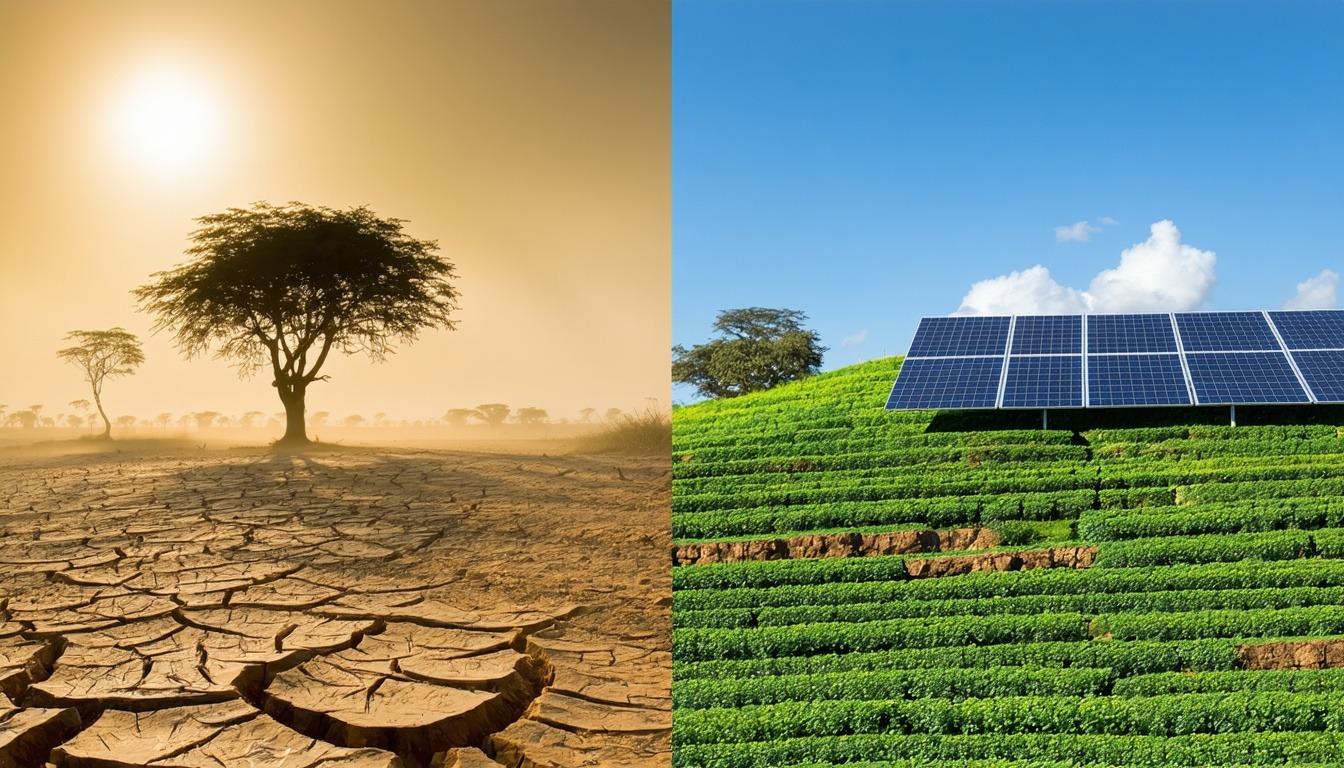
This case study explores the impact of global warming in East Africa, detailing challenges like droughts and floods, and solutions such as climate-smart agriculture and renewable energy. It presents measurable results and key lessons for building climate resilience.
Category: geography
-
Lessons from British Columbia: Natural Wealth, Conservation, and Cultural Transformation
Explore British Columbia’s lessons to east Africa: location, rich natural resources, climate, forests, Indigenous cultures, and the impact of European on settlement. Discover conservation efforts and the dangers of over-exploitation.
Introduction
British Columbia (B.C.), Canada’s westernmost province, is a region of dramatic contrasts — from towering mountain ranges and temperate rainforests to vibrant urban centers and vast natural resources. Known for its breathtaking scenery and ecological diversity, B.C. has long been a center for forestry, mining, fishing, and tourism. Yet, its story also includes Indigenous heritage, European colonization, environmental challenges, and ongoing conservation efforts. This blog explores the geography, economic activities, culture, and sustainability journey of British Columbia and what east Africa can learn.
-
Wildlife Conservation and Tourism in East Africa: Challenges, Government Roles, and Sustainability
Discover how East Africa balances wildlife conservation with tourism. Learn about sustainable use of natural resources, major challenges, and the role of government policies in protecting biodiversity and boosting the tourism economy.
✅ Introduction:
East Africa is globally recognized for its rich biodiversity, featuring iconic species like lions, elephants, gorillas, and flamingos. Its national parks and game reserves attract millions of tourists annually, making tourism a leading foreign exchange earner. However, the region faces a critical challenge: how to conserve wildlife while sustainably using natural resources to support tourism and local communities. This blog explores how East Africa strives to balance wildlife conservation and tourism development through sustainable practices, identifies key challenges, and examines the role of government policies in fostering long-term ecological and economic success.
-
Sustainable Use of Fisheries Resources in East Africa: Trends, Challenges, and Solutions
Explore how East Africa can sustainably manage its fisheries through modern methods, pollution control, fish farming, and better marketing. Learn about traditional vs modern fishing, overfishing, and preservation techniques.
✅ Introduction
Fisheries play a crucial role in East Africa’s economy, food security, and livelihoods. From Lake Victoria to the Indian Ocean, thousands depend on fishing for survival. However, overfishing, pollution, outdated techniques, and poor preservation have put immense pressure on aquatic resources. This blog explores the sustainable use of fisheries resources in East Africa by examining fishing methods, environmental challenges, aquaculture, and the marketing of fish. Understanding these factors is vital in ensuring that fisheries continue to support communities for generations to come.
-
Industrial Growth in North America: Lessons from the Great Lakes Region and Silicon Valley for East Africa
Discover the strategic location, major towns, industries, and mineral wealth of the Great Lakes region in North America. Learn how mining and manufacturing drive economic growth in this and other U.S. industrial hubs like Silicon Valley can shape east Africa.
Introduction:
North America, particularly the Great Lakes region and Silicon Valley, stands out as a global model for industrial development, mining, and technological innovation. These regions have transformed natural and human resources into thriving economies through advanced manufacturing, agricultural processing, and high-tech industries.
-
The Role of BUBU Policy, Consumer Goods, and Industrial Manufacturing in Boosting Uganda’s Economy
Explore how the Buy Uganda Build Uganda (BUBU) policy is transforming Uganda’s economy. Learn about locally made goods, import alternatives, and the importance of manufacturing consumer and industrial products domestically.
Introduction
Uganda has for decades relied heavily on imported products—ranging from everyday consumer items to complex industrial equipment. This has drained the national budget, weakened local industries, and slowed job creation. In response, the Ugandan government introduced the Buy Uganda Build Uganda (BUBU) policy to strengthen local manufacturing and promote the consumption of Ugandan-made goods.
-
Rural-Urban Migration and Its Impact on Housing and Living Conditions
The Impact of Rural-Urban Migration on Housing and Living Conditions in East Africa
Discover how rural-urban migration affects housing, infrastructure, and living conditions in East Africa. Learn about its causes, effects, and sustainable solutions for better urban planning.
Introduction
Rural-urban migration is one of the most significant social and economic transformations in East Africa. Every day, thousands of people move from villages to towns and cities in search of better opportunities—jobs, education, healthcare, and modern lifestyles. While migration contributes to urban growth and economic activity, it also puts immense pressure on housing, services, and living conditions.
-
Manufacturing Industries in East Africa: Types, Locations, Influencing Factors, and Economic Contributions
Explore the key manufacturing industries in East Africa, their locations, factors that influence their growth, and how they contribute to economic transformation. Ideal for students and educators in Uganda and the region.
Introduction
Manufacturing industries are essential engines of economic growth in East Africa. They transform raw materials into finished goods, provide employment, boost exports, and stimulate innovation. From textile factories in Kenya to cement plants in Uganda, East Africa is increasingly focusing on industrialization to reduce reliance on imports and increase local production.
-
Types of Mining and the Environmental and Land Ownership Challenges of Oil Extraction in Uganda
Learn about open cast and underground mining, the environmental impacts of mining, and challenges related to oil extraction and land ownership in Uganda. Ideal for Geography learners and educators.
Introduction
Mining and oil extraction are powerful drivers of development, especially in resource-rich countries like Uganda. These activities provide employment, boost exports, and attract foreign investment. However, they come with various challenges, from environmental degradation to conflicts over land ownership. Understanding the types of mining, their impacts, and the complexities of oil extraction is essential for learners, policymakers, and citizens.
-
Key Factors Affecting Mining Activities in Uganda and Beyond
Explore the main factors that influence mining operations, including mineral quality, labor, technology, government policies, power supply, and market availability. Ideal for students and geography learners.
Introduction
Mining is the process of extracting valuable minerals or other geological materials from the earth. It plays a significant role in the economic development of many countries, including Uganda. However, the success and sustainability of mining activities depend on a wide range of factors. From the size and quality of mineral deposits to the availability of capital, labor, power, transport, markets, and technology, all these elements work together to determine whether mining will be profitable and efficient.
-
Market, Methods, Policies, Impacts, and Community Outcomes Of Mining in East Africa
Mining is a key economic sector in East Africa, contributing to exports, employment, and industrial development. However, behind every gleaming mineral lie complex factors that shape the success and sustainability of the industry. In this blog post, we explore key aspects such as:
- The market for minerals.
- Government policies and the role of technology in mining.
- Types of mining: open-cast and underground methods.
- Environmental impacts of mining.
- Challenges in oil extraction and land ownership.
- Benefits and drawbacks of mining for local communities.
🏪 1. The Market for Minerals in East Africa
East African minerals such as gold, diamonds, copper, cobalt, and tanzanite have strong demand in global markets.
a) Export Market
- Most East African countries export raw or semi-processed minerals to international buyers.
- Key buyers include China, India, United Arab Emirates, South Africa, and Europe.
- For example, Rwanda exports coltan and tin; Tanzania is a major gold exporter.
b) Local Market
- There is growing demand for minerals like limestone and gypsum in the local construction industry.
- However, most precious minerals are exported due to limited local refining capacity.
c) Value Addition and Market Expansion
- Governments are pushing for local beneficiation, meaning minerals should be processed locally before export.
- This strategy helps increase value and creates jobs in refining and manufacturing.
🏛️ 2. Government Policies and Technology in Mining
a) Government Regulations
- Mining is regulated through laws, licenses, and environmental standards.
- Governments issue mining rights and require Environmental Impact Assessments (EIAs).
- For example, Uganda’s Mining and Minerals Act, 2022, seeks to attract investment while protecting communities and the environment.
b) Taxation and Royalties
-
Mining in East Africa: Contributions, Mineral Quality, and Key Influencing Factors
Mining is one of the most promising economic activities in East Africa. The region boasts a wide variety of mineral resources ranging from gold, diamonds, copper, limestone, to rare gems like tanzanite. These minerals not only contribute to foreign exchange earnings but also support employment, industrial growth, and infrastructure development.
In this blog post, we explore:
- The contribution of mining to East African economies.
- The size and quality of mineral deposits, the nature of surrounding rocks, and the depth of minerals.
- The importance of capital and skilled labor.
- The role of power and transport availability in successful mining operations.
🏗️ 1. Contribution of Mining to East African Economies
Mining contributes to economic development in East Africa in the following ways:
a) Employment Creation
- Both small-scale (artisanal) and large-scale mining create thousands of jobs for local communities.
- Tanzania, for example, employs over 1.5 million artisanal miners.
b) Foreign Exchange Earnings
-
Sustainable Development and How It Can Be Achieved
Discover what sustainable development is, its key principles, and practical strategies for achieving it. Learn how economic, social, and environmental sustainability can create a better future for all.
Introduction
Sustainable development is the process of meeting present needs without compromising the ability of future generations to meet their own needs. It ensures a balance between economic growth, social progress, and environmental protection.
With the world facing challenges such as climate change, deforestation, poverty, and resource depletion, sustainable development has become a global priority. This blog explores the meaning of sustainable development, its importance, and how it can be achieved.
-
Mining in East Africa: Minerals, Methods of Extraction, and Influencing Factors
/Mining in East Africa plays a significant role in the region’s economy. It provides jobs, boosts foreign exchange, and supports infrastructure development. Countries like Uganda, Kenya, Tanzania, and Rwanda are rich in various minerals such as gold, copper, tin, and diamonds. However, despite the abundance of natural resources, mining in East Africa faces challenges related to technology, infrastructure, and sustainability.
In this blog, we will explore:
- The main minerals found in East Africa.
- The methods of mineral extraction used.
- The factors influencing mining activities across the region.
⛏️ 1. Minerals Found in East Africa
East Africa is home to a variety of valuable minerals, both metallic and non-metallic. Below are some of the key mineral resources by country:
-
Causes of Inequalities in World Development
Discover the key causes of inequalities in world development, including economic, social, political, and environmental factors. Learn how these disparities impact global progress and possible solutions.
Introduction
Inequality in world development refers to the uneven distribution of wealth, opportunities, and living conditions across different countries and regions. Some nations experience rapid economic growth and high living standards, while others struggle with poverty, unemployment, and lack of infrastructure.
-
Development: Learn Meaning, Indicators, and Importance
Discover the meaning of development, key indicators of development, and why it is essential for economic and social progress. Learn how development is measured and its impact on different societies.
Introduction
Development is a broad concept that refers to the improvement in the well-being and quality of life of people in a country or region. It encompasses economic growth, social progress, and improvements in infrastructure, health, and education. Development is not just about increasing wealth but also ensuring that resources are distributed fairly and that people have access to opportunities that enhance their lives.
-
Climate and Natural Vegetation of East Africa: An In-Depth Exploration
Discover the diverse climates and natural vegetation of East Africa, from tropical rainforests and savannas to deserts. Learn how these elements shape the environment, wildlife, and human activities in Uganda, Kenya, and Tanzania.
### **Introduction**
East Africa is a region characterized by diverse climates and rich natural vegetation that vary widely across its landscapes. The climate in East Africa ranges from tropical conditions along the coast and rainforests in the west to savannas and arid deserts. This variety in climate supports an array of natural vegetation, including lush rainforests, savanna grasslands, semi-arid scrublands, and mangrove forests.
-
Exploring the Location, Size, and Relief Regions of East Africa
Discover the geographical location, size, and diverse relief regions of East Africa. Learn how these physical features influence the climate, culture, and economies of Uganda, Kenya, and Tanzania.
### **Introduction:**
East Africa is a diverse region that is home to unique landscapes, varied climates, and rich cultural heritage. The region, primarily comprising Uganda, Kenya, and Tanzania, boasts an array of geographical features, from the vast plains of the Serengeti to the towering peaks of Mount Kilimanjaro. In this blog, we’ll explore the location, size, and relief regions of East Africa, understanding how these physical features influence the lives and activities of those who inhabit the region.
-
Formation of Major Landforms and Drainage Systems in East Africa
Explore the formation of East Africa’s major landforms and drainage systems, including mountains, valleys, rivers, and lakes, and understand their impact on the region’s environment, culture, and economy.
### **Introduction**
East Africa is home to some of the world’s most diverse and impressive landforms, from the towering peaks of Mount Kilimanjaro to the vast expanse of the Great Rift Valley. These landforms, shaped over millions of years by geological processes, have significantly influenced the region’s climate, biodiversity, and human activities. The drainage systems, including lakes, rivers, and wetlands, play a vital role in sustaining the local ecosystems and providing essential resources to East African communities.
-
Understanding Weather and Climate: Key Differences, Influences, and Global Impact
Discover the distinctions between weather and climate, factors that influence them, and their importance in understanding global environmental patterns and impacts.
### **Introduction:**
Weather and climate are two fundamental concepts in environmental science that shape the conditions of our planet. While often used interchangeably, they represent different aspects of the Earth’s atmosphere. Weather refers to short-term atmospheric conditions, while climate describes long-term patterns over decades or centuries. By understanding both weather and climate, we gain valuable insights into the forces driving changes in our environment and how they impact ecosystems, human activities, and the global economy.


