

{ “title”: “Ecosystem Interdependence: The Dance of Respiration and Photosynthesis”, “slug”: “ecosystem-interdependence-respiration-photosynthesis”, “meta_description”: “Explore the intricate relationship between plants and animals through respiration and photosynthesis, and how they maintain gaseous balance in nature. Detailed class notes included.”, “content”: “Introduction Ecosystems are dynamic networks where living organisms interact with each other and their physical environment. At…
Category: Biology
-
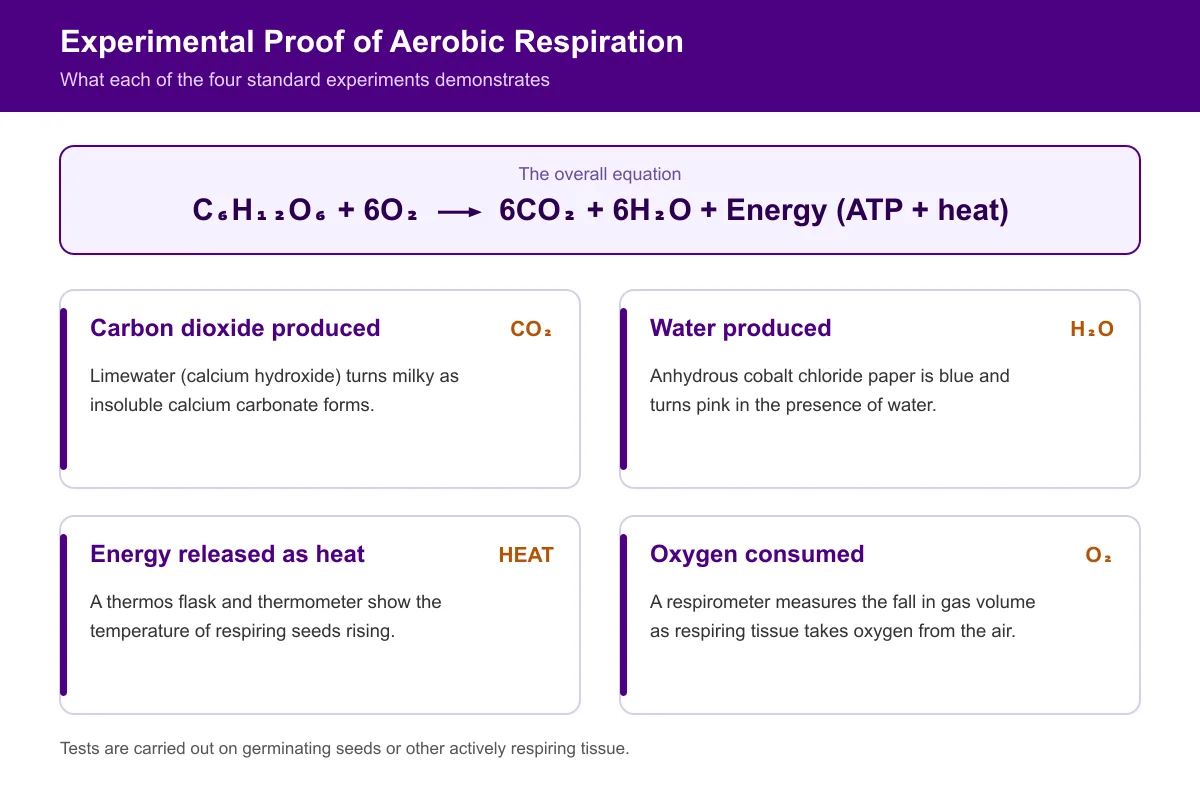
Experimental Proof of Aerobic Respiration Products: CO₂, H₂O, and Energy Release
Comprehensive academic notes on experimental proofs of aerobic respiration products: energy release, CO₂ and water production, and oxygen use. Includes detailed experiments, tables, and FAQs for deep understanding.
-
The Biochemistry of Aerobic Respiration: A Comprehensive Guide to Cellular Energy Production
Dive deep into the biochemistry of aerobic respiration: from glycolysis to oxidative phosphorylation, mitochondrial structure, energy yields, and clinical relevance. Perfect for students and enthusiasts.
-
Mastering the Fundamentals of Cellular Respiration: A Comprehensive Guide
Comprehensive academic notes on the fundamentals of cellular respiration, covering glycolysis, Krebs cycle, electron transport chain, ATP synthesis, regulation, and clinical relevance. Includes tables, diagrams, and FAQs.
-
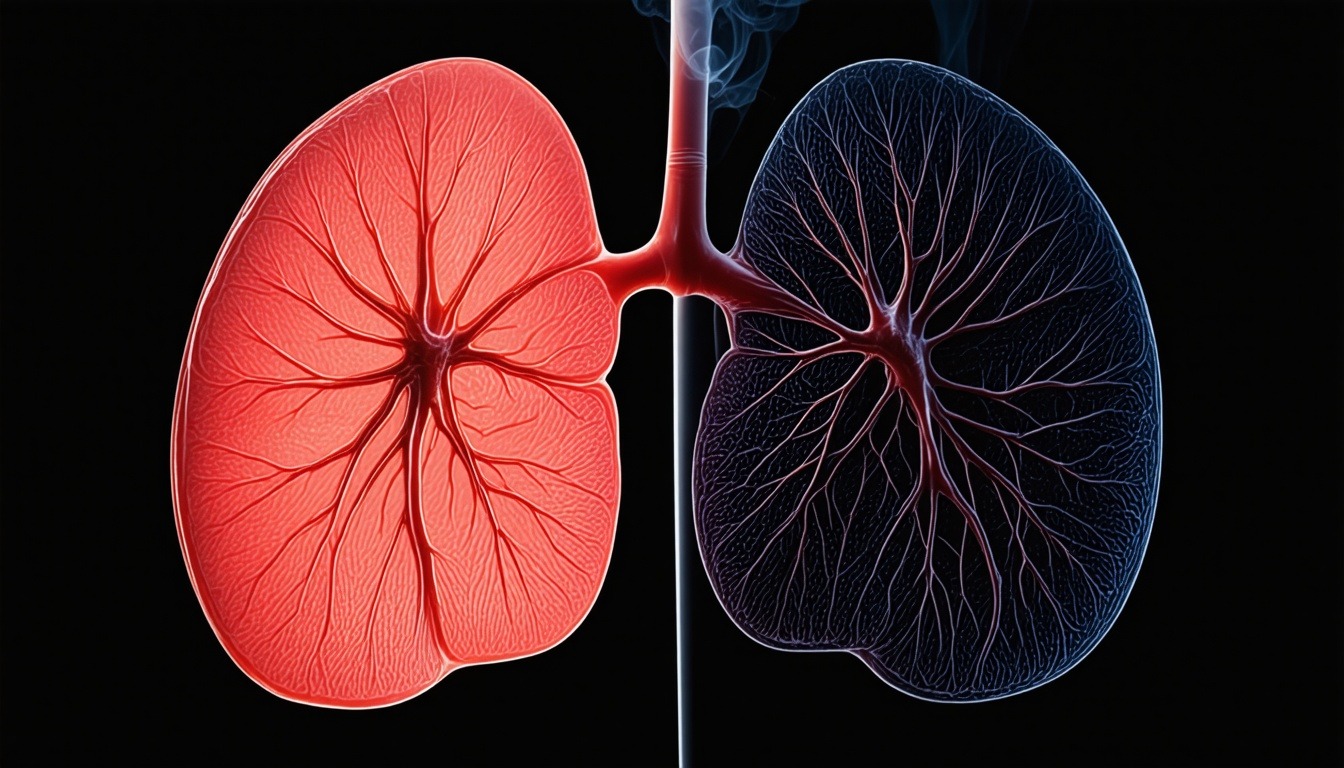
Health Hazards: The Impact of Smoking and Pollution on Lungs – A Comprehensive Guide
Comprehensive notes on the dangers of smoking and air pollution to gas exchange surfaces in the lungs, including tar demonstration, tobacco vs. marijuana effects, pathophysiology, COPD, lung cancer, and prevention strategies.
-

Comparative Analysis of Inhaled and Exhaled Air: Understanding Gas Composition Differences and Their Significance
A comprehensive guide to the comparative analysis of inhaled and exhaled air, covering gas composition variations, experimental methods, and the significance of oxygen and carbon dioxide differences for respiratory physiology and clinical diagnostics.
-
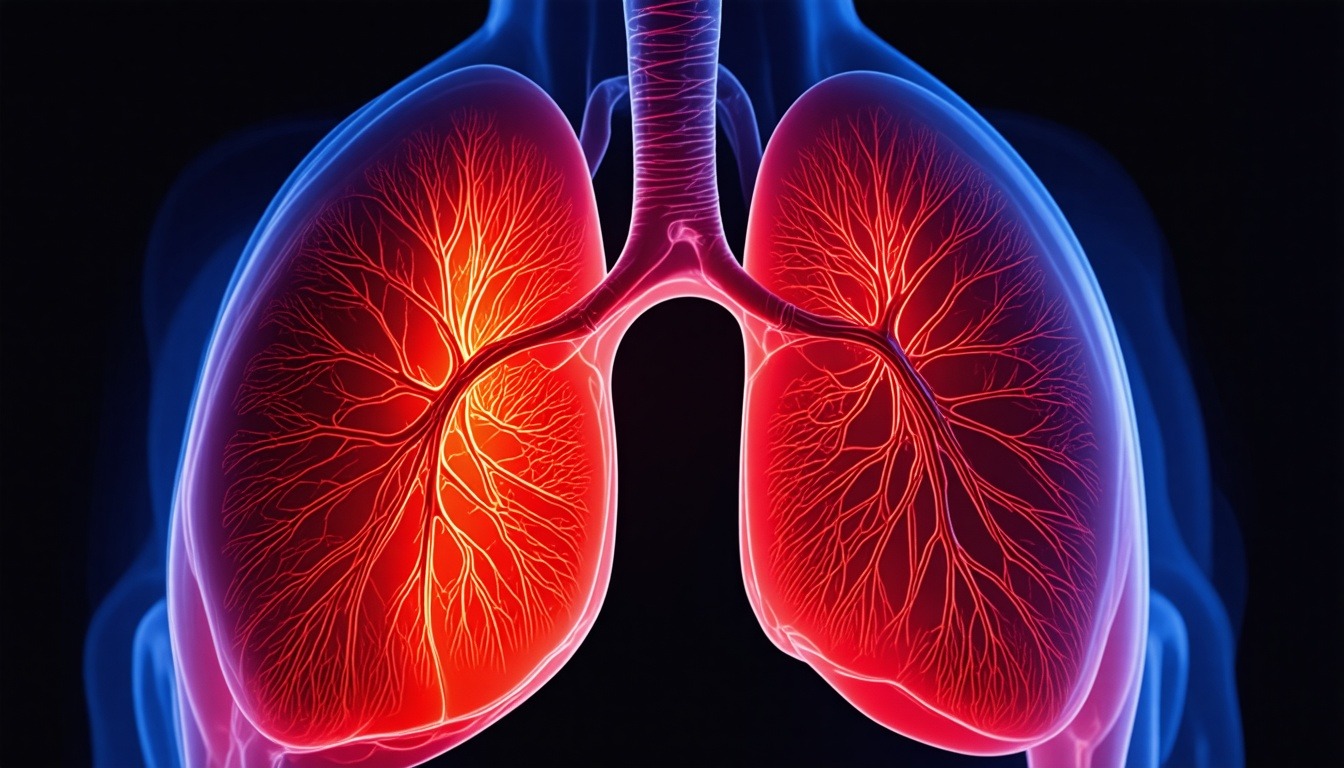
The Physical Mechanism of Breathing in Humans: A Comprehensive Academic Guide
A comprehensive academic guide on the physical mechanism of breathing in humans, covering inhalation, exhalation, the role of the diaphragm and intercostal muscles, and the mechanism of gaseous exchange.
-
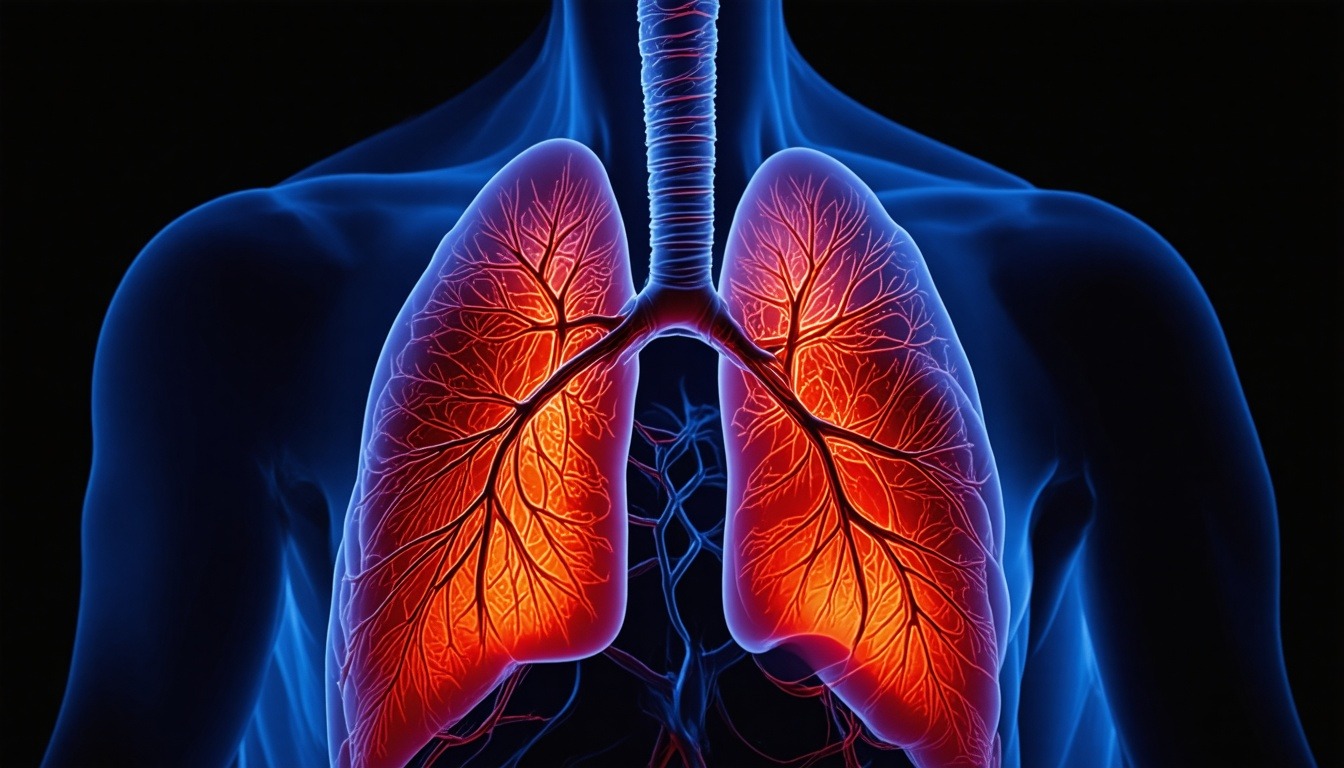
Anatomy of the Human Respiratory System: A Comprehensive Guide to Structure and Function
Detailed academic notes on the anatomy of the human respiratory system, covering the trachea, bronchioles, alveoli, and all parts with functions, gas exchange, and clinical correlations.
-

Structural Adaptations of Respiratory Surfaces: A Comprehensive Guide to Gas Exchange Efficiency
Explore the structural adaptations of respiratory surfaces including thin walls, large surface area, moisture, and vascularisation. Detailed class notes with tables, FAQs, and academic depth.
-
Mastering Gaseous Exchange: Surface Area to Volume Ratios and Why Multicellular Organisms Need Specialised Systems
Comprehensive notes on gaseous exchange and surface area to volume ratios, explaining why multicellular organisms need specialised systems. Covers diffusion, Fick’s Law, adaptations of alveoli, and comparisons across organisms.
-
The Slithering Survivor: A Case Study on Snake Management
This case study explores snake types, life cycle, feeding, diseases, and control. It shows how education and simple measures reduced bites by 80% and crop damage by 60% in rural India.
-
The Mosquito Case Study: A Tiny Insect’s Global Impact
This case study explores mosquitoes, their types, life cycle, and prevention. It shares real-world results, including a 60% population drop and 45% fewer malaria cases, highlighting economic benefits and key lessons.
-
Explore Nutrition: food tests, balanced diet and body mass index
Nutritional Requirements of Organisms
All living organisms require nutrients to grow, maintain their bodily functions, and reproduce. Nutrients are essential chemical compounds that organisms obtain from their environment. They are classified into two main categories: macronutrients (needed in large quantities) and micronutrients (required in smaller amounts). Different organisms have specific nutritional needs, but these needs generally include sources of energy, building materials, and essential biochemical elements.
Below is an overview of the nutritional requirements of different organisms:
-
Understanding Flowering Plants: Parts, dicotyledonous and Monocotyledonous plus Adaptations,
Dive into the fascinating world of flowering plants. Learn about the different parts of flowering plants, the differences between dicotyledonous and monocotyledonous plants, and the various adaptations and modifications of their roots and stems.
Introduction
Flowering plants, known scientifically as angiosperms, are the most diverse group of land plants. They play a crucial role in ecosystems and human agriculture, providing food, oxygen, and habitats for countless organisms. This blog will explore the various parts of flowering plants, distinguish between cotyledonous and monocotyledonous plants, and delve into the unique adaptations and modifications of their roots and stems that enable them to thrive in a wide range of environments.
-
Understanding Insects: Life Cycle, Benefits, and Control Measures
Discover the fascinating world of insects, including examples, body parts, life cycles, and their beneficial and harmful aspects. Learn effective control measures for insects like houseflies, armyworms, cockroaches, butterflies, and mosquitoes.
Introduction
Insects are among the most diverse and numerous creatures on Earth, playing a vital role in various ecosystems. From the beautiful butterfly to the pesky mosquito, insects have a significant impact on our daily lives. This blog delves into the world of insects, exploring their body parts, life cycles, and the balance between their beneficial and harmful aspects. We will also discuss effective control measures for managing harmful insects like houseflies, armyworms, cockroaches, and mosquitoes.
-
Unveiling the World of Viruses: Understanding Their Impact, Examples, and Prevention Strategies
Explore the fascinating world of viruses. Learn about their impact on plants and animals, discover common examples, and explore prevention methods to protect against viral infections.
What are Viruses:
Viruses are microscopic infectious agents that are smaller than bacteria. They consist of genetic material (either DNA or RNA) enclosed in a protein coat called a capsid. Viruses lack cellular structures and can only replicate inside the cells of a host organism.
Common Examples of Viruses in Plants and Animals
Viruses in Plants
1. Tobacco Mosaic Virus (TMV) Tobacco Mosaic Virus is one of the first viruses ever discovered. It primarily infects tobacco plants but can also affect other members of the Solanaceae family, such as tomatoes and peppers. TMV is characterized by mosaic-like discoloration on the leaves, leading to reduced photosynthesis and overall plant vigor. The virus is highly stable and can remain infectious in dried plant material and contaminated soil for long periods.
-
The useful and harmful effects of bacteria and fungi
Bacteria and fungi play crucial roles in various ecosystems, and they can have both beneficial and harmful effects on living organisms, including humans. Here’s an overview of the useful and harmful effects of bacteria and fungi:
Useful Effects of bacteria
Bacteria:
1. Nitrogen Fixation:
• Certain bacteria convert atmospheric nitrogen into forms that plants can use, promoting plant growth and ecosystem productivity.
2. Digestion and Decomposition:
-
TAXONOMY and Classification: learn how living organisms are grouped and the reasons why
Living organisms are classified into various groups based on shared characteristics and evolutionary relationships. This system of classification is known as taxonomy. The primary reasons for grouping living organisms are to organize the immense diversity of life, understand relationships between different species, and facilitate the study and communication of biological information. Here’s an overview of how living organisms are grouped and the reasons behind it:
Hierarchical Classification:
1. Domain:
-
Understanding Body Systems in Living Organisms: A Comprehensive Guide
Living organisms, from the simplest bacteria to the most complex humans, rely on various body systems to sustain life. These systems work together in a coordinated and intricate manner to ensure that essential functions such as nutrition, respiration, circulation, and reproduction are carried out efficiently. Understanding these body systems is fundamental to comprehending how life operates at both microscopic and macroscopic levels. This blog will delve into the different body systems found in living organisms, highlighting their structures, functions, and importance in maintaining life.
-
Using A Microscope: explore parts and identifying tissues
Welcome back to yet another lesson on using a microscope. In this segment, we shall delve into the meaning and main parts of a microscope, and then finally discuss how to identify tissues of your arm with this valuable laboratory equipment.
Meaning of microscope
A microscope is an essential tool used for magnifying and studying small objects or structures that are not visible to the naked eye.
Parts of a microscope
Here are the main parts of a microscope:
1. Eyepiece (Ocular Lens):
The lens closest to the eye, through which the observer views the specimen. Typically, microscopes have one or two eyepieces.


