

Detailed academic notes on key contributors to nation building in post-colonial Uganda, covering political leaders, social sector professionals, and economic pioneers. Includes background for independence and comprehensive analysis.
Category: History and political education
-

Patriotism in Uganda: A Comprehensive Study of National Identity, Heroes, and Impact Since Independence
A comprehensive academic study of patriotism in Uganda, covering its definition, purpose, key personalities, patriotic events since independence, and its impact on political, social, economic, and cultural development from 1960 to present.
-

Post-Independence Liberation Struggles in Uganda: A Comprehensive Historical Analysis
Comprehensive notes on Uganda’s post-independence liberation struggles, covering the 1966/67 crisis, 1971 coup, 1980 elections, and Luwero civil war. Includes detailed analysis of political contexts, key events, and lasting impacts.
-

The Role of the United Nations in Development and Its Impact on Uganda
An in-depth analysis of the United Nations’ role in development and its impact on Uganda, covering peacekeeping, human rights, SDGs, and more.
-
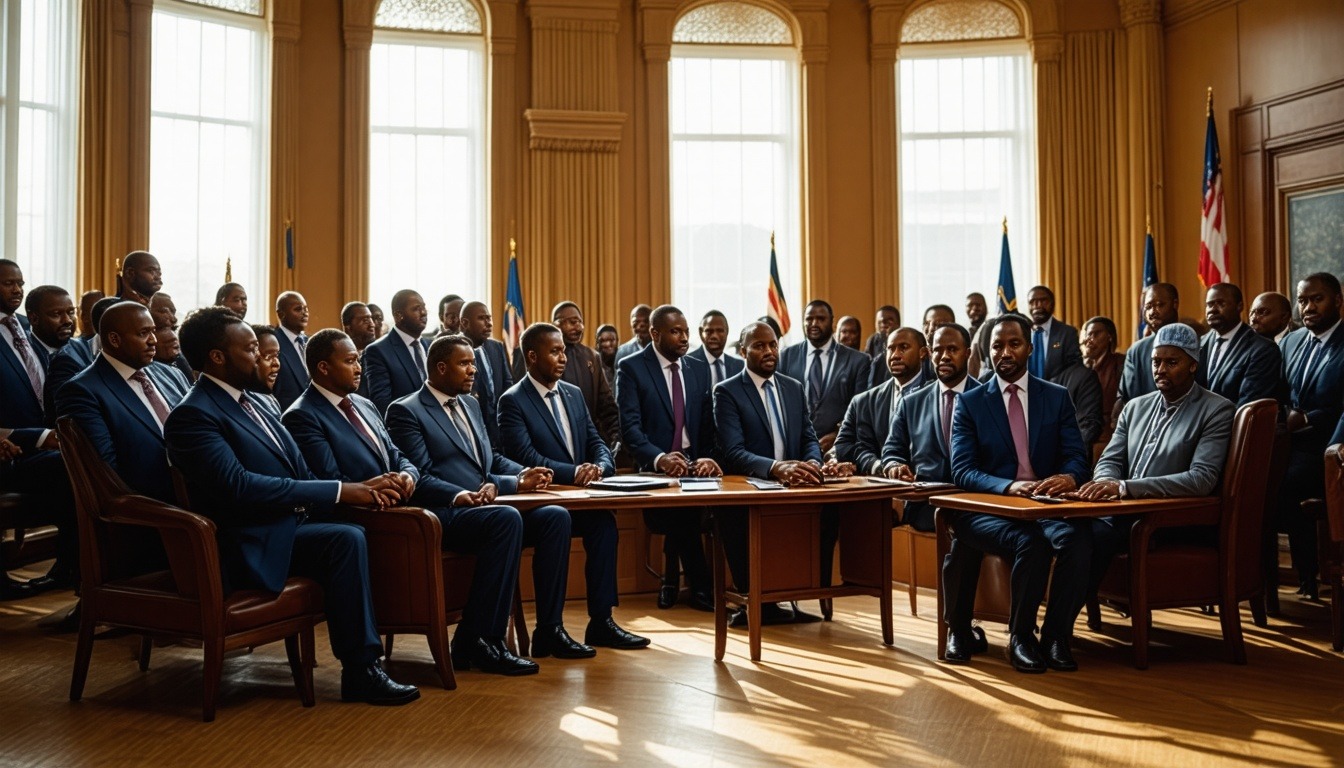
Democracy and Leadership in East Africa: A Comprehensive Study
Comprehensive academic notes on democracy and leadership in East Africa, covering meaning, features, political parties, benefits of democracy, and types of leadership.
-

CONSTITUTIONALISM IN UGANDA
{ “title”: “Constitutionalism in Uganda: A Comprehensive Guide to the National Constitution, Governance, and Civic Roles”, “slug”: “constitutionalism-in-uganda-comprehensive-guide”, “meta_description”: “Explore constitutionalism in Uganda: the importance of the national constitution, constitutional reviews since 1962, citizen roles, parliamentary structure, police, prisons, army, and judiciary. A deep academic study.”, “content”: “IntroductionnConstitutionalism in Uganda is a cornerstone of the…
-

The Local Government Systems in Uganda: Structure, Role, Challenges, and Contributions
Uganda’s local government system is a cornerstone of its decentralization policy. This article covers its structure, roles, contributions, challenges, and the levels of local courts.
-

The Structure of Government: A Comprehensive Academic Guide to Nations, States, and Governance Systems in East Africa
Comprehensive academic guide on government structure: differences between country, nation, state, government; Uganda’s three arms; best governance models; East African systems; and comparative EAC analysis.
-

THE EVOLUTION OF HUMAN RIGHTS IN UGANDA
{ “title”: “The Evolution of Human Rights in Uganda: From Colonial Legacy to Modern Challenges”, “slug”: “evolution-human-rights-uganda”, “meta_description”: “Explore the evolution of human rights in Uganda, from colonial times to today. Understand rights vs responsibilities, rule of law, civil society, violations, and how to respect human rights.”, “content”: “Introduction The evolution of human rights in…
-
Sir Apollo Milton Obote: A Comprehensive Case Study of Uganda’s Founding Father
A detailed case study of Sir Apollo Milton Obote covering his background, education, career, achievements, failures, and death. Learn key lessons from Uganda’s first prime minister.
-
president yoweri kaguta museveni
{ “title”: “President Yoweri Kaguta Museveni: A Case Study of Leadership, Achievements, and Failures”, “slug”: “president-yoweri-museveni-case-study”, “meta_description”: “Explore the life, education, career, achievements, and failures of President Yoweri Museveni. What you should know about Uganda’s long-serving leader.”, “content”: “President Yoweri Kaguta Museveni: A Case Study of Leadership, Achievements, and FailuresYoweri Kaguta Museveni has been Uganda’s…
-
World War I Explained: The Great War’s Meaning, Nations, and Global Reach
A clear guide to WWI, exploring its global meaning, the nations that fought, and the often-overlooked East African campaign.
-
Rise of Nationalism in Kenya, Uganda & Tanzania: Causes Explained
Discover the key reasons for the rise of nationalism in Kenya, Uganda, and Tanzania. A detailed East African history guide for students, teachers, and researchers.
Introduction
Nationalism in East Africa did not emerge overnight. It grew slowly out of shared suffering, resistance, hope, and identity among African communities under colonial rule. In countries like Kenya, Uganda, and Tanzania, nationalism became the powerful force that united diverse ethnic groups into a single political voice demanding freedom.
-
The Origin, Objectives, advantage and disadvantage of ECOWAS: Building Regional Unity in West Africa
Introduction
The Economic Community of West African States (ECOWAS) is one of Africa’s most prominent regional blocs. Formed to promote economic integration, peace, and development across West Africa, ECOWAS plays a central role in regional diplomacy, conflict resolution, and economic transformation.
This blog explores the origin and background of ECOWAS, highlights its aims and objectives, and analyzes both the original 1975 Treaty of Lagos and the 1993 Revised Treaty that expanded its scope and influence.
🌐 Origin and Background of ECOWAS
-
Ghana’s Struggle for Independence: The Role of Political Parties and Key Personalities
Ghana, formerly known as the Gold Coast, was the first country in sub-Saharan Africa to gain independence from colonial rule. Its journey to independence,
which culminated on 6th March 1957, was marked by decades of resistance, political organization, and the emergence of visionary leaders who challenged
British imperial authority. This article delves into Ghana’s struggle for independence and the significant roles played by political parties and personalities
in shaping the country’s destiny.
The Colonial Context: Gold Coast Under British Rule
-
Key Personalities and Events in the Struggle for Independence in East African States
Key personalities and events that shaped the independence struggles in Kenya, Uganda, and Tanganyika. Learn how leaders like Kenyatta, Nyerere, and Obote transformed East Africa’s destiny.
East Africa’s path to independence in the mid-20th century was marked by a blend of intellectual resistance, political mobilization, and nationalist fervour. While colonial rule suppressed African autonomy and culture, a generation of bold leaders and transformative events lit the flame of self-determination that could not be extinguished.
-
The Road to Freedom: Independence and the Rise of African Nationalism in West Africa
The 20th century marked a turning point for West Africa as it transitioned from colonial rule to independence. This era was not a sudden political switch but rather the culmination of decades of resistance, awakening, and strategic action by African thinkers, leaders, and communities. The growth of African nationalism played a central role in dismantling colonial empires and inspiring the drive for self-determination and sovereignty across West Africa.
In this blog, we explore:
- The background to independence in West Africa
- The reasons behind the rise of African nationalism
- The key forces, events, and personalities that made independence inevitable
🕰️ Background to Independence in West Africa
-
The 19th-Century Jihad Movements in West Africa: Origins, Timeline, and the Role of Islam in Resistance
The 19th century was a period of religious revival and military transformation in West Africa. At the heart of this movement were Islamic-led jihads—campaigns not only for religious reform but also for political control, justice, and resistance against corruption and colonial threats.
In this blog, we dive into the background of the 19th-century jihad movements, explore key jihad leaders and timelines, and reflect on the powerful role Islam played in resisting both African despots and European encroachment.
-
Impact of Trans-Saharan and Triangular Trades in West Africa
The history of West Africa is significantly shaped by its participation in two major trade systems: the Trans-Saharan Trade and the Triangular Trade. These complex networks of exchange linked the region to North Africa, Europe, and the Americas, profoundly transforming West Africa’s politics, economy, culture, religion, and demographics.
In this blog post, we’ll explore the short- and long-term impacts of both trades, with a special focus on how they influenced the development, decline, and legacy of West African societies.
-
Triangular Trade in West Africa: Origin, Routes, Goods Traded, and Timeline
🧭 What Was the Triangular Trade?
The Triangular Trade was a system of transatlantic commerce that connected West Africa, Europe, and the Americas from the 15th to the 19th century. It played a major role in shaping global economic history, especially in West Africa, where it had long-lasting social, political, and economic effects.
The Three-point Trade System
The term “triangular” reflects the three-point trade system:
- Europe to Africa: Export of manufactured goods.
- Africa to the Americas: Export of enslaved Africans (Middle Passage).
- Americas to Europe: Export of raw materials like sugar, cotton, and tobacco.
🏁 Origin of the Triangular Trade
The triangular trade system emerged in the 15th century following European exploration of the Atlantic Ocean. Countries like Portugal, Spain, Britain, France, and the Netherlands began trading with West African kingdoms.


