
Introduction
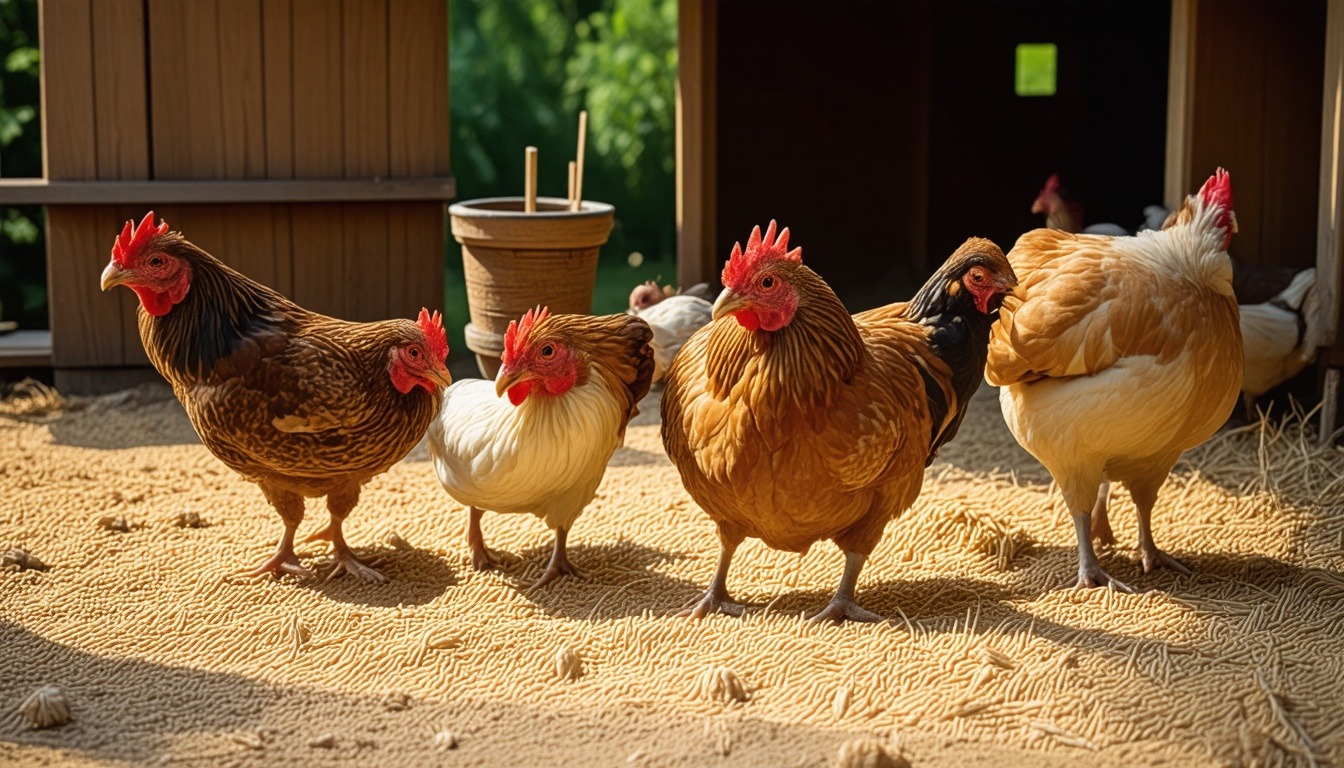
Feeding local chickens (also known as indigenous, village, or backyard chickens) is a critical aspect of poultry farming that directly impacts productivity, health, and profitability. Unlike commercial hybrid breeds that have been selected for high feed conversion efficiency, local chickens are hardy, adaptable, and require a more balanced approach to nutrition. This guide provides comprehensive class subject notes on feeding local chickens, covering nutritional requirements, feed ingredients, ration formulation, feeding management, and common challenges. Whether you are a smallholder farmer, a student, or an extension officer, this resource will equip you with the knowledge to optimize the feeding of local chickens.
Understanding the Nutritional Requirements of Local Chickens
Local chickens have specific nutritional needs that vary with age, production stage, and environment. Unlike commercial layers or broilers, local chickens are often scavengers and may not consume formulated feeds exclusively. but, to achieve optimal growth and egg production, supplemental feeding is essential.
Energy Requirements
Energy is the primary dietary component, derived mainly from carbohydrates and fats. Local chickens require energy for maintenance, growth, egg production, and thermoregulation. The energy requirement is expressed in metabolizable energy (ME) per kilogram of feed. For growing local chickens, the recommended energy level is 2,800–3,000 kcal ME/kg, while for layers, it is 2,700–2,900 kcal ME/kg. Insufficient energy leads to poor growth, reduced egg production, and increased susceptibility to diseases.
Protein Requirements
Protein is crucial for muscle development, feathering, and egg formation. Local chickens have lower protein requirements than commercial breeds but still need adequate levels. For chicks (0–8 weeks), a diet with 18–20% crude protein is ideal. Growers (8–20 weeks) require 14–16% crude protein, and layers need 16–18% crude protein. Protein quality is important; the feed must contain essential amino acids like methionine, lysine, and tryptophan. Local ingredients such as soybean meal, fish meal, and groundnut cake are excellent sources.
Vitamin and Mineral Requirements
Vitamins and minerals are vital for metabolic functions, bone development, and eggshell quality. Local chickens often obtain these from scavenging, but supplementation is necessary for optimal performance. Key vitamins include A, D3, E, B-complex, and choline. Minerals such as calcium, phosphorus, sodium, and trace elements (zinc, copper, manganese) must be balanced. Calcium is especially critical for layers; a deficiency leads to thin-shelled eggs and osteoporosis. A typical layer diet should contain 3.5–4% calcium.
Feed Ingredients for Local Chickens
Local chickens can be fed a variety of ingredients, including grains, protein sources, and supplements. The choice of ingredients depends on availability, cost, and nutritional value. Below is a table comparing common feed ingredients.
| Ingredient | Crude Protein (%) | Metabolizable Energy (kcal/kg) | Calcium (%) | Phosphorus (%) |
|---|---|---|---|---|
| Maize | 9 | 3,350 | 0.02 | 0.25 |
| Sorghum | 11 | 3,200 | 0.03 | 0.30 |
| Wheat bran | 15 | 1,900 | 0.10 | 1.20 |
| Soybean meal | 44 | 2,500 | 0.30 | 0.65 |
| Fish meal | 60 | 2,800 | 5.00 | 3.00 |
| Groundnut cake | 40 | 2,600 | 0.20 | 0.50 |
| Oyster shell | 0 | 0 | 38 | 0 |
Energy Sources
The primary energy source is maize (corn), which is highly palatable and digestible. Sorghum and millet are alternatives in drier regions. Wheat bran is a byproduct with moderate energy and higher fiber, suitable for growers. Fats and oils (e.g., vegetable oil) can be added to increase energy density, especially during cold weather or for layers in production.
Protein Sources
Plant-based proteins like soybean meal and groundnut cake are widely used. Animal proteins such as fish meal and meat meal provide essential amino acids and are more digestible. but, they are more expensive. Local chickens can also benefit from insects, earthworms, and kitchen waste, but these shouldn’t replace balanced feed.
Mineral and Vitamin Supplements
Calcium is supplied through oyster shells, limestone, or bone meal. Phosphorus comes from dicalcium phosphate or bone meal. A premix containing vitamins and trace minerals should be added to ensure adequacy. Salt (sodium chloride) is also required at 0.25–0.5% of the diet.
Formulating Rations for Local Chickens
Ration formulation involves combining ingredients to meet the nutritional requirements of the birds at different stages. For local chickens, simple methods like the Pearson square or trial and error can be used. but, computer software or online calculators provide more precision. Below is a sample ration formulation for growing local chickens (8–20 weeks) and layers.
Sample Grower Ration (Crude Protein 16%, ME 2,800 kcal/kg)
- Maize: 60%
- Soybean meal: 20%
- Wheat bran: 15%
- Fish meal: 3%
- Limestone: 1%
- Premix: 0.5%
- Salt: 0.25%
- Methionine: 0.1%
Sample Layer Ration (Crude Protein 17%, ME 2,750 kcal/kg, Calcium 3.5%)
- Maize: 55%
- Soybean meal: 22%
- Wheat bran: 8%
- Fish meal: 5%
- Oyster shell: 8%
- Premix: 0.5%
- Salt: 0.25%
- Methionine: 0.1%
Note: Adjust feed formulation based on ingredient availability and bird performance. Always provide clean water and grit for digestion.
Feeding Management Practices
Proper feeding management ensures that birds consume adequate nutrients without wastage. Local chickens are often allowed to scavenge, but supplemental feeding is necessary.
Feeding Frequency and Amount
Chicks should be fed ad libitum (free access) for the first 8 weeks. Growers and layers can be fed twice daily (morning and afternoon) with measured amounts. A general guideline is to provide 100–120 grams of feed per bird per day for layers and 80–100 grams for growers. Adjust based on body condition and production.
Feeding Systems
Common systems include:
- Scavenging + Supplementation: Birds forage during the day and receive a balanced feed in the morning and evening. This reduces feed costs but may lead to variable intake.
- Confined Feeding: Birds are kept in pens and fed complete rations. This ensures controlled intake but increases costs.
- Mixed System: Birds are confined at night and released during the day. Supplementation is provided in the morning.
Water Management
Clean, fresh water must be available at all times. Water consumption is about 2–3 times feed intake. In hot climates, provide shade and cool water. Use drinkers that minimize spillage and contamination.
Common Feeding Problems and Solutions
Feeding local chickens can present challenges such as nutrient deficiencies, feed wastage, and toxicity. Below are common problems and their solutions.
Nutrient Deficiencies
Deficiencies in protein, vitamins, or minerals lead to poor growth, feather pecking, and reduced egg production. Solution: Provide a balanced ration with a premix. Include green forage for vitamins.
Feed Wastage
Wastage occurs due to poor feeder design, overfilling, or spoilage. Solution: Use trough feeders with lips, fill only one-third full, and store feed in dry, ventilated containers.
Mycotoxin Contamination
Moldy grains contain mycotoxins that cause immunosuppression and mortality. Solution: Use clean, dry grains; add mycotoxin binders (e.g., bentonite) to feed.
High Feed Costs
Feed accounts for 60–70% of production costs. Solution: Use local ingredients, grow your own fodder, and practice feed restriction for non-productive birds.
Feeding for Specific Production Goals
Feeding strategies differ based on whether the goal is meat, eggs, or breeding.
Feeding for Meat Production
For broiler-type local chickens, a high-energy, high-protein diet (20% CP, 3,000 kcal/kg) promotes rapid growth. Feed ad libitum for the first 6 weeks, then restrict slightly to prevent obesity. Use a finisher diet (18% CP) from 6 weeks to slaughter.
Feeding for Egg Production
Layers require a diet with 16–18% CP and 3.5% calcium. Increase feed intake during peak production (up to 120 g/bird/day). Provide oyster shell separately for additional calcium. Ensure adequate vitamin D3 for calcium absorption.
Feeding Breeding Stock
Breeders (cocks and hens) need a diet with 16% CP and balanced amino acids. Add extra vitamin E and selenium for fertility. Avoid overfeeding to maintain body condition.
Use of Alternative Feed Ingredients
To reduce costs, farmers can use alternative ingredients such as kitchen waste, insects, and forage. but, these must be balanced.
Kitchen Waste
Vegetable peels, leftover rice, and bread can be fed, but they are low in protein and high in moisture. Supplement with protein sources. Avoid salty or spoiled waste.
Insects and Larvae
Black soldier fly larvae, earthworms, and termites are rich in protein (40–50%) and can replace fish meal. They can be reared on farm waste.
Forage and Greens
Green leaves (e.g., amaranth, moringa, cassava leaves) provide vitamins and minerals. Chop and mix with feed or hang in bunches for birds to peck.
Economic Considerations in Feeding
Feed cost is the major expense in local chicken production. To maximize profitability, farmers should calculate feed conversion ratio (FCR) and cost per kilogram of egg or meat. Local chickens have higher FCR (3.5–4.5) than commercial breeds, but they fetch premium prices. Use cost-benefit analysis to determine optimal feeding levels.
Feed Conversion Ratio (FCR)
FCR = Feed intake (kg) / Weight gain (kg). For local chickens, an FCR of 4 means 4 kg of feed produces 1 kg of weight gain. Improving FCR through balanced nutrition reduces costs.
Cost-Saving Strategies
- Formulate feed using local ingredients.
- Use feed additives like enzymes to improve digestibility.
- Practice rotational grazing to utilize forage.
- Reduce feed waste with proper feeders.
Frequently Asked Questions (FAQs)
What is the best feed for local chickens?
The best feed is a balanced ration that meets the birds’ nutritional requirements at their specific stage of life. For chicks, use a starter mash with 18–20% protein. For growers, a grower mash with 14–16% protein. For layers, a layer mash with 16–18% protein and 3.5% calcium. Supplement with greens and grit.
Can local chickens survive on scavenging alone?
While local chickens can survive on scavenging, they won’t achieve optimal growth or egg production. Scavenging provides only about 30–50% of their nutritional needs. Supplemental feeding is essential for good performance.
How much feed does a local chicken eat per day?
On average, a local chicken consumes 80–120 grams of feed per day, depending on age, body weight, and production stage. Layers eat more than growers. Provide water ad libitum.
What are the signs of protein deficiency in local chickens?
Signs include poor feathering, reduced growth, low egg production, and cannibalism (feather pecking). In severe cases, birds may become lethargic and susceptible to diseases.
Can I feed kitchen waste to my chickens?
Yes, but kitchen waste should be fresh, free from salt, oil, and spoiled items. It should only be a supplement to a balanced ration, not the main feed. Ensure it is chopped and mixed with other ingredients.
How do I prevent feed wastage?
Use feeders with lips to prevent scattering, fill feeders only one-third full, and adjust feeder height as birds grow. Store feed in airtight containers to protect from pests and moisture.
What is the ideal calcium level for laying local chickens?
Laying hens require 3.5–4% calcium in their diet. Provide oyster shell or limestone separately to allow birds to adjust intake as needed. Vitamin D3 is necessary for calcium absorption.
Can I use antibiotics in chicken feed?
Antibiotics shouldn’t be used routinely as growth promoters due to resistance concerns. Use only under veterinary guidance for disease treatment. Instead, use probiotics and organic acids to improve gut health.
How do I formulate feed for local chickens?
Use the Pearson square method or a simple spreadsheet. Determine the desired protein level, then mix ingredients to achieve that level. Include a premix for vitamins and minerals. Test the feed by observing bird performance.
What is the role of grit in feeding local chickens?
Grit (small stones or insoluble material) aids in grinding feed in the gizzard. Local chickens that scavenge may get grit naturally, but confined birds need a supply. Provide insoluble grit like granite chips.
Conclusion
Feeding local chickens is a science and an art. Understanding their nutritional requirements, selecting appropriate ingredients, and implementing proper feeding management are key to successful production. While local chickens are hardy and can utilize scavenged feed, supplemental feeding with a balanced ration significantly improves growth, egg production, and overall health. Farmers should aim to reduce feed costs without compromising nutrition by using local ingredients and minimizing waste. Regular monitoring of bird condition and feed intake allows for timely adjustments. With the knowledge provided in this guide, you can optimize the feeding of local chickens and achieve sustainable, profitable poultry farming.



Leave a Reply