
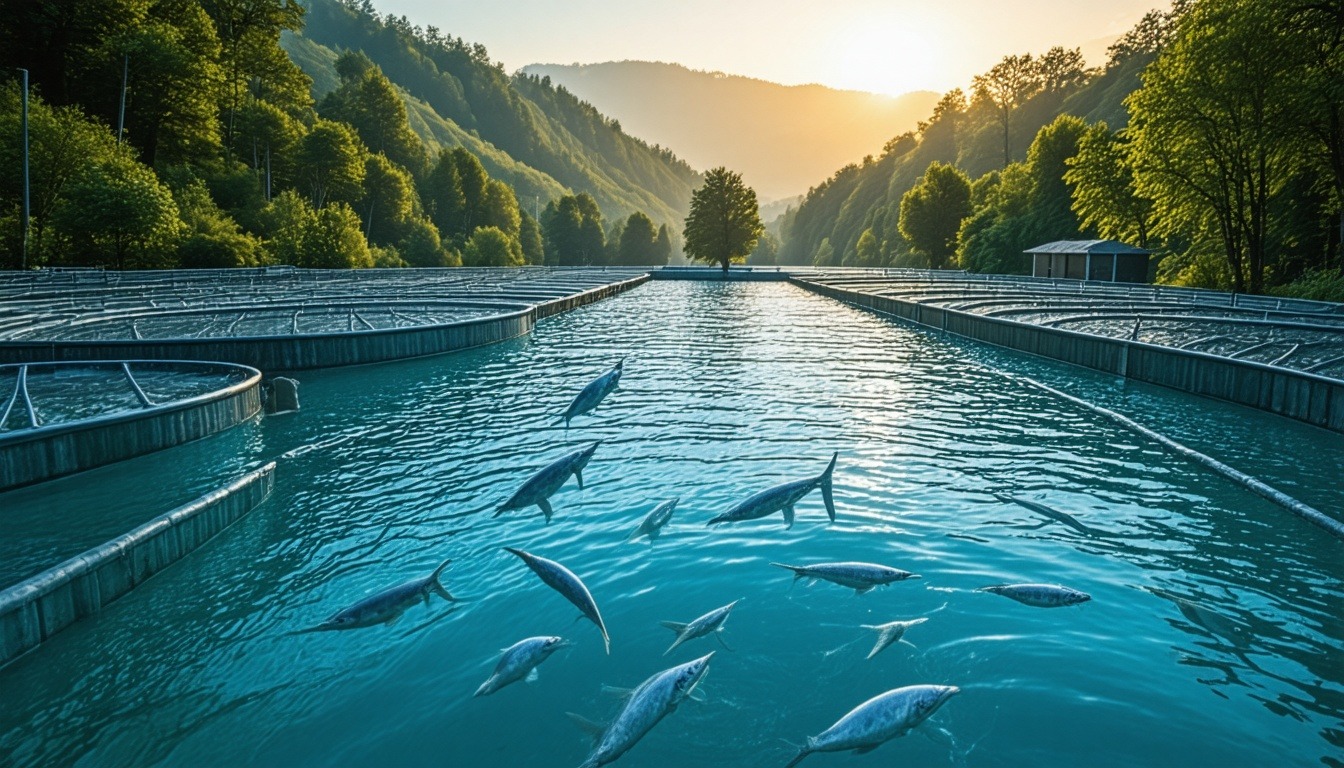
Fish farming, or aquaculture, is one of the fastest-growing sectors in global food production. With the increasing demand for seafood and declining wild fish stocks, fish farming presents a lucrative opportunity for entrepreneurs and investors. This comprehensive guide explores the key aspects of making money through fish farming, from species selection to marketing and financial management. Whether you’re a beginner or an experienced farmer, this article provides actionable insights to maximize your profits.
Introduction to Fish Farming Profitability
Fish farming can be highly profitable when managed correctly. The global aquaculture market is projected to reach $242 billion by 2027, driven by rising seafood consumption and sustainability concerns. but, success requires careful planning, knowledge of best practices, and efficient resource management. This section outlines the foundational principles of profitable fish farming.
Choosing the Right Fish Species for Profit
The choice of fish species significantly impacts profitability. Factors to consider include market demand, growth rate, feed conversion ratio (FCR), disease resistance, and environmental adaptability. Below are some of the most profitable species for commercial farming.
High-Value Species
- Tilapia: Fast-growing, hardy, and in high demand globally. Tilapia has a low FCR (1.5-1.8) and can be farmed in various systems.
- Catfish: Popular in the US and Africa, catfish have a high market value and are relatively easy to farm.
- Salmon: High market price but requires sophisticated farming techniques and cold water conditions.
- Shrimp: Very high market value, especially for export, but requires careful management of water quality.
- Barramundi: A premium fish with high growth rate and adaptability to different farming systems.
Comparison of Popular Species
| Species | Growth Rate | FCR | Market Price (per kg) | Suitability for Beginners |
|---|---|---|---|---|
| Tilapia | Fast (6-8 months) | 1.5-1.8 | $3-5 | High |
| Catfish | Moderate (8-12 months) | 1.6-2.0 | $4-6 | High |
| Salmon | Slow (18-24 months) | 1.2-1.5 | $10-15 | Low |
| Shrimp | Fast (4-6 months) | 1.5-2.0 | $10-20 | Medium |
| Barramundi | Fast (6-9 months) | 1.5-1.8 | $8-12 | Medium |
Farming Systems and Their Cost Implications
The choice of farming system affects capital expenditure, operating costs, and potential yields. The three main systems are pond culture, recirculating aquaculture systems (RAS), and cage culture.
Pond Culture
Ponds are the most traditional and cost-effective system for many species. Initial construction costs range from $5,000 to $20,000 per hectare, depending on land preparation and water supply. Operating costs include feed, labor, and water management. Yields can reach 5-10 tons per hectare per year for tilapia.
Recirculating Aquaculture Systems (RAS)
RAS allows intensive production in a controlled environment with high water reuse. Initial investment is high ($50,000-$200,000 per ton of production capacity) but offers consistent yields and reduced disease risk. Operating costs are lower for water but higher for energy and filtration.
Cage Culture
Cages are placed in natural water bodies like lakes or oceans. This system has lower capital costs ($10,000-$30,000 per cage) but requires permits and environmental management. Yields can be high, but risks include water quality fluctuations and escapes.
Cost Comparison Table
| System | Initial Investment (per ton capacity) | Operating Cost (per kg) | Yield per Cycle | Risk Level |
|---|---|---|---|---|
| Pond | $2,000-$5,000 | $1.50-$2.50 | 5-10 tons/ha | Medium |
| RAS | $20,000-$50,000 | $2.00-$3.50 | 20-50 tons/m³ | Low |
| Cage | $3,000-$10,000 | $1.00-$2.00 | 10-30 tons/cage | High |
Feed Management: The Largest Variable Cost
Feed accounts for 40-60% of total operating costs in fish farming. Efficient feed management is crucial for profitability. Key factors include feed quality, feeding frequency, and feed conversion ratio (FCR).
Feed Quality and Formulation
High-quality feed with optimal protein content (28-32% for tilapia, 35-40% for salmon) ensures rapid growth and low FCR. Commercial feeds are available, but some farmers produce their own to reduce costs. but, homemade feed requires careful formulation to avoid nutritional deficiencies.
Feeding Strategies
- Hand feeding: Allows observation of fish behavior but is labor-intensive.
- Automatic feeders: Reduce labor and provide consistent feeding schedules.
- Demand feeders: Allow fish to feed on demand, reducing waste.
- Restricted feeding: Feeding at 80-90% of satiation improves FCR.
Adopting a feeding strategy that minimizes waste can reduce feed costs by 10-20%. Additionally, using feed additives like probiotics can improve digestion and reduce mortality.
Water Quality Management
Water quality directly affects fish health, growth, and survival. Key parameters include dissolved oxygen (DO), pH, ammonia, nitrite, and temperature. Poor water quality leads to stress, disease, and mortality, reducing profitability.
Monitoring and Control
Regular monitoring of water parameters is essential. Use test kits or sensors to measure DO, pH, and ammonia levels. Aeration systems, such as paddlewheels or diffusers, maintain DO levels above 5 mg/L. Water exchange rates should be adjusted based on system type and stocking density.
Cost of Water Treatment
In RAS, water treatment costs include filtration, UV sterilization, and biofiltration. Initial investment for a small RAS (10 tons capacity) can be $10,000-$30,000 for water treatment equipment. Operating costs include electricity for pumps and replacement of filter media.
Disease Prevention and Health Management
Disease outbreaks can wipe out entire stocks, leading to significant financial losses. Prevention is more cost-effective than treatment. Biosecurity measures include quarantine of new fish, disinfection of equipment, and vaccination.
Common Diseases and Treatment Costs
| Disease | Symptoms | Treatment | Cost per Treatment |
|---|---|---|---|
| Columnaris | Frayed fins, lesions | Antibiotics, salt baths | $50-$200 per pond |
| Ichthyophthirius (Ich) | White spots, flashing | Formalin, copper sulfate | $100-$500 per system |
| Streptococcus | Exophthalmia, erratic swimming | Antibiotics, vaccination | $200-$1,000 per cycle |
Investing in high-quality fingerlings from certified hatcheries reduces disease risk. Routine health checks and maintaining optimal water quality are essential preventive measures.
Harvesting and Post-Harvest Handling
Proper harvesting techniques ensure high-quality product and minimize stress. Harvesting methods include seining, draining, or using pumps. After harvest, fish should be immediately chilled to preserve freshness. Processing options include gutting, filleting, or whole fish sales.
Value Addition
Processing fish into fillets, smoked products, or ready-to-cook meals can increase profit margins by 30-50%. but, it requires additional investment in processing equipment and compliance with food safety regulations.
Marketing and Distribution Channels
Effective marketing is key to selling fish at premium prices. Options include direct sales to consumers, supplying restaurants and supermarkets, or exporting. Building a brand and using online platforms can expand reach.
Pricing Strategies
Price your fish based on production costs, market demand, and competitor prices. for instance, tilapia sold directly to consumers can fetch $5-7 per kg, while wholesale prices are $3-4 per kg. Consider value-added products to capture higher margins.
Financial Planning and Profitability Analysis
A sound financial plan includes startup costs, operating expenses, revenue projections, and break-even analysis. Below is a sample budget for a small tilapia pond farm (1 hectare).
Sample Budget for Tilapia Pond Farm (1 ha)
| Item | Cost (USD) |
|---|---|
| Land preparation | $5,000 |
| Pond construction | $10,000 |
| Water supply system | $3,000 |
| Fingerlings (10,000 @ $0.10) | $1,000 |
| Feed (10 tons @ $500/ton) | $5,000 |
| Labor (6 months) | $4,000 |
| Electricity and water | $2,000 |
| Miscellaneous (nets, chemicals) | $1,000 |
| Total Operating Cost | $31,000 |
Assuming a yield of 8 tons (8,000 kg) at a selling price of $4/kg, revenue is $32,000. Net profit = $32,000 – $31,000 = $1,000 (3.2% margin). but, with better management and higher prices, margins can exceed 20%.
Scaling Up: From Small Farm to Commercial Operation
Scaling up requires additional capital, infrastructure, and management skills. Consider forming cooperatives or partnerships to share costs. Access to credit through agricultural loans or government grants can facilitate expansion.
Risk Management and Insurance
Fish farming faces risks such as disease, weather events, and market fluctuations. Mitigation strategies include diversification (multiple species or systems), insurance policies, and emergency funds. Aquaculture insurance is available in many countries, covering stock loss and property damage.
Environmental Sustainability and Certification
Sustainable practices improve long-term profitability and market access. Certifications like ASC (Aquaculture Stewardship Council) or GlobalG.A.P. can command premium prices. Implement waste management, reduce water usage, and avoid antibiotics to enhance sustainability.
Technology in Fish Farming
Modern technologies such as IoT sensors, automated feeding systems, and data analytics can optimize production and reduce costs. Investment in technology can improve FCR, reduce labor, and enhance monitoring. for instance, smart feeding systems can reduce feed waste by 15%.
Case Studies of Profitable Fish Farms
Examining successful farms provides valuable insights. For instance, a tilapia farm in Ghana using RAS achieved a 25% profit margin by targeting high-end restaurants. Another example is a catfish farm in Nigeria that integrated processing and direct sales, doubling its revenue.
Frequently Asked Questions (FAQs)
How much money can I make from fish farming?
Profitability varies widely. A small 1-hectare tilapia pond can yield a net profit of $1,000-$5,000 per cycle, while larger commercial operations can generate hundreds of thousands of dollars. Factors include species, scale, and market access.
What is the most profitable fish to farm?
High-value species like salmon, shrimp, and barramundi offer higher profit margins but require more investment and expertise. Tilapia and catfish are more accessible for beginners with moderate profit potential.
Do I need a lot of land for fish farming?
Not necessarily. RAS allows intensive production in small spaces. A small backyard system can produce 500 kg of fish per year. but, larger operations require more land.
What are the main costs in fish farming?
Feed is the largest cost (40-60%), followed by fingerlings, labor, and utilities. Initial investment includes pond construction or RAS setup.
How can I reduce feed costs?
Optimize feeding strategies, use high-quality feed with low FCR, consider homemade feed, and incorporate feed additives to improve conversion.
Is fish farming environmentally friendly?
When done sustainably, fish farming can have a lower environmental impact than wild fishing. but, poor management can cause pollution and habitat damage. Certifications and best practices mitigate these issues.
Can I get a loan to start fish farming?
Yes, many banks and agricultural lenders offer loans for aquaculture. You will need a business plan, collateral, and technical expertise. Government grants may also be available.
How long does it take to see a profit?
From startup to first harvest typically takes 6-12 months for fast-growing species like tilapia. Profitability may take 2-3 cycles due to initial investment.
What permits do I need?
Permits vary by location and system. Common requirements include water use permits, environmental impact assessments, and business licenses. Consult local authorities.
How do I market my fish?
Options include direct sales at farmers’ markets, supplying local restaurants and grocery stores, selling online, or exporting. Building relationships with buyers and branding can increase sales.
Conclusion
Making money through fish farming is achievable with careful planning, efficient management, and a focus on profitability. Key factors include selecting the right species, optimizing feed and water management, preventing diseases, and effective marketing. While initial investment can be high, the growing demand for seafood offers substantial opportunities. By adopting sustainable practices and leveraging technology, fish farmers can build profitable and resilient businesses. Start small, learn from experience, and scale up gradually to maximize returns.



Leave a Reply