
Introduction
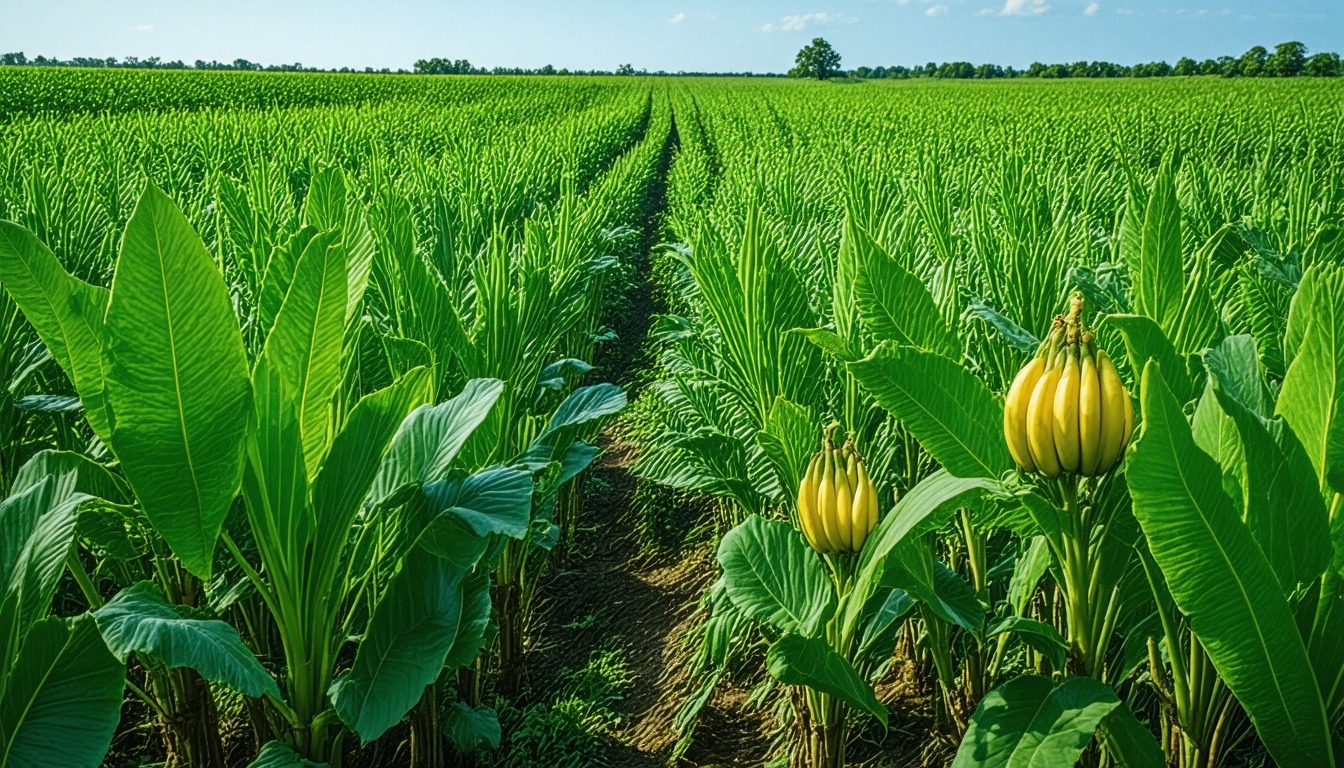
Banana farming is a cornerstone of Uganda’s agricultural economy, with the country being one of the largest banana producers in Africa. For smallholder farmers, a single acre of bananas can be a significant source of income, but profitability depends on careful planning, efficient management, and market access. This guide provides a comprehensive analysis of the potential profits from a banana plantation on one acre in Uganda, covering all aspects from establishment costs to revenue streams. Whether you are a new entrant or an experienced farmer, understanding the economics of banana production will help you maximize returns and ensure sustainability.
Understanding Banana Varieties and Their Profit Potential
Uganda grows several banana varieties, each with different yield potentials, market prices, and input requirements. The most common types are East African Highland bananas (cooking bananas) and dessert bananas like the ‘Gros Michel’ and ‘Cavendish’. Cooking bananas, such as ‘Mbwazirume’ and ‘Nakitembe’, are staple foods and have a steady demand. Dessert bananas fetch higher prices but require more care. For maximum profit, consider intercropping or selecting high-yielding, disease-resistant hybrids like ‘FHIA-17’ or ‘FHIA-25’. These can produce up to 60 tons per hectare (24 tons per acre) under good management.
Establishment Costs for One Acre
Initial investment is critical. Costs include land preparation, suckers, planting, and first-year inputs. Land preparation (plowing, harrowing) costs about UGX 150,000–200,000. High-quality tissue culture suckers cost UGX 1,500–3,000 each; you need about 1,110 plants per acre (spacing 3m x 3m). That’s UGX 1.7–3.3 million. Planting labor adds UGX 200,000–300,000. Organic manure (10 tons) costs UGX 500,000–1,000,000. Drip irrigation (optional) costs UGX 1–2 million. Total establishment: UGX 3–5 million.
Recurring Operational Costs
Annual costs include weeding, mulching, fertilizers, pest control, and labor. Weeding (4–6 times/year) costs UGX 400,000–600,000. Mulching with dry banana leaves or grass costs UGX 300,000–500,000. Fertilizers (NPK, urea, DAP) cost UGX 600,000–1,000,000 per year. Pest and disease control (nematodes, weevils, black sigatoka) costs UGX 300,000–500,000. Labor for harvesting and bunch management: UGX 500,000–800,000. Total annual operational costs: UGX 2–3 million.
Yield Expectations per Acre
With good management, an acre can yield 15–25 tons per year. Tissue culture plants produce heavier bunches (20–30 kg each). First harvest occurs 12–15 months after planting, then every 3–4 months. Average bunch weight: 15 kg for cooking, 20 kg for dessert. Annual yield: 1,110 bunches x 15 kg = 16,650 kg (16.6 tons). With optimal inputs, up to 25 tons.
Revenue Streams from Banana Sales
Bananas are sold as green bunches, ripe fruit, or processed products. Green cooking bananas fetch UGX 500–1,000 per kg at farm gate. Dessert bananas: UGX 1,500–2,500 per kg. At 16 tons and UGX 700/kg, gross revenue: UGX 11.2 million. With 25 tons and UGX 1,000/kg, gross: UGX 25 million. Additional income from banana leaves (for wrapping) and pseudostems (for fiber or compost).
Profit Calculation: A Detailed Example
Assume 16 tons yield, UGX 700/kg price. Gross revenue: UGX 11.2 million. Total costs (establishment amortized over 3 years + annual ops): Year 1: UGX 5 million (establishment) + UGX 2.5 million (ops) = UGX 7.5 million; net loss? Actually, first harvest at month 12, so revenue in year 2. Better to use annualized costs: Establishment cost spread over 3 years = UGX 1.7 million/year. Annual ops UGX 2.5 million. Total annual cost: UGX 4.2 million. Net profit: UGX 11.2 – 4.2 = UGX 7 million. With higher yield and price, net profit can exceed UGX 15 million.
Factors Affecting Profitability
Several factors influence net returns: soil fertility, water availability, pest and disease pressure, labor efficiency, market prices, and post-harvest handling. Soil testing and proper fertilization can boost yields by 30%. Irrigation during dry spells prevents yield loss. Integrated pest management reduces chemical costs. Access to reliable markets (e.g., Kampala, regional towns) ensures better prices. Reducing post-harvest losses (10–20%) through careful handling and transportation increases net profit.
Market Access and Price Trends
Banana prices fluctuate seasonally. Peak prices occur during dry seasons (January–February, June–July) when supply is low. Prices can double. Farmers who can store or have irrigation can target these periods. Selling directly to retailers or processors yields higher margins than farm-gate sales. Collective marketing through farmer groups can reduce transaction costs and improve bargaining power. Export potential to neighboring countries (South Sudan, DRC) exists but requires phytosanitary certification.
Value Addition for Increased Profits
Processing bananas into chips, flour, wine, or beer can significantly increase profits. Banana flour sells for UGX 5,000–10,000 per kg. A small-scale processing unit (UGX 2–5 million) can process surplus fruit. Dried banana chips are popular snacks. Ripening rooms (using ethylene) allow farmers to sell ripe bananas at premium prices. Value addition reduces post-harvest losses and creates employment.
Cost-Benefit Analysis Table
| Item | Year 1 (UGX) | Year 2+ (UGX) |
|---|---|---|
| Establishment | 4,000,000 | 0 |
| Annual Operations | 2,500,000 | 2,500,000 |
| Total Costs | 6,500,000 | 2,500,000 |
| Revenue (16 tons @ UGX 700/kg) | 0 (first harvest at month 12) | 11,200,000 |
| Net Profit | -6,500,000 | 8,700,000 |
Note: In year 2, profit is higher because establishment costs are already covered. Over 3 years, average annual profit is about UGX 5 million.
Risk Management Strategies
Banana farming faces risks from diseases (Banana Xanthomonas Wilt, Fusarium Wilt), pests (banana weevil, nematodes), drought, and price volatility. Mitigation: use disease-free tissue culture plants, practice crop rotation, maintain soil health, install irrigation, and diversify markets. Insurance products for agriculture are emerging. Forming farmer cooperatives can provide collective risk management and access to credit.
Best Practices for High Yields
Soil and Water Management
Bananas require deep, well-drained loam soil with pH 5.5–6.5. Apply organic manure (20–30 tons/ha) annually. Mulching conserves moisture and adds organic matter. Drip irrigation during dry spells increases yields by 40%. Install a simple drip system for UGX 1.5 million per acre.
Pest and Disease Control
Use clean planting material. Monitor for weevils (set traps), nematodes (use resistant varieties), and Black Sigatoka (remove affected leaves). Apply fungicides only when necessary. Biological control using Trichoderma is effective against soil-borne diseases.
Pruning and De-suckering
Maintain one mother plant, one follower, and one sword sucker per mat. Remove excess suckers to reduce competition. Prune dead leaves to improve air circulation and reduce disease.
Labor Management
Banana farming is labor-intensive. One acre requires about 200 person-days per year. Labor costs can be reduced by using family labor or hiring on a task basis. Training workers on proper harvesting and handling reduces losses. Mechanization (e.g., brush cutters for weeding) can improve efficiency.
Financing and Support Services
Initial capital can be obtained from microfinance institutions, savings groups, or government programs like the Uganda Development Bank’s agricultural loans. The National Agricultural Advisory Services (NAADS) provides extension services and subsidized inputs. Access to credit at reasonable interest rates (12–18% per annum) is crucial for expansion.
Environmental Sustainability
Sustainable banana farming ensures long-term profitability. Practices include: intercropping with legumes (beans, groundnuts) to fix nitrogen, using organic fertilizers, and recycling banana residues as mulch. Avoid overuse of chemical pesticides. Implement contour planting on slopes to prevent erosion. Sustainable practices also attract premium prices from eco-conscious buyers.
Case Study: Successful Banana Farmer in Central Uganda
Mr. Ssempijja, a farmer in Kayunga, manages one acre of FHIA-17 bananas. He invested UGX 4.5 million initially (tissue culture suckers, drip irrigation, manure). Annual costs: UGX 2 million. Yield: 22 tons. Price: UGX 800/kg. Gross revenue: UGX 17.6 million. Net profit: UGX 15.6 million in year 2. He sells to Kampala market through a cooperative. Key lessons: quality inputs, irrigation, and market linkage.
Common Mistakes to Avoid
- Using poor-quality suckers from unknown sources.
- Inadequate spacing leading to competition and low yields.
- Neglecting soil fertility management.
- Poor weed control, especially during early growth.
- Harvesting bunches too early or too late.
- Selling at farm gate without exploring better markets.
- Ignoring disease symptoms until it’s too late.
Future Outlook and Trends
Demand for bananas in Uganda is projected to grow due to population increase and urbanization. There is also growing interest in banana flour and other processed products for export. Climate change may affect production, but drought-tolerant varieties are being developed. Precision agriculture technologies (e.g., soil sensors, drone monitoring) are becoming accessible. Farmers who adopt modern practices will be more profitable.
Conclusion
Banana farming on one acre in Uganda offers substantial profit potential, with net returns ranging from UGX 5 million to over UGX 15 million annually depending on management and market conditions. Success requires careful planning, investment in quality inputs, efficient labor management, and strategic marketing. By adopting best practices and mitigating risks, farmers can turn a single acre into a sustainable and lucrative enterprise. This guide provides a roadmap, but continuous learning and adaptation are key to long-term profitability.
Frequently Asked Questions
What is the best banana variety for profit in Uganda?
High-yielding hybrids like FHIA-17 and FHIA-25 are recommended for their disease resistance and large bunches. Cooking varieties like ‘Mbwazirume’ have steady demand. Dessert varieties like ‘Cavendish’ fetch higher prices but require more care.
How much does it cost to start a banana plantation on one acre?
Initial establishment costs range from UGX 3 to 5 million, including land preparation, suckers, planting, manure, and irrigation if needed. Tissue culture suckers are more expensive but offer higher yields.
What is the expected yield per acre?
With good management, yields of 15 to 25 tons per acre per year are achievable. Tissue culture plants can produce up to 25 tons, while traditional varieties yield 10–15 tons.
How can I maximize profits from banana farming?
Focus on high-yielding varieties, use drip irrigation, apply balanced fertilizers, control pests and diseases, reduce post-harvest losses, add value through processing, and access premium markets.
What are the main risks in banana farming?
Key risks include diseases (BXW, Fusarium wilt), pests (weevils, nematodes), drought, and price fluctuations. Mitigate through resistant varieties, irrigation, integrated pest management, and market diversification.
Is banana farming profitable on a small scale?
Yes, even one acre can generate significant income. With proper management, net profits of UGX 5–15 million per year are possible, making it a viable livelihood for smallholder farmers.
Additional Considerations for Maximizing Profits
Use of Technology in Banana Farming
Technology adoption can significantly boost efficiency and profits. for instance, using soil moisture sensors helps optimize irrigation scheduling, reducing water waste and ensuring plants receive adequate water during critical growth stages. Mobile apps like ‘FarmDrive’ provide real-time market prices, connecting farmers directly to buyers and eliminating middlemen. Drones can monitor large plantations for early detection of pests and diseases, allowing targeted interventions. Investing in a simple mobile phone with internet access can open up these opportunities.
Intercropping and Diversification
Intercropping bananas with short-term crops like beans, groundnuts, or vegetables can generate additional income while the bananas are maturing. for instance, planting beans between banana rows can yield up to 500 kg per acre, fetching UGX 2,000 per kg, adding UGX 1 million in revenue. This practice also improves soil fertility through nitrogen fixation and reduces weed pressure. Diversification into other enterprises like poultry or fish farming can provide a buffer against banana price fluctuations.
Post-Harvest Handling and Storage
Proper post-harvest handling is crucial to minimize losses. Bananas should be harvested when the fingers are full but still green, using a curved knife to cut the bunch with a portion of the pseudostem. Bunches should be transported in padded vehicles to avoid bruising. For storage, bananas can be kept in a cool, well-ventilated area for up to a week. Ripening rooms using ethylene gas can accelerate ripening for market, but careful control is needed to avoid spoilage. Investing in a simple ripening room (UGX 1–2 million) can allow farmers to sell ripe bananas at a premium.
Organic Certification and Premium Markets
There is growing demand for organic bananas in urban markets and for export. Obtaining organic certification (cost around UGX 1 million) can open access to premium prices. Organic farming relies on natural fertilizers (compost, manure) and biological pest control. While yields may be slightly lower (10–15% less), the price premium (30–50% higher) can result in higher net profits. In Kampala, organic bananas sell for UGX 1,500–2,000 per kg compared to UGX 700 for conventional.
Climate-Smart Agriculture
Climate change poses risks to banana production through erratic rainfall and increased pest pressure. Climate-smart practices include: using drought-tolerant varieties, rainwater harvesting (e.g., constructing ponds), and agroforestry (planting shade trees like grevillea to reduce heat stress). These practices enhance resilience and ensure consistent yields, thereby protecting profits.
Record Keeping and Financial Management
Keeping detailed records of all costs and revenues is essential for tracking profitability. Simple ledger books or mobile apps can help. Analyzing records allows farmers to identify inefficiencies, such as high labor costs or low-yielding areas, and make informed decisions. Budgeting for future seasons ensures adequate funds for inputs. Many successful farmers set aside a portion of profits for reinvestment and savings.
Networking and Continuous Learning
Joining farmer associations, attending agricultural shows, and participating in training programs keep farmers updated on best practices and market trends. for instance, the Uganda Banana Farmers Association offers workshops on pest management and marketing. Networking with other farmers can lead to bulk purchasing of inputs at lower costs and collective marketing. Continuous learning is key to adapting to changing conditions and maximizing profits.
Government Policies and Incentives
The Ugandan government supports banana farming through various programs. The National Agricultural Research Organisation (NARO) develops improved varieties. The Agricultural Credit Facility provides loans at subsidized rates. Farmers should stay informed about available subsidies for inputs like fertilizers and irrigation equipment. Engaging with local agricultural extension officers can provide access to these benefits, reducing costs and boosting profits.
Final Thoughts
Banana farming on one acre in Uganda is a viable and profitable venture when approached with knowledge and dedication. The potential for high returns exists, but it requires careful management of inputs, market intelligence, and a willingness to adopt new technologies and practices. By following the guidelines in this comprehensive guide, farmers can transform a single acre into a thriving enterprise that supports their families and contributes to Uganda’s agricultural prosperity.



Leave a Reply