
Author: Akankwatsa Andrew Oba

  • Geography intro: significance and careers

    Introduction to Geography

    Geography, from its etymological roots, translates to “earth description.” It is a field of science dedicated to the study of the lands, features, inhabitants, and phenomena of Earth. Unlike other disciplines that may focus narrowly on specific aspects of human existence or the natural world, geography stands out by bridging the natural sciences (physical geography) with the social sciences (human geography). This unique intersection allows geographers to explore the complex relationships between humans and their environments, encompassing all things that surround us, whether they are natural landscapes or human-made infrastructures.

    The Meaning of Geography

    At its core, geography is concerned with the spatial analysis of various elements of the earth, including its physical compositions, such as mountains, rivers, and valleys, as well as its biological components, including human societies and their cultures. It seeks to understand where things are found, why they are there, and how they develop and change over time. Geography is inherently interdisciplinary, drawing on tools and knowledge from fields such as biology, anthropology, geology, and meteorology, to name a few.

    Human Beings and Their Environment

    In geography, the environment refers to all the external factors influencing living organisms. This encompasses everything around us, both the natural world — including forests, oceans, and weather systems — and human-made environments, such as cities, parks, and reservoirs. It is crucial to understand that elements like plants and water bodies, which may seem purely natural, can also be human-made. For example, a forest might be a natural old-growth area or a planted, managed timberland. Similarly, lakes can be natural formations or artificial reservoirs created by damming rivers. These distinctions are important in geography as they highlight the interplay between human activities and the natural world.

    Therefore, geography is a vital discipline that enriches our understanding of Earth’s diversity. It bridges the gap between human beings and their environments, offering insights into the dynamic interactions between natural processes and human actions. By studying geography, we learn not only about the physical layout of our planet but also about the cultural landscapes shaped by human activity. This knowledge is crucial for developing strategies to address environmental challenges, manage natural resources wisely, and build sustainable communities for future generations. Geography, thus, plays a key role in shaping our relationship with the environment, emphasizing the importance of stewardship and responsible decision-making to ensure a harmonious coexistence between humans and the natural world.

    The Significance of Studying Geography

    Studying geography is more than just memorizing the names of countries and their capitals; it’s about understanding the complex and interconnected nature of our world. The significance of studying geography lies in its ability to enhance our knowledge about Earth’s surfaces, environments, and the dynamic relationship between humans and their surroundings. Here are several key reasons that highlight the importance of geography in education and society:

    1. Promotes Environmental Awareness

    Geography helps individuals understand environmental challenges, such as climate change, deforestation, and water scarcity. It teaches the importance of sustainable living practices and the role humans play in protecting the planet.

    2. Improves Spatial Awareness

    Understanding geography enhances spatial thinking, helping individuals comprehend and visualize spatial relationships at various scales—from local to global. This skill is crucial in many fields, including urban planning, transportation, and environmental conservation.

    3. Fosters Cultural Awareness

    Geography offers insights into different cultures, languages, and ways of life, promoting cultural awareness and appreciation. This understanding is vital in our increasingly globalized world, where cross-cultural communication and cooperation are essential.

    4. Informs Decision Making

    Knowledge of geography aids in making informed decisions related to planning, resource management, and emergency response. It allows professionals and policymakers to consider geographical factors in their decision-making processes, leading to more effective and sustainable outcomes.

    5. Supports Economic Understanding

    Geography plays a crucial role in understanding economic patterns, trade relationships, and the distribution of resources. It helps explain why certain regions are more economically developed and how geographical advantages or disadvantages affect economic prosperity.

    6. Enhances Travel Experiences

    A solid grasp of geography enriches travel experiences, enabling travelers to appreciate the physical and cultural landscapes of new places more deeply. It also helps in understanding the geographical context behind historical events and current affairs.

    7. Prepares for Future Challenges

    Studying geography equips individuals with the knowledge and skills to address future challenges, such as managing natural disasters, planning sustainable cities, and adapting to climate change. It encourages problem-solving and critical thinking, skills that are vital in navigating the complexities of the 21st century.

    8. Encourages Scientific Inquiry

    Geography is inherently interdisciplinary, drawing on physics, biology, geology, and environmental science. It encourages a scientific approach to questions about Earth’s processes and human impact, fostering a curious and investigative mindset.

    9. Supports Global Citizenship

    Understanding geography helps individuals see themselves as part of a larger global community. It fosters a sense of responsibility towards other people and the environment, encouraging actions that support global well-being and sustainability.

    Conclusion

    The study of geography is fundamental in shaping informed, responsible, and globally aware individuals. It not only deepens our understanding of our planet and its diverse inhabitants but also prepares us to contribute positively to society and the environment. In an era marked by significant environmental and societal challenges, the significance of geography cannot be overstated.

    careers in geography

    Careers in geography offer a broad spectrum of opportunities, reflecting the discipline’s diverse nature, which encompasses physical geography, human geography, and geographic information systems (GIS). Professionals in this field work across both the public and private sectors, addressing global challenges such as climate change, urban planning, conservation, and resource management. Here are some notable career paths within the realm of geography:

    1. Cartographer

    Cartographers specialize in the creation and use of maps. They use GIS and other mapping software to represent complex geographical information in a way that is accessible and useful for various purposes, including environmental planning, urban development, and emergency management.

    2. Urban Planner

    Urban planners work to develop plans and programs for the use of land. They help create communities, accommodate population growth, and revitalize physical facilities in towns, cities, counties, and metropolitan areas. They focus on sustainability, community resilience, and enhancing the quality of life through strategic planning and policy.

    3. Environmental Consultant

    Environmental consultants use their knowledge of natural sciences to advise on environmental issues such as soil contamination, water pollution, and waste management. They work with organizations to ensure compliance with environmental regulations and to develop practices that minimize environmental impact.

    4. Climatologist

    Climatologists study climate patterns and trends over time. They analyze historical weather data to make predictions about future climate changes and their potential impact on the planet. Their work is crucial for developing strategies to mitigate the effects of climate change.

    5. Geographic Information Systems (GIS) Specialist

    GIS specialists use GIS technology to collect, analyze, and interpret location-based data. They support a wide range of applications, from environmental conservation and natural resources management to logistics and emergency response planning.

    6. Remote Sensing Analyst

    Remote sensing analysts utilize satellite images, aerial photographs, and other data collected from remote sensing technologies to analyze and monitor changes in the environment. This role is pivotal in disaster management, environmental conservation, and urban planning.

    7. Demographer

    Demographers study population dynamics, including birth rates, mortality rates, and migration patterns. They analyze statistical data to understand population trends and their implications for society, such as the need for public services, housing, and healthcare.

    8. Environmental Educator

    Environmental educators work in various settings, including schools, nonprofit organizations, and government agencies, to teach people about the natural world and how to protect it. They play a key role in raising awareness about environmental issues and promoting sustainability.

    9. Conservation Officer

    Conservation officers, also known as environmental or natural resource officers, enforce environmental laws and regulations. They work to protect wildlife, natural resources, and public lands, ensuring that environmental laws and regulations are followed.

    10. Policy Analyst

    Policy analysts in the field of geography analyze and develop policies related to land use, environmental protection, urban and rural development, and transportation. They work for government bodies, think tanks, and advocacy groups to shape policies that influence how societies interact with geographical spaces and resources.

    These careers, among others, underscore the importance and applicability of geography in addressing some of the most pressing issues facing the world today. Whether through direct environmental engagement, planning and policy, or education and advocacy, professionals in geography contribute significantly to our understanding and management of the Earth’s landscapes and resources.
  • farm Record-Keeping: examples and importance

    farm Record-Keeping: examples and importance

    What is record keeping on the farm?

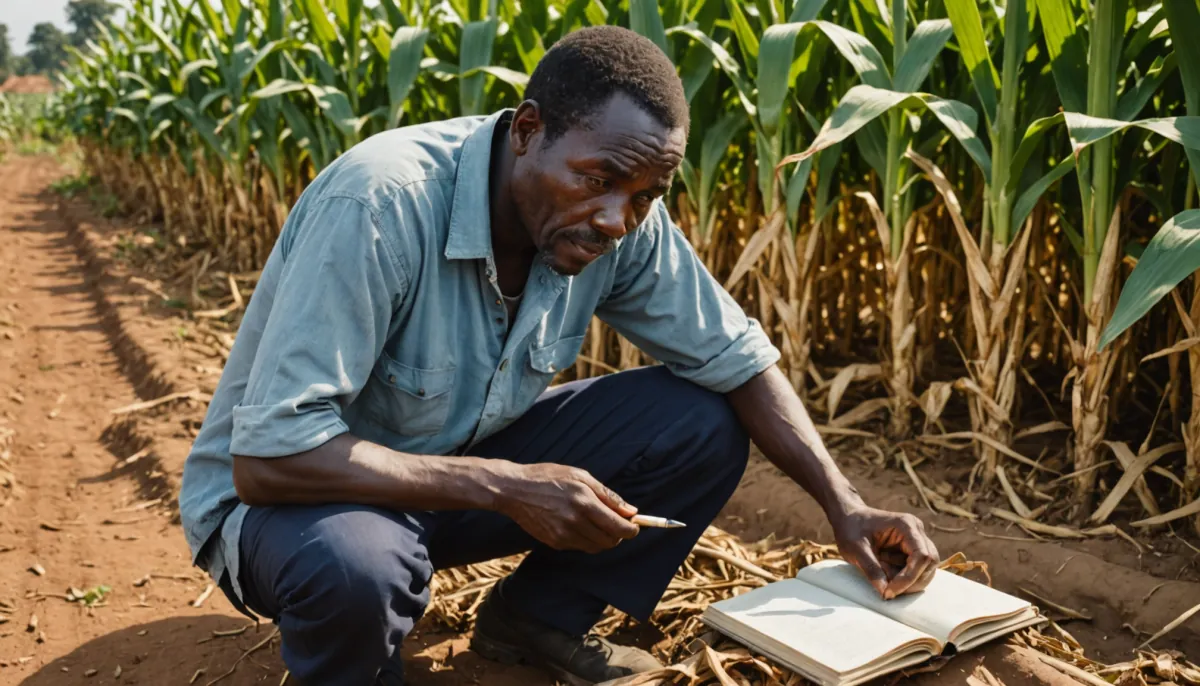
    Record-keeping on the farm is the systematic practice of documenting and organizing essential data related to agricultural operations. It involves the recording of various aspects, including financial transactions, crop cultivation, livestock management, resource utilization, and other critical information pertinent to the farm’s activities.

    Record keeping on the farm is a crucial management practice that involves systematically documenting various aspects of farm operations. This includes tracking expenses, income, livestock production, crop yields, fertilizer and pesticide applications, equipment maintenance, and labor. Effective record-keeping allows farmers to make informed decisions, enhancing productivity and profitability.

    By maintaining detailed and accurate records, farmers can analyze trends over time, identify areas for improvement, and optimize resource allocation. For example, recording crop yields against specific inputs like fertilizers or pesticides can help in determining the most cost-effective practices. Similarly, tracking animal health records and breeding cycles aids in managing livestock more efficiently.

    Financial records are essential for budgeting, planning, and securing loans or grants. They provide a clear picture of the farm’s financial health, showing where money is being spent and earned. Additionally, these records are critical for tax preparation, ensuring compliance with regulations and potentially identifying tax-saving opportunities.

    In the digital age, many farmers are turning to software and mobile apps designed for agricultural record keeping. These tools simplify data entry, storage, and analysis, making it easier to access and utilize information for strategic decision-making.

    Overall, effective record keeping is foundational to farm management, supporting sustainability, and long-term success by enabling farmers to track their progress, plan for the future, and respond adaptively to market and environmental changes.

    Common examples of records kept on farms

    Farm record keeping involves a variety of records that are essential for efficient farm management, analysis, and planning. Here are some common types of records kept on farms:

    1. Financial Records:
    1. Income and expenditure records
    2. Receipts and invoices for purchases and sales
    3. Loan and credit records
    4. Asset inventory and depreciation schedules
    5. Tax records and documents
    1. Crop Production Records:
    1. Planting dates, varieties, and locations
    2. Input records (seeds, fertilizers, pesticides, water usage)
    3. Harvest yields and dates
    4. Crop rotation plans and field histories
    5. Pest and disease management logs
    1. Livestock Records:
    1. Birth, death, and purchase records
    2. Health and vaccination records
    3. Breeding and production records (e.g., milk yield, egg production)
    4. Feed consumption and conversion rates
    5. Weight and growth records
    1. Labor Records:
    1. Employee details, roles, and hours worked
    2. Training records
    3. Payroll and compensation details
    1. Equipment and Machinery Records:
    1. Purchase, repair, and maintenance logs
    2. Usage logs (hours of operation)
    3. Depreciation schedules
    1. Inventory Records:
    1. Supplies (seeds, feed, fertilizers, pesticides)
    2. Product inventory (stored crops, livestock products)
    3. Tools and equipment inventory
    1. Environmental and Compliance Records:
    1. Soil tests and health records
    2. Water usage and irrigation schedules
    3. Compliance with agricultural and environmental regulations
    4. Certifications (organic, animal welfare, etc.)
    1. Field and Farm Maps:
    1. Layouts of fields, crop locations, and rotations
    2. Infrastructure locations (buildings, irrigation systems)

    Why is record keeping important?

    The importance of record-keeping on a farm cannot be overstated. It plays a crucial role in the success and sustainability of agricultural operations. Here are several reasons why record-keeping is essential on a farm:

    1. Financial Management: Records help farmers track income and expenses. This is essential for budgeting, financial planning, and ensuring the farm remains profitable. It allows for better decision-making regarding investments, purchases, and pricing strategies.
    • Profitability Analysis: Detailed records enable farmers to analyze the profitability of specific crops, livestock, or farming practices. This information can guide future choices, emphasizing what works best for the farm’s financial health.
    • Resource Management: Recording data on inputs like seeds, fertilizers, water, and labor can help optimize resource use. This reduces wastage and improves resource efficiency.
    • Tax and Legal Compliance: Accurate records are crucial for tax reporting and compliance with government regulations. Failure to maintain proper records can lead to legal issues and financial penalties.
    • Performance Evaluation: Record-keeping allows farmers to assess the performance of different farming seasons and years. It helps in identifying trends, successes, and areas that need improvement.
    • Crop Rotation and Pest Management: Keeping track of which crops were planted where in previous seasons helps in planning for crop rotation and pest management. This can prevent soil depletion and reduce the risk of pest infestations.
    • Livestock Management: For livestock farms, records help in monitoring animal health, breeding cycles, vaccinations, and growth rates. This data is critical for herd management and ensuring the well-being of the animals.
    • Market Planning: Farmers can use historical data to plan for market demands. Knowing what crops or products were in demand during specific times of the year can help in production and marketing strategies.
    • Loan Applications: Many farmers require loans for various purposes, such as purchasing new equipment or expanding operations. Lenders often require detailed records to assess the farm’s creditworthiness.
    1. Disaster Preparedness: In the unfortunate event of a natural disaster or unforeseen circumstances, accurate records are essential for insurance claims and recovery efforts.
    1. Succession Planning: Records can be invaluable for farmers planning to pass on their farm to the next generation. They provide a clear history of the farm’s operations, assets, and challenges.
    1. Environmental Stewardship: Maintaining records related to soil health, water use, and environmental practices can demonstrate a commitment to sustainable and responsible farming, which is increasingly important to consumers and regulatory bodies.

    In summary, record-keeping is a foundational practice for effective farm management. It supports financial stability, decision-making, and regulatory compliance while also aiding in resource optimization, performance evaluation, and long-term sustainability. Farmers who maintain accurate records are better positioned to adapt to changing conditions and achieve success in their agricultural endeavors.

    frequently asked questions related to the importance of record-keeping on the farm:

    1. Why is record-keeping important for a farm?

    Record-keeping is crucial for farms to manage finances, monitor performance, comply with regulations, and make informed decisions about resource allocation and crop management.

    2. What types of records should I maintain on my farm?

    You should maintain records of financial transactions, crop and livestock data, input usage, labor, machinery maintenance, and any other relevant information for your specific farming operation.

    3. How can record-keeping benefit my farm financially?

    Keeping accurate financial records helps you track income and expenses, assess profitability, and make well-informed decisions regarding investments, pricing, and budgeting.

    4. How do records assist in managing resources on the farm?

    Records help you optimize resource use by tracking input quantities, ensuring efficient use of seeds, fertilizers, and water, and minimizing waste.

    5. What role do records play in legal and regulatory compliance on the farm?

    Accurate records are essential for tax reporting and compliance with government regulations. Failure to maintain proper records can result in legal issues and penalties.

    6. How can record-keeping improve crop management and pest control?

    Records help in planning crop rotations and identifying pest management strategies based on previous crop history, reducing soil depletion and the risk of pest infestations.

    7. What are the benefits of livestock records for animal farming operations?

    Livestock records assist in monitoring animal health, breeding cycles, vaccinations, growth rates, and overall herd management, contributing to animal welfare and productivity.

    8. How can records help in market planning for the farm’s products?

    Historical data on market demand for specific crops or products during different seasons allows for informed decisions regarding production and marketing strategies.

    9. Can accurate records assist in applying for loans for my farm?

    Yes, lenders often require detailed records to assess your farm’s creditworthiness when you apply for loans, making it easier to secure funding for various farm needs.

    10. How can record-keeping support disaster preparedness and recovery efforts?

    In the event of a natural disaster or unforeseen circumstances, records are essential for insurance claims, assessing damage, and planning recovery efforts.

    11. How do records contribute to succession planning for the farm?

    Records provide a clear history of the farm’s operations, assets, and challenges, which is valuable for succession planning when passing the farm to the next generation.

    12. What is the role of records in environmental stewardship on the farm?

    Records related to soil health, water use, and environmental practices demonstrate a commitment to sustainable and responsible farming, which is increasingly important for consumers and regulatory compliance.

    Effective record-keeping is a fundamental practice for farm management and plays a pivotal role in the financial, operational, and environmental success of farming operations.

  • Unveiling Worship: Exploring Forms and Biblical Teachings

    Unveiling Worship: Exploring Forms and Biblical Teachings

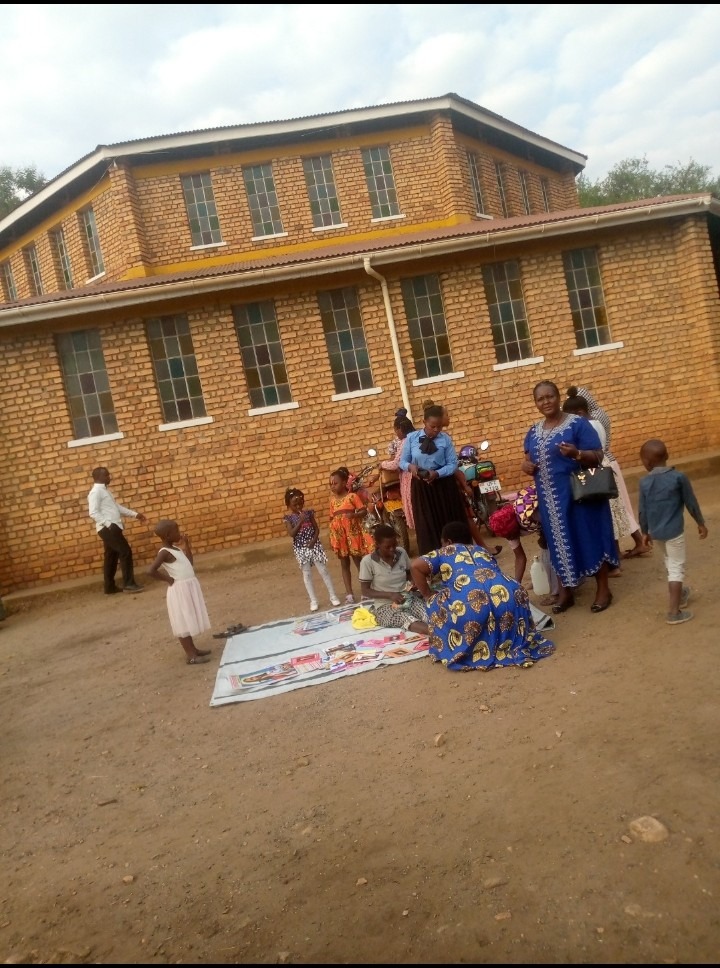
    Christians going to worship in Kasese catholic dioses church

    Dive into the essence of worship, where reverence and devotion intertwine in a sacred dance. In this exploration, we unravel the various forms of worship and delve into the rich Biblical teachings on worship encapsulated in the pages of the Bible. Join us on this enlightening journey as we navigate the spiritual landscape and uncover the profound significance of worship.

    WHAT IS WORSHIP

    Worship typically refers to the act of showing reverence, adoration, and devotion to a deity or a divine being. It is often expressed through rituals, prayers, songs, and other religious practices. Worship can take various forms and is a central element in many religious traditions, serving as a way for individuals or communities to connect with the sacred or the divine. The specific practices and beliefs associated with worship can vary widely across different religions and cultures. In addition to religious contexts, the term can also be used more broadly to describe deep admiration or respect for something, such as a person, an idea, or a cause.

    People worship in various ways depending on their beliefs and traditions. Some may worship through prayer, meditation, rituals, singing hymns or devotional songs, attending religious services, performing specific gestures or rites, making offerings, or even acts of service and kindness. Worship can be both personal and communal, and it often involves expressing reverence, gratitude, and connection to something considered sacred or divine. The specific practices can differ greatly among different religions and cultures.

    Forms of worship

    Worship can take numerous forms, some of which include:

    1.         Prayer: Communication with a higher power or deity, expressing thanks, requests, or praise.

    2.         Rituals and Ceremonies: Formalized practices, often with symbolic meaning, conducted as part of religious or spiritual observances.

    3.         Meditation: A practice focusing the mind, often to achieve a heightened state of consciousness or connection with the divine.

    4.         Offerings and Sacrifices: Giving something of value as a sign of respect or devotion.

    5.         Service and Acts of Kindness: Worshipping by helping others, embodying the values of one’s faith through actions.

    6.         Music and Chanting: Singing hymns, reciting religious verses, or engaging in musical worship.

    7.         Pilgrimages: Journeys to sacred places or sites of religious significance as an act of devotion.

    These forms vary widely among different faiths and belief systems, each having its unique ways of worshipping.

    Biblical teaching about worship

    The Bible, a timeless guide, offers profound insights into the nature of worship. From the Psalms’ poetic expressions to the teachings of Jesus, biblical wisdom imparts a holistic understanding of worship. Discover the call to worship in spirit and truth, the significance of a contrite heart, and the transformative power of gratitude as we delve into the biblical tapestry of worship.

    In the Bible, worship is depicted in various forms and is a central theme throughout. Some key teachings on worship include:

    1.         Sincerity and Spirit: Emphasizing the importance of worshiping with a genuine heart and in spirit (John 4:23-24).

    2.         Humility: Encouraging humility and reverence in approaching the divine (Psalm 95:6).

    3.         Thanksgiving and Praise: Expressing gratitude and praise to God through worship and song (Psalm 100:4).

    4.         Obedience and Service: Connecting worship to a life lived in obedience to God and service to others (Romans 12:1).

    5.         Community and Gathering: Highlighting the significance of communal worship and fellowship (Hebrews 10:25).

    6.         Holiness and Devotion: Encouraging a life of holiness and dedication to God in all aspects, not just during specific worship times (Romans 12:1).

    These teachings underline the depth and breadth of worship as a lifestyle that extends beyond rituals or specific acts, emphasizing the heart, mind, and actions of an individual in their relationship with the divine.

    Frequently asked questions on worship

    1.         What is worship, and why is it significant in religious practices?

    •          Worship is the act of showing reverence and devotion to a deity or divine being. It is significant in religious practices as a way for individuals to connect with the sacred, express gratitude, and deepen their spiritual connection.

    2.         Are there different forms of worship in various religious traditions?

    •          Yes, there are various forms of worship, including rituals, prayers, hymns, meditation, and acts of service. Different religious traditions may have unique practices and ceremonies that constitute worship.

    3.         How does worship contribute to spiritual growth and well-being?

    •          Worship is believed to contribute to spiritual growth and well-being by fostering a sense of connection to the divine, providing a framework for moral guidance, and offering a source of comfort and solace in times of difficulty.

    4.         Can worship extend beyond religious contexts?

    •          Yes, worship can extend beyond religious contexts. In a broader sense, worship can involve showing deep admiration, respect, or devotion to a person, idea, or cause, transcending religious boundaries.

    5.         What role do rituals play in worship, and why are they important?

    •          Rituals in worship serve as symbolic expressions of devotion and are important for creating a sense of sacred space and time. They provide structure to worship, fostering a deeper connection to the divine.

    6.         How does the concept of worship vary across different cultures?

    •          The concept of worship varies across cultures, with different traditions having unique rituals, symbols, and practices. Cultural influences shape the way individuals express reverence and devotion.

    7.         Is private or personal worship as significant as communal worship?

    •          Both private and communal worship have significance. Private worship allows for personal reflection and connection, while communal worship fosters a sense of community, shared beliefs, and collective spiritual energy.

    8.         What does the Bible teach about the sincerity of worship?

    •          The Bible emphasizes the importance of sincere and genuine worship. It teaches that worship should come from the heart, with authenticity, humility, and a true desire to honor the divine.

    9.         Can one worship without being affiliated with a specific religious tradition?

    •          Yes, individuals can engage in worship without being affiliated with a specific religious tradition. Personal expressions of spirituality and reverence can take various forms and are not limited to organized religions.

    10.       How can individuals enhance their worship experience?

    •          Individuals can enhance their worship experience by deepening their understanding of their faith, exploring different forms of worship, seeking spiritual guidance, and fostering a sincere and open-hearted connection with the divine.

    WAT YOU SHOULD KNOW

    As we conclude this exploration into worship, may the echoes of devotion linger in your heart. Whether through traditional rites or contemporary expressions, through psalms or silent contemplation, may your journey of worship be authentic and transformative. The teachings of the Bible illuminate the path, inviting us to worship not just with lips but with our lives. Thank you for joining us on this sacred odyssey, where worship becomes a profound dialogue between the finite and the infinite.

  • Explore Biology: Intro, meaning, Branches and careers

    Introduction to biology

    Biology is the scientific study of living organisms and their interactions with the environment. It explores the diversity of life, from microscopic bacteria to complex ecosystems. Key principles include genetics, evolution, ecology, and cellular processes, providing a foundation for understanding the intricacies of life on Earth.

    Introduction:

    In this chapter, we will delve into the fundamental concepts of biology, exploring the diverse realms of life. We’ll begin by examining the basic characteristics of living organisms and then journey through the intricacies of cells, genetics, and evolution. The chapter will also unfold the wonders of biodiversity, ecology, and the interdependence of living organisms within ecosystems. By the end, you’ll have a solid foundation in the key principles that underpin the fascinating world of biology.

    Meaning of biology

    Biology is the scientific discipline that investigates and studies living organisms and their interactions with each other and their environment. It encompasses a wide range of topics, from the structure and function of cells to the dynamics of ecosystems, aiming to understand the mechanisms that govern life and its various forms.

    The branches of biology

    Biology is a diverse field with numerous branches, each focusing on specific aspects of living organisms. Some major branches of biology include:

    1.         Botany: Study of plants, including their structure, growth, reproduction, and classification.

    2.         Zoology: Examination of animals and their behavior, physiology, classification, and distribution.

    3.         Microbiology: Exploration of microscopic organisms such as bacteria, viruses, and fungi.

    4.         Genetics: Investigation of heredity and variation in living organisms.

    5.         Ecology: Study of the relationships between living organisms and their environments.

    6.         Anatomy: Detailed examination of the structure of organisms and their parts.

    7.         Physiology: Analysis of the functions and activities of living organisms and their parts.

    8.         Evolutionary Biology: Exploration of the processes and patterns of biological evolution.

    9.         Cell Biology: Investigation of the structure and function of cells, the basic units of life.

    10.       Biochemistry: Study of the chemical processes within and related to living organisms.

    11.       Biotechnology: Application of biological principles to develop technologies for various purposes.

    12.       Neuroscience: Examination of the nervous system and its role in behavior and cognitive functions.

    These branches collectively contribute to our understanding of the complexity and diversity of life on Earth.

    Biology in everyday life

    Biology is woven into various aspects of our everyday lives, influencing and shaping our experiences in numerous ways:

    1.         Nutrition: Understanding biological processes helps us make informed choices about the food we eat and how it impacts our health.

    2.         Medicine: Biology is crucial in the development of medical treatments, drugs, and vaccines, contributing to advancements in healthcare.

    3.         Environmental Awareness: Biological concepts guide our understanding of ecosystems, biodiversity, and environmental issues, influencing our decisions to protect and conserve nature.

    4.         Genetic Traits: Biological principles explain inherited traits, genetic disorders, and the basis of family resemblances.

    5.         Fitness and Exercise: Knowledge of anatomy and physiology aids in optimizing physical fitness and well-being through exercise.

    6.         Disease Prevention: Understanding biology helps us comprehend the spread of diseases and the importance of practices like vaccination and hygiene.

    7.         Agriculture: Biological insights contribute to improving crop yields, pest control, and sustainable farming practices.

    8.         Reproduction and Family Planning: Biology plays a central role in family planning decisions and understanding reproductive health.

    9.         Biotechnology Applications: Everyday products, from medicines to household items, often involve biotechnological processes derived from biological principles.

    10.       Ecosystem Services: Appreciating the interconnectedness of living organisms highlights the importance of ecosystems in providing services like clean air, water, and pollination.

    11.       Pet Care: Understanding animal biology enhances our ability to care for pets, ensuring their health and well-being.

    12.       Forensic Science: Biological techniques aid in crime scene investigation, DNA analysis, and solving criminal cases.

    In essence, biology is not confined to laboratories; its principles are integral to our daily lives, influencing decisions from health and nutrition to environmental stewardship.

    careers in studying biology

    Studying biology opens up a diverse range of career paths, reflecting the breadth and depth of the field itself. Biology, the study of living organisms and their interactions with the environment, branches into numerous specialties, catering to a variety of interests and skills. Here are some careers for biology majors, spanning from traditional roles to emerging fields:

    1. Healthcare and Medicine

    • Doctor and Surgeon: Requires medical school and residency.
    • Nurse and Nurse Practitioner: Involves direct patient care, requiring specific nursing degrees.
    • Dentist: Specializes in oral health; requires dental school.
    • Pharmacist: Focuses on dispensing medications and advising on their safe use.
    • Physical Therapist: Helps patients recover and improve physical mobility.
    • Veterinarian: Cares for animals, requiring a degree in veterinary medicine.

    2. Research and Academia

    • Research Scientist: Conducts experiments in various biology subfields, often requiring a Ph.D.
    • Biotechnologist: Works on applying cellular and biomolecular processes to develop products.
    • Microbiologist: Studies microorganisms and their effects on humans, animals, and the environment.
    • Geneticist: Researches genes, genetic variation, and heredity in organisms.
    • Ecologist: Studies ecosystems and the interactions between organisms and their environments.
    • Professor: Teaches biology subjects at colleges and universities, often combined with research.

    3. Environmental Conservation

    • Conservation Biologist: Works to protect and restore biodiversity and natural habitats.
    • Wildlife Biologist: Studies and manages wild animal populations.
    • Environmental Scientist: Addresses environmental problems and works to protect the environment and human health.
    • Marine Biologist: Studies marine organisms and their behaviors in their natural habitats.

    4. Biotechnology and Pharmaceutical Industry

    • Biomedical Engineer: Combines engineering principles with medical and biological sciences to design and create equipment, devices, computer systems, and software.
    • Clinical Research Coordinator: Manages clinical trials to test new drugs for effectiveness and safety.
    • Quality Control Analyst: Ensures the quality and safety of products in fields such as pharmaceuticals and food production.

    5. Forensic Science

    • Forensic Scientist: Applies scientific methods to contribute to crime investigations, often requiring specialization in forensic biology.

    6. Science Communication and Policy

    • Science Writer/Journalist: Writes about scientific discoveries and trends for the general public or specific audiences.
    • Science Policy Analyst: Works at the intersection of science and policy, advising and developing policies related to science, technology, and environment.

    7. Education

    • Science Teacher: Teaches biology at middle schools, high schools, or private educational institutions, aiming to inspire the next generation of scientists.

    8. Industry Sales and Marketing

    • Technical Sales Representative: Sells scientific and technical products to businesses and research institutions, leveraging scientific knowledge to meet customer needs.

    Each of these career paths may require specific advanced degrees or certifications beyond a bachelor’s degree in biology. The field is ever-evolving, with new specialties and careers emerging as science advances. Whether you’re drawn to direct patient care, the intricacies of molecular biology, the vastness of ecosystems, or the innovation of biotechnological applications, a background in biology can be your gateway to a rewarding career.

    Frequently Asked Questions: Introduction to Biology

    What is biology?

    Answer: Biology is the scientific study of life and living organisms, including their structure, function, growth, evolution, distribution, and taxonomy. It explores the complex interactions between different forms of life and their environments.

    Why is biology important?

    Answer: Biology is crucial for understanding the natural world and all living things within it. It helps us to comprehend the processes of life, from molecular mechanisms within cells to ecosystem dynamics. This knowledge is vital for addressing challenges such as disease treatment, environmental conservation, and sustainable living.

    What are the main branches of biology?

    Answer: Biology is a diverse and expansive field, consisting of many branches. Major branches include botany (study of plants), zoology (study of animals), microbiology (study of microorganisms), genetics (study of genes and heredity), and ecology (study of ecosystems and the environment).

    Do I need a laboratory to study biology?

    Answer: While laboratory work is an important part of biology, enabling hands-on learning and experimentation, it’s not the only way to study biology. Observational studies, theoretical work, and computational biology are also key aspects of the field. However, access to a laboratory can enhance your understanding of biological concepts and methods.

    Can I specialize in biology?

    Answer: Yes, due to the vastness of the field, many biologists specialize in a specific area of study, such as molecular biology, evolutionary biology, marine biology, or neurobiology. Specialization usually occurs at the graduate level or in your career based on interests and opportunities.

    How does studying biology impact society?

    Answer: Biology has profound implications for society. It plays a critical role in addressing public health issues, improving agricultural productivity, conserving biodiversity, and developing new technologies and medicines. Understanding biology is essential for solving many of the world’s pressing problems.

    What skills do I need to be successful in biology?

    Answer: Successful biologists typically have a strong foundation in science and mathematics, good analytical and problem-solving skills, and the ability to think critically. Communication skills are also important, as sharing research findings is a key part of the scientific process. Curiosity, patience, and perseverance are essential traits for conducting research and making discoveries.

    How can I pursue a career in biology?

    Answer: A career in biology typically starts with a bachelor’s degree in biology or a closely related field. Further specialization often requires advanced degrees (Master’s or Ph.D.). Gaining experience through internships, research projects, and laboratory work is crucial. Career paths vary widely, from research and academia to applied fields in healthcare, environmental management, and biotechnology.

    What are some current hot topics in biology?

    Answer: Hot topics in biology include genetic editing (CRISPR-Cas9), personalized medicine, stem cell research, climate change and its impact on biodiversity, synthetic biology, and the microbiome’s influence on health and disease.

    Can biology be studied online?

    Answer: Yes, many aspects of biology can be studied online through courses and resources offered by educational institutions and platforms. While online studies can provide a solid theoretical foundation, practical laboratory skills may require hands-on experience, which some institutions offer through residential courses or partnerships.

  • REASONS WHY WE STUDY HISTORY

    REASONS WHY WE STUDY HISTORY

    History studies are important for understanding the present, developing critical thinking skills, and learning from past mistakes and successes. It enables us appreciate different cultures and perspectives, resulting into a more well-rounded understanding of the world and its challenges.

    What is history?

    History is the study of the past and the present which enables learners to predict the future. In order to be an all-round citizen, one must have a deep understanding of his historical background.

    The meaning of history encompasses several dimensions, integrating the study, analysis, and interpretation of past events and their impact on the present and future. At its core, history is about understanding how past human actions, decisions, cultures, and civilizations have shaped the world we live in today. It involves a careful examination of records, artifacts, and narratives to construct a coherent account of past events. The term “history” can be dissected into a few key components to appreciate its multifaceted nature:

    1.    Record of Past Events: History represents the chronological record of significant events (such as wars, movements, and cultural shifts) that have occurred over time, along with the exploration of their causes and effects.
    2. Interpretation and Analysis: It is not just about facts and dates; history involves interpreting the past through various lenses (e.g., economic, political, social) to understand the complexities of human societies and behaviors.
    3. Narrative Construction: Historians compile and synthesize evidence from the past to tell the story of humanity. This narrative construction helps in making sense of how past events are interconnected and how they have influenced the present.
    4. Lessons for the Future: By studying history, we can learn from past mistakes and successes, which can guide decision-making and strategy in both public and personal spheres. It offers insights into human nature, societal development, and the consequences of actions over time.
    5. Cultural and Identity Formation: History is crucial in shaping cultural, national, and individual identities. It provides a sense of belonging, understanding, and continuity, linking people to their heritage and to each other.
    6. Critical Thinking and Perspective: Engaging with history develops critical thinking skills, enabling individuals to analyze sources, question narratives, and appreciate multiple viewpoints. It fosters a deeper understanding of the complexities and diversities of human experiences.

    In summary, the meaning of history is multidimensional, serving as a record, a method of inquiry, a narrative, a lesson, a foundation for identity, and a tool for developing critical perspectives on the human condition. It bridges the past with the present, offering invaluable insights for shaping the future.

    There is a variety of reasons as to why we study history. Why people learn history matters due to political, social and economic reasons. Before we critique the reasons why an individual studies history, especially in a secondary school, let us discover the meaning of this subject.

    KEY TAKE AWAYS

    1. PREDICT THE FUTURE
    2. TO ERADICATE INDIVIDUALISM
    3. Develop empathy
    4. LEADERSHIP
    5. Transferrable skills
    6. Communication skills
    7. History reveals our origin
    8. Learn from our mistakes

    Why is history taught in schools?

    The following are some of the reasons why history is taught:

    1.     PREDICT THE FUTURE

    History enables a learner to deeply understand the past and the present in order to predict the future.   This subject provides learners with tools to scrutinize the past which eventually enables us to unlock patterns of the foreseeable future. For instance: we annalise the wars in history to avert the resurgence of new conflicts.

    2.     Eradicate individualism

    With the study of history, learners get an opportunity to flee from individualistic tendencies since they understand that they are one body and one spirit. With the story of the evolution of man, we learn that every one of us shares origin from apes.  You can never be the same when you are a historian. The narratives of migration and settlements discourage learners from religious discrimination, tribalism and racism.

    3.     Develop empathy

    When studying history, learners appreciate the need to understand other people’s cultures, ideas and traditions.

    4.     Leadership

    We learn appropriate leadership styles since it is imbedded with political education. E.G: napoleon, the great teaches us about constitutionalism.

    5.     Transferrable skills

    We learn skills like research, essay writing and critical thinking in the subject.

    History endows a learner with skills of critical thinking especially through linking a series of events. E.G: the course of any settlement; Bantu, Luo and Ngoni migration and settlement.

    LOGICAL REASONING AND PROBLEM SOLVING

    This is due to the research-oriented projects in the subject. E.G: the task of tracing our past. It would be difficult for a learner to leave any history class without mastering the art of analyzing issues.

    Appreciate the importance of politics in development.

    We learn lots of political events which shape our mindset on politics. For instance: the scramble and partition of Africa instigates history students with African nationalism.

    6.     COMMUNICATION SKILLS

    We learn to listen and speak, read and write. These skills enable one develop professionally.

    7.     History reveals our origin

    We recognize our origin through studying the past in history. Topics like the migrations inform us of where we come from. We thus develop a sense of belonging when we learn history.

    8.     Learn from mistakes

    The past is featured with a lot of mistakes. The study of history familiarizes learners to past mistakes which open their eyes to avoid similar mistakes in future. With the study of wars and rebellions, we avoid future conflicts once similar events present themselves.

    Conclusion

    The study of history is thus important for everyone to appreciate. Learners of history will develop a holistic approach to solving local, national and global challenges.

    Here’s your rewritten FAQ with each sentence under 20 words, optimized for readability by both humans and machines (ideal for generative engine optimisation):


    FAQ: Why We Study History

    1. What is the importance of studying history?

    Answer: History helps us understand the past and how it affects our present and future decisions.

    2. How does history help us understand different cultures?

    Answer: History shows how people lived, believed, and acted, helping us respect and understand different cultures.

    3. Can studying history improve our critical thinking skills?

    Answer: Yes. History trains us to analyze sources, spot bias, and think critically about events and perspectives.

    4. What role does history play in shaping our identity?

    Answer: History connects us to our roots and builds personal, community, and national identity and pride.

    5. Is there practical value in studying history?

    Answer: Yes. History helps in careers like law, education, policy, journalism, and sharpens research and analysis skills.

    6. How does history influence our future?

    Answer: History teaches lessons from past successes and failures to help guide better decisions for the future.

    7. Why is it important to study both the successes and failures in history?

    Answer: Studying both helps us learn, build resilience, avoid mistakes, and understand human growth and challenges.

    8. How does history inspire us?

    Answer: History shares stories of courage and change that motivate us to grow, lead, and make a  difference.

  • methods for effective note taking while revising

    Effective note-taking is a crucial skill for students, especially during the revision process. It helps to consolidate and clarify your understanding of the material, making study sessions more productive and efficient. Here are some proven methods for effective note-taking that can enhance your revision efforts:

    1. The Cornell Method

    The Cornell Note-Taking System is designed to systematically organize and condense your notes. The page is divided into three sections: cues, notes, and summary. The notes section is for your main notes, the cue column is for keywords or questions, and the summary at the bottom to summarize the page’s content. This method encourages active engagement with the material, making it easier to review and recall.

    2. Mind Mapping

    Mind mapping involves creating a visual representation of your notes, with the main subject in the center and related topics branching out. This method is particularly effective for visual learners as it allows you to see the connections between different concepts clearly. It’s excellent for subjects that have many interlinking topics or for brainstorming ideas.

    3. Outlining

    Outlining is a hierarchical system of organizing notes that starts with broad topics and narrows down into more detailed points. This method helps in structuring information logically, making it easier to follow and understand complex subjects. It’s particularly effective for subjects like history or literature, where a chronological or thematic structure can aid in memorization and comprehension.

    4. The Boxing Method

    The Boxing Method involves grouping related information together into boxes on a page. This method is beneficial for compartmentalizing different themes or topics within a lecture or study session, making the review process more streamlined and focused. It’s a flexible method that can be adapted to various subjects and personal preferences.

    5. The Charting Method

    When the information is dense and fact-based, like in science or economics, the Charting Method can be invaluable. You create charts that categorize information into columns for easy comparison and contrast. This method aids in visually organizing similarities, differences, dates, and key facts for quick review.

    6. The Sentence Method

    The Sentence Method is straightforward but effective, involving writing down each new fact or topic as a separate sentence. This method is particularly useful in fast-paced environments where you might not have the time to organize your thoughts fully. Later, these sentences can be reorganized and reviewed to form a coherent understanding of the subject matter.

    7. Digital Note-Taking

    Using digital tools and apps for note-taking can enhance your revision process through easy organization, searchability, and the ability to incorporate multimedia resources. Tools like OneNote, Evernote, or Google Keep allow for syncing across devices, so your notes are always accessible. Plus, many offer features like tagging and folders for better organization.

    Conclusion

    Experimenting with different note-taking methods can help you find the one that best suits your learning style and the subject matter. Effective note-taking is not just about capturing information; it’s about processing and understanding it. Whichever method you choose, the key is consistency and practice. By refining your note-taking skills, you can significantly improve your revision efficiency and academic performance.

  • How to avoid revision destruction and procrastination

    What is procrastination?

    Procrastination is the action of delaying or postponing tasks or decisions, often habitually. It involves putting off tasks that need to be accomplished by a certain deadline, choosing instead to engage in more pleasurable or less urgent activities. Procrastination can stem from various causes, including fear of failure, perfectionism, a lack of motivation, difficulty concentrating, poor time management skills, or simply not knowing how to start the task at hand. While everyone may procrastinate to some degree, it becomes a problem when it impedes normal functioning, leads to significant stress, anxiety, feelings of guilt, loss of productivity, and potentially impacts personal or professional goals.

    Procrastination and distractions are significant hurdles in achieving academic and personal goals. They can derail the most well-intentioned study plans, leading to unnecessary stress and diminished productivity. However, with the right strategies, you can overcome these challenges and cultivate a more focused and efficient approach to your work.

    How to manage procrastination while revising for examinations

    Here are some effective techniques to avoid procrastination and manage distractions:

    1. Break Tasks into Smaller Steps

    Large tasks can seem overwhelming, leading to procrastination. Break them into smaller, more manageable parts. This makes the work seem less daunting and helps you to start. Completing these smaller tasks provides a sense of achievement, motivating you to continue.

    2. Use Time Management Techniques

    Adopt time management techniques like the Pomodoro Technique, which involves working for a set period (typically 25 minutes), followed by a short break. This not only helps in maintaining focus but also ensures you get regular breaks to recharge, making your study sessions more effective.

    3. Set Clear Goals and Deadlines

    Establish specific, measurable, achievable, relevant, and time-bound (SMART) goals for your study sessions. Setting deadlines for each task can also help create a sense of urgency, preventing procrastination.

    4. Create a Dedicated Study Space

    Having a designated area for studying can help minimize distractions and signal to your brain that it’s time to focus. Ensure this space is organized, comfortable, and free from distractions like television, unnecessary gadgets, or noisy areas.

    5. Limit Digital Distractions

    Social media, emails, and instant messages are major distractions. Use apps or browser extensions that limit your use of social media and block distracting websites during study sessions. Allocate specific times for checking these platforms to ensure they don’t interfere with your productivity.

    6. Practice Mindfulness and Self-awareness

    Being mindful of your procrastination habits and the triggers that cause them can be a powerful deterrent. Techniques such as mindfulness meditation can help improve your focus and reduce the urge to procrastinate by keeping you grounded in the present moment.

    7. Reward Yourself

    Set up a reward system for completing tasks or study sessions. Rewards can be simple, such as taking a walk, enjoying a favorite snack, or watching an episode of a TV show. This can help improve motivation and make the prospect of tackling tasks more appealing.

    8. Seek Accountability

    Share your goals with a friend, family member, or study group who can help keep you accountable. Regular check-ins can motivate you to stay on track and reduce the likelihood of procrastination.

    9. Address Perfectionism

    Perfectionism can lead to procrastination, as the fear of not doing something perfectly can prevent you from starting at all. Recognize that making mistakes is part of the learning process, and focus on progress rather than perfection.

    10. Prioritize Tasks

    Identify the most important tasks and tackle them first. This prioritization ensures that even if procrastination strikes, you’ve completed the most critical work. Use tools like the Eisenhower Box to categorize and prioritize tasks effectively.

    Conclusion

    Managing procrastination and distractions requires a conscious effort to modify your environment, habits, and mindset. By implementing these strategies, you can enhance your focus, increase your productivity, and achieve a more balanced and fulfilling academic and personal life. Remember, the key is consistency and being gentle with yourself as you work to overcome these challenges.

  • Navigating Exam Anxiety: Strategies for Success

    Exam anxiety is a common challenge faced by students, characterized by feelings of worry, nervousness, or unease about upcoming exams. It can affect anyone, regardless of how well they’ve prepared. Understanding how to manage this anxiety can transform your revision sessions from stressful to productive, ensuring you approach your exams with confidence and clarity. This blog explores practical strategies to navigate exam anxiety effectively.

    Understanding the Roots of Exam Anxiety

    The first step in overcoming exam anxiety is understanding its origins. For many, the pressure to perform well, fear of failure, or past experiences of exams can trigger anxiety. Recognizing these triggers is crucial in developing personalized strategies to combat them.

    Establishing a Routine

    Routine brings structure to your revision, which can alleviate anxiety by providing predictability. Set a realistic revision schedule that includes breaks and adheres to it. A routine can help control the chaos, making your exam preparation more manageable and less overwhelming.

    Practical Techniques for Managing Stress

    Several techniques can help manage stress and anxiety effectively:

    • Deep Breathing and Meditation: Simple breathing exercises or guided meditations can calm the mind and reduce anxiety levels.
    • Exercise: Regular physical activity releases endorphins, natural mood lifters, which can combat stress.
    • Healthy Eating: A balanced diet can affect your energy levels and focus, impacting your overall mood and anxiety levels.

    The Role of Mindfulness and Positive Visualization

    Mindfulness involves being present and fully engaged with the current moment, without overthinking the past or future. Incorporating mindfulness into your revision can help reduce stress. Similarly, positive visualization, imagining yourself succeeding and handling the exam confidently, can help build a positive mindset towards exams.

    Preparing the Night Before and Morning Of

    Preparation can significantly reduce exam day anxiety. The night before, ensure you have everything you need for the exam ready. Get a good night’s sleep, and avoid cramming. On the day, have a healthy breakfast, and use positive affirmations to boost your confidence. Arriving early can also reduce stress caused by rushing or fear of being late.

    Seeking Support

    Remember, you’re not alone. Talking about your anxiety with friends, family, or teachers can provide comfort and potentially useful advice. Sometimes, just vocalizing your fears can diminish their power.

    Conclusion

    Navigating exam anxiety is about understanding its triggers, establishing a routine, and employing practical techniques to manage stress. Incorporating mindfulness and positive visualization can further prepare your mind for success. Remember, preparation extends beyond just academic knowledge; it’s also about preparing mentally and emotionally for the challenge ahead. By following these strategies, you can transform exam anxiety from a hindrance into an opportunity for growth and learning.

  • Essential Guide to Time Management for Exams

    Time management is a crucial skill for students, especially during the exam period when stress levels are high, and the stakes feel even higher. Balancing revision across different subjects, allocating time for practice exams, and ensuring there’s enough downtime to recharge can feel like a juggling act. This guide offers strategic insights into managing your time effectively, making sure you get the most out of your study sessions while keeping burnout at bay.

    Prioritizing Study Time and Subjects

    Not all subjects are created equal; some will require more of your time based on your proficiency and the exam’s complexity. Start by assessing each subject’s difficulty level and your comfort with the material. Allocate more time to subjects you find challenging, and don’t be tempted to spend too much time on those you’re already confident with. Use tools like a study planner or digital calendar to visually map out your revision schedule, ensuring you cover all bases without overwhelming yourself.

    Using the 8-hour rule

    For you to effectively manage your time, implement the 8-hour rule. This rule recommends learners to divide the 24-hour day into 3. That means that you’ve got 8 hours to study in class lessons, 8 hours for revision and 8 hours to relax. This kind of balance enables you to focus on your academics while having quality time off.

    Avoiding Procrastination and Managing Distractions

    Procrastination is the arch-nemesis of effective time management. Combat this by breaking your revision into manageable, timed sessions using techniques like the Pomodoro Technique – 25 minutes of focused study followed by a 5-minute break. Identify your main distractions – be it social media, noisy environments, or personal anxieties – and take steps to minimize them. Apps that block distracting websites or creating a dedicated, quiet study space can significantly improve your focus.

    Balancing Study with Relaxation

    All work and no play can make revision feel even more daunting. It’s essential to schedule regular breaks and downtime into your study plan. Engage in activities that relax and rejuvenate you, whether it’s exercise, reading, or spending time with friends. Remember, taking care of your mental and physical health is just as important as acing your exams.

    Making Use of Technology

    Several apps and online tools can aid in time management. From study timer apps that encourage focused study sessions to project management tools that help you track your revision progress. Leverage these technologies to stay organized and on track with your revision goals.

    Learning to Say No

    During the intense revision period, it’s okay to say no to social obligations and other non-essential activities that can eat into your valuable study time. Friends and family will understand your temporary unavailability, knowing it’s for a greater cause. Setting boundaries is a part of effective time management. It is okay for you to abandon being a regular footballer of your school. You can also regulate the time you spend in fellowships, clubs and other noncurricular activities.

    Conclusion

    Mastering time management is a journey that pays off far beyond the exam period. By prioritizing your studies, managing distractions, balancing work with relaxation, and leveraging technology, you can create a revision schedule that feels less like a burden and more like a well-oiled machine. Remember, the goal is not just to study hard but to study smart. With these strategies in hand, you’re well on your way to optimizing your study sessions and achieving exam success.

  • Techniques for Effective Exam Revision

    As exam season approaches, students across the glob prepare  to pass with flying colors. In Uganda, particularly, UNEB examinations begin in October each year. revision. Effective exam revision isn’t just about cramming; it’s a refined skill that, when mastered, can significantly boost performance and confidence. In this blog, we’ll dive into proven revision techniques that cater to a variety of learning styles, ensuring you’re equipped to tackle your exams head-on.

    Understanding Your Learning Style

    The first step to effective revision is understanding your learning style. Are you a visual learner who benefits from diagrams and flowcharts? Or perhaps you’re an auditory learner who retains information through listening and speaking? Identifying your style can help tailor your revision strategy to be more effective. For kinesthetic learners, creating physical models or engaging in role-plays can turn abstract concepts into tangible understanding.

    Efficient Note-Taking and Summarization

    Note-taking isn’t just for lectures. As you revise, create concise summaries of your topics. Bullet points, mind maps, and flashcards are excellent tools for breaking down complex information into digestible pieces. Techniques like the Cornell method can also enhance your note-taking efficiency, providing a systematic format to condense and organize your revision materials.

    Leveraging Practice Exams

    Practice exams are a cornerstone of effective revision. They not only familiarize you with the exam format and question types but also highlight areas needing improvement. Timed practice exams can further help you manage time pressure, teaching you how to allocate time across different sections. Reviewing past exam papers can uncover patterns in the types of questions asked, guiding your revision focus.

    Organizing Revision Materials

    A cluttered study space can lead to a cluttered mind. Organize your revision materials by subject, topic, and importance. Digital tools like cloud storage and educational apps can keep your notes accessible and organized. Consider color-coding subjects or themes to make finding materials quicker and to visually segment your studies.

    The Power of Group discussions

    Studying in groups can offer multiple perspectives on the same subject, enhancing your understanding and retention. Explaining concepts to others is also a powerful way to reinforce your own knowledge. However, choose your study group carefully; ensure everyone is committed to staying focused and productive.

    Conclusion

    Exam revision is an art form that requires understanding your learning style, employing efficient note-taking, leveraging practice exams, organizing your materials, and, when appropriate, studying in groups. By adopting these techniques, you’re not just preparing for your exams; you’re enhancing your lifelong learning skills. Remember, effective revision is a marathon, not a sprint. Start early, pace yourself, and you’ll cross the finish line with confidence.

    As you embark on your revision journey, consider integrating educational tools and resources that align with these strategies. Whether it’s note-taking apps, online practice exams, or group discussions, the right tools can transform your revision from a daunting task into a manageable and even enjoyable process.

  • teacher effectiveness in an inclusive classroom

    Teacher effectiveness in an inclusive classroom is crucial for ensuring that all students, regardless of their abilities, needs, or backgrounds, receive a quality education and feel valued and supported. Effective teachers in inclusive settings employ a range of strategies, adapt their teaching methods, and continually seek to improve their practice to meet the diverse needs of their students. Here are some ways through which teacher effectiveness can be enhanced in an inclusive classroom, supported by examples:

    1. Differentiated Instruction

    Differentiated instruction involves tailoring teaching environments, practices, and approaches to provide appropriate challenges for every student. For example, a teacher might use tiered assignments that allow students to work on tasks that match their skill levels while still focusing on the same essential concepts. This approach ensures that all students can engage with the material in a way that is suitable for their individual learning needs.

    2. Use of Assistive Technologies

    Effective teachers leverage assistive technologies to support the learning of students with disabilities. For instance, a teacher might incorporate text-to-speech software to assist students with dyslexia in reading texts or use graphic organizers and mind mapping software to help students with organizational difficulties structure their thoughts and ideas. These technologies can make curriculum content more accessible to students with specific learning needs.

    3. Collaborative Learning Strategies

    Inclusive educators often use collaborative learning strategies to build a classroom culture of mutual respect and support. Group work where students with varying abilities work together on projects can encourage peer learning and social interaction. For example, in a science project, students might be assigned roles that play to their strengths, such as research, writing, experimentation, or presentation, allowing each student to contribute meaningfully to the group’s success.

    4. Positive Behavioral Supports

    Effective classroom management in an inclusive setting often involves the use of positive behavioral supports and strategies that encourage good behavior and create a supportive learning environment. For example, a teacher might implement a classroom reward system that recognizes both academic achievements and positive social interactions, such as helping a peer or demonstrating kindness. This approach not only promotes a positive classroom climate but also reinforces the social and emotional skills necessary for inclusive education.

    5. Continuous Professional Development

    Teachers committed to effective inclusive education recognize the importance of continuous learning and professional development. Participation in workshops, seminars, and courses on inclusive teaching strategies, new educational technologies, and understanding specific disabilities can greatly enhance a teacher’s ability to support all students. For instance, a teacher who attends a workshop on autism spectrum disorders gains insights into the challenges these students face and learns specific strategies to support their learning and integration into the classroom.

    6. Formative Assessment Techniques

    Formative assessment is a powerful tool in the inclusive classroom, providing teachers with ongoing feedback on student learning and understanding. Effective teachers use a variety of formative assessment techniques, such as exit tickets, quizzes, or oral presentations, to gauge student progress and adjust their teaching accordingly. For example, if a teacher notices that several students are struggling with a math concept based on their responses to an in-class activity, they can provide additional instruction or resources to address these difficulties.

    7. Building Relationships and Fostering Inclusion

    Effective teachers in inclusive classrooms prioritize building strong relationships with all students and fostering a sense of belonging and community. They take the time to understand their students’ backgrounds, interests, and challenges and use this knowledge to make their teaching more responsive and engaging. For example, incorporating students’ interests into lessons or allowing students to share their cultural backgrounds during class discussions can enhance engagement and promote inclusivity.

    Conclusion

    Teacher effectiveness in an inclusive classroom is multifaceted, requiring a commitment to continuous improvement, flexibility in teaching methods, and a deep understanding of the diverse needs of students. By employing differentiated instruction, leveraging assistive technologies, fostering collaborative learning, and creating a supportive classroom environment, teachers can ensure that all students have the opportunity to succeed and feel valued within the educational community.

  • Empowering Parents of disabled learners

    We are discussing Your Role in Supporting Inclusive Education as a parent.

    In the journey toward fostering inclusive education, especially in countries like Uganda, the empowerment of parents plays a pivotal role. Parents and guardians of disabled children often find themselves navigating a complex educational landscape, seeking the best opportunities for their children’s learning and growth. This blog post is dedicated to you, the parents, offering insights and actionable strategies to enhance your involvement in promoting and supporting inclusive education for your children.

    Introduction

    Inclusive education is not just a philosophy but a practice that ensures every child, regardless of their abilities or disabilities, has access to quality education in a supportive and accommodating environment. The success of inclusive education significantly depends on the active involvement and empowerment of parents. Understanding your role and how you can effectively contribute to this educational approach is crucial in making inclusivity a reality for all children.

    Understanding Inclusive Education

    Before diving into how you can support inclusive education, it’s essential to grasp what it entails. Inclusive education is about adapting the learning environment to fit the diverse needs of all students. It’s about valuing diversity and learning together in a way that benefits everyone. It means that your child, irrespective of their disability, has the right to learn alongside their peers, participate in all school activities, and receive the necessary support to achieve their fullest potential.

    Communicate Proactively with Schools

    Effective communication with teachers and school administrators is key. Don’t wait for scheduled meetings; reach out regularly to discuss your child’s progress, share insights about their needs, and learn about the strategies being implemented in the classroom. For instance, if your child has difficulty with certain tasks, discuss alternative methods or tools that could aid their learning. Remember, you are an expert on your child, and your input is invaluable.

    Advocate for Your Child’s Needs

    Advocacy is about speaking up and ensuring your child’s rights and needs are met. This could mean requesting specific accommodations, like assistive technologies or tailored learning materials, that will help your child participate fully in class. For example, if your child is visually impaired, advocating for textbooks in Braille or audio format is a practical step towards inclusive education.

    Participate in School Activities

    Being actively involved in school activities, whether it’s attending parent-teacher meetings, joining the school board, or participating in school events, shows your child and the school community that you are committed to and support inclusive education. Your presence and participation can also encourage other parents to get involved, building a stronger, more inclusive school community.

    Educate Yourself and Others

    Knowledge is power. Educating yourself about inclusive education practices, disability rights, and the specific needs of your child can equip you to be a better advocate. Furthermore, sharing what you’ve learned with other parents, teachers, and community members can help spread awareness and foster a more inclusive mindset. Workshops, online courses, and parent support groups are great resources.

    Collaborate with Other Parents

    There is strength in numbers. Collaborating with other parents, especially those with children who have disabilities, can provide a support network where experiences, challenges, and strategies are shared. Together, you can have a stronger voice in advocating for inclusive practices within schools. Initiatives like forming parent advocacy groups or organizing inclusive education awareness events are examples of how collective action can make a significant impact.

    Conclusion

    As a parent, your involvement in your child’s education is crucial, especially when it comes to supporting and advocating for inclusive education. By understanding inclusive education, communicating proactively with schools, advocating for your child’s needs, participating in school activities, educating yourself and others, and collaborating with other parents, you can play a significant role in ensuring that inclusive education is not just an ideal but a reality. Remember, every step you take towards supporting inclusive education helps create a more accepting, understanding, and equitable society for all children.

    By following these strategies and being actively involved, parents can significantly contribute to the success and effectiveness of inclusive education, ensuring that every child, including those with disabilities, has the opportunity to learn, grow, and thrive within their school communities.

  • The future of inclusive education in Uganda

    Welcome to The Future of Inclusive Education in Uganda: Trends, Innovations, and Opportunities

    As Uganda continues to evolve in its approach to education, the landscape of inclusive education is also transforming. This transformation is driven by global trends, technological innovations, and a growing recognition of the importance of providing equitable educational opportunities for all children, including those with disabilities. This blog post explores the future of inclusive education in Uganda, highlighting the trends and innovations that are shaping it and the opportunities these developments present for enhancing learning experiences for all students.

    Introduction

    The future of inclusive education in Uganda is bright, filled with potential for transformative change. With advancements in technology, policy reforms, and increasing community engagement, the country is poised to make significant strides in ensuring that inclusive education is not just a concept but a lived reality for every child. Understanding the trends and innovations that are driving this change is essential for educators, policymakers, and stakeholders to harness these opportunities to create a more inclusive educational system.

    Trends Shaping the Future of Inclusive Education

    Increased Emphasis on Policy and Legislative Support

    Governments and international bodies are recognizing the importance of strong policy frameworks to support inclusive education. In Uganda, this means continued development and implementation of policies that mandate inclusive practices in all schools, backed by adequate funding and resources.

    Example:

    Future policy reforms might include specific mandates for teacher training in inclusive education practices, ensuring that all educators are equipped to meet the diverse needs of their students.

    Leveraging Technology for Accessibility and Personalization

    Technology is playing a pivotal role in removing barriers to education for students with disabilities. From assistive devices to educational apps that adapt to individual learning needs, technological innovations offer unprecedented opportunities to tailor education to each student’s unique requirements.

    Example:

    The use of AI and machine learning to develop personalized learning plans that adapt in real-time to the student’s progress, strengths, and challenges.

    Global Collaboration and Knowledge Sharing

    As the world becomes more connected, there are greater opportunities for countries like Uganda to learn from and collaborate with international partners on inclusive education strategies. This global network can provide access to resources, expertise, and best practices.

    Example:

    Participating in international inclusive education forums and partnerships with organizations like UNESCO can bring new ideas and support to Uganda’s inclusive education initiatives.

    Innovations Enhancing Inclusive Education

    Inclusive Classroom Design

    Innovative classroom designs that accommodate various learning styles and abilities are becoming more prevalent. These environments are flexible, accessible, and equipped with the necessary technology and resources to support all students.

    Example:

    Classrooms with adjustable lighting, sound-proofing, and modular furniture that can be rearranged to suit different activities and needs.

    Gamification and Interactive Learning Tools

    Gamification and interactive learning tools make education more engaging for all students, including those with disabilities. These tools can simplify complex concepts, provide instant feedback, and keep students motivated.

    Example:

    Educational games and VR experiences that simulate real-world scenarios, making learning more engaging and applicable to everyday life.

    Opportunities for Enhancing Inclusive Education

    Building Inclusive Communities

    There is a growing recognition of the need to extend inclusive practices beyond the classroom and into the wider community. Schools, families, and local organizations can work together to create environments where all children feel valued and included.

    Professional Development and Continuous Learning

    For inclusive education to be successful, ongoing professional development for teachers and school staff is essential. This includes not only initial training but also continuous learning opportunities to keep up with new strategies and technologies.

    Investing in Research

    Investing in research to understand the challenges and opportunities specific to Uganda’s context is crucial. This research can inform policy, teaching practices, and the development of resources tailored to the needs of Ugandan students.

    Conclusion

    The future of inclusive education in Uganda is filled with promise. By embracing trends and innovations, and seizing the opportunities they present, Uganda can create an educational system that truly reflects the needs and potential of all its children. The journey toward inclusive education is ongoing, but with commitment, creativity, and collaboration, it is a goal that is increasingly within reach, promising a brighter future for every student.

  • Strengthening Community Involvement in Inclusive Education in Uganda

    The success of inclusive education in Uganda does not solely rest on the shoulders of educators and policymakers. It is a collective effort that requires the active participation and support of the entire community. Strengthening community involvement can significantly enhance the effectiveness and sustainability of inclusive education programs. This blog post delves into the importance of community involvement in inclusive education and outlines strategies for mobilizing community resources and support to ensure every child, including those with disabilities, receives a quality education.

    Introduction

    Inclusive education is a holistic approach that goes beyond the classroom walls, embedding itself into the fabric of the community. It champions the idea that every child, regardless of their abilities or disabilities, has the right to learn, grow, and contribute to their community. Community involvement plays a crucial role in realizing this vision, as it fosters a supportive environment that values and promotes diversity and inclusion at all levels.

    The Role of Community in Supporting Inclusive Education

    Communities can provide a robust support network for students with disabilities and their families. From local businesses to religious institutions and neighborhood associations, every segment of the community has a part to play in championing inclusive education.

    Creating Awareness and Changing Perceptions

    One of the first steps in strengthening community involvement is through awareness campaigns designed to educate the public about the importance and benefits of inclusive education. These campaigns can also help to dispel myths and stereotypes about disabilities, fostering a more accepting and supportive community environment.

    Example:

    Organizing community events, such as inclusive sports days or art exhibitions featuring works by students with disabilities, can showcase their abilities and contributions, challenging prejudices and promoting a more inclusive mindset.

    Mobilizing Community Resources

    Local businesses and organizations can be invaluable allies in providing resources and support for inclusive education initiatives. This can range from financial support to donations of materials and technology, as well as offering internship and employment opportunities for students with disabilities.

    Example:

    A partnership between schools and local tech companies could provide computers or software tailored for students with disabilities, enhancing their learning experience and tech skills.

    Engaging Volunteers

    Volunteers from the community can offer their time and skills to support inclusive education in various ways, such as assisting in classrooms, providing one-on-one tutoring, or helping with extracurricular activities.

    Example:

    A local sports club volunteering to organize inclusive physical education sessions, ensuring all students have the opportunity to participate in and enjoy physical activities.

    Building Partnerships with Parents and Families

    Parents and families of children with disabilities are essential partners in inclusive education. Schools can work closely with parents to understand their children’s needs better and engage them in school activities, fostering a strong home-school connection.

    Solution:

    Creating parent support groups within the community can provide a platform for sharing experiences, resources, and strategies for advocating for their children’s rights and needs.

    Conclusion

    For inclusive education to thrive in Uganda, it requires the collective effort and commitment of the entire community. By creating awareness, mobilizing resources, engaging volunteers, and building strong partnerships with parents, communities can create a supportive ecosystem that embraces diversity and ensures that every child has the opportunity to succeed. Strengthening community involvement in inclusive education not only benefits students with disabilities but enriches the entire community, building a more inclusive, understanding, and cohesive society.

  • Role of Tec in Inclusive Education in Ugandan Schools

    In an era where technology shapes the way we live and learn, its integration into education presents a transformative opportunity, especially for inclusive education. For Ugandan schools, leveraging technology can be a game-changer in providing accessible learning experiences for all students, including those with disabilities. This blog post explores the potential of technology in breaking down barriers to education and outlines strategies for its effective use in creating more inclusive learning environments.

    Introduction

    The push towards inclusive education in Uganda is part of a broader global movement to ensure every child, regardless of their physical or cognitive abilities, has access to quality education. Technology, with its wide-ranging capabilities, offers innovative solutions to some of the traditional challenges faced in achieving this goal. From personalized learning tools to digital content accessible for students with various disabilities, technology can play a pivotal role in making education more inclusive.

    Enhancing Accessibility through Assistive Technologies

    Assistive technologies, such as screen readers for the visually impaired or speech-to-text programs for students with dyslexia, can remove significant barriers to learning. Schools can adopt these technologies to support students’ unique learning needs, allowing them to access the same educational content as their peers.

    Example:

    The introduction of tablets equipped with specialized apps can aid students with learning disabilities in understanding complex concepts through interactive and visual learning methods.

    Facilitating Communication and Collaboration

    Technology also fosters better communication and collaboration among students, teachers, and parents. Platforms like educational management systems not only keep parents informed about their child’s progress but also enable students, including those with disabilities, to participate actively in classroom activities.

    Example:

    Using online forums and collaborative platforms, students can work together on projects, share ideas, and support each other’s learning, regardless of physical limitations.

    Providing Flexible and Personalized Learning Opportunities

    One of the greatest advantages of technology is its ability to offer personalized learning experiences. Digital learning platforms can adapt to the individual pace and style of each student, providing them with tailored educational content that meets their specific needs and preferences.

    Example:

    Adaptive learning software that adjusts the difficulty level of tasks based on the student’s performance can ensure that each child is challenged appropriately, enhancing their learning potential.

    Training Teachers to Utilize Technology Effectively

    For technology to have a meaningful impact on inclusive education, teachers must be adept at integrating it into their teaching practices. This requires targeted training programs that equip educators with the skills to use educational technology effectively and creatively.

    Solution:

    Implementing teacher training workshops focused on the practical application of technology in inclusive education settings can empower teachers to harness the benefits of digital tools in their classrooms.

    Overcoming the Digital Divide

    A significant challenge in the Ugandan context is the digital divide, where access to technology is not uniformly available, particularly in rural or underserved areas. Addressing this gap is crucial for ensuring that the benefits of educational technology reach all students.

    Solution:

    Public-private partnerships can play a crucial role in providing the necessary infrastructure and resources to expand access to technology in schools across the country. Initiatives might include donating devices to schools, setting up internet access points, and developing low-cost, high-impact educational apps.

    Conclusion

    Integrating technology into inclusive education strategies offers a pathway to transforming the learning experiences of students with disabilities in Uganda. By enhancing accessibility, facilitating collaboration, and providing personalized learning opportunities, technology can help overcome many of the barriers to education faced by these students. However, this requires concerted efforts from the government, educational institutions, and the private sector to ensure that the digital tools and resources are accessible, affordable, and effectively utilized. With the right support and investment, technology can be a powerful ally in the quest for truly inclusive education.

  • Inclusive Education: Overcoming Common Challenges in Ugandan Schools

    Inclusive education is a noble and necessary approach, aiming to provide equal learning opportunities to all children, including those with disabilities. However, implementing this approach in Ugandan schools comes with its unique set of challenges. From limited resources to cultural stigmas, the path to inclusive education requires strategic planning, awareness, and community support. This blog post explores common challenges faced in Ugandan schools and offers practical solutions to overcome them, paving the way for a more inclusive educational system.

    Introduction

    Uganda, like many countries around the world, is on a journey to fully embrace inclusive education. This journey is crucial for building a society that values diversity and equality. However, the road is fraught with obstacles that can hinder the progress of inclusive education. Recognizing these challenges is the first step towards developing effective strategies to overcome them and ensure that every child has access to quality education.

    Challenge 1: Limited Resources and Infrastructure

    Many schools in Uganda

    struggle with inadequate resources and infrastructure, which can significantly impact the implementation of inclusive education. Classrooms may be overcrowded, and there may be a lack of accessible facilities for students with physical disabilities.

    Solution:

    Investment in school infrastructure is essential. This includes building ramps for wheelchair access, accessible toilets, and classrooms designed to accommodate all learners. Donors and government programs can play a significant role in providing the necessary funds. Additionally, schools can utilize low-cost resources and community support to make gradual improvements.

    Challenge 2: Insufficient Training for Teachers

    Teachers are at the forefront of inclusive education, yet many may not have received adequate training on how to support students with diverse needs effectively.

    Solution:

    Continuous professional development is crucial. Offering workshops, online courses, and in-service training focused on inclusive education strategies can empower teachers. Partnerships with NGOs and educational institutions can provide these training opportunities at a low cost.

    Challenge 3: Cultural Stigmas and Misconceptions

    In some communities, there are still stigmas attached to disabilities, leading to discrimination and exclusion from education.

    Solution:

    Awareness campaigns and community engagement programs are key to changing perceptions. Sharing success stories of individuals with disabilities and educating parents and community members about the value of inclusive education can help reduce stigma.

    Challenge 4: Lack of Specialized Support

    Students with disabilities may require specialized support, such as speech therapy or occupational therapy, which is often scarce in Uganda.

    Solution:

    Schools can collaborate with local health services and NGOs to provide specialized support. Additionally, training teachers to recognize when students might benefit from such services can ensure that children receive the help they need promptly.

    Challenge 5: Inadequate Policy Implementation

    While Uganda has policies in place to support inclusive education, the implementation of these policies is often lacking at the school level.

    Solution:

    Stronger oversight and accountability mechanisms are needed to ensure that schools adhere to inclusive education policies. This could include regular inspections and support from the Ministry of Education and Sports, as well as incentives for schools that demonstrate effective inclusive practices.

    Challenge 6: Limited Parental Involvement

    Some parents may not be fully engaged in their child’s education, especially if they face their own challenges, such as poverty or lack of education.

    Solution:

    Schools need to reach out to parents and create inclusive communities that welcome their involvement. This could involve flexible meeting times, parent education programs, and creating parent-teacher associations that focus on inclusivity.

    Conclusion

    Overcoming the challenges of implementing inclusive education in Uganda requires a multifaceted approach that involves government support, community engagement, and targeted interventions. By addressing the issues of infrastructure, teacher training, cultural stigmas, specialized support, policy implementation, and parental involvement, we can move closer to an educational system where every child, regardless of their abilities, is valued and given the opportunity to succeed. The journey is complex, but with collective effort and determination, inclusive education in Uganda can become a reality, ensuring a brighter future for all children.

  • Effective communication to parents of disabled learners

    Well be back to yet another discussion: Strategies for Effective Communication with Parents of Disabled Children

    Effective communication between teachers and parents of disabled children is crucial in fostering an inclusive educational environment. It ensures a collaborative approach towards addressing the unique needs of each child, enhancing their learning and developmental outcomes. This blog post outlines key strategies for strengthening communication with parents, incorporating practical examples to guide educators and school administrators in building productive, trusting relationships with families.

    Introduction

    The partnership between educators and parents is foundational to the success of inclusive education. Parents of disabled children often possess invaluable insights into their child’s needs, preferences, and potential challenges that can enrich the educational planning and intervention processes. Therefore, establishing open, empathetic, and consistent communication channels is essential for developing strategies that support the child’s academic and social development.

    Establish Regular Communication Channels

    Effective communication is regular and utilizes various channels to accommodate different preferences. For example, setting up monthly face-to-face meetings, using email updates, or creating a class website where teachers can post updates and learning resources. Additionally, using text messaging apps or social media groups can offer more immediate ways to share small achievements or concerns.

    Use Clear, Accessible Language

    When communicating with parents, especially about their child’s progress or needs, it’s important to use clear, jargon-free language. Avoid educational acronyms or terminology that might be unfamiliar to families. For instance, instead of saying, “Your child is struggling with phonemic awareness,” a teacher might explain, “Your child finds it challenging to hear and work with the smaller sounds in words.”

    Create a Collaborative Atmosphere

    Inviting parents to share their insights and concerns fosters a collaborative atmosphere. For example, during Individualized Education Plan (IEP) meetings, teachers can encourage parents to discuss their child’s interests, strengths, and areas where they need more support, ensuring the educational strategies align with the child’s unique profile.

    Offer Constructive Feedback with Sensitivity

    Providing feedback on a child’s progress is a delicate matter. Emphasize strengths and achievements before discussing areas for improvement. For instance, a teacher might say, “I’ve noticed your child shows great enthusiasm in science activities, which is wonderful. We’re working on finding strategies to help them focus that enthusiasm into their reading tasks as well.”

    Encourage Parental Involvement

    Inviting parents to participate in classroom activities or school events can enhance the sense of community and belonging. For example, organizing an “Open Classroom Day” where parents can observe and take part in educational activities helps them understand the learning environment and builds trust in the educational process.

    Provide Resources and Support

    Educators can serve as a valuable resource by sharing information about community programs, educational tools, or workshops that parents might find helpful. For instance, teachers can compile a list of local support groups for parents of children with similar disabilities or recommend websites with educational games and activities that align with their child’s learning goals.

    Acknowledge and Respect Cultural Differences

    Understanding and respecting cultural differences in communication styles, parenting practices, and attitudes towards disability are crucial. Educators should seek to understand each family’s perspective and adapt their communication accordingly. This might involve using translation services for non-English speaking parents or understanding certain cultural sensitivities when discussing disability.

    Conclusion

    Building effective communication with parents of disabled children is a dynamic and ongoing process that requires empathy, respect, and a commitment to collaboration. By implementing these strategies, educators can strengthen the home-school partnership, ensuring that all children receive the support they need to thrive both academically and socially. The goal is to create an inclusive educational environment where every child’s potential is recognized and nurtured, with parents and teachers working hand in hand towards this common objective.

  • How to promote teacher training for inclusive education

    Welcome to the topic: Enhancing Teacher Training for Inclusive Education

    The success of inclusive education largely hinges on the preparedness and mindset of teachers who are on the frontline of this transformative approach. Enhancing teacher training to equip educators with the knowledge, skills, and attitudes necessary for inclusive education is crucial. This blog post delves into the importance of comprehensive teacher training programs, highlighting key areas of focus, examples of effective training practices, and the impact such training can have on fostering an inclusive learning environment for all students, including those with disabilities.

    Introduction

    Inclusive education demands more than just placing students with and without disabilities in the same classroom; it requires a fundamental shift in how education is delivered. Teachers play a central role in this shift, acting as facilitators, supporters, and advocates for all students’ learning and participation. As such, teacher training programs must evolve to meet the diverse needs of every student, ensuring that educators are not just prepared but also confident in their ability to manage inclusive classrooms.

    Key Areas of Focus in Teacher Training

    Understanding Inclusive Education

    Training should begin with a thorough understanding of what inclusive education is and what it is not. Educators need to grasp the philosophy behind inclusion, the benefits it offers to all students, and the legal and ethical obligations to provide an inclusive education.

    Differentiated Instruction

    Teachers must be skilled in designing and delivering instruction that meets the varied needs of students. Training in differentiated instruction allows teachers to tailor their teaching strategies, materials, and assessments so that all students can achieve learning objectives.

    Classroom Management in an Inclusive Setting

    Effective classroom management in an inclusive classroom involves creating a supportive, welcoming environment that fosters cooperation, respect, and positive social interactions among students. Training should provide strategies for encouraging positive behavior, preventing bullying, and promoting a sense of community within the classroom.

    Collaboration with Specialists and Families

    Inclusive education is a team effort. Teacher training programs should emphasize the importance of collaboration with special education teachers, therapists, and other specialists, as well as with families. This includes co-planning and co-teaching strategies, as well as effective communication techniques to ensure that everyone is working toward common goals.

    Use of Assistive Technology

    Familiarity with assistive technology and how it can support students with disabilities is essential. Training should introduce teachers to the range of assistive devices and software available, as well as strategies for integrating technology into the curriculum to enhance accessibility and participation.

    Examples of Effective Teacher Training Practices

    • Simulation and Role-playing: Engaging teachers in simulations and role-playing exercises can help them better understand the experiences of students with disabilities, fostering empathy and a deeper commitment to inclusion.
    • Peer Coaching and Mentoring: Establishing peer coaching and mentoring programs for teachers can provide ongoing support and knowledge sharing, creating a community of practice that values continuous learning and improvement.
    • Professional Development Workshops: Regularly scheduled workshops that address specific aspects of inclusive education, such as creating inclusive lesson plans or managing mixed-ability classrooms, can keep teachers informed about the latest strategies and research.

    Impact of Enhanced Teacher Training

    Well-trained teachers are the cornerstone of successful inclusive education. By investing in comprehensive training, schools can create a positive learning environment where:

    • All students feel valued and included.
    • Teachers feel confident and capable in their ability to teach diverse learners.
    • Academic and social outcomes for students with and without disabilities are improved.

    Conclusion

    Enhancing teacher training for inclusive education is not just a necessity but a responsibility. It ensures that all children, regardless of their abilities or disabilities, have access to quality education in a supportive environment. By focusing on the key areas of understanding inclusion, differentiated instruction, classroom management, collaboration, and the use of assistive technology, teacher training programs can prepare educators to meet the challenges and embrace the opportunities of inclusive education. As teachers grow in their roles as inclusive educators, they not only impact the lives of the students they teach but also contribute to the broader movement towards a more inclusive society.

  • Role of parents in Uganda’s inclusive  education

    we  are glad that you joined us on this topic:

    The Role of Parents and Caregivers in Supporting Inclusive Education in the Ugandan education system.

    Parents and caregivers play a pivotal role in the successful implementation of inclusive education. Their involvement, advocacy, and support can significantly influence the educational journey of children with disabilities, ensuring that their needs are met and their rights are upheld within the educational system. This blog post explores the various ways in which parents and caregivers can contribute to fostering an inclusive educational environment, drawing on examples and strategies that have proven effective in supporting children with disabilities in schools.

    Introduction

    Inclusive education is not just a philosophy or a set of policies confined to the classroom; it’s a community-wide effort that requires the active participation of everyone involved in a child’s life. Parents and caregivers are at the forefront of this endeavor, serving as advocates, supporters, and partners in the educational process. Their role is critical in ensuring that inclusive education is not merely a goal but a reality for children with disabilities.

    Advocacy for Inclusive Policies and Practices

    Parents and caregivers can be powerful advocates for inclusive education. By voicing their support for policies and practices that promote inclusivity, they can influence school administrators and policy-makers to adopt strategies that accommodate the diverse needs of all students. Examples include lobbying for the adaptation of school facilities to make them more accessible, advocating for the integration of assistive technologies in the classroom, and pushing for the implementation of individualized education plans (IEPs) that cater to the specific needs of their children.

    Collaboration with Educators and Specialists

    A collaborative relationship between parents, educators, and specialists is fundamental to the success of inclusive education. Parents and caregivers should strive to build positive, open lines of communication with teachers, special education professionals, and school administrators. This collaboration can take many forms, from regular meetings to discuss a child’s progress and needs, to co-developing strategies that support learning and participation in the classroom. Sharing insights about a child’s abilities, preferences, and challenges can help educators tailor their approaches more effectively.

    Providing Support at Home

    The home environment plays a crucial role in reinforcing the principles of inclusive education. Parents and caregivers can support their children’s learning by creating a supportive home environment that encourages exploration, learning, and the development of independence. This might involve setting up a dedicated study area, providing access to assistive technologies and educational resources, or engaging in educational activities that complement classroom learning.

    Encouraging Social Inclusion and Peer Relationships

    Social inclusion is a critical aspect of inclusive education. Parents and caregivers can encourage their children to participate in extracurricular activities, community events, and social gatherings that enable them to interact with peers, both with and without disabilities. Facilitating these interactions can help children develop social skills, build friendships, and foster a sense of belonging. Parents can also work with schools to organize inclusive events that bring together children of all abilities.

    Educating Themselves and Others

    Knowledge is power, and this is especially true for parents and caregivers of children with disabilities. By educating themselves about their child’s rights, the principles of inclusive education, and the resources available to support their child’s learning and development, parents can become more effective advocates and supporters. Additionally, sharing their knowledge and experiences with other parents, caregivers, and the community can help raise awareness and promote a more inclusive society.

    Conclusion

    The role of parents and caregivers in supporting inclusive education is both challenging and critical. Through advocacy, collaboration, support, and education, they can make a significant difference in the lives of children with disabilities, helping to ensure that inclusive education is not just an ideal but a practical reality. By working together with educators, policymakers, and the wider community, parents and caregivers can help create an educational environment where all children, regardless of their abilities, are valued, included, and given the opportunity to thrive.

    /

  • Assistive Tech for Blind  Ugandans

    Assistive technologies for the blind and visually impaired in Uganda have evolved significantly, offering individuals greater independence, access to information, and enhanced learning opportunities. These technologies range from simple tools to sophisticated devices and software, designed to aid in various aspects of daily life, including education, employment, and personal navigation. before we delve into this topic, be informed to visit the different assistive technologies for the deaf learners.

    Examples of assistive technologies in Uganda schools

    Here are several examples of assistive technologies that have proven invaluable for the blind and visually impaired:

    1. Screen Readers

    Screen readers are software programs that enable visually impaired users to read the text displayed on a computer screen with a speech synthesizer or braille display. Popular screen readers include JAWS (Job Access With Speech), NVDA (NonVisual Desktop Access), and VoiceOver on Mac and iOS devices. On android devices like smart phones, tablets and smart televisions, Talkback and Commentary screen readers are also being used. These tools are essential for accessing websites, emails, documents, and social media.

    2. Braille Displays

    Braille displays are devices that connect to computers or smartphones, converting on-screen text into braille through a series of raised dots. This allows users to read through touch. The displays range from small, portable models with just a few braille cells to larger, desktop versions that can show a full line of text from a screen.

    3. Talking Calculators

    Talking calculators are handheld calculators that announce the numbers, symbols, and operations aloud, making them accessible for individuals who are blind or have low vision. These calculators are particularly useful in educational settings, enabling students to perform mathematical calculations independently. Among these calculators, there are simple and scientific  devices.

    4. Digital Book Players

    Specialized digital book players are designed for the visually impaired, providing access to audiobooks and text-to-speech reading of digital texts. Devices like the Victor Reader Stream and the Plextalk Pocket allow users to navigate books and documents efficiently, with features tailored to their needs.

    5. Mobile Apps

    Various mobile apps have been developed to assist the blind and visually impaired. Apps like Seeing AI (by Microsoft) and Be My Eyes leverage the power of smartphones to provide real-time visual recognition and assistance. Seeing AI can identify and narrate the text, recognize faces, and describe objects and scenes. Be My Eyes connects blind users with sighted volunteers for visual assistance through a live video call. Other apps include: Google’s Lense and lookout and Kibo, which help blind individuals to know what’s around them. These applications can be downloaded from Google play store and apple store.

    6. GPS Navigation and Mobility Aids

    GPS technology has been integrated into devices and apps tailored for the visually impaired, offering voice-guided navigation and location services. Apps like BlindSquare and Lazarillo GPS provide information about surroundings, nearby places, and directions, enhancing mobility and independence.

    7. Refreshable Braille Note-takers

    Braille note-takers are portable devices that allow users to take notes in braille, manage calendars, and perform other organizational tasks. These devices often include braille keyboards for input and refreshable braille displays for output, along with speech output capabilities.

    8. Optical Character Recognition (OCR) Software

    OCR software converts printed text into digital text that can be read by screen readers or displayed on braille displays. This technology enables blind and visually impaired individuals to access printed materials, such as books, magazines, and documents. KNFB Reader and Adobe Scan are examples of apps that offer OCR capabilities for mobile devices.

    9. Wearable Technology

    Innovative wearable technologies like the OrCam MyEye attach to eyeglass frames and can read text from books, screens, and environmental signs aloud to the user. They can also recognize faces and products, aiding in social interactions and daily activities.

    Conclusion

    These assistive technologies represent just a fraction of the tools available to support the blind and visually impaired. They illustrate the advancements in technology that have made it possible for individuals with visual impairments to engage more fully with the world around them, pursue education and employment opportunities, and enjoy greater independence in their daily lives. As technology continues to advance, the potential for new and improved assistive tools grows, promising even greater accessibility and inclusion for individuals with visual impairments.

×
🚀 Stuck in School? Catch Up and Stand Out!

🚀 Stuck in School? Catch Up and Stand Out!

Don't let difficult topics hold you back. Our fast-track Remedial Courses are designed to bridge the gap and boost your confidence instantly.

What We Offer:

  • Speak Kiswahili From Day One: Master conversational Swahili with zero stress.

  • English for Locals: Perfect your grammar and speak English with absolute confidence.

  • Targeted Remedial Support: Easily catch up on core subjects you find challenging.

Stop struggling. Start mastering.


Learn More
Listen to Remedial Radio

Listen to Remedial Radio

Enjoy the rhythm of knowledge. where books sing!
Learn More