

Get free teacher resources this festive season

Category: religious education

  • Strengthening Your Family: The Power of Daily Prayer

    Strengthening Your Family: The Power of Daily Prayer

    In

    the whirlwind of daily life, our families often crave a deeper connection, a shared experience that strengthens bonds and fosters a sense of unity. This blog delves into the meaning of prayer, why we should pray, the benefits of praying as a family and the effects of prayer in peoples’ lives. So, look no further than the powerful practice of family prayer. This time dedicated to connecting with something greater than ourselves, and with each other, can be transformative. Whether you’re a seasoned practitioner or just starting your journey, this blog delves into the power of daily prayer within the family unit. We’ll explore how this simple act can nurture faith, create a more unified household, and bring a sense of peace and purpose into your family life.
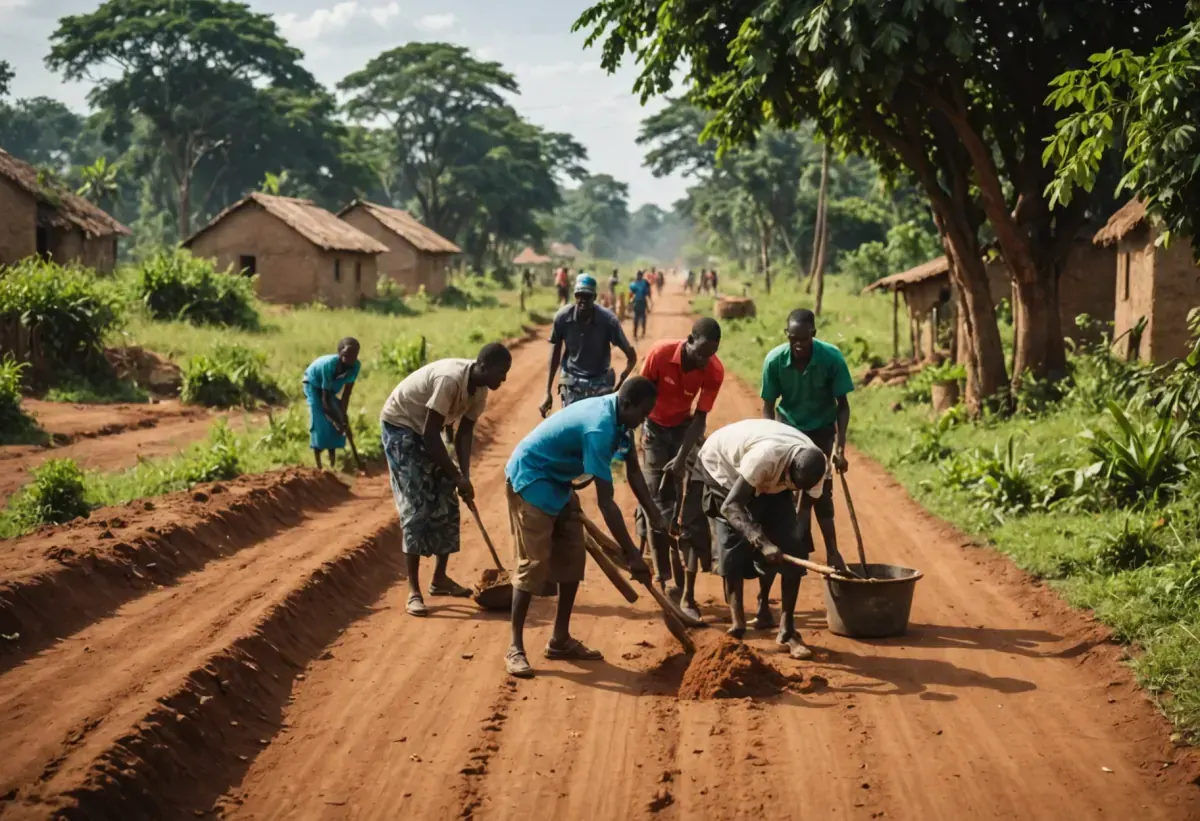
    Strengthening Your Family: The Power of Daily Prayer — Biblical & Traditional African Perspectives in Uganda (Uganda CRE Study Notes)
    Strengthening Your Family: The Power of Daily Prayer: Biblical & Traditional African Perspectives in Uganda — Remedial Corner Uganda

    Prayer: A Family Affair

    Prayer is a form of communication between humans and God. It is a way to express gratitude, seek forgiveness, and ask for help. Prayer can be done alone or with others.

    Why is it important for a family to pray together?

    Praying together as a family holds various important benefits:

    1.         Bonding and Unity: It fosters a sense of togetherness, strengthening family bonds through a shared spiritual practice.

    2.         Communication and Support: Provides an opportunity to discuss and share concerns, joys, and hopes, encouraging open communication and support among family members.

    3.         Values and Beliefs: Reinforces and shares common values and beliefs, helping to instill a shared moral and ethical framework within the family.

    4.         Emotional Support: Offers a space for comfort and emotional support during challenging times.

    5.         Teaching and Learning: Encourages teaching and learning about faith and spirituality within the family unit.

    6.         Ritual and Routine: Establishes a ritual or routine that provides stability and structure, which can be comforting and reassuring for all family members.

    Praying together helps create a sense of spiritual connection and togetherness that extends beyond the immediate family circle, fostering a deeper sense of belonging and shared purpose.

    WHY SHOULD CHILDREN BE INVOLVED IN PRAYER EARLY IN LIFE?

    Introducing children to prayer at an early age can have several positive impacts:

    1.         Establishing Values: It helps instill moral and ethical values and introduces them to the concept of something beyond themselves.

    2.         Emotional Development: Encourages emotional expression, empathy, and a sense of gratitude and humility.

    3.         Routine and Discipline: Introduces a routine and structure that can be comforting and grounding.

    4.         Family Bonding: Fosters a sense of togetherness and unity when families pray together.

    However, it’s important to allow children to explore their own beliefs and not impose prayer as an obligation. Creating a safe and open environment where they can ask questions and form their own understanding of spirituality is crucial.

    Reasons why some families do not pray at all

    There are several reasons why some families may not engage in prayer:

    1.         Different Beliefs: The family members might follow diverse belief systems or have no religious inclination, leading to a lack of prayer practice.

    2.         Lack of Tradition: In some cases, families may not have a tradition of prayer due to cultural or personal reasons.

    3.         Busy Lifestyles: Hectic schedules and demanding lifestyles may limit the time available for communal prayer or spiritual activities.

    4.         Differing Priorities: Some families prioritize other forms of bonding or activities over prayer.

    5.         Negative Experiences: Past negative experiences or disillusionment with organized religion might deter families from engaging in prayer.

    6.         Personal Beliefs: Individuals within the family might hold personal beliefs that don’t align with formal prayer.

    The decision not to pray can stem from various personal, cultural, or experiential reasons that differ from one family to another.

    Strengthening Your Family: The Power of Daily Prayer — Practical Moral Application for Learners & Communities (Uganda CRE Study Notes)
    Strengthening Your Family: The Power of Daily Prayer: Practical Moral Application for Learners & Communities — Remedial Corner Uganda

    What are the effects of neglecting prayer in families

    Neglecting prayer within a family can lead to several potential effects:

    1.         Lack of Spiritual Connection: Without prayer, there might be a lack of spiritual guidance and connection within the family unit.

    2.         Reduced Emotional Support: Absence of prayer might limit the space for emotional expression, support, and shared spiritual experiences.

    3.         Diminished Bonding: It could impact family unity and the sense of togetherness that often comes from shared spiritual practices.

    4.         Missed Moral and Ethical Development: The absence of prayer may lead to a potential lack of exposure to moral and ethical teachings found within many religious traditions.

    5.         Missed Opportunity for Reflection: Prayer often provides a space for reflection and gratitude, which could be missing in families that don’t engage in this practice.

    However, it’s important to note that families can foster strong bonds and values in various ways beyond prayer. Different families find diverse methods to instill morals, ethics, and emotional support, even without formalized prayer practices.

    The importance of prayer

    Prayer holds various significant aspects:

    1.         Connection: It fosters a connection to something greater, whether it’s a higher power, the universe, or an inner self, providing a sense of belonging and purpose.

    2.         Spiritual Growth: It supports personal and spiritual growth, offering a space for introspection, gratitude, and seeking guidance or strength.

    3.         Comfort and Support: Prayer can be a source of solace during challenging times, providing emotional support and a sense of reassurance.

    4.         Community and Unity: It brings people together, fostering a sense of community and unity when shared among families, groups, or communities.

    5.         Gratitude and Reflection: Encourages gratitude, reflection, and mindfulness, promoting a positive and introspective mindset.

    Prayer serves as a means of connecting with the divine, fostering personal growth, and nurturing a sense of community and support, making it a vital aspect of many people’s lives.

    The benefits of prayer

    The benefits of prayer encompass various aspects:

    1.         Mental and Emotional Well-being: Prayer can reduce stress, anxiety, and promote a more positive outlook on life, contributing to overall mental well-being.

    2.         Resilience and Coping: It provides a source of strength and resilience, helping individuals cope with challenges and adversity.

    3.         Mindfulness and Focus: Prayer encourages mindfulness, improving focus and a sense of present-moment awareness.

    4.         Health Benefits: Some studies suggest that prayer might positively impact physical health, contributing to lower blood pressure and improved immune function.

    5.         Relationships and Empathy: It can foster a sense of empathy, gratitude, and stronger social connections, positively impacting relationships.

    6.         Spiritual Growth: Facilitates personal and spiritual growth, nurturing a deeper connection to one’s beliefs and values.

    The benefits of prayer extend to various dimensions of well-being, encompassing mental, emotional, physical, and spiritual aspects of an individual’s life.

    As you embark on this journey of family prayer, remember, there’s no single “right” way to do it. The most important aspect is creating a space for connection, reflection, and shared faith. Let the love and support within your family guide you. As you weave prayer into the fabric of your daily lives, witness the beautiful tapestry of faith, unity, and love that unfolds.


  • Unveiling Worship: Exploring Forms and Biblical Teachings

    Unveiling Worship: Exploring Forms and Biblical Teachings

    Meaning And Purpose Of Work In Modern Society Types Value Remedial Corner — Uganda Secondary School Revision Notes on Remedial Corner

    Dive into the essence of worship, where reverence and devotion intertwine in a sacred dance. In this exploration, we unravel the various forms of worship and delve into the rich Biblical teachings on worship encapsulated in the pages of the Bible. Join us on this enlightening journey as we navigate the spiritual landscape and uncover the profound significance of worship.

    WHAT IS WORSHIP

    Worship typically refers to the act of showing reverence, adoration, and devotion to a deity or a divine being. It is often expressed through rituals, prayers, songs, and other religious practices. Worship can take various forms and is a central element in many religious traditions, serving as a way for individuals or communities to connect with the sacred or the divine. The specific practices and beliefs associated with worship can vary widely across different religions and cultures. In addition to religious contexts, the term can also be used more broadly to describe deep admiration or respect for something, such as a person, an idea, or a cause.

    Unveiling Worship: Exploring Forms and Biblical Teachings — Biblical & Traditional African Perspectives in Uganda (Uganda CRE Study Notes)
    Unveiling Worship: Exploring Forms and Biblical Teachings: Biblical & Traditional African Perspectives in Uganda — Remedial Corner Uganda

    People worship in various ways depending on their beliefs and traditions. Some may worship through prayer, meditation, rituals, singing hymns or devotional songs, attending religious services, performing specific gestures or rites, making offerings, or even acts of service and kindness. Worship can be both personal and communal, and it often involves expressing reverence, gratitude, and connection to something considered sacred or divine. The specific practices can differ greatly among different religions and cultures.

    Forms of worship

    Worship can take numerous forms, some of which include:

    1.         Prayer: Communication with a higher power or deity, expressing thanks, requests, or praise.

    2.         Rituals and Ceremonies: Formalized practices, often with symbolic meaning, conducted as part of religious or spiritual observances.

    3.         Meditation: A practice focusing the mind, often to achieve a heightened state of consciousness or connection with the divine.

    4.         Offerings and Sacrifices: Giving something of value as a sign of respect or devotion.

    5.         Service and Acts of Kindness: Worshipping by helping others, embodying the values of one’s faith through actions.

    6.         Music and Chanting: Singing hymns, reciting religious verses, or engaging in musical worship.

    7.         Pilgrimages: Journeys to sacred places or sites of religious significance as an act of devotion.

    These forms vary widely among different faiths and belief systems, each having its unique ways of worshipping.

    Biblical teaching about worship

    The Bible, a timeless guide, offers profound insights into the nature of worship. From the Psalms’ poetic expressions to the teachings of Jesus, biblical wisdom imparts a holistic understanding of worship. Discover the call to worship in spirit and truth, the significance of a contrite heart, and the transformative power of gratitude as we delve into the biblical tapestry of worship.

    In the Bible, worship is depicted in various forms and is a central theme throughout. Some key teachings on worship include:

    1.         Sincerity and Spirit: Emphasizing the importance of worshiping with a genuine heart and in spirit (John 4:23-24).

    2.         Humility: Encouraging humility and reverence in approaching the divine (Psalm 95:6).

    3.         Thanksgiving and Praise: Expressing gratitude and praise to God through worship and song (Psalm 100:4).

    4.         Obedience and Service: Connecting worship to a life lived in obedience to God and service to others (Romans 12:1).

    5.         Community and Gathering: Highlighting the significance of communal worship and fellowship (Hebrews 10:25).

    6.         Holiness and Devotion: Encouraging a life of holiness and dedication to God in all aspects, not just during specific worship times (Romans 12:1).

    These teachings underline the depth and breadth of worship as a lifestyle that extends beyond rituals or specific acts, emphasizing the heart, mind, and actions of an individual in their relationship with the divine.

    Unveiling Worship: Exploring Forms and Biblical Teachings — Practical Moral Application for Learners & Communities (Uganda CRE Study Notes)
    Unveiling Worship: Exploring Forms and Biblical Teachings: Practical Moral Application for Learners & Communities — Remedial Corner Uganda

    Frequently asked questions on worship

    1.         What is worship, and why is it significant in religious practices?

    •          Worship is the act of showing reverence and devotion to a deity or divine being. It is significant in religious practices as a way for individuals to connect with the sacred, express gratitude, and deepen their spiritual connection.

    2.         Are there different forms of worship in various religious traditions?

    •          Yes, there are various forms of worship, including rituals, prayers, hymns, meditation, and acts of service. Different religious traditions may have unique practices and ceremonies that constitute worship.

    3.         How does worship contribute to spiritual growth and well-being?

    •          Worship is believed to contribute to spiritual growth and well-being by fostering a sense of connection to the divine, providing a framework for moral guidance, and offering a source of comfort and solace in times of difficulty.

    4.         Can worship extend beyond religious contexts?

    •          Yes, worship can extend beyond religious contexts. In a broader sense, worship can involve showing deep admiration, respect, or devotion to a person, idea, or cause, transcending religious boundaries.

    5.         What role do rituals play in worship, and why are they important?

    •          Rituals in worship serve as symbolic expressions of devotion and are important for creating a sense of sacred space and time. They provide structure to worship, fostering a deeper connection to the divine.

    6.         How does the concept of worship vary across different cultures?

    •          The concept of worship varies across cultures, with different traditions having unique rituals, symbols, and practices. Cultural influences shape the way individuals express reverence and devotion.

    7.         Is private or personal worship as significant as communal worship?

    •          Both private and communal worship have significance. Private worship allows for personal reflection and connection, while communal worship fosters a sense of community, shared beliefs, and collective spiritual energy.

    8.         What does the Bible teach about the sincerity of worship?

    •          The Bible emphasizes the importance of sincere and genuine worship. It teaches that worship should come from the heart, with authenticity, humility, and a true desire to honor the divine.

    9.         Can one worship without being affiliated with a specific religious tradition?

    •          Yes, individuals can engage in worship without being affiliated with a specific religious tradition. Personal expressions of spirituality and reverence can take various forms and are not limited to organized religions.

    10.       How can individuals enhance their worship experience?

    •          Individuals can enhance their worship experience by deepening their understanding of their faith, exploring different forms of worship, seeking spiritual guidance, and fostering a sincere and open-hearted connection with the divine.

    WAT YOU SHOULD KNOW

    As we conclude this exploration into worship, may the echoes of devotion linger in your heart. Whether through traditional rites or contemporary expressions, through psalms or silent contemplation, may your journey of worship be authentic and transformative. The teachings of the Bible illuminate the path, inviting us to worship not just with lips but with our lives. Thank you for joining us on this sacred odyssey, where worship becomes a profound dialogue between the finite and the infinite.

🚀 Stuck in School? Catch Up and Stand Out!

🚀 Stuck in School? Catch Up and Stand Out!

Don't let difficult topics hold you back. Our fast-track Remedial Courses are designed to bridge the gap and boost your confidence instantly.

What We Offer:

  • Speak Kiswahili From Day One: Master conversational Swahili with zero stress.

  • English for Locals: Perfect your grammar and speak English with absolute confidence.

  • Targeted Remedial Support: Easily catch up on core subjects you find challenging.

Stop struggling. Start mastering.


Listen to Remedial Radio

Listen to Remedial Radio

Enjoy the rhythm of knowledge. where books sing!