
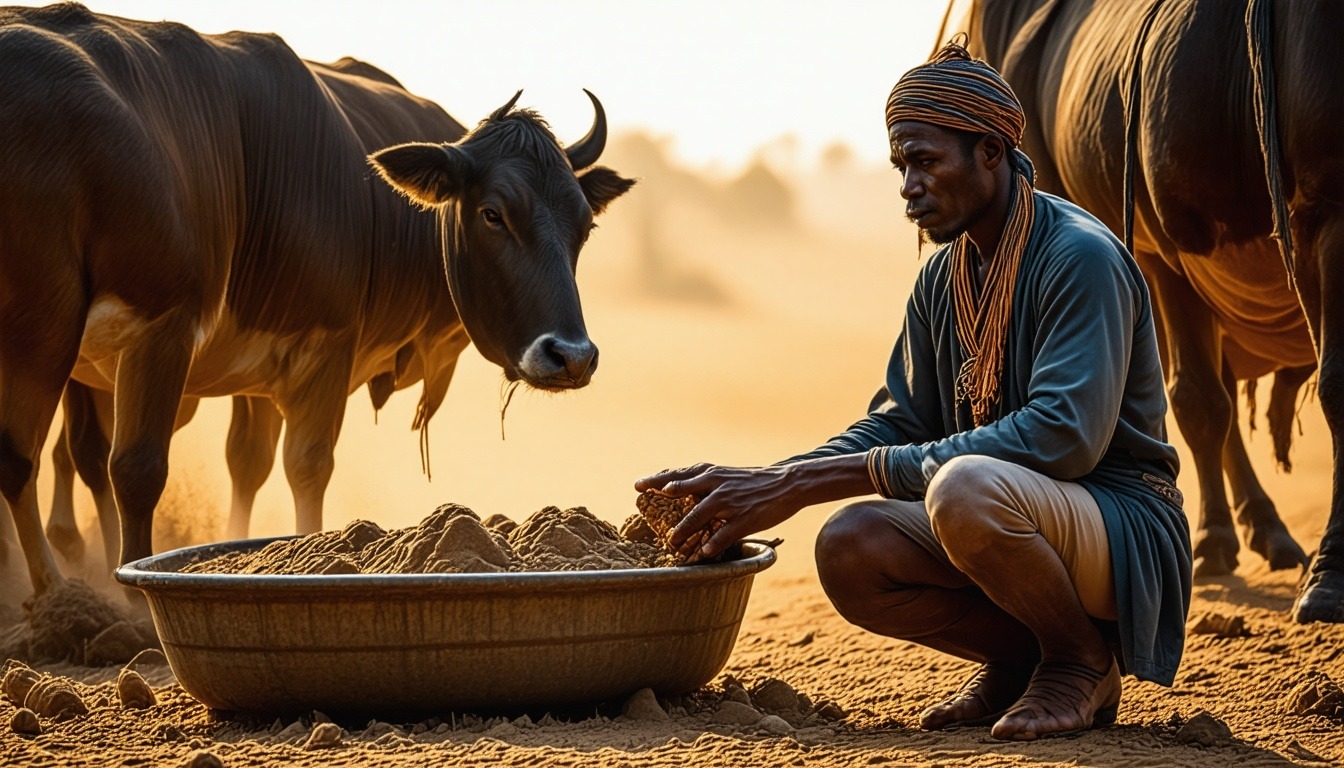
Dry Season Feeding Strategies and Mineral Supplement Formulation: A Complete Guide
Dry season is one of the most critical periods in livestock production. When natural pastures dry up and water sources dwindle, animals face severe nutritional stress. This comprehensive class note explores practical dry season feeding strategies and mineral supplement formulation. You will learn how to process single materials for feed, prepare long-lasting dry season feeds, understand mineral requirements of different livestock species, and formulate mineral supplements and licks step by step. Whether you are a farmer, student, or livestock extension officer, this guide provides actionable, research-backed information to sustain animal productivity and health during the dry season.
Introduction: The Dry Season Challenge in Livestock Production
In many tropical and subtropical regions, the dry season can last three to seven months. During this time, the quantity and quality of available forage decline sharply. Grasses become fibrous, lignified, and low in crude protein, energy, and essential minerals. Animals lose weight, milk production drops, reproductive performance suffers, and disease incidence rises. Without deliberate preparation, losses can be catastrophic.
The key to surviving the dry season lies in strategic planning. Farmers must conserve excess wet-season forage, process crop residues, and formulate balanced supplements. Minerals are often overlooked, yet they play vital roles in bone formation, enzyme function, immune response, nerve impulse transmission, and reproduction. A proper mineral supplement can mean the difference between healthy calves and weak offspring. This guide covers both feed processing and mineral supplementation as part of an integrated feeding strategy.
“Good dry season feeding starts when the rain is still falling.” — Traditional livestock wisdom
Processing Single Material Feed for Livestock
Processing single material feed refers to the treatment of one type of feedstuff — such as maize stover, rice straw, groundnut haulms, cassava peels, or grass hay — to improve its nutritional value, palatability, digestibility, and storage life. Many smallholders feed unprocessed crop residues, leading to high waste and poor animal performance. Proper processing can turn low-quality roughage into a valuable dry season resource. Below are essential methods for processing single feed materials.
1. Chopping and Chaffing
Chopping is the simplest and most widely used method. By cutting crop residues like maize stover, sorghum stubble, or millet stalks into smaller pieces (2–5 cm), farmers reduce particle size, making it easier for animals to eat and reducing wastage. Chopped feed also allows more uniform mixing with other ingredients. for instance, chopped elephant grass can be mixed with legume hay to improve protein content. Hand choppers or chaff cutters can process several bags per hour. This method also improves intake in cattle, sheep, and goats.
2. Drying and Sun Curing
Drying is essential for preserving green forages and crop by-products. Fresh grass, sweet potato vines, or cassava leaves can be wilted and sun-dried to about 85–90% dry matter. Dry materials are less prone to mould and can be stored for months. Sun curing reduces moisture, inhibits bacterial growth, and preserves yellow pigments and vitamin precursors. For legumes, drying should be gentle to prevent leaf shatter. A simple drying rack or clean concrete floor works well. Well-dried feed can be baled or bagged for dry season use. This processing single material feed for livestock improves shelf life and nutrient retention.
3. Grinding and Milling
Grinding hard grains, cobs, or roots into coarse or fine powders improves digestibility and nutrient availability. Maize cobs, dried cassava peels, and grain screenings can be ground into meal and mixed with other feeds. Grinding is especially beneficial for young or old animals with poor teeth. but, too fine grinding may cause digestive disturbances in ruminants, so a coarse grind or crack is recommended for grains. for instance, cracked maize is better than finely ground maize for growing cattle. Hammer mills can process a variety of single materials, making them versatile on small farms.
4. Soaking and Steeping
Hard, dry fibrous materials can be soaked in water for 6–12 hours to soften them. Soaking also reduces anti-nutritional factors such as tannins in tree leaves and oxalates in some forages. For instance, rice straw soaked in water becomes more palatable and easier to chew. Soaking can also leach out excess salt from salt-tolerant forages. but, soaking losses water-soluble nutrients, so it shouldn’t be prolonged beyond 12 hours unless fermentation is intended. For oilseed cakes like cottonseed cake, soaking removes gossypol and improves safety.
5. Ensiling Single Materials
Ensiling is a fermentation process that preserves green forages with high moisture content. A single material such as maize forage, sorghum fodder, or cassava leaves can be ensiled alone, but adding a sugar source like molasses improves fermentation. The material is chopped, compacted in a silo or airtight bag, and sealed to create anaerobic conditions. Lactic acid bacteria convert sugars into organic acids, which lower pH and preserve the feed. Silage can be stored for many months and offers highly digestible dry season feed. This method is particularly valuable for dairy farmers because silage quality remains constant.
6. Chemical Treatment with Urea or Alkali
Low-quality straws and stovers can be upgraded through chemical treatment. Urea treatment involves dissolving 4–5 kg urea in 50 litres of water and sprinkling over 100 kg of dry straw. The straw is stacked and covered with polythene for 2–4 weeks. Ammonia released from urea breaks lignocellulosic bonds, increasing crude protein equivalent and digestibility. Alternatively, alkali treatment with sodium hydroxide or lime can improve fibre breakdown. This processing single material feed for livestock is common in Asia and Africa and can double animal weight gains on straw-based diets.
Preparation of Dry Season Livestock Feeds
Preparing dry season livestock feeds involves conserving surplus fodder, processing crop residues, and formulating complete rations that meet animal maintenance and production needs. Effective preparation requires planning, labour, and simple equipment. The goal is to ensure a continuous supply of quality feed throughout the dry season. Below are proven methods and strategies for preparing dry season feeds.
1. Hay Making
Hay is dried grass or legume cut at peak nutrient content. Good hay should be harvested before flowering, when protein and energy are highest. The forage is cut, wilted in the sun, and dried to around 15–20% moisture. It is then baled or stacked under cover. Legume hays such as alfalfa, groundnut, or pigeon pea are excellent protein supplements. Grass hays provide energy and fibre. Hay making preserves most minerals and vitamins if handling is careful. Farmers should avoid rain damage and excessive leaf loss.
2. Silage Production
Silage is fermented green forage with high moisture content (60–75%). It is made by chopping forage, packing it tightly into silos, pits, or plastic bags, and sealing to exclude air. Good silage smells sweet or mildly acidic, has a greenish-yellow colour, and is readily consumed. Silage preserves more nutrients than hay and can be made from crops like maize, sorghum, and Napier grass. A simple trench silo lined with polythene is affordable for smallholders. Silage is ideal for dairy cows during the dry season, maintaining milk yield and body condition.
3. Crop Residue Storage and Treatment
After grain harvest, residues such as maize stover, rice straw, wheat straw, and bean haulms can be collected and stored. These residues should be dried thoroughly and stacked in a dry, ventilated place. Treating them with urea or molasses improves their nutrient value. for instance, maize stover can be chopped and mixed with 1% urea and 5% molasses to make a palatable dry season feed. Store treated residues in airtight bags for at least two weeks before feeding. This simple technology turns waste into valuable feed.
4. Root and Tuber By-Products
Cassava peels, sweet potato vines, and yam peels are excellent dry season feed sources. Fresh vines can be ensiled or dried; peels can be sun-dried and ground into meal. Cassava peels are energy-rich but low in protein and should be balanced with legume forages or urea. Sweet potato vines are palatable and digestible, suitable for pigs and ruminants. Drying and grinding these by-products reduces cyanide levels in bitter cassava varieties. Preparation of dry season livestock feeds should include proper processing of root by-products to prevent toxicity and improve shelf life.
5. Multi-Nutrient Feed Blocks
Urea-molasses blocks or multi-nutrient blocks are prepared by binding various ingredients with molasses and cement or lime. Typically, they contain molasses, urea, salt, minerals, and bran. These blocks can be placed in paddocks and animals lick them as needed. They provide nitrogen, energy, minerals, and stimulate intake of poor-quality roughage. Blocks are easy to store and distribute. Preparing them on-farm is simple and cost-effective. A basic recipe includes 40% molasses, 10% urea, 5% salt, 10% mineral premix, and 35% wheat bran or rice bran.
6. Alternative Feed Resources
Tree leaves such as leucaena, gliricidia, moringa, and cassava foliage are protein-rich and can be dried and stored as leaf meal. They can be mixed with grasses or crop residues to improve quality. Other alternatives include brewer’s spent grain, fruit pulp, vegetable waste, and poultry litter (for ruminants only). but, farmers must be cautious about toxins and anti-nutritional factors. for instance, leucaena contains mimosine, which should be limited to 30% of the diet. Diversifying feed sources ensures a more resilient dry season feeding strategy.
Mineral Needs of Different Livestock Species
Minerals are inorganic nutrients required for normal physiological functions. They are divided into macro-minerals (required in gram quantities) and micro-minerals or trace elements (required in milligram or microgram quantities). Mineral deficiencies are common in livestock during the dry season because forages become mature and lose mineral content. Different species have distinct mineral requirements, but all animals require a balanced supply. Below we examine mineral needs by species.
1. Macro-Minerals: Calcium, Phosphorus, Sodium, Chlorine, Magnesium, Potassium, Sulfur
Calcium and phosphorus are the most abundant minerals in the body. They are essential for bone formation, milk production, and nerve function. The calcium-to-phosphorus ratio should be around 1.5–2:1 for cattle and sheep, but this can vary. Sodium and chlorine, commonly supplied as salt, are critical for fluid balance and appetite. Magnesium is vital for nerve and muscle function; deficiency causes grass tetany. Potassium and sulfur are involved in enzyme and protein synthesis. Dry season forages often lack sodium, phosphorus, and magnesium, so supplementation is necessary.
2. Micro-Minerals: Zinc, Copper, Manganese, Selenium, Iodine, Cobalt, Iron, Molybdenum
Trace elements act as cofactors for enzymes and hormones. Zinc supports immune function and skin health. Copper is needed for red blood cell formation and coat colour. Manganese is important for bone development and reproduction. Selenium works with vitamin E as an antioxidant. Iodine is required for thyroid hormones. Cobalt is part of vitamin B12. Iron is essential for hemoglobin. Deficiencies cause poor growth, weak immunity, reproductive failure, and specific diseases like white muscle disease (selenium deficiency) and goitre (iodine deficiency). Soil and forage mineral levels vary, so local knowledge is crucial.
3. Cattle Mineral Requirements
Dairy and beef cattle require balanced calcium and phosphorus for bone formation and milk synthesis. Lactating cows need high calcium; a deficiency can lead to milk fever. Phosphorus deficiency is common during the dry season, causing pica (eating soil) and reduced appetite. Cattle also need sodium and chlorine; free-choice salt is often effective. Trace minerals like copper, zinc, selenium, and cobalt must be provided in correct amounts. Avoid excess copper in cattle because it accumulates in the liver. Cattle mineral mixtures should have a calcium:phosphorus ratio of 1.5:1 to 2:1.
4. Sheep and Goat Mineral Requirements
Sheep and goats are more sensitive to copper; sheep especially can suffer copper poisoning at levels that are safe for cattle. so, mineral supplements for sheep must be copper-free or contain very low copper (<10 ppm). Sheep also need higher magnesium and phosphorus due to wool growth. Goats are browsers and may consume a variety of plants, but during the dry season they need extra minerals. Both species require sodium, calcium, phosphorus, zinc, selenium, and iodine. Loose mineral mixes or licks placed in feeding areas work well.
5. Poultry Mineral Requirements
Laying hens require large amounts of calcium for eggshell formation. The diet of layers must contain 3–4% calcium, often supplied as limestone or oyster shell. Phosphorus is also critical, and the calcium-to-phosphorus ratio for layers should be around 4:1. Growing broilers need less calcium but more phosphorus for bone growth. Sodium and chloride must be balanced; excess salt reduces feed intake. Poultry also need manganese, zinc, iron, copper, iodine, and selenium in trace amounts. Commercial premixes are the easiest way to provide these.
6. Pig Mineral Requirements
Pigs, especially piglets, are prone to iron deficiency anaemia because sow milk is low in iron. Piglets should receive iron injections or oral iron supplements at birth. Growing pigs need calcium and phosphorus for skeletal development; a deficiency causes rickets. Copper is used at high levels as a growth promoter, but this must be managed carefully. Zinc is important for skin health and immune function. Pigs need salt but are sensitive to very high levels. Mineral mixtures for pigs often include copper, zinc, iron, manganese, selenium, and iodine.
| Species | Key Macro-minerals | Key Micro-minerals | Common Deficiency Signs |
|---|---|---|---|
| Cattle | Ca, P, Na, Mg | Cu, Zn, Se, Co | Poor growth, weak bones, reduced milk |
| Sheep | Ca, P, Mg, Na | Se, I, Zn, Mn | White muscle disease, low fertility |
| Goats | Ca, P, Na, K | Zn, Se, Cu (low) | Rough coat, poor appetite |
| Poultry | Ca, P, Na, Cl | Mn, Zn, Fe, I | Thin shells, leg deformities |
| Pigs | Ca, P, Na, Cl | Fe, Cu, Zn, Se | Anaemia, rickets |
Step-by-Step Preparation of Mineral Supplements and Licks
Mineral supplements are products that supply essential minerals in a balanced form. They can be provided as loose powders, blocks, or liquids. Licks are blocks that animals lick voluntarily. Preparing mineral supplements on-farm can save money and ensure the right balance for your herd. but, accuracy is critical. Over-supplementation can cause toxicity, while under-supplementation is ineffective. Follow these steps carefully.
Step 1: Determine the Specific Mineral Deficiencies
Before mixing any supplement, assess the actual needs of your livestock. Observe for signs of deficiency: poor coat, pica (eating soil), weak bones, low milk yield, or reproductive problems. Test soil and forage samples if possible. Consult a veterinarian or livestock officer to identify local mineral deficiencies. for instance, in many tropical regions, soils are low in phosphorus, copper, and selenium. The supplement should target those gaps, not every mineral in excess.
Step 2: Select Quality Mineral Ingredients
Common mineral sources include:
- Limestone (calcium carbonate) — calcium
- Dicalcium phosphate or bone meal — calcium and phosphorus
- Salt (sodium chloride) — sodium and chlorine
- Magnesium oxide — magnesium
- Trace mineral premix — zinc, copper, manganese, selenium, iodine, cobalt
Use feed-grade ingredients, not industrial or fertiliser-grade chemicals. Check the purity and particle size. Store ingredients in dry, labelled containers to prevent contamination.
Step 3: Calculate the Formulation Percentage
Determine the proportion of each ingredient based on the target daily intake. for instance, a cattle mineral lick might contain:
| Ingredient | Percentage | Function |
|---|---|---|
| Salt | 30% | Intake limiter, sodium, chlorine |
| Dicalcium phosphate | 30% | Calcium and phosphorus |
| Limestone | 25% | Calcium |
| Magnesium oxide | 5% | Magnesium |
| Trace mineral premix | 10% | Micro-minerals |
Adjust for species. Sheep and goats shouldn’t receive copper in the premix, so use a copper-free premix or limit copper to less than 10 ppm.
Step 4: Weigh and Mix Ingredients Thoroughly
Use an accurate scale. Small errors can lead to toxicity or deficiency. Mix the trace minerals first with a carrier like maize bran or flour to ensure even distribution. This is called a “premix”. Then blend the premix with the macro-minerals. Mixing should be done in a clean, dry area. Wear gloves and a dust mask to avoid inhaling mineral dust. Continue mixing until the colour is uniform.
Step 5: Add Binders and Molasses for Block Formation
For a lick block, you need a binder. Molasses is an excellent binder and adds energy and palatability. Mix about 20–25% molasses with the dry mineral mix. The mixture should stick together when pressed. You can also use 5% cement or lime as a hardening agent. but, cement and lime add calcium and can affect the mineral balance. Use a commercial block press or simple wooden moulds. For loose mineral mixtures, skip this step and place the powder in a covered feeder.
Step 6: Mold, Press, and Cure the Blocks
Press the moist mixture into block moulds or heavy-duty plastic bags. Ensure it is compact and free of air pockets. Allow the blocks to set for 24–48 hours. During curing, keep them in a dry, shaded area. Once hardened, the blocks can be stacked. A typical block weighs 5–10 kg. Test the hardness by pressing your thumb; it should leave a slight imprint. If too soft, reduce molasses or add more binder.
Step 7: Store and Place Mineral Blocks Properly
Store finished blocks in a cool, dry place on pallets to avoid absorbing moisture. Place blocks in feeding areas or near water points. Protect them from rain and direct sun. Use a roofed feeder or a concrete block holder. Animals should have free access to clean water and the block. Monitor intake: cattle typically consume 30–60 g per animal per day, sheep and goats 10–30 g. Adjust salt content to control intake. If animals eat too much, increase salt; if too little, reduce salt.
Step 8: Monitor Animal Response and Adjust
Observe animals for two to four weeks after offering the supplement. Look for improved appetite, better coat, stronger calves, and increased milk production. Sometimes animals initially refuse the block. Sprinkling molasses over the block can encourage acceptance. Laboratory testing of blood or feed is the best way to confirm effectiveness. Keep records of consumption and adjust the formulation based on season and production stage. Mineral supplements aren’t medicines; they prevent deficiencies but can’t cure existing diseases.
Feeding Management Strategies for the Dry Season
Beyond feed processing and mineral supplementation, overall feeding management determines herd survival and performance. Effective strategies include pasture conservation, strategic use of supplements, and water management. Below are essential management practices:
1. Body Condition Scoring and Strategic Feeding
Regularly score animals on a 1–5 scale. Thin animals (score <2.5) need more energy and protein. Prioritize pregnant and lactating females, young stock, and breeding males. Feed them the best quality forage and additional concentrate. Dry cows and non-productive animals can maintain on medium-quality roughage. This targeted feeding saves resources and improves reproductive success.
2. Water Provision and Quality
Water is the most critical nutrient. During the dry season, water sources shrink and can become polluted. Provide clean, fresh water at all times. Cattle may drink 50–100 litres per day; sheep and goats 5–10 litres. Check water troughs daily and keep them shaded. Water intake affects feed intake — animals won’t eat if water is scarce. If using dams, prevent erosion and algae growth.
3. Daytime Grazing and Night Penning
Let animals graze early morning and late afternoon when it is cooler. During the hottest hours, keep them in shaded pens. This reduces energy expenditure and stress. Use rotational grazing to prevent overgrazing of remaining pastures. Set aside specific paddocks for dry season grazing, or use drought-tolerant fodder crops like buffel grass, moringa, or cactus.
4. Balanced Concentrate Supplementation
When roughage quality is low, concentrate supplements such as maize bran, cottonseed cake, and molasses provide missing energy and protein. Feed concentrates at 0.5–1.0% of body weight for dairy cows, less for maintenance. for instance, a 400 kg cow may receive 2 kg of concentrate daily. Always introduce concentrates gradually to avoid digestive upsets. But avoid overfeeding urea-containing supplements — toxicity can occur.
5. Prevention of Metabolic and Parasitic Diseases
Poor nutrition increases susceptibility to internal worms, ketosis, and milk fever. During the dry season, deworm animals regularly and control ticks. Provide adequate minerals to prevent goitre, white muscle disease, and pica. Vaccinate against clostridial diseases. Keep feeding areas clean to reduce contamination. A healthy animal uses feed more efficiently.
Conclusion
Dry season feeding isn’t an isolated event but a continuous cycle of planning, conservation, and supplementation. The strategies and formulations discussed in this guide help livestock keepers maintain animal productivity and health even when natural pastures fail. Processing single material feed for livestock improves the utilisation of available resources. Preparation of dry season livestock feeds ensures a stable supply of energy, protein, and fibre. Understanding the mineral needs of different livestock species allows for targeted supplementation. Step-by-step preparation of mineral supplements and licks empowers farmers to make their own affordable, balanced products.
Always consider local conditions, available feeds, and the specific requirements of your animals. Seek advice from veterinarians and extension officers, and gradually adopt technologies that fit your labour and budget. With the right feeding strategies, the dry season becomes less a threat and more a manageable period of the year. The time to prepare is now — before the rains end, gather quality forage, build your silos, dry your crop residues, and mix your mineral blocks. Your livestock will repay you with healthier calves, more milk, and better breeding performance.
Frequently Asked Questions
1. Why is dry season feeding important for livestock?
Dry season feeding is important because natural pastures lose their nutritional value and quantity. Without supplementing, animals experience weight loss, reduced milk production, impaired reproduction, and higher mortality. Proper dry season feeding strategies maintain animal condition, ensure consistent productivity, and reduce stress-related diseases.
2. What is the best way to process crop residues for livestock feed?
Chopping and ensiling are excellent methods. for instance, chopping maize stover into 2–5 cm pieces improves intake and digestion. Treating straw with 4–5% urea and allowing it to ferment for 2–4 weeks raises its protein content and digestibility. Drying and grinding also make residues easier to mix with other feeds.
3. How can I make a simple mineral lick at home?
You can make a simple mineral lick by mixing 30% salt, 30% dicalcium phosphate, 25% limestone, 5% magnesium oxide, and 10% trace mineral premix. Add 20–25% molasses to bind the mixture into a block. Press into moulds, let it harden, and place it in a protected feeder. Always adjust for species, especially for sheep and goats.
4. Which minerals are most lacking in dry season forage?
The most commonly deficient minerals are phosphorus, sodium, magnesium, zinc, copper, and selenium. Mature grasses are low in phosphorus and magnesium, and the soil in many tropical regions is deficient in trace elements. Salt and phosphorus supplements are especially important during the dry season.
5. How do mineral needs differ between cattle and poultry?
Cattle are ruminants and need a calcium-to-phosphorus ratio of 1.5–2:1, while laying hens need a ratio of about 4:1 to produce strong eggshells. Sheep and goats are more sensitive to copper, whereas poultry need high manganese and zinc for bone and egg formation. Use species-specific mineral formulas to avoid toxicity or deficiency.



Leave a Reply