
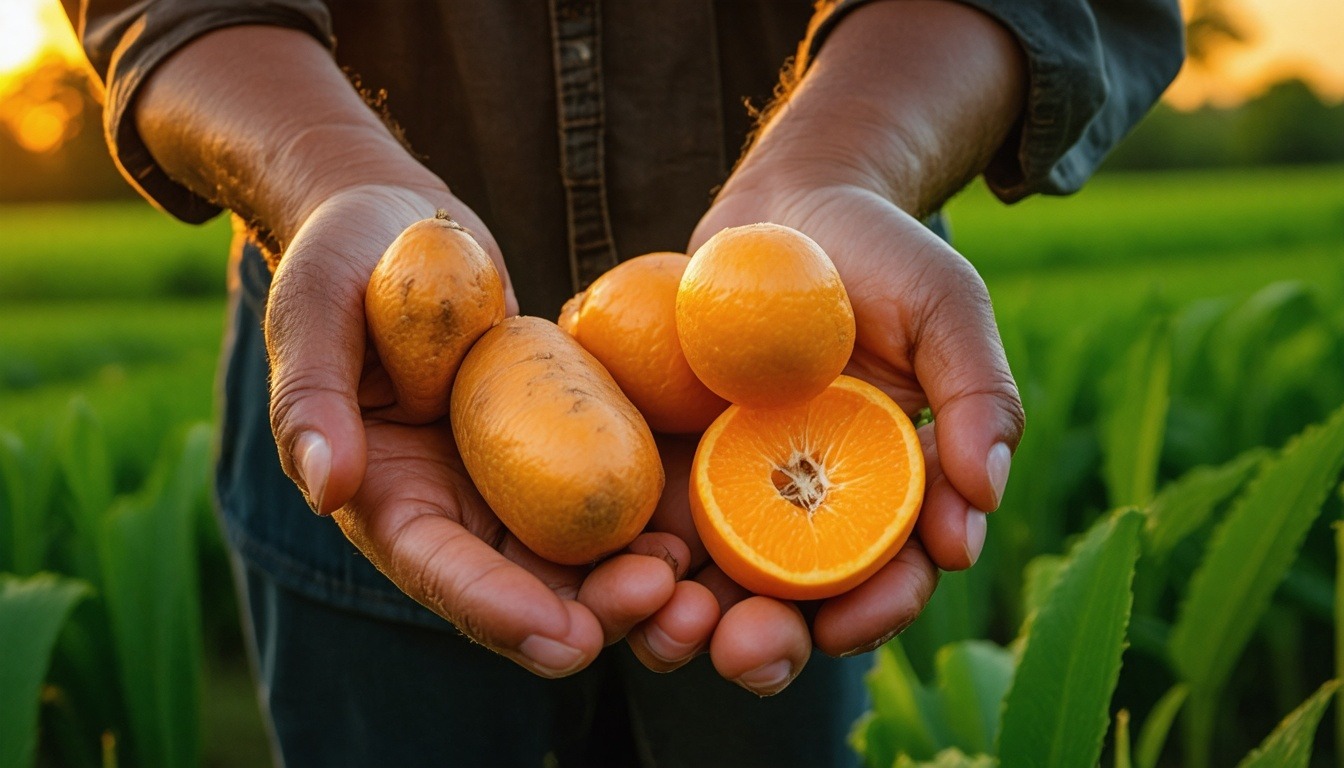
Sweet potato farming in Uganda is a goldmine. Many farmers have transformed their lives. You can too. This guide covers everything. From planting to selling. Let’s dive in.
Why Sweet Potatoes Are Profitable in Uganda
Uganda has ideal conditions for sweet potatoes. The climate is perfect. The soil is fertile. Demand is high. Local markets love them. Export opportunities are growing. Profit margins are impressive. A small plot can yield big returns. Farmers earn millions per acre. It’s a sustainable crop. It requires low inputs. You can harvest multiple times. This makes it a reliable income source.
High Demand and Market Potential
Sweet potatoes are a staple in Uganda. People eat them daily. Urban populations are rising. This increases demand. Processors need them for chips and flour. Export markets in Europe and Asia are opening. Prices are stable. You can sell fresh or processed. The market is never saturated. There’s room for everyone.
Climate and Soil Advantages
Uganda receives plenty of rain. The temperature is warm. Sweet potatoes thrive in these conditions. They grow in many soil types. Sandy loam is best. But they tolerate poor soils. This reduces your risk. You don’t need expensive fertilizers. Organic matter is enough. This keeps costs low.
Startup Costs and Investment
Starting sweet potato farming is cheap. You need land, vines, and tools. Land preparation costs little. Vines are affordable. A bag of cuttings costs 50,000 UGX. Labor is available. Total startup for one acre is about 500,000 UGX. This includes planting and weeding. You can start small. Expand as you profit.
Land Preparation Costs
Clear the land first. Remove weeds and rocks. Plow or dig ridges. Ridges improve drainage. This costs around 100,000 UGX per acre. You can do it manually. Hiring a tractor is faster. But it costs more. Choose based on your budget.
Vine Cuttings and Planting
Buy disease-free vines. Local varieties are best. Examples are NASPOT and Kabode. Plant on ridges. Spacing is 1 meter by 0.3 meters. One acre needs 10,000 cuttings. Each cutting costs 50 UGX. Total vine cost is 500,000 UGX. But you can reuse cuttings. Save money next season.
Labor and Other Inputs
Weeding is crucial. Do it twice. First after planting. Second after one month. Labor costs 200,000 UGX per acre. Pests are rare. Use organic pesticides if needed. Harvesting costs 100,000 UGX. Total inputs are low. Your main investment is time.
Yields and Revenue Potential
Sweet potatoes yield high. One acre produces 10 to 15 tons. That’s 10,000 to 15,000 kg. Market price is 1,000 UGX per kg. Revenue is 10 to 15 million UGX. Costs are about 1 million. Profit is 9 to 14 million UGX. That’s per harvest. You can harvest twice a year. Double your income.
Expected Yield per Acre
Yield depends on variety and care. Improved varieties give more. NASPOT 13 yields 20 tons per acre. Local varieties yield 8 tons. Use good agronomy. Water if dry. Control weeds. Harvest at 4 months. Don’t delay. Quality matters.
Revenue Calculation
Let’s calculate. Average yield: 12 tons. Price: 1,000 UGX/kg. Revenue: 12,000,000 UGX. Costs: 1,000,000 UGX. Profit: 11,000,000 UGX. That’s per acre. If you have 5 acres, profit is 55 million. Sweet potatoes are profitable.
| Item | Cost (UGX) |
|---|---|
| Land preparation | 100,000 |
| Vine cuttings | 500,000 |
| Labor (weeding, harvest) | 300,000 |
| Other inputs | 100,000 |
| Total cost | 1,000,000 |
| Revenue (12 tons) | 12,000,000 |
| Profit | 11,000,000 |
Best Sweet Potato Varieties for Profit
Choose high-yielding varieties. They resist diseases. They taste good. Market prefers certain types. Here are top varieties.
NASPOT Varieties
NASPOT 1 to 13 are bred in Uganda. They yield 15-20 tons per acre. They resist weevils and viruses. They have high beta-carotene. This adds nutrition. Farmers love them. Buy from certified sources.
Kabode
Kabode is a local favorite. It has orange flesh. It’s sweet and moist. It cooks fast. Market demand is high. Yield is 12 tons per acre. It’s easy to grow. Good for beginners.
Other Varieties
There are many others. New Kawogo is popular. It has purple skin. It stores well. Tanzania is another. It’s drought tolerant. Choose based on your area. Ask local experts.
Step-by-Step Planting Guide
Follow these steps for success. Preparation is key. Do it right.
Land Selection and Preparation
Choose well-drained soil. Avoid waterlogged areas. Sweet potatoes hate standing water. Prepare ridges. Ridges are 1 meter apart. They improve aeration. Add compost if possible. This boosts yield.
Planting Vines
Cut vines into 30 cm pieces. Each piece should have nodes. Plant on top of ridges. Spacing is 30 cm between plants. Bury half the vine. Water immediately. This helps rooting.
Weeding and Mulching
Weed after two weeks. Remove all weeds. They compete for nutrients. Mulch with grass. This conserves moisture. It also suppresses weeds. Do this once.
Pest and Disease Management
Sweet potato weevil is the main pest. It damages roots. Use clean vines. Rotate crops. Avoid planting near old fields. Use pheromone traps. Diseases like viruses are rare. Use resistant varieties.
Harvesting and Post-Harvest Handling
Harvest at the right time. This ensures quality. Handle carefully to avoid damage.
When to Harvest
Sweet potatoes mature in 3-5 months. Leaves turn yellow. Soil cracks. Harvest before rains. Wet soil causes rot. Test a few plants. If roots are big, harvest all.
How to Harvest
Use a fork or hoe. Loosen soil around plants. Pull vines gently. Remove roots by hand. Avoid bruising. Sort by size. Remove damaged ones. Cure them in shade for a week. This heals wounds.
Storage Tips
Store in a cool, dry place. Temperature should be 15-20°C. Humidity around 80%. Don’t store with onions or potatoes. They cause spoilage. Use baskets or crates. Check regularly. Remove rotten ones.
Marketing and Selling Strategies
Selling is easy. But you need a plan. Get the best price.
Local Market Channels
Sell to local traders. They come to farms. Or take to nearby markets. Kampala markets pay more. But transport costs. Form groups to negotiate. Bulk selling gets better prices.
Value Addition Options
Process sweet potatoes. Make chips, flour, or crisps. This increases value. Flour sells for 5,000 UGX per kg. Chips are popular. You can also make animal feed. This reduces waste.
Export Opportunities
Export to Europe and Asia. Requirements are strict. Need certification. Work with exporters. Join cooperatives. They help with logistics. Quality is key. Use improved varieties.
Success Stories from Ugandan Farmers
Real examples inspire. Here are two farmers who succeeded.
Sarah’s Story
Sarah started with half an acre. She used NASPOT 13. She harvested 6 tons. She sold for 6 million UGX. She reinvested. Now she has 5 acres. She earns 50 million per year. She supports her family.
John’s Experience
John grows Kabode. He sells to a processor. He gets 1,200 UGX per kg. He adds value by making flour. His profit doubled. He employs 10 workers. He plans to export.
Challenges and How to Overcome Them
Farming has challenges. But you can solve them.
Pest and Disease Issues
Weevils and viruses reduce yield. Use resistant varieties. Practice crop rotation. Remove infected plants. Use clean planting material. Monitor regularly.
Market Price Fluctuations
Prices drop during harvest season. Store your harvest. Sell when prices rise. Add value to stabilize income. Diversify markets. Don’t rely on one buyer.
Climate Change Effects
Droughts and floods affect yields. Use drought-tolerant varieties. Mulch to conserve water. Build drainage channels. Plant at the right time. Follow weather forecasts.
Financial Management Tips
Keep records. Track costs and income. This helps you profit.
Record Keeping
Write everything down. Use a notebook or app. Record expenses. Record sales. Analyze at end of season. Identify areas to improve. This is key for growth.
Budgeting for Next Season
Set aside money for next planting. Save 20% of profit. This covers inputs. Expand gradually. Don’t reinvest all. Keep emergency fund.
Government and NGO Support
There are programs to help farmers. Access them.
NAADS and Operation Wealth Creation
These provide vines and training. Contact local offices. They offer subsidized inputs. Also extension services. Use them to improve yields.
Research Organizations
NaCRRI develops new varieties. They provide information. Attend field days. Learn best practices. They also offer disease-free vines.
Environmental Sustainability
Sweet potato farming is eco-friendly. It improves soil health. Use organic methods. Avoid chemicals. Rotate with legumes. This fixes nitrogen. Practice conservation agriculture.
Frequently Asked Questions
How much profit can I make from one acre of sweet potatoes?
You can make 9 to 14 million UGX per acre. This depends on yield and price. Average profit is 11 million UGX.
What is the best variety for high yield in Uganda?
NASPOT 13 yields up to 20 tons per acre. It is disease resistant. It is very profitable.
How long does it take to grow sweet potatoes?
It takes 3 to 5 months. Some varieties mature faster. Harvest when leaves turn yellow.
Can I grow sweet potatoes without chemicals?
Yes. Use organic methods. Use resistant varieties. Practice crop rotation. Use compost. This is sustainable.
Where can I sell sweet potatoes in Uganda?
Sell at local markets. Sell to traders. Sell to processors. Export if possible. Kampala has high demand.
What are the main challenges in sweet potato farming?
Pests like weevils. Price fluctuations. Climate change. But you can overcome them with good practices.
How do I start sweet potato farming with little capital?
Start small. Use half an acre. Buy vines from neighbors. Use family labor. Reinvest profits. Expand gradually.
Conclusion
Sweet potato farming in Uganda is highly profitable. It requires low investment. It yields high returns. You can start small. Grow your business. Use improved varieties. Follow best practices. Market smartly. Overcome challenges. Join the success stories. Start today. Your financial freedom awaits.
Scaling Up Your Sweet Potato Farm
Once you master one acre, expand. Scaling up increases profits. But do it wisely. Start with two acres. Use profits from the first. Hire more labor. Buy better tools. Invest in irrigation. This reduces risk. Plan your expansion. Don’t rush.
From One Acre to Ten Acres
Moving from one to ten acres is big. You need more capital. Save for two seasons. Then expand. Use a business plan. Estimate costs. Estimate revenue. Get a loan if needed. Microfinance institutions offer loans. Interest rates are low. Repay from harvests.
Mechanization for Larger Farms
Manual labor is slow for large farms. Use tractors for plowing. Use planters for planting. Use harvesters. This saves time. It reduces labor costs. But machines are expensive. Rent them first. Buy when you have cash.
Hiring and Managing Workers
Good workers are key. Hire locals. Train them. Pay them well. Treat them fairly. This reduces turnover. Supervise work. Set daily targets. Reward good performance. Happy workers increase yields.
Value Addition: Turning Sweet Potatoes into Cash
Value addition boosts profits. Process sweet potatoes into products. They sell for more. You control the price. Let’s explore options.
Making Sweet Potato Flour
Flour is versatile. Use it for baking. Mix with wheat flour. It’s gluten-free. Market is growing. Process: wash, peel, slice, dry, grind. Drying takes 3 days. Use a solar dryer. Grind with a hammer mill. Package in 1 kg bags. Sell for 5,000 UGX per kg. Profit margin is high.
Producing Sweet Potato Chips
Chips are a popular snack. They are crispy. They are healthy. Process: wash, peel, slice thin, fry or bake. Season with salt or spices. Package in airtight bags. Sell to schools, shops, and supermarkets. Price: 2,000 UGX per 100g bag. Cost is low. Profit is good.
Sweet Potato Starch and Animal Feed
Starch is used in industries. Make it from low-quality roots. Process: grate, wash, settle, dry. Sell to textile or paper factories. Animal feed is another option. Dry and grind whole roots. Mix with other ingredients. Sell to livestock farmers. This reduces waste.
Building a Strong Brand and Customer Base
Branding sets you apart. Customers trust brands. Build a reputation for quality. Use a logo. Use consistent packaging. Tell your story. People love local products.
Creating a Brand Identity
Choose a name. Example: ‘Green Gold Sweet Potatoes’. Design a simple logo. Use green and orange colors. Print on bags and labels. Include your contact. Share your mission. ‘Healthy food from Uganda’. This attracts customers.
Marketing Through Social Media
Use Facebook and WhatsApp. Post pictures of your farm. Share harvest videos. Offer discounts. Engage with customers. Join farming groups. Advertise your products. This reaches many people. It’s free or cheap.
Building Loyalty with Customers
Deliver on time. Provide consistent quality. Offer samples. Listen to feedback. Give bonuses for repeat orders. Create a referral program. Happy customers bring more.
Financial Planning and Risk Management
Farming has risks. Plan for them. Protect your investment.
Diversifying Income Streams
Don’t rely only on sweet potatoes. Grow other crops. Like beans or maize. Raise livestock. Chickens or goats. This spreads risk. If one fails, others succeed. Also, offer services. Like tractor hiring. This adds income.
Insurance for Farmers
Agricultural insurance is available. It covers crop failure. Due to drought or pests. Premiums are affordable. Contact insurance companies. They assess your farm. They pay if disaster strikes. This gives peace of mind.
Emergency Fund
Save money for emergencies. At least 3 months of expenses. This covers unexpected costs. Like medical bills. Or equipment repair. Don’t use it for regular expenses. Replenish after using.
Leveraging Technology for Better Yields
Technology improves farming. Use simple tools. Use apps. Stay informed.
Weather Apps and Forecasts
Know when to plant. Use apps like AccuWeather. They predict rain. Plan activities accordingly. Avoid planting before heavy rain. This prevents erosion. Also, know when to harvest. Avoid wet periods.
Soil Testing Kits
Test your soil. Know nutrient levels. Use simple kits. They are cheap. Adjust fertilizer use. This saves money. It improves yield. Healthy soil grows healthy plants.
Mobile Money for Transactions
Use mobile money. Receive payments from buyers. Pay workers. It’s fast and safe. No need for cash. Keep records digitally. This helps with accounting.
Networking and Collaboration
Connect with other farmers. Share knowledge. Buy inputs together. Sell together. This strengthens your business.
Joining Farmer Cooperatives
Cooperatives offer many benefits. They bulk buy inputs. They negotiate better prices. They provide training. They access markets. Join one in your area. If none exists, start one.
Participating in Agricultural Shows
Attend shows like the Uganda National Agricultural Show. Showcase your products. Network with buyers. Learn new techniques. Win awards. This boosts your reputation.
Learning from Extension Officers
Extension officers are government experts. They visit farms. They advise on best practices. Invite them. Follow their recommendations. They also link you to resources.
Exporting Sweet Potatoes: A Lucrative Opportunity
Export markets pay more. But requirements are strict. Meet them to succeed.
Requirements for Export
You need phytosanitary certificate. This proves your crop is pest-free. Get from the Ministry of Agriculture. Also, meet quality standards. Size, shape, and color matter. Use export varieties. Like NASPOT 13. Pack in clean boxes. Label correctly.
Finding Export Buyers
Search online. Use platforms like Alibaba. Attend trade fairs. Contact export companies. They will guide you. Start with small quantities. Build trust. Then increase.
Logistics and Shipping
Transport to port. Use refrigerated trucks. This keeps produce fresh. Ship by air or sea. Air is fast but expensive. Sea is cheaper but slower. Choose based on destination. Work with a freight forwarder.
Environmental Stewardship and Sustainability
Protect the environment. It sustains your farm. Use sustainable practices.
Water Conservation
Use drip irrigation. It saves water. Mulch to reduce evaporation. Collect rainwater. Use it during dry spells. Don’t waste water. It’s precious.
Soil Conservation
Prevent erosion. Plant cover crops. Use contour ridges. Add organic matter. This improves soil structure. Healthy soil holds water. It resists erosion.
Biodiversity on the Farm
Plant trees. They provide shade. They attract beneficial insects. Keep some wild areas. This supports pollinators. They improve yields. A diverse farm is resilient.
Conclusion: Your Path to Sweet Potato Wealth
Sweet potato farming in Uganda is a proven path to wealth. It requires hard work. But the rewards are great. Start small. Learn continuously. Scale up wisely. Add value. Market effectively. Manage risks. Protect the environment. You can achieve financial freedom. Thousands have done it. You can too. Take the first step today. Plant your first ridge. Your future self will thank you.



Leave a Reply