
Introduction
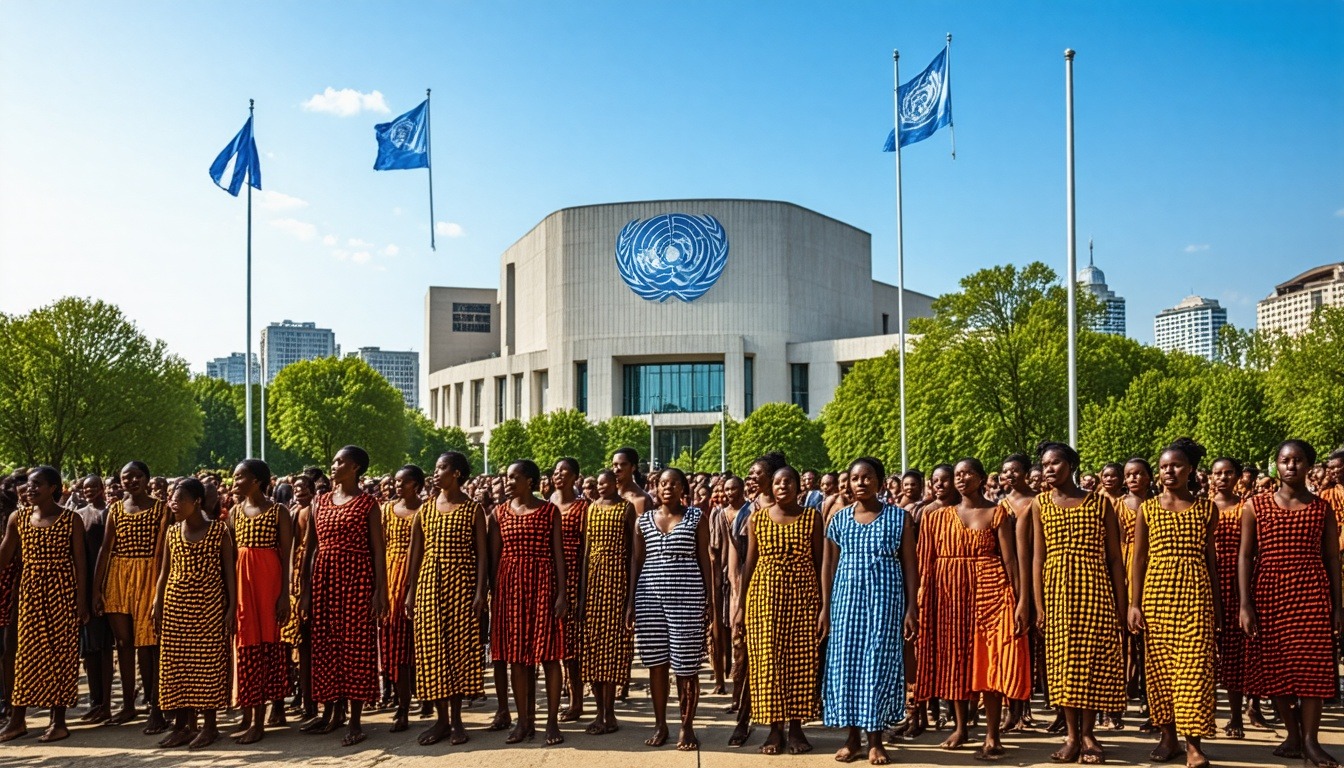
The United Nations (UN) is an international organization founded in 1945 after World War II to promote peace, security, and cooperation among nations. With 193 member states, the UN plays a pivotal role in global development, including in Uganda. This article delves into the UN’s history, aims, structure, and its multifaceted impact on Uganda, covering peacekeeping, development, human rights, and more.
Essential Facts about the History, Aims, and Structure of the UN
History of the United Nations
The UN was established on October 24, 1945, by 51 countries committed to maintaining international peace and security. It replaced the League of Nations, which failed to prevent WWII. The UN Charter, signed in San Francisco, outlines its principles and purposes.
Aims of the United Nations
The UN’s primary aims include maintaining international peace and security, developing friendly relations among nations, achieving international cooperation in solving economic, social, cultural, and humanitarian problems, and promoting respect for human rights.
Structure of the United Nations
The UN has six principal organs: the General Assembly, Security Council, Economic and Social Council (ECOSOC), Trusteeship Council, International Court of Justice, and Secretariat. Specialized agencies like WHO, UNESCO, UNICEF, UNDP, and WFP operate under the UN umbrella.
The Role of the UN in Maintaining World Peace and Development: Examples from Uganda
Peacekeeping Missions
The UN deploys peacekeeping forces to conflict zones. In Uganda, the UN supported the peace process in northern Uganda, particularly in ending the Lord’s Resistance Army (LRA) insurgency. The UN Office for the Coordination of Humanitarian Affairs (OCHA) provided aid to displaced populations.
Development Programs
Through the UN Development Programme (UNDP), Uganda has received support for poverty reduction, governance, and environmental sustainability. The UN also coordinates the Sustainable Development Goals (SDGs) implementation in Uganda.
Roles and Functions of the UN and Its Subsidiary Bodies in Detail: Focus on Uganda
United Nations Development Programme (UNDP)
UNDP works in Uganda to strengthen democratic governance, promote inclusive growth, and build resilience to crises. It supports the government in achieving the SDGs.
World Health Organization (WHO)
WHO assists Uganda in combating diseases like malaria, HIV/AIDS, and COVID-19. It provides technical support for health system strengthening and vaccination campaigns.
United Nations Children’s Fund (UNICEF)
UNICEF focuses on child survival, education, and protection in Uganda. It runs programs on immunization, nutrition, and access to quality education.
World Food Programme (WFP)
WFP provides food assistance to refugees and vulnerable communities in Uganda. It also supports school feeding programs and nutrition interventions.
United Nations Educational, Scientific and Cultural Organization (UNESCO)
UNESCO promotes education, science, culture, and communication in Uganda. It supports teacher training, cultural heritage preservation, and media development.
The Contribution of the UN in Maintaining Peace and Development in Uganda
Peace and Security
The UN has contributed to peace in Uganda through mediation, support for the Juba peace talks, and disarmament programs. The UN Peacebuilding Fund has supported reconciliation initiatives in northern Uganda.
Development Achievements
UN agencies have helped reduce poverty, improve health indicators, and increase access to education in Uganda. for instance, UNICEF’s programs have reduced child mortality rates.
The Role of the UN in Promotion of Human Rights in Uganda
Human Rights Monitoring
The UN Human Rights Council and Office of the High Commissioner for Human Rights (OHCHR) monitor Uganda’s human rights situation, reporting on issues like freedom of expression and police brutality.
Capacity Building
UN agencies provide training to Ugandan officials on human rights standards. They also support civil society organizations advocating for rights.
Protection of Vulnerable Groups
UNHCR protects refugees in Uganda, one of the most refugee-friendly countries. UNICEF and UN Women work to protect children and women from violence and discrimination.
UN Sustainable Development Goals (SDGs) in Uganda
Goal 1: No Poverty
UNDP supports poverty reduction programs in Uganda, including microfinance and livelihood projects.
Goal 2: Zero Hunger
WFP and FAO work to improve food security and nutrition in Uganda through agricultural support.
Goal 3: Good Health and Well-being
WHO and UNICEF support Uganda’s health system, including vaccination and maternal health.
Goal 4: Quality Education
UNESCO and UNICEF promote inclusive and equitable education in Uganda, focusing on girls’ education.
Goal 5: Gender Equality
UN Women supports gender equality initiatives in Uganda, including legal reforms and women’s empowerment.
Goal 6: Clean Water and Sanitation
UNICEF and UNDP support water and sanitation projects in rural Uganda.
Goal 7: Affordable and Clean Energy
UNDP promotes renewable energy access in Uganda.
Goal 8: Decent Work and Economic Growth
ILO and UNDP support job creation and entrepreneurship in Uganda.
Goal 9: Industry, Innovation, and Infrastructure
UNIDO supports industrial development in Uganda.
Goal 10: Reduced Inequalities
UN agencies work to reduce inequalities in Uganda through social protection programs.
Goal 11: Sustainable Cities and Communities
UN-Habitat supports urban planning in Ugandan cities.
Goal 12: Responsible Consumption and Production
UNEP promotes sustainable practices in Uganda.
Goal 13: Climate Action
UNDP and UNEP support climate adaptation and mitigation in Uganda.
Goal 14: Life Below Water
FAO supports sustainable fishing in Lake Victoria.
Goal 15: Life on Land
UNEP and FAO promote conservation and reforestation in Uganda.
Goal 16: Peace, Justice, and Strong Institutions
UNDP supports governance and rule of law in Uganda.
Goal 17: Partnerships for the Goals
The UN coordinates partnerships to achieve the SDGs in Uganda.
UN Peacekeeping and Conflict Resolution in Uganda
Lord’s Resistance Army (LRA) Conflict
The UN supported the Juba peace process (2006-2008) between the Ugandan government and the LRA. The UN Mission in South Sudan (UNMISS) also helped address regional instability.
Disarmament, Demobilization, and Reintegration (DDR)
UNDP implemented DDR programs for former combatants in northern Uganda, providing skills training and economic opportunities.
UN Humanitarian Assistance in Uganda
Refugee Support
Uganda hosts over 1.5 million refugees, mainly from South Sudan and DRC. UNHCR coordinates refugee protection and assistance, including shelter, food, and healthcare.
Emergency Response
WFP and UNICEF provide emergency food and nutrition support during crises like floods and droughts.
UN and Uganda’s Health Sector
HIV/AIDS Response
UNAIDS and WHO support Uganda’s HIV prevention and treatment programs, reducing prevalence rates.
Malaria Control
WHO and UNICEF distribute bed nets and support malaria treatment in Uganda.
COVID-19 Response
WHO provided technical guidance and vaccines through COVAX, while UNICEF supported risk communication.
UN and Education in Uganda
Universal Primary Education
UNICEF supports Uganda’s Universal Primary Education (UPE) policy, providing school supplies and teacher training.
Girls’ Education
UNESCO and UNICEF promote girls’ education through scholarships and awareness campaigns.
UN and Environmental Sustainability in Uganda
Climate Change Adaptation
UNDP supports climate-resilient agriculture and water management in Uganda.
Forest Conservation
UNEP and FAO work with Uganda to combat deforestation and promote sustainable forestry.
Challenges and Criticisms of UN Involvement in Uganda
Bureaucracy and Inefficiency
Some critics argue that UN programs are slow and bureaucratic, delaying aid delivery.
Political Interference
The UN’s relationship with the Ugandan government sometimes leads to compromises on human rights issues.
Funding Shortfalls
UN agencies often face funding gaps, limiting their impact in Uganda.
Future Prospects for UN-Uganda Cooperation
Strengthening Partnerships
The UN aims to deepen collaboration with Uganda on the SDGs, particularly in health, education, and climate action.
Innovative Financing
New funding mechanisms like blended finance could enhance UN programs in Uganda.
Conclusion
The United Nations has played a vital role in Uganda’s development, from peacekeeping to poverty reduction and human rights promotion. While challenges remain, the UN’s multifaceted approach has contributed to significant progress. Continued cooperation between Uganda and the UN is essential for achieving sustainable development and lasting peace.
Frequently Asked Questions (FAQs)
What is the primary role of the UN in Uganda?
The UN supports Uganda in peacekeeping, development, humanitarian aid, and human rights promotion through its specialized agencies.
How has the UN helped in peacekeeping in Uganda?
The UN mediated the Juba peace talks and supported DDR programs for former LRA combatants.
Which UN agencies are most active in Uganda?
Key agencies include UNDP, WHO, UNICEF, WFP, UNHCR, and UNESCO.
What is the UN’s contribution to Uganda’s health sector?
The UN has helped combat HIV/AIDS, malaria, and COVID-19, and strengthened health systems.
How does the UN promote human rights in Uganda?
Through monitoring, capacity building, and protection of vulnerable groups like refugees and women.
What are the challenges of UN operations in Uganda?
Bureaucracy, funding shortfalls, and political constraints are key challenges.



Leave a Reply