
Get free teacher resources this festive season

Category: Study Material

  • Wanyama wa Pori (Wild Animals)

    Wanyama wa Pori (Wild Animals)

    Learn about wanyama wa pori (wild animals) in Kiswahili with clear English explanations, pronunciation help, and many examples. Perfect for Kiswahili beginners in Senior One and Senior Two.


    Introduction

    In this beginner-friendly Kiswahili lesson, we explore wanyama wa pori—animals that live in the wild. These are animals found in forests, national parks, game reserves, mountains, grasslands, and other natural habitats. This topic is important because learners interact with wild animals in stories, textbooks, news reports, and daily conversations.

    Illustration with a light yellow-orange to soft green gradient background. On the left, a simple gender-neutral character is thinking. On the right, a minimal multiple-choice quiz icon with a subtle question mark. Bold dark text in the center reads ‘NAHAU QUIZ’ in a modern sans-serif font.
    Wanyama wa Pori (Wild Animals) — NCDC & UNEB Revision Guide on Remedial Corner Uganda

    We will look at:

    • Kiswahili vocabulary for wild animals (wanyama wa pori)
    • English meanings
    • Example sentences
    • Features and characteristics of wild animals
    • Uses or importance of wild animals
    • Differences between wild and domestic animals

    By the end, learners should confidently name several wild animals and use them correctly in simple sentences.


    1. Msamiati wa Wanyama wa Pori (Wild Animals Vocabulary)

    Below is a rich list of wild animals in Kiswahili, with English translations. Many examples are included to help beginners build strong vocabulary.

    Mamalia (Mammals)

    KiswahiliEnglish
    SimbaLion
    ChuiLeopard
    DumaCheetah
    TemboElephant
    NyatiBuffalo
    KibokoHippopotamus
    FaruRhinoceros
    TwigaGiraffe
    PundamiliaZebra
    MbuniOstrich (large bird classified with wild animals)
    KimaMonkey
    SokweChimpanzee
    Soko mtu / Sokwe mtuGorilla
    FisiHyena
    MbwehaFox
    Mbwa mwituWild dog
    NyaniBaboon
    Kifaru mdogoBlack rhino
    Paka wa mwituniWild cat

    Wanyama Walioko Majini (Aquatic Wild Animals)

    KiswahiliEnglish
    MambaCrocodile
    ChuraFrog
    Kobe wa poriniWild tortoise
    Samaki wa poriWild fish
    KasaTurtle

    Wanyama Wadogo wa Pori (Small Wild Animals & Insects)

    KiswahiliEnglish
    Sungura wa poriniWild rabbit
    Panya poriField rat
    KengeLizard
    NyokaSnake
    KinyongaChameleon
    MolesiMole
    BuibuiSpider
    NyukiBee
    NziFly
    MendeCockroach (found in wild or abandoned places)

    Ndege wa Pori (Wild Birds)

    KiswahiliEnglish
    TaiEagle
    KoziVulture
    KorongoCrane
    KwareQuail
    BundiOwl
    Kanga poriGuinea fowl
    FlamingoFlamingo
    Korongo mwekunduRed crane

    This is only a sample—East Africa has hundreds of wild species, but these are the most commonly taught at beginner level.


    2. Sifa za Wanyama wa Pori (Characteristics of Wild Animals)

    Here we describe wild animals using simple Kiswahili + English explanations.

    1. Wanaishi kwenye pori / hifadhi (They live in the wild or game reserves)
      • Mfano: “Simba anaishi porini.”
        (The lion lives in the wild.)
    2. Hawafugwi na binadamu (They are not kept by humans)
      Unlike cows, goats, or sheep, wild animals live freely.
    3. Wanaweza kuwa hatari (Some can be dangerous)
      Animals like lions, buffaloes, and crocodiles can harm humans.
    4. Wengine ni wakubwa sana (Some are very large)
      Examples: elephants, rhinos, buffaloes.
    5. Wengine ni wadogo na hawadhuru (Some are small and harmless)
      Examples: chameleons, frogs, rabbits.
    6. Wanategemea mazingira yao kwa chakula (They depend on natural habitat for food)
      • Herbivores eat plants (e.g., twiga, pundamilia).
      • Carnivores eat meat (e.g., simba, chui).
      • Omnivores eat both (e.g., nyani, kima).
    7. Hawkai karibu na makazi ya watu (They do not stay near people)
      Wild animals avoid residential areas unless pushed by hunger.

    3. Aina za Wanyama wa Pori (Types of Wild Animals)

    Wild animals can be grouped based on what they eat or their habitats.

    A. Wanyama Walaji-Wanyama (Carnivores – Meat Eaters)

    These are predators.
    Examples:

    • Simba – Lion
    • Chui – Leopard
    • Duma – Cheetah
    • Fisi – Hyena
    • Mbweha – Fox
    • Mamba – Crocodile

    Example sentence:

    • Simba hula nyama. (The lion eats meat.)

    B. Wanyama Walaji-Mimea (Herbivores – Plant Eaters)

    Examples:

    • Tembo – Elephant
    • Twiga – Giraffe
    • Pundamilia – Zebra
    • Nyati – Buffalo
    • Kifaru – Rhino

    Example sentence:

    • Twiga hula majani marefu.
      (A giraffe eats tall leaves.)

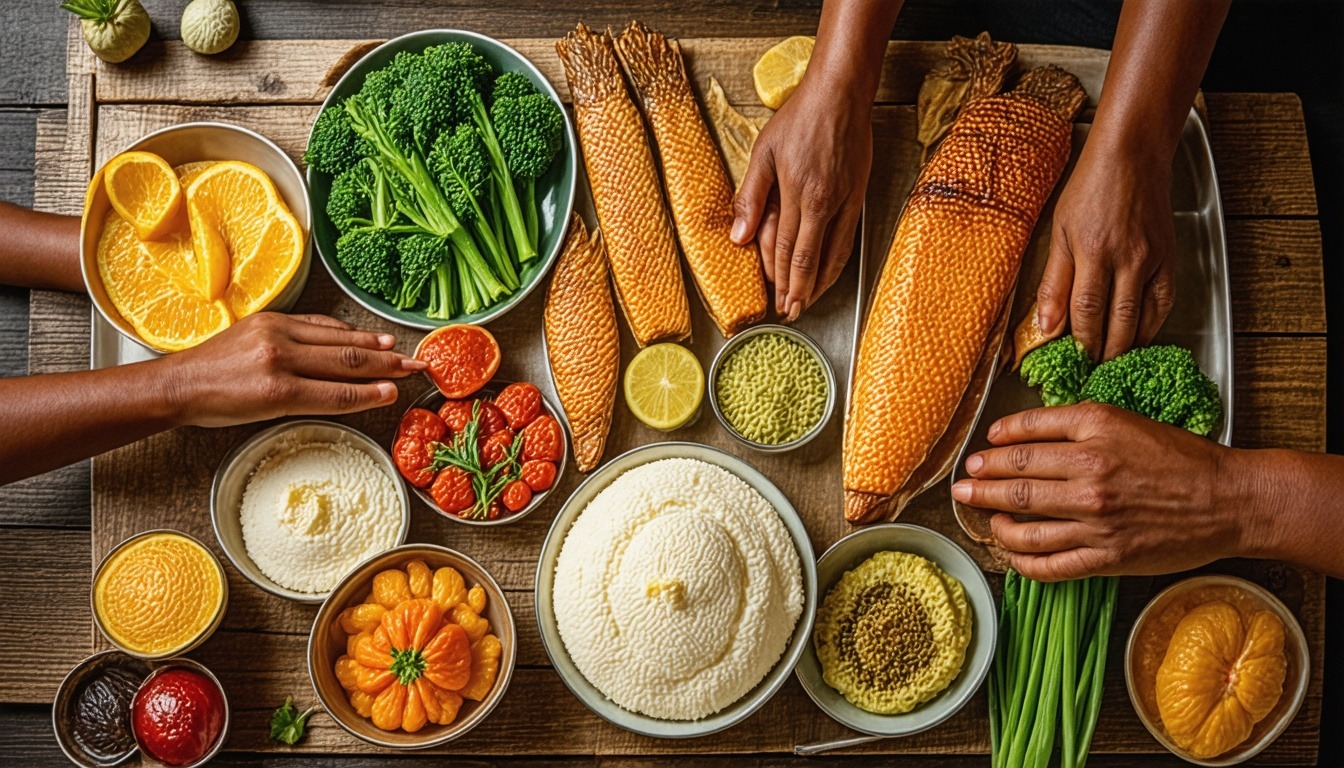
    Vibrant East African food spread with ugali, nyama choma, fruits.
    Wanyama wa Pori (Wild Animals) — NCDC & UNEB Revision Guide on Remedial Corner Uganda

    C. Wanyama Walaji-Wote (Omnivores – Eat both plants and meat)

    Examples:

    • Kima – Monkey
    • Nyani – Baboon
    • Binadamu porini – Wild humans (rare, but academic)

    Example sentence:

    • Nyani hula matunda na wadudu. (A baboon eats fruits and insects.)

    4. Umuhimu wa Wanyama wa Pori (Importance of Wild Animals)

    Wild animals are important to Uganda, Kenya, Tanzania, and the whole world.

    1. Utalii (Tourism)

    Wildlife attracts tourists, bringing money to the country.

    2. Uhifadhi wa Mazingira (Environmental Balance)

    Predators control animal populations; herbivores help manage vegetation.

    3. Vyanzo vya Utafiti (Sources of research)

    Scientists study wild animals to understand diseases, behavior, climate, and evolution.

    4. Vyakula na Bidhaa (Food and products)

    Some wild animals like fish and certain insects are used as food.
    However, laws protect endangered species.

    5. Ajira (Employment)

    Wildlife conservation creates jobs for:

    • tour guides
    • rangers
    • researchers
    • hotel workers in national parks

    5. Tofauti Kati ya Wanyama wa Nyumbani na Wanyama wa Pori

    Wanyama wa Nyumbani (Domestic animals)Wanyama wa Pori (Wild animals)
    Hufugwa na binadamuHawaishi na binadamu
    Hupatikana nyumbaniHupatikana porini
    Hupewa chakulaHutafuta chakula wenyewe
    Si hatariWengine ni hatari
    Mifano: Ng’ombe, mbuzi, kukuMifano: Simba, tembo, twiga

    6. Mifano ya Sentensi za Wanyama wa Pori (Sentences)

    1. Simba anaishi kwenye mbuga ya wanyama.

    The lion lives in the game park.

    2. Twiga ni mrefu na anakula majani marefu.

    The giraffe is tall and eats tall leaves.

    3. Tembo wana nguvu sana.

    Elephants are very strong.

    4. Chui anakimbia kwa kasi.

    The leopard runs fast.

    5. Nyati ni mnyama hatari sana.

    The buffalo is a very dangerous animal.

    6. Kima wanapenda matunda.

    Monkeys love fruits.

    7. Mamba wanaishi majini.

    Crocodiles live in water.

    8. Fisi hula mizoga.

    Hyenas eat carcasses.


    7. Mazoezi (Exercises)

    These exercises help learners memorize vocabulary.

    A. Taja wanyama wa pori watano.

    (Name five wild animals.)

    B. Andika sentensi tatu ukitumia maneno yafuatayo:

    1. Simba
    2. Twiga
    3. Mamba

    C. Linganisha (Match):

    A | B
    Simba | Eats meat
    Twiga | Tall animal
    Pundamilia | Striped animal
    Tembo | Very big animal


    Conclusion

    Learning wanyama wa pori helps Kiswahili beginners develop rich vocabulary needed in everyday conversations, storytelling, and exams. Wild animals are central to East African culture, tourism, and environmental conservation. With the many examples and sentences in this lesson, learners can confidently name wild animals, describe them, and use them in simple Kiswahili structures.

  • 🏗️ Extraction of Metals Based on Reactivity: From Ores to Pure Elements

    🏗️ Extraction of Metals Based on Reactivity: From Ores to Pure Elements

    Learn how metals are extracted based on their reactivity series. Discover methods like electrolysis, reduction with carbon, and heating with air, all explained with examples and diagrams.


    🧭 Introduction: Why Does Metal Reactivity Matter in Extraction?

    Metals are among the most important materials on Earth — used in construction, electronics, transport, and tools. But most metals do not exist in their pure form; they are found as ores in the Earth’s crust.

    🏗️ Extraction of Metals Based on Reactivity: From Ores to Pure Elements — Uganda Secondary School Study Notes (Illustration 1)
    🏗️ Extraction of Metals Based on Reactivity: From Ores to Pure Elements — NCDC & UNEB Revision Guide on Remedial Corner Uganda

    The method used to extract a metal from its ore depends on its position in the reactivity series. Highly reactive metals need more energy to extract, while less reactive ones require simpler methods.

    In this blog, we explain:

    • What the reactivity series is
    • How metals are extracted based on reactivity
    • Real-life examples of extraction
    • Environmental considerations

    Let’s get started.


    🧪 What Is the Reactivity Series?

    The reactivity series ranks metals from most reactive to least reactive. It determines how easily a metal loses electrons (oxidizes) to form positive ions.

    🔽 Reactivity Series (Simplified)

    Potassium (K) 

    Sodium (Na) 

    Calcium (Ca) 

    Magnesium (Mg) 

    Aluminium (Al) 

    Zinc (Zn) 

    Iron (Fe) 

    Lead (Pb) 

    (Copper – Cu) 

    (Silver – Ag) 

    (Gold – Au)

    🧠 Note: Hydrogen (H) is often included in the series to compare metal reactivity in reactions with acids.


    🏗️ Classification of Metal Extraction Methods

    🔹1. Electrolysis – For Highly Reactive Metals

    Used for: Potassium, Sodium, Calcium, Magnesium, Aluminium

    These metals are too reactive to be extracted by chemical reduction. Instead, electrolysis is used — a process that breaks down compounds using electricity.

    ⚡ Example: Extraction of Aluminium from Bauxite

    • Ore: Bauxite (Al₂O₃)
    • Method: Electrolysis of molten aluminium oxide (in cryolite)
    • Equation:
      At cathode: Al³⁺ + 3e⁻ → Al
      At anode: 2O²⁻ → O₂ + 4e⁻

    🔌 Note: Electrolysis is expensive due to high energy consumption.


    🔹2. Reduction with Carbon – For Moderately Reactive Metals

    Used for: Zinc, Iron, Lead, Tin

    These metals are extracted by heating their oxides with carbon (often in the form of coke). The carbon removes the oxygen from the metal oxide.

    🔥 Example: Extraction of Iron from Haematite

    • Ore: Haematite (Fe₂O₃)
    • Furnace: Blast furnace
    • Equation: Fe₂O₃ + 3CO → 2Fe + 3CO₂

    🧪 Carbon acts as a reducing agent, taking away oxygen from the metal oxide.


    🔹3. Direct Heating – For Unreactive Metals

    Used for: Copper, Silver, Gold

    These metals are found in a native state or in simple compounds. They require minimal processing, sometimes just heating in air or smelting.

    🔥 Example: Copper Extraction

    • From: Copper(II) sulfide (CuS)
    • Method: Roasting in air
    • Equation: 2CuS + 3O₂ → 2CuO + 2SO₂
      2CuO + C → 2Cu + CO₂

    🧱 Summary Table: Extraction Methods Based on Reactivity

    MetalReactivity LevelExtraction MethodExample Ore
    PotassiumVery reactiveElectrolysisPotassium chloride
    AluminiumHighly reactiveElectrolysisBauxite (Al₂O₃)
    Zinc, IronModerately reactiveReduction with carbonZinc blende, Haematite
    Copper, SilverLow reactivityHeating or native formCopper(II) sulfide
    GoldVery unreactiveFound pure in natureNative gold

    🌱 Environmental Impact of Metal Extraction

    Metal extraction is necessary for development, but it also comes with environmental costs:

    ❌ Negative Effects

    • Deforestation to access mineral-rich land
    • Air pollution from burning fossil fuels
    • Soil and water pollution due to tailings and waste
    • Energy consumption, especially in electrolysis

    ✅ Sustainable Approaches

    • Recycling metals like aluminium and copper
    • Using renewable energy in extraction plants
    • Biological methods like phytomining and bioleaching
    • Reducing demand by adopting efficient designs

    🔍 Real-Life Applications of Extracted Metals

    MetalCommon Uses
    AluminiumAirplanes, soda cans, electrical wires
    IronConstruction (steel), bridges, machines
    CopperElectrical wiring, water pipes
    ZincGalvanising steel to prevent rust
    GoldJewellery, electronics, investment

    🏗️ Extraction of Metals Based on Reactivity: From Ores to Pure Elements — Uganda Secondary School Study Notes (Illustration 2)
    🏗️ Extraction of Metals Based on Reactivity: From Ores to Pure Elements — NCDC & UNEB Revision Guide on Remedial Corner Uganda

    📘 Chemistry Behind Extraction: Key Reactions

    🔹 Electrolysis of Aluminium

    At cathode: Al³⁺ + 3e⁻ → Al 

    At anode: 2O²⁻ → O₂ + 4e⁻

    🔹 Reduction of Iron

    Fe₂O₃ + 3CO → 2Fe + 3CO₂

    🔹 Roasting Copper Sulfide

    2CuS + 3O₂ → 2CuO + 2SO₂ 

    2CuO + C → 2Cu + CO₂

    These reactions show oxidation and reduction (redox) at play.


    🧠 Fun Facts

    • Gold is so unreactive that it has been found in tombs over 3,000 years old still shiny!
    • Aluminium was once more expensive than gold until electrolysis was discovered.
    • Recycling aluminium uses 95% less energy than extracting it from ore.

    📝 Revision Notes: Key Takeaways

    ConceptKey Idea
    Reactivity seriesDetermines how metals are extracted
    ElectrolysisUsed for most reactive metals
    Reduction with carbonSuitable for moderately reactive metals
    Direct heatingWorks for low-reactivity metals
    Environmental concernExtraction has pollution and energy cost
    Sustainable optionsInclude recycling, bioleaching, and green energy

    🎯 Conclusion: Why This Matters

    Understanding how metals are extracted based on their reactivity helps us:

    • Use resources efficiently
    • Choose the right method in industries
    • Protect the environment through sustainable choices
    • Prepare for exams and real-life chemical applications

    This knowledge connects chemistry with engineering, environmental science, and global development.

  • Ndege wa Nyumbani (Domestic Birds): Kiswahili Vocabulary for Beginners

    Ndege wa Nyumbani (Domestic Birds): Kiswahili Vocabulary for Beginners

    Learn Kiswahili vocabulary about Ndege wa Nyumbani (domestic birds) with English explanations and many examples. Perfect for beginners studying Kiswahili in Senior One. Includes characteristics, importance, sentence examples, and a practice quiz.

    Introduction

    Domestic birds, or Ndege wa Nyumbani, are birds kept by people at home or on farms for eggs, meat, feathers, companionship, or cultural value. Many African households keep various birds around the compound, making this topic essential for beginner Kiswahili learners.

    East African feast with ugali, fish, and greens.
    Ndege wa Nyumbani (Domestic Birds): Kiswahili Vocabulary for Beginners — NCDC & UNEB Revision Guide on Remedial Corner Uganda

    This blog teaches:

    • Names of domestic birds in Kiswahili
    • Their characteristics (sifa)
    • Uses and importance
    • English explanations
    • Example sentences in simple Kiswahili
    • A beginner’s quiz

    Let’s begin learning with clear vocabulary and many examples to build confidence.


    1. Understanding “Ndege wa Nyumbani” (Domestic Birds)

    English explanation:
    Domestic birds are birds raised at home or on farms for food, beauty, or cultural purposes.

    These birds are usually small, easy to rear, and reproduce quickly.


    2. Msamiati: Names of Domestic Birds in Kiswahili

    Below is an extensive list of ndege wa nyumbani.
    (We include many examples as requested.)

    KiswahiliEnglish
    KukuChicken
    JogooRooster
    TeteaHen
    KifarangaChick
    BataDuck
    Bata bukiniGoose
    Bata mzingaTurkey
    NjiwaPigeon / Dove
    HuaGuinea fowl
    KangaSpotted guinea fowl
    KwareQuail
    Bata majiWater duck
    KustadiOstrich (sometimes domesticated)
    KorongoCrane (in some homes, for beauty)
    Dee-deeLocal dove variety
    Kanga nyumbaniDomesticated guinea fowl
    Bati soniDomestic duck variety
    Njiwa wa kifaransaFrench pigeon
    Njiwa wa kienyejiLocal pigeon
    Njiwa wa kufugwaDomestic dove
    Bata la kienyejiLocal duck breed
    Bata la kizunguExotic duck breed

    Important note:
    Not all of these are kept in every home, but they appear in many East African villages and farms.


    3. Sifa za Ndege wa Nyumbani (Characteristics)

    Let’s describe each bird clearly for beginner learners.


    3.1 Kuku (Chicken)

    English explanation: Chickens are the most common domestic birds.
    Characteristics (Sifa):

    • Hutaga mayai (lays eggs)
    • Hutoa nyama (provides meat)
    • Ni wadogo na rahisi kufuga (easy to rear)

    Example:

    • Kuku wa kienyeji ni hodari kutaga mayai.
      (Local chickens are good at laying eggs.)

    3.2 Jogoo (Rooster)

    English explanation: A rooster is the male chicken.
    Sifa:

    • Hualika asubuhi (crows in the morning)
    • Humlinda kundi la kuku (guards the flock)

    Example:

    • Jogoo wa babu hualika kila alfajiri.
      (Grandfather’s rooster crows every dawn.)

    3.3 Tetea (Hen)

    Sifa:

    • Hulea vifaranga (raises chicks)
    • Hutaga mayai mengi (lays many eggs)

    Example:

    • Tetea aliwalinda vifaranga vyake.
      (The hen protected her chicks.)

    3.4 Bata (Duck)

    English explanation: Ducks live near water.
    Sifa:

    • Hupenda maji (loves water)
    • Hutoa mayai makubwa (gives large eggs)

    Example:

    • Bata anaogelea kwenye bwawa.
      (The duck is swimming in the pond.)

    3.5 Bata Bukini (Goose)

    Sifa:

    • Wakubwa kuliko bata (larger than ducks)
    • Hutoa ulinzi (make loud sounds to alert danger)

    Example:

    • Bata bukini walipiga kelele walipoona mgeni.
      (The geese made noise when they saw a visitor.)

    3.6 Bata Mzinga (Turkey)

    Sifa:

    • Wakubwa na wenye manyoya mengi
    • Hutoa nyama nyingi (produces a lot of meat)

    Example:

    • Bata mzinga ni wakubwa sana.
      (Turkeys are very big.)

    3.7 Njiwa (Pigeon)

    English explanation: Pigeons are calm birds kept mainly for beauty.
    Sifa:

    • Wapole na wazuri (gentle and beautiful)
    • Hupenda kuruka juu (love to fly high)

    Example:

    • Njiwa waliruka juu ya paa.
      (The pigeons flew over the roof.)

    3.8 Hua / Kanga (Guinea Fowl)

    Sifa:

    • Wanakimbia sana (they run fast)
    • Watoa nyama nzuri (good meat)

    Example:

    • Kanga hukimbia haraka sana.
      (Guinea fowls run very fast.)

    3.9 Kware (Quail)

    Sifa:

    • Wadogo (small)
    • Hutaga mayai madogo (lay small eggs)

    Example:

    • Kware hutaga mayai madogo lakini ya lishe.
      (Quails lay small but nutritious eggs.)

    4. Umuhimu wa Ndege wa Nyumbani (Importance of Domestic Birds)

    Domestic birds are important in home life and farming.


    4.1 Chanzo cha Chakula (Source of Food)

    They produce:

    • Mayai (eggs)
    • Nyama (meat)

    Examples:

    • Chickens and ducks provide eggs
    • Turkeys provide meat
    • Quails provide small but nutritious eggs

    Sentence:

    • Mayai kutoka kwa kuku ni muhimu kwa afya.
      (Eggs from chickens are important for health.)

    4.2 Biashara (Business)

    Birds can be sold for income.

    • Ufugaji wa kuku ni biashara maarufu.
      (Poultry farming is a popular business.)

    Golden mandazi doughnuts on wooden plate, East African breakfast
    Ndege wa Nyumbani (Domestic Birds): Kiswahili Vocabulary for Beginners — NCDC & UNEB Revision Guide on Remedial Corner Uganda

    4.3 Urembo na Utamaduni (Beauty and Culture)

    • Pigeons are kept for beauty
    • Some communities use chickens in traditional ceremonies

    4.4 Ulinzi (Security)

    Geese (bata bukini) make loud noises to alert danger.


    4.5 Elimu na Utafiti (Education and Research)

    Birds help students learn about:

    • Life cycles
    • Reproduction
    • Animal behaviour

    Example sentence:

    • Kinyesi cha kuku kinafaa kwa mbolea.
      (Chicken droppings are good for manure.)

    5. Sentensi Zaidi za Mfano (More Example Sentences)

    1. Kuku wanakula nafaka.
      (Chickens eat grains.)
    2. Bata anaogelea kwenye dimbwi.
      (The duck is swimming in the puddle.)
    3. Njiwa ni wapole.
      (Pigeons are gentle.)
    4. Tetea hutaga mayai.
      (A hen lays eggs.)
    5. Jogoo hualika kila asubuhi.
      (A rooster crows every morning.)
    6. Kware ni wadogo sana.
      (Quails are very small.)
    7. Bata bukini hutoa ulinzi.
      (Geese provide security.)

    7. Mazoezi (Practice Activity)

    A. Jaza nafasi (Fill In the Blanks)

    1. ______ hualika asubuhi.
    2. ______ anaogelea majini.
    3. ______ hutaga mayai madogo.
    4. ______ ni mnyama mpole na mzuri.

    Majibu:

    1. Jogoo
    2. Bata
    3. Kware
    4. Njiwa

    B. Orodhesha Ndege Watano wa Nyumbani

    (Example answers: kuku, bata, njiwa, bata mzinga, kware)


    7. Short Quiz

    1. Which bird lays the smallest eggs?
    A. Goose
    B. Quail
    C. Chicken
    Answer: B

    2. “Pigeon” in Kiswahili is:
    A. Bata
    B. Njiwa
    C. Jogoo
    Answer: B

    3. Which bird is known for crowing in the morning?
    A. Tetea
    B. Jogoo
    C. Bata
    Answer: B

    4. Which bird loves water?
    A. Bata
    B. Kuku
    C. Kanga
    Answer: A


    Conclusion

    Ndege wa nyumbani are an important part of daily life in many communities. They provide food, income, security, beauty, and opportunities for learning. For Kiswahili beginners, mastering this vocabulary builds a strong foundation for describing animals, talking about farming, and engaging in meaningful conversations.

    To continue learning Kiswahili effectively, practise the vocabulary daily, use the example sentences, and observe the birds in your environment.

  • ⚡ Reactivity of Metals with Water and Acids: A Complete Guide for Learners and Teachers

    ⚡ Reactivity of Metals with Water and Acids: A Complete Guide for Learners and Teachers

    Explore how different metals react with water and acids. Learn about the reactivity trends, balanced equations, and safety precautions in real-world applications and classroom experiments.


    🔍 Introduction: Why Study Metal Reactivity?

    An inviting homepage visual for Remedial Corner showing a diverse group of learners engaged with accessible educational content on a glowing computer screen in a cozy, modern study space, surrounded by books, digital tablets, headphones, and interactive icons for various subjects, including a virtual science lab
    ⚡ Reactivity of Metals with Water and Acids: A Complete Guide for Learners and Teachers — NCDC & UNEB Revision Guide on Remedial Corner Uganda

    Metals play a vital role in our daily lives — from the iron in bridges to the calcium in our bones. However, not all metals behave the same way, especially when they come in contact with water or acids.

    Some react explosively, while others don’t react at all. Understanding the reactivity of metals is essential for learners, scientists, and engineers.

    In this blog, you’ll learn:

    • How metals react with water and acids
    • What these reactions tell us about the reactivity series
    • Safety and environmental implications
    • Balanced equations and real-life examples

    Let’s dive in.


    🌊 Part 1: Reactivity of Metals with Water

    ✅ What Happens When Metals React with Water?

    When a reactive metal comes into contact with water, it usually forms:

    • A metal hydroxide (a base)
    • Hydrogen gas (H₂)

    🔥 General Word Equation

    Metal + Water → Metal Hydroxide + Hydrogen

    🧪 Example: Potassium + Water

    Potassium + Water → Potassium Hydroxide + Hydrogen

    2K + 2H₂O → 2KOH + H₂↑

    This reaction is very vigorous, producing heat, fizzing, and sometimes flames.


    📊 Metals Reacting with Cold Water

    MetalReactivity with Cold Water
    PotassiumViolent reaction, ignites hydrogen
    SodiumVigorous reaction, forms a molten ball
    CalciumModerate reaction, bubbles form
    MagnesiumVery slow reaction (barely noticeable)
    Zinc, IronNo reaction with cold water
    Copper, GoldNo reaction

    🔥 Metals Reacting with Steam (Hot Water Vapor)

    Less reactive metals like magnesium, zinc, and iron react with steam but not with cold water.

    🧪 Example: Magnesium + Steam

    Magnesium + Steam → Magnesium Oxide + Hydrogen

    Mg + H₂O (g) → MgO + H₂↑

    This shows that heat provides the energy needed for the reaction to take place.


    🧪 Part 2: Reactivity of Metals with Acids

    ✅ What Happens When Metals React with Acids?

    When a metal reacts with a dilute acid (like HCl or H₂SO₄), it forms:

    • A salt
    • Hydrogen gas

    ⚗️ General Word Equation

    Metal + Acid → Salt + Hydrogen

    The exact salt formed depends on the acid used:

    • Hydrochloric acid (HCl) → Metal chloride
    • Sulfuric acid (H₂SO₄) → Metal sulfate
    • Nitric acid (HNO₃) → Metal nitrate

    🧪 Example: Magnesium + Hydrochloric Acid

    Magnesium + Hydrochloric Acid → Magnesium Chloride + Hydrogen

    Mg + 2HCl → MgCl₂ + H₂↑

    This reaction is fast, producing bubbles of hydrogen gas.


    📊 Metals Reacting with Dilute Acids

    MetalReactivity with Dilute Acids
    PotassiumExplosive — too dangerous
    SodiumExplosive — not done in labs
    CalciumVery vigorous
    MagnesiumFast bubbling
    ZincModerate reaction
    IronSlow bubbling
    Copper, Silver, GoldNo reaction

    📈 Reactivity Trends

    From both water and acid reactions, we can observe a reactivity series — a list of metals ranked by their ability to lose electrons (oxidize).

    ⚙️ Simplified Reactivity Series (from most to least reactive)

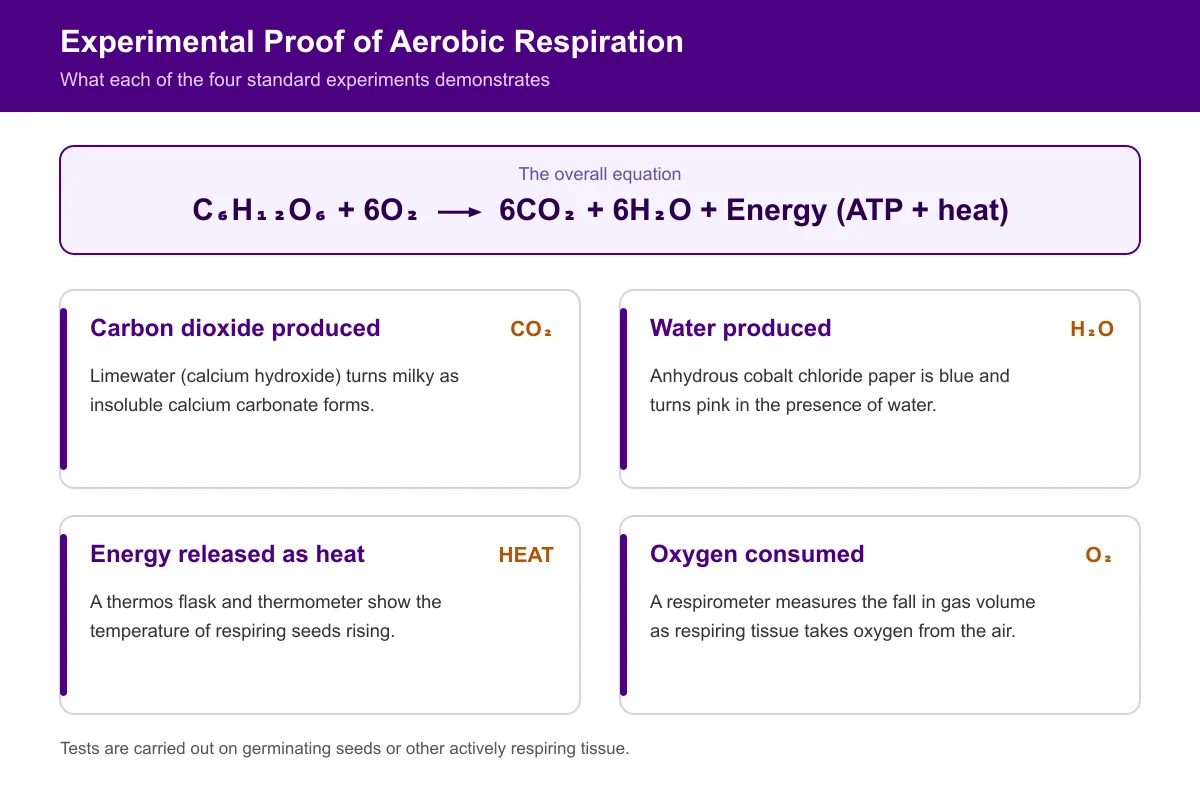
    Diagram: the four experiments that prove aerobic respiration, showing carbon dioxide, water, heat and oxygen use
    How each product of aerobic respiration is proved in the laboratory.

    Potassium > Sodium > Calcium > Magnesium > Aluminium > Zinc > Iron > Lead > Copper > Silver > Gold

    🚫 Metals Below Hydrogen in the Series

    Metals like copper, silver, and gold do not react with dilute acids, because they are less reactive than hydrogen.


    📘 How Do These Reactions Help in Real Life?

    🏭 1. Metal Extraction

    Metals are extracted based on their reactivity:

    • Highly reactive metals like potassium are extracted via electrolysis.
    • Moderately reactive metals like iron are extracted via reduction with carbon.
    • Unreactive metals like gold are found in native (pure) form.

    ⚠️ 2. Safety in Handling Metals

    • Reactive metals like potassium and sodium are stored under oil to prevent them from reacting with air or moisture.
    • Always wear gloves and goggles when handling metals and acids.

    🧪 3. Laboratory Testing for Hydrogen Gas

    The reaction of metals with acid is used to test for hydrogen gas:

    • Collect the gas in a test tube.
    • Bring a lit splint near the mouth.
    • A ‘pop’ sound confirms the presence of hydrogen.

    🧬 Balanced Chemical Equations: Quick Reference

    Reaction TypeExample Equation
    Sodium + Water2Na + 2H₂O → 2NaOH + H₂↑
    Calcium + HClCa + 2HCl → CaCl₂ + H₂↑
    Zinc + Sulfuric AcidZn + H₂SO₄ → ZnSO₄ + H₂↑
    Iron + Steam3Fe + 4H₂O → Fe₃O₄ + 4H₂↑

    🌍 Environmental and Industrial Implications

    ✅ Hydrogen as a Clean Fuel

    The hydrogen gas released in these reactions is a clean fuel and can be used in hydrogen fuel cells.

    ❌ Risks of Reactive Metals

    • Storage issues for alkali metals
    • Explosive hydrogen gas in enclosed areas
    • Acid spills can harm people and ecosystems

    🧠 Fun Facts

    • Aluminium reacts with acids, but not water — its oxide layer protects it.
    • Magnesium ribbon is often cleaned before experiments to remove this oxide coating.
    • Copper doesn’t react with acids unless the acid is oxidizing like nitric acid.

    📝 Summary: Key Takeaways

    TopicKey Point
    Water reactionsOnly reactive metals react; form hydroxides
    Acid reactionsMost metals form salts + hydrogen
    Reactivity seriesPredicts how metals behave with water/acids
    Real-life importanceHelps in metal extraction, safety, and industry
    Hydrogen gasIdentified by a pop sound in tests

    📚 Conclusion: Mastering Metal Reactivity

    Understanding the reactivity of metals with water and acids is more than just a school experiment — it’s the foundation for metallurgy, chemistry, and safety in industry.

    Whether you’re a learner preparing for exams or a teacher looking for content, mastering these reactions helps you predict, explain, and apply chemistry in real life.

  • Wanyama wa Nyumbani (Domestic Animals): A Beginner’s Guide to Kiswahili

    Wanyama wa Nyumbani (Domestic Animals): A Beginner’s Guide to Kiswahili

    Learn Kiswahili vocabulary about Wanyama wa Nyumbani (domestic animals) with simple English explanations, examples, and translations. Perfect for beginners and school learners studying basic Kiswahili. Includes uses, descriptions, and sample sentences.


    Introduction

    In many African communities, domestic animals are an important part of daily life. They provide food, security, companionship, and income. Learning the Kiswahili words for these animals helps beginners build strong vocabulary for everyday communication.

    This blog will guide you through:

    • Kiswahili names of common domestic animals
    • Their characteristics (sifa zao)
    • Their importance (umuhimu wake)
    • Example sentences (sentensi za mfano)
    • A short quiz for practice

    We use English explanations to make it easy for beginner learners, while keeping Kiswahili examples and key vocabulary for language development.


    1. Understanding “Wanyama wa Nyumbani” (Domestic Animals)

    Wanyama wa nyumbani are animals kept by people at home or on a farm.
    English explanation: These are animals cared for by human beings for food, transport, security, or companionship.

    Examples of Domestic Animals (Mifano ya wanyama wa nyumbani)

    • Ng’ombe – Cow / Cattle
    • Mbuzi – Goat
    • Kondoo – Sheep
    • Paka – Cat
    • Mbwa – Dog
    • Kuku – Chicken
    • Farasi – Horse
    • Punda – Donkey
    • Nguruwe – Pig
    • Bata – Duck
    • Ndama calf
    • Bull – ng’ombe dume or fahali
    • Kid – mwanambuzi

    In schools, these animals are often taught to help learners understand vocabulary related to farming, home life, and the environment.


    2. Msamiati (Vocabulary) of Wanyama wa Nyumbani

    Below is a table of common domestic animals with English translations:

    KiswahiliEnglish
    Ng’ombeCow / cattle
    MbuziGoat
    KondooSheep
    KukuChicken
    MbwaDog
    PakaCat
    NguruwePig
    PundaDonkey
    FarasiHorse
    BataDuck
    SunguraRabbit
    GhurudiTurkey
    NjiwaPigeon
    Bata mzingaTurkey

    Tip for learners:
    Many animals in Kiswahili use simple syllables, making them easy to pronounce. Practising aloud helps improve confidence.


    3. Sifa za Wanyama wa Nyumbani (Characteristics of Domestic Animals)

    Understanding characteristics helps learners describe animals in conversations.

    3.1 Ng’ombe (Cow)

    English explanation: Cows are large animals kept for milk, meat, and farming.

    • Ng’ombe hutoa maziwa. (Cows produce milk.)
    • Ng’ombe ni wakubwa na wenye nguvu. (Cows are large and strong.)

    3.2 Mbuzi (Goat)

    Goats are easy to keep and can survive in many environments.

    • Mbuzi hula majani. (A goat eats grass.)
    • Mbuzi ni mwepesi na mkorofi wakati mwingine. (Goats are fast and sometimes stubborn.)

    3.3 Kuku (Chicken)

    Chickens are the most common domestic animals.

    • Kuku hutaga mayai. (Chickens lay eggs.)
    • Jogoo hualika asubuhi. (A rooster crows in the morning.)

    3.4 Paka (Cat)

    Cats help keep the home free from rats.

    • Paka ni mnyama mpole. (A cat is a calm animal.)
    • Paka hula panya. (Cats eat rats.)

    3.5 Mbwa (Dog)

    Dogs protect homes and sometimes help in herding livestock.

    • Mbwa hulinda nyumba. (A dog guards the home.)
    • Mbwa ni rafiki wa binadamu. (A dog is a human’s friend.)

    4. Umuhimu wa Wanyama wa Nyumbani (Importance of Domestic Animals)

    Domestic animals play a big role in our daily lives.

    4.1 Chanzo cha Chakula (Source of Food)

    • Cows give milk – maziwa
    • Goats and chickens provide meat – nyama
    • Chickens and ducks give eggs – mayai

    Example:

    • Wanyama hutupatia chakula cha kila siku.
      (Animals provide us with daily food.)

    4.2 Usalama (Security)

    Dogs protect homes and farms.

    • Mbwa hulinda familia dhidi ya wezi.
      (Dogs guard the family from thieves.)

    4.3 Kazi za Mashambani (Farm Work)

    Donkeys and oxen help with ploughing and transport.

    • Punda hubeba mizigo. (A donkey carries loads.)
    • Ng’ombe husaidia kulima. (Cattle help in ploughing.)

    4.4 Kifedha na Biashara (Income and Business)

    Buying and selling animals earns families money.

    • Watu huuza maziwa, mayai, na nyama.
      (People sell milk, eggs, and meat.)
    • Ufugaji ni biashara muhimu.
      (Animal keeping is an important business.)

    4.5 Burudani na Urafiki (Companionship and Enjoyment)

    Cats and dogs provide emotional support.

    • Paka na mbwa ni marafiki wazuri wa watoto.
      (Cats and dogs are good friends to children.)

    5. Matumizi ya Wanyama wa Nyumbani (Uses of Domestic Animals)

    Below are major uses explained in simple English:

    1. Food production – milk, meat, eggs
    2. Labour – ploughing, transport
    3. Security – guarding property
    4. Business and trade – livestock markets
    5. Pets and companionship – cats & dogs
    6. Fertiliser – animal dung enriches soil

    Example sentence:

    • Mbolea kutoka kwa ng’ombe husaidia mimea kukua.
      (Manure from cows helps plants grow.)

    6. Sentensi za Mfano (Example Sentences)

    Here are simple sentences for beginners:

    1. Ng’ombe wangu ni mkubwa.
      (My cow is big.)
    2. Kuku hutaga mayai kila siku.
      (The chicken lays eggs every day.)
    3. Paka amelala kwenye kiti.
      (The cat is sleeping on the chair.)
    4. Mbwa wa jirani hulinda nyumba.
      (The neighbour’s dog guards the house.)
    5. Mbuzi wanakula majani nyuma ya nyumba.
      (The goats are eating grass behind the house.)
    6. Punda hubeba mizigo sokoni.
      (The donkey carries goods to the market.)
    7. Sungura ni mnyama mpole.
      (A rabbit is a gentle animal.)

    7. Mazoezi (Practice Activity)

    A. Jaza nafasi (Fill in the blanks):

    1. ______ hutoa maziwa.
    2. ______ hula panya.
    3. ______ hutaga mayai.
    4. ______ hulinda nyumba.

    Answers:

    1. Ng’ombe
    2. Paka
    3. Kuku
    4. Mbwa

    B. Andika Sentensi (Write sentences using):

    • Mbuzi
    • Kuku
    • Punda

    (Teacher can check for correct structure.)


    8. Short Quiz (Multiple Choice)

    1. Which animal is known for guarding the home?
    A. Paka
    B. Mbwa
    C. Kuku
    Answer: B

    2. Which animal lays eggs?
    A. Ng’ombe
    B. Kuku
    C. Punda
    Answer: B

    3. “Goat” in Kiswahili is:
    A. Mbwa
    B. Mbuzi
    C. Bata
    Answer: B

    4. Which animal produces milk?
    A. Ng’ombe
    B. Sungura
    C. Bata
    Answer: A

    🦁 Ndege na Wanyama: Viumbe Hai Wanaovutia

    Ulimwengu wetu umejaa viumbe hai wa kila aina, kutoka kwa wadogo sana hadi wakubwa mno. Miongoni mwao, wanyama na ndege wanashikilia nafasi ya kipekee kutokana na tofauti zao za kushangaza katika tabia, makazi, na jinsi wanavyoishi.

    🐘 Ufalme wa Wanyama

    Wanyama, ambao kiasili tunawarejelea kama mamalia, ni viumbe wenye uti wa mgongo na sifa kuu ya kumnyonyesha mtoto wao. Wanapatikana katika karibu kila mazingira: misituni (mfano simba na tembo), majini (mfano nyangumi na dolfini), na hata angani (mfano popoma, ingawa kwa lugha ya kawaida huchanganywa na ndege).

    Kila jamii ya wanyama ina mikakati yake ya kuishi. Wanyama wala nyama kama simba hutegemea kasi na nguvu zao kuwinda, huku wanyama wala mimea kama swala hutegemea uwezo wa kukimbia na kuwa macho. Mbwa mwitu huishi katika makundi, mikakati ambayo inawawezesha kuwinda windo kubwa. Makazi yao huamua aina ya ngozi au manyoya wanayokuwa nayo—manyoya mazito kwa wale wa maeneo baridi, na ngozi nyembamba kwa wale wa maeneo ya joto.

    Shutterstock


    🦅 Ufalme wa Ndege

    Ndege ni viumbe wanao tambulika kwa manyoya yao, mdomo (bila meno), na uwezo wa kuruka. Wanajumuisha kila kitu kutoka kwa tai mkuu anayeruka juu sana hadi kasuku mwenye rangi nyingi anayepatikana kwenye miti. Sifa yao ya kuruka inatokana na mifupa myepesi na mabawa yaliyojengeka vizuri, ambayo inawawezesha kusafiri umbali mrefu.

    Kila aina ya ndege ina umbo la mdomo linalolingana na lishe yake. Mfano, mdomo wa hummingbird ni mwembamba na mrefu kwa kunyonya nekta, huku ule wa tai ni mkali na wenye nguvu kwa ajili ya kurarua nyama. Ndege wahamao husafiri maelfu ya kilomita kila mwaka kutafuta chakula au hali ya hewa inayofaa, tabia inayoashiria akili kubwa na uwezo wa kutambua njia. Kazi ya ndege katika kusambaza mbegu na kudhibiti wadudu ni muhimu sana kwa ikolojia ya dunia.

    Shutterstock

    Explore


    🌿 Umuhimu na Uhifadhi

    Wanyama na ndege wote huunda sehemu muhimu ya mlolongo wa chakula. Kila kiumbe kina nafasi yake katika kudumisha usawa wa asili. Hata hivyo, viumbe hawa wanakabiliwa na matishio mengi yanayosababishwa na shughuli za binadamu, ikiwemo uharibifu wa makazi, uwindaji haramu, na mabadiliko ya tabianchi.

    Jukumu letu kama binadamu ni kuhifadhi na kulinda viumbe hawa. Kwa kujifunza kuhusu maisha yao na kufanya kazi kulinda makazi yao, tunaweza kuhakikisha kwamba kizazi kijacho pia kitafurahia utajiri huu wa asili. Utofauti wa wanyama na ndege si tu chanzo cha uzuri na ajabu bali ni kiashiria cha afya ya sayari yetu.


    Maswali na Majibu (Q & A)

    SwaliJibu
    1. Je, ni sifa gani kuu inayotofautisha mamalia na ndege?Sifa kuu ya mamalia ni kumnyonyesha mtoto wao, huku ndege wanatofautishwa na manyoya, mdomo, na uwezo wa kuruka.
    2. Ni jukumu gani muhimu la ndege katika ikolojia?Ndege husaidia katika kusambaza mbegu na kudhibiti wadudu, vitu ambavyo ni muhimu kwa afya ya mimea na misitu.
    3. Ni mkakati gani wa kuishi unaotumiwa na mbwa mwitu?Mbwa mwitu huishi katika makundi (mifumo ya kijamii) ambayo inawawezesha kuwinda windo kubwa na kulinda eneo lao kwa ufanisi zaidi.
    4. Taja vitisho viwili vinavyokabili wanyama na ndege leo.Matishio makuu ni uharibifu wa makazi unaosababishwa na binadamu na uwindaji haramu wa wanyama na ndege.
    5. Kwa nini maumbo ya midomo ya ndege hutofautiana?Maumbo ya midomo hutofautiana ili kulingana na lishe (chakula) chao. Mfano, mdomo wa tai ni wa kurarua nyama, na ule wa hummingbird ni wa kunyonya nekta.


    Conclusion

    Learning Wanyama wa Nyumbani is a foundational step in Kiswahili for beginners. These words are used in everyday conversations, farming activities, and home settings. By mastering this vocabulary, students build confidence and develop the ability to describe animals, talk about their uses, and engage in meaningful communication.

    Whether you live in a rural or urban area, domestic animals are part of life—and part of language learning. Continue practising with simple sentences, listening exercises, and real-life observation.

    Wanyama wa Nyumbani (Domestic Animals): A Beginner’s Guide to Kiswahili — Uganda Secondary School Study Notes
    Wanyama wa Nyumbani (Domestic Animals): A Beginner’s Guide to Kiswahili — Remedial Corner Uganda
  • 🔧 Properties of Alloys Compared to Pure Metals: Why Alloys Are Stronger, Smarter, and More Useful

    🔧 Properties of Alloys Compared to Pure Metals: Why Alloys Are Stronger, Smarter, and More Useful

    Discover the key differences between alloys and pure metals. Learn why alloys are stronger, more durable, and widely used in industries like construction, transportation, and medicine.


    🧲 Introduction: Pure Metals vs Alloys — What’s the Difference?

    In our daily lives, we encounter countless metal objects — from cooking pots to car bodies and electrical wires. But have you ever wondered why some metals are shiny and soft while others are hard and rust-resistant?

    🔧 Properties of Alloys Compared to Pure Metals: Why Alloys Are Stronger, Smarter, and More Useful — Uganda Secondary School Study Notes (Illustration 1)
    🔧 Properties of Alloys Compared to Pure Metals: Why Alloys Are Stronger, Smarter, and More Useful — NCDC & UNEB Revision Guide on Remedial Corner Uganda

    The answer often lies in whether the metal is pure or an alloy.

    This blog explores the properties of alloys compared to pure metals, and explains why alloys are so important in modern life.


    🧪 What Is a Pure Metal?

    A pure metal is made up of only one type of atom. Examples include:

    • Gold (Au)
    • Copper (Cu)
    • Iron (Fe)
    • Aluminum (Al)
    • Silver (Ag)

    ⚙️ Properties of Pure Metals

    Pure metals typically have the following characteristics:

    PropertyDescription
    Good conductorsTransfer heat and electricity efficiently
    MalleableCan be hammered or rolled into thin sheets
    DuctileCan be drawn into wires
    LustrousShiny appearance
    Relatively softEasy to shape or dent
    Corrosion-proneTend to rust or tarnish over time

    While pure metals have many uses, they often lack strength, durability, or resistance to corrosion, which limits their applications.


    ⚗️ What Is an Alloy?

    An alloy is a mixture of a metal with one or more other elements, usually metals or non-metals. The added elements change the metal’s structure and properties, making the final product stronger or more useful.

    📘 Common Examples of Alloys

    AlloyMain ElementsKey PropertiesCommon Uses
    BronzeCopper + TinHard, corrosion-resistantStatues, coins, medals
    BrassCopper + ZincStrong, malleable, decorativeMusical instruments, fittings
    SteelIron + CarbonVery strong, rusts if untreatedConstruction, tools
    Stainless SteelIron + Chromium (and others)Strong, corrosion-resistantKitchenware, surgical tools
    DuraluminAluminum + Copper, ManganeseLightweight, strongAircraft bodies
    SolderLead + TinLow melting pointElectronics, joining metals

    🔍 Why Are Alloys Stronger Than Pure Metals?

    The key to an alloy’s strength lies in atomic structure.

    🧬 Pure Metal Structure

    Pure metals have regular, orderly rows of atoms, which slide easily over each other when force is applied. That’s why they are soft and malleable.

    🧬 Alloy Structure

    In alloys, the different-sized atoms distort the regular structure. This prevents atoms from sliding easily, making the alloy stronger and harder than the pure metal.


    📈 Comparing Properties: Alloys vs Pure Metals

    ✅ 1. Strength and Hardness

    • Pure metals are softer and more likely to bend or dent.
    • Alloys are harder and stronger due to disrupted atomic layers.

    👉 Example: Iron is soft, but steel (iron + carbon) is very strong and used in buildings.


    ✅ 2. Corrosion Resistance

    • Pure metals like iron or copper corrode easily.
    • Alloys like stainless steel or bronze resist corrosion well.

    👉 Example: Stainless steel contains chromium, which forms a protective oxide layer that prevents rusting.


    ✅ 3. Melting Point

    • Pure metals have sharp, specific melting points.
    • Alloys melt over a range of temperatures (useful in soldering).

    👉 Example: Solder has a low melting point and is ideal for joining wires in electronics.


    ✅ 4. Conductivity

    • Pure metals like copper and silver are excellent electrical conductors.
    • Alloys generally have lower conductivity but are more durable.

    👉 Example: Copper is used in electrical wiring; brass (lower conductivity) is used for fittings.


    ✅ 5. Appearance

    • Pure metals are shiny but may tarnish or corrode.
    • Alloys can be polished, shaped, and colored for decorative appeal.

    👉 Example: Brass is used for doorknobs, lamps, and instruments due to its gold-like appearance.


    ✅ 6. Durability and Longevity

    • Alloys last longer in tough environments like factories, ships, and construction.
    • They’re designed to withstand wear, heat, and moisture.

    🧰 Why Are Alloys So Widely Used?

    Alloys offer a tailored solution for specific industrial and domestic needs.

    🏗️ 1. Construction

    • Steel is the backbone of buildings, bridges, and roads.
    • Rebar (steel rods) reinforces concrete.

    ✈️ 2. Aerospace and Automotive

    • Duralumin (Al + Cu) is used in aircraft for its lightweight strength.
    • Car engines use alloy parts to withstand heat and pressure.

    🩺 3. Medicine

    • Stainless steel is used for surgical tools and implants.
    • Titanium alloys are biocompatible and used in artificial joints.

    🔌 4. Electronics

    • Solder (Pb + Sn) connects electronic components securely.
    • Gold alloys are used in microchips for conductivity and resistance to tarnish.

    🎷 5. Arts and Music

    • Bronze and brass are used in statues, bells, and musical instruments.

    🔧 Properties of Alloys Compared to Pure Metals: Why Alloys Are Stronger, Smarter, and More Useful — Uganda Secondary School Study Notes (Illustration 2)
    🔧 Properties of Alloys Compared to Pure Metals: Why Alloys Are Stronger, Smarter, and More Useful — NCDC & UNEB Revision Guide on Remedial Corner Uganda

    🧠 Fun Fact: Coins Are Alloys!

    Modern coins are often made from alloys, not pure metals.

    • Why? Pure copper or silver would be too soft and expensive.
    • Example: The Ugandan 500 shilling coin is made from a copper-nickel alloy.

    🌱 Environmental Benefits of Alloys

    Alloys can also promote sustainability:

    • Longer life span reduces waste.
    • Recyclability of metals like steel and aluminum saves energy.
    • Corrosion resistance reduces the need for frequent replacements.

    ⚖️ Summary: Pure Metals vs Alloys

    FeaturePure MetalAlloy
    StrengthSoftHard and strong
    Corrosion ResistancePoorGood (e.g., stainless steel)
    MalleabilityHighLower than pure metal
    Electrical ConductivityHighLower, but acceptable
    Melting PointFixedRange of temperatures
    Common UseElectrical wires, coinsTools, buildings, machines, implants

    📚 Conclusion: Alloys Make Metals Better

    While pure metals are useful in their own right, alloys improve their performance in almost every way — from strength and durability to appearance and corrosion resistance.

    Thanks to alloys, we can build stronger structures, smarter machines, and longer-lasting tools, all while conserving resources and reducing environmental impact.


    📎 Bonus: Did You Know?

    • Stainless steel doesn’t rust because of chromium, not because of the steel itself.
    • Bronze, one of the earliest alloys made by humans, marked the Bronze Age and revolutionized tools and weapons.
  • Traditional African Families vs. Modern Families in Uganda: Structure, Values, and Lessons for Today

    Traditional African Families vs. Modern Families in Uganda: Structure, Values, and Lessons for Today

    Explore the key differences between traditional African families and modern Ugandan families. Discover lessons from African family values like unity, respect, and communal support, and how they can strengthen modern homes.

    Introduction

    The family remains the foundational unit of any society. In African tradition, the family has historically been a pillar of unity, morality, and survival. However, with the rise of modernity, urbanization, and individualism, the traditional African family structure—once marked by communal living, extended kinship, and respect for elders—has gradually evolved. Today in Uganda, most families are nuclear, with values often shaped by religion, modern education, and Western influence.

    Traditional African Families vs. Modern Families in Uganda: Structure, Values, and Lessons for Today — Biblical & Traditional African Perspectives in Uganda (Uganda CRE Study Notes)
    Traditional African Families vs. Modern Families in Uganda: Structure, Values, and Lessons for Today: Biblical & Traditional African Perspectives in Uganda — Remedial Corner Uganda

    This blog post delves deep into the structure and values of traditional African families, compares them with modern family systems in Uganda, and highlights practical lessons that today’s families can learn from ancestral wisdom. By understanding these contrasts and connections, we can strengthen the bond between past and present, ensuring that the core values of unity, respect, responsibility, and harmony remain alive in every household.

    The African traditional family

    The traditional African family is the cornerstone of African society—a deeply rooted system that binds generations together through shared values, roles, and responsibilities. Family is not just nuclear but extends to clans, communities, and ancestors, making it communal and spiritual in nature.

    However, with the rise of urbanization, technology, formal education, and global influences, the African family structure is experiencing profound transformations. We shall look at the nature and values of the traditional African family and how modernity is influencing its structure, functions, and relevance today.


    🌿 Traditional African Family Structures

    In most African cultures, the family is viewed not merely as a biological unit but as a social institution that includes the living, the dead (ancestors), and the unborn.

    🔹 1. Extended Family System

    The traditional African family is often extended, including grandparents, aunts, uncles, cousins, and even non-relatives bound by kinship or clan systems.

    • Patrilineal families trace lineage through the father’s side (e.g., among the Baganda).
    • Matrilineal families trace lineage through the mother’s side (e.g., among the Akan in Ghana).

    🔹 2. Communal Living

    Family members live close to one another or in homesteads. Tasks like farming, child-rearing, and meal preparation are shared.

    🔹 3. Respect for Elders

    Elders are viewed as custodians of wisdom, culture, and morality. Their word is final, and they often mediate family issues.

    🔹 4. Polygamous Marriages

    In many traditional African societies, men married more than one wife for reasons such as wealth, alliance-building, or childbearing.


    💎 Core Values of the Traditional African Family

    🔹 1. Unity and Solidarity

    Every member of the family is part of a larger whole. Success or misfortune is shared communally.

    🔹 2. Responsibility

    Everyone has a role—children learn chores early, men provide security and resources, and women manage households.

    🔹 3. Loyalty and Respect

    Loyalty to family comes before individual pursuits. Respect for elders, parents, and cultural rules is non-negotiable.

    🔹 4. Generosity and Care

    Caring for the sick, aged, or poor relatives is a family duty—not charity.

    🔹 5. Spirituality and Ancestor Veneration

    The family is also spiritual. Ancestral spirits are honored and believed to guide and protect the living.


    🌀 The Influence of Modernity on African Family Structures

    Modernization has introduced new values, technologies, and social systems that are impacting how African families function.

    🔹 1. Rise of Nuclear Families

    Urbanization and economic pressure have led many young families to relocate, resulting in smaller nuclear households.

    🔹 2. Gender Role Shifts

    Women are now more educated, employed, and independent, leading to more shared responsibilities in the home.

    🔹 3. Breakdown of Extended Family Support

    Distance and economic strain have reduced the communal care system. Relatives are no longer the first go-to for support.

    🔹 4. Increase in Divorce and Separation

    Modern family laws, women’s rights, and individualism have contributed to more marital breakdowns.

    🔹 5. Influence of Western Culture

    Social media, films, and foreign education are altering cultural perceptions about marriage, parenting, and respect for elders.

    🔹 6. Delayed Marriages and Fewer Children

    Education and career pursuits are delaying marriage. Urban couples tend to have fewer children than rural, traditional families.


    🧭 Traditional vs. Modern African Family (Comparison Table)

    FeatureTraditional African FamilyModern African Family
    StructureExtendedMostly Nuclear
    AuthorityElders/PatriarchalShared or individual
    RolesFixed by gender and ageFlexible and negotiable
    Decision-MakingCollectiveIndividual or spousal
    Marriage TypeOften polygamousMostly monogamous
    ChildcareCommunity responsibilityParents or hired help
    Spiritual PracticesAncestor worship and ritualsMore Christian/Islamic or secular
    Support SystemClan and relativesGovernment or personal income

    🌱 Importance of Preserving African Family Values

    Despite the shifts caused by modernity, preserving the positive values of African families can promote stronger societies. These include:

    • Respect for elders and authority
    • Commitment to marriage and parenting
    • Community support systems
    • Unity and peace-building

    Blending tradition with modern realities can result in balanced, resilient families.

    Traditional African Families vs. Modern Families in Uganda: Structure, Values, and Lessons for Today — Practical Moral Application for Learners & Communities (Uganda CRE Study Notes)
    Traditional African Families vs. Modern Families in Uganda: Structure, Values, and Lessons for Today: Practical Moral Application for Learners & Communities — Remedial Corner Uganda

    🔄 Comparison of Traditional African Families with Modern Families in Uganda

    As Uganda continues to modernize, the gap between traditional and modern family systems has widened. Both have their strengths and challenges, and understanding these differences helps preserve the best of both worlds.

    🔹 Key Areas of Comparison

    AspectTraditional African FamiliesModern Families in Uganda
    StructureExtended and clan-basedMostly nuclear (parents and children only)
    ResidenceCommunal homesteadsUrban apartments or isolated rural homes
    ParentingCollective responsibility (entire village/relatives)Primarily parents, with minimal extended input
    Marriage StyleOften polygamous, arrangedMonogamous, based on mutual love
    AuthorityPatriarchal, led by eldersEgalitarian or negotiated
    InheritanceLineage-based, often male-dominatedGuided by statutory or customary laws
    Conflict ResolutionFamily meetings and clan eldersLegal system or counselors
    Religious InfluenceAncestral worship and cultural ritualsPredominantly Christian or Islamic values
    Childbearing ExpectationsLarge families valuedFewer children due to education/cost
    Support SystemClan and extended kinLimited to immediate family or savings groups

    🌟 Lessons from Good Practices of the Traditional African Family

    Despite the rapid changes in family dynamics, modern Ugandan families can learn and adopt key values from the traditional African family system:

    1. Importance of Communal Support

    Traditional families thrived on shared responsibility. Today’s nuclear families can benefit from reviving support networks through extended family, church, and community groups.

    2. Respect for Elders

    Elders were central in decision-making and mentoring. Modern families can foster intergenerational respect and wisdom-sharing, especially in parenting and moral guidance.

    3. Unity in Times of Crisis

    In traditional setups, families rallied together during sickness, death, or financial distress. This spirit of togetherness can be recreated through organized family reunions or digital family groups.

    4. Moral and Cultural Education

    Children were raised with strong moral values passed through proverbs, folktales, and clan customs. Families today can use storytelling, religious teaching, and cultural events to instill values.

    5. Conflict Mediation Through Dialogue

    Instead of court battles, families used elders and dialogue to settle issues. Modern couples and siblings can emulate this by resolving disputes peacefully and respectfully.

    6. Shared Responsibility

    Every member of the traditional family contributed. This principle promotes teamwork in chores, finances, and parenting even in urban households.

    7. Marriage as a Communal Institution

    Marriage was not just between two individuals but two families. Even in love-based modern marriages, involving families builds accountability and long-term support.

    8. Generosity and Caring for the Needy

    Traditional families were quick to support orphans, widows, or the disabled. Embracing this spirit combats isolation and neglect in modern society.

    9. Cultural Identity and Pride

    Knowing one’s roots helped form identity. Modern families can use cultural names, attire, languages, and traditions to connect their children to their heritage.

    10. Spiritual Unity

    Traditional African families included ancestors in prayers and rituals, giving a sense of continuity. Christian or Islamic practices today can also enhance spiritual connectedness within families.

    Conclusion

    The traditional African family is rich in wisdom, values, and culture. It has provided social order, identity, and emotional security for centuries. However, as modernity advances, these structures are under strain.

    Yet, all is not lost.

    By embracing the strengths of both traditional and modern systems, African families can evolve while retaining their core values. It is time to reclaim unity, loyalty, and responsibility within families, even in urban or nuclear setups.

    The future of Africa begins with how we nurture our families today.


    ❓ Frequently Asked Questions (FAQs)

    1. What are the key features of the traditional African family?

    The traditional African family is extended, communal, spiritual, and emphasizes roles, respect, and unity.

    2. How has modernity influenced African family structures?

    Modernity has led to more nuclear families, changes in gender roles, and reduced influence of elders, among other shifts.

    3. Why is the extended family important in Africa?

    It provides social security, collective parenting, identity, and economic support.

    4. Can African family values be preserved in modern societies?

    Yes, by promoting respect, unity, and shared responsibilities within both urban and rural settings.

    5. What role does spirituality play in traditional African families?

    Spirituality is central. Ancestors are believed to guide and protect the family, and rituals often mark life stages.

  • 🔥 Variation in Chemical Reactivity Among Metals: Understanding the Reactivity Series

    🔥 Variation in Chemical Reactivity Among Metals: Understanding the Reactivity Series

    Explore how different metals react with water, acids, and oxygen, and learn about the reactivity series of metals — a key concept in chemistry that influences extraction methods, corrosion, and everyday use.


    🧪 Introduction: Why Metal Reactivity Matters

    Metals are widely used in construction, electronics, utensils, transportation, and manufacturing. But not all metals behave the same way chemically. Some react violently with water or acid, while others remain unreactive even under extreme conditions.

    🔥 Variation in Chemical Reactivity Among Metals: Understanding the Reactivity Series — Uganda Secondary School Study Notes (Illustration 1)
    🔥 Variation in Chemical Reactivity Among Metals: Understanding the Reactivity Series — NCDC & UNEB Revision Guide on Remedial Corner Uganda

    This difference in behavior is explained by the variation in chemical reactivity among metals, summarized in the reactivity series — a powerful tool in understanding and predicting chemical reactions.


    ⚙️ What Is Metal Reactivity?

    Reactivity refers to how easily a metal undergoes a chemical reaction, especially with:

    • Water
    • Acids
    • Oxygen (air)
    • Other metal compounds

    The more reactive a metal is, the more easily it loses electrons to form positive metal ions (cations).


    📉 Why Do Metals Vary in Reactivity?

    The variation in reactivity among metals depends on:

    1. Atomic Structure

    Metals that lose electrons easily (like potassium and sodium) are more reactive.

    2. Ionization Energy

    Metals with low ionization energy (energy needed to remove electrons) are more reactive.

    3. Metallic Bond Strength

    Metals with weaker metallic bonds (like potassium) break apart more easily and are more reactive.


    🔬 Observing Metal Reactivity: Common Reactions

    Let’s explore how metals react with water, acids, and oxygen to show their reactivity.


    ⚡ 1. Reaction with Cold Water

    Some metals like potassium (K), sodium (Na), and calcium (Ca) react vigorously with cold water to produce metal hydroxide and hydrogen gas.

    Example:

    2Na + 2H₂O → 2NaOH + H₂ ↑

    Metals like magnesium (Mg) react slowly, while others like iron (Fe) or copper (Cu) don’t react at all with cold water.


    🔥 2. Reaction with Steam

    Metals such as magnesium and zinc react with steam rather than cold water.

    Example:

    Mg + H₂O (steam) → MgO + H₂ ↑


    🧪 3. Reaction with Acids (like HCl or H₂SO₄)

    Many metals displace hydrogen from dilute acids:

    Example:

    Zn + H₂SO₄ → ZnSO₄ + H₂ ↑

    Highly reactive metals (like potassium) may react explosively, while less reactive metals (like copper) do not react with acids at all.


    🌬️ 4. Reaction with Oxygen (Air)

    Metals react with oxygen to form metal oxides.

    Example:

    4K + O₂ → 2K₂O

    Metals like aluminum (Al) and iron (Fe) form a protective oxide layer, while gold (Au) and platinum (Pt) do not oxidize easily.


    🧭 The Reactivity Series of Metals

    The reactivity series is a list of metals arranged in order of decreasing reactivity.


    📋 Reactivity Series (From Most to Least Reactive)

    PositionMetalReactivity Level
    1Potassium (K)Extremely reactive
    2Sodium (Na)Very reactive
    3Calcium (Ca)Very reactive
    4Magnesium (Mg)Reactive
    5Aluminium (Al)Moderately reactive
    6Zinc (Zn)Moderately reactive
    7Iron (Fe)Reactive
    8Tin (Sn)Fairly reactive
    9Lead (Pb)Slightly reactive
    10Hydrogen (H)*Non-metal for reference
    11Copper (Cu)Low reactivity
    12Silver (Ag)Very low reactivity
    13Gold (Au)Unreactive

    Note: Hydrogen is included as a reference point to compare how metals displace it in acid reactions.


    ⚖️ How the Reactivity Series Is Determined

    The reactivity of metals is based on:

    • Observed reactions with water, acids, and oxygen
    • Displacement reactions (e.g., one metal displacing another from a compound)

    Displacement Reaction Example:

    Zn + CuSO₄ → ZnSO₄ + Cu

    Zinc is more reactive than copper, so it displaces it from copper sulfate solution.


    ⚗️ Applications of the Reactivity Series

    The reactivity series is not just academic. It is extremely practical in several fields.


    🛠️ 1. Metal Extraction Methods

    More reactive metals are harder to extract from their ores and often require electrolysis. Less reactive metals can be extracted by reduction using carbon.

    ReactivityExtraction Method
    High (e.g., K, Na)Electrolysis
    Medium (e.g., Zn, Fe)Reduction with carbon
    Low (e.g., Cu, Ag)Occur naturally or roasted

    🧪 2. Displacement Reactions

    Used in making batteries and in chemical education to demonstrate chemical reactivity.


    🧼 3. Everyday Use & Corrosion Resistance

    • Highly reactive metals like potassium are stored under oil to prevent reactions.
    • Less reactive metals like gold and silver are ideal for jewelry because they don’t corrode.
    • Aluminum forms a protective oxide layer and is used for window frames and cooking pots.

    🔋 4. Battery Construction

    In electrochemical cells, a more reactive metal serves as the anode, while a less reactive metal serves as the cathode.

    Example:
    Zinc–carbon battery uses zinc as the anode and carbon as the cathode.


    🔍 Exam Tip: How to Use the Reactivity Series

    ✅ Predict Reactions:

    • Will a metal displace another from a salt solution?
    • Will a metal react with acid or water?

    ✅ Choose Extraction Methods:

    • Electrolysis or carbon reduction?

    ✅ Predict Product Formation:

    • What oxide or salt will form?

    📊 Summary Table: Metal Reactivity Quick Guide

    MetalReacts with Cold WaterReacts with AcidsReacts with OxygenCommon Use
    PotassiumYes (very vigorous)YesYesStored under oil
    CalciumYesYesYesCement, bones
    MagnesiumNo (steam only)YesYesAircraft, tools
    AluminiumNoYes (slow)Forms oxide layerFoil, cookware
    ZincNoYesYesGalvanization
    IronNoYesRustsConstruction
    CopperNoNoTarnishes slowlyElectrical wires
    GoldNoNoNo reactionJewelry, electronics

    a group of rabbits in a grassy area
    🔥 Variation in Chemical Reactivity Among Metals: Understanding the Reactivity Series — NCDC & UNEB Revision Guide on Remedial Corner Uganda

    🌱 Final Thoughts

    The variation in chemical reactivity among metals and their arrangement in the reactivity series is a cornerstone of chemistry. It helps scientists and engineers choose the right metal for the right purpose — from building bridges to making batteries.

    By understanding how and why metals behave differently, we can also make smarter decisions in metal extraction, recycling, corrosion prevention, and even environmental conservation.


    🧠 Did You Know?

    • Gold doesn’t rust because it doesn’t react with water or oxygen — making it perfect for preserving historical artifacts!
    • Aluminum is reactive, but we don’t notice it because its oxide layer prevents further corrosion.
  • Christian Teachings About Family: Lessons from Abraham’s Household

    Christian Teachings About Family: Lessons from Abraham’s Household

    Discover Christian teachings on family life using powerful examples from Abraham’s family. Learn about obedience, faith, parenting, love, and conflict resolution based on Biblical principles.

    Introduction

    The family is the first institution God created, and in the Bible, the story of Abraham’s family provides valuable insights into how Christians today can build strong, God-centered households. Abraham, often called the father of faith, offers both strengths and struggles that mirror many of the challenges in modern families.

    Christian Teachings About Family: Lessons from Abraham’s Household — Biblical & Traditional African Perspectives in Uganda (Uganda CRE Study Notes)
    Christian Teachings About Family: Lessons from Abraham’s Household: Biblical & Traditional African Perspectives in Uganda — Remedial Corner Uganda

    In this blog, we explore the Christian teachings about the family, supported by real examples from Abraham’s life, and how they can inspire unity, obedience, patience, and love in our homes today.


    🕊️ Christian Teachings About the Family

    The Bible offers deep guidance on how a family should function. It emphasizes spiritual leadership, trust in God, proper roles, forgiveness, and love. These teachings come to life when we examine Abraham’s household, which includes his wife Sarah, sons Isaac and Ishmael, and others.

    Let’s explore these key Christian values and how they were lived—or challenged—in Abraham’s family.


    1. Faith and Obedience in Family Leadership

    📖 Genesis 12:1-4 – God commands Abraham to leave his homeland and go to a place He would show him. Abraham obeys without hesitation, bringing his entire family.

    Christian Teaching: The head of the family should lead with faith in God and obedience to His word.

    Application: Fathers and mothers should trust God’s guidance in decisions about jobs, parenting, and marriage, just like Abraham did.


    2. Importance of Patience and Trust in God’s Timing

    📖 Genesis 16 & 21 – Sarah becomes impatient with God’s promise of a child and convinces Abraham to have a child with Hagar. Later, Isaac is born to Sarah in her old age, fulfilling God’s promise.

    Christian Teaching: Waiting on God is important. Taking matters into our own hands can lead to conflict.

    Application: Couples should patiently wait for God’s timing—whether in childbearing, finances, or family growth—and avoid shortcuts that create long-term problems.


    3. Love and Unity Between Spouses

    📖 Genesis 18:9-15 – Abraham and Sarah share a relationship marked by openness. Even in doubt or humor (Sarah laughing at God’s promise), they move forward together.

    Christian Teaching: Marriage should be built on mutual respect, communication, and faith.

    Application: Husbands and wives must work as a team and trust God’s plan, even in times of uncertainty or laughter.


    4. The Role of the Family in God’s Covenant

    📖 Genesis 17:1-10 – God establishes a covenant with Abraham that extends to all his descendants.

    Christian Teaching: Families are central to God’s plan. Children should be raised with knowledge of God’s promises.

    Application: Parents must teach their children about God’s faithfulness, just as Abraham taught Isaac to trust and obey.


    5. Sacrificial Love and Trust in God

    📖 Genesis 22 – Abraham is tested by God and asked to sacrifice Isaac. Abraham trusts God’s plan and is willing to obey, though God spares Isaac at the last moment.

    Christian Teaching: Families should be willing to sacrifice their own desires for God’s will and demonstrate trust in His provision.

    Application: Parents may face difficult decisions, but obedience to God brings blessing. This story also teaches children to trust their parents when those parents follow God.


    Christian Teachings About Family: Lessons from Abraham’s Household — Practical Moral Application for Learners & Communities (Uganda CRE Study Notes)
    Christian Teachings About Family: Lessons from Abraham’s Household: Practical Moral Application for Learners & Communities — Remedial Corner Uganda

    6. Dealing with Conflict in the Family

    📖 Genesis 21:8-21 – Conflict arises between Sarah and Hagar over their children, Isaac and Ishmael. Eventually, Hagar and Ishmael are sent away.

    Christian Teaching: Conflict may arise even in godly families, but God still provides for all involved.

    Application: Families should resolve conflicts with wisdom, prayer, and compassion. Even when separation happens, God’s love and provision continue.


    7. Family Legacy and Generational Blessing

    📖 Genesis 24 – Abraham sends his servant to find a godly wife for Isaac, ensuring that the next generation continues in the Lord’s way.

    Christian Teaching: Parents are responsible for the spiritual direction of their children and grandchildren.

    Application: Christians should guide their children’s choices, especially in marriage and faith, ensuring that future generations remain rooted in God.


    🏡 Summary: Lessons from Abraham’s Family

    Christian ValueExample from Abraham’s FamilyModern Application
    Faith and ObedienceGenesis 12: Abraham leaves homeLead your family with trust in God
    PatienceGenesis 16–21: Waiting for IsaacDon’t rush God’s plan for your family
    Love and UnityAbraham and Sarah’s partnershipRespect and support each other
    Legacy and CovenantGenesis 17 & 24Teach children about God’s promises
    Handling ConflictSarah vs. Hagar (Gen. 21)Solve problems with wisdom and prayer
    Sacrifice and TrustGenesis 22: Sacrificing IsaacObey God even when it’s difficult

    Conclusion

    Abraham’s family, like many modern families, experienced both triumphs and trials. However, their trust in God, their commitment to God’s promises, and their family unity serve as a blueprint for every Christian home.

    No family is perfect, but by learning from Abraham’s story, we are reminded that faith, obedience, forgiveness, and love can turn even the most challenging situations into testimonies of God’s goodness. Build your family on the rock of faith—and watch God do great things through your household.


    ❓ Frequently Asked Questions (FAQs)

    1. What are the key Christian teachings about the family?

    Faith in God, love, obedience, forgiveness, leadership, and spiritual training of children.

    2. How did Abraham’s family model Christian values?

    Through obedience to God, handling conflict, trusting in God’s timing, and raising godly children.

    3. What can we learn from the conflict between Sarah and Hagar?

    That impatience and poor decisions create family conflict, but God can redeem even messy situations.

    4. Why is Abraham called the father of faith?

    Because he trusted God in everything—from leaving his home to sacrificing his son Isaac.

    5. How can families today apply these teachings?

    By praying together, leading spiritually, being patient with one another, and following God’s direction in every decision.

  • 💧Hard Water & Carbon Allotropes: Chemistry in Everyday Life

    💧Hard Water & Carbon Allotropes: Chemistry in Everyday Life

    Discover the science behind hard water formation and its softening methods, along with the unique properties and everyday uses of carbon allotropes like graphite, diamond, and fullerene.


    💧 What is Hard Water?

    Hard water is water that contains a high concentration of dissolved calcium (Ca²⁺) and magnesium ions (Mg²⁺). While it’s safe to drink, hard water can cause problems in homes and industries by reducing soap efficiency and forming scale.

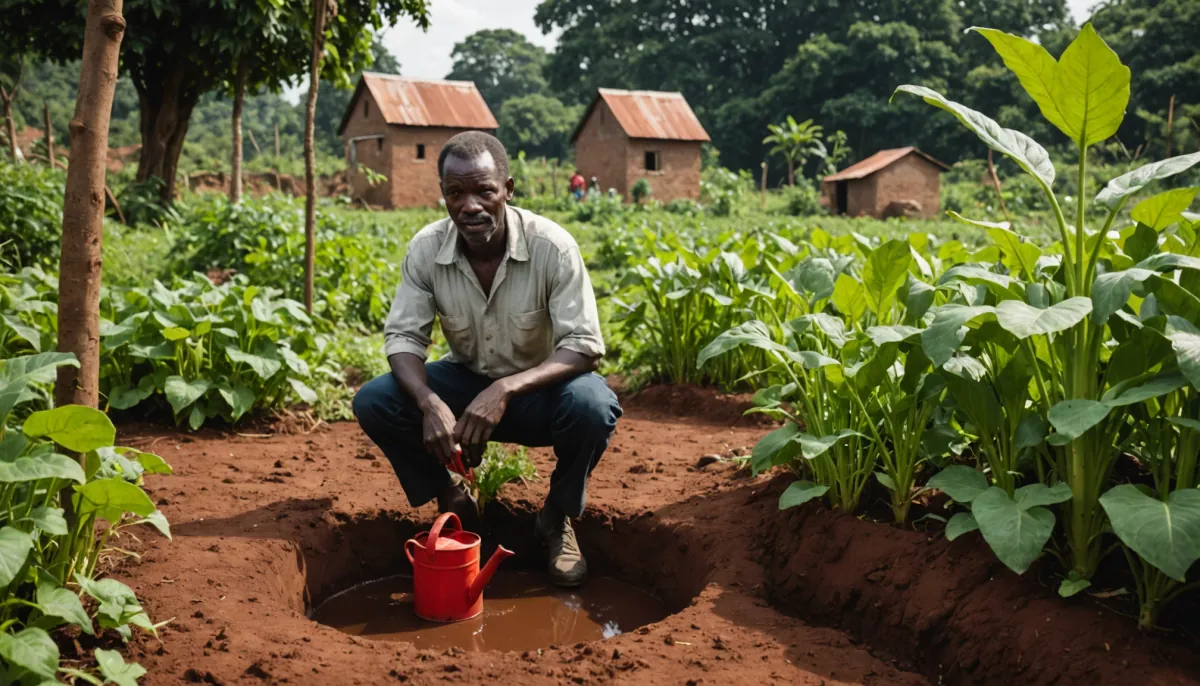
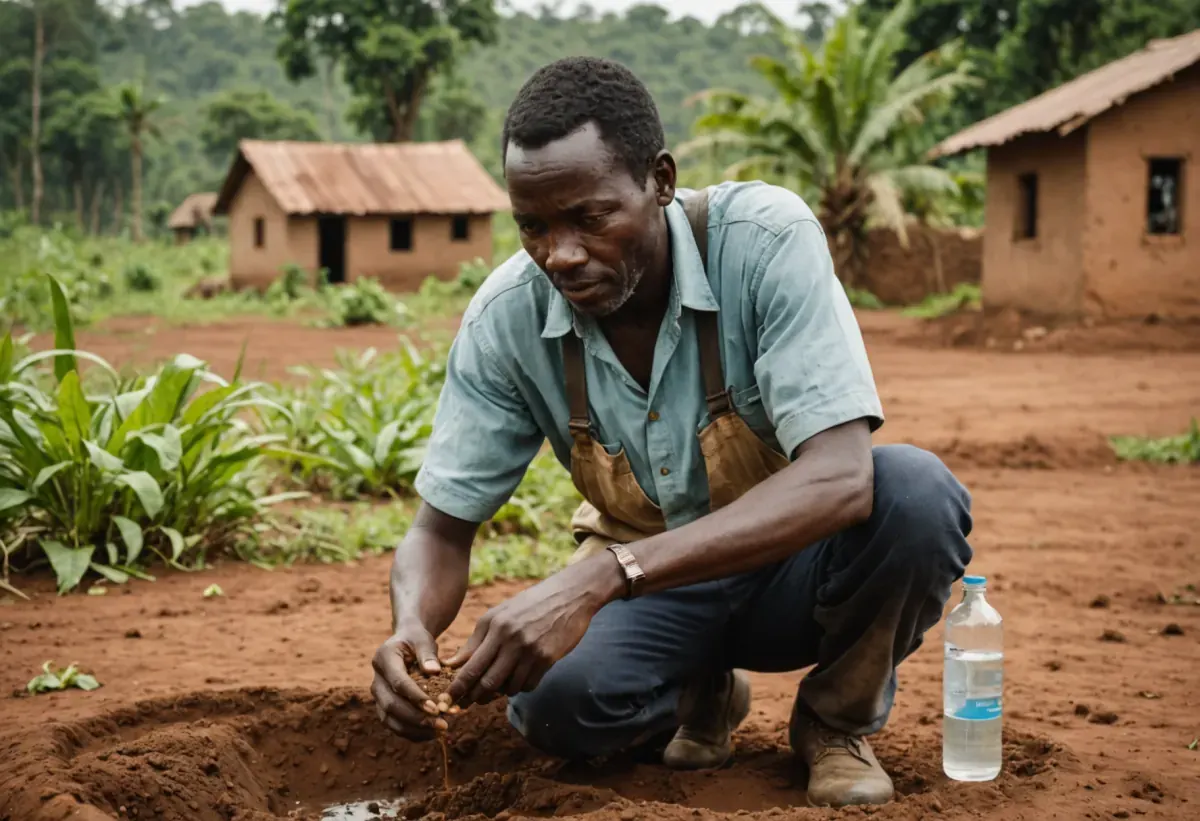
    Water soaking into a shallow pit dug in a Ugandan garden bed beside a tipped jerrycan
    How quickly water disappears from a dug pit tells a farmer a great deal about drainage and retention.

    💦 How Does Hard Water Form?

    Hard water is formed when rainwater (which is naturally soft) passes through rock layers rich in calcium or magnesium, such as limestone, chalk, or gypsum. These rocks dissolve slightly, releasing Ca²⁺ and Mg²⁺ ions into the water.

    🧪 Types of Hard Water

    TypeDescriptionExample Source
    Temporary HardnessCaused by dissolved bicarbonates (Ca(HCO₃)₂, Mg(HCO₃)₂). Can be removed by boiling.Water from limestone areas
    Permanent HardnessCaused by sulphates or chlorides (CaSO₄, MgCl₂). Cannot be removed by boiling.Water from deep boreholes

    ⚠️ Problems Caused by Hard Water

    • Reduces soap lathering due to reaction with Ca²⁺ and Mg²⁺
    • Causes limescale build-up in kettles, boilers, and pipes
    • Reduces appliance efficiency and increases energy costs
    • Leaves white spots on dishes and clothes after washing

    🔁 How to Soften Hard Water

    There are several methods to soften both temporary and permanent hard water.

    🔥 1. Boiling (for Temporary Hardness)

    Boiling decomposes bicarbonates into insoluble carbonates, which can be filtered out:

    Ca(HCO₃)₂ → CaCO₃ ↓ + CO₂ ↑ + H₂O

    🧂 2. Ion Exchange (for Permanent Hardness)

    Hard water passes through a resin column that exchanges Na⁺ ions for Ca²⁺ and Mg²⁺ ions:

    Ca²⁺ + 2Na⁺(resin) → Ca²⁺(resin) + 2Na⁺(water)

    🧪 3. Adding Washing Soda (Na₂CO₃)

    Washing soda reacts with calcium/magnesium ions to form insoluble carbonates that precipitate out:

    Ca²⁺ + CO₃²⁻ → CaCO₃ ↓

    ✅ 4. Use of Water Softeners

    Modern water softeners automatically remove calcium and magnesium using ion-exchange resins.


    🌍 Advantages & Disadvantages of Hard Water

    ✔️ Benefits

    • Good source of calcium and magnesium for health
    • May reduce risk of heart disease
    • Tastes better for drinking (subjective)

    ❌ Drawbacks

    • Reduces cleaning efficiency
    • Damages appliances over time
    • Increases detergent use

    🧫 Carbon Allotropes: One Element, Many Forms

    Carbon is a versatile element that exists in various forms known as allotropes. These are different physical forms in which carbon atoms are arranged in different structures.


    🔍 What Are Carbon Allotropes?

    Carbon allotropes are structural variations of the same element (carbon) with different physical and chemical properties, despite being composed entirely of carbon atoms.


    🧱 Major Allotropes of Carbon

    AllotropeStructure TypeKey PropertiesUses
    DiamondTetrahedral (3D)Hardest known natural material, transparent, insulatorCutting tools, jewellery
    GraphiteLayered hexagonalSoft, slippery, good conductorPencils, electrodes, lubricants
    FullereneSpherical (C₆₀)Cage-like structure, conducts electricityNanotechnology, drug delivery
    GrapheneSingle-layer graphiteStrong, flexible, excellent conductorElectronics, sensors, batteries
    Amorphous CarbonNo regular shapeBlack powdery form, reactiveInks, paints, charcoal

    💎 1. Diamond

    • Structure: Each carbon atom forms 4 strong covalent bonds in a tetrahedral structure.
    • Properties: Transparent, extremely hard, non-conductive.
    • Uses: Industrial cutting tools, surgical instruments, jewellery.

    ✏️ 2. Graphite

    • Structure: Layers of carbon atoms arranged in hexagons; layers slide over each other.
    • Properties: Soft, slippery, conducts electricity.
    • Uses: Pencil leads, dry lubricants, electrodes in batteries and arc lamps.
    Respirometer showing aerobic respiration products CO2 and water
    💧Hard Water & Carbon Allotropes: Chemistry in Everyday Life — NCDC & UNEB Revision Guide on Remedial Corner Uganda

    ⚽ 3. Fullerenes (e.g., C₆₀ Buckminsterfullerene)

    • Structure: Spherical shape like a football; consists of 60 carbon atoms.
    • Properties: Hollow, strong, conducts electricity.
    • Uses: Drug delivery, solar cells, materials science.

    🧪 4. Graphene

    • Structure: Single layer of carbon atoms in a hexagonal lattice.
    • Properties: Extremely strong, very thin, flexible, great electrical and thermal conductor.
    • Uses: Flexible electronics, high-capacity batteries, sensors.

    🔲 5. Amorphous Carbon

    • Structure: No definite shape; atoms arranged irregularly.
    • Examples: Charcoal, soot, carbon black.
    • Uses: Printing ink, paint pigment, water purification, charcoal for cooking.

    📊 Comparison of Carbon Allotropes

    PropertyDiamondGraphiteGrapheneFullereneAmorphous
    HardnessVery highLowHighModerateLow
    ConductivityNoYesYesYesVariable
    AppearanceTransparentBlackTransparentBlackBlack
    Common UseCuttingWritingElectronicsNano-devicesFuel, ink

    🌿 Environmental Applications of Carbon Allotropes

    • Activated Carbon (amorphous): Purifies water and air by adsorbing toxins.
    • Graphene and Fullerenes: Used in developing efficient solar cells and pollution sensors.

    🧠 Summary Table: Key Takeaways

    TopicKey Points
    Hard Water FormationCaused by dissolved Ca²⁺ and Mg²⁺ from rocks
    Softening MethodsBoiling, ion-exchange, washing soda, water softeners
    Problems with Hard WaterSoap inefficiency, limescale, appliance damage
    Carbon AllotropesDiamond, graphite, graphene, fullerene, amorphous
    Unique PropertiesVary in hardness, conductivity, and structure
    Daily UsesJewellery, lubricants, pencils, electronics, water filters

    ✅ Final Thoughts

    From hard water in your taps to the carbon in your pencil or mobile phone, chemistry is part of your everyday experience. By understanding the science of water hardness and carbon allotropes, we can appreciate the impact of these elements and compounds on health, industry, and the environment.

  • Top 10 Challenges Facing Modern Families Today and Biblical Solutions for a Stable Home

    Top 10 Challenges Facing Modern Families Today and Biblical Solutions for a Stable Home

    Explore the most pressing challenges facing modern families—from technology, divorce, and work-life imbalance to parenting—and discover practical and biblical solutions for building a united and loving home.

    Introduction

    In today’s fast-paced and technology-driven world, the structure and experience of family life have drastically changed. Traditional family values are being challenged, and many households are struggling to stay united, peaceful, and purpose-driven.

    Top 10 Challenges Facing Modern Families Today and Biblical Solutions for a Stable Home — Biblical & Traditional African Perspectives in Uganda (Uganda CRE Study Notes)
    Top 10 Challenges Facing Modern Families Today and Biblical Solutions for a Stable Home: Biblical & Traditional African Perspectives in Uganda — Remedial Corner Uganda

    From absent parenting to rising divorce rates, modern families face unique challenges that require wisdom, patience, and biblical grounding. In this blog, we’ll explore the current family trends, the major challenges facing families, and offer effective solutions—both practical and faith-based—to restore harmony and unity at home.


    🔍 Current Family Trends in Modern Society

    Before diving into the challenges, let’s first identify some common trends shaping today’s families:

    1. Increase in Single-Parent Households

    More children are growing up with only one parent due to divorce, death, or separation.

    2. Rise in Dual-Income Families

    Both parents working full-time jobs leads to less time at home with children.

    3. Delayed Marriages and Childbearing

    Young people are postponing marriage and parenthood in favor of career and personal goals.

    4. Technology Dominance

    Mobile phones, social media, and online content have become central in family life—sometimes more than physical interaction.

    5. Redefined Family Structures

    Blended families, cohabiting partners, and same-gender parenting are increasingly common.


    ❌ Challenges Facing Modern Families

    Let’s break down the top challenges facing families today and explore their solutions.


    1. Work-Life Imbalance

    Problem: Parents are too busy earning a living, leaving little time for bonding, guidance, or emotional support.

    📌 Solution:

    • Schedule intentional family time weekly.
    • Eat meals together (even if it’s just dinner).
    • Create screen-free hours at home.

    “There is a time for everything…” (Ecclesiastes 3:1)


    2. Lack of Communication

    Problem: Due to busy schedules, gadgets, and stress, meaningful conversations are rare in many homes.

    📌 Solution:

    • Create a habit of daily check-ins.
    • Encourage open expression of feelings.

    “Everyone should be quick to listen, slow to speak…” (James 1:19)


    3. High Divorce Rates and Broken Marriages

    Problem: Many couples lack emotional endurance, resulting in separation and unstable homes.

    📌 Solution:

    • Invest in marriage counseling and support groups.
    • Base the marriage on biblical love, patience, and forgiveness.

    “What God has joined together, let no one separate.” (Mark 10:9)


    4. Poor Parenting Skills

    Problem: Some parents lack the tools, patience, or time to raise their children with discipline and love.

    📌 Solution:

    • Attend parenting classes or church seminars.
    • Read Christian parenting books.

    “Train up a child in the way he should go…” (Proverbs 22:6)


    5. Influence of Technology and Social Media

    Problem: Excessive screen time leads to isolation, addiction, and distorted worldviews.

    📌 Solution:

    • Set boundaries and monitor digital usage.
    • Encourage outdoor and faith-based activities.

    “Do not conform to the pattern of this world…” (Romans 12:2)


    6. Financial Pressure

    Problem: Rising costs and poor financial management cause arguments and stress among family members.

    📌 Solution:

    • Create a family budget and save together.
    • Learn contentment and stewardship.

    “The borrower is servant to the lender.” (Proverbs 22:7)


    7. Generational Gap

    Problem: Parents and children often clash over values, fashion, music, and beliefs.

    📌 Solution:

    • Listen to each other’s views with respect.
    • Bridge gaps through shared activities and dialogue.

    “Fathers, do not provoke your children…” (Ephesians 6:4)


    8. Decline of Spiritual Values

    Problem: Fewer families pray together, read the Bible, or attend church regularly.

    📌 Solution:

    • Establish a family altar for daily devotions.
    • Attend church as a family and join fellowships.

    “As for me and my house, we will serve the Lord.” (Joshua 24:15)


    9. Substance Abuse and Domestic Violence

    Problem: Alcohol, drugs, and violence destroy the peace and safety of the home.

    📌 Solution:

    • Seek spiritual and professional help.
    • Encourage accountability and healing.

    “Do you not know that your body is a temple of the Holy Spirit…” (1 Corinthians 6:19)


    10. Lack of Role Models

    Problem: Children imitate celebrities and online influencers more than their own parents.

    📌 Solution:

    • Parents must lead by example.
    • Display love, discipline, and godliness.

    “Imitate me, just as I imitate Christ.” (1 Corinthians 11:1)


    Top 10 Challenges Facing Modern Families Today and Biblical Solutions for a Stable Home — Practical Moral Application for Learners & Communities (Uganda CRE Study Notes)
    Top 10 Challenges Facing Modern Families Today and Biblical Solutions for a Stable Home: Practical Moral Application for Learners & Communities — Remedial Corner Uganda

    🌱 Biblical Strategies for Strengthening Families

    1. Family Prayer: Regular devotions invite God’s presence and promote peace.
    2. Forgiveness: Families should forgive each other just as God forgives us.
    3. Love and Respect: Ephesians 5:22–33 outlines mutual submission and love.
    4. Responsibility: Each family member must play their role (1 Peter 3:1–7).
    5. Teach God’s Word: Deuteronomy 6:6–7 encourages teaching children daily.

    Conclusion

    Modern families face unique challenges—from technology and parenting struggles to work-life imbalance and broken marriages. But by turning to biblical principles, intentional communication, and godly love, families can overcome any storm.

    No family is perfect, but every family can grow stronger through prayer, patience, and purpose. Whether you’re a parent, spouse, child, or guardian, your role matters. Together, we can build homes that glorify God and nurture generations.


    ❓ Frequently Asked Questions (FAQs)

    1. What is the biggest challenge facing modern families?

    Balancing work, parenting, and emotional connection while avoiding overdependence on technology.

    2. How can Christian families remain strong today?

    Through regular prayer, reading God’s Word together, open communication, and prioritizing family bonding.

    3. Are family devotions still relevant in modern times?

    Yes! They provide spiritual grounding, build unity, and encourage godly behavior at home.

    4. What role does technology play in weakening family ties?

    Excessive screen time and social media create disconnection, reduce quality time, and can expose children to harmful content.

    5. How can families handle financial stress biblically?

    By budgeting, living within their means, and seeking God’s wisdom in stewardship (Proverbs 21:5).

  • Sustainable Charcoal Production and Use: Processes and Practices for a Greener Future

    Sustainable Charcoal Production and Use: Processes and Practices for a Greener Future

    Discover the step-by-step process of making and using charcoal sustainably. Learn about eco-friendly techniques, energy-efficient methods, and how sustainable charcoal benefits both people and the environment.


    🌿 Introduction

    Charcoal has been used for centuries as a fuel source for cooking, heating, and metalworking. In many parts of the world, especially in Africa and Asia, it remains a primary energy source for households. However, traditional methods of charcoal production can be destructive to the environment, leading to deforestation, air pollution, and climate change.

    Students in a science laboratory
    Sustainable Charcoal Production and Use: Processes and Practices for a Greener Future — NCDC & UNEB Revision Guide on Remedial Corner Uganda

    This blog explores:

    • How charcoal is made
    • Sustainable practices for producing and using charcoal
    • The benefits of eco-friendly charcoal production for communities and ecosystems

    🔥 What Is Charcoal?

    Charcoal is a black, porous material made by heating wood or organic matter in a low-oxygen environment, a process known as carbonization or pyrolysis.

    During this process:

    • Moisture and volatile gases are removed
    • The remaining carbon-rich solid becomes charcoal, which burns hotter and cleaner than raw wood

    🌳 Traditional Charcoal Making: The Problem

    In many rural areas, charcoal is made by piling logs into a mound, covering them with soil, and burning them slowly for days.

    🔴 Problems with Traditional Methods:

    • Wasteful: Loses 60–80% of the wood’s energy content
    • Polluting: Releases harmful gases like methane and carbon monoxide
    • Deforestation: Trees are cut without replanting
    • Health Hazards: Smoke affects lungs and eyes

    ✅ Sustainable Charcoal Production: A Better Way

    Sustainable charcoal production uses scientific methods, efficient kilns, and renewable biomass to reduce harm to the environment and improve charcoal quality.

    ♻️ Key Goals of Sustainable Charcoal:

    • Reduce tree cutting and encourage reforestation
    • Improve efficiency of carbonization
    • Minimize air pollution
    • Promote safe and clean usage

    🧾 Step-by-Step Process of Sustainable Charcoal Production

    1. Sourcing Biomass Responsibly

    Sustainable charcoal begins with choosing the right raw materials.

    ✅ Options include:

    • Fast-growing trees (e.g., eucalyptus, bamboo)
    • Agricultural waste (e.g., maize stalks, coconut husks)
    • Pruned branches from managed woodlots

    🌱 Sustainable practices:

    • Use wood from certified tree farms
    • Practice selective cutting and pruning
    • Engage in tree replanting programs

    2. Drying the Biomass

    Before carbonization, the biomass is dried to remove moisture. Wet wood produces more smoke and less charcoal.

    🌞 Drying tips:

    • Dry under the sun for 2–3 weeks
    • Stack wood in ventilated shelters during rainy seasons

    3. Carbonization in Improved Kilns

    Instead of earth mounds, use energy-efficient kilns that burn cleaner and capture more charcoal per log.

    🔥 Types of improved kilns:

    • Casamance kiln: A modified earth kiln with a chimney
    • Metal drum kiln: Affordable and portable
    • Retort kiln: Captures and reuses gases, producing high-quality charcoal

    🟢 Benefits:

    • Up to 35% yield vs 15% in traditional kilns
    • Less smoke
    • Faster production time (1–2 days)

    4. Cooling and Collection

    Once carbonization is complete, charcoal is cooled in airtight conditions to prevent it from catching fire.

    🔒 Cooling methods:

    • Let it cool in the kiln
    • Sprinkle with water then cover with sand

    After cooling, charcoal is sorted and packaged for transport or local sale.


    5. Briquetting (Optional but Sustainable)

    Charcoal dust and agricultural waste can be compressed into briquettes.

    💡 Benefits of briquettes:

    • Reuse of waste material
    • Burns longer than lump charcoal
    • Creates income for women and youth groups

    Sustainable Charcoal Production and Use: Processes and Practices for a Greener Future — Uganda Secondary School Study Notes (Illustration 2)
    Sustainable Charcoal Production and Use: Processes and Practices for a Greener Future — NCDC & UNEB Revision Guide on Remedial Corner Uganda

    🏡 Using Charcoal Sustainably

    Sustainable use of charcoal means burning it efficiently and reducing indoor air pollution.

    ✅ Tips for Charcoal Users:

    • Use improved cookstoves (e.g., rocket stoves, TLUDs)
    • Burn charcoal outdoors or in ventilated spaces
    • Cook with dry, high-quality charcoal to reduce smoke
    • Avoid relighting charcoal indoors with harmful substances (e.g., plastic or paraffin)

    🧠 Why Sustainable Charcoal Matters

    🌍 Environmental Benefits:

    • Reduces deforestation and biodiversity loss
    • Cuts down on greenhouse gas emissions
    • Conserves soil and water by preserving tree cover

    👨‍👩‍👧‍👦 Social Benefits:

    • Creates rural jobs in tree farming and briquette making
    • Improves community health by reducing smoke exposure
    • Provides affordable, cleaner energy to low-income households

    📊 Quick Comparison: Traditional vs Sustainable Charcoal

    FeatureTraditional CharcoalSustainable Charcoal
    Carbonization MethodOpen earth kilnsImproved kilns (e.g., metal drum)
    Yield Efficiency10–20%30–40%
    Environmental ImpactHigh (deforestation, emissions)Low (managed resources)
    Smoke EmissionHeavyMinimal
    Cost to ProduceLow initiallySlightly higher, but long-term savings
    Quality of CharcoalPoor, crumblyDense, long-burning

    🌱 Real-World Examples of Sustainable Charcoal Projects

    1. GreenChar (Kenya)

    Produces charcoal briquettes from sugarcane waste and distributes improved stoves.

    2. C-Quest Capital (Sub-Saharan Africa)

    Trains communities in sustainable charcoal production and sells carbon credits.

    3. Eco-Fuel Africa (Uganda)

    Helps farmers convert agricultural waste into charcoal briquettes, reducing the need for wood.


    📚 Summary: Sustainable Charcoal Production and Use

    Process StepSustainable Practice
    Raw MaterialFast-growing trees, pruned branches, waste biomass
    DryingSolar or air-drying to reduce moisture
    CarbonizationUse of efficient kilns
    CoolingAirtight or covered cooling methods
    Packaging/UseClean storage; use in efficient stoves

    ❓ FAQs

    What makes charcoal “sustainable”?

    Charcoal is sustainable when it is made from renewable sources, produced in efficient kilns, and burned using low-smoke stoves to reduce environmental impact.

    Can agricultural waste really replace wood in charcoal making?

    Yes. Biomass waste like sawdust, corn husks, sugarcane bagasse, and coconut shells can be carbonized and made into briquettes.

    Is charcoal still harmful to health?

    If burned in poorly ventilated areas, charcoal smoke can still harm lungs. However, using improved cookstoves significantly reduces health risks.

    The initiative promotes the transition to sustainable charcoal production by educating local communities on environmentally friendly practices and facilitating access to carbon credit markets. By empowering farmers to transform agricultural waste into charcoal briquettes, the program not only minimizes reliance on traditional wood sources but also contributes to waste management and carbon footprint reduction. This dual approach fosters economic development while ensuring a greener future, aligning with global sustainability goals.


    💭 Final Thoughts

    The shift toward sustainable charcoal production and usage is not just an environmental need — it’s a social and economic opportunity. By adopting eco-friendly methods, communities can enjoy cleaner air, preserve forests, and build resilient livelihoods.

    Whether you’re a farmer, teacher, policymaker, or student, you have a role to play in making charcoal cleaner and greener.

  • Top Causes of Family Misunderstandings & Biblical Solutions for Harmony

    Top Causes of Family Misunderstandings & Biblical Solutions for Harmony

    Explore common causes of misunderstandings in families and discover practical and biblical solutions for resolving conflict and promoting peace at home.

    Introduction

    Families are meant to be safe spaces of love, unity, and support. Yet, misunderstandings do happen—even in the strongest households. Whether it’s between spouses, siblings, parents and children, or extended family, conflict is inevitable when human relationships are involved. However, what separates healthy families from broken ones is how they respond to these misunderstandings.

    Top Causes of Family Misunderstandings & Biblical Solutions for Harmony — Biblical & Traditional African Perspectives in Uganda (Uganda CRE Study Notes)
    Top Causes of Family Misunderstandings & Biblical Solutions for Harmony: Biblical & Traditional African Perspectives in Uganda — Remedial Corner Uganda

    In this post, we’ll examine the top causes of family misunderstandings and provide effective solutions, rooted in Christian values and real-life wisdom, to promote peace, forgiveness, and long-lasting unity.


    ❌ Causes of Misunderstandings in the Family

    Here are the most common reasons families experience conflict:

    1. Poor Communication

    One of the leading causes of misunderstanding is unclear or lack of communication.

    • Incomplete instructions
    • Not expressing feelings clearly
    • Misinterpreting tone or body language

    📌 Solution: Develop open, honest, and respectful communication. Use kind words (Proverbs 15:1) and take time to listen actively (James 1:19).


    2. Unrealistic Expectations

    When one expects too much from another—be it emotionally, financially, or behaviorally—it can cause frustration.

    • Parents expecting perfection from children
    • Children demanding attention all the time
    • Spouses failing to meet each other’s expectations

    📌 Solution: Discuss and set realistic expectations. Understand that every person has limits. Refer to Romans 12:3 for humility in relationships.


    3. Financial Stress

    Money is a major source of tension in many families.

    • Disagreements over budgeting
    • Unshared financial burdens
    • Spending without consulting others

    📌 Solution: Plan finances as a family (Proverbs 21:5). Be transparent about income and spending. Create a joint budget and save together.


    4. Jealousy and Sibling Rivalry

    Sibling jealousy can start in childhood and extend into adulthood.

    • Competition for parental attention
    • Comparing achievements
    • Inheritance and family property issues

    📌 Solution: Parents should show fairness (Genesis 37 illustrates favoritism’s consequences). Encourage teamwork and shared success.


    5. Lack of Quality Time

    Busy schedules or emotional distance can erode family relationships.

    • Parents always at work
    • Spouses prioritizing phones or hobbies over each other
    • Children feeling neglected

    📌 Solution: Schedule quality time—meals, prayers, fun outings, or family devotions. Refer to Ecclesiastes 3:1 for valuing time.


    6. Different Values or Beliefs

    Conflict can arise from generational or cultural gaps.

    • Teenagers adapting new ideas
    • Parents holding on to traditional or religious values

    📌 Solution: Encourage respectful discussions, not arguments. Seek to understand before being understood. Use Romans 14:19 to pursue peace.


    7. Failure to Forgive Past Wrongs

    Unforgiveness keeps wounds open.

    • Bringing up past mistakes in every disagreement
    • Refusing to move on after apologies

    📌 Solution: Forgive as Christ forgave us (Ephesians 4:32). Let go of grudges and prioritize healing over being “right.”


    8. In-laws and Extended Family Interference

    Outside interference often breeds confusion in the nuclear family.

    • Parents-in-law influencing decisions
    • Gossip and unnecessary comparisons

    📌 Solution: Establish healthy boundaries (Genesis 2:24 – “leave and cleave”). Respect elders but prioritize marital unity.


    9. Substance Abuse and Addiction

    Addiction to alcohol, drugs, or gambling destroys trust and breeds anger.

    📌 Solution: Seek counseling, support groups, and spiritual intervention. Encourage repentance and rehabilitation.


    10. Disrespect and Lack of Appreciation

    Disregarding another’s effort or feelings can lead to resentment.

    📌 Solution: Build a culture of appreciation. Thank your spouse, children, or siblings for the little things. 1 Thessalonians 5:11 encourages building each other up.


    ✅ Biblical & Practical Solutions to Family Conflicts

    To resolve family misunderstandings and live in peace, consider these Christian and practical approaches:


    📌 1. Pray Together and for One Another

    Prayer transforms hearts. It invites God’s peace into your home and brings reconciliation.

    “If two of you agree on earth about anything… it will be done for them by my Father in heaven.” – Matthew 18:19


    📌 2. Use Kind and Calm Words

    Harsh words stir anger. Speak life and love even when correcting.

    “A gentle answer turns away wrath.” – Proverbs 15:1


    📌 3. Set Time to Discuss Issues Privately

    Don’t shout across the room or scold children in front of others. Private, calm dialogue is more productive.


    📌 4. Seek Christian Counseling When Needed

    There’s wisdom in seeking help. Many churches offer family and marriage counseling based on biblical principles.


    📌 5. Be Quick to Apologize and Quicker to Forgive

    Nobody is perfect. A simple “I’m sorry” can save years of pain.

    “Bear with each other and forgive one another.” – Colossians 3:13


    📌 6. Respect Every Role in the Family

    Children should obey parents (Ephesians 6:1), while parents should not provoke their children (Ephesians 6:4). Spouses must respect each other (Ephesians 5:21–33).


    📌 7. Limit External Interference

    Keep private matters within the family. Discuss concerns directly with the person involved, not outsiders.


    📌 8. Practice Gratitude and Appreciation

    Regularly thank family members, notice their efforts, and celebrate one another.


    📌 9. Be Patient with Growth and Change

    Change doesn’t happen overnight. If your sibling or spouse struggles, walk with them patiently.


    📌 10. Focus on Building, Not Blaming

    Seek resolution, not victory. The goal is peace, not proving who’s right.


    Top Causes of Family Misunderstandings & Biblical Solutions for Harmony — Practical Moral Application for Learners & Communities (Uganda CRE Study Notes)
    Top Causes of Family Misunderstandings & Biblical Solutions for Harmony: Practical Moral Application for Learners & Communities — Remedial Corner Uganda

    Conclusion

    Family misunderstandings are part of life—but they don’t have to destroy love and unity. By identifying the causes like poor communication, jealousy, or stress, and applying biblical solutions like forgiveness, kindness, and prayer, families can thrive in harmony.

    Jesus calls us to be peacemakers (Matthew 5:9). Let that begin at home. Whether you are a child, parent, or spouse, you have a role in restoring and preserving family peace.


    ❓ Frequently Asked Questions (FAQs)

    1. What is the most common cause of family conflict?

    Poor communication and unmet expectations are among the top reasons for misunderstandings in families.

    2. How can I handle conflict with my spouse biblically?

    Use Ephesians 5:22–33 as a guide—practice love, respect, and sacrificial service. Talk calmly, forgive quickly, and pray together.

    3. What should I do if my parents or siblings misunderstand me?

    Speak with love, clarify your intentions, and be willing to forgive. Romans 12:18 encourages living at peace with everyone.

    4. Should I involve a pastor or counselor in family issues?

    Yes, if the conflict escalates or continues, seeking biblical counseling can provide spiritual and practical support.

    5. How can we prevent misunderstandings in the first place?

    Create a culture of open communication, mutual respect, and appreciation. Set clear roles and expectations. Pray together regularly.

  • Renewable vs Non-Renewable Fuels & Their Environmental Impact

    Renewable vs Non-Renewable Fuels & Their Environmental Impact

    Understand the key differences between renewable and non-renewable fuels, and how burning carbon-based fuels affects our environment. Learn about energy sources, sustainability, and climate change.


    🔍 Introduction

    Energy is essential for nearly every activity we do — from turning on the lights to powering industries and fueling cars. But not all fuels are created equal. Some can be replenished naturally, while others take millions of years to form.

    East African students learning about World War I and its significance in their region
    Understanding the war’s history and impact is crucial for East African students and citizens

    This blog explores:

    • The differences between renewable and non-renewable fuels
    • The environmental impact of burning carbon-based fuels like petrol, coal, and gas
    • The importance of transitioning to sustainable energy sources

    ⚡ What Are Fuels?

    Fuels are substances that release energy when they undergo combustion. Most fuels are carbon-based, meaning they contain the element carbon bonded with hydrogen or other elements.

    The energy released during combustion is used to:

    • Drive vehicles
    • Cook food
    • Heat homes
    • Generate electricity

    🔄 Renewable vs 🔚 Non-Renewable Fuels

    ✅ What Are Renewable Fuels?

    Renewable fuels are naturally replenished on a short timescale. They can be produced again and again without depleting the Earth’s resources.

    🔹 Examples of Renewable Fuels:

    • Biogas
    • Ethanol and Biodiesel (biofuels)
    • Hydrogen (from water electrolysis)
    • Wood (when sustainably harvested)

    ❌ What Are Non-Renewable Fuels?

    Non-renewable fuels are fuels that form over millions of years and cannot be quickly replaced once used up.

    🔹 Examples of Non-Renewable Fuels:

    • Coal
    • Petrol (Gasoline)
    • Diesel
    • Natural Gas
    • Kerosene

    🧾 Key Differences Between Renewable and Non-Renewable Fuels

    FeatureRenewable FuelsNon-Renewable Fuels
    SourceNaturally replenished (plants, waste)Formed over millions of years (fossils)
    AvailabilityUnlimited if well managedLimited and depleting
    ExamplesBiogas, ethanol, biodieselPetrol, diesel, coal, natural gas
    Environmental ImpactLow emissions (if managed well)High emissions (CO₂, SO₂, NOₓ)
    Cost Over TimeDecreases with technology and scaleIncreases as resources become scarce
    SustainabilityHighly sustainableNot sustainable
    Common Use AreasRural cooking, biofuel vehiclesPower plants, vehicles, industry

    🛢️ Why Are Non-Renewable Fuels Still Popular?

    Despite their negative impact, non-renewable fuels are still widely used because:

    • They are highly energy-dense
    • Infrastructure (cars, power plants) is designed for them
    • They are currently cheaper in many regions
    • They provide reliable, consistent energy

    🌬️ Environmental Impact of Burning Carbon-Based Fuels

    The biggest concern with non-renewable, carbon-based fuels is their negative effect on the environment. Here’s how:


    1. Air Pollution

    Burning carbon fuels releases harmful gases such as:

    • Carbon dioxide (CO₂) – a greenhouse gas
    • Sulfur dioxide (SO₂) – causes acid rain
    • Nitrogen oxides (NOₓ) – contributes to smog and respiratory illness
    • Particulate matter (soot) – harms lungs and eyes

    ⚠️ Effects:

    • Breathing difficulties
    • Eye and skin irritation
    • Increased asthma and lung diseases
    • Reduced visibility and acid rain

    2. Climate Change & Global Warming

    The carbon dioxide (CO₂) released during combustion traps heat in the atmosphere, causing global warming.

    🔥 Consequences:

    • Rising sea levels
    • Melting glaciers and ice caps
    • More extreme weather (floods, droughts, hurricanes)
    • Loss of biodiversity and habitats

    3. Ocean Acidification

    CO₂ doesn’t just stay in the air — it gets absorbed by oceans, forming carbonic acid.

    🌊 Impact:

    • Harms coral reefs
    • Affects shellfish and marine biodiversity
    • Disrupts the food chain

    4. Deforestation and Habitat Loss

    The mining and extraction of fuels like coal and oil often require clearing large land areas.

    🦜 Effects:

    • Loss of animal and plant habitats
    • Soil erosion
    • Disruption of water cycles

    Renewable vs Non-Renewable Fuels & Their Environmental Impact — Uganda Secondary School Study Notes (Illustration 2)
    Renewable vs Non-Renewable Fuels & Their Environmental Impact — NCDC & UNEB Revision Guide on Remedial Corner Uganda

    5. Oil Spills and Water Pollution

    Transporting fuels (especially oil) comes with the risk of spills.

    💧 Examples:

    • Deepwater Horizon spill (2010)
    • Niger Delta oil pollution

    🐟 Consequences:

    • Death of aquatic life
    • Contaminated water supplies
    • Long-term damage to ecosystems

    ✅ Benefits of Switching to Renewable Fuels

    BenefitDescription
    Reduces Greenhouse GasesSlows down global warming
    Sustainable SupplyDoesn’t run out if used responsibly
    Healthier AirLess smog and respiratory illness
    Boosts Rural EconomiesBiofuels and biogas can be made locally
    Creates JobsIn renewable energy sectors like solar and biofuel

    🛠️ How Can We Reduce Our Dependence on Non-Renewable Fuels?

    💡 Solutions:

    • Use public transport or electric vehicles
    • Switch to clean cooking fuels (like biogas)
    • Install solar panels or wind turbines
    • Adopt energy-saving appliances
    • Educate communities on sustainability

    🎓 Summary

    🔑 Key Takeaways:

    • Renewable fuels are sustainable, low-pollution sources that can be replenished.
    • Non-renewable fuels are formed from ancient organic matter and emit high levels of CO₂.
    • Burning carbon-based fuels contributes significantly to climate change, air pollution, and health problems.
    • A global shift to renewables is essential for a greener, healthier planet.

    ❓ FAQs

    What is the main difference between renewable and non-renewable fuels?

    Renewable fuels can be replaced naturally over time, while non-renewable fuels take millions of years to form and cannot be replenished quickly.

    Are all carbon-based fuels non-renewable?

    No. Biofuels like ethanol and biogas are carbon-based but are considered renewable.

    Why is burning fossil fuels harmful to the environment?

    Because it releases greenhouse gases and toxic pollutants that contribute to climate change, air pollution, and ocean acidification.

    Can we completely switch to renewable fuels?

    Technically yes, but it requires investment in infrastructure, policy changes, and public support.


    📚 Final Thoughts

    Understanding the difference between renewable and non-renewable fuels and the impact of carbon emissions is critical in today’s world. Every small change — from switching off unused lights to choosing a solar-powered lantern — can help reduce our carbon footprint.

    The time to act is now. Let’s fuel the future with sustainability.

  • Ideal Family Relationships & Harmony: Bible Teachings from Ephesians

    Ideal Family Relationships & Harmony: Bible Teachings from Ephesians

    Explore the Bible’s teaching on ideal family relationships in Ephesians 5:22–33 and 6:1–4. Learn values that promote harmony, unity, and love in families.

    Introduction

    Family is the foundation of any healthy society. The way we relate to one another at home determines how we behave in the wider community. In Christianity, ideal family relationships are rooted in love, respect, submission, obedience, and unity. The Bible, especially in Ephesians 5:22–33 and 6:1–4, offers a timeless model for family harmony and ideal conduct.

    Ideal Family Relationships & Harmony: Bible Teachings from Ephesians — Biblical & Traditional African Perspectives in Uganda (Uganda CRE Study Notes)
    Ideal Family Relationships & Harmony: Bible Teachings from Ephesians: Biblical & Traditional African Perspectives in Uganda — Remedial Corner Uganda

    In this blog, we’ll explore what the Bible says about relationships between husbands, wives, parents, and children. We will also discuss the core values of harmony that help families stay united, loving, and peaceful.


    📖 1. Ideal Family Relationships in Ephesians 5:22–33

    Ephesians 5:22–33 provides a Christ-centered framework for how husbands and wives should relate to one another.

    🔹 A. Wives: Submission with Respect

    “Wives, submit yourselves to your own husbands as you do to the Lord.” – Ephesians 5:22

    This does not mean inferiority. Biblical submission is about respecting and supporting your husband’s leadership in love. It involves:

    • Showing loyalty and cooperation
    • Building up the husband with kind words
    • Trusting his decisions when aligned with God’s will
    • Managing the home with dignity
    • Partnering in spiritual growth and parenting

    🔹 B. Husbands: Love with Sacrifice

    “Husbands, love your wives, just as Christ loved the church and gave himself up for her.” – Ephesians 5:25

    A husband’s love should be:

    • Unconditional: Even when the wife is not perfect
    • Sacrificial: Willing to give up personal desires for her well-being
    • Nurturing: Helping her grow spiritually, emotionally, and physically
    • Protective: Providing security and care

    🔹 C. Mutual Unity and Oneness

    “The two will become one flesh.” – Ephesians 5:31

    Marriage is a divine covenant that calls for unity in purpose, values, and emotions. Couples should work as a team, forgive often, and pray together.


    📖 2. Ideal Relationships Between Parents and Children: Ephesians 6:1–4

    These verses emphasize mutual love and discipline between children and their parents.

    🔹 A. Children: Obedience and Honor

    “Children, obey your parents in the Lord, for this is right.” – Ephesians 6:1

    Children are expected to:

    • Respect authority
    • Follow rules that align with godly values
    • Avoid rebellion or rudeness
    • Appreciate the efforts of parents
    • Support the family as they grow older

    🔹 B. Parents: Love with Discipline

    “Fathers, do not provoke your children to anger, but bring them up in the discipline and instruction of the Lord.” – Ephesians 6:4

    Parents must:

    • Discipline with love, not harshness
    • Teach godly values
    • Avoid comparing children or being unfair
    • Create a peaceful, nurturing home
    • Pray regularly for and with their children

    🌿 3. Values That Promote Harmony in the Family

    Biblical harmony isn’t just the absence of conflict; it’s the presence of peace, mutual support, and spiritual alignment. Here are key values that foster harmony:

    1. Love

    • Love binds family members together (Colossians 3:14)
    • Enables forgiveness, empathy, and sacrifice

    2. Respect

    • Children respect parents; spouses respect one another
    • Builds trust and avoids misunderstandings

    3. Forgiveness

    • No one is perfect; forgiving helps heal wounds and avoid grudges

    4. Honesty

    • Creates openness and accountability
    • Helps resolve issues early

    5. Patience

    • Necessary in dealing with each other’s weaknesses and mistakes

    6. Kindness

    • Small acts of kindness reinforce love and emotional connection

    7. Faithfulness

    • Partners must be loyal and committed, especially during difficult times

    8. Prayers and Devotions

    • Praying as a family strengthens spiritual bonds and promotes divine guidance

    9. Responsibility

    • Everyone must contribute – children with chores, parents with leadership and care

    10. Unity

    • Shared goals and values bring oneness
    • Unity avoids division and confusion

    Ideal Family Relationships & Harmony: Bible Teachings from Ephesians — Practical Moral Application for Learners & Communities (Uganda CRE Study Notes)
    Ideal Family Relationships & Harmony: Bible Teachings from Ephesians: Practical Moral Application for Learners & Communities — Remedial Corner Uganda

    🏡 Real-Life Application: Living Out Biblical Family Values

    • Daily Devotions: Set aside time for family prayer and Bible reading
    • Conflict Resolution: Talk things out calmly and pray for peace
    • Chore Sharing: Assign roles fairly to promote teamwork
    • Celebrating Success: Acknowledge milestones like birthdays or good grades
    • Family Meetings: Discuss issues openly and respectfully
    • Financial Unity: Budget together to avoid hidden struggles
    • Supporting Growth: Encourage each other’s dreams and spiritual walk

    Conclusion

    The Bible provides a clear guide to ideal family relationships built on love, respect, and godly submission. Ephesians 5:22–33 and 6:1–4 highlight the unique roles of husbands, wives, and children—each designed to promote unity, peace, and spiritual growth.

    By practicing values like forgiveness, honesty, patience, and kindness, families can enjoy lasting harmony and become a model for society. A strong family is a reflection of God’s love in the world.

    Let’s commit to building families that reflect God’s design—loving, united, respectful, and strong in faith.


    ❓ Frequently Asked Questions (FAQs)

    1. What is the ideal relationship between husband and wife according to the Bible?

    The husband should love his wife sacrificially, and the wife should respect and support her husband (Ephesians 5:22–33).

    2. How should children relate to their parents?

    Children should obey and honor their parents as this brings blessings and longevity (Ephesians 6:1–3).

    3. What role do parents play in biblical family life?

    Parents must lovingly discipline, guide, and nurture their children without provoking them (Ephesians 6:4).

    4. What values promote harmony in the family?

    Love, respect, forgiveness, patience, unity, honesty, kindness, and shared prayer life.

    5. How can a family maintain unity and peace?

    By respecting roles, handling conflicts wisely, and regularly praying together.

  • 🔥 Uses of Carbon Compounds as Fuels: From Energy to Everyday Life

    🔥 Uses of Carbon Compounds as Fuels: From Energy to Everyday Life

    Explore the various uses of carbon compounds as fuels, including natural gas, petrol, diesel, coal, and ethanol. Understand their role in energy production, transport, cooking, and industry.


    Introduction

    Carbon compounds are the backbone of life — and the driving force behind modern civilization. Among their many roles, carbon-based compounds like hydrocarbons, alcohols, and coal are widely used as fuels. These fuels power our homes, vehicles, industries, and even rockets.

    🔥 Uses of Carbon Compounds as Fuels: From Energy to Everyday Life — Uganda Secondary School Study Notes (Illustration 1)
    🔥 Uses of Carbon Compounds as Fuels: From Energy to Everyday Life — NCDC & UNEB Revision Guide on Remedial Corner Uganda

    In this blog, we will explore:

    • What makes carbon compounds good fuels
    • Types of carbon-based fuels
    • How these fuels are used in different sectors
    • Advantages and limitations of each fuel type

    ⚗️ What Are Carbon Compounds?

    Carbon compounds are chemical compounds that contain the element carbon bonded to other elements such as hydrogen, oxygen, or nitrogen. Many of these compounds, especially hydrocarbons, are highly flammable, making them useful as sources of energy.

    🌱 Examples of Common Carbon Compounds Used as Fuels:

    • Alkanes (e.g. methane, propane, butane)
    • Alcohols (e.g. ethanol, methanol)
    • Coal (a complex mixture of carbon-based materials)
    • Petroleum products (e.g. petrol, diesel, kerosene)

    ⚡ Why Are Carbon Compounds Used as Fuels?

    Carbon compounds are ideal as fuels because they:

    • Release large amounts of energy when burned.
    • Are readily available (especially fossil fuels).
    • Can be easily stored and transported.
    • Support a wide range of applications, from cooking to transportation and power generation.

    🛢️ Types of Carbon-Based Fuels and Their Uses


    1. Petroleum (Crude Oil) and Its Derivatives

    🔹 Common Fuels Derived:

    • Petrol (Gasoline)
    • Diesel
    • Kerosene
    • Liquefied Petroleum Gas (LPG)

    🔹 Uses:

    • Transportation: Petrol and diesel are the most widely used automobile fuels globally.
    • Aviation: Kerosene is used in jet engines.
    • Cooking: LPG is used in gas stoves for households.
    • Heating: Used in boilers and heaters, especially in colder countries.

    🔹 Advantages:

    • High energy content
    • Reliable and easily combustible
    • Efficient for internal combustion engines

    2. Natural Gas (Mainly Methane, CH₄)

    🔹 Uses:

    • Domestic cooking and heating
    • Power plants to generate electricity
    • Fuel for vehicles (Compressed Natural Gas – CNG)

    🔹 Benefits:

    • Burns cleaner than coal and petrol
    • Produces less carbon dioxide and no soot
    • Cost-effective and efficient

    3. Coal (Solid Fossil Fuel)

    🔹 Uses:

    • Electricity generation in thermal power plants
    • Steel manufacturing (used in blast furnaces)
    • Cement industry as a heating fuel
    • Historically used in steam locomotives

    🔹 Challenges:

    • Produces more pollution than other fuels
    • High in sulfur and nitrogen compounds that cause acid rain
    • Leaves ash residue

    4. Ethanol (Alcohol Fuel)

    🔹 What is Ethanol?

    A renewable biofuel made by fermenting sugarcane, corn, or starch-rich crops.

    🔹 Uses:

    • Blended with petrol to reduce emissions (e.g. E10 fuel is 10% ethanol)
    • Independent fuel for specially designed engines
    • Used in portable stoves and clean-cooking solutions

    🔹 Benefits:

    • Renewable and eco-friendly
    • Produces fewer greenhouse gases
    • Supports rural economies through agriculture

    5. Biogas (Methane + Carbon Dioxide)

    🔹 Produced from:

    • Animal waste
    • Agricultural waste
    • Sewage and municipal waste

    🔹 Uses:

    • Rural cooking fuel
    • Generates electricity in biogas plants
    • Reduces environmental waste

    🔹 Advantages:

    • Renewable and carbon-neutral
    • Reduces landfill usage
    • Encourages waste recycling

    Combustion: How Carbon Compounds Release Energy

    When a carbon compound burns in the presence of oxygen, it undergoes a combustion reaction:

    Hydrocarbon + O₂ → CO₂ + H₂O + Heat

    This heat is harnessed to:

    • Drive turbines
    • Move pistons in engines
    • Cook food
    • Heat homes

    The energy released per unit mass makes carbon-based fuels very efficient.


    Real-Life Applications of Carbon-Based Fuels

    SectorFuel UsedApplication
    TransportationPetrol, Diesel, CNGCars, trucks, buses, trains, ships
    DomesticLPG, Natural GasCooking, heating, lighting
    IndustrialCoal, Natural GasPower plants, manufacturing, steel industry
    AgricultureDieselTractors, irrigation pumps
    AviationKeroseneJet fuel for commercial and military planes
    Rural DevelopmentBiogasCooking, electricity in off-grid villages

    Environmental Impact of Carbon Fuels

    While useful, carbon-based fuels also have drawbacks:

    ❌ Disadvantages:

    • Greenhouse gas emissions (CO₂, CH₄) → Global warming
    • Air pollution (CO, NOx, SO₂) → Health hazards
    • Oil spills and mining damage ecosystems
    • Non-renewable sources are depleting

    🔥 Uses of Carbon Compounds as Fuels: From Energy to Everyday Life — Uganda Secondary School Study Notes (Illustration 2)
    🔥 Uses of Carbon Compounds as Fuels: From Energy to Everyday Life — NCDC & UNEB Revision Guide on Remedial Corner Uganda

    The Future: Cleaner Carbon-Based Alternatives

    • Biofuels (like ethanol and biodiesel) are gaining popularity.
    • Carbon capture technology is being explored to reduce emissions.
    • Hydrogen blending with methane is under testing in various countries.

    While carbon fuels remain essential today, the future calls for sustainable energy practices.


    🧾 Summary Table

    Fuel TypeStateMain UseProsCons
    PetrolLiquidTransportHigh energy, quick ignitionPollutes, non-renewable
    Natural GasGasCooking, powerClean-burning, efficientMethane leaks, flammable
    CoalSolidPower generation, industryAbundant, energy-richHigh pollution, dirty residue
    EthanolLiquidBlended fuel, clean energyRenewable, fewer emissionsLower energy than petrol
    BiogasGasCooking, electricityRenewable, eco-friendlyNeeds waste management setup

    FAQs

    What is the most commonly used carbon fuel globally?

    Petrol (gasoline) is among the most used, especially in the transport sector.

    Is ethanol a carbon compound?

    Yes. Ethanol (C₂H₅OH) is an alcohol and a carbon-based fuel.

    Why are carbon compounds flammable?

    Because of their hydrocarbon structure, which reacts easily with oxygen, releasing energy.

    Can carbon compounds be renewable?

    Yes. Biofuels like ethanol and biogas are renewable sources of carbon-based fuels.


    Conclusion

    Carbon compounds like methane, petrol, diesel, coal, and ethanol have fueled human progress for centuries. From cooking stoves to car engines and power stations, these compounds provide the energy that powers our lives.

    However, with increasing environmental concerns, there’s a global push to transition towards cleaner, renewable carbon fuels like biogas and ethanol — ensuring sustainability for future generations.

  • Raising Local Chicken for Profit in Uganda: A Practical Guide for Starting Small and Scaling Smart

    Raising Local Chicken for Profit in Uganda: A Practical Guide for Starting Small and Scaling Smart

    Uganda loves local chicken. Walk through any market and you will hear buyers asking for native birds and village eggs. If you want a simple plan to start and make steady income, you are in the right place. This guide shows how to set up, feed, vaccinate, and sell, with clear numbers you can copy.

    Why focus on raising local chicken for profit in Uganda?

    Local breeds are hardy, need fewer inputs, and fetch better prices for taste. Start small, manage costs, and grow with confidence. You will learn how to choose the right birds, build affordable housing, feed smart, and sell fast in your area.

    Local chicken chicks brooding under heat lamp
    Raising Local Chicken for Profit in Uganda: A Practical Guide for Starting Small and Scaling Smart — NCDC & UNEB Revision Guide on Remedial Corner Uganda

    Start Strong: Breeds, Housing, Feeding, and Health for Profitable Local Chickens

    Choose hardy local breeds and smart crossbreeds for profit

    Indigenous birds handle heat, survive on modest feed, and sell well for flavor. Improved dual-purpose types like Kuroiler or Kenbro add speed and eggs, with Kuroilers laying about 200 to 250 eggs per year. If your market buys eggs weekly, add more improved birds. If buyers prize taste and live weight, keep more pure local birds. Match your choice to budget and buyers.

    Build low-cost housing that keeps birds safe and dry

    Pick a raised, well-drained site. Use iron sheets or thatch for roofing, plus wire mesh for airflow and light. Fit strong doors to block dogs, mongooses, and snakes. Use deep litter with wood shavings, add perches, and design for easy cleaning. Target space at about 7 birds per square meter. For layers, add simple lighting to reach 14 to 16 hours per day.

    Feed smart:

    mix free-range foraging with simple supplements

    Local chickens can forage for insects and greens, which saves money. Profits rise when you add balanced feed with maize, soybean or sunflower cake, and greens. A common rule when fully housed is about 5 kg of feed per bird per 3 months. For free-range, supplement less but keep it steady. Give clean water at all times and consider automatic drinkers to cut labor.

    Prevent disease with a basic vaccine and biosecurity plan

    Follow a simple plan.

    Vaccinate for Newcastle, Gumboro (IBD), and Fowl pox. Buy healthy chicks from trusted suppliers, keep the house and tools clean, isolate sick birds, and limit visitors. Work with a local vet or an experienced farmer. Aim for less than 10 percent mortality so profit stays on track. See practical guidance from NAADS on local chicken.

    Know Your Numbers:

    Simple Costs, Profits, and Pricing in Uganda

    Ugandan farmers who track feed, mortality, and sale prices keep more cash. Use real market prices in your area and update them often. Recent checks suggest day-old local chicks at about 5,000 UGX each, starter feed around 1,200 to 1,400 UGX per kg, and market prices of 12,000 to 15,000 UGX per local bird, with eggs at 300 to 500 UGX each. Prices move, so confirm weekly.

    Startup budget example for 50 local birds

    List key costs: chicks or growers, housing and repairs, feeders and drinkers, feed, vaccines and vet care, bedding, and transport. For fully housed birds, a sample guide is 5 kg per bird per 3 months at 2,000 UGX per kg, which is 10,000 UGX per bird per quarter. Free-range birds need less feed, but supplement consistently. A larger house for 2,000 birds can cost over 13,000,000 UGX, so start small and scale.

    ItemUnit cost (UGX)QuantityTotal (UGX)
    Local chicks5,00050250,000
    Feed, 3 months (per bird)10,00050500,000
    Vaccines and vet3005015,000
    Bedding and disinfectants5,0001 lot5,000
    Feeders and drinkers80,0001 set80,000
    Housing repairs/materials300,0001 shed300,000
    Transport and misc.50,000150,000
    Total startup, first cycle1,200,000

    Adjust the table with your local prices. For broader context on budgets and profitability, read this Daily Monitor guide on profitable local chicken farming.

    Break-even made easy: when do you start making money?

    Break-even means your sales cover all costs. Use this quick formula and plug in your numbers.

    Break-even birds = Total fixed costs ÷ (Selling price per bird − Variable cost per bird)

    Track feed, mortality, and price per bird so the math is real. Keep simple records in a notebook or spreadsheet after every purchase and sale.

    Ugandan farmer in a mango orchard holding a woven basket filled with ripe mangoes
    A mature mango tree can give a household both food and steady seasonal income.

    Pricing and selling:

    live birds, dressed meat, and eggs

    You can sell live birds or dressed meat to local markets, restaurants, hotels, schools, and neighbors. Local chickens earn a premium for taste, so price by live weight or per bird. Check market prices weekly before selling. Sell in batches for steady cash flow, take small deposits for group orders, and budget for transport so profit stays intact.

    Cut costs without hurting quality

    Buy feed in bulk with a farmer group, grow greens or maize to supplement, and reduce waste with proper feeders. Keep litter dry to cut disease risk and repair cracks and holes early to avoid predator losses. Do not underfeed or skip vaccines, since that reduces profit later.

    For inspiration and practical tips, see this Ugandan farmer story on FarmingUG about local chicken farming and a detailed growth plan in Watchdog Uganda’s article how to grow from 20 to 300 local chicken in one year. Treat numbers there as examples, then sharpen with your own costs.

    Sell Out Fast:

    Demand, Marketing, and How to Scale Safely

    What buyers want in Uganda

    Buyers ask for tasty local meat, medium to large live weight, healthy birds, and clean eggs. Restaurants and events prefer steady supply and consistent size. Ask buyers what sizes they want, how many birds per week, and which pickup days work best. Match your production to their needs to keep repeat orders.

    Best times to sell and how to time your batches

    Demand rises on weekends, market days, and around holidays. Eggs move well during school terms. Plan hatches or purchases so birds reach target weight in peak weeks. Check local prices weekly. If prices dip, hold birds a short time if feed costs allow, but do not hold too long or feed will eat your margin.

    Simple marketing that works: WhatsApp and word of mouth

    Share clear photos, weights, and prices in local WhatsApp groups. Use a short farm name and reply fast. Offer small discounts for repeat buyers and deliver on time. Collect short testimonials with buyer names and share them with new prospects. Trust sells birds faster than any slogan.

    Scale up safely: from 50 to 200 birds without big losses

    Scale when mortality is below 10 percent and sales are consistent. Add housing and equipment before adding birds. Keep a cash buffer for two months of feed and vet care. Train a helper to feed, clean, and spot illness. Expand in steps, like 50 to 120, then 200, while tracking weekly numbers.

    For practical, Uganda-focused insights and best practices, review the NAADS checklist on local chicken management, then compare with local market stories in the Daily Monitor.

    Conclusion

    Profit in local poultry comes from simple habits done well. Choose hardy birds, build safe and dry housing, feed and vaccinate on schedule, know your costs, and sell where demand is strong. Start with 20 to 50 birds, keep clean records, and join a farmer group to buy feed cheaper and find buyers faster. Plan a small batch this month, then use your results to scale. With focus on cost control and steady markets, your farm can grow, one smart step at a time.

  • Courtesy in Family and Community: Roles of Family Members According to the Bible

    Courtesy in Family and Community: Roles of Family Members According to the Bible

    Learn the importance of courtesy in family and community life. Discover roles of parents, children, husbands, and wives using Bible references like Ephesians 6:1-4, 1 Peter 3:1-7, and Genesis 24.

    Introduction

    Courtesy is the heart of healthy relationships in both the family and the community. In today’s fast-paced world, values like respect, kindness, obedience, and understanding are essential for maintaining peace and unity. Courtesy begins at home, where each family member learns to live with others in love and mutual respect.

    Courtesy in Family and Community: Roles of Family Members According to the Bible — Biblical & Traditional African Perspectives in Uganda (Uganda CRE Study Notes)
    Courtesy in Family and Community: Roles of Family Members According to the Bible: Biblical & Traditional African Perspectives in Uganda — Remedial Corner Uganda

    In Christian teaching, courtesy is not just about good manners—it reflects God’s plan for harmonious living. The Bible provides clear guidance on how children, parents, spouses, and elders should treat one another. This blog explores these roles using Scripture and shows how they contribute to stable and respectful families and communities.


    What is Courtesy?

    Courtesy is the act of showing respect, politeness, and kindness to others. It involves:

    • Speaking with respect
    • Listening actively
    • Being helpful and considerate
    • Apologizing and forgiving
    • Practicing humility and patience

    Courtesy builds stronger family bonds and promotes peace in society. Without it, misunderstandings, arguments, and even violence can increase.


    👪 Roles of Different Family Members According to the Bible

    The Bible clearly outlines how each member of a family should behave toward one another. Below are key roles and responsibilities based on biblical teachings.

    🔹 1. Children – Obedience and Honor

    Reference: Ephesians 6:1-3 & Exodus 20:12
    Children are expected to obey and honor their parents. This is the first commandment with a promise: that things may go well, and they may enjoy a long life on earth.

    Key Points:

    • Show respect through obedience and politeness
    • Express gratitude and avoid disrespect
    • Help with household tasks
    • Listen to correction without arguing
    • Be truthful and trustworthy
    • Avoid speaking rudely to elders
    • Honor parents by making good choices
    • Pray for and with their parents
    • Be loyal to the family even during tough times
    • Avoid comparing parents to others negatively

    🔹 2. Parents – Love, Discipline, and Guidance

    Reference: Ephesians 6:4
    Parents are advised not to provoke their children but to bring them up in the training and instruction of the Lord.

    Key Points:

    • Show love and provide basic needs
    • Correct wrong behavior gently
    • Be good role models
    • Encourage and support children’s dreams
    • Communicate openly and respectfully
    • Pray and teach children to follow God
    • Avoid favoritism or harsh punishment
    • Listen to children’s concerns
    • Celebrate achievements and progress
    • Teach good morals and ethics

    🔹 3. Husbands – Love and Understanding

    Reference: 1 Peter 3:7
    Husbands are instructed to live considerately with their wives and to show them respect.

    Key Points:

    • Love their wives as Christ loved the church
    • Protect and provide for the family
    • Be emotionally supportive
    • Avoid violence or harshness
    • Lead with humility and kindness
    • Involve their wives in decisions
    • Be faithful and trustworthy
    • Appreciate their wives publicly and privately
    • Set spiritual direction in the home
    • Communicate with honesty and love

    🔹 4. Wives – Submission, Support, and Kindness

    Reference: 1 Peter 3:1-6
    Wives are encouraged to be submissive and respectful to their husbands, and to have a gentle and quiet spirit.

    Key Points:

    • Support their husbands with love and respect
    • Manage the home with wisdom
    • Be patient and prayerful
    • Show love to children and extended family
    • Avoid gossip or nagging
    • Be faithful and trustworthy
    • Encourage and build up their husbands
    • Practice self-control and dignity
    • Avoid comparing their husbands to others
    • Be resourceful and creative in family matters

    Courtesy in Family and Community: Roles of Family Members According to the Bible — Practical Moral Application for Learners & Communities (Uganda CRE Study Notes)
    Courtesy in Family and Community: Roles of Family Members According to the Bible: Practical Moral Application for Learners & Communities — Remedial Corner Uganda

    🔹 5. Siblings – Unity and Support

    Siblings should show courtesy to each other by sharing, forgiving quickly, and solving disputes peacefully.

    Key Points:

    • Avoid jealousy or favoritism
    • Be each other’s keepers
    • Protect one another’s dignity
    • Apologize when wrong
    • Encourage one another spiritually
    • Be willing to share both joys and struggles
    • Keep family secrets private
    • Celebrate each other’s success
    • Avoid negative competition
    • Speak words of kindness always

    📖 Biblical Examples of Courtesy in Families

    🔸 Exodus 2:1-3

    Moses’ mother hid him to save his life, showing maternal care and sacrificial love.

    🔸 Genesis 24

    Abraham’s servant was courteous to Rebekah and her family during the search for Isaac’s wife, showing respect and hospitality in family and marriage arrangements.


    💬 Importance of Courtesy in the Community

    Courtesy learned in the home is carried into the larger community. Families that practice love, patience, and forgiveness contribute to peaceful societies.

    Community Benefits:

    • Reduced conflicts and violence
    • Enhanced teamwork and cooperation
    • Better leadership and service delivery
    • Mutual respect across tribes and religions
    • Safer environments for children and elders
    • Promotion of peace, justice, and equality

    Conclusion

    Courtesy is a spiritual and social virtue that begins at home and radiates into the community. Each family member has a God-given role that, when performed with love and respect, contributes to a peaceful and thriving home. The Bible gives us a perfect guide on how husbands, wives, children, and siblings should live together in harmony.

    Let us all strive to uphold these teachings and become ambassadors of love, patience, and unity, both in our families and communities.


    ❓ Frequently Asked Questions (FAQs)

    1. What does the Bible say about courtesy in families?

    The Bible teaches mutual respect, obedience, love, and patience within the family. Ephesians 6:1-4 and 1 Peter 3:1-7 are key texts.

    2. Why is courtesy important in a family?

    It promotes love, reduces conflicts, and teaches children good behavior that they carry into the community.

    3. How can children show courtesy to parents?

    By obeying, listening, speaking politely, helping with chores, and praying for them.

    4. What role should husbands and wives play in promoting courtesy?

    Husbands should love and respect their wives, while wives should support and honor their husbands, creating mutual peace.

    5. How does family courtesy affect the community?

    Respectful families produce responsible citizens who promote peace, harmony, and cooperation in society.

  • 📝 Kutunga Sentensi kwa Vivumishi vya Kimfanano

    📝 Kutunga Sentensi kwa Vivumishi vya Kimfanano

    Utangulizi

    Lugha ya Kiswahili ni miongoni mwa lugha tajiri zaidi katika Afrika Mashariki. Mojawapo ya mambo yanayofanya Kiswahili kipendeze ni matumizi ya vivumishi vya kimfanano — maneno yanayoleta uhai na taswira katika mazungumzo na maandishi.
    Katika makala hii, tutajifunza kwa kina maana, matumizi, mifano, na umuhimu wa vivumishi vya kimfanano katika lugha ya Kiswahili. Hii ni somo muhimu kwa wanafunzi wa shule za sekondari, walimu, na yeyote anayetaka kuandika au kuzungumza Kiswahili kwa ufasaha.


    🌍 Maana ya Vivumishi vya Kimfanano (Definition of Simile Adjectives)

    Vivumishi vya kimfanano ni maneno au misemo inayotumika kulilinganisha sifa, hali, au tabia ya kitu kimoja na kingine.
    Kwa mfano, unaposema “Ana nguvu kama simba”, unalinganisha nguvu za mtu na za simba.
    Hii husaidia msikilizaji au msomaji kupata picha halisi ya sifa inayozungumziwa.

    East African woman pouring fresh fruit juice
    📝 Kutunga Sentensi kwa Vivumishi vya Kimfanano — NCDC & UNEB Revision Guide on Remedial Corner Uganda

    Maneno haya huchangia sana katika uandishi wa kifasihi, mashairi, hadithi, na hata mazungumzo ya kila siku.
    Vivumishi vya kimfanano hutoa uzuri, mvuto na uhalisia katika lugha.


     Viunganishi Vinavyotumika katika Vivumishi vya Kimfanano

    Katika Kiswahili, vivumishi vya kimfanano hutumia maneno maalumu ya kulinganisha. Baadhi ya maneno hayo ni:

    • kama
    • kama vile
    • sawa na
    • mfano wa
    • kana kwamba
    • kama kwamba

    English Translation

    Simile adjectives in Kiswahili use linking words such as like, as, similar to, as if, and as though to compare one thing to another. For example:

    • Strong as a lion → Ana nguvu kama simba
    • Sweet as honey → Tamu kama asali

    💡 Umuhimu wa Vivumishi vya Kimfanano

    Vivumishi vya kimfanano vina umuhimu mkubwa katika uandishi na usemi wa Kiswahili.
    Baadhi ya faida zake ni:

    1. Huongeza uzuri wa lugha – Lugha yenye vivumishi vya kimfanano husikika au husomeka kwa mvuto zaidi.
    2. Hujenga picha katika fikra za msikilizaji – Husaidia mtu kuelewa maelezo kwa uhalisia zaidi.
    3. Huonyesha ubunifu wa mzungumzaji – Inadhihirisha umahiri wa kutumia lugha kwa njia ya kifasihi.
    4. Hufundisha tabia au maadili – Baadhi ya mifano huonyesha sifa njema au mbaya.
    5. Huendeleza tamaduni za Kiafrika – Simile adjectives mara nyingi hujikita katika mazingira halisi ya jamii za Afrika Mashariki.

    📘 Mifano ya Vivumishi vya Kimfanano

    Hapa chini kuna mifano ya sentensi zinazotumia vivumishi vya kimfanano kwa usahihi:

    1. Ana nguvu kama simba.
    2. Macho yake yanang’aa kama nyota.
    3. Mtoto huyu ni mwepesi kama upepo.
    4. Anatembea kama kifaru.
    5. Sauti yake ni tamu kama asali.
    6. Alilia kama mtoto mdogo.
    7. Ana akili kama vile mwalimu wake.
    8. Alikimbia kana kwamba anafuatwa na mbwa.
    9. Ni mrefu sawa na mnara.
    10. Ana hasira mfano wa moto unaowaka.

    English Translations

    1. He is strong like a lion.
    2. Her eyes shine like stars.
    3. This child is light like the wind.
    4. He walks like a rhino.
    5. His voice is sweet like honey.
    6. She cried like a small child.
    7. He is as clever as his teacher.
    8. He ran as if being chased by a dog.
    9. He is tall like a tower.
    10. He is angry like burning fire.

    ✍️ Sentensi Zilizotungwa kwa Vivumishi vya Kimfanano

    Hizi ni sentensi kamili zinazoonyesha matumizi ya vivumishi vya kimfanano katika muktadha wa kila siku:

    1. Mariam ni mwembamba kama mshale.
    2. Peter anaimba kama vile ndege porini.
    3. Nyumba yao ni kubwa sawa na jumba la kifahari.
    4. Hussein ni jasiri kama simba wa porini.
    5. Watoto walicheka kama waliopata zawadi.
    6. Maji yalikuwa baridi mfano wa barafu.
    7. Mvulana alikimbia kana kwamba anahofia kitu.
    8. Mwanamke yule ni mrembo kama maua ya bustani.
    9. Sauti ya mwimbaji ilikuwa laini kama sufu.
    10. Mwalimu ni mkarimu kama vile mzazi.

    Meaning in English

    1. Mariam is slim like an arrow.
    2. Peter sings like a bird in the forest.
    3. Their house is as big as a mansion.
    4. Hussein is brave like a lion.
    5. The children laughed as if they had received gifts.
    6. The water was cold like ice.
    7. The boy ran as if afraid of something.
    8. That woman is beautiful like garden flowers.
    9. The singer’s voice was soft like wool.
    10. The teacher is kind like a parent.

    🩵 Shairi: Uzuri wa Mavazi na Mapambo

    Nguo zinang’aa kama nyota angani,
    Mapambo yanapendeza kama maua bustanini,
    Kila mwonekano ni wa heshima na hadhi,
    Mavazi ya kisasa yanang’aa mfano wa almasi.

    Warembo wanatembea kana kwamba malaika,
    Nguo zao zikiwa sawa na wingu jeupe,
    Kila mrembo akipamba shingo kama vile mfalme,
    Uzuri wao huangaza kama mwanga wa asubuhi.

    Kitenge cha Kiafrika chafaa kama jua jiwani,
    Rangi zake zasikika kama muziki wa furaha,
    Vito vyao hung’aa kama taa za dhahabu,
    Wakipendeza kana kwamba nyota za mbinguni.

    Mapambo si uzuri wa macho tu,
    Bali ni tamaduni, fahari na utu,
    Mtu apambaye kwa adabu na hekima,
    Huonekana kama mfano wa heshima.


    East African hand holding nuts, seeds assortment.
    📝 Kutunga Sentensi kwa Vivumishi vya Kimfanano — NCDC & UNEB Revision Guide on Remedial Corner Uganda

    🌺 Tafsiri kwa Kiingereza (Summary Translation)

    This poem praises the beauty of clothing and adornment using simile adjectives.
    It shows how fashion reflects not only physical beauty but also culture, pride, and self-respect.


    📖 Muhtasari wa Somo (Summary of the Lesson)

    Vivumishi vya kimfanano ni sehemu muhimu ya sarufi ya Kiswahili.

    • Huonyesha ulinganifu wa sifa au tabia kati ya vitu viwili.
    • Hutumia viunganishi kama kama, kama vile, sawa na, kana kwamba, mfano wa, n.k.
    • Hufanya lugha iwe ya picha, yenye mvuto, na ya kifasihi.
      Kwa hiyo, mwanafunzi anapaswa kujifunza kutumia vivumishi hivi kwa usahihi ili kuboresha uandishi wake na uwezo wa kuzungumza Kiswahili kwa umahiri.

    🌐 Kiswahili Learning in East Africa

    Kwa wanafunzi na walimu wa Kiswahili nchini Uganda, Kenya, Tanzania, Rwanda, Burundi, na Congo, somo hili lina umuhimu mkubwa.
    Katika mitihani ya UCE, KCSE, au O-Level, maswali ya vivumishi vya kimfanano huonekana mara kwa mara.
    Hivyo, kujua tofauti kati ya vivumishi vya kawaida na vya kimfanano ni hatua muhimu ya kuelewa muundo wa lugha.


    💬 Mazoezi kwa Mwanafunzi

    Jaribu kutunga sentensi zako ukitumia vivumishi vya kimfanano kwa kutumia viunganishi vifuatavyo:

    • kama
    • sawa na
    • mfano wa
    • kama vile
    • kana kwamba

    Mfano:

    1. Juma anakimbia kama upepo.
    2. Mama ni mpole kama njiwa.
    3. Kitabu chake ni kizito sawa na jiwe.

    🧭 Hitimisho

    Vivumishi vya kimfanano ni kiungo muhimu katika kujenga ufasaha wa Kiswahili. Vinaongeza ladha, hisia, na ubunifu katika usemi.
    Kwa mwanafunzi anayetamani kuandika kwa umahiri, kutumia vivumishi hivi kwa usahihi ni hatua kubwa ya kufikia kiwango cha juu cha lugha.
    Kumbuka: Kama vile maua yanavyopendeza machoni, ndivyo vivumishi vya kimfanano vinavyopendezesha lugha.

  • Umuhimu wa Pesa na Madhara Yake

    Umuhimu wa Pesa na Madhara Yake

    Utangulizi

    Pesa ni mojawapo ya vitu muhimu zaidi katika maisha ya mwanadamu wa kisasa. Kila siku, watu hutumia pesa kununua chakula, kulipia ada, kujenga nyumba, na kutimiza ndoto zao. Bila pesa, ni vigumu kuendesha maisha katika ulimwengu wa leo. Hata hivyo, pamoja na umuhimu wake mkubwa, pesa pia zinaweza kuwa chanzo cha matatizo, uovu, na maangamizi pale zinapotumiwa vibaya.

    Makala hii inachambua kwa kina umuhimu wa pesa katika maisha ya binadamu, pamoja na madhara yake kwa jamii na mtu binafsi, huku tukieleza jinsi ya kutumia pesa kwa hekima.

    Assorted whole grains and cereals in bowls
    Umuhimu wa Pesa na Madhara Yake — NCDC & UNEB Revision Guide on Remedial Corner Uganda

    Umuhimu wa Pesa

    1. Kutimiza Mahitaji ya Kila Siku

    Pesa hutumika kununua chakula, mavazi, malazi, na huduma za afya. Bila pesa, mtu hawezi kuishi kwa starehe wala kupata huduma bora.

    2. Kukuza Elimu

    Elimu bora huhitaji rasilimali kama ada, vitabu, sare, na vifaa vingine vya masomo. Pesa huruhusu familia kuwapeleka watoto shule na kuwekeza katika elimu yao kwa manufaa ya baadaye.

    3. Kuchochea Biashara na Uchumi

    Pesa ni injini ya maendeleo ya kiuchumi. Biashara hukua kwa uwekezaji wa kifedha, na kupitia biashara, watu hupata ajira na mapato. Kadiri mzunguko wa pesa unavyoongezeka, ndivyo uchumi wa taifa unavyokua.

    4. Kutoa Usalama wa Kifedha

    Kuwa na akiba ya pesa husaidia wakati wa dharura kama magonjwa, misiba, au kupoteza kazi. Pesa hutupa utulivu wa akili na uhuru wa kufanya maamuzi bora.

    5. Kuwezesha Maendeleo ya Kijamii

    Pesa husaidia katika michango ya kijamii kama ujenzi wa makanisa, misikiti, shule, na hospitali. Mtu mwenye uwezo kifedha anaweza kusaidia wengine na kuleta mabadiliko chanya katika jamii.


    Madhara ya Pesa

    1. Chanzo cha Ufisadi na Uhalifu

    Tamaa ya pesa imekuwa sababu kuu ya wizi, ufisadi, na mauaji. Watu wengi hujihusisha na vitendo vya uhalifu ili kupata pesa kwa njia za mkato.

    2. Migogoro ya Kifamilia

    Kutoelewana kuhusu matumizi ya pesa kumesababisha ndoa kuvunjika na familia kugombana. Wengine hupuuzia uhusiano wao kwa sababu ya kutafuta mali zaidi.

    3. Kujitenga Kijamii

    Watu wenye pesa nyingi mara nyingi huanza kujitenga na wengine au kuwadharau wasiokuwa nayo. Hali hii huleta mgawanyiko wa kitabaka katika jamii.

    4. Uharibifu wa Maadili

    Upendo wa pesa umewafanya baadhi ya watu kusahau maadili na utu. Vijana wengi huchagua njia zisizo halali kama ukahaba, ulaghai, au biashara haramu ili kupata pesa haraka.

    5. Msongo wa Mawazo (Stress)

    Watu wengi hupata msongo wa mawazo kwa sababu ya madeni, gharama za maisha, au kutokuwa na pesa za kutosha. Hii huathiri afya ya akili na mwili.


    Jinsi ya Kutumia Pesa kwa Hekima

    • Weka bajeti ya matumizi ya kila mwezi.
    • Weka akiba kwa ajili ya dharura.
    • Epuka madeni yasiyo ya lazima.
    • Tumia pesa kusaidia wengine na kuchangia maendeleo ya jamii.
    • Fanya uwekezaji unaoweza kuongeza kipato chako.
    Swahili poetry book with quill and candlelight
    Umuhimu wa Pesa na Madhara Yake — NCDC & UNEB Revision Guide on Remedial Corner Uganda

    Hadithi: Safari ya Mariam Benki Kuu

    Mariam alikuwa msichana mchapa kazi kutoka Mbarara aliyekuwa ameanza biashara ndogo ya kuuza nguo mtandaoni. Alikuwa akihifadhi pesa zake nyumbani chini ya godoro kwa kuogopa benki. Siku moja, mama yake alimshauri afungue akaunti benki ili pesa zake ziwe salama. Alisikiliza ushauri huo na akaamua kwenda Benki Kuu ya Mbarara.

    Alipofika, aliulizwa na mhudumu kama alikuwa na kitambulisho cha taifa. Baada ya kuonyesha, alijaza fomu na kufungua akaunti ya akiba. Mhudumu alimweleza kuwa kwa akaunti hiyo, angeweza kuweka na kutoa pesa muda wowote, na pia kupata faida kidogo (riba) kila mwezi. Alifurahia sana.

    Baada ya wiki moja, Mariam alianza kutumia huduma za simu za benki (mobile banking). Aliweza kuhamisha pesa kwa wateja wake, kulipia bidhaa mtandaoni, na hata kupokea malipo kutoka nchi nyingine kupitia huduma za benki ya mtandao (online banking).
    Muda si mrefu, akaanza kutumia akaunti ya biashara kuweka mapato na matumizi yake. Hii ilimsaidia kupanga bajeti na kupata mkopo mdogo wa kuendeleza biashara yake.

    Mariam alitambua kwamba benki hutoa huduma nyingi muhimu kama kuhifadhi pesa kwa usalama, kutoa mikopo, kubadilisha fedha za kigeni, na kurahisisha malipo ya kielektroniki. Alijifunza kuwa kutumia benki siyo tu kwa watu wenye pesa nyingi, bali kwa kila mtu anayetaka kujenga maisha ya kifedha yenye utulivu na usalama.


    Maswali na Majibu

    1. Swali: Mariam alikuwa anafanya biashara gani?
      Jibu: Alikuwa anauza nguo mtandaoni.
    2. Swali: Kwa nini aliamua kwenda benki?
      Jibu: Ili pesa zake ziwe salama na aweze kuzitumia kwa urahisi.
    3. Swali: Alifungua akaunti ya aina gani mwanzoni?
      Jibu: Akaunti ya akiba.
    4. Swali: Benki ilimpa huduma gani kupitia simu?
      Jibu: Aliweza kuhamisha pesa, kupokea malipo, na kulipia bidhaa.
    5. Swali: Faida ya kuweka pesa benki ni ipi?
      Jibu: Pesa zinakuwa salama na mwenye akaunti hupata riba.
    6. Swali: Akaunti ya biashara ilimsaidiaje Mariam?
      Jibu: Ilimsaidia kupanga bajeti na kupata mkopo.
    7. Swali: Huduma tatu alizozitumia Mariam ni zipi?
      Jibu: Akaunti ya akiba, mobile banking, na akaunti ya biashara.
    8. Swali: Benki hutoa huduma zipi nyingine?
      Jibu: Kuhifadhi pesa, kutoa mikopo, na kubadilisha fedha za kigeni.
    9. Swali: Ni somo gani Mariam alijifunza?
      Jibu: Kuwa kila mtu anaweza kutumia benki kwa maendeleo.
    10. Swali: Hadithi hii inahamasisha nini?
      Jibu: Inahamasisha watu kutumia huduma za benki kwa usalama na maendeleo.

    Hitimisho

    Pesa ni muhimu katika maisha ya kila mtu, lakini matumizi yake yanahitaji hekima na nidhamu. Tukitumia pesa vizuri, zinakuwa baraka; lakini tukizipenda kupita kiasi, zinaweza kuwa laana. Kila mtu anapaswa kujifunza jinsi ya kupanga, kutumia, na kuwekeza pesa ili kujenga maisha bora na jamii yenye ustawi.

Listen to Remedial Radio

Listen to Remedial Radio

Enjoy the rhythm of knowledge. where books sing!
🚀 Stuck in School? Catch Up and Stand Out!

🚀 Stuck in School? Catch Up and Stand Out!

Don't let difficult topics hold you back. Our fast-track Remedial Courses are designed to bridge the gap and boost your confidence instantly.

What We Offer:

  • Speak Kiswahili From Day One: Master conversational Swahili with zero stress.

  • English for Locals: Perfect your grammar and speak English with absolute confidence.

  • Targeted Remedial Support: Easily catch up on core subjects you find challenging.

Stop struggling. Start mastering.