Category: Study Material

  • Contemporary Workplace Challenges and Solutions

    Contemporary Workplace Challenges and Solutions

    The challenges of work in the modern world are the difficulties workers and employers face as jobs change and technology advances. In Uganda the main ones are unemployment, worker exploitation and irresponsible or unprofessional behaviour. The NCDC CRE syllabus teaches these under the theme “Man’s dominion over the world”, within the Work topic allocated 36 periods in Term 1.

    This post explains each challenge with verified Uganda labour statistics and Biblical approaches, then gives revision questions. These notes sit within the Remedial Corner Senior 3 CRE notes on work series and link to the full Senior 3 CRE notes course.
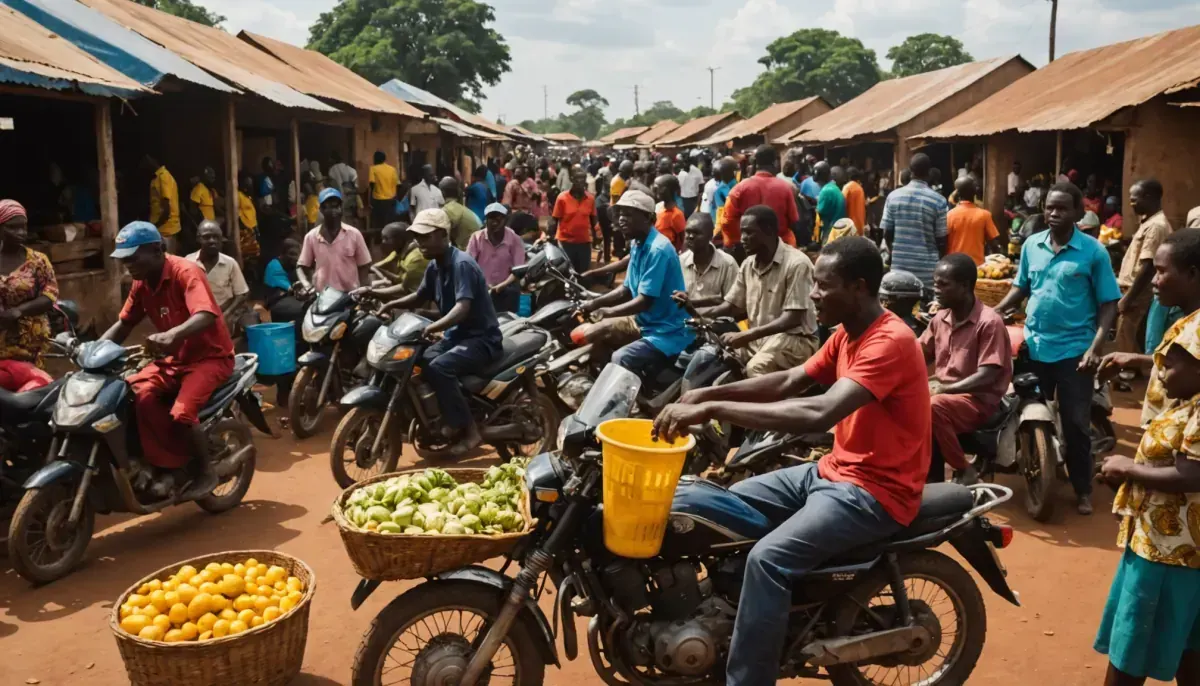
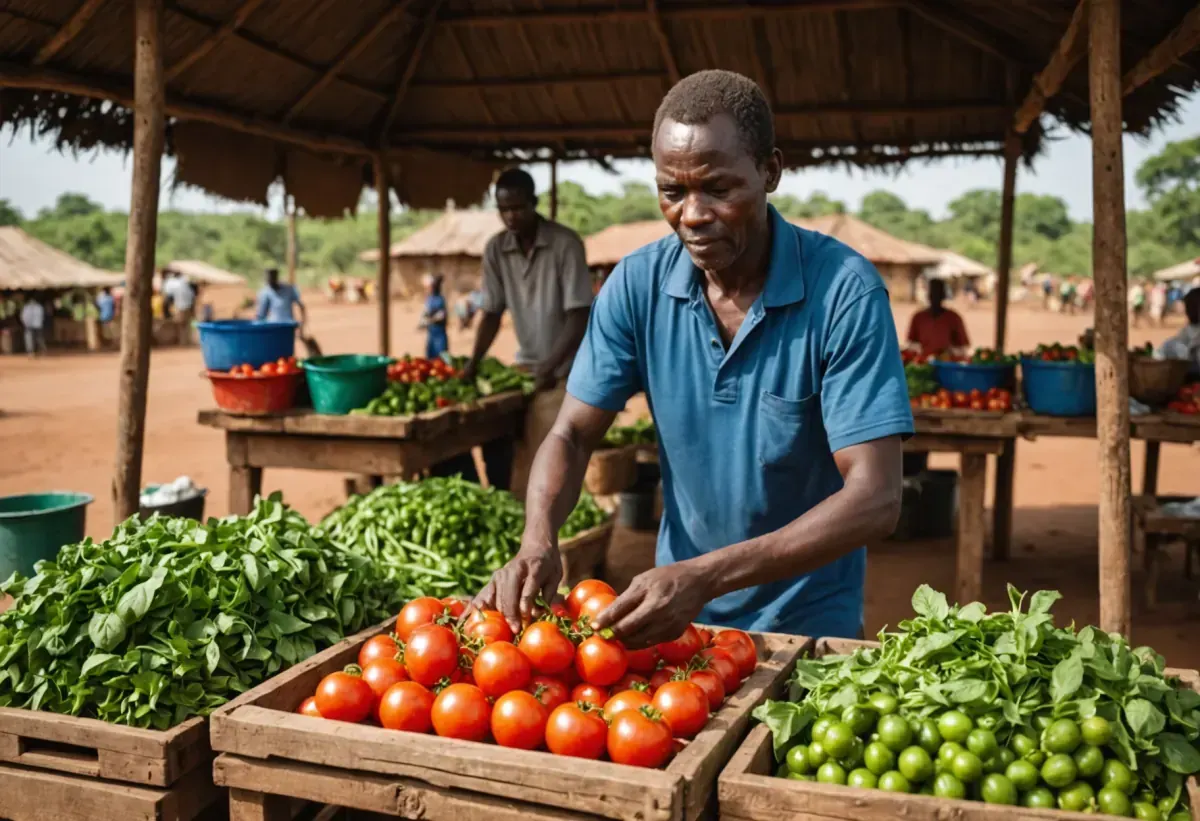
    Market vendors and boda-boda riders at a busy Ugandan trading centre
    Informal workers such as market vendors and boda-boda riders carry much of Uganda’s labour market.

    Challenges of work in the modern world

    The challenges of work in the modern world are the problems that make earning a living difficult for workers and employers today. They include unemployment, worker exploitation, irresponsible and unprofessional behaviour, skills mismatch, low pay, job insecurity and unsafe workplaces. A Senior 3 learner should identify and explain each one with a Ugandan example.

    The NCDC syllabus learning outcome for this section is “Understand the challenges of work in the modern world (u)”, and its suggested activity is to “identify challenges in work today with a special focus on unemployment, exploitation and irresponsible and unprofessional behaviour.”

    • Unemployment — many people want jobs but there are not enough openings, so a growing number of Ugandans, especially the young, cannot find paid work to support themselves.
    • Worker exploitation — some employers underpay staff, delay wages, refuse leave and contracts, or overwork people, which leaves many workers without their legal protections.
    • Irresponsible and unprofessional behaviour — lateness, absenteeism, theft, gossip and carelessness damage workplaces and make employers slow to trust or hire young people.
    • Skills mismatch — schools and institutions sometimes teach knowledge that employers do not need, so qualified learners still struggle to fit the jobs available.
    • Technological change — computers, mobile money platforms and machines change how work is done, and workers who lack new skills can be left behind.
    • Low and delayed wages — some workers earn too little to meet basic needs, and some are paid weeks or months late, which deepens poverty.
    • Job insecurity — many Ugandans work on casual, temporary or verbal contracts with no guarantee of continued work or benefits.
    • Corruption in recruitment — some jobs are given to relatives, friends or people who pay bribes instead of the most qualified applicants.
    • Rural-urban migration — many young people leave villages for Kampala and other towns searching for work, and the towns cannot absorb all of them.
    • Long working hours — some employees work far beyond the legal maximum of forty-eight hours a week without overtime pay or rest.
    • Unsafe workplaces — building sites, factories and farms sometimes lack protective clothing, safe tools and first aid, exposing workers to injury.
    • Discrimination — some workers are denied jobs or promotion because of sex, disability, religion, HIV status or ethnic origin.
    • Rapid population growth — Uganda’s population grows faster than the number of new jobs, so competition for each opening keeps rising.
    • Underemployment — many people work but in jobs below their qualifications, or for fewer hours than they would like, so their skills are wasted.
    IndicatorFigureSource and year
    National unemployment rate12.2%UBOS Labour Market Survey 2025
    Youth unemployment (ages 15–24)17.9%UBOS Labour Market Survey 2025
    Informal employment (including agriculture)89.2%UBOS Labour Market Survey 2025
    Labour underutilisation (LU4)41.6%UBOS Labour Market Survey 2025
    Population (Census 2024)45.9 millionNPA State of Uganda Population Report 2025

    Exam tip: When asked to “identify challenges in work today”, name at least three — unemployment, exploitation and unprofessional behaviour — and give one local example for each. A definition plus a Ugandan example earns more marks than a bare list.

    The problem of unemployment

    Unemployment is the situation where people who are able, available and willing to work cannot find a job. Uganda’s national unemployment rate stood at 12.2 percent in 2025, according to the UBOS Labour Market Survey, with youth aged 15–24 at 17.9 percent. The main causes include skills mismatch, corruption in recruitment and rural-urban migration.

    • Skills mismatch — many learners leave school with theoretical knowledge but without the practical and technical skills employers want, so their qualifications do not fit the jobs available.
    • Corruption in recruitment — when jobs are given to people who pay bribes or know someone in power, honest and qualified applicants are pushed out of the labour market.
    • Rural-urban migration — young people crowd into towns and cities hoping for work, and because too many arrive at once, many end up without jobs.
    • Rapid population growth — Uganda’s population reached 45.9 million at Census 2024, and the number of people seeking work each year grows faster than the jobs created.
    • Low industrialisation — the economy depends heavily on agriculture and services, with few large factories to absorb the many school leavers and graduates.
    • Limited practical and vocational training — few learners get hands-on training in trades such as carpentry, welding or tailoring, which are where many jobs actually exist.
    • Dependence on agriculture — most working Ugandans are in agriculture, where work is seasonal and often unpaid family labour rather than regular paid jobs.
    • Few formal jobs created — most new work is informal, and the formal sector cannot absorb the many people entering the labour market every year.
    • Mismatch between courses and the market — some students enrol in courses with few openings, while the fields employers need go unfilled.
    • Lack of start-up capital — many young people would create their own work but cannot afford the money to start a small business or buy tools.
    • Discrimination in hiring — women, persons with disabilities and people from certain backgrounds are sometimes unfairly denied work, which raises unemployment among those groups.
    • Seasonal and casual work — many jobs last only days or weeks, so workers keep falling back into unemployment between one contract and the next.
    • Weak job information — many young jobseekers do not know where vacancies are advertised or how to apply, so openings pass them by.
    • Underemployment disguised as employment — many people are counted as working yet are underused or earn too little, which hides the true scale of the job problem.
    Cause of unemploymentWhat it meansUgandan example
    Skills mismatchSchools teach skills employers do not needA graduate with no computer or trade skill
    Corruption in recruitmentJobs go to bribes and connections, not meritA post filled by a relative of a manager
    Rural-urban migrationJobseekers crowd into townsYoung people leaving the village for Kampala
    Rapid population growthMore people than new jobs each yearCensus 2024 population of 45.9 million
    Low industrialisationFew factories to employ many workersDependence on farming and petty trade

    Choosing the right subjects and skills is one way to avoid skills mismatch, which is why a learner should connect this topic to career choice and personal fulfillment.

    Common mistake: Do not write “unemployment is high because people are lazy.” Unemployment is mostly structural — it comes from skills mismatch, few jobs and population growth, not laziness. An answer that blames the victim loses marks.

    Issues of worker exploitation

    Worker exploitation is the unfair treatment of employees through low or unpaid wages, excessive hours, unsafe conditions, no contracts and denial of leave. In Uganda it is common in domestic work, security guarding, casual farm labour and migrant domestic work. The Bible and Uganda’s Employment Act both forbid exploiting workers.
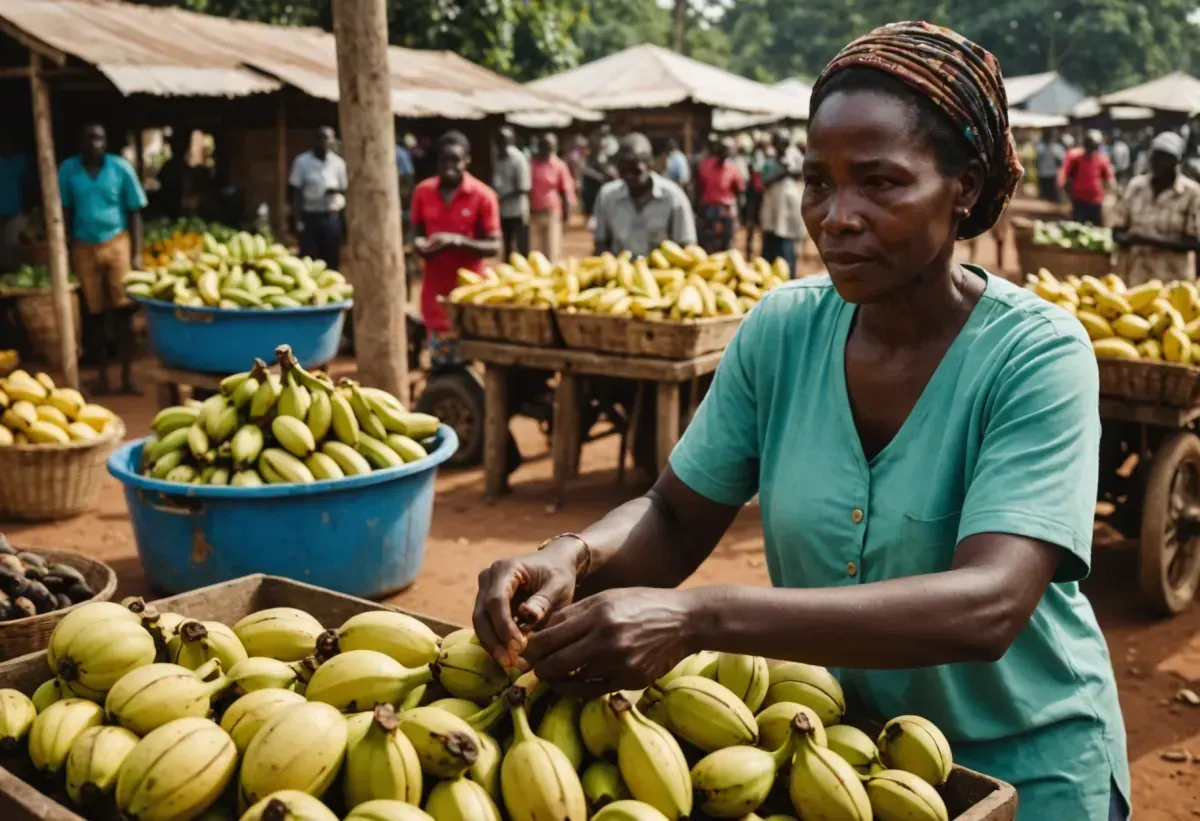
    A woman sorting matooke bananas at a roadside market stall in Uganda
    Market vending is part of Uganda’s large informal sector, where many Ugandans earn a living.
    • Low wages — many workers are paid so little that they cannot meet basic needs such as food, rent, school fees and transport.
    • Delayed or withheld wages — some employers pay workers weeks late, or not at all, which the Bible condemns in Leviticus 19:13 and James 5:4.
    • Excessive working hours — the Employment Act sets a maximum of forty-eight hours a week, but some workers are forced to work far longer without extra pay.
    • No written contracts — many workers, especially domestic workers and casual labourers, work on verbal agreements and so cannot prove their terms of service.
    • Denial of leave — some employers refuse annual leave, weekly rest, maternity leave or sick pay that the law guarantees.
    • Unsafe working conditions — workers on building sites and farms may lack helmets, gloves, safe tools and first aid, exposing them to injury.
    • Child labour — the Employment Act forbids employing children under twelve and restricts work for those under fourteen, yet some children are still made to work.
    • Forced labour — the Act prohibits forced or compulsory labour, but some workers are kept working against their will.
    • Sexual harassment — some employers or their representatives make unwanted advances, and the Act requires employers to display measures to prevent it.
    • Domestic work exploitation — house helps and cooks often work long hours, live in, and go unpaid or underpaid because their work is not regulated.
    • Security guarding — private guards frequently work long night shifts for low pay, often without proper contracts or protective equipment.
    • Casual farm labour — day labourers in gardens and plantations are paid per day with no leave, no sick pay and no job security.
    • Migrant domestic work — Ugandans who travel abroad for domestic work can be trapped with little pay, long hours and no way to complain.
    • Denial of severance — the Employment Act entitles a worker with six months’ continuous service to severance in some cases, but some employers refuse to pay it.
    • Intimidation and threats — workers who complain are sometimes threatened with dismissal, so they keep quiet about the abuse.
    SectorCommon form of exploitationExample
    Domestic workLow or unpaid wages, long hoursA house help in Kampala paid late or not at all
    Security guardingLong night shifts, low pay, no protective gearA private guard working twelve-hour nights
    Casual farm labourDaily pay, no leave or sick payA day labourer weeding a plantation for daily wages
    Migrant domestic workLong hours, trapped, no way to complainA Ugandan woman working abroad with no contract

    Scripture application: Leviticus 19:13 commands, “The wages of a hired servant shall not remain with you all night until the morning.” When a Kampala employer keeps a house help’s pay for weeks, the same principle applies — pay workers what they are owed, and on time.

    Exam tip: For “exploitation” questions, give the form (low pay, long hours, no contract), the law or verse that forbids it, and one Ugandan example. Three elements — form, rule, example — make a full-mark answer.

    Overcoming irresponsible and unprofessional behavior

    Irresponsible and unprofessional behaviour is conduct that breaks workplace rules and undermines trust, such as lateness, absenteeism, theft, gossip and carelessness. A worker overcomes it by practising punctuality, honesty, diligence and respect. Proverbs 6 sends the lazy worker to the ant to learn self-discipline.

    • Punctuality — arrive at work on time every day, because lateness disrupts the team and shows a lack of respect for the employer’s time.
    • Regular attendance — come to work consistently and report any absence early, instead of disappearing without explanation.
    • Honesty — do not steal money, goods or time, and always tell the truth about what you have done.
    • Diligence — work hard and finish tasks fully, like the ant in Proverbs 6:6-8 which stores food without needing a supervisor.
    • Respect for authority — obey lawful and reasonable instructions from supervisors, and treat employers and colleagues with courtesy.
    • Avoiding substance abuse — do not report to work drunk or under the influence of drugs, because this endangers everyone.
    • Avoiding gossip — do not spread rumours or talk down colleagues, since gossip poisons teamwork and trust.
    • Proper dress and hygiene — wear the right uniform or work clothes and keep clean, as appearance shows seriousness about the job.
    • Accountability — own up to mistakes and correct them rather than blaming others or hiding the error.
    • Self-discipline — control your temper, your spending and your habits so that work is done steadily and without drama.
    • Teamwork and co-operation — share tasks, help colleagues and keep promises, because a workplace succeeds through joint effort.
    • Following rules and procedures — learn and keep the employer’s policies on safety, money and conduct.
    • Integrity — be the same honest person whether the boss is watching or not, acting with moral uprightness in every task.
    • Continuous learning — improve your skills and accept correction, so that unprofessional habits are replaced with competence.
    Unprofessional behaviourProfessional behaviour
    Arriving late or absent without noticeArriving on time and reporting absence early
    Stealing, lying or falsifying recordsHonesty in money, time and reports
    Gossip and insulting colleaguesRespect and constructive communication
    Working carelessly and leaving tasks half-doneDiligence and finishing work to standard
    Substance abuse at workSobriety and self-control

    These expectations are part of the wider study of professional work ethics and workplace dynamics, which covers the qualities of a good worker and employer in detail.

    Scripture: “Go to the ant, you sluggard. Consider her ways, and be wise; which having no chief, overseer, or ruler, provides her bread in the summer, and gathers her food in the harvest” (Proverbs 6:6-8). A Ugandan worker who needs no one standing over them to work well follows the ant’s example of self-motivated diligence.

    Common mistake: Do not write that “behaviour” and “character” are the same thing. Unprofessional behaviour is a single act, such as lateness; character is the lasting habit behind many acts. The exam wants you to distinguish them and give the fix.

    Biblical approaches to solving workplace challenges

    The Bible gives practical approaches to workplace challenges: work is God’s design, wages must be fair and prompt, workers must be diligent and honest, and the community must support the unemployed. These principles come from Genesis, Proverbs, Leviticus, Deuteronomy and James, and they apply directly to Ugandan workplaces.

    • Work is God’s design — Genesis 2:15 says God put the man in the garden “to cultivate and keep it”, so work is part of God’s good purpose, not a curse.
    • Stewardship of creation — Genesis 1:26-28 gives humanity dominion over the earth, which means managing resources responsibly for the good of all.
    • Diligence, not laziness — Proverbs 6:6-8 points to the ant, which works without a supervisor and stores food in harvest, teaching self-motivated hard work.
    • Pay workers promptly — Leviticus 19:13 forbids keeping a hired servant’s wages overnight, so an employer must pay on the agreed day.
    • Protect the poor worker — Deuteronomy 24:14-15 says not to oppress a hired servant who is poor and needy, and to pay before sunset.
    • God hears exploited workers — James 5:4 warns that wages kept back by fraud “cry out” and reach “the ears of the Lord of Armies”, so cheating workers is a sin.
    • Honesty in all dealings — Leviticus 19:13 opens “You shall not oppress your neighbor, nor rob him”, so theft and cheating are forbidden in every workplace.
    • Stewardship of talents — Matthew 25:14-30 shows servants who traded and multiplied what they were given, teaching us to develop and use our abilities.
    • Perseverance — Galatians 6:9 urges believers not to grow weary in doing good, for they will reap in due season if they do not give up.
    • Bearing one another’s burdens — Galatians 6:2 tells Christians to carry each other’s burdens, which includes helping the unemployed and the exploited.
    • Care for the needy — Matthew 25:35 teaches that serving the hungry and the stranger is serving Christ, so believers should help those without work.
    • Faithful service despite hardship — Genesis 29 shows Jacob serving faithfully for fourteen years, teaching that honest, patient labour is honoured even under a difficult employer.
    • Rest, not overwork — Deuteronomy 5:14 says even servants must rest, so a fair employer does not overwork staff beyond their strength.
    • Doing good works — Titus 3:14 calls believers to maintain good works for necessary uses, which includes honest work that serves the community.
    ScriptureTeachingModern application
    Genesis 2:15Work is God’s good designSee honest work as a calling, not a curse
    Proverbs 6:6-8Diligence and self-motivationWork without waiting for supervision
    Leviticus 19:13Pay wages promptlyPay workers on the agreed day
    Deuteronomy 24:14-15Protect the poor workerDo not exploit the needy labourer
    James 5:4God hears defrauded workersNever hold back wages by fraud
    Galatians 6:9Persevere in doing goodKeep working honestly without giving up

    For the fuller Old Testament treatment of these justice texts, see the companion notes on Old Testament teachings on work and diligence.

    Exam tip: For a Biblical question, use the “verse → teaching → Ugandan application” chain. For example, James 5:4 condemns withheld wages, so an employer who delays a garden labourer’s pay sins against God and the worker. Apply the verse, never just recite it.

    Frequently asked questions about contemporary workplace challenges

    What are the challenges of work in the modern world?

    The challenges of work in the modern world include unemployment, worker exploitation and irresponsible or unprofessional behaviour. Others are skills mismatch, low pay, delayed wages, job insecurity, unsafe workplaces, discrimination and rapid population growth. Uganda’s large informal sector and few formal jobs worsen them.

    What are the causes of unemployment in Uganda?

    Uganda’s unemployment is driven by skills mismatch between schools and employers, corruption in recruitment, rural-urban migration, rapid population growth and low industrialisation. The economy also depends heavily on agriculture and informal work, so few formal jobs absorb the many young people entering the labour market each year.

    What is worker exploitation and where does it happen in Uganda?

    Worker exploitation is the unfair treatment of employees through low or unpaid wages, long hours, unsafe conditions, no contracts and denial of leave. In Uganda it is common in domestic work, security guarding, casual farm labour and migrant domestic work abroad, where weak inspection leaves many workers unprotected.

    How can a worker overcome irresponsible and unprofessional behaviour?

    A worker overcomes irresponsible behaviour by practising punctuality, regular attendance, honesty, diligence and respect for authority. They should avoid gossip, substance abuse and careless work, and instead show self-discipline, teamwork and integrity. Proverbs 6:6-8 points to the ant as a model of self-motivated hard work.

    What does the Bible say about paying workers fairly?

    The Bible commands fair and prompt payment. Leviticus 19:13 says a hired servant’s wages must not be kept overnight, and Deuteronomy 24:14-15 says to pay the poor worker before sunset. James 5:4 warns that wages kept back by fraud cry out to God.

    What does Proverbs 6 teach about laziness?

    Proverbs 6:6-11 sends the sluggard to the ant, which works without a supervisor and stores food in harvest. The passage condemns too much sleep and excuses, and warns that poverty comes like an armed robber. Diligence is shown as wisdom, foresight and self-motivation.

    What are the rights of workers under Uganda’s Employment Act?

    The Employment Act 2006 protects workers from forced labour, child labour, discrimination and sexual harassment. It sets a maximum of forty-eight working hours a week, and provides for weekly rest, annual leave, sick pay, maternity and paternity leave, notice periods and severance allowance.

    Key terms and revision summary

    TermDefinition
    UnemploymentA situation where people able, available and willing to work cannot find a job.
    UnderemploymentWorking fewer hours than desired, or in a job below one’s skills and qualifications.
    Skills mismatchA gap between the skills employers need and the skills learners actually possess.
    Worker exploitationUnfair treatment of employees through low pay, long hours, unsafe conditions or no contracts.
    Informal employmentWork outside formal registration and protection, including vending, boda-boda riding and casual farm labour.
    Labour underutilisationA measure of unused labour covering unemployment, underemployment and those not fully engaged.
    Irresponsible behaviourConduct that breaks workplace rules, such as lateness, absenteeism and carelessness.
    ProfessionalismThe conduct, honesty, diligence and respect expected of a competent worker.
    Forced labourWork a person is made to do against their will, which Uganda’s Employment Act prohibits.
    Casual labourWork paid by the day or task with no contract, leave or job security.
    Migrant domestic workDomestic work done by a person who has moved abroad, where exploitation is a known risk.
    Severance allowanceA payment due to an employee after six months’ continuous service in certain cases, one month’s salary per year worked.

    Exam-style questions

    • Define unemployment and explain four causes of unemployment in Uganda. Outline: define unemployment (able, available, willing, but no job); then explain any four of skills mismatch, corruption in recruitment, rural-urban migration, rapid population growth and low industrialisation, with a Ugandan example for each.
    • Explain four forms of worker exploitation common in Uganda. Outline: choose four from low or unpaid wages, long working hours, no contracts, denial of leave, unsafe conditions and child or forced labour; reference the Employment Act and one Bible verse such as James 5:4.
    • With reference to Leviticus 19:13, Deuteronomy 24:14-15 and James 5:4, explain the Biblical teaching on fair treatment of workers. Outline: Leviticus 19:13 teaches prompt payment; Deuteronomy 24:14-15 teaches protecting the poor worker; James 5:4 teaches that God hears defrauded workers; apply each to a Ugandan workplace.
    • Describe four ways a Christian worker can overcome irresponsible and unprofessional behaviour. Outline: choose four from punctuality, honesty, diligence (Proverbs 6:6-8), respect for authority, self-discipline and integrity; give a workplace example for each.
    • Assess the importance of diligence in the modern workplace. Outline: define diligence; link it to Proverbs 6:6-8 (the ant); explain benefits such as productivity, trust and promotion; then link national diligence to reduced unemployment, with a Ugandan example.

    Practise writing these answers under timed conditions using the UNEB past papers on Remedial Corner.

    A young Ugandan carpenter measuring timber at a workshop bench
    Diligent, skilled work such as carpentry shows the discipline that Proverbs 6 praises.
  • Identification, Species Selection, and Improvement of Pastures: A Comprehensive Guide

    Identification, Species Selection, and Improvement of Pastures: A Comprehensive Guide

    Introduction

    Pastures are the cornerstone of livestock production, providing the primary source of nutrition for grazing animals across the globe. Natural pastures—those that develop without deliberate seeding—are complex ecosystems composed of a wide variety of grasses, legumes, and forbs. but, their productivity and nutritional value are often suboptimal due to poor management, invasive species, and changing climatic conditions. This comprehensive guide delves into the identification and types of natural pasture, evaluating the quality of natural pasture land, analyzing botanical composition, selecting suitable plant species to improve pasture quality, and choosing the right planting material for growing pastures. By mastering these concepts, land managers, agronomists, and students can make informed decisions that enhance both ecological health and livestock performance.

    Identification and types of natural pasture

    Natural pastures are dynamic plant communities shaped by climate, soil, topography, and grazing pressure. Understanding their identification and types is essential for effective management and improvement. The following points explore the fundamental aspects of natural pasture recognition and classification.

    1. Defining Natural Pastures

    Natural pastures refer to areas where native or naturalized vegetation, primarily grasses, legumes, and herbs, grow spontaneously and are used for grazing. Unlike sown pastures, they aren’t deliberately planted but may be influenced by grazing, fire, and cutting. They form the basis of extensive livestock systems in many regions, especially in arid and semi-arid lands. Examples include the savannas of Africa, the prairies of North America, and the steppes of Central Asia. The term ‘natural pasture’ often implies minimal human input, yet it can include areas that have been improved through managed grazing or controlled burning.

    2. Visual Identification Techniques

    Identifying natural pastures begins with careful observation of the dominant vegetation, growth forms, and overall structure. Key visual indicators include the prevalence of perennial grasses versus annuals, the presence of legumes, and the occurrence of woody plants. For instance, a pasture dominated by Themeda triandra (red grass) in East Africa suggests a healthy, fire-climax grassland, while an abundance of Imperata cylindrica may indicate degraded or disturbed land. Additionally, identifying the growth habit—bunchgrass, sod-forming, or creeping—helps distinguish pasture types. Tools like a hand lens and field guides facilitate accurate species identification, which is crucial for understanding pasture condition and suitability for grazing.

    3. Major Type: Tropical Grasslands

    Tropical grasslands, also known as savannas, are found in regions with warm temperatures year-round and distinct wet and dry seasons. These areas typically receive 500–1500 mm of rainfall annually. Characteristic species include Panicum maximum (Guinea grass), Chloris gayana (Rhodes grass), and Pennisetum purpureum (Napier grass). These grasses are often tall, coarse, and capable of rapid growth during the wet season but become fibrous and low in protein during dry periods. Tropical grasslands provide substantial grazing for cattle, sheep, and wild herbivores. Proper management, such as rotational grazing and fire control, helps maintain their productivity and biodiversity.

    4. Major Type: Temperate Grasslands

    Temperate grasslands occur in regions with cold winters and warm summers, receiving 300–1000 mm of rainfall. The North American prairies, Eurasian steppes, and South American pampas are well-known examples. Dominant grasses include Festuca ovina (sheep fescue), Poa pratensis (Kentucky bluegrass), and Bouteloua gracilis (blue grama). These pastures offer relatively nutritious forage, especially in early spring, and support intensive livestock production. Adapted to both grazing and haymaking, temperate grasslands are valued for their high root biomass, soil organic matter, and resilience. Their identification often relies on the presence of cool-season vs. warm-season grasses, which influences growth peaks and grazing schedules.

    5. Major Type: Mediterranean Pastures

    Mediterranean pastures experience hot, dry summers and mild, wet winters. They are found in the Mediterranean Basin, California, parts of Chile, and southwestern Australia. These pastures are dominated by annual grasses and legumes, such as Avena barbata (slender oat) and Trifolium subterraneum (subterranean clover). Because they complete their life cycle before the summer drought, they provide high-quality forage in early spring but become dry and unpalatable later. Identification involves recognizing the winter annual growth habit and the presence of bulbs or tubers that allow perennation. These pastures often require careful grazing management to prevent overgrazing during the critical germination period.

    6. Major Type: Mountain and Alpine Pastures

    Mountain pastures, also called alpine meadows, are found at high elevations where suitable conditions for forest growth are absent. These pastures are characterized by low-growing, mat-forming grasses and sedges, such as Festuca decipiens and Carex curvula. They experience short growing seasons and long winters with snow cover. Their identification is based on altitude, aspect, and the prevalence of species adapted to cold and wind stress. Despite their harsh environment, these pastures provide vital summer grazing for livestock in many mountainous regions, offering nutrient-rich forage due to the cool temperatures and abundant moisture from snowmelt.

    7. Major Type: Floodplain and Wet Pastures

    Floodplain and wet pastures occur along rivers, lakeshores, and other areas with high water tables or periodic flooding. These areas support species like Paspalum dilatatum (dallisgrass) and Phalaris arundinacea (reed canarygrass), which tolerate waterlogging. The soils are often fertile, supporting lush growth, but grazing may be limited during wet periods. Identification focuses on moisture-loving indicator species and the presence of hummocks or tussocks that provide elevated dry spots. These pastures are particularly important for summer grazing in temperate and tropical regions, but they require careful drainage management to prevent soil compaction and yield decline.

    8. Major Type: Arid and Semi-Arid Pastures

    Arid and semi-arid pastures are found in regions receiving less than 250 mm of annual rainfall. These ecosystems are dominated by drought-resistant grasses, shrubs, and forbs, such as Bouteloua eriopoda (black grama) and Prosopis glandulosa (honey mesquite). Plant density is low, and bare soil patches are common. Identification relies on the ability of plants to conserve water, with many having needle-like leaves, deep root systems, or ephemeral growth cycles. Grazing capacity is limited, and careful management is essential to prevent desertification. Understanding these types is critical for sustainable use of rangelands in dry regions.

    Evaluating the quality of natural pasture land

    Evaluating pasture quality is essential for determining its carrying capacity, nutritional provision, and long-term sustainability. A comprehensive evaluation uses multiple indicators, including plant composition, soil health, and productivity. Below are key points to consider when assessing natural pasture land.

    1. Forage Yield and Density

    The total above-ground biomass produced per unit area is a primary measure of pasture productivity. Yield is typically estimated by clipping vegetation from representative quadrats, drying, and weighing. High-yielding pastures can support more livestock, but yield must be balanced with quality. for instance, a pasture may produce 8 tonnes of dry matter per hectare, yet if the digestibility is low, animal performance suffers. Assessing forage density—how closely and evenly plants are spaced—also indicates grazing pressure and reseeding needs.

    2. Nutritional Value of Forage

    The quality of pasture depends on its ability to meet animal nutrient requirements. Key parameters include crude protein (CP), neutral detergent fiber (NDF), acid detergent fiber (ADF), and metabolizable energy (ME). Legumes generally have higher CP and lower NDF than grasses. A pasture with CP below 7% is inadequate for growing or lactating livestock. Evaluating quality involves laboratory analysis of representative samples, but quick field tests such as the ‘fistful’ method (feeling the leafiness and stage of maturity) provide rough estimates. Changing plant maturity drastically affects nutritional value; immature growth is more digestible than mature, fibrous growth.

    3. Botanical Composition and Species Diversity

    The proportion of grasses, legumes, and forbs significantly influences pasture quality. A diverse pasture with a good legume component often offers more balanced nutrition and extends grazing seasons. Evaluating botanical composition can be done by visually estimating cover, using point-intercept transects, or using dry-weight-rank methods. A high proportion of invasive weeds or unpalatable species indicates degradation. Conversely, a dominance of desirable, high-yielding species suggests excellent pasture condition. for instance, a pasture with 70% desirable grasses and 30% legumes is considered excellent, while one with only 10% legumes may need nitrogen supplementation.

    4. Soil Health and Fertility

    Pasture productivity is directly linked to soil properties. pH, organic matter, nutrient availability (especially nitrogen, phosphorus, and potassium), and soil structure determine which plants thrive. A soil test is essential for evaluating quality. Poor soils may lead to weak grazing plants, low crude protein, and increased erosion. Indicators of healthy pasture soil include active earthworm populations, dark organic-rich topsoil, and good water infiltration. For instance, a compacted soil with a pH of 4.5 will likely support acid-tolerant weeds like Rumex acetosella rather than productive grasses. Correcting soil fertility is often the first step in pasture improvement.

    5. Grazing Capacity and Utilization

    Evaluating pasture quality includes determining its carrying capacity—the maximum safe stocking rate that prevents overgrazing. This is calculated based on forage yield, animal consumption, and the need to leave residual plant material. A common formula is: carrying capacity (animal units per hectare) = (forage yield in kg/ha × grazing efficiency) / (daily intake × grazing period). Overgrazing reduces quality and productivity, while undergrazing can lead to excessive dead material and reduced palatability. Observing grazed areas for signs of selective grazing, trampling, and soil exposure helps assess whether current stocking rates are appropriate.

    6. Weed and Pest Infestation

    The presence of invasive weeds, insect pests, and diseases reduces pasture quality. Weeds compete with desirable species for water, nutrients, and light. Some, like Senecio jacobaea (tansy ragwort), are toxic to livestock. Pests such as grass grubs or locusts can devastate forage. Evaluating the extent of infestation and implementing control measures, such as targeted grazing, mowing, or biological control, is part of assessing and improving quality. A pasture with less than 5% weed cover is generally acceptable; above 20% indicates urgent intervention.

    7. Performance Indicators from Livestock

    Animal performance is an integrated measure of pasture quality. Weighing animals periodically, monitoring body condition scores, and observing milk production provide valuable feedback. for instance, livestock losing weight on a lush, green pasture may indicate a parasitic infection rather than poor nutrition. Conversely, steady weight gains of 0.5–1.0 kg/day in steers are typical of high-quality pasture. Using livestock as bioindicators helps refine pasture management and species selection.

    Indicator Excellent Quality Poor Quality
    Forage Yield (kg DM/ha) >5000 <1500
    Crude Protein (%) >12 <6
    Legume Content (%) 30–40 <10
    Weed Cover (%) <5 >20
    Soil pH 6.0–7.0 <5.0 or >8.0
    Carrying Capacity (AU/ha) >2 <0.5

    Botanical composition of pasture land

    Botanical composition refers to the relative abundance of different plant species within a pasture community. It is a critical factor influencing forage quality, seasonal productivity, and ecosystem resilience. Understanding and monitoring this composition allows managers to make informed decisions for enhancement.

    1. Importance of Botanical Composition

    The mix of plant species determines the nutritional diet available to livestock. Legumes fix atmospheric nitrogen, enriching the soil and providing high-protein forage; deep-rooted grasses improve drought tolerance; and forbs offer minerals and variety. Maintaining a balanced composition prevents monoculture risks, reduces disease spread, and ensures a continuous supply of forage throughout the year. for instance, a pasture with a 50/50 mix of grass and legumes often produces higher animal gains than pure grass pastures.

    2. Methods for Analyzing Botanical Composition

    Several techniques are used to quantify botanical composition:

    • Quadrat sampling: A frame of known size (e.g., 1 m²) is randomly placed, and all species within are identified and their cover or biomass measured.
    • Point-intercept transects: A pin is lowered at intervals along a line, and the species touched is recorded, providing frequency and cover data.
    • Dry-weight rank: The primary species in a quadrat are ranked by weight, allowing quick estimation of proportions without clipping all vegetation.
    • Continuous measurement: Using espace meters or Botanal software to speed up assessment.

    These methods must be applied systematically across the pasture to account for patchiness.

    3. Desired Composition for Different Livestock

    The optimal botanical composition varies by animal type and production goal. For dairy cattle, a higher proportion of digestible grasses like ryegrass (30–40%) and legumes (20–30%) is preferred. For sheep, a diverse sward with short, fine-leafed grasses and forbs, such as white clover and chicory, supports higher wool and lamb growth. In extensive beef systems, native grasses and browse species are often valued for their hardiness. A general rule is to maintain at least 20% legumes to ensure adequate nitrogen supply and protein, but in tropical pastures, 10–15% may be acceptable due to higher grass quality.

    4. Factors Influencing Botanical Composition

    Composition is dynamic and influenced by grazing intensity, soil fertility, moisture, temperature, and management practices. Continuous heavy grazing suppresses palatable species and encourages weeds like thistles and ragwort. Fertilization with nitrogen promotes grass dominance, reducing legumes, while phosphorus and lime encourage clover growth. Fire is a tool that can alter composition; for instance, annual burning in savannas reduces woody encroachment but may reduce litter and soil organic matter. Climate change causing extended droughts will shift composition toward drought-tolerant species.

    5. Using Botanical Composition to Assess Pasture Condition

    By comparing current species composition to a ‘benchmark’ or desired state, managers can evaluate pasture health. Degraded pastures often show a decline in perennial, palatable plants and an increase in annuals, bare soil, and toxic weeds. A healthy pasture, conversely, has a stable cover of productive perennials with a mix of life forms. The following table illustrates a simple condition score:

    Condition Desirable Perennials (%) Undesirable Weeds (%) Bare Ground (%)
    Good >70 <10 <10
    Moderate 40–70 10–30 10–30
    Poor <40 >30 >30

    6. Strategies to Improve Botanical Composition

    Management interventions can intentionally shift composition. These include introducing seeds of desirable species, adjusting stocking rates (e.g., using mob grazing to allow recovery), applying selective herbicides, and controlling grazing timing to favor desirable plants. For instance, rotating livestock to allow seed set of desired grasses helps them re-establish. Over-seeding legumes into grass-dominant pastures boosts nitrogen and protein. This proactive approach ensures long-term pasture productivity and biodiversity.

    7. Case Study: Tropical Native Pasture

    In an Australian tropical pasture, the natural composition consisted of Heteropogon contortus (spear grass) and Themeda australis (kangaroo grass), but overgrazing led to the invasion of Bothriochloa bladhii (forest bluegrass) and non-palatable weeds. By analyzing the botanical composition using step-point transects, managers identified the decline of perennials and increased bare ground. They implemented a rotational grazing system and oversowed Chloris gayana and Macroptilium atropurpureum (siratro), resulting in improved composition and animal performance.

    Selection of plant species to improve pasture quality

    Selecting the right plant species is fundamental to enhancing pasture productivity and sustainability. Species must be adapted to the local climate, soil, and management system while providing high-quality forage. The following points outline criteria and strategies for species selection.

    1. Climatic Adaptation

    The selected species must thrive under existing temperature, rainfall, and photoperiod conditions. For tropical regions, warm-season grasses like Panicum maximum and Digitaria eriantha are ideal due to their heat tolerance and drought resistance. For temperate zones, cool-season grasses such as Lolium perenne (perennial ryegrass) and Dactylis glomerata (cocksfoot) are preferred because they grow in spring and autumn. Matching species to the regional climate reduces establishment failure and increases persistence. In marginal areas, using locally adapted native species is often safer than introduced exotics.

    2. Soil Compatibility

    Soil factors—pH, drainage, fertility, and texture—determine plant suitability. Acidic soils (pH < 5.5) require acid-tolerant species like Holcus lanatus or Lotus corniculatus. Alkaline soils (pH > 8.0) support tall wheatgrass (Thinopyrum ponticum). Poorly drained soils need species like Paspalum dilatatum, whereas sandy soils favor drought-tolerant fescues. Before selection, conducting a soil test is crucial. for instance, Medicago sativa (alfalfa) demands well-drained, neutral to slightly alkaline soils and performs poorly in wet, acidic conditions.

    3. Palatability and Nutritional Quality

    Livestock preferentially graze palatable species, so selecting plants with high leaf-to-stem ratio, soft texture, and sugar content encourages higher intake. Nutritional quality should be high: protein levels above 12% during growth, low fiber (<50% NDF), and high digestibility (>65%). Legumes like Trifolium repens (white clover) are highly palatable and protein-rich, while some grasses like Eragrostis curvula have moderate palatability but are drought-resistant. Avoid species with toxic compounds or coarse leaves that livestock reject.

    4. Persistence and Regrowth

    Perennial species with strong root systems and the ability to regrow after grazing are essential, especially in extensive systems. Persistence under grazing pressure, drought, cold, and pest/disease stress determines long-term productivity. for instance, Festuca arundinacea (tall fescue) is persistent but requires management to avoid toxic endophytes; Phalaris aquatica (harding grass) is persistent in Mediterranean climates but may cause phalaris staggers in some animals. Choosing robust cultivars with good recovery prevents frequent reseeding.

    5. Nitrogen Fixation and Companion Value

    Including legumes in pasture mixtures is a sustainable way to supply nitrogen and improve overall forage quality. Legumes like Trifolium subterraneum, Lotus uliginosus, and Desmodium intortum fix atmospheric nitrogen via symbiotic bacteria, boosting soil fertility. When mixing species, compatibility is crucial: choose legumes that don’t compete aggressively with grasses. for instance, white clover spreads well with ryegrass, while red clover is more suited to hay production. The legume proportion should be monitored to maintain balance.

    6. Resistance to Pests and Diseases

    Selecting species and cultivars resistant to local pests and diseases reduces losses and pesticide use. For instance, Puccinia coronata (crown rust) affects ryegrass; choosing rust-resistant cultivars is vital. Nematodes attack many legumes; resistant varieties of Medicago are available. The use of endophyte-free or novel endophyte tall fescue can mitigate toxicities while improving insect resistance. Thoroughly research disease profiles of potential species.

    7. Use of Native vs. Introduced Species

    Native species are well-adapted to local conditions and support biodiversity, but they often have lower yields than improved introduced varieties. Introduced species like Panicum maximum (Guinea grass) and Cenchrus ciliaris (buffel grass) have been selected for high productivity. but, their introduction may disrupt ecosystems. A balanced approach is to use improved native cultivars, e.g., Bothriochloa pertusa in India, or to carefully manage introduced species to prevent environmental escape. Consider the long-term ecological impact.

    8. Seed Availability and Cost

    Economic feasibility is a practical constraint. Seeds of elite cultivars may be expensive or unavailable locally. Often, using certified seed from reputable suppliers ensures purity and germination, but in low-input systems, farm-saved seed of older varieties may be more cost-effective. When budgeting, include the cost of establishment inputs such as lime, fertilizer, and seeding rate. Sometimes, a mix of species is more practical if seeds are scarce.

    Environment Recommended Grass Species Recommended Legume Species
    Tropical humid Panicum maximum, Pennisetum purpureum Stylosanthes guianensis, Desmodium intortum
    Tropical semi-arid Cenchrus ciliaris, Chloris gayana Macroptilium atropurpureum, Lablab purpureus
    Temperate Lolium perenne, Dactylis glomerata Trifolium repens, Medicago sativa
    Mediterranean Phalaris aquatica, Festuca arundinacea Medicago truncatula, Trifolium subterraneum
    High altitude Festuca ovina, Poa pratensis Trifolium hybridum, Lotus corniculatus
    Waterlogged Paspalum dilatatum, Phalaris arundinacea Lotus pedunculatus, Trifolium fragiferum

    Selecting appropriate planting material for growing pastures

    The success of pasture improvement hinges on the quality and suitability of planting material. Whether using seeds or vegetative propagules, careful selection and handling ensure robust establishment and high yields. The following points detail key considerations.

    1. Types of Planting Material

    Planting material for pastures includes seeds, rooted stolons, runners, splits, or stem cuttings. Seeds are most common for annual pastures and many grasses and legumes. Vegetative material is preferred for species with poor seed production, such as Pennisetum purpureum (Napier grass) or Brachiaria brizantha when hybrids are used. Each type has advantages: seeds are lightweight, easy to store, and allow direct sowing; vegetative material establishes faster but is heavier and often labor-intensive. Choosing the right type depends on species, budget, and land prep.

    2. Seed Quality Attributes

    High-quality seeds must have high germination percentage (>80%), high purity (>95%), and be free from weed seeds and pathogens. Seed viability is influenced by age, storage conditions (cool, dry), and seed dormancy. A laboratory seed test report provides these parameters. For instance, freshly harvested Chloris gayana seed may have dormancy; scarification or after-ripening can improve germination. Certified seed guarantees varietal identity and meets legal standards, making it the safest choice for critical sowings.

    3. Seed Treatment and Inoculation

    Before planting, seeds may require treatment to enhance germination and protect against pests or diseases. Scarification breaks hard seed coats in legumes like Medicago, while stratification (cold, moist) overcomes dormancy in temperate grasses. Inoculation with specific Rhizobium bacteria is essential for legumes to fix nitrogen; this ensures nodulation and healthy growth. for instance, Lotus pedunculatus requires the appropriate rhizobial strain. Seed coating with lime or clay improves flow in planting equipment and may contain fungicides. Always follow recommended rates.

    4. Source and Certification

    When sourcing planting material, use reputable suppliers who provide certified seed with a tag indicating germination, purity, and variety. In many countries, pasture seed is certified by national agencies (e.g., OECD seed schemes). For vegetative material, it is wise to obtain material from healthy, disease-free mother plants. Farm-saved seed may be acceptable for self-pollinated crops, but for hybrids like Brachiaria hybrids, fresh seed from certified breeders is mandatory to maintain yield potential.

    5. Appropriate Sowing Methods

    The planting method determines seed-soil contact and establishment success. Common methods include:

    • Broadcasting onto the soil surface, followed by rolling or harrowing.
    • Drilling into rows ensures uniform depth and seed covering.
    • Hydroseeding for steep slopes and erosion-prone areas.
    • For vegetative material, planting splits or runners in furrows at specific spacings.

    Seed depth should be shallow (0.5–2 cm for most grasses and legumes) on heavy soils, slightly deeper on sandy soils. Ensure adequate moisture and firmness of the seedbed to prevent drying.

    6. Timing of Planting

    Planting at the correct season is critical. In temperate climates, early autumn or spring seeding allows germination before extreme heat or cold. In tropical regions, the onset of the rainy season is ideal for warm-season species. It is essential that young seedlings receive 4–6 weeks of adequate moisture and mild temperatures. for instance, sowing perennial ryegrass in late summer gives it time to establish before winter, while sowing in a drought period will likely fail. Avoid planting during peak weed germination unless using pre-emergent herbicides.

    7. Ensuring Seed Viability and Vigor

    Beyond germination, seed vigor affects emergence and early growth. High-vigor seeds establish more robustly under stress. Vigor tests include accelerated aging or conductivity tests. In the field, use proper seeding rates—higher rates for broadcast and lower for drilled. for instance, broadcast seeding of Lolium perenne requires 25–30 kg/ha, while drilling requires 15–20 kg/ha. Proper calibration of seeding equipment prevents under- or over-seeding.

    8. Handling and Storage of Planting Material

    Proper storage preserves seed viability. Seeds should be stored in a cool, dry, rodent-proof environment with moisture content below 12%. Temperature and humidity fluctuations reduce germination. Seeds that aren’t treated with pesticides may be susceptible to insect damage, so fumigation or controlled storage is necessary. For vegetative material, cuttings should be kept moist and planted as soon as possible, ideally within 24 hours, to prevent desiccation.

    Note: For sustainable pasture establishment, always test a small seed lot for germination before large-scale planting to avoid costly failures.

    Conclusion

    The identification and improvement of pastures demand a holistic understanding of ecological principles and practical management. Recognizing the diverse types of natural pasture—from tropical grasslands to alpine meadows—enables targeted interventions. Evaluating pasture quality through forage yield, nutritional content, botanical composition, soil health, and livestock performance provides a robust baseline for decisions. The botanical composition is a central element; balanced communities with grasses, legumes, and forbs optimize productivity and ecosystem services. Species selection must integrate climate compatibility, soil adaptation, palatability, persistence, and nitrogen fixation, while planting material requires careful consideration of type, quality, treatment, and sowing methods. By applying the knowledge outlined in this guide, farmers and land managers can dramatically improve pasture productivity, animal nutrition, and environmental stewardship. As the global demand for livestock products grows, sustainable pasture improvement remains a cornerstone of agricultural resilience.

    Frequently Asked Questions

    What are the main types of natural pasture?

    The main types include tropical grasslands (savannas), temperate grasslands (prairies, steppes), Mediterranean pastures, mountain/alpine pastures, floodplain/wet pastures, and arid/semi-arid pastures. Each is defined by climatic conditions and dominant vegetation, ranging from tall tropical grasses to short alpine sedges.

    How do I evaluate the quality of my natural pasture land?

    Evaluation involves assessing forage yield (biomass), nutritional value (protein, fiber), botanical composition (grass-legume ratio), soil health (pH, nutrients), grazing capacity, and weed/pest incidence. Performing soil tests and clipping biomass samples, then comparing to target thresholds, gives a comprehensive assessment.

    Why is botanical composition important for pasture productivity?

    Botanical composition influences dietary balance, seasonal forage distribution, nitrogen cycling, and resilience to environmental stress. A diverse pasture with legumes supplies high-quality protein and fixes nitrogen for companion grasses, leading to greater animal weight gains without chemical fertilizer.

    What criteria should I use when selecting plant species for pasture improvement?

    Consider climatic adaptation (annual rainfall, temperature), soil compatibility (pH, drainage), palatability and nutritional quality, persistence under grazing, nitrogen-fixing ability, pest/disease resistance, and seed cost/availability. Also decide between native and introduced species based on ecological risk and productivity.

    What are the best planting materials for establishing a new pasture?

    High-quality certified seeds with high germination and purity are usually best. For some clonal species, vegetative propagules (splits, runners) establish faster. The choice depends on species, cost, and equipment. Always inoculate legume seeds with Rhizobium and treat seeds if dormancy or pests are expected.

  • Commercial and Biological Applications of Fermentation: From Yeast to Industrial Biotechnology

    Commercial and Biological Applications of Fermentation: From Yeast to Industrial Biotechnology

    Introduction

    Fermentation is a metabolic process that converts sugars into acids, gases, or alcohols in the absence of oxygen. It is one of the oldest biotechnological processes harnessed by humans, with applications ranging from food preservation to biofuel production. This article delves into the commercial and biological applications of fermentation, emphasizing key processes such as fermentation using yeast, anaerobic respiration in germinating seeds, and the applications of anaerobic respiration in everyday life. With a focus on academic depth, we explore the biochemical mechanisms, industrial scalability, and ecological significance of fermentation. By understanding these processes, we can appreciate how microorganisms drive both natural cycles and industrial innovation.

    Fermentation Using Yeast: The Workhorse of Biotechnology

    Yeast, particularly Saccharomyces cerevisiae, is the most widely used microorganism in fermentation. It converts glucose into ethanol and carbon dioxide through glycolysis followed by alcoholic fermentation. This process is the cornerstone of baking, brewing, and biofuel industries. The efficiency of yeast fermentation depends on factors such as temperature, pH, sugar concentration, and oxygen availability. Under anaerobic conditions, yeast produces ethanol and CO2, while in aerobic conditions, it respires to produce biomass. Understanding these nuances is crucial for optimizing industrial yields.

    Biochemical Pathway of Alcoholic Fermentation

    The pathway begins with glycolysis, where glucose is broken down into two molecules of pyruvate. In the absence of oxygen, pyruvate is decarboxylated to acetaldehyde by pyruvate decarboxylase, then reduced to ethanol by alcohol dehydrogenase, regenerating NAD+ from NADH. This regeneration is essential for glycolysis to continue. The net yield per glucose molecule is 2 ATP and 2 ethanol molecules. The CO2 released is responsible for the leavening of bread and the carbonation of alcoholic beverages.

    Commercial Applications in Food and Beverage

    In baking, yeast fermentation produces CO2 that causes dough to rise. The ethanol evaporates during baking. In brewing and winemaking, ethanol is the desired product, and the type of yeast strain influences flavor profiles. for instance, lager yeasts (Saccharomyces pastorianus) ferment at lower temperatures, producing cleaner flavors, while ale yeasts (S. cerevisiae) work at warmer temperatures, yielding fruity esters. The fermentation process is carefully controlled to prevent off-flavors and ensure consistency.

    Industrial Bioethanol Production

    Bioethanol is a renewable fuel produced by fermenting sugars from crops like corn, sugarcane, and wheat. The process involves pretreatment of biomass, hydrolysis of starch or cellulose to sugars, fermentation by yeast, and distillation to recover ethanol. First-generation biofuels use food crops, while second-generation use lignocellulosic biomass. Challenges include the toxicity of ethanol to yeast at high concentrations, which limits yield. Researchers engineer yeast strains to tolerate higher ethanol levels and ferment pentose sugars from hemicellulose.

    Metabolic Engineering and Synthetic Biology

    Advances in genetic engineering allow for the modification of yeast to produce non-native compounds, such as pharmaceuticals (e.g., artemisinin, a malaria drug), flavors, and fragrances. The yeast is engineered with heterologous pathways to convert simple sugars into complex molecules. This approach reduces reliance on plant extraction and enables scalable production. for instance, the production of resveratrol, a polyphenol with health benefits, has been achieved in engineered yeast.

    Challenges and Future Directions

    Despite its versatility, yeast fermentation faces limitations: substrate inhibition, product toxicity, and contamination. Continuous fermentation systems and cell immobilization techniques improve productivity. Future directions include using yeast for the production of advanced biofuels like butanol, which has higher energy density than ethanol. Additionally, yeast cell factories are being developed for sustainable production of chemicals and materials, aligning with green chemistry principles.

    Anaerobic Respiration in Germinating Seeds: Fueling Early Growth

    In germinating seeds, anaerobic respiration occurs when oxygen is limited, such as in waterlogged soils or inside dense seed coats. Seeds rely on stored reserves (starch, oils, proteins) to generate energy for growth. During the early stages, the seed may experience hypoxia, triggering fermentation pathways to produce ATP. This process ensures that the embryo can survive until it establishes photosynthetic capability.

    Biochemical Adaptations in Seeds

    Under low oxygen, germinating seeds switch from aerobic respiration to alcoholic or lactic acid fermentation. In rice seeds, for instance, alcoholic fermentation is predominant, producing ethanol and CO2. The enzyme alcohol dehydrogenase (ADH) is upregulated, and ethanol can be converted back to acetaldehyde when oxygen becomes available, minimizing toxicity. Some seeds, like those of maize, also produce lactate via lactate dehydrogenase. The balance between these pathways depends on species and environmental conditions.

    Role in Flood Tolerance

    Plants that thrive in flooded conditions, such as rice, have evolved efficient anaerobic respiration to sustain growth. In rice seeds, the coleoptile elongates rapidly under water using energy from fermentation. The ability to maintain glycolysis and regenerate NAD+ is critical. Ethanol produced can diffuse away, reducing toxicity. Understanding these mechanisms helps in breeding flood-tolerant crop varieties, which is vital for agriculture in regions prone to waterlogging.

    Energy Yield and Metabolic Efficiency

    Anaerobic respiration yields only 2 ATP per glucose, compared to 36-38 ATP from aerobic respiration. so, seeds must consume large amounts of stored reserves to meet energy demands. The seed’s size and nutrient content influence how long it can survive anaerobically. for instance, large seeds like beans have more reserves but may still suffer from ethanol accumulation. The metabolic shift to fermentation is regulated by oxygen sensors and transcription factors like hypoxia-inducible factors (HIFs) in plants.

    Impact on Seed Viability and Vigor

    Prolonged anaerobic conditions can lead to energy depletion and accumulation of toxic metabolites, reducing seed viability. but, some seeds exhibit anoxia tolerance, surviving for days without oxygen. This tolerance is associated with the ability to maintain low levels of ethanol and to utilize alternative substrates like alanine. Seed priming techniques that expose seeds to mild hypoxia can improve germination under stress conditions.

    Agricultural Implications

    Understanding anaerobic respiration in seeds informs agricultural practices. For instance, proper drainage improves soil aeration, promoting aerobic respiration and faster germination. In paddy rice cultivation, seeds are often pre-germinated in aerobic conditions before transplanting. Seed treatments with oxygen-releasing compounds can mitigate hypoxia. Research into the genetic basis of anaerobic tolerance aids in developing varieties that can establish well in challenging environments.

    Applications of Anaerobic Respiration in Everyday Life

    Anaerobic respiration isn’t just a laboratory phenomenon; it has numerous practical applications that impact our daily lives. From food production to waste treatment, the ability of microorganisms to respire without oxygen is harnessed in various industries. This section explores key applications, highlighting the versatility and importance of anaerobic processes.

    Dairy Fermentation: Yogurt and Cheese

    Lactic acid bacteria (LAB) such as Lactobacillus bulgaricus and Streptococcus thermophilus convert lactose into lactic acid via homofermentative or heterofermentative pathways. In yogurt production, the acid coagulates milk proteins, giving a thick texture and tangy flavor. Cheese production involves curdling milk with rennet and then fermenting with LAB to develop flavor and texture. Different LAB strains and fermentation conditions produce a wide variety of cheeses, from soft brie to hard cheddar.

    Vegetable Fermentation: Pickles and Sauerkraut

    Fermenting vegetables in brine creates an anaerobic environment that favors LAB. The salt inhibits spoilage organisms while allowing LAB to thrive. In sauerkraut, shredded cabbage is salted and packed tightly to exclude air. LAB ferment the sugars, producing lactic acid, which preserves the cabbage and imparts a sour taste. Similarly, cucumbers become pickles through fermentation with dill and spices. These fermented foods are rich in probiotics and have extended shelf life.

    Alcoholic Beverages: Beer and Wine

    Beyond yeast, the production of beer and wine involves anaerobic respiration. In beer brewing, malted barley is mashed to extract sugars, then boiled with hops, and fermented by yeast. The type of yeast and fermentation temperature determine the beer style. For wine, grapes are crushed and fermented with native or inoculated yeast. Red wines are fermented with skins to extract color and tannins, while white wines are fermented without skins. The alcohol content typically ranges from 5-15%.

    Bioenergy: Biogas Production

    Anaerobic digestion of organic waste (manure, food waste, sewage) by methanogenic archaea produces biogas, a mixture of methane (60-70%) and carbon dioxide. This process occurs in oxygen-free digesters and involves hydrolysis, acidogenesis, acetogenesis, and methanogenesis. Biogas can be used for heating, electricity generation, or upgraded to biomethane for vehicle fuel. The residual digestate is a nutrient-rich fertilizer. This technology reduces greenhouse gas emissions and provides renewable energy.

    Wastewater Treatment

    Anaerobic treatment of industrial and municipal wastewater is efficient for high-strength organic waste. Anaerobic reactors, such as upflow anaerobic sludge blanket (UASB) reactors, convert organic pollutants into biogas, reducing sludge volume. This process requires less energy than aerobic treatment and generates useful energy. but, it is slower and may require post-treatment to meet discharge standards.

    Human Muscle Metabolism During Exercise

    During intense exercise, oxygen supply to muscles is insufficient, leading to lactic acid fermentation. Pyruvate is converted to lactate by lactate dehydrogenase, regenerating NAD+ to sustain glycolysis. This allows continued ATP production for short bursts of activity. The accumulation of lactate causes muscle fatigue and soreness. After exercise, the lactate is converted back to pyruvate and metabolized aerobically. Understanding this process helps athletes optimize training and recovery.

    Medical Applications: Probiotics and Therapeutics

    Lactic acid bacteria are used as probiotics to promote gut health. They ferment undigested carbohydrates in the colon, producing short-chain fatty acids (SCFAs) that nourish colon cells and modulate the immune system. Additionally, anaerobic bacteria are used in the production of therapeutic compounds, such as vitamins (e.g., vitamin B12) and enzymes. Some anaerobic bacteria are engineered to deliver drugs to hypoxic tumor regions, exploiting the low oxygen environment.

    Industrial Production of Organic Acids

    Several organic acids are produced via anaerobic fermentation. for instance, citric acid is produced by Aspergillus niger under aerobic conditions, but lactic acid is produced anaerobically by LAB. Lactic acid is used in food preservation, cosmetics, and as a precursor for biodegradable plastics (polylactic acid). Succinic acid, another platform chemical, is produced by anaerobic bacteria like Actinobacillus succinogenes. These bio-based productions are more sustainable than petrochemical routes.

    Leavening Agents in Baking

    While yeast is the primary leavening agent, sourdough starters rely on a symbiotic culture of LAB and yeast. The LAB produce lactic and acetic acids, which give sourdough its characteristic tang and help preserve the bread. The yeast produces CO2 for leavening. The acids also modify gluten structure, improving dough handling and bread texture. Sourdough fermentation requires careful management of temperature and feeding to maintain microbial balance.

    Ethanol as a Solvent and Fuel

    Ethanol produced by yeast fermentation is used as a solvent in pharmaceuticals, cosmetics, and household products. It is also blended with gasoline to reduce emissions (e.g., E10, E85). The fermentation process must be optimized to achieve high ethanol concentrations (up to 20% v/v) for efficient distillation. Byproducts like distiller’s grains are used as animal feed, adding economic value.

    Bioremediation of Contaminated Sites

    Anaerobic bacteria can degrade pollutants such as chlorinated solvents, explosives, and petroleum hydrocarbons. for instance, Dehalococcoides species dechlorinate trichloroethylene (TCE) to ethene. This process is used in bioremediation of groundwater. Anaerobic conditions are often created by injecting electron donors like lactate or molasses. The bacteria use these substrates to produce hydrogen, which drives reductive dechlorination.

    Production of Enzymes and Bioactive Compounds

    Many industrially important enzymes are produced by anaerobic microorganisms. For instance, cellulases and xylanases from anaerobic fungi and bacteria are used in biofuel production and animal feed. Anaerobic bacteria also produce bacteriocins (antimicrobial peptides) like nisin, used as a natural food preservative. The production processes require strict anaerobic conditions, which are achieved using specialized fermenters and sparging with nitrogen or carbon dioxide.

    Conclusion

    Fermentation is a fundamental biological process with profound commercial and biological significance. From fermentation using yeast in baking and biofuel production to anaerobic respiration in germinating seeds that ensures survival under hypoxia, and the myriad applications of anaerobic respiration in everyday life—including food preservation, waste treatment, and energy generation—this process is integral to human civilization and natural ecosystems. Understanding the biochemical pathways, microbial physiology, and engineering principles behind fermentation enables us to harness it more effectively for sustainable development. As we face global challenges like climate change and food security, fermentation offers renewable solutions that align with green chemistry and circular economy principles. Future innovations in metabolic engineering and synthetic biology will undoubtedly expand the repertoire of fermentation applications, making it a cornerstone of biotechnology.

    Frequently Asked Questions (FAQs)

    What is the difference between aerobic and anaerobic respiration?

    Aerobic respiration uses oxygen to produce ATP, yielding up to 36-38 ATP per glucose, while anaerobic respiration occurs without oxygen, yielding only 2 ATP per glucose. Anaerobic pathways include alcoholic fermentation (producing ethanol and CO2) and lactic acid fermentation (producing lactate).

    How does yeast fermentation work in bread making?

    Yeast ferments sugars in the dough, producing carbon dioxide gas and ethanol. The CO2 forms bubbles that cause the dough to rise. The ethanol evaporates during baking. The process also develops flavor compounds.

    Why do germinating seeds undergo anaerobic respiration?

    When oxygen is limited, such as in waterlogged soils or dense seed coats, seeds use anaerobic respiration to generate ATP for growth. This allows the embryo to survive until it can access oxygen or establish photosynthesis.

    What are the main commercial applications of anaerobic respiration?

    Key applications include food fermentation (yogurt, cheese, pickles, beer, wine), biogas production from organic waste, wastewater treatment, bioethanol production, and industrial production of organic acids and enzymes.

    Can anaerobic respiration be used for environmental cleanup?

    Yes, anaerobic bacteria can degrade pollutants like chlorinated solvents and petroleum hydrocarbons in a process called bioremediation. This is often used to treat contaminated groundwater and soil.

    What is the role of lactic acid in fermented foods?

    Lactic acid acts as a natural preservative, lowering pH to inhibit spoilage organisms. It also contributes to the tangy flavor and texture of fermented dairy, vegetables, and sourdough bread.

    Introduction

    Fermentation is a metabolic process that converts sugars into acids, gases, or alcohols in the absence of oxygen. It is one of the oldest biotechnological processes harnessed by humans, with applications ranging from food preservation to biofuel production. This article delves into the commercial and biological applications of fermentation, emphasizing key processes such as fermentation using yeast, anaerobic respiration in germinating seeds, and the applications of anaerobic respiration in everyday life. With a focus on academic depth, we explore the biochemical mechanisms, industrial scalability, and ecological significance of fermentation. By understanding these processes, we can appreciate how microorganisms drive both natural cycles and industrial innovation.

    Fermentation Using Yeast: The Workhorse of Biotechnology

    Yeast, particularly Saccharomyces cerevisiae, is the most widely used microorganism in fermentation. It converts glucose into ethanol and carbon dioxide through glycolysis followed by alcoholic fermentation. This process is the cornerstone of baking, brewing, and biofuel industries. The efficiency of yeast fermentation depends on factors such as temperature, pH, sugar concentration, and oxygen availability. Under anaerobic conditions, yeast produces ethanol and CO2, while in aerobic conditions, it respires to produce biomass. Understanding these nuances is crucial for optimizing industrial yields.

    Biochemical Pathway of Alcoholic Fermentation

    The pathway begins with glycolysis, where glucose is broken down into two molecules of pyruvate. In the absence of oxygen, pyruvate is decarboxylated to acetaldehyde by pyruvate decarboxylase, then reduced to ethanol by alcohol dehydrogenase, regenerating NAD+ from NADH. This regeneration is essential for glycolysis to continue. The net yield per glucose molecule is 2 ATP and 2 ethanol molecules. The CO2 released is responsible for the leavening of bread and the carbonation of alcoholic beverages.

    Commercial Applications in Food and Beverage

    In baking, yeast fermentation produces CO2 that causes dough to rise. The ethanol evaporates during baking. In brewing and winemaking, ethanol is the desired product, and the type of yeast strain influences flavor profiles. for instance, lager yeasts (Saccharomyces pastorianus) ferment at lower temperatures, producing cleaner flavors, while ale yeasts (S. cerevisiae) work at warmer temperatures, yielding fruity esters. The fermentation process is carefully controlled to prevent off-flavors and ensure consistency.

    Industrial Bioethanol Production

    Bioethanol is a renewable fuel produced by fermenting sugars from crops like corn, sugarcane, and wheat. The process involves pretreatment of biomass, hydrolysis of starch or cellulose to sugars, fermentation by yeast, and distillation to recover ethanol. First-generation biofuels use food crops, while second-generation use lignocellulosic biomass. Challenges include the toxicity of ethanol to yeast at high concentrations, which limits yield. Researchers engineer yeast strains to tolerate higher ethanol levels and ferment pentose sugars from hemicellulose.

    Metabolic Engineering and Synthetic Biology

    Advances in genetic engineering allow for the modification of yeast to produce non-native compounds, such as pharmaceuticals (e.g., artemisinin, a malaria drug), flavors, and fragrances. The yeast is engineered with heterologous pathways to convert simple sugars into complex molecules. This approach reduces reliance on plant extraction and enables scalable production. for instance, the production of resveratrol, a polyphenol with health benefits, has been achieved in engineered yeast.

    Challenges and Future Directions

    Despite its versatility, yeast fermentation faces limitations: substrate inhibition, product toxicity, and contamination. Continuous fermentation systems and cell immobilization techniques improve productivity. Future directions include using yeast for the production of advanced biofuels like butanol, which has higher energy density than ethanol. Additionally, yeast cell factories are being developed for sustainable production of chemicals and materials, aligning with green chemistry principles.

    Anaerobic Respiration in Germinating Seeds: Fueling Early Growth

    In germinating seeds, anaerobic respiration occurs when oxygen is limited, such as in waterlogged soils or inside dense seed coats. Seeds rely on stored reserves (starch, oils, proteins) to generate energy for growth. During the early stages, the seed may experience hypoxia, triggering fermentation pathways to produce ATP. This process ensures that the embryo can survive until it establishes photosynthetic capability.

    Biochemical Adaptations in Seeds

    Under low oxygen, germinating seeds switch from aerobic respiration to alcoholic or lactic acid fermentation. In rice seeds, for instance, alcoholic fermentation is predominant, producing ethanol and CO2. The enzyme alcohol dehydrogenase (ADH) is upregulated, and ethanol can be converted back to acetaldehyde when oxygen becomes available, minimizing toxicity. Some seeds, like those of maize, also produce lactate via lactate dehydrogenase. The balance between these pathways depends on species and environmental conditions.

    Role in Flood Tolerance

    Plants that thrive in flooded conditions, such as rice, have evolved efficient anaerobic respiration to sustain growth. In rice seeds, the coleoptile elongates rapidly under water using energy from fermentation. The ability to maintain glycolysis and regenerate NAD+ is critical. Ethanol produced can diffuse away, reducing toxicity. Understanding these mechanisms helps in breeding flood-tolerant crop varieties, which is vital for agriculture in regions prone to waterlogging.

    Energy Yield and Metabolic Efficiency

    Anaerobic respiration yields only 2 ATP per glucose, compared to 36-38 ATP from aerobic respiration. so, seeds must consume large amounts of stored reserves to meet energy demands. The seed’s size and nutrient content influence how long it can survive anaerobically. for instance, large seeds like beans have more reserves but may still suffer from ethanol accumulation. The metabolic shift to fermentation is regulated by oxygen sensors and transcription factors like hypoxia-inducible factors (HIFs) in plants.

    Impact on Seed Viability and Vigor

    Prolonged anaerobic conditions can lead to energy depletion and accumulation of toxic metabolites, reducing seed viability. but, some seeds exhibit anoxia tolerance, surviving for days without oxygen. This tolerance is associated with the ability to maintain low levels of ethanol and to utilize alternative substrates like alanine. Seed priming techniques that expose seeds to mild hypoxia can improve germination under stress conditions.

    Agricultural Implications

    Understanding anaerobic respiration in seeds informs agricultural practices. For instance, proper drainage improves soil aeration, promoting aerobic respiration and faster germination. In paddy rice cultivation, seeds are often pre-germinated in aerobic conditions before transplanting. Seed treatments with oxygen-releasing compounds can mitigate hypoxia. Research into the genetic basis of anaerobic tolerance aids in developing varieties that can establish well in challenging environments.

    Applications of Anaerobic Respiration in Everyday Life

    Anaerobic respiration isn’t just a laboratory phenomenon; it has numerous practical applications that impact our daily lives. From food production to waste treatment, the ability of microorganisms to respire without oxygen is harnessed in various industries. This section explores key applications, highlighting the versatility and importance of anaerobic processes.

    Dairy Fermentation: Yogurt and Cheese

    Lactic acid bacteria (LAB) such as Lactobacillus bulgaricus and Streptococcus thermophilus convert lactose into lactic acid via homofermentative or heterofermentative pathways. In yogurt production, the acid coagulates milk proteins, giving a thick texture and tangy flavor. Cheese production involves curdling milk with rennet and then fermenting with LAB to develop flavor and texture. Different LAB strains and fermentation conditions produce a wide variety of cheeses, from soft brie to hard cheddar.

    Vegetable Fermentation: Pickles and Sauerkraut

    Fermenting vegetables in brine creates an anaerobic environment that favors LAB. The salt inhibits spoilage organisms while allowing LAB to thrive. In sauerkraut, shredded cabbage is salted and packed tightly to exclude air. LAB ferment the sugars, producing lactic acid, which preserves the cabbage and imparts a sour taste. Similarly, cucumbers become pickles through fermentation with dill and spices. These fermented foods are rich in probiotics and have extended shelf life.

    Alcoholic Beverages: Beer and Wine

    Beyond yeast, the production of beer and wine involves anaerobic respiration. In beer brewing, malted barley is mashed to extract sugars, then boiled with hops, and fermented by yeast. The type of yeast and fermentation temperature determine the beer style. For wine, grapes are crushed and fermented with native or inoculated yeast. Red wines are fermented with skins to extract color and tannins, while white wines are fermented without skins. The alcohol content typically ranges from 5-15%.

    Bioenergy: Biogas Production

    Anaerobic digestion of organic waste (manure, food waste, sewage) by methanogenic archaea produces biogas, a mixture of methane (60-70%) and carbon dioxide. This process occurs in oxygen-free digesters and involves hydrolysis, acidogenesis, acetogenesis, and methanogenesis. Biogas can be used for heating, electricity generation, or upgraded to biomethane for vehicle fuel. The residual digestate is a nutrient-rich fertilizer. This technology reduces greenhouse gas emissions and provides renewable energy.

    Wastewater Treatment

    Anaerobic treatment of industrial and municipal wastewater is efficient for high-strength organic waste. Anaerobic reactors, such as upflow anaerobic sludge blanket (UASB) reactors, convert organic pollutants into biogas, reducing sludge volume. This process requires less energy than aerobic treatment and generates useful energy. but, it is slower and may require post-treatment to meet discharge standards.

    Human Muscle Metabolism During Exercise

    During intense exercise, oxygen supply to muscles is insufficient, leading to lactic acid fermentation. Pyruvate is converted to lactate by lactate dehydrogenase, regenerating NAD+ to sustain glycolysis. This allows continued ATP production for short bursts of activity. The accumulation of lactate causes muscle fatigue and soreness. After exercise, the lactate is converted back to pyruvate and metabolized aerobically. Understanding this process helps athletes optimize training and recovery.

    Medical Applications: Probiotics and Therapeutics

    Lactic acid bacteria are used as probiotics to promote gut health. They ferment undigested carbohydrates in the colon, producing short-chain fatty acids (SCFAs) that nourish colon cells and modulate the immune system. Additionally, anaerobic bacteria are used in the production of therapeutic compounds, such as vitamins (e.g., vitamin B12) and enzymes. Some anaerobic bacteria are engineered to deliver drugs to hypoxic tumor regions, exploiting the low oxygen environment.

    Industrial Production of Organic Acids

    Several organic acids are produced via anaerobic fermentation. for instance, citric acid is produced by Aspergillus niger under aerobic conditions, but lactic acid is produced anaerobically by LAB. Lactic acid is used in food preservation, cosmetics, and as a precursor for biodegradable plastics (polylactic acid). Succinic acid, another platform chemical, is produced by anaerobic bacteria like Actinobacillus succinogenes. These bio-based productions are more sustainable than petrochemical routes.

    Leavening Agents in Baking

    While yeast is the primary leavening agent, sourdough starters rely on a symbiotic culture of LAB and yeast. The LAB produce lactic and acetic acids, which give sourdough its characteristic tang and help preserve the bread. The yeast produces CO2 for leavening. The acids also modify gluten structure, improving dough handling and bread texture. Sourdough fermentation requires careful management of temperature and feeding to maintain microbial balance.

    Ethanol as a Solvent and Fuel

    Ethanol produced by yeast fermentation is used as a solvent in pharmaceuticals, cosmetics, and household products. It is also blended with gasoline to reduce emissions (e.g., E10, E85). The fermentation process must be optimized to achieve high ethanol concentrations (up to 20% v/v) for efficient distillation. Byproducts like distiller’s grains are used as animal feed, adding economic value.

    Bioremediation of Contaminated Sites

    Anaerobic bacteria can degrade pollutants such as chlorinated solvents, explosives, and petroleum hydrocarbons. for instance, Dehalococcoides species dechlorinate trichloroethylene (TCE) to ethene. This process is used in bioremediation of groundwater. Anaerobic conditions are often created by injecting electron donors like lactate or molasses. The bacteria use these substrates to produce hydrogen, which drives reductive dechlorination.

    Production of Enzymes and Bioactive Compounds

    Many industrially important enzymes are produced by anaerobic microorganisms. For instance, cellulases and xylanases from anaerobic fungi and bacteria are used in biofuel production and animal feed. Anaerobic bacteria also produce bacteriocins (antimicrobial peptides) like nisin, used as a natural food preservative. The production processes require strict anaerobic conditions, which are achieved using specialized fermenters and sparging with nitrogen or carbon dioxide.

    Comparative Analysis of Fermentation Types

    To better understand the diversity of fermentation, the following table compares key types based on microorganisms, products, and applications.

    Fermentation Type Microorganisms Main Products Applications
    Alcoholic Yeast (S. cerevisiae) Ethanol, CO2 Baking, brewing, biofuel
    Lactic acid (homo) Lactobacillus, Streptococcus Lactic acid Yogurt, cheese, pickles
    Lactic acid (hetero) Leuconostoc Lactic acid, ethanol, CO2 Sauerkraut, sourdough
    Butyric acid Clostridium species Butyric acid, H2, CO2 Industrial chemicals, biofuels
    Mixed acid Escherichia coli Lactic, acetic, succinic, ethanol, H2, CO2 Research, metabolic engineering

    Industrial Fermentation: Large-Scale Processes

    Industrial fermentation is carried out in bioreactors (fermenters) that provide controlled conditions. Key parameters include temperature, pH, agitation, aeration (for aerobic processes), and nutrient supply. For anaerobic fermentation, oxygen is excluded by sparging with inert gases like nitrogen. The scale ranges from laboratory (liters) to industrial (thousands of liters). Fed-batch and continuous operations are common to maximize productivity.

    Fed-Batch Fermentation

    In fed-batch, nutrients are added incrementally to avoid substrate inhibition and to extend the production phase. This is used for ethanol production where high sugar concentrations can inhibit yeast. The process involves an initial batch phase followed by feeding. The substrate concentration is kept low to maintain high yield. Fed-batch is also used for lactic acid production to prevent acid inhibition.

    Continuous Fermentation

    Continuous fermentation involves a constant inflow of fresh medium and outflow of fermented broth. This allows steady-state operation and high productivity. but, it is prone to contamination and genetic drift. It is used in some industrial ethanol plants and for wastewater treatment. The dilution rate must be carefully controlled to prevent washout of microorganisms.

    Downstream Processing

    After fermentation, the product must be recovered and purified. For ethanol, distillation is used to separate ethanol from water. For organic acids, precipitation, extraction, or membrane filtration are employed. Biogas is collected from digesters and may be scrubbed to remove CO2. The choice of downstream process depends on the product’s properties and purity requirements.

    Ecological and Evolutionary Significance of Fermentation

    Fermentation is an ancient metabolic pathway that likely evolved in early anaerobic environments. It allows organisms to survive in oxygen-depleted niches, such as deep ocean sediments, animal guts, and waterlogged soils. The ability to ferment provides a selective advantage in these environments. Moreover, fermentation products like ethanol and lactic acid can be used as carbon sources by other organisms, contributing to nutrient cycling.

    Role in Food Webs

    Fermentative microorganisms are primary decomposers in anaerobic ecosystems. They break down complex organic matter into simpler compounds that are then used by other microbes. for instance, in the rumen of ruminants, anaerobic bacteria and protozoa ferment cellulose to volatile fatty acids, which are absorbed by the animal. This symbiotic relationship is crucial for the digestion of plant material.

    Evolutionary Origins

    Glycolysis, the first step of fermentation, is a universal metabolic pathway, suggesting it arose early in life’s history. The ability to regenerate NAD+ without oxygen allowed early cells to produce ATP even in anoxic conditions. Later, as oxygen accumulated, aerobic respiration evolved, but fermentation remained as a backup. The retention of fermentation in modern organisms highlights its fundamental importance.

    Future Prospects and Innovations

    The future of fermentation lies in synthetic biology and metabolic engineering. Researchers are designing microorganisms to produce advanced biofuels (e.g., butanol, jet fuel), bioplastics (e.g., polyhydroxyalkanoates), and pharmaceuticals. Cell-free fermentation systems are being developed to bypass cellular constraints. Additionally, artificial intelligence and machine learning are used to optimize fermentation conditions and predict outcomes.

    CRISPR and Genome Editing

    CRISPR-Cas9 enables precise editing of microbial genomes to enhance fermentation traits. for instance, yeast can be engineered to tolerate higher ethanol concentrations, or bacteria can be modified to produce novel compounds. This accelerates the development of industrial strains.

    Microbiome Engineering

    In agriculture, understanding the anaerobic respiration of seeds can lead to the development of microbial inoculants that improve germination under stress. Similarly, in human health, manipulating the gut microbiome through prebiotics and probiotics aims to enhance fermentation of dietary fibers to produce beneficial SCFAs.

    Conclusion

    Fermentation is a fundamental biological process with profound commercial and biological significance. From fermentation using yeast in baking and biofuel production to anaerobic respiration in germinating seeds that ensures survival under hypoxia, and the myriad applications of anaerobic respiration in everyday life—including food preservation, waste treatment, and energy generation—this process is integral to human civilization and natural ecosystems. Understanding the biochemical pathways, microbial physiology, and engineering principles behind fermentation enables us to harness it more effectively for sustainable development. As we face global challenges like climate change and food security, fermentation offers renewable solutions that align with green chemistry and circular economy principles. Future innovations in metabolic engineering and synthetic biology will undoubtedly expand the repertoire of fermentation applications, making it a cornerstone of biotechnology.

    Frequently Asked Questions (FAQs)

    What is the difference between aerobic and anaerobic respiration?

    Aerobic respiration uses oxygen to produce ATP, yielding up to 36-38 ATP per glucose, while anaerobic respiration occurs without oxygen, yielding only 2 ATP per glucose. Anaerobic pathways include alcoholic fermentation (producing ethanol and CO2) and lactic acid fermentation (producing lactate).

    How does yeast fermentation work in bread making?

    Yeast ferments sugars in the dough, producing carbon dioxide gas and ethanol. The CO2 forms bubbles that cause the dough to rise. The ethanol evaporates during baking. The process also develops flavor compounds.

    Why do germinating seeds undergo anaerobic respiration?

    When oxygen is limited, such as in waterlogged soils or dense seed coats, seeds use anaerobic respiration to generate ATP for growth. This allows the embryo to survive until it can access oxygen or establish photosynthesis.

    What are the main commercial applications of anaerobic respiration?

    Key applications include food fermentation (yogurt, cheese, pickles, beer, wine), biogas production from organic waste, wastewater treatment, bioethanol production, and industrial production of organic acids and enzymes.

    Can anaerobic respiration be used for environmental cleanup?

    Yes, anaerobic bacteria can degrade pollutants like chlorinated solvents and petroleum hydrocarbons in a process called bioremediation. This is often used to treat contaminated groundwater and soil.

    What is the role of lactic acid in fermented foods?

    Lactic acid acts as a natural preservative, lowering pH to inhibit spoilage organisms. It also contributes to the tangy flavor and texture of fermented dairy, vegetables, and sourdough bread.

  • Insurance Notes in Uganda Senior 4 Entrepreneurship: Full NCDC Unit Guide

    Insurance Notes in Uganda Senior 4 Entrepreneurship: Full NCDC Unit Guide

    Insurance in Senior 4 Entrepreneurship is Topic 13, a 48-period unit taught in Term 1 under the theme Business Support. The topic’s competency states that “the learner knows and uses insurance services.” The four sub-topics below carry a teacher through terms, principles, documents and process, and industry challenges.

    • 48 periods — Topic 13 fills the whole of Term 1 in Senior 4.
    • Theme: Business Support, with the competency “The learner knows and uses insurance services.”
    • Four sub-topics: 13.1 Terms Used in Insurance (9), 13.2 Principles of Insurance (15), 13.3 Insurance Documents and Process (15), 13.4 Challenges Facing the Insurance Industry (9).
    • Outcome codes (u), (k), (v) and (gs) tag every learning outcome.

    What is Insurance in Senior 4 Entrepreneurship?

    Insurance in Senior 4 Entrepreneurship is the Term 1 topic that teaches learners how insurance works, why it matters, and how to take out and use a policy. It sits under the theme Business Support and carries 48 periods. Its competency is: “The learner knows and uses insurance services.”

    This unit sits inside Uganda’s competency-based lower secondary curriculum published by the National Curriculum Development Centre (NCDC). It follows Senior 3, where learners plan a business and record its finances, and it adds the layer of protecting those assets against risk.

    After this unit, Senior 4 continues with International Trade in Term 2 and Tax Compliance with Basic Tax Computations in Term 3. The table below shows where the 48-period Insurance unit sits across the whole Senior 4 year.

    TermTopicPeriods
    Term 1Insurance48
    Term 2International Trade48
    Term 3Tax Compliance20
    Term 3Basic Tax Computations20
    Total136
    Table 1: The Senior 4 programme planner, showing Topic 13 Insurance in context across the year.

    This guide is published by Remedial Corner, a Ugandan inclusive-education and revision platform. The period counts and competency below follow the NCDC Curriculum Framework. If you are coming from the previous year, start with the Senior 3 Entrepreneurship syllabus breakdown.

    How is the Topic 13 Insurance unit structured?

    Topic 13 Insurance is split into four sub-topics totalling 48 periods. Terms Used in Insurance takes 9 periods, Principles of Insurance takes 15, Insurance Documents and Process takes 15, and Challenges Facing the Insurance Industry takes 9. The two middle sub-topics carry the largest share.

    Sub-topicTitlePeriods
    13.1Terms Used in Insurance9
    13.2Principles of Insurance15
    13.3Insurance Documents and Process15
    13.4Challenges Facing the Insurance Industry9
    Total48
    Table 2: The four Topic 13 sub-topics and their period allocations, totalling 48 periods.
    Bar chart of the four Senior 4 Insurance sub-topics showing 9, 15, 15 and 9 periods totalling 48
    Topic 13 splits its 48 periods as 9, 15, 15 and 9 across the four sub-topics.

    The two 15-period sub-topics are the heart of the unit. Principles of Insurance gives learners the rules that govern every policy, while Insurance Documents and Process gives them the practical workflow of taking out a policy and settling a claim. The two 9-period sub-topics frame that core: terms at the start, and challenges at the end.

    13.1 Terms Used in Insurance (9 periods)

    Sub-topic 13.1 opens the unit by making sure every learner speaks the language of insurance. In nine periods it moves from a shared definition of insurance to the basic terms used in insurance and the difference between types of insurance.

    What are the learning outcomes for 13.1?

    Sub-topic 13.1 has two understanding outcomes, both tagged (u). The learner must understand the meaning and importance of insurance, and must understand the basic terms used in insurance and the difference between types of insurance. Both outcomes are about comprehension rather than recall.

    What learning activities teach insurance terms?

    The activities begin as a whole class, where learners discuss and agree a definition of insurance. They then work in pairs to explain why insurance is important and what they would insure in their own lives and why. A final activity takes learners out into their local community.

    • As a class, discuss and agree what is meant by the term insurance.
    • In pairs, tell each other why insurance is important and what they would insure in their own lives and why.
    • Discuss examples of where a lack of insurance has led to considerable financial difficulty, and where the need to pay insurance has been a financial burden.

    How is 13.1 assessed?

    The sample assessment strategy sends learners into their local community. Each learner identifies any two businesses and finds out the importance of insurance to those businesses. This turns the classroom definition into a real-world check that the learner can explain why a business insures itself.

    The three activities move in difficulty: a whole-class discussion builds a shared meaning, the pair work makes it personal, and the community task makes it real. By the end of 13.1, a learner can define insurance, explain why it matters, and name the difference between types of insurance.

    13.2 Principles of Insurance (15 periods)

    Sub-topic 13.2 is the first of the two 15-period blocks and the conceptual core of the unit. Across fifteen periods learners move from appreciating the principles of insurance to understanding its types and classes.

    What are the learning outcomes for 13.2?

    Sub-topic 13.2 has two outcomes. The first, tagged (u, gs), is to appreciate the principles of insurance. The second, tagged (k), is to understand the types and classes of insurance. The (gs) tag signals that generic skills are built into the outcome.

    What activities teach the principles of insurance?

    Learners research and discuss the principles of insurance in groups, with guidance from the teacher. They then work in pairs to define each principle with examples. Finally, small groups think critically about how these principles affect the way people live.

    • In groups, research and discuss the principles of insurance with guidance from the teacher.
    • In pairs, define each principle with examples.
    • In small groups, think critically about the effects of these insurance principles on the way people live.

    How is 13.2 assessed?

    The sample assessment strategy is an individual assignment on the principles of insurance. Each learner is asked to write the assignment, which lets the teacher check that every learner — not just the group — can articulate the principles and their meaning independently.

    The (gs) tag matters here: working in groups and pairs builds the generic skills of collaboration and critical thinking while learners master the principles. Because outcome (b) is tagged (k), the types and classes of insurance are checked as knowledge rather than as deep understanding.

    13.3 Insurance Documents and Process (15 periods)

    Sub-topic 13.3 is the practical half of the unit’s core. Across fifteen periods learners move from knowing the documents used in insurance to walking through the full process of taking out a policy and settling a claim.

    What are the learning outcomes for 13.3?

    Sub-topic 13.3 has three outcomes. The learner must know the documents used in insurance (k, u), understand the steps to take up an insurance policy (k), and know the steps taken to settle a claim (k, v). The (v) tag brings values into the claims process.

    What activities teach the documents and process?

    Learners work in groups to research the documents that hold the key features of the insurance process, consider an insurance they would need to take out, and list the steps and documents involved. They then present the process to the class, including the claim steps.

    1. In groups, research a series of documents that contain the key features for understanding the insurance process.
    2. In groups, consider an insurance they would need to take out.
    3. In groups, list the steps needed and the documents that would need to be created.
    4. Present the process to the class and explain the steps that would need to be taken if a claim was made.

    How is 13.3 assessed?

    Each learner writes an instruction guide explaining the process someone must follow when taking up an insurance policy and settling a claim. The guide checks both outcomes at once: the documents used in insurance and the steps for taking out and settling a policy.

    Working in groups on documents mirrors how insurance is actually arranged, then the class presentation makes the process visible to everyone. The instruction-guide assessment pushes each learner to hold the whole sequence in their own words, from application to claim.

    13.4 Challenges Facing the Insurance Industry (9 periods)

    Sub-topic 13.4 closes the unit in nine periods. It shifts the lens from the individual policyholder to the whole industry, asking learners to appreciate the challenges facing insurance and to propose possible solutions.

    What are the learning outcomes for 13.4?

    Sub-topic 13.4 has two outcomes. The learner must appreciate the challenges facing the insurance industry (u, gs) and know the possible solutions to those challenges (u, s). The (s) tag signals a skills outcome, because solutions must be devised, not just named.

    What activities explore the industry challenges?

    The key activity is an interview: learners interview an insurance broker and ask key questions to identify the challenges facing the industry and suggest possible solutions. Learners then prepare a summary of learning about insurance that outlines those possible solutions.

    • Interview an insurance broker and ask key questions to identify the challenges facing the insurance industry and suggest possible solutions.
    • Prepare a summary of learning about insurance, outlining possible solutions to the challenges the insurance industry faces.

    How is 13.4 assessed?

    Assessment is observation-based. The teacher observes how well learners write an assignment that incorporates the key features of the challenges facing the insurance industry, and how convincingly they connect those challenges to possible solutions. This checks both outcomes in one written product.

    The broker interview brings a real practitioner into the lesson, which is exactly what a Business Support theme intends. Learners leave 13.4 able to name the challenges facing insurance and to suggest solutions, satisfying both outcomes in one short block.

    How do the four sub-topics build across the 48 periods?

    The four sub-topics form a single learning arc across 48 periods. Terms in 13.1 give learners the language, Principles in 13.2 give the rules, Documents and Process in 13.3 give the workflow, and Challenges in 13.4 give the critical view. Each stage assumes the one before it.

    1. 13.1 Terms Used in Insurance (9 periods) — define insurance and learn its language.
    2. 13.2 Principles of Insurance (15 periods) — learn the principles and the types and classes.
    3. 13.3 Insurance Documents and Process (15 periods) — learn the documents, the policy steps and the claim steps.
    4. 13.4 Challenges Facing the Insurance Industry (9 periods) — critique the industry and propose solutions.
    Diagram of the four insurance sub-topics building from terms to principles to documents and process to challenges
    The learning arc: terms give the language, principles the rules, documents and process the workflow, and challenges the critical view.

    This sequence mirrors the competency itself. “The learner knows and uses insurance services” requires knowledge first (terms and principles), then use (documents and process), then judgement (challenges and solutions). The period split reflects that: knowing and using take the two 15-period blocks, while framing takes the two 9-period blocks.

    How should a teacher plan the whole Insurance unit?

    Teachers should base lesson plans on the learning outcomes, using the suggested learning activities only as a guide. The syllabus says these are not the only possible activities, and teachers are encouraged to extend them and devise their own that suit the needs of their class.

    Teachers should base their lesson plans on the Learning Outcomes using the Suggested Learning Activities as a guide. These are not the only possible learning activities, teachers are encouraged to extend these and devise their own that are appropriate to the needs of their class.

    The syllabus sets out each sub-topic in three columns: Learning Outcomes, Suggested Learning Activities, and Sample Assessment Strategy. The Learning Outcomes are the objectives, the activities are ideas for the lesson body, and the assessment strategy shows how to check understanding. For 13.3, the outcomes name documents and steps, the activities build the documents in groups, and the assessment is the written instruction guide.

    1. Write objectives from the Learning Outcomes column.
    2. Choose or adapt activities from the Suggested Learning Activities column.
    3. Select a check from the Sample Assessment Strategy column.
    4. Match assessment to outcome so the three columns stay aligned.

    Because the activities are guidance rather than a fixed script, a teacher can adapt them for mixed abilities. A pair discussion on why insurance matters works for learners who struggle with writing, and an oral question-and-answer can replace a written test without changing the learning outcome.

    CodeMeaningWhat it tells a teacher
    (k)Knowledge — the retention of informationCheck with a written question or naming task
    (u)Understanding — putting knowledge into a framework of meaningAsk learners to explain, compare or outline
    (s)Skills — the ability to perform a mental or physical operationObserve the skill or look at its product
    (v)Values — behaviours or actions that form characterObserve over time rather than mark
    (gs)Generic skills — skills deployed in all subjectsAssess within the subject work itself
    Table 4: The learning-outcome codes used in Topic 13 and how each one shapes assessment.

    In Topic 13 the codes spread across all four sub-topics: 13.1 is entirely (u), 13.2 mixes (u, gs) and (k), 13.3 mixes (k, u), (k) and (k, v), and 13.4 mixes (u, gs) and (u, s). Reading the codes therefore tells a teacher exactly how to assess each outcome.

    Two wider rules frame all this planning. The final examination at the end of Senior 4 focuses on a learner’s ability to apply learning in new situations rather than recall information, and the summative teacher assessment contributes 20% to the final School Leaving Certificate grade.

    For worked classroom material on the insurance process, the O-Level Entrepreneurship Education textbook expands on this content alongside the syllabus.

    Frequently asked questions about Senior 4 Insurance

    Teachers and parents planning the Topic 13 unit most often ask these questions. Each answer below is self-contained, so you can read any one on its own.

    “The learner knows and uses insurance services.” — the Topic 13 competency that every sub-topic below works towards.

    Is Insurance a Senior 4 or Senior 3 topic?

    Insurance is a Senior 4 topic. It is Topic 13 in the Senior 4 Entrepreneurship syllabus, taught in Term 1 under the theme Business Support. Senior 3 covers Business Planning and Introduction to Principles of Accounting instead, so insurance begins in Senior 4.

    How many periods is Insurance in Senior 4 Entrepreneurship?

    Insurance in Senior 4 Entrepreneurship is allocated 48 periods in Term 1. The four sub-topics split those periods as 9 for Terms Used in Insurance, 15 for Principles of Insurance, 15 for Insurance Documents and Process, and 9 for Challenges Facing the Insurance Industry.

    What is the competency for Senior 4 Insurance?

    The Topic 13 competency is: “The learner knows and uses insurance services.” It frames all four sub-topics, because a learner must first know insurance terms, principles, documents and process, and then be able to use an insurance service such as taking out a policy.

    What are the four sub-topics of Senior 4 Insurance?

    The four sub-topics are Terms Used in Insurance (9 periods), Principles of Insurance (15 periods), Insurance Documents and Process (15 periods), and Challenges Facing the Insurance Industry (9 periods). Together they total the 48 periods that make up Topic 13 in Term 1.

    What topics follow Insurance in Senior 4?

    After Insurance, Senior 4 continues with International Trade (48 periods) in Term 2, then Tax Compliance (20 periods) and Basic Tax Computations (20 periods) in Term 3. The full Senior 4 year therefore totals 136 periods across the three terms.

    For more subject breakdowns, browse the Remedial Corner blog, and read about Remedial Corner to meet the team behind these guides.

    Sources and further reading

    The sources behind this article, and where to read further.

  • effects of colonialism in east Africa

    effects of colonialism in east Africa

    🎓 effects of colonialism in east Africa | Complete Step-by-Step Video Lesson & Guide

    In this comprehensive, step-by-step video lesson on effects of colonialism in east Africa, we break down the essential principles, real-world applications, and key exam & practical takeaways covering Colonialism, East, Africa, European, Powers, Controlled. (Presented by Andrew Akankwatsa)

    East African farmers during colonial era in Uganda
    Colonialism’s effects on East African agriculture and economy

    📖 WHAT YOU WILL LEARN IN THIS VIDEO:

    📑 Video Modules & Chapters

    • 00:00 Colonialism in East Africa
    • 00:49 Loss of Self-Rule
    • 01:44 Foreign Administration & Law
    • 02:43 Economic Exploitation
    • 03:40 Money Economy & Taxation
    • 04:36 Infrastructure for Exploitation
    • 05:34 Western Education's Dual Role
    • 06:35 Christianity & Cultural Shift
    • 07:36 Land Alienation & Segregation
    • 08:33 Rise of Nationalism
    • 09:29 Artificial Borders & States
    • 10:28 Political Transformation
    • 11:26 Economic Restructuring
    • 12:20 Social Stratification
    • 13:13 Cultural Erosion
    • 14:10 Positive & Negative Legacies
    { “@context”: “https://schema.org”, “@type”: “VideoObject”, “name”: “effects of colonialism in east Africa”, “description”: “ud83cudf93 effects of colonialism in east Africa | Complete Step-by-Step Video Lesson & GuidenIn this comprehensive, step-by-step video lesson on effects of colonialism in east Africa, we break down the essential principles, real-world applications, and key exam & practical takeaways covering Colonialism, East, Africa, European, Powers, Controlled. (Presented by Andrew Akankwatsa)nnud83dudcd6 WHAT YOU WILL LE”, “thumbnailUrl”: [ “https://remedialcorner.com/wp-admin/admin-ajax.php?action=ailg_download_media&job_id=5fbc4ed1-0e2b-41a6-93ba-b069ca2035b4-e1&type=thumbnail” ], “uploadDate”: “2026-11-06T19:00:33+00:00”, “duration”: “PT15M35S”, “contentUrl”: “https://remedialcorner.com/wp-admin/admin-ajax.php?action=ailg_download_media&job_id=5fbc4ed1-0e2b-41a6-93ba-b069ca2035b4-e1&type=video”, “embedUrl”: “https://www.youtube.com/embed/ppS7b9qjXlw” }
    Ugandan students learning about colonialism history in school
    Educating the next generation about colonialism’s impact on East Africa
    East African community leaders discussing colonialism's effects in Uganda
    Community leaders addressing the ongoing effects of colonialism in East Africa
  • Cattle Breeding Systems and Artificial Insemination

    Cattle Breeding Systems and Artificial Insemination

    Cattle breeding systems are the organised methods a farmer uses to decide which cows and bulls mate, so the next generation is more productive, hardier and more fertile than the last. The four systems the syllabus requires are inbreeding, line breeding, crossbreeding and upgrading, while artificial insemination (AI) delivers the chosen bull’s semen without a live bull. These Senior 3 Agriculture notes on cattle production cover both in full.

    The topic sits in the NCDC Agriculture Syllabus (2019, ISBN 978-9970-00-120-0), theme Animal Production, topic Cattle production, Term 1, 48 periods. It builds the competency of selecting desirable cattle for breeding and applying artificial insemination in rearing. For the wider course, begin from our Senior 3 Agriculture notes.

    Ankole long-horned cattle grazing on dry Ugandan pasture in the cattle corridor
    Ankole long-horned cattle on open pasture, the indigenous stock Ugandan farmers often crossbreed with dairy breeds.

    Breeding and selection systems used in cattle

    A breeding system is a planned way of deciding which animals reproduce, and selection is the act of choosing those animals from measurable traits. Cattle breeding systems therefore answer one question: which cow should be served by which bull to make the herd better. Five systems matter for the Ugandan syllabus.

    • Breeding system — a planned method of deciding which animals mate, chosen to fix, combine or improve desired traits in a herd.
    • Selection — choosing the best animals as parents using measurable traits such as milk yield, growth rate, fertility and disease tolerance.
    • Inbreeding — mating closely related animals, such as a bull to his own daughter, to make the offspring more uniform and predictable.
    • Line breeding — a mild form of inbreeding that mates animals related through one outstanding ancestor, to keep that ancestor’s good genes.
    • Outcrossing — mating unrelated animals of the same breed to introduce fresh genes and avoid the depression that close inbreeding brings.
    • Crossbreeding — mating animals of two different breeds, such as an Ankole cow to a Friesian bull, to combine useful traits from both parents.
    • Upgrading — repeatedly mating a crossbred female back to a purebred bull of one chosen breed until the herd becomes nearly pure.
    • Syllabus list — the NCDC syllabus names “in breeding, line breeding, crossbreeding and upgrading” as the systems a Senior 3 learner must know.
    • Why selection comes first — the syllabus competency is to “select desirable cattle for production and breeding” before any system is applied.
    • Ugandan shift — Ugandan dairy farmers crossbreed Ankole with Holstein Friesian to raise milk yield, a change happening fast across the cattle corridor.
    • Measured gain — a 2008 on-farm study in Kiruhura district found pure Ankole cows averaged 2.4 litres a day while 50% Friesian crosses gave 11.2 litres.
    • Risk of haste — the same study warns that this crossbreeding is being “done haphazardly”, so farmers can lose hardy indigenous genes without proper records.
    • National breeding body — NAGRC&DB (National Animal Genetic Resources Centre and Data Bank) spearheads livestock breeding, selecting sires and dams and guiding farmers on which bulls to use.
    • Record keeping — every system depends on records of parentage and performance, which the syllabus lists as a learning outcome in its own right.
    • Trait choice — a beef farmer selects for growth and frame, while a dairy farmer selects for milk yield and fertility, so the same system can serve different goals.
    Breeding systemPurposeAdvantageRisk
    InbreedingFix a trait and make it uniform by mating close relativesUniform, predictable offspringInbreeding depression: low fertility, weak calves
    Line breedingConcentrate the genes of one outstanding ancestorKeeps a proven line’s good traitsStill narrows the gene pool over time
    OutcrossingBring fresh, unrelated genes into the breedRestores vigour and fertilityLess uniform; traits less predictable
    CrossbreedingCombine two breeds’ useful traitsHybrid vigour: faster growth, more milkLoses the pure breed; crosses need re-planning
    UpgradingTurn a mixed herd into a nearly pure improved breedSteady improvement toward a chosen breedSlow; needs a purebred sire every generation

    Exam tip: the syllabus spells the systems as inbreeding, line breeding, crossbreeding and upgrading. If a question asks you to outline breeding systems, name those four and add outcrossing as the opposite of inbreeding for a fuller answer.

    Principles of inbreeding and line breeding

    Inbreeding and line breeding are the two close cattle breeding systems. Both increase homozygosity, meaning the offspring inherit the same version of a gene from both parents, which makes the herd uniform. The difference is the degree of relationship allowed.

    • Inbreeding defined — mating animals more closely related than the average of the breed, such as a sire to his daughter or full brother to full sister.
    • Line breeding defined — a gentler form that mates relatives through one common ancestor, such as a bull to his own granddaughter, to hold that ancestor’s traits.
    • Shared principle — both systems work by raising homozygosity, so offspring carry the same allele of a gene from both the sire and the dam.
    • Purpose of inbreeding — to make the herd uniform and to expose hidden recessive faults so a breeder can cull the animals that carry them.
    • Purpose of line breeding — to concentrate the genes of one superior sire or dam and keep its proven production flowing through the herd.
    • Inbreeding depression — the main risk: close inbreeding lowers fertility, milk yield and calf survival as harmful recessive genes meet in pairs.
    • Degree of relationship — the closer the relationship, the faster homozygosity rises and the higher the risk of depression becomes.
    • Why the syllabus pairs them — NCDC lists inbreeding and line breeding together because both are close systems that fix genes within a single breed.
    • Purity advantage — a purebred Ankole or Boran line kept by careful inbreeding stays true to type and remains predictable for the farmer.
    • Research value — research stations have used close breeding to study traits and reveal faults, though on working farms it is applied with caution.
    • Records are essential — a breeder can line-breed safely only with a pedigree showing exactly which ancestor every animal descends from.
    • Small-herd caution — a Ugandan smallholder with only two or three cows cannot inbreed without risk, because nearly every available mate is already related.
    • Culling hidden faults — inbreeding reveals recessive defects, and a careful breeder removes from the herd any animal that actually shows one.
    • Vigour trade-off — line breeding keeps more vigour than close inbreeding, which is why breeders prefer it when fixing a valued line.
    FeatureInbreedingLine breeding
    Mating relationshipClose relatives (sire × daughter, sib × sib)Distant relatives through one ancestor
    Main goalUniformity and exposing hidden faultsConcentrate one ancestor’s genes
    Speed of effectFastSlow
    Risk levelHigh (inbreeding depression)Lower

    Common mistake: do not write that inbreeding and line breeding are the same. Inbreeding mates close relatives to fix the whole herd; line breeding keeps more distance and aims only at one outstanding ancestor’s traits.

    Advantages and disadvantages of crossbreeding and upgrading

    Crossbreeding and upgrading are the two cattle breeding systems that bring in genes from outside the herd. Crossbreeding mates two breeds in one cross to capture hybrid vigour, while upgrading works step by step toward one chosen pure breed. Both carry clear gains and clear risks.

    • Crossbreeding defined — mating two different breeds, such as an Ankole cow and a Friesian bull, so the calf carries genes from both parents.
    • Upgrading defined — mating a crossbred female to a purebred bull of one chosen breed, generation after generation, until the herd is nearly pure.
    • Heterosis — hybrid vigour is the extra growth, health or milk a crossbred calf shows over either parent, and it is the main draw of crossbreeding.
    • Measured milk gain — a 2008 Kiruhura study found 50% Friesian crosses yielded 11.2 litres a day against 2.4 litres for pure Ankole cows.
    • Combining traits — crossbreeding joins the high milk of an exotic dairy breed with the hardiness of an indigenous breed in one animal.
    • Faster improvement — crossbreeding raises production in a single generation, far quicker than selection within a pure breed ever could.
    • Loss of pure type — the main disadvantage is that the pure indigenous breed is diluted and can disappear if crossing is uncontrolled.
    • Haphazard crossing — Ugandan researchers warn the Friesian × Ankole crossing is happening fast and is “done haphazardly” without records.
    • Why farmers keep Ankole — pure Ankole are kept for cultural reasons, as a buffer against drought and disease, and for income through live-animal sales.
    • The national shift — UBOS’s 2021 census shows 23% of the national herd is now exotic or cross-bred, up from about 6% exotic in 2008, a rise driven by dairy crossing.
    • Long calving intervals — historical research-station data in the FAO Uganda country report record calving intervals of 342 days for Ankole, 362 for Zebu and 420 for Nganda, meaning an indigenous cow may calve less than once a year.
    • Upgrading’s advantage — upgrading gives steady, planned progress toward a chosen breed while keeping a measure of local adaptation in the herd.
    • Upgrading’s disadvantage — it is slow and depends on a reliable supply of purebred semen or bulls in every single generation.
    • Sire choice — NAGRC&DB guides farmers on which bulls to use, and its Bull Stud carries Friesian, Jersey, Guernsey, Boran and Sahiwal sires.
    • Adaptation risk — a very high-grade, nearly pure exotic animal can lose the heat and disease tolerance of indigenous cattle, so grading must be planned.
    • The HF>50% lesson — in Kiruhura the higher-grade crosses gave 10.4 litres a day, slightly below the 11.2 litres of the half-cross, hinting the half-cross suits the environment better.
    AspectCrossbreedingUpgrading
    Main advantageHybrid vigour — crosses outgrow and out-milk purebred parentsSteady, planned progress toward one chosen breed
    Second advantageCombines exotic milk with indigenous hardiness in one generationKeeps a measure of local heat and disease tolerance
    Main disadvantageDilutes and can eliminate the pure indigenous breedSlow — takes several generations of controlled mating
    Second disadvantageOften done haphazardly, without records, losing good genesNeeds a reliable purebred bull or semen every generation

    Exam tip: when a question asks for advantages and disadvantages, write them in two clear columns and always give an East African example, such as “crossbreeding Ankole with Friesian raises milk from about 2.4 to 11 litres a day in Kiruhura”. A named example earns the application marks.

    Application of artificial insemination in cattle rearing

    Artificial insemination is placing collected semen into a cow’s reproductive tract at the correct time, without a live bull serving her. It is how a Ugandan smallholder gains access to the genes of a superior bull she could never afford to keep. Cattle breeding systems only pay off when the service is timed to the cow’s heat, and that timing is everything.

    • AI defined — artificial insemination delivers processed semen into the reproductive tract at the right moment, with no live bull present.
    • Syllabus outcome — NCDC learning outcome (f) requires the learner to “apply artificial insemination in rearing of cattle”, so this is examinable practical knowledge.
    • No live bull needed — one bull’s semen, split into many frozen doses, can serve hundreds of cows spread across different farms.
    • Better sires — AI lets a smallholder use semen from a superior bull that she could never afford to buy and keep on her own land.
    • Disease control — AI avoids the direct contact of natural mating, so it reduces the spread of reproductive diseases between animals.
    • Recorded parentage — because the sire is known and recorded on every dose, AI supports the breeding records the syllabus requires.
    • National semen supply — NAGRC&DB collects semen at its Bull Stud from selected Friesian, Jersey, Guernsey, Boran and Sahiwal bulls.
    • Guernsey made in Uganda — NAGRC&DB’s 2023 bull catalogue lists a Guernsey bull bred in Uganda itself, so locally produced semen is available.
    • Tropical-adapted sires — the stud bulls are exotic breeds “bred and selected under tropical conditions” in East Africa, so they cope with our climate.
    • Heat timing — AI only works if the cow is served during oestrus, the fertile period that repeats roughly every 21 days in cattle.
    • Standing heat — the surest sign is a cow standing still when mounted by others; this is the moment to call the AI technician.
    • Other heat signs — clear mucus from the vulva, restlessness, bellowing, mounting other cows, and a swollen, reddened vulva all signal heat.
    • Smallholder routine — a farmer should watch the herd for heat twice a day, early morning and evening, because heat is easy to miss.
    • Timing window — insemination is best about 12 to 18 hours after standing heat begins, so report heat the same day it is seen.
    • Record the service — write down the date, sire and cow so the expected calving date and the next heat can be predicted accurately.
    Heat signWhat it tells you
    Stands still when mountedStanding heat — inseminate within 12 to 18 hours
    Clear mucus from the vulvaOestrus — the fertile window is open
    Rides or mounts other cowsComing into heat — watch closely
    Restless, bellows, eats lessEarly heat — confirm with the mounting test
    Blood-tinged mucus two to three days laterHeat has passed — record it and plan the next cycle
    Farmer watching a cow for standing heat signs in a small zero-grazing unit
    A smallholder observes her cow for standing heat signs, the daily check that decides when to call the AI technician.

    Common mistake: inseminating a cow that is not on standing heat wastes the semen dose. Always confirm standing heat before calling the technician — mucus alone, or riding other cows, is not enough on its own. See our routine husbandry practices notes for the daily checks that support this.

    Techniques and steps in artificial insemination

    The technique has one goal: put live sperm into the uterus at the moment the cow can conceive, without hurting her or wasting the dose. Every step, from the frozen straw to the final record, must be clean, calm and correctly sequenced.

    • Semen storage — semen is kept frozen in liquid nitrogen at about −196 °C until the very moment it is needed for insemination.
    • The straw — each dose is sealed in a small plastic straw labelled with the bull’s breed, name and registration number.
    • Thawing — the technician thaws the straw in warm water for a set, short time so the sperm survive the rise in temperature.
    • The AI gun — a long, thin insemination gun holds the straw and places the semen inside the cow’s reproductive tract.
    • Hygiene — every step is kept clean, because dirt or dung entering the tract can cause infection and failed conception.
    • Restraint — the cow is held safely in a crush so that neither the animal nor the technician is injured during the job.
    • Rectal palpation — the technician’s gloved arm enters the rectum to grip and steady the cervix from outside the tract.
    • Guiding the gun — the gun passes through the vulva and vagina, guided by the hand that is already holding the cervix.
    • Deposition point — semen is deposited just beyond the cervix into the body of the uterus, where sperm can travel to meet the egg.
    • Gentle release — after insemination the cow is released calmly, because rough handling or chasing can make her fail to conceive.
    • Liquid nitrogen safety — handling the cold storage tank needs gloves and goggles, because liquid nitrogen causes severe cold burns.
    • Technician training — AI is a skilled task, and an untrained person can injure the cow or waste an expensive semen dose.
    • Clean water and towels — the vulva is wiped clean with a clean paper or cloth before the insemination gun is ever inserted.
    • Post-service record — the service date and sire are recorded so the farmer can predict calving and watch for a return to heat.
    • Return-to-heat check — the farmer watches the cow about 21 days later, and if she returns to heat the insemination may be repeated.
    StepWhat the technician doesSafety point
    1Confirms the cow is in standing heat before anything elseNever inseminate a cow not on heat — it wastes the dose
    2Restrains the cow in a crush and stands to the sideWork behind a crush to avoid a kick
    3Prepares warm water at the correct thawing temperatureFollow the exact thaw time to keep sperm alive
    4Removes one straw from the liquid-nitrogen tank with forcepsWear gloves and goggles; liquid nitrogen burns skin
    5Thaws the straw, dries it and loads it into the AI gun with a clean sheathKeep the straw and sheath sterile throughout
    6Puts on a clean shoulder-length glove and lubricates itA clean glove prevents infection of the tract
    7Wipes the vulva clean with clean paper or clothRemove dung and dirt before entry
    8Inserts the arm into the rectum and grips the cervixMove gently and slowly to protect the rectum
    9Inserts the gun through the vulva and vagina to the cervixKeep the gun tip clean as it passes in
    10Passes the gun through the cervix and deposits semen in the uterusDeposit just beyond the cervix — not deep or rough
    11Withdraws slowly and releases the cow calmlyNever chase or startle the cow after service
    AI technician in gloves preparing a semen straw beside a cow held in a crush
    An AI technician prepares the insemination gun beside a cow restrained in a crush, the standard setup for a safe, clean service.

    Exam tip: when describing AI steps, number them and keep this sequence: heat check, restraint, thaw, load, clean, insert, deposit, record. A clear ordered sequence earns full marks; a jumbled one does not.

    Frequently asked questions about cattle breeding systems and artificial insemination

    What are cattle breeding systems?

    Cattle breeding systems are the organised ways a farmer decides which cows and bulls should mate so the next generation improves. The Ugandan Senior 3 syllabus names four: inbreeding, line breeding, crossbreeding and upgrading. Each system fixes or combines traits such as milk yield, growth rate, hardiness and fertility in a herd.

    What is the difference between inbreeding and line breeding?

    Inbreeding mates close relatives, such as a sire to his daughter, to make the herd uniform quickly, but it risks inbreeding depression. Line breeding is gentler: it mates animals related through one outstanding ancestor to keep that ancestor’s good genes while holding more vigour than close inbreeding.

    Why do Ugandan farmers crossbreed indigenous and exotic cattle?

    They crossbreed to combine the hardiness of indigenous cattle with the higher milk of exotic dairy breeds. A 2008 Kiruhura study found Ankole cows gave about 2.4 litres a day while 50 percent Friesian crosses gave 11.2 litres. That faster production is why crossing is spreading through the cattle corridor.

    What is artificial insemination and how does it work?

    Artificial insemination (AI) places collected semen into a cow’s reproductive tract at the correct time, without a live bull. A technician thaws a frozen semen straw, loads it into an insemination gun, and deposits the semen just beyond the cervix while the cow is on heat.

    When is the best time to inseminate a cow?

    The best time is about 12 to 18 hours after the start of standing heat, when the cow stands still to be mounted. Heat repeats roughly every 21 days, so a farmer should watch cows twice daily and call the technician the same day standing heat is seen.

    What are the advantages of artificial insemination over natural mating?

    AI lets a smallholder use semen from superior bulls she could not afford to keep, controls the spread of reproductive disease, and records the sire of every calf. One bull’s semen can also serve many cows across different farms, spreading good genes widely.

    Key terms and revision summary

    These key terms define the cattle breeding systems and artificial insemination vocabulary you will meet in the Senior 3 examination.

    TermDefinition
    Breeding systemA planned method of deciding which animals mate, used to fix or improve traits in a herd.
    SelectionChoosing the best animals as parents based on traits such as milk yield, growth and fertility.
    InbreedingMating closely related animals to make offspring more uniform; it risks inbreeding depression.
    Line breedingA mild form of inbreeding that mates relatives through one outstanding ancestor.
    OutcrossingMating unrelated animals of the same breed to bring in fresh genes and restore vigour.
    CrossbreedingMating animals of two different breeds to combine their useful traits through hybrid vigour.
    UpgradingMating a crossbred female back to a purebred bull, generation after generation, toward a chosen breed.
    Artificial insemination (AI)Placing collected semen into a cow’s reproductive tract at the right time, without a live bull.
    Oestrus (heat)The fertile period, roughly every 21 days, when a cow will stand still to be mounted.
    SemenThe fluid containing sperm, collected from a bull, processed and stored frozen in straws.
    Heterosis (hybrid vigour)The extra growth, health or milk a crossbred animal shows over either of its parents.
    Bull studA centre where selected bulls are kept and semen is collected, such as NAGRC&DB’s Bull Stud.

    Exam-style questions

    1. Define the term “breeding system” and state four breeding systems used in cattle. — A breeding system is a planned method of choosing which animals reproduce. The four systems are inbreeding, line breeding, crossbreeding and upgrading.
    2. Distinguish between crossbreeding and upgrading. — Crossbreeding mates two different breeds in one cross; upgrading repeatedly mates the crossbred back to one purebred breed until the herd is nearly pure.
    3. Explain two advantages and two disadvantages of artificial insemination in cattle rearing. — Advantages: access to superior sires and control of reproductive disease. Disadvantages: it needs a trained technician with liquid nitrogen, and it fails if heat is not detected.
    4. Describe the steps a technician follows when carrying out artificial insemination. — Confirm heat, restrain in a crush, thaw the straw, load the gun, clean the vulva, grip the cervix, insert the gun, deposit the semen, then withdraw and record.
    5. State four signs that a cow is on heat and explain why heat detection matters for AI. — Standing to be mounted, clear mucus, restlessness and bellowing, and mounting other cows. Detection matters because AI only works during oestrus.

    Test yourself on this and the rest of the cattle breeding systems topic with our Senior 3 Agriculture past papers and quizzes, then return to the breeds and physical selection of production cattle notes to close the loop between choosing stock and breeding it.

  • Professional Work Ethics, Rights, and Workplace Dynamics

    Professional Work Ethics, Rights, and Workplace Dynamics

    Professional work ethics is the set of moral rules and standards that guide how a person behaves at work, covering honesty, punctuality, diligence, respect, teamwork and confidentiality. These ethics keep workplaces safe, fair and productive, and in Uganda several of them are written into law through the Employment Act 2006 and the Occupational Safety and Health Act 2006.

    The NCDC CRE syllabus teaches this under the theme “Man’s dominion over the world”. Its Senior 3 Work topic runs for 36 periods in Term 1, and its competency is: “The Learner understands the religious teachings on the value of work, appreciating its importance and developing a positive attitude towards work.”

    Professional Work Ethics, Rights, and Workplace Dynamics — Biblical & Traditional African Perspectives in Uganda (Uganda CRE Study Notes)
    Professional Work Ethics, Rights, and Workplace Dynamics: Biblical & Traditional African Perspectives in Uganda — Remedial Corner Uganda

    These notes cover work ethics, medical-worker ethics, workplace behaviours, the qualities of good workers and employers, and the rights and responsibilities of both sides. For the foundation behind these ideas, see the notes on the meaning, types and purpose of work.

    Ugandan nurse in uniform checking a patient's records at a rural health centre
    A Ugandan nurse at a rural health centre, illustrating the duty of care, confidentiality and professionalism expected of medical workers.

    Meaning and importance of work ethics

    Work ethics is the set of moral values and standards that guide a person’s behaviour at work, such as honesty, punctuality, diligence, respect, teamwork and accountability. Professional work ethics applies those same values to a career or profession. It matters because it builds trust, earns a good reputation, improves output and protects the rights of everyone at the workplace.

    1. Meaning: Work ethics is the collection of moral principles that tells a worker how to behave, such as coming on time, telling the truth and treating others fairly.
    2. Honesty: An honest worker tells the truth about money, stock, time and results, and never steals from the employer or the customer.
    3. Punctuality: Arriving and starting work at the agreed time shows respect for the employer, colleagues and customers, and prevents lost production.
    4. Diligence: A diligent worker applies steady effort until a task is finished well, instead of idling or leaving work half done.
    5. Responsibility: Responsible workers own their tasks, meet deadlines and accept the consequences of their decisions without shifting blame.
    6. Respect: Respect means speaking and acting courteously to everyone at the workplace, from the manager to the cleaner and the customer.
    7. Teamwork: Cooperation lets colleagues combine effort, share skills and finish big tasks, such as harvesting a garden or serving a busy shop, faster.
    8. Confidentiality: Keeping private information secret, whether a patient’s record or a client’s mobile money PIN details, builds trust.
    9. Accountability: Being accountable means answering for one’s actions, admitting mistakes and correcting them instead of hiding errors.
    10. Integrity: Integrity is doing what is right even when nobody is watching, which is the mark of a worker an employer can trust.
    11. Trust: Work ethics builds trust, so a trader known to be honest keeps customers while a dishonest one soon loses them.
    12. Reputation: A good reputation for ethics opens doors to jobs, loans from SACCOs and promotion, because people recommend trustworthy workers.
    13. Productivity: Ethical workers waste less time and material, so an organisation produces more goods and services at lower cost.
    14. Fairness and peace: Ethics reduces theft, conflict and exploitation, keeping the workplace peaceful and protecting everyone’s rights.
    Work-ethic valueWhat it produces at the workplace
    HonestyTrust between employer, employee and customers
    PunctualityReliable service and no lost production time
    DiligenceCompleted tasks and higher-quality output
    RespectA peaceful, cooperative working atmosphere
    TeamworkShared effort that finishes big tasks faster
    AccountabilityFewer hidden errors and quicker correction

    Exam tip: In UNEB-style questions, define work ethics in one clean sentence first, then give at least four importances. Each importance earns a mark, so a definition alone is never enough.

    Professional ethics with reference to medical workers

    Professional work ethics for medical workers means the strict standards of conduct that doctors, nurses, midwives and other health workers must keep, because patients trust them with life and private information. These standards include confidentiality, informed consent, honesty, competence and care without discrimination. In Uganda, health workers are also employees protected and bound by the Employment Act 2006 and the Occupational Safety and Health Act 2006.

    1. Confidentiality: A medical worker must keep a patient’s health details private and share them only with those authorised to treat the patient.
    2. Informed consent: Before treating a patient, a health worker should explain what is to be done and obtain the patient’s agreement.
    3. Honesty: Medical workers must record correct details, doses and results, and never issue false reports or exaggerate a patient’s condition.
    4. Competence: A medical worker should perform only the tasks they are trained for and refer difficult cases to more qualified staff.
    5. Care and compassion: Patients who are sick or in pain deserve gentle, patient treatment, which reflects Matthew 25:36.
    6. Non-discrimination: Every patient must be treated equally regardless of sex, religion, tribe, HIV status or disability, as Employment Act s.5 requires.
    7. Accountability: A health worker should own mistakes, report them honestly and take part in correcting them rather than covering them up.
    8. Punctuality and reliability: Attending to patients on time matters because delays in a clinic can cost life, so reliability is an ethical duty.
    9. Hygiene and safety: Following infection-control rules and reporting danger protects both patients and staff, in line with the OSH Act’s duty of care.
    10. Respect for colleagues: Doctors, nurses, midwives and cleaners must work as a team and treat one another with courtesy in the health facility.
    11. No exploitation of patients: A medical worker must not demand bribes or extra payment from a patient for services the facility should provide.
    12. Record-keeping: Accurate patient records support correct treatment and protect the health worker when decisions are later questioned.
    13. Continuous learning: Medical knowledge changes, so health workers should attend trainings and refresh their skills to serve patients better.
    14. Honour of the profession: Every health worker carries the reputation of the whole profession, so misconduct by one person damages trust in all.

    Matthew 25:36 — “I was naked, and you clothed me. I was sick, and you visited me. I was in prison, and you came to me.” Matthew 25:40 — “The King will answer them, ‘Most certainly I tell you, because you did it to one of the least of these my brothers, you did it to me.’”

    Matthew 25:36, 40 (WEB)

    In a Ugandan clinic, these verses call every health worker to treat a patient as they would treat Christ himself: with dignity, attention and care, never as a mere fee or a number in a queue.

    Ethical principleHow it shows in a Ugandan health centre
    ConfidentialityKeeping a patient’s HIV status or diagnosis private
    Informed consentExplaining a procedure before treating a patient
    HonestyRecording correct details and doses, never false claims
    Non-discriminationTreating every patient equally under Employment Act s.5
    Duty of careFollowing OSH Act safety rules and reporting danger
    CompassionVisiting and caring for the sick as in Matthew 25:36

    Common mistake: Do not write that professional ethics applies only to doctors. The NCDC syllabus uses medical workers as a case study, but the same principles bind every career, from teaching to boda-boda riding.

    Agreeable and disagreeable behaviors at the workplace

    Agreeable behaviours are the actions colleagues and customers welcome at work; disagreeable behaviours are the actions that offend, slow down or harm others. In Uganda, the law backs this up: the Employment Act’s Disciplinary Code lists lateness, unauthorised absence and failing to apply oneself to duties as misconduct that can attract warnings. These two kinds of behaviour show professional work ethics in action or in failure.

    Boda-boda rider in a reflective vest waiting for a passenger at a roadside stage
    A boda-boda rider waiting at a stage, a familiar Ugandan workplace where punctuality, honesty and courteous service matter.
    Agreeable behaviourDisagreeable behaviour
    Punctuality: arriving and starting work on timeLateness: arriving late without apology or reason
    Honesty: reporting accurately and not stealingTheft: taking workplace money or goods
    Respect: courteous speech to colleagues and customersRudeness: insulting or abusing others
    Teamwork: cooperating and sharing tasksConflict: fighting, gossip and backbiting
    Diligence: finishing assigned tasks fullyLaziness: idling, sleeping on duty, unfinished work
    Confidentiality: protecting private informationGossip: leaking patients’ or clients’ secrets
    Obedience: following lawful instructionsInsubordination: refusing reasonable orders
    Accountability: owning and correcting mistakesBlame-shifting: hiding errors or blaming others
    1. Punctuality: Arriving and starting work on time is the first agreeable behaviour a customer notices in a shop or a boda-boda stage.
    2. Honesty: Telling the truth about money, stock and results keeps an employer’s business and a customer’s confidence safe.
    3. Respect: Polite speech and a warm welcome make customers return, while respect among colleagues prevents quarrels.
    4. Cooperation: Helping a teammate finish a shared task, like loading a lorry or serving a busy market stall, is agreeable behaviour.
    5. Diligence: Completing assigned work fully and well, rather than leaving it half done, is welcomed by every employer.
    6. Courtesy to customers: A patient, friendly attendant in a mobile money shop keeps clients who would otherwise move elsewhere.
    7. Neatness: A clean appearance and a tidy workplace show self-respect and respect for the job.
    8. Lateness: Arriving late is a minor infringement under the Employment Act’s Disciplinary Code and can earn a written warning.
    9. Absenteeism: Staying away from work without permission is listed as misconduct because it disrupts service and loads work onto others.
    10. Theft: Stealing workplace money or goods destroys trust and can end in dismissal and prosecution.
    11. Gossip and backbiting: Spreading rumours about colleagues divides a team and lowers morale across the whole workplace.
    12. Rudeness and insults: Abusing a customer or a co-worker drives people away and creates a hostile atmosphere.
    13. Insubordination: Refusing the reasonable orders of an employer is a serious infringement that can attract a reprimand.
    14. Idleness: Sleeping on duty or wasting time instead of working is a form of laziness that slows everyone down.
    15. Dishonesty in records: Falsifying sales, attendance or receipts is a form of theft that damages the whole organisation.

    Galatians 6:7 — “Don’t be deceived. God is not mocked, for whatever a man sows, that he will also reap.”

    Galatians 6:7 (WEB)

    Common mistake: Agreeable does not mean “whatever the boss personally likes”. It means conduct that is morally right and professionally correct, even when it is difficult.

    Qualities of a good worker and employee

    A good worker performs duties faithfully and well; a good employee adds the ability to work within an organisation’s rules and to be trusted with responsibility. Qualities such as punctuality, diligence, honesty, loyalty and a willingness to learn make a worker valuable to any employer, from a Kampala shop to a district hospital. These qualities are professional work ethics put into daily practice.

    1. Punctuality: A good worker arrives on time and begins work promptly, so customers and colleagues are never kept waiting.
    2. Diligence: Applying steady, careful effort until the task is done is the quality the ant models in Proverbs 6:6-8.
    3. Honesty: A good employee is truthful about money, time and results, and can be trusted with cash and stock.
    4. Loyalty: Loyalty means standing by the employer and protecting the organisation’s interests, not undermining it for personal gain.
    5. Responsibility: A responsible worker accepts duties, meets deadlines and answers for the outcome of assigned tasks.
    6. Cooperation: Working well with others, from fellow waiters to fellow farmers, gets shared tasks finished faster.
    7. Respect: Treating supervisors, colleagues and customers courteously earns the worker a good name and steady work.
    8. Willingness to learn: A good employee asks questions, welcomes training and gains new skills that increase their value.
    9. Self-discipline: Doing what should be done without being watched, such as opening the shop on time, shows self-control.
    10. Initiative: Seeing what needs doing and starting it without being told marks a worker ready for more responsibility.
    11. Confidentiality: Protecting the employer’s private information, such as business secrets or customer records, builds lasting trust.
    12. Accountability: Admitting a mistake and helping to fix it is better than hiding the error and letting it grow.
    13. Positive attitude: A cheerful, willing spirit makes a worker easy to work with even when the day is long.
    14. Professionalism: Dressing suitably, speaking well and behaving with dignity show that the worker respects the job.

    Proverbs 6:6-8 — “Go to the ant, you sluggard. Consider her ways, and be wise; which having no chief, overseer, or ruler, provides her bread in the summer, and gathers her food in the harvest.”

    Proverbs 6:6-8 (WEB)

    The ant works without a supervisor because diligence comes from within. A Ugandan learner who studies, weeds the garden or helps at the family shop without being pushed is living this verse.

    Exam tip: When a question asks for qualities of a good worker, link each quality to scripture or a Ugandan example. “Diligence (Proverbs 6:6)” scores higher than a bare list of adjectives.

    Qualities of a good employer

    A good employer treats workers fairly, pays them on time and keeps the workplace safe, which is both good morals and, in Uganda, a legal duty under the Employment Act 2006 and the Occupational Safety and Health Act 2006. A good employer also models professional work ethics by leading through example, not through threats.

    Market vendor arranging fresh tomatoes and greens on a wooden stall
    A market vendor arranging produce on a stall, showing the honest, courteous service that builds customer trust.
    1. Fair pay: A good employer pays wages on time and in full, as Deuteronomy 24:15 commands, so the worker can meet daily needs.
    2. Safe workplace: Protecting workers from danger at the employer’s own cost is a duty set out in the OSH Act s.13.
    3. Respect for workers: Speaking to employees with courtesy, and never abusing them, keeps morale and dignity intact.
    4. No discrimination: A good employer treats all workers equally, paying men and women equal pay for equal work as Employment Act s.5 requires.
    5. Honesty in records: Keeping truthful wage, attendance and tax records, and not under-declaring workers’ hours, is honest dealing.
    6. Granting leave: Allowing annual leave, maternity leave of 60 working days and paternity leave of four working days honours the law.
    7. Clear communication: Explaining duties, rules and changes plainly, in a language workers understand, prevents confusion.
    8. Fair discipline: Imposing a penalty only where it is reasonable, as Employment Act s.61(3) allows, rather than punishing in anger.
    9. Training and development: A good employer helps workers learn new skills, which improves both the worker and the business.
    10. Listening to workers: Hearing complaints and suggestions, then acting on them, makes employees feel valued.
    11. Providing tools and equipment: Supplying the needed tools and personal protective equipment, from hoes to gloves, is part of the duty of care.
    12. Recognising good work: Praising, rewarding or promoting a diligent worker encourages everyone to do better.
    13. Leading by example: An employer who is honest, punctual and hardworking sets a standard the whole workplace follows.
    14. Preventing harassment: Displaying measures against sexual harassment, as Employment Act s.6(4) requires, keeps the workplace safe for all.

    Deuteronomy 24:14-15 — “You shall not oppress a hired servant who is poor and needy… In his day you shall give him his hire, neither shall the sun go down on it; for he is poor, and sets his heart on it; lest he cry against you to Yahweh, and it be sin to you.”

    Deuteronomy 24:14-15 (WEB)

    James 5:4 — “Behold, the wages of the laborers who mowed your fields, which you have kept back by fraud, cry out, and the cries of those who reaped have entered into the ears of the Lord of Armies.”

    James 5:4 (WEB)

    These verses speak directly to a Ugandan farm owner who delays a casual labourer’s pay or a landlord who withholds a domestic worker’s wages. Scripture treats withheld wages as a sin that cries out to God, so paying on time is a spiritual duty, not just good manners. This wage justice is part of the wider Old Testament teachings on work and diligence.

    Exam tip: If asked about an employer’s duties in Uganda, name the specific law and section, such as “safe workplace (OSH Act s.13)” or “equal pay (Employment Act s.5)”. Precise citations lift a middle answer to a top answer.

    Rights and responsibilities of employers and employees

    In Uganda, the Employment Act 2006 and the Occupational Safety and Health Act 2006 set out the rights and responsibilities of employers and employees. Rights are what each party may lawfully expect; responsibilities are what each must do. Both sides have duties, which keeps the relationship fair and balanced. Professional work ethics becomes concrete in these legal rights and responsibilities.

    Section numbers below follow the current consolidated Employment Act 2006, which incorporates the Employment (Amendment) Act, 2026. When these rights are ignored, workers face exploitation and unemployment, which are treated in the notes on contemporary workplace challenges and solutions.

    1. Equal pay: An employee has the right to equal remuneration for equal work, since Employment Act s.5(7) requires equal pay for men and women.
    2. Weekly rest: An employee must not be required to work more than six consecutive days without a day’s rest, under Employment Act s.50(1).
    3. Leave: Employees are entitled to annual leave, maternity leave of 60 working days and paternity leave of four working days.
    4. Safe workplace: The OSH Act s.13 obliges an employer to protect workers, and s.36-37 let a worker report or move away from serious danger.
    5. Protection from discrimination and harassment: Employment Act s.5 bans discrimination and s.6 requires measures against sexual harassment.
    6. Notice and severance: An employee is entitled to written notice before termination and to severance allowance after six months’ service in listed cases.
    7. Obey reasonable orders: An employee’s responsibility includes following the employer’s lawful instructions, as the Disciplinary Code expects.
    8. Take care at work: OSH Act s.35 requires a worker to take reasonable care for their own safety and that of others.
    9. Give notice: An employee who resigns must give the same notice the law requires of an employer, under Employment Act s.57(3).
    10. Attend and apply oneself: Employees must report for work and apply themselves to duties; lateness and unauthorised absence are listed misconduct.
    11. Reasonable discipline: An employer has the right to impose a disciplinary penalty only where it is reasonable, under Employment Act s.61(3).
    12. Suspension: An employer may suspend an employee pending an inquiry into misconduct, as Employment Act s.62 provides.
    13. Pay on time: An employer’s responsibility is to pay agreed wages on time and in full, never withholding them without lawful cause.
    14. Protect workers: An employer must provide a safe system of work, information, training and protective equipment at the employer’s own cost.
    15. Treat workers equally: An employer must not discriminate on grounds of sex, religion, HIV status, disability or other listed grounds.
    Right or protectionEmployer sideEmployee side
    Weekly restMay exclude high managerial staff from weekly rest under s.50(2)Not more than six consecutive days without a day’s rest (s.50)
    DisciplineMay impose a penalty only where reasonable (s.61(3)) and may suspend pending inquiry (s.62)Protected by a Disciplinary Code requiring warnings before serious penalties
    NoticeMust give written notice before terminating (s.57)Must also give notice when resigning (s.57)
    Equal payMust pay equal remuneration for equal work (s.5(7))Has the right to equal pay regardless of sex
    LeaveMust grant annual, maternity (60 working days) and paternity (4 working days) leaveEntitled to annual, maternity and paternity leave
    SeveranceEscapes severance on justified summary dismissal or absconding (s.87)Entitled to severance after six months if unfairly dismissed (s.86)
    Safe workplaceMust protect workers at the employer’s own cost (OSH Act s.13)Must take reasonable care and report danger (OSH Act s.35-36)

    Leviticus 19:13 — “You shall not oppress your neighbor, nor rob him. The wages of a hired servant shall not remain with you all night until the morning.”

    Leviticus 19:13 (WEB)

    Common mistake: Do not quote section numbers from old notes without checking the edition. The Employment Act was amended in 2026 and several sections were renumbered, so a 2006 section number may now point to a different provision.

    Frequently asked questions about professional work ethics

    What is professional work ethics?

    Professional work ethics is the set of moral rules and standards that guide a person’s conduct in a job or career. It includes honesty, punctuality, diligence, respect, teamwork, accountability and confidentiality. In Uganda, these values are partly protected by law through the Employment Act 2006 and the Occupational Safety and Health Act 2006.

    Why is work ethics important in Uganda?

    Work ethics matters in Uganda because most jobs are in the informal sector, where trust and reputation decide who gets work. A boda-boda rider, market vendor or shop attendant who is honest, punctual and respectful keeps customers and earns more. Strong ethics also reduce theft, conflict and exploitation, which protects both workers and employers.

    What are the qualities of a good employee?

    A good employee is punctual, honest, diligent, loyal and respectful. They follow lawful instructions, cooperate with colleagues, protect confidential information and admit and correct mistakes. They also keep learning and show initiative. These qualities make a worker dependable and easy to trust with responsibility in any Ugandan workplace.

    Professional Work Ethics, Rights, and Workplace Dynamics — Practical Moral Application for Learners & Communities (Uganda CRE Study Notes)
    Professional Work Ethics, Rights, and Workplace Dynamics: Practical Moral Application for Learners & Communities — Remedial Corner Uganda

    What are the rights of an employee in Uganda?

    Under the Employment Act 2006, an employee has the right to fair and equal pay, rest after six consecutive working days, annual leave, maternity or paternity leave, a safe workplace, and protection from discrimination, harassment and forced labour. The Occupational Safety and Health Act 2006 adds the right to work in a safe and healthy environment.

    What are the duties of an employer under Uganda’s Employment Act?

    An employer must pay agreed wages on time, pay men and women equally for equal work, provide a safe workplace, grant annual, maternity and paternity leave, give proper notice before termination, and avoid discrimination and forced labour. The Occupational Safety and Health Act 2006 requires employers to protect workers from danger at their own cost.

    Why are medical workers held to a high standard of professional ethics?

    Medical workers handle life and private information, so any mistake or leak can cause serious harm. Patients trust them with their bodies and secrets. That is why the NCDC CRE syllabus uses medical workers as the case study for professional ethics, and why Ugandan law binds them to care, confidentiality and safety duties.

    What is the difference between agreeable and disagreeable workplace behaviour?

    Agreeable behaviour is conduct that colleagues and customers welcome, such as punctuality, honesty, respect and teamwork. Disagreeable behaviour offends or harms others, such as lateness, theft, gossip, rudeness and refusing reasonable orders. The Employment Act’s Disciplinary Code lists several disagreeable behaviours as misconduct that can attract a warning or reprimand.

    Key terms and revision summary

    Key terms

    TermDefinition
    Work ethicsMoral rules and standards that guide behaviour at work
    Professional ethicsStricter standards applied to a career, such as medicine
    ConfidentialityKeeping private information secret, such as a patient’s records
    DiligenceWorking carefully and steadily until a task is finished
    IntegrityBeing honest and upright even when no one is watching
    AccountabilityAnswering for one’s actions and correcting mistakes
    EmployerA person or body that hires and pays workers
    EmployeeA person who works for an employer in return for pay
    RightsWhat a person may lawfully expect or demand
    ResponsibilitiesDuties a person must perform
    PunctualityArriving and beginning work at the agreed time
    Sexual harassmentUnwelcome conduct of a sexual nature at work, covered by Employment Act s.6

    Exam-style questions

    1. Define professional work ethics and explain four of its importances in Uganda. Answer outline: define as the moral rules guiding work behaviour; then give four importances such as building trust, earning a good reputation, improving productivity and reducing theft and conflict, each with a boda-boda or market example.
    2. Using medical workers as a case study, explain five principles of professional ethics. Answer outline: name confidentiality, informed consent, honesty in records, competence and non-discrimination, giving one clinic example for each and linking compassion to Matthew 25:36.
    3. Distinguish between agreeable and disagreeable workplace behaviours, giving four examples of each. Answer outline: define agreeable as welcomed conduct and disagreeable as harmful conduct, then list punctuality, honesty, respect and teamwork against lateness, theft, gossip and insubordination.
    4. Outline four rights and four responsibilities of an employee in Uganda. Answer outline: rights include equal pay (s.5), weekly rest (s.50), leave and a safe workplace; responsibilities include obeying reasonable orders, taking care (OSH s.35), giving notice and applying oneself to duties.
    5. Using scripture, explain the qualities of a good employer. Answer outline: cite Deuteronomy 24:14-15 and James 5:4 on paying wages on time, then add fairness, safety and respect, with a Ugandan farm or domestic-work application.

    This topic sits inside the NCDC Senior 3 CRE Work topic, which is taught over 36 periods in Term 1 under the theme “Man’s dominion over the world”, as set out in the NCDC CRE syllabus. Practise these answers with UNEB past papers, then read the wider Senior 3 CRE notes on work and the full Senior 3 CRE notes to revise the whole course.

  • Dry Season Feeding Strategies and Mineral Supplement Formulation: A Complete Guide for Livestock Keepers

    Dry Season Feeding Strategies and Mineral Supplement Formulation: A Complete Guide for Livestock Keepers

    Dry Season Feeding Strategies and Mineral Supplement Formulation: A Complete Guide

    Dry season is one of the most critical periods in livestock production. When natural pastures dry up and water sources dwindle, animals face severe nutritional stress. This comprehensive class note explores practical dry season feeding strategies and mineral supplement formulation. You will learn how to process single materials for feed, prepare long-lasting dry season feeds, understand mineral requirements of different livestock species, and formulate mineral supplements and licks step by step. Whether you are a farmer, student, or livestock extension officer, this guide provides actionable, research-backed information to sustain animal productivity and health during the dry season.

    Introduction: The Dry Season Challenge in Livestock Production

    In many tropical and subtropical regions, the dry season can last three to seven months. During this time, the quantity and quality of available forage decline sharply. Grasses become fibrous, lignified, and low in crude protein, energy, and essential minerals. Animals lose weight, milk production drops, reproductive performance suffers, and disease incidence rises. Without deliberate preparation, losses can be catastrophic.

    Local chickens pecking grain in backyard coop
    Dry Season Feeding Strategies and Mineral Supplement Formulation: A Complete Guide for Livestock Keepers — NCDC & UNEB Revision Guide on Remedial Corner Uganda

    The key to surviving the dry season lies in strategic planning. Farmers must conserve excess wet-season forage, process crop residues, and formulate balanced supplements. Minerals are often overlooked, yet they play vital roles in bone formation, enzyme function, immune response, nerve impulse transmission, and reproduction. A proper mineral supplement can mean the difference between healthy calves and weak offspring. This guide covers both feed processing and mineral supplementation as part of an integrated feeding strategy.

    “Good dry season feeding starts when the rain is still falling.” — Traditional livestock wisdom

    Processing Single Material Feed for Livestock

    Processing single material feed refers to the treatment of one type of feedstuff — such as maize stover, rice straw, groundnut haulms, cassava peels, or grass hay — to improve its nutritional value, palatability, digestibility, and storage life. Many smallholders feed unprocessed crop residues, leading to high waste and poor animal performance. Proper processing can turn low-quality roughage into a valuable dry season resource. Below are essential methods for processing single feed materials.

    1. Chopping and Chaffing

    Chopping is the simplest and most widely used method. By cutting crop residues like maize stover, sorghum stubble, or millet stalks into smaller pieces (2–5 cm), farmers reduce particle size, making it easier for animals to eat and reducing wastage. Chopped feed also allows more uniform mixing with other ingredients. for instance, chopped elephant grass can be mixed with legume hay to improve protein content. Hand choppers or chaff cutters can process several bags per hour. This method also improves intake in cattle, sheep, and goats.

    2. Drying and Sun Curing

    Drying is essential for preserving green forages and crop by-products. Fresh grass, sweet potato vines, or cassava leaves can be wilted and sun-dried to about 85–90% dry matter. Dry materials are less prone to mould and can be stored for months. Sun curing reduces moisture, inhibits bacterial growth, and preserves yellow pigments and vitamin precursors. For legumes, drying should be gentle to prevent leaf shatter. A simple drying rack or clean concrete floor works well. Well-dried feed can be baled or bagged for dry season use. This processing single material feed for livestock improves shelf life and nutrient retention.

    3. Grinding and Milling

    Grinding hard grains, cobs, or roots into coarse or fine powders improves digestibility and nutrient availability. Maize cobs, dried cassava peels, and grain screenings can be ground into meal and mixed with other feeds. Grinding is especially beneficial for young or old animals with poor teeth. but, too fine grinding may cause digestive disturbances in ruminants, so a coarse grind or crack is recommended for grains. for instance, cracked maize is better than finely ground maize for growing cattle. Hammer mills can process a variety of single materials, making them versatile on small farms.

    4. Soaking and Steeping

    Hard, dry fibrous materials can be soaked in water for 6–12 hours to soften them. Soaking also reduces anti-nutritional factors such as tannins in tree leaves and oxalates in some forages. For instance, rice straw soaked in water becomes more palatable and easier to chew. Soaking can also leach out excess salt from salt-tolerant forages. but, soaking losses water-soluble nutrients, so it shouldn’t be prolonged beyond 12 hours unless fermentation is intended. For oilseed cakes like cottonseed cake, soaking removes gossypol and improves safety.

    5. Ensiling Single Materials

    Ensiling is a fermentation process that preserves green forages with high moisture content. A single material such as maize forage, sorghum fodder, or cassava leaves can be ensiled alone, but adding a sugar source like molasses improves fermentation. The material is chopped, compacted in a silo or airtight bag, and sealed to create anaerobic conditions. Lactic acid bacteria convert sugars into organic acids, which lower pH and preserve the feed. Silage can be stored for many months and offers highly digestible dry season feed. This method is particularly valuable for dairy farmers because silage quality remains constant.

    6. Chemical Treatment with Urea or Alkali

    Low-quality straws and stovers can be upgraded through chemical treatment. Urea treatment involves dissolving 4–5 kg urea in 50 litres of water and sprinkling over 100 kg of dry straw. The straw is stacked and covered with polythene for 2–4 weeks. Ammonia released from urea breaks lignocellulosic bonds, increasing crude protein equivalent and digestibility. Alternatively, alkali treatment with sodium hydroxide or lime can improve fibre breakdown. This processing single material feed for livestock is common in Asia and Africa and can double animal weight gains on straw-based diets.

    Preparation of Dry Season Livestock Feeds

    Preparing dry season livestock feeds involves conserving surplus fodder, processing crop residues, and formulating complete rations that meet animal maintenance and production needs. Effective preparation requires planning, labour, and simple equipment. The goal is to ensure a continuous supply of quality feed throughout the dry season. Below are proven methods and strategies for preparing dry season feeds.

    1. Hay Making

    Hay is dried grass or legume cut at peak nutrient content. Good hay should be harvested before flowering, when protein and energy are highest. The forage is cut, wilted in the sun, and dried to around 15–20% moisture. It is then baled or stacked under cover. Legume hays such as alfalfa, groundnut, or pigeon pea are excellent protein supplements. Grass hays provide energy and fibre. Hay making preserves most minerals and vitamins if handling is careful. Farmers should avoid rain damage and excessive leaf loss.

    2. Silage Production

    Silage is fermented green forage with high moisture content (60–75%). It is made by chopping forage, packing it tightly into silos, pits, or plastic bags, and sealing to exclude air. Good silage smells sweet or mildly acidic, has a greenish-yellow colour, and is readily consumed. Silage preserves more nutrients than hay and can be made from crops like maize, sorghum, and Napier grass. A simple trench silo lined with polythene is affordable for smallholders. Silage is ideal for dairy cows during the dry season, maintaining milk yield and body condition.

    3. Crop Residue Storage and Treatment

    After grain harvest, residues such as maize stover, rice straw, wheat straw, and bean haulms can be collected and stored. These residues should be dried thoroughly and stacked in a dry, ventilated place. Treating them with urea or molasses improves their nutrient value. for instance, maize stover can be chopped and mixed with 1% urea and 5% molasses to make a palatable dry season feed. Store treated residues in airtight bags for at least two weeks before feeding. This simple technology turns waste into valuable feed.

    4. Root and Tuber By-Products

    Cassava peels, sweet potato vines, and yam peels are excellent dry season feed sources. Fresh vines can be ensiled or dried; peels can be sun-dried and ground into meal. Cassava peels are energy-rich but low in protein and should be balanced with legume forages or urea. Sweet potato vines are palatable and digestible, suitable for pigs and ruminants. Drying and grinding these by-products reduces cyanide levels in bitter cassava varieties. Preparation of dry season livestock feeds should include proper processing of root by-products to prevent toxicity and improve shelf life.

    5. Multi-Nutrient Feed Blocks

    Urea-molasses blocks or multi-nutrient blocks are prepared by binding various ingredients with molasses and cement or lime. Typically, they contain molasses, urea, salt, minerals, and bran. These blocks can be placed in paddocks and animals lick them as needed. They provide nitrogen, energy, minerals, and stimulate intake of poor-quality roughage. Blocks are easy to store and distribute. Preparing them on-farm is simple and cost-effective. A basic recipe includes 40% molasses, 10% urea, 5% salt, 10% mineral premix, and 35% wheat bran or rice bran.

    6. Alternative Feed Resources

    Tree leaves such as leucaena, gliricidia, moringa, and cassava foliage are protein-rich and can be dried and stored as leaf meal. They can be mixed with grasses or crop residues to improve quality. Other alternatives include brewer’s spent grain, fruit pulp, vegetable waste, and poultry litter (for ruminants only). but, farmers must be cautious about toxins and anti-nutritional factors. for instance, leucaena contains mimosine, which should be limited to 30% of the diet. Diversifying feed sources ensures a more resilient dry season feeding strategy.

    Mineral Needs of Different Livestock Species

    Minerals are inorganic nutrients required for normal physiological functions. They are divided into macro-minerals (required in gram quantities) and micro-minerals or trace elements (required in milligram or microgram quantities). Mineral deficiencies are common in livestock during the dry season because forages become mature and lose mineral content. Different species have distinct mineral requirements, but all animals require a balanced supply. Below we examine mineral needs by species.

    1. Macro-Minerals: Calcium, Phosphorus, Sodium, Chlorine, Magnesium, Potassium, Sulfur

    Calcium and phosphorus are the most abundant minerals in the body. They are essential for bone formation, milk production, and nerve function. The calcium-to-phosphorus ratio should be around 1.5–2:1 for cattle and sheep, but this can vary. Sodium and chlorine, commonly supplied as salt, are critical for fluid balance and appetite. Magnesium is vital for nerve and muscle function; deficiency causes grass tetany. Potassium and sulfur are involved in enzyme and protein synthesis. Dry season forages often lack sodium, phosphorus, and magnesium, so supplementation is necessary.

    2. Micro-Minerals: Zinc, Copper, Manganese, Selenium, Iodine, Cobalt, Iron, Molybdenum

    Trace elements act as cofactors for enzymes and hormones. Zinc supports immune function and skin health. Copper is needed for red blood cell formation and coat colour. Manganese is important for bone development and reproduction. Selenium works with vitamin E as an antioxidant. Iodine is required for thyroid hormones. Cobalt is part of vitamin B12. Iron is essential for hemoglobin. Deficiencies cause poor growth, weak immunity, reproductive failure, and specific diseases like white muscle disease (selenium deficiency) and goitre (iodine deficiency). Soil and forage mineral levels vary, so local knowledge is crucial.

    3. Cattle Mineral Requirements

    Dairy and beef cattle require balanced calcium and phosphorus for bone formation and milk synthesis. Lactating cows need high calcium; a deficiency can lead to milk fever. Phosphorus deficiency is common during the dry season, causing pica (eating soil) and reduced appetite. Cattle also need sodium and chlorine; free-choice salt is often effective. Trace minerals like copper, zinc, selenium, and cobalt must be provided in correct amounts. Avoid excess copper in cattle because it accumulates in the liver. Cattle mineral mixtures should have a calcium:phosphorus ratio of 1.5:1 to 2:1.

    4. Sheep and Goat Mineral Requirements

    Sheep and goats are more sensitive to copper; sheep especially can suffer copper poisoning at levels that are safe for cattle. so, mineral supplements for sheep must be copper-free or contain very low copper (<10 ppm). Sheep also need higher magnesium and phosphorus due to wool growth. Goats are browsers and may consume a variety of plants, but during the dry season they need extra minerals. Both species require sodium, calcium, phosphorus, zinc, selenium, and iodine. Loose mineral mixes or licks placed in feeding areas work well.

    5. Poultry Mineral Requirements

    Laying hens require large amounts of calcium for eggshell formation. The diet of layers must contain 3–4% calcium, often supplied as limestone or oyster shell. Phosphorus is also critical, and the calcium-to-phosphorus ratio for layers should be around 4:1. Growing broilers need less calcium but more phosphorus for bone growth. Sodium and chloride must be balanced; excess salt reduces feed intake. Poultry also need manganese, zinc, iron, copper, iodine, and selenium in trace amounts. Commercial premixes are the easiest way to provide these.

    6. Pig Mineral Requirements

    Pigs, especially piglets, are prone to iron deficiency anaemia because sow milk is low in iron. Piglets should receive iron injections or oral iron supplements at birth. Growing pigs need calcium and phosphorus for skeletal development; a deficiency causes rickets. Copper is used at high levels as a growth promoter, but this must be managed carefully. Zinc is important for skin health and immune function. Pigs need salt but are sensitive to very high levels. Mineral mixtures for pigs often include copper, zinc, iron, manganese, selenium, and iodine.

    SpeciesKey Macro-mineralsKey Micro-mineralsCommon Deficiency Signs
    CattleCa, P, Na, MgCu, Zn, Se, CoPoor growth, weak bones, reduced milk
    SheepCa, P, Mg, NaSe, I, Zn, MnWhite muscle disease, low fertility
    GoatsCa, P, Na, KZn, Se, Cu (low)Rough coat, poor appetite
    PoultryCa, P, Na, ClMn, Zn, Fe, IThin shells, leg deformities
    PigsCa, P, Na, ClFe, Cu, Zn, SeAnaemia, rickets
    Ugandan farmer holding fertile loam beside healthy green maize, cracked dry ground at the edge
    Fertile loam with good structure supports strong leafy growth like this maize.

    Step-by-Step Preparation of Mineral Supplements and Licks

    Mineral supplements are products that supply essential minerals in a balanced form. They can be provided as loose powders, blocks, or liquids. Licks are blocks that animals lick voluntarily. Preparing mineral supplements on-farm can save money and ensure the right balance for your herd. but, accuracy is critical. Over-supplementation can cause toxicity, while under-supplementation is ineffective. Follow these steps carefully.

    Step 1: Determine the Specific Mineral Deficiencies

    Before mixing any supplement, assess the actual needs of your livestock. Observe for signs of deficiency: poor coat, pica (eating soil), weak bones, low milk yield, or reproductive problems. Test soil and forage samples if possible. Consult a veterinarian or livestock officer to identify local mineral deficiencies. for instance, in many tropical regions, soils are low in phosphorus, copper, and selenium. The supplement should target those gaps, not every mineral in excess.

    Step 2: Select Quality Mineral Ingredients

    Common mineral sources include:

    • Limestone (calcium carbonate) — calcium
    • Dicalcium phosphate or bone meal — calcium and phosphorus
    • Salt (sodium chloride) — sodium and chlorine
    • Magnesium oxide — magnesium
    • Trace mineral premix — zinc, copper, manganese, selenium, iodine, cobalt

    Use feed-grade ingredients, not industrial or fertiliser-grade chemicals. Check the purity and particle size. Store ingredients in dry, labelled containers to prevent contamination.

    Step 3: Calculate the Formulation Percentage

    Determine the proportion of each ingredient based on the target daily intake. for instance, a cattle mineral lick might contain:

    r>
    IngredientPercentageFunction
    Salt30%Intake limiter, sodium, chlorine
    Dicalcium phosphate30%Calcium and phosphorus
    Limestone25%Calcium
    Magnesium oxide5%Magnesium
    Trace mineral premix10%Micro-minerals

    Adjust for species. Sheep and goats shouldn’t receive copper in the premix, so use a copper-free premix or limit copper to less than 10 ppm.

    Step 4: Weigh and Mix Ingredients Thoroughly

    Use an accurate scale. Small errors can lead to toxicity or deficiency. Mix the trace minerals first with a carrier like maize bran or flour to ensure even distribution. This is called a “premix”. Then blend the premix with the macro-minerals. Mixing should be done in a clean, dry area. Wear gloves and a dust mask to avoid inhaling mineral dust. Continue mixing until the colour is uniform.

    Step 5: Add Binders and Molasses for Block Formation

    For a lick block, you need a binder. Molasses is an excellent binder and adds energy and palatability. Mix about 20–25% molasses with the dry mineral mix. The mixture should stick together when pressed. You can also use 5% cement or lime as a hardening agent. but, cement and lime add calcium and can affect the mineral balance. Use a commercial block press or simple wooden moulds. For loose mineral mixtures, skip this step and place the powder in a covered feeder.

    Step 6: Mold, Press, and Cure the Blocks

    Press the moist mixture into block moulds or heavy-duty plastic bags. Ensure it is compact and free of air pockets. Allow the blocks to set for 24–48 hours. During curing, keep them in a dry, shaded area. Once hardened, the blocks can be stacked. A typical block weighs 5–10 kg. Test the hardness by pressing your thumb; it should leave a slight imprint. If too soft, reduce molasses or add more binder.

    Step 7: Store and Place Mineral Blocks Properly

    Store finished blocks in a cool, dry place on pallets to avoid absorbing moisture. Place blocks in feeding areas or near water points. Protect them from rain and direct sun. Use a roofed feeder or a concrete block holder. Animals should have free access to clean water and the block. Monitor intake: cattle typically consume 30–60 g per animal per day, sheep and goats 10–30 g. Adjust salt content to control intake. If animals eat too much, increase salt; if too little, reduce salt.

    Step 8: Monitor Animal Response and Adjust

    Observe animals for two to four weeks after offering the supplement. Look for improved appetite, better coat, stronger calves, and increased milk production. Sometimes animals initially refuse the block. Sprinkling molasses over the block can encourage acceptance. Laboratory testing of blood or feed is the best way to confirm effectiveness. Keep records of consumption and adjust the formulation based on season and production stage. Mineral supplements aren’t medicines; they prevent deficiencies but can’t cure existing diseases.

    Feeding Management Strategies for the Dry Season

    Beyond feed processing and mineral supplementation, overall feeding management determines herd survival and performance. Effective strategies include pasture conservation, strategic use of supplements, and water management. Below are essential management practices:

    1. Body Condition Scoring and Strategic Feeding

    Regularly score animals on a 1–5 scale. Thin animals (score <2.5) need more energy and protein. Prioritize pregnant and lactating females, young stock, and breeding males. Feed them the best quality forage and additional concentrate. Dry cows and non-productive animals can maintain on medium-quality roughage. This targeted feeding saves resources and improves reproductive success.

    2. Water Provision and Quality

    Water is the most critical nutrient. During the dry season, water sources shrink and can become polluted. Provide clean, fresh water at all times. Cattle may drink 50–100 litres per day; sheep and goats 5–10 litres. Check water troughs daily and keep them shaded. Water intake affects feed intake — animals won’t eat if water is scarce. If using dams, prevent erosion and algae growth.

    3. Daytime Grazing and Night Penning

    Let animals graze early morning and late afternoon when it is cooler. During the hottest hours, keep them in shaded pens. This reduces energy expenditure and stress. Use rotational grazing to prevent overgrazing of remaining pastures. Set aside specific paddocks for dry season grazing, or use drought-tolerant fodder crops like buffel grass, moringa, or cactus.

    4. Balanced Concentrate Supplementation

    When roughage quality is low, concentrate supplements such as maize bran, cottonseed cake, and molasses provide missing energy and protein. Feed concentrates at 0.5–1.0% of body weight for dairy cows, less for maintenance. for instance, a 400 kg cow may receive 2 kg of concentrate daily. Always introduce concentrates gradually to avoid digestive upsets. But avoid overfeeding urea-containing supplements — toxicity can occur.

    5. Prevention of Metabolic and Parasitic Diseases

    Poor nutrition increases susceptibility to internal worms, ketosis, and milk fever. During the dry season, deworm animals regularly and control ticks. Provide adequate minerals to prevent goitre, white muscle disease, and pica. Vaccinate against clostridial diseases. Keep feeding areas clean to reduce contamination. A healthy animal uses feed more efficiently.

    Conclusion

    Dry season feeding isn’t an isolated event but a continuous cycle of planning, conservation, and supplementation. The strategies and formulations discussed in this guide help livestock keepers maintain animal productivity and health even when natural pastures fail. Processing single material feed for livestock improves the utilisation of available resources. Preparation of dry season livestock feeds ensures a stable supply of energy, protein, and fibre. Understanding the mineral needs of different livestock species allows for targeted supplementation. Step-by-step preparation of mineral supplements and licks empowers farmers to make their own affordable, balanced products.

    Always consider local conditions, available feeds, and the specific requirements of your animals. Seek advice from veterinarians and extension officers, and gradually adopt technologies that fit your labour and budget. With the right feeding strategies, the dry season becomes less a threat and more a manageable period of the year. The time to prepare is now — before the rains end, gather quality forage, build your silos, dry your crop residues, and mix your mineral blocks. Your livestock will repay you with healthier calves, more milk, and better breeding performance.

    Frequently Asked Questions

    1. Why is dry season feeding important for livestock?

    Dry season feeding is important because natural pastures lose their nutritional value and quantity. Without supplementing, animals experience weight loss, reduced milk production, impaired reproduction, and higher mortality. Proper dry season feeding strategies maintain animal condition, ensure consistent productivity, and reduce stress-related diseases.

    2. What is the best way to process crop residues for livestock feed?

    Chopping and ensiling are excellent methods. for instance, chopping maize stover into 2–5 cm pieces improves intake and digestion. Treating straw with 4–5% urea and allowing it to ferment for 2–4 weeks raises its protein content and digestibility. Drying and grinding also make residues easier to mix with other feeds.

    3. How can I make a simple mineral lick at home?

    You can make a simple mineral lick by mixing 30% salt, 30% dicalcium phosphate, 25% limestone, 5% magnesium oxide, and 10% trace mineral premix. Add 20–25% molasses to bind the mixture into a block. Press into moulds, let it harden, and place it in a protected feeder. Always adjust for species, especially for sheep and goats.

    4. Which minerals are most lacking in dry season forage?

    The most commonly deficient minerals are phosphorus, sodium, magnesium, zinc, copper, and selenium. Mature grasses are low in phosphorus and magnesium, and the soil in many tropical regions is deficient in trace elements. Salt and phosphorus supplements are especially important during the dry season.

    5. How do mineral needs differ between cattle and poultry?

    Cattle are ruminants and need a calcium-to-phosphorus ratio of 1.5–2:1, while laying hens need a ratio of about 4:1 to produce strong eggshells. Sheep and goats are more sensitive to copper, whereas poultry need high manganese and zinc for bone and egg formation. Use species-specific mineral formulas to avoid toxicity or deficiency.

  • Anaerobic Respiration Pathways in Plants and Microorganisms: A Comprehensive Guide

    Anaerobic Respiration Pathways in Plants and Microorganisms: A Comprehensive Guide

    Introduction

    Anaerobic respiration is a metabolic process that occurs in the absence of oxygen, allowing organisms to generate energy (ATP) when oxygen is limited. In plants and microorganisms, this pathway is crucial for survival in hypoxic or anoxic environments. The process involves glycolysis followed by fermentation, which regenerates NAD+ from NADH, enabling glycolysis to continue. This article provides comprehensive notes on anaerobic respiration pathways, focusing on ethanol fermentation in plants and microorganisms, the word equation for anaerobic respiration in plants and animals, and the detailed biochemistry involved. Understanding these pathways is essential for fields like microbiology, plant physiology, and biotechnology.

    The Process of Anaerobic Respiration

    Anaerobic respiration is the process by which cells break down glucose to produce energy without using oxygen. It begins with glycolysis, which occurs in the cytoplasm and converts one glucose molecule (6 carbons) into two pyruvate molecules (3 carbons each), yielding a net gain of 2 ATP and 2 NADH. In the absence of oxygen, the pyruvate is further metabolized through fermentation pathways to regenerate NAD+ from NADH, allowing glycolysis to continue. In plants and microorganisms (e.g., yeast), the most common pathway is ethanol fermentation, where pyruvate is decarboxylated to acetaldehyde and then reduced to ethanol by NADH, regenerating NAD+. This process produces ethanol and carbon dioxide as end products. The overall ATP yield is only 2 ATP per glucose, much lower than aerobic respiration (36-38 ATP), but it allows survival in oxygen-depleted conditions.

    Comparison of aerobic and anaerobic respiration processes
    Anaerobic Respiration Pathways in Plants and Microorganisms: A Comprehensive Guide — NCDC & UNEB Revision Guide on Remedial Corner Uganda

    Key Steps in Anaerobic Respiration

    1. Glycolysis: Glucose is phosphorylated and split into two molecules of glyceraldehyde-3-phosphate, which are then oxidized to pyruvate, producing ATP and NADH.
    2. Pyruvate Decarboxylation: In ethanol fermentation, pyruvate is converted to acetaldehyde by the enzyme pyruvate decarboxylase, releasing CO2.
    3. Reduction to Ethanol: Acetaldehyde is reduced to ethanol by alcohol dehydrogenase, using NADH, which regenerates NAD+.

    This process is vital for organisms like yeast in bread-making and alcohol production, and for plant roots in waterlogged soils.

    Word Equation for Anaerobic Respiration in Plants and Animals

    The word equation for anaerobic respiration differs between plants/animals and microorganisms. In plants and animals (including humans), anaerobic respiration leads to lactic acid fermentation, while in plants and microorganisms like yeast, it leads to ethanol fermentation. The word equation for anaerobic respiration in plants and animals is: Glucose → Lactic Acid + Energy (ATP). In contrast, the word equation for anaerobic respiration in plants and microorganisms (ethanol fermentation) is: Glucose → Ethanol + Carbon Dioxide + Energy (ATP). The chemical equations are: C6H12O6 → 2C3H6O3 (lactic acid) + 2 ATP, and C6H12O6 → 2C2H5OH (ethanol) + 2CO2 + 2 ATP. These equations highlight the different end products and their applications.

    Comparison of Word Equations

    OrganismWord EquationEnd Products
    Plants (e.g., yeast)Glucose → Ethanol + Carbon Dioxide + EnergyEthanol, CO2, ATP
    Animals (e.g., humans)Glucose → Lactic Acid + EnergyLactic acid, ATP
    Some bacteriaGlucose → Lactic Acid or Ethanol + CO2 + EnergyVaries

    Understanding these equations is fundamental for biochemistry and industrial microbiology.

    Ethanol Fermentation

    Ethanol fermentation is a specific type of anaerobic respiration carried out by yeast (Saccharomyces cerevisiae) and some bacteria (e.g., Zymomonas mobilis). In this process, pyruvate from glycolysis is first decarboxylated to acetaldehyde by pyruvate decarboxylase, which requires thiamine pyrophosphate (TPP) as a cofactor. Acetaldehyde is then reduced to ethanol by alcohol dehydrogenase, using NADH as the reducing agent. This regenerates NAD+, which is essential for glycolysis to continue. The net reaction is: Glucose + 2 ADP + 2 Pi → 2 Ethanol + 2 CO2 + 2 ATP + 2 H2O. Ethanol fermentation is widely used in the production of alcoholic beverages, biofuels, and bread. The efficiency of this process depends on factors like pH, temperature, and substrate concentration.

    Biochemistry of Ethanol Fermentation

    The pathway involves two key enzymes: pyruvate decarboxylase (PDC) and alcohol dehydrogenase (ADH). PDC catalyzes the non-oxidative decarboxylation of pyruvate to acetaldehyde and CO2. ADH then catalyzes the reduction of acetaldehyde to ethanol, using NADH. The NAD+ regenerated is crucial for the continuation of glycolysis. In yeast, this pathway is tightly regulated; for instance, high ethanol concentrations can inhibit enzyme activity. Additionally, the Crabtree effect describes how high glucose concentrations can repress respiration and promote fermentation even in aerobic conditions. Understanding these regulatory mechanisms is important for optimizing industrial fermentation processes.

    Anaerobic Respiration in Plants

    In plants, anaerobic respiration occurs primarily in roots during flooding or waterlogging, where oxygen diffusion is limited. Under such conditions, plant cells switch to ethanol fermentation to generate ATP. The accumulation of ethanol can be toxic, but plants have mechanisms to tolerate or detoxify it, such as converting ethanol to acetaldehyde via alcohol dehydrogenase and then to acetyl-CoA for entry into the TCA cycle when oxygen becomes available. Some plants also produce lactic acid initially, but then shift to ethanol fermentation to avoid acidosis. The key enzyme in plant anaerobic respiration is alcohol dehydrogenase (ADH), which is induced under low oxygen conditions. Studies have shown that ADH activity increases in flooded roots, allowing continued glycolysis and ATP production. but, prolonged anaerobic conditions can lead to cell death due to energy depletion and ethanol toxicity.

    Adaptations of Plants to Anaerobic Conditions

    Plants have evolved several adaptations to survive hypoxia, including the formation of aerenchyma (air channels) in roots to facilitate oxygen transport, and the upregulation of fermentative enzymes. for instance, rice (Oryza sativa) is highly tolerant of flooding due to its ability to rapidly induce ADH and maintain energy production. In contrast, sensitive species like maize (Zea mays) suffer from reduced growth and yield under waterlogged conditions. Understanding these adaptations is crucial for developing flood-tolerant crop varieties.

    Anaerobic Respiration in Microorganisms

    Microorganisms exhibit diverse anaerobic respiration pathways, including ethanol fermentation, lactic acid fermentation, and other types like propionic acid fermentation or butyric acid fermentation. In yeast, ethanol fermentation is the primary pathway, while in bacteria like Lactobacillus, lactic acid fermentation dominates. Some bacteria, such as Clostridium, can perform butyric acid fermentation, producing butyrate, CO2, and H2. The choice of pathway depends on the organism and environmental conditions. Anaerobic respiration in microorganisms is exploited in various biotechnological applications, including the production of biofuels, organic acids, and fermented foods. For instance, Zymomonas mobilis is used for high-yield ethanol production due to its high tolerance to ethanol and efficient fermentation.

    Diversity of Fermentation Pathways

    Microorganisms have evolved a wide range of fermentation pathways to regenerate NAD+ and produce ATP. These include:

    • Ethanol fermentation: Yeast and some bacteria (e.g., Zymomonas).
    • Lactic acid fermentation: Lactic acid bacteria (e.g., Lactobacillus, Streptococcus).
    • Mixed acid fermentation: Escherichia coli produces a mixture of acids (lactic, acetic, succinic) and ethanol.
    • Butyric acid fermentation: Clostridium species produce butyrate, butanol, acetone, and isopropanol.

    Each pathway has unique enzymes and regulatory mechanisms, and they are important in both natural ecosystems and industrial processes.

    Comparison of Aerobic and Anaerobic Respiration

    FeatureAerobic RespirationAnaerobic Respiration
    Oxygen requirementRequiredNot required
    LocationMitochondria (eukaryotes)Cytoplasm
    ATP yield per glucose36-38 ATP2 ATP
    End productsCO2 and H2OEthanol + CO2 (yeast), Lactic acid (animals)
    Electron acceptorOxygenOrganic molecules (e.g., pyruvate)
    EfficiencyHighLow

    This comparison highlights why aerobic respiration is preferred when oxygen is available, but anaerobic respiration is essential for survival in hypoxic conditions.

    Industrial Applications of Anaerobic Respiration

    Anaerobic respiration, particularly ethanol fermentation, is widely used in industry. The production of alcoholic beverages (beer, wine, spirits) relies on yeast fermentation. Bioethanol production from biomass (e.g., corn, sugarcane) is a major renewable energy source. Additionally, lactic acid fermentation is used in dairy products (yogurt, cheese) and in the production of bioplastics. The efficiency of these processes is enhanced by optimizing fermentation conditions, such as temperature, pH, and nutrient supply. Genetic engineering of microorganisms has also improved yields and tolerance to end products.

    Optimization of Fermentation Processes

    Key factors affecting fermentation include:

    • Temperature: Optimal for yeast is 30-35°C; higher temperatures increase rate but risk denaturing enzymes.
    • pH: Yeast prefers pH 4-5; bacteria vary.
    • Substrate concentration: High glucose can cause osmotic stress and inhibit fermentation (Crabtree effect).
    • Oxygen: Even in anaerobic fermentation, small amounts of oxygen may be needed for lipid synthesis.

    Understanding these factors allows for scale-up and cost-effective production.

    Energy Yield and Efficiency

    Anaerobic respiration yields only 2 ATP per glucose, which is about 5% of the energy available from glucose. The rest of the energy remains in the end products (ethanol, lactic acid). This low efficiency is why organisms prefer aerobic respiration when oxygen is present. but, the rapid production of ATP via glycolysis can support short bursts of activity (e.g., muscle contraction in animals). In microorganisms, fermentation allows survival in environments where oxygen is scarce, such as deep sediments or inside host organisms.

    Regulation of Anaerobic Respiration

    The switch from aerobic to anaerobic respiration is regulated at the genetic and enzymatic levels. In yeast, the transcription factor Rox1 represses aerobic genes under anaerobic conditions. Enzymes like pyruvate decarboxylase and alcohol dehydrogenase are induced. In plants, the transcription factor ERF (Ethylene Response Factor) family, such as SUB1A in rice, regulates the expression of ADH and other hypoxia-responsive genes. Understanding these regulatory networks is important for engineering stress-tolerant crops and microorganisms.

    Environmental Impact of Anaerobic Respiration

    Anaerobic respiration in microorganisms plays a significant role in biogeochemical cycles. for instance, methanogenesis (production of methane) by archaea in wetlands and ruminants is a form of anaerobic respiration that contributes to greenhouse gas emissions. Denitrification, another anaerobic process, reduces nitrates to nitrogen gas, impacting soil fertility. Ethanol fermentation in yeast is used in bioremediation to degrade organic wastes. but, uncontrolled anaerobic decomposition in landfills produces methane, a potent greenhouse gas.

    Evolutionary Perspective

    Anaerobic respiration is considered an ancient metabolic pathway that evolved before oxygenic photosynthesis. The ability to ferment glucose to lactate or ethanol likely arose early in life’s history, providing energy in the anoxic primordial Earth. Later, aerobic respiration evolved as oxygen became abundant, offering greater energy efficiency. Many organisms retain both pathways, allowing flexibility in fluctuating oxygen levels. The conservation of fermentation pathways across diverse taxa underscores their fundamental importance.

    Future Directions in Research

    Current research focuses on improving the efficiency of anaerobic respiration for biofuel production, engineering flood-tolerant crops, and understanding the role of fermentation in human health (e.g., gut microbiota). Synthetic biology approaches are being used to create novel fermentation pathways that produce valuable chemicals from renewable feedstocks. Additionally, studying extremophiles that thrive in anaerobic conditions may reveal new enzymes and pathways with industrial potential.

    Frequently Asked Questions

    What is the word equation for anaerobic respiration in plants and animals?

    In plants and microorganisms (like yeast), the word equation is: Glucose → Ethanol + Carbon Dioxide + Energy (ATP). In animals (including humans), it is: Glucose → Lactic Acid + Energy (ATP).

    What is ethanol fermentation?

    Ethanol fermentation is a type of anaerobic respiration where pyruvate is converted to ethanol and carbon dioxide, regenerating NAD+ for glycolysis. It is carried out by yeast and some bacteria.

    Why do plants undergo anaerobic respiration?

    Plants undergo anaerobic respiration when oxygen is limited, such as during flooding, to continue producing ATP via glycolysis. Ethanol fermentation allows survival, though prolonged exposure can be toxic.

    How does anaerobic respiration differ from aerobic respiration?

    Aerobic respiration uses oxygen and yields 36-38 ATP per glucose, while anaerobic respiration doesn’t use oxygen and yields only 2 ATP. Aerobic respiration occurs in mitochondria, while anaerobic occurs in the cytoplasm.

    What are the end products of anaerobic respiration in yeast?

    The end products are ethanol, carbon dioxide, and ATP. This is used in baking and alcoholic beverage production.

    Conclusion

    Anaerobic respiration pathways, particularly ethanol fermentation, are vital for energy production in plants and microorganisms under oxygen-limited conditions. The process involves glycolysis followed by fermentation, regenerating NAD+ and producing ATP. The word equation for anaerobic respiration differs between plants/animals (lactic acid) and microorganisms (ethanol). Ethanol fermentation is industrially important for biofuels and beverages. Understanding the biochemistry, regulation, and applications of these pathways is essential for advances in biotechnology, agriculture, and environmental science. Future research promises to enhance the efficiency and scope of anaerobic respiration for sustainable development.

    Introduction

    Anaerobic respiration is a metabolic process that occurs in the absence of oxygen, allowing organisms to generate energy (ATP) when oxygen is limited. In plants and microorganisms, this pathway is crucial for survival in hypoxic or anoxic environments. The process involves glycolysis followed by fermentation, which regenerates NAD+ from NADH, enabling glycolysis to continue. This article provides comprehensive notes on anaerobic respiration pathways, focusing on ethanol fermentation in plants and microorganisms, the word equation for anaerobic respiration in plants and animals, and the detailed biochemistry involved. Understanding these pathways is essential for fields like microbiology, plant physiology, and biotechnology.

    The Process of Anaerobic Respiration

    Anaerobic respiration is the process by which cells break down glucose to produce energy without using oxygen. It begins with glycolysis, which occurs in the cytoplasm and converts one glucose molecule (6 carbons) into two pyruvate molecules (3 carbons each), yielding a net gain of 2 ATP and 2 NADH. In the absence of oxygen, the pyruvate is further metabolized through fermentation pathways to regenerate NAD+ from NADH, allowing glycolysis to continue. In plants and microorganisms (e.g., yeast), the most common pathway is ethanol fermentation, where pyruvate is decarboxylated to acetaldehyde and then reduced to ethanol by NADH, regenerating NAD+. This process produces ethanol and carbon dioxide as end products. The overall ATP yield is only 2 ATP per glucose, much lower than aerobic respiration (36-38 ATP), but it allows survival in oxygen-depleted conditions.

    Key Steps in Anaerobic Respiration

    1. Glycolysis: Glucose is phosphorylated and split into two molecules of glyceraldehyde-3-phosphate, which are then oxidized to pyruvate, producing ATP and NADH.
    2. Pyruvate Decarboxylation: In ethanol fermentation, pyruvate is converted to acetaldehyde by the enzyme pyruvate decarboxylase, releasing CO2.
    3. Reduction to Ethanol: Acetaldehyde is reduced to ethanol by alcohol dehydrogenase, using NADH, which regenerates NAD+.

    This process is vital for organisms like yeast in bread-making and alcohol production, and for plant roots in waterlogged soils.

    Word Equation for Anaerobic Respiration in Plants and Animals

    The word equation for anaerobic respiration differs between plants/animals and microorganisms. In plants and animals (including humans), anaerobic respiration leads to lactic acid fermentation, while in plants and microorganisms like yeast, it leads to ethanol fermentation. The word equation for anaerobic respiration in plants and animals is: Glucose → Lactic Acid + Energy (ATP). In contrast, the word equation for anaerobic respiration in plants and microorganisms (ethanol fermentation) is: Glucose → Ethanol + Carbon Dioxide + Energy (ATP). The chemical equations are: C6H12O6 → 2C3H6O3 (lactic acid) + 2 ATP, and C6H12O6 → 2C2H5OH (ethanol) + 2CO2 + 2 ATP. These equations highlight the different end products and their applications.

    Comparison of Word Equations

    OrganismWord EquationEnd Products
    Plants (e.g., yeast)Glucose → Ethanol + Carbon Dioxide + EnergyEthanol, CO2, ATP
    Animals (e.g., humans)Glucose → Lactic Acid + EnergyLactic acid, ATP
    Some bacteriaGlucose → Lactic Acid or Ethanol + CO2 + EnergyVaries

    Understanding these equations is fundamental for biochemistry and industrial microbiology.

    Ethanol Fermentation

    Ethanol fermentation is a specific type of anaerobic respiration carried out by yeast (Saccharomyces cerevisiae) and some bacteria (e.g., Zymomonas mobilis). In this process, pyruvate from glycolysis is first decarboxylated to acetaldehyde by pyruvate decarboxylase, which requires thiamine pyrophosphate (TPP) as a cofactor. Acetaldehyde is then reduced to ethanol by alcohol dehydrogenase, using NADH as the reducing agent. This regenerates NAD+, which is essential for glycolysis to continue. The net reaction is: Glucose + 2 ADP + 2 Pi → 2 Ethanol + 2 CO2 + 2 ATP + 2 H2O. Ethanol fermentation is widely used in the production of alcoholic beverages, biofuels, and bread. The efficiency of this process depends on factors like pH, temperature, and substrate concentration.

    Biochemistry of Ethanol Fermentation

    The pathway involves two key enzymes: pyruvate decarboxylase (PDC) and alcohol dehydrogenase (ADH). PDC catalyzes the non-oxidative decarboxylation of pyruvate to acetaldehyde and CO2. ADH then catalyzes the reduction of acetaldehyde to ethanol, using NADH. The NAD+ regenerated is crucial for the continuation of glycolysis. In yeast, this pathway is tightly regulated; for instance, high ethanol concentrations can inhibit enzyme activity. Additionally, the Crabtree effect describes how high glucose concentrations can repress respiration and promote fermentation even in aerobic conditions. Understanding these regulatory mechanisms is important for optimizing industrial fermentation processes.

    Anaerobic Respiration in Plants

    In plants, anaerobic respiration occurs primarily in roots during flooding or waterlogging, where oxygen diffusion is limited. Under such conditions, plant cells switch to ethanol fermentation to generate ATP. The accumulation of ethanol can be toxic, but plants have mechanisms to tolerate or detoxify it, such as converting ethanol to acetaldehyde via alcohol dehydrogenase and then to acetyl-CoA for entry into the TCA cycle when oxygen becomes available. Some plants also produce lactic acid initially, but then shift to ethanol fermentation to avoid acidosis. The key enzyme in plant anaerobic respiration is alcohol dehydrogenase (ADH), which is induced under low oxygen conditions. Studies have shown that ADH activity increases in flooded roots, allowing continued glycolysis and ATP production. but, prolonged anaerobic conditions can lead to cell death due to energy depletion and ethanol toxicity.

    Adaptations of Plants to Anaerobic Conditions

    Plants have evolved several adaptations to survive hypoxia, including the formation of aerenchyma (air channels) in roots to facilitate oxygen transport, and the upregulation of fermentative enzymes. for instance, rice (Oryza sativa) is highly tolerant of flooding due to its ability to rapidly induce ADH and maintain energy production. In contrast, sensitive species like maize (Zea mays) suffer from reduced growth and yield under waterlogged conditions. Understanding these adaptations is crucial for developing flood-tolerant crop varieties.

    Anaerobic Respiration in Microorganisms

    Microorganisms exhibit diverse anaerobic respiration pathways, including ethanol fermentation, lactic acid fermentation, and other types like propionic acid fermentation or butyric acid fermentation. In yeast, ethanol fermentation is the primary pathway, while in bacteria like Lactobacillus, lactic acid fermentation dominates. Some bacteria, such as Clostridium, can perform butyric acid fermentation, producing butyrate, CO2, and H2. The choice of pathway depends on the organism and environmental conditions. Anaerobic respiration in microorganisms is exploited in various biotechnological applications, including the production of biofuels, organic acids, and fermented foods. For instance, Zymomonas mobilis is used for high-yield ethanol production due to its high tolerance to ethanol and efficient fermentation.

    Diversity of Fermentation Pathways

    Microorganisms have evolved a wide range of fermentation pathways to regenerate NAD+ and produce ATP. These include:

    • Ethanol fermentation: Yeast and some bacteria (e.g., Zymomonas).
    • Lactic acid fermentation: Lactic acid bacteria (e.g., Lactobacillus, Streptococcus).
    • Mixed acid fermentation: Escherichia coli produces a mixture of acids (lactic, acetic, succinic) and ethanol.
    • Butyric acid fermentation: Clostridium species produce butyrate, butanol, acetone, and isopropanol.

    Each pathway has unique enzymes and regulatory mechanisms, and they are important in both natural ecosystems and industrial processes.

    Comparison of Aerobic and Anaerobic Respiration

    FeatureAerobic RespirationAnaerobic Respiration
    Oxygen requirementRequiredNot required
    LocationMitochondria (eukaryotes)Cytoplasm
    ATP yield per glucose36-38 ATP2 ATP
    End productsCO2 and H2OEthanol + CO2 (yeast), Lactic acid (animals)
    Electron acceptorOxygenOrganic molecules (e.g., pyruvate)
    EfficiencyHighLow

    This comparison highlights why aerobic respiration is preferred when oxygen is available, but anaerobic respiration is essential for survival in hypoxic conditions.

    Industrial Applications of Anaerobic Respiration

    Anaerobic respiration, particularly ethanol fermentation, is widely used in industry. The production of alcoholic beverages (beer, wine, spirits) relies on yeast fermentation. Bioethanol production from biomass (e.g., corn, sugarcane) is a major renewable energy source. Additionally, lactic acid fermentation is used in dairy products (yogurt, cheese) and in the production of bioplastics. The efficiency of these processes is enhanced by optimizing fermentation conditions, such as temperature, pH, and nutrient supply. Genetic engineering of microorganisms has also improved yields and tolerance to end products.

    Optimization of Fermentation Processes

    Key factors affecting fermentation include:

    • Temperature: Optimal for yeast is 30-35°C; higher temperatures increase rate but risk denaturing enzymes.
    • pH: Yeast prefers pH 4-5; bacteria vary.
    • Substrate concentration: High glucose can cause osmotic stress and inhibit fermentation (Crabtree effect).
    • Oxygen: Even in anaerobic fermentation, small amounts of oxygen may be needed for lipid synthesis.

    Understanding these factors allows for scale-up and cost-effective production.

    Energy Yield and Efficiency

    Anaerobic respiration yields only 2 ATP per glucose, which is about 5% of the energy available from glucose. The rest of the energy remains in the end products (ethanol, lactic acid). This low efficiency is why organisms prefer aerobic respiration when oxygen is present. but, the rapid production of ATP via glycolysis can support short bursts of activity (e.g., muscle contraction in animals). In microorganisms, fermentation allows survival in environments where oxygen is scarce, such as deep sediments or inside host organisms.

    Regulation of Anaerobic Respiration

    The switch from aerobic to anaerobic respiration is regulated at the genetic and enzymatic levels. In yeast, the transcription factor Rox1 represses aerobic genes under anaerobic conditions. Enzymes like pyruvate decarboxylase and alcohol dehydrogenase are induced. In plants, the transcription factor ERF (Ethylene Response Factor) family, such as SUB1A in rice, regulates the expression of ADH and other hypoxia-responsive genes. Understanding these regulatory networks is important for engineering stress-tolerant crops and microorganisms.

    Anaerobic Respiration Pathways in Plants and Microorganisms: A Comprehensive Guide — Uganda Secondary School Study Notes (Illustration 2)
    Anaerobic Respiration Pathways in Plants and Microorganisms: A Comprehensive Guide — NCDC & UNEB Revision Guide on Remedial Corner Uganda

    Environmental Impact of Anaerobic Respiration

    Anaerobic respiration in microorganisms plays a significant role in biogeochemical cycles. for instance, methanogenesis (production of methane) by archaea in wetlands and ruminants is a form of anaerobic respiration that contributes to greenhouse gas emissions. Denitrification, another anaerobic process, reduces nitrates to nitrogen gas, impacting soil fertility. Ethanol fermentation in yeast is used in bioremediation to degrade organic wastes. but, uncontrolled anaerobic decomposition in landfills produces methane, a potent greenhouse gas.

    Evolutionary Perspective

    Anaerobic respiration is considered an ancient metabolic pathway that evolved before oxygenic photosynthesis. The ability to ferment glucose to lactate or ethanol likely arose early in life’s history, providing energy in the anoxic primordial Earth. Later, aerobic respiration evolved as oxygen became abundant, offering greater energy efficiency. Many organisms retain both pathways, allowing flexibility in fluctuating oxygen levels. The conservation of fermentation pathways across diverse taxa underscores their fundamental importance.

    Future Directions in Research

    Current research focuses on improving the efficiency of anaerobic respiration for biofuel production, engineering flood-tolerant crops, and understanding the role of fermentation in human health (e.g., gut microbiota). Synthetic biology approaches are being used to create novel fermentation pathways that produce valuable chemicals from renewable feedstocks. Additionally, studying extremophiles that thrive in anaerobic conditions may reveal new enzymes and pathways with industrial potential.

    Detailed Biochemical Pathways of Anaerobic Respiration

    To fully understand anaerobic respiration, a deeper dive into the biochemical steps is necessary. Glycolysis, the first phase, involves ten enzymatic reactions that convert glucose to pyruvate. The net reaction is: Glucose + 2 NAD+ + 2 ADP + 2 Pi → 2 Pyruvate + 2 NADH + 2 ATP + 2 H+ + 2 H2O. The NADH produced must be reoxidized to NAD+ for glycolysis to continue. In aerobic respiration, this occurs via the electron transport chain. In anaerobic conditions, fermentation pathways regenerate NAD+ by transferring electrons from NADH to an organic molecule derived from pyruvate. In ethanol fermentation, pyruvate is first decarboxylated to acetaldehyde by pyruvate decarboxylase, a reaction that requires thiamine pyrophosphate and releases CO2. Then, alcohol dehydrogenase reduces acetaldehyde to ethanol, using NADH as the electron donor. The overall reaction for ethanol fermentation is: Pyruvate + NADH + H+ → Ethanol + CO2 + NAD+. This simple pathway efficiently regenerates NAD+ and allows ATP production to continue.

    Enzyme Mechanisms and Cofactors

    Pyruvate decarboxylase (PDC) is a key enzyme in ethanol fermentation. It is a homotetramer with a thiamine pyrophosphate (TPP) cofactor. The mechanism involves the formation of a covalent adduct between TPP and pyruvate, followed by decarboxylation to produce a hydroxyethyl-TPP intermediate. This intermediate then releases acetaldehyde. Alcohol dehydrogenase (ADH) is a zinc-containing enzyme that catalyzes the reversible reduction of acetaldehyde to ethanol. The reaction proceeds via a hydride transfer from NADH to the carbonyl carbon of acetaldehyde. The equilibrium favors ethanol formation under physiological conditions. These enzymes are highly conserved across yeast and plants, with slight variations in kinetic properties.

    Regulation of Ethanol Fermentation in Yeast

    Yeast cells regulate the switch between respiration and fermentation based on glucose availability and oxygen levels. The Crabtree effect describes how high glucose concentrations repress respiration and promote fermentation even in aerobic conditions. This is mediated by glucose repression of genes encoding mitochondrial proteins and respiratory enzymes. Under anaerobic conditions, the transcription factor Rox1 represses aerobic genes, while the heme activator protein Hap1 is inactive due to lack of heme synthesis. Additionally, the expression of PDC and ADH is upregulated by the transcription factors Gcr1 and Gcr2. The availability of NAD+ also regulates the flux through fermentation. Understanding these regulatory networks is crucial for industrial fermentation optimization.

    Anaerobic Respiration in Bacteria: Beyond Ethanol

    While ethanol fermentation is prominent, many bacteria employ other anaerobic respiration strategies. for instance, lactic acid bacteria (LAB) like Lactobacillus use lactate dehydrogenase to convert pyruvate to lactate, regenerating NAD+. This is a single-step reaction: Pyruvate + NADH + H+ → Lactate + NAD+. LAB are used in yogurt, cheese, and sauerkraut production. Some bacteria, such as Clostridium acetobutylicum, perform butyric acid fermentation, producing butyrate, butanol, acetone, and isopropanol. This pathway involves the conversion of pyruvate to acetyl-CoA via pyruvate-ferredoxin oxidoreductase, followed by a series of reactions leading to butyrate. The production of hydrogen gas is also common in these fermentations. Mixed acid fermentation in Enterobacteriaceae (e.g., E. coli) yields a mixture of lactic acid, acetic acid, succinic acid, ethanol, CO2, and H2. The specific products depend on the organism and growth conditions.

    Anaerobic Respiration in Archaea: Methanogenesis

    Methanogenesis is a unique form of anaerobic respiration carried out by methanogenic archaea. These organisms use CO2 as an electron acceptor, reducing it to methane (CH4) using electrons from H2, formate, or other compounds. The pathway involves several coenzymes, including methanofuran, tetrahydromethanopterin, and coenzyme M. The overall reaction is: CO2 + 4 H2 → CH4 + 2 H2O. This process is important in anaerobic environments like wetlands, ruminant guts, and biogas reactors. Methanogenesis is a major source of atmospheric methane, a potent greenhouse gas. Understanding this pathway is crucial for climate change mitigation and biogas production.

    Role of Anaerobic Respiration in Soil and Aquatic Ecosystems

    In waterlogged soils and sediments, oxygen is depleted, creating anoxic zones where anaerobic respiration dominates. Different electron acceptors are used in a sequence based on redox potential: nitrate reduction (denitrification), manganese reduction, iron reduction, sulfate reduction, and methanogenesis. These processes are carried out by diverse microbial communities and are essential for nutrient cycling. for instance, denitrification removes fixed nitrogen from ecosystems, while sulfate reduction produces hydrogen sulfide, which can be toxic. The balance of these processes affects soil fertility and greenhouse gas emissions. In aquatic ecosystems, anaerobic respiration in sediments influences water quality and the cycling of elements like carbon, nitrogen, and sulfur.

    Biotechnological Enhancements of Anaerobic Respiration

    Genetic engineering has been used to improve the efficiency and product yield of anaerobic respiration. For bioethanol production, yeast strains have been engineered to tolerate higher ethanol concentrations, reduce byproduct formation, and utilize a wider range of sugars (e.g., xylose from lignocellulosic biomass). Similarly, bacteria like Zymomonas mobilis have been engineered to produce ethanol from various feedstocks. For lactic acid production, LAB have been modified to produce high yields of optically pure L-lactic acid for bioplastics. Metabolic engineering approaches, such as overexpression of key enzymes and knockout of competing pathways, have significantly enhanced industrial fermentation processes.

    Anaerobic Respiration and Human Health

    Anaerobic respiration in the human gut microbiota plays a crucial role in digestion and health. Gut bacteria ferment undigested carbohydrates to produce short-chain fatty acids (SCFAs) like acetate, propionate, and butyrate, which serve as energy sources for colonocytes and have anti-inflammatory effects. Lactic acid bacteria in the gut also contribute to maintaining a healthy microbiome. but, excessive fermentation can lead to gas production and bloating. In pathological conditions, such as ischemia, host tissues switch to anaerobic respiration, producing lactic acid that can cause acidosis. Understanding these processes is important for managing metabolic diseases and developing probiotics.

    Comparison of Ethanol and Lactic Acid Fermentation

    FeatureEthanol FermentationLactic Acid Fermentation
    OrganismsYeast, some bacteria (Zymomonas)Lactic acid bacteria, animal muscle cells
    End productsEthanol + CO2Lactic acid
    EnzymesPyruvate decarboxylase, alcohol dehydrogenaseLactate dehydrogenase
    NAD+ regenerationVia reduction of acetaldehyde to ethanolVia reduction of pyruvate to lactate
    ATP yield2 ATP per glucose2 ATP per glucose
    ApplicationsAlcoholic beverages, biofuels, bakingDairy products, sauerkraut, silage

    Both pathways are essential for different industries and physiological contexts.

    Advanced Topics: Metabolic Flux Analysis and Systems Biology

    To optimize anaerobic respiration for biotechnological applications, researchers use metabolic flux analysis (MFA) and systems biology. MFA quantifies the flow of metabolites through pathways using isotopic tracers (e.g., 13C-labeled glucose) and mass spectrometry. This allows identification of bottlenecks and targets for genetic engineering. Systems biology integrates genomic, transcriptomic, proteomic, and metabolomic data to model cellular metabolism. for instance, genome-scale metabolic models of yeast and E. coli have been used to predict the effects of gene knockouts on fermentation yields. These approaches are accelerating the development of efficient microbial cell factories.

    Conclusion

    Anaerobic respiration pathways, particularly ethanol fermentation, are vital for energy production in plants and microorganisms under oxygen-limited conditions. The process involves glycolysis followed by fermentation, regenerating NAD+ and producing ATP. The word equation for anaerobic respiration differs between plants/animals (lactic acid) and microorganisms (ethanol). Ethanol fermentation is industrially important for biofuels and beverages. Understanding the biochemistry, regulation, and applications of these pathways is essential for advances in biotechnology, agriculture, and environmental science. Future research promises to enhance the efficiency and scope of anaerobic respiration for sustainable development. The detailed exploration of enzyme mechanisms, microbial diversity, ecological roles, and engineering approaches provides a comprehensive foundation for further study and innovation.

    Frequently Asked Questions

    What is the word equation for anaerobic respiration in plants and animals?

    In plants and microorganisms (like yeast), the word equation is: Glucose → Ethanol + Carbon Dioxide + Energy (ATP). In animals (including humans), it is: Glucose → Lactic Acid + Energy (ATP).

    What is ethanol fermentation?

    Ethanol fermentation is a type of anaerobic respiration where pyruvate is converted to ethanol and carbon dioxide, regenerating NAD+ for glycolysis. It is carried out by yeast and some bacteria.

    Why do plants undergo anaerobic respiration?

    Plants undergo anaerobic respiration when oxygen is limited, such as during flooding, to continue producing ATP via glycolysis. Ethanol fermentation allows survival, though prolonged exposure can be toxic.

    How does anaerobic respiration differ from aerobic respiration?

    Aerobic respiration uses oxygen and yields 36-38 ATP per glucose, while anaerobic respiration doesn’t use oxygen and yields only 2 ATP. Aerobic respiration occurs in mitochondria, while anaerobic occurs in the cytoplasm.

    What are the end products of anaerobic respiration in yeast?

    The end products are ethanol, carbon dioxide, and ATP. This is used in baking and alcoholic beverage production.

    What are the industrial applications of anaerobic respiration?

    Anaerobic respiration is used in the production of alcoholic beverages, biofuels (ethanol), dairy products (lactic acid fermentation), and in wastewater treatment (methanogenesis).

    How is anaerobic respiration regulated in yeast?

    Regulation involves glucose repression (Crabtree effect), oxygen sensing via transcription factors (Rox1, Hap1), and induction of fermentative enzymes (PDC, ADH).

    What is the role of anaerobic respiration in the environment?

    It drives nutrient cycling (denitrification, sulfate reduction, methanogenesis) and contributes to greenhouse gas emissions (methane). It is also used in bioremediation.

    Can anaerobic respiration be engineered for better yields?

    Yes, metabolic engineering and synthetic biology are used to improve ethanol tolerance, substrate utilization, and product yields in microorganisms.

  • Business Start-up Process: full 18-period Senior 1 guide

    Business Start-up Process: full 18-period Senior 1 guide

    The Business Start-up Process is Senior 1 Topic 4 in Uganda’s lower secondary Entrepreneurship syllabus, taught across 18 periods in Term 3. It takes learners through the steps in starting a business, the sources of business finance, savings and investments, and how to choose a business location. This guide breaks down every learning outcome, activity and assessment so a teacher can plan the whole unit.

    • 18 periods in Term 3 — Topic 4 sits under the Start-up Process theme.
    • Four sub-topics — Steps in Starting a Business (4), Sources of Business Finance (5), Savings and Investments (5), Location of a Business (4).
    • One competency — the learner follows the steps in starting a business, saves money and invests in a profitable venture.
    • 72 periods — the full Senior 1 Entrepreneurship year, with Topic 4 as its Term 3 centrepiece.
    • Three-column layout — learning outcomes, suggested activities and sample assessment for every sub-topic.

    What is the Business Start-up Process in Senior 1?

    The Business Start-up Process is the fourth topic in the Senior 1 Entrepreneurship syllabus, allocated 18 periods in Term 3 under the theme “Start-up Process”. It teaches learners how a new venture is born: the steps to follow, where start-up money comes from, how savings and investments work, and how to pick a business location.

    This topic closes the Senior 1 year. It follows Topic 3, Business Ideas and Opportunities, where learners have already generated ideas and run a market survey, so Topic 4 is the natural next step — turning a selected opportunity into a real, funded and well-located business.

    Topic 4 is not the whole of Term 3. It is followed by Topic 5, Introduction to Government Revenue, which runs for six periods. Together the two topics complete the 72-period Senior 1 year set out in the programme planner.

    TermThemeTopicPeriods
    Term 1Creating an Entrepreneurial AwarenessIntroduction to Entrepreneurship Education24
    Term 2Scanning the EnvironmentBusinesses in Uganda12
    Term 2Scanning the EnvironmentBusiness Ideas and Business Opportunities12
    Term 3Start-up ProcessBusiness Start-up Process18
    Term 3Start-up ProcessIntroduction to Government Revenue6
    Total72
    Table 1: The Senior 1 Entrepreneurship programme planner, showing Topic 4 in Term 3.

    This guide is published by Remedial Corner, a Ugandan inclusive-education and revision platform. The period counts, sub-topic names, competency and learning outcomes below come from the official lower secondary Entrepreneurship syllabus, and the NCDC Curriculum Framework is the governing document for that curriculum.

    What competency does Topic 4 build?

    The competency for the Business Start-up Process states that the learner follows the steps involved in starting a business, saves money and invests in a profitable venture. Every learning outcome in the four sub-topics feeds this one sentence, so assessment always returns to whether the learner can act on it.

    The learner follows the steps involved in starting a business, saves money and invests in a profitable venture.

    The competency has three parts, and they match the sub-topics in order. “Follows the steps involved in starting a business” belongs to sub-topic 4.1. “Saves money” and “invests in a profitable venture” belong to 4.3, Savings and Investments. Sub-topics 4.2 on finance and 4.4 on location support the first and third parts.

    Because the competency is the anchor, a teacher writes every lesson objective from it first. The syllabus then lists the learning outcomes that show, in measurable terms, what following the steps or investing in a profitable venture actually means for a Senior 1 learner.

    How do the four sub-topics build on one another?

    The four sub-topics run in a logical chain. Learners first master the steps in starting a business (4 periods), then study where the money comes from in Sources of Business Finance (5 periods), then turn to Savings and Investments (5 periods), and finally choose a Location (4 periods). Each stage feeds the next.

    1. Steps in Starting a Business (4 periods) — plan the venture and set its budget.
    2. Sources of Business Finance (5 periods) — find and weigh the money.
    3. Savings and Investments (5 periods) — build and grow the money.
    4. Location of a Business (4 periods) — place the venture.
    Sub-topicTitlePeriods
    4.1Steps in Starting a Business4
    4.2Sources of Business Finance5
    4.3Savings and Investments5
    4.4Location of a Business4
    Total18
    Table 2: Topic 4 sub-topics and their period allocations, totalling 18.

    The sequence mirrors how a real founder thinks. You cannot finance what you have not planned (4.1 to 4.2), you cannot invest savings you have not understood (4.2 to 4.3), and you cannot locate a venture you have not decided to fund (4.3 to 4.4).

    One source file labels the three later sub-topics under “Topic 5” instead of “Topic 4”, but the competency line and the 18-period total confirm they all belong to the Business Start-up Process. Teachers should read “Topic 5” as a print error, since the sub-topic numbers read 4.3 and 4.4.

    Overview of the four Senior 1 Topic 4 sub-topics across 18 periods in Term 3
    The 18-period unit in one view: four sub-topics that move a learner from the steps in starting a business to choosing a location.

    4.1 Steps in Starting a Business (4 periods)

    Steps in Starting a Business opens Topic 4 with four periods. It is where the learner first moves from an idea to a plan, covering the enabling factors, the correct sequence of steps, basic record keeping and the preparation of a budget.

    What are the learning outcomes in Steps in Starting a Business?

    Sub-topic 4.1 sets three learning outcomes. Learners know the factors that enable a person to start up a business, including basic principles of effective record keeping; they follow the correct steps in starting a business that lead to a business plan; and they prepare a budget, recognising its value to business development.

    • Know the factors that enable an individual to start up a business, including some basic principles of effective record keeping (k).
    • Follow the correct steps in starting a business which will eventually lead to developing a business plan (k, s).
    • Prepare a budget, recognising its value to business development (u, s, gs).

    What learning activities does Steps in Starting a Business suggest?

    Learners brainstorm the factors that enhance start-ups and explain why each matters. They listen to a presentation from a community entrepreneur on how that person began, then prepare and ask questions. In groups they summarise the steps in starting a business and share them, including how to prepare a budget from sample formats.

    • Brainstorm the factors that enhance business start-ups and explain why they are important.
    • Listen to a community entrepreneur explain how they started, then prepare and ask questions.
    • In groups, summarise the steps in starting a business and share them with the class.
    • Learn how to prepare a budget from useful budget formats and strategies.

    How is Steps in Starting a Business assessed?

    Assessment has learners share opinions and experiences on good strategies for starting a new business, with the teacher evaluating how well they identify key features of success. Learners also produce a written group report describing important aspects of the entrepreneur’s presentation, showing they can capture the essential points.

    • In conversation, evaluate how learners identify key features of success when sharing start-up strategies.
    • Assess a written group report on the entrepreneur’s presentation for how well it captures important features.

    4.2 Sources of Business Finance (5 periods)

    Sources of Business Finance follows with five periods. Here learners meet the different places a new business can get money, and — just as importantly — weigh the benefits and challenges of each so they can judge which source fits which venture.

    What are the learning outcomes in Sources of Business Finance?

    Sub-topic 4.2 sets two learning outcomes. Learners know the different sources of business finance, and they assess the benefits and challenges of each source. This pairing means they do not just list sources; they must weigh each one, which builds the judgement a real founder needs before borrowing or seeking capital.

    • Know the different sources of business finance (k).
    • Assess the benefits and challenges of each source of business finance (s, u, v, gs).

    What learning activities does Sources of Business Finance suggest?

    Learners discuss the sources of business finance in groups and justify why these sources are a starting point. They read case studies on the benefits and challenges of each source, discussing similarities and differences. In groups they then explore each source’s challenge and benefit and agree reasons for their responses.

    • Discuss the sources of business finance and justify why they are a starting point.
    • Read case studies on the benefits and challenges of each source and discuss similarities and differences.
    • Explore and identify each source’s challenge and benefit, agreeing reasons for responses.

    How is Sources of Business Finance assessed?

    Learners write a case study describing a business person in their community, illustrating the source of that person’s funds, the benefits of that source and its challenges. In conversation, the teacher assesses how well learners understand the effects of how businesses are funded — not just the labels.

    • Write a case study of a local business person showing the source, benefits and challenges of their funds.
    • In conversation, assess understanding of how businesses are funded.

    4.3 Savings and Investments (5 periods)

    Savings and Investments is the most practical of the four. Learners move from studying money to managing it: defining saving and investment, understanding their forms and purposes, and building a personal savings plan.

    What are the learning outcomes in Savings and Investments?

    Sub-topic 4.3 sets four learning outcomes. Learners know the factors that determine saving and investment, appreciate the reasons for and forms of saving, understand how to prepare a savings plan using spreadsheets, books and calculators, and know the factors to consider before taking an investment decision.

    • Know the factors that determine saving and investment (u, s, gs).
    • Appreciate the reasons for and forms of saving (k, v).
    • Understand how to prepare a savings plan, including how spreadsheets, books and calculators are used (u, s, gs).
    • Know factors to consider before taking an investment decision (k, u).

    What learning activities does Savings and Investments suggest?

    Learners first agree definitions for saving and investment as a class, then investigate the purpose and forms of each in groups. They agree a general statement on when to save versus when to invest, prepare a personal savings plan, form a savings group or SACCO, and start saving.

    • Agree definitions for saving and investment as a class.
    • Investigate the purpose and forms of saving, and the purpose and forms of investment, in groups.
    • Agree a general statement on when to save and when to invest, with reasons.
    • Prepare a personal savings plan.
    • Form a savings group or SACCO and start saving.
    • Investigate a range of investment plans and agree on one, explaining its benefits.

    How is Savings and Investments assessed?

    Learners write a monthly report on their savings and investment activities, identifying any challenges and considering practical solutions. The teacher observes how well the report is written, weighing the accuracy of the information and the nature of its content rather than just its length.

    • Write a monthly report on savings and investment activities, noting challenges and practical solutions.
    • Observe how well reports are written for accuracy of information and nature of content.

    4.4 Location of a Business (4 periods)

    Location of a Business closes Topic 4 with four periods. It turns learners’ attention outward, to the question of where a venture should sit — and why the wrong location can hold a good idea back.

    What are the learning outcomes in Location of a Business?

    Sub-topic 4.4 sets a single learning outcome: learners know the factors considered for locating a business. Although it is one line, it is dense — it asks learners to connect a chosen location to the type of business and to recognise when a location does not match.

    • Know factors that are considered for locating a business (k, u).

    What learning activities does Location of a Business suggest?

    Learners discuss the factors that influence business location in groups and present them to the class. They study contrasting locations and try to link each to its type of business, explaining cases where a location does not seem to match, then design a guide for entrepreneurs choosing a site.

    • Discuss the factors that influence business location and present them to the class.
    • Discuss contrasting locations and link each chosen location to the type of business.
    • Explain situations where a location does not seem to match the type of business.
    • Design a guide for entrepreneurs selecting a business location.

    How is Location of a Business assessed?

    Learners identify and describe a business in their community and find out the factors that led to its location. The teacher observes how well learners explain their ideas and how relevant those ideas are to business development — linking location back to a real venture.

    • Identify and describe a community business and find the factors behind its location.
    • Observe how well learners explain their ideas and how relevant they are to business development.

    How should a teacher plan the full 18 periods?

    Plan the 18 periods of the Business Start-up Process as a build: four for the steps in starting a business, five for sources of business finance, five for savings and investments, and four for location. Base every lesson on the learning outcomes, use the activities as a guide, and match each assessment to its outcome.

    Sub-topicPeriodsCore focusSample assessment
    4.1 Steps in Starting a Business4Factors, steps, record keeping, budgetConversation plus a written group report
    4.2 Sources of Business Finance5Sources, benefits and challengesA community case study
    4.3 Savings and Investments5Saving versus investing, savings plan, SACCOA monthly savings report
    4.4 Location of a Business4Location factors and site selectionDescribing a community business location
    Table 3: A ready-to-use planning map for the 18-period Business Start-up Process unit.
    Bar chart of Topic 4 sub-topic periods: 4, 5, 5 and 4, totalling 18
    Steps in Starting a Business and Location take 4 periods each; Sources of Business Finance and Savings and Investments take 5 each.

    These are not the only possible learning activities, teachers are encouraged to extend these and devise their own that are appropriate to the needs of their class.

    The three columns map onto a lesson in one step. The learning outcomes are the objectives, the suggested activities are the lesson body, and the sample assessment is how you check understanding. Because the activities are guidance, an inclusive classroom can adapt them to mixed abilities.

    The codes (k) knowledge, (u) understanding, (s) skills, (v) values and (gs) generic skills tag every outcome, so a teacher can see whether each one targets knowing, doing or valuing. For classroom reading beyond this page, the O-Level Entrepreneurship Education textbook expands on the finance and start-up concepts.

    Frequently asked questions about this Senior 1 unit

    Here are the questions teachers and parents ask most often about Topic 4.

    How many periods is the Business Start-up Process in Senior 1?

    The Business Start-up Process is allocated 18 periods in Senior 1, all taught in Term 3 under the theme Start-up Process. The 18 periods split across four sub-topics, and they sit alongside Introduction to Government Revenue, which adds six more periods to close the 72-period Senior 1 year.

    What is the competency for Topic 4?

    The competency states that the learner follows the steps involved in starting a business, saves money and invests in a profitable venture. Every learning outcome in the four sub-topics feeds this sentence, so a teacher writes lesson objectives from it and returns to it when assessing each sub-topic.

    What are the four sub-topics of Topic 4?

    The four sub-topics are Steps in Starting a Business (4 periods), Sources of Business Finance (5 periods), Savings and Investments (5 periods), and Location of a Business (4 periods). Together they total 18 periods and run in that order, each one building on the one before it.

    How many periods is the whole Senior 1 Entrepreneurship year?

    Senior 1 Entrepreneurship runs for 72 periods in total. Term 1 carries Introduction to Entrepreneurship Education (24 periods), Term 2 carries Businesses in Uganda and Business Ideas and Opportunities (12 each), and Term 3 carries Topic 4 (18) and Introduction to Government Revenue (6).

    What topic follows Topic 4 in Senior 1?

    Introduction to Government Revenue follows Topic 4, running for six periods to close Term 3. It covers what government revenue is, why the government needs it, and the sources of government revenue. The two topics together complete the Senior 1 year of 72 periods.

    For the next step up the ladder, read the Senior 3 Entrepreneurship syllabus breakdown, where Topic 11 turns the steps taught here into a full business plan. Browse the Remedial Corner blog for more subject guides, and read about Remedial Corner to meet the team behind these notes.

    Sources and further reading

    The sources behind this article, and where to read further.

  • Anatomy and Physiology of Cattle: Digestive and Reproductive Systems

    Anatomy and Physiology of Cattle: Digestive and Reproductive Systems

    Ankole long-horned cow and a zebu calf grazing open pasture on a Ugandan cattle farm
    An Ankole long-horned cow and a zebu calf graze open pasture, the kind of communal grazing where most of Uganda’s indigenous cattle feed.

    Cattle anatomy and physiology is the study of the body structures (anatomy) of a cow or bull and how those structures work (physiology). For Senior 3 Agriculture in Uganda, it means the internal organs, the four-compartment bovine digestive system, rumination, and the female and male reproductive systems.

    A cow turns grass into milk and meat because microbes in its rumen break down fibre the cow cannot digest alone. These notes apply every idea to an Ankole steer on communal grazing and a Friesian in a zero-grazing unit in Wakiso, and they close with a revision summary you can use before your exam.

    This page is part of the Senior 3 Agriculture notes on cattle production series. It follows the NCDC Agriculture Syllabus (2019, ISBN 978-9970-00-120-0), theme “Animal Production”, Senior 3 topic “Cattle production” (Term 1, 48 periods), and covers learning outcomes 3.1(c) and 3.1(d) on the internal organs, the digestive system and the reproductive systems. See the full Senior 3 Agriculture notes hub for the other topics in the course.

    Internal organs of cattle and their functions

    Understanding cattle anatomy and physiology begins with the internal organs, the structures inside the chest and abdomen that keep the animal alive and productive. For the S3 exam, focus on the organs of the digestive tract and the reproductive tract, then the lungs, heart, liver and kidneys that support them. Each organ has one main job, and each fails in a recognisable way.

    The same cattle anatomy and physiology serves every Ugandan herd, whether it is an Ankole steer grazing open rangeland in the cattle corridor or a Friesian housed in a zero-grazing stall. Uganda’s national herd stood at 14.5 million cattle in 2021, of which 77% (11.2 million) were indigenous zebu and Ankole and 23% exotic or cross-bred, according to the UBOS National Livestock Census 2021.

    A quick check of the share: 14.5 million × 0.77 = 11.165 million, which UBOS rounds to 11.2 million.

    • Heart — a muscular pump in the chest that pushes blood through the lungs and around the body, carrying oxygen and nutrients to every organ.
    • Lungs — two spongy organs that take in oxygen and remove carbon dioxide, which the blood delivers to and collects from all body tissues.
    • Liver — the largest internal organ, which processes nutrients absorbed from the gut, stores energy as glycogen and removes poisons from the blood.
    • Kidneys — a pair of organs that filter waste products such as urea out of the blood and send them to the bladder to leave the body as urine.
    • Spleen — an organ near the stomach that filters old red blood cells and helps the immune system fight infection.
    • Rumen — the first and largest stomach compartment, a fermentation vat where microbes break down the fibre in grass.
    • Reticulum — the second stomach compartment, whose honeycomb lining traps heavy objects a cow swallows before they reach the gut.
    • Omasum — the third compartment, a book-like organ with many folds that squeezes water and minerals out of partly digested feed.
    • Abomasum — the fourth compartment, also called the true stomach, which secretes acid and enzymes to digest protein like a human stomach.
    • Small intestine — a long coiled tube where enzymes finish digestion and the villi absorb sugars, amino acids and fatty acids into the blood.
    • Large intestine — the wider final part of the gut that absorbs water and forms solid faeces for excretion.
    • Ovaries — two organs in the cow that produce ova (eggs) and the hormones oestrogen and progesterone.
    • Uterus — the hollow muscular organ where a fertilised egg implants and the foetus grows during pregnancy.
    • Testes — two organs in the bull’s scrotum that produce spermatozoa and the male hormone testosterone throughout adult life.
    OrganFunctionWhat goes wrong when it fails
    HeartPumps blood to deliver oxygen and nutrientsWeak circulation, swelling, collapse and death
    LungsExchange oxygen and carbon dioxideLaboured breathing and pneumonia
    LiverProcesses nutrients and removes toxinsPoison build-up, jaundice and poor growth
    KidneysFilter waste from blood into urineWaste build-up (uraemia) and illness
    RumenFerments fibre using microbesBloat, indigestion and poor body condition
    ReticulumTraps heavy swallowed objectsHardware disease, a pierced gut wall
    OmasumAbsorbs water and mineralsDehydration and hard, dry digesta
    AbomasumDigests protein with acid and enzymesDisplaced abomasum and poor digestion
    Small intestineAbsorbs digested nutrientsDiarrhoea and malnutrition
    Large intestineAbsorbs water and forms faecesConstipation or scouring

    Common mistake: learners write that the heart “digests food” or that the liver “pumps blood”. Match each organ to its one main job — the heart pumps, the lungs breathe, the liver processes nutrients, and the four stomach compartments digest.

    Anatomy of the bovine digestive system

    The digestive half of cattle anatomy and physiology follows one long tube from the mouth to the anus, but because cattle are ruminants it begins with four stomach compartments before the small and large intestines. The four compartments — rumen, reticulum, omasum and abomasum — work in that order to turn fibrous grass into nutrients the cow can absorb. Learning the order is worth easy marks in the exam.

    Whether an Ankole steer picks grass from open range or a Friesian eats cut Napier in a stall, the same tube processes the feed. The difference between the two is what is fed and how it is managed, which the cattle management systems notes cover. Anatomy stays the same across breeds.

    • Mouth and teeth — the cow has no upper incisors; a hard dental pad meets the lower incisors to grip and tear grass.
    • Tongue — a long, rough, muscular organ that wraps around grass and pulls it into the mouth.
    • Salivary glands — produce large volumes of alkaline saliva that moisten feed and buffer acid produced in the rumen.
    • Oesophagus — the tube carrying feed from the mouth to the stomach, and carrying the cud back up during rumination.
    • Rumen — the enormous first compartment filling the left side of the abdomen, where billions of microbes ferment fibre.
    • Reticulum — the second compartment, a small honeycomb-lined pouch next to the heart that sorts feed and traps heavy objects.
    • Omasum — the third compartment, the “book” with many leaf-like folds that absorb water and grind feed particles.
    • Abomasum — the fourth compartment, the true stomach, which secretes hydrochloric acid and pepsin to digest protein.
    • Small intestine — the duodenum, jejunum and ileum, where enzymes and bile finish digestion and villi absorb nutrients.
    • Large intestine — the caecum, colon and rectum, which absorb the remaining water and form faeces.
    • Liver — receives nutrient-rich blood from the gut through the hepatic portal vein and processes the absorbed products.
    • Pancreas — a gland that releases digestive enzymes and hormones into the small intestine.
    • Gall bladder — stores bile produced by the liver and releases it to emulsify fats in the intestine.
    • Anus — the exit through which undigested residue leaves the body as faeces.
    CompartmentAlso calledFunctionPosition and size
    RumenPaunchFerments fibre with microbes into volatile fatty acids and microbial proteinLargest; fills the left abdomen
    ReticulumHoneycombTraps heavy objects and sorts feed for regurgitationSmall; lies next to the heart
    OmasumManyplies / bookAbsorbs water and minerals and grinds feedMany leaf-like folds
    AbomasumTrue stomachSecretes acid and enzymes to digest proteinOnly compartment with glands

    Exam tip: memorise the order with the letters R–R–O–A: Rumen, Reticulum, Omasum, Abomasum. If a question asks for the “true stomach”, the answer is always the abomasum.

    Physiological processes of ruminant digestion

    A core idea in cattle anatomy and physiology, ruminant digestion is the process by which cattle break down fibrous plant feed using microbes in the rumen before the feed reaches the true stomach. Rumination is the process of bringing back swallowed feed from the rumen, re-chewing it, and swallowing it again. The microbes, not the cow’s own enzymes, do most of the work on cellulose.

    A zebu steer on communal grazing eats mature grass and must ruminate for hours to expose the fibre to its rumen microbes. A Friesian in a zero-grazing unit in Wakiso is fed cut-and-carry forage and concentrates, so it spends less time chewing cud. The underlying cattle anatomy and physiology is identical; only the feed quality differs.

    Zebu steer chewing the cud on communal rangeland while a second cow rests nearby
    A zebu steer chews the cud on communal rangeland, the visible sign of rumination that follows a grazing bout.
    • Ingestion — the cow grips grass, chews it only lightly, and swallows it quickly so it can graze for longer.
    • Microbial fermentation — bacteria, protozoa and fungi in the rumen break down cellulose, which the cow’s own enzymes cannot.
    • Volatile fatty acids — the microbes produce acetate, propionate and butyrate, which the rumen wall absorbs as the cow’s main energy source.
    • Microbial protein — the multiplying microbes are later digested in the abomasum, giving the cow protein even from poor grass.
    • Rumination — swallowed feed is regurgitated, re-chewed and re-swallowed so microbes can attack more surface area.
    • Eructation — the cow belches out fermentation gases such as methane and carbon dioxide; if gas is trapped, bloat follows.
    • Reticulo-rumen contractions — rhythmic muscle movements mix the contents and push digested feed onward.
    • Passage to the omasum — fine particles flow to the omasum, where water and minerals are squeezed out.
    • Abomasal digestion — acid denatures protein and pepsin begins breaking it down, in a process like human digestion.
    • Intestinal digestion — pancreatic enzymes and bile complete the breakdown of protein, fat and carbohydrate.
    • Absorption — finger-like villi in the small intestine take sugars, amino acids and fatty acids into the blood.
    • Saliva buffering — bicarbonate in saliva neutralises the acid produced in the rumen, keeping the microbes alive.
    • Bloat — a build-up of trapped gas that can kill a cow, caused by frothy feed or a blocked eructation.
    • Calf digestion — a calf’s oesophageal groove lets milk bypass the undeveloped rumen straight to the abomasum.
    FeatureRuminant (cattle)Monogastric (pig, human)
    StomachOne stomach, four compartmentsOne simple stomach
    Cellulose digestionYes, by rumen microbesVery limited
    ChewingRuminates (chews the cud)Chews once and swallows
    Fermentation vatRumenNone (some hindgut in the pig)
    Main energy sourceVolatile fatty acidsGlucose
    Protein sourceMicrobial protein plus feed proteinFeed protein only
    Gas releaseBelches methane regularlyMinimal gas
    Natural dietFibrous forage and grassGrains and mixed feeds

    Common mistake: don’t say a cow “has four stomachs”. It has one stomach with four compartments. Saying “four stomachs” is the single most common error examiners mark wrong.

    Female reproductive system in cattle

    The reproductive half of cattle anatomy and physiology starts with the female, whose system produces ova (eggs), receives sperm, supports pregnancy and delivers the calf. It lies in the pelvic and abdominal cavity and is made up of the ovaries, oviducts, uterus, cervix, vagina and vulva. The cow is polyoestrous, meaning she comes on heat repeatedly through the year rather than only in one season.

    • Ovaries — two small organs that release mature ova and produce the hormones oestrogen and progesterone.
    • Ovulation — the release of a mature ovum from the ovary, which in the cow happens during each oestrous cycle.
    • Oviducts — the two fallopian tubes that catch the released ovum and are the site where fertilisation occurs.
    • Uterus — a hollow organ with two horns and a body, where the fertilised egg implants and the foetus develops.
    • Cervix — a thick muscular neck that seals the uterus shut during pregnancy and opens at calving.
    • Vagina — the muscular canal that receives the penis during mating and forms part of the birth canal.
    • Vulva — the external opening of the female tract through which the calf is born.
    • Oestrous cycle — the repeating cycle of about 21 days in which a cow comes on heat, ovulates and returns to heat if not mated.
    • Oestrus (heat) — the short receptive period when a cow stands to be mounted and will accept a bull.
    • Oestrogen — the hormone that brings a cow into heat and causes the visible signs of oestrus.
    • Progesterone — the hormone that maintains pregnancy once the cow has conceived.
    • Fertilisation — the joining of a sperm and an ovum in the oviduct to form a zygote.
    • Gestation — the period of pregnancy, which in cattle lasts about nine months (roughly 280 days).
    • Parturition — the process of giving birth, also called calving, which ends with delivery of the calf.
    • Ankole reproductive performance — FAO/UNEP AGRI 15 recorded an Ankole age at first calving of about 51 months and a calving interval of 342 days (historical research-station figures).
    OrganFunction
    OvaryProduces ova and the hormones oestrogen and progesterone
    OviductCatches the ovum; site of fertilisation
    UterusHolds and nourishes the developing foetus
    CervixSeals the uterus during pregnancy
    VaginaReceives the penis; forms the birth canal
    VulvaExternal opening of the tract

    Ugandan performance: Ankole on range, Friesian in the shed

    Friesian dairy cow standing in a roofed zero-grazing stall with a feed trough on a Wakiso farm
    A Friesian dairy cow stands in a roofed zero-grazing stall with a feed trough on a smallholder farm in Wakiso district.

    The reproductive data explains why Ugandan farmers cross Ankole with Friesian. The FAO/UNEP AGRI 15 Uganda country report recorded these historical research-station figures: an Ankole first calves at about 51 months and gives 882 litres in a lactation, while a zebu first calves at 43 months and gives 692 litres.

    A 2008 on-farm study of 18 farms in Kiruhura (Galukande et al.) measured daily yields of 2.4 litres for Ankole and 11.2 litres for a 50% Friesian cross.

    TraitAnkoleZebuNganda
    Age at first calving (months)514342
    Lactation length (days)243239267
    Calving interval (days)342362420
    Lactation milk yield (litres)882692859

    Two worked examples. First, the difference in daily milk: 11.2 litres minus 2.4 litres equals 8.8 litres more milk per day for the Friesian cross. Second, UBOS recorded 71.7 million litres of milk per week in 2021; multiply by 52 weeks to get 3,728.4 million litres, about 3.7 billion litres a year. Both are re-checked: 11.2 − 2.4 = 8.8, and 71.7 × 52 = 3,728.4.

    Exam tip: if asked to trace an ovum, write: ovary → ovulation → oviduct (fertilisation) → uterus (implantation). That four-step path earns full marks on the most repeated reproductive question.

    Male reproductive system in cattle

    Cattle anatomy and physiology also covers the bull, whose reproductive system produces spermatozoa and the hormone testosterone, then delivers the sperm into the female tract. Its main organs are the testes, epididymis, vas deferens, accessory glands and penis. The testes hang outside the body in the scrotum so they stay a few degrees cooler than the body, which sperm production requires.

    • Testes — two oval organs that produce spermatozoa continuously and secrete the male hormone testosterone.
    • Scrotum — the skin pouch holding the testes outside the body to keep them cool enough for sperm to form.
    • Epididymis — the coiled tube attached to each testis where sperm are stored and mature.
    • Vas deferens — the sperm duct that carries sperm from the epididymis to the urethra.
    • Accessory glands — the seminal vesicles, prostate and bulbourethral glands add seminal fluid to nourish and carry the sperm.
    • Penis — the organ that deposits semen into the cow’s vagina during mating.
    • Prepuce (sheath) — the fold of skin that protects the penis when it is not erect.
    • Spermatogenesis — the continuous production of sperm in the testes, which happens best at a temperature slightly below body heat.
    • Semen — the mixture of spermatozoa and seminal plasma that is ejaculated into the female tract.
    • Testosterone — the hormone responsible for the bull’s libido and male characteristics such as a thick neck and muscling.
    • Castration — removal of the testes to make a steer or bullock calmer, a syllabus skill done for draught and fattening animals.
    • Serving capacity — a bull’s willingness and ability to mate, which determines how many cows one bull can serve.
    • NAGRC&DB bull stud — Uganda’s national breeding centre collects semen from selected bulls for artificial insemination across the country.
    • Zebu and Ankole bulls — both carry the hump over the shoulder; zebu bulls are also widely used for draught work on Ugandan farms.
    OrganFunction
    TestisProduces sperm and testosterone
    ScrotumKeeps the testes cooler than the body
    EpididymisStores and matures sperm
    Vas deferensCarries sperm to the urethra
    Accessory glandsAdd seminal fluid to semen
    PenisDeposits semen in the vagina

    Common mistake: learners write that sperm are made in the penis or the bladder. Sperm are made in the testes, mature in the epididymis, and only travel through the penis during mating. Castration and identification are also part of the routine husbandry practices you must be able to describe.

    Frequently asked questions about cattle anatomy and physiology

    What are the four stomach compartments of a cow?

    A cow has one stomach divided into four compartments: the rumen, reticulum, omasum and abomasum. The rumen ferments fibre with microbes, the reticulum traps heavy objects, the omasum absorbs water, and the abomasum secretes acid and enzymes. Only the abomasum is a true stomach.

    Why do cattle chew the cud?

    Cattle chew the cud to break fibrous feed into smaller pieces so rumen microbes can digest it faster. Swallowed grass is brought back up from the rumen, re-chewed and re-swallowed in a process called rumination. Extra chewing also produces more saliva, which buffers the rumen.

    How is a cow’s stomach different from a human’s stomach?

    A human is monogastric and has one simple stomach, while a cow is a ruminant with four compartments. The cow’s rumen holds microbes that digest cellulose and release volatile fatty acids and microbial protein. A human stomach uses only its own acid and enzymes and cannot digest grass fibre.

    What are the main internal organs of a cow and their functions?

    The main internal organs are the heart, lungs, liver, kidneys, spleen, the four stomach compartments, small and large intestines, and the reproductive organs. These are the ovaries and uterus in the cow and the testes in the bull. Each organ pumps, filters, digests or reproduces, and each fails in a recognisable way.

    How long is a cow pregnant for?

    A cow is pregnant for about nine months (roughly 280 days), a period called gestation. During this time the foetus grows inside the uterus and is sealed in by the cervix. The cow then delivers the calf in a process called parturition, or calving.

    What happens during the oestrous cycle of a cow?

    The oestrous cycle is the repeating cycle of about 21 days in which a cow comes on heat, ovulates, and, if she is not fertilised, returns to heat. Oestrogen drives heat and progesterone maintains pregnancy. Cows are polyoestrous, so they keep cycling all year.

    Key terms and revision summary

    Use this glossary to check your cattle anatomy and physiology revision before you attempt the questions below.

    TermDefinition
    AnatomyThe study of the body structures of an animal
    PhysiologyThe study of how those body structures work
    RuminationBringing back swallowed feed, re-chewing it and re-swallowing it
    RumenThe first and largest stomach compartment, a microbial fermentation vat
    AbomasumThe true stomach, which secretes acid and enzymes
    Oestrous cycleThe repeating cycle of about 21 days of heat and ovulation in a cow
    OestrusThe period of heat when a cow accepts a bull
    GestationThe period of pregnancy, about nine months in cattle
    OvulationThe release of a mature ovum from an ovary
    Artificial inseminationPlacing semen into the female tract without natural mating
    EructationBelching out fermentation gas from the rumen
    MonogastricAn animal with a single simple stomach, such as a pig or human

    Exam-style questions

    1. Name the four stomach compartments of a cow in order and give one function of each. Rumen (ferments fibre), reticulum (traps heavy objects), omasum (absorbs water), abomasum (digests protein with acid and enzymes).
    2. Explain why a cow can digest grass but a pig cannot. A cow’s rumen microbes break cellulose into volatile fatty acids and microbial protein; a pig is monogastric with no rumen microbes, so it digests very little fibre.
    3. Outline the path an ovum follows from the ovary until fertilisation. Ovary (ovulation) → oviduct (fertilisation by sperm) → uterus (implantation if fertilised).
    4. Worked calculation: UBOS recorded 71.7 million litres of milk per week in Uganda in 2021. Work out the annual total in billion litres. Working: 71.7 × 52 = 3,728.4 million litres = 3.7284 billion ≈ 3.7 billion litres a year.
    5. Worked calculation: an Ankole cow yields 2.4 litres of milk a day while a Friesian cross yields 11.2 litres. Calculate the difference per day. Working: 11.2 − 2.4 = 8.8 litres more milk per day for the cross.

    Test yourself with these Agriculture quiz questions, and check the breeds and physical selection of production cattle notes to connect anatomy to the breed you are describing.

  • Work Ideals, Career Selection, and Personal Fulfillment

    Work Ideals, Career Selection, and Personal Fulfillment

    Career choice and personal fulfillment belong together: a person finds lasting satisfaction when the work chosen matches the talents God gave and the values the person holds. In Uganda, a Senior 3 learner can follow many honest paths, including teaching, nursing, farming, market vending, boda-boda riding and running a mobile money agency.

    A wise career decision does not chase only the biggest salary; it weighs ability, service to the community and personal happiness. These notes follow the Senior 3 CRE themes set out by Uganda’s National Curriculum Development Centre (NCDC). They also show why voluntary work builds the character that makes any career satisfying. Use the notes, comparison tables and exam tips to prepare your CRE answers.

    Work Ideals, Career Selection, and Personal Fulfillment — Biblical & Traditional African Perspectives in Uganda (Uganda CRE Study Notes)
    Work Ideals, Career Selection, and Personal Fulfillment: Biblical & Traditional African Perspectives in Uganda — Remedial Corner Uganda
    Ugandan students discussing career choices with a teacher at the front of a classroom
    Senior 3 learners discuss career choices with their teacher in a Ugandan classroom.

    Utilizing personal talents in making career choices

    Utilising personal talents in making career choices means noticing what you do well and enjoy, then matching that strength to honest work you can learn and sustain. A talent is an ability God gives to be used, not buried. In Matthew 25:14-30 the master gives “to each according to his own ability” and expects every servant to use the gift. Talents therefore sit at the centre of career choice and personal fulfillment.

    1. Talent identification. A learner identifies talents by noticing what comes easily: writing essays, solving numbers, leading a school club, repairing radios or singing in the church choir.
    2. Ability differs by person. Matthew 25:15 records that the master gave different talents “to each according to his own ability,” so no learner should copy a friend’s career blindly.
    3. Interest and enjoyment. A talent usually shows itself through enjoyment, because you practise willingly what you love, whether it is growing vegetables or keeping accounts for a SACCO.
    4. School subjects as clues. Steady effort and good marks in particular subjects, such as Agriculture, Mathematics or Art, point toward careers like farming, engineering or design.
    5. Guidance from teachers and parents. Honest advice from teachers, parents and career counsellors helps a learner separate a passing dream from a realistic, sustainable career.
    6. Matching talent to market demand. In Uganda a talent is useful when it meets a community need, such as tailoring, phone repair, motor mechanics or mobile money agency work.
    7. Faithful use of small beginnings. The servants who used their talents were praised and given more, which teaches a learner to develop a small skill before expecting a big job.
    8. Avoid burying talent through fear. The servant who hid his one talent was condemned for fear and laziness, a warning against wasting ability while waiting for the perfect job.
    9. Practice and training. Talent is raw material; a gifted footballer still trains daily, and a gifted learner still needs formal study or an apprenticeship to become employable.
    10. Honest self-assessment. A learner asks three questions: What can I do well? What do I enjoy? What does my community need? The overlap of the three points to a fitting career.
    11. God as the giver of ability. Recognising talent as a gift from God makes career choice an act of stewardship rather than mere self-promotion or chasing prestige.
    12. Career choice is revisable. A young person may discover a new talent through school clubs, holiday work or church service, so career direction can grow as the person matures.
    13. East African examples. A boy who mends bicycles for neighbours may become a mechanic, and a girl who keeps the family produce records may grow into an accountant or a SACCO treasurer.
    Young Ugandan mechanic repairing a bicycle in a roadside workshop
    A young mechanic repairs a bicycle, using a practical talent many learners can develop into a career.
    Talent or strengthPossible career pathHow to develop it
    Clear speaking and patienceTeacher or catechistLead class discussions; train as a teacher
    Working with numbersAccountant, SACCO clerk, shop cashierStudy Mathematics; keep church or school accounts
    Working with hands and toolsMechanic, carpenter, electricianApprentice at a local garage or workshop
    Growing crops and animalsFarmer, veterinary assistantWork in the family garden; study Agriculture
    Caring for the sickNurse, clinical officer, caregiverVolunteer at a health centre; study Biology and Chemistry
    Selling and serving customersMarket vendor, shopkeeper, mobile money agentHelp in a family shop; learn customer care

    Exam tip: When a question asks how talents guide career choice, structure your answer as define talent, give a biblical example from Matthew 25:14-30, name a Ugandan example, then state one benefit. Practise the same structure with CRE past papers.

    Ideals of responsibility and dedication in work

    Responsibility is accepting a duty and answering for its results; dedication is staying faithful to that duty over time. In Uganda, a responsible worker arrives on time, finishes the job and guards the money or tools entrusted to him. Scripture roots this in creation, where God placed the man in the garden “to cultivate and keep it” (Genesis 2:15).

    1. Responsibility defined. Responsibility is the readiness to accept a duty and answer for the result, whether sweeping a classroom, guarding a shop or delivering goods on a boda-boda.
    2. Dedication defined. Dedication is steady commitment over time; it keeps a teacher marking books late and a nurse checking patients even when tired.
    3. Work as stewardship. Genesis 2:15 says God put the man in the garden “to cultivate and keep it,” showing that work is caring for what God has entrusted to us.
    4. Punctuality. Arriving on time respects other people’s time and money, as when a market vendor opens early so customers and wholesalers are not kept waiting.
    5. Completing tasks. A responsible worker finishes what he starts, so a carpenter completes the desk rather than leaving it half-made for the client to finish.
    6. Caring for resources. Dedicated workers look after tools, stock and money; a mobile money agent who balances daily is trusted with more customers.
    7. Honesty in reporting. Responsibility includes reporting mistakes and shortages truthfully instead of hiding them, because hidden errors grow into bigger losses.
    8. The ant’s self-drive. Proverbs 6:6-8 points to the ant, which works without a supervisor and “provides her bread in the summer, and gathers her food in the harvest.”
    9. Working without constant supervision. A dedicated worker does not need someone standing over him; he digs the garden and serves customers even when the boss is away.
    10. Faithful in small duties. Matthew 25:21 praises the servant as “good and faithful” over a few things before he is set over many, so small duties train for big ones.
    11. Loyalty to the employer. Dedication means defending the employer’s good name and not stealing time, stock or secrets, because worker and employer depend on each other.
    12. Responsibility beyond pay. A responsible worker serves the community through the job, so a clinic cleaner who sanitises properly protects patients, not just earns a wage.
    13. Consequences of irresponsibility. Neglecting duty brings loss and shame, as a lazy guard leaves property unguarded and a careless cook wastes food that a family needs.
    14. Building a good name. A reputation for responsibility opens doors, because Ugandan employers and customers recommend people they can trust with money and goods.
    SituationResponsible workerIrresponsible worker
    Morning arrivalReports early and prepares toolsArrives late and gives excuses
    A difficult taskAsks for help and keeps tryingAbandons the work halfway
    Money or stockRecords and balances honestlyMixes accounts or takes stock
    A mistakeReports and corrects itHides it and blames others
    SupervisionWorks well even when aloneWorks only when watched
    The communitySees the job as serviceSees only personal pay

    Common mistake: Learners write that dedication means working long hours. Dedication is faithfulness to the task, not just long hours. Link it to reliability and finishing the job, and add Genesis 2:15 or Proverbs 6:6-8.

    Importance of determination honesty and co-operation

    Determination is refusing to give up; honesty is speaking and acting truthfully with people and their property; co-operation is working together toward a shared goal. Together these three ideals build trust in a Ugandan workplace where people depend on one another, from family gardens to SACCO meetings and market stalls.

    1. Determination defined. Determination is the inner strength to keep trying after failure, as a student retakes a failed paper or a farmer replants after a dry season.
    2. Honesty defined. Honesty is telling the truth and dealing fairly with money, goods and information, so a vendor gives correct change and full measure.
    3. Co-operation defined. Co-operation is joining effort with others toward a common goal, as neighbours clear a field together or a church choir practises as one team.
    4. Perseverance in scripture. Galatians 6:9 urges, “Let us not be weary in doing good, for we will reap in due season, if we don’t give up.”
    5. Honesty as sowing truth. Galatians 6:7 warns, “Don’t be deceived. God is not mocked, for whatever a man sows, that he will also reap,” so dishonest gain brings its own harvest.
    6. Fair wages and honest dealings. Leviticus 19:13 says, “You shall not oppress your neighbor, nor rob him,” which in Uganda means paying a casual labourer his agreed wage on time.
    7. Bearing one another’s burdens. Galatians 6:2 says, “Bear one another’s burdens, and so fulfill the law of Christ,” the foundation of teamwork and mutual help.
    8. Determination and delayed reward. Many good results come late, so a learner who persists through revision and a trader who persists through slow seasons both reap in due time.
    9. Honesty builds trust. Customers return to a vendor who gives correct change, and members save with a SACCO treasurer who records every shilling faithfully.
    10. Co-operation in family and community work. In many Ugandan homes, siblings share garden, cooking and fetching water, teaching the teamwork that workplaces later require.
    11. Co-operation in school and church. School clubs, sports teams and church fundraising train learners to plan, share tasks and credit the whole group, not only themselves.
    12. Determination overcomes obstacles. A determined learner finds a way around obstacles, such as studying by lamp where electricity fails or revising with a friend when books are few.
    13. Honesty costs now but pays later. Refusing a bribe or returning lost money may lose a quick gain but protects a clean name that employers and communities trust.
    14. The three ideals together. Determination keeps the worker going, honesty keeps the work clean, and co-operation multiplies the result, so all three should appear together in answers.
    IdealMeaningUgandan exampleResult
    DeterminationPersisting despite difficultyFarmer replants after a dry seasonHarvest in due season
    HonestyTruthful and fair dealingVendor gives correct changeCustomer trust
    Co-operationWorking togetherNeighbours clear a fieldFaster, bigger result

    Exam tip: When explaining Galatians 6:9, connect “due season” to patience in results. A learner who writes only “do not give up” misses the harvest idea the verse contains. Test yourself with CRE quizzes.

    Relationship between work and personal happiness

    Work and personal happiness are connected because a job done well brings provision, dignity and the joy of serving others. A Ugandan who works honestly can feed a family, pay school fees and rest with a clear conscience. The faithful servants in Matthew 25 entered “the joy” of their lord, showing that faithful work leads to joy while idleness and dishonesty bring worry.

    Career choice and personal fulfillment both rest on this link between honest work and joy.

    1. Work provides for needs. Work gives the income to buy food, pay rent and school fees, and meeting these needs removes a major cause of worry and unhappiness.
    2. Work gives dignity. Earning an honest living lets a person stand with self-respect, unlike begging or stealing, which bring shame even when they bring money.
    3. The joy of a job well done. Matthew 25:21 invites the faithful servant to “Enter into the joy of your lord,” linking faithful work directly to joy and reward.
    4. Contentment over greed. 1 Timothy 6:6 teaches that “godliness with contentment is great gain,” so happiness comes from being content with honest results, not endless craving.
    5. Laziness brings need and shame. Proverbs 6:9-10 rebukes the sluggard for too much sleep and folded hands; idleness slowly takes away provision, so the idle person falls into need.
    6. Work gives purpose. A meaningful task gives each day direction, so a teacher, nurse or farmer wakes knowing his or her labour matters to real people.
    7. Service to others brings joy. Serving customers, patients or pupils well produces gratitude, and helping others is a deeper happiness than money alone can buy.
    8. Healthy pride in one’s work. Galatians 6:4 says each person should examine his own work and take pride in it, so satisfaction comes from honest effort, not from outdoing others.
    9. Work and relationships. Many Ugandans find happiness at work through relationships: a market stall becomes a place of friends, and a workshop becomes a team.
    10. Balanced work avoids burnout. Happiness needs rest too, so a worker who labours every hour without rest or worship eventually loses the very joy work should give.
    11. Honest work and a clear conscience. A person who earns cleanly sleeps well, while one who cheats or steals carries fear of being caught, which destroys inner peace.
    12. Work as worship. When work is done as service to God and neighbour, ordinary labour becomes worship, and this sense of calling makes even hard work satisfying.
    13. Money is not everything. Happiness does not come only from a big salary; a modest but honest and purposeful job can bring more peace than a rich but dishonest one.
    14. Happiness flows both ways. Happy workers work better and are more productive, while miserable, exploited workers perform poorly, so fair treatment increases both happiness and output.
    ChannelHow work builds happinessWhat destroys it
    ProvisionMeets food, fees and rentIdleness and poverty
    DignityEarns self-respectBegging or stealing
    PurposeGives daily directionAimless idleness
    ServiceHelps real peopleSelfishness
    ConscienceClean earnings bring peaceDishonest gain and fear

    Common mistake: Do not write that money brings happiness. The correct CRE answer links happiness to honest, purposeful work and contentment, using Matthew 25:21 or 1 Timothy 6:6, and explains the difference. Review the topic in our CRE textbooks and notes.

    Importance of voluntary work in the community

    Voluntary work is service given freely, without pay, for the good of the community. In Uganda it appears everywhere: sweeping a church, coaching a village football team, digging for a sick neighbour or teaching literacy after school. Scripture commands believers to keep doing good, and voluntary work builds both the community and the character of the volunteer.

    1. Voluntary work defined. Voluntary work is unpaid service offered willingly to help others, such as sweeping the church, weeding a school garden or visiting the sick.
    2. Scripture commands good works. Titus 3:14 urges believers to “learn to maintain good works for necessary uses, that they may not be unfruitful.”
    3. Doing good to all. Galatians 6:10 says, “as we have opportunity, let’s do what is good toward all men,” so volunteers seize chances to serve neighbours and strangers.
    4. Serving the least serves Christ. Matthew 25:35 records Jesus saying “I was hungry, and you gave me food to eat,” and Matthew 25:40 adds, “you did it to one of the least of these my brothers, you did it to me.”
    5. Cheerful giving. 2 Corinthians 9:7 states that “God loves a cheerful giver,” so voluntary service should come from a willing heart, not grudging duty.
    6. Building community spirit. Voluntary work unites people, as when a whole village clears a water source or builds a classroom together, strengthening neighbourly bonds.
    7. Church and school fundraising. Learners volunteer in church fundraising, harvest sales and school charity drives, raising money for roofs, books and the needy.
    8. Volunteering develops skills. Unpaid work teaches real skills, so a learner who helps at a health centre or library gains experience that later helps a career.
    9. Volunteering builds character. Serving without pay trains generosity, patience and humility, qualities that make a person a better worker and a better citizen.
    10. Filling gaps institutions cannot reach. Volunteers clean markets, care for orphans and the elderly, and repair community facilities, doing work that paid services may leave undone.
    11. Volunteer work and employability. Employers value people with a record of service, so voluntary work on a CV shows reliability and a heart for the community.
    12. Traditional communal labour. Voluntary work echoes traditional African communal labour, where neighbours helped one another clear fields, build houses and care for the bereaved.
    13. Not weary in doing good. Galatians 6:9 urges, “Let us not be weary in doing good, for we will reap in due season,” encouraging volunteers to persist when service is tiring.
    14. Volunteering and personal fulfillment. Serving others freely gives a deep satisfaction that money cannot buy, linking voluntary work directly to career choice and personal fulfillment.
    Ugandan community members working together to clear a shared open space
    Community members work together voluntarily to clear a shared area, echoing traditional communal labour.

    Schools registered under Uganda’s Ministry of Education and Sports run clubs and community days where learners practise this kind of service, and the habit carries into adult life.

    Voluntary activityWhere it happensBenefit to communityBenefit to volunteer
    Cleaning and weedingChurch, school, clinicClean, safe surroundingsDiscipline, service habit
    Coaching sportVillage football, school teamsHealthy youth, talent growthLeadership, teamwork
    Helping the sick and elderlyHomes, health centresCare for the vulnerableCompassion, patience
    FundraisingChurch, school functionsMoney for roofs, books, the needyPlanning, honesty
    Teaching literacyCommunity classesMore literate neighboursCommunication skill

    Exam tip: A question on voluntary work scores higher when you define it, quote Titus 3:14 or Galatians 6:10, give a Ugandan example, and name one benefit to the volunteer and one to the community. Browse our CRE revision courses for more support.

    Frequently asked questions about career choice and personal fulfillment

    What is career choice and personal fulfillment?

    Career choice is selecting the kind of work you will train for and do, guided by your talents, interests and community needs. Personal fulfillment is the lasting satisfaction that comes when your work matches your abilities and values. In CRE, career choice and personal fulfillment are linked to using God-given talents and serving others, not merely chasing high pay.

    How do personal talents help in choosing a career?

    Talents are the abilities you do well and enjoy, such as working with numbers, speaking, building or farming. They point to careers you can learn and sustain. Matthew 25:14-30 teaches that God gives different abilities and expects each to be used. Matching talent to community needs, like mechanics or tailoring, leads to a fitting career.

    What is the difference between responsibility and dedication at work?

    Responsibility is accepting a duty and answering for its result, while dedication is staying faithful to that duty over time. A responsible vendor opens on time and gives correct change; a dedicated teacher keeps preparing lessons through hard seasons. Both make a worker trustworthy and dependable.

    Why are determination, honesty and co-operation important in work?

    Determination keeps you going through difficulty; honesty keeps your work clean and earns trust; co-operation multiplies what people can achieve together. Galatians 6:9 urges not giving up, and Galatians 6:2 calls believers to share burdens. In Uganda, farmers, vendors and SACCO members depend on all three.

    How is work related to personal happiness?

    Honest work provides for needs, gives dignity and purpose, and lets you serve others, all of which build happiness. Matthew 25:21 links faithful work to joy, and 1 Timothy 6:6 praises contentment. Happiness comes from clean, purposeful work, not from money alone or from dishonest gain.

    Work Ideals, Career Selection, and Personal Fulfillment — Practical Moral Application for Learners & Communities (Uganda CRE Study Notes)
    Work Ideals, Career Selection, and Personal Fulfillment: Practical Moral Application for Learners & Communities — Remedial Corner Uganda

    Why is voluntary work important in the community?

    Voluntary work is unpaid service that fills gaps, unites people and helps the vulnerable. Titus 3:14 and Galatians 6:10 command believers to do good works. In Uganda it includes cleaning churches, coaching football, fundraising and helping the sick, and it builds skills and character in the volunteer.

    How should I answer a CRE exam question on career and fulfillment?

    Define the key term first, add a scripture reference with its chapter and verse, give one Ugandan example, then state a benefit. For example, define talent, quote Matthew 25:14-30, name a mechanic or vendor example, and explain how using talent brings fulfillment and service to the community.

    Key terms and revision summary

    This revision summary brings the whole topic of career choice and personal fulfillment into one place. Learn the glossary, then attempt the exam-style questions and compare your outline with the model answers.

    TermMeaning
    TalentA natural or developed ability given by God and used for work and service
    Career choiceSelecting the work you will train for and do, guided by talents and needs
    ResponsibilityAccepting a duty and answering for its results
    DedicationStaying faithful to a task over time, even when it is hard
    DeterminationPersisting through difficulty without giving up
    HonestyTruthful, fair dealing with people, money and information
    Co-operationWorking with others toward a shared goal
    Personal fulfillmentLasting satisfaction from work that matches abilities and values
    Voluntary workUnpaid service given freely for the good of the community
    StewardshipCaring faithfully for the people, resources and talents God entrusts to us

    Question 1: Explain how a learner can use personal talents to make a wise career choice.

    Answer outline: Define talent. Identify talents through enjoyment and school subjects. Quote Matthew 25:14-30. Match talent to community needs, such as mechanics, tailoring or teaching.

    State the benefit of using talent: fulfillment and service to the community.

    Question 2: Describe the ideals of responsibility and dedication in work, using Ugandan examples.

    Answer outline: Define both terms. Give examples: a vendor opening on time and a nurse checking patients. Add Genesis 2:15 and Proverbs 6:6-8. Explain how both build a good name and the trust of employers and customers.

    Question 3: Discuss the importance of determination, honesty and co-operation in the workplace.

    Answer outline: Define the three ideals. Quote Galatians 6:9 for determination, Galatians 6:7 or Leviticus 19:13 for honesty, and Galatians 6:2 for co-operation. Give a Ugandan example: a farmer replanting, a vendor giving correct change, and neighbours clearing a field. State the combined result.

    Question 4: Explain the relationship between work and personal happiness.

    Answer outline: State that honest work provides, dignifies and gives purpose. Quote Matthew 25:21 and 1 Timothy 6:6. Contrast with idleness and dishonest gain. Conclude that happiness follows clean, purposeful work rather than money alone.

    Question 5: Why is voluntary work important in a Ugandan community?

    Answer outline: Define voluntary work. Quote Titus 3:14 and Galatians 6:10. Give examples: cleaning a church, coaching football, fundraising and helping the sick. Name one benefit to the community and one to the volunteer.

    Study these notes alongside your class work, and learn more about Remedial Corner for revision support built for Ugandan learners.

  • Mathematical Formulation and Blending of Compound Feeds: A Comprehensive Guide

    Mathematical Formulation and Blending of Compound Feeds: A Comprehensive Guide

    Mathematical Formulation and Blending of Compound Feeds

    In the livestock industry, the mathematical formulation and blending of compound feeds stands as a cornerstone of animal nutrition and farm profitability. Whether you are raising poultry, swine, cattle, rabbits, or fish, the quality of feed directly influences growth rates, reproductive performance, and overall herd health. This comprehensive academic note delves into the scientific principles and practical techniques for creating balanced, cost-effective compound feeds. It covers essential calculation methods, step-by-step formulation strategies for specific animal classes, and the critical art of blending feed ingredients to achieve uniform nutrient distribution. By mastering these concepts, students, feed mill operators, and farmers can optimize animal performance and reduce feed costs.

    Technique for making air-dried livestock compound feeds

    Air-dried compound feeds are the most common form of commercial livestock feed because they are easy to store, handle, and feed. The technique involves a series of deliberate steps that transform raw ingredients into a stable, palatable, and nutritious meal or pellet. The process requires careful planning and hygiene to prevent spoilage and contamination.

    Ugandan woman scattering grain for local chickens in a swept compound beside a mud-brick house
    Free-ranging local chickens are hardy, cheap to keep and a reliable source of household income.

    Key Steps in the Production of Air-Dried Feeds

    1. Ingredient Selection and Quality Control: Only high-quality grains (maize, wheat, sorghum), protein sources (soybean meal, fish meal, groundnut cake), and micronutrients (vitamins, minerals) should be used. Each ingredient must be thoroughly inspected for mould, insect damage, and foreign matter.
    2. Grinding and Particle Size Reduction: Whole grains and oilseed cakes are ground to a uniform particle size, typically 500–800 microns for poultry and 800–1000 microns for pigs and ruminants. Grinding increases the surface area for digestion and ensures uniform mixing.
    3. Weighing and Batching: Each ingredient is accurately weighed according to the formulated recipe. Even small deviations can lead to nutrient imbalances or toxicity.
    4. Mixing: The weighed ingredients are thoroughly mixed in a horizontal or vertical mixer to achieve a homogeneous blend. This is critical to ensure that every animal consumes the correct proportion of nutrients.
    5. Conditioning (Optional for Mash): For mash feeds, mixing may be followed by the addition of molasses or oil to reduce dustiness and improve palatability. The mix is left to aerate for a short period.
    6. Drying (if needed): Some feeds include wet ingredients like fresh fish or kitchen waste; these must be air-dried or sun-dried to a moisture content of 10–12% to prevent microbial growth. Air-drying involves spreading the mix in thin layers on clean, raised racks in a well-ventilated area.
    7. Pelleting (optional): For pelleting, the mash is conditioned with steam and pressed through a die to form pellets. Pellets reduce ingredient segregation and feed wastage.
    8. Cooling and Packaging: After drying or pelleting, the feed is cooled to ambient temperature, then bagged in moisture-proof bags, labeled with the date and composition.
    Important: The entire process must minimize heat exposure, as high temperatures can destroy heat-labile vitamins and reduce protein quality.

    The air-drying technique is particularly suitable for small to medium-scale operations because it requires minimal equipment and is energy-efficient. It is extensively used for making mash feeds for poultry and pigs, as well as for producing calf weaner meals and rabbit pellets.

    Mathematical calculations for balanced feed nutrients

    To formulate a balanced feed, one must calculate the exact amounts of ingredients needed to meet the animal’s nutrient requirements—most importantly, energy (expressed as Metabolizable Energy or ME), crude protein (CP), and essential amino acids. Several mathematical methods are employed, from simple algebraic equations to linear programming.

    1. Pearson Square Method

    The Pearson square (or rectangle) is a simple tool for blending two feedstuffs to achieve a desired nutrient level. for instance, to create a feed with 18% crude protein using maize (10% CP) and soybean meal (45% CP):

    • Draw a square; write the desired CP (18%) in the center.
    • Write the CP of each ingredient at the left corners (10 on top-left, 45 on bottom-left).
    • Subtract diagonally and take absolute values: 45-18=27 parts of maize; 18-10=8 parts of soybean meal.
    • Total parts = 27+8=35. Thus, proportion of maize = 27/35 = 77.14%, soybean meal = 8/35 = 22.86%.
    IngredientCP %PartsPercentage
    Maize102777.14%
    Soybean meal45822.86%
    Total35100%

    This method is limited to two ingredients but can be extended by fixing some ingredients in the diet and using the square for the two protein sources.

    2. Algebraic Equations

    When more than two ingredients are involved, a system of equations is set up. for instance, if we need 100 kg of feed with 22% CP, and we have maize (10% CP) and groundnut cake (40% CP), we solve:

    1. Let x = kg of maize, y = kg of groundnut cake.
    2. x + y = 100 (total weight)
    3. 0.10x + 0.40y = 22 (total protein)
    4. Solving gives x = 60 kg, y = 40 kg.

    3. Linear Programming

    For commercial feed mills, linear programming (LP) software calculates the least-cost blend that meets all nutritional constraints. LP considers ingredient prices, nutrient limits, and ingredient availability. It is the most powerful and flexible method, handling dozens of ingredients and nutrients simultaneously.

    4. Calculating Nutrient Composition

    After formulating proportions, the total nutrient composition is calculated as the weighted average of each ingredient’s contribution. For instance, if a diet is 70% maize (9% CP) and 30% soybean meal (45% CP), the total CP = 0.70 × 9 + 0.30 × 45 = 6.3 + 13.5 = 19.8%. The same principle is applied for energy, calcium, phosphorus, and amino acids.

    Remember: Always account for moisture content and or inclusion of vitamin-mineral premixes (usually at 0.2–3% of the diet).

    Mastering these mathematical calculations is essential for those seeking to produce cost-effective and nutritionally precise compound feeds.

    Formulating calf pellets and calf weaner

    Calf nutrition demands a delicate balance between milk-derived nutrients and solid feed to stimulate rumen development. Calf pellets and weaner diets are formulated to provide around 18-20% crude protein and high energy (ME > 12 MJ/kg DM).

    Nutrient Requirements for Calves

    NutrientCalf Starter (Early Weaning)Calf Weaner (Post-Weaning)
    Crude Protein (%)20-2218-20
    ME (MJ/kg DM)12-1311-12
    Calcium (%)0.8-1.00.7-0.9
    Phosphorus (%)0.5-0.60.4-0.5

    Formulation Strategy

    Calf pellets are dense, small-diameter pellets (3/16 inch) that prevent selective eating. They are often crumbled for very young calves.

    • Ingredients: Maize, soybean meal, wheat bran, molasses, dicalcium phosphate, limestone, vitamins and minerals.
    • Example recipe (per 100 kg):
      Maize: 50 kg, Soybean meal: 25 kg, Wheat bran: 15 kg, Molasses: 5 kg, Dicalcium phosphate: 2 kg, Limestone: 1 kg, Premix: 2 kg. This handles approx. 20% CP.

    Calf weaner is introduced at 4-6 weeks of age to encourage dry feed intake. Palatability is enhanced with molasses and flavourings. The weaner diet must be physically stable to withstand cloven-hoof trampling and water exposure.

    Formulation targets: The pelleting process requires a binder like wheat bran or lignosulfonate to maintain pellet durability. The pellets must pass a durability test with >95% intact after tumbling.

    Practical Tip: Start calves with a small amount of fresh calf pellets on top of milk to create positive association; gradually increase over 3 weeks.

    Formulation of chick mash broiler starter and layer mash

    Poultry feeds are the most technically demanding due to extreme sensitivity of birds to nutritional imbalances. Three main categories are covered: chick mash, broiler starter, and layer mash.

    Chick Mash (0-8 Weeks)

    Chick mash is a finely ground, crumbly feed designed for day-old chicks. It must contain 20-22% CP, 11-12 MJ/kg ME, and be extremely palatable. Key formulation:

    • Maize: 55%, Soybean meal: 30%, Fish meal: 4%, Wheat bran: 5%, Vegetable oil: 2%, Dicalcium phosphate: 1.5%, Limestone: 1%, Premix: 0.25%, Methionine: 0.1%.
    • All ingredients are ground to a fine particle size (500 microns) and mixed thoroughly. Chick mash is often given as a crumble to reduce waste.

    Broiler Starter (0-3 Weeks)

    Broiler starter has higher protein (23% CP) and energy (12.5 MJ/kg) to support rapid growth. The formulation often includes high-quality protein sources like fish meal and soybean meal. Example:

    IngredientInclusion (%)
    Maize50
    Soybean meal30
    Fish meal5
    Wheat bran8
    Vegetable oil3
    Limestone1
    Dicalcium phosphate1.5
    Vit/Min premix0.5
    Lysine & Methionine0.2 each

    This mixture provides approx. 23% CP and 12.4 MJ/kg ME.

    Layer Mash (18+ Weeks)

    Laying hens need a diet with 16-18% CP but high calcium (3.5-4%) for eggshell formation. Layer mash has reduced protein and increased limestone. A typical formulation:

    • Maize: 60%, Soybean meal: 20%, Wheat bran: 5%, Fish meal: 3%, Limestone: 8%, Dicalcium phosphate: 1%, Vegetable oil: 1%, Premix: 1%, Salt: 0.5%.
    • Calcium is supplied partly as large particles (oyster shell) to allow hens to consume it as needed.
    Important: Never use layer mash for broiler starters; the high calcium will cause kidney damage in growing birds.
    Mathematical Formulation and Blending of Compound Feeds: A Comprehensive Guide — Uganda Secondary School Study Notes (Illustration 2)
    Mathematical Formulation and Blending of Compound Feeds: A Comprehensive Guide — NCDC & UNEB Revision Guide on Remedial Corner Uganda

    Formulating sow weaner rabbit pellets and fish meal

    This section covers three distinct species and products: sow weaner diets, rabbit pellets, and fish meal formulations—each with unique nutritional considerations.

    Sow Weaner Feed

    Weaned piglets (around 21-28 days) require a highly digestible diet with complex protein sources to minimize post-weaning lag. Sow weaner feed should contain 20-22% CP, 14 MJ/kg ME, and high levels of milk by-products or high-quality proteins.

    • Ingredients: Maize, soybean meal, skimmed milk powder, whey powder, fish meal, plasma protein, enzymes, and organic acids. The feed is often pelleted to 3mm diameter.
    • Formulation: A common recipe: Maize 45%, Soybean meal 20%, Whey powder 15%, Fish meal 10%, Vegetable oil 3%, Dicalcium phosphate 1%, Limestone 1%, Premix 1%, Lysine 0.3%, Methionine 0.2%. Acidifiers like citric acid are added at 1% to lower stomach pH.
    • It is critical to ensure ingredients are fresh and high-quality; weaner pigs are very sensitive to mycotoxins.

    Rabbit Pellets

    Rabbits require high-fiber (12-16% crude fiber) diets to prevent digestive disorders. The pellet mash should be ground to 1-2 mm and formed into 4mm pellets to encourage chewing. For growing rabbits, CP of 16-18% and ME of 9-10 MJ/kg is adequate.

    • Ingredients: Alfalfa hay (40%), maize (20%), wheat bran (15%), soybean meal (10%), barley (10%), limestone (2%), premix (1%), molasses (2%). This mixture provides enough fiber.
    • Rabbits are prone to hairball formation; adding 5-10% dehydrated grass or lucerne improves fiber length.

    Fish Meal as an Ingredient

    Fish meal is a major protein source in livestock feeds, especially for aquaculture and young animals. It isn’t a feed itself but a critical ingredient. When formulating sow weaner, rabbit pellets, or poultry feed, fish meal is included at 5-10%.

    Nutritional profile: Fish meal contains 60-72% CP, rich in lysine and methionine, and is an excellent source of calcium and phosphorus. but, over-inclusion can cause rancid odor and high cost. Proper storage is essential to prevent oxidation.

    Formulation note: The inclusion of fish meal in rabbit pellets is limited because rabbits are herbivores. A maximum of 2% is used when needed for amino acid balance. For piglets and poultry, fish meal is a gold-standard protein source.

    Blending prepared livestock feeds

    Blending—often called mixing or compounding—is the final step that ensures uniform distribution of all nutrients and additives throughout the feed. Even the best formula fails if the blend is inconsistent. This section covers blending techniques, mixer types, and quality control.

    Why Blending Matters

    • Prevents segregation of fine and large particles.
    • Ensures every animal receives the same dose of vitamins, minerals, and drugs.
    • Improves palatability by combining flavors.
    • Allows the addition of small quantities of potent ingredients (e.g., premixes) safely.

    Types of Mixers

    Mixer TypeIdeal ForAdvantagesDisadvantages
    Horizontal ribbon mixerMash feeds with dry ingredientsEven mix, short time (5-10 min)Requires high maintenance
    Vertical screw mixerSmaller batches, low costSimple, low capitalLonger mixing time (15-20 min), less uniform
    Twin-shaft paddle mixerHigh-volume commercial mixesFast (3-5 min), excellent homogeneityExpensive

    Mixing Process

    1. Pre-mixing: Micro-ingredients (vitamins, minerals, drugs) are first blended with a carrier (wheat flour or soybean meal) in a small mixer to make a premix. This ensures they are diluted safely.
    2. Loading: The bulk ingredients (maize, soybean meal) are loaded into the main mixer first, followed by the premix and oil/molasses.
    3. Mixing time: Over-mixing can cause particles to separate; under-mixing leaves nutrient pockets. The optimal time varies with mixer type (check manufacturer’s specification).
    4. Quality Checks: Samples are taken from different locations for uniformity tests (e.g., coefficient of variation < 5%).

    Air-Dried Feeds and Blending

    For air-dried compound feed, blending is done before drying if wet ingredients are used. After drying, the mix may be crumbled or pelleted. To blend dry ingredients, care must be taken to avoid dust explosions; bonding agents like molasses are often added to bind fines.

    Pro Tip: Always clean mixers between batches to prevent cross-contamination, especially when mixing medicated and non-medicated feeds.

    Conclusion

    The mathematical formulation and blending of compound feeds is both a science and an art. It demands a solid grasp of animal nutrient requirements, ingredient compositions, and mathematical methods—from simple Pearson squares to complex linear programming. The technique for making air-dried livestock compound feeds ensures shelf-stability, while accurate mathematical calculations guarantee balanced macro- and micronutrients. Formulations for different species—calf pellets, chick mash, broiler starter, layer mash, sow weaner, rabbit pellets—are tailored to exact physiological needs. Finally, careful blending of prepared livestock feeds is the arbiter of feed uniformity and nutrient delivery. Master these principles, and you are equipped to produce high-quality, cost-effective feeds that enhance animal performance and farm profitability. Whether you are an agronomy student, an animal scientist, or a commercial feed manufacturer, the future of livestock nutrition depends on precise feed formulation.

    Frequently Asked Questions (FAQ)

    1. What is the Pearson Square method in feed formulation?

    The Pearson Square is a visual, algebraic method used to calculate the proportions of two feed ingredients needed to achieve a desired nutrient concentration. It is most commonly used for crude protein. You place the desired nutrient level in the center, list the nutrient concentrations of the two ingredients on the left, subtract diagonally, and take the absolute values to get the parts of each ingredient. Summing those parts gives the total; the proportion of each is its part divided by the total.

    2. How do you calculate a balanced feed ration?

    To calculate a balanced ration, you first identify the animal species, age, and production stage to determine nutrient requirements (ME, CP, Ca, P, etc.). Then, select available feedstuffs and determine their nutrient compositions. Using methods like algebra, Pearson’s square, or linear programming, you calculate the amounts of each ingredient that together meet all requirements while minimizing cost. Finally, verify by calculating the total nutrients and adjust as needed.

    3. What are the main ingredients in calf weaner feed?

    Calf weaner feed typically includes cereal grains (maize, oats), protein sources (soybean meal, milk by-products), wheat bran for fiber, molasses for palatability, dicalcium phosphate and limestone for minerals, and a vitamin-mineral premix. The aim is to provide 18-20% crude protein and encourage solid feed intake to develop the rumen.

    4. How do I formulate chick mash at home?

    For a simple chick mash, combine 50% maize, 30% soybean meal, 5% fish meal, 8% wheat bran, 2% vegetable oil, 1% limestone, 1% dicalcium phosphate, 0.5% salt, and 0.25% vitamin-mineral premix. Grind all ingredients to a fine particle size, mix thoroughly, and feed from day one. Ensure the mix is fresh and protected from moisture.

    5. Why is blending important in prepared livestock feeds?

    Blending ensures uniformity of nutrients, vitamins, and medications in the feed. Without proper blending, animals may selectively consume ingredients, causing nutrient excesses or deficiencies. for instance, medicated feeds rely on even distribution to prevent underdosing or toxicity. A coefficient of variation of less than 5% is often used to indicate ideal blending.

    6. Can I use layer mash for broilers?

    No, layer mash has high calcium (3-4%) to support eggshell formation and slightly lower protein (16-18%). Broilers need high protein (20-23%) and less calcium (0.9-1%). Feeding layer mash to broilers can cause calcium toxicity, kidney issues, and poor growth. Always use species-appropriate feeds.

    7. What is the ideal particle size for poultry crumble?

    For chicks, fine mash particles of 500 microns are ideal. For broilers and layers, a crumble texture (ground pellets) is recommended. Particle size affects feed intake and digestion; too fine can lead to beak irritation, too coarse can cause sorting. The feed industry standard for broiler mash is 600-800 microns.

  • Anaerobic Respiration in Animals and Muscle Fatigue: A Comprehensive Guide

    Anaerobic Respiration in Animals and Muscle Fatigue: A Comprehensive Guide

    Introduction

    Anaerobic respiration is a metabolic process that occurs in the absence of oxygen, allowing cells to generate energy when oxygen supply is limited. In animals, including humans, this process is crucial during intense physical activity, when the demand for ATP exceeds the rate of oxygen delivery. The primary byproduct is lactic acid, which accumulates in muscles, leading to fatigue and soreness. Understanding the circumstances in which organisms including humans use anaerobic respiration, the mechanisms of lactic acid production, and the concept of oxygen debt is essential for fields like exercise physiology, sports medicine, and general biology. This guide provides detailed academic notes on these topics, structured for comprehensive study.

    Circumstances in Which Organisms Including Humans Use Anaerobic Respiration

    Anaerobic respiration is employed under specific conditions where oxygen is scarce or absent. In humans, this typically occurs during high-intensity exercise, such as sprinting or weightlifting, when the cardiovascular system can’t deliver oxygen fast enough to meet muscular demands. Other circumstances include living at high altitudes with low oxygen partial pressure, diving mammals that hold their breath for extended periods, and certain pathological conditions like ischemia or heart failure. In microorganisms, anaerobic respiration is common in environments like deep soil, aquatic sediments, or the human gut, where oxygen is limited. for instance, lactic acid bacteria use anaerobic respiration to ferment sugars, producing lactic acid and energy. This process is also vital in emergency situations, such as during a heart attack, when cardiac muscle cells switch to anaerobic metabolism to survive temporary oxygen deprivation. Understanding these circumstances helps in designing training programs, treating metabolic disorders, and optimizing performance in athletes.

    Anaerobic Respiration in Animals and Muscle Fatigue: A Comprehensive Guide — Uganda Secondary School Study Notes (Illustration 1)
    Anaerobic Respiration in Animals and Muscle Fatigue: A Comprehensive Guide — NCDC & UNEB Revision Guide on Remedial Corner Uganda

    High-Intensity Exercise

    During activities like a 100-meter sprint or heavy weightlifting, the muscles require ATP at a rate that exceeds aerobic capacity. Within seconds, the phosphocreatine system is depleted, and anaerobic glycolysis becomes the primary energy source. This pathway converts glucose to pyruvate, which is then reduced to lactate (lactic acid) to regenerate NAD+ for glycolysis to continue. The accumulation of lactate leads to a drop in pH, contributing to muscle fatigue. Athletes often experience a burning sensation in their muscles, a hallmark of anaerobic metabolism. Training can improve lactate threshold, the intensity at which lactate begins to accumulate rapidly, allowing athletes to sustain higher intensities for longer.

    Hypoxic Conditions

    At high altitudes, the partial pressure of oxygen is lower, reducing oxygen availability. The body adapts by increasing red blood cell production and enhancing anaerobic capacity. but, during initial exposure, individuals may rely more on anaerobic respiration, leading to faster fatigue. Similarly, in conditions like chronic obstructive pulmonary disease (COPD) or anemia, oxygen delivery is impaired, forcing cells to use anaerobic pathways. In diving mammals like seals, anaerobic respiration allows them to stay underwater for extended periods, as their muscles and blood store large amounts of oxygen and they have high buffering capacity against lactic acid.

    Pathological States

    In ischemic events, such as a heart attack or stroke, blood flow is blocked, depriving tissues of oxygen. Cells switch to anaerobic respiration, but this is unsustainable due to rapid ATP depletion and acidosis. This can lead to cell death if oxygen isn’t restored quickly. In cancer, some tumors grow rapidly and outpace their blood supply, creating hypoxic regions where anaerobic respiration dominates. This contributes to tumor progression and resistance to therapy. Understanding these circumstances is crucial for developing interventions to protect tissues during hypoxia.

    Repeatedly Clenching Both Fists with One Arm Down and One Raised

    This simple experiment demonstrates the effects of anaerobic respiration and muscle fatigue. When you repeatedly clench both fists with one arm down by your side and the other raised above your head, you create different conditions for blood flow. The raised arm works against gravity, reducing blood flow and oxygen delivery, while the lowered arm benefits from gravity-assisted perfusion. This leads to differences in fatigue onset and recovery. The raised arm will fatigue faster due to greater reliance on anaerobic respiration and lactate accumulation. This exercise illustrates how oxygen availability affects muscle performance and the role of the circulatory system in removing waste products.

    Physiological Mechanism

    During repeated fist clenching, muscles contract, compressing blood vessels and reducing local blood flow. In the raised arm, the hydrostatic pressure is lower, and venous return is impaired, further decreasing oxygen delivery. The muscles rely on anaerobic glycolysis, producing lactic acid. The accumulation of lactate and hydrogen ions (H+) lowers pH, inhibiting enzyme activity and reducing muscle contractile force. The lowered arm, with better perfusion, can clear lactate more efficiently, delaying fatigue. This experiment is a classic demonstration of the importance of blood flow in exercise physiology.

    Observations and Results

    Typically, the raised arm will show signs of fatigue (e.g., inability to maintain clenching) within 30-60 seconds, while the lowered arm may continue for several minutes. The raised arm may also feel more sore and stiff after the experiment. This difference is due to the accumulation of metabolic byproducts and reduced oxygen supply. The experiment highlights the concept of oxygen debt: after the exercise, the raised arm requires more oxygen to restore ATP and clear lactate. This is why we breathe heavily after intense exercise—to repay the oxygen debt.

    Practical Applications

    This knowledge is used in sports training to design exercises that improve local muscular endurance and lactate clearance. for instance, weightlifters often perform sets with short rest periods to simulate the raised arm condition, forcing muscles to adapt to anaerobic conditions. Physical therapists use similar exercises to assess and improve blood flow in patients with circulatory issues. The experiment also serves as a simple educational tool to demonstrate the principles of anaerobic metabolism and muscle fatigue.

    Lactic Acid Production and Oxygen Debt

    Lactic acid is a key byproduct of anaerobic glycolysis. When oxygen is limited, pyruvate is reduced to lactate by lactate dehydrogenase, regenerating NAD+ to sustain glycolysis. This process allows rapid ATP production but leads to acidosis. The accumulation of lactate and H+ ions causes muscle pain, stiffness, and fatigue. but, lactate isn’t merely a waste product; it can be recycled by the liver (Cori cycle) into glucose or used as fuel by other tissues. Oxygen debt refers to the extra oxygen consumed after exercise to restore the body to its pre-exercise state. This includes replenishing ATP and phosphocreatine stores, clearing lactate, and restoring oxygen levels in blood and tissues. The concept of oxygen debt was first described by A.V. Hill in the 1920s and remains central to exercise physiology.

    Biochemistry of Lactic Acid Formation

    In anaerobic conditions, the electron transport chain can’t function, so NADH accumulates. To prevent glycolysis from stopping, pyruvate accepts electrons from NADH, forming lactate. This reaction is reversible; when oxygen becomes available, lactate can be reconverted to pyruvate and enter the Krebs cycle. The buildup of lactate lowers pH, which can denature proteins and impair muscle function. The body has buffering systems, such as bicarbonate, to mitigate acidosis. Chronic high lactate levels can lead to metabolic acidosis, a serious condition.

    Oxygen Debt Components

    Oxygen debt consists of two components: alactacid debt and lactacid debt. Alactacid debt (fast component) involves replenishing ATP and phosphocreatine stores, which occurs within minutes. Lactacid debt (slow component) involves clearing lactate, which can take up to an hour. The total oxygen debt after intense exercise can be several liters. Training can reduce the magnitude of oxygen debt by improving aerobic capacity and lactate clearance. for instance, endurance athletes have a lower oxygen debt for a given workload compared to untrained individuals.

    Lactate Threshold and Training

    The lactate threshold is the exercise intensity at which lactate begins to accumulate rapidly in the blood. It is a critical determinant of endurance performance. Training at or near the lactate threshold improves the body’s ability to clear lactate and delays fatigue. Interval training, where periods of high-intensity exercise are interspersed with recovery, is effective in raising the lactate threshold. This allows athletes to perform at higher intensities for longer durations. Understanding lactic acid production and oxygen debt is essential for designing effective training programs and preventing overtraining.

    Energy Systems and ATP Production

    To understand anaerobic respiration, one must first grasp the energy systems that produce ATP. The three main systems are the phosphocreatine system, anaerobic glycolysis, and aerobic respiration. The phosphocreatine system provides immediate ATP for up to 10 seconds, anaerobic glycolysis for 30-120 seconds, and aerobic respiration for prolonged activity. Anaerobic respiration primarily involves the first two systems, which don’t require oxygen. The phosphocreatine system uses creatine phosphate to rapidly regenerate ATP, while anaerobic glycolysis breaks down glucose to pyruvate and then lactate. The efficiency of these systems varies: anaerobic glycolysis produces 2 ATP per glucose molecule, whereas aerobic respiration yields 36-38 ATP. but, anaerobic systems are faster, making them essential for explosive movements.

    Phosphocreatine System

    Creatine phosphate (CP) donates a phosphate group to ADP to form ATP, catalyzed by creatine kinase. This reaction occurs in the cytoplasm and is reversible. CP stores are limited, typically lasting 5-10 seconds of maximal effort. After depletion, CP must be regenerated aerobically. Supplementation with creatine can increase CP stores, enhancing performance in short-duration, high-intensity activities. The system is anaerobic and doesn’t produce lactic acid, hence the term “alactic.”

    Anaerobic Glycolysis

    Anaerobic glycolysis breaks down glucose (from blood or muscle glycogen) into pyruvate. Under anaerobic conditions, pyruvate is reduced to lactate. This pathway yields 2 ATP per glucose molecule and produces 2 NADH, which are used to reduce pyruvate. The rate of ATP production is about 1.6 mmol ATP/g muscle/min, much faster than aerobic respiration. but, the accumulation of lactate limits the duration of this system. The process is regulated by enzymes like phosphofructokinase (PFK), which is activated by low ATP and high AMP.

    Comparison of Energy Systems

    A table comparing the three energy systems is helpful for study:

    SystemATP YieldDurationOxygen RequiredByproducts
    Phosphocreatine1 ATP per CP5-10 secNoNone
    Anaerobic Glycolysis2 ATP per glucose30-120 secNoLactic acid
    Aerobic Respiration36-38 ATP per glucoseHoursYesCO2, H2O

    Understanding these systems helps in training specificity: sprinters focus on phosphocreatine and anaerobic glycolysis, while marathon runners emphasize aerobic capacity.

    Muscle Fatigue: Mechanisms and Theories

    Muscle fatigue is a complex phenomenon involving central and peripheral factors. It is defined as a decline in the ability to generate force. Anaerobic respiration contributes significantly to peripheral fatigue through metabolic accumulation. Key factors include depletion of ATP and phosphocreatine, accumulation of inorganic phosphate (Pi), lactate, and H+, and disruption of calcium handling. Central fatigue involves reduced neural drive from the brain and spinal cord. The interplay of these factors determines the onset and severity of fatigue. Understanding fatigue mechanisms is crucial for athletes, coaches, and clinicians to optimize performance and prevent injury.

    Metabolic Factors

    During intense exercise, ATP hydrolysis produces ADP and Pi. Accumulation of Pi inhibits cross-bridge formation and reduces force production. Lactate and H+ lower pH, which can inhibit enzymes like PFK and disrupt the interaction between actin and myosin. Additionally, depletion of glycogen stores limits substrate for glycolysis. The exact role of lactate in fatigue is debated; some studies suggest that lactate may actually protect muscles from fatigue by reducing the inhibitory effects of K+ and Pi. but, acidosis is generally considered detrimental.

    Calcium Handling

    Muscle contraction is initiated by calcium release from the sarcoplasmic reticulum (SR). Fatigue can impair calcium release, reuptake, or sensitivity. High levels of Pi can precipitate with calcium in the SR, reducing available calcium. Hydrogen ions can compete with calcium for binding sites on troponin, reducing cross-bridge formation. Additionally, prolonged exercise can deplete ATP required for the SR calcium pump (SERCA), leading to calcium accumulation in the cytosol and prolonged contraction, which can cause cramping.

    Central Fatigue

    Central fatigue involves reduced voluntary activation of muscles due to changes in neurotransmitter levels, such as serotonin and dopamine. During prolonged exercise, increased serotonin can induce lethargy, while decreased dopamine reduces motivation. Afferent feedback from fatigued muscles (via group III and IV afferents) can also inhibit central motor output. This is a protective mechanism to prevent excessive damage. Training can improve central drive and delay fatigue.

    Oxygen Debt and Recovery

    After exercise, the body consumes extra oxygen to restore homeostasis. This excess post-exercise oxygen consumption (EPOC) has two phases: the rapid phase (alactacid) and the slow phase (lactacid). The rapid phase restores ATP and CP within minutes, while the slow phase clears lactate, replenishes glycogen, and repairs tissue. The magnitude of EPOC depends on exercise intensity and duration. High-intensity exercise results in a larger EPOC. Factors like fitness level, ambient temperature, and nutrition also affect recovery. Understanding EPOC is important for designing recovery protocols and weight management, as EPOC contributes to caloric expenditure.

    Alactacid Debt

    This component accounts for about 20-30% of EPOC and occurs within 2-3 minutes. It involves the resynthesis of ATP and CP, which requires oxygen. The oxygen consumption is rapid because the reactions are fast. This phase also includes the replenishment of oxygen stores in myoglobin and blood. After a short sprint, the alactacid debt is quickly repaid, and breathing returns to normal within minutes.

    Lactacid Debt

    This component accounts for 70-80% of EPOC and can last from 30 minutes to several hours. It involves the conversion of lactate back to pyruvate, which then enters the Krebs cycle for oxidation. Some lactate is converted to glucose in the liver (Cori cycle), requiring ATP from oxidative phosphorylation. Additionally, increased body temperature, elevated hormone levels (e.g., epinephrine), and ion redistribution contribute to the slow phase. The lactacid debt is higher after longer, more intense exercise.

    Factors Affecting EPOC

    Several factors influence the magnitude and duration of EPOC. Exercise intensity is the primary factor; higher intensity leads to greater EPOC. Exercise duration also plays a role, but to a lesser extent. Fitness level: trained individuals have a faster recovery and lower EPOC due to improved lactate clearance and oxidative capacity. Ambient temperature: hot or cold environments increase EPOC due to thermoregulatory demands. Caffeine consumption can increase EPOC by stimulating metabolism. Understanding these factors helps athletes optimize recovery strategies, such as active recovery (light exercise) which can enhance lactate clearance and reduce EPOC duration.

    Role of Lactic Acid in Fatigue and Soreness

    Lactic acid has long been associated with muscle fatigue and delayed onset muscle soreness (DOMS). but, recent research suggests that lactic acid itself isn’t the primary cause of fatigue; rather, the associated acidosis (H+ accumulation) is more detrimental. Lactic acid actually dissociates rapidly into lactate and H+ at physiological pH. The H+ ions lower pH, inhibiting enzyme activity and disrupting muscle contraction. Lactate can be used as a fuel by the heart, brain, and slow-twitch muscle fibers, and it may even enhance performance by facilitating the removal of H+ via monocarboxylate transporters. DOMS is more likely caused by microtrauma to muscle fibers and inflammation, not lactate, as lactate levels return to normal within an hour post-exercise.

    Lactate as a Fuel

    During exercise, lactate produced in fast-twitch fibers can be shuttled to adjacent slow-twitch fibers or to the heart, where it is oxidized for energy. This is known as the lactate shuttle. The heart preferentially uses lactate as a fuel during exercise. The liver also takes up lactate for gluconeogenesis. This recycling process helps maintain blood glucose levels and delays fatigue. Thus, lactate isn’t a waste product but an important metabolic intermediate.

    Acidosis and Fatigue

    The drop in intracellular pH due to H+ accumulation inhibits several processes: it reduces the activity of PFK, limiting glycolysis; it interferes with calcium binding to troponin; and it inhibits the cross-bridge cycle. The body uses bicarbonate and other buffers to neutralize H+, but during intense exercise, buffering capacity can be overwhelmed. Training can increase buffering capacity through adaptations like increased muscle carnosine content. Beta-alanine supplementation is used to enhance buffering and improve high-intensity performance.

    Delayed Onset Muscle Soreness (DOMS)

    DOMS typically appears 24-72 hours after unaccustomed exercise, especially eccentric contractions. It is characterized by tenderness, swelling, and reduced range of motion. The primary cause is microscopic damage to muscle fibers and connective tissue, leading to inflammation and release of pain mediators like prostaglandins. Lactate isn’t directly responsible, as it clears quickly. but, the metabolic stress from anaerobic respiration may contribute to the damage. Treatment includes light activity, massage, and anti-inflammatory medications. Understanding the difference between acute fatigue (due to metabolic factors) and DOMS (due to structural damage) is important for recovery.

    Adaptations to Anaerobic Training

    Regular anaerobic training, such as sprinting or weightlifting, induces specific adaptations that improve performance and delay fatigue. These include increased muscle glycogen stores, enhanced activity of glycolytic enzymes (e.g., PFK, lactate dehydrogenase), and increased buffering capacity. Additionally, there is an increase in muscle cross-sectional area (hypertrophy) and improved recruitment of fast-twitch fibers. The phosphocreatine system also adapts with increased creatine phosphate levels and creatine kinase activity. These adaptations allow athletes to generate more power and sustain high-intensity efforts for longer. Understanding these adaptations helps in periodizing training programs.

    Enzymatic Adaptations

    Anaerobic training increases the activity of key enzymes in glycolysis, such as hexokinase, phosphofructokinase, and pyruvate kinase. This allows faster ATP production from glucose. Lactate dehydrogenase (LDH) activity also increases, particularly the muscle isoform (LDH-M), which favors lactate production. but, training can also increase the heart isoform (LDH-H) in some muscles, promoting lactate oxidation. The net effect is improved anaerobic capacity. Additionally, creatine kinase activity increases, enhancing the phosphocreatine system.

    Buffering Capacity

    High-intensity training leads to an increase in muscle buffering capacity, primarily due to increased levels of carnosine and other dipeptides. Carnosine is a histidine-containing dipeptide that acts as a proton buffer. Studies show that sprint training can increase muscle carnosine content by up to 80% over several weeks. This allows muscles to tolerate higher levels of H+ before fatigue occurs. Beta-alanine supplementation can further enhance carnosine levels.

    Muscle Fiber Type Changes

    Anaerobic training can cause a shift from type I (slow-twitch) to type II (fast-twitch) fibers, specifically type IIx to type IIa. Type IIa fibers are more oxidative than IIx but still have high glycolytic capacity. This shift improves both power and fatigue resistance. Additionally, there is an increase in the cross-sectional area of type II fibers, leading to hypertrophy. These changes are mediated by neural adaptations and hormonal responses, such as increased testosterone and growth hormone.

    Comparison of aerobic and anaerobic respiration processes
    Anaerobic Respiration in Animals and Muscle Fatigue: A Comprehensive Guide — NCDC & UNEB Revision Guide on Remedial Corner Uganda

    Clinical Implications of Anaerobic Respiration

    Anaerobic respiration has important clinical implications, particularly in conditions involving hypoxia, ischemia, and metabolic disorders. In myocardial ischemia, the heart relies on anaerobic glycolysis, leading to lactate accumulation and acidosis, which can cause arrhythmias and cell death. In peripheral artery disease, reduced blood flow to limbs leads to intermittent claudication due to anaerobic metabolism. Inborn errors of metabolism, such as McArdle’s disease (glycogen storage disease type V), impair glycogen breakdown, limiting anaerobic glycolysis and causing exercise intolerance. Understanding these conditions helps in diagnosis and management.

    Ischemia-Reperfusion Injury

    When blood flow is restored after an ischemic event, the sudden influx of oxygen can cause oxidative stress and inflammation, exacerbating tissue damage. This is partly due to the accumulation of metabolic byproducts during anaerobic respiration. Strategies to mitigate this include gradual reperfusion, antioxidants, and preconditioning (brief episodes of ischemia to induce protective adaptations). Anaerobic respiration plays a key role in the pathophysiology of stroke and heart attack.

    Metabolic Acidosis

    Severe lactic acidosis can occur in conditions like sepsis, shock, or strenuous exercise. When lactate production exceeds clearance, blood pH drops, impairing organ function. Treatment involves addressing the underlying cause, supportive care, and sometimes bicarbonate administration. but, bicarbonate therapy is controversial as it can paradoxically worsen intracellular acidosis. Understanding the dynamics of lactate production and clearance is crucial for managing critically ill patients.

    Exercise Testing and Prescription

    Anaerobic threshold (AT) is a key concept in exercise testing. It represents the exercise intensity at which lactate begins to accumulate. AT is used to prescribe exercise intensity for cardiac rehabilitation and athletic training. Below AT, exercise is primarily aerobic; above AT, anaerobic metabolism contributes significantly. Measuring AT involves blood lactate sampling or gas exchange analysis (ventilatory threshold). This helps in designing individualized exercise programs to improve cardiovascular fitness and metabolic health.

    Comparative Anaerobic Respiration in Animals

    Different animals have evolved unique adaptations for anaerobic respiration. for instance, diving mammals like seals and whales have high concentrations of myoglobin and large blood volumes to store oxygen. They also have high buffering capacity and can tolerate high lactate levels. Some fish, like the common carp, can survive in hypoxic water by using anaerobic metabolism in their muscles and liver. In reptiles, like the alligator, anaerobic respiration allows them to stay underwater for hours during hunting. Insects, such as locusts, use anaerobic glycolysis during flight. These adaptations highlight the importance of anaerobic respiration in diverse ecological niches.

    Diving Mammals

    Weddell seals can dive to depths of 600 meters for up to 80 minutes. During dives, they rely on anaerobic metabolism in muscles, while the brain and heart receive oxygen-rich blood. Their muscles have high levels of myoglobin and buffering capacity. After a dive, they repay oxygen debt slowly, often resting for extended periods. Their blood pH can drop to 6.8 without ill effects, demonstrating extreme tolerance to acidosis.

    Hypoxia-Tolerant Fish

    Goldfish and crucian carp can survive in ice-covered ponds with low oxygen. They produce ethanol as an end product of anaerobic metabolism, which is less toxic than lactate and can be excreted through the gills. This allows them to avoid acidosis. The enzyme alcohol dehydrogenase converts lactate to ethanol. This adaptation is unique among vertebrates.

    Birds and Flight

    Migratory birds, like geese, use a combination of aerobic and anaerobic metabolism during flight. Their flight muscles have high oxidative capacity, but during takeoff or climbing, they may rely on anaerobic glycolysis. but, birds have efficient respiratory systems that minimize oxygen debt. In contrast, hummingbirds have extremely high metabolic rates and use anaerobic metabolism for hovering, but they also have high myoglobin levels.

    Visualizing Anaerobic Respiration: Diagrams and Tables

    To aid understanding, visual representations are helpful. Below is a diagram of the anaerobic glycolysis pathway and a table summarizing key differences between aerobic and anaerobic respiration.

    Anaerobic Glycolysis Pathway

    Glucose → (2 ATP) → 2 Pyruvate → (NADH) → 2 Lactate. Key enzymes: hexokinase, phosphofructokinase, pyruvate kinase, lactate dehydrogenase. The net ATP yield is 2 per glucose. The process occurs in the cytoplasm. Regulation is primarily by ATP and citrate (inhibitors) and AMP and fructose-2,6-bisphosphate (activators).

    Comparison of Aerobic and Anaerobic Respiration

    FeatureAerobic RespirationAnaerobic Respiration
    Oxygen requiredYesNo
    LocationMitochondriaCytoplasm
    ATP yield per glucose36-382
    End productsCO2, H2OLactate (animals), ethanol (yeast)
    DurationHoursSeconds to minutes
    Rate of ATP productionSlowFast

    These visuals help in comparing the two processes and understanding the trade-offs between speed and efficiency.

    Frequently Asked Questions

    What is anaerobic respiration in animals?

    Anaerobic respiration in animals is a metabolic process that produces energy (ATP) without oxygen. It involves the breakdown of glucose to pyruvate via glycolysis, followed by the reduction of pyruvate to lactate (lactic acid) to regenerate NAD+. This allows ATP production to continue when oxygen is scarce, such as during intense exercise.

    How does lactic acid cause muscle fatigue?

    Lactic acid dissociates into lactate and hydrogen ions (H+). The accumulation of H+ lowers the pH in muscle cells, which can inhibit enzymes involved in energy production and muscle contraction. Specifically, acidosis interferes with calcium binding to troponin and reduces the activity of phosphofructokinase, leading to decreased force production and fatigue.

    What is oxygen debt?

    Oxygen debt, also known as excess post-exercise oxygen consumption (EPOC), is the extra oxygen consumed after exercise to restore the body to its pre-exercise state. This includes replenishing ATP and phosphocreatine stores, clearing lactate, and restoring oxygen levels in blood and tissues. It has two components: alactacid (fast) and lactacid (slow).

    Why does the raised arm fatigue faster in the fist clenching experiment?

    When the arm is raised, blood flow is reduced due to gravity, limiting oxygen delivery and the removal of metabolic waste products like lactate. This forces the muscles to rely more on anaerobic respiration, leading to faster accumulation of H+ and earlier fatigue. The lowered arm benefits from better perfusion, delaying fatigue.

    Can anaerobic respiration be improved with training?

    Yes, anaerobic training (e.g., sprinting, interval training) can improve anaerobic capacity by increasing muscle glycogen stores, enhancing glycolytic enzyme activity, and increasing buffering capacity (e.g., carnosine levels). These adaptations allow athletes to perform high-intensity exercise for longer before fatigue sets in.

    What is the lactate threshold?

    The lactate threshold is the exercise intensity at which lactate begins to accumulate rapidly in the blood. It marks the transition from predominantly aerobic to anaerobic metabolism. Training at or near the lactate threshold can improve endurance performance by delaying the onset of fatigue.

    Is lactic acid harmful?

    Lactic acid itself isn’t harmful; it is a normal byproduct of metabolism. The associated acidosis (H+ accumulation) can cause discomfort and fatigue, but lactate can be used as fuel by other tissues. Delayed onset muscle soreness (DOMS) isn’t caused by lactate but by microdamage to muscle fibers.

    Conclusion

    Anaerobic respiration is a vital metabolic pathway that enables energy production in the absence of oxygen, particularly during high-intensity exercise and hypoxic conditions. The production of lactic acid and the concept of oxygen debt are central to understanding muscle fatigue and recovery. Through the fist clenching experiment, we can observe the direct effects of blood flow and oxygen availability on muscle performance. Adaptations to anaerobic training enhance performance and delay fatigue, while clinical implications highlight the importance of these processes in health and disease. This comprehensive overview provides a solid foundation for academic study and practical application in sports science, medicine, and biology.

  • Uganda Senior 4 Entrepreneurship Notes: Full NCDC Syllabus Topic Breakdown & Revision Guide

    Uganda Senior 4 Entrepreneurship Notes: Full NCDC Syllabus Topic Breakdown & Revision Guide

    Quick Course Summary — NCDC Lower Secondary Syllabus (Uganda)

    What Are the Uganda Senior 4 Entrepreneurship Notes & Course Topic Areas?

    Uganda Senior 4 Entrepreneurship notes cover the final year (136 periods) of the NCDC Lower Secondary Entrepreneurship syllabus under the Business Support theme. Senior Four learners study three core topic areas for the Uganda Certificate of Education (UCE / UNEB) assessment:

    1. Term 1 — Topic 13: Insurance (48 Periods): Insurance concepts, pooling of risk, principles of insurance (indemnity, insurable interest, utmost good faith, subrogation, proximate cause), life and non-life insurance policies, and insurance claims in Uganda. (Read full S4 Insurance Notes)
    2. Term 2 — Topic 14: International Trade (48 Periods): Reasons for international trade, East African Community (EAC) regional trade, import and export channels, customs documents (bill of lading, proforma invoice, certificate of origin), balance of trade, and balance of payments.
    3. Term 3 — Topic 15: Tax Compliance (40 Periods): Uganda Revenue Authority (URA) tax system, Taxpayer Identification Number (TIN), direct taxes (Income Tax, PAYE, Corporation Tax, Rental Tax), indirect taxes (VAT, Excise Duty, Customs Duty), tax calculations, and tax compliance rights and obligations. (Read full Taxation Notes)

    The Senior 4 Entrepreneurship topics span three units across 136 periods: Insurance in Term 1, International Trade in Term 2, and Tax Compliance in Term 3. All three sit under the Business Support theme and are set by Uganda’s National Curriculum Development Centre (NCDC). This breakdown lists every sub-topic, its period count, its competency and its learning outcomes.

    • 136 periods total — 48 in Term 1, 48 in Term 2 and 40 in Term 3.
    • Three topics — Topic 13 Insurance, Topic 14 International Trade and Topic 15 Tax Compliance.
    • Eight sub-topics — four under Insurance, two under International Trade and two under Tax Compliance.
    • One theme — Business Support runs through all three terms.
    • Elective subject — four periods a week in Senior 3 and Senior 4.
    • Outcome codes — (k), (u), (s), (v) and (gs) tag every learning outcome.

    What are the Senior 4 Entrepreneurship topics?

    The Senior 4 Entrepreneurship topics are the three final units of Uganda’s O-level Entrepreneurship course: Topic 13 Insurance (48 periods), Topic 14 International Trade (48 periods), and Topic 15 Tax Compliance (40 periods). Together they total 136 periods and complete the lower secondary subject after the Senior 3 topics.

    Senior 4 picks up exactly where the Senior 3 Entrepreneurship syllabus ends. Senior 3 covered Topic 11 Business Planning and Topic 12 Introduction to Principles of Accounting, plus Tax Administration in Uganda. Senior 4 now adds Insurance, International Trade and Tax Compliance under one Business Support theme.

    TopicTitleTermPeriods
    13InsuranceTerm 148
    14International TradeTerm 248
    15Tax ComplianceTerm 340
    Total136
    Table 1: The three Senior 4 topics, their terms and their period allocations.
    Term-by-term period allocation for Senior 4 Entrepreneurship: 48, 48 and 40, totalling 136 periods
    The official programme planner: 48 periods for Insurance, 48 for International Trade, and 40 for Tax Compliance in the 136-period Senior 4 year.

    This guide is published by Remedial Corner, a Ugandan inclusive-education and revision platform. The period counts and competencies below follow the NCDC Curriculum Framework, the official source for the lower secondary curriculum.

    How many periods is Senior 4 Entrepreneurship?

    Senior 4 Entrepreneurship is allocated 136 periods in total. The planner splits these as 48 periods for Insurance in Term 1, 48 for International Trade in Term 2, and 40 for Tax Compliance in Term 3, the shortest topic of the year.

    The Senior 4 programme planner sets the year out in three rows, one per term, each carrying the Business Support theme. The table below shows the exact split.

    TermThemeTopicPeriods
    Term 1Business SupportInsurance48
    Term 2Business SupportInternational Trade48
    Term 3Business SupportTax Compliance40
    Total136
    Table 2: The Senior 4 programme planner, showing period allocation by term.

    At four periods a week, the year divides naturally across the three terms. Entrepreneurship is compulsory in Senior 1 and Senior 2, then becomes an elective in Senior 3 and Senior 4, so a learner only studies these topics if they chose the subject.

    The planner prints Term 3 as two rows — Tax Compliance (20 periods) and Basic Tax Computations (20 periods) — but the syllabus groups both as Topic 15. The two 20-period sub-topics simply split the 40-period topic across the term.

    Topic 13: Insurance (Term 1)

    Topic 13 Insurance opens the Senior 4 Entrepreneurship topics in Term 1, running for 48 periods under the Business Support theme. Its competency frames the whole topic, and four sub-topics follow it.

    The learner knows and uses insurance services.

    What are the sub-topics of Insurance?

    Insurance has four sub-topics: 13.1 Terms Used in Insurance (9 periods), 13.2 Principles of Insurance (15 periods), 13.3 Insurance Documents and Process (15 periods), and 13.4 Challenges Facing the Insurance Industry (9 periods). Together they total 48 periods, the whole of Term 1.

    Sub-topicTitlePeriods
    13.1Terms Used in Insurance9
    13.2Principles of Insurance15
    13.3Insurance Documents and Process15
    13.4Challenges Facing the Insurance Industry9
    Total48
    Table 3: Topic 13 Insurance sub-topics and their period allocations.

    13.1 Terms Used in Insurance (9 periods)

    Learners here understand the meaning and importance of insurance, and understand the basic terms used in insurance and the difference between types of insurance. Both outcomes are tagged (u), for understanding. Activities start with the class discussing and agreeing what the term insurance means.

    In pairs, learners tell each other why insurance matters and what they would insure in their own lives and why. They discuss examples where a lack of insurance caused considerable financial difficulty, and the opposite case where paying for insurance became a financial burden. They then identify two businesses in the local community and find out the importance of insurance to those businesses.

    13.2 Principles of Insurance (15 periods)

    Learners appreciate the principles of insurance (u, gs) and understand the types and classes of insurance (k). In groups they research and discuss the principles with guidance from the teacher, then work in pairs to define each principle with an example.

    Small groups think critically about the effects of these principles on the way people live. Finally, each learner completes an assignment on the principles of insurance, which lets the teacher check understanding in writing.

    13.3 Insurance Documents and Process (15 periods)

    Learners know the documents used in insurance (k, u), understand the steps to take up an insurance policy (k), and know the steps taken to settle a claim (k, v). Groups research the documents that carry the key features of the insurance process.

    Each group then considers an insurance they would need to take out, lists the steps and documents involved, and presents the process to the class, explaining the steps for making a claim. Individually, learners write an instruction guide for taking up a policy and settling a claim.

    13.4 Challenges Facing the Insurance Industry (9 periods)

    Learners appreciate the challenges facing the insurance industry (u, gs) and know possible solutions to those challenges (u, s). They interview an insurance broker, asking key questions to identify the challenges and suggest solutions.

    Learners then prepare a summary of their learning about insurance, outlining possible solutions to the challenges the industry faces. Assessment observes how well a written assignment captures the key features of these challenges.

    Topic 14: International Trade (Term 2)

    Topic 14 International Trade runs for 48 periods across Term 2, also under the Business Support theme. Its competency is broader than Insurance: it asks the learner to find and use opportunities on the international market.

    The learner identifies and exploits business opportunities on the international market.

    What are the sub-topics of International Trade?

    International Trade has two sub-topics: 14.1 Introduction to International Trade (24 periods) and 14.2 Regional Cooperation (24 periods). Both run in Term 2 under the Business Support theme, and together they total 48 periods, the same allocation given to Insurance in Term 1.

    Sub-topicTitlePeriods
    14.1Introduction to International Trade24
    14.2Regional Cooperation24
    Total48
    Table 4: Topic 14 International Trade sub-topics and their period allocations.

    14.1 Introduction to International Trade (24 periods)

    This is the longest single sub-topic in the Senior 4 Entrepreneurship syllabus, with eight learning outcomes. They run from understanding what international trade means, through its forms and documents, to the requirements for import and export trade. The outcomes are listed below.

    • understand what is meant by international trade (u)
    • know the forms of international trade, including e-commerce (u, s)
    • understand reasons for international trade and the various challenges it presents (u, s) (k)
    • know International Commercial Terms (INCO terms) (u)
    • understand the documents used in international trade (u)
    • know the commercial tools used to control international trade (k)
    • understand the factors affecting international trade (u, v, s)
    • understand the requirements for export and import trade (k)

    Activities begin with learners brainstorming the meaning and divisions of international trade, then agreeing a class definition. Groups discuss why a country needs international trade and its different forms, then study the commercial terms and their implications. They interpret and prepare international trade documents, and identify the commercial tools used to control trade.

    For assessment, learners identify Uganda’s main imports and exports and produce a table or diagram of them, judging how far the products reflect key aspects of trade in Uganda. They also research changes in international trade over the last ten years and predict what might happen next.

    14.2 Regional Cooperation (24 periods)

    Learners know regional cooperation and give examples (u, gs), appreciate its benefits (u, v, s), and understand its challenges (u, gs). Groups discuss the regional cooperations Uganda belongs to and outline the features of key ones.

    Groups then prepare a summary of the benefits and challenges of regional cooperation, using local and international examples. Learners explore why these cooperations began, linking them to political and economic change, compare them to other kinds of businesses with charts, and present their findings as a radio show or an advert.

    Topic 15: Tax Compliance (Term 3)

    Topic 15 Tax Compliance runs for 40 periods across Term 3, the final term of the lower secondary course. Like the rest of Senior 4 it sits under the Business Support theme, and its competency closes the subject by joining the local and international market to tax rules.

    The learner identifies and exploits business opportunities in the local and international market and complies with tax regulations.

    What are the sub-topics of Tax Compliance?

    Tax Compliance has two sub-topics: 15.1 Tax Compliance (20 periods) and 15.2 Basic Tax Computations (20 periods). Together they total 40 periods in Term 3, the shortest and final of the three Senior 4 topics that close the O-level course.

    Sub-topicTitlePeriods
    15.1Tax Compliance20
    15.2Basic Tax Computations20
    Total40
    Table 5: Topic 15 Tax Compliance sub-topics and their period allocations.

    15.1 Tax Compliance (20 periods)

    This sub-topic carries six learning outcomes, from knowing what tax compliance means to suggesting ways to improve it. Learners also appreciate the factors affecting compliance and weigh its advantages against the disadvantages of non-compliance.

    • know tax compliance (k)
    • appreciate factors affecting tax compliance (u, gs)
    • understand the elements of tax compliance (s, u)
    • know the advantages of tax compliance (u, gs)
    • know the disadvantages of non-tax compliance (u, gs)
    • suggest ways of improving tax compliance (u, s)

    Groups study case studies that illustrate both tax compliance and non-compliance, then sort them by an agreed criterion and justify the sorting with evidence. They agree a definition of tax compliance, identify the factors that affect it in each case, and debate its advantages and disadvantages with another group.

    Learners also agree a list of ways to improve tax compliance and research statements about it on the Internet, then draft their own statement for a local government website. For assessment they produce a strategy for government organisations to respond to non-compliance. The O-Level Entrepreneurship Education textbook expands on this content.

    15.2 Basic Tax Computations (20 periods)

    This sub-topic has a single learning outcome: calculate basic taxes (u, s). Learners are first shown how to calculate basic taxes, then work in groups to calculate four of them.

    • Individual Income tax
    • Corporation tax
    • Rental Income tax
    • VAT

    Learners then research contrasting examples of these taxes and compare the challenges and opportunities each brings to the economy and communities. For assessment, they calculate basic taxes using several business examples and other accounts, with the teacher observing how accurate the calculations are.

    Four basic taxes calculated in Senior 4: Individual Income tax, Corporation tax, Rental Income tax and VAT
    Topic 15.2 Basic Tax Computations: learners calculate Individual Income tax, Corporation tax, Rental Income tax and VAT.

    What do the learning-outcome codes (k), (u), (s), (v) and (gs) mean?

    The learning-outcome codes tag each learning outcome by type: (k) knowledge, (u) understanding, (s) skills, (v) values, and (gs) generic skills. They appear in parentheses after outcomes so teachers can see at a glance whether an outcome targets knowing, doing or valuing.

    CodeMeaning
    (k)Knowledge
    (u)Understanding
    (s)Skills
    (v)Values
    (gs)Generic skills
    Table 6: The five learning-outcome codes used across the Senior 4 syllabus.

    Because one outcome can carry more than one code, the letters also tell a teacher how to assess it. A knowledge outcome is tested differently from a skills outcome, and a values outcome is observed rather than marked. For example, 13.2 Principles of Insurance tags “appreciate the principles” as (u, gs), while 13.1’s “understand the meaning and importance of insurance” is tagged (u) alone.

    How should teachers use the three-column layout?

    Teachers should base lesson plans on the Learning Outcomes column and treat the Suggested Learning Activities as a guide only. The syllabus states these are not the only possible activities, and encourages teachers to extend them or devise their own to fit the class.

    These are not the only possible learning activities, teachers are encouraged to extend these and devise their own that are appropriate to the needs of their class.

    The three columns map onto a lesson: Learning Outcomes are the objectives, Suggested Learning Activities are ideas for the lesson body, and the Sample Assessment Strategy shows how to check understanding. A teacher planning 15.2 Basic Tax Computations writes the objective from its single outcome, then chooses the four taxes to practise, and finally observes the accuracy of the calculations.

    Because the activities are a guide, a teacher in an inclusive classroom can adapt each one to mixed abilities. A spoken question-and-answer can replace a written test without changing the Learning Outcome, which matters to an inclusive platform like Remedial Corner.
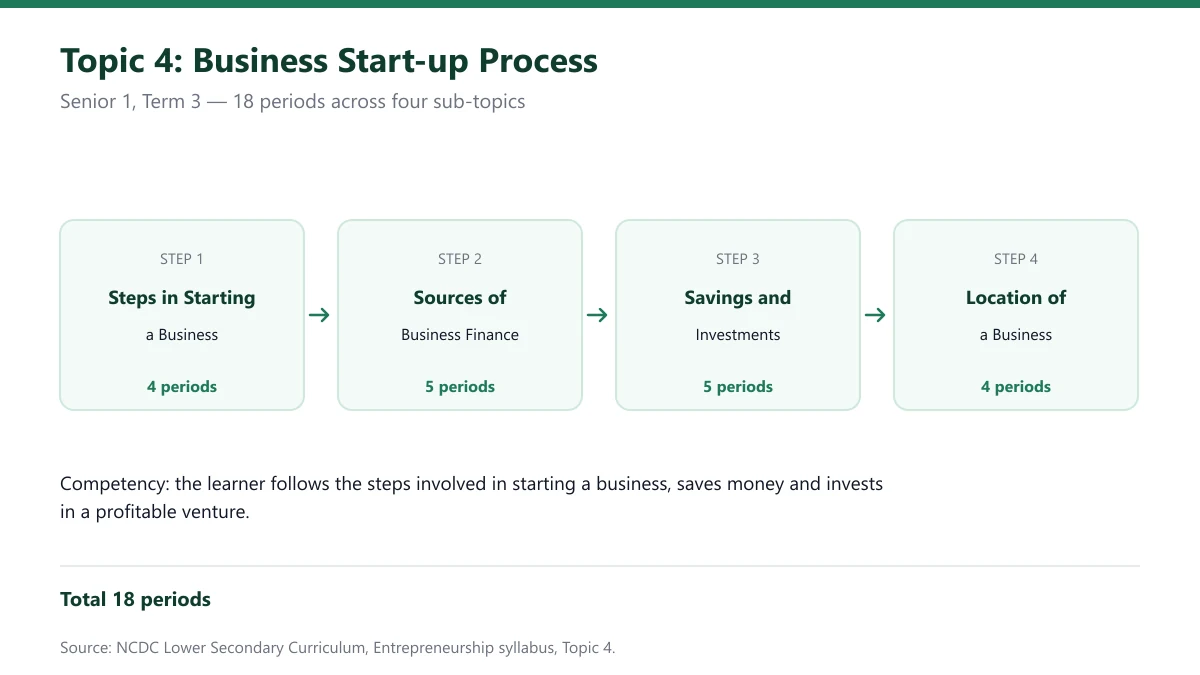
    Frequently asked questions about the Senior 4 topics

    The Senior 4 Entrepreneurship topics run in a fixed order across the year, term by term.

    1. Term 1 — Insurance, 48 periods
    2. Term 2 — International Trade, 48 periods
    3. Term 3 — Tax Compliance, 40 periods

    Is Entrepreneurship compulsory in Senior 4?

    No. Entrepreneurship is compulsory in Senior 1 and Senior 2, and becomes an elective in Senior 3 and Senior 4. A Senior 4 learner studies it for four periods a week, but only if they chose it as one of their electives.

    How many periods a week is Entrepreneurship taught in Senior 4?

    Entrepreneurship is taught for four periods a week in Senior 3 and Senior 4. By comparison, Senior 1 and Senior 2 allocate two periods a week. Across the full year, the Senior 4 timetable totals 136 periods for the subject.

    What are the three Senior 4 Entrepreneurship topics?

    The three Senior 4 Entrepreneurship topics are Topic 13 Insurance (48 periods in Term 1), Topic 14 International Trade (48 periods in Term 2), and Topic 15 Tax Compliance (40 periods in Term 3). Together they total 136 periods under the Business Support theme.

    What is the Insurance competency in Senior 4?

    The Topic 13 competency is: “The learner knows and uses insurance services.” It frames all four sub-topics in Term 1, from the terms and principles of insurance, through the documents and claims process, to the challenges facing the insurance industry.

    What is the International Trade competency in Senior 4?

    The Topic 14 competency is: “The learner identifies and exploits business opportunities on the international market.” It frames both sub-topics across the 48 periods of Term 2, from the meaning and forms of international trade to regional cooperation and its benefits and challenges.

    What taxes do learners calculate in Senior 4?

    In Topic 15.2 Basic Tax Computations, learners calculate four basic taxes: Individual Income tax, Corporation tax, Rental Income tax, and VAT. They practise in groups, then research contrasting examples and compare the challenges and opportunities each tax brings to communities.

    Where can I read the official Senior 4 Entrepreneurship syllabus?

    Uganda’s National Curriculum Development Centre (NCDC) publishes the lower secondary Entrepreneurship syllabus that sets this structure. This page summarises the Senior 4 content in one place — every sub-topic, its exact period count and its outcome codes — so you do not need to search further.

    For more subject breakdowns, browse the Remedial Corner blog, and read about Remedial Corner to meet the team behind these guides.

    Sources and further reading

    The sources behind this article, and where to read further.
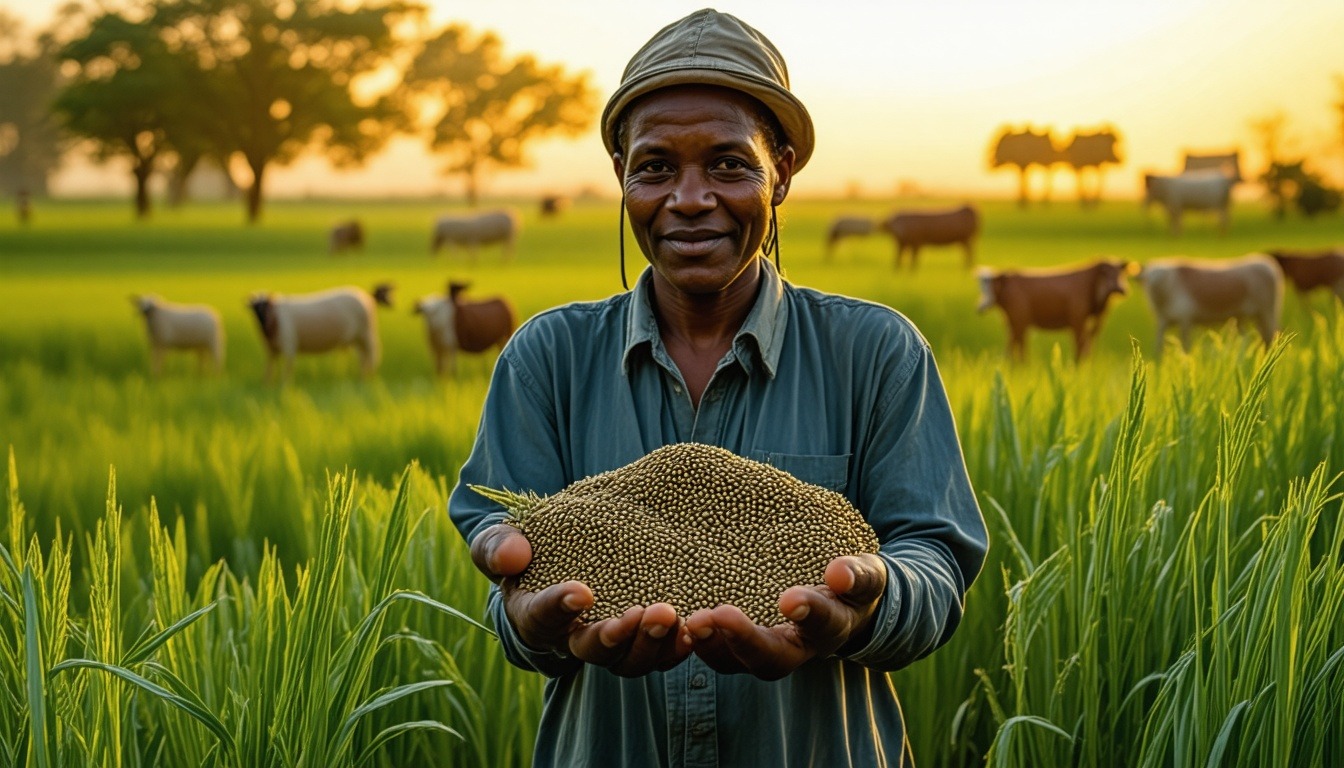
  • Classification of Livestock Feeds and Raw Ingredients: A Complete Guide

    Classification of Livestock Feeds and Raw Ingredients: A Complete Guide

    Introduction

    Livestock feeding is the cornerstone of productive and profitable animal agriculture. The science of animal nutrition revolves around providing balanced diets that meet the physiological needs of animals while optimizing growth, reproduction, and health. To achieve this, farmers, nutritionists, and feed millers must understand the array of available feedstuffs, their nutritional composition, and the specific requirements of different animal species. This article explores the systematic classification of livestock feeds and raw ingredients, providing an academic yet practical overview of range and types of available livestock feeds, feed ingredients and nutritional values, specific nutritional requirements of different animals, and selecting raw materials for feed processing. By mastering these core concepts, stakeholders can enhance feed efficiency, reduce costs, and promote sustainable animal production.
    Range and Types of Available Livestock Feeds

    The diversity of livestock feeds is vast, ranging from simple pasture grasses to complex compound feeds. Feeds can be classified based on origin, composition, and purpose. Understanding the full spectrum of feed types is essential for ration formulation and on-farm feeding strategies.

    East African farmer blending animal feed ingredients
    Classification of Livestock Feeds and Raw Ingredients: A Complete Guide — NCDC & UNEB Revision Guide on Remedial Corner Uganda

    1. Roughages and Forages

    Roughages are plant-based feeds with high fiber content, typically exceeding 18% crude fiber on a dry matter basis. They are the foundation of ruminant diets and provide bulk and energy via microbial fermentation.

    • Green forages: Fresh grasses, legumes, and leafy crops. Examples include napier grass, alfalfa, clover, and oats. They are rich in vitamins and minerals, with moderate protein depending on maturity.
    • Dry roughages: Sun-dried or artificially dried forages such as hay and straw. Hay from legumes (e.g., lucerne) has high protein, while cereal straws are low in quality and digestibility.
    • Silage: Fermented, high-moisture stored forages. Maize silage, grass silage, and legume silage are common. Silage preserves nutrients through anaerobic fermentation, making it a reliable winter feed.
    • Crop residues: Stalks, husks, and leaves left after grain harvest. These include maize stover, wheat straw, and groundnut haulms. They are abundant but low in protein and energy, often requiring supplementation.

    2. Concentrates

    Concentrates are feeds with high nutrient density and low crude fiber (below 18%). They are further divided into energy and protein feeds.

    • Energy feeds: Rich in easily digestible carbohydrates and fats. Cereal grains like maize, barley, sorghum, and wheat are primary energy sources. High-moisture grains and molasses also fall under this category.
    • Protein feeds: Contain more than 20% crude protein. Oilseed cakes (soybean meal, groundnut cake, sunflower cake), fish meal, blood meal, and legume seeds (e.g., lupins) are common. Some protein feeds are of animal origin, such as meat and bone meal.
    • By-product feeds: Industrial residues such as wheat bran, rice bran, brewers’ grains, and distillers’ dried grains. These often provide both energy and moderate protein, making them cost-effective.

    3. Supplements and Feed Additives

    Supplements are used to balance specific nutrients, while additives are non-nutritive products that improve feed utilization, preservation, or animal health.

    • Mineral supplements: Limestone, dicalcium phosphate, magnesium oxide, and trace mineral premixes. They correct deficiencies in calcium, phosphorus, selenium, zinc, etc.
    • Vitamin supplements: Synthetic or natural vitamins added to compensate for losses during processing or to meet high demands in stressed animals.
    • Non-protein nitrogen (NPN): Urea and ammonium salts used in ruminant diets to supply nitrogen for microbial protein synthesis.
    • Feed additives: Antibiotics (growth promoters), probiotics, enzymes, antioxidants, mold inhibitors, and flavoring agents. These improve feed efficiency, gut health, and product quality.

    4. Special Feeds

    • Milk replacers: Formulated for young calves, lambs, and piglets when maternal milk is insufficient. They contain dried skim milk, whey, and vegetable fats.
    • Pet foods: Complete, balanced diets for dogs and cats, often extruded or canned.
    • Aqua feeds: Pellets or extruded feeds for fish and shrimp with specific buoyancy and water stability.

    5. Classification by Nutrient Content

    • Basal feeds: High in energy, low in protein, such as maize and molasses.
    • Supplemental feeds: High in protein or minerals, such as oilseed cakes and phosphate salts.
    • Complete feeds: Nutritionally balanced mixtures intended as the sole diet, e.g., compound pellets for poultry or dairy cows.

    Classification Systems for Livestock Feeds

    Various systems exist to categorize feedstuffs systematically, permitting standardized identification and rational use. The most renowned is the International Feed Number (IFN) system, which assigns a six-digit code to each feed. Another common scheme divides feeds into eight classes: dry forages and roughages, pasture/range plants, silages, energy feeds, protein supplements, mineral supplements, vitamin supplements, and additives. This classification simplifies feed formulation and database management.

    Feed Ingredients and Nutritional Values

    Each feed ingredient possesses a unique chemical composition that dictates its acceptance and value in animal diets. The primary nutritional parameters include moisture, crude protein (CP), ether extract (EE), crude fiber (CF), nitrogen-free extract (NFE), minerals, and vitamins. Energy is often expressed as Total Digestible Nutrients (TDN), Digestible Energy (DE), Metabolizable Energy (ME), or Net Energy (NE). The table below illustrates the nutritional values of commonly used feed ingredients.

    Typical Nutritional Composition of Common Feed Ingredients (% DM)
    IngredientDry MatterCrude ProteinTDNCalciumPhosphorus
    Maize grain889850.020.30
    Soybean meal8948730.250.60
    Wheat bran8915780.101.20
    Alfalfa hay9017581.200.25
    Fish meal9265725.003.00
    Molasses754700.100.10
    Limestone990038.000.02

    Beyond these staples, alternative protein sources like insect meal (black soldier fly larvae) are emerging as sustainable ingredients, offering up to 60% crude protein. Similarly, algae and yeast products are valued for bioactive compounds and high protein content. Understanding the exact nutritional value of each batch of raw material is critical because natural variation occurs due to variety, climate, soil, and storage conditions. so, proximate analysis (Weende scheme) and near-infrared spectroscopy (NIR) are routinely used to predict nutrient composition.

    Anti-Nutritional Factors

    Some ingredients contain substances that interfere with nutrient utilization. Tannins in sorghum, phytic acid in cereal bran, trypsin inhibitors in raw soybean, gossypol in cottonseed cake, and glucosinolates in rapeseed meal must be inactivated or limited through processing or dietary inclusion caps. For instance, diets for monogastrics shouldn’t exceed 10-15% untreated cottonseed cake due to gossypol toxicity.

    Specific Nutritional Requirements of Different Animals

    Animals have distinct nutritional needs based on species, age, production stage, and physiological status. These requirements are best expressed as a percentage of the diet or grams per day. Below we discuss the unique needs of cattle, sheep/goats, poultry, and swine.

    Cattle (Beef and Dairy)

    Ruminants rely on microbial digestion in the rumen. so, their diets must include adequate roughage (at least 25-30% fiber) to maintain rumen function. Dairy cows in early lactation have remarkably high energy demands—sometimes exceeding 1.6 Mcal NE_l/kg of dry matter—and require about 17-18% crude protein. Beef cattle on finishing diets need lower fiber (10-20%) and higher energy to promote marbling. Mineral requirements include calcium (0.6% for lactating cows), phosphorus (0.4%), magnesium (0.2%), and sodium (0.25%). Trace minerals such as zinc, copper, and selenium are vital for immune function and reproduction.

    Sheep and Goats

    These small ruminants are often more efficient in using fibrous feeds than cattle. Their nutritional requirements vary with wool growth, milk production, and multiple foetuses. Pregnant ewes require elevated energy and protein in late gestation (90% of fetal growth occurs in the last 6 weeks). Protein needs range from 12-16% of diet dry matter, while fiber should be above 20%. Copper is essential but toxic in sheep at low levels (threshold 25 mg/kg), so specialized mineral mixtures are necessary.

    Poultry (Layers and Broilers)

    Poultry have simple stomachs and require highly digestible, concentrated diets. Broilers need high-energy, high-protein rations: starter (22-24% CP, 3000 kcal ME/kg), grower (20-22%), and finisher (18-20%). Layers require ample calcium (3.5-4.0%) for eggshell formation, but too much phosphorus can cause calcium depletion. Amino acid profiles, especially lysine and methionine, are critical because cereals are deficient in these. Enzymes like phytase are frequently added to enhance phosphorus utilization. Water intake is also strictly correlated with feed intake.

    Swine (Pigs)

    Pigs, like chickens, are monogastric and need well-balanced, nutrient-dense feeds. Gestating sows need 12-14% CP, while lactating sows require 18-20% CP. Grower-finisher pigs respond to crystalline amino acids (lysine, threonine, tryptophan) to lower nitrogen excretion. Fiber should be limited to 3-5% for high-energy diets. Essential fatty acids (linoleic acid) are needed for skin health and growth. Starter piglets (up to 20 kg) benefit from milk-derived ingredients due to enzyme immaturity.

    Other Animals (Horses, Rabbits, Fish)

    • Horses: Their hindgut fermentation allows them to digest fiber, but they are sensitive to starch overload; diets are forage-first with moderate grain concentrates.
    • Rabbits: Require high fiber (15-20%) to prevent digestive disorders; caecotrophy supplements B-vitamins and protein.
    • Fish: Coldwater species like trout need high protein (40-50%) and fat (15%); warmwater fish like tilapia can utilize plant proteins and carbohydrates more efficiently.

    Always consult established standards such as the National Research Council (NRC) or Ensminger’s Feeds & Nutrition to determine precise nutrient requirements for your specific animal breed and production environment.

    Classification of Livestock Feeds and Raw Ingredients: A Complete Guide — Uganda Secondary School Study Notes (Illustration 2)
    Classification of Livestock Feeds and Raw Ingredients: A Complete Guide — NCDC & UNEB Revision Guide on Remedial Corner Uganda

    Selecting Raw Materials for Feed Processing

    Selecting the right raw materials is a multidimensional decision that affects feed quality, animal performance, and economics. Feed millers and farmers must evaluate each ingredient against several criteria before inclusion in a formulation.

    Key Selection Criteria

    • Nutritional value: The ingredient must supply the targeted nutrients in adequate quantities and be digestible by the species. for instance, vegetable proteins are ideal for monogastrics if balanced for amino acids.
    • Cost: The price per unit of nutrient (e.g., cost per ton of crude protein) is more important than the absolute price. Local by-products may be cheaper and equally valuable.
    • Palatability: Animals must readily consume the feed. Molds, rancid fats, or bitter compounds reduce intake.
    • Safety: Raw materials should be free from mycotoxins (e.g., aflatoxin, vomitoxin), pesticide residues, heavy metals, and pathogenic bacteria. Aflatoxin B1 is highly carcinogenic and immunosuppressive.
    • Processing characteristics: Particle size, bulk density, and flowability affect mixing and pelleting. Ingredients that are dusty or bridge in bins complicate feed manufacturing.
    • Availability and storage: Consistent supply throughout the year and ease of storage (dry, cool) reduce the risk of nutrient degradation.
    • Legal and environmental constraints: Some countries ban animal proteins in ruminant feeds, and the feedlot industry faces scrutiny over phosphorus excretion.

    Quality Assurance Practices

    Prior to acceptance, raw materials should be sampled and subjected to laboratory analysis. Rapid test kits (e.g., ELISA) for mycotoxins, moisture meters, and density tests offer on-the-spot screening. Regular supplier audits and feed safety programs like HACCP (Hazard Analysis and Critical Control Points) are essential in modern feed production. Storage should be managed to maintain quality: grains kept at <14% moisture, protein meals in ventilated silos, and fats stored with antioxidants.

    Formulation and Mixing

    Once ingredients are selected, they are proportioned using linear programming to meet nutrient specifications at minimal cost. The formulator must account for ingredient variability by including safety margins (e.g., 2-5% above NRC requirements). Thorough mixing ensures uniformity; the coefficient of variation (CV) for trace nutrients should be less than 10%. Pelleting or extrusion can improve nutrient digestibility and hygiene.

    Conclusion

    The classification of livestock feeds and raw ingredients is a dynamic and essential field that integrates animal physiology, feed chemistry, and economics. By understanding the range and types of available livestock feeds—from forages to supplements—and their feed ingredients and nutritional values, managers can craft diets that meet the specific nutritional requirements of different animals, thereby maximizing productivity and welfare. Moreover, meticulous selecting raw materials for feed processing ensures safety, cost-effectiveness, and consistency. As global demand for animal protein increases, the efficient and sustainable use of feed resources will remain pivotal. This guide serves as a foundational reference for students, agribusiness professionals, and farmers seeking to optimize livestock nutrition.

    Frequently Asked Questions

    What is the primary difference between roughages and concentrates?

    Roughages are high in fiber (over 18% crude fiber) and include pasture, hay, and silage, providing bulk and promoting rumen health. Concentrates are low in fiber and high in energy or protein, such as grains and oilseed cakes, and are used to increase nutrient density of the diet.

    How are feed ingredients tested for nutritional value?

    Laboratory methods include proximate analysis for moisture, protein, fat, fiber, and ash; bomb calorimetry for energy; and amino acid analysis via HPLC. Near-infrared spectroscopy (NIR) offers rapid, non-destructive screening of many nutrients simultaneously.

    What are the signs of a nutrient deficiency in animals?

    Common signs include poor growth, reduced milk yield, dull coat, infertility, weak bones (rickets or osteomalacia), and impaired immune response. for instance, vitamin A deficiency leads to night blindness in cattle, whereas calcium deficiency causes milk fever in dairy cows around calving.

    Can one feed formula work for all animal species?

    No. Different species have distinct digestive systems and metabolic needs. For instance, ruminants can utilize urea and high-fiber feeds, whereas poultry and pigs can’t. Formulating a universal feed would either under- or over-supply nutrients, leading to inefficiencies and health issues.

    What are the best raw materials for small-scale feed processing?

    For smallholders, locally available materials such as maize, soybean meal, rice bran, and vegetable waste are optimal. These are cost-effective and accessible. It is crucial to balance them with a vitamin-mineral premix, and to analyze for mold and aflatoxins.

    Why is particle size important in feed processing?

    Particle size affects surface area, nutrient digestibility, and mixing uniformity. For piglets, fine grinding improves digestion, but for dairy cows, too fine a grind can reduce rumen pH and fiber utilization. Ideal particle size varies by species and production stage.

    How does feed storage impact nutritional quality?

    Improper storage can lead to moisture-induced mold growth, rancidity of fats, and loss of vitamins. Storing feeds in cool, dry, well-ventilated areas and using preservatives like organic acids can extend shelf life and maintain nutrient integrity.

  • Ecosystem Interdependence: Respiration vs. Photosynthesis

    Ecosystem Interdependence: Respiration vs. Photosynthesis

    { “title”: “Ecosystem Interdependence: The Dance of Respiration and Photosynthesis”, “slug”: “ecosystem-interdependence-respiration-photosynthesis”, “meta_description”: “Explore the intricate relationship between plants and animals through respiration and photosynthesis, and how they maintain gaseous balance in nature. Detailed class notes included.”, “content”: “

    Introduction

    Ecosystems are dynamic networks where living organisms interact with each other and their physical environment. At the heart of these interactions lies a fundamental biochemical reciprocity: the exchange of gases between plants and animals. This interdependence is primarily mediated by two complementary processes—photosynthesis and aerobic respiration. While photosynthesis converts carbon dioxide and water into glucose and oxygen using sunlight, aerobic respiration breaks down glucose to release energy, carbon dioxide, and water. This cyclic exchange ensures a continuous supply of essential gases, maintaining the gaseous balance in nature. Understanding this relationship is crucial for grasping how life persists on Earth and why the notion that plants and animals can live and survive entirely independent of each other is a biological fallacy. In this comprehensive guide, we will delve deep into the mechanisms, significance, and real-world implications of this vital interdependence.

    The Relationship Between Plants and Animals in Relation to Aerobic Respiration and Photosynthesis

    The relationship between plants and animals is a classic example of mutualism at the ecosystem level. Plants are autotrophs, capable of synthesizing their own food via photosynthesis, while animals are heterotrophs, relying on consuming organic matter. but, the connection extends far beyond food chains. At the molecular level, aerobic respiration and photosynthesis are mirror images of each other. Photosynthesis uses carbon dioxide and water to produce glucose and oxygen, while aerobic respiration uses glucose and oxygen to produce carbon dioxide and water. This creates a closed loop: animals consume oxygen produced by plants and release carbon dioxide, which plants then use for photosynthesis. Without plants, animals would quickly deplete oxygen and be overwhelmed by carbon dioxide. Conversely, without animals, plants would eventually exhaust carbon dioxide and accumulate excess oxygen, disrupting their own metabolism. Thus, the two processes are inextricably linked, forming the foundation of atmospheric homeostasis.

    Diagram: the four experiments that prove aerobic respiration, showing carbon dioxide, water, heat and oxygen use
    How each product of aerobic respiration is proved in the laboratory.

    Biochemical Pathways

    Photosynthesis occurs in chloroplasts, involving light-dependent reactions that split water and generate ATP and NADPH, followed by the Calvin cycle that fixes carbon dioxide into glucose. Aerobic respiration occurs in mitochondria, where glycolysis, the Krebs cycle, and oxidative phosphorylation produce ATP, with oxygen as the final electron acceptor. The net equation for photosynthesis is 6CO₂ + 6H₂O → C₆H₁₂O₆ + 6O₂. For aerobic respiration, it is C₆H₁₂O₆ + 6O₂ → 6CO₂ + 6H₂O + energy. These equations are exact opposites, illustrating the complementary nature of the two processes.

    Energy Flow

    Photosynthesis captures solar energy and stores it in chemical bonds of glucose. Aerobic respiration releases that energy for cellular work. Thus, animals indirectly depend on sunlight through plants. The energy flow is unidirectional: sun → plants → animals, but the matter (gases) cycles continuously.

    Evolutionary Perspective

    The evolution of photosynthesis about 2.5 billion years ago dramatically increased atmospheric oxygen, enabling the evolution of aerobic respiration. This allowed for more efficient energy production, leading to complex multicellular life. The interdependence has been a driver of coevolution, shaping ecosystems.

    Plants and Animals Can Live and Survive Entirely Independent of Each Other

    This statement is a common misconception. While it is true that some organisms can survive temporarily without the other, long-term independence is impossible for most ecosystems. for instance, a plant kept in a sealed chamber with sufficient light and nutrients can survive for a time, but it will eventually deplete carbon dioxide and accumulate oxygen, inhibiting photosynthesis. Similarly, an animal in a sealed chamber without plants will run out of oxygen and be poisoned by carbon dioxide. but, certain extremophiles and chemoautotrophs in deep-sea vents don’t rely on photosynthesis or animals, but these are exceptions. In the biosphere as a whole, the vast majority of life depends on the balance maintained by both processes. so, the idea of complete independence is biologically inaccurate. The keyword here is gaseous balance in nature, which is a direct consequence of the interdependence.

    Experimental Evidence

    Joseph Priestley’s classic experiment with a candle, a mouse, and a mint plant demonstrated that plants restore air “injured” by animals. A mouse alone died in a sealed jar, but a mouse with a plant survived longer. This showed that plants produce something (oxygen) that animals need, and animals produce something (carbon dioxide) that plants need.

    Closed Ecosystem Studies

    Biosphere 2, an artificial closed ecosystem, attempted to sustain humans and plants without external input. It failed partly due to imbalances in oxygen and carbon dioxide levels, highlighting the delicate interdependence. Even with advanced technology, replicating the natural balance is challenging.

    Exceptions and Limitations

    Some plants, like parasitic plants (e.g., dodder), rely on host plants and don’t perform photosynthesis. Some animals, like certain cave-dwelling species, live in environments with no plants, but they depend on organic matter washed in from outside. Truly independent life forms are rare and often involve chemosynthesis.

    Gaseous Balance in Nature

    Gaseous balance in nature refers to the relatively stable concentrations of atmospheric gases, particularly oxygen (about 21%) and carbon dioxide (about 0.04%), maintained over long periods. This balance is primarily achieved through the complementary processes of photosynthesis and aerobic respiration. but, other processes like combustion, volcanic eruptions, and decomposition also contribute. The balance is crucial for life because even slight deviations can have catastrophic effects. For instance, a rise in carbon dioxide can enhance the greenhouse effect, while a drop in oxygen can cause hypoxia. The natural cycling ensures that oxygen is produced at roughly the same rate it is consumed, and carbon dioxide is fixed at the same rate it is released.

    Carbon Cycle

    The carbon cycle involves the movement of carbon between reservoirs: atmosphere, biosphere, oceans, and geosphere. Photosynthesis removes CO₂ from the atmosphere, while respiration, decomposition, and combustion release it. The balance is maintained by the slow geological processes of sedimentation and fossil fuel formation, but human activities have disrupted it.

    Oxygen Cycle

    Oxygen is produced by photosynthesis and consumed by respiration, combustion, and oxidation. The vast majority of free oxygen comes from phytoplankton in oceans, not just land plants. The balance is critical because oxygen levels have varied over Earth’s history, influencing the evolution of life.

    Human Impact

    Deforestation, burning of fossil fuels, and industrial activities have upset the gaseous balance, leading to increased CO₂ levels and climate change. Understanding the natural balance underscores the importance of preserving forests and reducing emissions.

    Detailed Mechanisms of Photosynthesis

    Photosynthesis is a complex process occurring in two stages: light-dependent reactions and light-independent reactions (Calvin cycle). In the light reactions, chlorophyll absorbs photons, exciting electrons that pass through an electron transport chain, producing ATP and NADPH. Water is split, releasing oxygen. In the Calvin cycle, CO₂ is fixed into an organic molecule using ATP and NADPH, ultimately producing glucose. The efficiency of photosynthesis is influenced by light intensity, CO₂ concentration, temperature, and water availability. C3, C4, and CAM plants have adaptations to optimize photosynthesis in different environments.

    Light-Dependent Reactions

    Occur in thylakoid membranes. Photon absorption leads to photolysis of water: 2H₂O → 4H⁺ + 4e⁻ + O₂. Electrons reduce NADP⁺ to NADPH, and ATP is synthesized via chemiosmosis. The oxygen released is a byproduct essential for animal respiration.

    Calvin Cycle

    Occurs in stroma. CO₂ is attached to RuBP by rubisco, forming a 6-carbon compound that splits into two 3-phosphoglycerate molecules. Using ATP and NADPH, these are reduced to glyceraldehyde-3-phosphate (G3P), which can be used to form glucose or regenerate RuBP. One G3P exits per three CO₂ fixed.

    Factors Affecting Rate

    Limiting factors include light (intensity, wavelength), CO₂ concentration (saturation point), temperature (enzyme activity), and water (stomatal closure). Understanding these helps in agriculture and predicting ecosystem responses to climate change.

    Detailed Mechanisms of Aerobic Respiration

    Aerobic respiration is the process by which cells harvest energy from glucose. It consists of glycolysis (cytoplasm), the Krebs cycle (mitochondrial matrix), and oxidative phosphorylation (inner mitochondrial membrane). Glycolysis breaks glucose into pyruvate, producing a net gain of 2 ATP and 2 NADH. Pyruvate enters mitochondria and is converted to acetyl-CoA, which enters the Krebs cycle. The cycle produces 2 ATP, 6 NADH, and 2 FADH₂ per glucose. These electron carriers donate electrons to the electron transport chain, driving proton pumping and ATP synthesis via ATP synthase, with oxygen as the final electron acceptor to form water. The total yield is about 36-38 ATP per glucose.

    Glycolysis

    Occurs anaerobically. Glucose (6C) is phosphorylated and split into two molecules of pyruvate (3C). Net gain: 2 ATP (substrate-level phosphorylation) and 2 NADH. If oxygen is absent, pyruvate is fermented to lactate or ethanol, yielding only 2 ATP.

    Krebs Cycle

    Also called citric acid cycle. Acetyl-CoA (2C) combines with oxaloacetate (4C) to form citrate (6C), which is gradually oxidized back to oxaloacetate, releasing CO₂ and generating NADH, FADH₂, and ATP. Each turn produces 3 NADH, 1 FADH₂, and 1 GTP (equivalent to ATP).

    Oxidative Phosphorylation

    NADH and FADH₂ donate electrons to the electron transport chain (complexes I-IV). As electrons pass, protons are pumped into the intermembrane space, creating a proton gradient. Protons flow back through ATP synthase, driving ATP synthesis. Oxygen combines with electrons and protons to form water. This is the major ATP-producing step (about 34 ATP per glucose).

    Comparative Table: Photosynthesis vs. Aerobic Respiration

    Feature Photosynthesis Aerobic Respiration
    Purpose Produce glucose and oxygen Produce ATP energy
    Reactants CO₂, H₂O, sunlight Glucose, O₂
    Products Glucose, O₂ CO₂, H₂O, ATP
    Organelle Chloroplast Mitochondria
    Energy Source Light Chemical bonds
    Electron Donor Water Glucose
    Electron Acceptor NADP⁺ Oxygen
    Carbon Fixation Yes (CO₂ → glucose) No (glucose → CO₂)
    ATP Production Uses ATP (consumes) Produces ATP
    Occurs In Plants, algae, cyanobacteria All eukaryotes, some prokaryotes
    Effect on Atmosphere Reduces CO₂, increases O₂ Increases CO₂, reduces O₂

    Ecological Significance of the Interdependence

    The interdependence between plants and animals via respiration and photosynthesis is the bedrock of ecosystem stability. It regulates atmospheric composition, supports food webs, and drives biogeochemical cycles. Without this relationship, life as we know it wouldn’t exist. for instance, coral reefs depend on symbiotic algae (zooxanthellae) that photosynthesize and provide oxygen and nutrients to corals, which in turn provide CO₂ and shelter. Similarly, forests act as carbon sinks, absorbing CO₂ and releasing O₂, while animals contribute to seed dispersal and nutrient cycling. The balance is delicate; disruptions like deforestation or ocean acidification can cascade through ecosystems.

    Food Webs and Energy Flow

    Producers (plants) form the base of food webs, converting solar energy into biomass. Consumers (animals) obtain energy by eating plants or other animals. Decomposers break down dead matter, releasing CO₂ and nutrients. The entire system relies on the continuous supply of oxygen and removal of CO₂ by plants.

    Nutrient Cycling

    Carbon and oxygen cycles are directly tied to photosynthesis and respiration. Nitrogen and phosphorus cycles also interact, as plants need these nutrients for growth, and animals return them through excretion and decomposition. The interdependence ensures that nutrients are recycled.

    Climate Regulation

    Forests and phytoplankton play a major role in regulating global climate by absorbing CO₂. The Amazon rainforest alone produces about 20% of Earth’s oxygen. The balance between respiration and photosynthesis influences the greenhouse effect and global temperatures.

    Human Dependence on the Balance

    Humans are part of this interdependent system. We rely on plants for food, oxygen, and raw materials. Agriculture depends on the balance; crops require CO₂ and produce O₂, while livestock consume oxygen and produce CO₂. Urbanization and industrialization have disrupted the balance, leading to increased atmospheric CO₂ and climate change. Understanding the interdependence helps in developing sustainable practices, such as reforestation, carbon capture, and reducing emissions. The concept of gaseous balance in nature is central to environmental science and policy.

    Carbon Footprint

    Human activities release more CO₂ than natural processes can absorb, leading to an imbalance. Planting trees and protecting forests enhance carbon sequestration, while reducing fossil fuel use decreases emissions. Individual actions, like using public transport, also contribute.

    Urban Green Spaces

    Parks and green roofs improve air quality by increasing photosynthesis and reducing CO₂. They also provide oxygen and support biodiversity. Urban planning that integrates green spaces can mitigate the urban heat island effect and enhance well-being.

    Technological Solutions

    Artificial photosynthesis and carbon capture technologies mimic natural processes to produce fuel or remove CO₂. While promising, they aren’t yet scalable. The most effective solution remains preserving natural ecosystems.

    Case Studies: Ecosystem Interdependence in Action

    Several ecosystems exemplify the interdependence. The Amazon rainforest is often called the “lungs of the Earth” because it produces vast amounts of oxygen. but, it also consumes a significant portion through respiration of its own organisms. The net oxygen production is relatively small, but the forest’s role in carbon storage is crucial. Another example is the Great Barrier Reef, where coral-algae symbiosis drives productivity. In temperate forests, seasonal changes affect photosynthesis and respiration rates, influencing atmospheric CO₂ levels. These case studies highlight the complexity and fragility of the balance.

    Amazon Rainforest

    The Amazon covers 5.5 million km² and harbors immense biodiversity. It absorbs about 2 billion tons of CO₂ annually, but deforestation reduces this capacity. Fires release stored carbon, exacerbating climate change. The forest’s health is vital for global gaseous balance.

    Ocean Phytoplankton

    Phytoplankton in oceans produce 50-80% of Earth’s oxygen. They are the base of marine food webs and play a key role in the carbon cycle. but, ocean warming and acidification threaten their populations, disrupting the balance.

    Boreal Forests

    These northern forests store large amounts of carbon in permafrost. Climate change is causing permafrost to thaw, releasing CO₂ and methane, which could create a positive feedback loop. Understanding these dynamics is critical for climate predictions.

    Misconceptions about Independence

    The idea that plants and animals can live independently stems from oversimplification. While some plants can survive in low-light conditions by storing energy, they still need CO₂. Animals can survive for a time on stored oxygen, but eventually die without replenishment. Even in extreme environments like deep-sea vents, chemosynthetic bacteria provide the base of the food web, not plants. Thus, no organism is truly independent; all are part of a global ecosystem. The misconception can lead to neglect of conservation efforts, underestimating the importance of biodiversity.

    Laboratory Experiments

    In a sealed jar, a plant alone will eventually stop growing due to CO₂ depletion. An animal alone will die from lack of oxygen. Together, they can survive longer, but the system is still not sustainable indefinitely without external inputs. This demonstrates interdependence.

    Ecological Niches

    Every organism occupies a niche that interacts with others. Even apex predators depend on plants indirectly through prey. The food web is a complex network of dependencies.

    Global Perspective

    On a planetary scale, the biosphere functions as a self-regulating system (Gaia hypothesis). Life modifies the environment to maintain conditions favorable for life. The oxygen and carbon dioxide levels are maintained by the collective metabolism of all organisms.

    Educational Implications

    Teaching the interdependence of plants and animals is fundamental in biology education. It helps students understand ecological principles, energy flow, and the importance of conservation. Hands-on experiments like the one by Priestley can illustrate the concepts. Emphasizing the relationship between plants and animals in relation to aerobic respiration and photosynthesis fosters environmental stewardship. Curricula should include real-world examples and address misconceptions.

    Classroom Activities

    Simulations of closed ecosystems, such as building a terrarium or aquaponics system, allow students to observe gas exchange. Measuring oxygen and CO₂ levels with sensors can quantify the balance. Debates on the statement “Plants and animals can live independently” encourage critical thinking.

    Interdisciplinary Connections

    Chemistry (gas laws, chemical reactions), physics (energy transfer), and geography (climate change) all intersect with this topic. Integrated lessons can show the relevance of biology to global issues.

    Resources

    Online simulations, videos, and interactive modules help visualize processes. Textbooks and scientific articles provide depth. Field trips to forests or botanical gardens reinforce learning.

    Conclusion

    The interdependence between plants and animals through aerobic respiration and photosynthesis is a cornerstone of life on Earth. This relationship maintains the gaseous balance in nature, ensuring a stable atmosphere that supports diverse ecosystems. The notion that plants and animals can live and survive entirely independent of each other is a myth; in reality, they are locked in a mutualistic cycle of gas exchange. Photosynthesis produces oxygen and consumes carbon dioxide, while respiration does the opposite. This complementary process has shaped evolution, climate, and the very fabric of the biosphere. As humans, we are part of this system, and our actions can disrupt or restore the balance. By understanding and respecting this interdependence, we can work towards a sustainable future. The study of this relationship isn’t just academic; it is essential for addressing global challenges like climate change and biodiversity loss. Let us cherish and protect the delicate dance between plants and animals that makes our planet habitable.

    Anaerobic respiration in plant cells and bacteria
    Ecosystem Interdependence: Respiration vs. Photosynthesis — NCDC & UNEB Revision Guide on Remedial Corner Uganda

    Frequently Asked Questions

    What is the relationship between photosynthesis and aerobic respiration?

    Photosynthesis and aerobic respiration are complementary processes. Photosynthesis uses carbon dioxide and water to produce glucose and oxygen, while aerobic respiration uses glucose and oxygen to produce carbon dioxide, water, and energy. Together, they form a cycle that maintains gaseous balance in nature, with plants providing oxygen for animals and animals providing carbon dioxide for plants.

    Can plants survive without animals?

    Plants can survive for a time without animals, but they depend on carbon dioxide produced by animals (and other sources) for photosynthesis. In a closed system, plants would eventually deplete carbon dioxide and accumulate oxygen, inhibiting photosynthesis. Additionally, many plants rely on animals for pollination and seed dispersal. Thus, long-term survival without animals is unlikely for most plant species.

    Can animals survive without plants?

    Animals can’t survive without plants or other photosynthetic organisms because they rely on oxygen produced by photosynthesis and on plants as a food source (directly or indirectly). Even herbivores depend on plants, and carnivores depend on herbivores. Without plants, oxygen levels would drop and carbon dioxide would rise, making the atmosphere uninhabitable for most animals.

    How do humans affect the gaseous balance?

    Human activities such as deforestation, burning fossil fuels, and industrial processes release large amounts of carbon dioxide and reduce the planet’s capacity to absorb it. This disrupts the natural balance, leading to increased greenhouse effect and climate change. Reforestation, reducing emissions, and sustainable practices can help restore balance.

    What is the importance of gaseous balance in nature?

    Gaseous balance ensures that oxygen and carbon dioxide concentrations remain within ranges that support life. Oxygen is essential for aerobic respiration, while carbon dioxide is used by plants for photosynthesis. Imbalances can lead to respiratory problems for animals, reduced plant growth, and climate change. Maintaining this balance is critical for ecosystem health.

    “, “excerpt”: “Explore the intricate relationship between plants and animals through respiration and photosynthesis, and how they maintain gaseous balance in nature. Detailed class notes included.” }

    Experimental Evidence of Interdependence

    Scientific experiments have repeatedly demonstrated the mutual dependence between plants and animals. One of the earliest and most famous is Joseph Priestley’s experiment in the 1770s. He placed a burning candle in a sealed jar, and the flame soon extinguished. He then placed a mint plant in the jar for several days, and afterward, the candle could burn again. He also showed that a mouse alone in a sealed jar died, but a mouse with a plant survived longer. These experiments proved that plants restore air (produce oxygen) that animals and flames consume. Later, Jan Ingenhousz discovered that light is necessary for plants to produce oxygen, and Jean Senebier showed that plants consume carbon dioxide. These foundational studies established the reciprocal gas exchange between plants and animals.

    Modern Controlled Experiments

    In modern laboratories, researchers use closed chambers with sensors to monitor oxygen and carbon dioxide levels. for instance, a sealed terrarium with a plant and a small animal (like a snail) can maintain stable gas levels for weeks if properly balanced. The plant photosynthesizes during the day, producing oxygen and consuming CO₂, while the animal respires continuously, producing CO₂ and consuming oxygen. At night, when photosynthesis stops, both organisms respire, but the overall balance can be maintained if the biomass ratio is appropriate. Such experiments highlight the delicate equilibrium required.

    Biosphere 2 Lessons

    Biosphere 2, a large-scale closed ecological system in Arizona, was designed to simulate Earth’s ecosystems. Between 1991 and 1993, eight people lived inside, relying on agricultural crops and natural plants for food and oxygen. but, oxygen levels dropped from 21% to 14.5%, and carbon dioxide levels fluctuated dangerously. The soil microbes respired more than expected, consuming oxygen, and the concrete structure absorbed CO₂. The experiment failed to maintain a stable atmosphere, demonstrating the complexity of replicating natural gaseous balance. It underscored that even with advanced technology, the interdependence of plants and animals isn’t easily recreated.

    Global Impact of Interdependence on Climate

    The relationship between photosynthesis and respiration influences global climate patterns. During the growing season in the Northern Hemisphere, forests absorb large amounts of CO₂, causing a seasonal dip in atmospheric CO₂ levels. This is visible in the Keeling Curve, which shows annual oscillations. In summer, photosynthesis dominates, reducing CO₂; in winter, respiration and decomposition dominate, increasing CO₂. This natural cycle is superimposed on the long-term rise due to human emissions. The balance between global photosynthesis and respiration determines whether ecosystems are net carbon sinks or sources. Currently, terrestrial ecosystems absorb about 30% of human CO₂ emissions, but this capacity may decline with climate change.

    Amazon Rainforest as a Carbon Sink

    The Amazon rainforest is a major carbon sink, absorbing about 2 billion tons of CO₂ annually. but, deforestation and drought have reduced its capacity, and in some years, it has become a net carbon source due to fires and tree mortality. The forest’s health is critical for global climate regulation. The interdependence between its flora and fauna maintains nutrient cycles and productivity. for instance, leaf-cutter ants and other herbivores consume leaves, but their waste fertilizes the soil, supporting plant growth. This mutualism enhances carbon sequestration.

    Oceanic Phytoplankton and the Biological Pump

    Phytoplankton in oceans perform about half of global photosynthesis. They form the base of marine food webs and are crucial for the biological pump, which transports carbon from the surface to the deep ocean. When phytoplankton die, they sink, sequestering carbon for centuries. Zooplankton and fish respire, releasing CO₂, but the net effect is carbon storage. Ocean acidification and warming threaten phytoplankton, potentially reducing their productivity and disrupting the pump. This would accelerate climate change, as less CO₂ is absorbed.

    Evolutionary Co-Dependence

    The evolution of photosynthesis and aerobic respiration is intertwined. Early Earth had little oxygen. The emergence of cyanobacteria that performed oxygenic photosynthesis around 2.5 billion years ago caused the Great Oxidation Event, dramatically increasing atmospheric oxygen. This allowed the evolution of aerobic respiration, which is far more efficient than anaerobic processes. Aerobic respiration produces about 36 ATP per glucose, compared to 2 ATP from fermentation. This energy surplus enabled the evolution of complex multicellular life. In turn, animals evolved to exploit plant-produced oxygen and food, while plants evolved to benefit from animal-produced CO₂ and nutrients. This co-dependence has shaped the diversity of life.

    Endosymbiotic Theory

    The endosymbiotic theory posits that mitochondria and chloroplasts originated from free-living bacteria that were engulfed by ancestral eukaryotic cells. Mitochondria evolved from aerobic bacteria, and chloroplasts from photosynthetic cyanobacteria. This symbiosis allowed eukaryotic cells to harness both photosynthesis and respiration. Today, all plants and animals carry these organelles, reflecting the ancient interdependence at the cellular level.

    Co-Evolution of Plants and Herbivores

    Plants and herbivores have co-evolved, with plants developing defenses (toxins, spines) and herbivores evolving counter-adaptations. This arms race influences ecosystem dynamics and nutrient cycling. Herbivores consume plant biomass, but their waste returns nutrients to the soil, promoting plant growth. This mutualistic aspect of herbivory contributes to the overall balance.

    Role of Decomposers

    Decomposers, such as bacteria and fungi, play a critical role in the interdependence by breaking down dead organic matter. They respire, releasing CO₂ back into the atmosphere, and mineralize nutrients for plant uptake. Without decomposers, organic matter would accumulate, and carbon would be locked away, disrupting the gaseous balance. Decomposition is essentially respiration by microbes. Thus, the entire ecosystem relies on the respiratory activities of all organisms, from plants to animals to microbes.

    Detritivores and Nutrient Cycling

    Earthworms, termites, and other detritivores consume dead plant material, fragmenting it and increasing surface area for microbial decomposition. Their activities accelerate nutrient cycling, ensuring that plants have access to essential elements like nitrogen and phosphorus. This supports photosynthesis and, as a result, oxygen production.

    Soil Respiration

    Soil respiration, the combined respiration of roots, microbes, and fauna, is a major source of CO₂ release from terrestrial ecosystems. It varies with temperature and moisture. In some ecosystems, soil respiration can exceed photosynthesis, making them net carbon sources. Understanding soil respiration is crucial for predicting carbon cycle feedbacks to climate change.

    Human Health and the Interdependence

    Humans directly benefit from the interdependence. We breathe oxygen produced by plants and exhale CO₂ that plants use. Indoor plants can improve air quality by removing pollutants and increasing oxygen, though the effect is modest. In urban areas, green spaces reduce CO₂ levels and provide psychological benefits. The relationship also underpins food production; crops require CO₂ for photosynthesis, and livestock rely on oxygen. Disruptions to the balance, such as air pollution, can harm both plant and human health. for instance, ground-level ozone, formed from pollutants, damages plant leaves and reduces photosynthesis, while also causing respiratory problems in humans.

    Oxygen Therapy and Hyperbaric Chambers

    Medical treatments like oxygen therapy rely on the principle that aerobic respiration requires oxygen. Patients with respiratory distress are given supplemental oxygen to support cellular respiration. Hyperbaric chambers increase oxygen pressure to treat conditions like decompression sickness. These applications highlight the fundamental role of oxygen in human physiology.

    Carbon Dioxide Toxicity

    High levels of CO₂ can be toxic to humans, causing headaches, dizziness, and unconsciousness. In confined spaces, CO₂ buildup can occur if ventilation is poor. The natural balance maintained by plants and animals prevents such extremes in the open atmosphere. Understanding this helps in designing safe environments, such as submarines and spacecraft, where artificial life support systems must mimic the interdependence.

    Technological Mimicry: Artificial Photosynthesis and Life Support

    Scientists are developing artificial photosynthesis to produce fuels and capture CO₂. These systems use catalysts to split water and reduce CO₂, mimicking natural photosynthesis. While still inefficient, they hold promise for sustainable energy and carbon capture. In space exploration, life support systems like those on the International Space Station use chemical scrubbers to remove CO₂ and electrolysis to produce oxygen, but they rely on resupply. Future long-duration missions may use bioregenerative systems with plants and algae to recycle air and water, emulating Earth’s interdependence.

    Bioregenerative Life Support Systems

    NASA’s MELiSSA project aims to create a closed-loop system using bacteria, algae, and higher plants to recycle waste into food, water, and oxygen. Such systems are essential for Mars colonization. They must carefully balance photosynthesis and respiration to maintain stable gas levels. The success of these systems depends on understanding the natural interdependence.

    Algae Bioreactors

    Algae are highly efficient at photosynthesis and can be grown in photobioreactors to produce oxygen and biomass. They can be used to treat wastewater and capture CO₂ from industrial emissions. Algae bioreactors are being integrated into building designs to improve air quality. This technology leverages the same principles as natural ecosystems.

    Conclusion

    The interdependence of plants and animals through respiration and photosynthesis is a fundamental ecological principle that sustains life on Earth. This relationship maintains the gaseous balance in nature, regulates climate, and supports biodiversity. The misconception that plants and animals can live independently is refuted by experimental evidence and ecological theory. From Priestley’s experiments to modern closed ecosystems, the need for reciprocal gas exchange is clear. Human activities have disrupted this balance, leading to climate change and environmental degradation. but, by understanding and respecting this interdependence, we can develop sustainable solutions. Education, conservation, and technology can help restore the balance. Ultimately, the dance between respiration and photosynthesis is a testament to the interconnectedness of life. As stewards of the planet, we must ensure that this delicate partnership continues for future generations.

  • Uganda Senior 2 Entrepreneurship Notes & NCDC Syllabus: Complete Topic Breakdown

    Uganda Senior 2 Entrepreneurship Notes & NCDC Syllabus: Complete Topic Breakdown

    Senior 2 Entrepreneurship topics span 72 periods across five topics, from Legal Forms of Business Ownership through Production in Business and Marketing to Money and Financial Institutions and Taxation. The year runs across three terms under two themes. Every sub-topic, period count and learning outcome below comes from the NCDC Entrepreneurship syllabus.

    • 72 periods total — 28 in Term 1, 18 in Term 2 and 26 in Term 3.
    • Five topics — from Legal Forms of Business Ownership to Taxation.
    • Two themes — Business Management (Terms 1 and 2) and Business Support (Term 3).
    • Topic 9 is the longest — Money and Financial Institutions takes 20 periods.
    • Topic 10 is the shortest — Taxation takes 6 periods.
    • Outcome codes (k), (u), (s), (v) and (gs) tag every learning outcome.

    What is Senior Two Entrepreneurship?

    Senior Two Entrepreneurship is the second-year lower secondary Entrepreneurship subject in Uganda’s O-level. It builds on Senior 1 by teaching learners how businesses are owned and formalised, how goods are produced, how products are marketed, and how money and financial institutions support trade before taxation closes the year.

    It is a hands-on course: learners study case studies, listen to guest speakers, run field visits and produce real marketing plans and products.

    Learners should be responsible for their own learning, think for themselves, and become critical thinkers ready to face new challenges.

    This guide is published by Remedial Corner, a Ugandan inclusive-education and revision platform, and follows the NCDC Curriculum Framework, the official source for the lower secondary curriculum.

    How many periods is Senior 2 Entrepreneurship?

    Senior 2 Entrepreneurship is allocated 72 periods across the school year. The programme planner splits these as 28 periods in Term 1, 18 periods in Term 2 and 26 periods in Term 3, which adds up to the full-year total of 72.

    TermThemePeriods
    Term 1Business Management28
    Term 2Business Management18
    Term 3Business Support26
    Total72
    Table 1: The Senior 2 programme planner, showing period allocation by term and theme.

    What topics are taught in Senior 2 Entrepreneurship?

    The Senior 2 Entrepreneurship topics are five: Legal Forms of Business Ownership, Production in Business, Marketing in a Small and Medium Business Enterprise, Money and Financial Institutions, and Taxation. Term 1 holds the first two, Term 2 the third, and Term 3 the last two.

    TopicTitleThemeTermPeriods
    6Legal Forms of Business OwnershipBusiness Management114
    7Production in BusinessBusiness Management114
    8Marketing in a Small and Medium Business EnterpriseBusiness Management218
    9Money and Financial InstitutionsBusiness Support320
    10TaxationBusiness Support36
    Total72
    Table 2: The five Senior 2 topics with their theme, term and period allocation.
    Term-by-term period allocation for Senior 2 Entrepreneurship totalling 72 periods across three terms
    The Senior 2 programme planner: 28 periods in Term 1, 18 in Term 2 and 26 in Term 3, for 72 periods.

    Topic 6: Legal Forms of Business Ownership (Term 1)

    Topic 6 runs 14 periods in Term 1 under Business Management. Its competency is: “The learner compares the forms of business ownership and selects a suitable one.” Four sub-topics follow.

    Sub-topicTitlePeriods
    6.1Forms of Business Ownership3
    6.2Formalising a Business4
    6.3Cooperatives in Uganda4
    6.4Savings Credit and Cooperative Societies (SACCOs)3
    Total14
    Table 3: Topic 6 Legal Forms of Business Ownership sub-topics and their period allocations.

    6.1 Forms of Business Ownership (3 periods)

    Learners know the legal forms of business ownership, the types of limited companies, and the characteristics, advantages and disadvantages of each form. Groups study case studies and present the forms, while a guest speaker covers limited companies by single or multiple directorship, each by guarantee or shares.

    6.2 Formalising a Business (4 periods)

    Learners understand the process, benefits and indicators of a formalised business, plus the requirements, steps and limitations of registering, deregistering and re-registering one. They listen to a business owner, compose questions, build a guide for a new owner, and draw a registration flow chart.

    6.3 Cooperatives in Uganda (4 periods)

    Learners understand the meaning and history of cooperatives in Uganda, their principles and benefits, the types of cooperatives, and how one is formed. Groups produce a history timeline, agree a definition, and plan a report covering history, registration, principles, types, challenges and solutions.

    6.4 Savings Credit and Cooperative Societies (SACCOs) (3 periods)

    Learners understand financial cooperatives (SACCOs), how they operate, their benefits, and the challenges they face in Uganda with possible solutions. Groups investigate a SACCO case study, list benefits, outline solutions for debate, and visit a nearby SACCO to report on membership, savings, credit, benefits and challenges.

    Topic 7: Production in Business (Term 1)

    Topic 7 continues Term 1 under Business Management for 14 periods. Its competency is: “The learner produces quality products for sale.” Five sub-topics move from human wants to the machinery that turns raw materials into goods.

    Sub-topicTitlePeriods
    7.1Human Wants2
    7.2Factors of Production3
    7.3Specialisation, Division of Labour and Diversification in Production3
    7.4Raw Materials for Production3
    7.5Machinery, Equipment and Tools Used in Production3
    Total14
    Table 4: Topic 7 Production in Business sub-topics and their period allocations.

    7.1 Human Wants (2 periods)

    Learners distinguish between human wants and needs, understand the types of human wants, and appreciate their characteristics. Groups discuss wants and needs, build a table of types and characteristics, and link needs and wants to human rights and the 2030 sustainable development goals.

    7.2 Factors of Production (3 periods)

    Learners understand production, its types and stages, the benefits of record keeping, and the factors of production and their benefits. They make a simple production plan with a budget using spreadsheets, books and calculators, and produce an infographic or poster.

    7.3 Specialisation, Division of Labour and Diversification in Production (3 periods)

    Learners understand the difference between specialisation and division of labour, the types of specialisation, and the advantages and disadvantages of specialisation, division of labour and diversification. Groups count the specialist roles in making a product such as a car, then write about these concepts in their school.

    7.4 Raw Materials for Production (3 periods)

    Learners know the raw materials for a given product, the factors considered when selecting them, and how to use raw materials in production. Groups select a product, agree its raw materials and selection factors, produce it where possible, and build a table of raw products and their uses.

    7.5 Machinery, Equipment and Tools Used in Production (3 periods)

    Learners understand the factors considered when selecting machinery, equipment and tools for production, and they select and use the appropriate ones. A field visit identifies them in the community, learners argue for and against their use, and research how machines and tools have changed.

    Topic 8: Marketing in a Small and Medium Business Enterprise (Term 2)

    Topic 8 fills Term 2 under Business Management with 18 periods. Its competency is: “The learner markets and sells products.” Five sub-topics run from marketing through research, distribution, promotion and consumer protection.

    Sub-topicTitlePeriods
    8.1Introduction to Marketing3
    8.2Market Research4
    8.3Channels of Distribution4
    8.4Advertisement and Sales Promotion4
    8.5Consumer Protection3
    Total18
    Table 5: Topic 8 Marketing sub-topics and their period allocations.

    8.1 Introduction to Marketing (3 periods)

    Learners understand the differences between marketing and selling, create a simple marketing plan, appreciate the importance of marketing, and understand its challenges. The class discusses recent purchases, then groups plan, market and sell a product at a local fete and evaluate the challenges.

    8.2 Market Research (4 periods)

    Learners understand the importance of market research, design a market survey tool for a selected product, carry out research, and write a market research report. Pairs review research documents, groups design and run a survey, and present a summary report to the class.

    8.3 Channels of Distribution (4 periods)

    Learners understand the channels of distribution, the factors considered when selecting one, and how to select the most appropriate channel for a product. Pairs identify channels in their community, share findings on Uganda and Eastern Africa, and write a field-study report.

    8.4 Advertisement and Sales Promotion (4 periods)

    Learners understand the importance of advertising and sales promotion, use the correct methods for both, and promote different products. Groups study advertisements, list and rank methods, role play sales promotion, and design a poster to advertise a given product.

    8.5 Consumer Protection (3 periods)

    Learners understand the importance of consumer protection, the methods of protecting consumers, the agents involved, and the challenges of enforcing it in Uganda and other countries. Groups study case studies, hear a guest speaker, and write a report on the main challenges.

    Topic 9: Money and Financial Institutions (Term 3)

    Topic 9 opens Term 3 under Business Support and runs for 20 periods. Its competency is: “The learner appreciates the importance of money and financial institutions in conducting business.” Six sub-topics run from money to electronic banking.

    Sub-topicTitlePeriods
    9.1Money3
    9.2The Central Bank4
    9.3Commercial Banks4
    9.4Types of Bank Accounts3
    9.5Microfinance Institutions3
    9.6Electronic Banking3
    Total20
    Table 6: Topic 9 Money and Financial Institutions sub-topics and their period allocations.

    9.1 Money (3 periods)

    Learners understand the evolution of money, the advantages and disadvantages of barter exchange, the meaning, forms and functions of money, and saving to develop a banking culture. A banking visitor explains money’s origins, learners role play barter scenarios, and they explore forms of money in Africa.

    9.2 The Central Bank (4 periods)

    Learners understand the meaning of a central bank and its functions. Groups read a text on the central bank, compare its role to local banks and community saving schemes, investigate its origins, and produce a diagram of its key functions.

    9.3 Commercial Banks (4 periods)

    Learners know commercial banks and understand their role. Groups describe the banks they know and what makes them commercial, compare them to other banks, and research how the role is the same and different across Uganda and Africa.

    9.4 Types of Bank Accounts (3 periods)

    Learners distinguish between the types of bank accounts, their features and the difference between investment and savings, and they use a cheque for cash deposit and withdrawal and know how to open an account. Groups demonstrate a cheque and slips, and produce a leaflet encouraging a family to open an account.

    9.5 Microfinance Institutions (3 periods)

    Learners understand the meaning of microfinance institutions and their types. Groups discuss their role to small businesses, list types with examples from across Uganda, and write about how microfinance gives opportunities that larger banks cannot offer.

    9.6 Electronic Banking (3 periods)

    Learners understand electronic banking, identify electronic banking products, and know the benefits and challenges of e-banking. A guest speaker describes modern banking trends, groups present a case for e-banking, list products, and produce a poster or infographic.

    Topic 10: Taxation (Term 3)

    Topic 10 closes the year with six periods under Business Support. It is printed as a single block with six learning outcomes and no numbered sub-topics, and the detail page prints no competency statement for it.

    • understand what taxation is and its origin (v, u)
    • distinguish key terms used in taxation (u)
    • know the types of taxes (k)
    • know the advantages and disadvantages of direct and indirect taxes (u, s)
    • know the rights of a taxpayer (u, gs)
    • understand the obligations of a taxpayer (k)

    Learners read a text on the origin of taxation, for example in the Bible, the Quran and the historical background in Uganda, then debate how taxation has changed over time. Groups study articles on the types of taxes, discuss the advantages and disadvantages of direct and indirect taxes, and research the rights and obligations of a taxpayer.

    Assessment includes a short paragraph on how taxes work in the community and interview questions for taxpayers in local businesses. The O-Level Entrepreneurship Education textbook expands on this content.

    What do the learning-outcome codes (k), (u), (s), (v) and (gs) mean?

    The codes tag each learning outcome by type: (k) knowledge, (u) understanding, (s) skills, (v) values and (gs) generic skills. They appear in parentheses after outcomes so teachers can see at a glance whether an outcome targets knowing, doing or valuing, and how to assess it.

    CodeMeaning
    (k)Knowledge
    (u)Understanding
    (s)Skills
    (v)Values
    (gs)Generic skills
    Table 7: The five learning-outcome codes used across the syllabus.

    A knowledge outcome is tested differently from a skills outcome, and a values outcome is observed rather than marked.

    Why does 9.1 Money carry an unnumbered banks-and-banking block?

    The syllabus prints a block of banks-and-banking outcomes and activities between 9.1 Money and 9.2 The Central Bank, but it carries no sub-topic number. It cannot be a seventh sub-topic, because the six numbered sub-topics already total 20 periods, so it appears to be a print artefact rather than extra content.

    The block lists outcomes on banks and banking, types of banks, challenges faced by banks in Uganda, solutions and customer rights. Sitting inside the 9.1 Money pages without a number, it reads as supporting material, not a separate sub-topic.

    Sub-topicPeriods
    9.1 Money3
    9.2 The Central Bank4
    9.3 Commercial Banks4
    9.4 Types of Bank Accounts3
    9.5 Microfinance Institutions3
    9.6 Electronic Banking3
    Total20
    Table 8: The six numbered sub-topics of Topic 9 total exactly 20 periods.

    The planner’s 20 periods for Money and Financial Institutions match this total, confirming the block is not an extra sub-topic.

    What is the term-by-term sequence for Senior 2?

    The Senior 2 Entrepreneurship topics run term by term as follows. Term 1 covers Legal Forms of Business Ownership and Production in Business across 28 periods, Term 2 covers Marketing in a Small and Medium Business Enterprise across 18 periods, and Term 3 covers Money and Financial Institutions and Taxation across 26 periods.

    1. Term 1 — Business Management: Topic 6 (14 periods) and Topic 7 (14 periods) = 28 periods.
    2. Term 2 — Business Management: Topic 8 Marketing (18 periods) = 18 periods.
    3. Term 3 — Business Support: Topic 9 (20 periods) and Topic 10 (6 periods) = 26 periods.
    Bar chart of the five Senior 2 topics: 14, 14, 18, 20 and 6 periods
    Money and Financial Institutions is the longest topic at 20 periods; Taxation is the shortest at 6.

    The sequence is cumulative: ownership first, then production, then marketing, then money, financial institutions and taxation. After Senior 2, the subject continues into Senior 3 with Business Planning and Introduction to Principles of Accounting — read our Senior 3 Entrepreneurship syllabus breakdown to see what follows.

    Whether you are a teacher writing termly schemes or a parent checking what your learner covers, the Senior 2 Entrepreneurship topics are compact enough to hold in one view: five topics, twenty sub-topics and 72 periods.

    Frequently asked questions about Senior 2 Entrepreneurship

    Teachers should base their lesson plans on the Learning Outcomes, using the Suggested Learning Activities as a guide.

    How many Senior 2 Entrepreneurship topics are there?

    Senior 2 Entrepreneurship has five topics: Legal Forms of Business Ownership, Production in Business, Marketing in a Small and Medium Business Enterprise, Money and Financial Institutions, and Taxation. Together these five topics total 72 periods across the three terms, with two in Term 1, one in Term 2 and two in Term 3.

    What is the longest topic in Senior 2 Entrepreneurship?

    Money and Financial Institutions is the longest topic, at 20 periods in Term 3. Marketing in a Small and Medium Business Enterprise is second at 18 periods, while Legal Forms of Business Ownership and Production in Business take 14 periods each and Taxation takes 6.

    What is the Legal Forms of Business Ownership competency?

    The Topic 6 competency is: “The learner compares the forms of business ownership and selects a suitable one.” It frames the four sub-topics, from knowing the legal forms and limited companies through formalising a business, cooperatives in Uganda and SACCOs.

    What is the Marketing competency in Senior 2?

    The Topic 8 competency is: “The learner markets and sells products.” It runs through all five marketing sub-topics, from the difference between marketing and selling through market research, distribution channels, advertising and sales promotion, and consumer protection, across 18 periods in Term 2.

    What is the Money and Financial Institutions competency?

    The Topic 9 competency is: “The learner appreciates the importance of money and financial institutions in conducting business.” It covers money, the central bank, commercial banks, bank accounts, microfinance institutions and electronic banking across 20 periods, the longest topic of the Senior 2 year.

    Which Senior 2 Entrepreneurship topics fall under Business Support?

    Money and Financial Institutions and Taxation fall under Business Support, both in Term 3. The other three topics — Legal Forms of Business Ownership, Production in Business and Marketing in a Small and Medium Business Enterprise — sit under Business Management in Terms 1 and 2.

    Where can I read the official Senior 2 Entrepreneurship topics?

    Uganda’s National Curriculum Development Centre (NCDC) publishes the lower secondary Entrepreneurship syllabus that sets this structure. This page summarises its Senior 2 content — every sub-topic, its exact period count and its learning-outcome codes — alongside the NCDC Curriculum Framework.

    For more subject breakdowns, browse the Remedial Corner blog, and read about Remedial Corner to meet the team behind these guides.

    Sources and further reading

    The sources behind this article, and where to read further.

  • Hygienic Milking Techniques & Quality Cattle Handling: A Comprehensive Academic Guide

    Hygienic Milking Techniques & Quality Cattle Handling: A Comprehensive Academic Guide

    Cattle farming is both a science and an art. Whether managing a small dairy herd or a large beef operation, the quality and safety of your products hinge on the practices you adopt. From the moment a cow is milked to the time a steak reaches the consumer’s plate, every step demands precision, cleanliness, and a deep understanding of animal health. This comprehensive guide covers the entire spectrum of hygienic milking techniques, quality handling of cattle products, and the strategies needed to thrive in today’s competitive market. You will learn how to protect animal welfare, prevent contamination, and create value-added products that stand out. Let’s dive into the world of cattle product excellence.

    Importance of Hygienic Milking Techniques

    Milking isn’t just about extracting milk; it is the very first step in a chain of quality. Hygienic milking techniques are essential for producing safe, high-quality milk that is free from harmful bacteria and contaminants. Poor practices can lead to spoilage, foodborne illness, and economic losses for the farmer. Below, we explore the multifaceted importance of hygienic milking and how it benefits animals, producers, and consumers alike.

    Hygienic milking machine on modern dairy farm
    Hygienic Milking Techniques & Quality Cattle Handling: A Comprehensive Academic Guide — NCDC & UNEB Revision Guide on Remedial Corner Uganda

    1. Milk Quality and Consumer Safety

    Milk is a highly nutritious medium that also serves as a perfect breeding ground for bacteria. Unhygienic milking can introduce pathogens such as E. coli, Salmonella, and Listeria directly into the milk. These pathogens can cause serious illnesses in humans, including food poisoning, meningitis, and even death in vulnerable individuals. By adopting hygienic milking techniques, you significantly reduce the microbial load, ensuring the milk is safe for consumption and has a longer shelf life.

    2. Prevention of Mastitis

    Mastitis, an inflammation of the udder, is one of the most costly diseases in dairy farming. It is often caused by bacteria entering the teat canal during milking. Unhygienic conditions—like dirty udders, contaminated milking equipment, and poor milker hygiene—increase the risk of mastitis infection. Regular and proper cleaning of the udder, teat dipping, and using sanitized equipment are critical preventive measures. Healthy udders produce more milk, and prevention is far more cost-effective than treatment.

    3. Enhanced Milk Composition and Market Value

    Hygienic milking practices directly influence the composition and quality of milk. Milk with high somatic cell counts (SCC), evidence of mastitis, or contamination is penalized by processors and often rejected. Clean milking results in lower SCC, higher fat and protein content, and a more desirable taste. This increases the market value of the milk and allows farmers to command premium prices, especially in markets that reward quality.

    4. Animal Health and Welfare

    Hygienic milking isn’t only about the milk; it’s also about the cow. Gentle and clean milking reduces stress, prevents udder injuries, and promotes overall animal health. Cows that are well-cared-for produce more milk and have longer productive lives. Good hygiene also prevents the spread of contagious diseases among the herd, reducing the need for antibiotics and veterinary interventions.

    5. Compliance with Legal and Industrial Standards

    Dairy farming is heavily regulated in most countries. Laws and industry standards (e.g., Pasteurized Milk Ordinance in the US, EU Hygiene Package) mandate specific milking practices, equipment standards, and testing protocols. Failure to comply can result in fines, shutdowns, or loss of market access. Hygienic milking ensures you meet these legal obligations and facilitates successful audits and certifications.

    6. Economic Efficiency and Reduced Waste

    Unhygienic practices lead to milk discards due to rejection, spoilage, or contamination. This waste represents a direct loss of revenue and wasted resources. Implementing rigorous hygiene protocols reduces spoilage, minimizes the need for costly antibiotics, and optimizes production efficiency. In the long run, the savings and improved yields significantly outweigh the costs of hygiene investments.

    7. Public Perception and Brand Reputation

    Consumers are increasingly concerned about food safety and animal welfare. A single scandal involving contaminated milk can ruin a farm’s reputation and devastate sales. Adopting and promoting hygienic milking techniques builds consumer trust and enhances your brand image. This is particularly important in niche markets like organic or artisanal dairy, where trust is a key purchase driver.

    r>
    AspectHygienic MilkingUnhygienic Milking
    Udder PrepThorough washing and drying with single-service paper towelsWiping with shared cloth or no cleaning
    Teat DippingPre- and post-milking dipping with sanitizerNo dipping
    Equipment SanitationCleaned and sanitized after every useRinsed with water only
    Somatic Cell CountLow (<200,000 cells/ml)High (>400,000 cells/ml)
    Bacterial LoadLow – meets export standardsHigh – risk of milk spoilage

    Milking Hygiene Checklist

    • Ensure the milking parlor is clean and well-ventilated.
    • Inspect the udder and teats for clinical signs of mastitis.
    • Wash the udder with warm, sanitized water and dry with single-use towels.
    • Fore-strip each teat into a strip cup to discard contaminated milk.
    • Dip teats in a pre-milking sanitizer and allow contact time before drying.
    • Attach milking units promptly and ensure proper vacuum levels.
    • Post-milky, dip teats with a barrier disinfectant.
    • Clean all equipment immediately after milking with approved detergents and sanitizers.
    • Maintain milk cooling at or below 4°C within 30 minutes of milking.
    “Hygiene is the shield that protects milk’s purity. Every drop reflects the care you take.”

    Detecting Milk Abnormalities Using a Strip Cup

    The strip cup is one of the simplest yet most powerful diagnostic tools in a dairy farm. It is a shallow, dark-bottomed dish with a fine mesh or screen used to examine the first few streams of milk from each teat. This practice, called fore-stripping, is both a component of hygienic milking and a method for detecting subtle signs of mastitis and other abnormalities. Here, we explain the science of the strip cup, how to use it, and how to interpret your findings.

    What is a Strip Cup?

    A strip cup is typically made of stainless steel or plastic, with a dark, often black, interior to provide contrast for detecting small flakes or clots. Some have a screen to catch solids. Its primary function is to allow visual inspection of milk for abnormalities such as color changes, viscosity, and presence of pus or blood.

    Why Use a Strip Cup?

    • Detects Clinical Mastitis: Visible changes in milk appearance are often the first signs of mastitis.
    • Identifies Subclinical Infections: While subclinical mastitis doesn’t visibly change milk, a strip cup can sometimes reveal tiny particles aided by the dark background.
    • Contributes to Hygiene: Fore-stripping removes the high-bacterial milk from the teat canal, reducing contamination of the bulk milk.
    • Monitors Udder Health: Regular use helps track the health status of each quarter over time.
    • Early Intervention: Early detection allows for timely treatment, reducing the severity of the infection and preventing spread.

    Steps for Using a Strip Cup Correctly

    1. Prepare the Cup: Ensure the strip cup is clean and dry before starting. Some models have a black plastic insert; keep it visible.
    2. Identify the Cow and Teat: Work in a consistent order (e.g., left to right) to avoid confusion.
    3. Wipe the Teat: Dispose off any debris by wiping with a clean paper towel.
    4. Discard the First Streams: Squeeze 3-4 streams from the first teat into the strip cup. Avoid touching the cup to the teat to prevent contamination.
    5. Examine the Milk: Visually assess the milk on the cup’s surface against the dark background. Look for any changes in color, consistency, or the presence of particles.
    6. Check Every Teat: Repeat for all four teats, using the same cup but observing each separately.
    7. Record and Act: Note any abnormal findings in the cow’s health record. If abnormalities are present, mark the cow and don’t attach the milking machine. Milk infected quarters last or into a separate container to avoid contaminating the bulk tank.
    8. Clean the Cup: After each cow, empty the cup and rinse it thoroughly. Sanitize it between cows to avoid cross-contamination.

    Interpreting Strip Cup Results: A Guide to Visual Changes

    ObservationPossible CauseAction
    Normal: Thin, uniform white to cream colorHealthy milkMilking can proceed
    Watery, bluish appearanceEarly lactation or mastitisInvestigate further; check SCC
    Clots or flakes (yellow/white)Clinical mastitis (presence of fibrin and leucocytes)don’t milk into bulk tank; treat and quarantine
    Blood (pink/red)Trauma, hemorrhage, or mastitis (e.g., due to E. coli)Check for injury; consult veterinarian
    Watery and with bluish tingeSubclinical or per acute mastitisTest for SCC and bacteria
    Thick, yellow purulent dischargeSevere mastitisNo milking, immediate treatment
    Gas bubblesColiform mastitis (e.g., E. coli)Emergency vet call, avoid human consumption

    When using a strip cup, always wear gloves that are washed between cows. The cup itself should be sanitized; some farms use multiple cups to avoid cross-contamination. While the strip cup is effective, it only catches clinical cases. For subclinical mastitis, other tests like the California Mastitis Test (CMT) or electronic SCC testing are recommended.

    The strip cup is the farmer’s first line of defense against milk quality failures.

    Principles of Clean Milk and Meat Production

    Clean food production is a cornerstone of public health and agricultural sustainability. Cattle products—milk and meat—are highly perishable and prone to microbial contamination if proper principles aren’t followed. This section outlines the fundamental principles that govern clean milk and meat production, from the farm environment to the final packaging, to ensure safety, quality, and compliance with international standards.

    Principles of Clean Milk Production

    Clean milk production begins long before the milking machine is attached. It involves the animal’s environment, feed, water, and handling practices.

    • Healthy, Clean Animals: Cows must be free from diseases and kept clean. Dried, well-bedded areas reduce the risk of dirt and manure contact with the udder.
    • Clean Environment: The milking parlor, calf pens, and loafing areas should be regularly cleaned and disinfected. Prevent accumulation of manure and mud.
    • Quality Feed and Water: Poor-quality silage can impart off-flavors and toxins. Water sources must be clean and safe to avoid bacterial contamination.
    • Hygienic Milking Procedures: As discussed earlier, this includes udder washing, teat dipping, fore-stripping, and using clean equipment.
    • Prompt Cooling: Milk must be cooled to below 4°C within 2 hours of milking to inhibit bacterial growth. The cold chain must be maintained throughout storage and transport.
    • Sanitation of Equipment: All utensils, pipelines, and bulk tanks must be cleaned and sanitized after each milking.
    • Hygiene of Personnel: Milkers should wear clean clothing and gloves; they shouldn’t suffer from infectious diseases or open wounds.
    • Traceability and Testing: Regular testing for antibiotics, microbial counts, and somatic cells ensures ongoing compliance.

    Principles of Clean Meat Production

    Meat production involves a multi-stage process from live animal to carcass. Hygiene is critical to prevent contamination and ensure food safety.

    1. Ante-Mortem Inspection: Healthy animals must be selected for slaughter. An official vet examines the animals to identify any signs of disease or injury.
    2. Proper Rearing and Transport: Animals should be raised in a clean environment, transported safely, and rested before slaughter to reduce stress and contamination.
    3. Cleanabbatoir Design: The slaughterhouse must be hygienically designed with separate areas for dirty and clean operations to avoid cross-contamination.
    4. Staff Hygiene: Workers must wear protective clothing, wash hands, and follow rigorous sanitation protocols.
    5. Clean Slaughtering Techniques: Use of sterilized knives, minimal contact between incisions, and avoiding puncturing the stomach or intestines to prevent fecal contamination.
    6. Chilling of Carcasses: Rapid cooling within 4-6 hours to below 7°C prevents bacterial growth.
    7. Skilled Deboning and Cutting: Work surfaces and tools must be sanitized; workers must handle meat with gloved hands.
    8. Packaging and Labeling: Use food-grade packaging and clear labels with storage instructions.

    Comparison: Clean Milk vs. Clean Meat Principles

    StageMilk ProductionMeat Production
    Pre-harvestUdder health, cleanlinessAnimal health, feed quality
    HarvestMilking technique, equipment sanitizationSlaughter techniques, evisceration care
    Post-harvestCooling, cold chainChilling, butchery hygiene
    SafetyTesting for antibiotics and adulterantsMeat inspection for pathogens

    Both milk and meat production share the core principle of prevention of contamination at every step. Also crucial is the concept of Hazard Analysis and Critical Control Points (HACCP), a systematic preventive approach that identifies potential hazards and ensures controls at each stage.

    The One Health Perspective

    Clean milk and meat production isn’t just a farming issue; it protects human health. Many zoonotic diseases such as tuberculosis, brucellosis, and salmonellosis can be transmitted through contaminated dairy and meat. By adhering to clean production principles, we contribute to the One Health framework, which recognizes the interconnection between people, animals, and the environment.

    Clean milk and meat production is the silent guardian of public health.

    Processing and Handling Dairy and Beef Cattle Products

    Once milk is harvested and beef is produced, proper processing and handling are essential to preserve quality, extend shelf life, and create diverse products for consumers. This section covers the key techniques for processing dairy and beef cattle products, from simple cooling to complex fermentation, and discusses the best practices for handling and storage.

    Dairy Processing: From Raw Milk to Value-Added Goods

    Dairy processing transforms raw milk into a wide range of products such as pasteurized milk, cheese, yogurt, butter, and cream. The primary goals are to ensure safety, improve shelf life, and create tailored products for different markets.

    1. Pasteurization

    Pasteurization is a heat treatment that destroys pathogenic microorganisms without drastically changing the milk’s nutritional quality. Common methods include:

    • High-Temperature Short-Time (HTST): Heating milk to 72°C for 15 seconds, the most common method.
    • Ultra-High Temperature (UHT): Heating to 135°C for 1-2 seconds, producing shelf-stable milk.
    • Low-Temperature Long-Time (LTLT): 63°C for 30 minutes, used in small-scale operations.

    2. Homogenization

    Homogenization is a mechanical process that breaks up fat globules into smaller particles, preventing cream separation. This results in a uniform, creamy texture and improved mouthfeel.

    3. Fermentation

    Fermentation uses beneficial bacteria to convert lactose into lactic acid, creating products like yogurt, kefir, and sour cream. This process extends shelf life and introduces probiotics beneficial to human gut health.

    4. Cheese Making

    Cheese production involves coagulating milk through rennet and/or acid, then pressing and aging to develop the final product. Different ripening processes produce hundreds of cheese varieties, from mozzarella to aged cheddar.

    5. Butter and Ghee

    Butter is made by churning cream to separate butterfat from buttermilk. Ghee is clarified butter made by evaporating water and removing milk solids, offering a high smoke point and longer shelf life.

    Dairy Product Handling and Storage

    • Cold Chain: Maintain a temperature of ≤4°C for fresh dairy, and ≤-18°C for frozen dairy.
    • Packaging: Use airtight, food-grade packaging to prevent contamination and light damage.
    • Stock Rotation: Follow FIFO (First-In, First-Out) to ensure freshness.
    • Hygiene: All equipment and surfaces must be sanitized to avoid reintroducing pathogens.

    Beef Processing: From Carcass to Consumer

    Beef processing is a complex chain that covers slaughtering, aging, cutting, and packaging. The goal is to produce tender, flavorful meat with minimal contamination risk.

    1. Slaughtering and Bleeding

    The animal is humanely stunned and killed, then bled to ensure meat quality and to promote hygienic handling. The bleeding process removes blood, which is a nutrient source for bacteria.

    2. Deboning and Carcass Chilling

    After removal of the hide and internal organs, the carcass is split and chilled. Chilling prevents bacterial growth and begins the process of rigor mortis resolution. Rapid chilling may cause cold shortening if applied too early, so controlled chilling is preferred.

    3. Aging

    Aging enhances tenderness and flavor. Two methods:

    • Wet aging: Vacuum-packed cuts stored for 7-28 days at 1-2°C.
    • Dry aging: Carcasses stored in humidity-controlled environments for 2-6 weeks, creating a concentrated flavor.

    4. Cutting and Packaging

    Cuts are deboned and trimmed, then packaged in vacuum bags or modified atmosphere packaging (MAP) to maintain color and extend shelf life. Ground beef is a higher-risk product due to increased surface area.

    5. Preservation Techniques

    • Refrigeration: Keeps meat at 0-4°C.
    • Freezing: at ≤-18°C, stops microbial growth.
    • Curing: Adding salt, nitrates, and spices (e.g., corned beef).
    • Smoking: Adds flavor and preserves meat through phenolic compounds.
    • Canning: Sterilization in airtight containers.

    By-Products Utilization

    Cattle processing creates valuable by-products beyond meat and milk:

    By-ProductUse
    HidesLeather goods
    TallowSoap, cosmetics, biodiesel
    BonesGelatin, bone meal, fertilizer
    BloodBlood meal for animal feed (if processed properly)
    Hooves and HornsAnimal feed, fertilizer, albumen

    Proper handling of by-products is crucial to prevent waste and pollution while adding an income stream.

    Processing turns perishable, low-value raw materials into durable, high-value goods.
    Ugandan dairy farmer milking a Friesian cow into a steel bucket in a shaded shed
    Clean hands, a clean bucket and a calm cow are the basics of good milking hygiene.

    Marketing Strategies for Cattle Products and Bi-products

    Marketing is the bridge between production and consumption. For cattle products to be profitable, farmers must understand their target markets, differentiate their products, and utilize effective distribution channels. This includes not only primary products like milk and beef but also valuable by-products. Here are robust marketing strategies to maximize profitability.

    1. Know Your Market

    Conduct thorough market research to understand:

    • Consumer preferences: Demand for organic, grass-fed, or Halal/Kosher products.
    • Local vs. export: Identify whether selling locally or overseas yields better returns.
    • Competition: Assess existing suppliers and market gaps.

    2. Product Differentiation

    Stand out by offering unique characteristics:

    • Organic certification: Milk from pasture-fed cows without hormones or antibiotics.
    • Grass-fed beef: Higher in omega-3 fatty acids and CLA.
    • Traditions & provenance: Highlight specific breeds or local farming heritage.
    • Value-added products: Cheese, yogurt, sausages, or jerky to attract diverse customers.

    3. Pricing Strategies

    Choose a pricing model that reflects costs and value:

    • Cost-plus pricing: add a margin to production cost.
    • Value-based pricing: charge based on perceived value (e.g., premium for organic).
    • Competitive pricing: price similar to competitors.
    • Promotional pricing: offer discounts to trial and retain customers.

    4. Distribution Channels

    • Farm gate sales: Direct to local consumers, maximizing farmer’s revenue.
    • Farmers’ markets: Ideal for building relationships and showcasing quality.
    • Retail supermarket chains: Requires consistent volume and packaging.
    • Hotels, restaurants, and institutions: Long-term contracts for fresh, quality products.
    • E-commerce and home delivery: Growing trend; use a website or apps like FarmLink.

    5. Branding and Packaging

    Invest in effective branding:

    • Farm brand: Create a memorable logo, story, and mission.
    • Packaging design: Use eye-catching, eco-friendly labels with clear information about origin, ingredients, and certifications.
    • Transparency: Include QR codes for traceability to build consumer trust.

    6. Marketing Bi-products

    don’t neglect by-products; they can contribute significant income:

    • Manure: Sell as organic fertilizer directly to gardeners or through landscaping companies.
    • Hides: Partner with tanneries; sell exotic or branded leather goods.
    • Horn and bone: Craft souvenirs or dog chews.
    • Blood and offal: Market to pet food producers or specialized chefs (e.g., blood sausage).

    7. Regulatory Compliance and Certifications

    Certifications like Organic, Non-GMO, Animal Welfare Approved, or GlobalG.A.P. enhance credibility and access to niche markets. Ensure your operation meets all food safety regulations, as compliance is a marketing advantage in itself.

    8. Digital Marketing and Social Media

    Leverage online platforms to reach a wider audience:

    • Website: Showcase products, practices, and ordering info.
    • Social media: Use Instagram and Facebook for visual storytelling—share farm life, product photos, and health benefits.
    • Email marketing: Build a newsletter list to inform customers about specials and arrivals.
    • Influencer collaborations: Partner with food bloggers or local chefs to promote your products.

    9. Direct Marketing and Agri-Tourism

    Invite the public to your farm. Set up a farm stall, host dairy days, or provide tours. Experience-based marketing creates loyal customers who understand and value your practices.

    Selling the product is the last step; the true essence of marketing is creating demand and trust.

    Frequently Asked Questions

    Why is fore-stripping important even with clean cows?

    Fore-stripping removes the thick, high-bacteria milk that accumulates in the teat canal between milkings. This milk is unsuitable for consumption and can contaminate the bulk tank. It also allows you to detect mastitis early. As part of hygienic milking, it lowers the milk’s overall bacterial count and improves milk quality.

    How often should I use a strip cup?

    It should be a routine practice for every milking, for every cow, not just when you suspect an issue. Regular monitoring helps you establish a baseline and quickly catch subtle changes. Cows that are recovering from mastitis should be checked more frequently.

    What are the biggest contaminants in milk?

    The biggest biological contaminants are pathogenic bacteria like Salmonella, Listeria monocytogenes, E. coli, and Staphylococcus aureus. Chemical contaminants include antibiotics residues, pesticides, and cleaning agents. Physical contaminants (dirt, hair) can also occur if hygiene is poor.

    How can I tell if my beef is clean?

    Clean beef relies on prevention of contamination. Look for (or ensure) a hygienic slaughter environment, proper chilling, and intact packaging. At the consumer level, fresh beef should have a bright cherry-red color, no off-odors, and be firm to the touch. Properly processed beef will have undergone ante-mortem and post-mortem inspections.

    What is the ideal temperature for milk storage?

    Milk should be rapidly cooled to 4°C or below and maintained at that temperature to prevent bacterial growth. During transportation, bulk tanks must sustain that cold chain. For cheese or yogurt, specific storage conditions vary, but cold refrigeration is generally required.

    Can I sell milk directly to consumers without pasteurization?

    Raw milk sales are governed by state/country regulations. In many places, raw milk can be sold directly to consumers under strict licenses and safety warnings. It is important to check local laws and ensure extremely high hygiene to protect public health.

    How do I market cattle by-products effectively?

    Identify niche markets for each by-product. for instance, organic fertilizer can be sold to local gardeners, hides to leather craftsmen, and bones to artisans. Using online platforms and local word-of-mouth can help. Highlight the sustainable and natural aspects of your by-products.

    Conclusion

    Hygienic milking techniques and quality cattle handling aren’t optional extras; they are the backbone of a successful and ethical cattle operation. By implementing rigorous hygiene protocols, utilizing simple tools like the strip cup, and adhering to the principles of clean milk and meat production, you protect the health of your herd, the safety of your consumers, and the profitability of your business. Processing transforms raw products into appealing goods, while intelligent marketing ensures they reach the right customers. As consumer expectations rise and global standards tighten, every cattle farmer must be a steward of quality. Remember: the journey from cow to kitchen is a promise of purity—keep it sacred.

    By embracing these practices, you not only comply with regulations but also build a reputation for excellence that keeps customers coming back. The future of cattle farming lies in sustainable, hygienic, and market-aware approaches. Go ahead, apply these standards, and watch your farm prosper.

  • Experimental Proof of Aerobic Respiration Products: CO₂, H₂O, and Energy Release

    Experimental Proof of Aerobic Respiration Products: CO₂, H₂O, and Energy Release

    Introduction

    Aerobic respiration is a fundamental metabolic process in which cells break down glucose in the presence of oxygen to produce energy, carbon dioxide, and water. The overall equation is: C₆H₁₂O₆ + 6O₂ → 6CO₂ + 6H₂O + Energy (ATP + heat). Experimental proof of these products is essential for understanding cellular metabolism. This article provides detailed experimental evidence for each product, including the release of energy, production of carbon dioxide and water, and the use of oxygen during aerobic respiration. Each section includes step-by-step procedures, observations, and conclusions to support academic study.

    The Release of Energy

    Energy release during aerobic respiration is primarily in the form of ATP (adenosine triphosphate) and heat. Experimental demonstration involves measuring heat production or ATP synthesis in respiring tissues.

    Respirometer showing aerobic respiration products CO2 and water
    Experimental Proof of Aerobic Respiration Products: CO₂, H₂O, and Energy Release — NCDC & UNEB Revision Guide on Remedial Corner Uganda

    Experiment 1: Heat Production in Germinating Seeds

    Principle: Actively respiring seeds release heat as a byproduct of respiration. This heat can be measured using a thermos flask and thermometer.

    Procedure:

    1. Soak pea seeds in water for 24 hours to initiate germination.
    2. Place the germinating seeds in a thermos flask (to minimize heat loss).
    3. Insert a thermometer through a cork into the flask, ensuring it is in contact with the seeds.
    4. Seal the flask to prevent air exchange (optional: use a control flask with boiled, dead seeds).
    5. Record the temperature every 15 minutes for several hours.

    Observation: The temperature in the flask with germinating seeds rises steadily, while the control (dead seeds) shows no significant change.

    Conclusion: The rise in temperature indicates that respiration is an exothermic reaction, releasing heat energy. This proves that energy is released during aerobic respiration.

    Experiment 2: ATP Measurement Using Luciferase Assay

    Principle: The enzyme luciferase catalyzes a light-emitting reaction in the presence of ATP. The amount of light produced is proportional to ATP concentration.

    Procedure:

    1. Prepare a cell extract from respiring yeast or muscle tissue.
    2. Add luciferase and luciferin (substrate) to the extract.
    3. Measure light emission using a luminometer.
    4. Compare with ATP standards to quantify ATP levels.

    Observation: High light emission indicates high ATP content in respiring cells. When oxygen is supplied, ATP levels increase compared to anaerobic conditions.

    Conclusion: Aerobic respiration produces significant ATP, confirming the release of energy in a usable form.

    Key Points on Energy Release

    • Energy is released as ATP (chemical energy) and heat.
    • ATP is the primary energy currency for cellular processes.
    • Heat production can be measured using calorimetry.
    • The amount of energy released per glucose molecule is approximately 2870 kJ, with about 40% captured as ATP.

    Production of Carbon Dioxide and Water

    Carbon dioxide and water are the end products of aerobic respiration. Experimental detection relies on chemical reactions that produce visible changes.

    Experiment 1: Detection of CO₂ Using Limewater

    Principle: Carbon dioxide turns limewater (calcium hydroxide solution) milky due to the formation of insoluble calcium carbonate.

    Procedure:

    1. Set up an apparatus with a conical flask containing germinating seeds (or a respiring organism like a snail).
    2. Connect a delivery tube from the flask to a test tube containing limewater.
    3. Seal the flask and allow respiration to occur for 1-2 hours.
    4. Observe the limewater for any change.

    Observation: The limewater turns milky, indicating the presence of CO₂.

    Conclusion: Respiration produces carbon dioxide, which reacts with limewater to form a precipitate.

    Experiment 2: Detection of Water Using Cobalt Chloride Paper

    Principle: Anhydrous cobalt chloride paper is blue in color and turns pink in the presence of water.

    Procedure:

    1. Place a respiring organism (e.g., a germinating seed) in a sealed glass jar.
    2. Attach a strip of blue cobalt chloride paper to the inside of the lid, ensuring it doesn’t touch the organism.
    3. Observe the color change over time.

    Observation: The blue paper turns pink, confirming the release of water vapor.

    Conclusion: Water is a product of aerobic respiration.

    Table: Comparison of CO₂ and Water Detection Methods

    ProductTestReagentPositive Result
    CO₂Limewater testCalcium hydroxide (Ca(OH)₂)Milky white precipitate
    H₂OCobalt chloride testAnhydrous CoCl₂ paperBlue to pink

    Key Points on CO₂ and Water Production

    • CO₂ is produced in the Krebs cycle and is exhaled by animals.
    • Water is formed in the electron transport chain when oxygen accepts electrons and combines with protons.
    • For every glucose molecule, 6 CO₂ and 6 H₂O are produced.
    • Both products are essential for maintaining cellular pH and hydration.

    Use of Oxygen During Aerobic Respiration

    Oxygen is the final electron acceptor in the electron transport chain. Its consumption can be measured using respirometers.

    Experiment 1: Oxygen Consumption Using a Respirometer

    Principle: A respirometer measures the volume of oxygen consumed by respiring organisms. CO₂ produced is absorbed by potassium hydroxide (KOH), so the change in gas volume is due to O₂ consumption.

    Procedure:

    1. Place germinating seeds in a respirometer chamber.
    2. Add a small vial of KOH to absorb CO₂.
    3. Seal the chamber and connect it to a graduated capillary tube containing colored water.
    4. Record the movement of the water droplet over time.

    Observation: The water droplet moves towards the chamber, indicating a decrease in gas volume due to O₂ consumption.

    Conclusion: Oxygen is used up during aerobic respiration. The rate of O₂ consumption can be calculated from the distance moved by the droplet.

    Experiment 2: Oxygen Requirement for Germination

    Principle: Seeds need oxygen for aerobic respiration during germination. This can be demonstrated by comparing germination in aerobic vs. anaerobic conditions.

    Procedure:

    1. Place equal numbers of soaked pea seeds in two flasks.
    2. In Flask A, keep normal air (aerobic). In Flask B, replace air with nitrogen gas (anaerobic).
    3. Observe germination over 3-5 days.

    Observation: Seeds in Flask A germinate and show growth, while seeds in Flask B fail to germinate.

    Conclusion: Oxygen is essential for aerobic respiration and subsequent energy production needed for germination.

    Key Points on Oxygen Use

    • Oxygen acts as the final electron acceptor in the electron transport chain.
    • Without oxygen, the electron transport chain halts, and ATP production is severely reduced.
    • Oxygen consumption is directly proportional to the rate of aerobic respiration.
    • Respirometry is a standard method to measure metabolic rates.

    Integrated Experiments: Simultaneous Detection of All Products

    To fully demonstrate the products of aerobic respiration, an integrated setup can be used. This involves measuring oxygen consumption, carbon dioxide production, and heat generation simultaneously.

    Setup Description

    A sealed chamber containing germinating seeds is connected to:

    • A manometer to measure gas volume changes (with KOH to absorb CO₂).
    • A thermometer to measure temperature.
    • A port to sample gas for CO₂ detection using limewater.

    This setup allows real-time monitoring of all three products.

    Observations and Data

    Time (min)O₂ Consumed (mL)CO₂ Produced (mL)Temperature (°C)
    00025.0
    305.25.225.8
    6010.510.526.5

    Note that the volume of O₂ consumed equals the volume of CO₂ produced, indicating a respiratory quotient (RQ) of 1, consistent with carbohydrate respiration.

    Conclusion from Integrated Experiment

    The simultaneous detection confirms that for each molecule of oxygen consumed, one molecule of carbon dioxide is produced, and heat is released. This aligns with the overall equation of aerobic respiration.

    Advanced Techniques for Product Analysis

    Gas Chromatography for CO₂ and O₂

    Gas chromatography can separate and quantify gases in a sample. This provides precise measurements of oxygen consumption and carbon dioxide production in real time. The technique involves injecting a gas sample into a column where different gases are separated based on their affinity for the stationary phase. A detector (e.g., thermal conductivity detector) quantifies each gas. This method is highly sensitive and can detect minute changes in gas concentrations, making it ideal for studying respiration in small organisms or tissues.

    Mass Spectrometry for Water Isotopes

    Using isotopically labeled oxygen (¹⁸O₂), researchers can trace the incorporation of oxygen into water molecules, proving that water is formed from molecular oxygen. In this experiment, cells are exposed to ¹⁸O₂, and the water produced is analyzed by mass spectrometry. The presence of H₂¹⁸O confirms that oxygen from the gas phase is incorporated into water during respiration. This provides direct evidence that water is a product of aerobic respiration and that oxygen is the source of the oxygen atom in water.

    Calorimetry for Energy Measurement

    Bomb calorimeters measure the total heat released by combusting organic material. For respiring tissues, microcalorimeters can detect minute heat changes. In a typical microcalorimetry experiment, a small sample of respiring cells or mitochondria is placed in a calorimeter cell, and the heat flow is measured over time. The heat output is directly proportional to the rate of respiration. This method allows quantification of energy release in real time and can be used to study the effects of inhibitors or uncouplers on respiration.

    Common Misconceptions and Clarifications

    • Misconception: CO₂ is produced only in the Krebs cycle. Fact: CO₂ is also produced during pyruvate decarboxylation (link reaction) before the Krebs cycle.
    • Misconception: Water is a byproduct with no function. Fact: Water is essential for cellular hydration, acts as a solvent for biochemical reactions, and is involved in hydrolysis reactions.
    • Misconception: Oxygen is used only in the electron transport chain. Fact: Oxygen is also involved in other oxidative reactions, such as in the synthesis of certain amino acids and in detoxification processes, but its primary role in respiration is in the ETC.
    • Misconception: Energy release is only in the form of ATP. Fact: Energy is also released as heat, which helps maintain body temperature in warm-blooded animals.

    Detailed Analysis of Each Stage of Aerobic Respiration

    Glycolysis

    Glycolysis occurs in the cytoplasm and doesn’t require oxygen. It breaks down one glucose molecule (6C) into two pyruvate molecules (3C each). The net energy yield is 2 ATP and 2 NADH. No CO₂ or H₂O is produced at this stage. but, the NADH produced will later be used in the electron transport chain to generate more ATP, indirectly contributing to oxygen consumption and water formation.

    Pyruvate Decarboxylation (Link Reaction)

    Each pyruvate is transported into the mitochondrial matrix, where it is decarboxylated (loses a CO₂ molecule) and combined with coenzyme A to form acetyl-CoA. This reaction also produces 1 NADH per pyruvate. Thus, for one glucose, 2 CO₂ molecules are released here. This is the first site of CO₂ production in aerobic respiration.

    Krebs Cycle (Citric Acid Cycle)

    Acetyl-CoA (2C) enters the Krebs cycle, which occurs in the mitochondrial matrix. Through a series of reactions, the acetyl group is completely oxidized to CO₂. For each acetyl-CoA, the cycle produces 2 CO₂, 3 NADH, 1 FADH₂, and 1 ATP (or GTP). Since one glucose yields two acetyl-CoA molecules, the Krebs cycle produces 4 CO₂, 6 NADH, 2 FADH₂, and 2 ATP. The CO₂ produced here is the majority of the total CO₂ from respiration.

    Electron Transport Chain and Oxidative Phosphorylation

    NADH and FADH₂ donate electrons to the electron transport chain (ETC) located on the inner mitochondrial membrane. As electrons move through the chain, protons (H⁺) are pumped from the matrix to the intermembrane space, creating a proton gradient. At the end of the chain, electrons are transferred to molecular oxygen (O₂), which combines with protons to form water. This is the only step where oxygen is consumed and water is produced. The proton gradient drives ATP synthesis via ATP synthase, producing about 34 ATP per glucose. Thus, the ETC is responsible for the majority of ATP production, oxygen consumption, and water formation.

    Table: Summary of Products at Each Stage

    StageLocationCO₂ ProducedH₂O ProducedO₂ ConsumedATP Produced (Net)
    GlycolysisCytoplasm0002
    Pyruvate DecarboxylationMitochondrial matrix2000
    Krebs CycleMitochondrial matrix4002
    Electron Transport ChainInner mitochondrial membrane066~34
    Total666~38

    Factors Affecting the Rate of Aerobic Respiration

    Several factors influence the rate of aerobic respiration and thus the production of its products. Understanding these factors is crucial for experimental design and interpretation.

    Temperature

    Respiration is enzyme-driven, so it follows the typical pattern of enzyme activity: rate increases with temperature up to an optimum (usually around 35-40°C for most organisms), then declines due to denaturation. In experiments, temperature must be controlled to avoid confounding results.

    Oxygen Availability

    Oxygen concentration directly affects the rate of aerobic respiration. At low oxygen levels, respiration slows, and organisms may switch to anaerobic respiration. In respirometry experiments, ensuring adequate oxygen supply is critical.

    Substrate Concentration

    Glucose availability can limit respiration. In germinating seeds, stored starch is broken down to glucose. Adding external glucose can increase respiration rate until other factors become limiting.

    pH

    Enzymes involved in respiration have optimal pH ranges (e.g., around 7.2-7.4 for most). Deviations can reduce activity. Buffers are often used in in vitro experiments to maintain pH.

    Inhibitors

    Specific inhibitors can block steps in respiration. for instance, cyanide inhibits cytochrome c oxidase in the ETC, stopping oxygen consumption and ATP production. Using inhibitors helps identify the roles of different components.

    Mitochondrion ATP production aerobic respiration cellular energy
    Experimental Proof of Aerobic Respiration Products: CO₂, H₂O, and Energy Release — NCDC & UNEB Revision Guide on Remedial Corner Uganda

    Experimental Design Considerations

    When designing experiments to prove aerobic respiration products, several factors must be considered to ensure valid results.

    Controls

    Always include a negative control (e.g., boiled or dead organisms) to show that changes are due to respiration, not abiotic factors. For heat experiments, a control without organisms accounts for ambient temperature fluctuations.

    Replicates

    Multiple replicates (at least three) are necessary to account for variability and ensure reproducibility. Statistical analysis (e.g., t-tests) can confirm significance.

    Quantification

    Where possible, measure products quantitatively (e.g., volume of O₂ consumed, concentration of CO₂, temperature change). This allows calculation of rates and comparison across conditions.

    Environmental Conditions

    Maintain constant temperature, humidity, and light conditions (if using photosynthetic organisms) to avoid extraneous effects. For aquatic organisms, ensure proper aeration.

    Applications of Understanding Respiration Products

    Knowledge of aerobic respiration products has practical applications in medicine, agriculture, and biotechnology.

    Medicine

    Metabolic disorders often involve defects in respiration. for instance, mitochondrial diseases impair ATP production, leading to symptoms like muscle weakness. Measuring oxygen consumption and CO₂ production can aid diagnosis. Also, understanding how cancer cells alter respiration (Warburg effect) helps develop therapies.

    Agriculture

    Seed germination and crop storage depend on respiration rates. High respiration can deplete stored nutrients and cause spoilage. Controlled atmosphere storage (reduced O₂, elevated CO₂) slows respiration, extending shelf life. Also, breeding programs select for efficient respiration to improve yield.

    Biotechnology

    In fermentation, aerobic respiration is used to produce biomass (e.g., yeast for baking) or metabolites. Monitoring oxygen consumption and CO₂ production helps optimize bioreactor conditions. for instance, in penicillin production, oxygen supply is critical for fungal respiration and antibiotic synthesis.

    Advanced Topics: Mitochondrial Respiration and Uncoupling

    Mitochondrial Isolation and Respiration Measurement

    Researchers often isolate mitochondria from cells to study respiration in a controlled environment. Using an oxygen electrode, they measure oxygen consumption in the presence of substrates (e.g., succinate, malate) and ADP. This allows precise measurement of respiratory control and efficiency.

    Uncouplers

    Uncouplers like 2,4-dinitrophenol (DNP) disrupt the proton gradient across the inner mitochondrial membrane, causing oxygen consumption to continue without ATP synthesis. This results in heat production instead. Experiments with uncouplers demonstrate that oxygen consumption and ATP production aren’t directly coupled; instead, the proton gradient links them. This also shows that energy can be released as heat when uncoupled.

    Summary of Key Experiments

    To consolidate the information, here is a summary table of classic experiments proving each product:

    ProductExperimentObservationConclusion
    Energy (heat)Germinating seeds in thermosTemperature increaseHeat is released
    Energy (ATP)Luciferase assayLight emissionATP is produced
    CO₂Limewater testMilky precipitateCO₂ is produced
    H₂OCobalt chloride paperBlue to pinkWater is produced
    O₂ consumptionRespirometerDroplet movementO₂ is consumed

    Conclusion

    The experimental proof of aerobic respiration products—energy release, carbon dioxide, water, and oxygen consumption—is well-established through simple and advanced techniques. Heat production in germinating seeds, limewater test for CO₂, cobalt chloride test for water, and respirometry for O₂ consumption provide clear evidence. These experiments are fundamental in biology education and research, confirming the central role of aerobic respiration in cellular energy metabolism. Understanding these proofs is essential for students and researchers in biochemistry, physiology, and related fields. By integrating multiple detection methods and considering factors like temperature and oxygen availability, one can obtain a comprehensive picture of respiration. The applications of this knowledge span medicine, agriculture, and biotechnology, highlighting the importance of mastering these experimental proofs.

    Frequently Asked Questions

    What is the experimental proof that CO₂ is produced during aerobic respiration?

    The limewater test is classic: exhaled air or gas from respiring organisms turns limewater milky due to calcium carbonate formation. More advanced methods include gas chromatography and infrared CO₂ sensors.

    How can we prove that water is a product of aerobic respiration?

    Anhydrous cobalt chloride paper turns pink in the presence of water vapor. Additionally, using isotopically labeled oxygen (¹⁸O₂), water formed during respiration contains ¹⁸O, confirming its origin from molecular oxygen.

    How do we measure oxygen consumption in respiring organisms?

    Using a respirometer: the organism is placed in a sealed chamber with CO₂ absorbent (KOH). The decrease in gas volume is measured by a manometer, indicating oxygen consumption.

    What is the role of oxygen in aerobic respiration?

    Oxygen serves as the final electron acceptor in the electron transport chain, combining with electrons and protons to form water. This allows the continued flow of electrons and ATP synthesis.

    How is energy release measured experimentally?

    Energy release can be measured as heat using a calorimeter. For biological systems, microcalorimeters or thermopiles are used to detect temperature changes. ATP production can be quantified using luciferase assays.

    Why is it important to use controls in respiration experiments?

    Controls (e.g., boiled seeds) ensure that observed changes are due to respiration and not to abiotic factors like microbial contamination or physical processes.

    What factors can affect the rate of aerobic respiration in experiments?

    Temperature, oxygen concentration, substrate availability, pH, and the presence of inhibitors all influence respiration rate. These must be controlled for accurate results.