
Introduction
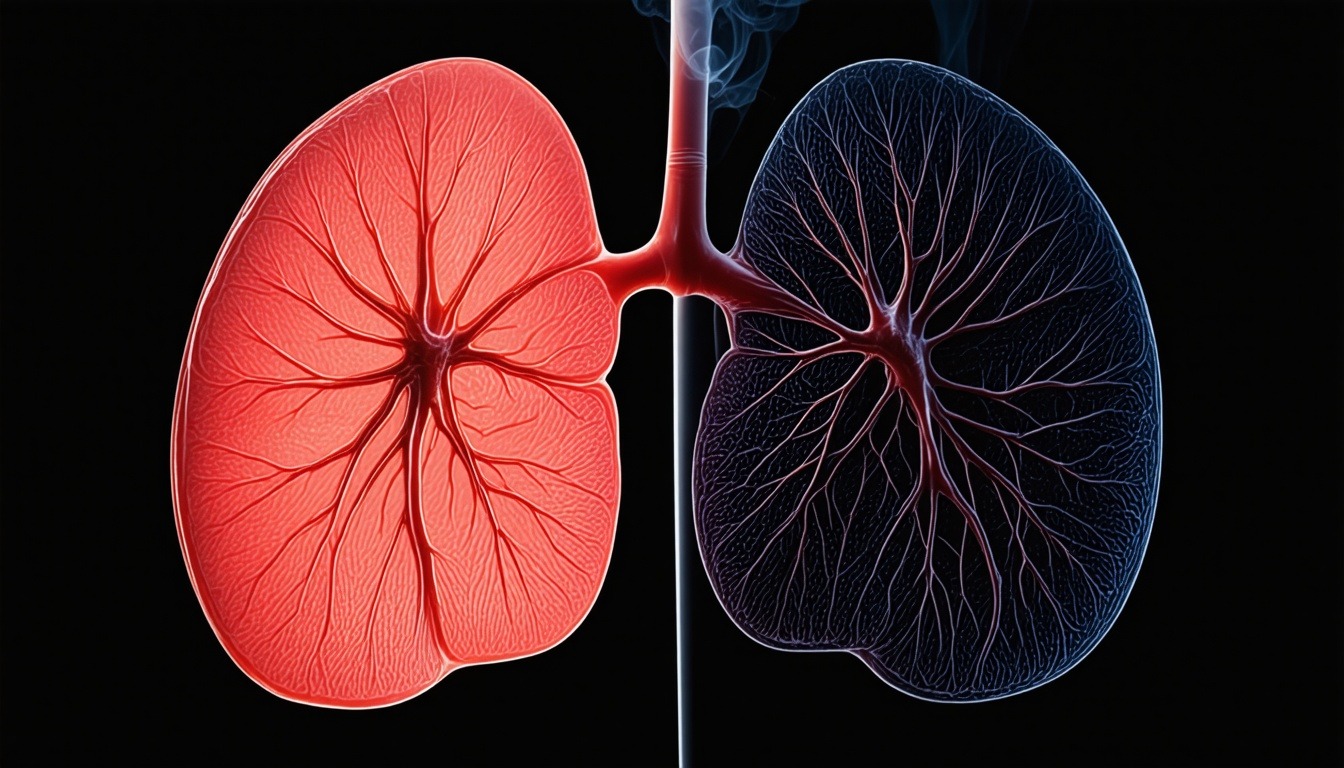
Smoking and air pollution are two of the most significant threats to respiratory health worldwide. The lungs, with their delicate gas exchange surfaces, are particularly vulnerable to damage from inhaled toxins. This comprehensive guide delves into the dangers of smoking and air pollution to gas exchange surfaces in the lungs, demonstrating the tar in cigarette smoke, and examining the effects of tobacco and marijuana. Understanding these hazards is crucial for prevention and management of chronic respiratory diseases.
The Dangers of Smoking and Air Pollution to Gas Exchange Surfaces in the Lungs
The gas exchange surfaces in the lungs, primarily the alveoli and capillary networks, are exquisitely designed for efficient oxygen and carbon dioxide transfer. but, they are also highly susceptible to damage from inhaled pollutants and cigarette smoke. Smoking introduces thousands of chemicals, including tar, nicotine, and carbon monoxide, which impair mucociliary clearance, cause inflammation, and destroy alveolar walls. Air pollution, particularly fine particulate matter (PM2.5), ozone, and nitrogen dioxide, penetrates deep into the lungs, triggering oxidative stress and inflammatory responses that damage the alveolar-capillary membrane.
Chronic exposure leads to reduced lung function, emphysema, chronic bronchitis, and lung cancer. The dangers of smoking and air pollution to gas exchange surfaces in the lungs are compounded when both factors are present, as seen in urban smokers. The combined effect accelerates the decline in forced expiratory volume (FEV1) and increases the risk of acute exacerbations of chronic obstructive pulmonary disease (COPD).
Mechanisms of Damage
Smoke and pollutants cause direct cytotoxicity to alveolar epithelial cells, disrupt surfactant production, and promote fibrosis. Inflammatory mediators such as interleukins and tumor necrosis factor-alpha recruit neutrophils and macrophages, which release proteases that degrade elastin in alveolar walls. This leads to irreversible enlargement of air spaces—the hallmark of emphysema. Additionally, pollutants impair the function of alveolar macrophages, reducing their ability to clear pathogens and debris.
Clinical Consequences
Patients experience progressive dyspnea, chronic cough, and reduced exercise tolerance. Gas exchange abnormalities manifest as hypoxemia and hypercapnia. Over time, pulmonary hypertension and cor pulmonale may develop. The economic and social burdens are immense, with millions of disability-adjusted life years (DALYs) lost annually due to smoking and pollution-related lung diseases.
Preventive Strategies
Avoidance of tobacco smoke and reduction of exposure to air pollution are paramount. Use of N95 masks during high pollution days, indoor air purifiers, and smoking cessation programs can mitigate risks. Public health policies such as smoking bans and emission controls have proven effective in reducing disease incidence.
Demonstrating the Tar in Cigarette Smoke
Tar is the sticky, brown residue that remains after tobacco is burned. It consists of thousands of chemicals, many of which are carcinogenic, such as polycyclic aromatic hydrocarbons (PAHs) and nitrosamines. Demonstrating the tar in cigarette smoke is a powerful educational tool to illustrate the harmful nature of smoking. Simple experiments, like drawing smoke through a white filter or cotton ball, reveal the accumulation of dark, oily tar.
In a classic classroom demonstration, a cigarette is attached to a pump that draws smoke through a clean cotton ball. After a few puffs, the cotton turns yellow-brown, clearly showing the tar deposition. This visual evidence underscores the dangers of smoking and air pollution to gas exchange surfaces in the lungs, as tar directly coats the lining of the airways and alveoli, impairing ciliary function and promoting inflammation.
Chemical Composition of Tar
Tar contains over 70 known carcinogens. Among them, benzo[a]pyrene is a potent initiator of lung cancer. The particulate matter in tar also includes heavy metals like cadmium and lead. Each cigarette deposits approximately 10-15 mg of tar in the lungs, though this varies with smoking technique and cigarette design.
Effects on Lung Tissue
Tar paralyzes and destroys cilia, the hair-like structures that sweep mucus and debris out of the airways. This leads to mucus accumulation, chronic cough, and increased susceptibility to infections. Tar also stimulates goblet cells to produce excess mucus, contributing to chronic bronchitis. In the alveoli, tar triggers oxidative stress and inflammation, accelerating the destruction of alveolar walls.
Public Health Implications
Demonstrating the tar in cigarette smoke is a key component of anti-smoking campaigns. It provides tangible evidence that can motivate smokers to quit and discourage young people from starting. Many health organizations use such demonstrations in schools and community programs to highlight the immediate and long-term harms of smoking.
Tobacco and Marijuana: Comparative Pulmonary Effects
Both tobacco and marijuana are commonly smoked, but their pulmonary effects differ due to variations in combustion products and smoking behavior. Tobacco smoke contains nicotine and numerous carcinogens, while marijuana smoke contains cannabinoids like THC, along with many of the same toxic compounds found in tobacco. The dangers of smoking and air pollution to gas exchange surfaces in the lungs apply to both substances, though the relative risks are debated.
Studies show that regular marijuana smoking is associated with chronic bronchitis symptoms, including cough, phlegm, and wheeze. but, the link to lung cancer is less clear than for tobacco, possibly due to the smaller number of marijuana smokers studied. Nonetheless, marijuana smoke contains many of the same carcinogens as tobacco smoke, and deep inhalation practices typical of marijuana use may increase tar deposition in the lungs.
Comparative Chemistry
Tobacco smoke has a higher concentration of nicotine, which is addictive, while marijuana smoke has higher levels of THC and other cannabinoids. Both contain carbon monoxide, tar, and PAHs. The tar from marijuana is often inhaled more deeply and held longer, potentially leading to greater particulate deposition per cigarette.
Clinical Findings
Chronic tobacco smoking is the leading cause of COPD and lung cancer. Marijuana smoking is associated with increased risk of respiratory symptoms but not as strongly linked to emphysema or COPD. but, combined use of tobacco and marijuana may have additive or synergistic effects, worsening lung function and increasing respiratory morbidity.
Public Health Perspectives
While tobacco is highly regulated and taxed, marijuana legalization in many regions has led to increased use. Health education must address the risks of marijuana smoking, especially among adolescents and young adults. Vaping and other alternatives may reduce some harms, but they aren’t risk-free.
Pathophysiology of Smoke-Induced Lung Injury
The inhalation of cigarette smoke or air pollutants triggers a cascade of cellular and molecular events that culminate in lung injury. The dangers of smoking and air pollution to gas exchange surfaces in the lungs begin with oxidative stress. Reactive oxygen species (ROS) from smoke overwhelm antioxidant defenses, causing lipid peroxidation, protein damage, and DNA mutations. This leads to apoptosis and necrosis of epithelial cells.
Inflammatory pathways are activated via toll-like receptors and NF-κB signaling. Macrophages and neutrophils release proteases like neutrophil elastase, which degrade extracellular matrix components, particularly elastin. The imbalance between proteases and antiproteases (e.g., alpha-1 antitrypsin) results in alveolar destruction. Additionally, smoke impairs the function of alveolar macrophages, reducing clearance of bacteria and apoptotic cells.
Role of Epithelial Cells
Airway epithelial cells are the first line of defense. They produce mucus, antimicrobial peptides, and cytokines. Smoke disrupts tight junctions, increases permeability, and induces metaplasia (e.g., goblet cell hyperplasia). In the alveoli, type II pneumocytes are damaged, reducing surfactant production and repair capacity.
Fibrotic Responses
In some individuals, chronic smoke exposure leads to fibrosis, particularly in the small airways. Transforming growth factor-beta (TGF-β) stimulates fibroblast proliferation and collagen deposition, narrowing airways and reducing compliance. This contributes to the restrictive pattern seen in some smokers.
Air Pollution: Sources and Pulmonary Impact
Air pollution originates from both outdoor and indoor sources. Major outdoor pollutants include particulate matter (PM10, PM2.5), nitrogen dioxide (NO2), sulfur dioxide (SO2), ozone (O3), and carbon monoxide (CO). Indoor sources include tobacco smoke, biomass fuel combustion, and volatile organic compounds (VOCs). The dangers of smoking and air pollution to gas exchange surfaces in the lungs are particularly pronounced for fine particles (PM2.5) that penetrate deep into the alveoli.
Epidemiological studies consistently show that long-term exposure to PM2.5 increases the risk of lung cancer, COPD, and respiratory infections. Short-term spikes in pollution levels trigger exacerbations of asthma and COPD, leading to increased hospitalizations and mortality.
Mechanisms of Pollutant Toxicity
Particulate matter causes oxidative stress and inflammation, similar to cigarette smoke. Ozone, a strong oxidant, damages epithelial cells and impairs mucociliary clearance. NO2 and SO2 are soluble and affect the upper airways, but at high concentrations they can reach the lower respiratory tract. Black carbon, a component of PM2.5, is particularly toxic and is associated with cardiovascular and respiratory effects.
Vulnerable Populations
Children, the elderly, and individuals with pre-existing lung diseases are most vulnerable. Children have higher breathing rates and developing lungs, making them more susceptible to pollution-induced deficits in lung growth. Pregnant women exposed to high pollution levels may have offspring with lower birth weights and impaired lung function.
Combined Effects of Smoking and Pollution
Smokers living in polluted cities face a dual burden. The dangers of smoking and air pollution to gas exchange surfaces in the lungs are multiplicative rather than additive. Studies show that smokers have higher risk of COPD and lung cancer in polluted areas compared to smokers in cleaner regions. for instance, a study in China found that the risk of lung cancer among smokers was significantly higher in cities with high PM2.5 levels.
The interaction involves shared mechanisms of oxidative stress and inflammation. Both exposures impair lung defenses, allowing pathogens and toxins to cause more damage. Additionally, pollution can increase the addictiveness of smoking by enhancing nicotine metabolism or by making smoking more pleasurable in polluted environments?
Evidence from Cohort Studies
The Harvard Six Cities Study and the American Cancer Society Cancer Prevention Study II both demonstrated that the combined effect of smoking and air pollution on mortality is greater than the sum of individual risks. For lung cancer, the hazard ratio for smokers in high-pollution cities is about 20-30 times that of non-smokers in low-pollution areas.
Policy Implications
Reducing both smoking prevalence and pollution levels is essential. Clean air regulations and smoking bans in public places are effective. Personal interventions, such as using air purifiers and wearing masks, can reduce individual exposure. Healthcare providers should counsel patients about the compounded risks.
Chronic Obstructive Pulmonary Disease (COPD)
COPD is a progressive lung disease characterized by persistent airflow limitation. It is primarily caused by smoking, but air pollution contributes significantly, especially in developing countries. The dangers of smoking and air pollution to gas exchange surfaces in the lungs lead to emphysema and chronic bronchitis, the two main components of COPD.
Emphysema involves destruction of alveolar walls, reducing surface area for gas exchange. Chronic bronchitis is defined by chronic cough and sputum production due to inflammation and mucus hypersecretion. Both processes lead to air trapping, hyperinflation, and reduced expiratory flow.
Diagnosis and Staging
Spirometry is essential for diagnosis, showing a post-bronchodilator FEV1/FVC ratio < 0.70. Severity is graded based on FEV1 percent predicted. GOLD stages range from I (mild) to IV (very severe). Symptoms include dyspnea, cough, and sputum production. Exacerbations are acute worsening of symptoms, often triggered by infections or pollution.
Management Strategies
Smoking cessation is the most effective intervention. Pharmacotherapy includes bronchodilators (beta-agonists, anticholinergics), inhaled corticosteroids, and phosphodiesterase-4 inhibitors. Pulmonary rehabilitation improves exercise capacity and quality of life. Oxygen therapy and lung volume reduction surgery are options for advanced disease. Vaccination against influenza and pneumococcus reduces exacerbations.
Lung Cancer: The Ultimate Consequence
Lung cancer is the leading cause of cancer death worldwide. Smoking accounts for about 85% of cases, while air pollution is an important risk factor, especially for non-smokers. The dangers of smoking and air pollution to gas exchange surfaces in the lungs include DNA damage from carcinogens, leading to mutations in oncogenes and tumor suppressor genes.
Types of lung cancer include small cell lung cancer (SCLC) and non-small cell lung cancer (NSCLC), which comprises adenocarcinoma, squamous cell carcinoma, and large cell carcinoma. Adenocarcinoma is the most common type in non-smokers and is often linked to pollution.
Molecular Mechanisms
Benzo[a]pyrene in tar forms DNA adducts, causing G-to-T transversions in the p53 gene. Similarly, PM2.5 particles can carry carcinogens into the lungs, inducing chronic inflammation that promotes tumorigenesis. Epigenetic changes, such as DNA methylation, also play a role.
Screening and Prevention
Low-dose CT screening is recommended for high-risk individuals (e.g., heavy smokers aged 50-80). Prevention focuses on smoking cessation and reducing pollution exposure. Public health measures include tobacco control policies and emission standards.
Pediatric Respiratory Health
Children are particularly vulnerable to the dangers of smoking and air pollution to gas exchange surfaces in the lungs because their lungs are still developing. Exposure to secondhand smoke increases the risk of sudden infant death syndrome (SIDS), lower respiratory infections, asthma, and impaired lung growth. Air pollution exposure in childhood is associated with reduced lung function that persists into adulthood.
Maternal smoking during pregnancy is especially harmful, leading to reduced birth weight and lung function. Postnatal exposure to smoke and pollution increases the incidence of wheezing and asthma. Schools located near highways have higher rates of respiratory illness among students.
Mechanisms of Vulnerability
Children have higher minute ventilation relative to body weight, and their immune systems are immature. The epithelial barrier is more permeable, and antioxidant defenses are lower. Additionally, children spend more time outdoors and engage in physical activity, increasing their exposure.
Preventive Measures
Smoke-free homes and cars are essential. Parents should quit smoking, and communities should implement policies to reduce traffic-related pollution. Green spaces can help mitigate exposure. Regular check-ups and early treatment of respiratory infections are important.
Secondhand and Thirdhand Smoke
Secondhand smoke (SHS) is the smoke exhaled by smokers and from the burning end of a cigarette. It contains the same toxic chemicals as mainstream smoke. Thirdhand smoke (THS) refers to residual nicotine and other chemicals that cling to surfaces and dust, reacting with indoor pollutants to form carcinogens. The dangers of smoking and air pollution to gas exchange surfaces in the lungs extend to non-smokers through these pathways.
Exposure to SHS increases the risk of lung cancer by 20-30% and is a known cause of heart disease and stroke. In children, SHS causes ear infections, asthma attacks, and respiratory infections. THS exposure is of particular concern for infants and toddlers who crawl and put objects in their mouths.
Chemical Transformations
Nicotine adsorbed on surfaces can react with nitrous acid (from cleaning products or vehicle exhaust) to form tobacco-specific nitrosamines (TSNAs), which are potent carcinogens. These compounds persist for months and are resistant to cleaning.
Mitigation Strategies
Complete smoking bans indoors are the only effective way to eliminate SHS and THS. Air purifiers and ventilation aren’t sufficient to remove THS. Public education about the risks of THS is growing, and some studies suggest that THS exposure may contribute to unexplained health problems in non-smokers.
Indoor Air Pollution: The Hidden Threat
Indoor air pollution from cooking with solid fuels (wood, coal, dung) and tobacco smoke is a major cause of respiratory disease in low- and middle-income countries. The dangers of smoking and air pollution to gas exchange surfaces in the lungs are often greater indoors due to poor ventilation. Women and children are disproportionately affected because they spend more time indoors.
Biomass smoke contains fine particulate matter, carbon monoxide, and volatile organic compounds. It is associated with COPD, lung cancer, and tuberculosis. In some regions, indoor air pollution contributes to a higher burden of disease than outdoor pollution.
Interventions
Improved cookstoves that burn more efficiently and vent smoke outdoors can reduce exposure. Cleaner fuels like liquefied petroleum gas (LPG) or electricity are ideal. Behavioral changes, such as keeping children away from cooking areas, also help. Health education campaigns are needed to raise awareness.
Smoking Cessation Strategies
Quitting smoking is the single most effective way to reduce the dangers of smoking and air pollution to gas exchange surfaces in the lungs. but, nicotine addiction makes cessation challenging. Evidence-based strategies include behavioral counseling and pharmacotherapy (nicotine replacement therapy, bupropion, varenicline).
Brief interventions by healthcare providers can increase quit rates. Telephone quitlines and mobile apps provide support. Combining counseling with medication is most effective. Relapse prevention is crucial, as many smokers make multiple attempts before succeeding.
Pharmacological Options
Nicotine patches, gum, lozenges, inhalers, and nasal sprays deliver controlled doses of nicotine to relieve withdrawal symptoms. Bupropion and varenicline act on brain receptors to reduce cravings and the rewarding effects of smoking. Varenicline is the most effective single agent.
Behavioral Support
Cognitive-behavioral therapy helps smokers identify triggers and develop coping strategies. Motivational interviewing enhances readiness to change. Support groups and online communities provide social reinforcement.
Policy and Advocacy for Clean Air
To combat the dangers of smoking and air pollution to gas exchange surfaces in the lungs, comprehensive policies are needed. The WHO Framework Convention on Tobacco Control (FCTC) provides guidelines for tobacco taxation, advertising bans, and smoke-free environments. For air pollution, the Clean Air Act in the US and similar legislation elsewhere set standards for pollutant concentrations.
Advocacy groups play a key role in pushing for stricter regulations. Individual actions, such as reducing car use and supporting renewable energy, contribute to cleaner air. Health professionals can advocate for policies that protect respiratory health.
Successful Interventions
Smoking bans in public places have reduced SHS exposure and smoking prevalence. Congestion charging and low-emission zones in cities have improved air quality. The Montreal Protocol, which phased out ozone-depleting substances, also reduced ground-level ozone.
Future Directions in Research
Research continues to elucidate the mechanisms by which smoking and pollution damage the lungs. Areas of interest include the role of the microbiome, epigenetic modifications, and genetic susceptibility. New therapies, such as anti-inflammatory drugs and antioxidants, are being developed to mitigate lung injury.
Personalized medicine approaches may identify individuals at highest risk and tailor interventions. Additionally, studies on the health effects of electronic cigarettes and heated tobacco products are needed, as these may pose different risks.
Emerging Technologies
Wearable sensors that measure personal exposure to pollutants could enable real-time feedback and behavior change. Advanced imaging techniques, such as hyperpolarized gas MRI, allow visualization of regional lung function. Artificial intelligence is being used to predict disease progression and optimize treatment.
Frequently Asked Questions
What are the long-term effects of smoking on the lungs?
Long-term smoking causes irreversible damage, including emphysema, chronic bronchitis, and lung cancer. It impairs gas exchange, reduces lung function, and increases the risk of respiratory infections. Quitting smoking can slow the progression of disease and improve symptoms.
How does air pollution affect lung health?
Air pollution, particularly fine particulate matter (PM2.5), triggers inflammation and oxidative stress in the lungs. It can worsen asthma, COPD, and allergies, and increase the risk of lung cancer and respiratory infections. Long-term exposure reduces lung function and accelerates aging of the lungs.
Is marijuana smoke less harmful than tobacco smoke?
Marijuana smoke contains many of the same carcinogens as tobacco smoke, and deep inhalation practices may increase tar deposition. While the risk of lung cancer is less established, marijuana smoking is associated with chronic bronchitis symptoms. Combined use with tobacco may be especially harmful.
What is tar and why is it dangerous?
Tar is a sticky residue from burning tobacco that contains thousands of chemicals, including carcinogens. It coats the airways, paralyzes cilia, and causes inflammation. Tar is a major contributor to lung cancer and chronic bronchitis.
Can the lungs recover after quitting smoking?
Yes, the lungs begin to repair themselves soon after quitting. Cilia regrow, mucus clearance improves, and inflammation decreases. but, some damage, such as emphysema, is irreversible. The risk of lung cancer and heart disease decreases over time.
How can I protect my lungs from air pollution?
Check air quality indexes and limit outdoor activity on high pollution days. Use N95 masks when necessary. Keep indoor air clean with HEPA filters and avoid burning candles or incense. Support policies that reduce emissions.
What is the link between smoking and COPD?
Smoking is the primary cause of COPD. It destroys alveolar walls (emphysema) and causes chronic inflammation of the airways (chronic bronchitis). The more you smoke and the longer you smoke, the greater the risk. Quitting smoking is the most effective way to prevent and manage COPD.
Conclusion
The dangers of smoking and air pollution to gas exchange surfaces in the lungs are profound and well-documented. From the visible demonstration of tar in cigarette smoke to the insidious effects of fine particulate matter, these exposures damage the delicate structures that enable breathing. Tobacco and marijuana both pose significant risks, and combined exposure to smoking and pollution amplifies harm. Protecting lung health requires individual actions—quitting smoking, reducing exposure to pollutants—and collective efforts through public policy. Continued research and education are essential to mitigate the global burden of respiratory diseases. By understanding these hazards, we can take informed steps to preserve our lungs and improve quality of life.
Additional In-Depth Analysis: The Role of Oxidative Stress in Lung Damage
Oxidative stress is a central mechanism in the pathogenesis of lung diseases caused by smoking and pollution. The dangers of smoking and air pollution to gas exchange surfaces in the lungs are mediated through an imbalance between reactive oxygen species (ROS) and antioxidant defenses. Cigarette smoke contains an estimated 10^15 free radicals per puff, including superoxide, hydroxyl radical, and hydrogen peroxide. These ROS directly damage cellular lipids, proteins, and DNA. Additionally, smoke activates inflammatory cells such as neutrophils and macrophages, which produce their own ROS through the respiratory burst. This amplifies oxidative damage and creates a vicious cycle of inflammation and injury.
Antioxidant defenses in the lungs include enzymes like superoxide dismutase (SOD), catalase, and glutathione peroxidase, as well as non-enzymatic antioxidants like glutathione, vitamin C, and vitamin E. Chronic exposure to smoke depletes these antioxidants, making the lungs more susceptible to oxidative injury. Genetic variations in antioxidant genes can influence individual susceptibility to smoke-induced lung damage. for instance, polymorphisms in the glutathione S-transferase genes are associated with increased risk of COPD and lung cancer.
Interventions aimed at reducing oxidative stress, such as antioxidant supplementation, have shown mixed results in clinical trials. but, dietary antioxidants from fruits and vegetables are associated with better lung function. N-acetylcysteine (NAC), a precursor of glutathione, is used as a mucolytic and may have antioxidant properties. Future therapies may target specific oxidative pathways to mitigate lung injury.
The Impact of Smoking and Pollution on the Immune System
The lungs have a sophisticated immune system to defend against pathogens and toxins. but, smoking and air pollution impair both innate and adaptive immunity. The dangers of smoking and air pollution to gas exchange surfaces in the lungs include decreased mucociliary clearance, altered macrophage function, and disrupted lymphocyte responses. Cigarette smoke suppresses the activity of natural killer cells and cytotoxic T cells, increasing susceptibility to infections and cancer. It also promotes a Th2-dominant immune response, which is associated with allergic asthma.
Air pollution, particularly diesel exhaust particles, can act as adjuvants, enhancing allergic sensitization and exacerbating asthma. Fine particulate matter carries allergens and microbes into the lungs, triggering inflammatory responses. Chronic exposure leads to immune exhaustion, where the immune system becomes less effective at clearing pathogens. This is why smokers and individuals living in polluted areas have higher rates of respiratory infections, including tuberculosis and COVID-19.
Immunomodulatory therapies, such as vaccines and biologics, are being explored to restore immune function in affected individuals. Smoking cessation and pollution reduction can partially reverse immune dysfunction. for instance, quitting smoking improves macrophage function and increases antibody responses to vaccines.
Genetic Susceptibility to Smoke and Pollution
Not everyone who smokes or lives in polluted areas develops lung disease. Genetic factors play a significant role in determining individual susceptibility. The dangers of smoking and air pollution to gas exchange surfaces in the lungs are modulated by variations in genes involved in detoxification, antioxidant defense, inflammation, and repair. For instance, polymorphisms in the alpha-1 antitrypsin gene (SERPINA1) can lead to deficiency, increasing the risk of emphysema even in non-smokers. but, smoking greatly accelerates lung damage in these individuals.
Genome-wide association studies (GWAS) have identified numerous loci associated with COPD and lung cancer. Many of these genes are involved in nicotine metabolism (e.g., CYP2A6), inflammatory pathways (e.g., CHRNA3/5), and cell cycle regulation (e.g., TP53). Epigenetic modifications, such as DNA methylation and histone acetylation, are also influenced by smoking and pollution, leading to altered gene expression that persists even after cessation.
Personalized medicine approaches may use genetic profiling to identify high-risk individuals and tailor prevention strategies. for instance, individuals with alpha-1 antitrypsin deficiency can benefit from augmentation therapy. but, widespread genetic testing for lung disease risk isn’t yet standard practice.
Environmental Justice and Disparities in Exposure
The dangers of smoking and air pollution to gas exchange surfaces in the lungs disproportionately affect marginalized communities. Low-income neighborhoods and communities of color often have higher levels of air pollution due to proximity to highways, industrial facilities, and waste sites. These same communities may have higher smoking rates due to targeted marketing and higher stress levels. This creates a double burden of exposure that contributes to health disparities.
Environmental justice movements advocate for equitable distribution of environmental benefits and burdens. Policies such as the Clean Air Act have reduced overall pollution, but disparities persist. for instance, a study in the United States found that despite overall declines in PM2.5, the gap between the most and least polluted areas has widened. Similarly, tobacco companies have historically targeted minority populations with advertising and price promotions.
Addressing these disparities requires community engagement, policy changes, and investment in underserved areas. Smoking cessation programs should be culturally tailored and accessible. Reducing pollution in hotspots, such as near schools and public housing, is a priority. Health professionals can play a role by advocating for environmental justice and screening patients for exposure risks.
The Role of Nutrition in Lung Health
Nutrition plays a crucial role in protecting the lungs from the dangers of smoking and air pollution. A diet rich in antioxidants, such as vitamins C and E, beta-carotene, and selenium, can help counteract oxidative stress. Epidemiological studies have shown that higher intake of fruits and vegetables is associated with better lung function and lower risk of COPD and lung cancer. for instance, the European Prospective Investigation into Cancer and Nutrition (EPIC) found that a diet high in fruits and vegetables reduced lung cancer risk in smokers.
Specific nutrients have been studied for their protective effects. Vitamin C is a potent antioxidant found in citrus fruits, berries, and leafy greens. It helps regenerate other antioxidants and may reduce inflammation. Vitamin E, found in nuts and seeds, protects cell membranes from lipid peroxidation. Omega-3 fatty acids from fish have anti-inflammatory properties. Conversely, a diet high in processed meats and saturated fats may exacerbate inflammation.
but, supplementation with high-dose antioxidants hasn’t consistently shown benefits and may even be harmful in some cases (e.g., beta-carotene supplements increased lung cancer risk in smokers). so, obtaining antioxidants from whole foods is recommended. Public health campaigns should promote healthy eating as part of a comprehensive strategy to reduce lung disease burden.
Emerging Threats: Electronic Cigarettes and Heated Tobacco Products
Electronic cigarettes (e-cigarettes) and heated tobacco products (HTPs) are marketed as less harmful alternatives to smoking. but, their impact on lung health isn’t fully understood, and they still pose risks. The dangers of smoking and air pollution to gas exchange surfaces in the lungs may be partially reduced with these products, but they aren’t safe. E-cigarettes deliver nicotine and other chemicals in an aerosol, which can contain ultrafine particles, heavy metals, and volatile organic compounds. Diacetyl, a flavoring chemical, has been linked to bronchiolitis obliterans (popcorn lung).
Heated tobacco products, such as IQOS, heat tobacco to a lower temperature than combustion, reducing the levels of some toxicants. but, they still produce nicotine and carcinogens. Studies show that switching from conventional cigarettes to HTPs may reduce exposure to some harmful substances, but long-term health effects are unknown. Dual use (using both cigarettes and e-cigarettes) is common and may not reduce overall risk.
Regulatory approaches vary. Some countries have banned e-cigarettes, while others regulate them as tobacco products. Public health authorities recommend that non-smokers and youth avoid these products. For smokers who can’t quit, switching to e-cigarettes may be a harm reduction strategy, but it should be done under medical supervision.
Global Burden of Disease and Economic Impact
The combined burden of smoking and air pollution on lung health is staggering. According to the Global Burden of Disease Study, smoking caused 7.1 million deaths in 2019, while ambient and household air pollution caused 4.2 million deaths. The dangers of smoking and air pollution to gas exchange surfaces in the lungs contribute to COPD, lung cancer, and lower respiratory infections, which are among the top causes of death worldwide.
The economic costs are also enormous. Direct healthcare costs for treating lung diseases, plus indirect costs from lost productivity, amount to hundreds of billions of dollars annually. In the United States alone, smoking-related illness costs over $300 billion per year. Air pollution costs the global economy an estimated $2.9 trillion annually in lost labor and healthcare expenses.
Investing in prevention, such as smoking cessation programs and clean energy, yields substantial returns. The WHO estimates that every dollar spent on tobacco control saves up to $200 in healthcare costs. Similarly, reducing air pollution through clean energy and transportation policies can improve health and economic productivity.
Innovative Therapies and Future Treatment Options
Research into new therapies for lung diseases caused by smoking and pollution is ongoing. The dangers of smoking and air pollution to gas exchange surfaces in the lungs have spurred development of drugs that target specific pathways. for instance, roflumilast, a phosphodiesterase-4 inhibitor, reduces inflammation in COPD. Biologics such as mepolizumab and benralizumab target eosinophilic inflammation in severe asthma. Stem cell therapy and regenerative medicine hold promise for repairing damaged lung tissue.
Gene therapy is being explored for alpha-1 antitrypsin deficiency and cystic fibrosis. CRISPR-Cas9 technology could potentially correct genetic mutations that increase susceptibility to lung disease. but, these approaches are still in early stages. Lung transplantation remains an option for end-stage disease, but donor organs are scarce.
Preventive vaccines, such as those against respiratory syncytial virus (RSV) and pneumococcus, are important for reducing exacerbations. The COVID-19 pandemic highlighted the vulnerability of smokers and those with lung disease to severe outcomes, emphasizing the need for vaccination.
Behavioral and Psychological Aspects of Smoking
Smoking isn’t only a physical addiction but also a behavioral and psychological habit. The dangers of smoking and air pollution to gas exchange surfaces in the lungs are well-known, but many smokers continue due to stress, social norms, or lack of motivation. Understanding the psychology of addiction is key to effective cessation interventions.
Nicotine dependence is mediated by dopamine release in the brain’s reward system. Smoking becomes associated with cues such as coffee, alcohol, or social situations. Cognitive behavioral therapy helps smokers identify these triggers and develop alternative coping strategies. Mindfulness-based interventions have also shown promise. Additionally, addressing comorbid mental health conditions like depression and anxiety can improve cessation outcomes.
Social support from family and friends is crucial. Quitting smoking often requires multiple attempts, and relapse should be viewed as a learning opportunity. Mobile health apps and online communities provide accessible support. Healthcare providers should use every patient encounter to encourage cessation and offer resources.
Conclusion and Call to Action
The dangers of smoking and air pollution to gas exchange surfaces in the lungs are clear and multifaceted. From the immediate damage of tar to the long-term consequences of COPD and lung cancer, these exposures pose a major public health challenge. Tobacco and marijuana, while different, both contribute to respiratory harm. The combined effect of smoking and pollution is particularly devastating. but, there is hope. Smoking cessation, pollution reduction, and investment in research can reduce the burden of lung disease. Individuals can take steps to protect their lungs, and societies can implement policies that promote clean air and healthy choices. The time to act is now—for the sake of our lungs and future generations.



Leave a Reply