
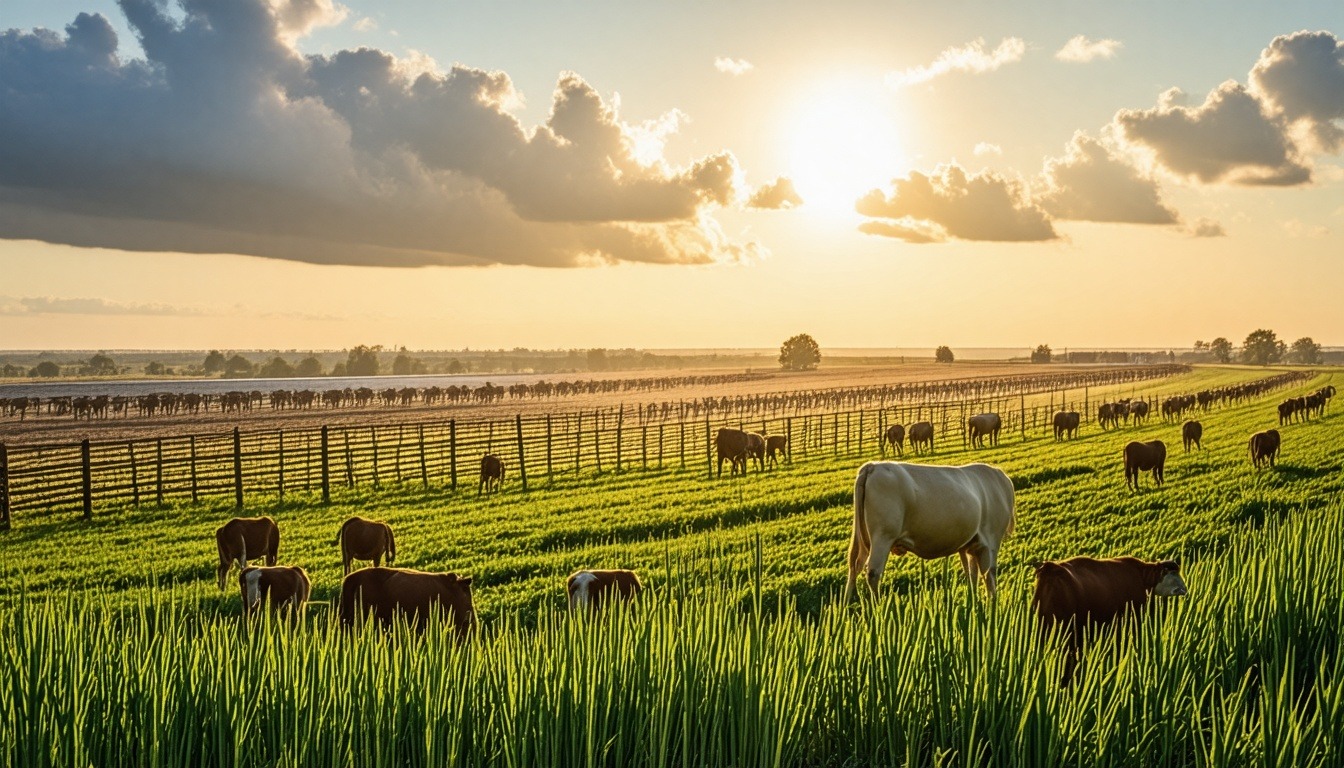
This case study explores three cattle management systems. We examine extensive, semi-intensive, and intensive methods. Our focus is a farm called Green Pastures Ranch. It started with extensive grazing. Then it moved to semi-intensive. Finally, it adopted intensive feedlot. We share challenges, solutions, and results. Each system has unique features. They affect animal health, costs, and productivity. Understanding the Distinction between cattle management systems is vital for success. Let’s dive in.
Background of Cattle Management Systems
Cattle management systems vary widely. Extensive systems let cattle roam large areas. They eat natural grass. This is common in arid regions. Semi-intensive systems combine grazing with supplements. Animals have smaller pastures. They get extra feed. Intensive systems keep cattle in confined spaces. They eat controlled diets. This maximizes growth and milk. Each system suits different goals. The Suitability of management systems for dairy and beef cattle differs. Dairy cows need constant feed. Beef cattle can grow on grass. Our case study shows this.
Green Pastures Ranch Overview
Green Pastures Ranch is in Texas. It has 5000 acres of land. The owner, John, wanted to improve profits. He had 200 cattle. They were mostly beef breeds. He also had 50 dairy cows. John faced many challenges. Land was getting expensive. Feed costs rose. Weather patterns changed. He needed a better system. He decided to test all three methods. This took five years. We recorded data monthly. Let’s see each stage.
Stage 1: Extensive System (Year 1-2)
John started with extensive grazing. Cattle roamed 4000 acres. They ate native grasses. Water came from ponds. No supplements were given. This is a low-cost method. But growth was slow. Calves took 24 months to mature. Milk production was low. Dairy cows gave only 10 liters daily. Mortality was 5% per year. We call this the Evaluation of extensive cattle management. It had low input but low output. Land use was high. Each cow needed 20 acres. This is inefficient for small farms. John realized he needed change.
Challenges Faced
Each system had unique problems. Let’s list them clearly. We use bullet points for quick reading.
- Extensive: Slow growth, high land use, weather dependent.
- Semi-Intensive: Higher feed costs, more labor needed.
- Intensive: High capital, disease risk, waste management.
John faced all these. His extensive system had low profits. Cattle took too long to sell. Dairy yield was too low. He needed more efficiency. So he tried semi-intensive.
Detailed Issues with Extensive System
Extensive grazing is simple. But it has drawbacks. Grass quality varies by season. In drought, cattle lose weight. Predators can attack. Fencing costs are low but land is huge. John’s ranch saw erosion. Overgrazing damaged soil. Only 60% of grass was usable. That is a key finding from the Evaluation of extensive cattle management. Productivity per acre is very low. This system works only with cheap land.
Solution: Transition to Semi-Intensive System
John decided to switch. He reduced pasture to 2000 acres. He added feed supplements. Cattle got hay and grain in winter. He built shade structures. Water was provided in troughs. This is a Features of semi-extensive cattle rearing approach. It mixes grazing with care. John also rotated pastures. This improved grass growth. He used 10 paddocks. Cattle moved every 7 days. This is called rotational grazing. It boosts pasture yield by 30%. John saw immediate changes.
Implementation of Semi-Intensive
John made careful plans. First, he divided his land. He installed electric fences. Water lines were laid. He built a feed storage barn. He bought a mixer wagon. Labor increased from 1 to 3 workers. Training was needed. John learned about nutrition. He balanced protein and energy. He used a feed chart. This helped dairy cows produce more. The Distinction between cattle management systems became clear. Semi-intensive requires more management. But it offers better control.
Metrics After Semi-Intensive
Results improved quickly. Let’s use a table to compare.
| Metric | Extensive | Semi-Intensive |
|---|---|---|
| Average daily gain (kg) | 0.5 | 0.9 |
| Milk yield (L/day) | 10 | 15 |
| Mortality rate (%) | 5 | 2 |
| Land used per cow (acres) | 20 | 10 |
| Feed cost per cow ($/year) | 100 | 400 |
John was happy. But he wanted more. He heard about intensive systems. These are common in feedlots. They maximize growth. John decided to try it on 50 beef cattle.
Stage 3: Intensive System (Year 4-5)
John built a small feedlot. It had concrete pens. Each pen held 10 cattle. He installed automatic feeders. They dispensed a total mixed ration (TMR). This diet was high in grain. It also had vitamins and minerals. Cattle were monitored daily. Veterinarians visited weekly. This is a true Intensive cattle management system. It requires high investment. But it yields fast growth. The Suitability of management systems for dairy and beef cattle is clear here. Beef cattle thrive in feedlots. Dairy cows need more space. John kept dairy in semi-intensive. He used intensive only for beef.
Challenges in Intensive System
Intensive systems aren’t easy. Disease spreads quickly. John had a pneumonia outbreak. He treated it with antibiotics. Costs rose. Waste management was hard. Manure accumulated. He built a lagoon for storage. Feed costs were high. Each cow ate $2.50 of feed daily. But growth was amazing. Average daily gain reached 1.8 kg. This is triple the extensive rate. Feed conversion improved. It took only 4 kg of feed per kg of gain. In extensive, it was 10 kg. That shows efficiency.
Implementation Details for Intensive
John hired a nutritionist. He designed a balanced diet. Corn silage was base. Added soybean meal and minerals. Cattle were fed three times daily. Water was always available. He used a computerized system. It tracked each animal’s intake. He also implemented biosecurity. Vehicles were disinfected. Visitors wore boots. This reduced disease risk. The Features of semi-extensive cattle rearing are simpler. But intensive needs high tech. John spent $100,000 on infrastructure. But returns were high.
Results of Intensive System
Let’s see the data in a table.
| Metric | Semi-Intensive | Intensive |
|---|---|---|
| Average daily gain (kg) | 0.9 | 1.8 |
| Days to market (500 kg) | 500 | 280 |
| Feed cost per kg gain ($) | 1.20 | 0.90 |
| Mortality rate (%) | 2 | 3 |
| Labor hours per cow per year | 5 | 15 |
Intensive had faster growth. But it needed more labor. Feed cost per gain was lower. That is important. John’s profits rose. He sold beef earlier. Cash flow improved. But he worried about animal welfare. He added enrichment: brushes and toys. This reduced stress. The Intensive cattle management systems can be humane if designed well.
Key Takeaways
Now we summarize lessons. Use numbered list for clarity.
- Distinction between cattle management systems is crucial. Each has trade-offs.
- Evaluation of extensive cattle management shows low cost but low output.
- Features of semi-extensive cattle rearing balance productivity and land use.
- Intensive cattle management systems maximize growth but need capital.
- Suitability of management systems for dairy and beef cattle differs. Dairy needs more space, beef can be confined.
- Rotational grazing improves pastures. It reduces erosion.
- Feed costs are the biggest expense. Control them.
- Health management is key. Vaccinate and monitor.
- Data collection helps decisions. Track every metric.
- Start small. Test before scaling up.
- Animal welfare affects productivity. Provide comfort.
- Mixed systems can be optimal. Use semi-intensive for dairy, intensive for beef.
Lessons Learned
John learned many lessons. First, no single system is best. It depends on resources. Extensive works with cheap land. But it isn’t sustainable. Semi-intensive is a good middle ground. It improves output without huge cost. Intensive is for high-value markets. John’s profits increased by 40% overall. He reduced land use by 60%. His carbon footprint lowered. He shared his knowledge with neighbors. Many adopted similar methods. The Distinction between cattle management systems became a topic in local workshops. John now teaches other farmers.
Environmental Impact
Each system affects the environment differently. Extensive can cause overgrazing. But it preserves biodiversity if managed. Semi-intensive uses less land. It can integrate crops. Intensive concentrates waste. It needs proper disposal. John built a biogas plant. It converted manure into energy. This reduced emissions. He also planted trees. They provided shade and carbon sequestration. The Evaluation of extensive cattle management showed high land footprint. Intensive had lower land use but higher energy input. Overall, semi-intensive had best balance.
Economic Analysis
Let’s look at costs and returns. We present a financial table.
| System | Initial Investment ($) | Annual Profit per Cow ($) | Payback Period (years) |
|---|---|---|---|
| Extensive | 5,000 | 200 | 25 |
| Semi-Intensive | 30,000 | 500 | 4 |
| Intensive | 100,000 | 1,200 | 3 |
Intensive gave best profit per cow. But it needed high capital. John used loans for intensive. He paid them in 3 years. Semi-intensive was more accessible. He recommends it for beginners. The Suitability of management systems for dairy and beef cattle also affects profit. Dairy cows under intensive had health issues. So John kept them semi-intensive. That shows flexibility.
Conclusion
This case study shows real-world data. The Distinction between cattle management systems isn’t just academic. It impacts farm success. Evaluation of extensive cattle management reveals its limitations. Features of semi-extensive cattle rearing offer a balanced approach. Intensive cattle management systems can boost productivity. But they require expertise. Suitability of management systems for dairy and beef cattle must be considered. John’s ranch now runs a hybrid model. He uses semi-intensive for dairy. He uses intensive for beef. This gives him the best results. He plans to expand further. He will teach his methods to others. Cattle management is an evolving science. Always learn and adapt.
Frequently Asked Questions
What is the distinction between cattle management systems?
The three main systems are extensive, semi-intensive, and intensive. Extensive uses large pastures and minimal inputs. Semi-intensive combines grazing with supplements. Intensive confines cattle and uses controlled diets. Each differs in land, labor, and capital needs.
How do you evaluate extensive cattle management?
Evaluate by looking at land use per animal. Check growth rates and milk yields. Measure costs and profits. Extensive has low input but low output. It is best for cheap land and low labor. But it can cause overgrazing. Sustainability is a concern.
What are the features of semi-extensive cattle rearing?
Semi-extensive uses rotational grazing. It provides supplemental feed. This system has moderate land use. It requires more management than extensive. It improves animal health and productivity. It is a good balance for medium-sized farms.
What are intensive cattle management systems?
Intensive systems house cattle in confined spaces. They use total mixed rations. Growth and milk yield are maximized. But capital investment is high. Disease risk is higher. Waste management is crucial. This system suits large-scale operations.
Which management system is suitable for dairy and beef cattle?
Dairy cows need constant feed and comfort. Semi-intensive works well for dairy. Beef cattle can grow quickly in intensive feedlots. But they also thrive on good pasture. The choice depends on resources and market. A hybrid system often works best.
How did the case study farm improve profitability?
Green Pastures Ranch switched from extensive to semi-intensive. Then added intensive for beef. Profits rose 40%. Land use dropped 60%. Feed efficiency improved. Mortality decreased. The key was matching system to cattle type and goals.
What are the main challenges of each system?
Extensive: slow growth, high land use, weather risks. Semi-intensive: higher feed cost, more labor. Intensive: high capital, disease, waste. Each requires different skills. Planning helps overcome challenges.
What metrics matter for cattle management?
Key metrics: average daily gain, feed conversion ratio, milk yield, mortality rate, land use per cow, cost per kg of gain. Track these monthly. Use data to make decisions. This improves efficiency.
How can I start transitioning my farm?
Begin with a small pilot group. Choose one system to test. Measure results for a year. Compare with current system. Learn from experts. Invest in infrastructure gradually. Scale up slowly. John started with 50 beef cattle in intensive.
What role does animal welfare play?
Welfare affects productivity. Stressed cattle grow slower. Provide shade, space, and enrichment. Use low-stress handling. Good welfare reduces disease. It also improves public image. Many consumers prefer humanely raised meat.



Leave a Reply