
The challenges of work in the modern world are the difficulties workers and employers face as jobs change and technology advances. In Uganda the main ones are unemployment, worker exploitation and irresponsible or unprofessional behaviour. The NCDC CRE syllabus teaches these under the theme “Man’s dominion over the world”, within the Work topic allocated 36 periods in Term 1.
This post explains each challenge with verified Uganda labour statistics and Biblical approaches, then gives revision questions. These notes sit within the Remedial Corner Senior 3 CRE notes on work series and link to the full Senior 3 CRE notes course.
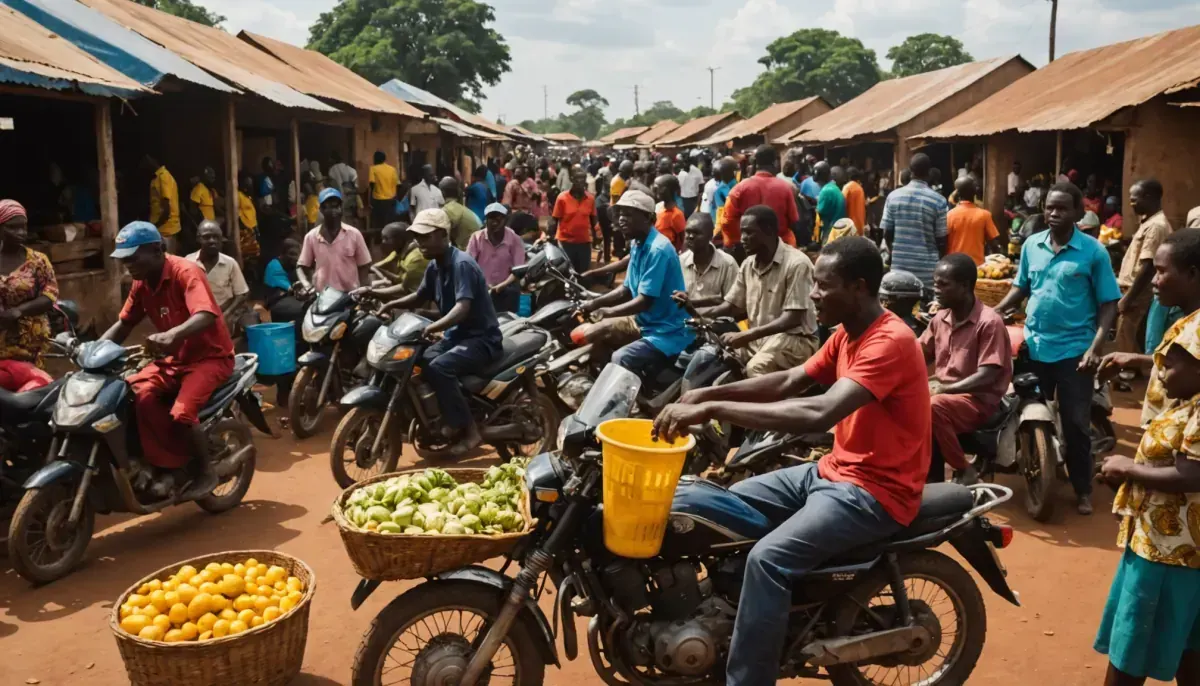
Challenges of work in the modern world
The challenges of work in the modern world are the problems that make earning a living difficult for workers and employers today. They include unemployment, worker exploitation, irresponsible and unprofessional behaviour, skills mismatch, low pay, job insecurity and unsafe workplaces. A Senior 3 learner should identify and explain each one with a Ugandan example.
The NCDC syllabus learning outcome for this section is “Understand the challenges of work in the modern world (u)”, and its suggested activity is to “identify challenges in work today with a special focus on unemployment, exploitation and irresponsible and unprofessional behaviour.”
- Unemployment — many people want jobs but there are not enough openings, so a growing number of Ugandans, especially the young, cannot find paid work to support themselves.
- Worker exploitation — some employers underpay staff, delay wages, refuse leave and contracts, or overwork people, which leaves many workers without their legal protections.
- Irresponsible and unprofessional behaviour — lateness, absenteeism, theft, gossip and carelessness damage workplaces and make employers slow to trust or hire young people.
- Skills mismatch — schools and institutions sometimes teach knowledge that employers do not need, so qualified learners still struggle to fit the jobs available.
- Technological change — computers, mobile money platforms and machines change how work is done, and workers who lack new skills can be left behind.
- Low and delayed wages — some workers earn too little to meet basic needs, and some are paid weeks or months late, which deepens poverty.
- Job insecurity — many Ugandans work on casual, temporary or verbal contracts with no guarantee of continued work or benefits.
- Corruption in recruitment — some jobs are given to relatives, friends or people who pay bribes instead of the most qualified applicants.
- Rural-urban migration — many young people leave villages for Kampala and other towns searching for work, and the towns cannot absorb all of them.
- Long working hours — some employees work far beyond the legal maximum of forty-eight hours a week without overtime pay or rest.
- Unsafe workplaces — building sites, factories and farms sometimes lack protective clothing, safe tools and first aid, exposing workers to injury.
- Discrimination — some workers are denied jobs or promotion because of sex, disability, religion, HIV status or ethnic origin.
- Rapid population growth — Uganda’s population grows faster than the number of new jobs, so competition for each opening keeps rising.
- Underemployment — many people work but in jobs below their qualifications, or for fewer hours than they would like, so their skills are wasted.
| Indicator | Figure | Source and year |
|---|---|---|
| National unemployment rate | 12.2% | UBOS Labour Market Survey 2025 |
| Youth unemployment (ages 15–24) | 17.9% | UBOS Labour Market Survey 2025 |
| Informal employment (including agriculture) | 89.2% | UBOS Labour Market Survey 2025 |
| Labour underutilisation (LU4) | 41.6% | UBOS Labour Market Survey 2025 |
| Population (Census 2024) | 45.9 million | NPA State of Uganda Population Report 2025 |
Exam tip: When asked to “identify challenges in work today”, name at least three — unemployment, exploitation and unprofessional behaviour — and give one local example for each. A definition plus a Ugandan example earns more marks than a bare list.
The problem of unemployment
Unemployment is the situation where people who are able, available and willing to work cannot find a job. Uganda’s national unemployment rate stood at 12.2 percent in 2025, according to the UBOS Labour Market Survey, with youth aged 15–24 at 17.9 percent. The main causes include skills mismatch, corruption in recruitment and rural-urban migration.
- Skills mismatch — many learners leave school with theoretical knowledge but without the practical and technical skills employers want, so their qualifications do not fit the jobs available.
- Corruption in recruitment — when jobs are given to people who pay bribes or know someone in power, honest and qualified applicants are pushed out of the labour market.
- Rural-urban migration — young people crowd into towns and cities hoping for work, and because too many arrive at once, many end up without jobs.
- Rapid population growth — Uganda’s population reached 45.9 million at Census 2024, and the number of people seeking work each year grows faster than the jobs created.
- Low industrialisation — the economy depends heavily on agriculture and services, with few large factories to absorb the many school leavers and graduates.
- Limited practical and vocational training — few learners get hands-on training in trades such as carpentry, welding or tailoring, which are where many jobs actually exist.
- Dependence on agriculture — most working Ugandans are in agriculture, where work is seasonal and often unpaid family labour rather than regular paid jobs.
- Few formal jobs created — most new work is informal, and the formal sector cannot absorb the many people entering the labour market every year.
- Mismatch between courses and the market — some students enrol in courses with few openings, while the fields employers need go unfilled.
- Lack of start-up capital — many young people would create their own work but cannot afford the money to start a small business or buy tools.
- Discrimination in hiring — women, persons with disabilities and people from certain backgrounds are sometimes unfairly denied work, which raises unemployment among those groups.
- Seasonal and casual work — many jobs last only days or weeks, so workers keep falling back into unemployment between one contract and the next.
- Weak job information — many young jobseekers do not know where vacancies are advertised or how to apply, so openings pass them by.
- Underemployment disguised as employment — many people are counted as working yet are underused or earn too little, which hides the true scale of the job problem.
| Cause of unemployment | What it means | Ugandan example |
|---|---|---|
| Skills mismatch | Schools teach skills employers do not need | A graduate with no computer or trade skill |
| Corruption in recruitment | Jobs go to bribes and connections, not merit | A post filled by a relative of a manager |
| Rural-urban migration | Jobseekers crowd into towns | Young people leaving the village for Kampala |
| Rapid population growth | More people than new jobs each year | Census 2024 population of 45.9 million |
| Low industrialisation | Few factories to employ many workers | Dependence on farming and petty trade |
Choosing the right subjects and skills is one way to avoid skills mismatch, which is why a learner should connect this topic to career choice and personal fulfillment.
Common mistake: Do not write “unemployment is high because people are lazy.” Unemployment is mostly structural — it comes from skills mismatch, few jobs and population growth, not laziness. An answer that blames the victim loses marks.
Issues of worker exploitation
Worker exploitation is the unfair treatment of employees through low or unpaid wages, excessive hours, unsafe conditions, no contracts and denial of leave. In Uganda it is common in domestic work, security guarding, casual farm labour and migrant domestic work. The Bible and Uganda’s Employment Act both forbid exploiting workers.
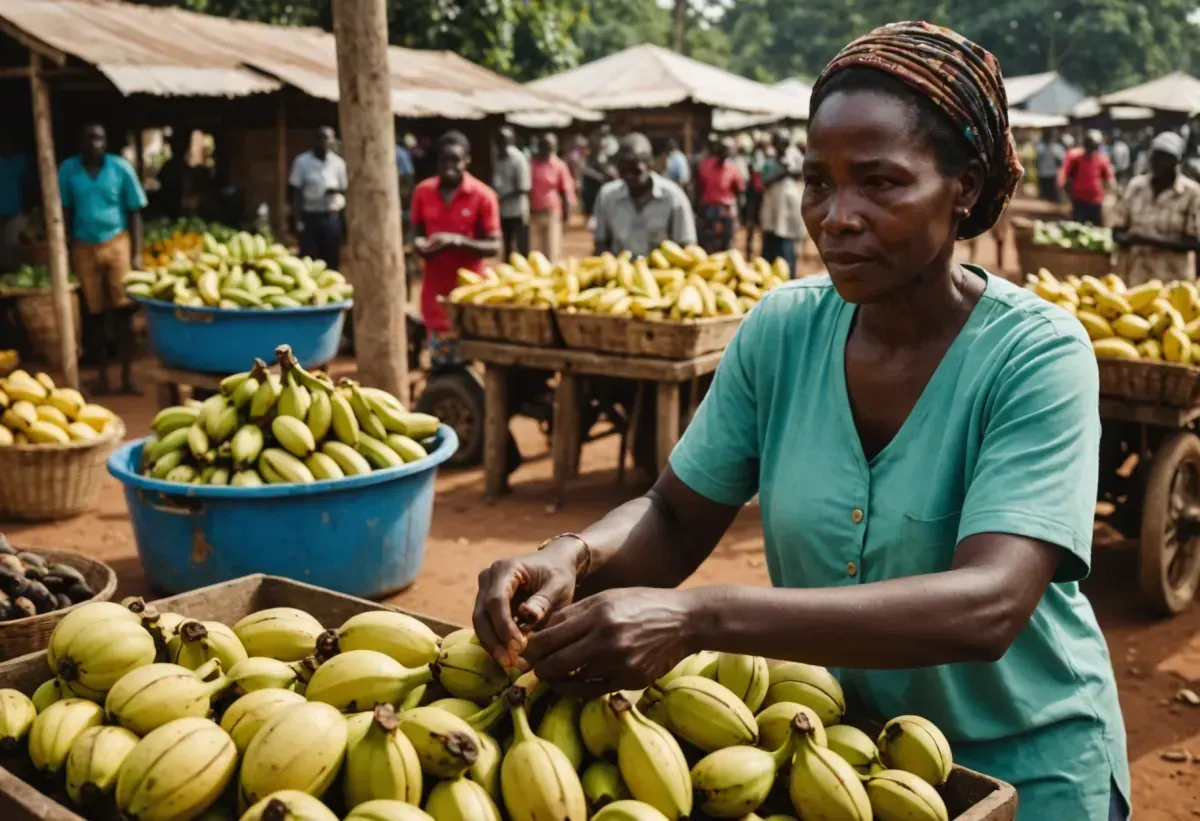
- Low wages — many workers are paid so little that they cannot meet basic needs such as food, rent, school fees and transport.
- Delayed or withheld wages — some employers pay workers weeks late, or not at all, which the Bible condemns in Leviticus 19:13 and James 5:4.
- Excessive working hours — the Employment Act sets a maximum of forty-eight hours a week, but some workers are forced to work far longer without extra pay.
- No written contracts — many workers, especially domestic workers and casual labourers, work on verbal agreements and so cannot prove their terms of service.
- Denial of leave — some employers refuse annual leave, weekly rest, maternity leave or sick pay that the law guarantees.
- Unsafe working conditions — workers on building sites and farms may lack helmets, gloves, safe tools and first aid, exposing them to injury.
- Child labour — the Employment Act forbids employing children under twelve and restricts work for those under fourteen, yet some children are still made to work.
- Forced labour — the Act prohibits forced or compulsory labour, but some workers are kept working against their will.
- Sexual harassment — some employers or their representatives make unwanted advances, and the Act requires employers to display measures to prevent it.
- Domestic work exploitation — house helps and cooks often work long hours, live in, and go unpaid or underpaid because their work is not regulated.
- Security guarding — private guards frequently work long night shifts for low pay, often without proper contracts or protective equipment.
- Casual farm labour — day labourers in gardens and plantations are paid per day with no leave, no sick pay and no job security.
- Migrant domestic work — Ugandans who travel abroad for domestic work can be trapped with little pay, long hours and no way to complain.
- Denial of severance — the Employment Act entitles a worker with six months’ continuous service to severance in some cases, but some employers refuse to pay it.
- Intimidation and threats — workers who complain are sometimes threatened with dismissal, so they keep quiet about the abuse.
| Sector | Common form of exploitation | Example |
|---|---|---|
| Domestic work | Low or unpaid wages, long hours | A house help in Kampala paid late or not at all |
| Security guarding | Long night shifts, low pay, no protective gear | A private guard working twelve-hour nights |
| Casual farm labour | Daily pay, no leave or sick pay | A day labourer weeding a plantation for daily wages |
| Migrant domestic work | Long hours, trapped, no way to complain | A Ugandan woman working abroad with no contract |
Scripture application: Leviticus 19:13 commands, “The wages of a hired servant shall not remain with you all night until the morning.” When a Kampala employer keeps a house help’s pay for weeks, the same principle applies — pay workers what they are owed, and on time.
Exam tip: For “exploitation” questions, give the form (low pay, long hours, no contract), the law or verse that forbids it, and one Ugandan example. Three elements — form, rule, example — make a full-mark answer.
Overcoming irresponsible and unprofessional behavior
Irresponsible and unprofessional behaviour is conduct that breaks workplace rules and undermines trust, such as lateness, absenteeism, theft, gossip and carelessness. A worker overcomes it by practising punctuality, honesty, diligence and respect. Proverbs 6 sends the lazy worker to the ant to learn self-discipline.
- Punctuality — arrive at work on time every day, because lateness disrupts the team and shows a lack of respect for the employer’s time.
- Regular attendance — come to work consistently and report any absence early, instead of disappearing without explanation.
- Honesty — do not steal money, goods or time, and always tell the truth about what you have done.
- Diligence — work hard and finish tasks fully, like the ant in Proverbs 6:6-8 which stores food without needing a supervisor.
- Respect for authority — obey lawful and reasonable instructions from supervisors, and treat employers and colleagues with courtesy.
- Avoiding substance abuse — do not report to work drunk or under the influence of drugs, because this endangers everyone.
- Avoiding gossip — do not spread rumours or talk down colleagues, since gossip poisons teamwork and trust.
- Proper dress and hygiene — wear the right uniform or work clothes and keep clean, as appearance shows seriousness about the job.
- Accountability — own up to mistakes and correct them rather than blaming others or hiding the error.
- Self-discipline — control your temper, your spending and your habits so that work is done steadily and without drama.
- Teamwork and co-operation — share tasks, help colleagues and keep promises, because a workplace succeeds through joint effort.
- Following rules and procedures — learn and keep the employer’s policies on safety, money and conduct.
- Integrity — be the same honest person whether the boss is watching or not, acting with moral uprightness in every task.
- Continuous learning — improve your skills and accept correction, so that unprofessional habits are replaced with competence.
| Unprofessional behaviour | Professional behaviour |
|---|---|
| Arriving late or absent without notice | Arriving on time and reporting absence early |
| Stealing, lying or falsifying records | Honesty in money, time and reports |
| Gossip and insulting colleagues | Respect and constructive communication |
| Working carelessly and leaving tasks half-done | Diligence and finishing work to standard |
| Substance abuse at work | Sobriety and self-control |
These expectations are part of the wider study of professional work ethics and workplace dynamics, which covers the qualities of a good worker and employer in detail.
Scripture: “Go to the ant, you sluggard. Consider her ways, and be wise; which having no chief, overseer, or ruler, provides her bread in the summer, and gathers her food in the harvest” (Proverbs 6:6-8). A Ugandan worker who needs no one standing over them to work well follows the ant’s example of self-motivated diligence.
Common mistake: Do not write that “behaviour” and “character” are the same thing. Unprofessional behaviour is a single act, such as lateness; character is the lasting habit behind many acts. The exam wants you to distinguish them and give the fix.
Biblical approaches to solving workplace challenges
The Bible gives practical approaches to workplace challenges: work is God’s design, wages must be fair and prompt, workers must be diligent and honest, and the community must support the unemployed. These principles come from Genesis, Proverbs, Leviticus, Deuteronomy and James, and they apply directly to Ugandan workplaces.
- Work is God’s design — Genesis 2:15 says God put the man in the garden “to cultivate and keep it”, so work is part of God’s good purpose, not a curse.
- Stewardship of creation — Genesis 1:26-28 gives humanity dominion over the earth, which means managing resources responsibly for the good of all.
- Diligence, not laziness — Proverbs 6:6-8 points to the ant, which works without a supervisor and stores food in harvest, teaching self-motivated hard work.
- Pay workers promptly — Leviticus 19:13 forbids keeping a hired servant’s wages overnight, so an employer must pay on the agreed day.
- Protect the poor worker — Deuteronomy 24:14-15 says not to oppress a hired servant who is poor and needy, and to pay before sunset.
- God hears exploited workers — James 5:4 warns that wages kept back by fraud “cry out” and reach “the ears of the Lord of Armies”, so cheating workers is a sin.
- Honesty in all dealings — Leviticus 19:13 opens “You shall not oppress your neighbor, nor rob him”, so theft and cheating are forbidden in every workplace.
- Stewardship of talents — Matthew 25:14-30 shows servants who traded and multiplied what they were given, teaching us to develop and use our abilities.
- Perseverance — Galatians 6:9 urges believers not to grow weary in doing good, for they will reap in due season if they do not give up.
- Bearing one another’s burdens — Galatians 6:2 tells Christians to carry each other’s burdens, which includes helping the unemployed and the exploited.
- Care for the needy — Matthew 25:35 teaches that serving the hungry and the stranger is serving Christ, so believers should help those without work.
- Faithful service despite hardship — Genesis 29 shows Jacob serving faithfully for fourteen years, teaching that honest, patient labour is honoured even under a difficult employer.
- Rest, not overwork — Deuteronomy 5:14 says even servants must rest, so a fair employer does not overwork staff beyond their strength.
- Doing good works — Titus 3:14 calls believers to maintain good works for necessary uses, which includes honest work that serves the community.
| Scripture | Teaching | Modern application |
|---|---|---|
| Genesis 2:15 | Work is God’s good design | See honest work as a calling, not a curse |
| Proverbs 6:6-8 | Diligence and self-motivation | Work without waiting for supervision |
| Leviticus 19:13 | Pay wages promptly | Pay workers on the agreed day |
| Deuteronomy 24:14-15 | Protect the poor worker | Do not exploit the needy labourer |
| James 5:4 | God hears defrauded workers | Never hold back wages by fraud |
| Galatians 6:9 | Persevere in doing good | Keep working honestly without giving up |
For the fuller Old Testament treatment of these justice texts, see the companion notes on Old Testament teachings on work and diligence.
Exam tip: For a Biblical question, use the “verse → teaching → Ugandan application” chain. For example, James 5:4 condemns withheld wages, so an employer who delays a garden labourer’s pay sins against God and the worker. Apply the verse, never just recite it.
Frequently asked questions about contemporary workplace challenges
What are the challenges of work in the modern world?
The challenges of work in the modern world include unemployment, worker exploitation and irresponsible or unprofessional behaviour. Others are skills mismatch, low pay, delayed wages, job insecurity, unsafe workplaces, discrimination and rapid population growth. Uganda’s large informal sector and few formal jobs worsen them.
What are the causes of unemployment in Uganda?
Uganda’s unemployment is driven by skills mismatch between schools and employers, corruption in recruitment, rural-urban migration, rapid population growth and low industrialisation. The economy also depends heavily on agriculture and informal work, so few formal jobs absorb the many young people entering the labour market each year.
What is worker exploitation and where does it happen in Uganda?
Worker exploitation is the unfair treatment of employees through low or unpaid wages, long hours, unsafe conditions, no contracts and denial of leave. In Uganda it is common in domestic work, security guarding, casual farm labour and migrant domestic work abroad, where weak inspection leaves many workers unprotected.
How can a worker overcome irresponsible and unprofessional behaviour?
A worker overcomes irresponsible behaviour by practising punctuality, regular attendance, honesty, diligence and respect for authority. They should avoid gossip, substance abuse and careless work, and instead show self-discipline, teamwork and integrity. Proverbs 6:6-8 points to the ant as a model of self-motivated hard work.
What does the Bible say about paying workers fairly?
The Bible commands fair and prompt payment. Leviticus 19:13 says a hired servant’s wages must not be kept overnight, and Deuteronomy 24:14-15 says to pay the poor worker before sunset. James 5:4 warns that wages kept back by fraud cry out to God.
What does Proverbs 6 teach about laziness?
Proverbs 6:6-11 sends the sluggard to the ant, which works without a supervisor and stores food in harvest. The passage condemns too much sleep and excuses, and warns that poverty comes like an armed robber. Diligence is shown as wisdom, foresight and self-motivation.
What are the rights of workers under Uganda’s Employment Act?
The Employment Act 2006 protects workers from forced labour, child labour, discrimination and sexual harassment. It sets a maximum of forty-eight working hours a week, and provides for weekly rest, annual leave, sick pay, maternity and paternity leave, notice periods and severance allowance.
Key terms and revision summary
| Term | Definition |
|---|---|
| Unemployment | A situation where people able, available and willing to work cannot find a job. |
| Underemployment | Working fewer hours than desired, or in a job below one’s skills and qualifications. |
| Skills mismatch | A gap between the skills employers need and the skills learners actually possess. |
| Worker exploitation | Unfair treatment of employees through low pay, long hours, unsafe conditions or no contracts. |
| Informal employment | Work outside formal registration and protection, including vending, boda-boda riding and casual farm labour. |
| Labour underutilisation | A measure of unused labour covering unemployment, underemployment and those not fully engaged. |
| Irresponsible behaviour | Conduct that breaks workplace rules, such as lateness, absenteeism and carelessness. |
| Professionalism | The conduct, honesty, diligence and respect expected of a competent worker. |
| Forced labour | Work a person is made to do against their will, which Uganda’s Employment Act prohibits. |
| Casual labour | Work paid by the day or task with no contract, leave or job security. |
| Migrant domestic work | Domestic work done by a person who has moved abroad, where exploitation is a known risk. |
| Severance allowance | A payment due to an employee after six months’ continuous service in certain cases, one month’s salary per year worked. |
Exam-style questions
- Define unemployment and explain four causes of unemployment in Uganda. Outline: define unemployment (able, available, willing, but no job); then explain any four of skills mismatch, corruption in recruitment, rural-urban migration, rapid population growth and low industrialisation, with a Ugandan example for each.
- Explain four forms of worker exploitation common in Uganda. Outline: choose four from low or unpaid wages, long working hours, no contracts, denial of leave, unsafe conditions and child or forced labour; reference the Employment Act and one Bible verse such as James 5:4.
- With reference to Leviticus 19:13, Deuteronomy 24:14-15 and James 5:4, explain the Biblical teaching on fair treatment of workers. Outline: Leviticus 19:13 teaches prompt payment; Deuteronomy 24:14-15 teaches protecting the poor worker; James 5:4 teaches that God hears defrauded workers; apply each to a Ugandan workplace.
- Describe four ways a Christian worker can overcome irresponsible and unprofessional behaviour. Outline: choose four from punctuality, honesty, diligence (Proverbs 6:6-8), respect for authority, self-discipline and integrity; give a workplace example for each.
- Assess the importance of diligence in the modern workplace. Outline: define diligence; link it to Proverbs 6:6-8 (the ant); explain benefits such as productivity, trust and promotion; then link national diligence to reduced unemployment, with a Ugandan example.
Practise writing these answers under timed conditions using the UNEB past papers on Remedial Corner.

Leave a Reply