
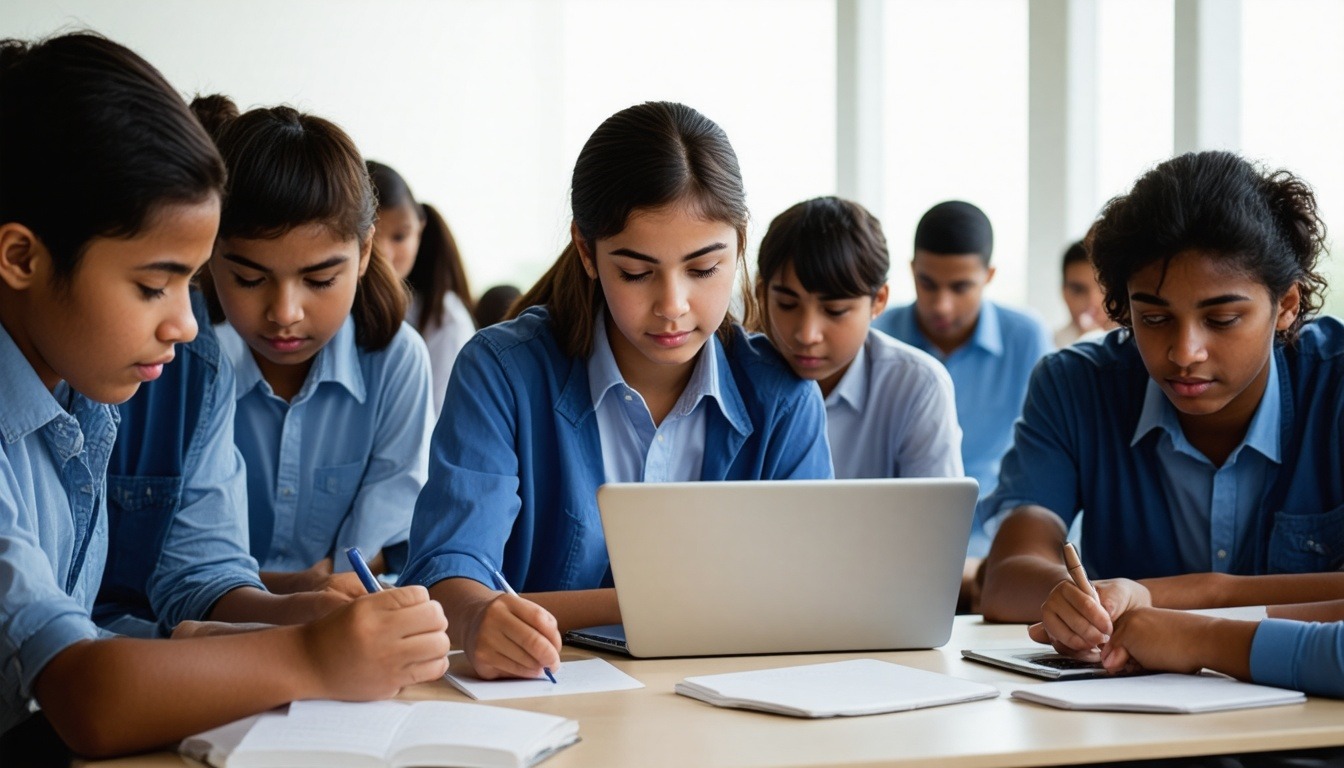
Secondary school is a time of growth, challenges, and discovery. To truly succeed, you need more than just good grades. You need a set of qualities that help you navigate academics, relationships, and personal development. This guide lists 15 essential qualities of a successful secondary school student, with practical tips to cultivate each one.
1. Resilience: Bounce Back Stronger
Resilience is the ability to recover from setbacks. Every student faces failures, like a bad test score or a missed opportunity. Resilient students see these as learning moments, not defeats.
Example: Imagine you fail a math exam. A resilient student asks the teacher for help and studies harder. They don’t give up.
Actionable Advice: When you face a setback, write down three things you learned from the experience. Then create a plan to improve. This shifts your mindset from failure to growth.
2. Time Management: Master Your Schedule
Secondary school brings many assignments, activities, and social obligations. Good time management helps you balance everything without stress.
- Use a planner or digital calendar to track deadlines.
- Break big tasks into smaller, manageable steps.
- Prioritize tasks based on importance and urgency.
Example: A student with a science project due Friday also has soccer practice. They plan 30 minutes each day to work on the project, avoiding last-minute panic.
Actionable Advice: Start each Sunday by mapping out your week. Set time blocks for homework, studying, and fun. Stick to your plan as much as possible.
3. Curiosity: Never Stop Asking Questions
Curious students are eager to learn beyond the textbook. They ask “why” and “how” and seek deeper understanding. This quality fuels intellectual growth.
Example: In history class, a curious student researches what led to a war, not just memorizing dates.
Curiosity is the spark that turns lessons into lifelong learning.
Actionable Advice: Whenever a topic interests you, spend 10 minutes researching it online. Watch a video, read an article, or ask your teacher. Feed your curiosity.
4. Responsibility: Own Your Choices
Responsibility means accepting the consequences of your actions, both good and bad. It shows maturity and builds trust with teachers and peers.
Example: If you forget your homework, don’t make excuses. Apologize, hand it in late if possible, and set a reminder for next time.
Actionable Advice: Keep a list of your commitments. Review it daily. If you miss something, ask yourself how to prevent it. This builds independence.
5. Teamwork: Collaborate Wisely
Group projects are common in secondary school. Teamwork involves listening, sharing ideas, and working toward a common goal. Successful students know how to contribute and support others.
| Teamwork Skill | Why It Matters |
|---|---|
| Active Listening | Shows respect and helps avoid misunderstandings. |
| Sharing Workload | Ensures tasks are done efficiently and fairly. |
| Giving Feedback | Helps the group improve and grow. |
Actionable Advice: In your next group project, volunteer for a role that suits your strengths. Also, ask teammates for their opinions often.
6. Communication: Express Yourself Clearly
Good communication is about speaking and writing clearly, but also listening. It helps you ask for help, present ideas, and build friendships.
Example: When you’re confused about a lesson, raise your hand and say, “Could you explain step two again?” This is clear and effective.
Actionable Advice: Practice explaining a concept you learned today to a friend or family member. If they understand, you’re on the right track.
7. Critical Thinking: Question Assumptions
Critical thinking is the ability to analyze information and make logical decisions. In an age of fake news, this quality is vital.
Example: When reading a social media post, a critical thinker checks the source and looks for evidence before believing it.
Actionable Advice: When you encounter a new claim, ask three questions: Who said it? What evidence is there? Are there other explanations?
8. Adaptability: Embrace Change
Secondary school is full of changes: new teachers, different subjects, and shifting schedules. Adaptable students adjust quickly and stay positive.
Example: When a teacher suddenly announces a pop quiz, an adaptable student takes a deep breath and uses their existing knowledge.
Actionable Advice: Keep an open mind when routines change. Think of surprises as opportunities to test your flexibility. This reduces stress.
9. Self-Motivation: Push Yourself Without External Rewards
Self-motivated students study because they want to, not just for grades. They set personal goals and work towards them consistently.
Example: A student wants to improve their writing, so they practice every day even without extra credit.
Actionable Advice: Set a small goal for yourself, like reading one book a month. Track your progress and reward yourself. Internal rewards are powerful.
10. Organization: Keep Track of Everything
Organization goes beyond having a tidy desk. It’s about planning your materials, notes, and files so you can find things quickly.
- Use binders with labeled sections for each subject.
- Color-code your notes.
- Keep a backpack clean and clutter-free.
Example: An organized student never loses handouts because each subject has a designated folder.
Actionable Advice: Spend five minutes at the end of each day organizing your notes and assignments. This small habit saves hours later.
11. Empathy: Understand Others
Empathy means understanding and sharing the feelings of others. It helps you build strong friendships and resolve conflicts peacefully.
Example: When a classmate seems upset, you ask if they’re okay and listen without judging.
Actionable Advice: Before you react to someone, take a moment to imagine how they feel. Then respond with kindness.
12. Integrity: Do the Right Thing
Integrity is about honesty and strong moral principles. It earns you respect and trust from everyone around you.
Example: You see the answer key but choose not to look because you know cheating is wrong.
Integrity is doing the right thing, even when no one is watching.
Actionable Advice: When faced with an ethical dilemma, ask yourself if you would be proud to tell your parents about it. Let that guide you.
13. Perseverance: Never Quit
Perseverance is the determination to keep going despite obstacles. It’s closely linked to resilience but focuses on long-term effort.
Example: Failing a road test doesn’t stop you from practicing again. You keep driving with your parents until you pass.
Actionable Advice: Break your biggest goal into weekly milestones. Celebrate each small win. This keeps your motivation high.
14. Open-Mindedness: Welcome New Ideas
Open-minded students are willing to consider different perspectives. This quality enhances learning, creativity, and tolerance.
Example: In a debate, you listen to the opposing side and try to understand their reasoning before arguing your point.
Actionable Advice: Challenge yourself to read an article or watch a video with an opinion you disagree with. Try to see the other side.
15. Digital Literacy: Use Technology Wisely
Secondary school increasingly relies on technology. Digital literacy means using it for learning, communication, and problem-solving responsibly.
Example: You know how to find reliable sources for a research project and how to cite them correctly.
Actionable Advice: Learn keyboard shortcuts, use online collaboration tools, and always verify information before sharing. Be a smart digital user.
Frequently Asked Questions
How can I develop these qualities quickly?
Start with one quality at a time. Focus on it for a week. Practice daily and reflect on your progress. Soon, it becomes a habit.
Do these qualities matter more than grades?
Both matter. Grades show knowledge, but qualities show your character. Universities and employers look for both. Qualities often make you stand out.
Can I be successful if I lack some qualities?
Yes. No one has all qualities from the start. You can build them over time with effort and self-awareness. Pick one to improve today.
How can parents help their children develop these qualities?
Parents can model these behaviours, encourage independence, and praise effort rather than just results. Open communication is key.
Developing these 15 qualities will set you on a path to success in secondary school and beyond. Choose one quality to work on this week. Small steps make a big difference.



Leave a Reply