
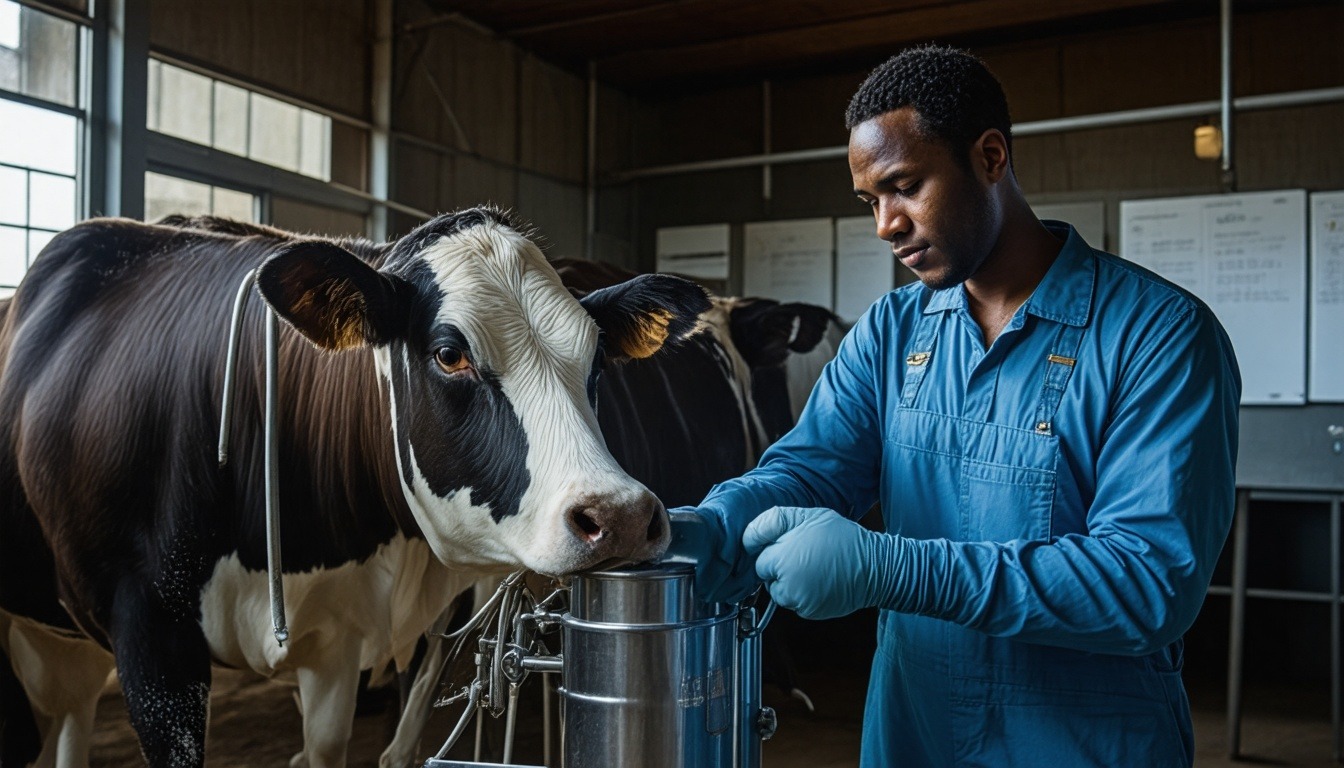
Cattle farming is both a science and an art. Whether managing a small dairy herd or a large beef operation, the quality and safety of your products hinge on the practices you adopt. From the moment a cow is milked to the time a steak reaches the consumer’s plate, every step demands precision, cleanliness, and a deep understanding of animal health. This comprehensive guide covers the entire spectrum of hygienic milking techniques, quality handling of cattle products, and the strategies needed to thrive in today’s competitive market. You will learn how to protect animal welfare, prevent contamination, and create value-added products that stand out. Let’s dive into the world of cattle product excellence.
Importance of Hygienic Milking Techniques
Milking isn’t just about extracting milk; it is the very first step in a chain of quality. Hygienic milking techniques are essential for producing safe, high-quality milk that is free from harmful bacteria and contaminants. Poor practices can lead to spoilage, foodborne illness, and economic losses for the farmer. Below, we explore the multifaceted importance of hygienic milking and how it benefits animals, producers, and consumers alike.
1. Milk Quality and Consumer Safety
Milk is a highly nutritious medium that also serves as a perfect breeding ground for bacteria. Unhygienic milking can introduce pathogens such as E. coli, Salmonella, and Listeria directly into the milk. These pathogens can cause serious illnesses in humans, including food poisoning, meningitis, and even death in vulnerable individuals. By adopting hygienic milking techniques, you significantly reduce the microbial load, ensuring the milk is safe for consumption and has a longer shelf life.
2. Prevention of Mastitis
Mastitis, an inflammation of the udder, is one of the most costly diseases in dairy farming. It is often caused by bacteria entering the teat canal during milking. Unhygienic conditions—like dirty udders, contaminated milking equipment, and poor milker hygiene—increase the risk of mastitis infection. Regular and proper cleaning of the udder, teat dipping, and using sanitized equipment are critical preventive measures. Healthy udders produce more milk, and prevention is far more cost-effective than treatment.
3. Enhanced Milk Composition and Market Value
Hygienic milking practices directly influence the composition and quality of milk. Milk with high somatic cell counts (SCC), evidence of mastitis, or contamination is penalized by processors and often rejected. Clean milking results in lower SCC, higher fat and protein content, and a more desirable taste. This increases the market value of the milk and allows farmers to command premium prices, especially in markets that reward quality.
4. Animal Health and Welfare
Hygienic milking isn’t only about the milk; it’s also about the cow. Gentle and clean milking reduces stress, prevents udder injuries, and promotes overall animal health. Cows that are well-cared-for produce more milk and have longer productive lives. Good hygiene also prevents the spread of contagious diseases among the herd, reducing the need for antibiotics and veterinary interventions.
5. Compliance with Legal and Industrial Standards
Dairy farming is heavily regulated in most countries. Laws and industry standards (e.g., Pasteurized Milk Ordinance in the US, EU Hygiene Package) mandate specific milking practices, equipment standards, and testing protocols. Failure to comply can result in fines, shutdowns, or loss of market access. Hygienic milking ensures you meet these legal obligations and facilitates successful audits and certifications.
6. Economic Efficiency and Reduced Waste
Unhygienic practices lead to milk discards due to rejection, spoilage, or contamination. This waste represents a direct loss of revenue and wasted resources. Implementing rigorous hygiene protocols reduces spoilage, minimizes the need for costly antibiotics, and optimizes production efficiency. In the long run, the savings and improved yields significantly outweigh the costs of hygiene investments.
7. Public Perception and Brand Reputation
Consumers are increasingly concerned about food safety and animal welfare. A single scandal involving contaminated milk can ruin a farm’s reputation and devastate sales. Adopting and promoting hygienic milking techniques builds consumer trust and enhances your brand image. This is particularly important in niche markets like organic or artisanal dairy, where trust is a key purchase driver.
| Aspect | Hygienic Milking | Unhygienic Milking |
|---|---|---|
| Udder Prep | Thorough washing and drying with single-service paper towels | Wiping with shared cloth or no cleaning |
| Teat Dipping | Pre- and post-milking dipping with sanitizer | No dipping | Equipment Sanitation | Cleaned and sanitized after every use | Rinsed with water only |
| Somatic Cell Count | Low (<200,000 cells/ml) | High (>400,000 cells/ml) |
| Bacterial Load | Low – meets export standards | High – risk of milk spoilage |
Milking Hygiene Checklist
- Ensure the milking parlor is clean and well-ventilated.
- Inspect the udder and teats for clinical signs of mastitis.
- Wash the udder with warm, sanitized water and dry with single-use towels.
- Fore-strip each teat into a strip cup to discard contaminated milk.
- Dip teats in a pre-milking sanitizer and allow contact time before drying.
- Attach milking units promptly and ensure proper vacuum levels.
- Post-milky, dip teats with a barrier disinfectant.
- Clean all equipment immediately after milking with approved detergents and sanitizers.
- Maintain milk cooling at or below 4°C within 30 minutes of milking.
“Hygiene is the shield that protects milk’s purity. Every drop reflects the care you take.”
Detecting Milk Abnormalities Using a Strip Cup
The strip cup is one of the simplest yet most powerful diagnostic tools in a dairy farm. It is a shallow, dark-bottomed dish with a fine mesh or screen used to examine the first few streams of milk from each teat. This practice, called fore-stripping, is both a component of hygienic milking and a method for detecting subtle signs of mastitis and other abnormalities. Here, we explain the science of the strip cup, how to use it, and how to interpret your findings.
What is a Strip Cup?
A strip cup is typically made of stainless steel or plastic, with a dark, often black, interior to provide contrast for detecting small flakes or clots. Some have a screen to catch solids. Its primary function is to allow visual inspection of milk for abnormalities such as color changes, viscosity, and presence of pus or blood.
Why Use a Strip Cup?
- Detects Clinical Mastitis: Visible changes in milk appearance are often the first signs of mastitis.
- Identifies Subclinical Infections: While subclinical mastitis doesn’t visibly change milk, a strip cup can sometimes reveal tiny particles aided by the dark background.
- Contributes to Hygiene: Fore-stripping removes the high-bacterial milk from the teat canal, reducing contamination of the bulk milk.
- Monitors Udder Health: Regular use helps track the health status of each quarter over time.
- Early Intervention: Early detection allows for timely treatment, reducing the severity of the infection and preventing spread.
Steps for Using a Strip Cup Correctly
- Prepare the Cup: Ensure the strip cup is clean and dry before starting. Some models have a black plastic insert; keep it visible.
- Identify the Cow and Teat: Work in a consistent order (e.g., left to right) to avoid confusion.
- Wipe the Teat: Dispose off any debris by wiping with a clean paper towel.
- Discard the First Streams: Squeeze 3-4 streams from the first teat into the strip cup. Avoid touching the cup to the teat to prevent contamination.
- Examine the Milk: Visually assess the milk on the cup’s surface against the dark background. Look for any changes in color, consistency, or the presence of particles.
- Check Every Teat: Repeat for all four teats, using the same cup but observing each separately.
- Record and Act: Note any abnormal findings in the cow’s health record. If abnormalities are present, mark the cow and don’t attach the milking machine. Milk infected quarters last or into a separate container to avoid contaminating the bulk tank.
- Clean the Cup: After each cow, empty the cup and rinse it thoroughly. Sanitize it between cows to avoid cross-contamination.
Interpreting Strip Cup Results: A Guide to Visual Changes
| Observation | Possible Cause | Action |
|---|---|---|
| Normal: Thin, uniform white to cream color | Healthy milk | Milking can proceed |
| Watery, bluish appearance | Early lactation or mastitis | Investigate further; check SCC |
| Clots or flakes (yellow/white) | Clinical mastitis (presence of fibrin and leucocytes) | don’t milk into bulk tank; treat and quarantine |
| Blood (pink/red) | Trauma, hemorrhage, or mastitis (e.g., due to E. coli) | Check for injury; consult veterinarian |
| Watery and with bluish tinge | Subclinical or per acute mastitis | Test for SCC and bacteria |
| Thick, yellow purulent discharge | Severe mastitis | No milking, immediate treatment |
| Gas bubbles | Coliform mastitis (e.g., E. coli) | Emergency vet call, avoid human consumption |
When using a strip cup, always wear gloves that are washed between cows. The cup itself should be sanitized; some farms use multiple cups to avoid cross-contamination. While the strip cup is effective, it only catches clinical cases. For subclinical mastitis, other tests like the California Mastitis Test (CMT) or electronic SCC testing are recommended.
The strip cup is the farmer’s first line of defense against milk quality failures.
Principles of Clean Milk and Meat Production
Clean food production is a cornerstone of public health and agricultural sustainability. Cattle products—milk and meat—are highly perishable and prone to microbial contamination if proper principles aren’t followed. This section outlines the fundamental principles that govern clean milk and meat production, from the farm environment to the final packaging, to ensure safety, quality, and compliance with international standards.
Principles of Clean Milk Production
Clean milk production begins long before the milking machine is attached. It involves the animal’s environment, feed, water, and handling practices.
- Healthy, Clean Animals: Cows must be free from diseases and kept clean. Dried, well-bedded areas reduce the risk of dirt and manure contact with the udder.
- Clean Environment: The milking parlor, calf pens, and loafing areas should be regularly cleaned and disinfected. Prevent accumulation of manure and mud.
- Quality Feed and Water: Poor-quality silage can impart off-flavors and toxins. Water sources must be clean and safe to avoid bacterial contamination.
- Hygienic Milking Procedures: As discussed earlier, this includes udder washing, teat dipping, fore-stripping, and using clean equipment.
- Prompt Cooling: Milk must be cooled to below 4°C within 2 hours of milking to inhibit bacterial growth. The cold chain must be maintained throughout storage and transport.
- Sanitation of Equipment: All utensils, pipelines, and bulk tanks must be cleaned and sanitized after each milking.
- Hygiene of Personnel: Milkers should wear clean clothing and gloves; they shouldn’t suffer from infectious diseases or open wounds.
- Traceability and Testing: Regular testing for antibiotics, microbial counts, and somatic cells ensures ongoing compliance.
Principles of Clean Meat Production
Meat production involves a multi-stage process from live animal to carcass. Hygiene is critical to prevent contamination and ensure food safety.
- Ante-Mortem Inspection: Healthy animals must be selected for slaughter. An official vet examines the animals to identify any signs of disease or injury.
- Proper Rearing and Transport: Animals should be raised in a clean environment, transported safely, and rested before slaughter to reduce stress and contamination.
- Cleanabbatoir Design: The slaughterhouse must be hygienically designed with separate areas for dirty and clean operations to avoid cross-contamination.
- Staff Hygiene: Workers must wear protective clothing, wash hands, and follow rigorous sanitation protocols.
- Clean Slaughtering Techniques: Use of sterilized knives, minimal contact between incisions, and avoiding puncturing the stomach or intestines to prevent fecal contamination.
- Chilling of Carcasses: Rapid cooling within 4-6 hours to below 7°C prevents bacterial growth.
- Skilled Deboning and Cutting: Work surfaces and tools must be sanitized; workers must handle meat with gloved hands.
- Packaging and Labeling: Use food-grade packaging and clear labels with storage instructions.
Comparison: Clean Milk vs. Clean Meat Principles
| Stage | Milk Production | Meat Production |
|---|---|---|
| Pre-harvest | Udder health, cleanliness | Animal health, feed quality |
| Harvest | Milking technique, equipment sanitization | Slaughter techniques, evisceration care |
| Post-harvest | Cooling, cold chain | Chilling, butchery hygiene |
| Safety | Testing for antibiotics and adulterants | Meat inspection for pathogens |
Both milk and meat production share the core principle of prevention of contamination at every step. Also crucial is the concept of Hazard Analysis and Critical Control Points (HACCP), a systematic preventive approach that identifies potential hazards and ensures controls at each stage.
The One Health Perspective
Clean milk and meat production isn’t just a farming issue; it protects human health. Many zoonotic diseases such as tuberculosis, brucellosis, and salmonellosis can be transmitted through contaminated dairy and meat. By adhering to clean production principles, we contribute to the One Health framework, which recognizes the interconnection between people, animals, and the environment.
Clean milk and meat production is the silent guardian of public health.
Processing and Handling Dairy and Beef Cattle Products
Once milk is harvested and beef is produced, proper processing and handling are essential to preserve quality, extend shelf life, and create diverse products for consumers. This section covers the key techniques for processing dairy and beef cattle products, from simple cooling to complex fermentation, and discusses the best practices for handling and storage.
Dairy Processing: From Raw Milk to Value-Added Goods
Dairy processing transforms raw milk into a wide range of products such as pasteurized milk, cheese, yogurt, butter, and cream. The primary goals are to ensure safety, improve shelf life, and create tailored products for different markets.
1. Pasteurization
Pasteurization is a heat treatment that destroys pathogenic microorganisms without drastically changing the milk’s nutritional quality. Common methods include:
- High-Temperature Short-Time (HTST): Heating milk to 72°C for 15 seconds, the most common method.
- Ultra-High Temperature (UHT): Heating to 135°C for 1-2 seconds, producing shelf-stable milk.
- Low-Temperature Long-Time (LTLT): 63°C for 30 minutes, used in small-scale operations.
2. Homogenization
Homogenization is a mechanical process that breaks up fat globules into smaller particles, preventing cream separation. This results in a uniform, creamy texture and improved mouthfeel.
3. Fermentation
Fermentation uses beneficial bacteria to convert lactose into lactic acid, creating products like yogurt, kefir, and sour cream. This process extends shelf life and introduces probiotics beneficial to human gut health.
4. Cheese Making
Cheese production involves coagulating milk through rennet and/or acid, then pressing and aging to develop the final product. Different ripening processes produce hundreds of cheese varieties, from mozzarella to aged cheddar.
5. Butter and Ghee
Butter is made by churning cream to separate butterfat from buttermilk. Ghee is clarified butter made by evaporating water and removing milk solids, offering a high smoke point and longer shelf life.
Dairy Product Handling and Storage
- Cold Chain: Maintain a temperature of ≤4°C for fresh dairy, and ≤-18°C for frozen dairy.
- Packaging: Use airtight, food-grade packaging to prevent contamination and light damage.
- Stock Rotation: Follow FIFO (First-In, First-Out) to ensure freshness.
- Hygiene: All equipment and surfaces must be sanitized to avoid reintroducing pathogens.
Beef Processing: From Carcass to Consumer
Beef processing is a complex chain that covers slaughtering, aging, cutting, and packaging. The goal is to produce tender, flavorful meat with minimal contamination risk.
1. Slaughtering and Bleeding
The animal is humanely stunned and killed, then bled to ensure meat quality and to promote hygienic handling. The bleeding process removes blood, which is a nutrient source for bacteria.
2. Deboning and Carcass Chilling
After removal of the hide and internal organs, the carcass is split and chilled. Chilling prevents bacterial growth and begins the process of rigor mortis resolution. Rapid chilling may cause cold shortening if applied too early, so controlled chilling is preferred.
3. Aging
Aging enhances tenderness and flavor. Two methods:
- Wet aging: Vacuum-packed cuts stored for 7-28 days at 1-2°C.
- Dry aging: Carcasses stored in humidity-controlled environments for 2-6 weeks, creating a concentrated flavor.
4. Cutting and Packaging
Cuts are deboned and trimmed, then packaged in vacuum bags or modified atmosphere packaging (MAP) to maintain color and extend shelf life. Ground beef is a higher-risk product due to increased surface area.
5. Preservation Techniques
- Refrigeration: Keeps meat at 0-4°C.
- Freezing: at ≤-18°C, stops microbial growth.
- Curing: Adding salt, nitrates, and spices (e.g., corned beef).
- Smoking: Adds flavor and preserves meat through phenolic compounds.
- Canning: Sterilization in airtight containers.
By-Products Utilization
Cattle processing creates valuable by-products beyond meat and milk:
| By-Product | Use |
|---|---|
| Hides | Leather goods |
| Tallow | Soap, cosmetics, biodiesel |
| Bones | Gelatin, bone meal, fertilizer |
| Blood | Blood meal for animal feed (if processed properly) |
| Hooves and Horns | Animal feed, fertilizer, albumen |
Proper handling of by-products is crucial to prevent waste and pollution while adding an income stream.
Processing turns perishable, low-value raw materials into durable, high-value goods.
Marketing Strategies for Cattle Products and Bi-products
Marketing is the bridge between production and consumption. For cattle products to be profitable, farmers must understand their target markets, differentiate their products, and utilize effective distribution channels. This includes not only primary products like milk and beef but also valuable by-products. Here are robust marketing strategies to maximize profitability.
1. Know Your Market
Conduct thorough market research to understand:
- Consumer preferences: Demand for organic, grass-fed, or Halal/Kosher products.
- Local vs. export: Identify whether selling locally or overseas yields better returns.
- Competition: Assess existing suppliers and market gaps.
2. Product Differentiation
Stand out by offering unique characteristics:
- Organic certification: Milk from pasture-fed cows without hormones or antibiotics.
- Grass-fed beef: Higher in omega-3 fatty acids and CLA.
- Traditions & provenance: Highlight specific breeds or local farming heritage.
- Value-added products: Cheese, yogurt, sausages, or jerky to attract diverse customers.
3. Pricing Strategies
Choose a pricing model that reflects costs and value:
- Cost-plus pricing: add a margin to production cost.
- Value-based pricing: charge based on perceived value (e.g., premium for organic).
- Competitive pricing: price similar to competitors.
- Promotional pricing: offer discounts to trial and retain customers.
4. Distribution Channels
- Farm gate sales: Direct to local consumers, maximizing farmer’s revenue.
- Farmers’ markets: Ideal for building relationships and showcasing quality.
- Retail supermarket chains: Requires consistent volume and packaging.
- Hotels, restaurants, and institutions: Long-term contracts for fresh, quality products.
- E-commerce and home delivery: Growing trend; use a website or apps like FarmLink.
5. Branding and Packaging
Invest in effective branding:
- Farm brand: Create a memorable logo, story, and mission.
- Packaging design: Use eye-catching, eco-friendly labels with clear information about origin, ingredients, and certifications.
- Transparency: Include QR codes for traceability to build consumer trust.
6. Marketing Bi-products
don’t neglect by-products; they can contribute significant income:
- Manure: Sell as organic fertilizer directly to gardeners or through landscaping companies.
- Hides: Partner with tanneries; sell exotic or branded leather goods.
- Horn and bone: Craft souvenirs or dog chews.
- Blood and offal: Market to pet food producers or specialized chefs (e.g., blood sausage).
7. Regulatory Compliance and Certifications
Certifications like Organic, Non-GMO, Animal Welfare Approved, or GlobalG.A.P. enhance credibility and access to niche markets. Ensure your operation meets all food safety regulations, as compliance is a marketing advantage in itself.
8. Digital Marketing and Social Media
Leverage online platforms to reach a wider audience:
- Website: Showcase products, practices, and ordering info.
- Social media: Use Instagram and Facebook for visual storytelling—share farm life, product photos, and health benefits.
- Email marketing: Build a newsletter list to inform customers about specials and arrivals.
- Influencer collaborations: Partner with food bloggers or local chefs to promote your products.
9. Direct Marketing and Agri-Tourism
Invite the public to your farm. Set up a farm stall, host dairy days, or provide tours. Experience-based marketing creates loyal customers who understand and value your practices.
Selling the product is the last step; the true essence of marketing is creating demand and trust.
Frequently Asked Questions
Why is fore-stripping important even with clean cows?
Fore-stripping removes the thick, high-bacteria milk that accumulates in the teat canal between milkings. This milk is unsuitable for consumption and can contaminate the bulk tank. It also allows you to detect mastitis early. As part of hygienic milking, it lowers the milk’s overall bacterial count and improves milk quality.
How often should I use a strip cup?
It should be a routine practice for every milking, for every cow, not just when you suspect an issue. Regular monitoring helps you establish a baseline and quickly catch subtle changes. Cows that are recovering from mastitis should be checked more frequently.
What are the biggest contaminants in milk?
The biggest biological contaminants are pathogenic bacteria like Salmonella, Listeria monocytogenes, E. coli, and Staphylococcus aureus. Chemical contaminants include antibiotics residues, pesticides, and cleaning agents. Physical contaminants (dirt, hair) can also occur if hygiene is poor.
How can I tell if my beef is clean?
Clean beef relies on prevention of contamination. Look for (or ensure) a hygienic slaughter environment, proper chilling, and intact packaging. At the consumer level, fresh beef should have a bright cherry-red color, no off-odors, and be firm to the touch. Properly processed beef will have undergone ante-mortem and post-mortem inspections.
What is the ideal temperature for milk storage?
Milk should be rapidly cooled to 4°C or below and maintained at that temperature to prevent bacterial growth. During transportation, bulk tanks must sustain that cold chain. For cheese or yogurt, specific storage conditions vary, but cold refrigeration is generally required.
Can I sell milk directly to consumers without pasteurization?
Raw milk sales are governed by state/country regulations. In many places, raw milk can be sold directly to consumers under strict licenses and safety warnings. It is important to check local laws and ensure extremely high hygiene to protect public health.
How do I market cattle by-products effectively?
Identify niche markets for each by-product. for instance, organic fertilizer can be sold to local gardeners, hides to leather craftsmen, and bones to artisans. Using online platforms and local word-of-mouth can help. Highlight the sustainable and natural aspects of your by-products.
Conclusion
Hygienic milking techniques and quality cattle handling aren’t optional extras; they are the backbone of a successful and ethical cattle operation. By implementing rigorous hygiene protocols, utilizing simple tools like the strip cup, and adhering to the principles of clean milk and meat production, you protect the health of your herd, the safety of your consumers, and the profitability of your business. Processing transforms raw products into appealing goods, while intelligent marketing ensures they reach the right customers. As consumer expectations rise and global standards tighten, every cattle farmer must be a steward of quality. Remember: the journey from cow to kitchen is a promise of purity—keep it sacred.
By embracing these practices, you not only comply with regulations but also build a reputation for excellence that keeps customers coming back. The future of cattle farming lies in sustainable, hygienic, and market-aware approaches. Go ahead, apply these standards, and watch your farm prosper.



Leave a Reply