
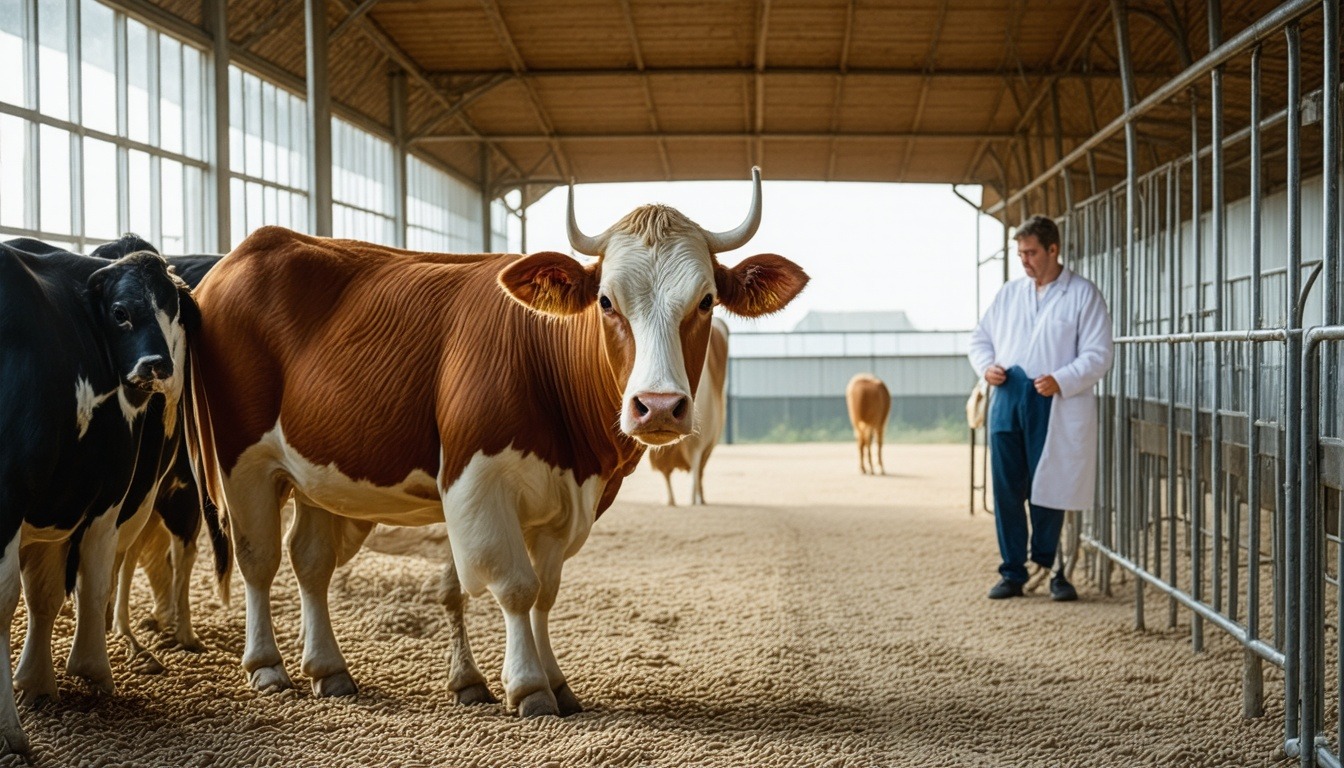
In the world of livestock management, the health and well-being of cattle are paramount not only for the economic success of farms but also for public health and food security. Diseases and parasites can devastate herds, reduce productivity, and in some cases, transmit to humans. Effective prevention and control strategies are essential, and they are underpinned by robust legislation that ensures coordinated action at local, national, and international levels. This comprehensive guide delves into the intricacies of cattle disease and parasite management, focusing on key diseases, control measures, and the legal frameworks that govern animal health. Whether you are a student, a farmer, or a veterinarian, this resource offers deep academic insights to enhance your understanding and practice.
Understanding Cattle Diseases and Parasites: An Overview
Cattle are susceptible to a wide array of infectious diseases and parasitic infestations that can cause significant morbidity, mortality, and economic losses. Diseases can be caused by viruses, bacteria, protozoa, and parasites, each with unique transmission cycles and pathological effects. Effective management requires a holistic approach that integrates prevention, early detection, and control measures. This section provides a foundational understanding of the major categories and their impact on cattle health.
- Infectious Diseases: These are caused by pathogenic microorganisms such as viruses (e.g., Foot and Mouth Disease), bacteria (e.g., Anthrax), and protozoa (e.g., Babesia causing Red Water). They can spread rapidly through direct contact, vectors, or contaminated environments.
- Parasitic Diseases: Caused by internal parasites like roundworms and external parasites like ticks. Parasites can cause chronic weight loss, reduced milk yield, and also act as vectors for other diseases.
- Vector-Borne Diseases: Many cattle diseases are transmitted by arthropod vectors, especially ticks. Understanding these vectors is crucial for effective prevention.
- Zoonotic Potential: Some cattle diseases, like anthrax, are zoonotic, meaning they can be transmitted to humans, emphasizing the importance of strict control and legislation.
Symptoms and Causes of Red Water and Heart Water
Red water (babesiosis) and heart water (cowdriosis) are two severe tick-borne diseases that pose significant threats to cattle in many regions. Both conditions are transmitted by ticks but are caused by different pathogens and present distinct clinical pictures. Early recognition of symptoms and understanding the causes are critical for effective treatment and prevention.
Red Water (Babesiosis)
Red water is a protozoal disease caused by Babesia bovis or Babesia bigemina, which infect and destroy red blood cells. The disease is named after the reddish-brown urine that affected cattle often pass. It is primarily transmitted by the cattle tick Rhipicephalus (Boophilus) microplus and R. decoloratus.
Symptoms of Red Water
- High fever (40-42°C)
- Anemia and pale mucous membranes
- Hemoglobinuria (red or brown urine)
- Jaundice (yellowing of the eyes and mucous membranes)
- Depression, weakness, and loss of appetite
- Increased respiratory and heart rate
- In severe cases, neurological signs, recumbency, and death
Causes of Red Water
- Infection with Babesia species following a tick bite
- Transmission through contaminated needles or blood transfusion (less common)
- Stress factors such as moving cattle to new areas where ticks are present
- Splenectomy or immunosuppression can exacerbate the disease
Heart Water
Heart water is a rickettsial disease caused by Ehrlichia ruminantium (formerly Cowdria ruminantium). It is transmitted by ticks of the genus Amblyomma, particularly Amblyomma hebraeum and A. variegatum. The disease primarily affects the central nervous system and cardiovascular system.
Symptoms of Heart Water
- Sudden death (especially in acute cases) without prior signs
- Fever (40-41°C)
- Inappetence, dullness, and depression
- Nervous signs: twitching of the eyelids and lips, chewing movements, circling, incoordination, and convulsions
- In some cases, severe respiratory distress and coughing
- Accumulation of fluid in the chest and abdomen, leading to heart failure and the characteristic ‘heart water’ appearance
Causes of Heart Water
- Infection with Ehrlichia ruminantium via the bite of infected bont ticks (Amblyomma species)
- Movement of susceptible cattle into areas where the vector is endemic
- Presence of wildlife reservoirs (e.g., antelopes) that maintain the tick and pathogen cycle
Comparison Table: Red Water vs. Heart Water
| Feature | Red Water (Babesiosis) | Heart Water |
|---|---|---|
| Pathogen | Babesia bovis / bigemina | Ehrlichia ruminantium |
| Primary Vector | Rhipicephalus (Boophilus) ticks | Amblyomma ticks |
| Target Organs | Red blood cells | Endothelial cells of blood vessels (brain, heart, lungs) |
| Key Symptom | Haemoglobinuria (red urine) | Nervous signs and fluid accumulation |
| Onset | Acute (1-3 weeks incubation) | Peracute to chronic (2-4 weeks incubation) |
| Mortality | High (especially in adults) | Variable, can be high in susceptible herds |
Early diagnosis and treatment with appropriate antiprotozoal or antibacterial agents, alongside tick control, are essential to reduce mortality from these devastating diseases.
Symptoms and Causes of Foot and Mouth Disease and Anthrax
Foot and Mouth Disease (FMD) and Anthrax are two highly contagious and economically devastating diseases with significant public health implications. FMD is a viral infection affecting cloven-hoofed animals, while Anthrax is a bacterial disease that is zoonotic. Understanding their symptoms and causes is vital for early detection and response.
Foot and Mouth Disease (FMD)
FMD is caused by a picornavirus of the genus Aphthovirus with seven serotypes (A, O, C, SAT1, SAT2, SAT3, Asia1). It spreads rapidly through direct contact, aerosols, contaminated feeds, and fomites. It is a notifiable disease globally due to its severe impact on livestock trade.
Symptoms of FMD
- High fever (40-41°C) and shivering
- Loss of appetite and depression
- Vesicles (blisters) on the tongue, dental pad, lips, and gums
- Vesicles on the coronary bands of the feet and interdigital spaces, leading to lameness
- Excessive salivation and drooling
- Reduced milk yield and lameness in dairy cows
- Recovery in 2-3 weeks, but secondary infections can occur
Causes of FMD
- Infection with any of the seven serotypes of FMD virus
- Contact with infected animals, their saliva, feces, or urine
- Contaminated feed, water, and equipment
- Inhalation of airborne virus particles (especially in high-density populations)
- Introduction of new animals without quarantine
Anthrax
Anthrax is caused by the bacterium Bacillus anthracis, a spore-forming rod. The disease primarily affects herbivores, including cattle. Spores are extremely resistant and can survive in soil for decades. Outbreaks often occur after heavy rains or flooding when spores are brought to the surface and ingested by grazing animals.
Symptoms of Anthrax
- Peracute death: animals may be found dead without showing clinical signs
- High fever, trembling, and excitement
- Labored breathing, cyanosis (blue mucous membranes)
- Bloody discharges from natural openings (nose, mouth, anus)
- Subcutaneous swellings (edema) in the neck, thorax, and perineum
- Blood doesn’t clot properly, leading to dark, tarry blood at necropsy
Causes of Anthrax
- Ingestion of Bacillus anthracis spores from contaminated soil, feed, or water
- Inhalation of spores (less common in cattle)
- Mechanical transmission by biting flies or vultures
- Improper disposal of infected carcasses, which allows spore formation
Comparison Table: FMD vs. Anthrax
| Feature | Foot and Mouth Disease | Anthrax |
|---|---|---|
| Causative Agent | Picornavirus (FMDV) | Bacillus anthracis (bacterium) |
| Primary Mode of Transmission | Direct contact, aerosol, fomites | Ingestion of spores from soil |
| Zoonotic Potential | Rare, but mild infection in humans | High – can cause severe disease in humans |
| Clinical Signs | Vesicles and erosions in mouth and feet | Peracute death, bloody discharges |
| Notifiable in Most Countries | Yes | Yes |
Vaccination, strict quarantine, and prompt disposal of carcasses are critical for controlling both FMD and anthrax, while protecting the human population from potential zoonotic transmission.
Control of Roundworms and Ticks in Cattle
Parasites are a constant threat to cattle health, with internal parasites (roundworms) and external parasites (ticks) being the most economically significant. Control programs must be strategic, sustainable, and integrated to prevent drug resistance and environmental contamination. This section outlines effective methods for managing these parasites.
Control of Roundworms in Cattle
Roundworms (nematodes) such as Ostertagia ostertagi (brown stomach worm), Cooperia spp., and Haemonchus spp. live in the gastrointestinal tract and cause substantial production losses. They are typically controlled through anthelmintic drugs and grazing management.
Effective Control Strategies
- Strategic Anthelmintic Treatment: Administering dewormers at strategic times (e.g., at turn-out to pasture, mid-summer, and before housing) to suppress pasture contamination.
- Refugia-Based Approaches: Leaving a proportion of the parasite population unexposed to drugs (refugia) to reduce selection for resistance. This involves targeted selective treatment (e.g., treating only animals with high fecal egg counts).
- Pasture Management: Rotational grazing, alternating cattle with sheep or other livestock, and grazing safe pastures (e.g., newly sown or hay aftermath) to reduce larval exposure.
- Fecal Egg Count Monitoring: Regular testing of fecal samples to determine the level of infection and guide treatment decisions.
- Biological Control: Use of nematophagous fungi (e.g., Duddingtonia flagrans) in feed to reduce larval survival in dung.
- Nutritional Management: Providing adequate nutrition to enhance immune response and resilience to infections.
Control of Ticks in Cattle
Ticks aren’t only parasites themselves but also vectors of diseases such as red water, heart water, and anaplasmosis. Control aims to reduce tick populations to below the economic threshold while maintaining some immunity (endemic stability) in endemic areas.
Effective Control Strategies
- Acaricide Application: Use of pour-on, injectable, dip, or spray formulations containing acaricides (e.g., synthetic pyrethroids, organophosphates, amidines). Rotation of acaricide classes is essential to prevent resistance.
- Strategic Timing: Treating cattle at critical times of tick activity (e.g., during peak larval or adult activity) to break the life cycle.
- Pasture Management: Briquette or slash pasture to expose ticks to sunlight and desiccation, and rest pastures to reduce tick numbers.
- Breeding Ticks (Selected for Resistance): Some cattle breeds (e.g., N’Dama, Kenana) show higher resistance to ticks. Selecting for Brazilian or South African breeds like Boran can also help.
- Use of Technology: Geographic Information Systems (GIS) and satellite data to predict tick outbreaks and plan control measures.
- Integrated Pest Management: Combining chemical, biological (e.g., entomopathogenic fungi), and cultural methods for sustainable control.
Integrated Parasite Control Table
| Parasite | Control Method | Implementation Tip |
|---|---|---|
| Roundworms | Targeted selective treatment | Use FEC (Fecal Egg Count) thresholds to treat only high shedders. |
| Roundworms | Rotational grazing | Rotate pastures every 2-3 weeks to prevent larval buildup. |
| Ticks | Multi-class acaricide rotation | Alternate classes every 1-2 years to avoid resistance. |
| Ticks | Quarantine and treatment of new arrivals | Treat incoming cattle with a long-acting acaricide before introducing to herd. |
A sustainable parasite control program should be based on local epidemiological knowledge, regular monitoring, and adaptive strategies to minimize chemical use and maximize animal health.
Legislation on Animal Diseases and Notifiable Diseases
Legislation is the cornerstone of animal disease control. Countries worldwide have established legal frameworks to prevent the introduction and spread of infectious animal diseases, including those transmissible to humans. These laws often designate specific diseases as ‘notifiable,’ meaning that any suspicion or confirmation must be reported to governmental authorities without delay. This legal obligation allows for rapid response and containment.
Legislation typically covers:
- Case Definition: Clear clinical and laboratory criteria for diagnosing each notifiable disease.
- Reporting Requirements: Duties of veterinarians, farmers, and laboratory personnel to report suspected cases within a specified time (e.g., 24 hours).
- Disease Contingency Plans: Outline of actions to be taken in the event of an outbreak, including culling, vaccination, and movement bans.
- Compensation Schemes: Financial compensation for farmers whose animals are culled to encourage prompt reporting and compliance.
- Enforcement and Penalties: Legal consequences for failure to comply, such as fines or imprisonment.
Importance of Notifiable Diseases
Notifiable diseases are those with significant economic, trade, or public health impact. The World Organization for Animal Health (OIE) publishes a list of notifiable terrestrial animal diseases (e.g., Foot and Mouth Disease, Anthrax, Bovine Spongiform Encephalopathy). Individual countries may add diseases of national importance. Examples of common notifiable diseases in cattle include:
- Foot and Mouth Disease (FMD)
- Anthrax
- Bovine Tuberculosis (bTB)
- Brucellosis
- Enzootic Bovine Leukosis (EBL)
- Bluetongue
International Legislation and Trade
International trade in cattle and cattle products is heavily regulated to prevent disease spread. The OIE’s Terrestrial Animal Health Code sets international standards. The World Trade Organization’s (WTO) Sanitary and Phytosanitary (SPS) Agreement permits countries to impose measures necessary to protect animal health, provided they aren’t arbitrary restrictions. as a result, countries may require import permits, health certificates, and quarantine periods, and they can refuse imports from countries with ongoing outbreaks of notifiable diseases.
Regulations on Animal Movements and Quarantine
Controlling the movement of cattle is a critical component of disease prevention. Regulations help prevent the introduction of infected animals into disease-free areas and limit the spread of infection during outbreaks. Quarantine is a state of isolation for animals that have been exposed to, or are suspected of being infected with, a contagious disease. Together, movement control and quarantine form a crucial line of defense.
Animal Movement Regulations
- Standstill Rules: Following the introduction of new animals, existing animals on the holding must not be moved for a minimum period (e.g., 21 days for cattle in some regions) to ensure they aren’t incubating a disease.
- Pre-Movement Testing: Animals must test negative for certain diseases (e.g., bovine TB) before being moved to a new farm, market, or abattoir.
- Licensing and Permits: Movement of cattle out of a disease control zone requires a license or permit issued by the veterinary authority.
- Movement Records: Farmers must maintain detailed records of all animal movements (including births, deaths, sales, and purchases) to enable traceability in case of an outbreak.
- Identification: Distinct identification of each animal (e.g., ear tags, electronic microchips) is mandatory in many countries to track individual movement.
Quarantine Procedures
- Isolation Facilities: Designated areas geographically and physically separated from other livestock, with separate handling equipment and personnel.
- Duration: Quarantine periods vary depending on the incubation period of the disease (e.g., 14-30 days for FMD, 7-14 days for anthrax).
- Surveillance: Regular clinical examination and laboratory testing of quarantined animals to detect infection early.
- Restricted Movements: No animals, people, or equipment may leave the quarantine facility without proper disinfection and authorization.
- Contingency Plans: In the event of a notifiable disease outbreak, quarantine zones (e.g., infected zone, protection zone, surveillance zone) are established, and animal movements are restricted accordingly.
Case Study: Movement Control during an FMD Outbreak
During an FMD outbreak, the primary objective is to halt virus spread. A 3 km infected zone (cordon sanitaire) around the infected farm is established, with a 10 km protection zone and a 15 km surveillance zone. All animal movements within these zones are banned except under strict permit. Animals in the infected zone may be culled and disposed of on-site. Post-outbreak, the zones remain in place for 30 days after the last case, and only then are movements gradually allowed with testing.
Effective movement restrictions and quarantine aren’t merely bureaucratic hurdles; they are evidence-based, life-saving measures that protect the entire national herd and the livelihoods of many farmers.
Comprehensive Conclusion
In summary, the prevention and control of cattle diseases and parasites require a multi-layered approach that integrates sound husbandry practices, use of veterinary medicines, and strict compliance with legislation. Understanding the specific symptoms and causes of major diseases such as red water, heart water, foot-and-mouth disease, and anthrax is essential for early diagnosis and intervention. Equally important is the strategic control of parasites, particularly roundworms and ticks, to reduce economic losses and disease transmission.
The legal framework, encompassing notifiable disease reporting, animal movement regulations, and quarantine protocols, provides the essential infrastructure for national disease control efforts. By adhering to these regulations and adopting best practices, farmers and veterinary professionals can together protect animal welfare, public health, and the sustainability of the livestock industry. Ultimately, vigilance, education, and cooperation are the pillars of a successful cattle health program.
Frequently Asked Questions
What is the difference between red water and heart water in cattle?
Red water (babesiosis) is caused by Babesia protozoa, transmitted by Rhipicephalus ticks, and primarily destroys red blood cells, leading to hemoglobinuria. Heart water is caused by Ehrlichia ruminantium, transmitted by Amblyomma ticks, and affects vascular endothelial cells, primarily causing neurological signs and fluid accumulation in the chest.
How can farmers prevent foot and mouth disease?
Prevention includes strict biosecurity (e.g., disinfection of vehicles and visitor controls), movement restrictions of animals from affected areas, and routine vaccination (in endemic regions). Additionally, maintaining high standards of cleanliness and NOT feeding animal products containing infected meat are crucial.
What should be done if anthrax is suspected in cattle?
Immediately isolate the animal and avoid contact with blood or discharges. Report the suspicion to the local veterinary authority without delay. The carcass shouldn’t be opened, as exposure to oxygen can sporulate the bacteria. The veterinarian will confirm the diagnosis and guide safe disposal (e.g., incineration, deep burial with lime) and disinfection.
Why is roundworm control important for cattle productivity?
Roundworm infections can cause poor weight gain, reduced milk production, and increased susceptibility to other diseases. Control helps maintain optimal performance and reduces pasture contamination for future grazing seasons.
What is a notifiable disease and who reports it?
A notifiable disease is a legally required report to the government animal health authority upon suspicion or confirmation. Both veterinarians and livestock keepers are typically obligated to report. Failure to do so can result in penalties and exacerbate outbreak control.
How long should a new cow be quarantined before joining the herd?
Quarantine duration depends on the diseases of concern but generally ranges from 14 to 30 days. It is advisable to consult a veterinarian to determine appropriate testing and quarantine length based on local disease risks.
What are the main regulations on animal movements in the UK?
In the UK, cattle movements must be recorded in the Cattle Tracing System (CTS) within 5 days. Animals must have ear tags (two) and passports. Pre-movement TB testing is required for certain regions. Standstill rules apply: cattle moved to a holding must remain for at least 6 days, except when going to slaughter.
Can ticks be controlled without chemicals?
Yes, although chemicals are the most effective, biological and management methods help reduce reliance: rotational grazing, pasture burning, and genetic selection for tick-resistant cattle. Biological agents like entomopathogenic fungi and pheromone traps are emerging tools.
We hope this guide has been informative. For more detailed information, always consult your local veterinary service and adhere to national legislation.



Leave a Reply