
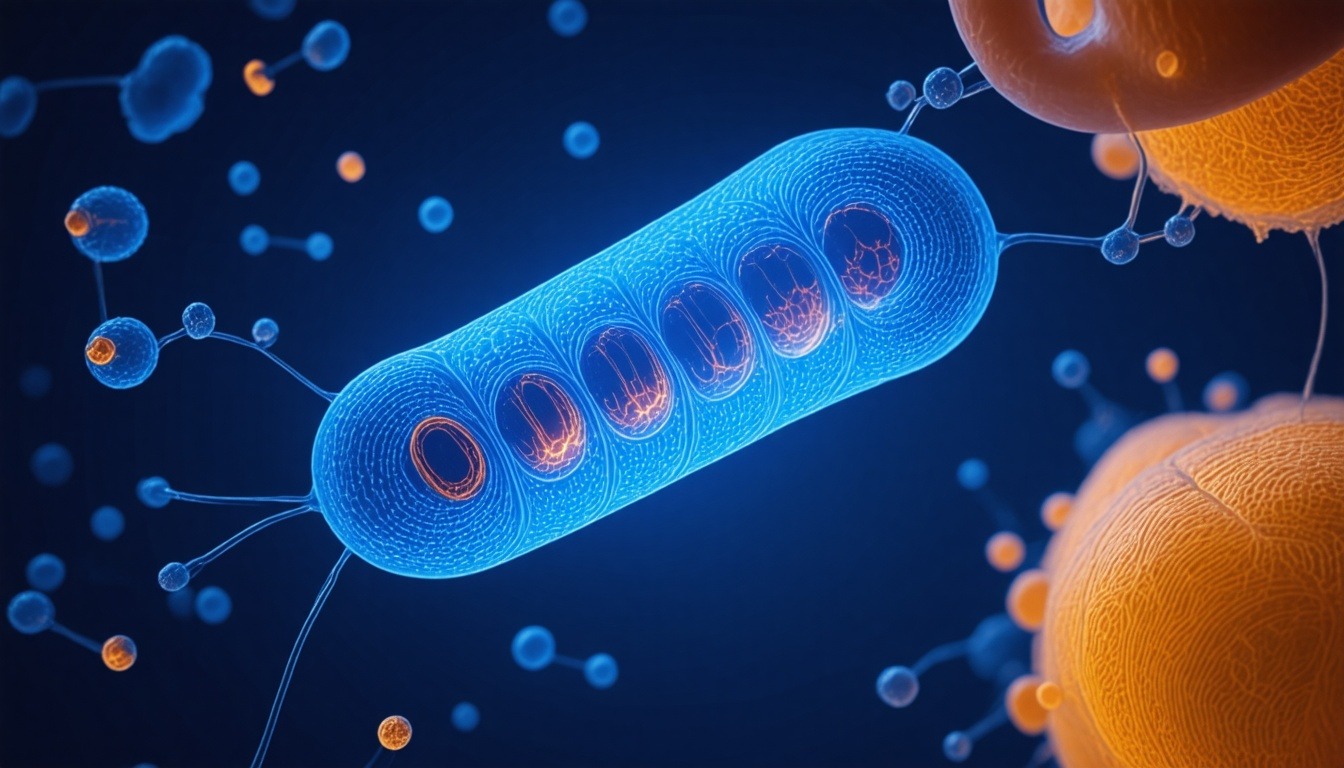
Introduction to Cellular Respiration
Cellular respiration is a set of metabolic reactions that take place in the cells of organisms to convert biochemical energy from nutrients into adenosine triphosphate (ATP), and then release waste products. The reactions involved in respiration are catabolic reactions, which break down large molecules into smaller ones, releasing energy. This energy is captured in the form of ATP, which is the universal energy currency of the cell. The overall process can be summarized by the equation: C₆H₁₂O₆ + 6O₂ → 6CO₂ + 6H₂O + energy (ATP).
Understanding the fundamentals of cellular respiration is crucial for students of biology, biochemistry, and medicine. It explains how living organisms obtain energy from food and how this energy is used to drive cellular processes. This comprehensive guide will cover each stage in detail, including glycolysis, the Krebs cycle, the electron transport chain, and oxidative phosphorylation. We will also explore the regulation of these pathways, the role of oxygen, and the differences between aerobic and anaerobic respiration.
Cellular respiration occurs in three main stages: glycolysis (in the cytoplasm), the Krebs cycle (in the mitochondrial matrix), and the electron transport chain (in the inner mitochondrial membrane). Each stage involves a series of enzyme-catalyzed reactions that gradually release energy, allowing for efficient ATP production. The process is highly regulated to meet the energy demands of the cell and to respond to changes in nutrient availability and oxygen levels.
Glycolysis: The First Stage
Glycolysis is the first step in cellular respiration, occurring in the cytoplasm of all living cells. It doesn’t require oxygen and is so an anaerobic process. Glycolysis breaks down one molecule of glucose (a six-carbon sugar) into two molecules of pyruvate (a three-carbon compound), producing a net gain of two ATP molecules and two NADH molecules. The process consists of ten enzyme-catalyzed reactions, which can be divided into two phases: the energy investment phase and the energy payoff phase.
Energy Investment Phase
In the energy investment phase, two ATP molecules are used to phosphorylate glucose, forming fructose-1,6-bisphosphate. This step is crucial for trapping glucose within the cell and for activating the molecule for subsequent breakdown. The phosphorylation reactions are catalyzed by hexokinase and phosphofructokinase, the latter being a key regulatory enzyme. The investment of ATP is necessary to lower the activation energy and to destabilize the glucose molecule, making it easier to split.
Energy Payoff Phase
The energy payoff phase involves the splitting of fructose-1,6-bisphosphate into two three-carbon molecules: glyceraldehyde-3-phosphate (G3P) and dihydroxyacetone phosphate (DHAP), which are interconvertible. G3P is then oxidized and phosphorylated to form 1,3-bisphosphoglycerate, producing NADH. Subsequently, substrate-level phosphorylation generates ATP from ADP and 1,3-bisphosphoglycerate, and later from phosphoenolpyruvate. The final product is pyruvate, along with a net gain of two ATP and two NADH per glucose molecule.
Key Points of Glycolysis
- Location: Cytoplasm.
- Input: 1 glucose (6C), 2 NAD⁺, 2 ADP + 2 Pi.
- Output: 2 pyruvate (3C), 2 NADH, 2 ATP (net), 2 H₂O.
- Regulation: Phosphofructokinase is the primary regulatory enzyme, inhibited by ATP and citrate, activated by AMP and fructose-2,6-bisphosphate.
- Anaerobic: doesn’t require oxygen.
- Substrate-level phosphorylation: Direct transfer of phosphate from a substrate to ADP to form ATP.
Pyruvate Oxidation and the Krebs Cycle
After glycolysis, pyruvate enters the mitochondria, where it is further oxidized. In the mitochondrial matrix, pyruvate is converted into acetyl-CoA by the pyruvate dehydrogenase complex, a multi-enzyme complex. This reaction produces one molecule of NADH and releases one molecule of carbon dioxide per pyruvate. Acetyl-CoA then enters the Krebs cycle (also called the citric acid cycle or TCA cycle).
The Krebs Cycle in Detail
The Krebs cycle is a series of eight enzyme-catalyzed reactions that oxidize acetyl-CoA completely to carbon dioxide. For each turn of the cycle, one acetyl-CoA (2C) combines with oxaloacetate (4C) to form citrate (6C). Through a series of decarboxylation and oxidation steps, citrate is converted back to oxaloacetate, producing two CO₂ molecules, three NADH, one FADH₂, and one ATP (or GTP) per turn. Since each glucose yields two pyruvate, the cycle turns twice per glucose, resulting in six NADH, two FADH₂, and two ATP.
Key Points of the Krebs Cycle
- Location: Mitochondrial matrix.
- Input per turn: 1 acetyl-CoA, 3 NAD⁺, 1 FAD, 1 ADP + Pi.
- Output per turn: 2 CO₂, 3 NADH, 1 FADH₂, 1 ATP (or GTP).
- Regulation: Key enzymes (isocitrate dehydrogenase, α-ketoglutarate dehydrogenase) are inhibited by ATP and NADH, activated by ADP and Ca²⁺.
- Central role: The cycle is an amphibolic pathway, involved in both catabolism and anabolism.
- Anaplerotic reactions: Replenish intermediates when they are siphoned off for biosynthesis.
Electron Transport Chain and Oxidative Phosphorylation
The electron transport chain (ETC) is located in the inner mitochondrial membrane. It consists of a series of protein complexes (I, II, III, IV) and mobile electron carriers (ubiquinone and cytochrome c). NADH and FADH₂ donate electrons to the chain, which are passed through the complexes in a series of redox reactions. The energy released from electron transfer is used to pump protons (H⁺) from the matrix to the intermembrane space, creating an electrochemical gradient (proton motive force).
Complexes of the ETC
| Complex | Name | Electron Donor | Electron Acceptor | Protons Pumped |
|---|---|---|---|---|
| I | NADH dehydrogenase | NADH | Ubiquinone (Q) | 4 H⁺ |
| II | Succinate dehydrogenase | FADH₂ (from succinate) | Ubiquinone (Q) | 0 H⁺ |
| III | Cytochrome bc1 complex | Ubiquinol (QH₂) | Cytochrome c | 4 H⁺ |
| IV | Cytochrome c oxidase | Cytochrome c | O₂ (to form H₂O) | 2 H⁺ |
ATP Synthase and Chemiosmosis
ATP synthase (Complex V) is a large enzyme complex that uses the proton motive force to synthesize ATP. Protons flow back into the matrix through ATP synthase, driving the rotation of a rotor. This rotation causes conformational changes in the catalytic subunits, enabling the synthesis of ATP from ADP and inorganic phosphate. This process is called chemiosmosis. The theoretical yield of ATP from one glucose molecule is about 32-34 ATP, but actual yields are slightly lower due to leakage and other uses of the proton gradient.
Key Points of the ETC and Oxidative Phosphorylation
- Location: Inner mitochondrial membrane.
- Electron carriers: NADH and FADH₂ donate electrons; O₂ is the final electron acceptor.
- Proton gradient: Created by pumping H⁺ into intermembrane space.
- ATP yield: ~2.5 ATP per NADH, ~1.5 ATP per FADH₂.
- Inhibitors: Rotenone (Complex I), Antimycin A (Complex III), Cyanide (Complex IV), Oligomycin (ATP synthase).
- Uncouplers: DNP, thermogenin (UCP1) dissipate proton gradient, generating heat instead of ATP.
Regulation of Cellular Respiration
Cellular respiration is tightly regulated to match the cell’s energy needs. Key control points include phosphofructokinase in glycolysis, pyruvate dehydrogenase, and isocitrate dehydrogenase in the Krebs cycle. These enzymes are allosterically regulated by ATP, ADP, NADH, and NAD⁺. High levels of ATP and NADH inhibit these enzymes, while high ADP and NAD⁺ activate them. Additionally, the availability of oxygen influences the balance between aerobic and anaerobic respiration. Under low oxygen, cells switch to fermentation to regenerate NAD⁺, allowing glycolysis to continue.
Anaerobic Respiration and Fermentation
When oxygen is limited, some organisms can perform anaerobic respiration using alternative electron acceptors (e.g., nitrate, sulfate). In contrast, fermentation is an anaerobic process that doesn’t involve an electron transport chain. In lactic acid fermentation, pyruvate is reduced to lactate, regenerating NAD⁺. In alcoholic fermentation, pyruvate is decarboxylated to acetaldehyde, then reduced to ethanol, also regenerating NAD⁺. Fermentation yields only 2 ATP per glucose, far less than aerobic respiration.
Comparison of Aerobic and Anaerobic Respiration
| Feature | Aerobic Respiration | Anaerobic Respiration |
|---|---|---|
| Oxygen requirement | Required | Not required |
| Final electron acceptor | O₂ | Other molecules (e.g., NO₃⁻, SO₄²⁻) |
| ATP yield per glucose | ~36-38 ATP | ~2-36 ATP (varies) |
| End products | CO₂ and H₂O | CO₂, H₂O, and reduced inorganic compounds |
| Location | Cytoplasm and mitochondria | Cytoplasm and sometimes specialized organelles |
Role of Mitochondria in Cellular Respiration
Mitochondria are often called the powerhouses of the cell because they generate most of the cell’s ATP. They have a double membrane structure: the outer membrane is permeable to small molecules, while the inner membrane is highly impermeable and contains the ETC and ATP synthase. The mitochondrial matrix houses the Krebs cycle enzymes and mitochondrial DNA. Mitochondria are semi-autonomous organelles with their own ribosomes and can replicate independently. They are involved in apoptosis, calcium signaling, and reactive oxygen species (ROS) production.
Energy Yield and Efficiency
The complete oxidation of glucose yields a theoretical maximum of about 36-38 ATP molecules. but, the actual yield is often lower due to proton leakage, the cost of transporting ATP and ADP across the mitochondrial membrane, and the use of the proton gradient for other processes. The efficiency of cellular respiration is about 34-40%, with the rest of the energy released as heat. This heat is used by endotherms to maintain body temperature.
Clinical Relevance of Cellular Respiration
Defects in cellular respiration can lead to metabolic disorders. for instance, mitochondrial diseases often result from mutations in mitochondrial DNA or nuclear genes encoding ETC components, leading to reduced ATP production and symptoms such as muscle weakness, neurological problems, and lactic acidosis. Understanding cellular respiration is also important for cancer biology, as cancer cells often switch to aerobic glycolysis (Warburg effect) even in the presence of oxygen. Additionally, many toxins and drugs target the ETC, such as cyanide (inhibits Complex IV) and rotenone (inhibits Complex I).
Frequently Asked Questions
What is the main purpose of cellular respiration?
The main purpose is to produce ATP, the energy currency of the cell, by breaking down glucose and other nutrients.
Where does cellular respiration occur?
Glycolysis occurs in the cytoplasm; the Krebs cycle occurs in the mitochondrial matrix; the electron transport chain occurs in the inner mitochondrial membrane.
What is the difference between aerobic and anaerobic respiration?
Aerobic respiration uses oxygen as the final electron acceptor and yields much more ATP than anaerobic respiration, which uses other molecules.
How many ATP are produced from one glucose molecule?
Theoretical yield is 36-38 ATP; actual yield is about 30-32 ATP due to inefficiencies.
What is the role of NADH and FADH2?
They are electron carriers that donate electrons to the electron transport chain, driving ATP synthesis.
What happens if oxygen isn’t available?
Cells switch to anaerobic respiration or fermentation, which produce less ATP but regenerate NAD⁺ for glycolysis.
Conclusion
The fundamentals of cellular respiration encompass a complex but elegantly organized series of metabolic pathways that convert glucose into ATP. From glycolysis in the cytoplasm to the electron transport chain in the mitochondria, each step is finely tuned to maximize energy extraction while maintaining cellular homeostasis. Understanding these processes is essential for comprehending how life sustains itself at the molecular level. The integration of regulation, energy yield, and clinical implications makes cellular respiration a cornerstone of biochemistry and cell biology.
Mastering these concepts provides a foundation for advanced studies in metabolism, medicine, and biotechnology. Whether you are a student preparing for exams or a researcher exploring metabolic diseases, a deep grasp of cellular respiration is indispensable. This guide has covered the key stages, regulatory mechanisms, and practical applications, offering a comprehensive resource for academic and professional growth.
Detailed Mechanisms of Glycolysis Enzymes
Each of the ten enzymes in glycolysis has a specific function and regulatory properties. Hexokinase catalyzes the phosphorylation of glucose to glucose-6-phosphate, using ATP as a phosphate donor. This reaction is irreversible and traps glucose inside the cell. Hexokinase is inhibited by its product, glucose-6-phosphate. In contrast, glucokinase, found in the liver, has a higher Km for glucose and isn’t inhibited by glucose-6-phosphate, allowing it to function when blood glucose levels are high.
Phosphoglucose isomerase converts glucose-6-phosphate to fructose-6-phosphate, an isomerization reaction that is reversible. Phosphofructokinase-1 (PFK-1) then catalyzes the second irreversible step, converting fructose-6-phosphate to fructose-1,6-bisphosphate. PFK-1 is the most important regulatory enzyme in glycolysis. It is allosterically inhibited by ATP and citrate, and activated by AMP and fructose-2,6-bisphosphate. Fructose-2,6-bisphosphate is a potent activator produced by PFK-2, which itself is regulated by hormones like insulin and glucagon.
Aldolase cleaves fructose-1,6-bisphosphate into dihydroxyacetone phosphate (DHAP) and glyceraldehyde-3-phosphate (G3P). Only G3P continues in glycolysis; DHAP is isomerized to G3P by triose phosphate isomerase. Glyceraldehyde-3-phosphate dehydrogenase (GAPDH) catalyzes the oxidation and phosphorylation of G3P to 1,3-bisphosphoglycerate, reducing NAD⁺ to NADH. This is the first energy-yielding step. Subsequently, phosphoglycerate kinase transfers a phosphate from 1,3-bisphosphoglycerate to ADP, producing ATP and 3-phosphoglycerate. This is substrate-level phosphorylation.
Phosphoglycerate mutase converts 3-phosphoglycerate to 2-phosphoglycerate. Enolase then catalyzes the dehydration of 2-phosphoglycerate to phosphoenolpyruvate (PEP). Finally, pyruvate kinase catalyzes the transfer of phosphate from PEP to ADP, producing ATP and pyruvate. Pyruvate kinase is also regulated allosterically, activated by fructose-1,6-bisphosphate and inhibited by ATP and alanine.
Substrate-Level Phosphorylation vs. Oxidative Phosphorylation
Substrate-level phosphorylation is the direct synthesis of ATP from ADP and a phosphorylated intermediate, as seen in glycolysis and the Krebs cycle. It doesn’t require oxygen or an electron transport chain. In contrast, oxidative phosphorylation is the process by which ATP is synthesized using the proton gradient generated by the electron transport chain. It is much more efficient, producing the majority of ATP in aerobic respiration. Oxidative phosphorylation requires oxygen as the final electron acceptor and involves the chemiosmotic coupling of electron transport to ATP synthesis.
The efficiency of oxidative phosphorylation is due to the stepwise transfer of electrons through the ETC, which allows for the controlled release of energy. The proton gradient created by the ETC is a form of potential energy that is harnessed by ATP synthase. The actual number of ATP molecules produced per NADH and FADH₂ isn’t fixed but depends on the number of protons pumped and the stoichiometry of ATP synthase. Recent estimates suggest that about 2.5 ATP are produced per NADH and 1.5 ATP per FADH₂, accounting for the energy cost of transporting these carriers into the mitochondria.
The Role of Oxygen in Cellular Respiration
Oxygen serves as the final electron acceptor in the electron transport chain. It has a high affinity for electrons and, when reduced, combines with protons to form water. Without oxygen, the ETC would become blocked, as electrons would have no acceptor, and the proton gradient would dissipate. This would halt oxidative phosphorylation and force cells to rely solely on glycolysis for ATP. but, glycolysis alone can’t sustain the energy demands of most eukaryotic cells, making oxygen essential for efficient energy production.
also to its role in respiration, oxygen is involved in the production of reactive oxygen species (ROS) as byproducts of the ETC. Superoxide radicals, hydrogen peroxide, and hydroxyl radicals can damage cellular components, including DNA, proteins, and lipids. Cells have antioxidant defense systems, such as superoxide dismutase, catalase, and glutathione peroxidase, to neutralize ROS. Imbalances between ROS production and detoxification lead to oxidative stress, which is implicated in aging and various diseases.
Metabolic Pathways Interconnected with Cellular Respiration
Cellular respiration doesn’t operate in isolation; it is integrated with other metabolic pathways. for instance, glycolysis provides intermediates for the pentose phosphate pathway, which generates NADPH and ribose-5-phosphate for nucleotide synthesis. The Krebs cycle provides precursors for amino acid synthesis, such as α-ketoglutarate for glutamate and oxaloacetate for aspartate. Fatty acids can be broken down via β-oxidation to produce acetyl-CoA, which enters the Krebs cycle. Amino acids can also be deaminated and their carbon skeletons fed into the cycle or glycolysis.
This interconnectedness allows cells to adapt to different nutritional conditions. In times of starvation, the body breaks down glycogen and fat to fuel respiration. During intense exercise, muscle cells rely on glycolysis and fermentation due to limited oxygen. The ability to switch between different fuel sources and metabolic pathways is crucial for survival.
Advanced Topics: Mitochondrial Dynamics and Apoptosis
Mitochondria are dynamic organelles that constantly undergo fusion and fission. These processes help maintain mitochondrial function and distribution within the cell. Fusion allows mixing of mitochondrial contents, while fission facilitates removal of damaged mitochondria via mitophagy. Dysregulation of mitochondrial dynamics is linked to neurodegenerative diseases like Parkinson’s and Alzheimer’s.
Mitochondria also play a central role in apoptosis (programmed cell death). The release of cytochrome c from the mitochondrial intermembrane space into the cytoplasm triggers the formation of the apoptosome, which activates caspases and leads to cell death. This pathway is regulated by Bcl-2 family proteins, which control mitochondrial outer membrane permeabilization. Understanding mitochondrial involvement in apoptosis has implications for cancer therapy, as many chemotherapeutic agents target this pathway.
Experimental Techniques to Study Cellular Respiration
Several experimental techniques are used to study cellular respiration. Oxygen consumption rates can be measured using a Clark-type electrode or respirometry. ATP levels can be quantified using luciferase-based assays. Enzyme activities are measured spectrophotometrically by monitoring the disappearance of substrates or appearance of products. Mitochondrial membrane potential can be assessed using fluorescent dyes like JC-1 or TMRM. Genetic approaches, such as knockout or overexpression of genes encoding respiratory chain components, help elucidate their functions.
Isolated mitochondria are often used to study respiration in a controlled environment. By providing specific substrates (e.g., pyruvate, succinate) and inhibitors (e.g., rotenone, antimycin), researchers can dissect the contributions of different complexes. These techniques have been instrumental in understanding the mechanisms of respiratory chain dysfunction in disease.
Evolutionary Perspectives on Cellular Respiration
The evolution of cellular respiration is closely tied to the rise of oxygen in Earth’s atmosphere. Early life forms likely used anaerobic metabolism, as oxygen was scarce. The evolution of photosynthesis by cyanobacteria led to the accumulation of oxygen, which was toxic to many anaerobes. but, some organisms developed the ability to use oxygen as a terminal electron acceptor, greatly increasing energy yield. The endosymbiotic theory proposes that mitochondria originated from aerobic bacteria that were engulfed by ancestral eukaryotic cells. This symbiotic relationship allowed eukaryotes to thrive in oxygen-rich environments.
Today, the diversity of respiratory pathways reflects adaptations to different environments. Some bacteria use alternative electron acceptors like nitrate, sulfate, or carbon dioxide. Others have branched electron transport chains that allow them to adjust to changing oxygen levels. Studying these variations provides insights into the flexibility and evolution of energy metabolism.
Conclusion (Expanded)
In summary, the fundamentals of cellular respiration encompass a vast array of biochemical reactions, regulatory mechanisms, and physiological implications. From the detailed steps of glycolysis to the intricate workings of the electron transport chain, each component is optimized for efficient energy conversion. The integration of respiration with other metabolic pathways ensures cellular homeostasis and adaptability. Clinical insights into mitochondrial diseases and the Warburg effect highlight the relevance of respiration to human health. As research continues, our understanding of cellular respiration deepens, revealing new targets for therapeutic intervention and a greater appreciation for the complexity of life.



Leave a Reply