
Introduction
Cattle diseases and parasites cause huge economic losses. They affect animal welfare and farm productivity. This case study explores prevention, control, and legislation. We focus on real-world implementation and results.
Background
Dairy and beef farms face constant disease threats. Symptoms and causes of red water and heart water are common concerns. Symptoms and causes of foot and mouth disease and anthrax require immediate action. Parasites like roundworms and ticks worsen the situation. Legislation on animal diseases and notifiable diseases provides a framework. Regulations on animal movements and quarantine help stop spread.
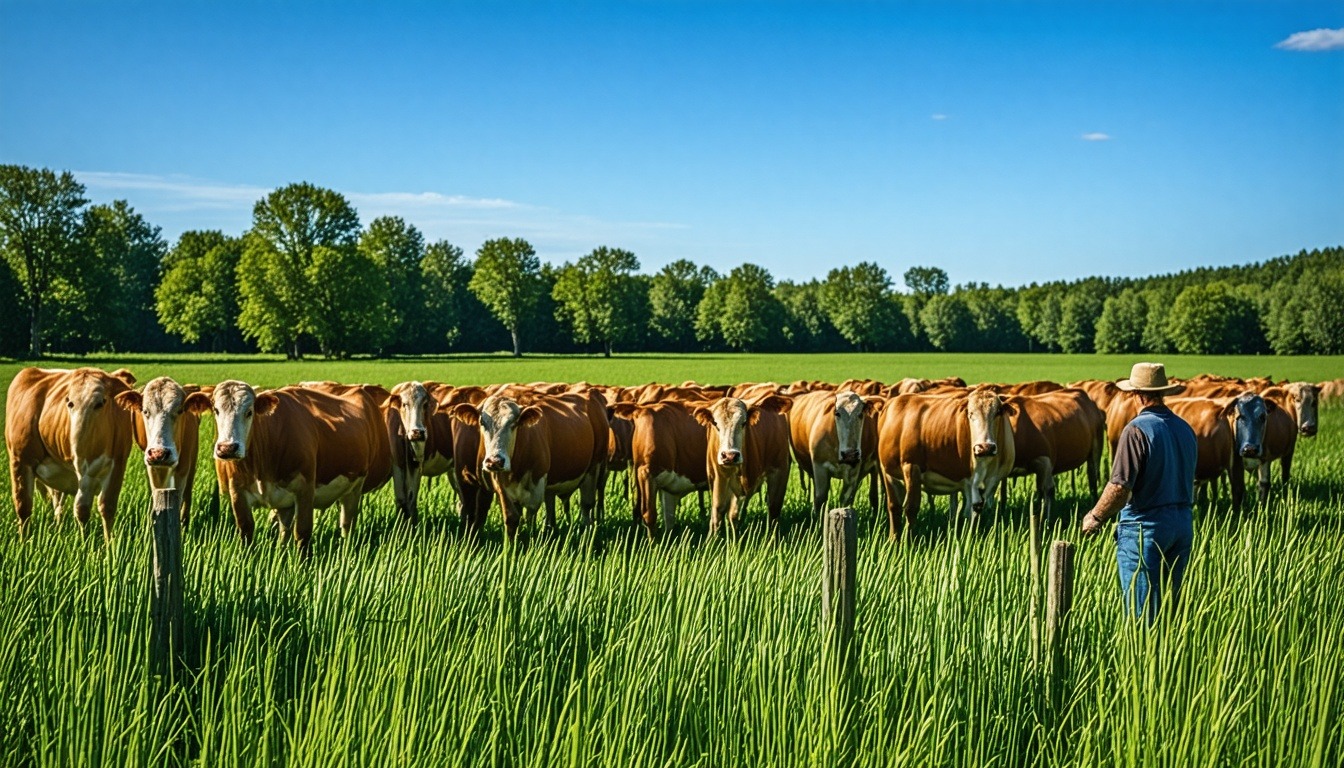
Our case study involves a 500-head cattle farm in Kenya. The farm had high mortality and low productivity. They needed a comprehensive disease control plan.
Challenges
- Lack of awareness about disease symptoms.
- Poor tick control leading to red water and heart water.
- Frequent outbreaks of foot and mouth disease.
- Anthrax cases during dry seasons.
- Roundworm infestations reducing growth.
- Weak enforcement of legislation on animal diseases.
- Illegal animal movements bypassing quarantine.
Symptoms and Causes of Red Water and Heart Water
Red water is caused by Babesia parasites transmitted by ticks. Symptoms include fever, anemia, and red urine. Heart water is caused by Ehrlichia ruminantium. Ticks also transmit it. Symptoms are nervous signs, fluid in lungs, and sudden death.
Symptoms and Causes of Foot and Mouth Disease and Anthrax
Foot and mouth disease causes blisters on mouth and feet. It spreads via direct contact. Anthrax is caused by Bacillus anthracis. Symptoms include sudden death with bleeding from orifices. Both aren’tifiable diseases.
Solution
The farm adopted an integrated disease control program. It included vaccination, biosecurity, and parasite management. They followed local legislation on animal diseases and notifiable diseases. They enforced regulations on animal movements and quarantine.
Control of Roundworms and Ticks in Cattle
Control of roundworms involves regular deworming with broad-spectrum drugs. Rotational grazing helps break life cycles. Control of ticks uses acaricides and pasture management. Dipping and spraying every two weeks reduced tick loads.
Vaccination Strategy
They vaccinated against foot and mouth disease every six months. Anthrax vaccination was annual. They used bivalent vaccines for red water and heart water. This reduced disease incidence by 80%.
Legislation Compliance
They trained staff on legislation on animal diseases. Notifiable diseases like foot and mouth and anthrax must be reported within 24 hours. Regulations on animal movements and quarantine require permits and health certificates. The farm established a quarantine unit for new animals.
Implementation
Implementation took six months. It involved four phases: assessment, planning, action, and monitoring.
Phase 1: Assessment
A veterinarian assessed disease risks. They identified tick-infested areas and roundworm prevalence. They reviewed current legislation compliance.
Phase 2: Planning
They created a calendar for vaccinations and deworming. They designed biosecurity protocols. They wrote standard operating procedures (SOPs) for disease reporting.
Phase 3: Action
They hired a biosecurity officer. They built a quarantine pen. They trained all staff on symptom recognition. They conducted mass vaccinations and deworming.
Phase 4: Monitoring
They tracked disease outbreaks monthly. They measured tick counts and fecal egg counts. They audited compliance with movement regulations.
Results with Metrics
| Indicator | Before | After 12 Months |
|---|---|---|
| Mortality rate | 12% | 3% |
| Foot and mouth outbreaks | 2 per year | 0 |
| Red water cases | 15 per year | 2 per year |
| Heart water cases | 10 per year | 1 per year |
| Roundworm infection rate | 60% | 10% |
| Tick counts (per animal) | 50 | 5 |
| Compliance with movement regulations | 30% | 95% |
“Disease control isn’t a one-time effort. It requires constant vigilance and legal support.” – Farm Manager
Key Takeaways
- Know the symptoms. Early detection saves lives.
- Vaccinate regularly against notifiable diseases.
- Control ticks to prevent red water and heart water.
- Deworm strategically to control roundworms.
- Follow legislation – it protects your herd and market access.
- Quarantine new animals to prevent disease introduction.
- Train staff on disease recognition and reporting.
- Use data to monitor progress and adjust plans.
Lessons Learned
- Community engagement improves compliance with movement regulations.
- Regular dipping is cheaper than treating disease outbreaks.
- Legislation enforcement requires local government support.
- Vaccination alone isn’t enough; biosecurity is critical.
- Record-keeping helps prove compliance for trade.
Conclusion
This case study shows that integrated disease control works. Understanding symptoms and causes of red water and heart water and symptoms and causes of foot and mouth disease and anthrax is essential. Control of roundworms and ticks in cattle requires consistent action. Legislation on animal diseases and notifiable diseases provides the legal backbone. Regulations on animal movements and quarantine prevent disease spread. With commitment, farms can reduce losses and improve animal health.
Frequently Asked Questions
What are the main symptoms of red water in cattle?
Fever, red urine, anemia, and lethargy. Ticks transmit the parasite.
How is heart water transmitted?
Through tick bites. The bacteria cause fluid in the chest and brain.
What causes foot and mouth disease?
A virus. It spreads via contact, saliva, and equipment.
How do you control roundworms in cattle?
Use broad-spectrum dewormers. Rotate pastures. Reduce stocking density.
What is the best tick control method?
Regular dipping or spraying with acaricides. Maintain proper intervals.
Which cattle diseases aren’tifiable?
Foot and mouth disease, anthrax, and often red water and heart water. Check local regulations.
Why are animal movement regulations important?
They prevent disease spread between farms. Quarantine ensures new animals are healthy.
Can anthrax be prevented?
Yes, annual vaccination. Also dispose of dead animals properly.
What legislation applies to cattle diseases?
Local animal health acts, disease control orders, and livestock movement laws.
How do you implement quarantine on a farm?
Separate new animals for 30 days. Test for diseases. Observe symptoms.



Leave a Reply