

Tag: senior 3

  • Turning Ideas into Action: How to Write an Execution Plan for Your Business

    Turning Ideas into Action: How to Write an Execution Plan for Your Business

    Introduction

    Every business begins with an idea. But ideas alone don’t generate revenue, build teams, or create market impact. The bridge between a brilliant concept and tangible results is a robust execution plan. An execution plan transforms vision into actionable steps, ensuring that every team member understands their role, deadlines are met, and resources are allocated efficiently. This comprehensive guide will teach you how to prepare an action plan that drives success. We will explore the critical differences between a business plan vs action plan, delve into business execution strategy, and provide tools for setting clear business targets and measurable business aims. Additionally, we will outline an operational action plan that keeps your business on track. By the end of this article, you will have a complete framework to turn your ideas into action.

    Understanding the Execution Plan

    An execution plan is a detailed roadmap that outlines the specific steps required to achieve a business goal. It goes beyond high-level strategy by breaking down objectives into actionable tasks, assigning responsibilities, setting timelines, and defining metrics for success. Unlike a business plan, which provides an overarching vision and financial projections, an execution plan focuses on the ‘how’ and ‘when’ of implementation. It is a living document that guides daily operations and ensures alignment across the organization. For entrepreneurs and managers, mastering the art of execution planning is essential for turning ideas into measurable outcomes.

    Business Plan vs Action Plan: Key Differences

    Understanding the distinction between a business plan vs action plan is crucial for effective management. A business plan is a comprehensive document that outlines the company’s vision, mission, market analysis, financial forecasts, and long-term strategy. It is typically used to secure funding and guide overall direction. In contrast, an action plan is a tactical tool that breaks down specific goals into concrete steps. While a business plan asks ‘what’ and ‘why,’ an action plan answers ‘who,’ ‘what,’ ‘when,’ and ‘how much.’ for instance, a business plan might state a goal to increase market share by 20% in two years. An action plan would detail the marketing campaigns, sales targets, resource allocation, and weekly check-ins required to achieve that goal. Both documents are essential, but they serve different purposes. An execution plan bridges the gap between strategy and daily operations.

    Aspect Business Plan Action Plan
    Purpose Strategic direction and fundraising Tactical implementation
    Timeframe 1–5 years Weeks to months
    Detail Level High-level overview Granular tasks and deadlines
    Audience Investors, board, executives Project teams, managers
    Flexibility Annual updates Regular revisions

    Business Execution Strategy: The Foundation

    A solid business execution strategy is the backbone of any successful execution plan. It involves aligning resources, processes, and people to achieve strategic objectives. Key components include clear communication of goals, accountability structures, performance metrics, and continuous improvement mechanisms. To develop an effective execution strategy, start by defining your strategic priorities. What are the three to five most critical objectives for the next quarter? Then, cascade these priorities down to departmental and individual levels. Ensure that every team member understands how their work contributes to the bigger picture. Regularly review progress and adjust tactics as needed. Remember, execution isn’t a one-time event but an ongoing discipline.

    Setting Clear Business Targets

    Without clear business targets, execution plans lack direction. Targets should be specific, measurable, achievable, relevant, and time-bound (SMART). For instance, instead of saying ‘increase sales,’ a clear target is ‘increase monthly recurring revenue by 15% by Q3 2025.’ When setting targets, involve key stakeholders to ensure buy-in and realism. Use historical data and market research to inform your goals. Break down annual targets into quarterly, monthly, and weekly milestones. This granularity makes progress trackable and allows for early course correction. Remember, clear business targets serve as the North Star for your execution plan.

    Measurable Business Aims: Defining Success

    Measurable business aims translate targets into quantifiable indicators. These are the key performance indicators (KPIs) that tell you whether you are on track. Examples include customer acquisition cost, net promoter score, conversion rate, and gross margin. When defining measurable aims, ensure they are directly linked to your strategic objectives. For each aim, establish a baseline, target value, and measurement frequency. Use dashboards and reporting tools to monitor progress in real time. Measurable business aims also facilitate accountability; when everyone knows the numbers, it is easier to identify gaps and celebrate wins. Incorporate both leading indicators (predictive) and lagging indicators (outcome-based) for a balanced view.

    Operational Action Plan: Daily Execution

    An operational action plan details the day-to-day activities required to achieve your targets. It includes task lists, resource assignments, timelines, and dependencies. To create an effective operational plan, start by mapping out the major phases of your project or initiative. Then, break each phase into specific tasks. For each task, assign a responsible person, set a deadline, and identify necessary resources. Use project management tools like Asana, Trello, or Jira to track progress. Regularly hold stand-up meetings or check-ins to address blockers. An operational action plan should be flexible enough to accommodate changes while maintaining focus on the end goal. It is the engine that drives execution.

    How to Prepare an Action Plan: Step-by-Step

    Learning how to prepare an action plan is a critical skill for any business leader. Follow these steps to create a robust action plan:

    1. Define the Goal: Clearly articulate what you want to achieve. Use SMART criteria.
    2. Identify Tasks: Break the goal into smaller, manageable tasks. List everything that needs to happen.
    3. Assign Responsibilities: For each task, designate a person or team accountable for completion.
    4. Set Deadlines: Establish realistic timelines for each task, including start and end dates.
    5. Allocate Resources: Determine the budget, tools, and personnel required.
    6. Establish Metrics: Define how you will measure success for each task and the overall goal.
    7. Create a Communication Plan: Specify how progress will be reported and to whom.
    8. Review and Adjust: Schedule regular reviews to assess progress and make necessary adjustments.

    By following these steps, you create a clear path from idea to execution.

    Aligning Team Roles and Responsibilities

    Execution plans succeed or fail based on the people involved. Clearly defining roles and responsibilities prevents confusion and ensures accountability. Use a RACI matrix (Responsible, Accountable, Consulted, Informed) to map out who does what. For each task, identify one person who is ultimately accountable for completion. Empower team members with the authority and resources they need to execute. Foster a culture of ownership where individuals feel responsible for outcomes. Regular one-on-one meetings can help address challenges and maintain motivation. When roles are clear, execution becomes smoother and more efficient.

    Resource Allocation and Budgeting

    No execution plan can succeed without adequate resources. Resource allocation involves distributing financial, human, and material resources to support the action plan. Start by estimating the cost of each task, including labor, materials, and overhead. Then, prioritize tasks based on their impact on strategic goals. Use zero-based budgeting to justify every expense. Monitor resource usage against the plan and adjust as needed. Be prepared to reallocate resources if certain tasks require more support. Effective resource management ensures that your execution plan is feasible and sustainable.

    Timeline and Milestones

    Creating a realistic timeline is essential for execution. Break the overall goal into phases and set milestones for each phase. Milestones are significant checkpoints that indicate progress. for instance, a milestone might be ‘complete product prototype’ or ‘launch marketing campaign.’ Use Gantt charts or project scheduling software to visualize dependencies and deadlines. Build in buffer time for unexpected delays. Regularly review the timeline and update it as the project evolves. Timelines keep the team focused and provide a sense of urgency.

    Risk Management in Execution

    Every execution plan faces risks. Proactive risk management identifies potential obstacles and develops mitigation strategies. Start by conducting a risk assessment: list possible risks (e.g., supply chain disruptions, staff turnover, budget overruns) and rate their likelihood and impact. For high-priority risks, create contingency plans. for instance, if a key supplier might fail, identify alternative suppliers in advance. Regularly monitor risk indicators and update your risk register. By anticipating challenges, you can respond quickly and keep your execution on track.

    Monitoring Progress and KPIs

    Monitoring progress is crucial to ensure your execution plan stays on course. Define key performance indicators (KPIs) for each major task and overall goal. Use dashboards to visualize data in real time. Schedule regular progress reviews—weekly for tactical issues, monthly for strategic alignment. During reviews, compare actual performance against targets. Identify variances and root causes. Celebrate achievements and address shortcomings. Use data to make informed decisions about resource reallocation or timeline adjustments. Continuous monitoring turns your execution plan into a dynamic tool for success.

    Communication and Reporting

    Effective communication ensures that everyone stays informed and aligned. Develop a communication plan that specifies what information is shared, with whom, and how often. Use status reports, team meetings, and email updates. Tailor communication to different audiences: executives may need high-level summaries, while team members require detailed task updates. Encourage open feedback and create a culture where issues are raised early. Transparent communication builds trust and facilitates collaboration. Remember, a well-communicated execution plan is more likely to succeed.

    Common Pitfalls and How to Avoid Them

    Even the best execution plans can fail due to common pitfalls. These include lack of clarity, unrealistic timelines, insufficient resources, poor communication, and resistance to change. To avoid these, involve stakeholders in planning, set achievable deadlines, secure commitment for resources, and maintain open channels of communication. Regularly review and adapt the plan. Learn from past failures and incorporate lessons learned. By anticipating these pitfalls, you can build a more resilient execution plan.

    Case Study: Successful Execution in Action

    Consider a tech startup that aimed to launch a new app within six months. They created an execution plan with clear targets, assigned roles, and weekly sprints. They used Agile methodology to adapt quickly. By setting measurable aims like user acquisition and retention rates, they could pivot features based on feedback. Their operational action plan included daily stand-ups and a risk register. Despite initial delays, they launched on time and exceeded their first-month user target by 20%. This case illustrates the power of a well-structured execution plan.

    Conclusion

    Turning ideas into action requires more than enthusiasm; it demands a disciplined execution plan. By understanding the differences between a business plan vs action plan, developing a robust business execution strategy, setting clear business targets, defining measurable business aims, and creating an operational action plan, you can bridge the gap between vision and reality. Remember, execution is an ongoing process of learning and adaptation. Use the tools and frameworks provided in this guide to write your own execution plan and watch your business thrive. Start today—your ideas deserve to become action.

    Frequently Asked Questions

    What is the difference between a business plan and an action plan?

    A business plan is a strategic document outlining long-term goals, market analysis, and financial projections. An action plan is a tactical tool that breaks down specific goals into actionable steps with deadlines and responsibilities. While a business plan provides the ‘why,’ an action plan provides the ‘how.’

    How do I set clear business targets?

    Use the SMART framework: Specific, Measurable, Achievable, Relevant, Time-bound. Involve stakeholders, use historical data, and break annual targets into quarterly and monthly milestones. Ensure targets align with your overall business strategy.

    What are measurable business aims?

    Measurable business aims are quantifiable KPIs that track progress toward goals. Examples include revenue growth, customer satisfaction scores, conversion rates, and operational efficiency metrics. They provide objective evidence of success.

    What is an operational action plan?

    An operational action plan details the daily tasks, resources, timelines, and responsibilities needed to execute a project or initiative. It is a granular plan that guides team members on what to do and when.

    How often should I review my execution plan?

    Review your execution plan regularly—weekly for tactical tasks and monthly for strategic alignment. Use progress data to make adjustments. Frequent reviews keep the plan relevant and responsive to changes.

    Advanced Techniques for Execution Planning

    To elevate your execution plan beyond the basics, incorporate advanced techniques such as OKRs (Objectives and Key Results), Agile project management, and Lean principles. OKRs align team efforts with strategic goals by setting ambitious objectives and tracking measurable key results. for instance, an objective might be ‘Become the market leader in customer satisfaction,’ with key results like ‘Achieve NPS of 70+ by Q4’ and ‘Reduce average response time to under 2 hours.’ Agile methodologies, originally from software development, emphasize iterative progress, flexibility, and cross-functional collaboration. Apply Agile to non-tech projects by breaking work into sprints (typically 2–4 weeks) with daily stand-up meetings and sprint retrospectives. Lean principles focus on eliminating waste and maximizing value. Use value stream mapping to identify bottlenecks in your execution process. These techniques transform your execution plan into a dynamic, responsive system.

    Integrating Technology for Execution

    Modern execution relies heavily on technology. Project management software like Asana, Trello, Monday.com, and Jira provide platforms for task assignment, timeline tracking, and collaboration. Use these tools to create Gantt charts, Kanban boards, and dashboards. Automate repetitive tasks with workflows and integrations. for instance, automatically create tasks from incoming emails or trigger notifications when deadlines approach. Data analytics tools like Tableau or Power BI help visualize KPIs and trends. Communication platforms like Slack or Microsoft Teams keep teams connected. Choose tools that fit your team’s size and complexity. Integrating technology streamlines execution, reduces manual errors, and provides real-time visibility.

    Building a Culture of Accountability

    Accountability is the cornerstone of successful execution. Without it, plans become wishlists. Foster a culture where individuals take ownership of their tasks and outcomes. Start by setting clear expectations during the planning phase. Use regular check-ins, such as weekly one-on-ones, to review progress and address challenges. Implement a performance management system that rewards accountability and addresses underperformance. Encourage transparency by sharing progress openly in team meetings. When mistakes happen, focus on learning rather than blame. A culture of accountability empowers team members to take initiative and drive results.

    Managing Change During Execution

    Execution often requires organizational change, which can meet resistance. Effective change management is essential. Start by communicating the ‘why’ behind the execution plan. Explain how it benefits the team and the company. Involve stakeholders early to gain buy-in. Use Kotter’s 8-Step Change Model: create urgency, form a powerful coalition, create a vision for change, communicate the vision, remove obstacles, create short-term wins, build on the change, and anchor it in corporate culture. Provide training and support to help employees adapt. Celebrate small victories to maintain momentum. By managing change proactively, you reduce resistance and increase the likelihood of successful execution.

    Scaling Execution as Your Business Grows

    As your business expands, execution plans become more complex. Scaling requires standardized processes, delegation, and a strong leadership team. Document your execution playbook so that new team members can quickly understand workflows. Implement scalable project management tools that can handle multiple projects and teams. Develop middle managers who can oversee execution in their departments. Use portfolio management to prioritize initiatives across the organization. Regularly reassess your execution capacity—do you have enough resources to meet growing demands? Scaling execution isn’t just about doing more; it’s about doing more efficiently without sacrificing quality.

    Case Study: Execution in a Non-Profit Organization

    Consider a non-profit aiming to raise $1 million for a community project. They created an execution plan with clear targets: secure 50 corporate sponsors, host three fundraising events, and launch a social media campaign. They assigned roles to volunteers, set monthly milestones, and tracked donations weekly. By using a simple CRM and regular check-ins, they exceeded their goal by 15%. This case highlights that execution principles apply across sectors. The key was breaking down a large goal into manageable tasks and maintaining accountability.

    Common Execution Mistakes and How to Fix Them

    Even experienced leaders make mistakes. Common errors include overcomplicating the plan, setting too many priorities, neglecting to communicate, and failing to adapt. To fix these, simplify your plan by focusing on the top three priorities. Use the Eisenhower Matrix to distinguish urgent vs. important tasks. Communicate the plan repeatedly through multiple channels. Build flexibility into your timeline and budget. Conduct post-mortems after each project to identify what worked and what didn’t. Learning from mistakes turns failures into stepping stones for future success.

    Tools and Templates for Execution Plans

    To get started quickly, use templates and tools. A basic execution plan template includes sections for goal, tasks, owner, deadline, resources, status, and notes. Many project management tools offer pre-built templates for action plans, Gantt charts, and RACI matrices. You can also find free templates online from sources like Smartsheet or Monday.com. Customize these templates to fit your specific needs. Remember, the tool is only as good as the discipline to use it. Invest time in training your team on the chosen tools.

    Measuring Success: Beyond KPIs

    While KPIs are essential, success also includes qualitative factors like team morale, customer satisfaction, and learning outcomes. Use employee engagement surveys, customer feedback, and retrospective meetings to gauge these softer metrics. Balanced Scorecard approach combines financial, customer, internal process, and learning perspectives. for instance, a successful execution plan not only meets revenue targets but also improves team skills and customer loyalty. Celebrate both quantitative and qualitative achievements to motivate your team.

    The Role of Leadership in Execution

    Leaders set the tone for execution. Effective leaders model accountability, communicate vision, and remove obstacles. They empower teams by delegating authority and providing resources. They also stay visible and engaged, attending progress reviews and celebrating wins. Leadership isn’t about micromanaging but about creating an environment where execution can thrive. Invest in leadership development to build a pipeline of capable managers. Strong leadership is the catalyst that turns plans into results.

    Sustaining Momentum Over Time

    Execution is a marathon, not a sprint. To sustain momentum, avoid burnout by pacing your team. Use periodic breaks, celebrate milestones, and rotate challenging tasks. Keep the team motivated by connecting daily work to the larger mission. Regularly revisit the ‘why’ behind the plan. Use visual progress trackers, like a ‘burn-down chart’ or ‘goal thermometer,’ to maintain visibility. Encourage innovation by allowing team members to suggest improvements. Sustained momentum requires continuous energy and focus, but the payoff is consistent progress toward your goals.

    Global and Remote Execution Challenges

    In today’s globalized world, execution often involves remote or distributed teams. Challenges include time zone differences, cultural barriers, and communication gaps. Overcome these by establishing clear communication protocols, using asynchronous tools (e.g., shared documents, recorded updates), and scheduling overlapping work hours. Foster an inclusive culture where all voices are heard. Use video conferencing for important meetings to build rapport. Provide clear documentation and standard operating procedures to ensure consistency. Remote execution requires extra discipline but can be highly effective with the right strategies.

    Continuous Improvement: The Kaizen Approach

    Execution plans should evolve through continuous improvement. The Japanese concept of Kaizen emphasizes small, incremental changes. After each project phase or milestone, conduct a ‘plus/delta’ exercise: what went well (plus) and what could be improved (delta). Implement one or two improvements immediately. Encourage all team members to suggest enhancements. Over time, these small changes compound into significant efficiency gains. Continuous improvement keeps your execution plan fresh and responsive to changing conditions.

    Conclusion: Turning Ideas into Action

    Mastering the art of execution is a lifelong journey. By understanding how to prepare an action plan, distinguishing between a business plan vs action plan, developing a robust business execution strategy, setting clear business targets, defining measurable business aims, and creating an operational action plan, you have the tools to turn any idea into reality. Remember, execution isn’t about perfection; it’s about progress. Start with a solid plan, adapt as you learn, and keep moving forward. Your business success depends on your ability to execute. Now, go make it happen.

    Advanced Execution Metrics and Analytics

    To truly master execution, you must go beyond basic KPIs and embrace advanced metrics and analytics. Leading indicators, such as weekly active users or pipeline velocity, predict future performance. Lagging indicators, like quarterly revenue, confirm outcomes. Use cohort analysis to track behavior over time, and funnel analysis to identify drop-off points in your processes. for instance, in a sales execution plan, track conversion rates at each stage: lead to opportunity, opportunity to proposal, proposal to close. Implement A/B testing to optimize tactics. Use predictive analytics to forecast outcomes and adjust plans proactively. By leveraging data, you can make informed decisions that enhance execution effectiveness.

    Aligning Execution with Company Culture

    Company culture profoundly impacts execution. A culture that values speed, accountability, and collaboration will execute faster. Conversely, a bureaucratic or risk-averse culture can hinder progress. Assess your current culture using surveys or focus groups. Identify cultural barriers to execution, such as silos, fear of failure, or lack of trust. Then, intentionally shape culture through leadership behavior, recognition programs, and communication. For instance, celebrate ‘smart failures’ that resulted in learning. Encourage cross-functional teamwork. When culture aligns with execution goals, employees are naturally motivated to deliver results.

    Execution in Different Business Stages

    Execution plans vary by business lifecycle. In a startup, speed and adaptability are paramount. Plans are often short-term and pivot frequently. Use lean startup methods: build-measure-learn loops, minimum viable products, and rapid experimentation. In a growth-stage company, focus on scaling processes, hiring the right talent, and maintaining quality. Execution plans become more structured with standardized workflows. In mature companies, execution emphasizes efficiency, cost control, and incremental innovation. Use Six Sigma or total quality management. Tailor your execution approach to your stage to maximize effectiveness.

    Legal and Compliance Considerations

    Execution plans must account for legal and regulatory requirements. Depending on your industry, you may need to comply with data protection laws (GDPR, CCPA), labor laws, environmental regulations, or financial reporting standards. Failure to do so can derail execution and lead to fines. Include compliance checks in your task list. Assign a compliance officer or legal counsel to review the plan. for instance, if your execution plan involves launching a new product, ensure it meets safety standards and intellectual property laws. Proactive compliance prevents costly delays and reputational damage.

    Psychological Factors in Execution

    Human psychology plays a significant role in execution. Cognitive biases, such as optimism bias (underestimating time and costs) and confirmation bias (ignoring contrary evidence), can distort planning. To counter these, use reference class forecasting—base estimates on similar past projects. Encourage devil’s advocate perspectives in planning meetings. Motivation factors, like autonomy, mastery, and purpose (as per Daniel Pink’s theory), drive execution. Design tasks that give employees control, opportunities to learn, and a clear sense of purpose. Address fear of failure by creating psychological safety. Understanding psychology helps you design execution plans that people can and want to execute.

    Resource Optimization and Lean Execution

    Lean execution focuses on maximizing value while minimizing waste. Apply the 5S methodology (Sort, Set in Order, Shine, Standardize, Sustain) to organize workspaces and processes. Use value stream mapping to identify non-value-added activities and eliminate them. Implement just-in-time (JIT) principles to reduce inventory and waiting times. for instance, in a manufacturing execution plan, JIT ensures materials arrive exactly when needed, reducing storage costs. In service industries, streamline workflows to reduce handoffs and delays. Lean execution increases efficiency and frees up resources for high-impact activities.

    Case Study: Execution in a Retail Chain

    A retail chain with 200 stores wanted to improve customer satisfaction scores by 10% in one year. Their execution plan included training staff on new service protocols, implementing a feedback system, and rewarding top performers. They set clear targets for each store, assigned regional managers as accountability owners, and tracked scores monthly. By using a centralized dashboard and holding weekly review calls, they achieved a 12% improvement. The key success factors were consistent communication, real-time data, and recognition. This demonstrates how structured execution drives measurable results.

    Handling Execution Failure

    Not all execution plans succeed. When a plan fails, it’s crucial to analyze why without assigning blame. Conduct a post-mortem: what were the goals? what actually happened? what were the root causes? Common reasons include unrealistic timelines, insufficient resources, poor communication, or external shocks. Document lessons learned and update your planning process. for instance, if a product launch failed due to lack of market research, incorporate more customer validation steps in future plans. Failure is a learning opportunity. By handling it constructively, you build resilience and improve future execution.

    Cross-Functional Execution Teams

    Complex execution often requires cross-functional teams. These teams bring together diverse skills—marketing, sales, product, engineering, finance—to achieve a common goal. but, they also face challenges like conflicting priorities and communication gaps. To make cross-functional execution work, establish a clear charter with shared objectives. Use a RACI matrix to clarify roles. Hold regular alignment meetings. Appoint a project manager or scrum master to facilitate. Foster a culture of collaboration by recognizing team achievements rather than individual silo successes. When cross-functional teams execute well, they produce innovative and integrated results.

    Execution Plan Documentation and Version Control

    Documenting your execution plan is critical for consistency and learning. Create a central repository (e.g., shared drive, wiki, or project management tool) where all plan documents are stored. Use version control to track changes. Include a change log that records who made changes, when, and why. This ensures transparency and helps new team members get up to speed. Regularly review and update documentation. Good documentation turns your execution plan into a reusable asset for future projects.

    Training and Development for Execution

    Invest in training to enhance execution capabilities. Offer courses on project management, time management, communication, and problem-solving. Provide on-the-job training through mentoring and shadowing. Develop a ‘execution toolkit’ with templates, checklists, and best practices. for instance, train employees on how to write SMART goals or how to conduct effective stand-up meetings. When your team has the skills to execute, they work more efficiently and confidently. Continuous learning keeps execution sharp.

    Customer-Centric Execution

    Ultimately, execution should serve the customer. Align your execution plan with customer needs and feedback. Use tools like customer journey mapping to identify touchpoints where execution impacts experience. For instance, if your execution plan involves a new website launch, ensure it improves user experience based on usability testing. Gather customer feedback during execution through surveys or beta testing. Adjust your plan based on insights. Customer-centric execution not only meets goals but also builds loyalty and advocacy.

    Environmental and Social Responsibility in Execution

    Modern businesses must consider environmental and social impacts in their execution plans. Incorporate sustainability goals, such as reducing carbon footprint or using eco-friendly materials. Ensure fair labor practices and community engagement. for instance, if your execution plan involves sourcing raw materials, choose suppliers with ethical practices. Communicate your commitment to stakeholders. Responsible execution enhances brand reputation and mitigates risks. It also aligns with growing consumer expectations.

    The Future of Execution: AI and Automation

    Emerging technologies like artificial intelligence and automation are transforming execution. AI can predict project risks, optimize resource allocation, and automate routine tasks. for instance, AI-powered tools can analyze historical data to recommend realistic timelines. Chatbots can handle status updates and reminders. Robotic process automation (RPA) can handle data entry and reporting. Embrace these technologies to augment human capabilities. but, ensure that AI is used ethically and that human oversight remains. The future of execution is human-AI collaboration.

    Final Thoughts: The Execution Mindset

    Execution isn’t just a set of tools; it’s a mindset. Cultivate a bias for action, discipline, and resilience. Prioritize doing over perfecting. Learn from each cycle and keep improving. Surround yourself with people who share this mindset. Remember, every great achievement started with an idea, but it was execution that made it real. By mastering the art of execution, you can turn your business dreams into tangible success. Start your execution plan today, and take the first step toward turning ideas into action.
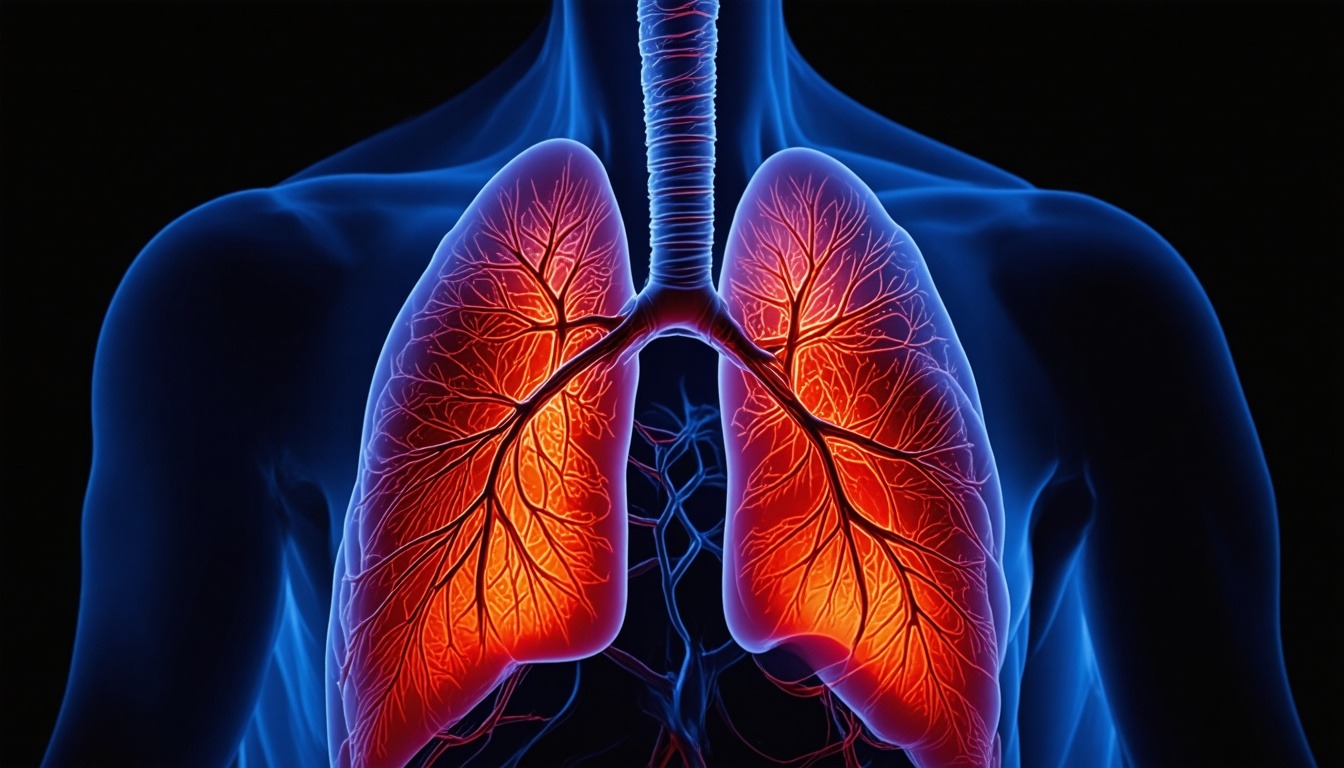

  • Anatomy of the Human Respiratory System: A Comprehensive Guide to Structure and Function

    Anatomy of the Human Respiratory System: A Comprehensive Guide to Structure and Function

    Introduction

    The human respiratory system is a marvel of biological engineering, responsible for the essential exchange of gases that sustains life. This system comprises a series of organs and structures that work in concert to bring oxygen into the body and expel carbon dioxide. Understanding the anatomy of the human respiratory system is crucial for students of medicine, biology, and allied health fields. In this comprehensive guide, we will delve into the structure of the human respiratory system, exploring the parts and functions of the structure of the human respiratory system, with a particular focus on the trachea, bronchioles, and alveoli. By the end, you will have a deep, academic-level understanding of how each component contributes to respiration.

    Structure of the Human Respiratory System

    The structure of the human respiratory system is anatomically divided into the upper respiratory tract and the lower respiratory tract. The upper tract includes the nose, nasal cavity, sinuses, and pharynx, while the lower tract comprises the larynx, trachea, bronchi, bronchioles, and alveoli. This hierarchical arrangement ensures that air is filtered, warmed, and humidified before reaching the delicate gas exchange surfaces.

    From a functional perspective, the respiratory system can be categorized into conducting zones and respiratory zones. The conducting zone includes all structures that transport air to the respiratory zone, where gas exchange occurs. The respiratory zone consists of respiratory bronchioles, alveolar ducts, and alveoli. This division is critical for understanding how air moves and how oxygen and carbon dioxide are exchanged.

    Embryologically, the respiratory system develops from the foregut endoderm, with the laryngotracheal groove forming the trachea and lung buds. This developmental origin explains the continuity between the digestive and respiratory tracts at the pharynx. Knowledge of this embryology aids in understanding congenital anomalies such as tracheoesophageal fistula.

    Parts and Functions of the Structure of the Human Respiratory System

    The parts and functions of the structure of the human respiratory system are intricately linked. Each component has a specialized role that contributes to the overall process of respiration. Below, we examine these parts in detail, from the nasal cavity to the alveoli.

    Nasal Cavity

    The nasal cavity is the primary entry point for air. It is lined with ciliated pseudostratified columnar epithelium that secretes mucus, trapping dust and pathogens. The rich blood supply warms the air, while the turbinates create turbulent airflow to maximize contact with mucus. The nasal cavity also houses olfactory receptors for smell.

    Pharynx

    The pharynx is a muscular tube that serves both respiratory and digestive functions. It is divided into nasopharynx, oropharynx, and laryngopharynx. The nasopharynx contains the pharyngeal tonsils (adenoids) and the openings of the Eustachian tubes. The oropharynx and laryngopharynx are common pathways for air and food.

    Larynx

    The larynx, or voice box, connects the pharynx to the trachea. It is composed of cartilages (thyroid, cricoid, and arytenoid) and contains the vocal cords. The epiglottis prevents food from entering the trachea during swallowing. The larynx also produces sound for speech.

    Trachea

    The trachea, commonly known as the windpipe, is a tubular structure about 10-12 cm long and 2 cm in diameter, extending from the larynx to the carina (the bifurcation point into the left and right main bronchi). It is a key component of the conducting zone, ensuring that air reaches the lungs efficiently.

    The tracheal wall consists of four layers: mucosa, submucosa, hyaline cartilage, and adventitia. The mucosa is lined with ciliated pseudostratified columnar epithelium and goblet cells that produce mucus. The submucosa contains seromucous glands. The C-shaped hyaline cartilage rings (16-20 in number) provide structural support and prevent collapse, while the posterior wall is composed of smooth muscle (trachealis muscle) that allows for flexibility during swallowing.

    The trachea is located anterior to the esophagus and extends from the level of C6 to T4-T5. It bifurcates at the carina, which is a sensitive area that triggers coughing when irritated. The right main bronchus is wider, shorter, and more vertical than the left, making it more susceptible to aspiration of foreign objects.

    Bronchioles

    Bronchioles are the smaller branches of the bronchial tree, typically less than 1 mm in diameter. They lack cartilage and glands, distinguishing them from bronchi. The bronchioles are part of both the conducting and respiratory zones, with terminal bronchioles being the last part of the conducting zone and respiratory bronchioles marking the beginning of the respiratory zone.

    The walls of bronchioles are composed of smooth muscle and elastic fibers, allowing for bronchodilation and bronchoconstriction under autonomic control. Sympathetic stimulation causes dilation, while parasympathetic stimulation causes constriction. This regulation is crucial for conditions like asthma, where excessive constriction impairs airflow.

    Each terminal bronchiole divides into several respiratory bronchioles, which then lead into alveolar ducts and alveolar sacs. The transition from conducting to respiratory zone is gradual, with respiratory bronchioles having occasional alveoli budding from their walls. This design maximizes the surface area for gas exchange.

    Alveoli

    Alveoli are the tiny air sacs where gas exchange occurs. There are approximately 300 million alveoli in the human lungs, providing a total surface area of about 70-100 square meters. Each alveolus is surrounded by a dense network of pulmonary capillaries, creating a thin barrier for diffusion.

    The alveolar wall consists of two types of epithelial cells: type I pneumocytes (squamous) and type II pneumocytes (cuboidal). Type I cells cover 95% of the surface area and are extremely thin (0.2 μm) to facilitate gas diffusion. Type II cells produce pulmonary surfactant, a phospholipid-protein complex that reduces surface tension, preventing alveolar collapse (atelectasis).

    Alveolar macrophages (dust cells) patrol the alveolar surfaces, phagocytizing inhaled particles and pathogens. The interalveolar septa contain elastic fibers that allow alveoli to expand during inhalation and recoil during exhalation. The close apposition of alveolar and capillary basement membranes forms the respiratory membrane, which is only 0.5 μm thick, enabling efficient O2 and CO2 exchange.

    Gas Exchange and Transport

    Gas exchange occurs across the respiratory membrane via simple diffusion. Oxygen diffuses from the alveoli (partial pressure ~100 mmHg) into the blood (partial pressure ~40 mmHg), while carbon dioxide diffuses in the opposite direction. This process is driven by concentration gradients and is influenced by factors such as membrane thickness, surface area, and ventilation-perfusion matching.

    Oxygen is transported in the blood primarily bound to hemoglobin in red blood cells (98.5%), with a small amount dissolved in plasma. Carbon dioxide is transported in three forms: dissolved (5-10%), bound to hemoglobin as carbaminohemoglobin (20-30%), and as bicarbonate ions (60-70%) formed in red blood cells via carbonic anhydrase.

    The efficiency of gas exchange is measured by parameters such as alveolar ventilation, dead space, and diffusion capacity. Alveolar ventilation is the volume of air reaching the alveoli per minute, while dead space refers to areas where no gas exchange occurs (e.g., conducting airways). The diffusion capacity of the lung for carbon monoxide (DLCO) is a clinical test to assess gas transfer.

    Mechanics of Breathing

    Breathing involves two phases: inspiration (inhalation) and expiration (exhalation). Inspiration is an active process driven by contraction of the diaphragm and external intercostal muscles, which expand the thoracic cavity and decrease intrapleural pressure, drawing air into the lungs. Expiration is normally passive, relying on elastic recoil of the lungs and chest wall.

    During forced breathing, accessory muscles such as the sternocleidomastoid, scalenes, and pectoralis minor assist in inspiration, while internal intercostals and abdominal muscles aid in active expiration. The intrapleural pressure is always negative relative to atmospheric pressure, maintaining lung expansion. Pneumothorax occurs when air enters the pleural space, causing lung collapse.

    Lung volumes and capacities are measured by spirometry. Key volumes include tidal volume (TV), inspiratory reserve volume (IRV), expiratory reserve volume (ERV), and residual volume (RV). Capacities are sums of volumes: total lung capacity (TLC), vital capacity (VC), inspiratory capacity (IC), and functional residual capacity (FRC). These measurements are critical for diagnosing pulmonary diseases.

    Control of Respiration

    Respiration is controlled by the respiratory center in the medulla oblongata and pons of the brainstem. The medullary respiratory center includes the dorsal respiratory group (DRG) and ventral respiratory group (VRG). The DRG primarily controls inspiration, while the VRG is involved in forced breathing. The pontine centers (pneumotaxic and apneustic) modulate the rhythm.

    Chemoreceptors monitor blood pH, CO2, and O2 levels. Central chemoreceptors in the medulla are sensitive to changes in CSF pH (indirectly reflecting CO2), while peripheral chemoreceptors (carotid and aortic bodies) detect low O2, high CO2, and low pH. The primary drive for breathing is CO2 levels; hypercapnia stimulates increased ventilation.

    Other factors influencing respiration include the Hering-Breuer reflex (stretch receptors in lungs prevent overinflation), baroreceptors, and voluntary control from the cerebral cortex. During exercise, ventilation increases dramatically to meet metabolic demands, with mechanisms involving feed-forward signals from motor cortex and feedback from chemoreceptors and mechanoreceptors.

    Clinical Correlations

    Understanding the anatomy of the respiratory system is essential for diagnosing and treating respiratory disorders. Common conditions include asthma, chronic obstructive pulmonary disease (COPD), pneumonia, and lung cancer. Asthma involves bronchoconstriction and inflammation of bronchioles, while COPD encompasses emphysema (alveolar destruction) and chronic bronchitis.

    Pneumonia is an infection of the alveoli, leading to fluid accumulation and impaired gas exchange. Lung cancer often arises from bronchial epithelium and can obstruct airways. Other conditions like pulmonary embolism (blockage of pulmonary artery) and acute respiratory distress syndrome (ARDS) affect gas exchange at the alveolar-capillary level.

    Diagnostic tools include chest X-ray, CT scan, bronchoscopy, pulmonary function tests (PFTs), and arterial blood gas analysis. Treatment may involve bronchodilators, corticosteroids, oxygen therapy, mechanical ventilation, or surgery. Knowledge of respiratory anatomy guides interventions like endotracheal intubation (trachea) and thoracentesis (pleural space).

    Detailed Anatomy of the Nasal Cavity

    The nasal cavity is divided into right and left halves by the nasal septum, which is composed of the perpendicular plate of the ethmoid bone, vomer, and septal cartilage. Each lateral wall contains three bony projections called conchae (superior, middle, and inferior), which increase surface area and create turbulent airflow. The epithelium lining the nasal cavity is primarily respiratory epithelium, except in the olfactory region where specialized olfactory epithelium is present.

    The nasal cavity receives blood supply from branches of the ophthalmic and maxillary arteries, including the sphenopalatine artery, which is a common site of epistaxis (nosebleed). Innervation comes from the olfactory nerve (CN I) for smell and branches of the trigeminal nerve (CN V) for general sensation. The nasolacrimal duct drains tears from the eye into the inferior meatus.

    Functions of the nasal cavity include filtration, warming, and humidification of inhaled air. The mucus layer traps particles, and cilia move the mucus toward the pharynx for swallowing. The rich vascular network warms the air to body temperature, and the turbinates increase contact time. Additionally, the nasal cavity contributes to resonance during speech.

    Detailed Anatomy of the Pharynx

    The pharynx extends from the base of the skull to the level of C6, where it continues as the esophagus. It is divided into three regions: nasopharynx (posterior to the nasal cavity), oropharynx (posterior to the oral cavity), and laryngopharynx (posterior to the larynx). The nasopharynx is lined by respiratory epithelium, while the oropharynx and laryngopharynx are lined by stratified squamous epithelium due to abrasion from food.

    The pharyngeal walls consist of four layers: mucosa, submucosa (pharyngobasilar fascia), muscular layer (constrictor muscles), and buccopharyngeal fascia. The superior, middle, and inferior constrictor muscles overlap to propel food toward the esophagus. The pharyngeal plexus (CN IX and X) provides motor innervation, while sensory innervation comes from CN IX and X.

    Lymphoid tissue in the pharynx forms Waldeyer’s ring, which includes the pharyngeal tonsil (adenoids), tubal tonsils, palatine tonsils, and lingual tonsil. These tonsils are part of the immune system, trapping pathogens. The pharynx also plays a role in equalizing pressure in the middle ear via the Eustachian tube openings in the nasopharynx.

    Detailed Anatomy of the Larynx

    The larynx is located at the level of C4-C6 and is composed of nine cartilages: three paired (arytenoid, corniculate, cuneiform) and three unpaired (thyroid, cricoid, epiglottis). The thyroid cartilage is the largest and forms the Adam’s apple. The cricoid cartilage is a complete ring, and the arytenoid cartilages articulate with the cricoid and attach to the vocal cords.

    The intrinsic muscles of the larynx control tension and position of the vocal cords. The cricothyroid muscle tenses the cords, while the thyroarytenoid muscle (vocalis) relaxes them. The posterior cricoarytenoid muscles abduct the cords, and the lateral cricoarytenoid and interarytenoid muscles adduct them. The recurrent laryngeal nerve (branch of CN X) innervates all intrinsic muscles except the cricothyroid (innervated by the external branch of the superior laryngeal nerve).

    The laryngeal cavity is divided into three regions: vestibule (above the vestibular folds), ventricle (between vestibular and vocal folds), and infraglottic cavity (below the vocal folds). The glottis is the opening between the vocal cords. During phonation, the vocal cords adduct and vibrate, producing sound. The pitch is determined by tension and length of the cords.

    Detailed Anatomy of the Trachea

    The trachea is a fibromuscular tube supported by 16-20 C-shaped hyaline cartilage rings. The open ends of the rings are posterior, where the trachealis muscle (smooth muscle) connects them. This arrangement allows the esophagus to expand during swallowing. The trachea is lined by ciliated pseudostratified columnar epithelium with goblet cells, which produce mucus that traps particles, and cilia that beat upward to propel mucus toward the pharynx.

    The blood supply to the trachea comes from the inferior thyroid artery (upper part) and bronchial arteries (lower part). Venous drainage is to the inferior thyroid and brachiocephalic veins. Lymphatic drainage goes to pretracheal and paratracheal lymph nodes. The trachea is innervated by the recurrent laryngeal nerves and sympathetic fibers from the cervical ganglia.

    Clinical significance: Tracheostomy is a surgical procedure to create an opening in the trachea to bypass an obstruction. The trachea can be compressed by goiter or tumors. Tracheal stenosis may occur after prolonged intubation. The carina is a sensitive area; irritation here triggers a strong cough reflex.

    Detailed Anatomy of the Bronchi and Bronchioles

    The trachea bifurcates at the carina into the right and left main bronchi. The right main bronchus is wider, shorter (2.5 cm), and more vertical, making it the most common site for aspiration of foreign bodies. The left main bronchus is narrower, longer (5 cm), and more horizontal, passing under the aortic arch. Each main bronchus enters the hilum of the respective lung.

    Within the lungs, the main bronchi divide into lobar bronchi (three on the right, two on the left), then segmental bronchi, and further into bronchioles. The bronchial tree undergoes about 23 generations of branching. As branching progresses, cartilage decreases and smooth muscle increases. Bronchioles are less than 1 mm in diameter and lack cartilage and mucous glands.

    The terminal bronchioles are the last part of the conducting zone. Each terminal bronchiole divides into respiratory bronchioles, which have alveoli budding from their walls. The respiratory bronchioles lead to alveolar ducts and alveolar sacs. The walls of bronchioles contain Clara cells, which secrete surfactant-like substances and detoxify inhaled toxins. The smooth muscle of bronchioles is under autonomic control; bronchoconstriction in asthma is a major clinical concern.

    Detailed Anatomy of the Alveoli

    Alveoli are polyhedral sacs with a diameter of about 200-300 μm. They are clustered in groups called alveolar sacs, which open from alveolar ducts. The interalveolar septa contain capillaries, elastic fibers, collagen, and fibroblasts. Pores of Kohn are small openings between adjacent alveoli that allow collateral ventilation and equalization of pressure.

    Type I pneumocytes are extremely thin squamous cells that cover 95% of the alveolar surface. They are joined by tight junctions and have few organelles. Type II pneumocytes are cuboidal cells that produce surfactant, a mixture of phospholipids (mainly dipalmitoylphosphatidylcholine) and proteins (SP-A, SP-B, SP-C, SP-D). Surfactant reduces surface tension, preventing alveolar collapse and reducing the work of breathing.

    Alveolar macrophages are derived from blood monocytes and migrate into the alveoli. They phagocytize inhaled particles, bacteria, and debris. They can be seen in sputum samples as “dust cells”. The respiratory membrane consists of the alveolar epithelium, basement membrane, capillary basement membrane, and capillary endothelium. The total thickness is only 0.5 μm, allowing rapid diffusion.

    Pleura and Pleural Cavity

    The pleura is a serous membrane that surrounds the lungs. The visceral pleura adheres to the lung surface, while the parietal pleura lines the thoracic cavity. The two layers are continuous at the hilum and form the pleural cavity, which contains a thin film of serous fluid (about 10-20 mL) that reduces friction during breathing.

    The parietal pleura is divided into four parts: costal (ribs), diaphragmatic (diaphragm), mediastinal (mediastinum), and cervical (cupula, extending above the first rib). The pleural cavity has recesses where the lungs don’t fully occupy, such as the costodiaphragmatic recess (between diaphragm and ribs) and costomediastinal recess. These recesses allow lung expansion during inspiration.

    Innervation of the parietal pleura is by intercostal nerves (costal part) and phrenic nerve (diaphragmatic and mediastinal parts), which explains referred pain to the shoulder in diaphragmatic irritation. The visceral pleura is innervated by autonomic fibers and is insensitive to pain. Pleurisy (inflammation of the pleura) causes sharp pain on inspiration.

    Lungs: Lobes, Fissures, and Hilum

    The right lung has three lobes: superior, middle, and inferior, separated by the horizontal and oblique fissures. The left lung has two lobes: superior and inferior, separated by the oblique fissure. The left lung also has a cardiac notch to accommodate the heart. Each lobe is divided into bronchopulmonary segments, which are functionally independent units supplied by a segmental bronchus and artery.

    The hilum is the medial region where the bronchus, pulmonary artery, pulmonary veins, bronchial vessels, nerves, and lymphatics enter and exit the lung. The arrangement at the hilum is: pulmonary artery superior, bronchus posterior, and pulmonary veins anterior (remember “A-B-V”). The root of the lung is the structures connecting the lung to the mediastinum.

    The bronchopulmonary segments are 10 in the right lung and 8-10 in the left lung. Each segment is separated by connective tissue septa and can be surgically removed without affecting adjacent segments. Knowledge of segmental anatomy is crucial for locating lesions and planning resections.

    Blood Supply and Lymphatics of the Lungs

    The lungs have a dual blood supply: the pulmonary circulation for gas exchange and the bronchial circulation for nourishment of lung tissue. The pulmonary arteries carry deoxygenated blood from the right ventricle to the lungs, branching along the bronchial tree. The pulmonary veins carry oxygenated blood back to the left atrium. The bronchial arteries (from the thoracic aorta) supply the bronchi, pleura, and supporting tissues.

    Lymphatic drainage of the lungs begins with lymph capillaries in the interlobular septa and around bronchioles. Lymph flows to hilar lymph nodes, then to tracheobronchial, paratracheal, and mediastinal nodes. The right lymphatic duct and thoracic duct drain lymph into the venous system. Lymphatic spread is a common route for lung cancer metastasis.

    Nerve supply to the lungs comes from the pulmonary plexus, which contains sympathetic (T1-T5) and parasympathetic (vagus) fibers. Sympathetic stimulation causes bronchodilation and vasoconstriction, while parasympathetic stimulation causes bronchoconstriction and vasodilation. Afferent fibers carry sensory information from stretch receptors and chemoreceptors.

    Developmental Anatomy and Congenital Anomalies

    The respiratory system develops from the foregut at around 4 weeks of gestation. The laryngotracheal groove appears on the ventral side of the foregut, which deepens to form the laryngotracheal tube. The distal end of the tube forms the lung buds, which branch into the bronchial tree. The surrounding mesenchyme gives rise to cartilage, smooth muscle, and connective tissue.

    Congenital anomalies include tracheoesophageal fistula (abnormal connection between trachea and esophagus), laryngomalacia (soft laryngeal cartilage), and congenital diaphragmatic hernia (abdominal organs herniate into chest, compressing lungs). Pulmonary hypoplasia is underdevelopment of lung tissue, often associated with oligohydramnios. Cystic adenomatoid malformation is a hamartomatous lesion of the lung.

    Understanding embryology helps explain the segmental anatomy and variations in bronchial branching. for instance, the right upper lobe bronchus often arises directly from the trachea (tracheal bronchus) in some individuals. Such variations are important for bronchoscopy and surgical planning.

    Age-Related Changes in the Respiratory System

    With aging, the respiratory system undergoes several changes. The chest wall becomes stiffer due to calcification of costal cartilages and decreased elasticity. The diaphragm weakens, reducing maximal inspiratory and expiratory pressures. Lung elasticity decreases due to loss of elastin fibers, leading to increased compliance and air trapping (senile emphysema).

    Alveolar surface area decreases by about 20% by age 70, reducing gas exchange efficiency. The number of alveoli remains relatively constant, but the size increases. The immune function declines, increasing susceptibility to infections. The mucociliary clearance becomes less effective, and the cough reflex weakens.

    Pulmonary function tests show a decline in FEV1 (forced expiratory volume in 1 second) and FVC (forced vital capacity) with age. The residual volume increases, and the diffusion capacity decreases. These changes contribute to the increased prevalence of respiratory diseases in the elderly, such as pneumonia and COPD.

    Respiratory System in Exercise

    During exercise, the respiratory system must meet increased oxygen demand and eliminate excess carbon dioxide. Ventilation can increase from about 6 L/min at rest to over 100 L/min in elite athletes. This is achieved by increasing tidal volume and respiratory rate. The diaphragm and accessory muscles work harder.

    Gas exchange efficiency improves due to better ventilation-perfusion matching and increased pulmonary capillary blood flow. Oxygen diffusion capacity increases as more capillaries are recruited. but, at very high intensities, the respiratory muscles may fatigue, limiting performance. Respiratory muscle training can improve exercise tolerance.

    Exercise-induced bronchoconstriction (EIB) occurs in some individuals, especially in cold, dry air. It is thought to be due to airway drying and cooling, leading to mast cell degranulation. Treatment includes inhaled bronchodilators before exercise.

    Respiratory System and Altitude

    At high altitude, the partial pressure of oxygen in the air decreases, leading to hypobaric hypoxia. The body adapts through acclimatization, which includes increased ventilation (hyperventilation), increased heart rate, and increased red blood cell production (erythropoiesis) over days to weeks. The hypoxic ventilatory response is mediated by peripheral chemoreceptors.

    Acute mountain sickness (AMS) can occur at altitudes above 2,500 m, with symptoms of headache, nausea, and fatigue. Severe forms include high-altitude pulmonary edema (HAPE) and high-altitude cerebral edema (HACE). HAPE is characterized by pulmonary hypertension and fluid leakage into alveoli, while HACE involves brain swelling.

    Long-term adaptation in high-altitude populations includes larger lung volumes, increased capillary density, and genetic changes in oxygen sensing pathways. Understanding these adaptations provides insights into respiratory physiology and disease.

    Conclusion

    In conclusion, the anatomy of the human respiratory system is a complex and highly organized network of structures that facilitate the vital process of gas exchange. From the nasal cavity to the alveoli, each component plays a specific role in conducting air, filtering impurities, and enabling diffusion. The trachea provides a rigid airway, bronchioles regulate airflow, and alveoli offer an immense surface area for gas exchange. Understanding these parts and functions is fundamental for any student of human biology. This guide has provided a detailed exploration, integrating structure with function and clinical relevance. Mastery of this material will serve as a solid foundation for further study in physiology, pathology, and clinical medicine.

    Frequently Asked Questions

    What is the main function of the trachea?

    The trachea serves as the main conduit for air from the larynx to the bronchi. It provides a rigid yet flexible airway, thanks to its C-shaped cartilage rings, and its ciliated epithelium helps trap and expel debris.

    How do bronchioles differ from bronchi?

    Bronchioles are smaller than bronchi (less than 1 mm diameter) and lack cartilage and glands. They have more smooth muscle, allowing for significant changes in diameter. Bronchioles are part of both conducting and respiratory zones.

    What is the role of alveoli in gas exchange?

    Alveoli are the microscopic air sacs where oxygen and carbon dioxide are exchanged between air and blood. Their thin walls (0.2 μm) and large surface area (70-100 m²) make diffusion highly efficient.

    What causes the lungs to stick to the chest wall?

    The pleural cavity contains a thin layer of fluid that creates surface tension, adhering the visceral pleura (lung) to the parietal pleura (chest wall). This negative intrapleural pressure keeps the lungs expanded.

    How is breathing controlled?

    Breathing is controlled by the respiratory center in the brainstem, which responds to chemoreceptor input (CO2, O2, pH). The medulla generates the basic rhythm, while the pons modulates it.

    “,
    “excerpt”: “Detailed academic notes on the anatomy of the human respiratory system, covering the trachea, bronchioles, alveoli, and all parts with functions, gas exchange, and clinical correlations.”
    }

  • Post-Independence Liberation Struggles in Uganda: A Comprehensive Historical Analysis

    Post-Independence Liberation Struggles in Uganda: A Comprehensive Historical Analysis

    Introduction

    Uganda’s journey after independence in 1962 was marked by profound political instability, ethnic tensions, and violent struggles for liberation. The post-independence era witnessed a series of crises that shaped the nation’s political landscape, including the 1966/67 Uganda Crisis, the 1971 military coup, flawed general elections in 1980, and the brutal civil war in the Luwero Triangle (1980-1985). This article provides comprehensive class subject notes on these liberation struggles, analyzing the political situations, key events, and their lasting impacts on Uganda’s politics. Understanding these historical events is crucial for grasping contemporary Ugandan politics and the ongoing quest for democracy and stability.

    The Political Situation Leading to the 1967 Uganda Crisis

    The roots of the 1967 Uganda Crisis lie in the fragile political arrangement at independence. Uganda became independent on October 9, 1962, with a federal constitution that granted significant autonomy to the Kingdom of Buganda. The alliance between the Uganda People’s Congress (UPC) led by Milton Obote and the Kabaka Yekka (KY) party of Buganda created an uneasy coalition. Tensions arose over the role of the Kabaka (king) as both the ceremonial president and the traditional ruler of Buganda, conflicting with Obote’s centralizing ambitions. Additionally, the 1964 army mutiny highlighted the fragility of civilian control over the military. By 1966, the political situation was explosive, characterized by power struggles, accusations of corruption, and ethnic rivalries between the northern (Langi, Acholi) and southern (Baganda) elites. The crisis culminated in the suspension of the constitution and the imposition of a unitary state.

    Key Factors Leading to the Crisis

    • Federal vs. Unitary State: The 1962 constitution created a quasi-federal system, with Buganda enjoying special privileges. Obote sought to abolish this to consolidate power.
    • Personal Rivalries: Obote and the Kabaka (Sir Edward Mutesa II) had a strained relationship, exacerbated by the ‘Gold Scandal’ of 1966, where Obote was accused of smuggling gold from Congo.
    • Military Intervention: Colonel Idi Amin, then deputy army commander, played a key role in Obote’s power consolidation, using the army to intimidate opponents.
    • Ethnic Polarization: The Baganda felt marginalized by Obote’s northern-dominated UPC, leading to political instability.

    The 1967 Crisis: Key Events and Results

    The 1967 Uganda Crisis unfolded in a series of dramatic events. In February 1966, Obote suspended the constitution, arrested five cabinet ministers, and assumed executive powers. He then appointed Idi Amin to lead a military crackdown. On May 24, 1966, the army attacked the Kabaka’s palace in Mengo, forcing Mutesa into exile. In 1967, a new constitution was enacted, abolishing the federal system and the kingdoms, turning Uganda into a unitary republic with Obote as executive president. The results were devastating: the Baganda’s political influence was destroyed, the monarchy was abolished, and Uganda began a slide into authoritarianism. The crisis also set a precedent for military intervention in politics, which would haunt Uganda for decades.

    Chronology of the 1967 Crisis

    Date Event Outcome
    February 1966 Obote suspends constitution, arrests ministers Constitutional crisis
    May 24, 1966 Attack on Mengo Palace Kabaka flees; monarchy weakened
    April 1967 New constitution enacted Unitary state; kingdoms abolished
    1967-1971 Obote’s authoritarian rule Political repression; growing military power

    Events Preceding the 1966 Crisis and Their Political Impact

    Before the 1966 crisis, several events shaped Uganda’s political trajectory. The 1964 army mutiny, where soldiers demanded better pay and conditions, was a turning point. Obote’s reliance on the army to suppress the mutiny gave the military a taste of political power. The 1965 ‘Gold Scandal’ eroded Obote’s legitimacy, as he was accused of involvement in illegal gold smuggling from the Congo. This scandal prompted the arrest of his rivals and deepened ethnic divisions. The impact of these events was profound: they weakened democratic institutions, empowered the military, and polarized the country along ethnic lines. The 1966 crisis was thus a culmination of these earlier tensions.

    The 1971 Coup: Overthrow of Obote

    On January 25, 1971, while Obote was attending a Commonwealth conference in Singapore, Idi Amin seized power in a military coup. The coup was widely welcomed initially, as Obote’s rule had become increasingly repressive. but, Amin’s regime soon descended into a brutal dictatorship characterized by human rights abuses, economic collapse, and ethnic killings. The coup had deep roots: Amin had been building his power base within the army, exploiting ethnic loyalties among Nubian and Kakwa soldiers. Obote’s failure to control Amin, despite knowing his ambitions, was a critical mistake. The coup’s impact on Ugandan politics was catastrophic: it ushered in eight years of terror, destroyed the economy, and fragmented the nation.

    Reasons for the 1971 Coup

    • Military Ambitions: Amin sought to become president, leveraging his control over the army.
    • Ethnic Tensions: Amin exploited grievances of northern ethnic groups against Obote’s Langi and Acholi dominance.
    • British and Israeli Support: Amin had backing from Western powers who saw him as a counter to Obote’s socialist leanings.
    • Weak Civilian Institutions: The 1967 constitution had concentrated power in the executive, making a coup easier.

    The 1980 General Elections: A Flawed Return to Democracy

    After Amin’s overthrow in 1979 by Tanzanian forces and Ugandan exiles, a transitional government was established. The 1980 general elections were meant to restore democracy, but they were deeply flawed. The elections were won by Obote’s UPC, but widespread allegations of rigging, especially in the Luwero Triangle, led to accusations of fraud. The main opposition, the Uganda Patriotic Movement (UPM) led by Yoweri Museveni, rejected the results. The elections exacerbated ethnic tensions, as the UPC was seen as a northern party, while the south felt marginalized. The flawed elections set the stage for a protracted guerrilla war, as Museveni and his supporters took to the bush to fight Obote’s government.

    Election Results and Controversy

    Party Votes (%) Seats Allegations
    UPC (Obote) ~48% 74 Rigging in Luwero
    DP (Ssemogerere) ~32% 51 Voter intimidation
    UPM (Museveni) ~20% 1 Widespread fraud

    The 1980-85 Civil War in the Luwero Triangle

    The Luwero Triangle, a region north of Kampala, became the epicenter of a brutal civil war between Obote’s government forces (UNLA) and Museveni’s National Resistance Army (NRA). The war lasted from 1980 to 1985, characterized by extreme violence, including massacres of civilians, destruction of villages, and widespread displacement. The NRA employed guerrilla tactics, gaining support from the local Baganda population who resented Obote’s northern-dominated government. The war’s impact was devastating: an estimated 100,000 to 500,000 people died, mostly civilians. The conflict ended when Obote was overthrown by his own generals in July 1985, but the war continued until the NRA captured Kampala in January 1986, bringing Museveni to power.

    Key Characteristics of the Luwero War

    • Guerrilla Warfare: The NRA used hit-and-run tactics, ambushes, and control of rural areas.
    • Civilian Casualties: Both sides committed atrocities; the UNLA’s ‘counter-insurgency’ often targeted civilians.
    • Ethnic Dimension: The war deepened the north-south divide, with Baganda supporting the NRA.
    • International Involvement: Libya and Tanzania provided support to the NRA, while Western powers backed Obote initially.

    Impact of the 1966/67 Crisis on Ugandan Politics

    The 1966/67 crisis had long-lasting effects on Uganda’s political development. It destroyed the traditional monarchies, centralized power in the executive, and set a precedent for military intervention. The crisis also entrenched ethnic politics, as Obote’s actions were seen as anti-Buganda. The abolition of federalism led to a unitary state that marginalized regions. plus, the crisis weakened political parties and civil society, paving the way for dictatorship. The legacy of the crisis is still felt today, as Uganda struggles with ethnic tensions and the concentration of power in the presidency.

    The Role of the Military in Post-Independence Struggles

    The military played a central role in Uganda’s post-independence liberation struggles. From the 1964 mutiny to the 1971 coup and the Luwero war, the army was both a tool of repression and a vehicle for change. The politicization of the military along ethnic lines (Langi/Acholi vs. Kakwa/Nubian) led to internal divisions and coups. The NRA’s success in 1986 demonstrated that guerrilla armies could challenge conventional forces. but, the military’s involvement in politics has hindered democratic consolidation, as successive regimes have relied on the army to stay in power.

    Ethnicity and Regionalism in Uganda’s Liberation Struggles

    Ethnicity has been a defining feature of Uganda’s political conflicts. The Baganda, the largest ethnic group, have historically sought autonomy, leading to clashes with central governments. The north-south divide, with northerners dominating the military and politics, has fueled resentment. The 1966 crisis was partly a Baganda-UPC conflict, while the Luwero war was a Baganda-led rebellion against Obote’s northern regime. Ethnicity has been manipulated by leaders to build support and justify repression. Overcoming ethnic divisions remains a challenge for national unity.

    Economic Dimensions of the Liberation Struggles

    The liberation struggles had severe economic consequences. Amin’s rule saw the expulsion of Asians (1972), which destroyed the economy. The Luwero war disrupted agriculture, leading to famine. Obote’s second term (1980-85) was marked by hyperinflation and corruption. The NRA’s victory in 1986 brought economic reforms, but the legacy of conflict persisted. The economic costs of war included loss of infrastructure, displacement, and reduced foreign investment. Understanding these economic factors is essential for analyzing the motivations behind the struggles.

    International Involvement in Uganda’s Conflicts

    External actors played significant roles in Uganda’s liberation struggles. Tanzania’s intervention in 1979 helped overthrow Amin. Libya and the Soviet Union supported the NRA, while Western powers backed Obote and later Museveni. The Cold War context influenced alliances, with Uganda becoming a proxy battleground. International pressure for democracy, such as the 1980 elections, often had unintended consequences. The role of foreign powers in arming and funding factions prolonged conflicts and complicated peace processes.

    Legacy of the Liberation Struggles on Modern Uganda

    The post-independence liberation struggles have left a complex legacy. On one hand, they ended dictatorial regimes and brought Museveni to power, who has provided relative stability since 1986. On the other hand, the struggles entrenched authoritarianism, ethnic divisions, and a culture of violence. The Luwero war, in particular, created deep trauma and a sense of victimhood among the Baganda. The failure to achieve genuine democracy after 1980 has led to ongoing debates about electoral integrity. Understanding this legacy is crucial for addressing Uganda’s current political challenges, including the need for constitutional reforms and reconciliation.

    Conclusion

    Uganda’s post-independence liberation struggles were a series of violent conflicts that shaped the nation’s political identity. The 1966/67 crisis destroyed federalism and monarchy, the 1971 coup brought dictatorship, the 1980 elections failed to restore democracy, and the Luwero war led to a new regime. These events were driven by ethnic tensions, military ambitions, and flawed political institutions. The struggles highlight the difficulties of nation-building in a diverse society. Moving forward, Uganda must address the root causes of these conflicts, including ethnic inequality, military involvement in politics, and weak democratic institutions, to achieve lasting peace and stability.

    Frequently Asked Questions

    What was the 1967 Uganda Crisis?

    The 1967 Uganda Crisis refers to the constitutional and military confrontation between Prime Minister Milton Obote and the Kingdom of Buganda, leading to the abolition of the federal system and the monarchy.

    Who led the 1971 coup in Uganda?

    Idi Amin led the 1971 military coup that overthrew President Milton Obote while he was abroad.

    Why were the 1980 elections controversial?

    The 1980 elections were marred by allegations of widespread rigging, especially in the Luwero Triangle, leading to the rejection of results by opposition parties.

    What was the Luwero Triangle war?

    The Luwero Triangle war (1980-1985) was a civil war between Obote’s government forces and Museveni’s National Resistance Army, characterized by high civilian casualties.

    How did the 1966 crisis affect Uganda?

    The 1966 crisis centralized power, abolished kingdoms, weakened democratic institutions, and set a precedent for military intervention in politics.

  • Breeds and Physical Selection of Production Cattle: A Comprehensive Guide to Profitable Rearing

    Breeds and Physical Selection of Production Cattle: A Comprehensive Guide to Profitable Rearing

    Introduction

    Cattle production is a cornerstone of global agriculture, providing milk, meat, leather, and draught power. The success of a cattle enterprise hinges on two critical decisions: selecting the right breed and choosing animals with optimal physical characteristics. This guide delves deep into the breeds of cattle and their characteristics, the physical characteristics of cattle for profitable rearing, and provides detailed profiles of key breeds such as Ankole, Sanga, Zebu, Boran, Friesian, Jersey, and Guernsey. By the end, you will be equipped to make informed choices when selecting the best cattle breed for rearing. This resource is ideal for students, farmers, and agricultural professionals seeking academic-level understanding.

    Topic 1: Physical Characteristics of Cattle for Profitable Rearing

    Physical conformation is a reliable indicator of an animal’s health, productivity, and longevity. When evaluating cattle, focus on traits that directly influence profitability—milk yield, growth rate, fertility, and resistance to environmental stress. Below are the key physical features to assess.

    1. Body Frame and Size

    • Height and Length: Larger frames generally support higher feed intake and growth potential. For dairy breeds, a deep, long barrel indicates capacity for rumen development and milk production. For beef breeds, blocky, deep bodies yield higher carcass weight.
    • Skeletal Strength: Strong, straight legs with well-formed hooves are essential for mobility and grazing. Weak pasterns or crooked legs increase lameness risk, reducing productivity.
    • Thorax Depth: A deep chest (measured from withers to sternum) correlates with heart and lung capacity, vital for heat dissipation and exercise tolerance in tropical environments.

    2. Udder and Teat Structure (Dairy Emphasis)

    • Udder Attachment: A firmly attached, high rear udder prevents sagging and injury. A well-balanced udder with equal quarters ensures efficient milking and reduces mastitis incidence.
    • Teat Placement and Size: Teats should be evenly placed, of moderate length (5–7 cm), and cylindrical. Funnel-shaped or excessively long teats hamper machine milking and increase infection risk.
    • Milk Veins: Prominent, tortuous milk veins (subcutaneous abdominal veins) indicate high blood flow to the udder and correlate with higher milk yield.

    3. Muscle and Fat Distribution (Beef Emphasis)

    • Loin and Rump Width: Wide, thick loins and a well-developed rump indicate superior muscle development, yielding high-value cuts (striploin, sirloin).
    • Shoulder and Gimlet: Smooth shoulders with even muscling reduce waste; sharp shoulders indicate low muscle mass. The “gimlet” area (between hind legs) should be full but not overly fat.
    • Backfat Thickness: Moderate backfat (2–5 mm) is ideal for carcass grading. Excess fat increases feed costs; too little reduces meat quality and shelf life.

    4. Reproductive Traits

    • Scrotal Circumference (Bulls): A circumference >32 cm at weaning correlates with high semen quality and early puberty in offspring.
    • Vulva and Pelvic Area (Cows): A large, well-formed vulva and a wide pelvic opening reduce calving difficulties. Narrow pelves increase dystocia risk.
    • Body Condition Score (BCS): Maintain BCS of 3–3.5 (1–5 scale) for optimal fertility. Too thin (BCS <2) causes anestrus; too fat (BCS >4) leads to metabolic disorders and reduced conception.

    5. Temperament and Adaptability Traits

    • Docility: Calm animals are easier to handle, reducing labor costs and injury risk. Temperament can be assessed by response to human approach (flight zone).
    • Heat Tolerance: In hot climates, cattle with sleek, short hair coats, large dewlaps, and folded skin (e.g., Zebu) dissipate heat better. Darker pigmentation protects against UV radiation.
    • Parasite Resistance: Animals with a naturally high immune response show fewer signs of tick infestation (less tick load, smooth coat) and require fewer acaricide treatments.

    Topic 2: Characteristics of Ankole, Sanga, Zebu, and Boran Breeds

    These breeds are predominantly found in Africa and are well-adapted to harsh tropical conditions. They are often used for beef, milk, and as a genetic resource for crossbreeding.

    2.1 Ankole Cattle

    The Ankole breed, native to East Africa (especially Uganda, Rwanda, and Kenya), is renowned for its massive, sweeping horns and ancient lineage.

    • Physical Appearance: Large frame; cows weigh 450–550 kg, bulls 600–700 kg. They have a short, tight coat (red, brown, black, or white). Horns can reach up to 2.5 m in length, used for thermoregulation and defense.
    • Production Traits: Milk yield: 2–5 liters/day (low but rich in butterfat ~5–6%). Beef: lean meat with low marbling. Excellent draft capacity.
    • Adaptability: Tolerates high temperatures, humidity, and poor forage. Shows resistance to ticks and many diseases (e.g., trypanotolerance in some strains).
    • Disadvantages: Late maturity (first calving at 4–5 years), low milk production, and aggressive temperament due to horn threat.

    2.2 Sanga Cattle

    Sanga is a general term for African zebuine-humped cattle found from Sudan to South Africa. Examples include the Afrikaner and Tuli.

    • Physical Appearance: Medium size with a small thoracic hump (fat reserve). Coat colors vary (red, brown, gray). They have a moderate head length and drooping ears.
    • Production Traits: Dual-purpose (milk and beef). Milk yield: 3–6 liters/day with 4–5% butterfat. Beef: well-marbled, tender. Good fertility and calving ease.
    • Adaptability: Hardy; thrives on low-quality roughage, resists internal parasites and tick-borne diseases. Tolerates heat and drought.
    • Disadvantages: Lower growth rates compared to exotic breeds; milk yield is modest for commercial dairying.

    2.3 Zebu (Bos indicus)

    Zebu is a breed group characterized by a prominent hump over the shoulders, large dewlap, and upright ears. Common in Asia and Africa.

    • Physical Appearance: Wide variability. Hump stores fat for energy. Skin is loose, folded, and pigmented. Short hair. Colors: white, gray, red, or mixed. Horns are often lyre-shaped.
    • Production Traits: Dairy zebu (e.g., Sahiwal) yield 6–12 liters/day with 4–5% fat. Beef zebu (e.g., Brahman) gain weight on poor pastures. Excellent maternal traits.
    • Adaptability: Superior heat tolerance due to sweat glands and low metabolic rate. Resistant to many tropical diseases (e.g., anaplasmosis). Efficiency in converting low-quality feed.
    • Disadvantages: Later maturity, less tender meat than Bos taurus, and variable milk yield. Temperament can be nervous.

    2.4 Boran Cattle

    Developed from crosses of Zebu and Shorthorn, the Boran is a popular beef breed in East Africa, especially Kenya and Ethiopia.

    • Physical Appearance: Compact, muscular body with a small hump. Colors: white, fawn, red, or roan. Short horns. Weight: cows 450–550 kg, bulls 700–900 kg.
    • Production Traits: High growth rate (average daily gain 0.8–1.2 kg), excellent carcass yield (58–62%), and good marbling. Milk yield: 3–5 liters/day (sufficient for calf-rearing).
    • Adaptability: Very hardy; performs well under harsh rangeland conditions. Resistant to ticks and worms. Good mothering ability and early puberty (bulls at 15 months, heifers at 18–24 months).
    • Disadvantages: Requires improved pasture to reach genetic potential; not as docile as some European breeds.

    Topic 3: Characteristics of Friesian, Jersey, and Guernsey Breeds

    These are European dairy breeds known for high milk production. They require superior feed and management but reward with high yields.

    3.1 Friesian (Holstein-Friesian)

    The Friesian (Holstein) is the world’s highest milk-yielding dairy breed.

    • Physical Appearance: Large frame: cows 600–700 kg, bulls 900–1000 kg. Distinct black-and-white patches (or red-and-white). Long, deep body. Udder is large and attached high.
    • Production Traits: Milk yield: 25–40 liters/day (over 10,000 liters per lactation). Butterfat: 3.5–4.0%, protein 3.2–3.5%. Excellent feed conversion to milk.
    • Adaptability: Prefers temperate climates; heat stress reduces production. Requires high-quality diets and intensive management. Susceptible to mastitis and lameness.
    • Disadvantages: High metabolic demands, lower fertility in tropics, and short productive life (3–4 lactations on average).

    3.2 Jersey

    Jersey cows are small but efficient, producing rich milk well-suited for cheese and butter.

    • Physical Appearance: Small to medium: cows 350–450 kg. Colour ranges from light fawn to dark brown, often with a darker muzzle and dorsal stripe. Docile and alert.
    • Production Traits: Milk yield: 15–25 liters/day (5,000–6,000 liters per lactation). Butterfat: 5–6%, protein 4–5% (highest among dairy breeds). Smaller calves born easily.
    • Adaptability: Better heat tolerance than Holsteins. Efficient grazers—can thrive on lower-quality feed. Low incidence of metabolic diseases.
    • Disadvantages: Milk yield per cow is lower; more susceptible to twin births (though usually not problematic). Some lines have weak legs.

    3.3 Guernsey

    Guernsey cattle originated from the Channel Islands and produce golden-colored milk rich in beta-carotene.

    • Physical Appearance: Medium size: cows 450–550 kg. Color: rich golden fawn or reddish-brown with white patches (especially on face, belly, and legs). Muzzle is buff (not black).
    • Production Traits: Milk yield: 20–30 liters/day (6,000–7,000 liters per lactation). Butterfat: 4.5–5.0%, protein 3.8–4.0%. Characteristic golden color due to high carotenoid content.
    • Adaptability: Known for efficient conversion of feed into milk solids. Hardy, with fewer health problems than Holsteins. Calves are vigorous.
    • Disadvantages: Slightly lower total milk volume; more sensitive to heat than Jerseys. Their color can make them harder to market in some beef systems.

    Topic 4: Selecting the Best Cattle Breed for Rearing

    Choosing a breed depends on your production goals, environment, and resources. Follow these steps:

    Step 1: Define Objectives

    • Dairy: If milk sales are primary, prioritize yield, butterfat, and udder health. In temperate zones, Holstein is popular; in tropics, consider Sahiwal (Zebu) or crossbreeds.
    • Beef: For meat, focus on growth rate, carcass quality, and adaptability. Boran, Angus, or Charolais work for different climates.
    • Dual-Purpose: Breeds like Jersey, Sanga, or Simmental provide both milk and beef.

    Step 2: Assess Environmental Condition

    • Climate: Hot and humid → try Zebu, Boran, Sanga. Cold temperate → Holstein, Jersey, Angus.
    • Feed Availability: High-quality pastures → European breeds. Low-quality roughage → Zebu, Ankole.
    • Disease Pressure: Tick-borne diseases → choose resistant breeds (e.g., Boran, Zebu).

    Step 3: Evaluate Management Capacity

    • Labor: Intense management required for high-yielding breeds. If labor is scarce, opt for hardy, low-maintenance breeds.
    • Infrastructure: Dairy breeds need milking parlors, cooling, and veterinary support. Beef breeds require handling facilities.

    Step 4: Compare Economics

    Use a breed comparison table to weigh traits.

    Breed Milk Yield (L/day) BF% ADG (kg) Heat Tolerance Feed Efficiency Calving Ease
    Ankole 2–5 5–6 0.2–0.4 Excellent Poor Good
    Sanga 3–6 4–5 0.4–0.6 Good Moderate Excellent
    Zebu 4–12 4–5 0.5–0.8 Excellent Good Good
    Boran 3–5 4–5 0.8–1.2 Excellent Good Good
    Friesian 25–40 3.5–4 0.7–1.0 Poor High Moderate
    Jersey 15–25 5–6 0.5–0.7 Good High Excellent
    Guernsey 20–30 4.5–5 0.6–0.8 Moderate High Good

    Step 5: Crossbreeding Options

    If no single breed meets all needs, consider crossbreeding to combine strengths. for instance, crossing Holstein with Boran yields improved heat tolerance while maintaining moderate milk production. Always test local adaptation first.

    Conclusion

    Selecting the right cattle breed and applying rigorous physical selection are fundamental to a profitable operation. Understanding the breeds of cattle and their characteristics—from the horned Ankole to the high-yielding Friesian—enables you to match genetic potential with your environment and market. Assessing physical characteristics of cattle for profitable rearing ensures you invest in animals that will thrive and produce efficiently. Whether you lean toward the resilient Ankole, Sanga, Zebu, or Boran breeds for tropical settings, or the high-output Friesian, Jersey, and Guernsey breeds for temperate dairying, your choices must be informed by data. Use the comparison table and steps outlined here as a guide when selecting the best cattle breed for rearing. Remember, good management amplifies genetic potential; even the best breed can’t overcome inadequate feeding or health care. Integrate physical appraisal, breed knowledge, and sound management for a successful cattle enterprise.

    Frequently Asked Questions

    Q: What is the most profitable cattle breed for milk production?

    For intensive systems in temperate climates, the Friesian (Holstein) yields the highest volume (25–40 L/day). but, in tropical or low-input systems, the Sahiwal (Zebu) or crossbreds like the Jersey × Sahiwal are more profitable due to lower mortality and feed costs. The best breed must match the local environment and market for milk solids (Jersey for high butterfat) or volume.

    Q: How do I assess the physical conformation of a dairy cow?

    Focus on udder attachment (high, tight rear udder), teat size and placement (medium length, evenly spaced), body length and depth (capacity for digestion), and leg structure (strong pasterns). Also check for signs of mastitis, such as hardness or swelling. A scoring chart (e.g., linear type traits) can standardize evaluation.

    Q: Which beef breed has the highest weight gain on pasture?

    Among tropical breeds, the Boran achieves an average daily gain of 0.8–1.2 kg on good pasture. In temperate zones, Charolais and Simmental reach 1.0–1.5 kg/day. but, growth rate must be balanced with feed efficiency and carcass quality. The breed also needs to suit your climatic and management conditions.

    Q: Can I crossbreed Ankole with Friesian?

    Yes, crossbreeding Ankole (tick-resistant, heat-tolerant) with Friesian (high milk yield) can produce F1 animals with moderate milk production (10–15 L/day) and improved adaptation. but, the resulting calves will have intermediate traits; careful selection for desired characteristics (e.g., horn size, udder shape) is necessary.

    Q: What physical traits indicate a cow will have good fertility?

    Key indicators include a body condition score of 3–3.5 (1–5 scale), a wide pelvic opening, well-developed vulva, and regular cycling. In bulls, a scrotal circumference >34 cm at 12–15 months is a strong predictor of fertility. Also observe the cow’s energy levels and hoof health, as lameness reduces heat expression.

    Q: How does the milk of Guernsey compare to Jersey?

    Guernsey milk is known for its golden color due to high beta-carotene, with butterfat around 4.5–5% and protein 3.8–4%. Jersey milk has higher butterfat (5–6%) and protein (4–5%), making it slightly richer for cheese and butter. Both are excellent for dairy products, but Jersey is preferred for premium butterfat content.

  • A Simple Guide to SWOT Analysis for Testing New Business Ideas

    A Simple Guide to SWOT Analysis for Testing New Business Ideas

    Introduction

    Before launching any new business idea, it’s crucial to evaluate its potential for success. One of the most effective frameworks for this evaluation is SWOT analysis—a strategic tool that examines Strengths, Weaknesses, Opportunities, and Threats. This guide provides a comprehensive, step-by-step approach to using SWOT analysis for beginners, helping you assess business strengths and weaknesses, identify market threats and opportunities, and ultimately test the viability of your project. Whether you’re an entrepreneur, a student, or a business professional, mastering SWOT analysis will empower you to make informed decisions and increase your chances of success.

    What is SWOT Analysis?

    SWOT analysis is a structured planning method used to evaluate the Strengths, Weaknesses, Opportunities, and Threats involved in a project or business venture. It involves specifying the objective of the business venture and identifying the internal and external factors that are favorable and unfavorable to achieving that objective. The technique is credited to Albert Humphrey, who led a research project at Stanford University in the 1960s and 1970s using data from Fortune 500 companies.

    Internal vs. External Factors

    Internal factors are the strengths and weaknesses inherent to the business or idea. These include resources, capabilities, brand reputation, intellectual property, and operational processes. External factors are opportunities and threats that arise from the market environment, such as economic trends, competition, regulatory changes, and technological advancements. Understanding this distinction is key to conducting a meaningful analysis.

    Why Use SWOT for Testing Business Ideas?

    Using SWOT analysis for testing business ideas helps you systematically evaluate the potential of a concept before committing significant resources. It forces you to consider both the positive and negative aspects, ensuring a balanced perspective. By identifying strengths and opportunities, you can leverage them for competitive advantage. Conversely, recognizing weaknesses and threats allows you to develop mitigation strategies, reducing the risk of failure.

    SWOT Analysis for Beginners

    If you’re new to SWOT analysis, this section will walk you through the basics. The acronym stands for Strengths, Weaknesses, Opportunities, and Threats. Strengths and weaknesses are internal factors within your control, while opportunities and threats are external factors in the market environment. The goal is to identify these four elements for your business idea and then use the insights to make strategic decisions.

    Step 1: Define Your Objective

    Before starting, clearly state the objective of your analysis. for instance, “Evaluate the viability of launching an online tutoring platform.” This objective will guide your data collection and ensure the analysis remains focused.

    Step 2: Gather Information

    Collect data on your business idea, target market, competitors, and industry trends. Use primary research (surveys, interviews) and secondary research (reports, articles). The more accurate your data, the more reliable your SWOT analysis.

    Step 3: Brainstorm Each Category

    List strengths, weaknesses, opportunities, and threats. Be honest and objective. Involve team members or mentors to get diverse perspectives. Use prompts like: What advantages does your idea have? What could be improved? What market trends can you capitalize on? What obstacles do you face?

    Step 4: Analyze and Prioritize

    Review your lists and identify the most critical factors. Prioritize items based on their potential impact and likelihood. This step helps you focus on what matters most.

    Step 5: Develop Strategies

    Use the SWOT matrix to create actionable strategies. for instance, leverage strengths to exploit opportunities (SO strategies), use strengths to overcome threats (ST strategies), address weaknesses to pursue opportunities (WO strategies), and mitigate weaknesses to avoid threats (WT strategies).

    Evaluating Business Opportunities with SWOT

    SWOT analysis is particularly valuable for evaluating business opportunities because it provides a systematic framework to assess the potential of a new venture. By examining both internal and external factors, you can gauge whether an opportunity is worth pursuing.

    Identifying Opportunities

    Opportunities are external factors that could give your business a competitive advantage. Examples include emerging markets, changes in consumer behavior, technological advancements, or favorable regulations. For instance, the rise of remote work created opportunities for online collaboration tools. To identify opportunities, analyze market trends, competitor weaknesses, and customer pain points.

    Assessing Feasibility

    Once you’ve identified opportunities, evaluate whether your business idea can realistically capture them. Consider your resources, capabilities, and market position. A SWOT analysis helps you see if your strengths align with the opportunity or if weaknesses need to be addressed first.

    Case Study: Evaluating a Food Delivery App

    Imagine you’re considering launching a food delivery app focused on healthy meals. Using SWOT, you might identify: Strengths: unique recipe curation, experienced chef team; Weaknesses: limited funding, no brand recognition; Opportunities: growing health-conscious population, partnerships with gyms; Threats: established competitors like Uber Eats, regulatory hurdles. This analysis reveals that while the opportunity exists, you need to address funding and branding weaknesses through strategic partnerships or niche marketing.

    Business Strengths and Weaknesses

    Understanding your business strengths and weaknesses is crucial for strategic planning. Strengths are internal attributes that give you an advantage over competitors, such as a strong brand, loyal customer base, proprietary technology, or skilled workforce. Weaknesses are internal limitations that hinder your performance, such as lack of capital, outdated equipment, or poor location.

    Conducting an Internal Audit

    To identify strengths and weaknesses, perform an internal audit of your business. Evaluate resources (financial, human, intellectual), capabilities (production, marketing, R&D), and processes (efficiency, quality control). Use tools like the VRIO framework (Value, Rarity, Imitability, Organization) to assess whether your resources are sources of sustained competitive advantage.

    Leveraging Strengths

    Once identified, leverage your strengths to maximize opportunities and mitigate threats. for instance, if your strength is a highly skilled R&D team, invest in innovation to stay ahead of competitors. Communicate your strengths in marketing to attract customers and investors.

    Addressing Weaknesses

    Weaknesses should be acknowledged and addressed. Develop action plans to improve or compensate. For instance, if lack of online presence is a weakness, invest in digital marketing. If you have high employee turnover, improve HR practices. Sometimes weaknesses can be turned into strengths through strategic initiatives.

    Market Threats and Opportunities

    Market threats and opportunities are external factors that can impact your business. Opportunities are positive trends that you can exploit, while threats are negative trends that could harm your business. Identifying these factors helps you proactively adapt to the market environment.

    Analyzing the External Environment

    Use PESTLE analysis (Political, Economic, Social, Technological, Legal, Environmental) to systematically scan the macro-environment. for instance, a new data privacy regulation (legal) could be a threat if your business relies on customer data, but an opportunity if you offer compliance solutions. Monitor industry reports, news, and expert opinions to stay informed.

    Responding to Threats

    Once threats are identified, develop contingency plans. for instance, if a new competitor enters the market, consider differentiating your product, improving customer service, or forming strategic alliances. Regularly review threats as the market evolves.

    Capitalizing on Opportunities

    Opportunities should be seized quickly. Allocate resources to projects that align with your strengths and have high potential. for instance, if there’s a growing demand for sustainable products, and your business has eco-friendly practices, launch a green product line. Use first-mover advantage to establish market leadership.

    Testing Business Ideas with SWOT

    Testing business ideas is a critical step before full-scale launch. SWOT analysis provides a structured way to evaluate the viability of your concept by examining internal and external factors. It helps you identify potential pitfalls and refine your idea.

    Creating a SWOT Matrix

    Draw a 2×2 grid with four quadrants: Strengths, Weaknesses, Opportunities, Threats. List your findings in each quadrant. This visual representation makes it easy to see relationships. for instance, a strength in technology can be paired with an opportunity in digital transformation.

    Validating Assumptions

    Your SWOT analysis is only as good as the assumptions behind it. Test your assumptions through market research, prototyping, or minimum viable product (MVP) launches. For instance, if you assume a strength is your unique feature, validate it with customer feedback. Adjust your SWOT accordingly.

    Refining Your Idea

    Based on your SWOT analysis, refine your business idea. If weaknesses are too severe, consider pivoting. If opportunities are large, double down. for instance, if your idea has strong opportunities but weak execution capability, partner with a more experienced team. The goal is to create a viable business model that maximizes strengths and opportunities while minimizing weaknesses and threats.

    Project Viability Assessment

    Project viability assessment determines whether a business idea is worth pursuing. SWOT analysis is a key component of this assessment, but it should be complemented with other tools like financial projections, market analysis, and risk assessment.

    Financial Viability

    Evaluate the financial feasibility of your project. Estimate startup costs, revenue streams, break-even point, and return on investment. Use your SWOT to identify potential cost advantages (strengths) or financial risks (weaknesses). for instance, if you have strong supplier relationships, you may get better pricing.

    Market Viability

    Assess market demand, size, and growth potential. Use SWOT opportunities to gauge market attractiveness. For instance, if your idea targets a niche market with high growth, it’s more viable. Conversely, if the market is saturated (threat), you need a strong differentiation.

    Operational Viability

    Consider whether you have the operational capability to execute the idea. This includes technology, talent, and processes. Use SWOT strengths and weaknesses to evaluate. If you lack key skills, consider hiring or outsourcing. If your operations are efficient, that’s a strength.

    Strategic Planning with SWOT

    SWOT analysis isn’t just for evaluation; it’s a strategic planning tool. Once you have your SWOT, you can develop strategies that align with your goals. The SWOT matrix helps generate four types of strategies: SO (strengths-opportunities), WO (weaknesses-opportunities), ST (strengths-threats), and WT (weaknesses-threats).

    SO Strategies

    Leverage internal strengths to capitalize on external opportunities. Example: If your strength is a strong brand and the opportunity is a growing market, launch a new product under your brand. This is the most favorable strategy.

    WO Strategies

    Improve weaknesses to pursue opportunities. Example: If you lack digital marketing skills (weakness) but there’s a growing online market (opportunity), invest in training or hire a specialist.

    ST Strategies

    Use strengths to mitigate threats. Example: If a competitor lowers prices (threat) and you have superior customer service (strength), emphasize service quality to retain customers.

    WT Strategies

    Minimize weaknesses and avoid threats. Example: If you have high debt (weakness) and an economic downturn (threat), focus on cost-cutting and debt reduction. This is a defensive strategy.

    Common Mistakes in SWOT Analysis

    Even experienced professionals can make mistakes when conducting SWOT analysis. Being aware of these pitfalls will help you produce a more accurate and useful analysis.

    Overly Broad Lists

    Listing too many items without prioritization dilutes focus. Limit each quadrant to 5-10 key factors. Use criteria like impact and likelihood to prioritize. for instance, instead of listing “good customer service” generically, specify “24/7 live chat support with 95% satisfaction rate.”

    Confusing Internal and External Factors

    Strengths and weaknesses are internal; opportunities and threats are external. A common mistake is listing a strength as an opportunity. For instance, “growing market” is an opportunity, not a strength. Keep categories distinct.

    Lack of Evidence

    SWOT should be based on data, not gut feelings. Support each item with evidence. for instance, if you claim a strength is “low cost structure,” provide data on your cost per unit compared to competitors.

    Ignoring Interconnections

    Factors in one quadrant can affect others. for instance, a strength (strong brand) can help you exploit an opportunity (new market). A weakness (lack of capital) can make you vulnerable to a threat (economic downturn). Analyze these interactions.

    Real-World Examples of SWOT Analysis

    To illustrate the practical application of SWOT analysis, let’s examine two real-world examples: a startup and an established company. These examples show how SWOT can be used for testing business ideas and strategic planning.

    Example 1: A Tech Startup (Uber)

    When Uber was testing its business idea, a SWOT analysis might have looked like this: Strengths: innovative technology, first-mover advantage, strong network effects; Weaknesses: regulatory challenges, negative press, high driver turnover; Opportunities: growing gig economy, urbanization, smartphone penetration; Threats: established taxi industry, legal battles, competition from Lyft. Uber leveraged its strengths (technology, network effects) to exploit opportunities (urbanization) and used strategies like lobbying to address threats.

    Example 2: A Retail Company (Target)

    Target’s SWOT analysis: Strengths: strong brand, exclusive designer partnerships, efficient supply chain; Weaknesses: higher prices compared to Walmart, limited international presence; Opportunities: e-commerce growth, sustainability trends, expansion into Canada (though later exited); Threats: Amazon’s dominance, economic downturns, changing consumer preferences. Target used its strengths (brand, partnerships) to pursue opportunities (e-commerce) and addressed weaknesses by improving online offerings.

    Advanced SWOT Techniques

    For deeper analysis, consider advanced variations of SWOT. These techniques add layers of insight and can be particularly useful for complex business ideas.

    TOWS Analysis

    TOWS is a variant that emphasizes the external environment first. You list opportunities and threats, then identify strengths and weaknesses that can be used to address them. This approach is more proactive and market-oriented.

    Weighted SWOT

    Assign weights to each factor based on importance (e.g., 1-5) and rate your performance (e.g., 1-5). Multiply weight by rating to get a score. This quantifies the analysis and helps prioritize. for instance, a strength with high weight and high rating is critical to leverage.

    Dynamic SWOT

    Recognize that SWOT factors change over time. Create a timeline for your analysis: current state, 1-year, 3-year. This helps anticipate future opportunities and threats. For instance, a threat like new regulation may not be imminent but could become significant later.

    Integrating SWOT with Other Tools

    SWOT analysis is most powerful when combined with other strategic frameworks. Integration provides a more holistic view of your business idea’s viability.

    Porter’s Five Forces

    Use Porter’s Five Forces to analyze industry competition: threat of new entrants, bargaining power of buyers, bargaining power of suppliers, threat of substitutes, and industry rivalry. Combine with SWOT to see how your strengths and weaknesses affect these forces. for instance, if you have a strong brand (strength), it reduces buyer power.

    PESTLE Analysis

    PESTLE examines Political, Economic, Social, Technological, Legal, and Environmental factors. Use it to identify opportunities and threats in the macro-environment. Then, use SWOT to see how your internal factors align. For instance, a technological advancement (opportunity) can be exploited if you have strong R&D (strength).

    Business Model Canvas

    The Business Model Canvas describes how a company creates, delivers, and captures value. Use SWOT to evaluate each building block (e.g., value proposition, customer segments). for instance, if your value proposition is strong (strength), but customer segments are shrinking (threat), you may need to pivot.

    SWOT Analysis Template

    To help you get started, here’s a simple SWOT analysis template. Fill in each quadrant with your findings. Use the questions below as prompts.

    Strengths Weaknesses
    What do you do well?
    What unique resources do you have?
    What do others see as your strengths?
    What could you improve?
    Where do you have fewer resources?
    What are others likely to see as weaknesses?
    Opportunities Threats
    What opportunities are open to you?
    What trends can you take advantage of?
    How can you turn strengths into opportunities?
    What threats could harm you?
    What is your competition doing?
    What threats do your weaknesses expose you to?

    Frequently Asked Questions

    What is the main purpose of SWOT analysis?

    The main purpose is to help organizations and individuals identify internal strengths and weaknesses, and external opportunities and threats, to make informed strategic decisions. It provides a clear framework for evaluating a project or business idea’s potential.

    How often should I update my SWOT analysis?

    SWOT analysis should be updated regularly, at least annually or whenever there are significant changes in your internal or external environment. For dynamic industries, consider quarterly updates to stay responsive.

    Can SWOT analysis be used for personal development?

    Yes, SWOT analysis is versatile and can be applied to personal career planning, skill assessment, and goal setting. for instance, you can analyze your personal strengths (e.g., communication skills), weaknesses (e.g., public speaking), opportunities (e.g., industry growth), and threats (e.g., automation).

    What are the limitations of SWOT analysis?

    SWOT analysis can be subjective if not based on data. It may oversimplify complex situations and doesn’t prioritize factors. It also doesn’t provide solutions; it only identifies factors. so, it should be used with other analytical tools.

    How do I prioritize factors in SWOT?

    Prioritize based on impact and likelihood. Use a scoring system (e.g., 1-5 for impact and probability) and multiply to get a priority score. Focus on factors with the highest scores. Also consider urgency and alignment with your objectives.

    Conclusion

    SWOT analysis is an invaluable tool for testing new business ideas. By systematically evaluating strengths, weaknesses, opportunities, and threats, you can gain a comprehensive understanding of your venture’s potential. This guide has provided a thorough overview, from basic concepts to advanced techniques, ensuring you have the knowledge to apply SWOT effectively. Remember to base your analysis on solid data, avoid common pitfalls, and integrate SWOT with other strategic frameworks. Whether you’re a beginner or an experienced entrepreneur, mastering SWOT analysis will enhance your decision-making and increase your chances of success. Start your SWOT analysis today and unlock the full potential of your business ideas.

    In this continuation, we dive deeper into advanced applications, real-world case studies, and practical exercises to ensure you can master SWOT analysis for testing business ideas. The following sections expand on the foundational knowledge provided earlier, offering additional depth and actionable insights.

    Conducting a Competitive SWOT Analysis

    Competitive SWOT analysis involves evaluating your competitors’ strengths, weaknesses, opportunities, and threats to gain a strategic advantage. By understanding the competitive landscape, you can identify gaps in the market and position your business idea more effectively. Start by selecting key competitors and gathering information on their products, market share, customer reviews, and financial performance. Then, create a SWOT matrix for each competitor. for instance, if a competitor has strong brand loyalty (strength) but poor customer service (weakness), you can exploit that weakness by offering superior support. Additionally, look for opportunities that competitors are missing, such as underserved customer segments or emerging technologies. Threats from competitors include price wars, patent filings, or aggressive marketing campaigns. Use this analysis to refine your own SWOT and develop strategies that capitalize on competitors’ vulnerabilities while defending against their strengths.

    Analyzing Competitor Strengths

    Competitor strengths are internal attributes that give them an advantage. These could include a well-known brand, proprietary technology, economies of scale, or a loyal customer base. For instance, Apple’s strength lies in its ecosystem and brand prestige. When evaluating your business idea, consider how your strengths compare. If your competitor has a strong patent portfolio, you may need to innovate around it or seek licensing. Use tools like benchmarking to measure your performance against theirs. Remember that strengths are relative; a competitor’s strength can become a weakness if it makes them complacent or slow to adapt.

    Exploiting Competitor Weaknesses

    Competitor weaknesses are areas where they underperform. Common weaknesses include poor customer service, outdated technology, limited product range, or high prices. for instance, if a competitor has a reputation for late deliveries, you can emphasize your reliable shipping. Conduct mystery shopping or read online reviews to uncover weaknesses. Then, adjust your value proposition to highlight how you address these pain points. Be careful not to overstate your own capabilities; ensure you can deliver on your promises.

    Identifying Market Gaps

    Market gaps are opportunities that competitors have overlooked. These could be unmet customer needs, underserved geographic areas, or new use cases for existing products. For instance, while many coffee shops focus on urban areas, a gap may exist in suburban neighborhoods. Use your competitive SWOT to spot such gaps. If competitors are all targeting millennials, consider Gen Z or older demographics. Validate these gaps through surveys or pilot tests. A successful business idea often fills a gap that competitors have ignored.

    SWOT Analysis for Service-Based Businesses

    Service-based businesses, such as consulting firms, salons, or cleaning services, have unique characteristics that influence SWOT analysis. Unlike product-based businesses, services are intangible, perishable, and often require direct interaction with customers. Strengths might include a highly skilled team, excellent reputation, or personalized service. Weaknesses could be dependence on key employees, difficulty scaling, or variable quality. Opportunities may arise from trends like remote services (e.g., virtual consulting) or niche specialization. Threats include new entrants with lower prices, technological disruption (e.g., AI replacing certain services), or regulatory changes. When testing a service business idea, focus on the customer experience and operational consistency. for instance, a mobile dog grooming service might list strengths as convenience and low overhead, weaknesses as weather dependency, opportunities as pet humanization trends, and threats as established brick-and-mortar groomers. Use these insights to design a service that stands out.

    Importance of Customer Feedback

    For service businesses, customer feedback is a vital source of SWOT data. Positive reviews highlight strengths, while complaints reveal weaknesses. Encourage feedback through surveys, follow-up emails, or online platforms. Analyze patterns: if multiple customers mention slow response times, that’s a weakness to address. Also, monitor feedback about competitors to identify opportunities. For instance, if customers complain about impersonal service from competitors, you can emphasize a personal touch.

    Managing Intangible Assets

    Service businesses rely heavily on intangible assets like reputation, expertise, and relationships. These are difficult to quantify but crucial for SWOT. Strengths like a strong brand or trusted advisors can be leveraged. Weaknesses like lack of online presence can be improved through digital marketing. Opportunities might involve building thought leadership through content marketing. Threats include negative reviews spreading quickly on social media. Develop strategies to protect and enhance your intangible assets.

    SWOT Analysis for Product-Based Businesses

    Product-based businesses, such as manufacturing or retail, focus on tangible goods. Their SWOT analysis often emphasizes supply chain, inventory, and product differentiation. Strengths might include proprietary technology, efficient production, or strong distribution channels. Weaknesses could be high production costs, reliance on a single supplier, or seasonality. Opportunities may come from new materials, e-commerce growth, or customization trends. Threats include commodity price fluctuations, copycat products, or changing consumer preferences. for instance, a startup making eco-friendly water bottles might have strengths in sustainable materials and design, weaknesses in higher price point and limited production capacity, opportunities in growing environmental awareness and corporate partnerships, and threats from established brands like Nalgene. Testing such an idea requires prototyping, cost analysis, and market testing.

    Supply Chain Considerations

    Supply chain factors are critical in product SWOT. Strengths include reliable suppliers, just-in-time inventory, or vertical integration. Weaknesses might be single-source dependencies or long lead times. Opportunities could involve nearshoring to reduce costs or adopting blockchain for traceability. Threats include trade tariffs, natural disasters, or supplier bankruptcies. Map your supply chain and identify vulnerabilities. For instance, if your product relies on a rare mineral, consider alternative materials or stockpiling.

    Product Lifecycle Management

    Products go through lifecycle stages: introduction, growth, maturity, decline. Each stage presents different SWOT factors. In introduction, strengths might be innovation, weaknesses are lack of awareness, opportunities are early adopters, threats are imitators. In maturity, strengths are brand loyalty, weaknesses are market saturation, opportunities are line extensions, threats are price competition. Tailor your SWOT to the stage of your product idea. For a new product, focus on building awareness and distribution.

    Using SWOT for Risk Management

    SWOT analysis is an effective risk management tool. By identifying threats and weaknesses, you can develop mitigation strategies. Begin by listing all potential risks from your SWOT. For each risk, assess its likelihood and impact. Then, create a risk matrix. For high-likelihood, high-impact risks, develop contingency plans. for instance, if a threat is a new regulation that could ban your product, plan to adapt your product or diversify into other markets. If a weakness is lack of funding, seek investors or reduce costs. Opportunities can also be risk mitigators; for instance, a partnership opportunity could provide resources to counter a threat. Regularly review your risk management plan as conditions change.

    Identifying Critical Weaknesses

    Critical weaknesses are those that could cause business failure if not addressed. Examples include cash flow problems, lack of intellectual property protection, or key person dependency. Use SWOT to flag these. For each critical weakness, develop a specific action plan. For instance, if you lack patent protection, file provisional patents or use trade secrets. If you depend on one founder, cross-train employees or create standard operating procedures.

    Monitoring Threats

    Threats evolve, so continuous monitoring is essential. Set up alerts for industry news, competitor moves, and regulatory changes. Use tools like Google Alerts or subscription services. for instance, if a threat is a potential trade war, monitor tariff announcements. Create a threat register that logs each threat, its status, and response actions. Update your SWOT accordingly. Being proactive reduces surprises.

    SWOT Analysis for Digital Products

    Digital products, such as apps, software, or online courses, have unique SWOT considerations. Strengths might include low marginal cost, global reach, and data analytics capabilities. Weaknesses could be high initial development cost, rapid obsolescence, or cybersecurity vulnerabilities. Opportunities include platform ecosystems (e.g., app stores), freemium models, and AI integration. Threats include piracy, platform dependency (e.g., Apple’s App Store policies), and intense competition. for instance, a meditation app idea might have strengths in unique content and user experience, weaknesses in high churn rates, opportunities in corporate wellness programs, and threats from established apps like Headspace. Testing a digital product often involves building a minimum viable product (MVP) and measuring user engagement.

    User Acquisition Strategies

    Digital products rely on user acquisition. SWOT helps identify effective channels. Strengths might include viral features or strong SEO. Weaknesses could be low brand awareness. Opportunities include influencer partnerships or app store optimization. Threats include changes in algorithms or ad costs. Use your SWOT to choose channels that leverage strengths and opportunities. For instance, if your strength is engaging content, invest in content marketing.

    Monetization Models

    Choose a monetization model that aligns with your SWOT. Subscription models provide recurring revenue but require high value to retain users. Freemium models attract users but need conversion strategies. Advertising models rely on scale. Assess each model’s fit: if your strength is a large user base, advertising might work; if your weakness is low retention, subscriptions may fail. Opportunities like in-app purchases can be tested. Threats include user resistance to ads or subscription fatigue.

    SWOT Analysis for Social Enterprises

    Social enterprises aim to achieve social or environmental goals while being financially sustainable. Their SWOT analysis includes both business and mission-related factors. Strengths might include a compelling mission, community support, or grant funding. Weaknesses could be limited business expertise, dependence on volunteers, or mission drift. Opportunities include impact investing, corporate partnerships, or government contracts. Threats include economic downturns affecting donations, competition from for-profits, or regulatory changes in non-profit status. for instance, a social enterprise selling upcycled products might have strengths in storytelling and sustainability, weaknesses in higher costs, opportunities in eco-conscious consumer trends, and threats from cheap fast fashion. Testing such an idea requires balancing mission and margin.

    Measuring Impact

    Social enterprises must measure both financial and social returns. Use SWOT to identify impact metrics that align with strengths. For instance, if your strength is community engagement, measure volunteer hours or local jobs created. Weaknesses might be lack of data collection systems. Opportunities include using technology for impact tracking. Threats include greenwashing accusations. Develop a theory of change that links activities to outcomes.

    Funding Strategies

    Funding for social enterprises comes from grants, impact investors, or earned revenue. SWOT helps choose the right mix. Strengths like a strong track record can attract grants. Weaknesses like small scale may limit investor interest. Opportunities include crowdfunding or social impact bonds. Threats include donor fatigue or changes in government priorities. Diversify funding sources to reduce risk.

    Case Study: Airbnb’s SWOT Analysis

    Airbnb disrupted the hospitality industry. A retrospective SWOT analysis reveals key factors. Strengths: unique inventory (homes), trust-building features (reviews), and global network effects. Weaknesses: regulatory challenges, inconsistent quality, and dependence on hosts. Opportunities: expansion into experiences, business travel, and luxury rentals. Threats: hotel industry backlash, local regulations, and competition from Booking.com. Airbnb leveraged its strengths to exploit opportunities (e.g., launching Experiences) and addressed weaknesses through host education and insurance programs. This case shows how SWOT can guide strategic decisions even for established companies.

    Lessons for Startups

    From Airbnb, startups learn to: embrace unique strengths (peer-to-peer model), anticipate regulatory threats, and continuously innovate to stay ahead. Use SWOT to identify your own unique value proposition and potential obstacles. Test assumptions early; Airbnb tested their concept by renting air mattresses during a conference.

    Case Study: Tesla’s SWOT Analysis

    Tesla’s SWOT shows a company with immense strengths but significant threats. Strengths: innovative technology, brand as a sustainability leader, and vertical integration (batteries, software). Weaknesses: production bottlenecks, high vehicle prices, and CEO dependency. Opportunities: energy storage market, autonomous driving, and expansion into mass market (Model 3). Threats: established automakers entering EV space, battery supply constraints, and regulatory changes. Tesla used its strengths (technology) to pursue opportunities (energy) and addressed weaknesses by building Gigafactories. This analysis highlights the importance of balancing innovation with operational excellence.

    Key Takeaways

    Tesla’s example shows that SWOT must be dynamic. As the company grows, new weaknesses and threats emerge. Regularly update your SWOT and adapt strategies. For your business idea, consider how you can create a similar moat through technology or brand.

    Common Pitfalls in SWOT Analysis and How to Avoid Them

    Even with good intentions, SWOT analysis can go wrong. Here are common pitfalls and solutions.

    Pitfall: Confirmation Bias

    We tend to notice information that confirms our beliefs. To avoid, involve diverse perspectives and use objective data. Challenge assumptions by asking “What if we’re wrong?”

    Pitfall: Overlooking External Factors

    Focusing too much on internal factors can miss critical external changes. Use PESTLE to ensure comprehensive external analysis. Set aside dedicated time for environmental scanning.

    Pitfall: Lack of Action

    A SWOT is useless without action. After completing the analysis, immediately develop strategies and assign responsibilities. Create a timeline and review progress.

    Pitfall: Outdated Analysis

    Markets change quickly. Schedule regular SWOT reviews. For fast-moving industries, consider monthly updates. Use the analysis as a living document.

    Advanced Strategic Frameworks Using SWOT

    Combine SWOT with other frameworks for deeper insights.

    SOAR Analysis

    SOAR (Strengths, Opportunities, Aspirations, Results) is a positive alternative that focuses on strengths and opportunities. It avoids dwelling on weaknesses and threats. Use it when you want to inspire innovation and growth. for instance, instead of listing threats, focus on aspirations for the future.

    SWOT-PESTLE Integration

    Create a matrix that combines SWOT and PESTLE. For each PESTLE factor (Political, Economic, etc.), list corresponding opportunities and threats. Then, align internal strengths and weaknesses. This ensures a macro-micro view. For instance, a political change (e.g., new trade deal) may create opportunities that require specific strengths to exploit.

    SWOT for Scenario Planning

    Use SWOT to develop multiple scenarios. For each scenario, identify how your strengths and weaknesses play out. for instance, in a best-case scenario (strong economy, low competition), your strengths are amplified. In a worst-case scenario (recession, new competitor), your weaknesses become critical. Develop contingency plans for each scenario.

    Conclusion

    This extended guide has provided an in-depth exploration of SWOT analysis for testing new business ideas. From foundational concepts to advanced applications, you now have a comprehensive toolkit to evaluate your venture’s viability. Remember that SWOT isn’t a one-time exercise but an ongoing process. As you gather more data and market feedback, refine your analysis. Use the insights to make informed decisions, mitigate risks, and seize opportunities. Whether you’re a budding entrepreneur or a seasoned strategist, mastering SWOT analysis will significantly enhance your ability to test and launch successful business ideas. Start applying these principles today and turn your vision into reality.

  • Structural Adaptations of Respiratory Surfaces: A Comprehensive Guide to Gas Exchange Efficiency

    Structural Adaptations of Respiratory Surfaces: A Comprehensive Guide to Gas Exchange Efficiency

    Introduction

    Respiration is a fundamental process for all living organisms, requiring efficient exchange of gases (oxygen and carbon dioxide) between the organism and its environment. The surfaces where this gas exchange occurs—known as respiratory surfaces—must possess specific structural adaptations to maximize diffusion efficiency. These adaptations are critical because diffusion is a passive process that relies on concentration gradients, and any impediment can lead to hypoxia or accumulation of toxic CO₂. In this comprehensive guide, we will delve into the key structural adaptations of respiratory surfaces: thin walls, large surface area, moisture, and vascularisation. We will explore each adaptation in depth, with detailed points, comparisons across organisms, and academic insights suitable for class notes or exam preparation.

    Thin Walls

    The thickness of the respiratory surface is a critical factor determining the rate of gas exchange. According to Fick’s law of diffusion, the rate of diffusion is inversely proportional to the distance the gas must travel. so, thin walls drastically reduce the diffusion path, allowing rapid movement of gases. This adaptation is universally observed across respiratory organs, from the simple body surface of earthworms to the complex alveoli of mammals.

    Key Points on Thin Walls

    1. Minimal Diffusion Distance: In alveoli, the wall is only one cell thick (Type I pneumocytes), with a total thickness of about 0.2–0.5 µm. This allows oxygen to diffuse into blood in less than a second.
    2. Reduced Barrier: The thinness reduces the number of cell layers that gases must cross. In fish gills, the water-blood barrier is extremely thin (2–4 µm), enabling efficient oxygen uptake from water.
    3. Fusion of Basement Membranes: In lungs, the basement membranes of the alveolar epithelium and capillary endothelium are fused, creating an extremely thin barrier (0.1–0.2 µm) known as the respiratory membrane.
    4. Adaptation in Insects: In tracheal systems, the tracheoles are so thin (0.1–0.5 µm) that they can penetrate directly into cells, minimizing diffusion distance to mitochondria.
    5. Trade-off with Strength: Thin walls are delicate and require support. In lungs, surfactant prevents collapse; in gills, water flow provides support.
    6. Comparative Example: Earthworms have a thin, moist cuticle (1–2 µm) that allows cutaneous respiration. Their body surface is highly vascularised to compensate for thickness.
    7. Pathological Implications: Conditions like pulmonary fibrosis thicken the alveolar wall, reducing gas exchange efficiency and leading to dyspnea.

    Large Surface Area

    A large surface area increases the area available for diffusion, directly enhancing the total amount of gas exchanged. This adaptation is achieved through folding, branching, and the creation of numerous small units. The relationship is linear: doubling the surface area doubles the diffusion rate, all else being equal.

    Key Points on Large Surface Area

    1. Alveoli in Mammals: Human lungs contain about 300–500 million alveoli, providing a total surface area of 70–100 m² (about the size of a tennis court). This massive area supports the high metabolic demands of endotherms.
    2. Gill Lamellae in Fish: Fish gills have thousands of gill filaments, each with numerous secondary lamellae, increasing surface area up to 10–20 times the body surface area.
    3. Tracheal System in Insects: The extensive branching of tracheae and tracheoles creates a vast surface area for gas exchange directly with tissues.
    4. Leaf Mesophyll: In plants, the spongy mesophyll layer has large intercellular air spaces, increasing the surface area for CO₂ uptake in photosynthesis.
    5. Root Hairs: Root hairs increase the surface area for gas exchange (O₂ uptake) in aquatic plants.
    6. Folding in Mammalian Lungs: The branching of bronchioles into alveolar ducts and sacs maximizes packing efficiency within the thoracic cavity.
    7. Comparative Efficiency: The surface area-to-volume ratio is critical. Small organisms (e.g., amoeba) rely on direct diffusion through the cell surface, while larger organisms need specialized structures.
    8. Adaptation in Birds: Avian lungs have parabronchi with air capillaries, providing a large surface area and unidirectional airflow for efficient gas exchange.

    Moisture

    A moist respiratory surface is essential because gases must dissolve in water before diffusing across cell membranes. The thin layer of moisture on the respiratory surface facilitates the dissolution of O₂ and CO₂, enabling their transport through the aqueous environment of cells. Without moisture, gases would have to cross dry membranes, which is much slower.

    Key Points on Moisture

    1. Dissolution Requirement: Oxygen is poorly soluble in water, but a moist surface maintains a thin film that allows O₂ to dissolve and diffuse. In lungs, the alveolar fluid layer is about 0.1 µm thick.
    2. Mucus Secretion: In mammalian airways, goblet cells secrete mucus that keeps the surface moist and traps pathogens. Cilia move the mucus upward.
    3. Cutaneous Respiration: Amphibians have a moist skin with mucous glands that facilitate gas exchange. The skin must remain moist to function; drying leads to suffocation.
    4. Evaporative Loss: Moisture can lead to water loss. Terrestrial animals have adaptations to minimize evaporation, such as internal lungs and nasal passages that reclaim moisture.
    5. Aquatic Organisms: Fish gills are constantly bathed in water, so moisture isn’t a limiting factor. but, the gill epithelium is still covered with a thin layer of mucus.
    6. Plant Stomata: The substomatal cavity is moist to facilitate CO₂ uptake. Guard cells regulate stomatal opening to balance gas exchange and water loss.
    7. Adaptation in Insects: Insects have a waxy cuticle to prevent water loss, but their tracheal system is lined with a thin layer of fluid. The fluid at the tips of tracheoles can be withdrawn to reduce water loss during dry conditions.

    Vascularisation

    Vascularisation refers to the rich supply of blood vessels (capillaries) in close proximity to the respiratory surface. This ensures that gases are rapidly transported away from the exchange site, maintaining a steep concentration gradient. It also supplies CO₂ for removal. The close association of capillaries with respiratory surfaces is a hallmark of efficient gas exchange systems.

    Key Points on Vascularisation

    1. Alveolar Capillary Network: Each alveolus is surrounded by a dense network of capillaries (pulmonary capillaries). The total capillary surface area in human lungs is about 70 m², with blood flowing in a thin sheet.
    2. Countercurrent Exchange in Gills: In fish gills, blood flows in the opposite direction to water flow, maximizing O₂ uptake. This countercurrent arrangement maintains a gradient along the entire gill lamella.
    3. Portal Systems in Liver: While not strictly respiratory, the hepatic portal system delivers blood rich in nutrients to the liver, but the liver also participates in gas exchange via the hepatic artery and vein.
    4. Cutaneous Capillaries: In earthworms and amphibians, the skin has a dense capillary network just beneath the epidermis, facilitating gas exchange.
    5. Tracheal System in Insects: Insects don’t use blood for gas transport; instead, tracheoles deliver O₂ directly to cells. but, the tracheal system is analogous to vascularisation in its function.
    6. Blood-Gas Barrier: In mammalian lungs, the distance between alveolar air and capillary blood is only 0.2–0.5 µm, ensuring rapid diffusion.
    7. Adaptation in Birds: Avian lungs have a cross-current flow pattern where air capillaries and blood capillaries run perpendicular, enhancing gas exchange efficiency.
    8. High Metabolic Demand: Tissues with high oxygen demand (e.g., muscles, brain) have extensive capillary beds. In the lungs, the entire cardiac output passes through the pulmonary circulation.

    Adaptations of Gas Exchange Surfaces in Different Organisms

    Different organisms have evolved unique combinations of the above adaptations to suit their environments and metabolic needs. This section compares major groups.

    Mammals

    Mammals have internal lungs with alveoli that provide a large surface area, thin walls, moisture, and extensive vascularisation. The diaphragm and intercostal muscles ventilate the lungs, maintaining a concentration gradient. The alveoli are lined with surfactant, which reduces surface tension and prevents collapse. Additionally, the pulmonary circulation is a low-pressure, high-flow system that ensures blood is maximally exposed to alveolar air. The entire cardiac output passes through the lungs, allowing efficient oxygenation. Mammalian lungs also have a large reserve capacity; at rest, only about 5% of alveoli are perfused, but during exercise, capillary recruitment increases surface area. The bronchial tree is lined with ciliated epithelium and mucus that trap and remove particles, protecting the delicate alveoli.

    Fish

    Fish gills are external structures protected by an operculum. Each gill arch supports two rows of gill filaments, and each filament has numerous secondary lamellae. The lamellae are thin (2–4 µm) and covered with a layer of water. Blood flows through the lamellae in the opposite direction to water flow (countercurrent exchange), which maintains a steep concentration gradient along the entire lamella. This allows fish to extract up to 80% of the oxygen from water, despite water’s low oxygen content (about 30 times less than air). The gills are also involved in osmoregulation and excretion of ammonia. The high surface area and thin barrier are essential for meeting the metabolic demands of active fish like tuna.

    Insects

    Insects have a tracheal system consisting of air tubes that branch from spiracles (openings on the body surface) to tracheoles that penetrate tissues. The tracheoles are fluid-filled and have thin walls (0.1–0.5 µm). Oxygen diffuses directly from the tracheoles into cells, and carbon dioxide diffuses out. This system is highly efficient for small-bodied insects, but larger insects may have air sacs or ventilatory movements to enhance airflow. The tracheal system also provides structural support and helps in water conservation by closing spiracles. Some aquatic insects have plastrons (air films) that act as physical gills. The direct delivery of oxygen to cells eliminates the need for oxygen transport via blood, which is why insect blood (hemolymph) doesn’t carry oxygen.

    Amphibians

    Amphibians have three respiratory surfaces: skin, buccal cavity, and lungs. The skin is thin, moist, and highly vascularised, allowing cutaneous respiration. The buccal cavity (mouth) is also lined with moist epithelium and is used for gas exchange when the mouth is closed. The lungs are simple sacs with internal folds (septa) that increase surface area, but they are less efficient than mammalian lungs. Many amphibians rely heavily on cutaneous respiration, especially during hibernation. The skin must remain moist, so amphibians are restricted to damp environments. Some species, like the lungless salamanders, rely entirely on cutaneous and buccal respiration.

    Plants

    Plants exchange gases through stomata in leaves and lenticels in stems. Stomata are pores surrounded by guard cells that regulate opening. The substomatal cavity is moist, allowing CO₂ to dissolve and diffuse into mesophyll cells. The mesophyll cells have a large surface area due to their irregular shape and intercellular air spaces. Oxygen produced during photosynthesis diffuses out through stomata. At night, stomata may close to reduce water loss, but some CAM plants open stomata at night to fix CO₂. Roots also exchange gases through diffusion in soil air spaces; waterlogged soils can lead to hypoxia. Some aquatic plants have aerenchyma (air-filled spaces) that facilitate gas exchange.

    Comparative Table of Respiratory Surfaces

    Organism Respiratory Surface Thin Walls Large Surface Area Moisture Vascularisation
    Human Alveoli 0.2–0.5 µm 70–100 m² Alveolar fluid Dense capillary network
    Fish Gill lamellae 2–4 µm 10–20x body area Water Countercurrent capillaries
    Insect Tracheoles 0.1–0.5 µm Extensive branching Tracheal fluid Direct to cells
    Earthworm Skin 1–2 µm Body surface Mucus Subepidermal capillaries
    Frog Skin & lungs Thin (skin) Moderate Mucus Dense in skin

    Factors Affecting Diffusion Efficiency

    Beyond structural adaptations, several factors influence the rate of gas exchange: concentration gradient, diffusion distance, surface area, temperature, and solubility. The structural adaptations discussed (thin walls, large surface area, moisture, vascularisation) directly optimize these factors. for instance, a steep concentration gradient is maintained by vascularisation (removing O₂) and ventilation (bringing fresh air). The diffusion distance is minimized by thin walls. Surface area is maximized by folding. Moisture ensures solubility. Temperature affects the kinetic energy of molecules; higher temperatures increase diffusion rates but also increase metabolic demand. Solubility of gases in water varies: CO₂ is about 20 times more soluble than O₂, which is why CO₂ diffuses more readily across respiratory surfaces. In aquatic environments, the low solubility of O₂ is a limiting factor, hence the need for large surface areas and efficient countercurrent exchange in fish gills.

    Evolutionary Trends in Respiratory Adaptations

    As organisms evolved from aquatic to terrestrial environments, respiratory surfaces became internalized to reduce water loss. The trend from simple diffusion (e.g., amoeba) to specialized organs (lungs, gills, tracheae) reflects the need for greater efficiency as body size and metabolic rate increased. Early aquatic organisms used the entire body surface for gas exchange. With the evolution of multicellularity and larger body sizes, diffusion distances became too great, necessitating specialized structures. The first respiratory organs were probably gill-like structures in fish. Terrestrial arthropods developed tracheae, while vertebrates evolved lungs. The evolution of the amniotic egg allowed reptiles to colonize dry land, but their lungs were still relatively simple. Birds and mammals evolved more efficient lungs with higher surface areas and unidirectional or tidal ventilation. The evolution of endothermy (warm-bloodedness) required even greater oxygen delivery, leading to the complex alveolar lungs of mammals and the parabronchial lungs of birds.

    Clinical Relevance of Respiratory Adaptations

    Understanding these adaptations is crucial for medicine. Conditions like emphysema destroy alveolar walls, reducing surface area. Pneumonia fills alveoli with fluid, increasing diffusion distance. Pulmonary edema thickens the blood-gas barrier. Treatments often aim to restore the adaptations (e.g., surfactant therapy for premature infants). In asthma, bronchoconstriction reduces airflow, but the structural adaptations of the alveoli themselves are often intact. Chronic obstructive pulmonary disease (COPD) involves both airway obstruction and alveolar destruction. Lung transplantation is the ultimate treatment for end-stage lung disease. In respiratory distress syndrome (RDS) of newborns, surfactant deficiency leads to alveolar collapse; artificial surfactant can be administered. Understanding the importance of moisture is seen in the use of humidified oxygen therapy. Vascularisation is key in conditions like pulmonary embolism, where a blood clot blocks a pulmonary artery, reducing perfusion and causing ventilation-perfusion mismatch. The study of respiratory adaptations also informs the design of artificial lungs and extracorporeal membrane oxygenation (ECMO).

    Frequently Asked Questions

    Why are respiratory surfaces thin?

    Thin walls minimize the diffusion distance, allowing gases to move rapidly across the membrane. This is essential for meeting the metabolic demands of cells.

    How do gills increase surface area?

    Gills have numerous filaments and secondary lamellae that greatly expand the surface area for gas exchange. The countercurrent flow of water and blood maximizes oxygen uptake.

    What is the role of moisture in gas exchange?

    Moisture allows gases to dissolve before diffusing across cell membranes. The thin film of moisture on respiratory surfaces facilitates the dissolution of oxygen and carbon dioxide.

    Why is vascularisation important in lungs?

    Vascularisation ensures a rich blood supply to maintain steep concentration gradients. Blood carries oxygen away and brings carbon dioxide to the exchange surface.

    What are the adaptations of the alveoli?

    Alveoli have thin walls (one cell thick), a large total surface area (70–100 m²), a moist lining, and a dense capillary network. These features optimize gas exchange.

    How do insects exchange gases without lungs?

    Insects use a tracheal system of air tubes that deliver oxygen directly to tissues. The tracheoles are thin, moist, and highly branched, providing a large surface area.

    What is the difference between fish gills and mammalian lungs?

    Fish gills are external structures with countercurrent flow, while mammalian lungs are internal with alveoli. Both have thin, moist, vascularised surfaces, but gills extract oxygen from water, lungs from air.

    How do plants exchange gases?

    Plants exchange CO₂ and O₂ through stomata in leaves and lenticels in stems. The mesophyll cells have large surface areas, and the substomatal cavity is moist.

    What happens to gas exchange in high altitudes?

    At high altitudes, the partial pressure of oxygen is lower, reducing the concentration gradient. The body compensates by increasing ventilation, cardiac output, and red blood cell production. Chronic exposure leads to acclimatization, including increased capillary density in tissues.

    How does smoking affect respiratory adaptations?

    Smoking damages the cilia and mucus-secreting cells, leading to chronic bronchitis. It also destroys alveolar walls (emphysema), reducing surface area. The tar and toxins impair the thin walls and vascularisation, leading to reduced gas exchange efficiency.

    Conclusion

    The structural adaptations of respiratory surfaces—thin walls, large surface area, moisture, and vascularisation—are fundamental to efficient gas exchange in all living organisms. These adaptations work in concert to maximize diffusion rates, meet metabolic demands, and support life. From the microscopic alveoli in human lungs to the intricate gill lamellae of fish and the tracheal systems of insects, nature has converged on similar solutions to the challenge of gas exchange. Understanding these principles is essential for students of biology, medicine, and environmental science. The next time you take a breath, appreciate the remarkable design of your respiratory system—a masterpiece of evolutionary engineering.

  • Mastering Gaseous Exchange: Surface Area to Volume Ratios and Why Multicellular Organisms Need Specialised Systems

    Mastering Gaseous Exchange: Surface Area to Volume Ratios and Why Multicellular Organisms Need Specialised Systems

    Introduction to Gaseous Exchange

    Gaseous exchange is the process by which oxygen and carbon dioxide move between an organism and its environment. This fundamental biological process is essential for cellular respiration, which provides energy for all life processes. In simple unicellular organisms, gases can diffuse directly across the cell membrane, but as organisms increase in size and complexity, they face challenges that require specialised systems. Understanding the principles of surface area to volume ratios is key to grasping why these specialised systems are necessary.

    Effective gaseous exchange relies on diffusion, the passive movement of molecules from areas of high concentration to low concentration. The rate of diffusion is influenced by factors such as concentration gradient, distance, surface area, and the properties of the exchange surface. In this article, we will delve into the relationship between surface area and volume, and explore how multicellular organisms have evolved to meet their gaseous exchange needs.

    We will also examine the adaptations of various exchange surfaces, including the alveoli in mammals, the gills in fish, and the spongy mesophyll in plants. By the end, you will have a comprehensive understanding of why multicellular organisms can’t rely solely on simple diffusion and how their specialised systems overcome these limitations.

    Prior Learning on Surface Area to Volume Ratios

    The surface area to volume ratio (SA:V) is a critical concept in biology that explains the relationship between an organism’s size and its exchange capabilities. As a cell or organism grows, its volume increases faster than its surface area. This is because volume is a cubic function (length³) while surface area is a square function (length²). for instance, a cube with a side length of 1 cm has a surface area of 6 cm² and a volume of 1 cm³, giving an SA:V of 6:1. If the side length doubles to 2 cm, the surface area becomes 24 cm² and the volume becomes 8 cm³, resulting in an SA:V of 3:1. This decreasing ratio means that larger organisms have less surface area relative to their volume, making it harder for them to exchange gases efficiently through their outer surface.

    This principle is fundamental to understanding why multicellular organisms need specialised systems for gaseous exchange. A high SA:V is advantageous for efficient diffusion because it provides a larger area for exchange relative to the volume that needs to be supplied. Unicellular organisms, such as amoebas, have a high SA:V and can rely on diffusion across their cell membrane. In contrast, multicellular organisms have a low SA:V and can’t meet their metabolic demands through the outer surface alone.

    To illustrate this, consider a spherical cell with a radius of 0.1 mm. Its surface area is approximately 0.126 mm² and its volume is 0.00419 mm³, giving an SA:V of about 30:1. If the radius increases to 1 mm, the SA:V drops to about 3:1. This dramatic decrease shows why larger cells and organisms need adaptations to maintain efficient exchange. In multicellular organisms, internal surfaces such as the lungs and gills provide the necessary surface area for gas exchange.

    Why Multicellular Organisms Need Specialised Systems for Gaseous Exchange

    Multicellular organisms have a low surface area to volume ratio, which means that simple diffusion across the outer surface is insufficient to meet their oxygen demands and remove carbon dioxide. Additionally, these organisms have a higher metabolic rate due to the presence of many cells, each requiring oxygen for respiration. The distance from the surface to the innermost cells is also greater, slowing diffusion. Specialised gaseous exchange systems overcome these challenges by providing a large surface area, thin exchange surfaces, and a transport system to move gases to and from cells.

    Consider the human respiratory system. The lungs contain millions of tiny air sacs called alveoli, which have a combined surface area of about 70 m². This massive surface area is essential for efficient gas exchange. The alveoli are surrounded by a dense network of capillaries, and their walls are only one cell thick, minimising the diffusion distance. Ventilation (breathing) maintains a concentration gradient by bringing in fresh oxygen and removing carbon dioxide. Without such a system, the body’s cells wouldn’t receive enough oxygen to sustain life.

    Other multicellular organisms have evolved different adaptations. Fish have gills with thin filaments that increase surface area and are ventilated by water flow. Insects have a tracheal system of tubes that deliver oxygen directly to cells. Plants have stomata and spongy mesophyll for gas exchange. Each system reflects the organism’s environment and metabolic needs, but all share the common goal of overcoming the limitations imposed by a low SA:V.

    The Need for a Gaseous Exchange System in a Multicellular Organism

    The need for a gaseous exchange system arises from the combination of a low SA:V and a high metabolic demand. In humans, for instance, the resting oxygen consumption is about 250 mL per minute, which increases dramatically during exercise. The lungs must be able to supply this oxygen efficiently. The system also must remove carbon dioxide, a waste product that can be toxic if accumulated. Without a specialised system, the body would suffer from hypoxia (oxygen deficiency) and hypercapnia (excess carbon dioxide).

    Additionally, the gaseous exchange system must be protected from damage and infection. The respiratory tract is lined with mucus and cilia that trap and remove pathogens and particles. The system also regulates pH by controlling carbon dioxide levels. The need for a specialised system is so not just about surface area, but also about regulation, protection, and integration with other systems such as the circulatory system.

    In summary, the need for a gaseous exchange system in multicellular organisms is driven by physical constraints (low SA:V), metabolic demands, and the need for controlled, efficient exchange. The evolution of such systems is a key adaptation that allowed organisms to grow larger and more complex.

    Principles of Diffusion and Fick’s Law

    Diffusion is the passive movement of molecules from an area of high concentration to low concentration. Fick’s Law quantifies the rate of diffusion: Rate = (Surface area × Concentration gradient × Diffusion coefficient) / Distance. This law highlights the factors that can be modified to increase exchange efficiency. A large surface area, steep concentration gradient, and short diffusion distance all increase the rate. Specialised exchange systems optimise these factors.

    for instance, the alveoli have a large surface area (70 m²), a thin wall (0.5 µm), and a constant concentration gradient maintained by ventilation and blood flow. The diffusion coefficient depends on the gas and the medium; oxygen diffuses faster in air than in water, which is why aquatic organisms often have more elaborate exchange surfaces.

    In contrast, a unicellular organism relies on its cell membrane, which has a high SA:V and short diffusion distance. As organisms become multicellular, the distance increases, and the SA:V decreases, necessitating adaptations. Fick’s Law explains why these adaptations are effective.

    Adaptations of Alveoli for Efficient Gaseous Exchange

    The alveoli are the primary sites of gas exchange in mammals. They are tiny, balloon-like structures at the end of bronchioles. Several adaptations make them highly efficient: a large surface area (about 70 m² in humans), thin walls (one cell thick), a rich blood supply (capillaries), and a moist surface for gas dissolution. The walls of alveoli and capillaries are both very thin, allowing gases to diffuse quickly.

    The alveoli are also elastic, allowing them to expand and recoil during breathing. They are coated with surfactant, a substance that reduces surface tension and prevents collapse. The constant ventilation ensures a high oxygen concentration in the alveoli and a low carbon dioxide concentration, maintaining the concentration gradient. The blood flowing through the capillaries has a low oxygen concentration (deoxygenated) and high carbon dioxide, further steepening the gradient.

    These adaptations collectively ensure that oxygen diffuses into the blood and carbon dioxide diffuses out rapidly. Any damage to the alveoli, such as in emphysema, reduces surface area and impairs gas exchange, demonstrating the importance of these adaptations.

    Comparison of Gaseous Exchange Systems Across Organisms

    Different organisms have evolved diverse gaseous exchange systems suited to their environments. Mammals use lungs, fish use gills, insects use tracheae, and plants use stomata. Each system has a large surface area and thin exchange surfaces, but they differ in how they ventilate and transport gases.

    Gills are external structures that are constantly bathed in water. They have a large surface area due to numerous filaments and lamellae. Water flows over the gills in one direction while blood flows in the opposite direction, creating a countercurrent exchange that maximises oxygen uptake. Lungs are internal and rely on ventilation through breathing. The tracheal system in insects consists of a network of tubes that deliver oxygen directly to cells, bypassing the circulatory system.

    Plants have stomata on leaves that allow gas exchange. The spongy mesophyll cells have large air spaces that increase surface area. The table below summarises key features of these systems.

    Organism System Surface Area Ventilation
    Mammals Lungs (alveoli) ~70 m² Tidal breathing
    Fish Gills Large (filaments) One-way water flow
    Insects Tracheae Extensive tubes Diffusion + body movements
    Plants Stomata Spongy mesophyll Diffusion

    This comparison shows that despite different structures, all systems achieve the same goal: efficient gas exchange through a large surface area, thin barriers, and maintenance of concentration gradients.

    Surface Area to Volume Ratio in Cells and Organisms

    The SA:V ratio isn’t only important for whole organisms but also for individual cells. Cells that are metabolically active, such as muscle cells, have a high demand for oxygen and must have a high SA:V. Many cells have folded membranes (e.g., microvilli in intestinal cells) to increase surface area. Red blood cells are biconcave to increase surface area for gas exchange.

    In multicellular organisms, the SA:V of the whole organism is low, but the exchange surfaces have a high SA:V. for instance, the alveoli have a very high surface area relative to their volume. This is why they are so efficient. The concept of SA:V also explains why small organisms can rely on diffusion alone, while larger ones need specialised systems.

    Understanding SA:V is essential for fields like pharmacology (drug absorption) and nanotechnology (designing nanoparticles). It is a unifying concept in biology that links form and function.

    Factors Affecting the Rate of Gaseous Exchange

    Several factors influence the rate of gaseous exchange, including surface area, concentration gradient, diffusion distance, temperature, and the properties of the gas and exchange surface. A larger surface area increases the area available for diffusion. A steeper concentration gradient increases the net movement of gases. A shorter diffusion distance speeds up exchange.

    Temperature affects the kinetic energy of molecules; higher temperatures increase diffusion rates. The solubility of gases also matters; carbon dioxide is more soluble than oxygen, so it diffuses more rapidly across moist surfaces. The presence of carrier molecules (e.g., haemoglobin) can facilitate transport but doesn’t affect diffusion itself.

    In disease states, these factors can be compromised. for instance, pneumonia causes fluid accumulation in the alveoli, increasing diffusion distance. Emphysema destroys alveolar walls, reducing surface area. Understanding these factors helps in diagnosing and treating respiratory conditions.

    The Role of Ventilation and Perfusion in Gaseous Exchange

    Ventilation refers to the movement of air into and out of the lungs, while perfusion is the blood flow through the pulmonary capillaries. For efficient gas exchange, ventilation and perfusion must be matched. If an alveolus is ventilated but not perfused, no gas exchange occurs. Conversely, if it is perfused but not ventilated, blood can’t pick up oxygen.

    The body regulates this matching through mechanisms like hypoxic vasoconstriction, where blood vessels constrict in poorly ventilated areas to redirect blood to well-ventilated areas. This optimises gas exchange efficiency. During exercise, both ventilation and perfusion increase to meet the higher oxygen demand.

    Mismatch can occur in diseases like pulmonary embolism (blockage of blood flow) or asthma (airway obstruction). Understanding ventilation-perfusion coupling is crucial for managing these conditions.

    Gaseous Exchange in Plants: Stomata and Mesophyll

    Plants also require gaseous exchange for photosynthesis and respiration. Stomata are pores on the leaf surface that allow carbon dioxide in and oxygen out. They are surrounded by guard cells that regulate opening and closing. The spongy mesophyll cells have large air spaces that increase surface area for gas exchange.

    During the day, stomata open to allow CO₂ in for photosynthesis. At night, they may close to reduce water loss. This trade-off between gas exchange and water conservation is critical. The concentration gradient is maintained by photosynthesis (using CO₂) and respiration (producing CO₂).

    Plants don’t have a specialised transport system for gases; they rely on diffusion through air spaces. This limits the size of leaves and the distance gases must travel. The SA:V of leaves is high due to their flat shape and internal air spaces.

    Gaseous Exchange in Aquatic Organisms

    Aquatic organisms face additional challenges because oxygen is less abundant in water (about 30 times less than in air) and diffuses more slowly. so, they require efficient exchange surfaces. Fish gills are highly adapted with a large surface area and countercurrent flow. The countercurrent system maintains a concentration gradient along the entire length of the gill filament, allowing up to 80% oxygen extraction.

    Other aquatic animals, like amphibians, use skin and lungs. Some use gills only in larval stages. The efficiency of gas exchange in water is also affected by temperature and salinity. Understanding these adaptations is important for aquaculture and conservation.

    The SA:V ratio is also relevant; small aquatic organisms can rely on diffusion across their body surface, while larger ones need gills or lungs.

    Evolution of Gaseous Exchange Systems

    The evolution of gaseous exchange systems is closely tied to the transition from aquatic to terrestrial life. Early organisms lived in water and relied on diffusion. As organisms became larger and moved onto land, they needed internal systems to prevent desiccation. Lungs evolved from swim bladders in fish. Insects developed tracheae, which are efficient but limit body size due to reliance on diffusion.

    Birds have a unique system with air sacs that allow unidirectional airflow, making gas exchange more efficient. This adaptation supports their high metabolic demands for flight. Mammals evolved lungs with alveoli, which provide a large surface area in a compact space.

    Understanding evolution helps explain the diversity of exchange systems and their constraints. for instance, the size of insects is limited by the efficiency of their tracheal system.

    Clinical Relevance: Disorders of the Respiratory System

    Disorders of the respiratory system often involve disruptions to the factors that facilitate efficient gas exchange. Asthma involves airway constriction, reducing ventilation. Emphysema destroys alveolar walls, decreasing surface area. Pneumonia fills alveoli with fluid, increasing diffusion distance. These conditions reduce oxygen uptake and can lead to hypoxia.

    Treatment often aims to restore function: bronchodilators for asthma, oxygen therapy for hypoxia, and antibiotics for infections. In severe cases, mechanical ventilation may be needed. Understanding the underlying physiology is essential for effective treatment.

    Smoking is a major cause of respiratory disease, damaging cilia, alveoli, and lung tissue. Prevention through lifestyle changes is crucial.

    Frequently Asked Questions

    What is surface area to volume ratio and why is it important?

    The surface area to volume ratio (SA:V) is the relationship between the size of an organism’s outer surface and its internal volume. It is important because it determines the efficiency of diffusion. A high SA:V allows for rapid exchange of gases and nutrients, while a low SA:V requires specialised systems.

    Why do multicellular organisms need a specialised gaseous exchange system?

    Multicellular organisms have a low SA:V and a high metabolic demand, making simple diffusion insufficient. Specialised systems provide a large surface area, thin exchange surfaces, and mechanisms to maintain concentration gradients, ensuring all cells receive enough oxygen.

    How do alveoli increase the rate of gas exchange?

    Alveoli increase the rate of gas exchange by providing a large surface area (70 m²), thin walls (one cell thick), a rich blood supply, and a moist surface. Ventilation maintains a steep concentration gradient, and the short diffusion distance allows rapid diffusion.

    What is Fick’s Law and how does it relate to gaseous exchange?

    Fick’s Law states that the rate of diffusion is proportional to surface area and concentration gradient, and inversely proportional to distance. It explains why specialised exchange systems have large surface areas, thin barriers, and active ventilation or perfusion.

    How do fish gills achieve efficient gas exchange?

    Fish gills have a large surface area due to filaments and lamellae. They use countercurrent flow, where water flows opposite to blood, maintaining a concentration gradient along the entire gill. This allows up to 80% oxygen extraction from water.

    Conclusion

    In conclusion, the study of gaseous exchange and surface area to volume ratios reveals the fundamental constraints that shape the form and function of living organisms. The decreasing SA:V with increasing size explains why multicellular organisms can’t rely on simple diffusion and must evolve specialised systems. These systems, whether lungs, gills, tracheae, or stomata, all share common features: a large surface area, thin exchange surfaces, and mechanisms to maintain concentration gradients.

    Understanding these principles isn’t only essential for biology students but also has practical applications in medicine, agriculture, and environmental science. The elegance of these systems reflects the power of evolution to overcome physical limitations. As we continue to explore life’s diversity, the concepts of SA:V and gaseous exchange remain central to our comprehension of how organisms function.

  • Knowing When to Seek External Support for Your Struggling Business: A Comprehensive Guide

    Knowing When to Seek External Support for Your Struggling Business: A Comprehensive Guide

    Introduction

    Every entrepreneur dreams of building a thriving, sustainable business. but, the reality is that many businesses face periods of struggle, whether due to market shifts, operational inefficiencies, or unexpected crises. The difference between a business that survives and one that fails often hinges on the ability to recognize when internal efforts are no longer enough and external support is needed. This comprehensive guide explores the critical juncture of knowing when to seek external support for your struggling business, delving into the signs of distress, the types of support available, and how to leverage them effectively. By understanding the role of business support systems, business advisory services, and entrepreneur mentorship, you can navigate your business back to stability and growth.

    Topic 1: Recognizing the Signs That Your Business Is Failing

    One of the most challenging aspects of running a business is objectively assessing its health. Many entrepreneurs fall into the trap of optimism bias, ignoring red flags until it’s too late. Recognizing the signs a business is failing is the first step toward seeking help. These signs often manifest in financial, operational, and cultural dimensions, and they require immediate attention.

    Financial Red Flags

    • Persistent Negative Cash Flow: If your business consistently spends more than it earns, it’s a clear indicator of trouble. Negative cash flow eats into reserves and can lead to insolvency. Monitoring cash flow statements monthly is crucial; if you see a pattern of deficits, it’s time to seek cash flow management support.
    • Declining Profit Margins: Even if revenue is stable or growing, shrinking margins suggest inefficiencies or pricing issues. This could be due to rising costs, increased competition, or poor cost control. A margin decline of more than 10% year-over-year warrants external analysis.
    • Increasing Debt Levels: Relying on credit cards, loans, or supplier credit to cover operational expenses is a dangerous spiral. High debt-to-equity ratios (above 2:1) indicate over-leverage and potential default risk.
    • Delayed Payments to Vendors and Employees: When you start stretching payables or missing payroll, your business is in crisis. This damages relationships and can lead to legal action or loss of key staff.
    • Inventory Buildup or Stockouts: Excess inventory ties up cash, while frequent stockouts indicate poor demand forecasting or supply chain issues. Both signal operational problems that require expert intervention.

    Operational and Strategic Indicators

    • Loss of Key Customers: If major clients are leaving or reducing orders, it’s a sign of dissatisfaction or market shift. Customer churn rates above 10% annually are concerning.
    • Employee Turnover and Low Morale: High turnover (above 15%) and disengaged employees often reflect poor leadership or financial instability. Talented staff leave first, leaving you with a weakened team.
    • Stagnant or Declining Sales: Flat or dropping sales despite market growth indicates competitive disadvantage or product-market fit issues. Analyze if your sales pipeline is shrinking.
    • Missed Targets and Strategic Drift: Consistently failing to meet budgets or strategic goals suggests planning flaws or execution gaps. If you’re constantly pivoting without clear direction, external guidance is needed.

    Psychological and Emotional Signs

    • Overwhelm and Decision Fatigue: When you feel exhausted by daily decisions and avoid strategic thinking, it’s a sign you need support. Entrepreneurship is lonely, and burnout can cloud judgment.
    • Isolation: If you’re reluctant to discuss business issues with peers or advisors, you may be in denial. Sharing struggles with a mentor can provide clarity.
    • Loss of Passion: When the business feels like a burden rather than a mission, it’s time to reassess. External support can reignite purpose and provide fresh perspective.

    “The most dangerous phrase in business is: ‘We’ve always done it this way.’” – Grace Hopper. Recognizing when your usual methods fail is the first step toward recovery.

    Topic 2: The Role of Business Support Systems

    Business support systems encompass a range of resources—from government programs to private networks—designed to help businesses overcome challenges. These systems provide infrastructure, funding, and expertise that individual entrepreneurs often lack. Understanding how to access and leverage these systems can be a lifeline for struggling businesses.

    Types of Business Support Systems

    Type Description Examples
    Government Agencies Offer grants, loans, and counseling SBA (US), Business Link (UK)
    Nonprofit Organizations Provide free or low-cost consulting SCORE, Small Business Development Centers
    Industry Associations Networking and best practices Chamber of Commerce, Trade Groups
    Incubators & Accelerators Structured programs for growth Y Combinator, Techstars
    Peer Networks Mastermind groups and forums EO, Vistage

    How Support Systems Help Struggling Businesses

    Support systems offer several benefits: they provide access to capital through grants or low-interest loans, offer educational resources on financial management, and create accountability structures. For instance, the SBA’s 7(a) loan program can help with cash flow, while SCORE mentors offer free advice on turnaround strategies. Engaging with these systems early can prevent bankruptcy and facilitate restructuring.

    Case Study: Using a Support System for Turnaround

    A small manufacturing firm facing declining sales joined a local business accelerator. Through the program, they received mentorship on lean operations, connected with a supply chain consultant, and secured a grant for technology upgrades. Within 18 months, they reduced costs by 20% and increased revenue by 15%. This demonstrates how structured support can reverse decline.

    Topic 3: Leveraging Business Advisory Services

    Business advisory services are professional consulting offerings that provide expert analysis and recommendations. Unlike generic support systems, advisors bring specialized knowledge in areas like finance, strategy, and operations. For a struggling business, hiring an advisor can be the most effective way to diagnose problems and implement solutions.

    When to Engage a Business Advisor

    • Financial Distress: If cash flow is critical, a financial advisor can help with debt restructuring, cost reduction, and cash flow forecasting.
    • Strategic Pivot: When your market is shrinking, a strategy advisor can help identify new opportunities or reposition your brand.
    • Operational Inefficiencies: An operations consultant can streamline processes, reduce waste, and improve productivity.
    • Leadership Gaps: If you lack certain skills (e.g., digital marketing, HR), an advisor can fill the gap temporarily.
    • Preparing for Sale or Investment: Advisors can help clean up financials and improve valuation.

    How to Choose the Right Advisor

    Selecting an advisor requires due diligence. Look for experience in your industry, a track record of turnarounds, and references. Ensure they have expertise in cash flow management support if that’s your primary need. Avoid advisors who promise quick fixes; sustainable recovery takes time. Also, consider their communication style and cultural fit.

    Cost vs. Benefit Analysis

    While advisors charge fees (hourly or project-based), the return on investment can be substantial. A good advisor can identify savings that far exceed their cost. for instance, a consultant might find that renegotiating supplier contracts saves $50,000 annually, while their fee is $10,000. but, if your business is barely surviving, some advisors offer deferred payment or equity arrangements.

    Topic 4: The Power of Entrepreneur Mentorship

    Entrepreneur mentorship involves a more experienced business owner guiding you through challenges. Unlike advisory services, mentorship is often relationship-based, ongoing, and holistic. A mentor can provide emotional support, accountability, and practical wisdom that textbooks don’t teach.

    Benefits of Mentorship for Struggling Businesses

    • Objective Perspective: Mentors see blind spots you miss. They can challenge assumptions and offer alternative strategies.
    • Emotional Resilience: Running a struggling business is stressful. A mentor who has been through similar crises can normalize your experience and boost morale.
    • Network Access: Mentors often introduce you to potential investors, partners, or customers, opening doors that were closed.
    • Accountability: Regular check-ins ensure you follow through on action plans. This is crucial when you’re overwhelmed.
    • Skill Development: Mentors can teach you negotiation, leadership, and financial skills in real-time.

    Finding the Right Mentor

    Look for mentors who have successfully navigated a business crisis. They should be willing to be candid and committed to your success. Platforms like SCORE, MicroMentor, and industry associations can connect you. Also, consider peer mentorship groups like Vistage, where you get multiple perspectives.

    Mentorship vs. Consulting: A Comparison

    Aspect Mentorship Consulting
    Relationship Long-term, informal Short-term, formal
    Focus Personal and professional growth Specific problem-solving
    Cost Often free or low-cost Paid, often high
    Depth Holistic Specialized
    Accountability Voluntary Contractual

    Topic 5: Cash Flow Management Support

    Cash flow is the lifeblood of any business, and mismanagement is a leading cause of failure. Cash flow management support involves strategies and tools to monitor, forecast, and optimize cash inflows and outflows. External support in this area can be transformative.

    Key Cash Flow Challenges

    • Late Payments: Customers delaying invoices creates cash gaps. Support can include invoice factoring or automated reminders.
    • Overinvestment in Inventory: Tying up cash in slow-moving stock. Support helps with just-in-time inventory systems.
    • High Overhead: Fixed costs that don’t align with revenue. Support identifies cost-cutting opportunities.
    • Seasonal Fluctuations: Uneven revenue cycles. Support provides line of credit or revenue smoothing strategies.

    External Support Options for Cash Flow

    Financial advisors can create 13-week cash flow forecasts to predict shortfalls. They can also negotiate with lenders for loan modifications or with suppliers for extended terms. Additionally, business support systems like the SBA offer microloans and disaster assistance. Technology solutions, such as QuickBooks or Xero, can automate tracking, but expert setup ensures accuracy.

    Implementing a Cash Flow Turnaround

    A step-by-step approach: (1) Conduct a cash flow audit to identify leaks. (2) Prioritize receivables: offer discounts for early payment. (3) Reduce expenses: renegotiate rent, cut non-essential services. (4) Secure short-term financing if needed. (5) Monitor weekly. External support can guide this process and keep you on track.

    Topic 6: Strategic Planning for Business Recovery

    When a business is struggling, it’s tempting to react impulsively. but, a structured strategic plan is essential for recovery. External support can help you create a realistic turnaround plan that addresses root causes.

    Elements of a Turnaround Plan

    • Situation Analysis: SWOT analysis to identify strengths, weaknesses, opportunities, and threats.
    • Financial Restructuring: Debt consolidation, cost reduction, and revenue enhancement.
    • Operational Improvements: Process reengineering, technology adoption.
    • Marketing and Sales: Refocus on profitable customer segments.
    • Milestones and Metrics: Clear KPIs to track progress.

    Role of External Advisors in Planning

    Advisors bring objectivity and experience. They can facilitate planning sessions, challenge assumptions, and provide templates. They also help with scenario planning—what if sales drop further? What if a new competitor enters? This prepares you for uncertainties.

    Topic 7: Legal and Financial Restructuring

    Sometimes, a struggling business needs legal intervention to survive. This includes debt restructuring, bankruptcy alternatives, or changes in ownership. External support from lawyers, accountants, and financial advisors is critical.

    Debt Restructuring Options

    • Debt Consolidation: Combining multiple debts into one with lower interest.
    • Debt Forgiveness: Negotiating with creditors to accept less than owed.
    • Equity Financing: Selling a stake in the business to raise capital.
    • Chapter 11 Bankruptcy (US): Reorganization under court protection.

    When to Seek Legal Advice

    If you’re facing lawsuits, creditor pressure, or insolvency, consult a business attorney immediately. They can advise on the best course of action and protect your personal assets. Many offer free initial consultations.

    Topic 8: Building Resilience Through External Support

    Seeking external support isn’t a sign of weakness; it’s a strategic move. Businesses that leverage business advisory services, entrepreneur mentorship, and business support systems are more likely to survive and thrive. The key is to act early, before the crisis deepens.

    Developing a Support Network

    Create a personal board of advisors: a mentor, a financial expert, a marketing guru, and a peer. Meet regularly to review progress. Also, join industry groups and online communities. This network provides diverse perspectives and resources.

    Measuring the Impact of Support

    Track metrics like cash flow, profit margins, employee satisfaction, and customer retention before and after engaging support. This quantifies the value and helps you decide when to adjust or end the engagement.

    Topic 9: Case Studies of Successful Turnarounds

    Real-world examples illustrate the power of external support. Consider a restaurant chain that was losing money due to high food costs. They hired a business advisory service that renegotiated supplier contracts and redesigned the menu, resulting in a 25% cost reduction. Another example: a tech startup with cash flow issues joined an accelerator, received mentorship, and pivoted to a subscription model, tripling revenue within a year.

    Lessons Learned

    • Act early: Don’t wait until you’re out of cash.
    • Be open to change: External support often requires uncomfortable shifts.
    • Commit to the process: Recovery takes time and effort.

    Topic 10: Overcoming the Stigma of Seeking Help

    Many entrepreneurs resist seeking help due to pride, fear of judgment, or loss of control. but, admitting you need support is a sign of strength. The most successful entrepreneurs have mentors and advisors. Reframe seeking help as a strategic investment, not a failure.

    Changing Your Mindset

    Understand that no one knows everything. External experts can fill gaps in your knowledge. Also, remember that your business’s survival is more important than your ego. Seek support early to avoid catastrophic failure.

    Topic 11: How to Approach Potential Advisors and Mentors

    When reaching out to potential supporters, be prepared. Clearly articulate your challenges, what you’ve tried, and what you need. Be respectful of their time. Offer something in return, like a testimonial or referral. Follow up with gratitude.

    Sample Email Template

    “Dear [Name], I’m the owner of [Business], a [describe business]. We’re facing [specific issue]. I’ve admired your work in [area]. Would you be open to a 30-minute call to discuss potential ways you could help? Thank you.”

    Topic 12: Integrating Support Systems into Daily Operations

    External support shouldn’t be a one-time fix. Integrate it into your operations by scheduling regular check-ins, implementing recommended tools, and fostering a culture of continuous improvement. for instance, use a dashboard to track KPIs shared with your mentor.

    Tools and Technologies

    Use project management software (e.g., Asana) to track action items from advisory sessions. Use financial software for real-time cash flow monitoring. Use communication tools (e.g., Slack) for ongoing dialogue with your support network.

    Topic 13: Evaluating the Effectiveness of External Support

    Periodically assess whether the support is yielding results. Set clear objectives at the outset. If after 3-6 months there’s no improvement, consider changing advisors or approaches. Be honest about what’s working and what’s not.

    Key Performance Indicators

    • Cash flow positive months
    • Revenue growth rate
    • Customer acquisition cost
    • Employee engagement scores

    Topic 14: Long-Term Strategies for Sustainable Success

    Once your business stabilizes, focus on building resilience. Continue using business support systems for ongoing education. Maintain relationships with mentors. Implement robust financial controls. Diversify revenue streams. This prevents future crises.

    Building a Culture of Support

    Encourage your team to seek external learning opportunities. Create an environment where asking for help is normalized. This strengthens the entire organization.

    Topic 15: Conclusion

    Knowing when to seek external support for your struggling business is a critical skill that can mean the difference between failure and recovery. By recognizing the signs of distress early, leveraging business support systems, engaging business advisory services, and embracing entrepreneur mentorship, you can access the expertise and resources needed to turn your business around. Remember, you don’t have to go it alone. The path to saving a struggling business is paved with collaboration, humility, and strategic action. Take the first step today—reach out for help and start your journey toward sustainable success.

    Frequently Asked Questions

    What are the first signs that my business is failing?

    Common signs include persistent negative cash flow, declining profit margins, increasing debt, loss of key customers, high employee turnover, and stagnant sales. If you notice these, it’s time to assess your business health and consider external support.

    How can business advisory services help my struggling business?

    Business advisory services provide expert analysis and recommendations in areas like finance, strategy, and operations. They can help with cash flow management, cost reduction, strategic pivots, and operational improvements, often leading to a turnaround.

    What is the difference between a mentor and a business advisor?

    A mentor is typically an experienced entrepreneur who provides long-term, holistic guidance and emotional support, often for free. A business advisor is a paid professional who offers specialized expertise for a specific project or period. Both are valuable, but they serve different needs.

    Where can I find cash flow management support?

    You can find cash flow management support through financial advisors, small business development centers, SCORE mentors, and online tools. Also, consider government programs like the SBA that offer loans and counseling.

    How do I choose the right external support for my business?

    First, identify your most pressing issues. Then, research potential advisors or mentors with experience in those areas. Check references, assess their communication style, and ensure they understand your industry. Start with a trial engagement to see if it’s a good fit.

    Can external support really save a struggling business?

    Yes, many businesses have been saved by timely external support. but, success depends on the severity of the issues, the quality of the support, and the willingness of the entrepreneur to implement changes. Early intervention increases the chances of recovery.

    What if I can’t afford external support?

    Many resources are available for free or low cost, such as SCORE mentors, small business development centers, and government programs. Also, some advisors offer deferred payment or equity arrangements. Don’t let cost deter you from seeking help.

    Topic 16: The Role of Technology in Business Turnaround

    In the modern business landscape, technology can be a powerful ally in turning around a struggling company. but, many entrepreneurs either underutilize or overcomplicate technology, leading to wasted resources. External support can help you identify and implement the right tech solutions to streamline operations, enhance customer experience, and improve financial management.

    Key Technology Areas for Recovery

    • Cloud-Based Accounting Software: Tools like QuickBooks Online or Xero provide real-time financial data, automated invoicing, and cash flow forecasting. This enables better cash flow management support and reduces manual errors.
    • Customer Relationship Management (CRM): Systems like Salesforce or HubSpot help track leads, manage sales pipelines, and improve customer retention. For a struggling business, focusing on existing customers is often more cost-effective than acquiring new ones.
    • Inventory Management Systems: Software like TradeGecko or Zoho Inventory optimizes stock levels, reduces carrying costs, and prevents stockouts. This frees up cash tied in inventory.
    • Project Management Tools: Asana, Trello, or Monday.com help teams collaborate efficiently, track tasks, and meet deadlines. Improved productivity can directly impact profitability.
    • E-commerce and Digital Marketing: If your business hasn’t embraced online sales, a website with e-commerce functionality can open new revenue streams. Digital marketing tools like Google Ads and social media analytics can target customers cost-effectively.

    Implementing Technology with External Guidance

    A business advisory service can conduct a technology audit to assess your current systems and identify gaps. They can recommend affordable solutions that align with your budget and goals. For instance, a struggling retail store might adopt a point-of-sale system that integrates with inventory and accounting, reducing manual work and errors. Advisors can also help with training to ensure your team adopts the new tools effectively.

    Case Study: Tech-Driven Turnaround

    A small manufacturing company with outdated systems was losing orders due to slow response times. They hired a technology consultant who implemented an ERP system that integrated sales, production, and inventory. Within six months, order processing time decreased by 40%, and customer satisfaction improved. The investment paid for itself within a year through increased sales and reduced waste.

    Topic 17: Marketing and Sales Strategies for Recovery

    When a business is struggling, marketing and sales are often the first areas to be cut, but they are also critical for generating revenue. External support can help you refine your value proposition, target the right customers, and optimize your sales funnel without breaking the bank.

    Low-Cost Marketing Tactics

    • Content Marketing: Create valuable blog posts, videos, or infographics that address customer pain points. This builds authority and attracts organic traffic.
    • Social Media Engagement: Focus on platforms where your customers are active. Engage authentically, share user-generated content, and run targeted ads with small budgets.
    • Email Marketing: Build an email list and send regular newsletters with promotions, tips, and updates. Email has a high ROI and can re-engage lapsed customers.
    • Referral Programs: Encourage existing customers to refer others by offering discounts or rewards. Word-of-mouth is powerful and inexpensive.
    • Partnerships: Collaborate with complementary businesses for cross-promotions. for instance, a bakery could partner with a coffee shop.

    Sales Process Optimization

    A business advisory service can analyze your sales process to identify bottlenecks. They might recommend implementing a CRM to track leads, training sales staff on consultative selling, or refining your pricing strategy. For instance, if you’re losing deals on price, an advisor might help you reposition your product to emphasize value rather than cost.

    Measuring Marketing ROI

    Track key metrics like customer acquisition cost (CAC), lifetime value (LTV), and conversion rates. External experts can help set up analytics and interpret data to ensure your marketing spend is effective. If CAC is too high, they can suggest more efficient channels.

    Topic 18: Human Resources and Team Management During Crisis

    A struggling business often faces low morale, high turnover, and skill gaps. External support can help you manage your team effectively, even with limited resources.

    Retaining Key Employees

    • Transparent Communication: Be honest about the challenges and involve employees in problem-solving. This builds trust and loyalty.
    • Non-Monetary Incentives: Offer flexible hours, remote work options, or additional vacation days. These can boost morale without cash outlay.
    • Recognition Programs: Celebrate small wins and acknowledge contributions publicly. This fosters a positive culture.

    Restructuring the Team

    Sometimes, you need to let go of underperformers or roles that are no longer essential. An HR consultant can help you do this legally and compassionately. They can also assist in redefining job roles to align with the turnaround strategy. for instance, combining marketing and sales responsibilities might be more efficient.

    Building a Resilient Culture

    Entrepreneur mentorship can be invaluable in developing leadership skills. A mentor can coach you on how to inspire your team during tough times. Additionally, consider bringing in a temporary executive (interim CEO or CFO) to provide experienced leadership without a long-term commitment.

    Topic 19: Managing Stakeholder Relationships

    When your business is struggling, stakeholders—including investors, lenders, suppliers, and customers—may become anxious. External support can help you manage these relationships to maintain trust and support.

    Communicating with Investors and Lenders

    Be proactive. Provide regular updates on your turnaround plan and progress. If you need additional funding or loan modifications, present a realistic proposal backed by data. A financial advisor can help you prepare these materials and negotiate on your behalf.

    Negotiating with Suppliers

    Suppliers may be willing to extend payment terms or offer discounts if you communicate openly. A business advisory service can help you identify which suppliers are critical and develop a negotiation strategy. for instance, you might offer a longer-term contract in exchange for better terms.

    Retaining Customer Trust

    Customers may notice if your service slips. Be transparent about any issues and communicate how you’re improving. Consider offering loyalty programs or guarantees to rebuild confidence. A marketing advisor can help craft messaging that reassures customers.

    Topic 20: Exit Strategies and Knowing When to Let Go

    Not every business can be saved, and sometimes the best decision is to exit gracefully. External support can help you evaluate your options and execute an exit strategy that maximizes value and minimizes damage.

    Assessing Viability

    An objective advisor can help you determine if your business is truly salvageable. They’ll analyze financials, market conditions, and your personal capacity. If the numbers don’t add up, they’ll advise on exit options.

    Exit Options

    • Sell the Business: Find a buyer who sees value in your customer base, intellectual property, or assets. A business broker can help.
    • Merge with a Competitor: Combining operations can reduce costs and create synergies.
    • Liquidate: Sell assets and pay off creditors. This is often the last resort.
    • Transfer Ownership: Pass the business to a family member or employee if they have the skills and desire.

    Emotional Support During Exit

    Letting go of a business is emotionally challenging. An entrepreneur mentorship can provide support and perspective. They can help you see that exiting isn’t a failure but a strategic decision. Many successful entrepreneurs have had previous ventures that didn’t work out.

    Topic 21: Building a Personal Support System for the Entrepreneur

    Entrepreneurs often neglect their own well-being during a crisis, but personal resilience is critical. External support should include resources for your mental and physical health.

    Stress Management Techniques

    • Mindfulness and Meditation: Apps like Headspace can reduce anxiety.
    • Exercise: Regular physical activity improves mood and energy.
    • Sleep Hygiene: Prioritize 7-8 hours of sleep for better decision-making.

    Professional Help

    Consider working with a business coach or therapist who specializes in entrepreneurial stress. Many business support systems offer counseling services. Also, join peer support groups where you can share experiences without judgment.

    Maintaining Perspective

    Remember that your business isn’t your identity. External mentors can remind you of your strengths and help you see the bigger picture. This perspective can be the difference between giving up and pushing through.

    Topic 22: The Importance of Continuous Learning and Adaptation

    Once you’ve stabilized your business, the journey isn’t over. Continuous learning and adaptation are essential for long-term success. External support can help you stay ahead of trends and avoid future crises.

    Staying Updated

    Subscribe to industry publications, attend webinars, and participate in workshops. Many business advisory services offer ongoing education. Also, consider joining a mastermind group for regular peer learning.

    Implementing Feedback Loops

    Create systems for gathering feedback from customers, employees, and advisors. Use this data to iterate on your products and processes. A culture of continuous improvement prevents stagnation.

    Scenario Planning

    Work with an advisor to conduct regular scenario planning—what if a new competitor enters? What if the economy slows? This prepares you to respond quickly and confidently.

    Topic 23: Legal and Ethical Considerations in Turnaround

    During a crisis, it’s tempting to cut corners, but legal and ethical missteps can be devastating. External support helps you navigate complex regulations and maintain integrity.

    Compliance Issues

    Ensure you’re meeting tax obligations, employment laws, and industry regulations. A legal advisor can review your practices and identify risks. for instance, if you’re considering layoffs, an employment lawyer can guide you through proper procedures.

    Ethical Decision-Making

    When struggling, you might face dilemmas like whether to delay payments to suppliers or misrepresent financials to investors. A mentor or advisor can provide an ethical compass. Remember, trust is hard to rebuild once lost.

    Protecting Intellectual Property

    If your business has valuable IP, ensure it’s properly protected. A patent attorney or IP consultant can help. This is especially important if you’re considering selling the business.

    Topic 24: Creating a Turnaround Budget and Financial Plan

    A detailed financial plan is the backbone of any recovery. External support can help you create realistic projections and allocate resources effectively.

    Components of a Turnaround Budget

    • Revenue Forecast: Based on historical data and realistic growth assumptions.
    • Expense Reduction Targets: Identify specific areas to cut, such as rent, marketing, or payroll.
    • Cash Flow Projection: Weekly or monthly cash flow statements to anticipate shortfalls.
    • Capital Requirements: Determine if you need additional funding and how much.

    Monitoring and Adjusting

    Review actuals against the budget weekly. If you’re off track, adjust quickly. A financial advisor can help you interpret variances and make informed decisions. for instance, if sales are lower than expected, you might accelerate cost-cutting measures.

    Topic 25: Final Thoughts and Action Plan

    Seeking external support isn’t a sign of weakness; it’s a strategic move that can save your business. The key is to act early, be open to change, and commit to the process. Here’s a summary action plan:

    1. Self-Assessment: Honestly evaluate your business health using the signs discussed.
    2. Identify Needs: Determine which areas need the most help (cash flow, strategy, operations).
    3. Research Resources: Explore business support systems, business advisory services, and entrepreneur mentorship options.
    4. Reach Out: Contact potential advisors or mentors with a clear request.
    5. Implement Changes: Act on recommendations and track progress.
    6. Review and Adapt: Regularly assess what’s working and adjust as needed.

    “The greatest glory in living lies not in never falling, but in rising every time we fall.” – Nelson Mandela. Your business can rise again with the right support.

    Remember, you aren’t alone. Thousands of entrepreneurs have faced similar challenges and emerged stronger. By leveraging external support, you gain the expertise, perspective, and encouragement needed to turn your struggling business around. Take the first step today.

  • Growing Profitable Guavas: The Ultimate Guide for High-Yield Orchards

    Growing Profitable Guavas: The Ultimate Guide for High-Yield Orchards

    Guavas are a tropical fruit with huge profit potential. They are easy to grow and yield high returns. This guide will show you how to turn your guava orchard into a money-making venture. You will learn everything from choosing the right variety to selling your fruit. Let’s dive in.

    Why Guavas Are a Profitable Crop

    Guavas are in high demand worldwide. They are rich in vitamin C and antioxidants. People love them fresh, in juices, and in desserts. The global market for guavas is growing fast. Farmers can earn good money with proper management.

    The guava tree is hardy and adapts to many soils. It starts bearing fruit early, often in 2-3 years. With good care, a single tree can produce 100-200 kg per year. That means high income per acre.

    Guavas also have a long harvest season. Some varieties produce year-round. This gives you a steady cash flow. Plus, the fruit stores well and can be processed into value-added products.

    Choosing the Right Guava Variety

    Selecting the right variety is crucial for profit. Different varieties have different yields and market preferences. Here are some top choices.

    Allahabad Safeda

    This is the most popular variety in India. It has white flesh and excellent taste. The fruit is large and sweet. It yields up to 200 kg per tree. It is great for fresh markets.

    Lucknow-49 (Sardar)

    This variety is known for its high yield. It produces medium to large fruits. The flesh is white and firm. It is good for both table and processing. It can bear fruit twice a year.

    Red Fleshed Varieties

    Red guavas are becoming popular due to their color. They are rich in lycopene. Varieties like ‘Apple Color’ and ‘Red Fleshed’ fetch higher prices. They are excellent for juice and pulp.

    Consider your local market demand. Also, check the climate suitability. Consult with local agricultural experts.

    Climate and Soil Requirements

    Guavas thrive in tropical and subtropical climates. They need warm temperatures between 20-30°C. They can tolerate some drought but not frost. Protect young trees from cold winds.

    Guavas grow well in a wide range of soils. but, well-drained sandy loam is best. The ideal soil pH is 5.5 to 7.0. Avoid waterlogged areas as roots can rot.

    Before planting, test your soil. Add organic matter to improve fertility. If the soil is too acidic, add lime. Good soil preparation ensures strong growth.

    Land Preparation and Planting

    Prepare the land by clearing weeds and rocks. Plow the field to a fine tilth. Dig pits of 1 meter width and depth. Fill pits with topsoil and well-rotted manure.

    The best planting time is during the rainy season. Space trees 5-6 meters apart. This gives them room to grow. You can plant 70-80 trees per acre.

    Water the plants immediately after planting. Mulch around the base to retain moisture. Use drip irrigation for efficient water use.

    Irrigation and Water Management

    Guavas need regular watering, especially during dry spells. Young trees need water every 2-3 days. Mature trees need weekly watering. Overwatering can cause root diseases.

    Drip irrigation is the best method. It saves water and reduces weeds. It also delivers nutrients directly to the roots. This boosts growth and yield.

    Use mulch to conserve soil moisture. Organic mulches like straw or grass clippings work well. They also add nutrients as they decompose.

    Fertilization and Nutrient Management

    Guavas are heavy feeders. They need balanced nutrition for high yields. Apply well-rotted farmyard manure at planting. Then, apply chemical fertilizers as needed.

    A typical fertilizer schedule: Apply 100g N, 50g P, and 100g K per tree per year. Split into two doses. Apply after harvest and before flowering. Adjust based on soil test.

    Foliar sprays of micronutrients like zinc and boron can improve fruit quality. Spray before flowering and fruit set. This prevents nutrient deficiencies.

    Pruning and Training for High Yields

    Pruning helps shape the tree and improve air circulation. It also encourages new growth. Start pruning after the first harvest. Remove dead, diseased, or crossing branches.

    Maintain a single trunk with 3-4 main branches. This is the open-center system. It allows sunlight to reach all parts. This results in more and better fruits.

    Prune after each harvest to stimulate new flushes. This can lead to multiple crops per year. Be careful not to over-prune, as it reduces yield.

    Pest and Disease Management

    Common pests include fruit flies, aphids, and scales. Use sticky traps for fruit flies. Spray neem oil for aphids. For scales, use horticultural oil.

    Diseases like wilt and anthracnose can affect guavas. Use disease-resistant varieties. Ensure good drainage to prevent root rot. Apply fungicides as a preventive measure.

    Practice integrated pest management (IPM). Monitor regularly and take action early. This reduces chemical use and costs.

    Harvesting and Post-Harvest Handling

    Guavas are ready to harvest when they turn color and soften slightly. For local markets, harvest when fully ripe. For distant markets, harvest when mature but still firm.

    Use pruning shears to cut the fruit. Leave a small stem to prevent damage. Handle gently to avoid bruises. Sort fruits by size and quality.

    Store guavas in a cool, ventilated place. They can be kept for 2-3 weeks at 8-10°C. For longer storage, use controlled atmosphere storage.

    Value Addition and Processing

    Processing guavas can increase profits. You can make juice, pulp, jam, and jelly. Dried guava slices are also popular. These products have a longer shelf life.

    Start a small processing unit. It requires basic equipment like a pulper and a boiler. You can sell to local stores or online. This adds value to your crop.

    Value-added products can fetch 2-3 times the price of fresh fruit. They also reduce post-harvest losses. It’s a smart way to increase income.

    Marketing Your Guavas

    Develop a marketing plan before harvest. Identify potential buyers like wholesalers, retailers, and exporters. Build relationships with them.

    Use social media to promote your farm. Share photos and videos of your guavas. Offer samples to local businesses. Participate in farmers’ markets.

    Consider organic certification. Organic guavas command premium prices. They appeal to health-conscious consumers. This can boost your profits significantly.

    Cost and Profit Analysis

    Item Cost (per acre per year)
    Land preparation $500
    Plants (80 trees @ $2 each) $160
    Fertilizers and manure $300
    Irrigation system $400
    Labor $800
    Pest control $200
    Total cost $2,360

    Revenue per acre: Average yield 8,000 kg at $1/kg = $8,000. Net profit: $5,640 per acre. This is a good return on investment.

    With value addition, profits can be even higher. for instance, guava juice sells for $3 per liter. Processing can double your revenue.

    Common Mistakes to Avoid

    One mistake is planting too close. This leads to competition and low yields. Another is overwatering, which causes root rot. Always use well-drained soil.

    Ignoring pest control can ruin your crop. Monitor regularly and act fast. Also, don’t neglect pruning. It is essential for fruit production.

    Finally, don’t skip marketing. Even the best fruit needs buyers. Start marketing early to get the best prices.

    Success Stories from Guava Farmers

    Rajesh from Maharashtra started with 2 acres. He planted Allahabad Safeda and used drip irrigation. In three years, he was earning $10,000 per acre.

    Maria in Kenya grows red guavas for export. She processes the rest into juice. Her farm now employs 10 people. She says guavas changed her life.

    These stories show that guava farming can be profitable. With hard work and smart practices, you can succeed too.

    Future Trends in Guava Farming

    The demand for organic guavas is rising. Consumers want healthy, chemical-free fruit. This is a great opportunity for farmers.

    Technology is also changing farming. Drones, sensors, and data analytics help optimize yields. Precision farming can reduce costs and increase profits.

    New guava varieties with better shelf life are being developed. These will open up export markets. Stay updated with the latest research.

    Frequently Asked Questions

    How long does it take for a guava tree to bear fruit?

    Guava trees start bearing fruit in 2-3 years. Some varieties may take 4 years. With proper care, they can produce for up to 40 years.

    What is the best fertilizer for guava trees?

    A balanced NPK fertilizer like 10-10-10 is good. Apply 100g N, 50g P, and 100g K per tree per year. Also, add organic manure.

    How often should I water guava trees?

    Water young trees every 2-3 days. Mature trees need weekly watering. Adjust based on rainfall and soil type. Drip irrigation is recommended.

    Can guavas grow in pots?

    Yes, dwarf varieties can grow in large pots. Use a pot at least 50 cm in diameter. Ensure good drainage and regular fertilizing.

    How do I control fruit flies on guavas?

    Use pheromone traps and sticky traps. Also, practice good sanitation. Remove fallen fruits from the ground. Cover fruits with paper bags if possible.

    What is the yield per guava tree?

    Average yield is 100-200 kg per tree per year. High-yielding varieties can produce up to 300 kg. Proper care increases yield.

    Is guava farming profitable?

    Yes, guava farming is very profitable. With a net profit of $5,000-$6,000 per acre, it’s a good investment. Value addition can double profits.

    How do I market my guavas?

    Sell to local markets, wholesalers, or exporters. Use online platforms and social media. Consider organic certification for premium prices.

    Growing profitable guavas is achievable with the right knowledge and effort. Start small, learn, and scale up. Your guava orchard can become a thriving business. Take action today and enjoy the sweet taste of success.

    Organic Guava Farming for Premium Prices

    Organic guava farming is gaining popularity. Consumers pay more for organic fruit. They believe it is healthier and better for the environment. This creates a profitable niche for farmers.

    To get organic certification, follow strict guidelines. Use only natural fertilizers like compost and manure. Avoid synthetic pesticides and herbicides. Instead, use neem oil, garlic spray, and beneficial insects.

    Organic farming requires more labor but yields higher prices. You can earn 20-30% more than conventional guavas. Build a brand around your organic farm. Share your story with customers.

    High-Density Planting for Maximum Yield

    High-density planting (HDP) is a modern technique. It involves planting more trees per acre. For guavas, you can plant 200-300 trees per acre. This increases early yields and total production.

    HDP requires careful management. Use dwarf or semi-dwarf varieties. Prune regularly to control size. Provide adequate irrigation and nutrients. Drip irrigation is essential.

    The initial investment is higher. But the returns are also higher. In the first year, you can harvest 5-10 kg per tree. By year three, yields can reach 30-40 kg per tree. Total yield per acre can exceed 10,000 kg.

    Intercropping for Extra Income

    Intercropping means growing other crops between guava trees. This uses land efficiently and provides extra income. Suitable intercrops include vegetables, legumes, and herbs.

    for instance, grow beans or peas in the first year. They fix nitrogen and improve soil. Also, grow leafy greens like spinach or coriander. These have short cycles and sell well.

    Intercropping also reduces weed growth. It provides ground cover and conserves moisture. Choose crops that don’t compete heavily for nutrients. This strategy can add 20-30% to your income.

    Water-Saving Techniques for Dry Areas

    In dry regions, water is scarce. Use water-saving techniques to grow guavas profitably. Drip irrigation is the most efficient. It delivers water directly to the roots and reduces evaporation.

    Another technique is mulching. Apply a thick layer of organic mulch around trees. This retains soil moisture and cools the roots. It also adds organic matter as it decomposes.

    Rainwater harvesting can also help. Collect rainwater from rooftops and store it. Use it for irrigation during dry spells. This reduces dependence on groundwater.

    Using Growth Regulators for Better Fruit Set

    Plant growth regulators (PGRs) can improve fruit set and quality. for instance, spraying gibberellic acid (GA3) can increase fruit size. It also reduces seediness in some varieties.

    Another PGR is naphthalene acetic acid (NAA). It prevents fruit drop and promotes uniform ripening. Use these chemicals carefully and follow recommended doses.

    PGRs aren’t a substitute for good management. Use them as a supplement. Always test on a few trees first. Consult with an agricultural expert.

    Managing Guava Wilt Disease

    Guava wilt is a serious disease. It is caused by the fungus Fusarium oxysporum. It causes leaves to wilt and trees to die. There is no chemical cure, so prevention is key.

    Use resistant varieties like ‘Allahabad Safeda’ and ‘Lucknow-49’. Plant in well-drained soil. Avoid waterlogging. Rotate crops with non-host plants like cereals.

    If you see wilt symptoms, remove and destroy affected trees. Disinfect tools and equipment. Apply biocontrol agents like Trichoderma to the soil. This helps suppress the fungus.

    Post-Harvest Handling for Longer Shelf Life

    Proper post-harvest handling extends shelf life. It also maintains fruit quality. Harvest guavas early in the morning when it is cool. Use clean, sanitized containers.

    Sort and grade fruits by size and color. Remove any damaged or diseased fruits. Wash them with clean water to remove dirt. Dry them gently with a soft cloth.

    Store guavas at 8-10°C with high humidity. Use perforated plastic bags to reduce moisture loss. For export, use controlled atmosphere storage. This can keep fruits fresh for up to 4 weeks.

    Exporting Guavas: Opportunities and Challenges

    Exporting guavas can be very profitable. International demand is high, especially in the US, Europe, and the Middle East. but, there are strict quality standards.

    You need to meet phytosanitary requirements. Fruits must be free from pests and diseases. They must also have uniform size and appearance. Work with an export agent who knows the regulations.

    Logistics is another challenge. Guavas are perishable. They need quick transportation and cold chain management. Air freight is expensive but fast. Sea freight is cheaper but takes longer.

    Building a Brand for Your Guava Farm

    A strong brand can set you apart. It builds customer loyalty and allows premium pricing. Start by naming your farm. Create a logo and use it on packaging.

    Tell your farm’s story. Share why you grow guavas and your farming practices. Use social media to connect with customers. Post photos, recipes, and behind-the-scenes content.

    Offer farm tours and tastings. This builds trust and creates memorable experiences. Consider a subscription box for regular customers. Branding takes time but pays off in the long run.

    Financial Planning and Risk Management

    Guava farming requires upfront investment. Create a detailed business plan. Estimate costs for land, plants, irrigation, labor, and marketing. Include a contingency fund for emergencies.

    Diversify your income sources. Besides fresh fruit, consider value-added products. Also, consider agritourism. This reduces risk if one market fails.

    Get crop insurance if available. It protects against natural disasters. Also, join a farmer cooperative. This gives you bargaining power and access to better markets.

    Technology in Guava Farming

    Technology can boost efficiency and profits. Use soil sensors to monitor moisture and nutrients. Drones can survey large orchards quickly. They detect pest outbreaks early.

    Farm management software helps track expenses and yields. It also helps plan tasks. Use mobile apps for market prices and weather forecasts. This information helps you make better decisions.

    Automation is also possible. Automated irrigation systems save labor. Grading machines sort fruits faster. Investing in technology can increase your profit margin.

    Sustainable Practices for Long-Term Profit

    Sustainable farming ensures long-term profitability. It protects the environment and natural resources. Use organic methods to improve soil health. Rotate cover crops to prevent erosion.

    Conserve water with efficient irrigation. Plant trees to create windbreaks and shade. This reduces water loss and protects crops. Also, recycle farm waste into compost.

    Sustainable practices also appeal to consumers. They are willing to pay more for eco-friendly products. This can boost your brand and profits.

    Growing profitable guavas is a journey. It requires knowledge, hard work, and smart strategies. But the rewards are sweet. Start today, and you can build a successful guava business. Remember, every expert was once a beginner. Take the first step and never stop learning.

  • The Role of the United Nations in Development and Its Impact on Uganda

    The Role of the United Nations in Development and Its Impact on Uganda

    Introduction

    The United Nations (UN) is an international organization founded in 1945 after World War II to promote peace, security, and cooperation among nations. With 193 member states, the UN plays a pivotal role in global development, including in Uganda. This article delves into the UN’s history, aims, structure, and its multifaceted impact on Uganda, covering peacekeeping, development, human rights, and more.

    Essential Facts about the History, Aims, and Structure of the UN

    History of the United Nations

    The UN was established on October 24, 1945, by 51 countries committed to maintaining international peace and security. It replaced the League of Nations, which failed to prevent WWII. The UN Charter, signed in San Francisco, outlines its principles and purposes.

    Aims of the United Nations

    The UN’s primary aims include maintaining international peace and security, developing friendly relations among nations, achieving international cooperation in solving economic, social, cultural, and humanitarian problems, and promoting respect for human rights.

    Structure of the United Nations

    The UN has six principal organs: the General Assembly, Security Council, Economic and Social Council (ECOSOC), Trusteeship Council, International Court of Justice, and Secretariat. Specialized agencies like WHO, UNESCO, UNICEF, UNDP, and WFP operate under the UN umbrella.

    The Role of the UN in Maintaining World Peace and Development: Examples from Uganda

    Peacekeeping Missions

    The UN deploys peacekeeping forces to conflict zones. In Uganda, the UN supported the peace process in northern Uganda, particularly in ending the Lord’s Resistance Army (LRA) insurgency. The UN Office for the Coordination of Humanitarian Affairs (OCHA) provided aid to displaced populations.

    Development Programs

    Through the UN Development Programme (UNDP), Uganda has received support for poverty reduction, governance, and environmental sustainability. The UN also coordinates the Sustainable Development Goals (SDGs) implementation in Uganda.

    Roles and Functions of the UN and Its Subsidiary Bodies in Detail: Focus on Uganda

    United Nations Development Programme (UNDP)

    UNDP works in Uganda to strengthen democratic governance, promote inclusive growth, and build resilience to crises. It supports the government in achieving the SDGs.

    World Health Organization (WHO)

    WHO assists Uganda in combating diseases like malaria, HIV/AIDS, and COVID-19. It provides technical support for health system strengthening and vaccination campaigns.

    United Nations Children’s Fund (UNICEF)

    UNICEF focuses on child survival, education, and protection in Uganda. It runs programs on immunization, nutrition, and access to quality education.

    World Food Programme (WFP)

    WFP provides food assistance to refugees and vulnerable communities in Uganda. It also supports school feeding programs and nutrition interventions.

    United Nations Educational, Scientific and Cultural Organization (UNESCO)

    UNESCO promotes education, science, culture, and communication in Uganda. It supports teacher training, cultural heritage preservation, and media development.

    The Contribution of the UN in Maintaining Peace and Development in Uganda

    Peace and Security

    The UN has contributed to peace in Uganda through mediation, support for the Juba peace talks, and disarmament programs. The UN Peacebuilding Fund has supported reconciliation initiatives in northern Uganda.

    Development Achievements

    UN agencies have helped reduce poverty, improve health indicators, and increase access to education in Uganda. for instance, UNICEF’s programs have reduced child mortality rates.

    The Role of the UN in Promotion of Human Rights in Uganda

    Human Rights Monitoring

    The UN Human Rights Council and Office of the High Commissioner for Human Rights (OHCHR) monitor Uganda’s human rights situation, reporting on issues like freedom of expression and police brutality.

    Capacity Building

    UN agencies provide training to Ugandan officials on human rights standards. They also support civil society organizations advocating for rights.

    Protection of Vulnerable Groups

    UNHCR protects refugees in Uganda, one of the most refugee-friendly countries. UNICEF and UN Women work to protect children and women from violence and discrimination.

    UN Sustainable Development Goals (SDGs) in Uganda

    Goal 1: No Poverty

    UNDP supports poverty reduction programs in Uganda, including microfinance and livelihood projects.

    Goal 2: Zero Hunger

    WFP and FAO work to improve food security and nutrition in Uganda through agricultural support.

    Goal 3: Good Health and Well-being

    WHO and UNICEF support Uganda’s health system, including vaccination and maternal health.

    Goal 4: Quality Education

    UNESCO and UNICEF promote inclusive and equitable education in Uganda, focusing on girls’ education.

    Goal 5: Gender Equality

    UN Women supports gender equality initiatives in Uganda, including legal reforms and women’s empowerment.

    Goal 6: Clean Water and Sanitation

    UNICEF and UNDP support water and sanitation projects in rural Uganda.

    Goal 7: Affordable and Clean Energy

    UNDP promotes renewable energy access in Uganda.

    Goal 8: Decent Work and Economic Growth

    ILO and UNDP support job creation and entrepreneurship in Uganda.

    Goal 9: Industry, Innovation, and Infrastructure

    UNIDO supports industrial development in Uganda.

    Goal 10: Reduced Inequalities

    UN agencies work to reduce inequalities in Uganda through social protection programs.

    Goal 11: Sustainable Cities and Communities

    UN-Habitat supports urban planning in Ugandan cities.

    Goal 12: Responsible Consumption and Production

    UNEP promotes sustainable practices in Uganda.

    Goal 13: Climate Action

    UNDP and UNEP support climate adaptation and mitigation in Uganda.

    Goal 14: Life Below Water

    FAO supports sustainable fishing in Lake Victoria.

    Goal 15: Life on Land

    UNEP and FAO promote conservation and reforestation in Uganda.

    Goal 16: Peace, Justice, and Strong Institutions

    UNDP supports governance and rule of law in Uganda.

    Goal 17: Partnerships for the Goals

    The UN coordinates partnerships to achieve the SDGs in Uganda.

    UN Peacekeeping and Conflict Resolution in Uganda

    Lord’s Resistance Army (LRA) Conflict

    The UN supported the Juba peace process (2006-2008) between the Ugandan government and the LRA. The UN Mission in South Sudan (UNMISS) also helped address regional instability.

    Disarmament, Demobilization, and Reintegration (DDR)

    UNDP implemented DDR programs for former combatants in northern Uganda, providing skills training and economic opportunities.

    UN Humanitarian Assistance in Uganda

    Refugee Support

    Uganda hosts over 1.5 million refugees, mainly from South Sudan and DRC. UNHCR coordinates refugee protection and assistance, including shelter, food, and healthcare.

    Emergency Response

    WFP and UNICEF provide emergency food and nutrition support during crises like floods and droughts.

    UN and Uganda’s Health Sector

    HIV/AIDS Response

    UNAIDS and WHO support Uganda’s HIV prevention and treatment programs, reducing prevalence rates.

    Malaria Control

    WHO and UNICEF distribute bed nets and support malaria treatment in Uganda.

    COVID-19 Response

    WHO provided technical guidance and vaccines through COVAX, while UNICEF supported risk communication.

    UN and Education in Uganda

    Universal Primary Education

    UNICEF supports Uganda’s Universal Primary Education (UPE) policy, providing school supplies and teacher training.

    Girls’ Education

    UNESCO and UNICEF promote girls’ education through scholarships and awareness campaigns.

    UN and Environmental Sustainability in Uganda

    Climate Change Adaptation

    UNDP supports climate-resilient agriculture and water management in Uganda.

    Forest Conservation

    UNEP and FAO work with Uganda to combat deforestation and promote sustainable forestry.

    Challenges and Criticisms of UN Involvement in Uganda

    Bureaucracy and Inefficiency

    Some critics argue that UN programs are slow and bureaucratic, delaying aid delivery.

    Political Interference

    The UN’s relationship with the Ugandan government sometimes leads to compromises on human rights issues.

    Funding Shortfalls

    UN agencies often face funding gaps, limiting their impact in Uganda.

    Future Prospects for UN-Uganda Cooperation

    Strengthening Partnerships

    The UN aims to deepen collaboration with Uganda on the SDGs, particularly in health, education, and climate action.

    Innovative Financing

    New funding mechanisms like blended finance could enhance UN programs in Uganda.

    Conclusion

    The United Nations has played a vital role in Uganda’s development, from peacekeeping to poverty reduction and human rights promotion. While challenges remain, the UN’s multifaceted approach has contributed to significant progress. Continued cooperation between Uganda and the UN is essential for achieving sustainable development and lasting peace.

    Frequently Asked Questions (FAQs)

    What is the primary role of the UN in Uganda?

    The UN supports Uganda in peacekeeping, development, humanitarian aid, and human rights promotion through its specialized agencies.

    How has the UN helped in peacekeeping in Uganda?

    The UN mediated the Juba peace talks and supported DDR programs for former LRA combatants.

    Which UN agencies are most active in Uganda?

    Key agencies include UNDP, WHO, UNICEF, WFP, UNHCR, and UNESCO.

    What is the UN’s contribution to Uganda’s health sector?

    The UN has helped combat HIV/AIDS, malaria, and COVID-19, and strengthened health systems.

    How does the UN promote human rights in Uganda?

    Through monitoring, capacity building, and protection of vulnerable groups like refugees and women.

    What are the challenges of UN operations in Uganda?

    Bureaucracy, funding shortfalls, and political constraints are key challenges.

  • Why Processing and Manufacturing Businesses Fail: The Critical Role of Cash Flow and Financial Planning

    Why Processing and Manufacturing Businesses Fail: The Critical Role of Cash Flow and Financial Planning

    Introduction

    Processing and manufacturing businesses are the backbone of the global economy, transforming raw materials into finished goods that drive commerce and daily life. but, despite their critical role, these industries face a disproportionately high failure rate. According to industry studies, nearly 60% of manufacturing startups fail within the first five years, and even established firms are vulnerable to sudden collapse. The root cause often lies not in product quality or market demand but in fundamental financial mismanagement, particularly the importance of cash flow. Unlike service-based businesses, manufacturing requires significant upfront investment in machinery, raw materials, and labor before revenue is realized. This creates unique cash flow in manufacturing challenges that, if not properly managed, can lead to rapid business financial failure. This comprehensive guide explores the multifaceted reasons behind these failures, with a special focus on processing business cash flow, and provides actionable strategies for managing cash flow and financial planning to ensure long-term sustainability.

    The Cash Flow Trap: Why Manufacturing Businesses Fail

    The most common and devastating reason for failure in processing and manufacturing is the cash flow trap. Unlike retail or service businesses that often receive payment at the point of sale, manufacturers operate on credit terms, paying suppliers before receiving payment from customers. This creates a constant business cash flow problems scenario where cash outflows exceed inflows for extended periods. The problem is exacerbated by the capital-intensive nature of the industry, where large sums are tied up in inventory, work-in-progress, and accounts receivable. Without rigorous financial planning, even profitable companies can run out of cash and be forced into bankruptcy.

    The Cash Conversion Cycle in Manufacturing

    The cash conversion cycle (CCC) measures the time between paying for raw materials and collecting cash from customers. In manufacturing, this cycle is often 60-90 days or more, compared to 30 days for many service businesses. A longer CCC means more cash is tied up, increasing the risk of business cash flow problems. for instance, a furniture manufacturer must buy lumber, pay workers to cut and assemble, store finished goods, and then wait 30-60 days for payment from retailers. During this period, the company must cover payroll, rent, and utilities without incoming cash. If the company experiences any delay—such as a supplier delivery issue or a customer paying late—the cash crunch can become severe.

    Fixed Costs and Operating Leverage

    Manufacturing businesses have high fixed costs, including rent for factory space, machinery leases, and salaried employees. These costs must be paid regardless of production volume. When demand drops, revenue declines but fixed costs remain, squeezing margins. This operating leverage amplifies the impact of sales fluctuations on cash flow. A 10% drop in sales can lead to a 50% drop in net income, and if cash reserves are insufficient, the business may fail. Proper financial planning involves building cash reserves to weather such downturns and using flexible cost structures where possible.

    Poor Financial Planning and Forecasting

    Many manufacturing failures stem from inadequate financial planning. Entrepreneurs often underestimate the capital required or overestimate future sales. Without accurate cash flow forecasts, they can’t anticipate funding gaps. Effective financial planning requires detailed projections that account for seasonality, payment terms, and potential disruptions. For instance, a food processing business must forecast not only sales but also raw material price volatility, which can significantly impact processing business cash flow. A failure to plan for such variables often leads to last-minute borrowing at high interest rates, further straining cash flow.

    Lack of Cash Flow Budgeting

    A cash flow budget is a critical tool for managing cash flow. It projects cash inflows and outflows on a weekly or monthly basis, helping managers identify potential shortfalls. Yet many small manufacturers operate without one, relying on intuition or bank balances. This reactive approach means they only realize there is a problem when checks bounce or payroll is missed. A proactive cash flow budget allows for early intervention, such as negotiating extended payment terms with suppliers or arranging a line of credit before the crisis hits.

    Overreliance on Debt Financing

    Debt is a double-edged sword for manufacturers. While it provides necessary capital for growth, excessive debt creates fixed interest payments that drain cash. Many failed businesses took on too much debt to purchase machinery or expand capacity, only to find that the expected sales growth did not materialize. The debt service then becomes a major business cash flow problems contributor. A healthier approach is to balance debt with equity financing and to ensure that debt payments are covered by projected cash flows, not just optimistic sales forecasts.

    Inventory Management Failures

    Inventory is often the largest asset on a manufacturer’s balance sheet, but it is also the most common source of cash flow problems. Too much inventory ties up cash that could be used for other purposes, while too little inventory leads to stockouts and lost sales. Effective managing cash flow requires optimizing inventory levels through techniques like Just-In-Time (JIT) or Economic Order Quantity (EOQ). but, JIT requires reliable suppliers and stable demand, which may not exist in all industries. A balanced approach, such as using a safety stock based on demand variability, is often more practical for small manufacturers.

    Obsolete and Slow-Moving Inventory

    In industries like electronics or fashion, inventory can become obsolete quickly. Holding obsolete inventory not only ties up cash but also incurs storage costs and risks write-offs. A manufacturer of smartphone components, for instance, must carefully manage inventory to avoid being left with parts that no longer fit new models. Regular inventory audits and markdowns can help convert slow-moving items to cash, albeit at a loss. The key is to recognize the importance of cash flow over gross margin; selling at a discount to generate cash is often better than holding inventory indefinitely.

    Raw Material Price Volatility

    Many processing businesses are exposed to volatile raw material prices. for instance, a metal fabricator may see steel prices fluctuate by 20% in a year. If they purchase inventory when prices are high and then sell finished goods when prices drop, margins are squeezed. Hedging strategies, such as futures contracts, can mitigate this risk, but they require expertise and capital. A simpler approach is to include price escalation clauses in customer contracts, passing some of the risk to buyers. This protects processing business cash flow from unexpected cost increases.

    Accounts Receivable Mismanagement

    Offering credit to customers is standard in manufacturing, but poor management of accounts receivable can cripple cash flow. Many manufacturers fail because they are too lenient with payment terms or don’t follow up on overdue invoices. The importance of cash flow can’t be overstated: if customers don’t pay on time, the business can’t pay its own bills. Effective managing cash flow includes implementing strict credit policies, conducting background checks on new customers, and using collection agencies for delinquent accounts. Offering discounts for early payment, such as 2/10 net 30, can also accelerate cash inflows.

    Customer Concentration Risk

    Relying on a few large customers is risky because if one customer delays payment or goes bankrupt, the manufacturer faces a severe cash crunch. Diversifying the customer base reduces this risk. for instance, a packaging manufacturer that serves only two major food companies is vulnerable to the financial health of those companies. If one experiences a downturn, the manufacturer’s business cash flow problems become acute. Spreading sales across multiple industries and geographies provides a buffer.

    Lack of Invoice Factoring or Financing

    Invoice factoring, where a company sells its accounts receivable to a third party at a discount, can provide immediate cash. but, many manufacturers avoid factoring due to the cost or stigma. Yet, when used strategically, factoring can bridge cash flow gaps during growth periods. For instance, a custom machine shop that lands a large contract may need cash to buy materials and pay overtime. Factoring the resulting invoices can provide the necessary liquidity without taking on additional debt. The key is to factor only when the cost is justified by the opportunity.

    Capital Expenditure Mismanagement

    Processing and manufacturing businesses require significant capital expenditures (CapEx) for machinery, equipment, and facilities. While investing in new technology can improve efficiency and competitiveness, poor CapEx decisions can destroy cash flow. Common mistakes include purchasing equipment that is underutilized, buying on credit without considering total cost of ownership, or investing in capacity that exceeds current demand. A disciplined financial planning process should evaluate each CapEx project based on its payback period and net present value, ensuring that the investment generates sufficient cash flow to service any debt and provide a return.

    Leasing vs. Buying Equipment

    Leasing equipment can preserve cash flow by avoiding large upfront payments, but it often has higher total costs over time. Conversely, buying equipment requires significant cash or debt but can be cheaper in the long run. The decision depends on the company’s cash position and growth stage. A startup might benefit from leasing to conserve cash, while an established firm with strong cash flow might prefer to buy. The importance of cash flow should guide this decision: if buying would deplete cash reserves and increase risk, leasing is preferable.

    Maintenance and Downtime Costs

    Unplanned equipment downtime can halt production, leading to lost revenue and idle labor costs. Many manufacturers fail to budget for maintenance, leading to breakdowns that drain cash. A preventive maintenance program, while requiring upfront expense, reduces the risk of catastrophic failures. Additionally, having a reserve fund for emergency repairs is part of sound financial planning. The cost of downtime often far exceeds the cost of maintenance, so prioritizing equipment health is a cash flow imperative.

    Pricing and Margin Erosion

    Intense competition often forces manufacturers to lower prices to win business, but if prices fall below total costs, the business loses money on every sale. Many companies fail because they don’t fully understand their costs, including overhead and indirect expenses. for instance, a plastic injection molder may quote a price based on material and labor costs but forget to include machine depreciation, utilities, and quality control. Over time, these hidden costs erode margins and create business cash flow problems. Accurate cost accounting and regular price reviews are essential for maintaining profitability.

    Commodity Pricing and Differentiation

    In commoditized industries, such as basic metal stamping or simple assembly, customers often choose based on price alone. This leads to a race to the bottom where margins disappear. To avoid this, manufacturers must differentiate through quality, lead time, or value-added services. for instance, a custom packaging manufacturer can offer design services and just-in-time delivery, allowing them to charge a premium. Differentiation protects processing business cash flow by reducing price sensitivity and increasing customer loyalty.

    Long-Term Contracts Without Price Escalation

    Locking into long-term fixed-price contracts can be disastrous if input costs rise. A food processor that agrees to supply a retailer at a fixed price for a year may find that raw material costs increase by 20% midway through the contract, wiping out profits. Including price escalation clauses tied to commodity indices or inflation protects margins. This is a critical aspect of financial planning for any processing business exposed to volatile inputs.

    Operational Inefficiencies and Waste

    Inefficient operations increase costs and reduce cash flow. Common issues include high scrap rates, rework, overtime, and excessive energy consumption. Lean manufacturing principles, such as Six Sigma and Kaizen, can identify and eliminate waste, improving cash flow. For instance, a metal fabrication shop that reduces scrap from 10% to 5% immediately saves material costs and reduces the cash tied up in wasted inventory. Continuous improvement should be a core part of managing cash flow.

    Labor Productivity and Training

    Labor is a major cost in manufacturing, and low productivity directly impacts cash flow. Inadequate training, poor scheduling, and high turnover lead to inefficiencies. Investing in employee training and cross-training can improve flexibility and output. for instance, a small electronics assembly plant that trains workers to perform multiple tasks can adjust production lines quickly to meet changing demand, reducing idle time and improving cash flow. While training costs money upfront, the long-term benefits in productivity and reduced errors are substantial.

    Energy and Utility Costs

    Energy is a significant expense for many manufacturers, especially those with energy-intensive processes like metal smelting or chemical processing. Fluctuating energy prices can create business cash flow problems if not managed. Implementing energy-efficient technologies, such as LED lighting, efficient motors, and heat recovery systems, can reduce costs. Additionally, negotiating fixed-rate energy contracts or participating in demand response programs can provide cost certainty, aiding financial planning.

    Supply Chain Disruptions

    Manufacturers rely on a complex web of suppliers for raw materials, components, and services. Disruptions—whether from natural disasters, geopolitical events, or supplier bankruptcies—can halt production and create cash flow crises. The COVID-19 pandemic highlighted this vulnerability, as many manufacturers faced shortages of critical inputs. Diversifying suppliers, maintaining safety stock, and developing relationships with backup suppliers are essential strategies. but, these strategies also require cash, so a balance must be struck. The importance of cash flow means that supply chain resilience must be built without overextending financially.

    Supplier Payment Terms

    Just as manufacturers extend credit to customers, they receive credit from suppliers. Negotiating favorable payment terms, such as net 60 or net 90, can improve cash flow. but, if suppliers are small or have their own cash constraints, they may demand shorter terms. Building strong relationships and paying on time can help secure better terms. Conversely, taking too long to pay suppliers can damage relationships and lead to supply disruptions, which harm processing business cash flow in the long run.

    Global Supply Chain Risks

    Many manufacturers source from low-cost countries to reduce material costs, but this exposes them to currency fluctuations, shipping delays, and customs issues. A sudden tariff increase or port strike can increase costs and delay receipts. for instance, a furniture manufacturer importing lumber from Brazil may face a 30% tariff, making its products uncompetitive. Hedging currency risk and having domestic backup sources can mitigate these issues. This adds complexity to financial planning but is necessary for survival.

    Regulatory and Compliance Costs

    Manufacturers must comply with a myriad of regulations, including environmental, safety, and labor laws. Non-compliance can result in fines, lawsuits, and shutdowns, all of which drain cash. The costs of compliance—such as installing pollution control equipment or conducting safety training—can be significant. A proactive approach is to budget for compliance as part of financial planning and to stay informed about regulatory changes. For instance, a chemical processor that anticipates stricter emissions standards can invest in cleaner technology gradually, rather than facing a sudden capital outlay.

    Environmental Liabilities

    Improper disposal of hazardous waste can lead to costly cleanup and legal liabilities. A small metal plating company that illegally dumps chemicals may face fines that exceed its annual profit. Environmental insurance can cover some risks, but prevention is cheaper. Implementing proper waste management and recycling programs not only reduces legal risk but can also generate revenue from scrap materials, improving processing business cash flow.

    Health and Safety Violations

    Workplace accidents lead to medical costs, workers’ compensation claims, and potential lawsuits. They also cause downtime and reduced morale. Investing in safety training and equipment reduces these risks. for instance, a food processing plant that installs machine guards and provides safety gear can prevent accidents that would otherwise cost thousands in claims and lost productivity. The return on investment in safety is often high, as it protects both employees and cash flow.

    Technology and Automation Failures

    Adopting new technology can improve efficiency, but it also carries risks. Implementation failures, such as software bugs or incompatible systems, can disrupt operations and waste cash. Many manufacturers fail because they invest in automation without properly training employees or integrating systems. A phased approach, starting with pilot projects, reduces risk. The importance of cash flow means that technology investments should be made with a clear ROI and a realistic timeline for payback.

    Outdated Equipment

    Conversely, failing to upgrade obsolete equipment can lead to high maintenance costs, low productivity, and quality issues. A machine that breaks down frequently not only costs money to repair but also delays production, leading to late deliveries and lost customers. Balancing the need for modernization with cash constraints is a constant challenge. A capital replacement plan, funded through depreciation and retained earnings, can ensure that equipment is replaced before it becomes a liability.

    Cybersecurity Risks

    As manufacturers become more connected through IoT and ERP systems, they become vulnerable to cyberattacks. A ransomware attack can shut down production for days, causing massive revenue loss and cash flow strain. Investing in cybersecurity measures, such as firewalls, employee training, and backup systems, is essential. While these costs may seem high, the potential cost of an attack is far greater. Including cybersecurity in financial planning is no longer optional.

    Human Resource Challenges

    Skilled labor shortages are a chronic issue in manufacturing. Difficulty finding and retaining qualified workers leads to higher recruitment costs, overtime, and turnover. These costs directly impact cash flow. Offering competitive wages, benefits, and training programs can help retain talent, but they also increase expenses. A comprehensive HR strategy that includes succession planning and cross-training can mitigate the impact of turnover. for instance, a precision machining shop that invests in apprenticeship programs can develop a pipeline of skilled workers, reducing reliance on expensive temporary labor.

    Payroll Management

    Payroll is often the largest expense and must be paid on time regardless of revenue. Mismanaging payroll—either by overstaffing or failing to budget for payroll taxes—can lead to penalties and cash shortages. Using a payroll service or software can ensure accuracy and compliance. Additionally, aligning pay periods with cash flow cycles, such as paying bi-weekly rather than weekly, can help smooth out cash needs. The importance of cash flow means that payroll should be a top priority in financial planning.

    Union Relations and Strikes

    Unionized manufacturers face the risk of strikes or work stoppages that can halt production and drain cash. Poor labor relations can lead to costly disputes. Maintaining open communication and fair treatment can reduce the likelihood of strikes. If a strike does occur, having a contingency plan, such as temporary workers or inventory buffers, can minimize cash flow damage.

    Market and Demand Fluctuations

    Manufacturers are vulnerable to economic cycles and changes in customer demand. A recession can cause a sharp drop in orders, while a boom can lead to overexpansion. Both scenarios create business cash flow problems. Diversifying product lines and customer segments can reduce dependence on any single market. for instance, a manufacturer of automotive parts might also produce components for medical devices, providing a hedge against downturns in the auto industry. Agile manufacturing practices, such as flexible production lines, allow companies to quickly adjust output to match demand, preserving cash flow.

    Seasonal Demand

    Many processing businesses, such as food canneries or holiday decoration manufacturers, face seasonal demand. They must build inventory before the peak season, requiring significant cash outlays months before revenue is realized. Without proper financial planning, this seasonal cash gap can be fatal. Options include securing a seasonal line of credit, negotiating extended payment terms with suppliers, or offering pre-season discounts to customers to encourage early orders. The key is to anticipate the cash needs and arrange financing in advance.

    Changing Consumer Preferences

    Consumer tastes can shift rapidly, rendering a manufacturer’s products obsolete. for instance, a textile mill that produces synthetic fabrics may suffer if demand shifts to natural fibers. Staying attuned to market trends and investing in R&D can help companies pivot. but, R&D itself requires cash, so a balance must be struck. A company that fails to innovate may see its cash flow dry up as sales decline. Continuous market research and flexible product development processes are essential for long-term survival.

    Conclusion

    The failure of processing and manufacturing businesses is rarely due to a single cause but rather a combination of interrelated factors, all of which revolve around the importance of cash flow. From the cash conversion cycle and inventory management to pricing strategies and supply chain disruptions, every aspect of the business impacts cash flow in manufacturing. Understanding and proactively managing processing business cash flow is the single most critical skill for survival. Entrepreneurs and managers must prioritize financial planning, create detailed cash flow budgets, and maintain discipline in capital expenditures and receivables management. By recognizing the common pitfalls outlined in this guide and implementing robust strategies for managing cash flow, manufacturers can avoid the tragic fate of business financial failure. The road is challenging, but with vigilance and sound financial practices, processing and manufacturing businesses can thrive even in turbulent times.

    Frequently Asked Questions

    Why is cash flow more important than profit in manufacturing?

    Profit is an accounting concept that includes non-cash items like depreciation, while cash flow is the actual money moving in and out of the business. A manufacturer can be profitable on paper but still fail if it can’t pay its bills on time. for instance, a company that makes a large sale on credit will record profit immediately but may not receive cash for 60 days. During that period, it must still pay suppliers and employees. If cash reserves are insufficient, the business may default on obligations and be forced into bankruptcy, despite being profitable. so, managing cash flow is essential for day-to-day survival.

    What are the first signs of cash flow problems in a manufacturing business?

    Early warning signs include: (1) Difficulty paying suppliers on time, leading to collection calls or credit holds; (2) Delaying payments to vendors or stretching accounts payable beyond terms; (3) Using credit cards or overdrafts to cover routine expenses; (4) Frequent requests for customer prepayments; (5) Inventory levels growing faster than sales; (6) Increasing accounts receivable days; (7) Missing payroll or borrowing to meet payroll. Recognizing these signs early allows management to take corrective action, such as negotiating better payment terms or securing a line of credit, before the situation becomes critical.

    How can a manufacturer improve cash flow quickly?

    Immediate steps include: (1) Accelerate accounts receivable by offering discounts for early payment, sending invoices promptly, and following up on overdue accounts; (2) Reduce inventory by selling slow-moving items at a discount, implementing JIT, or negotiating consignment agreements with suppliers; (3) Extend accounts payable by negotiating longer payment terms with key suppliers; (4) Cut discretionary expenses such as travel, marketing, or non-essential purchases; (5) Sell unused equipment or lease out excess capacity; (6) Consider short-term financing like invoice factoring or a line of credit. These actions can provide a quick cash injection while longer-term strategies are implemented.

    What is the role of financial planning in preventing manufacturing business failure?

    Financial planning provides a roadmap for managing cash flow, capital investments, and growth. It involves forecasting sales, expenses, and cash needs over different time horizons (weekly, monthly, annually). A robust financial plan helps identify potential cash shortfalls before they occur, allowing managers to arrange financing or adjust operations proactively. It also guides decisions about pricing, cost control, and investment. Without a plan, manufacturers operate reactively, often making decisions that worsen cash flow. Planning also helps in setting realistic growth targets and ensuring that expansion is funded appropriately, reducing the risk of overleveraging.

    How does inventory management affect processing business cash flow?

    Inventory ties up cash directly. Every dollar in inventory is a dollar that can’t be used for other purposes. Excess inventory increases storage costs, risk of obsolescence, and insurance premiums. Conversely, insufficient inventory leads to stockouts, lost sales, and rush orders that cost more. Effective inventory management balances these risks by optimizing order quantities, safety stock levels, and lead times. Techniques like ABC analysis (prioritizing high-value items) and cycle counting help maintain accurate records. For processing businesses, where raw materials are often perishable or volatile in price, inventory management is even more critical to processing business cash flow.

    What are common mistakes in financial planning for manufacturers?

    Common mistakes include: (1) Overly optimistic sales forecasts that ignore market cycles; (2) Underestimating the cash required for growth, such as inventory buildup and receivables; (3) Failing to plan for seasonal fluctuations; (4) Ignoring the impact of fixed costs on cash flow; (5) Not having a contingency plan for disruptions (e.g., supplier failure, equipment breakdown); (6) Using debt to fund operating expenses rather than growth; (7) Neglecting to update forecasts regularly. Avoiding these pitfalls requires realistic assumptions, conservative estimates, and continuous monitoring of actual performance against the plan.

    Can a manufacturer survive with negative cash flow?

    Yes, but only temporarily and with adequate financing. Negative cash flow means the business is spending more cash than it generates. If the negative cash flow is due to growth (e.g., investing in new equipment or building inventory for a large order), it can be financed through debt or equity. but, if negative cash flow persists due to operational losses, the business will eventually run out of cash and fail. The key is to have a clear plan to return to positive cash flow within a reasonable timeframe, and to secure funding that bridges the gap. Without a viable plan, negative cash flow is a death sentence.

    How does technology help in managing cash flow in manufacturing?

    Technology, such as ERP systems, provides real-time visibility into financial and operational data. It automates invoicing, tracks accounts receivable and payable, and generates cash flow forecasts. Advanced analytics can identify trends and warn of potential shortfalls. for instance, an ERP system can flag when a customer’s payment is overdue or when inventory levels exceed targets. Additionally, cloud-based solutions allow managers to monitor cash flow from anywhere, enabling faster decision-making. Automation reduces errors and frees up staff to focus on strategic tasks. Investing in the right technology can significantly improve managing cash flow.

    What is the biggest risk factor for small manufacturing businesses?

    The biggest risk factor is insufficient capitalization. Many small manufacturers start with minimal capital and rely on customer payments to fund operations. A single large customer paying late or a unexpected expense can trigger a crisis. Additionally, lack of access to affordable credit exacerbates cash flow problems. Without a cash reserve or a line of credit, small manufacturers have no buffer. The importance of cash flow can’t be overstated; a small business must prioritize building a cash reserve as part of its financial planning to weather inevitable shocks.

  • Democracy and Leadership in East Africa: A Comprehensive Study

    Democracy and Leadership in East Africa: A Comprehensive Study

    Introduction

    Democracy and leadership in East Africa are critical subjects for understanding the region’s political evolution, governance structures, and societal development. This comprehensive guide delves into the meaning of democracy, its features, the role of political parties, the benefits of democratic governance, and the various types of leadership found in East African communities. With a focus on academic depth, this article provides detailed insights suitable for students, researchers, and policymakers.

    The Meaning of Democracy

    Democracy, derived from the Greek words ‘demos’ (people) and ‘kratos’ (rule), literally means ‘rule by the people.’ In the context of East Africa, democracy encompasses a system of government where citizens exercise power directly or through elected representatives. It is a dynamic concept that varies across countries like Kenya, Tanzania, Uganda, Rwanda, Burundi, and South Sudan, each with unique historical and cultural influences.

    At its core, democracy in East Africa implies political equality, popular sovereignty, and majority rule with respect for minority rights. It involves regular free and fair elections, protection of civil liberties, and the rule of law. but, the practical implementation faces challenges such as ethnic divisions, corruption, and weak institutions.

    Understanding democracy in East Africa requires examining both its normative ideals and its empirical realities. While many countries have adopted democratic constitutions, the actual practice often falls short due to authoritarian tendencies, electoral fraud, and limited civic space. Nonetheless, the aspiration for democracy remains strong among citizens who seek accountability, transparency, and participation in governance.

    Features of Democracy

    The features of democracy in East Africa are shaped by both universal principles and local contexts. Key features include:

    • Popular Sovereignty: Ultimate authority rests with the people, who exercise it through elections and referendums.
    • Political Equality: All citizens have equal rights to participate in political processes, regardless of ethnicity, gender, or social status.
    • Majority Rule with Minority Rights: Decisions are made by majority vote, but the rights of minorities are protected.
    • Free and Fair Elections: Regular elections that are transparent, competitive, and credible.
    • Rule of Law: All individuals and institutions are subject to and accountable to the law.
    • Protection of Civil Liberties: Freedom of speech, assembly, association, and press are guaranteed.
    • Pluralism: Multiple political parties and interest groups compete for power.
    • Accountability and Transparency: Leaders are answerable to the people and must operate openly.
    • Separation of Powers: Executive, legislature, and judiciary are independent and check each other.
    • Constitutionalism: Government powers are limited by a constitution.
    • Citizen Participation: Active involvement of citizens in decision-making beyond elections.
    • Decentralization: Power is devolved to local levels to enhance governance.

    These features aren’t always fully realized in East Africa. For instance, while Kenya has a robust constitution with devolution, corruption and ethnic politics undermine effectiveness. Tanzania maintains political stability but restricts some freedoms. Uganda has competitive elections but faces concerns over executive overreach. Nonetheless, these features provide a benchmark for assessing democratic health.

    Political Parties in East Africa

    What is a Political Party?

    A political party is an organized group of people with similar political ideologies and goals that seeks to gain political power through elections, typically by fielding candidates for public office. In East Africa, political parties are vehicles for aggregating interests, mobilizing voters, and forming governments.

    Why Political Parties Were Formed

    Political parties in East Africa emerged primarily during the anti-colonial struggles of the mid-20th century. They were formed to:

    • Unite people against colonial rule and demand independence.
    • Articulate the interests of various ethnic, regional, and social groups.
    • Provide a platform for political participation and representation.
    • Mobilize resources and support for electoral competition.
    • Formulate and advocate for specific policy agendas.
    • Facilitate peaceful transfer of power through elections.

    Role of Political Parties

    Political parties play several crucial roles in democratic systems:

    • Interest Aggregation: They combine diverse interests into coherent policy platforms.
    • Political Recruitment: They identify, train, and present candidates for elections.
    • Electoral Competition: They organize campaigns and mobilize voters.
    • Government Formation: Winning parties form governments and implement policies.
    • Policy Formulation: They develop and advocate for specific policies.
    • Political Education: They inform citizens about issues and encourage participation.
    • Checks and Balances: Opposition parties hold the government accountable.
    • Representation: They represent the interests of their constituents.
    • Conflict Resolution: They channel political competition into peaceful processes.
    • Social Integration: They can bridge ethnic and regional divides.

    Challenges Facing Political Parties

    Political parties in East Africa face numerous challenges:

    • Ethnic and Regional Fragmentation: Parties often align with ethnic groups, undermining national unity.
    • Weak Institutionalization: Many parties lack internal democracy and are personality-driven.
    • Corruption and Clientelism: Patronage networks dominate party politics.
    • Lack of Policy Differentiation: Parties often have similar platforms, focusing on personalities rather than issues.
    • Financial Constraints: Parties rely on wealthy donors, leading to elite capture.
    • Electoral Manipulation: Incumbents often use state resources to gain unfair advantage.
    • Intolerance and Violence: Political competition sometimes leads to conflict.
    • Gender Inequality: Women are underrepresented in party leadership and candidacy.
    • Legal and Regulatory Hurdles: Restrictive laws hamper party formation and operations.
    • Low Public Trust: Citizens often view parties as self-serving and corrupt.
    • Coalition Instability: Coalition governments are often fragile and short-lived.
    • External Interference: Foreign powers sometimes influence party politics.

    Benefits of Most Democratic Countries in East Africa

    Countries in East Africa that have embraced democratic principles enjoy several benefits, though the degree varies. The most democratic countries in the region, often cited as Kenya, Tanzania, and Uganda (with qualifications), experience:

    Benefit Description Example from East Africa
    Political Stability Democratic processes reduce the likelihood of violent conflict by providing peaceful means for change. Kenya’s 2010 constitution and devolution have contributed to stability despite ethnic tensions.
    Economic Growth Accountable governance attracts investment and promotes sustainable development. Tanzania’s consistent growth (though slowing) is partly due to political stability.
    Human Rights Protection Democracies tend to respect civil liberties and human rights. Uganda’s constitutional court has occasionally upheld rights (e.g., on land).
    Rule of Law Independent judiciary and legal frameworks ensure fairness and predictability. Kenya’s judiciary has shown independence in high-profile cases.
    Citizen Participation Citizens have a voice in decision-making, leading to more responsive policies. Local governance structures in Tanzania allow community input.
    Social Services Democratic governments are more likely to invest in education, health, and infrastructure. Kenya’s free primary education policy was a democratic dividend.
    International Relations Democracies often have better diplomatic ties and aid relationships. East African democracies receive more development assistance from Western donors.
    Innovation and Entrepreneurship Open societies foster creativity and business development. Kenya’s tech hub (Silicon Savannah) thrives in a relatively open environment.
    Peaceful Transitions Regular elections allow for orderly change of leadership. Tanzania has had peaceful transfers of power since independence.
    Media Freedom Free press holds government accountable and informs citizens. Kenya has a vibrant media landscape, though under threat.

    but, these benefits aren’t guaranteed. Even in relatively democratic countries, challenges persist. For instance, Kenya’s democracy has been marred by post-election violence (2007/08) and corruption scandals. Tanzania’s democratic credentials have declined under President Magufuli, with increased repression. Uganda’s long-serving President Museveni has faced criticism for electoral irregularities. Thus, the benefits of democracy are contingent on continuous effort to uphold democratic values.

    Different Types of Leadership in Our Communities

    Leadership in East African communities is diverse, ranging from traditional to modern, formal to informal. Understanding these types is essential for grasping how governance operates at grassroots levels.

    Traditional Leadership

    Traditional leaders include chiefs, elders, clan heads, and monarchs. They derive authority from custom, lineage, and cultural heritage. In many communities, they play roles in dispute resolution, land allocation, and ceremonial functions. for instance, the Kabaka of Buganda in Uganda is a constitutional monarch with cultural significance. In Kenya, Council of Elders among the Maasai and Kikuyu mediate conflicts. Traditional leadership often coexists with state institutions, sometimes causing tensions over jurisdiction.

    Political Leadership

    Political leaders are elected or appointed officials at local, regional, and national levels. They include presidents, governors, members of parliament, and councilors. Their authority is derived from constitutions and electoral mandates. Political leadership is characterized by party affiliation, policy agendas, and accountability to voters. In East Africa, political leaders often face challenges of corruption, ethnic loyalty, and limited resources.

    Religious Leadership

    Religious leaders such as bishops, imams, pastors, and traditional healers wield significant influence in communities. They provide moral guidance, social services (e.g., schools, hospitals), and sometimes political commentary. In East Africa, religious leaders have been mediators in conflicts (e.g., the Inter-Religious Council of Uganda) and advocates for social justice. but, they can also exacerbate divisions if aligned with political factions.

    Community-Based Leadership

    This includes leaders of civil society organizations, cooperatives, women’s groups, youth associations, and self-help groups. They emerge from grassroots initiatives and focus on specific issues like development, health, or education. for instance, village savings and loan associations (VSLAs) have leaders who manage finances. Community-based leaders are often more trusted than political figures because they are seen as representing local interests.

    Business Leadership

    Business leaders, including entrepreneurs, corporate executives, and chamber of commerce heads, influence economic policy and job creation. They can lobby for favorable regulations and invest in community projects. In East Africa, figures like Manu Chandaria (Kenya) and Mohammed Dewji (Tanzania) are prominent. but, business leaders may prioritize profit over public good, leading to conflicts of interest.

    Youth and Student Leadership

    Youth leaders represent the interests of young people, who constitute a large portion of East Africa’s population. They are active in student unions, youth wings of political parties, and advocacy groups. Youth leadership is crucial for intergenerational dialogue and addressing issues like unemployment and education. Examples include the Kenya National Union of Students and Uganda National Students Association.

    Women’s Leadership

    Women leaders advocate for gender equality, reproductive rights, and women’s empowerment. They operate in formal politics (e.g., female parliamentarians like Martha Karua in Kenya) and informal spaces (e.g., women’s group leaders). Despite progress, women remain underrepresented in leadership due to patriarchal norms and structural barriers.

    Intellectual and Academic Leadership

    Academics, researchers, and thought leaders shape public discourse and policy through research, teaching, and commentary. They often serve as advisors to governments or civil society. For instance, the University of Dar es Salaam has produced influential thinkers. Intellectual leadership is vital for evidence-based policymaking.

    Military Leadership

    In some East African countries, military leaders have taken power through coups (e.g., Uganda under Idi Amin, Rwanda under Kagame originally). but, contemporary military leadership is supposed to be subordinate to civilian authority. In countries like Rwanda, the military is involved in development projects, blurring lines. Military leadership can ensure security but risks authoritarianism.

    Informal Leadership

    Informal leaders are individuals who command respect due to age, wealth, or personal qualities but hold no official position. They might be village elders, wealthy farmers, or retired professionals. Their influence is based on social capital and networks. Informal leaders often act as intermediaries between communities and formal institutions.

    Conclusion

    Democracy and leadership in East Africa are multifaceted and evolving. The meaning of democracy extends beyond elections to encompass participation, rights, and accountability. The features of democracy provide a framework, but their realization is uneven across the region. Political parties are essential for democratic competition, yet they face significant challenges that undermine their effectiveness. The benefits of democratic governance are evident in more stable and prosperous countries, but these gains are fragile. Leadership types in communities range from traditional to modern, each playing a unique role in governance. For East Africa to deepen democracy, it must strengthen institutions, promote inclusive leadership, and address root causes of political instability. This requires commitment from both leaders and citizens to uphold democratic values and foster a culture of peace, tolerance, and respect for human rights.

    Frequently Asked Questions

    What is the simple definition of democracy?

    Democracy is a system of government where the people have the power to make decisions directly or through elected representatives. It is often described as ‘rule by the people’ and includes principles like political equality, majority rule, and protection of minority rights.

    What are the main features of democracy in East Africa?

    The main features include popular sovereignty, free and fair elections, rule of law, protection of civil liberties, political pluralism, separation of powers, and citizen participation. but, the extent to which these features are implemented varies by country.

    Why were political parties formed in East Africa?

    Political parties were primarily formed during the anti-colonial struggle to mobilize independence movements. After independence, they evolved to compete for power, articulate interests, and provide representation. They are essential for organizing elections and forming governments.

    What challenges do political parties face in East Africa?

    Challenges include ethnic fragmentation, weak institutionalization, corruption, lack of policy differentiation, financial constraints, electoral manipulation, violence, gender inequality, restrictive laws, low public trust, coalition instability, and external interference.

    Which East African country is the most democratic?

    Kenya is often considered the most democratic due to its robust constitution, independent judiciary, and vibrant civil society. but, Tanzania and Uganda also have democratic elements, though they have faced recent declines. According to the Democracy Index, Kenya ranks highest in the region.

    What are the benefits of democracy in East Africa?

    Benefits include political stability, economic growth, human rights protection, rule of law, citizen participation, improved social services, better international relations, innovation, peaceful transitions, and media freedom. These benefits contribute to overall development and quality of life.

    What types of leadership exist in East African communities?

    Leadership types include traditional (chiefs, elders), political (elected officials), religious (bishops, imams), community-based (civil society leaders), business, youth, women’s, intellectual, military, and informal leaders. Each type has distinct roles and sources of authority.

    How does traditional leadership coexist with modern democracy?

    Traditional leaders often complement state institutions by providing culturally relevant dispute resolution and local governance. but, conflicts can arise when traditional authority clashes with constitutional law. Many countries have formalized the role of traditional leaders within local government structures.

    What is the role of youth in East African democracy?

    Youth play a crucial role as voters, activists, and future leaders. They advocate for issues like employment, education, and political reform. Youth-led organizations and movements have been instrumental in demanding accountability and transparency, as seen in Kenya’s ‘Y’Enough’ movement.

    How can democracy be strengthened in East Africa?

    Strengthening democracy requires building strong institutions, ensuring free and fair elections, promoting civic education, reducing corruption, protecting civil liberties, encouraging inclusive leadership, and fostering a culture of tolerance and dialogue. Regional cooperation and international support can also help.

  • Choosing the Right Business Plan Structure: A Comprehensive Guide to Writing a Winning Plan

    Choosing the Right Business Plan Structure: A Comprehensive Guide to Writing a Winning Plan

    Introduction

    Writing a business plan is a critical step for any entrepreneur, but one of the most common challenges is choosing the right business plan structure. The structure you select can significantly impact how your plan is received by investors, lenders, and stakeholders. This comprehensive guide explores the various approaches to writing a business plan, examines business plan templates, and provides actionable insights for small vs large business plans, product business plans, and service business plans. By the end, you will be equipped with the knowledge to craft a plan that aligns with your business goals and audience expectations.

    The structure of a business plan isn’t one-size-fits-all. A startup seeking venture capital requires a different format than a small business applying for a bank loan. Similarly, a product-based business must highlight manufacturing and inventory, while a service-based business focuses on expertise and client acquisition. Understanding these nuances is essential for creating a compelling document that communicates your vision effectively.

    In this article, we will delve into the most effective business plan structures, provide real-world business plan examples, and discuss how to adapt your plan for different contexts. Whether you are a first-time entrepreneur or a seasoned business owner, this guide will help you make informed decisions about your business plan format.

    Understanding the Structure of a Business Plan

    A business plan is a formal document that outlines your business goals, strategies, target market, and financial projections. The structure of a business plan typically includes several key sections: executive summary, company description, market analysis, organization and management, product or service line, marketing and sales, funding request, financial projections, and appendix. but, the order and depth of these sections can vary based on your audience and purpose.

    for instance, a lean startup plan may condense these sections into a single page, while a traditional plan for a bank loan may require extensive detail. The structure should be logical and easy to navigate, with clear headings and subheadings. Investors often skim the executive summary first, so placing it at the beginning is non-negotiable.

    When choosing the right structure, consider the following factors: the stage of your business (startup vs. established), the type of business (product vs. service), the size of the business (small vs. large), and the intended audience (investors, lenders, or internal use). Each factor influences the emphasis on certain sections.

    Approaches to Writing a Business Plan

    There are several approaches to writing a business plan, each suited to different needs. The traditional business plan is comprehensive and detailed, often running 20-30 pages. It is ideal for seeking significant funding or for complex businesses. The lean startup plan is a shorter, more agile version that focuses on key assumptions and metrics. It is popular among startups that need to iterate quickly.

    Another approach is the one-page business plan, which condenses the entire plan into a single page. This is useful for internal communication or as a quick reference. but, it lacks the depth required for formal funding applications. The business model canvas is a visual tool that maps out nine key components of a business, such as value proposition, customer segments, and revenue streams. It is often used as a precursor to a full business plan.

    Choosing the right approach depends on your goals. If you need to convince investors of your market opportunity, a traditional plan with detailed market analysis is best. If you are testing a new idea, a lean plan allows for flexibility. Many successful entrepreneurs use a combination: a one-page plan for internal alignment and a traditional plan for external stakeholders.

    Business Plan Templates: A Starting Point

    Business plan templates provide a structured framework that saves time and ensures you don’t miss critical sections. Templates are available from various sources, including the Small Business Administration (SBA), SCORE, and online platforms like LivePlan. They come in different formats, such as Word documents, PDFs, and interactive software.

    Using a template can help you understand the structure of a business plan and provide prompts for each section. but, templates should be customized to reflect your unique business. Avoid simply filling in the blanks; instead, use the template as a guide to tell your story. for instance, a template may have a generic market analysis section, but you should tailor it with specific data about your industry and target market.

    There are specialized templates for different business types. A product business plan template will emphasize manufacturing and supply chain, while a service business plan template focuses on expertise and client management. Similarly, templates for small businesses may be simpler than those for large corporations. Choose a template that matches your business model and scale.

    Small vs Large Business Plan: Key Differences

    The size of your business influences the complexity of your business plan. A small business plan is often shorter and more focused on immediate goals, such as securing a loan or managing cash flow. It may include a simple financial forecast and a basic marketing strategy. Small business owners typically have limited time, so the plan should be concise yet complete.

    In contrast, a large business plan is more detailed and strategic. It covers multiple departments, long-term goals, and complex financial projections. Large companies may use the plan to align internal teams, attract investors for expansion, or enter new markets. The structure of a business plan for a large enterprise often includes sections on corporate governance, risk management, and global market analysis.

    For small businesses, the key is to demonstrate viability and repayment ability. For large businesses, the focus is on scalability, competitive advantage, and return on investment. When choosing the right structure, consider the resources available for writing and reviewing the plan. A small business may benefit from a lean plan, while a large business requires a comprehensive document.

    Product Business Plan: Key Elements

    A product business plan centers on a tangible item that you manufacture or sell. The structure should highlight product development, manufacturing processes, supply chain management, and inventory control. Key sections include product description, production plan, and quality assurance. The market analysis should focus on product demand, competition, and distribution channels.

    for instance, a business plan for a new electronic gadget would include details on design, prototyping, sourcing components, assembly, and shipping. Financial projections must account for production costs, economies of scale, and pricing strategies. Investors in product businesses often look for a clear path to manufacturing and a defensible intellectual property strategy.

    Product business plans also need to address regulatory requirements, such as safety standards or patents. The plan should demonstrate that you can produce the product efficiently and at a competitive cost. Using a product-specific template can help ensure you cover all critical aspects.

    Service Business Plan: Key Elements

    A service business plan focuses on intangible offerings, such as consulting, healthcare, or software as a service (SaaS). The structure emphasizes expertise, client acquisition, and delivery processes. Key sections include service description, client engagement model, and quality control. The market analysis should identify target clients, their pain points, and how your service solves them.

    For instance, a business plan for a marketing agency would detail the services offered (e.g., SEO, social media management), the team’s expertise, and the process for onboarding clients. Financial projections should consider billable hours, retainer fees, and client lifetime value. Investors in service businesses often look for a strong team, repeatable sales process, and scalable delivery.

    Service business plans should also highlight customer testimonials or case studies to build credibility. Since services are intangible, the plan must convincingly demonstrate value and differentiation. A service-specific template can guide you in structuring these elements effectively.

    Business Plan Examples: Learning from Real Plans

    Reviewing business plan examples can provide inspiration and practical guidance. Many successful companies have published their business plans, such as the original plan for Airbnb or the one for Uber. These examples show how to structure a compelling narrative, present financial data, and address investor concerns.

    For small businesses, the SBA offers sample plans for various industries, including retail, restaurant, and consulting. These examples illustrate the typical structure of a business plan and the level of detail expected. By studying them, you can learn how to write a clear executive summary, conduct market research, and create realistic financial projections.

    When using examples, adapt them to your context. don’t copy verbatim; instead, use them as a reference for tone, format, and content. Pay attention to how they handle sensitive sections like funding request and risk analysis. Good examples show how to be transparent without oversharing.

    How to Choose the Right Structure for Your Business

    Choosing the right business plan structure involves evaluating your audience, purpose, and business type. Start by asking: Who will read this plan? Investors expect a detailed plan with a strong executive summary and financials. Lenders want to see cash flow projections and collateral. For internal use, a lean plan may suffice.

    Next, consider your business stage. A startup needs to explain the opportunity and team, while an existing business should highlight traction and growth. For product businesses, emphasize production and supply chain; for service businesses, focus on expertise and client acquisition. The size of your business also matters: small businesses should keep it simple, while large businesses need comprehensive coverage.

    Finally, test your structure with a mock audience. Get feedback from mentors or advisors. They can tell you if the plan is too long, missing key sections, or confusing. Iterate based on feedback until the structure feels right. Remember, the goal is to communicate your vision clearly and persuasively.

    Common Mistakes in Business Plan Structure

    One common mistake is using a generic structure without customizing it for the business. for instance, a service business using a product-focused template may miss critical elements like client retention strategies. Another mistake is burying the executive summary with too much detail; it should be concise and compelling.

    Another error is inconsistent formatting or lack of visual elements. Tables, charts, and bullet points improve readability. Avoid long paragraphs; break them into shorter ones. Also, ensure that financial projections are realistic and supported by assumptions. Overly optimistic numbers can harm credibility.

    Finally, neglecting the appendix is a missed opportunity. Include supporting documents like market research, patents, or resumes of key team members. This adds depth without cluttering the main sections. By avoiding these mistakes, you can create a professional business plan that stands out.

    Leveraging Technology for Business Plan Structure

    Technology can simplify the process of choosing and implementing a business plan structure. Software like LivePlan, Enloop, and BizPlanBuilder offer templates, financial forecasting tools, and collaboration features. These platforms guide you through each section and ensure consistency.

    for instance, LivePlan provides a step-by-step wizard that asks about your business type and audience, then suggests a structure. It also generates charts and graphs automatically. Enloop uses artificial intelligence to analyze your inputs and provide feedback on strengths and weaknesses.

    Using technology can save time and improve quality, but it shouldn’t replace critical thinking. Customize the output to reflect your unique story. Also, ensure that the final document is in a format that your audience prefers, such as PDF for investors or a printed copy for lenders.

    Financial Projections in Different Structures

    Financial projections are a critical part of any business plan, but their presentation varies by structure. In a traditional plan, you include detailed income statements, balance sheets, and cash flow statements for three to five years. For a lean plan, you might only have a one-year forecast and key metrics like customer acquisition cost.

    For product businesses, financial projections should include cost of goods sold, inventory turnover, and breakeven analysis. For service businesses, focus on billable hours, utilization rates, and client acquisition costs. Large businesses may need to show consolidated financials for multiple divisions.

    When presenting financials, use tables and charts to make data digestible. Include assumptions for each line item, such as growth rates and pricing. Investors will scrutinize these numbers, so ensure they are realistic and tied to market research. A well-structured financial section builds credibility.

    Tailoring the Executive Summary

    The executive summary is the most important section of a business plan, as it often determines whether the reader continues. Its structure should be tailored to your audience and business type. For investors, highlight the problem, solution, market size, and financial highlights. For lenders, emphasize repayment ability and collateral.

    For a product business, the executive summary should mention the product’s unique features and competitive advantage. For a service business, focus on the team’s expertise and client results. Keep it to one or two pages, using bullet points for key metrics. Write it last, after you have completed the other sections, so you can summarize effectively.

    A strong executive summary captures the essence of your business and entices the reader to learn more. It should be clear, concise, and compelling. Avoid jargon and focus on the value proposition. Remember, you have only a few seconds to grab attention.

    Market Analysis: Depth vs. Brevity

    The market analysis section should demonstrate a deep understanding of your industry, target market, and competition. The depth required depends on your business plan structure. For a traditional plan, include detailed market segmentation, trends, and competitive analysis using tools like SWOT or Porter’s Five Forces.

    For a lean plan, a shorter market analysis with key statistics and customer personas may suffice. Product businesses should analyze supply chain and distribution channels, while service businesses should focus on client demographics and buying behavior. Large businesses may need global market analysis.

    Use tables to compare competitors or show market share. Cite sources for data to add credibility. The goal is to convince readers that there is a viable market for your offering and that you understand how to reach it. Avoid vague statements; be specific with numbers and examples.

    Organization and Management Structure

    This section outlines your business’s legal structure, management team, and organizational hierarchy. The structure you choose (sole proprietorship, LLC, corporation) impacts liability and taxes. For a small business, a simple chart may suffice; for a large business, include details on board of directors and advisory board.

    Product businesses may highlight the team’s experience in manufacturing or engineering. Service businesses should emphasize credentials and client relationships. Include resumes of key team members in the appendix. Investors invest in people, so this section is critical.

    Also, describe your hiring plan and company culture. This shows that you have thought about growth and team dynamics. A well-structured management section builds confidence in your ability to execute the plan.

    Marketing and Sales Strategy

    The marketing and sales strategy section should detail how you will attract and retain customers. The structure varies by business type. For product businesses, focus on distribution channels, advertising, and promotions. For service businesses, emphasize networking, referrals, and content marketing.

    Include specific tactics, such as SEO, social media, or trade shows. For each tactic, provide expected costs and conversion rates. Use a table to compare marketing channels or show a sales funnel. Financial projections should align with marketing spend.

    Large businesses may have a more complex strategy involving multiple segments and channels. Small businesses should focus on cost-effective tactics. The key is to show a clear path to revenue. Investors want to see that you have a realistic and scalable marketing plan.

    Funding Request and Use of Funds

    If you are seeking funding, this section specifies the amount needed and how it will be used. The structure should be clear and justified. Break down the use of funds into categories like product development, marketing, and working capital. Include a timeline for when the funds will be used.

    For product businesses, a significant portion may go to manufacturing and inventory. For service businesses, funds may be used for hiring and sales. Large businesses may need funds for expansion or acquisitions. Provide a repayment plan or exit strategy for investors.

    Use a table to show the allocation of funds. Be realistic about how much you need and why. Overfunding can be as problematic as underfunding. This section should tie directly to your financial projections and business goals.

    Conclusion

    Choosing the right business plan structure is a strategic decision that can influence the success of your funding efforts and business growth. By understanding the different approaches to writing a business plan, leveraging business plan templates, and tailoring your plan for small vs large, product vs service businesses, you can create a document that resonates with your audience. Remember that the structure of a business plan should be flexible and adapted to your unique context.

    Use business plan examples as inspiration, but ensure your plan reflects your vision and data. Avoid common mistakes like generic content or overly optimistic projections. Leverage technology to streamline the process, but maintain a personal touch. With the right structure, your business plan will be a powerful tool to communicate your value and secure the resources you need.

    Finally, revisit your plan regularly. As your business evolves, the structure may need to change. A good business plan is a living document that guides your decisions and adapts to new opportunities. By mastering the art of choosing the right structure, you set your business up for long-term success.

    Frequently Asked Questions (FAQs)

    What is the best business plan structure for a startup?

    The best structure for a startup often combines elements of a lean plan and a traditional plan. Start with a one-page canvas to clarify your business model, then expand into a full plan with detailed market analysis and financial projections. Focus on the problem, solution, and team. Investors appreciate a clear story and realistic numbers.

    How long should a business plan be?

    The length depends on the audience and purpose. A traditional business plan for investors is typically 20-30 pages. A lean startup plan can be 5-10 pages. A one-page plan is exactly one page. For bank loans, aim for 15-20 pages with detailed financials. Always prioritize quality over length.

    Can I use a template for my business plan?

    Yes, templates are a great starting point, but they must be customized. Use a template that matches your business type (product or service) and size. Fill in the sections with your unique data and story. Avoid generic language. The best templates come from reputable sources like the SBA or SCORE.

    What is the difference between a product business plan and a service business plan?

    A product business plan emphasizes manufacturing, supply chain, and inventory management. It includes details on product development, production costs, and distribution. A service business plan focuses on expertise, client acquisition, and delivery processes. It highlights team qualifications, client case studies, and billing models.

    How do I choose between a traditional and a lean business plan?

    Choose a traditional plan if you need external funding from investors or banks, or if your business is complex. Choose a lean plan if you are testing a new idea, have limited time, or need a flexible document for internal use. Many entrepreneurs start with a lean plan and later expand it.

    Appendix: Supporting Documents

    The appendix is often the most overlooked section of a business plan, yet it can significantly enhance your credibility. This section should include supporting documents that validate the claims made in the main body. For product businesses, include patents, trademarks, or product schematics. For service businesses, include client contracts, testimonials, or case studies. Large businesses may include organizational charts, market research reports, or audited financial statements.

    When structuring the appendix, organize it with clear tabs or sections. Refer to each appendix item in the main text (e.g., “See Appendix A for detailed financial projections”). This keeps the main narrative clean while providing depth for interested readers. Remember that investors and lenders may not read the appendix in detail, but its presence signals thoroughness.

    For small businesses, the appendix can be simpler—include resumes of key team members, letters of intent from customers, or lease agreements. The goal is to provide evidence that your plan is grounded in reality. Avoid including irrelevant documents; each item should serve a purpose. A well-organized appendix can be the deciding factor in a funding decision.

    Executive Summary Revisited: Crafting a Hook

    While we covered the executive summary earlier, it deserves deeper analysis because it is the most read section. The structure of your executive summary should follow a logical flow: hook, problem, solution, market, traction, team, and ask. The hook is a compelling statement that grabs attention. for instance, “Our software reduces energy costs by 30% for commercial buildings.”

    For product businesses, the hook might highlight a unique feature or innovation. For service businesses, it could be a client success story. Use specific numbers and avoid hype. The problem section should clearly define the pain point your business addresses. The solution should be concise and explain how your product or service solves it.

    The market section should include total addressable market (TAM), serviceable available market (SAM), and serviceable obtainable market (SOM). Traction shows any early sales, partnerships, or user growth. The team section highlights your expertise and why you are the right people to execute. Finally, the ask states how much funding you need and what you will achieve with it. Keep the executive summary to one page if possible.

    Risk Analysis and Mitigation

    Every business plan should include a risk analysis section to demonstrate that you have considered potential challenges. The structure should list major risks (market, operational, financial, regulatory) and for each, describe the likelihood and impact. Then, provide mitigation strategies. For product businesses, risks may include supply chain disruptions or product defects. For service businesses, risks may include client concentration or key person dependency.

    Use a table to present risks and mitigations clearly. for instance:

    Risk Likelihood Impact Mitigation
    Supply chain delay Medium High Dual sourcing suppliers
    Loss of key employee Low High Cross-training, retention bonuses

    Large businesses may have more complex risks, such as currency fluctuations or geopolitical issues. Small businesses should focus on risks that are most relevant to their stage. Being honest about risks shows maturity and builds trust with investors. Avoid downplaying risks; instead, show that you have a plan to manage them.

    Exit Strategy

    While not always required, including an exit strategy can be important for investors. The structure should outline potential exit options, such as acquisition, initial public offering (IPO), or management buyout. For product businesses, acquisition by a larger company in the same industry is common. For service businesses, a merger or sale to a private equity firm might be more likely.

    Provide a timeline and expected valuation based on industry multiples. for instance, if similar companies have sold for 5-10 times EBITDA, mention that. Small businesses may not need a detailed exit strategy, but for venture-backed startups, it is essential. Investors want to know how they will get a return on their investment.

    Even if you plan to run the business indefinitely, you can mention that you will consider strategic opportunities. The key is to show that you have thought about the long-term value creation. A well-defined exit strategy can make your business plan more attractive to investors.

    Business Plan for Different Audiences

    The structure of your business plan should be tailored to your audience. For banks and traditional lenders, emphasize cash flow, collateral, and repayment ability. Include detailed financial statements and a clear use of funds. For venture capitalists, focus on market opportunity, scalability, and the team. Use a leaner structure with a strong executive summary and traction metrics.

    For angel investors, highlight the personal connection and your passion. They often invest in people first. For strategic partners, emphasize synergies and mutual benefits. For internal use, a lean plan with key milestones and budgets is sufficient. Always research your audience before writing.

    for instance, a product business seeking a bank loan might structure the plan with a heavy emphasis on assets and inventory. A service business seeking venture capital might focus on customer acquisition cost and lifetime value. Adapting your structure shows that you understand your audience’s priorities.

    Review and Revision Process

    Writing a business plan is an iterative process. After drafting, review the structure for consistency and flow. Ensure that each section logically leads to the next. Check that financial projections align with the narrative. for instance, if you claim a 20% market share in the marketing section, the financials should support that growth.

    Get feedback from multiple sources: mentors, industry experts, and potential investors. Ask them to focus on the structure—is it easy to follow? Are there gaps? Use their input to revise. Small businesses may benefit from free resources like SCORE mentors. Large businesses may hire professional business plan writers.

    Finally, proofread for grammar and formatting errors. A polished plan reflects professionalism. Use consistent fonts, headings, and spacing. Include page numbers and a table of contents for longer plans. The revision process can take several weeks, but it is worth the effort. A well-structured business plan is a powerful tool.

    Conclusion: Final Thoughts on Structure

    Choosing the right business plan structure isn’t a one-time decision; it evolves with your business. As you grow, you may need to update your plan for new funding rounds or strategic shifts. The key is to remain flexible and audience-focused. Whether you use a traditional, lean, or one-page structure, ensure that it communicates your value proposition clearly.

    Remember that the structure of a business plan is a framework, not a cage. Feel free to reorder sections if it makes sense for your story. for instance, if your team is your strongest asset, put that section earlier. The goal is to engage the reader and persuade them to act.

    We have covered approaches to writing a business plan, business plan templates, small vs large business plans, product and service business plans, and provided business plan examples. By applying these insights, you can create a plan that stands out. Now, take the next step: start writing, get feedback, and refine. Your business deserves a plan that reflects its potential.

  • Maximizing Profits in Banana Plantations on an Acre in Uganda: A Comprehensive Guide

    Maximizing Profits in Banana Plantations on an Acre in Uganda: A Comprehensive Guide

    Introduction

    Banana farming is a cornerstone of Uganda’s agricultural economy, with the country being one of the largest banana producers in Africa. For smallholder farmers, a single acre of bananas can be a significant source of income, but profitability depends on careful planning, efficient management, and market access. This guide provides a comprehensive analysis of the potential profits from a banana plantation on one acre in Uganda, covering all aspects from establishment costs to revenue streams. Whether you are a new entrant or an experienced farmer, understanding the economics of banana production will help you maximize returns and ensure sustainability.

    Understanding Banana Varieties and Their Profit Potential

    Uganda grows several banana varieties, each with different yield potentials, market prices, and input requirements. The most common types are East African Highland bananas (cooking bananas) and dessert bananas like the ‘Gros Michel’ and ‘Cavendish’. Cooking bananas, such as ‘Mbwazirume’ and ‘Nakitembe’, are staple foods and have a steady demand. Dessert bananas fetch higher prices but require more care. For maximum profit, consider intercropping or selecting high-yielding, disease-resistant hybrids like ‘FHIA-17’ or ‘FHIA-25’. These can produce up to 60 tons per hectare (24 tons per acre) under good management.

    Establishment Costs for One Acre

    Initial investment is critical. Costs include land preparation, suckers, planting, and first-year inputs. Land preparation (plowing, harrowing) costs about UGX 150,000–200,000. High-quality tissue culture suckers cost UGX 1,500–3,000 each; you need about 1,110 plants per acre (spacing 3m x 3m). That’s UGX 1.7–3.3 million. Planting labor adds UGX 200,000–300,000. Organic manure (10 tons) costs UGX 500,000–1,000,000. Drip irrigation (optional) costs UGX 1–2 million. Total establishment: UGX 3–5 million.

    Recurring Operational Costs

    Annual costs include weeding, mulching, fertilizers, pest control, and labor. Weeding (4–6 times/year) costs UGX 400,000–600,000. Mulching with dry banana leaves or grass costs UGX 300,000–500,000. Fertilizers (NPK, urea, DAP) cost UGX 600,000–1,000,000 per year. Pest and disease control (nematodes, weevils, black sigatoka) costs UGX 300,000–500,000. Labor for harvesting and bunch management: UGX 500,000–800,000. Total annual operational costs: UGX 2–3 million.

    Yield Expectations per Acre

    With good management, an acre can yield 15–25 tons per year. Tissue culture plants produce heavier bunches (20–30 kg each). First harvest occurs 12–15 months after planting, then every 3–4 months. Average bunch weight: 15 kg for cooking, 20 kg for dessert. Annual yield: 1,110 bunches x 15 kg = 16,650 kg (16.6 tons). With optimal inputs, up to 25 tons.

    Revenue Streams from Banana Sales

    Bananas are sold as green bunches, ripe fruit, or processed products. Green cooking bananas fetch UGX 500–1,000 per kg at farm gate. Dessert bananas: UGX 1,500–2,500 per kg. At 16 tons and UGX 700/kg, gross revenue: UGX 11.2 million. With 25 tons and UGX 1,000/kg, gross: UGX 25 million. Additional income from banana leaves (for wrapping) and pseudostems (for fiber or compost).

    Profit Calculation: A Detailed Example

    Assume 16 tons yield, UGX 700/kg price. Gross revenue: UGX 11.2 million. Total costs (establishment amortized over 3 years + annual ops): Year 1: UGX 5 million (establishment) + UGX 2.5 million (ops) = UGX 7.5 million; net loss? Actually, first harvest at month 12, so revenue in year 2. Better to use annualized costs: Establishment cost spread over 3 years = UGX 1.7 million/year. Annual ops UGX 2.5 million. Total annual cost: UGX 4.2 million. Net profit: UGX 11.2 – 4.2 = UGX 7 million. With higher yield and price, net profit can exceed UGX 15 million.

    Factors Affecting Profitability

    Several factors influence net returns: soil fertility, water availability, pest and disease pressure, labor efficiency, market prices, and post-harvest handling. Soil testing and proper fertilization can boost yields by 30%. Irrigation during dry spells prevents yield loss. Integrated pest management reduces chemical costs. Access to reliable markets (e.g., Kampala, regional towns) ensures better prices. Reducing post-harvest losses (10–20%) through careful handling and transportation increases net profit.

    Market Access and Price Trends

    Banana prices fluctuate seasonally. Peak prices occur during dry seasons (January–February, June–July) when supply is low. Prices can double. Farmers who can store or have irrigation can target these periods. Selling directly to retailers or processors yields higher margins than farm-gate sales. Collective marketing through farmer groups can reduce transaction costs and improve bargaining power. Export potential to neighboring countries (South Sudan, DRC) exists but requires phytosanitary certification.

    Value Addition for Increased Profits

    Processing bananas into chips, flour, wine, or beer can significantly increase profits. Banana flour sells for UGX 5,000–10,000 per kg. A small-scale processing unit (UGX 2–5 million) can process surplus fruit. Dried banana chips are popular snacks. Ripening rooms (using ethylene) allow farmers to sell ripe bananas at premium prices. Value addition reduces post-harvest losses and creates employment.

    Cost-Benefit Analysis Table

    Item Year 1 (UGX) Year 2+ (UGX)
    Establishment 4,000,000 0
    Annual Operations 2,500,000 2,500,000
    Total Costs 6,500,000 2,500,000
    Revenue (16 tons @ UGX 700/kg) 0 (first harvest at month 12) 11,200,000
    Net Profit -6,500,000 8,700,000

    Note: In year 2, profit is higher because establishment costs are already covered. Over 3 years, average annual profit is about UGX 5 million.

    Risk Management Strategies

    Banana farming faces risks from diseases (Banana Xanthomonas Wilt, Fusarium Wilt), pests (banana weevil, nematodes), drought, and price volatility. Mitigation: use disease-free tissue culture plants, practice crop rotation, maintain soil health, install irrigation, and diversify markets. Insurance products for agriculture are emerging. Forming farmer cooperatives can provide collective risk management and access to credit.

    Best Practices for High Yields

    Soil and Water Management

    Bananas require deep, well-drained loam soil with pH 5.5–6.5. Apply organic manure (20–30 tons/ha) annually. Mulching conserves moisture and adds organic matter. Drip irrigation during dry spells increases yields by 40%. Install a simple drip system for UGX 1.5 million per acre.

    Pest and Disease Control

    Use clean planting material. Monitor for weevils (set traps), nematodes (use resistant varieties), and Black Sigatoka (remove affected leaves). Apply fungicides only when necessary. Biological control using Trichoderma is effective against soil-borne diseases.

    Pruning and De-suckering

    Maintain one mother plant, one follower, and one sword sucker per mat. Remove excess suckers to reduce competition. Prune dead leaves to improve air circulation and reduce disease.

    Labor Management

    Banana farming is labor-intensive. One acre requires about 200 person-days per year. Labor costs can be reduced by using family labor or hiring on a task basis. Training workers on proper harvesting and handling reduces losses. Mechanization (e.g., brush cutters for weeding) can improve efficiency.

    Financing and Support Services

    Initial capital can be obtained from microfinance institutions, savings groups, or government programs like the Uganda Development Bank’s agricultural loans. The National Agricultural Advisory Services (NAADS) provides extension services and subsidized inputs. Access to credit at reasonable interest rates (12–18% per annum) is crucial for expansion.

    Environmental Sustainability

    Sustainable banana farming ensures long-term profitability. Practices include: intercropping with legumes (beans, groundnuts) to fix nitrogen, using organic fertilizers, and recycling banana residues as mulch. Avoid overuse of chemical pesticides. Implement contour planting on slopes to prevent erosion. Sustainable practices also attract premium prices from eco-conscious buyers.

    Case Study: Successful Banana Farmer in Central Uganda

    Mr. Ssempijja, a farmer in Kayunga, manages one acre of FHIA-17 bananas. He invested UGX 4.5 million initially (tissue culture suckers, drip irrigation, manure). Annual costs: UGX 2 million. Yield: 22 tons. Price: UGX 800/kg. Gross revenue: UGX 17.6 million. Net profit: UGX 15.6 million in year 2. He sells to Kampala market through a cooperative. Key lessons: quality inputs, irrigation, and market linkage.

    Common Mistakes to Avoid

    1. Using poor-quality suckers from unknown sources.
    2. Inadequate spacing leading to competition and low yields.
    3. Neglecting soil fertility management.
    4. Poor weed control, especially during early growth.
    5. Harvesting bunches too early or too late.
    6. Selling at farm gate without exploring better markets.
    7. Ignoring disease symptoms until it’s too late.

    Future Outlook and Trends

    Demand for bananas in Uganda is projected to grow due to population increase and urbanization. There is also growing interest in banana flour and other processed products for export. Climate change may affect production, but drought-tolerant varieties are being developed. Precision agriculture technologies (e.g., soil sensors, drone monitoring) are becoming accessible. Farmers who adopt modern practices will be more profitable.

    Conclusion

    Banana farming on one acre in Uganda offers substantial profit potential, with net returns ranging from UGX 5 million to over UGX 15 million annually depending on management and market conditions. Success requires careful planning, investment in quality inputs, efficient labor management, and strategic marketing. By adopting best practices and mitigating risks, farmers can turn a single acre into a sustainable and lucrative enterprise. This guide provides a roadmap, but continuous learning and adaptation are key to long-term profitability.

    Frequently Asked Questions

    What is the best banana variety for profit in Uganda?

    High-yielding hybrids like FHIA-17 and FHIA-25 are recommended for their disease resistance and large bunches. Cooking varieties like ‘Mbwazirume’ have steady demand. Dessert varieties like ‘Cavendish’ fetch higher prices but require more care.

    How much does it cost to start a banana plantation on one acre?

    Initial establishment costs range from UGX 3 to 5 million, including land preparation, suckers, planting, manure, and irrigation if needed. Tissue culture suckers are more expensive but offer higher yields.

    What is the expected yield per acre?

    With good management, yields of 15 to 25 tons per acre per year are achievable. Tissue culture plants can produce up to 25 tons, while traditional varieties yield 10–15 tons.

    How can I maximize profits from banana farming?

    Focus on high-yielding varieties, use drip irrigation, apply balanced fertilizers, control pests and diseases, reduce post-harvest losses, add value through processing, and access premium markets.

    What are the main risks in banana farming?

    Key risks include diseases (BXW, Fusarium wilt), pests (weevils, nematodes), drought, and price fluctuations. Mitigate through resistant varieties, irrigation, integrated pest management, and market diversification.

    Is banana farming profitable on a small scale?

    Yes, even one acre can generate significant income. With proper management, net profits of UGX 5–15 million per year are possible, making it a viable livelihood for smallholder farmers.

    Additional Considerations for Maximizing Profits

    Use of Technology in Banana Farming

    Technology adoption can significantly boost efficiency and profits. for instance, using soil moisture sensors helps optimize irrigation scheduling, reducing water waste and ensuring plants receive adequate water during critical growth stages. Mobile apps like ‘FarmDrive’ provide real-time market prices, connecting farmers directly to buyers and eliminating middlemen. Drones can monitor large plantations for early detection of pests and diseases, allowing targeted interventions. Investing in a simple mobile phone with internet access can open up these opportunities.

    Intercropping and Diversification

    Intercropping bananas with short-term crops like beans, groundnuts, or vegetables can generate additional income while the bananas are maturing. for instance, planting beans between banana rows can yield up to 500 kg per acre, fetching UGX 2,000 per kg, adding UGX 1 million in revenue. This practice also improves soil fertility through nitrogen fixation and reduces weed pressure. Diversification into other enterprises like poultry or fish farming can provide a buffer against banana price fluctuations.

    Post-Harvest Handling and Storage

    Proper post-harvest handling is crucial to minimize losses. Bananas should be harvested when the fingers are full but still green, using a curved knife to cut the bunch with a portion of the pseudostem. Bunches should be transported in padded vehicles to avoid bruising. For storage, bananas can be kept in a cool, well-ventilated area for up to a week. Ripening rooms using ethylene gas can accelerate ripening for market, but careful control is needed to avoid spoilage. Investing in a simple ripening room (UGX 1–2 million) can allow farmers to sell ripe bananas at a premium.

    Organic Certification and Premium Markets

    There is growing demand for organic bananas in urban markets and for export. Obtaining organic certification (cost around UGX 1 million) can open access to premium prices. Organic farming relies on natural fertilizers (compost, manure) and biological pest control. While yields may be slightly lower (10–15% less), the price premium (30–50% higher) can result in higher net profits. In Kampala, organic bananas sell for UGX 1,500–2,000 per kg compared to UGX 700 for conventional.

    Climate-Smart Agriculture

    Climate change poses risks to banana production through erratic rainfall and increased pest pressure. Climate-smart practices include: using drought-tolerant varieties, rainwater harvesting (e.g., constructing ponds), and agroforestry (planting shade trees like grevillea to reduce heat stress). These practices enhance resilience and ensure consistent yields, thereby protecting profits.

    Record Keeping and Financial Management

    Keeping detailed records of all costs and revenues is essential for tracking profitability. Simple ledger books or mobile apps can help. Analyzing records allows farmers to identify inefficiencies, such as high labor costs or low-yielding areas, and make informed decisions. Budgeting for future seasons ensures adequate funds for inputs. Many successful farmers set aside a portion of profits for reinvestment and savings.

    Networking and Continuous Learning

    Joining farmer associations, attending agricultural shows, and participating in training programs keep farmers updated on best practices and market trends. for instance, the Uganda Banana Farmers Association offers workshops on pest management and marketing. Networking with other farmers can lead to bulk purchasing of inputs at lower costs and collective marketing. Continuous learning is key to adapting to changing conditions and maximizing profits.

    Government Policies and Incentives

    The Ugandan government supports banana farming through various programs. The National Agricultural Research Organisation (NARO) develops improved varieties. The Agricultural Credit Facility provides loans at subsidized rates. Farmers should stay informed about available subsidies for inputs like fertilizers and irrigation equipment. Engaging with local agricultural extension officers can provide access to these benefits, reducing costs and boosting profits.

    Final Thoughts

    Banana farming on one acre in Uganda is a viable and profitable venture when approached with knowledge and dedication. The potential for high returns exists, but it requires careful management of inputs, market intelligence, and a willingness to adopt new technologies and practices. By following the guidelines in this comprehensive guide, farmers can transform a single acre into a thriving enterprise that supports their families and contributes to Uganda’s agricultural prosperity.

  • CONSTITUTIONALISM IN UGANDA

    CONSTITUTIONALISM IN UGANDA

    n

    Constitutionalism in Uganda is a cornerstone of the nation’s governance, embodying the principles of limited government, rule of law, and protection of fundamental rights. Since independence in 1962, Uganda has undergone a complex journey of constitutional evolution, marked by periods of instability, military rule, and eventual restoration of democratic governance under the 1995 Constitution. This comprehensive guide delves into the importance of the national constitution, national symbols and values, the series of constitutional reviews, the role of citizens in constitution-making, the structure of Parliament, the roles of security forces, and the judiciary. Designed for academic study, this article provides an in-depth analysis of Uganda’s constitutional framework, its historical context, and its practical implications for governance and civic engagement.

    nn

    Topic 1: The Importance of the National Constitution, National Symbols, and Values

    n

    Introduction

    n

    The Constitution of the Republic of Uganda, 1995 (as amended) is the supreme law of the land, providing the legal foundation for all state authority, governance structures, and the rights of citizens. It enshrines national symbols and values that foster unity, identity, and a shared sense of purpose among Ugandans. Understanding these elements is crucial for appreciating how constitutionalism shapes the nation’s political and social fabric.

    n

    Detailed Points

    n

      1. Supremacy of the Constitution: Article 2 of the Constitution declares it as the supreme law, binding all authorities and persons. Any law or action inconsistent with it is void to the extent of inconsistency.

    n

      1. Rule of Law: The Constitution establishes the rule of law as a fundamental principle, ensuring that no one is above the law, including government officials.

    n

      1. Separation of Powers: It delineates the powers of the Executive, Legislature, and Judiciary, with checks and balances to prevent abuse of power.

    n

      1. Protection of Fundamental Rights: Chapter Four of the Constitution contains a Bill of Rights, guaranteeing civil, political, economic, social, and cultural rights enforceable by courts.

    n

      1. National Symbols: The Constitution defines the national flag (six horizontal stripes of black, yellow, red, black, yellow, red with a grey crowned crane), the national anthem (“Oh Uganda, May God Uphold Thee”), the national coat of arms, and the national seal. These symbols represent national unity, sovereignty, and pride.

    n

      1. National Values: Article 6 outlines national values including patriotism, national unity, sharing and development, social justice, equality, human dignity, and respect for the environment.

    n

      1. Citizenship and Identity: The Constitution defines citizenship by birth, descent, registration, and naturalization, fostering a sense of belonging and national identity.

    n

      1. Decentralization and Local Governance: It establishes a system of local government, promoting participation and accountability at grassroots levels.

    n

      1. Economic and Social Objectives: National objectives and directive principles of state policy guide the state in promoting welfare, education, health, and economic development.

    n

      1. Cultural Diversity: The Constitution recognizes and protects the cultural rights of all ethnic groups, languages, and traditions, while promoting national integration.

    n

      1. Gender Equality: It mandates affirmative action to address historical imbalances, ensuring women’s representation in decision-making bodies.

    n

      1. Environmental Protection: The Constitution imposes a duty on the state to protect the environment and natural resources for present and future generations.

    n

    nn

    Topic 2: Series of Constitutional Reviews Uganda Has Had Since 1962

    n

    Introduction

    n

    Uganda’s constitutional history is marked by a series of reviews and revisions, reflecting the country’s turbulent political journey from independence through military dictatorships to a restored democracy. Each review aimed to address governance failures, consolidate power, or respond to popular demands for reform. This section examines the major constitutional milestones.

    n

    Detailed Points

    n

      1. The 1962 Independence Constitution: Adopted at independence on October 9, 1962, it established a federal system with four semi-autonomous kingdoms (Buganda, Bunyoro, Toro, Ankole) and a central government. It provided for a ceremonial President and a Prime Minister as head of government.

    n

      1. The 1966 “Pigeon Hole” Constitution: Following a political crisis, Prime Minister Milton Obote suspended the 1962 Constitution and introduced a new one through a parliamentary vote without public debate. It abolished federalism, centralized power, and made Obote the Executive President.

    n

      1. The 1967 Republican Constitution: This constitution formally abolished the kingdoms and established a unitary republic with a strong executive presidency. It concentrated power in the President and limited checks on his authority.

    n

      1. The 1971 Coup and Military Rule: Idi Amin’s coup in 1971 overthrew the 1967 Constitution. Amin ruled by decree, suspending the constitution and parliament, and establishing a military regime with no constitutional framework.

    n

      1. The 1979-1980 Transition: After Amin’s overthrow, a series of interim governments operated without a formal constitution, using the 1967 Constitution as a basis but with modifications. The 1980 elections restored civilian rule under Obote, but the 1967 Constitution remained in force.

    n

      1. The 1985 Military Coup: Tito Okello’s coup led to another suspension of constitutional rule. The 1967 Constitution was partially revived but with limited effect.

    n

      1. The 1986 NRA/M Takeover: The National Resistance Army (NRA) under Yoweri Museveni captured power, initially ruling under a “legal notice” (Legal Notice No. 1 of 1986) that suspended parts of the constitution and established the National Resistance Council (NRC) as the legislative body.

    n

      1. The 1988 Constitutional Commission: The Odoki Commission was established to gather public views and draft a new constitution. It conducted extensive consultations across the country.

    n

      1. The 1993 Constituent Assembly: An elected Constituent Assembly was formed to debate and adopt the new constitution. It represented various interests, including political parties, civil society, and special interest groups.

    n

      1. The 1995 Constitution: Promulgated on October 8, 1995, this is the current constitution. It restored multi-party politics (after a period of the “no-party” Movement system), provided for a presidential system, and included a comprehensive Bill of Rights.

    n

      1. Amendments Since 1995: The constitution has been amended several times, notably in 2005 (removal of presidential term limits), 2017 (removal of the age limit for presidential candidates), and 2020 (various governance changes). These amendments have been controversial, with critics arguing they undermine constitutionalism.

    n

      1. Ongoing Review Process: There are continuous calls for a comprehensive constitutional review to address issues like term limits, electoral reforms, and the balance of power. The government has periodically established committees to review the constitution, but major reforms remain pending.

    n

    nn

    Topic 3: The Role of the Citizen in the Constitutional Making Process

    n

    Introduction

    n

    Citizen participation is a fundamental tenet of constitutionalism, ensuring that the constitution reflects the will and aspirations of the people. In Uganda, the process of making and amending the constitution has involved various mechanisms for public input, though the extent of influence has varied. This section explores the roles citizens play in constitutional development.

    n

    Detailed Points

    n

      1. Voting in Referenda: Citizens have the power to approve or reject constitutional amendments through referenda, as required for certain amendments under Article 260 of the Constitution.

    n

      1. Participation in Constituent Assemblies: During the 1994 Constituent Assembly elections, citizens elected delegates to represent them in drafting the constitution. This was a direct form of participation.

    n

      1. Public Consultations and Hearings: The Odoki Commission (1988-1993) held public meetings and invited written submissions from individuals, groups, and organizations. Citizens expressed their views on governance, rights, and institutional design.

    n

      1. Submission of Memoranda: Individuals and civil society organizations can submit memoranda to constitutional review bodies, such as the Constitutional Review Commission or parliamentary committees, proposing changes.

    n

      1. Civil Society Advocacy: Non-governmental organizations, human rights groups, and professional associations actively lobby for constitutional reforms, organize awareness campaigns, and mobilize citizens to engage.

    n

      1. Media and Public Debate: Citizens participate through media platforms, public forums, and debates, influencing public opinion and pressuring decision-makers.

    n

      1. Participation in Amendment Processes: When Parliament considers constitutional amendments, citizens can engage through petitions, contacting their MPs, and participating in public hearings organized by the Legal and Parliamentary Affairs Committee.

    n

      1. Legal Challenges: Citizens can challenge unconstitutional laws or actions in courts, including the Constitutional Court, which interprets the constitution and can declare amendments void if they violate the basic structure or fundamental rights.

    n

      1. Education and Awareness: Citizens have a role in educating themselves and others about constitutional provisions, rights, and responsibilities, fostering a culture of constitutionalism.

    n

      1. Monitoring Implementation: Civil society and citizens monitor government compliance with the constitution, reporting violations and advocating for accountability.

    n

      1. Participation in Local Government: The constitution provides for decentralized governance, allowing citizens to participate in local councils and decision-making at the district level, which influences constitutional practice.

    n

      1. Resistance to Unconstitutional Acts: Citizens have a duty to resist unconstitutional changes, such as through peaceful protests, civil disobedience, or political action, as seen in protests against the removal of presidential age limits in 2017.

    n

    nn

    Topic 4: The Structure of the Ugandan Parliament, and the Roles of the People and Bodies Within It

    n

    Introduction

    n

    The Parliament of Uganda is the legislative arm of government, established under Chapter Six of the Constitution. It is a unicameral body composed of elected representatives, ex-officio members, and special interest groups. Understanding its structure and the roles of its members and committees is essential for grasping how laws are made and oversight is exercised.

    n

    Detailed Points

    n

      1. Composition of Parliament: The Parliament consists of 529 members: 353 directly elected from constituencies, 146 district women representatives, 10 representatives of the Uganda People’s Defence Forces (UPDF), 5 representatives of the youth, 5 representatives of persons with disabilities, 5 representatives of workers, and 3 ex-officio members (the Vice President, the Prime Minister, and the Leader of the Opposition).

    n

      1. The Speaker and Deputy Speaker: Elected by MPs, the Speaker presides over parliamentary sessions, ensures order, and represents Parliament in official functions. The Deputy Speaker assists and presides in the Speaker’s absence.

    n

      1. The Leader of Government Business: Usually the Prime Minister, this role coordinates government business in Parliament, ensuring that government bills and motions are scheduled.

    n

      1. The Leader of the Opposition: Appointed by the President from among the opposition MPs, this person coordinates opposition activities, holds the government accountable, and provides alternative policy positions.

    n

      1. Parliamentary Committees: Parliament has 22 standing committees (e.g., Legal and Parliamentary Affairs, Budget, Public Accounts, Commissions, State Authorities and State Enterprises) and select committees for specific purposes. Committees scrutinize bills, examine government spending, and conduct investigations.

    n

      1. The Clerk to Parliament: The Clerk is the administrative head of the parliamentary service, responsible for procedural advice, record-keeping, and management of staff.

    n

      1. Role of MPs: MPs represent their constituents, debate and vote on bills, approve budgets, oversee the executive, and participate in committee work. They also serve as a link between citizens and government.

    n

      1. Legislative Process: Bills are introduced by the government or private members, go through first reading, committee stage, second reading, third reading, and presidential assent. The committee stage involves detailed scrutiny and public hearings.

    n

      1. Oversight Functions: Parliament oversees the executive through question time, committee investigations, approval of appointments, and impeachment proceedings (for the President or Vice President).

    n

      1. Budget Approval: Parliament approves the national budget, scrutinizing revenue and expenditure proposals. The Budget Committee plays a key role in this process.

    n

      1. Representation of Special Interests: Reserved seats for women, youth, persons with disabilities, workers, and the army ensure diverse perspectives in lawmaking.

    n

      1. Public Participation: Parliament holds public hearings on bills and invites submissions from citizens and organizations. Citizens can also petition Parliament on matters of public concern.

    n

    nn

    Topic 5: The Role of the Police, Prisons, and the Army

    n

    Introduction

    n

    The security forces in Uganda—the Uganda Police Force, the Uganda Prisons Service, and the Uganda People’s Defence Forces (UPDF)—are constitutionally mandated to protect the nation, maintain law and order, and uphold the constitution. Their roles are defined in the Constitution and various statutes, with oversight mechanisms to ensure accountability and respect for human rights.

    n

    Detailed Points

    n

      1. Uganda Police Force: Established under Article 211 of the Constitution, the police are responsible for maintaining law and order, preventing and detecting crime, protecting life and property, and enforcing the law. They operate under the Inspector General of Police (IGP) appointed by the President.

    n

      1. Powers of the Police: Police have powers to arrest, search, seize evidence, and use reasonable force. but, these powers must be exercised in accordance with the Constitution and laws, respecting human rights.

    n

      1. Accountability of Police: The Police Authority and the Police Complaints Mechanism handle complaints against police misconduct. The Inspectorate of Government (IG) also investigates police corruption and abuse.

    n

      1. Uganda Prisons Service: Established under Article 214, the Prisons Service is responsible for the safe custody, rehabilitation, and reform of offenders. It operates under the Commissioner General of Prisons.

    n

      1. Role of Prisons: Prisons detain suspects on remand and convicted offenders. They provide rehabilitation programs, education, and vocational training to prepare inmates for reintegration into society.

    n

      1. Human Rights in Prisons: The Constitution guarantees the rights of prisoners to humane treatment, access to healthcare, and legal representation. The Uganda Prisons Service has a Human Rights Desk to address violations.

    n

      1. Uganda People’s Defence Forces (UPDF): Established under Article 208, the UPDF is the national army responsible for defending the territorial integrity and sovereignty of Uganda. It also supports civilian authorities in emergencies and contributes to regional peacekeeping.

    n

      1. Civilian Control: The Constitution places the UPDF under civilian control, with the President as Commander-in-Chief. The Minister of Defence oversees the army, and Parliament approves the defence budget and major appointments.

    n

      1. Role in Internal Security: While primarily for external defence, the UPDF can be deployed internally to support the police in maintaining public order, as seen during elections or emergencies. Such deployment requires parliamentary approval or presidential declaration of a state of emergency.

    n

      1. Accountability of the UPDF: The UPDF has its own court-martial system for military offenses. Civilian courts have jurisdiction over human rights abuses committed by soldiers. The Uganda Human Rights Commission monitors army conduct.

    n

      1. Coordination Among Forces: The police, prisons, and army coordinate through joint security operations, intelligence sharing, and the National Security Council. but, overlaps in jurisdiction can lead to tensions.

    n

      1. Challenges and Reforms: Security forces face challenges of corruption, politicization, and human rights abuses. Reforms include community policing, professionalization, and strengthening oversight bodies.

    n

    nn

    Topic 6: The Role of the Judiciary in Uganda

    n

    Introduction

    n

    The Judiciary is the third arm of government, vested with the authority to interpret the Constitution and laws, adjudicate disputes, and ensure justice. Under Chapter Eight of the Constitution, the Judiciary is independent, subject only to the Constitution and the law. Its role is critical in upholding constitutionalism, protecting rights, and checking the powers of the other branches.

    n

    Detailed Points

    n

      1. Structure of the Judiciary: The Ugandan judiciary comprises the Supreme Court, the Court of Appeal (which also serves as the Constitutional Court), the High Court, and subordinate courts (Magistrate Courts, Chief Magistrate Courts, and specialized courts like the Industrial Court, Land Court, and Family Division).

    n

      1. The Supreme Court: The highest court, headed by the Chief Justice, hears appeals from the Court of Appeal. Its decisions are final and binding on all lower courts.

    n

      1. The Court of Appeal/Constitutional Court: Hears appeals from the High Court and has original jurisdiction over constitutional matters. It consists of the Deputy Chief Justice and at least seven justices.

    n

      1. The High Court: Has unlimited original jurisdiction in civil and criminal matters. It also supervises subordinate courts and hears appeals from them.

    n

      1. Judicial Independence: The Constitution guarantees the independence of judges, who are appointed by the President on advice of the Judicial Service Commission. They have security of tenure and can’t be removed except for incapacity or misconduct proven by a tribunal.

    n

      1. Role in Constitutional Interpretation: The Constitutional Court has exclusive jurisdiction to interpret the Constitution. Any person alleging a constitutional violation can petition the court for redress.

    n

      1. Judicial Review: Courts have the power to review laws and executive actions for constitutionality. If a law is found inconsistent with the Constitution, it is declared void.

    n

      1. Protection of Human Rights: The Judiciary enforces the Bill of Rights, hearing cases on violations such as unlawful detention, torture, discrimination, and freedom of expression. Courts can award damages and issue orders for release.

    n

      1. Administration of Justice: Courts ensure fair trials, due process, and access to justice. The Chief Justice oversees the administration of courts, case management, and judicial reforms.

    n

      1. Alternative Dispute Resolution: The Judiciary promotes mediation, arbitration, and other forms of ADR to reduce case backlog and provide quicker resolution.

    n

      1. Accountability of the Judiciary: The Judicial Service Commission handles complaints against judges and judicial officers, recommending disciplinary action or removal. The Judiciary also submits to the public through annual reports and open court proceedings.

    n

      1. Challenges: The judiciary faces challenges of case backlog, underfunding, corruption, and perceived political interference. Reforms include digitization, specialized training, and strengthening of the Judicial Service Commission.

    n

    nn

    Conclusion

    n

    Constitutionalism in Uganda is a dynamic and evolving concept, deeply rooted in the nation’s history and aspirations. The 1995 Constitution provides a robust framework for governance, but its implementation has been fraught with challenges, including political manipulation, weak institutions, and insufficient civic engagement. The importance of the national constitution, symbols, and values can’t be overstated, as they form the bedrock of national identity and legal order. The series of constitutional reviews since 1962 reflect Uganda’s struggle to balance power, ensure accountability, and respond to changing circumstances. Citizens play a vital role in constitution-making, but their participation must be meaningful and protected. The structure of Parliament, with its diverse representation and oversight functions, is central to democratic governance, yet it requires continuous strengthening to effectively check executive power. The roles of the police, prisons, and army are critical for security and order, but they must operate within constitutional bounds and respect human rights. Finally, the judiciary remains the guardian of the constitution, but its independence and effectiveness are essential for upholding the rule of law. As Uganda continues its journey toward a mature constitutional democracy, sustained efforts in constitutional education, institutional reform, and civic activism are imperative to realize the full promise of constitutionalism. The future of Uganda depends on the collective commitment of all stakeholders—government, citizens, and institutions—to uphold the constitution as the supreme law and to foster a culture of constitutionalism that ensures justice, peace, and prosperity for all.

    nn

    Frequently Asked Questions (FAQs)

    n

    What is the supreme law of Uganda?

    n

    The Constitution of the Republic of Uganda, 1995 (as amended) is the supreme law of Uganda. It binds all persons and authorities, and any law or action inconsistent with it is void.

    n

    How many constitutional reviews has Uganda had since 1962?

    n

    Uganda has had several major constitutional reviews: the 1962 Independence Constitution, the 1966 “Pigeon Hole” Constitution, the 1967 Republican Constitution, and the 1995 Constitution. Additionally, there have been numerous amendments, with significant ones in 2005, 2017, and 2020.

    n

    What are the national symbols of Uganda?

    n

    The national symbols include the flag (six horizontal stripes of black, yellow, red, black, yellow, red with a grey crowned crane), the national anthem (“Oh Uganda, May God Uphold Thee”), the coat of arms, and the national seal.

    n

    What role do citizens play in constitutional making in Uganda?

    n

    Citizens participate by voting in referenda, electing delegates to constituent assemblies, submitting memoranda, attending public hearings, engaging in advocacy, and challenging unconstitutional laws in court.

    n

    How is the Ugandan Parliament structured?

    n

    Parliament is unicameral with 529 members: 353 directly elected, 146 district women representatives, and representatives for the army, youth, persons with disabilities, and workers. It includes the Speaker, Deputy Speaker, Leader of Government Business, and Leader of the Opposition.

    n

    What are the functions of the Uganda Police Force?

    n

    The police maintain law and order, prevent and detect crime, protect life and property, and enforce the law. They operate under the Inspector General of Police and are accountable through various oversight mechanisms.

    n

    What is the role of the Uganda People’s Defence Forces (UPDF)?

    n

    The UPDF defends Uganda’s territorial integrity and sovereignty, supports civilian authorities in emergencies, and contributes to peacekeeping. It is under civilian control, with the President as Commander-in-Chief.

    n

    How does the judiciary uphold constitutionalism in Uganda?

    n

    The judiciary interprets the Constitution, reviews laws and executive actions for constitutionality, enforces fundamental rights, and ensures fair trials. The Constitutional Court has exclusive jurisdiction over constitutional matters.

    n

    What are the challenges facing constitutionalism in Uganda?

    n

    Challenges include political interference, weak institutions, corruption, human rights abuses, and limited civic engagement. Reforms are needed to strengthen the rule of law and protect constitutional principles.

    n

    How can citizens participate in amending the constitution?

    n

    Citizens can vote in referenda, petition Parliament, submit memoranda to review commissions, attend public hearings, and engage with their MPs to influence amendment processes.

    “,
    “excerpt”: “A comprehensive academic guide to constitutionalism in Uganda, covering the importance of the constitution, national symbols and values, constitutional reviews since 1962, citizen roles, parliamentary structure, security forces, and the judiciary.”
    }

  • The Local Government Systems in Uganda: Structure, Role, Challenges, and Contributions

    The Local Government Systems in Uganda: Structure, Role, Challenges, and Contributions

    Uganda’s local government system is a cornerstone of its decentralization policy, designed to bring governance closer to the people, enhance service delivery, and promote participatory democracy. Established under the 1995 Constitution and operationalized through the Local Governments Act (Cap 243), the system devolves political, administrative, and fiscal powers to districts, municipalities, and lower local councils. This article provides an in-depth analysis of the structure, roles, contributions, and challenges of Uganda’s local government system, with particular focus on the levels of local courts.

    Introduction to Uganda’s Local Government System

    Uganda adopted a comprehensive decentralization policy in the early 1990s, culminating in the constitutional and legal framework that established local governments as distinct spheres of governance. The system aims to empower local communities to manage their own affairs, improve efficiency in resource allocation, and enhance accountability. The Local Governments Act (1997, as amended) defines the structure, functions, and financing of local councils, while the Judicature Act and Local Council Courts Act establish local courts. The system operates at five levels: the district (or city), municipality, town council, sub-county (or division), and parish (or ward). Each level has an elected council and an executive committee, except the lowest levels which may have administrative committees.

    The Role and Structure of Uganda’s Local Government Systems

    Structure of Local Governments

    Uganda’s local government structure is hierarchical, with districts as the highest local authority. As of 2023, there are 135 districts, 41 municipalities, and numerous town councils, sub-counties, and parishes. The structure is as follows:

    LevelPolitical HeadAdministrative HeadKey Functions
    District/CityChairperson (LC5)Chief Administrative Officer (CAO)Policy making, planning, budgeting, service delivery (health, education, roads)
    MunicipalityMayorTown ClerkUrban planning, waste management, local economic development
    Town CouncilChairperson (LC4)Town ClerkLocal regulation, market management, community services
    Sub-county/DivisionChairperson (LC3)Sub-county ChiefLocal administration, land management, primary education
    Parish/WardChairperson (LC2)Parish ChiefCommunity mobilization, dispute resolution, local development
    Village/CellChairperson (LC1)Village SecretaryNeighborhood watch, local by-laws, community meetings

    Key structural features:

    • Elected councils: Each level has an elected council with legislative and oversight powers.
    • Executive committees: The chairperson appoints an executive committee (cabinet) from council members.
    • Technical administration: Professional civil servants (CAO, Town Clerk, etc.) implement council decisions.
    • Decentralized departments: Education, health, works, and agriculture are managed locally.
    • Fiscal autonomy: Local governments collect local taxes and receive conditional and unconditional grants from central government.
    • Participatory planning: Local Communities participate in budget conferences and planning processes.
    • Accountability mechanisms: Councils are accountable to their electorate through regular elections and public hearings.
    • Inter-government relations: The Ministry of Local Government oversees and supports local governments.
    • Legal framework: The Local Governments Act, Public Finance Management Act, and other laws govern operations.
    • Urban authorities: Cities and municipalities have specialized powers for urban management.
    • Traditional institutions: Cultural leaders (e.g., Buganda Kingdom) have advisory roles but no formal local government powers.
    • Gender representation: The Constitution requires at least one-third of council seats for women.

    Roles of Local Governments

    Local governments in Uganda perform a wide range of functions aimed at promoting development and service delivery. Their core roles include:

    1. Service delivery: Primary education, primary health care, feeder roads, water supply, and agricultural extension.
    2. Planning and budgeting: Develop district development plans and annual budgets aligned with national priorities.
    3. Revenue generation: Collect local taxes (e.g., property tax, market dues, business licenses) and fees.
    4. Regulation: Enact by-laws on land use, trade, sanitation, and public order.
    5. Community development: Mobilize communities for self-help projects and promote social welfare.
    6. Environmental management: Enforce environmental laws, manage wetlands, and promote tree planting.
    7. Disaster management: Coordinate response to floods, droughts, and epidemics.
    8. Local justice: Through Local Council Courts (LC Courts) at parish and sub-county levels.
    9. Public participation: Facilitate town hall meetings, budget conferences, and feedback mechanisms.
    10. Monitoring and evaluation: Track implementation of projects and programs.
    11. Capacity building: Train local leaders and staff in governance and management.
    12. Coordination: Liaise with central government ministries, NGOs, and development partners.

    “Local governments are the engines of grassroots development. Their effectiveness directly impacts the well-being of citizens.” – Ministry of Local Government, Uganda

    The Contribution and Challenges of the Local Government System

    Contributions

    The decentralization policy has yielded significant benefits for Uganda. Key contributions include:

    • Improved access to services: Health centers, primary schools, and water points have been established in remote areas.
    • Enhanced participation: Citizens have a voice in local planning and budgeting through council meetings and budget conferences.
    • Accountability: Local leaders are directly answerable to their communities, reducing corruption at the local level.
    • Efficiency: Local knowledge leads to better targeting of resources and faster implementation of projects.
    • Conflict resolution: LC Courts have resolved countless disputes, reducing the burden on formal courts.
    • Empowerment of women: The one-third gender quota has increased women’s representation in local councils.
    • Local revenue generation: Local taxes have funded community projects, though still limited.
    • Innovation: Some districts have pioneered successful programs in agriculture, health, and education.
    • Cultural preservation: Local governments support cultural activities and traditional institutions.
    • Disaster response: Rapid local response to emergencies has saved lives.
    • Infrastructure development: Feeder roads, markets, and community halls have been built.
    • Youth and sports: Local governments fund sports events and youth skills training.

    Challenges

    Despite these achievements, Uganda’s local government system faces numerous challenges that undermine its effectiveness. These include:

    1. Inadequate funding: Local governments rely heavily on central government grants, which are often insufficient and delayed.
    2. Limited revenue base: Local taxes are low due to poverty and informal economies.
    3. Capacity gaps: Many local councilors and staff lack skills in planning, budgeting, and financial management.
    4. Political interference: Central government sometimes overrides local decisions, especially in appointments and resource allocation.
    5. Corruption: Embezzlement of funds and bribery remain rampant in some local governments.
    6. Poor service delivery: Health centers lack drugs, schools lack teachers, and roads are poorly maintained.
    7. Gender inequality: Despite the quota, women councilors often face marginalization and lack of resources.
    8. Conflict between political and technical staff: Tensions between elected leaders and civil servants hinder implementation.
    9. Weak monitoring: Lack of data and oversight tools leads to poor project outcomes.
    10. Environmental degradation: Local governments struggle to enforce environmental laws.
    11. Urbanization pressures: Rapid urban growth strains municipal services like water, sanitation, and housing.
    12. Legal and regulatory bottlenecks: Complex procurement and financial rules slow down projects.

    “The biggest challenge isn’t lack of ideas but lack of resources and political will to implement them.” – Local government official, Uganda

    The Levels of Local Courts in Uganda

    Structure of Local Courts

    Local courts in Uganda are established under the Local Council Courts Act (2006) and are part of the local government system. They handle minor civil and criminal cases, promoting access to justice at the grassroots. There are three levels of local courts:

    LevelJurisdictionCompositionAppeals
    Village Local Council Court (LC1)Village level; handles minor disputes (e.g., debt, assault, land boundaries) with value up to UGX 500,0003-5 members elected by the village councilAppeals to LC2 court
    Parish Local Council Court (LC2)Parish level; hears appeals from LC1 and original cases with value up to UGX 1,000,0005-7 members elected by the parish councilAppeals to LC3 court
    Sub-county Local Council Court (LC3)Sub-county level; hears appeals from LC2 and original cases with value up to UGX 2,000,0007-9 members elected by the sub-county councilAppeals to the Chief Magistrate’s Court

    Key features of local courts:

    • Informal procedures: Courts use mediation and reconciliation, avoiding strict legal formalities.
    • Accessibility: Located in villages and parishes, reducing travel costs for litigants.
    • Cost-effective: No court fees; parties only pay minimal administrative charges.
    • Community participation: Court members are local residents known for integrity.
    • Limited jurisdiction: can’t handle serious crimes (e.g., murder, rape) or land disputes involving title deeds.
    • Enforcement: Decisions are enforced by the local council executive committee.
    • Gender representation: Courts should include at least one woman member.
    • Training: Members receive basic training in law and mediation.
    • Record keeping: Courts maintain simple registers of cases and decisions.
    • Relationship with formal courts: Decisions can be appealed to magistrates’ courts.
    • Cultural sensitivity: Courts consider customary law and local practices.
    • Challenges: Lack of legal knowledge, bias, and corruption sometimes affect outcomes.

    Role and Significance of Local Courts

    Local courts play a vital role in Uganda’s justice system. They provide an accessible, affordable, and speedy mechanism for resolving disputes, thereby reducing the backlog in formal courts. Their contributions include:

    • Access to justice: Over 70% of civil cases in Uganda are handled by local courts.
    • Community harmony: Mediation promotes reconciliation and reduces long-term conflicts.
    • Legal awareness: Courts educate citizens about their rights and responsibilities.
    • Support for formal courts: By handling minor cases, local courts free up magistrates for serious matters.
    • Customary law integration: Courts apply customary law where it doesn’t conflict with statutory law.
    • Empowerment of local leaders: Councilors gain experience in adjudication and leadership.
    • Cost savings: Litigants avoid expensive legal fees and travel.
    • Speedy resolution: Cases are often resolved within weeks.
    • Gender sensitivity: Courts handle domestic violence and child maintenance cases sensitively.
    • Land dispute resolution: Many boundary and inheritance disputes are settled at this level.
    • Community policing: Courts work with local security committees to maintain order.
    • Prevention of escalation: Early intervention prevents conflicts from escalating into violence.

    The Legal and Policy Framework for Local Governments

    Uganda’s local government system is anchored in a robust legal framework. The 1995 Constitution (Chapter 11) provides for decentralized governance, while the Local Governments Act (Cap 243) elaborates on the structure, functions, and financing. Other key laws include the Public Finance Management Act (2015), the Land Act (1998), the Local Council Courts Act (2006), and the National Planning Authority Act. The National Development Plan (NDP III) emphasizes local government capacity building and fiscal decentralization. Additionally, the Ministry of Local Government issues policy guidelines on planning, budgeting, and performance assessment.

    Fiscal Decentralization in Uganda

    Fiscal decentralization is critical for local government effectiveness. Local governments receive funds from three main sources: central government grants (conditional, unconditional, and equalization), local revenue (taxes, fees, licenses), and donor funds. Conditional grants are tied to specific sectors like health and education, while unconditional grants provide flexibility. but, local revenue accounts for less than 10% of total local budgets, limiting autonomy. The government has introduced reforms like the Local Government Finance Commission to improve revenue mobilization and transparency.

    Local Government and Service Delivery

    Local governments are primarily responsible for delivering essential services. In education, they manage primary schools, recruit teachers, and provide infrastructure. In health, they operate health centers and implement disease control programs. In water, they develop and maintain water points. In agriculture, they offer extension services. but, service delivery is hampered by underfunding, corruption, and capacity gaps. For instance, the Ministry of Health reported that many health centers lack essential drugs and staff. Similarly, the Education Sector Review noted low primary completion rates in rural areas.

    Political Governance and Participation

    Local governments promote democratic governance through regular elections, public participation, and accountability. Citizens elect councilors at each level, who then elect the chairperson and executive committee. The Local Governments Act requires councils to hold public hearings on budgets and plans. Additionally, the National Planning Authority mandates community participation in development planning. but, participation is often limited by low civic awareness, elite capture, and inadequate feedback mechanisms.

    Challenges in Local Government Administration

    Despite the legal framework, local governments face administrative challenges. These include weak human resource capacity, with many districts lacking qualified accountants, engineers, and planners. The dual leadership structure (political vs. technical) often leads to conflicts. Procurement processes are slow due to bureaucratic red tape. Additionally, corruption in local governments has been documented by the Inspectorate of Government, with cases of embezzlement and bribery. The government has introduced performance contracts and audits to address these issues.

    Recent Reforms and Innovations

    To strengthen local governments, Uganda has implemented several reforms. These include the introduction of the District Local Government Performance Assessment (DLGPA), which evaluates districts on financial management, service delivery, and governance. The government has also piloted the use of information technology for financial management (e.g., IFMS) and planning (e.g., OBT). The Local Government Sector Investment Plan (LGSIP) aims to increase funding for local governments. Additionally, the government is promoting public-private partnerships (PPPs) for service delivery.

    Comparative Analysis with Other Countries

    Uganda’s decentralization model shares similarities with other East African countries like Kenya and Tanzania. Kenya’s devolved system under the 2010 Constitution gives counties significant autonomy, while Tanzania’s local government system is more centralized. Uganda’s unique feature is the integration of local courts into the local government structure. but, Uganda’s local governments have less fiscal autonomy compared to Kenya’s counties. A comparative table:

    FeatureUgandaKenyaTanzania
    Number of units135 districts47 counties184 districts
    Revenue autonomyLow (10% local revenue)Medium (30% local revenue)Low (15% local revenue)
    Local courtsYes (LC Courts)No (formal courts only)No (informal mediation)
    Gender quota1/3 women1/3 womenNo constitutional quota
    Direct election of governorsNo (chairpersons elected by councils)Yes (governors directly elected)No (district commissioners appointed)

    Impact of COVID-19 on Local Governments

    The COVID-19 pandemic exposed vulnerabilities in Uganda’s local government system. Lockdowns disrupted service delivery, reduced local revenue (e.g., market dues, license fees), and increased demand for health services. Local governments struggled to enforce public health measures due to limited resources. but, they also demonstrated resilience by mobilizing communities for awareness campaigns and distributing relief items. The pandemic highlighted the need for stronger local health systems and digital infrastructure.

    Future Prospects and Recommendations

    To enhance the effectiveness of local governments, the following recommendations are made:

    1. Increase fiscal decentralization by raising the share of unconditional grants and allowing more local revenue sources.
    2. Strengthen capacity building for local councilors and staff through training and mentorship programs.
    3. Enhance transparency and accountability through digital financial management systems and citizen scorecards.
    4. Reduce political interference by respecting local government autonomy as enshrined in the Constitution.
    5. Improve service delivery by adopting performance-based budgeting and public-private partnerships.
    6. Strengthen local courts by providing legal training, better facilities, and oversight.
    7. Promote gender equality by allocating resources for women councilors and addressing cultural barriers.
    8. Leverage technology for e-governance, including online tax payment and citizen feedback platforms.
    9. Harmonize laws and regulations to simplify procurement and financial procedures.
    10. Encourage inter-local government cooperation for shared services (e.g., waste management, disaster response).
    11. Integrate climate change adaptation into local planning and budgeting.
    12. Conduct regular performance audits and publish results to foster accountability.

    Frequently Asked Questions (FAQs)

    What is the role of the Local Government in Uganda?

    Local governments in Uganda are responsible for service delivery (education, health, roads), planning, revenue collection, regulation (by-laws), community development, environmental management, dispute resolution through local courts, and promoting public participation. They operate at district, municipality, town, sub-county, parish, and village levels.

    How is the local government system structured in Uganda?

    The system is hierarchical: districts (LC5) are the highest, followed by municipalities (LC4), town councils (LC4), sub-counties (LC3), parishes (LC2), and villages (LC1). Each level has an elected council and an executive committee, with professional administrators (CAO, Town Clerk, etc.) implementing decisions.

    What are the levels of local courts in Uganda?

    There are three levels: Village Local Council Court (LC1), Parish Local Council Court (LC2), and Sub-county Local Council Court (LC3). They handle minor civil and criminal cases, with appeals moving up to the Chief Magistrate’s Court.

    What are the main challenges facing local governments in Uganda?

    Key challenges include inadequate funding, limited local revenue, capacity gaps, political interference, corruption, poor service delivery, gender inequality, conflicts between political and technical staff, weak monitoring, environmental degradation, urbanization pressures, and legal bottlenecks.

    How do local courts contribute to the justice system?

    Local courts provide accessible, affordable, and speedy resolution of disputes, handling over 70% of civil cases. They promote community harmony through mediation, reduce backlog in formal courts, integrate customary law, and empower local leaders.

    What reforms have been implemented to strengthen local governments?

    Reforms include the District Local Government Performance Assessment (DLGPA), introduction of IFMS for financial management, performance contracts, public-private partnerships, and the Local Government Sector Investment Plan (LGSIP) to increase funding.

    Conclusion

    Uganda’s local government system represents a significant step towards democratic governance and grassroots development. Its structure, from the village to the district level, provides opportunities for citizen participation, accountability, and tailored service delivery. The local courts, in particular, have enhanced access to justice for millions of Ugandans. but, the system is beset by challenges, including fiscal constraints, capacity deficits, and political interference, which undermine its potential. To realize the full benefits of decentralization, Uganda must invest in capacity building, increase fiscal autonomy, strengthen accountability mechanisms, and protect local governments from undue central control. With sustained reforms and political will, local governments can become effective engines of development and pillars of democracy in Uganda.

    Officers in a professional meeting discussing strategy
  • How to Pitch Your Business Plan to Banks and Investors: A Comprehensive Guide

    How to Pitch Your Business Plan to Banks and Investors: A Comprehensive Guide

    Introduction

    Pitching your business plan to banks and investors is a critical skill for any entrepreneur seeking funding. Whether you’re approaching a traditional bank for a loan or presenting to venture capitalists, your ability to communicate your vision, financial projections, and market opportunity can make or break your funding success. This guide provides a deep dive into the nuances of pitching to different business plan stakeholders, including how to tailor your approach when sharing a business plan with lenders versus equity investors. You’ll learn the essential components of a bank loan business plan, strategies for pitching to investors, and actionable business pitch tips to deliver a professional business presentation. By understanding your stakeholder audience, you can craft a compelling narrative that addresses their specific concerns and motivations.

    Understanding Your Stakeholder Audience

    Before you even begin crafting your pitch, you must understand who you are presenting to. Banks and investors have fundamentally different goals, risk tolerances, and decision-making criteria. A one-size-fits-all approach will fail. Instead, you need to segment your stakeholder audience and tailor your message accordingly.

    Banks: The Risk-Averse Lenders

    Banks are primarily concerned with repayment. They want to see a clear path to generating enough cash flow to cover loan payments, plus interest. Their focus is on collateral, credit history, and financial stability. When sharing a business plan with a bank, emphasize:

    • Cash flow projections showing consistent positive cash flow.
    • Collateral you can pledge (real estate, equipment, inventory).
    • Personal guarantees from founders.
    • Debt service coverage ratio (DSCR) above 1.25.
    • Historical financial statements (if existing business).
    • Use of funds – specific, tangible assets.

    Angel Investors: The High-Risk, High-Reward Backers

    Angel investors are typically wealthy individuals who invest their own money in early-stage startups. They are willing to take on more risk in exchange for potentially high returns. They often invest in the founder as much as the idea. When pitching to investors in this category, focus on:

    • The problem you are solving and its magnitude.
    • Your unique solution and competitive advantage.
    • Market size and growth potential.
    • Traction – any early customers, revenue, or partnerships.
    • The team – their expertise and passion.
    • Exit strategy – how they will get their money back (e.g., acquisition, IPO).

    Venture Capitalists: The Institutional Growth Seekers

    Venture capitalists (VCs) manage pooled funds from limited partners and invest in high-growth startups with the potential for a massive return. They are more formal and data-driven than angels. When pitching to investors like VCs, emphasize:

    • Scalability – can the business grow exponentially?
    • Large addressable market (TAM, SAM, SOM).
    • Business model – unit economics, customer acquisition cost (CAC), lifetime value (LTV).
    • Competitive landscape and defensibility.
    • Financial projections with clear assumptions.
    • Use of funds – how the investment will fuel growth.

    Key Components of a Bank Loan Business Plan

    A bank loan business plan must be conservative, detailed, and focused on risk mitigation. Banks aren’t looking for hockey-stick growth; they want steady, predictable cash flow. Here are the essential sections:

    Executive Summary

    This is the most important page. It must succinctly summarize your business, the loan request, and how you will repay. Include:

    • Business name, location, and legal structure.
    • Amount of loan requested and purpose.
    • Repayment term and source of repayment.
    • Brief overview of business history and management.

    Company Description

    Provide a clear description of your business, its mission, and its legal structure. Explain the problem you solve and your target market. Include your business’s history (if any) and milestones achieved.

    Market Analysis

    Demonstrate that you understand your industry, target market, and competition. Use data to support your claims. Include:

    • Industry overview and trends.
    • Target market demographics and psychographics.
    • Competitive analysis – strengths and weaknesses of competitors.
    • Your unique selling proposition (USP).

    Organization and Management

    Detail your business’s legal structure (sole proprietorship, LLC, corporation) and ownership. Provide bios of key management team members, highlighting relevant experience. Include an organizational chart if applicable.

    Products or Services

    Describe what you sell, how it benefits customers, and what makes it unique. If you have intellectual property (patents, trademarks), mention it. Include pricing strategy and any future product development plans.

    Marketing and Sales Strategy

    Explain how you will attract and retain customers. Cover your marketing channels (online, offline, partnerships), sales process, and customer retention strategies. Include a budget for marketing activities.

    Funding Request

    Clearly state the amount of funding you need, the type of funding (loan, line of credit), and the terms you are seeking. Explain how the funds will be used (e.g., equipment purchase, inventory, working capital). Provide a detailed breakdown of costs.

    Financial Projections

    This is the heart of your bank loan business plan. Include:

    • Income statements (profit and loss) for 3-5 years.
    • Cash flow statements – monthly for the first year, quarterly thereafter.
    • Balance sheets – showing assets, liabilities, and equity.
    • Break-even analysis – when will you become profitable?
    • Key financial ratios – DSCR, current ratio, debt-to-equity.

    Be conservative in your assumptions. Banks will stress-test your numbers.

    Appendix

    Include supporting documents such as tax returns, personal financial statements, resumes, letters of reference, leases, contracts, and any other relevant materials.

    Crafting a Compelling Pitch Deck for Investors

    When pitching to investors, a pitch deck is your primary tool. It should be visually appealing, concise, and tell a compelling story. A typical pitch deck has 10-15 slides. Here’s a structure that works:

    Slide 1: Title Slide

    Company name, logo, tagline, and your name and title. Keep it clean.

    Slide 2: Problem

    Describe the problem you are solving. Use a relatable story or statistic. Make it emotional and urgent.

    Slide 3: Solution

    Present your product or service as the answer. Show how it works (screenshots, demo video link). Highlight the key benefits.

    Slide 4: Market Size

    Show the total addressable market (TAM), serviceable available market (SAM), and serviceable obtainable market (SOM). Use a visual like a pyramid or bar chart.

    Slide 5: Business Model

    Explain how you make money. Include pricing, customer acquisition cost (CAC), lifetime value (LTV), and gross margins.

    Slide 6: Traction

    Show evidence of progress: revenue, users, partnerships, press mentions. Use a timeline or graph to show growth.

    Slide 7: Marketing & Sales Strategy

    How will you reach customers? Outline your channels (social media, content marketing, sales team) and customer acquisition strategy.

    Slide 8: Competition

    Use a competitive matrix (table) to compare your features against competitors. Highlight your competitive advantages.

    Slide 9: Team

    Introduce key team members with photos, names, and relevant experience. Emphasize why your team is uniquely qualified.

    Slide 10: Financial Projections

    Show projected revenue, expenses, and profit for 3-5 years. Keep it high-level; details go in the appendix.

    Slide 11: Funding Ask

    State how much you are raising, the type of investment (equity, convertible note), and how the funds will be used (e.g., 40% product development, 30% marketing, 20% sales, 10% operations).

    Slide 12: Thank You & Contact

    End with a thank you slide and your contact information. Include a call to action (e.g., “Let’s build the future together”).

    Professional Business Presentation Tips

    Delivering a professional business presentation requires more than just good slides. Here are actionable business pitch tips to help you shine:

    Know Your Audience

    Research the background of the people you are presenting to. What have they invested in before? What are their interests? Tailor your language and examples accordingly.

    Tell a Story

    Humans are wired for stories. Structure your pitch as a narrative: the hero (your customer) faces a problem, and your product is the magic solution. Use anecdotes and emotional hooks.

    Practice, Practice, Practice

    Rehearse your pitch multiple times. Time yourself. Record yourself and watch for nervous habits. Practice in front of friends or mentors and ask for feedback.

    Keep It Concise

    Respect the time limit. If you have 10 minutes, prepare for 8. Leave time for questions. Avoid jargon and overly technical details unless the audience is technical.

    Use Visuals Wisely

    Slides should support your speech, not replace it. Use high-quality images, charts, and minimal text. Avoid reading from slides.

    Handle Q&A Confidently

    Anticipate tough questions and prepare answers. If you don’t know something, be honest and offer to follow up. Stay calm and composed.

    Show Passion and Confidence

    Your enthusiasm is contagious. Believe in your business and let that show. Maintain eye contact, use open body language, and speak clearly.

    Common Mistakes to Avoid

    Even experienced entrepreneurs make mistakes when sharing a business plan. Avoid these pitfalls:

    • Being too vague – Provide specific numbers and details.
    • Ignoring competition – Acknowledge competitors and explain your differentiation.
    • Overly optimistic projections – Be realistic; investors and banks will see through hype.
    • Poor design – Use a clean, professional template. Avoid clutter.
    • Not knowing your numbers – Memorize key financial metrics and be ready to discuss them.
    • Focusing on features instead of benefits – Explain how your product improves customers’ lives.
    • Neglecting the ask – Clearly state what you need and what you offer in return.

    Frequently Asked Questions (FAQs)

    What is the difference between a business plan for a bank and one for an investor?

    A bank loan business plan focuses on risk mitigation, cash flow, and collateral. It is conservative and emphasizes repayment ability. An investor-focused plan highlights growth potential, market opportunity, and exit strategy. Banks want to see stability; investors want to see scalability.

    How long should a pitch deck be?

    Aim for 10-15 slides. The ideal length is 10-12 slides for a 10-15 minute presentation. Keep it concise; you can provide additional details in an appendix.

    What financial documents do I need for a bank loan?

    You typically need income statements, cash flow statements, balance sheets (historical and projected), personal financial statements, tax returns, and a debt service coverage ratio calculation. Check with your specific bank for exact requirements.

    How do I handle rejection from investors?

    Rejection is part of the process. Ask for feedback, refine your pitch, and keep trying. Many successful entrepreneurs were rejected multiple times before securing funding. Use each rejection as a learning opportunity.

    Should I include a demo in my pitch?

    If your product is complex or highly innovative, a short demo (1-2 minutes) can be powerful. but, ensure it works flawlessly and doesn’t eat into your presentation time. Alternatively, include a link to a demo video in your deck.

    What is the most important slide in a pitch deck?

    While all slides are important, the problem and solution slides are critical. If you don’t clearly articulate a compelling problem and your unique solution, the rest of the pitch falls flat. Traction is also highly persuasive.

    Conclusion

    Pitching your business plan to banks and investors is both an art and a science. By understanding your stakeholder audience, you can tailor your message to address their specific needs. For banks, emphasize stability, cash flow, and collateral in your bank loan business plan. For investors, focus on growth, market opportunity, and your team’s ability to execute. When sharing a business plan, ensure it is well-structured, data-driven, and professionally presented. Use the business pitch tips outlined in this guide to deliver a professional business presentation that captivates your audience. Remember, pitching to investors is a process of continuous improvement. Learn from each experience, refine your approach, and persist. With the right preparation and mindset, you can secure the funding you need to turn your business vision into reality.

    Comparison of Bank vs. Investor Expectations
    Aspect Bank Investor
    Primary Concern Repayment ability Return on investment
    Risk Tolerance Low High
    Focus Cash flow, collateral Growth, market size
    Financial Projections Conservative Ambitious but realistic
    Decision Time Weeks to months Weeks to months
    Relationship Transactional Partnership

    “The best pitch isn’t about your product; it’s about the problem you solve and the value you create.” – Unknown

    Advanced Pitching Techniques for Different Scenarios

    Beyond the basics, mastering advanced techniques can set you apart from other entrepreneurs. These strategies are particularly useful when you have limited time, a skeptical audience, or a complex business model.

    The Elevator Pitch: 30 Seconds to Hook Them

    An elevator pitch is a concise, compelling summary of your business that you can deliver in the time it takes to ride an elevator. It should include:

    • The problem – one sentence.
    • Your solution – one sentence.
    • Your target market – one sentence.
    • Your competitive advantage – one sentence.
    • The ask – what you want from the listener (e.g., a meeting, an introduction).

    Practice your elevator pitch until it feels natural. Record yourself and refine it. A great elevator pitch can open doors to formal presentations.

    The 10-Minute Pitch: Maximizing Impact

    When you have only 10 minutes, every second counts. Structure your pitch as follows:

    • 0-2 minutes: Hook with a compelling story or statistic about the problem.
    • 2-4 minutes: Present your solution and how it works.
    • 4-6 minutes: Show market opportunity and traction.
    • 6-8 minutes: Explain your business model and financials.
    • 8-10 minutes: State your ask and close with a call to action.

    Use a timer during practice. Leave 2-3 minutes for questions. If you finish early, that’s better than going over.

    The Virtual Pitch: Engaging Remote Audiences

    With the rise of remote work, many pitches now happen via video conferencing. To succeed:

    • Test your technology – camera, microphone, screen sharing, internet connection.
    • Use a professional background – plain wall or virtual background that isn’t distracting.
    • Look at the camera – not the screen – to simulate eye contact.
    • Share your screen only when necessary; keep your face visible as much as possible.
    • Engage with questions – use chat or raise-hand features.
    • Send materials in advance – a PDF of your deck and any supporting documents.

    Financial Modeling for Pitching

    Your financial projections are the backbone of your pitch. They must be credible, well-supported, and easy to understand. Here’s how to build a robust financial model for your bank loan business plan or investor pitch.

    Key Assumptions

    List all assumptions behind your numbers, such as:

    • Customer acquisition cost (CAC) – how much to acquire one customer.
    • Customer lifetime value (LTV) – average revenue per customer over their relationship.
    • Churn rate – percentage of customers lost per period.
    • Sales growth rate – monthly or yearly.
    • Gross margin – revenue minus cost of goods sold (COGS).
    • Operating expenses – salaries, rent, marketing, etc.

    Be prepared to defend each assumption with data or industry benchmarks.

    Building the Three-Statement Model

    A complete financial model includes three interconnected statements:

    • Income Statement: Revenue, COGS, gross profit, operating expenses, net income.
    • Balance Sheet: Assets (cash, receivables, equipment), liabilities (debt, payables), equity.
    • Cash Flow Statement: Operating cash flow, investing cash flow, financing cash flow.

    Use Excel or Google Sheets. Link the statements so that changes in one automatically update the others. For a bank loan business plan, include a debt schedule showing principal and interest payments.

    Sensitivity Analysis

    Show how changes in key assumptions affect your bottom line. for instance, what if sales are 20% lower than expected? What if COGS increases by 10%? This demonstrates that you have considered risks and have contingency plans.

    Legal and Regulatory Considerations

    When sharing a business plan with external parties, you must protect your intellectual property and comply with securities laws.

    Non-Disclosure Agreements (NDAs)

    Many entrepreneurs ask investors to sign an NDA before sharing sensitive information. but, most venture capitalists and angel investors refuse to sign NDAs because they see many deals and want to avoid legal complications. Instead, share only high-level information initially and save detailed proprietary data for later stages when there is mutual interest.

    Securities Laws and Accredited Investors

    When raising equity, you must comply with securities regulations. In the U.S., most private placements are exempt from registration under Regulation D (Rule 506b or 506c). You can only accept investments from accredited investors (individuals with a net worth over $1 million or annual income over $200,000). Ensure you verify investor status and provide appropriate disclosures.

    Intellectual Property Protection

    Before pitching, ensure you have filed for patents, trademarks, or copyrights where applicable. If your business relies on trade secrets, have employees and contractors sign confidentiality agreements. In your pitch, you can mention that IP is protected without revealing the specifics.

    Building Relationships with Stakeholders

    Pitching isn’t a one-time event; it’s the start of a relationship. Nurture your connections with business plan stakeholders even after the pitch.

    Follow-Up Strategy

    Send a thank-you email within 24 hours of your pitch. Include a link to your deck and any additional information requested. If you don’t hear back within a week, send a polite follow-up. Keep the conversation going by sharing relevant news or milestones.

    Providing Updates

    Even if an investor passes initially, keep them updated on your progress. Quarterly updates with key metrics (revenue, users, partnerships) can turn a ‘no’ into a ‘yes’ later. Banks also appreciate regular financial reports if you have an existing loan.

    Leveraging Warm Introductions

    Cold emails rarely work. Instead, ask your network for introductions to investors or bankers. A warm introduction from a trusted source significantly increases your chances of getting a meeting. Attend industry events, join startup accelerators, and use LinkedIn to connect with mutual contacts.

    Case Studies: Successful Pitches

    Learning from real-world examples can provide valuable insights. Here are two anonymized case studies.

    Case Study 1: Tech Startup Secures Series A

    A SaaS company with a B2B product had strong traction (100 paying customers, $500K ARR) but needed $2M to scale. Their pitch focused on the massive market opportunity (TAM of $10B) and their unique AI-powered solution that reduced customer churn by 30%. They used a competitive matrix to show they were the only ones offering real-time analytics. The team had prior startup experience. They secured funding from a top-tier VC within three months.

    Case Study 2: Small Business Gets Bank Loan

    A family-owned restaurant wanted $150K to expand to a second location. Their bank loan business plan included detailed financials from the existing location (3 years of tax returns, profit margins of 12%), a personal guarantee from the owner, and a collateral offer of the owner’s home. They also provided a lease agreement for the new location and a contractor’s quote. The bank approved the loan in six weeks.

    Conclusion

    Pitching your business plan to banks and investors is a multifaceted process that requires preparation, adaptability, and persistence. By understanding the distinct needs of your stakeholder audience, you can tailor your approach whether you are sharing a business plan with a conservative lender or pitching to investors seeking high growth. A well-crafted bank loan business plan emphasizes stability and repayment, while an investor pitch highlights scalability and market opportunity. Use the business pitch tips in this guide to deliver a professional business presentation that resonates. Remember, every pitch is a learning opportunity. Refine your story, strengthen your financials, and build relationships. With dedication and the right strategy, you can secure the funding your business needs to thrive.

    “Success isn’t final, failure isn’t fatal: it is the courage to continue that counts.” – Winston Churchill

  • Why Your Small Business Needs a Business Plan Before You Launch

    Why Your Small Business Needs a Business Plan Before You Launch

    Starting a small business is exciting. You have a great idea and passion. But without a plan, you risk failure. A business plan is your roadmap. It guides every decision you make. This article explains why you need one before launching. We will cover the purpose of a business plan, business planning for beginners, steps in business plan preparation, effective business plan features, how to start a business plan, small business strategy, and the business creation cycle. By the end, you will see why planning is non-negotiable.

    What Is a Business Plan and Why Does It Matter?

    A business plan is a written document. It describes your business goals and how to achieve them. It covers your products, market, and finances. Think of it as a blueprint. Just like a house needs blueprints, your business needs a plan. It helps you stay focused and organized. It also attracts investors and lenders. Without a plan, you are flying blind. Many startups fail because they skip this step. A good plan reduces risks and increases chances of success.

    The Core Purpose of a Business Plan

    The purpose of a business plan is to clarify your vision. It forces you to think through every aspect. You must define your target market. You must analyze competitors. You must project financials. This process reveals weaknesses early. You can fix them before launch. A plan also sets milestones. You know what to do each month. It keeps you accountable. for instance, if you plan to sell 100 units in month one, you can track progress. If you fall short, you adjust. Without a plan, you might not notice problems until it’s too late.

    Why Beginners Must Start with a Plan

    Business planning for beginners can feel overwhelming. But it is the best way to learn. You research your industry. You understand your customers. You learn about costs and pricing. This knowledge is priceless. Many beginners skip planning because they think it’s too hard. They jump straight into selling. Then they run into cash flow problems. They realize they priced too low. Or they discover no one wants their product. A plan prevents these mistakes. It is a safe space to test ideas. You can change your plan without losing money. So start with a simple plan. You can refine it later.

    Steps in Business Plan Preparation: A Beginner’s Guide

    Knowing the steps in business plan preparation makes it easier. Follow these steps to create a solid plan. Each step builds on the last. Take your time. Research thoroughly. Your plan will be your guide for years.

    Step 1: Executive Summary

    This is a snapshot of your business. It includes your mission, product, and goals. Write it last, but place it first. Keep it to one page. Investors read this first. Make it compelling. for instance, “We offer eco-friendly cleaning products for busy families. Our goal is to reach $100k in sales in year one.” This summary hooks the reader.

    Step 2: Company Description

    Describe your business in detail. What problem do you solve? Who are your customers? What is your unique value? For instance, if you run a bakery, you might say, “We provide gluten-free pastries for health-conscious individuals. Our recipes are unique and delicious.” This section sets the stage.

    Step 3: Market Analysis

    Research your industry and competitors. Use data to support your claims. Show that there is demand for your product. Identify your target market size. for instance, “The gluten-free market grows 10% annually. Our target customers are women aged 25-45 who live in urban areas.” This proves you know your market.

    Step 4: Organization and Management

    Explain your business structure. Are you a sole proprietor or LLC? Who is on your team? List key roles and their experience. Investors want to see a capable team. for instance, “Our head baker has 10 years of experience. Our marketing manager has a degree in business.” This builds credibility.

    Step 5: Products or Services

    Describe what you sell. Focus on benefits, not features. How does it help customers? Include pricing strategy. for instance, “Our gluten-free bread costs $6 per loaf. It is made with organic ingredients. Customers enjoy great taste without gluten.” This shows value.

    Step 6: Marketing and Sales Strategy

    How will you attract customers? Use online ads, social media, or partnerships. Explain your sales process. for instance, “We will use Instagram ads targeting gluten-free groups. Customers can order online or visit our store.” This shows you have a plan to reach customers.

    Step 7: Funding Request

    If you need funding, specify how much and why. Break down costs: equipment, inventory, marketing. for instance, “We need $50,000 for kitchen equipment and initial inventory. We will use $10,000 for marketing.” This shows you have thought about finances.

    Step 8: Financial Projections

    Forecast revenue and expenses for 3-5 years. Include profit and loss, cash flow, and balance sheet. Use realistic assumptions. for instance, “We expect $100k in sales year one, with 20% profit margin.” This proves your business is viable.

    Step 9: Appendix

    Include supporting documents. Resumes, permits, patents, or product photos. This adds depth to your plan.

    Effective Business Plan Features That Make It Stand Out

    Not all business plans are equal. Effective business plan features include clarity, realism, and focus. A good plan is easy to read. It uses simple language. It avoids jargon. It includes data and evidence. It is realistic about risks. It shows you have thought about challenges. It also has a clear call to action. For investors, the plan should answer: Why should I invest? For yourself, it should answer: What do I do next?

    Clarity and Conciseness

    Use short sentences and bullet points. Break up text with headings. Use tables for financial data. for instance, a table comparing your product to competitors is effective. It shows you understand the market. Keep each section focused. Avoid rambling. Readers should quickly grasp your idea.

    Comparison of Business Plan Features
    Feature Effective Ineffective
    Length 15-25 pages Over 50 pages
    Language Simple, clear Jargon-filled
    Data Realistic projections Overly optimistic
    Focus Customer-centric Product-centric

    Realistic Financial Projections

    Investors see many plans. They know when numbers are fake. Be conservative. Show best-case and worst-case scenarios. for instance, if you project $100k sales, explain how. Show your assumptions: price, units sold, conversion rates. This builds trust. Also, include a break-even analysis. When will you start making profit? This shows you understand cash flow.

    Focus on the Customer

    Your plan should show deep customer understanding. Use personas. for instance, “Busy Mom Maria wants healthy snacks for her kids. She shops online and values convenience.” Then explain how your product meets her needs. This makes your plan relatable. It shows you aren’t just selling a product; you are solving a problem.

    How to Start a Business Plan: Practical Tips

    If you are wondering how to start a business plan, begin with research. Talk to potential customers. Read industry reports. Look at competitor websites. Then outline your plan. Use a template if needed. Many free templates are online. Start with the executive summary, but write it last. Begin with the market analysis. It is easier because it is research-based. Then move to products and marketing. Finally, do financials. Set aside time each day. Even 30 minutes helps. don’t aim for perfection. Your first draft will be rough. Revise it later.

    Use a Template

    Templates guide you. They have sections and prompts. You fill in the blanks. This saves time. But customize it. don’t copy-paste. Your plan must reflect your unique business. for instance, if you are a service business, focus on client acquisition. If you are a product business, focus on manufacturing and distribution. Templates are starting points, not final products.

    Get Feedback

    Share your draft with mentors or peers. Ask for honest criticism. They might spot gaps. for instance, a mentor might say, “Your marketing plan is too vague.” Then you can improve. Feedback makes your plan stronger. It also prepares you for investor questions. Practice explaining your plan out loud. This builds confidence.

    Small Business Strategy: How a Plan Fits In

    Your business plan is the foundation of your small business strategy. It defines your goals and how to achieve them. Strategy is about making choices. What market to enter? How to compete? What resources to use? Your plan answers these. It aligns your team. It helps you prioritize. for instance, if your strategy is low cost, your plan shows how you will reduce expenses. If your strategy is differentiation, your plan shows unique features. Without a plan, strategy is just talk. With a plan, strategy becomes action.

    Aligning Goals with Actions

    Your plan breaks down big goals into small steps. for instance, goal: reach $100k sales. Action steps: launch website, run ads, attend trade shows. Each step has a deadline. This makes strategy tangible. You can track progress. If you fall behind, you adjust. This is the essence of strategic management. Your plan is a living document. Update it quarterly. Markets change. Your strategy must adapt.

    Risk Management

    A good plan identifies risks. What if a competitor lowers prices? What if supplier costs rise? Your plan should have contingency plans. for instance, if costs rise, you might switch suppliers or raise prices. This shows you are prepared. Investors appreciate this. It shows you aren’t naive. Risk management is a key part of small business strategy. It protects your business from surprises.

    The Business Creation Cycle: From Idea to Launch

    The business creation cycle includes ideation, planning, launching, and growth. Planning is the second phase. It is crucial. Many entrepreneurs rush from idea to launch. They skip planning. Then they struggle. The cycle works best when you spend time planning. It saves time later. for instance, if you plan your marketing, you avoid wasting money on ineffective ads. If you plan your finances, you avoid cash flow crises. Planning is an investment that pays off.

    Ideation Phase

    You have a business idea. You think it is great. But is it viable? During planning, you test your idea. You do market research. You talk to customers. You might discover flaws. for instance, you want to open a coffee shop. Research shows the area has too many coffee shops. You might pivot to a tea shop. Planning saves you from a bad investment. It is better to fail on paper than in real life.

    Launch Phase

    With a plan, launch is smoother. You have a timeline. You know what to do first. You have funding secured. You have marketing materials ready. You can focus on execution. Without a plan, launch is chaotic. You might forget important steps. for instance, you might forget to register your business name. Or you might run out of inventory. A plan prevents these issues. It gives you confidence.

    Growth Phase

    After launch, you use your plan to grow. You track metrics. You compare actuals to projections. You adjust strategy. for instance, if sales are lower than expected, you increase marketing. If costs are higher, you find savings. Your plan is a benchmark. It helps you make data-driven decisions. This is how successful businesses scale. They plan, execute, and adjust.

    Common Mistakes in Business Planning

    Even with good intentions, beginners make mistakes. Avoid these common errors. First, being too optimistic. Overestimate costs and underestimate time. Second, ignoring competition. Assume you have no competitors. Third, skipping financials. They are the hardest part, but essential. Fourth, writing for yourself, not for investors. If seeking funding, focus on ROI. Fifth, not updating the plan. A static plan is useless. Review and revise regularly.

    Overoptimism

    Many entrepreneurs think they will succeed quickly. They project high sales and low costs. In reality, most businesses take time to profit. Be realistic. Use industry benchmarks. for instance, a new restaurant might take 6 months to break even. Plan for that. If you are too optimistic, you might run out of cash. Then you close. Realism is a virtue in planning.

    Ignoring Competition

    Every business has competitors. Even if you are unique, there are substitutes. Acknowledge them. Show how you are different. for instance, if you sell handmade soap, competitors include mass-produced soap. Your advantage is natural ingredients. But you must also consider price. If your soap costs more, explain why customers will pay. Ignoring competition makes you look naive.

    How to Use Your Business Plan After Launch

    Your business plan isn’t just for starting. Use it as a management tool. Review it monthly. Compare actual results to projections. Identify variances. for instance, if your revenue is 10% below plan, investigate why. Maybe your marketing isn’t working. Then adjust. Also, use it for strategic decisions. Should you expand? Should you add a new product? Your plan helps you evaluate. It keeps you focused on your core strategy.

    Performance Tracking

    Create a dashboard with key metrics. Revenue, expenses, customer acquisition cost, etc. Compare to plan. If metrics are off, take corrective action. This is how you stay on track. for instance, if customer acquisition cost is too high, try cheaper marketing channels. Your plan gives you targets. Without targets, you can’t measure success.

    Adapting to Change

    Markets change. Your plan should too. If a new competitor emerges, update your competitive analysis. If customer preferences shift, adjust your product. A plan is a living document. It evolves with your business. don’t be afraid to change it. The goal isn’t to stick to the plan blindly. The goal is to use the plan to make better decisions.

    Real-Life Examples of Business Plans in Action

    Let’s look at two examples. One business used a plan and succeeded. Another skipped planning and failed.

    Success Story: Sarah’s Bakery

    Sarah wanted to open a gluten-free bakery. She wrote a detailed business plan. She researched the market. She found that many people wanted gluten-free options. She projected costs and revenue. She got a small loan. She launched with a clear marketing strategy. Within a year, she was profitable. She used her plan to guide decisions. When a competitor opened nearby, she adjusted her marketing. She survived and thrived. Her plan was her roadmap.

    Failure Story: Tom’s Tech Startup

    Tom had a great app idea. He skipped planning. He thought it was a waste of time. He built the app quickly. He spent all his savings. He launched without marketing. No one downloaded the app. He ran out of money. He closed after six months. He later said, “I wish I had written a business plan. I would have seen that my target market was too small.” Tom’s story is common. Planning could have saved him.

    Tools and Resources for Business Planning

    Many tools can help you create a business plan. Use online software like LivePlan or Enloop. They have templates and financial calculators. Also, use free resources from the Small Business Administration (SBA). They offer guides and workshops. Books like “The Lean Startup” by Eric Ries provide modern planning methods. Also, consider hiring a mentor from SCORE. They are experienced business owners who volunteer to help. Use these resources to make planning easier.

    Software Options

    LivePlan is popular. It guides you step by step. It has financial forecasting tools. It also allows collaboration. Enloop is another option. It automatically generates financial statements. Both have free trials. Try them to see which fits. Also, use Excel for financials if you prefer. The key is to start. don’t let perfectionism delay you.

    Free Templates

    The SBA website has free templates. They are simple and effective. Also, Bplans.com has hundreds of sample plans. You can see how others wrote theirs. Use them as inspiration. But remember, your plan must be original. don’t copy. Adapt to your business.

    The Psychological Benefits of Writing a Business Plan

    Writing a plan also helps you mentally. It reduces anxiety. You feel more in control. You have a clear path. It builds confidence. When you face challenges, you remember your plan. You know you have thought about this. It also helps you communicate your vision to others. Your team will understand the mission. This alignment is powerful. A plan turns your dream into a concrete goal. It makes it real.

    Clarity and Focus

    When you write, you clarify your thoughts. You might realize your idea isn’t as good as you thought. That is okay. Better to know now. Or you might discover new opportunities. Writing forces you to think deeply. This clarity is invaluable. It helps you focus on what matters. You stop wasting time on irrelevant activities.

    Motivation and Commitment

    Writing a plan is a commitment. You are telling yourself and others that you are serious. This motivates you to follow through. You have a document to hold yourself accountable. When you feel like giving up, you read your plan. It reminds you why you started. This emotional boost can keep you going during tough times.

    Frequently Asked Questions (FAQs)

    What is the purpose of a business plan?

    The purpose of a business plan is to outline your business goals and the strategy to achieve them. It helps you secure funding, guide operations, and measure progress. It also forces you to research your market and finances, reducing risk.

    How long should a business plan be?

    A typical business plan is 15-25 pages. but, a lean startup plan can be as short as 1-2 pages. The length depends on your audience. Investors expect more detail. For internal use, a shorter plan may suffice.

    What are the key steps in business plan preparation?

    The key steps include: executive summary, company description, market analysis, organization, products, marketing, funding request, financial projections, and appendix. Each section builds on the previous one.

    What are effective business plan features?

    Effective features include clarity, realistic financials, customer focus, and a clear value proposition. Use data and evidence. Keep it concise. Avoid jargon. Make it easy to read with headings and bullet points.

    How do I start a business plan if I have no experience?

    Start with research. Talk to potential customers. Use free templates from the SBA or Bplans.com. Write one section at a time. Begin with market analysis. Get feedback from mentors. Revise as you learn.

    How does a business plan fit into small business strategy?

    A business plan is the foundation of your strategy. It defines your goals, target market, and competitive advantage. It translates strategy into actionable steps. It also helps you track progress and adapt to changes.

    What is the business creation cycle?

    The business creation cycle includes ideation, planning, launching, and growth. Planning is the critical phase where you test your idea and prepare for launch. Skipping planning leads to higher failure rates.

    Can I write a business plan after launching?

    Yes, but it is better to write it before. If you have already launched, write a plan to guide future growth. It can help you identify problems and opportunities. It is never too late to plan.

    How often should I update my business plan?

    Update your plan at least annually. but, review it quarterly. If your market changes significantly, update sooner. A living plan is more useful than a static one.

    Do I need a business plan if I am not seeking funding?

    Yes, even if you self-fund, a plan helps you stay organized. It clarifies your goals and strategy. It reduces the risk of failure. Many successful businesses use plans even without external funding.

    Conclusion: Start Planning Today

    Your small business needs a business plan before you launch. It isn’t optional. It is essential. The purpose of a business plan is to guide you. Business planning for beginners is achievable. Follow the steps in business plan preparation. Incorporate effective business plan features. Learn how to start a business plan with templates and feedback. Use it as your small business strategy. Understand the business creation cycle. A plan saves time, money, and stress. It increases your chances of success. don’t skip this step. Start your plan today. Your future self will thank you.

    How to Write a Lean Business Plan for Speed and Agility

    Traditional business plans can be long. But many startups prefer a lean plan. A lean plan is short and focused. It covers key points quickly. You can write it in a few hours. It is perfect for testing ideas fast. The lean plan includes nine parts: problem, solution, key metrics, unique value proposition, unfair advantage, channels, customer segments, cost structure, and revenue streams. This format comes from the Lean Startup methodology. It helps you iterate quickly. You can update it as you learn. for instance, if you discover a new customer segment, you add it. Lean plans are living documents. They evolve with your business.

    The Problem and Solution

    Start by defining the problem you solve. Be specific. for instance, “Small business owners struggle to manage their finances.” Then explain your solution. “Our app automates bookkeeping.” Keep it simple. This clarity helps you focus. It also helps customers understand your value. If you can’t state the problem clearly, your idea may be weak.

    Key Metrics and Unique Value Proposition

    Identify the metrics that matter. for instance, monthly recurring revenue or customer acquisition cost. Track these to measure success. Your unique value proposition is what sets you apart. Why should customers choose you? For instance, “Our app is 50% cheaper than competitors.” This is your hook. It must be compelling and clear.

    The Role of Market Research in Business Planning

    Market research is the backbone of your plan. It provides data to support your assumptions. Without research, your plan is just guesswork. Research helps you understand customer needs. It reveals market size and trends. It also shows who your competitors are. You can use surveys, interviews, and online tools. for instance, use Google Trends to see search volume. Use social media to listen to customer conversations. This data makes your plan credible. Investors trust plans backed by research.

    Primary vs. Secondary Research

    Primary research is data you collect yourself. Surveys, interviews, and focus groups. This gives you firsthand insights. for instance, you can ask potential customers about their pain points. Secondary research uses existing data. Industry reports, government statistics, and competitor websites. Both are important. Primary research is specific to your business. Secondary research provides context. Use both to build a complete picture.

    Analyzing Competitors

    Create a competitive matrix. List your main competitors. Compare their features, pricing, and market share. Identify their strengths and weaknesses. Then show how you are different. for instance, if competitors are expensive, you can offer a low-cost alternative. If they lack customer service, you can excel at it. This analysis helps you position your business. It also reveals gaps in the market.

    Financial Projections: A Deep Dive

    Financial projections are the most intimidating part. But they are crucial. They show if your business is viable. Start with a sales forecast. Estimate how many units you will sell each month. Multiply by your price. Then estimate costs. Fixed costs like rent and salaries. Variable costs like materials. Subtract costs from sales to get profit. Do this for three years. Use realistic assumptions. for instance, assume a conservative growth rate. Also, include a break-even analysis. When will your revenue cover costs? This shows investors when they will get their money back.

    Creating a Profit and Loss Statement

    A profit and loss statement shows revenue, costs, and profit over time. Start with revenue. Then list cost of goods sold. Subtract to get gross profit. Then subtract operating expenses like marketing and rent. The result is net profit. For a new business, you may have losses initially. That is normal. But show a path to profitability. for instance, by year two, you expect to break even. Use a table to present this data clearly.

    Sample Profit and Loss Projection (Year 1)
    Month Revenue Cost of Goods Gross Profit Operating Expenses Net Profit
    Jan $5,000 $2,000 $3,000 $4,000 -$1,000
    Feb $6,000 $2,400 $3,600 $4,000 -$400
    Mar $7,000 $2,800 $4,200 $4,000 $200

    Cash Flow Management

    Cash flow is king. Many profitable businesses fail because they run out of cash. Your cash flow statement shows money coming in and going out. Include startup costs like equipment and inventory. Then show monthly inflows from sales. Outflows for expenses. If cash is negative, you need funding. Plan for a cash reserve. for instance, keep three months of expenses in the bank. This buffer protects you from surprises. Investors look for this.

    How to Present Your Business Plan to Investors

    When you present your plan, be confident and concise. Start with the problem and your solution. Use visuals like charts and tables. Show your market opportunity. Then explain your business model. How will you make money? Present your team’s experience. Finally, state your funding request. Be specific about how much you need and how you will use it. Practice your pitch. Anticipate questions. for instance, investors might ask about your competitive advantage. Have a clear answer. Your plan is your script. Use it to guide the conversation.

    Creating a Pitch Deck

    A pitch deck is a short presentation. It summarizes your business plan. Use 10-15 slides. Include slides for problem, solution, market, competition, business model, team, financials, and ask. Keep text minimal. Use images and graphs. Tell a story. for instance, start with a customer’s pain point. Then show how your product solves it. End with a call to action. Investors see many decks. Make yours memorable.

    Handling Objections

    Investors will challenge you. They might say your market is too small. Or your projections are too optimistic. Prepare responses. Use data to back your claims. for instance, if they say market is small, show research that it is growing. If they question projections, explain your assumptions. Be open to feedback. It shows you are coachable. Investors invest in people as much as ideas.

    The Importance of a Business Plan for Solo Entrepreneurs

    Even if you work alone, a plan helps. It keeps you organized. You have a roadmap. You can track your progress. It also helps you make decisions. for instance, should you spend money on ads or hire a freelancer? Your plan guides you. It also helps you stay motivated. When you feel lost, you read your plan. It reminds you of your goals. Solo entrepreneurs often wear many hats. A plan reduces overwhelm. It prioritizes tasks.

    Time Management

    A plan helps you allocate time. You know what is important. for instance, if your goal is to get 100 customers in six months, you focus on marketing. You don’t get sidetracked by minor tasks. Use your plan to create a weekly schedule. Block time for key activities. This discipline is crucial for solo success.

    Building Credibility

    When you approach partners or suppliers, a plan shows you are serious. It builds trust. for instance, if you want a supplier to extend credit, show them your financial projections. They will see you have a plan to pay. This can open doors. A plan is a sign of professionalism.

    Common Myths About Business Plans Debunked

    Many myths discourage people from writing plans. Let’s debunk them. Myth 1: Plans are only for getting funding. Truth: Plans are for you too. They guide your decisions. Myth 2: Plans are set in stone. Truth: Plans should be flexible. Update them as you learn. Myth 3: You need a perfect plan. Truth: A good enough plan is better than no plan. Myth 4: Plans are only for large businesses. Truth: Small businesses benefit most. They have less margin for error. Myth 5: You can skip planning if you have experience. Truth: Even experienced entrepreneurs plan. Markets change. Plans help you adapt.

    Myth: Plans Are Too Time-Consuming

    Yes, a detailed plan takes time. But you can start with a one-page plan. It takes a few hours. That time saves you months of mistakes. Think of it as an investment. The time you spend planning is time you save later. It is worth it.

    Myth: Plans Stifle Creativity

    Some think plans limit flexibility. Actually, plans provide a framework. Within that framework, you can be creative. You know your boundaries. for instance, if your plan says you target young professionals, you can create creative marketing for them. Without a plan, you might waste creativity on the wrong audience.

    How to Keep Your Business Plan Alive

    Many entrepreneurs write a plan and forget it. That is a mistake. Your plan should be a living document. Review it monthly. Update it when you learn something new. for instance, if you discover a new customer segment, add it. If your costs change, update financials. Use your plan in team meetings. Discuss progress against goals. This keeps everyone aligned. It also helps you celebrate wins. When you hit a milestone, acknowledge it. Then set new goals. A living plan grows with your business.

    Quarterly Reviews

    Set aside time every quarter. Review your plan. Compare actual results to projections. Identify what worked and what did not. Adjust your strategy. for instance, if a marketing channel isn’t working, reallocate budget. If a product feature is popular, emphasize it. Quarterly reviews keep you agile. They prevent small issues from becoming big problems.

    Involving Your Team

    Share your plan with employees. They should understand the vision. Ask for their input. They might have insights you missed. for instance, a salesperson might know customer objections. Incorporate that into your plan. When the team feels ownership, they work harder. A plan isn’t just the founder’s document. It is the company’s guide.

    Case Study: How a Business Plan Saved a Restaurant

    Let’s look at a real example. A couple wanted to open a restaurant. They wrote a detailed plan. They researched the local market. They found that many restaurants failed within a year. Their plan included a unique concept: farm-to-table with a fixed menu. They projected costs carefully. They secured a loan. During the first year, they faced challenges. A supplier raised prices. But because they had a plan, they had a contingency. They switched to a local farm. They also adjusted their menu to maintain margins. They survived. After three years, they expanded. Their plan was their anchor. It helped them navigate storms.

    Lessons Learned

    This case shows the value of planning. The couple did not just write a plan. They used it. They updated it. They made decisions based on it. Their plan included a risk analysis. That prepared them for supplier issues. Without a plan, they might have panicked. They might have closed. Instead, they adapted. This is the power of a business plan.

    Integrating Technology into Your Business Plan

    Modern businesses use technology. Your plan should reflect that. Include your tech stack. for instance, what software will you use for accounting, CRM, or marketing? This shows you are efficient. Also, consider how technology gives you a competitive edge. for instance, using AI for customer service. Or using data analytics for personalized marketing. Investors like tech-savvy founders. But be realistic. don’t overcomplicate. Choose tools that fit your budget.

    Digital Marketing Plan

    Your marketing plan should include digital channels. Social media, email, SEO, and paid ads. Set specific goals. for instance, gain 1,000 Instagram followers in three months. Then outline tactics. Post daily, use hashtags, collaborate with influencers. Track metrics like engagement and conversion. Digital marketing is measurable. Use data to refine your strategy. Your plan should show you understand this.

    Automation and Efficiency

    Automation saves time. Use tools to automate email sequences, social media posting, and invoicing. This reduces manual work. Your plan can highlight how you will use automation to scale. for instance, you can handle more customers without hiring more staff. This improves profitability. Investors like scalable businesses.

    The Emotional Side of Business Planning

    Writing a plan is emotional. You face your fears. You confront doubts. But it is also empowering. You realize you can control your destiny. The process builds resilience. When you write down your goals, you commit. This commitment carries you through tough times. Many successful entrepreneurs say their plan kept them going. It was their north star. Embrace the emotional journey. It is part of building a business.

    Dealing with Uncertainty

    No plan is perfect. The future is uncertain. But a plan gives you a framework to handle uncertainty. You have thought about scenarios. You have contingency plans. This reduces anxiety. You can focus on execution. Remember, a plan isn’t a prediction. It is a guide. Adjust as you go. That is okay.

    Celebrating Milestones

    When you achieve a goal in your plan, celebrate. It boosts morale. It shows progress. for instance, if you hit your first $10,000 in sales, treat your team. This positive reinforcement keeps everyone motivated. Your plan isn’t just about work. It is about achieving dreams. Enjoy the journey.

    Conclusion: Your Business Plan Is Your Best Friend

    Your small business needs a business plan before you launch. It isn’t optional. It is essential. The purpose of a business plan is to guide you. Business planning for beginners is achievable. Follow the steps in business plan preparation. Incorporate effective business plan features. Learn how to start a business plan with templates and feedback. Use it as your small business strategy. Understand the business creation cycle. A plan saves time, money, and stress. It increases your chances of success. don’t skip this step. Start your plan today. Your future self will thank you.

  • The Structure of Government: A Comprehensive Academic Guide to Nations, States, and Governance Systems in East Africa

    The Structure of Government: A Comprehensive Academic Guide to Nations, States, and Governance Systems in East Africa

    Introduction

    Understanding the structure of government is fundamental to comprehending how societies organize power, deliver services, and maintain order. This comprehensive guide delves into the intricate differences between a country, nation, state, and government—concepts often used interchangeably but with distinct meanings. We then examine the structure of Uganda’s government, its three arms, and evaluate what constitutes the best structure for a good government. The article further explores other systems of government in East Africa and compares the Ugandan system with its partner states in the East African Community (EAC). By the end, you will have a thorough academic understanding of governance structures in the region.

    The Main Differences Between a Country, Nation, State, and Government

    These four terms are foundational to political science but are frequently confused. A country is a geographic territory with distinct political boundaries, often synonymous with a state. A nation refers to a group of people sharing common culture, language, history, or ethnicity, which may or may not have its own state. A state is a political entity with a defined territory, permanent population, government, and sovereignty recognized by other states. A government is the institution through which a state exercises authority and implements policies.

    Key Distinctions

    • Country vs. State: While often used interchangeably, ‘country’ emphasizes geography and culture, whereas ‘state’ emphasizes legal and political sovereignty.
    • Nation vs. State: A nation is a cultural or ethnic group; a state is a political entity. A nation-state exists when a nation coincides with a state (e.g., Japan).
    • Government vs. State: Government is temporary and changes through elections or coups; the state is permanent and persists regardless of who governs.

    “The state is the permanent apparatus of governance, while the government is the temporary team that runs it.”

    Comparative Table

    Concept Definition Example
    Country Geographic territory with boundaries Uganda
    Nation Group with shared identity Baganda (within Uganda)
    State Sovereign political entity Republic of Uganda
    Government Institution exercising authority Government of Uganda (2024)

    The Structure of Uganda’s Government with Its Three Arms

    Uganda operates under a presidential system of government with a clear separation of powers among three arms: the Executive, the Legislature, and the Judiciary. This structure is enshrined in the 1995 Constitution of the Republic of Uganda, as amended. Each arm has distinct functions, powers, and checks on the others to ensure balance and accountability.

    The Executive Arm

    The Executive is responsible for implementing laws and running the day-to-day affairs of the state. It is headed by the President, who is both the head of state and head of government. The President is elected by popular vote and appoints a Cabinet comprising ministers and other officials.

    1. President: Commander-in-chief of the armed forces, oversees foreign policy, and has powers to appoint and dismiss officials.
    2. Vice President: Assists the President and acts in their absence.
    3. Prime Minister: Heads government business in Parliament, coordinates ministries.
    4. Cabinet: Ministers responsible for various portfolios (e.g., Health, Education).
    5. Ministries and Departments: Execute policies and deliver services.
    6. Local Government: Decentralized units (districts, municipalities) implement national policies at grassroots.
    7. Security Forces: Uganda People’s Defence Force (UPDF), police, and intelligence agencies under executive control.
    8. Appointments: Key positions like judges, ambassadors, and commissioners are appointed by the President with parliamentary approval.
    9. Executive Orders: The President can issue statutory instruments and decrees within legal limits.
    10. Foreign Relations: Negotiates treaties and represents Uganda internationally.
    11. Budget Proposal: The Executive drafts the national budget for parliamentary approval.
    12. Pardon Power: The President can grant pardons and reprieves.

    The Legislature (Parliament)

    The Parliament of Uganda is the supreme law-making body. It is unicameral, consisting of the Speaker and Members of Parliament (MPs) elected from constituencies, plus special interest groups (women, youth, persons with disabilities). Its primary functions are legislation, oversight, and representation.

    • Law Making: Drafts, debates, and passes bills into law.
    • Oversight: Scrutinizes executive actions through committees and question time.
    • Budget Approval: Reviews and approves the national budget.
    • Representation: MPs voice constituents’ concerns.
    • Impeachment: Can remove the President for gross misconduct.
    • Amendment: Proposes constitutional amendments.
    • Committees: Specialized committees (e.g., Public Accounts) investigate issues.
    • Speaker: Presides over debates and ensures order.
    • Clerk to Parliament: Administrative head.
    • Parliamentary Service: Provides support staff.
    • Legislative Process: Bills go through first reading, second reading, committee stage, third reading, and presidential assent.
    • Public Petitions: Citizens can petition Parliament.

    The Judiciary

    The Judiciary interprets laws, settles disputes, and ensures justice. It is independent of the Executive and Legislature. The court hierarchy includes the Supreme Court, Court of Appeal, High Court, and subordinate courts (Magistrate, Chief Magistrate). The Chief Justice heads the Judiciary.

    1. Supreme Court: Highest appellate court; hears final appeals.
    2. Court of Appeal: Hears appeals from High Court.
    3. High Court: Unlimited original jurisdiction; handles serious civil and criminal cases.
    4. Magistrate Courts: Handle less serious cases at district level.
    5. Chief Justice: Head of Judiciary; appointed by President on recommendation of Judicial Service Commission.
    6. Judicial Service Commission: Recruits, promotes, and disciplines judges.
    7. Constitutional Court: A division of the Court of Appeal that interprets the Constitution.
    8. Judicial Independence: Judges aren’t subject to executive direction.
    9. Rule of Law: All actions must comply with the law.
    10. Access to Justice: Courts are open to all; legal aid for the poor.
    11. Alternative Dispute Resolution: Encourages mediation and arbitration.
    12. Judicial Review: Courts can nullify executive or legislative actions that violate the Constitution.

    The Best Structure for a Good Government

    Political theorists and practitioners have debated what constitutes the best structure for a good government. While there is no one-size-fits-all model, certain principles are widely accepted: separation of powers, checks and balances, rule of law, accountability, transparency, participation, and protection of fundamental rights. A good government should be efficient, responsive, and inclusive.

    Key Features of an Ideal Government Structure

    • Separation of Powers: Distinct executive, legislative, and judicial branches to prevent concentration of power.
    • Checks and Balances: Each branch can limit the powers of the others (e.g., veto power, judicial review).
    • Rule of Law: All citizens and institutions are accountable to the same laws.
    • Democratic Representation: Regular free and fair elections; elected officials represent the people.
    • Transparency: Government actions are open to public scrutiny.
    • Accountability: Officials are answerable for their actions; mechanisms like audits and ombudsman.
    • Protection of Rights: A bill of rights safeguarding freedoms (speech, assembly, religion).
    • Decentralization: Power shared with local governments to improve service delivery.
    • Independent Judiciary: Courts free from political interference.
    • Civilian Control of Military: Armed forces subordinate to elected leadership.
    • Merit-Based Bureaucracy: Civil service selected by competence, not patronage.
    • Participatory Mechanisms: Public consultations, referenda, and civil society engagement.

    “The best government is one that balances power, respects rights, and serves the people efficiently.”

    Other Systems of Government in East Africa

    East Africa comprises diverse political systems, each shaped by colonial history, ethnic composition, and post-independence struggles. The main systems include presidential, semi-presidential, and parliamentary systems, with varying degrees of centralization and federalism.

    Kenya: Presidential System with Devolution

    Kenya operates a presidential system similar to Uganda but with a strong devolved government structure established by the 2010 Constitution. The President is both head of state and government, elected directly. The legislature is bicameral: the National Assembly and the Senate. The judiciary is independent. Counties have significant autonomy with elected governors and assemblies.

    • Executive: President, Deputy President, Cabinet Secretaries (appointed from outside Parliament).
    • Legislature: Bicameral – National Assembly (290 elected + 12 nominated) and Senate (47 elected + 16 nominated).
    • Judiciary: Supreme Court, Court of Appeal, High Court, subordinate courts.
    • Devolution: 47 counties with elected governors and assemblies; control over health, agriculture, etc.
    • Checks: Independent commissions (e.g., IEBC, EACC) ensure transparency.

    Tanzania: Presidential System with Union Government

    Tanzania is a union between Tanganyika and Zanzibar, with a unique dual government structure. The Union Government handles matters like defense, foreign affairs, and monetary policy, while Zanzibar has its own government (President, House of Representatives, and judiciary). Mainland Tanzania follows a presidential system with a unicameral Parliament (Bunge).

    • Union President: Head of state and government for the whole union.
    • Vice President: From Zanzibar to balance representation.
    • Prime Minister: Heads government business in Parliament.
    • Zanzibar Government: Elected President of Zanzibar, House of Representatives (88 members), and separate judiciary.
    • Legislature: National Assembly (393 members) – includes MPs from Zanzibar.
    • Judiciary: Union courts (e.g., Court of Appeal) and Zanzibar courts.
    • One-Party Dominance: Chama Cha Mapinduzi (CCM) has dominated since independence.

    Rwanda: Presidential System with Strong Centralization

    Rwanda has a presidential system with a strong executive, but it also emphasizes inclusive governance through consensus-building mechanisms (e.g., Umuganda, community work). The President is directly elected, and the legislature is bicameral: Chamber of Deputies and Senate. The judiciary is independent but influenced by the executive.

    • Executive: President, Prime Minister (appointed), Cabinet.
    • Legislature: Chamber of Deputies (80 seats) and Senate (26 members).
    • Judiciary: Supreme Court, High Court, commercial courts, etc.
    • Decentralization: Provinces, districts, sectors, cells – but central control remains strong.
    • Gender Parity: Constitutional requirement for women to hold at least 30% of parliamentary seats; achieved >60%.
    • Long-serving President: Paul Kagame has been in power since 2000.

    Burundi: Presidential System with Power-Sharing

    Burundi’s government is a presidential republic with a power-sharing arrangement between Hutu and Tutsi ethnic groups as per the Arusha Accords. The President is elected, and there are two Vice Presidents (one from each ethnic group). The legislature is bicameral: National Assembly and Senate. The judiciary is independent but weak.

    • Executive: President, two Vice Presidents, Cabinet.
    • Legislature: National Assembly (121 seats) and Senate (43 seats).
    • Judiciary: Supreme Court, Constitutional Court, etc.
    • Power-Sharing: Ethnic quotas in government and security forces.
    • Political Instability: Frequent coups and civil conflict.

    Comparing the Ugandan System of Government with Other Partner States in the East African Community

    The East African Community (EAC) includes Uganda, Kenya, Tanzania, Rwanda, Burundi, South Sudan, and the Democratic Republic of Congo (DRC). While all are presidential systems, they differ in structure, decentralization, separation of powers, and political culture. This comparative analysis highlights key similarities and differences.

    Feature Uganda Kenya Tanzania Rwanda Burundi
    System Type Presidential Presidential Presidential (Union) Presidential Presidential (Power-sharing)
    Head of State President President Union President President President
    Head of Government President (Prime Minister assists) President Union President (Prime Minister assists) President (Prime Minister assists) President (Vice Presidents)
    Legislature Unicameral (Parliament) Bicameral (National Assembly & Senate) Unicameral (Bunge) + Zanzibar House Bicameral (Chamber & Senate) Bicameral (National Assembly & Senate)
    Judiciary Independent Independent Independent (Union & Zanzibar) Independent (but influenced) Independent (but weak)
    Decentralization Moderate (districts, municipalities) Strong (47 counties) Moderate (regions, Zanzibar autonomy) Weak (districts under central control) Weak (provinces)
    Term Limits No age limit; 5-year terms (removed 2005) Two-term limit (5 years each) Two-term limit (5 years each) Two-term limit (7 years each; 2024 referendum) Two-term limit (5 years each)
    Political Dominance NRM (since 1986) Multi-party competitive CCM dominant RPF dominant CNDD-FDD dominant
    Ethnic Power-Sharing No formal quotas No formal quotas Informal balance in Zanzibar No formal quotas Constitutional quotas

    Similarities

    • All are presidential republics with directly elected presidents who wield significant executive power.
    • All have independent judiciaries in theory, though independence varies.
    • All have multi-party systems, though dominant parties are common.
    • All have constitutional provisions for fundamental rights.
    • All are members of the EAC and subject to its regional integration frameworks.

    Differences

    • Decentralization: Kenya has the most devolved system; Rwanda and Burundi are highly centralized.
    • Term Limits: Uganda removed term limits in 2005; Kenya and Tanzania maintain them (though Tanzania’s constitution allows two terms).
    • Bicameralism: Kenya, Rwanda, and Burundi have bicameral legislatures; Uganda and Tanzania (union level) are unicameral.
    • Union Structure: Tanzania’s union with Zanzibar is unique; no other EAC state has such a arrangement.
    • Ethnic Quotas: Burundi has formal power-sharing; others rely on informal balancing or ignore ethnicity.
    • Judicial Independence: Uganda and Kenya have relatively stronger judiciaries; Rwanda and Burundi face more executive influence.

    Frequently Asked Questions

    What is the main difference between a state and a government?

    A state is a permanent sovereign entity with defined territory, population, and institutions, while a government is the temporary body that exercises authority on behalf of the state. Governments change, but the state persists.

    How many arms of government does Uganda have?

    Uganda has three arms: the Executive (President, Cabinet, civil service), the Legislature (Parliament), and the Judiciary (courts). They operate under separation of powers with checks and balances.

    Which East African country has the most decentralized government?

    Kenya has the most decentralized system with 47 counties that have elected governors and assemblies, substantial autonomy, and control over key services like health and agriculture.

    Is Uganda’s government system similar to Kenya’s?

    Both are presidential systems, but Kenya has a bicameral legislature and stronger devolution, while Uganda is unicameral with less decentralized authority. Uganda also lacks term limits for the president.

    What makes a good government structure?

    A good government structure features separation of powers, checks and balances, rule of law, transparency, accountability, protection of rights, and inclusive participation. It should be efficient, responsive, and stable.

    How does Tanzania’s union government work?

    Tanzania is a union of Tanganyika and Zanzibar. The Union Government handles defense, foreign affairs, and monetary policy, while Zanzibar has its own government for internal matters. The Union President is from the mainland, and the Vice President is from Zanzibar.

    Conclusion

    The structure of government is a complex but essential subject for understanding political organization. We have clarified the distinctions between country, nation, state, and government, emphasizing that government is the machinery of the state. Uganda’s three-arm structure—executive, legislature, and judiciary—provides a framework for governance, though its effectiveness depends on adherence to constitutional principles. The best government structure balances power, ensures accountability, and protects rights, as seen in models like Kenya’s devolved system. Comparing Uganda with its EAC partners reveals both commonalities and unique adaptations to local contexts. Ultimately, no system is perfect, but continuous improvement through democratic participation, rule of law, and institutional strengthening is key to good governance.

  • Sweet Potato Profits in Uganda: A Complete Guide for Farmers

    Sweet Potato Profits in Uganda: A Complete Guide for Farmers

    Sweet potato farming in Uganda is a goldmine. Many farmers have transformed their lives. You can too. This guide covers everything. From planting to selling. Let’s dive in.

    Why Sweet Potatoes Are Profitable in Uganda

    Uganda has ideal conditions for sweet potatoes. The climate is perfect. The soil is fertile. Demand is high. Local markets love them. Export opportunities are growing. Profit margins are impressive. A small plot can yield big returns. Farmers earn millions per acre. It’s a sustainable crop. It requires low inputs. You can harvest multiple times. This makes it a reliable income source.

    High Demand and Market Potential

    Sweet potatoes are a staple in Uganda. People eat them daily. Urban populations are rising. This increases demand. Processors need them for chips and flour. Export markets in Europe and Asia are opening. Prices are stable. You can sell fresh or processed. The market is never saturated. There’s room for everyone.

    Climate and Soil Advantages

    Uganda receives plenty of rain. The temperature is warm. Sweet potatoes thrive in these conditions. They grow in many soil types. Sandy loam is best. But they tolerate poor soils. This reduces your risk. You don’t need expensive fertilizers. Organic matter is enough. This keeps costs low.

    Startup Costs and Investment

    Starting sweet potato farming is cheap. You need land, vines, and tools. Land preparation costs little. Vines are affordable. A bag of cuttings costs 50,000 UGX. Labor is available. Total startup for one acre is about 500,000 UGX. This includes planting and weeding. You can start small. Expand as you profit.

    Land Preparation Costs

    Clear the land first. Remove weeds and rocks. Plow or dig ridges. Ridges improve drainage. This costs around 100,000 UGX per acre. You can do it manually. Hiring a tractor is faster. But it costs more. Choose based on your budget.

    Vine Cuttings and Planting

    Buy disease-free vines. Local varieties are best. Examples are NASPOT and Kabode. Plant on ridges. Spacing is 1 meter by 0.3 meters. One acre needs 10,000 cuttings. Each cutting costs 50 UGX. Total vine cost is 500,000 UGX. But you can reuse cuttings. Save money next season.

    Labor and Other Inputs

    Weeding is crucial. Do it twice. First after planting. Second after one month. Labor costs 200,000 UGX per acre. Pests are rare. Use organic pesticides if needed. Harvesting costs 100,000 UGX. Total inputs are low. Your main investment is time.

    Yields and Revenue Potential

    Sweet potatoes yield high. One acre produces 10 to 15 tons. That’s 10,000 to 15,000 kg. Market price is 1,000 UGX per kg. Revenue is 10 to 15 million UGX. Costs are about 1 million. Profit is 9 to 14 million UGX. That’s per harvest. You can harvest twice a year. Double your income.

    Expected Yield per Acre

    Yield depends on variety and care. Improved varieties give more. NASPOT 13 yields 20 tons per acre. Local varieties yield 8 tons. Use good agronomy. Water if dry. Control weeds. Harvest at 4 months. Don’t delay. Quality matters.

    Revenue Calculation

    Let’s calculate. Average yield: 12 tons. Price: 1,000 UGX/kg. Revenue: 12,000,000 UGX. Costs: 1,000,000 UGX. Profit: 11,000,000 UGX. That’s per acre. If you have 5 acres, profit is 55 million. Sweet potatoes are profitable.

    Item Cost (UGX)
    Land preparation 100,000
    Vine cuttings 500,000
    Labor (weeding, harvest) 300,000
    Other inputs 100,000
    Total cost 1,000,000
    Revenue (12 tons) 12,000,000
    Profit 11,000,000

    Best Sweet Potato Varieties for Profit

    Choose high-yielding varieties. They resist diseases. They taste good. Market prefers certain types. Here are top varieties.

    NASPOT Varieties

    NASPOT 1 to 13 are bred in Uganda. They yield 15-20 tons per acre. They resist weevils and viruses. They have high beta-carotene. This adds nutrition. Farmers love them. Buy from certified sources.

    Kabode

    Kabode is a local favorite. It has orange flesh. It’s sweet and moist. It cooks fast. Market demand is high. Yield is 12 tons per acre. It’s easy to grow. Good for beginners.

    Other Varieties

    There are many others. New Kawogo is popular. It has purple skin. It stores well. Tanzania is another. It’s drought tolerant. Choose based on your area. Ask local experts.

    Step-by-Step Planting Guide

    Follow these steps for success. Preparation is key. Do it right.

    Land Selection and Preparation

    Choose well-drained soil. Avoid waterlogged areas. Sweet potatoes hate standing water. Prepare ridges. Ridges are 1 meter apart. They improve aeration. Add compost if possible. This boosts yield.

    Planting Vines

    Cut vines into 30 cm pieces. Each piece should have nodes. Plant on top of ridges. Spacing is 30 cm between plants. Bury half the vine. Water immediately. This helps rooting.

    Weeding and Mulching

    Weed after two weeks. Remove all weeds. They compete for nutrients. Mulch with grass. This conserves moisture. It also suppresses weeds. Do this once.

    Pest and Disease Management

    Sweet potato weevil is the main pest. It damages roots. Use clean vines. Rotate crops. Avoid planting near old fields. Use pheromone traps. Diseases like viruses are rare. Use resistant varieties.

    Harvesting and Post-Harvest Handling

    Harvest at the right time. This ensures quality. Handle carefully to avoid damage.

    When to Harvest

    Sweet potatoes mature in 3-5 months. Leaves turn yellow. Soil cracks. Harvest before rains. Wet soil causes rot. Test a few plants. If roots are big, harvest all.

    How to Harvest

    Use a fork or hoe. Loosen soil around plants. Pull vines gently. Remove roots by hand. Avoid bruising. Sort by size. Remove damaged ones. Cure them in shade for a week. This heals wounds.

    Storage Tips

    Store in a cool, dry place. Temperature should be 15-20°C. Humidity around 80%. Don’t store with onions or potatoes. They cause spoilage. Use baskets or crates. Check regularly. Remove rotten ones.

    Marketing and Selling Strategies

    Selling is easy. But you need a plan. Get the best price.

    Local Market Channels

    Sell to local traders. They come to farms. Or take to nearby markets. Kampala markets pay more. But transport costs. Form groups to negotiate. Bulk selling gets better prices.

    Value Addition Options

    Process sweet potatoes. Make chips, flour, or crisps. This increases value. Flour sells for 5,000 UGX per kg. Chips are popular. You can also make animal feed. This reduces waste.

    Export Opportunities

    Export to Europe and Asia. Requirements are strict. Need certification. Work with exporters. Join cooperatives. They help with logistics. Quality is key. Use improved varieties.

    Success Stories from Ugandan Farmers

    Real examples inspire. Here are two farmers who succeeded.

    Sarah’s Story

    Sarah started with half an acre. She used NASPOT 13. She harvested 6 tons. She sold for 6 million UGX. She reinvested. Now she has 5 acres. She earns 50 million per year. She supports her family.

    John’s Experience

    John grows Kabode. He sells to a processor. He gets 1,200 UGX per kg. He adds value by making flour. His profit doubled. He employs 10 workers. He plans to export.

    Challenges and How to Overcome Them

    Farming has challenges. But you can solve them.

    Pest and Disease Issues

    Weevils and viruses reduce yield. Use resistant varieties. Practice crop rotation. Remove infected plants. Use clean planting material. Monitor regularly.

    Market Price Fluctuations

    Prices drop during harvest season. Store your harvest. Sell when prices rise. Add value to stabilize income. Diversify markets. Don’t rely on one buyer.

    Climate Change Effects

    Droughts and floods affect yields. Use drought-tolerant varieties. Mulch to conserve water. Build drainage channels. Plant at the right time. Follow weather forecasts.

    Financial Management Tips

    Keep records. Track costs and income. This helps you profit.

    Record Keeping

    Write everything down. Use a notebook or app. Record expenses. Record sales. Analyze at end of season. Identify areas to improve. This is key for growth.

    Budgeting for Next Season

    Set aside money for next planting. Save 20% of profit. This covers inputs. Expand gradually. Don’t reinvest all. Keep emergency fund.

    Government and NGO Support

    There are programs to help farmers. Access them.

    NAADS and Operation Wealth Creation

    These provide vines and training. Contact local offices. They offer subsidized inputs. Also extension services. Use them to improve yields.

    Research Organizations

    NaCRRI develops new varieties. They provide information. Attend field days. Learn best practices. They also offer disease-free vines.

    Environmental Sustainability

    Sweet potato farming is eco-friendly. It improves soil health. Use organic methods. Avoid chemicals. Rotate with legumes. This fixes nitrogen. Practice conservation agriculture.

    Frequently Asked Questions

    How much profit can I make from one acre of sweet potatoes?

    You can make 9 to 14 million UGX per acre. This depends on yield and price. Average profit is 11 million UGX.

    What is the best variety for high yield in Uganda?

    NASPOT 13 yields up to 20 tons per acre. It is disease resistant. It is very profitable.

    How long does it take to grow sweet potatoes?

    It takes 3 to 5 months. Some varieties mature faster. Harvest when leaves turn yellow.

    Can I grow sweet potatoes without chemicals?

    Yes. Use organic methods. Use resistant varieties. Practice crop rotation. Use compost. This is sustainable.

    Where can I sell sweet potatoes in Uganda?

    Sell at local markets. Sell to traders. Sell to processors. Export if possible. Kampala has high demand.

    What are the main challenges in sweet potato farming?

    Pests like weevils. Price fluctuations. Climate change. But you can overcome them with good practices.

    How do I start sweet potato farming with little capital?

    Start small. Use half an acre. Buy vines from neighbors. Use family labor. Reinvest profits. Expand gradually.

    Conclusion

    Sweet potato farming in Uganda is highly profitable. It requires low investment. It yields high returns. You can start small. Grow your business. Use improved varieties. Follow best practices. Market smartly. Overcome challenges. Join the success stories. Start today. Your financial freedom awaits.

    Scaling Up Your Sweet Potato Farm

    Once you master one acre, expand. Scaling up increases profits. But do it wisely. Start with two acres. Use profits from the first. Hire more labor. Buy better tools. Invest in irrigation. This reduces risk. Plan your expansion. Don’t rush.

    From One Acre to Ten Acres

    Moving from one to ten acres is big. You need more capital. Save for two seasons. Then expand. Use a business plan. Estimate costs. Estimate revenue. Get a loan if needed. Microfinance institutions offer loans. Interest rates are low. Repay from harvests.

    Mechanization for Larger Farms

    Manual labor is slow for large farms. Use tractors for plowing. Use planters for planting. Use harvesters. This saves time. It reduces labor costs. But machines are expensive. Rent them first. Buy when you have cash.

    Hiring and Managing Workers

    Good workers are key. Hire locals. Train them. Pay them well. Treat them fairly. This reduces turnover. Supervise work. Set daily targets. Reward good performance. Happy workers increase yields.

    Value Addition: Turning Sweet Potatoes into Cash

    Value addition boosts profits. Process sweet potatoes into products. They sell for more. You control the price. Let’s explore options.

    Making Sweet Potato Flour

    Flour is versatile. Use it for baking. Mix with wheat flour. It’s gluten-free. Market is growing. Process: wash, peel, slice, dry, grind. Drying takes 3 days. Use a solar dryer. Grind with a hammer mill. Package in 1 kg bags. Sell for 5,000 UGX per kg. Profit margin is high.

    Producing Sweet Potato Chips

    Chips are a popular snack. They are crispy. They are healthy. Process: wash, peel, slice thin, fry or bake. Season with salt or spices. Package in airtight bags. Sell to schools, shops, and supermarkets. Price: 2,000 UGX per 100g bag. Cost is low. Profit is good.

    Sweet Potato Starch and Animal Feed

    Starch is used in industries. Make it from low-quality roots. Process: grate, wash, settle, dry. Sell to textile or paper factories. Animal feed is another option. Dry and grind whole roots. Mix with other ingredients. Sell to livestock farmers. This reduces waste.

    Building a Strong Brand and Customer Base

    Branding sets you apart. Customers trust brands. Build a reputation for quality. Use a logo. Use consistent packaging. Tell your story. People love local products.

    Creating a Brand Identity

    Choose a name. Example: ‘Green Gold Sweet Potatoes’. Design a simple logo. Use green and orange colors. Print on bags and labels. Include your contact. Share your mission. ‘Healthy food from Uganda’. This attracts customers.

    Marketing Through Social Media

    Use Facebook and WhatsApp. Post pictures of your farm. Share harvest videos. Offer discounts. Engage with customers. Join farming groups. Advertise your products. This reaches many people. It’s free or cheap.

    Building Loyalty with Customers

    Deliver on time. Provide consistent quality. Offer samples. Listen to feedback. Give bonuses for repeat orders. Create a referral program. Happy customers bring more.

    Financial Planning and Risk Management

    Farming has risks. Plan for them. Protect your investment.

    Diversifying Income Streams

    Don’t rely only on sweet potatoes. Grow other crops. Like beans or maize. Raise livestock. Chickens or goats. This spreads risk. If one fails, others succeed. Also, offer services. Like tractor hiring. This adds income.

    Insurance for Farmers

    Agricultural insurance is available. It covers crop failure. Due to drought or pests. Premiums are affordable. Contact insurance companies. They assess your farm. They pay if disaster strikes. This gives peace of mind.

    Emergency Fund

    Save money for emergencies. At least 3 months of expenses. This covers unexpected costs. Like medical bills. Or equipment repair. Don’t use it for regular expenses. Replenish after using.

    Leveraging Technology for Better Yields

    Technology improves farming. Use simple tools. Use apps. Stay informed.

    Weather Apps and Forecasts

    Know when to plant. Use apps like AccuWeather. They predict rain. Plan activities accordingly. Avoid planting before heavy rain. This prevents erosion. Also, know when to harvest. Avoid wet periods.

    Soil Testing Kits

    Test your soil. Know nutrient levels. Use simple kits. They are cheap. Adjust fertilizer use. This saves money. It improves yield. Healthy soil grows healthy plants.

    Mobile Money for Transactions

    Use mobile money. Receive payments from buyers. Pay workers. It’s fast and safe. No need for cash. Keep records digitally. This helps with accounting.

    Networking and Collaboration

    Connect with other farmers. Share knowledge. Buy inputs together. Sell together. This strengthens your business.

    Joining Farmer Cooperatives

    Cooperatives offer many benefits. They bulk buy inputs. They negotiate better prices. They provide training. They access markets. Join one in your area. If none exists, start one.

    Participating in Agricultural Shows

    Attend shows like the Uganda National Agricultural Show. Showcase your products. Network with buyers. Learn new techniques. Win awards. This boosts your reputation.

    Learning from Extension Officers

    Extension officers are government experts. They visit farms. They advise on best practices. Invite them. Follow their recommendations. They also link you to resources.

    Exporting Sweet Potatoes: A Lucrative Opportunity

    Export markets pay more. But requirements are strict. Meet them to succeed.

    Requirements for Export

    You need phytosanitary certificate. This proves your crop is pest-free. Get from the Ministry of Agriculture. Also, meet quality standards. Size, shape, and color matter. Use export varieties. Like NASPOT 13. Pack in clean boxes. Label correctly.

    Finding Export Buyers

    Search online. Use platforms like Alibaba. Attend trade fairs. Contact export companies. They will guide you. Start with small quantities. Build trust. Then increase.

    Logistics and Shipping

    Transport to port. Use refrigerated trucks. This keeps produce fresh. Ship by air or sea. Air is fast but expensive. Sea is cheaper but slower. Choose based on destination. Work with a freight forwarder.

    Environmental Stewardship and Sustainability

    Protect the environment. It sustains your farm. Use sustainable practices.

    Water Conservation

    Use drip irrigation. It saves water. Mulch to reduce evaporation. Collect rainwater. Use it during dry spells. Don’t waste water. It’s precious.

    Soil Conservation

    Prevent erosion. Plant cover crops. Use contour ridges. Add organic matter. This improves soil structure. Healthy soil holds water. It resists erosion.

    Biodiversity on the Farm

    Plant trees. They provide shade. They attract beneficial insects. Keep some wild areas. This supports pollinators. They improve yields. A diverse farm is resilient.

    Conclusion: Your Path to Sweet Potato Wealth

    Sweet potato farming in Uganda is a proven path to wealth. It requires hard work. But the rewards are great. Start small. Learn continuously. Scale up wisely. Add value. Market effectively. Manage risks. Protect the environment. You can achieve financial freedom. Thousands have done it. You can too. Take the first step today. Plant your first ridge. Your future self will thank you.

×
Listen to Remedial Radio

Listen to Remedial Radio

Enjoy the rhythm of knowledge. where books sing!
Learn More
🚀 Stuck in School? Catch Up and Stand Out!

🚀 Stuck in School? Catch Up and Stand Out!

Don't let difficult topics hold you back. Our fast-track Remedial Courses are designed to bridge the gap and boost your confidence instantly.

What We Offer:

  • Speak Kiswahili From Day One: Master conversational Swahili with zero stress.

  • English for Locals: Perfect your grammar and speak English with absolute confidence.

  • Targeted Remedial Support: Easily catch up on core subjects you find challenging.

Stop struggling. Start mastering.


Learn More