
{
“title”: “Ecosystem Interdependence: The Dance of Respiration and Photosynthesis”,
“slug”: “ecosystem-interdependence-respiration-photosynthesis”,
“meta_description”: “Explore the intricate relationship between plants and animals through respiration and photosynthesis, and how they maintain gaseous balance in nature. Detailed class notes included.”,
“content”: “
Introduction
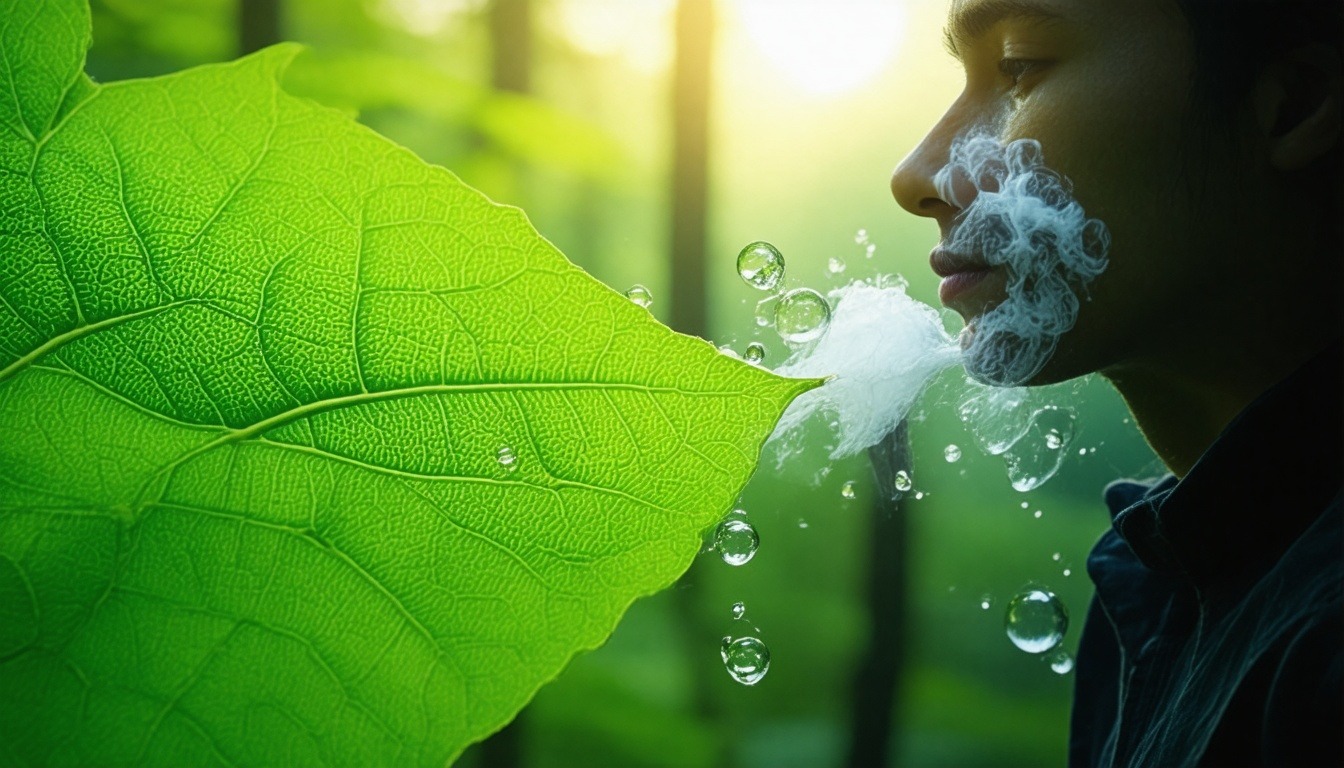
Ecosystems are dynamic networks where living organisms interact with each other and their physical environment. At the heart of these interactions lies a fundamental biochemical reciprocity: the exchange of gases between plants and animals. This interdependence is primarily mediated by two complementary processes—photosynthesis and aerobic respiration. While photosynthesis converts carbon dioxide and water into glucose and oxygen using sunlight, aerobic respiration breaks down glucose to release energy, carbon dioxide, and water. This cyclic exchange ensures a continuous supply of essential gases, maintaining the gaseous balance in nature. Understanding this relationship is crucial for grasping how life persists on Earth and why the notion that plants and animals can live and survive entirely independent of each other is a biological fallacy. In this comprehensive guide, we will delve deep into the mechanisms, significance, and real-world implications of this vital interdependence.
The Relationship Between Plants and Animals in Relation to Aerobic Respiration and Photosynthesis
The relationship between plants and animals is a classic example of mutualism at the ecosystem level. Plants are autotrophs, capable of synthesizing their own food via photosynthesis, while animals are heterotrophs, relying on consuming organic matter. but, the connection extends far beyond food chains. At the molecular level, aerobic respiration and photosynthesis are mirror images of each other. Photosynthesis uses carbon dioxide and water to produce glucose and oxygen, while aerobic respiration uses glucose and oxygen to produce carbon dioxide and water. This creates a closed loop: animals consume oxygen produced by plants and release carbon dioxide, which plants then use for photosynthesis. Without plants, animals would quickly deplete oxygen and be overwhelmed by carbon dioxide. Conversely, without animals, plants would eventually exhaust carbon dioxide and accumulate excess oxygen, disrupting their own metabolism. Thus, the two processes are inextricably linked, forming the foundation of atmospheric homeostasis.
Biochemical Pathways
Photosynthesis occurs in chloroplasts, involving light-dependent reactions that split water and generate ATP and NADPH, followed by the Calvin cycle that fixes carbon dioxide into glucose. Aerobic respiration occurs in mitochondria, where glycolysis, the Krebs cycle, and oxidative phosphorylation produce ATP, with oxygen as the final electron acceptor. The net equation for photosynthesis is 6CO₂ + 6H₂O → C₆H₁₂O₆ + 6O₂. For aerobic respiration, it is C₆H₁₂O₆ + 6O₂ → 6CO₂ + 6H₂O + energy. These equations are exact opposites, illustrating the complementary nature of the two processes.
Energy Flow
Photosynthesis captures solar energy and stores it in chemical bonds of glucose. Aerobic respiration releases that energy for cellular work. Thus, animals indirectly depend on sunlight through plants. The energy flow is unidirectional: sun → plants → animals, but the matter (gases) cycles continuously.
Evolutionary Perspective
The evolution of photosynthesis about 2.5 billion years ago dramatically increased atmospheric oxygen, enabling the evolution of aerobic respiration. This allowed for more efficient energy production, leading to complex multicellular life. The interdependence has been a driver of coevolution, shaping ecosystems.
Plants and Animals Can Live and Survive Entirely Independent of Each Other
This statement is a common misconception. While it is true that some organisms can survive temporarily without the other, long-term independence is impossible for most ecosystems. for instance, a plant kept in a sealed chamber with sufficient light and nutrients can survive for a time, but it will eventually deplete carbon dioxide and accumulate oxygen, inhibiting photosynthesis. Similarly, an animal in a sealed chamber without plants will run out of oxygen and be poisoned by carbon dioxide. but, certain extremophiles and chemoautotrophs in deep-sea vents don’t rely on photosynthesis or animals, but these are exceptions. In the biosphere as a whole, the vast majority of life depends on the balance maintained by both processes. so, the idea of complete independence is biologically inaccurate. The keyword here is gaseous balance in nature, which is a direct consequence of the interdependence.
Experimental Evidence
Joseph Priestley’s classic experiment with a candle, a mouse, and a mint plant demonstrated that plants restore air “injured” by animals. A mouse alone died in a sealed jar, but a mouse with a plant survived longer. This showed that plants produce something (oxygen) that animals need, and animals produce something (carbon dioxide) that plants need.
Closed Ecosystem Studies
Biosphere 2, an artificial closed ecosystem, attempted to sustain humans and plants without external input. It failed partly due to imbalances in oxygen and carbon dioxide levels, highlighting the delicate interdependence. Even with advanced technology, replicating the natural balance is challenging.
Exceptions and Limitations
Some plants, like parasitic plants (e.g., dodder), rely on host plants and don’t perform photosynthesis. Some animals, like certain cave-dwelling species, live in environments with no plants, but they depend on organic matter washed in from outside. Truly independent life forms are rare and often involve chemosynthesis.
Gaseous Balance in Nature
Gaseous balance in nature refers to the relatively stable concentrations of atmospheric gases, particularly oxygen (about 21%) and carbon dioxide (about 0.04%), maintained over long periods. This balance is primarily achieved through the complementary processes of photosynthesis and aerobic respiration. but, other processes like combustion, volcanic eruptions, and decomposition also contribute. The balance is crucial for life because even slight deviations can have catastrophic effects. For instance, a rise in carbon dioxide can enhance the greenhouse effect, while a drop in oxygen can cause hypoxia. The natural cycling ensures that oxygen is produced at roughly the same rate it is consumed, and carbon dioxide is fixed at the same rate it is released.
Carbon Cycle
The carbon cycle involves the movement of carbon between reservoirs: atmosphere, biosphere, oceans, and geosphere. Photosynthesis removes CO₂ from the atmosphere, while respiration, decomposition, and combustion release it. The balance is maintained by the slow geological processes of sedimentation and fossil fuel formation, but human activities have disrupted it.
Oxygen Cycle
Oxygen is produced by photosynthesis and consumed by respiration, combustion, and oxidation. The vast majority of free oxygen comes from phytoplankton in oceans, not just land plants. The balance is critical because oxygen levels have varied over Earth’s history, influencing the evolution of life.
Human Impact
Deforestation, burning of fossil fuels, and industrial activities have upset the gaseous balance, leading to increased CO₂ levels and climate change. Understanding the natural balance underscores the importance of preserving forests and reducing emissions.
Detailed Mechanisms of Photosynthesis
Photosynthesis is a complex process occurring in two stages: light-dependent reactions and light-independent reactions (Calvin cycle). In the light reactions, chlorophyll absorbs photons, exciting electrons that pass through an electron transport chain, producing ATP and NADPH. Water is split, releasing oxygen. In the Calvin cycle, CO₂ is fixed into an organic molecule using ATP and NADPH, ultimately producing glucose. The efficiency of photosynthesis is influenced by light intensity, CO₂ concentration, temperature, and water availability. C3, C4, and CAM plants have adaptations to optimize photosynthesis in different environments.
Light-Dependent Reactions
Occur in thylakoid membranes. Photon absorption leads to photolysis of water: 2H₂O → 4H⁺ + 4e⁻ + O₂. Electrons reduce NADP⁺ to NADPH, and ATP is synthesized via chemiosmosis. The oxygen released is a byproduct essential for animal respiration.
Calvin Cycle
Occurs in stroma. CO₂ is attached to RuBP by rubisco, forming a 6-carbon compound that splits into two 3-phosphoglycerate molecules. Using ATP and NADPH, these are reduced to glyceraldehyde-3-phosphate (G3P), which can be used to form glucose or regenerate RuBP. One G3P exits per three CO₂ fixed.
Factors Affecting Rate
Limiting factors include light (intensity, wavelength), CO₂ concentration (saturation point), temperature (enzyme activity), and water (stomatal closure). Understanding these helps in agriculture and predicting ecosystem responses to climate change.
Detailed Mechanisms of Aerobic Respiration
Aerobic respiration is the process by which cells harvest energy from glucose. It consists of glycolysis (cytoplasm), the Krebs cycle (mitochondrial matrix), and oxidative phosphorylation (inner mitochondrial membrane). Glycolysis breaks glucose into pyruvate, producing a net gain of 2 ATP and 2 NADH. Pyruvate enters mitochondria and is converted to acetyl-CoA, which enters the Krebs cycle. The cycle produces 2 ATP, 6 NADH, and 2 FADH₂ per glucose. These electron carriers donate electrons to the electron transport chain, driving proton pumping and ATP synthesis via ATP synthase, with oxygen as the final electron acceptor to form water. The total yield is about 36-38 ATP per glucose.
Glycolysis
Occurs anaerobically. Glucose (6C) is phosphorylated and split into two molecules of pyruvate (3C). Net gain: 2 ATP (substrate-level phosphorylation) and 2 NADH. If oxygen is absent, pyruvate is fermented to lactate or ethanol, yielding only 2 ATP.
Krebs Cycle
Also called citric acid cycle. Acetyl-CoA (2C) combines with oxaloacetate (4C) to form citrate (6C), which is gradually oxidized back to oxaloacetate, releasing CO₂ and generating NADH, FADH₂, and ATP. Each turn produces 3 NADH, 1 FADH₂, and 1 GTP (equivalent to ATP).
Oxidative Phosphorylation
NADH and FADH₂ donate electrons to the electron transport chain (complexes I-IV). As electrons pass, protons are pumped into the intermembrane space, creating a proton gradient. Protons flow back through ATP synthase, driving ATP synthesis. Oxygen combines with electrons and protons to form water. This is the major ATP-producing step (about 34 ATP per glucose).
Comparative Table: Photosynthesis vs. Aerobic Respiration
| Feature | Photosynthesis | Aerobic Respiration |
|---|---|---|
| Purpose | Produce glucose and oxygen | Produce ATP energy |
| Reactants | CO₂, H₂O, sunlight | Glucose, O₂ |
| Products | Glucose, O₂ | CO₂, H₂O, ATP |
| Organelle | Chloroplast | Mitochondria |
| Energy Source | Light | Chemical bonds |
| Electron Donor | Water | Glucose |
| Electron Acceptor | NADP⁺ | Oxygen |
| Carbon Fixation | Yes (CO₂ → glucose) | No (glucose → CO₂) |
| ATP Production | Uses ATP (consumes) | Produces ATP |
| Occurs In | Plants, algae, cyanobacteria | All eukaryotes, some prokaryotes |
| Effect on Atmosphere | Reduces CO₂, increases O₂ | Increases CO₂, reduces O₂ |
Ecological Significance of the Interdependence
The interdependence between plants and animals via respiration and photosynthesis is the bedrock of ecosystem stability. It regulates atmospheric composition, supports food webs, and drives biogeochemical cycles. Without this relationship, life as we know it wouldn’t exist. for instance, coral reefs depend on symbiotic algae (zooxanthellae) that photosynthesize and provide oxygen and nutrients to corals, which in turn provide CO₂ and shelter. Similarly, forests act as carbon sinks, absorbing CO₂ and releasing O₂, while animals contribute to seed dispersal and nutrient cycling. The balance is delicate; disruptions like deforestation or ocean acidification can cascade through ecosystems.
Food Webs and Energy Flow
Producers (plants) form the base of food webs, converting solar energy into biomass. Consumers (animals) obtain energy by eating plants or other animals. Decomposers break down dead matter, releasing CO₂ and nutrients. The entire system relies on the continuous supply of oxygen and removal of CO₂ by plants.
Nutrient Cycling
Carbon and oxygen cycles are directly tied to photosynthesis and respiration. Nitrogen and phosphorus cycles also interact, as plants need these nutrients for growth, and animals return them through excretion and decomposition. The interdependence ensures that nutrients are recycled.
Climate Regulation
Forests and phytoplankton play a major role in regulating global climate by absorbing CO₂. The Amazon rainforest alone produces about 20% of Earth’s oxygen. The balance between respiration and photosynthesis influences the greenhouse effect and global temperatures.
Human Dependence on the Balance
Humans are part of this interdependent system. We rely on plants for food, oxygen, and raw materials. Agriculture depends on the balance; crops require CO₂ and produce O₂, while livestock consume oxygen and produce CO₂. Urbanization and industrialization have disrupted the balance, leading to increased atmospheric CO₂ and climate change. Understanding the interdependence helps in developing sustainable practices, such as reforestation, carbon capture, and reducing emissions. The concept of gaseous balance in nature is central to environmental science and policy.
Carbon Footprint
Human activities release more CO₂ than natural processes can absorb, leading to an imbalance. Planting trees and protecting forests enhance carbon sequestration, while reducing fossil fuel use decreases emissions. Individual actions, like using public transport, also contribute.
Urban Green Spaces
Parks and green roofs improve air quality by increasing photosynthesis and reducing CO₂. They also provide oxygen and support biodiversity. Urban planning that integrates green spaces can mitigate the urban heat island effect and enhance well-being.
Technological Solutions
Artificial photosynthesis and carbon capture technologies mimic natural processes to produce fuel or remove CO₂. While promising, they aren’t yet scalable. The most effective solution remains preserving natural ecosystems.
Case Studies: Ecosystem Interdependence in Action
Several ecosystems exemplify the interdependence. The Amazon rainforest is often called the “lungs of the Earth” because it produces vast amounts of oxygen. but, it also consumes a significant portion through respiration of its own organisms. The net oxygen production is relatively small, but the forest’s role in carbon storage is crucial. Another example is the Great Barrier Reef, where coral-algae symbiosis drives productivity. In temperate forests, seasonal changes affect photosynthesis and respiration rates, influencing atmospheric CO₂ levels. These case studies highlight the complexity and fragility of the balance.
Amazon Rainforest
The Amazon covers 5.5 million km² and harbors immense biodiversity. It absorbs about 2 billion tons of CO₂ annually, but deforestation reduces this capacity. Fires release stored carbon, exacerbating climate change. The forest’s health is vital for global gaseous balance.
Ocean Phytoplankton
Phytoplankton in oceans produce 50-80% of Earth’s oxygen. They are the base of marine food webs and play a key role in the carbon cycle. but, ocean warming and acidification threaten their populations, disrupting the balance.
Boreal Forests
These northern forests store large amounts of carbon in permafrost. Climate change is causing permafrost to thaw, releasing CO₂ and methane, which could create a positive feedback loop. Understanding these dynamics is critical for climate predictions.
Misconceptions about Independence
The idea that plants and animals can live independently stems from oversimplification. While some plants can survive in low-light conditions by storing energy, they still need CO₂. Animals can survive for a time on stored oxygen, but eventually die without replenishment. Even in extreme environments like deep-sea vents, chemosynthetic bacteria provide the base of the food web, not plants. Thus, no organism is truly independent; all are part of a global ecosystem. The misconception can lead to neglect of conservation efforts, underestimating the importance of biodiversity.
Laboratory Experiments
In a sealed jar, a plant alone will eventually stop growing due to CO₂ depletion. An animal alone will die from lack of oxygen. Together, they can survive longer, but the system is still not sustainable indefinitely without external inputs. This demonstrates interdependence.
Ecological Niches
Every organism occupies a niche that interacts with others. Even apex predators depend on plants indirectly through prey. The food web is a complex network of dependencies.
Global Perspective
On a planetary scale, the biosphere functions as a self-regulating system (Gaia hypothesis). Life modifies the environment to maintain conditions favorable for life. The oxygen and carbon dioxide levels are maintained by the collective metabolism of all organisms.
Educational Implications
Teaching the interdependence of plants and animals is fundamental in biology education. It helps students understand ecological principles, energy flow, and the importance of conservation. Hands-on experiments like the one by Priestley can illustrate the concepts. Emphasizing the relationship between plants and animals in relation to aerobic respiration and photosynthesis fosters environmental stewardship. Curricula should include real-world examples and address misconceptions.
Classroom Activities
Simulations of closed ecosystems, such as building a terrarium or aquaponics system, allow students to observe gas exchange. Measuring oxygen and CO₂ levels with sensors can quantify the balance. Debates on the statement “Plants and animals can live independently” encourage critical thinking.
Interdisciplinary Connections
Chemistry (gas laws, chemical reactions), physics (energy transfer), and geography (climate change) all intersect with this topic. Integrated lessons can show the relevance of biology to global issues.
Resources
Online simulations, videos, and interactive modules help visualize processes. Textbooks and scientific articles provide depth. Field trips to forests or botanical gardens reinforce learning.
Conclusion
The interdependence between plants and animals through aerobic respiration and photosynthesis is a cornerstone of life on Earth. This relationship maintains the gaseous balance in nature, ensuring a stable atmosphere that supports diverse ecosystems. The notion that plants and animals can live and survive entirely independent of each other is a myth; in reality, they are locked in a mutualistic cycle of gas exchange. Photosynthesis produces oxygen and consumes carbon dioxide, while respiration does the opposite. This complementary process has shaped evolution, climate, and the very fabric of the biosphere. As humans, we are part of this system, and our actions can disrupt or restore the balance. By understanding and respecting this interdependence, we can work towards a sustainable future. The study of this relationship isn’t just academic; it is essential for addressing global challenges like climate change and biodiversity loss. Let us cherish and protect the delicate dance between plants and animals that makes our planet habitable.
Frequently Asked Questions
What is the relationship between photosynthesis and aerobic respiration?
Photosynthesis and aerobic respiration are complementary processes. Photosynthesis uses carbon dioxide and water to produce glucose and oxygen, while aerobic respiration uses glucose and oxygen to produce carbon dioxide, water, and energy. Together, they form a cycle that maintains gaseous balance in nature, with plants providing oxygen for animals and animals providing carbon dioxide for plants.
Can plants survive without animals?
Plants can survive for a time without animals, but they depend on carbon dioxide produced by animals (and other sources) for photosynthesis. In a closed system, plants would eventually deplete carbon dioxide and accumulate oxygen, inhibiting photosynthesis. Additionally, many plants rely on animals for pollination and seed dispersal. Thus, long-term survival without animals is unlikely for most plant species.
Can animals survive without plants?
Animals can’t survive without plants or other photosynthetic organisms because they rely on oxygen produced by photosynthesis and on plants as a food source (directly or indirectly). Even herbivores depend on plants, and carnivores depend on herbivores. Without plants, oxygen levels would drop and carbon dioxide would rise, making the atmosphere uninhabitable for most animals.
How do humans affect the gaseous balance?
Human activities such as deforestation, burning fossil fuels, and industrial processes release large amounts of carbon dioxide and reduce the planet’s capacity to absorb it. This disrupts the natural balance, leading to increased greenhouse effect and climate change. Reforestation, reducing emissions, and sustainable practices can help restore balance.
What is the importance of gaseous balance in nature?
Gaseous balance ensures that oxygen and carbon dioxide concentrations remain within ranges that support life. Oxygen is essential for aerobic respiration, while carbon dioxide is used by plants for photosynthesis. Imbalances can lead to respiratory problems for animals, reduced plant growth, and climate change. Maintaining this balance is critical for ecosystem health.
“,
“excerpt”: “Explore the intricate relationship between plants and animals through respiration and photosynthesis, and how they maintain gaseous balance in nature. Detailed class notes included.”
}
Experimental Evidence of Interdependence
Scientific experiments have repeatedly demonstrated the mutual dependence between plants and animals. One of the earliest and most famous is Joseph Priestley’s experiment in the 1770s. He placed a burning candle in a sealed jar, and the flame soon extinguished. He then placed a mint plant in the jar for several days, and afterward, the candle could burn again. He also showed that a mouse alone in a sealed jar died, but a mouse with a plant survived longer. These experiments proved that plants restore air (produce oxygen) that animals and flames consume. Later, Jan Ingenhousz discovered that light is necessary for plants to produce oxygen, and Jean Senebier showed that plants consume carbon dioxide. These foundational studies established the reciprocal gas exchange between plants and animals.
Modern Controlled Experiments
In modern laboratories, researchers use closed chambers with sensors to monitor oxygen and carbon dioxide levels. for instance, a sealed terrarium with a plant and a small animal (like a snail) can maintain stable gas levels for weeks if properly balanced. The plant photosynthesizes during the day, producing oxygen and consuming CO₂, while the animal respires continuously, producing CO₂ and consuming oxygen. At night, when photosynthesis stops, both organisms respire, but the overall balance can be maintained if the biomass ratio is appropriate. Such experiments highlight the delicate equilibrium required.
Biosphere 2 Lessons
Biosphere 2, a large-scale closed ecological system in Arizona, was designed to simulate Earth’s ecosystems. Between 1991 and 1993, eight people lived inside, relying on agricultural crops and natural plants for food and oxygen. but, oxygen levels dropped from 21% to 14.5%, and carbon dioxide levels fluctuated dangerously. The soil microbes respired more than expected, consuming oxygen, and the concrete structure absorbed CO₂. The experiment failed to maintain a stable atmosphere, demonstrating the complexity of replicating natural gaseous balance. It underscored that even with advanced technology, the interdependence of plants and animals isn’t easily recreated.
Global Impact of Interdependence on Climate
The relationship between photosynthesis and respiration influences global climate patterns. During the growing season in the Northern Hemisphere, forests absorb large amounts of CO₂, causing a seasonal dip in atmospheric CO₂ levels. This is visible in the Keeling Curve, which shows annual oscillations. In summer, photosynthesis dominates, reducing CO₂; in winter, respiration and decomposition dominate, increasing CO₂. This natural cycle is superimposed on the long-term rise due to human emissions. The balance between global photosynthesis and respiration determines whether ecosystems are net carbon sinks or sources. Currently, terrestrial ecosystems absorb about 30% of human CO₂ emissions, but this capacity may decline with climate change.
Amazon Rainforest as a Carbon Sink
The Amazon rainforest is a major carbon sink, absorbing about 2 billion tons of CO₂ annually. but, deforestation and drought have reduced its capacity, and in some years, it has become a net carbon source due to fires and tree mortality. The forest’s health is critical for global climate regulation. The interdependence between its flora and fauna maintains nutrient cycles and productivity. for instance, leaf-cutter ants and other herbivores consume leaves, but their waste fertilizes the soil, supporting plant growth. This mutualism enhances carbon sequestration.
Oceanic Phytoplankton and the Biological Pump
Phytoplankton in oceans perform about half of global photosynthesis. They form the base of marine food webs and are crucial for the biological pump, which transports carbon from the surface to the deep ocean. When phytoplankton die, they sink, sequestering carbon for centuries. Zooplankton and fish respire, releasing CO₂, but the net effect is carbon storage. Ocean acidification and warming threaten phytoplankton, potentially reducing their productivity and disrupting the pump. This would accelerate climate change, as less CO₂ is absorbed.
Evolutionary Co-Dependence
The evolution of photosynthesis and aerobic respiration is intertwined. Early Earth had little oxygen. The emergence of cyanobacteria that performed oxygenic photosynthesis around 2.5 billion years ago caused the Great Oxidation Event, dramatically increasing atmospheric oxygen. This allowed the evolution of aerobic respiration, which is far more efficient than anaerobic processes. Aerobic respiration produces about 36 ATP per glucose, compared to 2 ATP from fermentation. This energy surplus enabled the evolution of complex multicellular life. In turn, animals evolved to exploit plant-produced oxygen and food, while plants evolved to benefit from animal-produced CO₂ and nutrients. This co-dependence has shaped the diversity of life.
Endosymbiotic Theory
The endosymbiotic theory posits that mitochondria and chloroplasts originated from free-living bacteria that were engulfed by ancestral eukaryotic cells. Mitochondria evolved from aerobic bacteria, and chloroplasts from photosynthetic cyanobacteria. This symbiosis allowed eukaryotic cells to harness both photosynthesis and respiration. Today, all plants and animals carry these organelles, reflecting the ancient interdependence at the cellular level.
Co-Evolution of Plants and Herbivores
Plants and herbivores have co-evolved, with plants developing defenses (toxins, spines) and herbivores evolving counter-adaptations. This arms race influences ecosystem dynamics and nutrient cycling. Herbivores consume plant biomass, but their waste returns nutrients to the soil, promoting plant growth. This mutualistic aspect of herbivory contributes to the overall balance.
Role of Decomposers
Decomposers, such as bacteria and fungi, play a critical role in the interdependence by breaking down dead organic matter. They respire, releasing CO₂ back into the atmosphere, and mineralize nutrients for plant uptake. Without decomposers, organic matter would accumulate, and carbon would be locked away, disrupting the gaseous balance. Decomposition is essentially respiration by microbes. Thus, the entire ecosystem relies on the respiratory activities of all organisms, from plants to animals to microbes.
Detritivores and Nutrient Cycling
Earthworms, termites, and other detritivores consume dead plant material, fragmenting it and increasing surface area for microbial decomposition. Their activities accelerate nutrient cycling, ensuring that plants have access to essential elements like nitrogen and phosphorus. This supports photosynthesis and, as a result, oxygen production.
Soil Respiration
Soil respiration, the combined respiration of roots, microbes, and fauna, is a major source of CO₂ release from terrestrial ecosystems. It varies with temperature and moisture. In some ecosystems, soil respiration can exceed photosynthesis, making them net carbon sources. Understanding soil respiration is crucial for predicting carbon cycle feedbacks to climate change.
Human Health and the Interdependence
Humans directly benefit from the interdependence. We breathe oxygen produced by plants and exhale CO₂ that plants use. Indoor plants can improve air quality by removing pollutants and increasing oxygen, though the effect is modest. In urban areas, green spaces reduce CO₂ levels and provide psychological benefits. The relationship also underpins food production; crops require CO₂ for photosynthesis, and livestock rely on oxygen. Disruptions to the balance, such as air pollution, can harm both plant and human health. for instance, ground-level ozone, formed from pollutants, damages plant leaves and reduces photosynthesis, while also causing respiratory problems in humans.
Oxygen Therapy and Hyperbaric Chambers
Medical treatments like oxygen therapy rely on the principle that aerobic respiration requires oxygen. Patients with respiratory distress are given supplemental oxygen to support cellular respiration. Hyperbaric chambers increase oxygen pressure to treat conditions like decompression sickness. These applications highlight the fundamental role of oxygen in human physiology.
Carbon Dioxide Toxicity
High levels of CO₂ can be toxic to humans, causing headaches, dizziness, and unconsciousness. In confined spaces, CO₂ buildup can occur if ventilation is poor. The natural balance maintained by plants and animals prevents such extremes in the open atmosphere. Understanding this helps in designing safe environments, such as submarines and spacecraft, where artificial life support systems must mimic the interdependence.
Technological Mimicry: Artificial Photosynthesis and Life Support
Scientists are developing artificial photosynthesis to produce fuels and capture CO₂. These systems use catalysts to split water and reduce CO₂, mimicking natural photosynthesis. While still inefficient, they hold promise for sustainable energy and carbon capture. In space exploration, life support systems like those on the International Space Station use chemical scrubbers to remove CO₂ and electrolysis to produce oxygen, but they rely on resupply. Future long-duration missions may use bioregenerative systems with plants and algae to recycle air and water, emulating Earth’s interdependence.
Bioregenerative Life Support Systems
NASA’s MELiSSA project aims to create a closed-loop system using bacteria, algae, and higher plants to recycle waste into food, water, and oxygen. Such systems are essential for Mars colonization. They must carefully balance photosynthesis and respiration to maintain stable gas levels. The success of these systems depends on understanding the natural interdependence.
Algae Bioreactors
Algae are highly efficient at photosynthesis and can be grown in photobioreactors to produce oxygen and biomass. They can be used to treat wastewater and capture CO₂ from industrial emissions. Algae bioreactors are being integrated into building designs to improve air quality. This technology leverages the same principles as natural ecosystems.
Conclusion
The interdependence of plants and animals through respiration and photosynthesis is a fundamental ecological principle that sustains life on Earth. This relationship maintains the gaseous balance in nature, regulates climate, and supports biodiversity. The misconception that plants and animals can live independently is refuted by experimental evidence and ecological theory. From Priestley’s experiments to modern closed ecosystems, the need for reciprocal gas exchange is clear. Human activities have disrupted this balance, leading to climate change and environmental degradation. but, by understanding and respecting this interdependence, we can develop sustainable solutions. Education, conservation, and technology can help restore the balance. Ultimately, the dance between respiration and photosynthesis is a testament to the interconnectedness of life. As stewards of the planet, we must ensure that this delicate partnership continues for future generations.



Leave a Reply