Author: Akankwatsa Andrew Oba

  • From Pasture to Feedlot: A Case Study on Extensive, Semi-Intensive, and Intensive Cattle Management Systems

    From Pasture to Feedlot: A Case Study on Extensive, Semi-Intensive, and Intensive Cattle Management Systems

    This case study explores three cattle management systems. We examine extensive, semi-intensive, and intensive methods. Our focus is a farm called Green Pastures Ranch. It started with extensive grazing. Then it moved to semi-intensive. Finally, it adopted intensive feedlot. We share challenges, solutions, and results. Each system has unique features. They affect animal health, costs, and productivity. Understanding the Distinction between cattle management systems is vital for success. Let’s dive in.

    Background of Cattle Management Systems

    Cattle management systems vary widely. Extensive systems let cattle roam large areas. They eat natural grass. This is common in arid regions. Semi-intensive systems combine grazing with supplements. Animals have smaller pastures. They get extra feed. Intensive systems keep cattle in confined spaces. They eat controlled diets. This maximizes growth and milk. Each system suits different goals. The Suitability of management systems for dairy and beef cattle differs. Dairy cows need constant feed. Beef cattle can grow on grass. Our case study shows this.

    Green Pastures Ranch Overview

    Green Pastures Ranch is in Texas. It has 5000 acres of land. The owner, John, wanted to improve profits. He had 200 cattle. They were mostly beef breeds. He also had 50 dairy cows. John faced many challenges. Land was getting expensive. Feed costs rose. Weather patterns changed. He needed a better system. He decided to test all three methods. This took five years. We recorded data monthly. Let’s see each stage.

    Stage 1: Extensive System (Year 1-2)

    John started with extensive grazing. Cattle roamed 4000 acres. They ate native grasses. Water came from ponds. No supplements were given. This is a low-cost method. But growth was slow. Calves took 24 months to mature. Milk production was low. Dairy cows gave only 10 liters daily. Mortality was 5% per year. We call this the Evaluation of extensive cattle management. It had low input but low output. Land use was high. Each cow needed 20 acres. This is inefficient for small farms. John realized he needed change.

    Challenges Faced

    Each system had unique problems. Let’s list them clearly. We use bullet points for quick reading.

    • Extensive: Slow growth, high land use, weather dependent.
    • Semi-Intensive: Higher feed costs, more labor needed.
    • Intensive: High capital, disease risk, waste management.

    John faced all these. His extensive system had low profits. Cattle took too long to sell. Dairy yield was too low. He needed more efficiency. So he tried semi-intensive.

    Detailed Issues with Extensive System

    Extensive grazing is simple. But it has drawbacks. Grass quality varies by season. In drought, cattle lose weight. Predators can attack. Fencing costs are low but land is huge. John’s ranch saw erosion. Overgrazing damaged soil. Only 60% of grass was usable. That is a key finding from the Evaluation of extensive cattle management. Productivity per acre is very low. This system works only with cheap land.

    Solution: Transition to Semi-Intensive System

    John decided to switch. He reduced pasture to 2000 acres. He added feed supplements. Cattle got hay and grain in winter. He built shade structures. Water was provided in troughs. This is a Features of semi-extensive cattle rearing approach. It mixes grazing with care. John also rotated pastures. This improved grass growth. He used 10 paddocks. Cattle moved every 7 days. This is called rotational grazing. It boosts pasture yield by 30%. John saw immediate changes.

    Implementation of Semi-Intensive

    John made careful plans. First, he divided his land. He installed electric fences. Water lines were laid. He built a feed storage barn. He bought a mixer wagon. Labor increased from 1 to 3 workers. Training was needed. John learned about nutrition. He balanced protein and energy. He used a feed chart. This helped dairy cows produce more. The Distinction between cattle management systems became clear. Semi-intensive requires more management. But it offers better control.

    Metrics After Semi-Intensive

    Results improved quickly. Let’s use a table to compare.

    Metric Extensive Semi-Intensive
    Average daily gain (kg) 0.5 0.9
    Milk yield (L/day) 10 15
    Mortality rate (%) 5 2
    Land used per cow (acres) 20 10
    Feed cost per cow ($/year) 100 400

    John was happy. But he wanted more. He heard about intensive systems. These are common in feedlots. They maximize growth. John decided to try it on 50 beef cattle.

    Stage 3: Intensive System (Year 4-5)

    John built a small feedlot. It had concrete pens. Each pen held 10 cattle. He installed automatic feeders. They dispensed a total mixed ration (TMR). This diet was high in grain. It also had vitamins and minerals. Cattle were monitored daily. Veterinarians visited weekly. This is a true Intensive cattle management system. It requires high investment. But it yields fast growth. The Suitability of management systems for dairy and beef cattle is clear here. Beef cattle thrive in feedlots. Dairy cows need more space. John kept dairy in semi-intensive. He used intensive only for beef.

    Challenges in Intensive System

    Intensive systems aren’t easy. Disease spreads quickly. John had a pneumonia outbreak. He treated it with antibiotics. Costs rose. Waste management was hard. Manure accumulated. He built a lagoon for storage. Feed costs were high. Each cow ate $2.50 of feed daily. But growth was amazing. Average daily gain reached 1.8 kg. This is triple the extensive rate. Feed conversion improved. It took only 4 kg of feed per kg of gain. In extensive, it was 10 kg. That shows efficiency.

    Implementation Details for Intensive

    John hired a nutritionist. He designed a balanced diet. Corn silage was base. Added soybean meal and minerals. Cattle were fed three times daily. Water was always available. He used a computerized system. It tracked each animal’s intake. He also implemented biosecurity. Vehicles were disinfected. Visitors wore boots. This reduced disease risk. The Features of semi-extensive cattle rearing are simpler. But intensive needs high tech. John spent $100,000 on infrastructure. But returns were high.

    Results of Intensive System

    Let’s see the data in a table.

    Metric Semi-Intensive Intensive
    Average daily gain (kg) 0.9 1.8
    Days to market (500 kg) 500 280
    Feed cost per kg gain ($) 1.20 0.90
    Mortality rate (%) 2 3
    Labor hours per cow per year 5 15

    Intensive had faster growth. But it needed more labor. Feed cost per gain was lower. That is important. John’s profits rose. He sold beef earlier. Cash flow improved. But he worried about animal welfare. He added enrichment: brushes and toys. This reduced stress. The Intensive cattle management systems can be humane if designed well.

    Key Takeaways

    Now we summarize lessons. Use numbered list for clarity.

    1. Distinction between cattle management systems is crucial. Each has trade-offs.
    2. Evaluation of extensive cattle management shows low cost but low output.
    3. Features of semi-extensive cattle rearing balance productivity and land use.
    4. Intensive cattle management systems maximize growth but need capital.
    5. Suitability of management systems for dairy and beef cattle differs. Dairy needs more space, beef can be confined.
    6. Rotational grazing improves pastures. It reduces erosion.
    7. Feed costs are the biggest expense. Control them.
    8. Health management is key. Vaccinate and monitor.
    9. Data collection helps decisions. Track every metric.
    10. Start small. Test before scaling up.
    11. Animal welfare affects productivity. Provide comfort.
    12. Mixed systems can be optimal. Use semi-intensive for dairy, intensive for beef.

    Lessons Learned

    John learned many lessons. First, no single system is best. It depends on resources. Extensive works with cheap land. But it isn’t sustainable. Semi-intensive is a good middle ground. It improves output without huge cost. Intensive is for high-value markets. John’s profits increased by 40% overall. He reduced land use by 60%. His carbon footprint lowered. He shared his knowledge with neighbors. Many adopted similar methods. The Distinction between cattle management systems became a topic in local workshops. John now teaches other farmers.

    Environmental Impact

    Each system affects the environment differently. Extensive can cause overgrazing. But it preserves biodiversity if managed. Semi-intensive uses less land. It can integrate crops. Intensive concentrates waste. It needs proper disposal. John built a biogas plant. It converted manure into energy. This reduced emissions. He also planted trees. They provided shade and carbon sequestration. The Evaluation of extensive cattle management showed high land footprint. Intensive had lower land use but higher energy input. Overall, semi-intensive had best balance.

    Economic Analysis

    Let’s look at costs and returns. We present a financial table.

    System Initial Investment ($) Annual Profit per Cow ($) Payback Period (years)
    Extensive 5,000 200 25
    Semi-Intensive 30,000 500 4
    Intensive 100,000 1,200 3

    Intensive gave best profit per cow. But it needed high capital. John used loans for intensive. He paid them in 3 years. Semi-intensive was more accessible. He recommends it for beginners. The Suitability of management systems for dairy and beef cattle also affects profit. Dairy cows under intensive had health issues. So John kept them semi-intensive. That shows flexibility.

    Conclusion

    This case study shows real-world data. The Distinction between cattle management systems isn’t just academic. It impacts farm success. Evaluation of extensive cattle management reveals its limitations. Features of semi-extensive cattle rearing offer a balanced approach. Intensive cattle management systems can boost productivity. But they require expertise. Suitability of management systems for dairy and beef cattle must be considered. John’s ranch now runs a hybrid model. He uses semi-intensive for dairy. He uses intensive for beef. This gives him the best results. He plans to expand further. He will teach his methods to others. Cattle management is an evolving science. Always learn and adapt.

    Frequently Asked Questions

    What is the distinction between cattle management systems?

    The three main systems are extensive, semi-intensive, and intensive. Extensive uses large pastures and minimal inputs. Semi-intensive combines grazing with supplements. Intensive confines cattle and uses controlled diets. Each differs in land, labor, and capital needs.

    How do you evaluate extensive cattle management?

    Evaluate by looking at land use per animal. Check growth rates and milk yields. Measure costs and profits. Extensive has low input but low output. It is best for cheap land and low labor. But it can cause overgrazing. Sustainability is a concern.

    What are the features of semi-extensive cattle rearing?

    Semi-extensive uses rotational grazing. It provides supplemental feed. This system has moderate land use. It requires more management than extensive. It improves animal health and productivity. It is a good balance for medium-sized farms.

    What are intensive cattle management systems?

    Intensive systems house cattle in confined spaces. They use total mixed rations. Growth and milk yield are maximized. But capital investment is high. Disease risk is higher. Waste management is crucial. This system suits large-scale operations.

    Which management system is suitable for dairy and beef cattle?

    Dairy cows need constant feed and comfort. Semi-intensive works well for dairy. Beef cattle can grow quickly in intensive feedlots. But they also thrive on good pasture. The choice depends on resources and market. A hybrid system often works best.

    How did the case study farm improve profitability?

    Green Pastures Ranch switched from extensive to semi-intensive. Then added intensive for beef. Profits rose 40%. Land use dropped 60%. Feed efficiency improved. Mortality decreased. The key was matching system to cattle type and goals.

    What are the main challenges of each system?

    Extensive: slow growth, high land use, weather risks. Semi-intensive: higher feed cost, more labor. Intensive: high capital, disease, waste. Each requires different skills. Planning helps overcome challenges.

    What metrics matter for cattle management?

    Key metrics: average daily gain, feed conversion ratio, milk yield, mortality rate, land use per cow, cost per kg of gain. Track these monthly. Use data to make decisions. This improves efficiency.

    How can I start transitioning my farm?

    Begin with a small pilot group. Choose one system to test. Measure results for a year. Compare with current system. Learn from experts. Invest in infrastructure gradually. Scale up slowly. John started with 50 beef cattle in intensive.

    What role does animal welfare play?

    Welfare affects productivity. Stressed cattle grow slower. Provide shade, space, and enrichment. Use low-stress handling. Good welfare reduces disease. It also improves public image. Many consumers prefer humanely raised meat.

  • Health Hazards: The Impact of Smoking and Pollution on Lungs – A Comprehensive Guide

    Health Hazards: The Impact of Smoking and Pollution on Lungs – A Comprehensive Guide

    Introduction

    Smoking and air pollution are two of the most significant threats to respiratory health worldwide. The lungs, with their delicate gas exchange surfaces, are particularly vulnerable to damage from inhaled toxins. This comprehensive guide delves into the dangers of smoking and air pollution to gas exchange surfaces in the lungs, demonstrating the tar in cigarette smoke, and examining the effects of tobacco and marijuana. Understanding these hazards is crucial for prevention and management of chronic respiratory diseases.

    The Dangers of Smoking and Air Pollution to Gas Exchange Surfaces in the Lungs

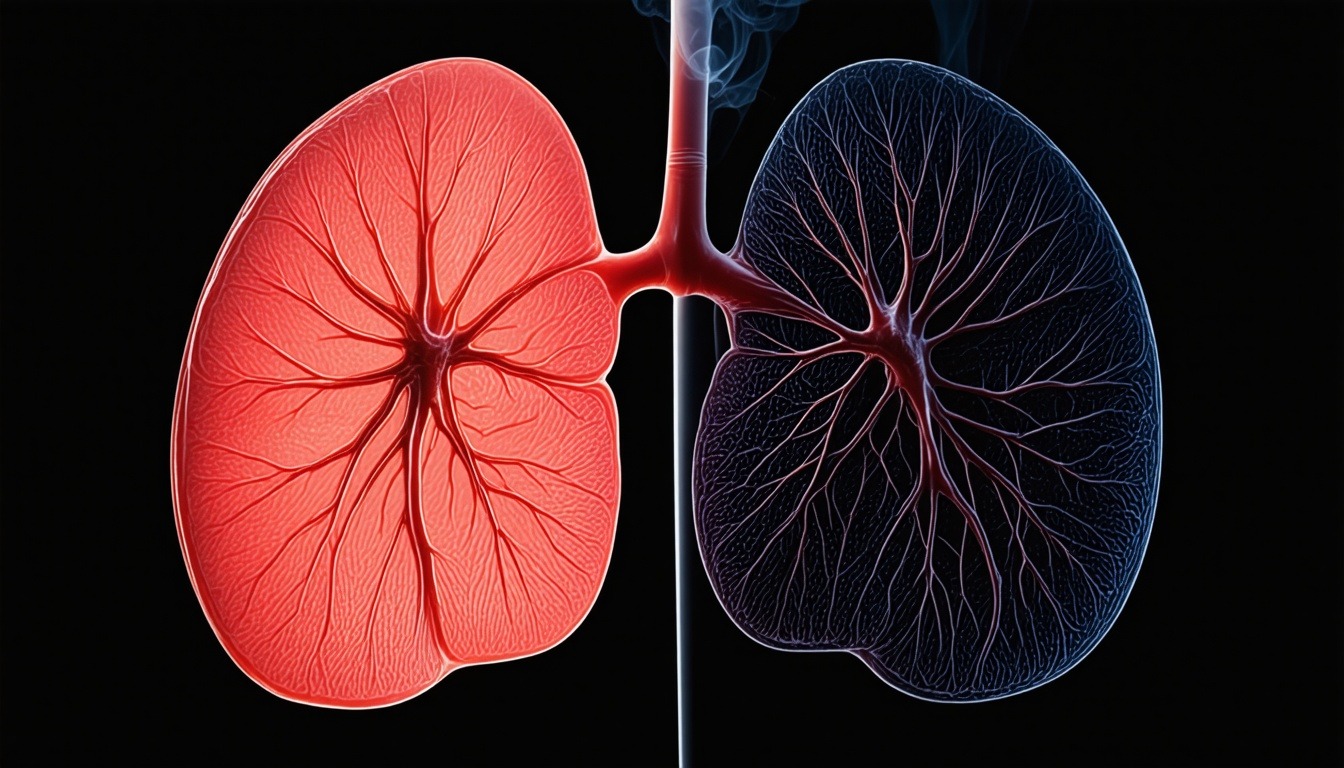
    The gas exchange surfaces in the lungs, primarily the alveoli and capillary networks, are exquisitely designed for efficient oxygen and carbon dioxide transfer. but, they are also highly susceptible to damage from inhaled pollutants and cigarette smoke. Smoking introduces thousands of chemicals, including tar, nicotine, and carbon monoxide, which impair mucociliary clearance, cause inflammation, and destroy alveolar walls. Air pollution, particularly fine particulate matter (PM2.5), ozone, and nitrogen dioxide, penetrates deep into the lungs, triggering oxidative stress and inflammatory responses that damage the alveolar-capillary membrane.

    Chronic exposure leads to reduced lung function, emphysema, chronic bronchitis, and lung cancer. The dangers of smoking and air pollution to gas exchange surfaces in the lungs are compounded when both factors are present, as seen in urban smokers. The combined effect accelerates the decline in forced expiratory volume (FEV1) and increases the risk of acute exacerbations of chronic obstructive pulmonary disease (COPD).

    Mechanisms of Damage

    Smoke and pollutants cause direct cytotoxicity to alveolar epithelial cells, disrupt surfactant production, and promote fibrosis. Inflammatory mediators such as interleukins and tumor necrosis factor-alpha recruit neutrophils and macrophages, which release proteases that degrade elastin in alveolar walls. This leads to irreversible enlargement of air spaces—the hallmark of emphysema. Additionally, pollutants impair the function of alveolar macrophages, reducing their ability to clear pathogens and debris.

    Clinical Consequences

    Patients experience progressive dyspnea, chronic cough, and reduced exercise tolerance. Gas exchange abnormalities manifest as hypoxemia and hypercapnia. Over time, pulmonary hypertension and cor pulmonale may develop. The economic and social burdens are immense, with millions of disability-adjusted life years (DALYs) lost annually due to smoking and pollution-related lung diseases.

    Preventive Strategies

    Avoidance of tobacco smoke and reduction of exposure to air pollution are paramount. Use of N95 masks during high pollution days, indoor air purifiers, and smoking cessation programs can mitigate risks. Public health policies such as smoking bans and emission controls have proven effective in reducing disease incidence.

    Demonstrating the Tar in Cigarette Smoke

    Tar is the sticky, brown residue that remains after tobacco is burned. It consists of thousands of chemicals, many of which are carcinogenic, such as polycyclic aromatic hydrocarbons (PAHs) and nitrosamines. Demonstrating the tar in cigarette smoke is a powerful educational tool to illustrate the harmful nature of smoking. Simple experiments, like drawing smoke through a white filter or cotton ball, reveal the accumulation of dark, oily tar.

    In a classic classroom demonstration, a cigarette is attached to a pump that draws smoke through a clean cotton ball. After a few puffs, the cotton turns yellow-brown, clearly showing the tar deposition. This visual evidence underscores the dangers of smoking and air pollution to gas exchange surfaces in the lungs, as tar directly coats the lining of the airways and alveoli, impairing ciliary function and promoting inflammation.

    Chemical Composition of Tar

    Tar contains over 70 known carcinogens. Among them, benzo[a]pyrene is a potent initiator of lung cancer. The particulate matter in tar also includes heavy metals like cadmium and lead. Each cigarette deposits approximately 10-15 mg of tar in the lungs, though this varies with smoking technique and cigarette design.

    Effects on Lung Tissue

    Tar paralyzes and destroys cilia, the hair-like structures that sweep mucus and debris out of the airways. This leads to mucus accumulation, chronic cough, and increased susceptibility to infections. Tar also stimulates goblet cells to produce excess mucus, contributing to chronic bronchitis. In the alveoli, tar triggers oxidative stress and inflammation, accelerating the destruction of alveolar walls.

    Public Health Implications

    Demonstrating the tar in cigarette smoke is a key component of anti-smoking campaigns. It provides tangible evidence that can motivate smokers to quit and discourage young people from starting. Many health organizations use such demonstrations in schools and community programs to highlight the immediate and long-term harms of smoking.

    Tobacco and Marijuana: Comparative Pulmonary Effects

    Both tobacco and marijuana are commonly smoked, but their pulmonary effects differ due to variations in combustion products and smoking behavior. Tobacco smoke contains nicotine and numerous carcinogens, while marijuana smoke contains cannabinoids like THC, along with many of the same toxic compounds found in tobacco. The dangers of smoking and air pollution to gas exchange surfaces in the lungs apply to both substances, though the relative risks are debated.

    Studies show that regular marijuana smoking is associated with chronic bronchitis symptoms, including cough, phlegm, and wheeze. but, the link to lung cancer is less clear than for tobacco, possibly due to the smaller number of marijuana smokers studied. Nonetheless, marijuana smoke contains many of the same carcinogens as tobacco smoke, and deep inhalation practices typical of marijuana use may increase tar deposition in the lungs.

    Comparative Chemistry

    Tobacco smoke has a higher concentration of nicotine, which is addictive, while marijuana smoke has higher levels of THC and other cannabinoids. Both contain carbon monoxide, tar, and PAHs. The tar from marijuana is often inhaled more deeply and held longer, potentially leading to greater particulate deposition per cigarette.

    Clinical Findings

    Chronic tobacco smoking is the leading cause of COPD and lung cancer. Marijuana smoking is associated with increased risk of respiratory symptoms but not as strongly linked to emphysema or COPD. but, combined use of tobacco and marijuana may have additive or synergistic effects, worsening lung function and increasing respiratory morbidity.

    Public Health Perspectives

    While tobacco is highly regulated and taxed, marijuana legalization in many regions has led to increased use. Health education must address the risks of marijuana smoking, especially among adolescents and young adults. Vaping and other alternatives may reduce some harms, but they aren’t risk-free.

    Pathophysiology of Smoke-Induced Lung Injury

    The inhalation of cigarette smoke or air pollutants triggers a cascade of cellular and molecular events that culminate in lung injury. The dangers of smoking and air pollution to gas exchange surfaces in the lungs begin with oxidative stress. Reactive oxygen species (ROS) from smoke overwhelm antioxidant defenses, causing lipid peroxidation, protein damage, and DNA mutations. This leads to apoptosis and necrosis of epithelial cells.

    Inflammatory pathways are activated via toll-like receptors and NF-κB signaling. Macrophages and neutrophils release proteases like neutrophil elastase, which degrade extracellular matrix components, particularly elastin. The imbalance between proteases and antiproteases (e.g., alpha-1 antitrypsin) results in alveolar destruction. Additionally, smoke impairs the function of alveolar macrophages, reducing clearance of bacteria and apoptotic cells.

    Role of Epithelial Cells

    Airway epithelial cells are the first line of defense. They produce mucus, antimicrobial peptides, and cytokines. Smoke disrupts tight junctions, increases permeability, and induces metaplasia (e.g., goblet cell hyperplasia). In the alveoli, type II pneumocytes are damaged, reducing surfactant production and repair capacity.

    Fibrotic Responses

    In some individuals, chronic smoke exposure leads to fibrosis, particularly in the small airways. Transforming growth factor-beta (TGF-β) stimulates fibroblast proliferation and collagen deposition, narrowing airways and reducing compliance. This contributes to the restrictive pattern seen in some smokers.

    Air Pollution: Sources and Pulmonary Impact

    Air pollution originates from both outdoor and indoor sources. Major outdoor pollutants include particulate matter (PM10, PM2.5), nitrogen dioxide (NO2), sulfur dioxide (SO2), ozone (O3), and carbon monoxide (CO). Indoor sources include tobacco smoke, biomass fuel combustion, and volatile organic compounds (VOCs). The dangers of smoking and air pollution to gas exchange surfaces in the lungs are particularly pronounced for fine particles (PM2.5) that penetrate deep into the alveoli.

    Epidemiological studies consistently show that long-term exposure to PM2.5 increases the risk of lung cancer, COPD, and respiratory infections. Short-term spikes in pollution levels trigger exacerbations of asthma and COPD, leading to increased hospitalizations and mortality.

    Mechanisms of Pollutant Toxicity

    Particulate matter causes oxidative stress and inflammation, similar to cigarette smoke. Ozone, a strong oxidant, damages epithelial cells and impairs mucociliary clearance. NO2 and SO2 are soluble and affect the upper airways, but at high concentrations they can reach the lower respiratory tract. Black carbon, a component of PM2.5, is particularly toxic and is associated with cardiovascular and respiratory effects.

    Vulnerable Populations

    Children, the elderly, and individuals with pre-existing lung diseases are most vulnerable. Children have higher breathing rates and developing lungs, making them more susceptible to pollution-induced deficits in lung growth. Pregnant women exposed to high pollution levels may have offspring with lower birth weights and impaired lung function.

    Combined Effects of Smoking and Pollution

    Smokers living in polluted cities face a dual burden. The dangers of smoking and air pollution to gas exchange surfaces in the lungs are multiplicative rather than additive. Studies show that smokers have higher risk of COPD and lung cancer in polluted areas compared to smokers in cleaner regions. for instance, a study in China found that the risk of lung cancer among smokers was significantly higher in cities with high PM2.5 levels.

    The interaction involves shared mechanisms of oxidative stress and inflammation. Both exposures impair lung defenses, allowing pathogens and toxins to cause more damage. Additionally, pollution can increase the addictiveness of smoking by enhancing nicotine metabolism or by making smoking more pleasurable in polluted environments?

    Evidence from Cohort Studies

    The Harvard Six Cities Study and the American Cancer Society Cancer Prevention Study II both demonstrated that the combined effect of smoking and air pollution on mortality is greater than the sum of individual risks. For lung cancer, the hazard ratio for smokers in high-pollution cities is about 20-30 times that of non-smokers in low-pollution areas.

    Policy Implications

    Reducing both smoking prevalence and pollution levels is essential. Clean air regulations and smoking bans in public places are effective. Personal interventions, such as using air purifiers and wearing masks, can reduce individual exposure. Healthcare providers should counsel patients about the compounded risks.

    Chronic Obstructive Pulmonary Disease (COPD)

    COPD is a progressive lung disease characterized by persistent airflow limitation. It is primarily caused by smoking, but air pollution contributes significantly, especially in developing countries. The dangers of smoking and air pollution to gas exchange surfaces in the lungs lead to emphysema and chronic bronchitis, the two main components of COPD.

    Emphysema involves destruction of alveolar walls, reducing surface area for gas exchange. Chronic bronchitis is defined by chronic cough and sputum production due to inflammation and mucus hypersecretion. Both processes lead to air trapping, hyperinflation, and reduced expiratory flow.

    Diagnosis and Staging

    Spirometry is essential for diagnosis, showing a post-bronchodilator FEV1/FVC ratio < 0.70. Severity is graded based on FEV1 percent predicted. GOLD stages range from I (mild) to IV (very severe). Symptoms include dyspnea, cough, and sputum production. Exacerbations are acute worsening of symptoms, often triggered by infections or pollution.

    Management Strategies

    Smoking cessation is the most effective intervention. Pharmacotherapy includes bronchodilators (beta-agonists, anticholinergics), inhaled corticosteroids, and phosphodiesterase-4 inhibitors. Pulmonary rehabilitation improves exercise capacity and quality of life. Oxygen therapy and lung volume reduction surgery are options for advanced disease. Vaccination against influenza and pneumococcus reduces exacerbations.

    Lung Cancer: The Ultimate Consequence

    Lung cancer is the leading cause of cancer death worldwide. Smoking accounts for about 85% of cases, while air pollution is an important risk factor, especially for non-smokers. The dangers of smoking and air pollution to gas exchange surfaces in the lungs include DNA damage from carcinogens, leading to mutations in oncogenes and tumor suppressor genes.

    Types of lung cancer include small cell lung cancer (SCLC) and non-small cell lung cancer (NSCLC), which comprises adenocarcinoma, squamous cell carcinoma, and large cell carcinoma. Adenocarcinoma is the most common type in non-smokers and is often linked to pollution.

    Molecular Mechanisms

    Benzo[a]pyrene in tar forms DNA adducts, causing G-to-T transversions in the p53 gene. Similarly, PM2.5 particles can carry carcinogens into the lungs, inducing chronic inflammation that promotes tumorigenesis. Epigenetic changes, such as DNA methylation, also play a role.

    Screening and Prevention

    Low-dose CT screening is recommended for high-risk individuals (e.g., heavy smokers aged 50-80). Prevention focuses on smoking cessation and reducing pollution exposure. Public health measures include tobacco control policies and emission standards.

    Pediatric Respiratory Health

    Children are particularly vulnerable to the dangers of smoking and air pollution to gas exchange surfaces in the lungs because their lungs are still developing. Exposure to secondhand smoke increases the risk of sudden infant death syndrome (SIDS), lower respiratory infections, asthma, and impaired lung growth. Air pollution exposure in childhood is associated with reduced lung function that persists into adulthood.

    Maternal smoking during pregnancy is especially harmful, leading to reduced birth weight and lung function. Postnatal exposure to smoke and pollution increases the incidence of wheezing and asthma. Schools located near highways have higher rates of respiratory illness among students.

    Mechanisms of Vulnerability

    Children have higher minute ventilation relative to body weight, and their immune systems are immature. The epithelial barrier is more permeable, and antioxidant defenses are lower. Additionally, children spend more time outdoors and engage in physical activity, increasing their exposure.

    Preventive Measures

    Smoke-free homes and cars are essential. Parents should quit smoking, and communities should implement policies to reduce traffic-related pollution. Green spaces can help mitigate exposure. Regular check-ups and early treatment of respiratory infections are important.

    Secondhand and Thirdhand Smoke

    Secondhand smoke (SHS) is the smoke exhaled by smokers and from the burning end of a cigarette. It contains the same toxic chemicals as mainstream smoke. Thirdhand smoke (THS) refers to residual nicotine and other chemicals that cling to surfaces and dust, reacting with indoor pollutants to form carcinogens. The dangers of smoking and air pollution to gas exchange surfaces in the lungs extend to non-smokers through these pathways.

    Exposure to SHS increases the risk of lung cancer by 20-30% and is a known cause of heart disease and stroke. In children, SHS causes ear infections, asthma attacks, and respiratory infections. THS exposure is of particular concern for infants and toddlers who crawl and put objects in their mouths.

    Chemical Transformations

    Nicotine adsorbed on surfaces can react with nitrous acid (from cleaning products or vehicle exhaust) to form tobacco-specific nitrosamines (TSNAs), which are potent carcinogens. These compounds persist for months and are resistant to cleaning.

    Mitigation Strategies

    Complete smoking bans indoors are the only effective way to eliminate SHS and THS. Air purifiers and ventilation aren’t sufficient to remove THS. Public education about the risks of THS is growing, and some studies suggest that THS exposure may contribute to unexplained health problems in non-smokers.

    Indoor Air Pollution: The Hidden Threat

    Indoor air pollution from cooking with solid fuels (wood, coal, dung) and tobacco smoke is a major cause of respiratory disease in low- and middle-income countries. The dangers of smoking and air pollution to gas exchange surfaces in the lungs are often greater indoors due to poor ventilation. Women and children are disproportionately affected because they spend more time indoors.

    Biomass smoke contains fine particulate matter, carbon monoxide, and volatile organic compounds. It is associated with COPD, lung cancer, and tuberculosis. In some regions, indoor air pollution contributes to a higher burden of disease than outdoor pollution.

    Interventions

    Improved cookstoves that burn more efficiently and vent smoke outdoors can reduce exposure. Cleaner fuels like liquefied petroleum gas (LPG) or electricity are ideal. Behavioral changes, such as keeping children away from cooking areas, also help. Health education campaigns are needed to raise awareness.

    Smoking Cessation Strategies

    Quitting smoking is the single most effective way to reduce the dangers of smoking and air pollution to gas exchange surfaces in the lungs. but, nicotine addiction makes cessation challenging. Evidence-based strategies include behavioral counseling and pharmacotherapy (nicotine replacement therapy, bupropion, varenicline).

    Brief interventions by healthcare providers can increase quit rates. Telephone quitlines and mobile apps provide support. Combining counseling with medication is most effective. Relapse prevention is crucial, as many smokers make multiple attempts before succeeding.

    Pharmacological Options

    Nicotine patches, gum, lozenges, inhalers, and nasal sprays deliver controlled doses of nicotine to relieve withdrawal symptoms. Bupropion and varenicline act on brain receptors to reduce cravings and the rewarding effects of smoking. Varenicline is the most effective single agent.

    Behavioral Support

    Cognitive-behavioral therapy helps smokers identify triggers and develop coping strategies. Motivational interviewing enhances readiness to change. Support groups and online communities provide social reinforcement.

    Policy and Advocacy for Clean Air

    To combat the dangers of smoking and air pollution to gas exchange surfaces in the lungs, comprehensive policies are needed. The WHO Framework Convention on Tobacco Control (FCTC) provides guidelines for tobacco taxation, advertising bans, and smoke-free environments. For air pollution, the Clean Air Act in the US and similar legislation elsewhere set standards for pollutant concentrations.

    Advocacy groups play a key role in pushing for stricter regulations. Individual actions, such as reducing car use and supporting renewable energy, contribute to cleaner air. Health professionals can advocate for policies that protect respiratory health.

    Successful Interventions

    Smoking bans in public places have reduced SHS exposure and smoking prevalence. Congestion charging and low-emission zones in cities have improved air quality. The Montreal Protocol, which phased out ozone-depleting substances, also reduced ground-level ozone.

    Future Directions in Research

    Research continues to elucidate the mechanisms by which smoking and pollution damage the lungs. Areas of interest include the role of the microbiome, epigenetic modifications, and genetic susceptibility. New therapies, such as anti-inflammatory drugs and antioxidants, are being developed to mitigate lung injury.

    Personalized medicine approaches may identify individuals at highest risk and tailor interventions. Additionally, studies on the health effects of electronic cigarettes and heated tobacco products are needed, as these may pose different risks.

    Emerging Technologies

    Wearable sensors that measure personal exposure to pollutants could enable real-time feedback and behavior change. Advanced imaging techniques, such as hyperpolarized gas MRI, allow visualization of regional lung function. Artificial intelligence is being used to predict disease progression and optimize treatment.

    Frequently Asked Questions

    What are the long-term effects of smoking on the lungs?

    Long-term smoking causes irreversible damage, including emphysema, chronic bronchitis, and lung cancer. It impairs gas exchange, reduces lung function, and increases the risk of respiratory infections. Quitting smoking can slow the progression of disease and improve symptoms.

    How does air pollution affect lung health?

    Air pollution, particularly fine particulate matter (PM2.5), triggers inflammation and oxidative stress in the lungs. It can worsen asthma, COPD, and allergies, and increase the risk of lung cancer and respiratory infections. Long-term exposure reduces lung function and accelerates aging of the lungs.

    Is marijuana smoke less harmful than tobacco smoke?

    Marijuana smoke contains many of the same carcinogens as tobacco smoke, and deep inhalation practices may increase tar deposition. While the risk of lung cancer is less established, marijuana smoking is associated with chronic bronchitis symptoms. Combined use with tobacco may be especially harmful.

    What is tar and why is it dangerous?

    Tar is a sticky residue from burning tobacco that contains thousands of chemicals, including carcinogens. It coats the airways, paralyzes cilia, and causes inflammation. Tar is a major contributor to lung cancer and chronic bronchitis.

    Can the lungs recover after quitting smoking?

    Yes, the lungs begin to repair themselves soon after quitting. Cilia regrow, mucus clearance improves, and inflammation decreases. but, some damage, such as emphysema, is irreversible. The risk of lung cancer and heart disease decreases over time.

    How can I protect my lungs from air pollution?

    Check air quality indexes and limit outdoor activity on high pollution days. Use N95 masks when necessary. Keep indoor air clean with HEPA filters and avoid burning candles or incense. Support policies that reduce emissions.

    What is the link between smoking and COPD?

    Smoking is the primary cause of COPD. It destroys alveolar walls (emphysema) and causes chronic inflammation of the airways (chronic bronchitis). The more you smoke and the longer you smoke, the greater the risk. Quitting smoking is the most effective way to prevent and manage COPD.

    Conclusion

    The dangers of smoking and air pollution to gas exchange surfaces in the lungs are profound and well-documented. From the visible demonstration of tar in cigarette smoke to the insidious effects of fine particulate matter, these exposures damage the delicate structures that enable breathing. Tobacco and marijuana both pose significant risks, and combined exposure to smoking and pollution amplifies harm. Protecting lung health requires individual actions—quitting smoking, reducing exposure to pollutants—and collective efforts through public policy. Continued research and education are essential to mitigate the global burden of respiratory diseases. By understanding these hazards, we can take informed steps to preserve our lungs and improve quality of life.

    Additional In-Depth Analysis: The Role of Oxidative Stress in Lung Damage

    Oxidative stress is a central mechanism in the pathogenesis of lung diseases caused by smoking and pollution. The dangers of smoking and air pollution to gas exchange surfaces in the lungs are mediated through an imbalance between reactive oxygen species (ROS) and antioxidant defenses. Cigarette smoke contains an estimated 10^15 free radicals per puff, including superoxide, hydroxyl radical, and hydrogen peroxide. These ROS directly damage cellular lipids, proteins, and DNA. Additionally, smoke activates inflammatory cells such as neutrophils and macrophages, which produce their own ROS through the respiratory burst. This amplifies oxidative damage and creates a vicious cycle of inflammation and injury.

    Antioxidant defenses in the lungs include enzymes like superoxide dismutase (SOD), catalase, and glutathione peroxidase, as well as non-enzymatic antioxidants like glutathione, vitamin C, and vitamin E. Chronic exposure to smoke depletes these antioxidants, making the lungs more susceptible to oxidative injury. Genetic variations in antioxidant genes can influence individual susceptibility to smoke-induced lung damage. for instance, polymorphisms in the glutathione S-transferase genes are associated with increased risk of COPD and lung cancer.

    Interventions aimed at reducing oxidative stress, such as antioxidant supplementation, have shown mixed results in clinical trials. but, dietary antioxidants from fruits and vegetables are associated with better lung function. N-acetylcysteine (NAC), a precursor of glutathione, is used as a mucolytic and may have antioxidant properties. Future therapies may target specific oxidative pathways to mitigate lung injury.

    The Impact of Smoking and Pollution on the Immune System

    The lungs have a sophisticated immune system to defend against pathogens and toxins. but, smoking and air pollution impair both innate and adaptive immunity. The dangers of smoking and air pollution to gas exchange surfaces in the lungs include decreased mucociliary clearance, altered macrophage function, and disrupted lymphocyte responses. Cigarette smoke suppresses the activity of natural killer cells and cytotoxic T cells, increasing susceptibility to infections and cancer. It also promotes a Th2-dominant immune response, which is associated with allergic asthma.

    Air pollution, particularly diesel exhaust particles, can act as adjuvants, enhancing allergic sensitization and exacerbating asthma. Fine particulate matter carries allergens and microbes into the lungs, triggering inflammatory responses. Chronic exposure leads to immune exhaustion, where the immune system becomes less effective at clearing pathogens. This is why smokers and individuals living in polluted areas have higher rates of respiratory infections, including tuberculosis and COVID-19.

    Immunomodulatory therapies, such as vaccines and biologics, are being explored to restore immune function in affected individuals. Smoking cessation and pollution reduction can partially reverse immune dysfunction. for instance, quitting smoking improves macrophage function and increases antibody responses to vaccines.

    Genetic Susceptibility to Smoke and Pollution

    Not everyone who smokes or lives in polluted areas develops lung disease. Genetic factors play a significant role in determining individual susceptibility. The dangers of smoking and air pollution to gas exchange surfaces in the lungs are modulated by variations in genes involved in detoxification, antioxidant defense, inflammation, and repair. For instance, polymorphisms in the alpha-1 antitrypsin gene (SERPINA1) can lead to deficiency, increasing the risk of emphysema even in non-smokers. but, smoking greatly accelerates lung damage in these individuals.

    Genome-wide association studies (GWAS) have identified numerous loci associated with COPD and lung cancer. Many of these genes are involved in nicotine metabolism (e.g., CYP2A6), inflammatory pathways (e.g., CHRNA3/5), and cell cycle regulation (e.g., TP53). Epigenetic modifications, such as DNA methylation and histone acetylation, are also influenced by smoking and pollution, leading to altered gene expression that persists even after cessation.

    Personalized medicine approaches may use genetic profiling to identify high-risk individuals and tailor prevention strategies. for instance, individuals with alpha-1 antitrypsin deficiency can benefit from augmentation therapy. but, widespread genetic testing for lung disease risk isn’t yet standard practice.

    Environmental Justice and Disparities in Exposure

    The dangers of smoking and air pollution to gas exchange surfaces in the lungs disproportionately affect marginalized communities. Low-income neighborhoods and communities of color often have higher levels of air pollution due to proximity to highways, industrial facilities, and waste sites. These same communities may have higher smoking rates due to targeted marketing and higher stress levels. This creates a double burden of exposure that contributes to health disparities.

    Environmental justice movements advocate for equitable distribution of environmental benefits and burdens. Policies such as the Clean Air Act have reduced overall pollution, but disparities persist. for instance, a study in the United States found that despite overall declines in PM2.5, the gap between the most and least polluted areas has widened. Similarly, tobacco companies have historically targeted minority populations with advertising and price promotions.

    Addressing these disparities requires community engagement, policy changes, and investment in underserved areas. Smoking cessation programs should be culturally tailored and accessible. Reducing pollution in hotspots, such as near schools and public housing, is a priority. Health professionals can play a role by advocating for environmental justice and screening patients for exposure risks.

    The Role of Nutrition in Lung Health

    Nutrition plays a crucial role in protecting the lungs from the dangers of smoking and air pollution. A diet rich in antioxidants, such as vitamins C and E, beta-carotene, and selenium, can help counteract oxidative stress. Epidemiological studies have shown that higher intake of fruits and vegetables is associated with better lung function and lower risk of COPD and lung cancer. for instance, the European Prospective Investigation into Cancer and Nutrition (EPIC) found that a diet high in fruits and vegetables reduced lung cancer risk in smokers.

    Specific nutrients have been studied for their protective effects. Vitamin C is a potent antioxidant found in citrus fruits, berries, and leafy greens. It helps regenerate other antioxidants and may reduce inflammation. Vitamin E, found in nuts and seeds, protects cell membranes from lipid peroxidation. Omega-3 fatty acids from fish have anti-inflammatory properties. Conversely, a diet high in processed meats and saturated fats may exacerbate inflammation.

    but, supplementation with high-dose antioxidants hasn’t consistently shown benefits and may even be harmful in some cases (e.g., beta-carotene supplements increased lung cancer risk in smokers). so, obtaining antioxidants from whole foods is recommended. Public health campaigns should promote healthy eating as part of a comprehensive strategy to reduce lung disease burden.

    Emerging Threats: Electronic Cigarettes and Heated Tobacco Products

    Electronic cigarettes (e-cigarettes) and heated tobacco products (HTPs) are marketed as less harmful alternatives to smoking. but, their impact on lung health isn’t fully understood, and they still pose risks. The dangers of smoking and air pollution to gas exchange surfaces in the lungs may be partially reduced with these products, but they aren’t safe. E-cigarettes deliver nicotine and other chemicals in an aerosol, which can contain ultrafine particles, heavy metals, and volatile organic compounds. Diacetyl, a flavoring chemical, has been linked to bronchiolitis obliterans (popcorn lung).

    Heated tobacco products, such as IQOS, heat tobacco to a lower temperature than combustion, reducing the levels of some toxicants. but, they still produce nicotine and carcinogens. Studies show that switching from conventional cigarettes to HTPs may reduce exposure to some harmful substances, but long-term health effects are unknown. Dual use (using both cigarettes and e-cigarettes) is common and may not reduce overall risk.

    Regulatory approaches vary. Some countries have banned e-cigarettes, while others regulate them as tobacco products. Public health authorities recommend that non-smokers and youth avoid these products. For smokers who can’t quit, switching to e-cigarettes may be a harm reduction strategy, but it should be done under medical supervision.

    Global Burden of Disease and Economic Impact

    The combined burden of smoking and air pollution on lung health is staggering. According to the Global Burden of Disease Study, smoking caused 7.1 million deaths in 2019, while ambient and household air pollution caused 4.2 million deaths. The dangers of smoking and air pollution to gas exchange surfaces in the lungs contribute to COPD, lung cancer, and lower respiratory infections, which are among the top causes of death worldwide.

    The economic costs are also enormous. Direct healthcare costs for treating lung diseases, plus indirect costs from lost productivity, amount to hundreds of billions of dollars annually. In the United States alone, smoking-related illness costs over $300 billion per year. Air pollution costs the global economy an estimated $2.9 trillion annually in lost labor and healthcare expenses.

    Investing in prevention, such as smoking cessation programs and clean energy, yields substantial returns. The WHO estimates that every dollar spent on tobacco control saves up to $200 in healthcare costs. Similarly, reducing air pollution through clean energy and transportation policies can improve health and economic productivity.

    Innovative Therapies and Future Treatment Options

    Research into new therapies for lung diseases caused by smoking and pollution is ongoing. The dangers of smoking and air pollution to gas exchange surfaces in the lungs have spurred development of drugs that target specific pathways. for instance, roflumilast, a phosphodiesterase-4 inhibitor, reduces inflammation in COPD. Biologics such as mepolizumab and benralizumab target eosinophilic inflammation in severe asthma. Stem cell therapy and regenerative medicine hold promise for repairing damaged lung tissue.

    Gene therapy is being explored for alpha-1 antitrypsin deficiency and cystic fibrosis. CRISPR-Cas9 technology could potentially correct genetic mutations that increase susceptibility to lung disease. but, these approaches are still in early stages. Lung transplantation remains an option for end-stage disease, but donor organs are scarce.

    Preventive vaccines, such as those against respiratory syncytial virus (RSV) and pneumococcus, are important for reducing exacerbations. The COVID-19 pandemic highlighted the vulnerability of smokers and those with lung disease to severe outcomes, emphasizing the need for vaccination.

    Behavioral and Psychological Aspects of Smoking

    Smoking isn’t only a physical addiction but also a behavioral and psychological habit. The dangers of smoking and air pollution to gas exchange surfaces in the lungs are well-known, but many smokers continue due to stress, social norms, or lack of motivation. Understanding the psychology of addiction is key to effective cessation interventions.

    Nicotine dependence is mediated by dopamine release in the brain’s reward system. Smoking becomes associated with cues such as coffee, alcohol, or social situations. Cognitive behavioral therapy helps smokers identify these triggers and develop alternative coping strategies. Mindfulness-based interventions have also shown promise. Additionally, addressing comorbid mental health conditions like depression and anxiety can improve cessation outcomes.

    Social support from family and friends is crucial. Quitting smoking often requires multiple attempts, and relapse should be viewed as a learning opportunity. Mobile health apps and online communities provide accessible support. Healthcare providers should use every patient encounter to encourage cessation and offer resources.

    Conclusion and Call to Action

    The dangers of smoking and air pollution to gas exchange surfaces in the lungs are clear and multifaceted. From the immediate damage of tar to the long-term consequences of COPD and lung cancer, these exposures pose a major public health challenge. Tobacco and marijuana, while different, both contribute to respiratory harm. The combined effect of smoking and pollution is particularly devastating. but, there is hope. Smoking cessation, pollution reduction, and investment in research can reduce the burden of lung disease. Individuals can take steps to protect their lungs, and societies can implement policies that promote clean air and healthy choices. The time to act is now—for the sake of our lungs and future generations.

  • 10 Smart Ways to Catch Up on Missed Lessons | Remedial Corner

    10 Smart Ways to Catch Up on Missed Lessons | Remedial Corner

    Missing a lesson at school can happen to anyone. It might be due to illness, family trips, or other reasons. But falling behind can increase stress and hurt your grades. The good news is that you can catch up effectively. Here are 10 proven ways to help you get back on track quickly.

    1. Talk to your teacher first

    Your teacher is your best resource. Approach them soon after your return. Explain your situation clearly. Ask about the topics you missed. Request any worksheets or assignments. Your teacher might offer extra help. This simple step builds a positive impression.

    “Teachers are more willing to help when you ask early.” — Study tip

    • Ask for a summary of missed lessons.
    • Get deadlines for pending work.
    • Check if you can submit late without penalty.

    Example: If you missed a science class, ask your teacher to show you the experiment.

    2. Create a catch-up plan

    A plan gives you direction. Start by listing all missed subjects. Write down specific topics or chapters. Next, decide how much time you can study daily. Use a calendar to plan your sessions. Break tasks into manageable steps. Consistency is key.

    Day Time Subject Task
    Monday 4–5 PM Math Solve 10 problems
    Tuesday 4–5 PM Science Read chapter 5
    Wednesday 4–5 PM English Write an essay
    Thursday 3–4 PM History Summarize notes
    • Set realistic goals for each day.
    • Review your plan every evening.
    • Adjust for unexpected events.

    3. Use a study buddy

    Studying with a friend makes catching up easier. Choose someone who takes good notes. Meet for 30 minutes to review. Ask each other questions. Take turns explaining ideas. This helps you understand faster.

    Example: Your buddy can help you practice a foreign language dialog.

    “Two heads are better than one when you’re behind.”

    4. Prioritize key concepts

    Not all topics are equally important. Focus on major ideas that appear in exams. Check the syllabus for learning objectives. Ask your teacher about must-know topics. Spend more time on difficult areas. Skip minor details for now.

    • Use the syllabus as a guide.
    • Listen to teacher’s hints about exam focus.
    • Review past papers to measure importance.

    5. Review the syllabus

    The syllabus shows what was taught each week. Find the exact lessons you missed. Use learning outcomes to guide your study. This prevents wasted effort. It helps you allocate time accurately.

    Example: If you missed a chapter on algebra, the syllabus tells you the key formulas.

    6. Use online resources

    The internet offers endless study materials. Watch video lessons on platforms like Khan Academy. Download flashcards from Quizlet. Take online quizzes to test yourself. Use apps for spaced repetition. These tools make learning interactive.

    Resource Type Benefit
    Khan Academy Video tutorials Clear explanations
    Quizlet Flashcards Quick vocabulary review
    YouTube Educational channels Visual examples
    Duolingo Language lessons For foreign language catch-up

    7. Ask for notes from classmates

    Good notes are gold. Request notes from a diligent student. Copy them in your own handwriting. This improves memory. Or use their notes to fill gaps. Make sure to thank them.

    Example: You can offer to trade notes or share snacks.

    8. Break it into small chunks

    Studying for hours is not effective. Use short, focused sessions. Try the Pomodoro technique: 25 minutes study, 5 minutes break. Divide large topics into mini-lessons. One chapter per session is enough.

    “Small steps every day beat big steps once in a while.”

    9. Use active learning techniques

    Passive reading is not enough. Write summaries in your own words. Create flashcards for key terms. Teach a topic to your friend or parent. Answer practice questions. Make mind maps to connect ideas.

    • Active recall boosts memory.
    • Explaining strengthens understanding.
    • Practice tests reveal weak areas.

    10. Stay consistent and track progress

    Regular study beats last-minute cramming. Set a fixed time for studying daily. Keep a checklist of completed topics. Tick off tasks as you finish. If something doesn’t work, change your approach. Celebrate your wins.

    Example: After a week, answer a mock test to see improvement.

    Final Thoughts

    Catching up on missed lessons takes effort but is very doable. Talk to your teacher, make a plan, and use the right tools. Stay positive and don’t give up. You’ll be back on track soon.

    Frequently Asked Questions

    How fast should I catch up on missed lessons?

    Aim to catch up within one week for every two weeks missed. That way, you don’t fall further behind. Consistency matters more than speed.

    What should I do if I missed a whole term?

    Talk to your teacher immediately. Request a complete list of topics. Consider hiring a tutor or joining a study group. Prioritize the

    most important topics first. Focus on core concepts that are foundational for future lessons. This will help you build momentum and avoid getting overwhelmed.

    How can I stay motivated while catching up?

    Set small rewards for each goal you complete. Remind yourself why school matters. Keep a positive mindset and remember that every bit of effort counts. Track your progress with a chart or app to see how far you’ve come.

    What if I don’t understand the missed material?

    Break the lesson into smaller parts. Use online tutorials. Ask a classmate to explain it. If you still struggle, visit your teacher during office hours. There’s no shame in asking for help.

    Should I tell my parents about missing school?

    Yes, they need to know. They can provide support and encouragement. They may also help you create a study routine at home. Being honest about your situation helps everyone work together.

    How do I avoid falling behind again?

    Stay organized from the start. Keep a planner for all your assignments. Develop a daily study habit. Don’t miss classes unless you truly have to. If you do miss, catch up immediately.

    Can I use apps to track my study schedule?

    Absolutely. Apps like My Study Life, Todoist, or Google Calendar can help you manage your time. You can set reminders for each topic and even track the hours you study. This keeps you accountable and organized.

    How do I catch up on multiple subjects at once?

    Don’t expect to finish everything in one night. Rotate subjects to avoid burnout. For example, study math for 30 minutes, then switch to history. Use the Pomodoro technique. Make sure to review the material you learned earlier to keep it fresh.

    Quick Summary

    • Talk to your teacher first.
    • Make a realistic plan.
    • Find a study buddy.
    • Focus on key concepts.
    • Use the syllabus as a map.
    • Leverage online resources.
    • Borrow notes from classmates.
    • Study in short bursts.
    • Use active recall.
    • Stay consistent and celebrate progress.

    Catching up is a challenge, but you are more than capable. With the right strategies and a positive attitude, you can close the gap and even excel. Start today—your future self will thank you.

  • 12 School Time Management Tips for Busy Students | Remedial Corner

    12 School Time Management Tips for Busy Students | Remedial Corner

    School life is full of classes, homework, exams, and activities. It feels like there are never enough hours in the day. But you can take control. Good time management helps you finish work on time and reduce stress. You will have more time for friends and hobbies. Use these 12 simple tips to manage your time better at school.

    1. Prioritize Your Tasks

    Not all tasks are equal. Some are more important than others. Start by making a list of everything you need to do. Then rank each item from most to least important. Focus on the top two or three first. For example, a science project due tomorrow is more urgent than reading a chapter for next week. Use the Eisenhower Matrix to decide what to do first. This simple tool sorts tasks by urgency and importance.

    “The key is not to prioritize what’s on your schedule, but to schedule your priorities.” – Stephen Covey

    How to Use the Eisenhower Matrix

    • Urgent and Important: Do these right away. Example: Study for tomorrow’s test.
    • Important but Not Urgent: Schedule these. Example: Start a long-term project.
    • Urgent but Not Important: Delegate or shorten. Example: Answer a quick text.
    • Neither: Skip or do later. Example: Scroll through social media.

    2. Use a Planner or Digital Calendar

    Write down all your deadlines and commitments. Keep it in one place. You can use a paper planner or an app like Google Calendar. Enter every class, assignment, and test. Check your planner every morning and night. This helps you remember what is coming up. For example, mark your math homework for Monday and history essay for Friday. Set reminders on your phone. You will never forget a deadline again.

    3. Break Big Tasks into Small Steps

    Large assignments feel overwhelming. Break them into smaller pieces. Instead of “write a 10-page paper,” plan to “choose a topic” first. Then “research for 30 minutes.” Then “create an outline.” Each small step feels easy. You will make steady progress. For instance, if you have a book report due in two weeks, read one chapter a day. Write one paragraph each evening. Soon you will finish without stress.

    4. Set Specific Goals

    Vague goals lead to vague results. Set clear and specific goals. Instead of “study more,” say “study math for 30 minutes tonight.” Make your goal measurable. For example, “finish 10 algebra problems before dinner.” Write your goals down. Put them where you can see them. When you achieve a goal, reward yourself. This keeps you motivated. Specific goals give your time direction.

    5. Eliminate Distractions

    Distractions steal your time. These include your phone, TV, and noisy friends. Find a quiet place to study. Turn off your phone notifications. Use apps like Forest or Freedom to block distracting websites. Let your family know your study hours. When you study, focus only on work. Take a break to check your phone later. You will finish faster and remember more.

    Distraction Solution
    Phone notifications Turn on “Do Not Disturb” mode
    Social media Use a website blocker
    TV in background Move to a different room
    Messaging friends Temporarily mute the chat

    6. Use the Pomodoro Technique

    The Pomodoro Technique helps you study in short bursts. Set a timer for 25 minutes. Work on one task without stopping. When the timer rings, take a 5-minute break. After four pomodoros, take a longer break of 15–30 minutes. This method keeps your brain fresh. It also makes starting easier. For example, tell yourself you will write notes for just 25 minutes. After that, you can stop. Often, you will keep going because you are in the flow.

    7. Study at Your Peak Hours

    Everyone has times of day when they are most alert. Some are morning people. Others focus better at night. Identify your peak hours. Do your hardest homework during that time. For instance, if you are sharp after breakfast, study math in the morning. Save easier tasks, like reading, for low-energy hours. Do not force yourself to study when you are tired. You waste time and learn less. Work with your natural rhythm.

    8. Learn to Say No

    You cannot do everything. Saying yes to every event and invitation leaves no time for work. While this is nice, it is not wise. Politely decline activities that are not important. For example, skip a movie night if you have a big test. Explain that you need to study. True friends will understand. You can also offer to meet after the exam. Saying no today creates more free time later.

    9. Batch Similar Tasks

    Switching between different tasks wastes time. Try batching, which means grouping similar activities. Answer all emails at once. Finish all reading assignments in one sitting. Solve all math problems together. Your brain gets into a rhythm. For example, reply to all messages after studying, not every few minutes. Batch errands like printing and buying supplies. This reduces context switching and saves energy.

    10. Take Regular Breaks

    Studying for hours without breaks reduces focus. Your brain needs rest to store information. Follow the 50/10 rule. Study for 50 minutes, then rest for 10. Stand up, stretch, or get a glass of water. Look away from the screen. Do not check social media during breaks. That can turn into hours. Short breaks boost your productivity. They also prevent burnout.

    11. Review and Reflect Weekly

    Great time managers review their week. Set aside 15 minutes every Sunday. Look at your planner. Ask what worked and what did not. Did you procrastinate on any task? Did something take longer than expected? Adjust your method for next week. For example, if you missed a deadline, plan to start earlier. Celebrate your wins, too. This weekly habit turns you into a better planner.

    12. Get Enough Sleep

    Sleep is not a waste of time. It is vital for learning and memory. Teens need 8–10 hours of sleep each night. Without enough sleep, you focus poorly and feel stressed. Set a regular wake-up and bedtime. Avoid screens before bed. Finish homework early enough to rest. For example, put your phone away at 9 PM and read a book. Tomorrow, you will study more effectively. Good sleep is the secret to good time management.

    Frequently Asked Questions

    What is the best time management method for students?

    The best method depends on your personality. The Pomodoro Technique works well for many. It breaks work into short sessions. The Eisenhower Matrix helps you prioritize. Some students prefer time blocking. That means assigning specific hours to each task. Try a few methods to find what fits you.

    How can I stop procrastinating at school?

    Start with a tiny task. Just open your book and write one sentence. Use a timer to work for 5 minutes. Remove distractions from your space. Break big tasks into small steps. Remind yourself why the work matters. Also, reward yourself after finishing. The key is to make starting easy.

    Should I use a paper planner or a digital calendar?

    Both work well. Paper planners are simple and do not need batteries. Digital calendars send reminders and sync across devices. Choose what you will actually use. Some students like both. Use a digital calendar for events and a paper journal for reflection. The best tool is the one you check daily.

    How many hours should I study each day?

    Quality matters more than quantity. In high school, 2–3 focused hours often work well. In college, you may need more. Listen to your body and mind. If you finish homework in one hour, do not force extra. Use extra time to review or work ahead. Consistent daily study beats cramming all night.

  • Meaning, Types, and the Purpose of Work in Modern Society

    Meaning, Types, and the Purpose of Work in Modern Society

    The meaning and purpose of work is the first question every Senior 3 CRE learner must answer. Work is purposeful human effort — physical or mental — that produces goods, services or value. Its purpose is to earn a living, develop God-given talents, serve others and share in God’s own creative work.

    In a Ugandan community this looks like a boda-boda rider carrying a passenger, a mother weeding her garden, a nurse on a night shift and a student cleaning the compound.

    These notes follow the NCDC Senior 3 CRE syllabus, Theme “Man’s dominion over the world”, Topic: Work, allocated 36 periods in Term 1. Study them alongside the Senior 3 CRE notes on work pillar and your class notes.

    Senior 3 CRE learners discussing types of work in a Ugandan classroom
    Learners discuss the types and purpose of work during a Senior 3 CRE lesson in a Ugandan classroom.

    Meaning and purpose of work

    Understanding the meaning and purpose of work starts with a clear definition: work is any purposeful human effort, physical or mental, that produces goods, services or value for oneself and for others. Its purpose is fourfold: to earn a living, to develop the talents God has given us, to serve the community, and to share in God’s own creative activity.

    Scripture presents work as part of God’s design from the very beginning, not as a punishment that arrived later.

    1. Work as purposeful effort. Work is activity done with a goal in mind, not mere busyness; a farmer weeding matooke plants and a teacher marking books are both working because each aims at a useful result.
    2. Physical and mental labour. Work includes bodily effort, such as digging a garden or riding a boda-boda, and mental effort, such as planning a lesson, keeping accounts or writing a report.
    3. Earning a living. The first practical purpose of work is to earn money or food to meet needs, because a family that plants beans and sells the surplus can pay school fees and buy salt and soap.
    4. Developing God-given talents. Work is a channel for growing abilities; a young person who practises football, singing or carpentry turns raw talent into skill that can support a future career.
    5. Serving the community. Work benefits others, not only the worker; a nurse treats the sick, a mechanic repairs a neighbour’s bicycle, and a vendor supplies the market with fresh food.
    6. Cooperating with God’s creation. Genesis 2:15 says, “Yahweh God took the man, and put him into the garden of Eden to cultivate and keep it,” showing that work was given before sin as a good task.
    7. Dominion as responsible care. Genesis 1:28 tells people to “subdue” the earth and “have dominion,” meaning to manage creation wisely, as a caretaker tends a farm rather than as one who destroys it.
    8. Work as worship. When done honestly and well, work honours God; a Christian who works with diligence and fairness worships through the quality and honesty of what they do.
    9. Self-reliance. Work builds independence, because a person who can produce or earn no longer depends entirely on relatives, and Uganda’s national values list “Hard work for self-reliance” among the core values.
    10. Human dignity. Work gives a person worth and identity; being able to provide for oneself and others restores dignity, while idle dependence can rob a person of self-respect.
    11. Building relationships. Work places people alongside others, so a market day or a shared garden creates friendships, partnerships and networks that support life beyond the pay.
    12. Producing goods and services. At the level of society, work is what creates the food, roads, medicine and education everyone uses; without work, nothing is produced or maintained.
    13. Purpose differs from a job title. The purpose of work is wider than employment; a mother who farms for the family and a student doing chores are working even though neither draws a salary.
    14. Work and happiness. Meaningful work contributes to human happiness, because completing a task well, being paid fairly and being thanked all bring satisfaction that money alone cannot buy.
    15. A calling, not a curse. For a Christian, work is a vocation from God to serve, so even humble tasks like sweeping a church compound are done as service to God and neighbour.
    Purpose of workWhat it meansUgandan example
    Earning a livingMeeting needs through income or foodA vendor sells tomatoes at the market to pay school fees
    Developing talentsGrowing abilities through practiceA learner practises drumming and singing in a church choir
    Serving the communityMeeting the needs of othersA nurse immunises children at a health centre
    Cooperating with GodCaring for creation as a stewardA farmer plants trees and protects the soil on family land
    Self-relianceProviding for oneself and familyA boda-boda rider earns enough to rent a room
    Building relationshipsForming bonds and networksNeighbours weed a common garden together

    Common mistake: do not write that work and employment mean the same thing. Employment is paid work done under an employer, while work is wider — a mother farming her garden and a learner sweeping the compound are working without being employed.

    Genesis 1 and 2 are only the beginning of the Bible’s teaching on work. For the full Old Testament foundation, read Old Testament teachings on work and diligence, which covers Proverbs 6, Genesis 29 and the justice texts.

    Types of work observed in the community

    The meaning and purpose of work shows up in the many kinds of work you see around you. In a Ugandan community these happen side by side. The NCDC syllabus asks learners to explain the nature of work in modern society with a focus on professional, talent-based, online, middleman and non-professional jobs. Recognising these types helps you classify what you see and prepare for your own future.

    1. Subsistence farming. Most rural households grow food for the family; a household tends beans, maize and matooke and sells only the surplus, so farming is the largest employer in Uganda’s countryside.
    2. Market vending and petty trade. Vendors sell tomatoes, charcoal, second-hand clothes and fresh fish from stalls and roadside stands, turning small capital into daily income.
    3. Boda-boda transport. Motorcycle riders carry passengers and parcels between villages and towns, one of the most visible forms of informal work in Uganda today.
    4. Domestic work. Many people cook, clean, wash and care for children in homes, work that is essential but often unpaid or low-paid and easily overlooked.
    5. Craft and artisan work. Carpenters, tailors, mechanics, welders, hairdressers and potters make and repair goods with skilled hands, often learning on the job through apprenticeship.
    6. Professional work. Teachers, nurses, midwives, lawyers, accountants and engineers work after formal training and certification, serving in schools, hospitals, courts and offices.
    7. Talent-based work. Musicians, footballers, dancers, comedians and artists earn from natural ability, performing at weddings, concerts, church events and football matches.
    8. Online and digital work. Some Ugandans earn through freelance writing, graphic design, online tutoring, e-commerce and social media work, using phones and internet connections.
    9. Middleman work. Brokers, agents and commission-earners connect buyers with sellers, such as the produce middleman who buys matooke from farmers and resells it in town.
    10. Civil service and public work. Government employees such as police officers, district administrators and extension workers provide public services on a salary from the state.
    11. Security and guarding. Security guards watch homes, shops, schools and offices, a common source of employment for many young Ugandans.
    12. Factory and industrial work. Workers in factories process sugar, cement, beverages, textiles and other goods, part of Uganda’s growing industrial sector.
    13. Religious and church work. Pastors, catechists, church administrators and volunteers serve congregations, run schools and clinics, and organise charity and fundraising.
    14. Formal and informal work. Formal work has contracts, records and tax, while informal work is unregistered; most Ugandan jobs are informal, so knowing both matters for exams and for life.
    15. Permanent and casual labour. Some work is permanent with monthly pay and benefits, while casual labour is paid by the day or task, as when a worker is hired to weed for a single afternoon.
    Category named by NCDCWhat it meansUgandan example
    ProfessionalRequires formal training and qualificationA registered nurse at a district hospital
    Talent-basedGrows from natural ability and practiceA footballer or gospel singer earning from performance
    OnlineDone through the internet and digital toolsA freelancer writing articles for a client abroad
    MiddlemanConnects buyers and sellers for a commissionA produce broker buying maize from farmers to resell
    Non-professionalNeeds no formal certificate; skills learned on the jobA boda-boda rider, vendor or casual farm labourer

    Exam tip: when asked to explain the nature of work in modern society, name all five categories the syllabus lists — professional, talent-based, online, middleman and non-professional — then give one Ugandan example for each. Listing all five earns full marks for coverage.

    A market vendor selling fresh produce at a Ugandan roadside market
    Market vending is one of the most common types of work observed in a Ugandan community.

    Professional and talent-based jobs

    Professional jobs are those that require formal training, qualifications and often registration, such as teaching, nursing, law and engineering. Talent-based jobs grow from natural ability that is practised and refined, such as music, sport and art. The NCDC syllabus groups them together because both turn a person’s gifts into service and income.

    1. What makes a job professional. A professional job requires recognised training and a qualification, so a nurse must complete nursing school and be registered before practising.
    2. Formal education and certification. Professionals study for years and earn certificates, diplomas or degrees that prove their competence, unlike informal work learned on the job.
    3. Regulated professions. Some professions are regulated by law to protect the public, so medical workers, teachers and lawyers must meet set standards before they may serve.
    4. Teaching as professional work. Teachers plan lessons, mark work and guide learners, shaping the next generation in every school and classroom in Uganda.
    5. Medical and health professionals. Nurses, midwives, doctors and laboratory staff protect life and health, working under strict ethical codes because patients trust them with their lives.
    6. Legal, financial and technical professions. Lawyers, accountants, engineers and surveyors apply specialised knowledge, and their errors can be costly, which is why their training is long.
    7. What makes a job talent-based. A talent-based job rests on a natural gift, such as a good voice, quick feet or skilled hands, which the person develops through constant practice.
    8. Music and performance. Singers, drummers, deejays and comedians perform at weddings, crusades, concerts and ceremonies, turning entertainment into a source of income.
    9. Sport. Footballers, runners and netball and basketball players earn from their athletic ability, and village football teams often give young people their first taste of organised work.
    10. Art, craft and design. Painters, sculptors, fashion designers and graphic artists create beautiful and useful things, selling their work at markets, galleries and online.
    11. Talent plus training. Talent alone is rarely enough, so a gifted singer still learns vocal technique, and a talented footballer still needs coaching, discipline and fitness.
    12. The parable of the talents. In Matthew 25:15 a master entrusts servants with different amounts “to each according to his own ability,” teaching that every person should use faithfully whatever ability God has given.
    13. Faithfulness over size of gift. Matthew 25:21 rewards the faithful servant — “Well done, good and faithful servant” — so the value is not how much talent you have but how well you use it.
    14. Risks of talent alone. Relying only on natural ability without training, savings or a backup can leave a person vulnerable when injury, age or changing tastes reduce demand.
    15. Ugandan examples in view. Gospel musicians, national footballers and young fashion designers in Kampala show how professional and talent-based work can become careers that serve and inspire others.
    FeatureProfessional jobTalent-based job
    Entry requirementFormal training and a certificate, diploma or degreeNatural ability developed through practice
    ExamplesNurse, teacher, accountant, lawyer, engineerMusician, footballer, dancer, artist
    RegulationOften regulated and licensed by a professional bodyRarely formally regulated
    Income basisUsually a monthly salary or set professional feesOften performance fees, sales or winnings
    Main riskLong, costly training before earningUnstable income and a short peak career

    Common mistake: do not confuse the word “talent” in the parable of the talents with “a natural gift.” In Matthew 25 a talent was a large sum of money; CRE applies the parable to abilities by analogy, so state that clearly in your answer. For the ethics behind these jobs, see professional work ethics and workplace dynamics.

    Online and middleman work

    Online work is any work done through the internet and digital tools, from freelancing and e-commerce to mobile money and social media management. Middleman work connects buyers and sellers and earns a commission. The NCDC syllabus names both, and they are among the fastest-growing types of work in modern Uganda.

    1. What online work is. Online work uses the internet to produce or deliver value, so the worker’s office is a phone, laptop or internet café rather than a fixed workplace.
    2. Mobile money agency. A mobile money agent registers customers, deposits and withdraws cash and processes transfers, earning a small commission on every transaction.
    3. Freelancing. Freelancers sell writing, design, programming or translation to clients anywhere in the world, delivering work over email and receiving payment digitally.
    4. E-commerce and online selling. Sellers advertise clothes, shoes, electronics and crafts on social media and online marketplaces, then deliver or dispatch goods to buyers.
    5. Online tutoring. Teachers and graduates offer lessons by video call or messaging, reaching learners who cannot travel to a physical classroom.
    6. Content creation. Bloggers, YouTubers and social media influencers earn from views, adverts and sponsored posts by creating useful or entertaining content.
    7. What middleman work is. A middleman stands between the producer and the buyer, arranging the sale, transport or service and taking a commission or margin for the service.
    8. Produce middlemen. Produce brokers buy maize, beans, coffee and matooke from farmers and resell to traders or factories, moving food from the village to the market.
    9. Agents and brokers. Land agents, insurance agents and clearing agents link clients with services they could not easily arrange alone, charging a fee for their knowledge and contacts.
    10. Airtime and service resellers. Small shops resell airtime, data, electricity tokens and water, acting as middlemen between utility companies and ordinary customers.
    11. Why both are growing. Cheaper smartphones and wider internet coverage have made online and middleman work easier to start, needing less capital than a shop or a farm.
    12. Low start-up cost. Compared with renting a shop or buying land, online and agency work often begins with only a phone and some data, which attracts young people.
    13. Risks of online work. Online scams, delayed payments, unstable income and the cost of data are real dangers, so a worker must verify clients and save carefully.
    14. Risks of middleman work. A middleman can be cheated by either side or left with unsold goods, and dishonest brokers who inflate prices or underpay farmers harm the community.
    15. Honesty and fairness. Because both depend on trust, honesty, clear agreements and fair pricing are the ethical foundation of online and middleman work.
    Type of workHow the worker earnsUgandan example
    Online freelancingFee per completed task or projectA graduate writes articles for a foreign client
    E-commerceProfit margin on goods sold onlineA vendor sells shoes through WhatsApp and Facebook
    Mobile money agencyCommission on each transactionAn agent in a trading centre handles deposits and withdrawals
    Produce middlemanMargin between buying and selling priceA broker buys maize from farmers and resells to a miller
    Service agentCommission or brokerage feeA land agent connects a buyer with a seller for a fee

    Exam tip: define online work and middleman work separately, then give one example of each in a Ugandan context. A mobile money agent does online-adjacent work, while a produce broker does classic middleman work — do not merge the two in your answer.

    Value of community participation

    Community participation is one way people live out the meaning and purpose of work in service of others. It means members of a community taking part together in shared activities — work, decisions, celebrations and problem-solving — for the common good. The NCDC syllabus asks learners to explain the value of community participation, which builds skills, trust and shared ownership of local development.

    1. What community participation is. It is the involvement of community members in shared activities such as building, cleaning, fundraising and decision-making, rather than leaving everything to leaders or government.
    2. Church fundraising and harambee. Congregations raise money for roofs, choirs, weddings and school fees through collections, pledges and functions, showing work done together for a shared cause.
    3. School clubs and associations. Learners join debating, Scripture Union, environment and agricultural clubs, where they plan activities, share duties and learn teamwork.
    4. Village football and sports. Organising a match or a league requires players, referees, a committee and fundraising, teaching discipline, cooperation and leadership through play.
    5. Communal cleaning and road work. Neighbours clear drains, sweep markets and repair village roads together, keeping shared spaces safe and usable for everyone.
    6. Bulungi Bwansi tradition. In Buganda, community service known as Bulungi Bwansi encourages voluntary involvement in keeping the environment clean, a practice leaders still urge communities to revive.
    7. SACCOs and savings groups. Members save together, lend to one another and fund small businesses, so pooled effort gives each member capital no single person could raise alone.
    8. Support in times of need. When a neighbour is bereaved, sick or building a house, community members contribute money, food and labour, so no family faces hardship alone.
    9. Building social capital. Participation creates trust and networks; when people know and trust each other, they cooperate more easily in trade, security and development.
    10. Developing leadership. Taking a role in a club, SACCO or church committee trains young people to plan, speak, account for money and lead others.
    11. Learning civic responsibility. Participation teaches that development is everyone’s duty, not only the government’s, so citizens contribute labour, ideas and money to local projects.
    12. Health and awareness campaigns. Community members mobilise for immunisation, sanitation and HIV awareness drives, using local trust to reach people health workers alone cannot.
    13. Environmental care. Tree planting, wetland protection and waste collection organised by the community preserve the land and water on which everyone depends.
    14. Reducing isolation. Joining in shared work and celebration gives people belonging and friendship, protecting the young and elderly from loneliness and harmful idleness.
    15. Scriptural foundation. Titus 3:14 says, “Let our people also learn to maintain good works for necessary uses, that they may not be unfruitful,” and Galatians 6:9 urges us not to grow weary in doing good.
    Form of participationWhat members doValue it creates
    Church fundraisingGive money, time and skills for a shared causeResources for roofs, choirs and community needs
    School clubsPlan and run activities togetherTeamwork, leadership and skills
    SACCO or savings groupSave, lend and fund businessesCapital and financial inclusion
    Communal cleaningClear drains, sweep markets, repair roadsSafe, healthy shared spaces
    Bereavement supportContribute money, food and labourCare for families in crisis
    Village sportsOrganise matches and leaguesDiscipline, cooperation and recreation

    Common mistake: do not reduce community participation to helping at church. It also includes school clubs, SACCOs, sports, cleaning campaigns, tree planting and support for the bereaved — give varied examples to score full marks.

    Community members working together to clear a road in a Ugandan village
    Community participation brings neighbours together to clear roads and clean shared spaces.

    The role of education in work today

    Education equips a person with the knowledge, skills and values that make work possible and productive. The NCDC syllabus states that generic skills are the same skills sought by employers and which will unlock the world of work. Education is therefore the bridge between a learner and a livelihood.

    1. Knowledge for work. Education gives the knowledge a job needs, such as a nurse learning anatomy, a teacher learning methods, or an accountant learning how to keep records.
    2. Skills for the workplace. Schools and courses teach practical and thinking skills — reading, writing, computing, problem-solving and teamwork — that employers look for when hiring.
    3. Unlocking the world of work. The NCDC CRE syllabus says generic skills will unlock the world of work, meaning education opens doors to employment that stay closed without it.
    4. Closing the skills mismatch. When training matches what employers need, fewer people are unemployed; Uganda’s planners warn of a mismatch between what schools teach and what the labour market demands.
    5. Vocational and technical training. Technical schools and institutes teach carpentry, welding, tailoring, mechanics and farming, preparing learners for hands-on work and self-employment.
    6. Digital literacy. Learning to use computers, phones and the internet enables online work, research and modern office tasks, a skill now needed in almost every field.
    7. Character and work values. Education forms character, teaching honesty, punctuality, diligence and respect, the very values that make a worker reliable and trustworthy.
    8. Creativity and innovation. Good education encourages learners to create and innovate, and creativity and innovativeness is one of the values the NCDC syllabus names.
    9. Self-reliance and entrepreneurship. Education prepares learners to start enterprises rather than only wait for jobs, supporting the national value of hard work for self-reliance.
    10. Matching courses to the market. Choosing relevant courses and subjects helps learners avoid unemployment, since youth unemployment in Uganda stands higher for the young than for adults.
    11. Equal opportunity. Education opens work to all — girls and boys, and learners with disabilities — so that ability, not background, decides who can work.
    12. Lifelong learning. Learning does not end at school; workers keep studying through short courses, workshops and experience, so they can adapt as work changes.
    13. Preparing for service. Education is not only for personal gain but also equips a person to serve, because trained teachers, nurses and engineers serve their communities.
    14. Growth in wisdom and stature. Luke 2:52 says, “And Jesus increased in wisdom and stature, and in favor with God and men,” showing that growth in learning is part of a whole, balanced life.
    15. Education and unemployment. Education reduces but does not remove unemployment; the Uganda Bureau of Statistics Labour Market Survey 2025 puts national unemployment at 12.2%, so education must be combined with practical and vocational skills.
    What education providesHow it helps in work
    KnowledgeSupplies the facts and understanding a job requires
    SkillsBuilds reading, writing, computing and problem-solving ability
    ValuesForms honesty, diligence and respect that make a reliable worker
    Digital literacyEnables online work and modern office tasks
    Vocational trainingPrepares for hands-on trades and self-employment
    CreativityFosters innovation and enterprise

    Exam tip: when asked about the role of education, do not stop at “it gives knowledge.” Add skills, values, digital literacy, vocational training and self-reliance, and support your answer with a statistic from the UBOS Labour Market Survey 2025.

    Now that you understand the meaning and purpose of work, choosing a career that matches your abilities is the next step. Read career choice and personal fulfillment to connect your talents to a calling, and return to the Senior 3 CRE notes hub for the full course.

    Frequently asked questions about work

    • What is the meaning and purpose of work? The meaning and purpose of work is captured in work as purposeful physical or mental effort that produces goods, services or value. Its purposes are to earn a living, develop talents, serve the community and share in God’s work. For a Ugandan learner this ranges from a mother weeding her garden to a nurse on a night shift.
    • What are the types of work in Uganda? The NCDC syllabus names professional, talent-based, online, middleman and non-professional jobs. In a Ugandan community you also observe farming, market vending, boda-boda transport, domestic work, craft work, security guarding, factory work and church work, alongside both formal and informal employment, which learners see every day.
    • What is the difference between professional and talent-based jobs? Professional jobs need formal training and a qualification, such as nursing, teaching, law or engineering, and are often regulated. Talent-based jobs grow from natural ability developed by practice, such as music, sport and art, and rarely require a certificate to begin.
    • What is online work and middleman work? Online work is done through the internet, such as freelancing, e-commerce, online tutoring and mobile money agency. Middleman work connects buyers and sellers for a commission, such as a produce broker who buys maize from farmers and resells it to a miller.
    • Why is community participation important? Community participation builds skills, trust and shared ownership of development. Through church fundraising, school clubs, SACCOs, village football, communal cleaning and support for the bereaved, members pool money, labour and ideas, so no family faces hardship alone and local projects succeed.
    • What is the role of education in work today? Education provides the knowledge, skills and values that unlock the world of work. It closes the skills mismatch, builds digital literacy, forms character, encourages creativity and self-reliance, and prepares learners for both employment and entrepreneurship, so that ability rather than background decides opportunity.
    • What does the Bible say about work? The Bible presents work as God’s good design. Genesis 2:15 shows God placing the man in Eden to cultivate and keep it, and Proverbs 6:6-8 points to the ant’s diligence. Work is therefore a duty, a form of worship and a way to serve God and neighbour.

    Key terms and revision summary

    TermDefinition
    WorkPurposeful physical or mental effort that produces goods, services or value for oneself and others.
    EmploymentPaid work done for an employer under a contract, whether formal or informal.
    OccupationA person’s regular trade or profession, such as teaching, farming or nursing.
    Professional jobWork requiring formal training, qualification and often registration, such as nursing or law.
    Talent-based jobWork that grows from natural ability developed by practice, such as music or sport.
    Online workWork done through the internet and digital tools, such as freelancing or e-commerce.
    MiddlemanA person who connects buyers and sellers and earns a commission or margin.
    Community participationInvolvement of community members in shared activities and decisions for the common good.
    Skills mismatchA gap between what education teaches and what employers actually need.
    Self-relianceThe ability to provide for oneself through one’s own work, a core national value.
    StewardshipThe responsible care of God’s creation and of the abilities entrusted to a person.
    Dignity of labourThe belief that all honest work has worth and deserves respect, whatever its pay or status.

    The key terms below consolidate the meaning and purpose of work, its types and its value for quick revision. These exam-style questions mirror what UNEB asks on the Work topic — practise writing a definition, scripture, a Ugandan example and an evaluation in every answer, then test yourself with the UNEB past papers.

    1. Define work and explain four purposes of work in modern society. Outline: define work as purposeful effort producing goods, services or value. Explain earning a living, developing talents, serving the community and cooperating with God’s creation (Genesis 2:15), with a Ugandan example for each.
    2. Explain the nature of work in modern society, focusing on professional, talent-based, online, middleman and non-professional jobs. Outline: define each of the five categories, give one Ugandan example for each, and note that non-professional work includes farming, vending, boda-boda riding and domestic work.
    3. With reference to Genesis 1 and 2, explain the biblical basis for work. Outline: Genesis 1:27-28 shows people made in God’s image and told to subdue and have dominion; Genesis 2:15 places the man in Eden to cultivate and keep it. Work was given before sin, so it is good and a stewardship, not a curse.
    4. Assess the value of community participation in Uganda. Outline: define community participation; give examples (church fundraising, SACCOs, school clubs, Bulungi Bwansi, communal cleaning); show the value — skills, trust, capital, care, leadership, civic responsibility; support with Titus 3:14 or Galatians 6:9.
    5. Discuss the role of education in work today. Outline: knowledge, skills, values, digital literacy, vocational training and self-reliance; mention the skills mismatch and UBOS youth unemployment; use Luke 2:52 on growth; conclude that education unlocks the world of work.
    6. Distinguish between work and employment. Outline: work is wider — purposeful effort, paid or unpaid — while employment is paid work under an employer. Give examples: a mother farming (work) versus a teacher on a salary (employment).
  • Making Personal Choices in Life: How Students Can Make Better Career and Life Decisions

    Making Personal Choices in Life: How Students Can Make Better Career and Life Decisions

    Photo of Katusiime gift

    CAREER GUIDANCE FOR STUDENTS IN UGANDA

    Making Personal Choices in Life: How Students Can Make Better Career and Life Decisions

    Remedial Corner Online Career Session — Learn how to make informed
    career choices, make better life decisions, discover your strengths and prepare
    for your future.

    Making Personal Choices in Life

    Every young person reaches moments when a decision can change the direction of
    their life. Which subjects should I choose? What course should I study? Which
    career is right for me? Should I follow my passion or choose a career that
    promises financial security?

    These are not simple questions. Our personal choices influence our education,
    relationships, careers, finances, character and future opportunities.

    For students and young people, learning how to make informed decisions is one
    of the most important life skills they can develop.

    This is the focus of the upcoming Remedial Corner Online Career
    Session
    , held under the theme:

    “Making Personal Choices in Life”

    The Remedial corner online career’s session will take place on Friday August 28, 2026 on google meet. The session will help learners understand themselves, explore career options,
    make responsible choices and prepare for their future.

    Meet Our Guests

    Chief Guest: Ms. Katusiime Gift

    Ms. Katusiime Gift is a lecturer at
    Uganda Christian University. She will share valuable insights
    on personal choices, education, career development and making informed
    decisions about the future.

    Guest: Ayebare Doreen

    Ayebare Doreen is a student at
    Mountains of the Moon University. She will bring a student
    perspective to the conversation and share experiences relevant to young people
    making educational and career decisions.

    Host: Akankwatsa Andrew

    Akankwatsa Andrew is the CEO and Founder of
    Remedial Corner. He will guide the session and encourage
    learners to take responsibility for their choices and future.

    Why Personal Choices Matter

    Life is a series of choices. Some choices may appear small at first but have
    long-term consequences.

    Choosing how to use your time, the people you associate with, the subjects you
    study, the skills you develop and the goals you pursue can gradually shape your
    future.

    For students, this is especially important because education is closely
    connected to future career opportunities.

    Career guidance should therefore help learners understand themselves and make
    informed decisions instead of simply telling them which profession to pursue.

    How to Choose the Right Career

    One of the biggest questions students ask is:
    “How do I choose the right career?”

    There is no single career that is best for everyone. A good career choice
    should consider several factors, including your interests, abilities, values,
    personality, educational opportunities, skills and future opportunities.

    Students should ask themselves:

    • What am I good at?
    • What do I enjoy doing?
    • What are my values?
    • What skills do I have?
    • What skills do I need to develop?
    • What career opportunities are available?
    • What education or training does the career require?
    • What kind of person do I want to become?

    Five Questions to Ask Before Making a Career Choice

    1. What Am I Good At?

    Every learner has strengths. One student may be good at explaining ideas,
    another may enjoy solving mathematical problems, while another may have
    talents in technology, writing, leadership, agriculture or communication.

    2. What Do I Enjoy Doing?

    Interest matters. When you enjoy an area of learning, you are more likely to
    spend time developing your skills in that area.

    3. What Are My Values?

    Your values influence the kind of life you want to build. Some people value
    financial security, while others value creativity, independence, leadership,
    community service or helping other people.

    4. What Opportunities Exist?

    Career planning requires students to look beyond the classroom. Research
    courses, institutions, entry requirements, skills, employers and emerging
    career opportunities.

    5. What Kind of Person Do I Want to Become?

    A career is not only about earning a salary. It is also about the skills you
    develop, the people you serve, the problems you solve and the contribution you
    make to society.

    Career Choice Is More Than Subject Choice

    For secondary school students, personal choices often begin with subject
    selection.

    A student may choose subjects because friends are taking them, because parents
    prefer them or because a particular combination appears prestigious.

    However, subject choice should be connected to the student’s abilities,
    interests and possible career pathways.

    Students should seek reliable information before making important academic
    decisions. Talk to teachers, career professionals and people already working
    in the profession you are considering.

    Should Parents Choose Their Children’s Careers?

    Parents have an important role in guiding young people, but guidance is
    different from making every decision for them.

    Parents can provide valuable experience and advice. Teachers can provide
    educational and career information. Professionals can provide practical
    experience.

    However, learners should gradually learn to take responsibility for their own
    informed decisions.

    Making Better Life Choices

    Career decisions are only one part of personal decision-making. Young people
    also make choices about friendships, relationships, education, money, social
    media, time management and personal behaviour.

    Making better life choices begins with understanding that
    every choice has consequences.

    Before making an important decision, ask yourself:

    • What are my options?
    • What information do I have?
    • What information am I missing?
    • What could happen if I choose this option?
    • Who can give me reliable advice?
    • Does this choice support my long-term goals?
    • Am I making this decision because of pressure from other people?
    • Will I be proud of this decision in the future?

    🎓 Learners, Don’t Miss This Career Session!

    Are you a student wondering what career to choose?
    Are you unsure about your future, university course, subjects or the decisions
    you are making today?

    Then this session is for you!

    Join Remedial Corner for an inspiring online career session
    under the theme:

    “Making Personal Choices in Life”

    Come and learn how to make informed career choices, understand your strengths,
    avoid negative peer pressure, make better life decisions and prepare for your
    future.

    Don’t just let life happen to you. Learn how to make choices that
    shape the future you want.

    How to Attend

    1. Contact the Remedial Corner team and express your interest in attending.
    2. Send an email to

      [email protected]
    3. Alternatively, call or send a WhatsApp message to the CEO and Founder of
      Remedial Corner:
      +256 782 875 553
    4. Save the event details and prepare your questions for the speakers.
    5. Join the online session at the communicated time using the attendance link
      provided by the Remedial Corner team.

    Students, teachers, parents and young people are all encouraged to
    participate.


    Email Remedial Corner


    WhatsApp the CEO


    Call +256 782 875 553

    Do Not Choose a Career Because of Pressure

    One of the biggest challenges facing students is pressure.

    A student may hear:

    • “Everyone is studying medicine.”
    • “Engineers earn a lot of money.”
    • “You should study law.”
    • “Your family expects you to become a doctor.”
    • “Your friends are joining that university.”

    Such statements may influence a young person’s decisions. However, a career
    should not be selected simply because it is popular.

    Students should learn to distinguish between advice and
    pressure.

    Advice gives you information and allows you to think. Pressure tries to make
    the decision for you.

    Your First Career Choice Does Not Have to Be Your Final Choice

    Choosing a career does not mean predicting your entire life.

    The world of work continues to change. Technology, artificial intelligence,
    entrepreneurship and new industries are creating new opportunities while
    changing existing occupations.

    Students should therefore develop a mindset of lifelong learning.

    You may choose one course and later discover another area that interests you.
    You may develop new skills and move into another profession. You may become an
    entrepreneur or combine several skills to create a new career pathway.

    The important thing is to make informed decisions and remain willing to learn.

    Why Career Guidance Matters

    Career guidance helps students move from confusion to clarity.

    It can help learners understand personal strengths, explore career options,
    investigate educational pathways and develop realistic plans.

    Career guidance can also help students avoid common mistakes such as choosing
    courses because of peer pressure, selecting careers without researching them
    or confusing a high salary with career satisfaction.

    Join the Remedial Corner Online Career Session

    The theme “Making Personal Choices in Life” is bigger than
    choosing a profession.

    It is about learning how to make responsible decisions, understanding
    yourself, seeking reliable information and accepting responsibility for your
    choices.

    With Ms. Katusiime Gift, lecturer at Uganda Christian
    University, as the chief guest, together with
    Ayebare Doreen, student at Mountains of the Moon University,
    and Akankwatsa Andrew, CEO and Founder of Remedial Corner,
    the session brings together professional and student perspectives.

    If you are wondering how to choose a career, how to make better life
    choices, how to plan your future or how to make informed career
    decisions
    , this conversation is for you.

    Your future is shaped by your choices.

    You do not have to know everything today. Start by knowing yourself, asking
    better questions, seeking good advice and making informed decisions.

    Choose carefully. Learn continuously. Grow intentionally. Make it
    happen.

    Frequently Asked Questions About Career Choice

    What is career guidance?

    Career guidance is the process of helping people understand their interests,
    abilities, values and career options so they can make informed educational and
    career decisions.

    How do I choose the right career?

    Start by understanding your interests, abilities and values. Then research
    career options, educational requirements, employment prospects and opportunities
    for professional growth before making your decision.

    What factors affect career choice?

    Factors affecting career choice can include personal interests, abilities,
    values, family influence, financial considerations, employment prospects,
    professional growth opportunities and information about available careers.

    Should I choose a career based only on salary?

    No. Salary is an important consideration, but students should also consider
    interests, abilities, values, working conditions, career growth, job
    opportunities and long-term development.

    Can I change my career later?

    Yes. Career paths can change as people gain new skills, experience and
    interests. Lifelong learning and transferable skills can make career
    transitions easier.

    Why is career guidance important for students in Uganda?

    Career guidance can help students understand themselves, explore career
    options, make informed subject and course choices, and prepare for further
    education and the world of work.

    About Remedial Corner

    Remedial Corner is an education platform committed to making
    learning more accessible and helping students access educational resources,
    guidance and opportunities.

    Make It Happen.

  • Comparative Analysis of Inhaled and Exhaled Air: Understanding Gas Composition Differences and Their Significance

    Comparative Analysis of Inhaled and Exhaled Air: Understanding Gas Composition Differences and Their Significance

    Introduction

    The air we breathe is a mixture of gases, primarily nitrogen, oxygen, carbon dioxide, and trace amounts of other gases. but, the composition of air changes as it passes through the respiratory system. This comparative analysis of inhaled and exhaled air is fundamental to understanding respiratory physiology, gas exchange, and the body’s metabolic processes. By determining and understanding the variation in the percentage composition of gases in inhaled and exhaled air, we gain insights into how efficiently our lungs function and how the body maintains homeostasis. This comprehensive guide delves into the experimental methods, the significance of differences in oxygen and carbon dioxide levels, and the broader implications for health and disease.

    Determining and Understanding the Variation in the Percentage Composition of Gases in Inhaled and Exhaled Air

    The composition of inhaled air is relatively constant: approximately 78.6% nitrogen, 20.9% oxygen, 0.04% carbon dioxide, and 0.5% water vapor (variable) along with argon and other trace gases. Exhaled air, but, shows significant changes: about 78.6% nitrogen, 16.0% oxygen, 4.0% carbon dioxide, and saturated water vapor (around 6.2% at body temperature). The nitrogen percentage remains nearly unchanged because it is inert and not used in metabolism. The oxygen content decreases from about 21% to 16%, indicating that about 5% of the inhaled oxygen is absorbed into the bloodstream. Meanwhile, carbon dioxide increases from 0.04% to 4%, reflecting the metabolic waste product transported from tissues to the lungs.

    These variations are crucial for assessing respiratory efficiency. For instance, a lower oxygen percentage in exhaled air might indicate higher metabolic demand or impaired gas exchange. Conversely, elevated carbon dioxide in exhaled air could signal hypoventilation or metabolic acidosis. Understanding these variations requires precise measurement techniques, including gas analyzers, spirometry with gas analysis, and chemical tests like limewater for CO2 detection.

    Factors such as altitude, exercise, and lung diseases can alter these percentages. At high altitudes, the partial pressure of oxygen is lower, so the body compensates by hyperventilating, which can change the composition of exhaled air. In chronic obstructive pulmonary disease (COPD), gas exchange is impaired, leading to lower oxygen and higher carbon dioxide in exhaled air compared to healthy individuals. Thus, determining these variations is a key diagnostic tool.

    Conduct Experiments to Analyse Inhaled and Exhaled Air

    Experimental analysis of inhaled and exhaled air is a cornerstone of respiratory physiology education and research. A classic experiment involves collecting air samples in gas jars or using a spirometer with gas analysis attachments. For inhaled air, a sample of ambient air is taken. For exhaled air, a subject breathes into a sealed bag or through a tube into a collection chamber. The gases are then analyzed using chemical or physical methods.

    One common method is the use of limewater (calcium hydroxide solution) to test for carbon dioxide. When exhaled air is bubbled through limewater, it turns milky due to the formation of calcium carbonate, indicating higher CO2 concentration. In contrast, inhaled air causes little to no change. For oxygen, a glowing splint test can be used: a glowing splint relights in oxygen-rich air. Inhaled air will relight a glowing splint more vigorously than exhaled air, demonstrating the lower oxygen content.

    More sophisticated experiments use gas chromatography or mass spectrometry to quantify exact percentages. In educational settings, a simple setup involves two gas jars: one filled with inhaled air and one with exhaled air. A burning candle is lowered into each jar; the candle burns longer in the inhaled air jar due to higher oxygen. Alternatively, using a carbon dioxide sensor or oxygen probe connected to a data logger provides real-time measurements. These experiments not only demonstrate the compositional differences but also reinforce the principles of gas exchange and cellular respiration.

    Significance of Carbon Dioxide and Oxygen Differences

    The differences in oxygen and carbon dioxide levels between inhaled and exhaled air are of profound physiological significance. Oxygen is essential for cellular respiration, the process by which cells generate ATP. The decrease in oxygen from 21% to 16% indicates that approximately 25% of the inhaled oxygen is extracted by the body. This extraction efficiency can vary with activity level: during exercise, oxygen consumption increases, leading to a greater difference between inhaled and exhaled oxygen percentages.

    Carbon dioxide, on the other hand, is a waste product of metabolism. Its increase from 0.04% to 4% reflects the body’s production of CO2, which must be eliminated to maintain acid-base balance. The partial pressure of CO2 in blood is tightly regulated; deviations can lead to respiratory acidosis or alkalosis. The significance of CO2 extends beyond waste removal: it plays a role in regulating blood pH and stimulating breathing. Chemoreceptors in the medulla oblongata detect changes in CO2 levels and adjust respiratory rate accordingly.

    In clinical settings, measuring the difference in oxygen and carbon dioxide between inhaled and exhaled air helps diagnose conditions like hypoxemia (low blood oxygen) and hypercapnia (high blood carbon dioxide). for instance, in patients with pneumonia, the oxygen extraction may be impaired, leading to a smaller difference. In asthma, airway obstruction can cause uneven ventilation, affecting gas composition. Thus, understanding these differences is critical for both diagnosis and treatment.

    Composition of Inhaled Air: A Detailed Breakdown

    Inhaled air is essentially atmospheric air, which is a mixture of gases. The major components are nitrogen (N2) at about 78.08%, oxygen (O2) at 20.95%, argon (Ar) at 0.93%, and carbon dioxide (CO2) at 0.04%. Water vapor content varies with humidity, typically 0-5%. Other trace gases include neon, helium, methane, and krypton. The percentages can vary slightly depending on location, altitude, and pollution.

    Nitrogen is inert and doesn’t participate in gas exchange; its concentration remains constant in the respiratory system. Oxygen is the critical component for aerobic metabolism. The partial pressure of oxygen in inhaled air at sea level is about 160 mm Hg (21% of 760 mm Hg). This partial pressure drives the diffusion of oxygen into the blood across the alveolar membrane. Carbon dioxide, though present in trace amounts, is negligible compared to the body’s production.

    Understanding the composition of inhaled air is important for contexts like anesthesia, where gas mixtures are controlled, and for evaluating environmental air quality. For instance, in polluted environments, inhaled air may contain higher levels of CO2 or other harmful gases, affecting respiratory health. In hyperbaric oxygen therapy, patients breathe pure oxygen at increased pressure, altering the composition significantly.

    Composition of Exhaled Air: A Detailed Breakdown

    Exhaled air is a mixture of gases that has undergone gas exchange in the lungs. Its composition is: nitrogen (N2) about 78.6%, oxygen (O2) about 16.0%, carbon dioxide (CO2) about 4.0%, water vapor about 6.2% (saturated at body temperature), and trace amounts of argon and other gases. The percentages can vary depending on the depth of breathing, metabolic rate, and lung function.

    The increase in water vapor is due to the humidification of air as it passes through the respiratory tract. The decrease in oxygen and increase in carbon dioxide are direct results of gas exchange. The exact values depend on the ventilation-perfusion ratio. In healthy individuals, the alveolar partial pressure of oxygen is about 100 mm Hg and of carbon dioxide about 40 mm Hg, which are reflected in exhaled air.

    Exhaled air also contains volatile organic compounds (VOCs) that can serve as biomarkers for diseases. for instance, acetone in exhaled air is associated with diabetes, and certain VOCs are linked to lung cancer. Thus, the composition of exhaled air isn’t only a measure of respiratory function but also a potential diagnostic tool.

    Gas Exchange in the Alveoli: The Mechanism Behind Composition Changes

    The transformation from inhaled to exhaled air occurs in the alveoli, the tiny air sacs in the lungs where gas exchange takes place. The alveoli are surrounded by capillaries, and the walls are extremely thin (one cell thick) to facilitate diffusion. Oxygen diffuses from the alveolar air into the blood, while carbon dioxide diffuses from the blood into the alveolar air. This process is driven by concentration gradients.

    The partial pressure of oxygen in the alveoli is about 100 mm Hg, while in the deoxygenated blood it is about 40 mm Hg, so oxygen moves into the blood. Conversely, the partial pressure of carbon dioxide in the blood is about 45 mm Hg, and in the alveoli about 40 mm Hg, so CO2 moves out. This exchange is highly efficient due to the large surface area of the alveoli (about 70-100 square meters) and the thin diffusion barrier.

    Factors that affect gas exchange include the thickness of the alveolar membrane (e.g., in pulmonary edema), the surface area (e.g., in emphysema), and the ventilation-perfusion matching. In areas of the lung where ventilation is poor but perfusion is good, gas exchange is impaired, leading to lower oxygen and higher CO2 in exhaled air from those regions.

    Experimental Methods for Gas Analysis

    Several experimental methods are used to analyze the composition of inhaled and exhaled air. The simplest is the limewater test: bubbling exhaled air through limewater causes a milky precipitate due to CO2. For oxygen, a glowing splint test: a splint that glows but doesn’t flame will relight in oxygen-rich air. These qualitative tests are useful for demonstrations but lack precision.

    Quantitative methods include using a Haldane gas analyzer, which measures CO2 and O2 by absorbing them in chemical solutions. For CO2, potassium hydroxide solution is used; for O2, alkaline pyrogallol. The volume change after absorption gives the percentage. Modern methods use electronic sensors: oxygen sensors (electrochemical or paramagnetic) and infrared CO2 sensors. These can be integrated into spirometers for real-time analysis during breathing.

    Another method is gas chromatography, which separates gases based on their adsorption properties. This is highly accurate and can detect trace gases. Mass spectrometry can also be used to identify and quantify gases. In educational settings, simpler experiments like collecting air over water and using a burning candle to measure oxygen consumption are common. for instance, a candle burns in a closed volume of air, and the change in water level indicates oxygen depletion.

    Factors Affecting the Composition of Exhaled Air

    Several factors influence the composition of exhaled air, including metabolic rate, breathing pattern, altitude, and lung health. During exercise, oxygen consumption increases, so the oxygen percentage in exhaled air decreases further (e.g., to 15% or lower), and carbon dioxide increases proportionally. Hyperventilation, on the other hand, can lower CO2 in exhaled air as more air is moved through the lungs, washing out CO2.

    Altitude affects the partial pressure of oxygen in inhaled air, leading to compensatory hyperventilation. At high altitudes, the oxygen percentage in exhaled air may be lower due to reduced availability, but the body’s adaptation can alter the composition. Lung diseases like COPD, asthma, and fibrosis impair gas exchange, resulting in lower oxygen and higher CO2 in exhaled air compared to healthy individuals.

    Other factors include age, body position, and even emotional state. For instance, anxiety can cause hyperventilation, altering exhaled air composition. Medications like bronchodilators can improve gas exchange and normalize composition. Thus, analyzing exhaled air provides a dynamic picture of respiratory and metabolic status.

    Clinical Significance of Inhaled and Exhaled Air Analysis

    Analysis of inhaled and exhaled air has direct clinical applications. Capnography, the measurement of CO2 in exhaled air, is a standard monitoring tool during anesthesia and in intensive care. It provides real-time information about ventilation, perfusion, and metabolism. An abnormal capnogram can indicate airway obstruction, hypoventilation, or equipment malfunction.

    Pulse oximetry measures oxygen saturation in blood, but analysis of exhaled oxygen can give additional information about gas exchange efficiency. The alveolar-arterial (A-a) gradient, calculated from the difference between alveolar and arterial oxygen partial pressures, helps diagnose hypoxemia causes. for instance, a normal A-a gradient suggests hypoventilation, while an increased gradient indicates diffusion impairment or shunt.

    Exhaled breath analysis is also used for disease diagnosis. Elevated nitric oxide in exhaled air is a marker of airway inflammation in asthma. Volatile organic compounds (VOCs) in breath can indicate lung cancer, liver disease, or metabolic disorders. Thus, the simple act of breathing provides a wealth of diagnostic information.

    Comparative Analysis of Inhaled and Exhaled Air in Different Physiological States

    The differences between inhaled and exhaled air vary with physiological states. At rest, the oxygen consumption is about 250 mL/min, and CO2 production about 200 mL/min. During moderate exercise, oxygen consumption can increase to 1500 mL/min, and CO2 production similarly. This leads to a greater decrease in oxygen and increase in CO2 in exhaled air. The respiratory exchange ratio (RER), which is CO2 produced/O2 consumed, is typically 0.8 at rest but can rise above 1.0 during intense exercise due to lactic acid buffering.

    During sleep, metabolic rate decreases, so the differences are smaller. In hypothermia, metabolism slows, reducing oxygen consumption and CO2 production. In hyperthermia, the opposite occurs. Understanding these variations is important for personalized medicine and for interpreting breath tests in different conditions.

    In disease states like heart failure, oxygen consumption may be impaired due to poor circulation, leading to a smaller difference. In sepsis, metabolic acidosis can increase CO2 production. Thus, comparative analysis helps in monitoring disease progression and treatment efficacy.

    Historical Perspective on the Study of Respiratory Gases

    The study of inhaled and exhaled air dates back to ancient times, but significant progress was made in the 18th century. Joseph Priestley discovered oxygen in 1774, and Antoine Lavoisier later identified its role in respiration. Lavoisier’s experiments with guinea pigs showed that animals consume oxygen and produce carbon dioxide. In the 19th century, John Scott Haldane developed methods for analyzing respiratory gases, including the Haldane gas analyzer.

    In the 20th century, the development of spirometry and gas analysis techniques allowed for precise measurements. The work of August Krogh and his wife Marie Krogh on gas diffusion in the lungs laid the foundation for modern understanding. Today, advanced technologies like mass spectrometry and infrared sensors enable real-time breath analysis, opening new frontiers in medical diagnostics.

    The historical evolution underscores the importance of this field. From early experiments with candles and jars to sophisticated electronic analyzers, the quest to understand the composition of air we breathe has driven innovation in physiology and medicine.

    Practical Applications in Education and Research

    In educational settings, experiments comparing inhaled and exhaled air are essential for teaching respiratory physiology. Students can perform simple tests like using limewater and glowing splints to visualize differences. More advanced experiments involve collecting air samples and using gas sensors connected to data loggers. These hands-on activities reinforce theoretical concepts and develop analytical skills.

    In research, analysis of exhaled air is used to study metabolism, exercise physiology, and environmental exposure. for instance, researchers measure oxygen consumption and CO2 production to calculate energy expenditure using indirect calorimetry. Exhaled breath analysis is also used to detect biomarkers for diseases, monitor drug metabolism, and assess exposure to pollutants.

    The development of portable breath analyzers has made it possible to conduct field studies, such as monitoring athletes during training or workers in hazardous environments. The data collected can inform public health policies and personal health management.

    Common Misconceptions About Inhaled and Exhaled Air

    A common misconception is that exhaled air contains only carbon dioxide. In fact, it still contains about 16% oxygen, which is why mouth-to-mouth resuscitation can provide oxygen to a victim. Another misconception is that nitrogen is used by the body; it isn’t, and its percentage remains unchanged. Some believe that the air we exhale is completely devoid of oxygen, but that is false.

    Another misconception is that the composition of exhaled air is constant. As discussed, it varies with activity, health, and environment. Also, some think that carbon dioxide is harmful in exhaled air, but it is a normal metabolic product that must be eliminated. but, high levels of CO2 in enclosed spaces can be dangerous because they displace oxygen.

    Understanding these misconceptions is important for accurate health education and for interpreting breath analysis results correctly.

    Future Directions in Breath Analysis

    The field of breath analysis is rapidly evolving. Advances in sensor technology are leading to portable, inexpensive devices that can detect a wide range of volatile compounds. Artificial intelligence and machine learning are being used to analyze breath patterns and identify disease signatures. for instance, electronic noses (e-noses) can distinguish between breath samples from healthy individuals and those with lung cancer.

    Another promising area is the use of exhaled breath condensate (EBC) to analyze non-volatile compounds like proteins and cytokines. This provides a non-invasive way to assess airway inflammation and oxidative stress. The integration of breath analysis with wearable technology could enable continuous health monitoring.

    As our understanding of the exhaled breath metabolome expands, breath analysis may become a routine diagnostic tool, complementing blood tests and imaging. The comparative analysis of inhaled and exhaled air will remain a fundamental concept, but the depth of information extracted from breath will continue to grow.

    Conclusion

    The comparative analysis of inhaled and exhaled air reveals the remarkable efficiency of the respiratory system in gas exchange. By determining and understanding the variation in the percentage composition of gases in inhaled and exhaled air, we gain insights into metabolic processes, respiratory health, and disease states. Conducting experiments to analyze inhaled and exhaled air, from simple limewater tests to advanced gas chromatography, provides hands-on understanding of these principles. The significance of carbon dioxide and oxygen differences can’t be overstated; they are the basis for cellular respiration and acid-base balance. This knowledge is applied in clinical monitoring, exercise physiology, and diagnostic breath analysis. As technology advances, the study of respiratory gases will continue to yield new insights, improving our ability to diagnose and treat diseases. Understanding the air we breathe isn’t just a scientific curiosity but a vital component of human health.

    Frequently Asked Questions

    What is the main difference between inhaled and exhaled air?

    The main difference is that inhaled air has higher oxygen (about 21%) and lower carbon dioxide (about 0.04%), while exhaled air has lower oxygen (about 16%) and higher carbon dioxide (about 4%). Nitrogen remains roughly constant.

    Why does exhaled air contain less oxygen?

    Oxygen is absorbed by the blood in the lungs and transported to tissues for cellular respiration. The body extracts about 25% of the inhaled oxygen, so exhaled air has less oxygen.

    How can we test for carbon dioxide in exhaled air?

    A common test is to bubble exhaled air through limewater (calcium hydroxide solution). The carbon dioxide reacts to form calcium carbonate, turning the limewater milky.

    Is exhaled air mostly carbon dioxide?

    No, exhaled air contains only about 4% carbon dioxide. The majority is nitrogen (78.6%) and oxygen (16%). It also contains water vapor and trace gases.

    What factors affect the composition of exhaled air?

    Factors include metabolic rate (exercise increases CO2 production), breathing pattern (hyperventilation lowers CO2), altitude (lower oxygen availability), and lung diseases (impair gas exchange).

    Why is nitrogen percentage the same in inhaled and exhaled air?

    Nitrogen is an inert gas that doesn’t participate in metabolic processes or gas exchange. It is neither used nor produced by the body, so its concentration remains unchanged.

    Can exhaled air be used for medical diagnosis?

    Yes, exhaled air contains volatile organic compounds that can indicate diseases like lung cancer, diabetes, and asthma. Capnography (CO2 measurement) is used in anesthesia and intensive care.

    How does exercise affect the composition of exhaled air?

    During exercise, oxygen consumption increases, so exhaled air has even less oxygen (e.g., 15%) and more carbon dioxide (e.g., 5-6%). The respiratory exchange ratio also changes.

    What is the significance of the carbon dioxide difference?

    The increase in CO2 in exhaled air reflects metabolic production. It is crucial for maintaining acid-base balance and regulating breathing. Abnormal levels can indicate respiratory or metabolic disorders.

    How accurate are home breath analysis devices?

    Home devices vary in accuracy. Some, like breathalyzers for alcohol, are reliable for specific substances. For medical purposes, professional devices are more accurate. Research is ongoing to develop reliable home diagnostic tools.

    Detailed Analysis of Oxygen and Carbon Dioxide Exchange at the Alveolar Level

    The alveolar-capillary membrane is the critical interface for gas exchange. Oxygen diffuses from the alveoli into the blood, while carbon dioxide diffuses in the opposite direction. This process follows Fick’s law of diffusion, which states that the rate of diffusion is proportional to the surface area, the partial pressure gradient, and the solubility of the gas, and inversely proportional to the thickness of the membrane. The alveolar surface area is vast (approximately 70-100 square meters in an adult), and the membrane is extremely thin (0.2-0.5 micrometers), facilitating efficient exchange.

    The partial pressure gradient for oxygen is steep: alveolar PO2 is about 100 mm Hg, while deoxygenated blood entering the pulmonary capillaries has a PO2 of about 40 mm Hg. This gradient drives oxygen into the blood until equilibrium is reached. For carbon dioxide, the gradient is smaller but still effective: venous blood PCO2 is about 45 mm Hg, and alveolar PCO2 is about 40 mm Hg. CO2 diffuses more readily due to its higher solubility in the alveolar membrane.

    Several factors can impair this exchange. For instance, in pulmonary edema, fluid accumulation thickens the membrane, reducing diffusion. In emphysema, the destruction of alveolar walls reduces surface area. In conditions like pneumonia, the alveoli may be filled with fluid, preventing gas exchange altogether. Understanding these mechanisms is crucial for interpreting the differences between inhaled and exhaled air in disease states.

    Role of Ventilation-Perfusion Matching in Gas Composition

    For efficient gas exchange, ventilation (air reaching the alveoli) must match perfusion (blood flow through the pulmonary capillaries). In an ideal lung, the ventilation-perfusion (V/Q) ratio is about 0.8-1.0. When ventilation is poor relative to perfusion (low V/Q), such as in asthma or mucus plugging, the blood leaving that region has lower oxygen and higher CO2, resembling venous blood. This is called a shunt effect. Conversely, when perfusion is poor relative to ventilation (high V/Q), like in pulmonary embolism, the air in that region is wasted, and exhaled air from that area has higher oxygen and lower CO2, resembling inhaled air.

    The overall composition of exhaled air is a mixture of air from all lung regions. In a healthy lung, the V/Q mismatch is minimal, so the exhaled air reflects efficient gas exchange. but, in diseases like COPD, V/Q mismatch is significant, leading to a lower overall oxygen and higher CO2 in exhaled air. This is why measuring the composition of exhaled air can help assess the severity of V/Q mismatch and guide treatment.

    Additionally, the body has compensatory mechanisms, such as hypoxic pulmonary vasoconstriction, which redirects blood flow away from poorly ventilated areas to improve V/Q matching. This reflex helps maintain normal gas exchange but can be overwhelmed in severe disease.

    Impact of Breathing Patterns on Exhaled Air Composition

    Breathing patterns, including rate and depth, significantly affect the composition of exhaled air. During shallow breathing (hypoventilation), less air is moved in and out, so the alveolar air has more time to equilibrate with blood, leading to lower oxygen and higher CO2 in exhaled air. Conversely, deep breathing (hyperventilation) washes out CO2, resulting in higher oxygen and lower CO2 in exhaled air. This is why hyperventilation can cause dizziness and tingling due to low CO2 (respiratory alkalosis).

    Breathing patterns also affect the dead space ventilation. Anatomical dead space (the air in the conducting airways) doesn’t participate in gas exchange, so the first part of exhaled air is similar to inhaled air. As exhalation continues, alveolar air mixes in, changing the composition. so, the composition of exhaled air can vary during a single breath. For accurate analysis, it is common to collect a mixed sample over several breaths or to analyze the end-tidal portion, which best represents alveolar gas.

    In clinical practice, capnography measures CO2 concentration throughout exhalation. The end-tidal CO2 (ETCO2) is a close approximation of alveolar PCO2 and is used to monitor ventilation during anesthesia and in critically ill patients. Abnormal ETCO2 can indicate hypoventilation, hyperventilation, or equipment malfunction.

    Chemical Reactions Involved in Gas Transport

    Oxygen is transported in the blood primarily bound to hemoglobin (about 98.5%), with a small amount dissolved in plasma. The oxygen-hemoglobin dissociation curve describes how readily hemoglobin binds and releases oxygen. Factors such as pH, temperature, and 2,3-bisphosphoglycerate (2,3-BPG) shift this curve, affecting oxygen delivery to tissues. In the lungs, high pH (alkaline) and low temperature favor oxygen binding, while in tissues, low pH (acidic) and high temperature favor oxygen release.

    Carbon dioxide is transported in three forms: dissolved (about 5-10%), as bicarbonate (about 70-80%), and bound to hemoglobin as carbaminohemoglobin (about 15-20%). In the red blood cells, carbon dioxide reacts with water to form carbonic acid, which dissociates into bicarbonate and hydrogen ions. This reaction is catalyzed by carbonic anhydrase. The hydrogen ions are buffered by hemoglobin, and bicarbonate is transported in plasma. In the lungs, these reactions reverse, releasing CO2 for exhalation.

    The interplay between oxygen and carbon dioxide transport is known as the Haldane effect and the Bohr effect. The Haldane effect describes how deoxygenated blood can carry more CO2, while the Bohr effect describes how increased CO2 and acidity promote oxygen release. These effects optimize gas exchange in the lungs and tissues.

    Experimental Design for Comparative Analysis: Step-by-Step Protocol

    A typical experiment to compare inhaled and exhaled air involves collecting samples and analyzing their composition. Here is a detailed protocol:

    Materials: Two gas jars or large syringes, a rubber tubing, a mouthpiece, limewater (calcium hydroxide solution), a glowing splint, a candle, a stopwatch, and a gas analysis kit (optional).

    Procedure:
    1. Collect a sample of inhaled air by filling one gas jar with ambient air.
    2. For exhaled air, have the subject breathe normally into a rubber tubing connected to an empty gas jar. Exhale deeply to fill the jar with exhaled air. Alternatively, use a large syringe to draw exhaled air from a collection bag.
    3. Test for carbon dioxide: Pour limewater into both jars and shake. Observe the time taken for the limewater to turn milky. The exhaled air should turn milky faster due to higher CO2.
    4. Test for oxygen: Light a splint and blow it out so it glows. Lower it into each jar. The splint will relight more brightly and for longer in the inhaled air jar.
    5. For quantitative analysis, use a gas sensor or a Haldane apparatus to measure the exact percentages of O2 and CO2.
    6. Record results and calculate the differences.

    Data Analysis: Compare the percentages of O2 and CO2 between inhaled and exhaled air. Calculate the oxygen consumption and carbon dioxide production per breath or per minute. Discuss the implications for metabolic rate and respiratory efficiency.

    Variations in Exhaled Air Composition Across Different Populations

    The composition of exhaled air can vary among different populations due to age, gender, fitness level, and health status. for instance, infants have a higher metabolic rate per kilogram than adults, so their exhaled air may have slightly lower oxygen and higher CO2. Elderly individuals may have reduced lung function due to aging, leading to less efficient gas exchange and altered exhaled air composition.

    Gender differences are minimal but can arise from differences in body size and hemoglobin levels. Athletes often have more efficient gas exchange due to better lung function and cardiovascular fitness, so their exhaled air may show a smaller oxygen decrease and CO2 increase at rest compared to sedentary individuals. but, during exercise, athletes can have a larger oxygen consumption, so the differences become more pronounced.

    People living at high altitudes have adapted to lower oxygen partial pressures. They often have increased lung capacity and higher hemoglobin levels, which can affect exhaled air composition. For instance, their exhaled oxygen may be lower due to the lower inspired oxygen, but their efficient extraction may compensate.

    Environmental and Lifestyle Factors Influencing Gas Composition

    Environmental factors such as air pollution, smoking, and occupational exposures can alter the composition of inhaled and exhaled air. Smokers inhale air with higher levels of carbon monoxide (CO) from cigarette smoke, which binds to hemoglobin more strongly than oxygen, reducing oxygen carrying capacity. This leads to lower oxygen in exhaled air and higher CO levels. Exhaled CO is a biomarker for smoking exposure.

    Air pollution with particulate matter and gases like nitrogen dioxide can cause inflammation in the airways, impairing gas exchange. This can result in lower oxygen and higher CO2 in exhaled air. Occupational exposures to chemicals like asbestos or silica can cause lung diseases that alter exhaled air composition over time.

    Lifestyle factors such as diet and exercise also play a role. A high-carbohydrate diet can increase the respiratory exchange ratio (RER) because carbohydrate metabolism produces more CO2 per oxygen consumed than fat metabolism. This affects the composition of exhaled air, with higher CO2 output. Similarly, during fasting, the body uses more fat, lowering the RER.

    Advanced Techniques in Breath Analysis: Spectroscopy and Mass Spectrometry

    Modern breath analysis employs sophisticated techniques like gas chromatography-mass spectrometry (GC-MS), proton transfer reaction mass spectrometry (PTR-MS), and selected ion flow tube mass spectrometry (SIFT-MS). These methods can detect and quantify hundreds of volatile organic compounds (VOCs) in exhaled breath at parts-per-billion (ppb) or parts-per-trillion (ppt) levels.

    GC-MS separates compounds based on their retention time in a chromatography column and identifies them by their mass spectrum. PTR-MS uses a chemical ionization technique that allows real-time, online analysis without preconcentration. SIFT-MS uses selected precursor ions to ionize trace gases, enabling quantification of multiple compounds simultaneously.

    These techniques have been used to identify breath biomarkers for lung cancer, breast cancer, tuberculosis, asthma, and diabetes. for instance, elevated levels of certain alkanes and aldehydes in breath have been associated with oxidative stress and cancer. The field of breathomics is rapidly expanding, with the potential for non-invasive disease screening.

    Clinical Case Studies: Using Exhaled Air Analysis for Diagnosis

    Case studies illustrate the practical application of exhaled air analysis. For instance, a 55-year-old male with a history of smoking presents with a persistent cough. Breath analysis using GC-MS reveals elevated levels of 2-butanone and 2-hydroxyacetaldehyde, which are known biomarkers for lung cancer. Subsequent imaging confirms a tumor. In another case, a patient with unexplained shortness of breath undergoes capnography, which shows a low end-tidal CO2, suggesting hyperventilation syndrome rather than a pulmonary embolism.

    In asthma management, the fraction of exhaled nitric oxide (FeNO) is used as a marker of airway inflammation. A FeNO level above 50 ppb indicates eosinophilic inflammation and a likely response to inhaled corticosteroids. Monitoring FeNO helps adjust medication doses. In cystic fibrosis, exhaled breath condensate analysis shows elevated levels of inflammatory cytokines, providing insight into disease activity.

    These examples demonstrate how the comparative analysis of inhaled and exhaled air, beyond just O2 and CO2, can provide valuable diagnostic information. The integration of breath analysis into clinical practice is growing, with potential for personalized medicine.

    Mathematical Modeling of Gas Exchange

    Mathematical models help predict the composition of exhaled air based on physiological parameters. The alveolar gas equation estimates alveolar PO2 given inspired PO2, arterial PCO2, and the respiratory exchange ratio. The equation is: PAO2 = PIO2 – (PaCO2 / R) + F, where F is a small correction factor. This equation is used to assess gas exchange efficiency and to calculate the A-a gradient.

    Another model is the multiple inert gas elimination technique (MIGET), which uses the elimination of six inert gases to determine the distribution of V/Q ratios in the lung. This provides a comprehensive picture of gas exchange abnormalities. The model can predict the composition of exhaled air for each gas and help identify the causes of hypoxemia.

    These models are used in research and in clinical settings to interpret blood gas data and to guide therapy in critically ill patients. They rely on accurate measurements of inhaled and exhaled gas concentrations, highlighting the importance of precise analysis.

    Ethical Considerations in Breath Analysis Research

    As with any research involving human subjects, breath analysis studies must adhere to ethical principles. Informed consent is required, and participants must be informed about the purpose, procedures, and potential risks. Breath analysis is non-invasive and generally safe, but there may be concerns about privacy and data security, especially if breath samples can reveal health conditions that could be used for discrimination.

    Researchers must ensure that breath data is anonymized and stored securely. When developing diagnostic tests, it is important to validate them in large, diverse populations to avoid biases. Ethical guidelines also require that findings are communicated accurately to participants and the public, avoiding overhyping the potential of breath analysis.

    Additionally, the use of breath analysis for workplace monitoring or insurance purposes raises ethical questions about consent and the potential for misuse. These issues must be addressed as the technology advances.

    Integration of Breath Analysis with Wearable Technology

    The development of wearable breath analyzers is an exciting frontier. Devices like smart masks or portable sensors can continuously monitor exhaled gases, providing real-time feedback on metabolic rate, hydration status, and health conditions. for instance, a wearable CO2 sensor could alert a person to hypoventilation during sleep or high CO2 levels in a confined space.

    For athletes, wearable breath analyzers can optimize training by measuring oxygen consumption and CO2 production to calculate energy expenditure and respiratory exchange ratio. This information can help tailor nutrition and training intensity. For patients with chronic lung diseases, continuous monitoring could detect exacerbations early, allowing prompt treatment.

    Challenges include miniaturization, power consumption, and accuracy. but, advances in microelectromechanical systems (MEMS) and nanotechnology are making portable breath analysis feasible. In the future, smartphones may incorporate breath sensors, making health monitoring accessible to everyone.

    Conclusion

    The comparative analysis of inhaled and exhaled air is a multifaceted topic that spans physiology, chemistry, medicine, and technology. By determining and understanding the variation in the percentage composition of gases in inhaled and exhaled air, we gain a window into the body’s metabolic and respiratory functions. Conducting experiments to analyze inhaled and exhaled air, from simple limewater tests to advanced mass spectrometry, provides practical skills and deepens theoretical understanding. The significance of carbon dioxide and oxygen differences is profound, as they are central to cellular respiration, acid-base balance, and clinical diagnostics. As technology evolves, breath analysis will become even more integrated into healthcare, offering non-invasive, real-time insights into health and disease. This knowledge empowers us to better understand the air we breathe and the remarkable processes that sustain life.

  • Key Contributors to Nation Building in Post-Colonial Uganda: Politics, Social Sectors, and Economy

    Key Contributors to Nation Building in Post-Colonial Uganda: Politics, Social Sectors, and Economy

    Introduction

    Uganda gained independence from British colonial rule on October 9, 1962, marking the beginning of a challenging journey toward nation building. The post-colonial era required visionary leadership, social development, and economic transformation. This article examines the key contributors to Uganda’s nation building, focusing on the background for independence, political personalities, social sector professionals, and economic efforts. Understanding these contributors provides insight into Uganda’s progress and challenges.

    Background for the Independence of Uganda

    The struggle for Uganda’s independence was shaped by colonial policies, the rise of nationalist movements, and the formation of political parties. The British colonial administration established a system of indirect rule, which created ethnic divisions and economic disparities. The Uganda National Congress (UNC) was formed in 1952, led by Ignatius Musaazi, to advocate for self-governance. The colonial government’s introduction of the 1953 deportation of the Kabaka of Buganda, Mutesa II, sparked widespread protests and united various groups against colonial rule. The 1961 elections led to the formation of a coalition government, and ultimately, independence was achieved in 1962 with a federal constitution.

    Key Events Leading to Independence

    • 1953: Kabaka Crisis – Deportation of Mutesa II united Buganda and other regions against colonial rule.
    • 1952: Formation of UNC – First major political party demanding independence.
    • 1958: First direct elections – Ugandans elected representatives to the Legislative Council.
    • 1961: Democratic Party (DP) victory – Benedicto Kiwanuka became first Chief Minister.
    • 1962: Independence Constitution – Federal arrangement with Buganda, Busoga, and others.

    Political Personalities Who Excelled in Uganda’s Politics

    Post-colonial Uganda’s political landscape has been shaped by several influential figures. These leaders have contributed to governance, stability, and development despite challenges such as dictatorship, civil war, and corruption.

    Milton Obote

    Milton Obote was Uganda’s first prime minister (1962-1966) and later president (1966-1971, 1980-1985). He played a key role in the independence negotiations and the 1962 constitution. Obote’s first term saw economic growth and infrastructure development. but, his second term was marred by the 1966 Mengo Crisis, where he abolished the federal system and centralized power. His policies, such as the 1969 Common Man’s Charter, aimed at socialist transformation but faced implementation challenges. Obote’s legacy is mixed; he is credited with promoting Africanization but criticized for authoritarianism.

    Idi Amin

    Idi Amin ruled Uganda from 1971 to 1979 after a military coup. His regime was characterized by human rights abuses, economic decline, and international isolation. Amin’s expulsion of Asians in 1972 devastated the economy. Despite his negative legacy, Amin’s rule highlighted the dangers of militarism and ethnic division. His overthrow by Tanzanian forces and Ugandan exiles in 1979 paved the way for a return to civilian rule.

    Yoweri Museveni

    Yoweri Museveni came to power in 1986 after a five-year guerrilla war. He has been president since then, making him one of Africa’s longest-serving leaders. Museveni is credited with restoring stability, economic growth, and fighting HIV/AIDS. His National Resistance Movement (NRM) introduced decentralization, universal primary education, and infrastructure projects. but, his long tenure has been criticized for democratic backsliding, corruption, and regional conflicts. Museveni’s role in nation building includes pacifying northern Uganda and promoting regional integration.

    Other Political Contributors

    • Benedicto Kiwanuka – First Chief Minister, advocate for human rights, assassinated in 1972.
    • John Ssebaana Kizito – Democratic Party leader, promoted multiparty politics.
    • Paul Ssemogerere – Longtime DP leader, advocate for democracy and federalism.
    • Ruhakana Rugunda – Prime Minister (2014-2021), key diplomat and negotiator.

    Key Professionals in Promotion of Social Sector in Uganda

    The social sector in Uganda includes education, health, and social welfare. Several professionals have made significant contributions to improving the quality of life for Ugandans.

    Health Sector

    • Dr. Sam Okware – Led Uganda’s response to the Ebola outbreak in 2000-2001, established the Uganda Virus Research Institute.
    • Dr. Peter Mugyenyi – Pioneer in HIV/AIDS treatment and research, founder of the Joint Clinical Research Centre.
    • Dr. Lydia Mungherera – President of the Uganda Medical Association, advocated for healthcare workers’ rights.
    • Dr. Francis Omaswa – Founder of the African Centre for Global Health and Social Transformation, former Director General of Health Services.

    Education Sector

    • Prof. Venansius Baryamureeba – Vice Chancellor of Uganda Technology and Management University, promoted ICT in education.
    • Dr. John M. Ssebuwufu – Former Vice Chancellor of Makerere University, led reforms and expansion.
    • Prof. Lillian Tibatemwa-Ekirikubinza – Legal scholar, promoted gender equality and legal education.
    • Dr. Crispus Kiyonga – Former Minister of Health, contributed to health policy and education.

    Social Welfare

    • Dr. Specioza Wandira Kazibwe – First female Vice President, advocate for women’s rights and social development.
    • Ms. Margaret Zziwa – Former Speaker of the East African Legislative Assembly, promoted gender equality.
    • Mr. Godfrey Binaisa – Former President, focused on legal reforms and social justice.

    Efforts of Key Ugandans in Economic Field Since Independence

    Economic development has been a priority for Uganda since independence. Several individuals have driven policies and initiatives that transformed the economy.

    Early Economic Policies (1962-1971)

    Under Milton Obote, the government pursued Africanization and import substitution industrialization. The 1969 Common Man’s Charter aimed at socialist development but faced inefficiencies. The expulsion of Asians in 1972 under Amin crippled the economy, leading to a decline in manufacturing and trade.

    Economic Recovery (1986-2000)

    Yoweri Museveni’s government implemented structural adjustment programs (SAPs) with the IMF and World Bank. Key contributors include:

    • Dr. Ezra Suruma – Minister of Finance (2005-2009), promoted macroeconomic stability and financial sector reforms.
    • Dr. Lawrence Kiiza – Economist, contributed to poverty reduction strategies.
    • Dr. Keith Muhakanizi – Permanent Secretary of Finance, led budget reforms and public financial management.

    Modern Economic Growth

    In the 2000s, Uganda experienced sustained GDP growth driven by services, agriculture, and oil discoveries. Key figures include:

    • Dr. Matia Kasaija – Minister of Finance (2016-present), oversaw infrastructure spending and oil sector development.
    • Mr. Amos Nzeyi – Businessman and co-founder of the Uganda Investment Authority, promoted private sector investment.
    • Mr. Charles Mbire – Chairman of MTN Uganda, contributed to telecommunications expansion.
    • Dr. Patrick Bitature – Entrepreneur, invested in energy and manufacturing.

    Agriculture and Rural Development

    • Dr. Francis Byaruhanga – Agricultural economist, promoted value addition and export diversification.
    • Ms. Victoria Ssekitoleko – Former Minister of Agriculture, advocated for women farmers and food security.

    Conclusion

    Nation building in post-colonial Uganda has been a complex process involving political, social, and economic dimensions. The background for independence set the stage for a diverse group of contributors. Political personalities like Milton Obote, Idi Amin, and Yoweri Museveni have left lasting impacts, both positive and negative. Social sector professionals such as Dr. Sam Okware and Prof. Venansius Baryamureebe have advanced health and education. Economic efforts by figures like Dr. Ezra Suruma and Mr. Amos Nzeyi have driven growth. Uganda’s journey continues, with challenges of corruption, inequality, and governance. but, the resilience and contributions of its people offer hope for a prosperous future.

    Frequently Asked Questions

    Who were the key political contributors to Uganda’s independence?

    Key figures include Ignatius Musaazi (founder of UNC), Benedicto Kiwanuka (first Chief Minister), and Milton Obote (first Prime Minister). The Kabaka of Buganda, Mutesa II, also played a role in uniting opposition to colonial rule.

    What were the main challenges in Uganda’s post-colonial nation building?

    Challenges included ethnic divisions, political instability, economic decline under Amin, corruption, and the legacy of colonial policies. The 1972 Asian expulsion and civil wars also hindered development.

    How did Yoweri Museveni contribute to nation building?

    Museveni restored peace and stability, implemented economic reforms, expanded education and healthcare, and promoted decentralization. but, his long tenure has raised concerns about democratic governance.

    What are the notable achievements in Uganda’s social sector?

    Achievements include successful HIV/AIDS control, universal primary education, increased access to healthcare, and expansion of universities. Uganda has also been a leader in Ebola response.

    Who are the prominent Ugandan economists?

    Prominent economists include Dr. Ezra Suruma, Dr. Lawrence Kiiza, Dr. Keith Muhakanizi, and Dr. Matia Kasaija. They have contributed to fiscal policy, poverty reduction, and economic growth.

  • Should Mathematics Be Compulsory in Secondary School? An Expert Interview

    Should Mathematics Be Compulsory in Secondary School? An Expert Interview

    Mathematics is a hot topic in education. Should it be compulsory in secondary school? Some say yes. Others say no. To get clarity, we spoke with Dr. Sarah Mitchell. She is an education researcher with 20 years of experience. She has studied math curricula worldwide. Her insights are fresh and practical. Read on for a deep dive.

    Meet the Expert: Dr. Sarah Mitchell

    Dr. Mitchell is a professor at a leading university. She has written many papers on math education. She also advises schools on curriculum design. Her approach is balanced. She sees both sides of the debate. She believes in evidence-based answers. Let’s hear what she has to say.

    Why Is Math So Debated?

    Question: Why do people argue about compulsory math?

    Dr. Mitchell: “Because math is powerful. It opens doors. But it also causes stress. Many students hate it.” She explains that the debate is about values. Some want practical skills. Others want academic rigor. The real question is: What is math for? “We must decide its purpose.”

    Some argue that algebra is useless. Others say it trains the brain. Dr. Mitchell thinks both are right. “Math has many benefits. But we need to teach the right math.” She adds, “The current curriculum is often outdated.”

    What Are the Benefits of Compulsory Math?

    Question: What are the strongest arguments for making math compulsory?

    Dr. Mitchell: “Math is everywhere. You need it for money, work, and daily life.” She lists key benefits:

    • Critical thinking: Math teaches logic and problem-solving.
    • Career readiness: Many jobs require math skills.
    • Financial literacy: Understanding interest, budgets, and taxes.
    • Equity: Compulsory math ensures all students get these skills.

    She also mentions that math builds resilience. “Students learn to try again. They learn from mistakes.” That’s a life skill. Not just a school skill.

    Here is a quick comparison table:

    Pros Cons
    Teaches logic Causes anxiety
    Required for STEM careers Not relevant to all jobs
    Builds problem-solving skills Can be taught poorly
    Ensures basic numeracy May discourage creative students

    The table shows the trade-offs. Dr. Mitchell adds, “The benefits depend on how math is taught.”

    What Are the Drawbacks?

    Question: What do critics say about compulsory math?

    Dr. Mitchell: “Forcing math can backfire. It can cause fear and hate.” Many students feel anxious in math class. This anxiety can last a lifetime. “They avoid anything with numbers.”

    Another criticism is time. “Students spend hours on algebra. They could learn other skills.” for instance, coding or financial planning. “Not every student needs calculus.” She mentions Finland. There, math is less intense. But students still do well. “It’s about balance.”

    Some experts say that math should be optional after age 14. That way, students can focus on their passions. Dr. Mitchell sees this view. But she also worries about equity. “If math is optional, some students will skip it. Then they miss out on future opportunities.”

    Should Math Be Optional After a Certain Age?

    Question: Do you think math should be optional? If so, when?

    Dr. Mitchell: “I think we should make it compulsory until age 16. That ensures basic skills.” After that, students can choose. But she adds a condition. “The math must be relevant. No abstract proofs. Instead, real-world applications.”

    She suggests offering different tracks. One track for STEM students. Another for arts and humanities. “Both tracks include math. But they use different examples.”

    In her view, the current system is too rigid. “We teach the same math to everyone. That is a mistake.” She wants personalized learning. “Every student can learn math. But at their own pace.”

    What Skills Do Students Actually Need?

    Question: What math skills are most important for life?

    Dr. Mitchell: “Mental arithmetic, percentages, and basic statistics.” These are used every day. “You need to understand interest rates.” You also need to read graphs. “Today, data is everywhere.” She suggests focusing on these core skills.

    She also mentions reasoning. “Math teaches you to think clearly.” That is more valuable than memorizing formulas. “The goal is to make informed decisions.”

    Practical advice: “Ask your child to calculate discounts.” Or “Discuss news statistics together.” These simple activities build skills.

    How Should Math Be Taught?

    Question: What teaching methods work best?

    Dr. Mitchell: “Active learning is key. Students must do, not just listen.” She recommends group work and projects. “for instance, plan a budget for a trip.” This makes math tangible.

    She also urges teachers to connect math to real life. “Show how geometry is used in art.” Or “How statistics are used in sports.” When students see relevance, they engage more.

    Technology can help. “Use apps and simulations.” But she warns: “Tech is a tool, not a substitute.” Good teaching still matters.

    She also highlights the importance of a growth mindset. “Praise effort, not just answers.” Students need to feel safe to make mistakes. “Mistakes are learning opportunities.”

    What About Students Who Struggle?

    Question: What can we do for students who find math hard?

    Dr. Mitchell: “First, identify the root cause.” Some students have dyscalculia. Others just have math anxiety. “Both need different support.”

    For anxiety, she suggests reducing pressure. “Allow extra time on tests.” “Offer alternative assessments.” for instance, oral presentations instead of written tests.

    For learning gaps, use interventions. “Small group tutoring works well.” Also, use visual and hands-on tools. “Manipulatives help abstract concepts.”

    The key is early intervention. “Don’t wait until high school.” Address issues in primary school. Kids who fall behind often stay behind.

    She also advises parents: “Be positive about math.” Don’t say ‘I was bad at math.’ That sends a negative message. Instead, say ‘Math takes practice.’

    What Is the Future of Math Education?

    Question: How will math education change in the next decade?

    Dr. Mitchell: “We will see more personalized learning.” AI will adapt lessons to each student. “No more one-size-fits-all.” Students will get instant feedback.

    She predicts more focus on data literacy. “Schools will teach how to interpret data.” This is already important. It will become essential.

    Also, new subjects like coding may merge with math. “Learning to code is logical thinking.” So computer science might be part of math class. “Or math might be part of computer science.”

    She cautions, though, that technology can’t replace human teachers. “The best teacher is still a person.” AI will assist, but not replace.

    Practical Advice for Parents and Educators

    Question: What should parents and teachers do now?

    Dr. Mitchell: “Show enthusiasm for math.” If you love it, your kids will too. “Find math in everyday life.” Cooking, shopping, and sports all use math.

    For teachers, she recommends project-based learning. “Let students explore big questions.” for instance, ‘How do we design a park?’ This uses geometry, area, and budget.

    She also says to reduce drill. “Repetition is boring.” Instead, use games and puzzles. “Make math playful.”

    For schools, she advises flexible timing. “Some students need more time.” Allow them to take math over a longer period. “That prevents burnout.”

    Finally, she reminds us: “The goal isn’t to create mathematicians.” It is to create capable citizens. “Math is a tool for life.”

    Conclusion

    So, should math be compulsory? Dr. Mitchell says yes. But only if we teach it well. She wants relevant, engaging, and personalized math. She wants less stress and more application. Her advice is clear: make math useful. Then it will be valued.

    Education is always evolving. We must adapt. The future of math is bright. But it requires change. Let’s listen to the experts. Let’s put students first.

    Frequently Asked Questions

    Is math really necessary for everyday life?

    Yes, math is everywhere. You use it for money, cooking, and time. Even simple tasks need math. for instance, comparing prices. Or measuring ingredients. Basic math is vital.

    What if a student struggles with math despite trying?

    Struggling doesn’t mean failure. It means the approach may need to change. Try different methods. Use visuals, games, or tutoring. Also check for learning disabilities. Early help is crucial.

    Should students be forced to take math if they hate it?

    Forcing can work if done kindly. The goal is to make math less scary. Show its relevance. Use real-world examples. If students see value, they may change their minds. But respect their feelings.

    What are the best math apps for secondary students?

    Many apps are great. Khan Academy, Photomath, and Prodigy are popular. They offer practice and explanations. Choose one that matches your child’s level. Use them as supplements, not substitutes.

    Will AI replace the need for math skills?

    AI can calculate fast. But you still need to understand concepts. for instance, you must know if an answer makes sense. AI can’t think for you. So math skills remain important.

    In short, math isn’t just a subject. It’s a life skill. The expert interview shows the need for change. But compulsory math is still the best choice. We just need to teach it better.

  • The Physical Mechanism of Breathing in Humans: A Comprehensive Academic Guide

    The Physical Mechanism of Breathing in Humans: A Comprehensive Academic Guide

    Introduction

    Breathing, or pulmonary ventilation, is the process by which air moves into and out of the lungs, enabling the exchange of oxygen and carbon dioxide between the atmosphere and the blood. This process is fundamental to life, providing the oxygen required for cellular respiration and removing the waste product carbon dioxide. The mechanism of breathing in humans is a complex interplay of muscles, bones, and pressure gradients, primarily driven by the diaphragm and intercostal muscles. Understanding the physical mechanism of gaseous exchange in humans requires a detailed exploration of the anatomy and physiology of the respiratory system, the mechanics of inhalation and exhalation, and the regulatory mechanisms that ensure efficient gas exchange. This article provides an in-depth, academic analysis of these processes, structured to facilitate comprehensive study.

    The Mechanism of Gaseous Exchange in Humans: An Overview

    Gaseous exchange in humans occurs at two main sites: the alveoli in the lungs (external respiration) and the tissues (internal respiration). The physical mechanism of breathing is essential for creating the airflow that brings fresh air to the alveoli and expels stale air. The process is governed by Boyle’s law, which states that at a constant temperature, the pressure of a gas is inversely proportional to its volume. By changing the volume of the thoracic cavity, the lungs are alternately inflated and deflated. This section introduces the key components involved in this mechanism.

    • Thoracic Cavity: The chest cavity housing the lungs and heart, bounded by the rib cage, spine, and diaphragm.
    • Pleural Cavities: The potential spaces between the visceral and parietal pleura, containing a thin layer of fluid that reduces friction and transmits forces.
    • Intrapulmonary Pressure: The pressure inside the alveoli, which fluctuates during breathing.
    • Intrapleural Pressure: The pressure within the pleural cavity, always negative relative to intrapulmonary pressure, keeping the lungs inflated.

    These elements work together to create a pressure gradient that drives airflow. During inspiration, the thoracic cavity expands, decreasing intrapulmonary pressure below atmospheric pressure, causing air to rush in. During expiration, the thoracic cavity contracts, increasing intrapulmonary pressure above atmospheric, forcing air out. The following sections delve into the specific roles of the diaphragm and intercostal muscles.

    Inhalation

    Inhalation, or inspiration, is the active phase of breathing where air is drawn into the lungs. This process is primarily driven by the contraction of the diaphragm and the external intercostal muscles. The mechanism can be broken down into several detailed steps.

    Diaphragmatic Contraction

    The diaphragm is a dome-shaped skeletal muscle that separates the thoracic cavity from the abdominal cavity. When it contracts, it flattens and moves downward, increasing the vertical dimension of the thoracic cavity. This movement is the primary driver of inhalation, accounting for about 75% of the air intake during quiet breathing. The contraction is initiated by signals from the phrenic nerve (C3-C5). As the diaphragm descends, it pushes the abdominal organs downward, causing the abdomen to protrude slightly. This is why diaphragmatic breathing is also called abdominal breathing.

    External Intercostal Muscle Action

    The external intercostal muscles are located between the ribs, with fibers oriented obliquely downward and forward. When they contract, they elevate the ribs and sternum, increasing the anteroposterior and lateral dimensions of the thoracic cavity. This action is particularly important during deep breathing. The intercostal nerves (T1-T11) innervate these muscles. The combined effect of diaphragmatic and external intercostal contraction increases thoracic volume by up to 500-600 mL during quiet breathing, and much more during forced inhalation.

    Pressure Changes During Inhalation

    As the thoracic cavity expands, the volume of the pleural cavities increases, causing intrapleural pressure to become more negative (from about -5 cm H2O at rest to -8 cm H2O during quiet inspiration). This negative pressure is transmitted to the lungs, which are elastic and expand, increasing alveolar volume. According to Boyle’s law, the increased volume decreases alveolar pressure to about -1 cm H2O relative to atmospheric pressure. This pressure gradient drives air into the lungs until alveolar pressure equals atmospheric pressure at the end of inspiration.

    Exhalation

    Exhalation, or expiration, is the process by which air is expelled from the lungs. During quiet breathing, exhalation is a passive process, relying on the elastic recoil of the lungs and chest wall. but, during forced exhalation, it becomes an active process involving additional muscles.

    Passive Exhalation

    At the end of inhalation, the diaphragm and external intercostal muscles relax. The diaphragm returns to its dome shape, moving upward, and the ribs descend due to gravity and the elastic recoil of the costal cartilages. This reduces thoracic volume, increasing intrapleural pressure (to about -3 cm H2O) and alveolar pressure (to about +1 cm H2O). The positive pressure gradient forces air out of the lungs until alveolar pressure equals atmospheric pressure. The elastic recoil of the lungs is due to the presence of elastin fibers in the lung tissue and the surface tension of the alveolar fluid, which is reduced by surfactant.

    Active Exhalation

    During exercise or forced breathing, exhalation becomes active. The internal intercostal muscles, which have fibers oriented opposite to the external intercostals, contract to depress the ribs and sternum, reducing thoracic volume more rapidly. Additionally, the abdominal muscles (rectus abdominis, external and internal obliques, transversus abdominis) contract, increasing intra-abdominal pressure and pushing the diaphragm upward. This further decreases thoracic volume and increases alveolar pressure, allowing for more complete expulsion of air. The muscles of active exhalation are innervated by various spinal nerves.

    Pressure Gradients in Exhalation

    During quiet exhalation, the pressure changes are the reverse of inhalation. Alveolar pressure rises to about +1 cm H2O, creating a gradient of 1 cm H2O from the alveoli to the atmosphere. In forced exhalation, alveolar pressure can increase to +30 cm H2O or more, depending on effort. The intrapleural pressure also becomes less negative, but it remains negative throughout the breathing cycle to prevent lung collapse.

    Role of the Diaphragm and Intercostal Muscles

    The diaphragm and intercostal muscles are the primary muscles of respiration. Their coordinated action is essential for the mechanism of gaseous exchange in humans. This section provides a detailed analysis of their roles.

    Diaphragm: The Primary Muscle of Inspiration

    The diaphragm is a unique muscle in that it is both skeletal and involuntary in its basic rhythm, though it can be voluntarily controlled. It has three openings: the aortic hiatus, esophageal hiatus, and vena caval foramen. During contraction, the central tendon descends, increasing thoracic volume. The diaphragm’s contribution to inspiration is significant; even in quiet breathing, it accounts for the majority of air movement. In deep inspiration, the diaphragm can descend up to 10 cm. The phrenic nerve arises from the cervical plexus (C3-C5), and damage to this nerve can paralyze the diaphragm, leading to respiratory distress.

    Intercostal Muscles: External and Internal

    The external intercostal muscles are active during inspiration, while the internal intercostal muscles are primarily active during forced exhalation. The intercostal muscles are arranged in two layers: the external intercostals run obliquely downward and forward from the lower border of the rib above to the upper border of the rib below; the internal intercostals run obliquely downward and backward. The innermost intercostal muscles are a deeper layer that also aids in forced exhalation. Together, these muscles stabilize the chest wall and assist in changing thoracic volume. During inspiration, the external intercostals elevate the ribs, increasing the lateral and anteroposterior diameters of the chest. During forced exhalation, the internal intercostals depress the ribs.

    Accessory Muscles of Respiration

    also to the primary muscles, several accessory muscles assist during increased respiratory demand. These include the sternocleidomastoid, scalenes, pectoralis major and minor, serratus anterior, and latissimus dorsi for inspiration, and the abdominal muscles for exhalation. The sternocleidomastoid and scalenes elevate the first two ribs, while the pectoralis minor elevates the third to fifth ribs. During forced inspiration, these muscles are recruited to maximize thoracic expansion. During forced exhalation, the abdominal muscles are crucial for increasing intra-abdominal pressure.

    Mechanics of Pulmonary Ventilation

    Pulmonary ventilation is the total volume of air moved into and out of the lungs per minute. It is determined by the tidal volume (TV) and respiratory rate (RR). The mechanics involve the interplay of pressures, volumes, and resistances.

    Lung Volumes and Capacities

    Understanding lung volumes is essential for grasping the mechanism. Tidal volume (TV) is the volume of air inhaled or exhaled during a normal breath (about 500 mL). Inspiratory reserve volume (IRV) is the additional air that can be inhaled after a normal inhalation (about 3000 mL). Expiratory reserve volume (ERV) is the additional air that can be exhaled after a normal exhalation (about 1200 mL). Residual volume (RV) is the air remaining in the lungs after a forced exhalation (about 1200 mL). Lung capacities are sums of two or more volumes: vital capacity (VC = TV + IRV + ERV), inspiratory capacity (IC = TV + IRV), functional residual capacity (FRC = ERV + RV), and total lung capacity (TLC = VC + RV). These values vary with age, sex, body size, and health.

    Compliance and Elasticity

    Lung compliance is the measure of the lung’s ability to stretch and expand. It is defined as the change in lung volume per unit change in transpulmonary pressure (alveolar pressure minus intrapleural pressure). High compliance means the lungs are easily distensible, while low compliance indicates stiffness. Compliance is reduced in diseases like pulmonary fibrosis and increased in emphysema. Elasticity refers to the lung’s ability to recoil after being stretched. The elastic forces come from the elastin fibers in the lung tissue and the surface tension of the alveolar fluid. Surfactant, produced by type II alveolar cells, reduces surface tension, increasing compliance and preventing alveolar collapse.

    Airway Resistance

    Airflow through the airways is opposed by resistance, which is determined by the diameter of the airways and the viscosity of the gas. According to Poiseuille’s law, resistance is inversely proportional to the fourth power of the radius of the airway. so, even small changes in airway diameter (e.g., due to bronchoconstriction) can significantly affect airflow. The autonomic nervous system regulates bronchial smooth muscle tone: sympathetic stimulation causes bronchodilation, while parasympathetic stimulation causes bronchoconstriction. During breathing, airway resistance is minimal in the large airways but increases in the smaller bronchioles. but, the total cross-sectional area of the bronchioles is large, so overall resistance is low.

    Regulation of Breathing

    The rhythm of breathing is generated by the respiratory center in the medulla oblongata and pons. This center receives input from chemoreceptors, mechanoreceptors, and other factors to adjust the rate and depth of breathing according to the body’s needs.

    Central and Peripheral Chemoreceptors

    Central chemoreceptors are located in the medulla and are sensitive to changes in the pH of cerebrospinal fluid, which reflects arterial CO2 levels (via the blood-brain barrier). An increase in CO2 (hypercapnia) leads to a decrease in pH, stimulating the respiratory center to increase ventilation. Peripheral chemoreceptors are located in the carotid and aortic bodies and are sensitive to changes in arterial O2, CO2, and pH. Low O2 (hypoxemia) primarily stimulates the peripheral chemoreceptors, but this effect is weak unless O2 levels drop significantly. The response to CO2 is the most powerful driver of breathing under normal conditions.

    Mechanoreceptors and Reflexes

    Stretch receptors in the bronchial smooth muscle and lungs are activated by lung inflation. They send signals via the vagus nerve to inhibit inspiration, preventing overinflation (Hering-Breuer reflex). This reflex is more important in infants and during exercise. Irritant receptors in the airways respond to noxious stimuli, causing coughing and bronchoconstriction. J-receptors (juxtapulmonary capillary receptors) are stimulated by pulmonary congestion and edema, leading to rapid shallow breathing. These reflexes help protect the lungs and regulate breathing.

    Voluntary Control and Other Factors

    The cerebral cortex can voluntarily override the automatic respiratory center, allowing us to hold our breath or hyperventilate. but, this voluntary control is limited by chemical feedback. Other factors that influence breathing include body temperature (increased temperature increases rate), pain, emotion, and hormones like progesterone (which increases ventilation during pregnancy). The integration of these inputs ensures that breathing is precisely matched to metabolic demands.

    Gas Exchange and Transport

    Once air reaches the alveoli, oxygen diffuses into the blood and carbon dioxide diffuses out. This section details the process of gaseous exchange and how gases are transported in the blood.

    Diffusion Across the Alveolar-Capillary Membrane

    The alveolar-capillary membrane is extremely thin (0.5-1 μm) and has a large surface area (70-100 m²). Oxygen and carbon dioxide diffuse passively down their partial pressure gradients. The partial pressure of oxygen in the alveoli (PAO2) is about 100 mmHg, while in the pulmonary capillaries it is about 40 mmHg, so oxygen diffuses into the blood. Carbon dioxide has a partial pressure of about 45 mmHg in the capillaries and 40 mmHg in the alveoli, so it diffuses into the alveoli. The rate of diffusion is influenced by the thickness of the membrane, the surface area, and the solubility of the gases. Carbon dioxide is about 20 times more soluble than oxygen, so it diffuses more rapidly despite a smaller gradient.

    Oxygen Transport

    Oxygen is transported in the blood in two forms: dissolved (about 1.5%) and bound to hemoglobin (about 98.5%). Each hemoglobin molecule can bind up to four oxygen molecules, forming oxyhemoglobin. The binding is cooperative, meaning that the binding of one oxygen molecule increases the affinity for subsequent molecules. The oxygen-hemoglobin dissociation curve is sigmoidal, reflecting this cooperativity. Factors that shift the curve to the right (decreasing affinity) include increased temperature, decreased pH (Bohr effect), and increased 2,3-bisphosphoglycerate (2,3-BPG). These factors enhance oxygen unloading in tissues with high metabolic activity.

    Carbon Dioxide Transport

    Carbon dioxide is transported in three forms: dissolved (about 7%), as bicarbonate (about 70%), and bound to hemoglobin as carbaminohemoglobin (about 23%). In red blood cells, carbon dioxide reacts with water to form carbonic acid, catalyzed by carbonic anhydrase. Carbonic acid dissociates into bicarbonate and hydrogen ions. Bicarbonate is transported out of the red blood cell in exchange for chloride (chloride shift). The hydrogen ions are buffered by hemoglobin. In the lungs, these reactions reverse, releasing carbon dioxide for exhalation. The Haldane effect describes how deoxygenated hemoglobin has a greater capacity to carry carbon dioxide, facilitating its transport from tissues to lungs.

    Factors Affecting Breathing Efficiency

    Several factors can influence the efficiency of the physical mechanism of breathing, including posture, disease, and environmental conditions.

    Posture and Gravity

    In the upright position, gravity pulls the abdominal contents downward, allowing the diaphragm to descend more effectively. In the supine position, the abdominal contents push the diaphragm upward, reducing lung volume and compliance. This is why patients with respiratory distress often prefer to sit upright. Regional differences in ventilation and perfusion also occur due to gravity; in the upright lung, the bases are better ventilated and perfused than the apices.

    Disease States

    Obstructive lung diseases like asthma, chronic bronchitis, and emphysema increase airway resistance and reduce airflow. Restrictive lung diseases like pulmonary fibrosis reduce lung compliance, making it harder to expand the lungs. Neuromuscular disorders (e.g., muscular dystrophy, ALS) can weaken the respiratory muscles, impairing ventilation. These conditions alter the pressure-volume relationships and can lead to hypoventilation or respiratory failure.

    Environmental Factors

    High altitude reduces the partial pressure of oxygen in the atmosphere, leading to hypoxemia. The body adapts through hyperventilation, increased heart rate, and production of more red blood cells. Air pollution, including particulate matter and gases like ozone, can irritate the airways, causing bronchoconstriction and inflammation. Temperature and humidity also affect breathing; cold, dry air can cause bronchospasm in sensitive individuals.

    Comparative Anatomy of Breathing

    Comparing the human breathing mechanism with that of other animals provides evolutionary insights. for instance, birds have a unidirectional airflow system with air sacs, allowing for more efficient gas exchange during both inhalation and exhalation. Mammals, including humans, have a tidal flow system where air moves in and out through the same passages. Other animals like frogs use buccal pumping, and fish use gills with countercurrent exchange. The human diaphragm is a unique adaptation among mammals, but its basic function of creating negative pressure is common to all mammals.

    Clinical Assessment of Breathing

    Healthcare professionals assess breathing through various methods, including physical examination, spirometry, and imaging. This section outlines key clinical tools.

    Spirometry

    Spirometry measures lung volumes and capacities, including forced vital capacity (FVC) and forced expiratory volume in one second (FEV1). The FEV1/FVC ratio is used to differentiate obstructive from restrictive lung diseases. In obstructive diseases, the ratio is decreased (<0.7); in restrictive diseases, it is normal or increased. Spirometry is essential for diagnosing and monitoring respiratory conditions.

    Blood Gas Analysis

    Arterial blood gas (ABG) analysis measures partial pressures of oxygen (PaO2) and carbon dioxide (PaCO2), pH, and bicarbonate levels. It provides information about gas exchange efficiency and acid-base status. Hypoxemia (low PaO2) and hypercapnia (high PaCO2) indicate respiratory dysfunction. ABG is crucial in critical care settings.

    Imaging

    Chest X-rays and CT scans visualize the lungs, airways, and chest wall. They can detect pneumonia, tumors, pneumothorax, and other abnormalities. Dynamic imaging like fluoroscopy can assess diaphragm movement. These tools help diagnose structural causes of breathing impairment.

    Breathing and Exercise

    During exercise, the body’s demand for oxygen increases dramatically, and the breathing mechanism must adapt. This section explores the changes in ventilation during exercise.

    Ventilatory Response to Exercise

    At the onset of exercise, ventilation increases rapidly due to neural signals from the motor cortex and peripheral mechanoreceptors. As exercise continues, chemical stimuli (increased CO2, decreased pH, and later decreased O2) further drive ventilation. Tidal volume increases first, then respiratory rate. In moderate exercise, ventilation can increase from 6 L/min at rest to 50-100 L/min. In elite athletes, maximal ventilation can exceed 200 L/min.

    Efficiency and Limitations

    The breathing mechanism is highly efficient, but during intense exercise, the work of breathing can consume up to 10% of total oxygen consumption. The respiratory muscles may fatigue, limiting performance. Training can improve respiratory muscle endurance. Additionally, the oxygen-hemoglobin dissociation curve shifts right during exercise, enhancing oxygen unloading to muscles.

    Breathing and Speech

    Speech requires precise control of exhalation to produce sound. The physical mechanism of breathing must be modified to sustain phonation. During speech, exhalation is prolonged and controlled by the abdominal muscles and internal intercostals. The diaphragm plays a role in maintaining steady airflow. Respiratory patterns change: inspiratory phases are shorter and expiratory phases are longer. This coordination is learned and involves complex neural control.

    Breathing and Sleep

    During sleep, breathing patterns change, and the respiratory control system is less responsive. This can lead to sleep-disordered breathing like obstructive sleep apnea (OSA). In OSA, the upper airway collapses during sleep, causing intermittent hypoxia and arousals. The diaphragm and intercostal muscles continue to contract, but airflow is blocked. Treatment includes continuous positive airway pressure (CPAP) to keep the airway open. Understanding the physical mechanism of breathing is crucial for diagnosing and managing sleep-related breathing disorders.

    Technological Advances in Respiratory Support

    Modern medicine uses technology to assist or replace the breathing mechanism. This includes mechanical ventilators, which deliver positive pressure to inflate the lungs. Ventilators can be set to volume-controlled or pressure-controlled modes. Non-invasive ventilation (NIV) uses a mask to provide support without intubation. Extracorporeal membrane oxygenation (ECMO) bypasses the lungs entirely, oxygenating blood outside the body. These technologies are life-saving in critical care but require careful management to avoid complications like ventilator-induced lung injury.

    Frequently Asked Questions

    What is the primary muscle responsible for inhalation?

    The primary muscle responsible for inhalation is the diaphragm. When it contracts, it flattens and moves downward, increasing the volume of the thoracic cavity and drawing air into the lungs. The external intercostal muscles also assist by elevating the ribs.

    How does exhalation occur during quiet breathing?

    During quiet breathing, exhalation is a passive process. The diaphragm and external intercostal muscles relax, allowing the elastic recoil of the lungs and chest wall to decrease thoracic volume. This increases alveolar pressure above atmospheric pressure, pushing air out of the lungs.

    What is the role of the intercostal muscles in forced exhalation?

    During forced exhalation, the internal intercostal muscles contract to depress the ribs and sternum, reducing thoracic volume. Additionally, the abdominal muscles contract to push the diaphragm upward, further decreasing volume and increasing pressure.

    How does the diaphragm contribute to the mechanism of gaseous exchange?

    The diaphragm creates the pressure gradient that drives airflow. Its contraction expands the thoracic cavity, lowering intrapulmonary pressure and drawing air into the lungs. This brings fresh oxygen to the alveoli for diffusion into the blood and removes carbon dioxide from the alveoli.

    What factors can affect the efficiency of breathing?

    Factors include posture, lung compliance, airway resistance, disease states (e.g., asthma, fibrosis), neuromuscular function, and environmental conditions like altitude and pollution. These can alter the pressure-volume relationships and impede gas exchange.

    How is breathing regulated by the nervous system?

    The respiratory center in the medulla oblongata generates the basic rhythm of breathing. It receives input from central and peripheral chemoreceptors that monitor CO2, O2, and pH, as well as from mechanoreceptors in the lungs and airways. This input adjusts the rate and depth of breathing to meet metabolic demands.

    What is the difference between external and internal respiration?

    External respiration refers to the exchange of gases between the alveoli and the pulmonary capillaries, where oxygen enters the blood and carbon dioxide leaves. Internal respiration is the exchange of gases between the systemic capillaries and the tissues, where oxygen is delivered to cells and carbon dioxide is picked up.

    Can the diaphragm be voluntarily controlled?

    Yes, the diaphragm is under both involuntary and voluntary control. The automatic rhythm is generated by the respiratory center, but the cerebral cortex can override it, allowing us to voluntarily hold our breath, breathe deeply, or speak. but, voluntary control is limited by chemical feedback.

    What happens to breathing during exercise?

    During exercise, ventilation increases to meet the higher oxygen demand and remove excess carbon dioxide. Tidal volume and respiratory rate increase. Neural and chemical stimuli drive this response. The respiratory muscles work harder, and in intense exercise, the work of breathing can become a limiting factor.

    How does sleep affect breathing?

    During sleep, the respiratory center is less responsive to CO2 and O2 changes, and muscle tone decreases, which can narrow the upper airway. This can lead to sleep-disordered breathing like obstructive sleep apnea, characterized by repeated pauses in breathing due to airway collapse.

    Conclusion

    The physical mechanism of breathing in humans is a marvel of biological engineering, integrating muscular action, pressure gradients, and neural control to achieve efficient gaseous exchange. The diaphragm and intercostal muscles play central roles in inhalation and exhalation, with the diaphragm being the primary driver of inspiration. Understanding the mechanism of gaseous exchange in humans requires a deep appreciation of the anatomy, physics, and regulation of breathing. From the passive elastic recoil during quiet exhalation to the active recruitment of accessory muscles during forced breathing, every aspect is finely tuned to meet the body’s metabolic needs. Clinical assessment tools like spirometry and blood gas analysis allow us to evaluate this mechanism, and technological advances provide support when it fails. This comprehensive guide has covered the essential topics for academic study, emphasizing the key roles of the diaphragm, intercostal muscles, and the pressure gradients that drive airflow. Mastery of these concepts is fundamental for students of medicine, physiology, and related fields.

    Embryological Development of the Respiratory Muscles and Thoracic Cavity

    The physical mechanism of breathing is established during embryonic development, with the diaphragm and intercostal muscles originating from distinct mesodermal sources. The diaphragm develops from four embryonic structures: the septum transversum (central tendon), pleuroperitoneal membranes (posterolateral portions), dorsal mesentery of the esophagus (crura), and body wall musculature (peripheral muscular portion). By the eighth week of gestation, the diaphragm is fully formed, separating the thoracic and abdominal cavities. The phrenic nerve, derived from cervical somites C3-C5, innervates the diaphragm, reflecting its cervical origin. The intercostal muscles develop from the thoracic somites, with myoblasts migrating to form the external, internal, and innermost layers. The rib cage forms from the costal processes of the thoracic vertebrae, providing attachment points for these muscles. Understanding this development is crucial for comprehending congenital anomalies such as congenital diaphragmatic hernia, where abdominal organs herniate into the chest, impairing lung development and breathing mechanics. Such conditions highlight the importance of structural integrity for normal ventilation.

    Biomechanics of the Rib Cage and Spine

    The rib cage and spine form a semi-rigid but flexible framework that moves during breathing. The ribs articulate with the thoracic vertebrae posteriorly and with the sternum anteriorly via costal cartilages. The ribs are angled downward and forward, and their movement during inspiration is often described as a ‘bucket handle’ motion (elevation of the ribs increases the lateral diameter of the chest) and a ‘pump handle’ motion (elevation of the sternum increases the anteroposterior diameter). The external intercostal muscles, by contracting, pull the ribs upward and outward. The spine also plays a role: thoracic extension (straightening) can increase thoracic volume, while flexion reduces it. In conditions like kyphosis (excessive curvature of the thoracic spine), lung expansion may be limited, reducing vital capacity. The costovertebral and costotransverse joints allow the ribs to rotate and glide, facilitating smooth movement. The biomechanics of the chest wall are essential for efficient ventilation, and any restriction, such as in ankylosing spondylitis where the costovertebral joints fuse, can severely impair breathing.

    Pleural Pressure Dynamics and Lung-Pleura Coupling

    The pleural cavity is a potential space filled with a thin layer of pleural fluid, which couples the lungs to the chest wall. The intrapleural pressure is normally negative (about -5 cm H2O at rest) due to the opposing elastic recoil of the lungs (tending to collapse) and the chest wall (tending to expand). This negative pressure keeps the lungs inflated and allows them to follow chest wall movements. During inspiration, the chest wall expands, and the intrapleural pressure becomes more negative (e.g., -8 cm H2O), which expands the lungs. If the pleural space is breached (e.g., pneumothorax), the intrapleural pressure equalizes with atmospheric pressure, and the lung collapses. The pleural fluid also acts as a lubricant, reducing friction during breathing. The dynamics of pleural pressure are critical for understanding conditions like pleural effusion, where fluid accumulation increases intrapleural pressure and compresses the lung, reducing compliance and causing dyspnea.

    Work of Breathing and Respiratory Muscle Energetics

    The work of breathing is the energy expended by the respiratory muscles to overcome elastic forces (lung and chest wall compliance), resistive forces (airway resistance), and inertial forces (tissue movement). At rest, the work of breathing is about 0.5-1% of total body oxygen consumption, but during exercise, it can increase to 10% or more. The work is calculated as the area under the pressure-volume curve. In healthy individuals, most of the work is done during inspiration (active), while expiration is passive. In obstructive lung diseases, airway resistance increases, requiring more work to overcome resistive forces. In restrictive diseases, elastic work increases. Respiratory muscle fatigue can occur when the energy demand exceeds supply, leading to hypoventilation and respiratory failure. The diaphragm, being the primary muscle, is highly oxidative and rich in mitochondria, but it can fatigue under high loads. Training the respiratory muscles can improve endurance, which is beneficial for patients with chronic respiratory disease and athletes.

    Effects of Age on Breathing Mechanics

    Aging affects the physical mechanism of breathing in several ways. Lung elasticity decreases due to loss of elastin, leading to increased compliance and reduced elastic recoil. This results in a higher residual volume and lower vital capacity. The chest wall becomes stiffer due to calcification of costal cartilages and arthritis of costovertebral joints, decreasing compliance. Respiratory muscle strength declines, with the diaphragm losing about 25% of its mass by age 70. These changes reduce the efficiency of ventilation, making older adults more susceptible to respiratory infections and hypoxemia. The response to hypoxia and hypercapnia is blunted, increasing the risk of respiratory failure during illness. Understanding age-related changes is important for geriatric medicine and for interpreting pulmonary function tests in the elderly.

    Neuromuscular Control of the Respiratory Pump

    The respiratory pump is controlled by a complex neural network involving the brainstem, spinal cord, and peripheral nerves. The central pattern generator for breathing is located in the pre-Bötzinger complex in the medulla, which generates inspiratory rhythm. This rhythm is modulated by inputs from the pons (pneumotaxic center, apneustic center) and chemoreceptors. The phrenic nerve and intercostal nerves transmit motor commands to the diaphragm and intercostal muscles. Sensory feedback from muscle spindles and tendon organs in the respiratory muscles, as well as from lung stretch receptors, fine-tunes the motor output. Damage to the spinal cord above C3-C5 (e.g., in spinal cord injury) can paralyze the diaphragm, requiring mechanical ventilation. Conditions like amyotrophic lateral sclerosis (ALS) progressively weaken respiratory muscles, leading to respiratory failure. Understanding this control system is essential for developing treatments for central sleep apnea, where the brainstem fails to generate adequate respiratory drive.

    Breathing and Cardiovascular Interaction

    Breathing affects cardiovascular function through changes in intrathoracic pressure. During inspiration, the negative intrathoracic pressure increases venous return to the right heart (by increasing the pressure gradient from the systemic veins to the right atrium), which increases right ventricular stroke volume. but, it also increases pulmonary vascular resistance, slightly decreasing left ventricular filling. This leads to a small decrease in systolic blood pressure during inspiration (pulsus paradoxus), which is exaggerated in conditions like cardiac tamponade or severe asthma. During expiration, the opposite occurs. The respiratory cycle also influences heart rate variability (respiratory sinus arrhythmia), where heart rate increases during inspiration and decreases during expiration, mediated by vagal tone. This interaction is important in critical care, where positive pressure ventilation can reduce venous return and cardiac output. Understanding cardiopulmonary interaction is vital for managing patients on mechanical ventilation.

    Breathing in Extreme Environments: Diving and High Altitude

    In diving, the physical mechanism of breathing is challenged by increased ambient pressure. As depth increases, the partial pressure of gases increases, and the work of breathing increases due to higher gas density. The diaphragm and intercostal muscles must work harder to overcome the increased resistance. At great depths, breathing compressed air can lead to nitrogen narcosis, while breathing pure oxygen can cause oxygen toxicity. The pressure-volume relationship of the lungs is also affected; the lungs are compressible, but excessive pressure can cause barotrauma. In high altitude, the low partial pressure of oxygen triggers hyperventilation, which can lead to respiratory alkalosis. The body adapts through increased ventilation, but this is limited by the work of breathing and the risk of respiratory muscle fatigue. Acclimatization involves increased erythropoietin production and changes in oxygen-hemoglobin affinity. These extreme environments test the limits of the breathing mechanism and provide insights into its adaptability.

    Breathing and Acid-Base Balance

    The respiratory system plays a crucial role in maintaining acid-base balance by regulating the partial pressure of carbon dioxide (PaCO2). Carbon dioxide, when dissolved in blood, forms carbonic acid, which dissociates to bicarbonate and hydrogen ions. Thus, changes in PaCO2 directly affect blood pH. Hyperventilation (increased breathing) lowers PaCO2, causing respiratory alkalosis, while hypoventilation (decreased breathing) raises PaCO2, causing respiratory acidosis. The respiratory center responds to changes in pH and PaCO2 to adjust ventilation. In metabolic acidosis (e.g., diabetic ketoacidosis), the respiratory center is stimulated to increase ventilation (Kussmaul breathing) to blow off CO2 and compensate. In metabolic alkalosis, ventilation is decreased to retain CO2. The respiratory compensation is rapid, occurring within minutes, and is essential for maintaining pH within a narrow range. Understanding this relationship is critical for interpreting blood gas results and managing patients with acid-base disorders.

    Respiratory Muscle Training and Rehabilitation

    Respiratory muscle training (RMT) involves exercises to strengthen the diaphragm and intercostal muscles, often using devices that provide resistance during inspiration or expiration. RMT can improve respiratory muscle strength and endurance, reduce dyspnea, and enhance exercise capacity in patients with chronic obstructive pulmonary disease (COPD), heart failure, and neuromuscular disorders. Techniques include inspiratory muscle training (IMT) using a threshold loading device, and expiratory muscle training (EMT) for cough effectiveness. In athletes, RMT can improve ventilatory efficiency and delay respiratory muscle fatigue. The mechanisms include increased muscle fiber hypertrophy, improved oxidative capacity, and neural adaptations. but, the evidence for RMT in improving clinical outcomes is mixed, and it isn’t universally recommended. Nonetheless, understanding the physiological basis of RMT helps in designing rehabilitation programs for respiratory patients.

    Breathing and Voice Production

    Voice production requires precise control of exhalation to generate a steady airflow through the vocal cords. The diaphragm and abdominal muscles work together to maintain a constant subglottic pressure (around 5-10 cm H2O) during phonation. The intercostal muscles regulate the rate of chest wall collapse. During speech, inspiratory phases are short and deep, while expiratory phases are prolonged and controlled. Professional singers and speakers train to optimize this coordination, using diaphragmatic breathing to support the voice. Pathologies like vocal cord paralysis or muscle tension dysphonia can disrupt this mechanism, leading to voice disorders. Respiratory therapy can help improve breath support for voice production. The integration of breathing and phonation is a complex motor skill that highlights the versatility of the respiratory system.

    Breathing and Emotional States

    Emotions like anxiety, fear, and excitement can alter breathing patterns. The limbic system and hypothalamus influence the respiratory center, leading to rapid, shallow breathing during panic attacks (hyperventilation), or sighing during sadness. Stress can lead to chronic hyperventilation, causing symptoms like dizziness, paresthesias, and chest tightness. Conversely, slow, deep breathing techniques (e.g., pranayama in yoga) can activate the parasympathetic nervous system, reducing heart rate and blood pressure. This is the basis for breathing exercises in stress management and meditation. The interaction between emotion and breathing is bidirectional; altering breathing can affect emotional states. Understanding this connection is important for treating conditions like anxiety disorders and for promoting relaxation techniques.

    Breathing and the Lymphatic System

    The lymphatic system relies on movement of the thoracic cavity to propel lymph through the thoracic duct and right lymphatic duct. The negative pressure during inspiration and the compression of lymphatic vessels by respiratory muscles and the diaphragm facilitate lymph flow. The thoracic duct, which drains lymph from most of the body, passes through the diaphragm and is compressed during inspiration, pushing lymph forward. This mechanism is important for immune function and fluid balance. In conditions like lymphedema, impaired lymph flow can be exacerbated by reduced respiratory movement. Deep breathing exercises are sometimes recommended to promote lymphatic drainage. The connection between breathing and lymphatic circulation is an often-overlooked aspect of respiratory physiology.

    Breathing and the Gastrointestinal System

    The diaphragm and abdominal muscles interact with the gastrointestinal (GI) system. During inspiration, the descending diaphragm increases intra-abdominal pressure, which can compress the stomach and intestines, aiding in digestion and preventing gastroesophageal reflux? Actually, increased intra-abdominal pressure can promote reflux, which is why some people experience heartburn when breathing deeply after a meal. The diaphragm also plays a role in the mechanism of vomiting, where a deep inspiration is followed by contraction of the abdominal muscles to increase pressure and expel stomach contents. also, the rhythmic movement of the diaphragm massages the abdominal organs, potentially stimulating peristalsis. This interaction is complex and not fully understood, but it highlights the multi-system effects of the breathing mechanism.

    Breathing and the Immune System

    The respiratory system is a major interface with the environment and is constantly exposed to pathogens. The physical mechanism of breathing helps to clear inhaled particles and microbes through mucociliary clearance and cough. The diaphragm and intercostal muscles generate the forceful exhalation needed for an effective cough. Additionally, breathing patterns can influence immune function; for instance, hyperventilation can lead to hypocapnia, which may alter immune cell function. Chronic stress and altered breathing patterns are associated with increased susceptibility to infections. Conversely, deep breathing exercises may enhance immune function by reducing stress hormones. The relationship between breathing and immunity is an emerging area of research with potential clinical applications.

    Breathing and the Renal System

    The kidneys and lungs work together to maintain acid-base balance. The respiratory system provides rapid compensation for acid-base disturbances, while the kidneys provide slower, long-term compensation. for instance, in chronic respiratory acidosis (e.g., from COPD), the kidneys retain bicarbonate to normalize pH. In chronic respiratory alkalosis, the kidneys excrete bicarbonate. The physical mechanism of breathing itself doesn’t directly affect renal function, but the changes in blood gases and pH influence renal blood flow and glomerular filtration rate. Hypoxemia can cause renal vasoconstriction, reducing urine output. Understanding this interplay is important for managing critically ill patients with multi-organ dysfunction.

    Breathing and the Endocrine System

    Several hormones affect breathing, and breathing can affect hormone release. Progesterone, for instance, stimulates ventilation, which is why pregnant women often experience increased breathing rate. Thyroid hormones increase metabolic rate and thus ventilation. Cortisol can affect respiratory muscle function. Conversely, hyperventilation can cause changes in blood pH that affect hormone secretion. The stress response involves increased ventilation, which may help prepare the body for fight or flight. The endocrine system modulates the respiratory control system, and disruptions can lead to breathing disorders. For instance, hypothyroidism can lead to hypoventilation and sleep apnea.

    Breathing and Pharmacology

    Many drugs affect the physical mechanism of breathing. Opioids depress the respiratory center, reducing ventilatory drive and leading to hypoventilation. Benzodiazepines and barbiturates have similar effects. Bronchodilators like beta-agonists relax airway smooth muscle, reducing resistance and improving airflow. Corticosteroids reduce airway inflammation. Respiratory stimulants like caffeine and theophylline can increase ventilatory drive. Understanding how drugs affect breathing is crucial for safe prescribing, especially in patients with respiratory compromise. The mechanism of action and side effects must be considered to avoid respiratory depression or other adverse effects.

    Breathing and Critical Care: Mechanical Ventilation Strategies

    In critical care, mechanical ventilation supports or replaces the physical mechanism of breathing. Different modes of ventilation are used depending on the patient’s condition. Volume-controlled ventilation delivers a set tidal volume, while pressure-controlled ventilation delivers a set inspiratory pressure. Positive end-expiratory pressure (PEEP) is used to keep alveoli open and improve oxygenation. Protective lung ventilation strategies, such as low tidal volumes and limited plateau pressures, are used to prevent ventilator-induced lung injury in patients with acute respiratory distress syndrome (ARDS). Understanding the pressure-volume curves and lung mechanics is essential for setting ventilators. The role of the diaphragm and intercostal muscles is often suppressed by sedation and paralysis, but spontaneous breathing efforts can be allowed in certain modes to prevent muscle atrophy. Weaning from ventilation requires assessing the patient’s ability to resume spontaneous breathing.

    Breathing and Surgical Considerations

    During surgery, anesthesia affects the physical mechanism of breathing. General anesthetics depress the respiratory center and reduce muscle tone, including the diaphragm and intercostals. Mechanical ventilation is often required. Positioning during surgery (e.g., prone, lateral) can affect lung mechanics and ventilation-perfusion matching. Postoperative pulmonary complications like atelectasis and pneumonia are common, and preventive measures include incentive spirometry, deep breathing exercises, and early mobilization. The diaphragm can be affected by upper abdominal or thoracic surgery, leading to diaphragmatic dysfunction. Understanding the effects of surgery on breathing is important for anesthesiologists and surgeons to optimize patient outcomes.

    Breathing and Sleep Disorders: Beyond Apnea

    Obstructive sleep apnea (OSA) is the most common sleep-disordered breathing, but other conditions like central sleep apnea (CSA), Cheyne-Stokes respiration, and hypoventilation syndromes also affect breathing during sleep. In OSA, the pharyngeal airway collapses, requiring increased respiratory effort to overcome obstruction, leading to arousals. In CSA, the respiratory center fails to generate adequate drive. Cheyne-Stokes respiration is characterized by a crescendo-decrescendo pattern of breathing, often seen in heart failure. Treatment includes CPAP, adaptive servo-ventilation, and oxygen therapy. The physical mechanism of breathing during sleep is influenced by changes in muscle tone, chemoresponsiveness, and sleep stage. Understanding these disorders is crucial for sleep medicine.

    Breathing and Respiratory Rehabilitation

    Pulmonary rehabilitation is a comprehensive program that includes exercise training, education, and breathing techniques for patients with chronic respiratory disease. Techniques like pursed-lip breathing and diaphragmatic breathing help improve ventilation efficiency, reduce dyspnea, and enhance quality of life. Pursed-lip breathing creates backpressure in the airways, preventing collapse and prolonging exhalation. Diaphragmatic breathing encourages the use of the diaphragm rather than accessory muscles. These techniques are taught to patients with COPD, asthma, and other conditions. The evidence supports their effectiveness in improving exercise tolerance and reducing symptoms. Rehabilitation also includes inspiratory muscle training as discussed earlier.

    Breathing and Palliative Care

    In palliative care, managing dyspnea is a priority. The physical mechanism of breathing may be compromised by advanced disease, such as cancer, heart failure, or neurological conditions. Opioids are used to reduce the sensation of breathlessness by depressing the respiratory center and reducing anxiety. Oxygen therapy, fan therapy, and positioning can help. Breathing techniques like relaxation and guided imagery can also provide relief. Understanding the pathophysiology of dyspnea, which involves both the physical work of breathing and central perception, is important for effective palliation.

    Future Directions in Respiratory Physiology Research

    Research continues to uncover new aspects of the physical mechanism of breathing. Advances in imaging (e.g., dynamic MRI, ultrasound) allow real-time visualization of diaphragm and chest wall movement. Computational modeling of lung mechanics helps predict disease progression and optimize ventilation strategies. Stem cell research aims to regenerate damaged respiratory muscles. Neuroprosthetics may restore breathing in spinal cord injury. The role of the microbiome in lung health and breathing is being explored. These future directions promise to improve our understanding and treatment of respiratory disorders.

    Conclusion

    The physical mechanism of breathing in humans is a multifaceted process involving the coordinated action of the diaphragm, intercostal muscles, rib cage, and neural control systems. This comprehensive guide has explored the intricate details of inhalation and exhalation, the role of the diaphragm and intercostal muscles, the mechanism of gaseous exchange, and the numerous factors that influence breathing efficiency. From embryological development to critical care applications, the depth of this topic reflects its fundamental importance in human physiology. Understanding these mechanisms is essential for healthcare professionals, researchers, and students alike, as it underpins the diagnosis and management of respiratory disorders and informs therapeutic interventions. The continued exploration of breathing mechanics will undoubtedly yield new insights and improve patient care.

    {
    “content”: “

    Breathing and the Autonomic Nervous System

    The autonomic nervous system (ANS) plays a crucial role in modulating the physical mechanism of breathing, primarily through the sympathetic and parasympathetic divisions. The parasympathetic system, via the vagus nerve, promotes bronchoconstriction and increases mucus secretion, which can increase airway resistance. It also influences the respiratory center in the medulla, contributing to the fine-tuning of breathing rate and depth. In contrast, the sympathetic system, through the release of norepinephrine and epinephrine, causes bronchodilation, reducing airway resistance and improving airflow. This is particularly important during exercise or stress, when increased ventilation is needed. The balance between these two systems is crucial for maintaining airway patency and optimal gas exchange. Dysregulation of the ANS can contribute to respiratory disorders such as asthma, where exaggerated parasympathetic tone leads to bronchoconstriction, or in chronic obstructive pulmonary disease (COPD), where sympathetic overactivity may contribute to increased work of breathing. Understanding this autonomic regulation is essential for developing pharmacological interventions that target specific receptors (e.g., beta-2 agonists for bronchodilation, anticholinergics for reducing parasympathetic effects).

    Breathing and the Immune System: Defense Mechanisms

    The respiratory system is constantly exposed to pathogens and particulate matter, and the physical mechanism of breathing is integral to immune defense. The mucociliary escalator, composed of ciliated epithelial cells and mucus, traps inhaled particles and moves them upward to be swallowed or expectorated. The effectiveness of this clearance depends on the depth and frequency of breathing; shallow breathing can reduce clearance, increasing infection risk. Coughing and sneezing are forceful expiratory maneuvers that expel irritants and pathogens from the airways. These reflexes involve a deep inspiration followed by a powerful contraction of the diaphragm, intercostal muscles, and abdominal muscles, generating high airflow velocities. The respiratory muscles also play a role in the production of surfactant, which contains immune components like surfactant proteins A and D that opsonize pathogens and enhance phagocytosis. Chronic respiratory conditions like COPD are associated with impaired mucociliary clearance and increased susceptibility to infections, highlighting the importance of the breathing mechanism in immune function.

    Breathing and the Musculoskeletal System: Posture and Alignment

    Posture significantly influences the mechanical efficiency of breathing. An upright posture allows the diaphragm to descend fully, maximizing thoracic expansion. Slouching or forward head posture compresses the thoracic cavity, restricting diaphragm movement and reducing lung volumes. The intercostal muscles and accessory muscles must work harder to compensate, increasing the work of breathing. Over time, poor posture can lead to muscle imbalances, such as tight pectorals and weak upper back muscles, further impairing breathing. Conversely, deep breathing exercises can improve posture by strengthening the diaphragm and core muscles. In conditions like scoliosis, the curvature of the spine distorts the rib cage, impairing lung expansion and leading to restrictive lung disease. Physical therapy focusing on postural correction and respiratory muscle training can improve breathing mechanics in these patients. The relationship between posture and breathing is bidirectional, and optimizing posture is a key component of respiratory rehabilitation.

    Breathing and the Nervous System: Pain and Breathing

    Pain, particularly in the chest, abdomen, or back, can significantly alter the physical mechanism of breathing. Acute pain often leads to shallow, rapid breathing (tachypnea) as the patient splints the painful area to minimize movement. This reduces tidal volume and can lead to atelectasis (collapse of alveoli) and hypoxemia. Chronic pain conditions, such as fibromyalgia or chronic back pain, are associated with altered breathing patterns, including a tendency to hyperventilate or breathe inefficiently. The pain-breathing interaction is mediated by the autonomic nervous system and the limbic system, which can amplify the perception of dyspnea. Effective pain management, including the use of analgesics and breathing techniques, can restore normal breathing patterns. for instance, after abdominal surgery, patients are encouraged to use incentive spirometry and deep breathing exercises to prevent pulmonary complications. Understanding this interplay is crucial for perioperative care and chronic pain management.

    Breathing and the Circulatory System: Pulmonary Circulation

    The pulmonary circulation is a low-pressure, high-flow system that is intimately linked to the physical mechanism of breathing. During inspiration, the negative intrathoracic pressure increases venous return to the right heart, increasing pulmonary blood flow. but, the expansion of the lungs compresses the pulmonary capillaries, increasing pulmonary vascular resistance, particularly in the alveolar walls. This leads to a temporary decrease in left ventricular filling and a slight drop in blood pressure (pulsus paradoxus). During expiration, the opposite occurs. These cyclic changes are important for maintaining ventilation-perfusion matching. In conditions like pulmonary hypertension, the increased resistance in the pulmonary circulation can impair right ventricular function and reduce cardiac output during exercise. The interaction between breathing and circulation is also evident in the Valsalva maneuver, where a forced expiration against a closed glottis increases intrathoracic pressure, reducing venous return and cardiac output, leading to a transient drop in blood pressure. This maneuver is used clinically to assess autonomic function.

    Breathing and the Lymphatic System: Thoracic Duct and Lymph Flow

    The lymphatic system relies on the mechanical forces generated by breathing to propel lymph through the thoracic duct and into the venous circulation. The thoracic duct passes through the diaphragm at the aortic hiatus and is compressed during inspiration, forcing lymph upward. The negative intrathoracic pressure during inspiration also helps to draw lymph into the venous system. The rhythmic contraction of the diaphragm and intercostal muscles acts as a pump, facilitating lymph flow. In conditions like lymphedema or after lymph node dissection, impaired lymph flow can be exacerbated by reduced respiratory movement. Deep breathing exercises are often recommended to promote lymphatic drainage, particularly in the management of lymphedema. The connection between breathing and lymphatic function is an important but often overlooked aspect of respiratory physiology, with implications for immune surveillance and fluid balance.

    Breathing and the Endocrine System: Hormonal Effects on Ventilation

    Several hormones modulate the physical mechanism of breathing. Progesterone, levels of which rise during pregnancy and the luteal phase of the menstrual cycle, stimulates the respiratory center, increasing ventilation and lowering arterial CO2. This is why pregnant women often experience shortness of breath and have a lower PaCO2. Thyroid hormones increase metabolic rate and oxygen consumption, leading to increased ventilation. Cortisol, a stress hormone, can enhance the sensitivity of the respiratory center to CO2. Conversely, insulin and growth hormone have indirect effects via metabolism. In conditions like hyperthyroidism, patients may have tachypnea, while hypothyroidism can lead to hypoventilation and sleep apnea. The renin-angiotensin-aldosterone system (RAAS) can affect fluid balance and lung function, with angiotensin II causing bronchoconstriction. Understanding these hormonal influences is important for managing respiratory symptoms in endocrine disorders.

    Breathing and the Renal System: Acid-Base Compensation

    The respiratory and renal systems work together to maintain acid-base homeostasis. The lungs provide rapid compensation for acid-base disturbances by adjusting ventilation, while the kidneys provide slower, long-term compensation by altering bicarbonate reabsorption and hydrogen ion excretion. In metabolic acidosis, such as diabetic ketoacidosis, the respiratory center is stimulated to increase ventilation (Kussmaul breathing), lowering PaCO2 and helping to normalize pH. In metabolic alkalosis, ventilation is decreased to retain CO2. Conversely, primary respiratory disorders trigger renal compensation: chronic respiratory acidosis leads to increased renal bicarbonate reabsorption, and chronic respiratory alkalosis leads to increased bicarbonate excretion. The physical mechanism of breathing is thus a critical component of the body’s acid-base buffering system. In renal failure, the ability to compensate for respiratory acid-base disturbances is impaired, leading to more severe pH imbalances.

    Breathing and the Gastrointestinal System: Diaphragm and Digestion

    The diaphragm plays a dual role in respiration and digestion. During inspiration, the descending diaphragm increases intra-abdominal pressure, which can compress the stomach and intestines, aiding in the movement of food through the digestive tract. but, this increased pressure can also promote gastroesophageal reflux, particularly in individuals with a weak lower esophageal sphincter. This is why some people experience heartburn during deep breathing or after a large meal. The diaphragm also contributes to the mechanics of vomiting, where a deep inspiration is followed by contraction of the abdominal muscles to generate pressure and expel stomach contents. In conditions like hiatal hernia, where part of the stomach protrudes through the diaphragm into the chest, breathing mechanics can be affected, and patients may experience dyspnea or reflux. Understanding this interaction is important for managing both respiratory and gastrointestinal symptoms.

    Breathing and the Skin: Cutaneous Respiration

    Although the primary site of gas exchange in humans is the lungs, the skin also plays a minor role in respiration, accounting for about 1-2% of total gas exchange. but, the physical mechanism of breathing isn’t directly involved in cutaneous respiration. The skin’s permeability to gases is limited, and it isn’t capable of sustaining life if lung function is severely impaired. Nonetheless, the skin can influence breathing through sensory feedback; for instance, cold or wet skin can trigger reflexes that alter breathing patterns. In some amphibians, cutaneous respiration is a major mode of gas exchange, but in humans, it is negligible. The focus remains on the pulmonary mechanism.

    Breathing and the Senses: Olfaction and Breathing

    The sense of smell (olfaction) is closely linked to breathing, as odorants are inhaled into the nasal cavity. The physical mechanism of breathing, particularly the flow of air through the nasal passages, affects the detection of odors. Sniffing, which involves a rapid, forceful inspiration, increases airflow to the olfactory epithelium, enhancing odor detection. The respiratory cycle also influences olfactory sensitivity; some studies suggest that sensitivity is greater during inspiration than expiration. Conversely, strong odors can trigger reflexes that alter breathing, such as sneezing or breath-holding. In conditions like anosmia (loss of smell), patients may have altered breathing patterns, such as reduced sniffing. The interaction between olfaction and breathing is an area of ongoing research, with implications for understanding how the brain integrates sensory and motor information.

    Breathing and the Auditory System: Sound Production

    Voice production, which depends on the physical mechanism of breathing, is a key function of the auditory system in communication. The respiratory muscles provide the airflow that vibrates the vocal cords, producing sound. The pitch and volume of the voice are controlled by the tension of the vocal cords and the force of exhalation. Breathing patterns during speech are distinct from quiet breathing: inhalations are shorter and deeper, and exhalations are prolonged and controlled. The diaphragm and intercostal muscles work together to maintain a steady subglottic pressure. In conditions like vocal cord paralysis or muscle tension dysphonia, the coordination between breathing and phonation is disrupted, leading to voice disorders. Speech therapy often includes breathing exercises to improve voice production. The auditory system also provides feedback that helps regulate breathing during speech, as we adjust our breathing based on the sound of our own voice.

    Breathing and the Visual System: Eye Movements and Respiration

    There is a subtle but observable relationship between breathing and eye movements. During inspiration, there is a slight tendency for the eyes to converge or diverge, and some studies have shown that saccadic eye movements are influenced by the respiratory cycle. This is thought to be due to the shared neural pathways in the brainstem that control both respiration and eye movements. In conditions like nystagmus, breathing patterns may be altered. but, this interaction isn’t clinically significant in most contexts. The visual system can also influence breathing through the perception of threat; seeing something frightening can trigger a gasp or hyperventilation. The integration of visual and respiratory signals is an area of basic research with potential applications in understanding panic attacks and anxiety disorders.

    Breathing and the Vestibular System: Balance and Respiration

    The vestibular system, which controls balance and spatial orientation, interacts with the respiratory system. Changes in posture, detected by the vestibular system, trigger adjustments in breathing to maintain perfusion and ventilation. for instance, standing up from a lying position can cause a transient drop in blood pressure, which is compensated by changes in heart rate and breathing. The vestibular system also influences the respiratory response to motion sickness, which often involves hyperventilation. Conversely, deep breathing can affect balance by altering the center of gravity and proprioceptive feedback. In patients with vestibular disorders, such as Meniere’s disease, breathing exercises may help manage symptoms. The vestibular-respiratory connection is mediated by the brainstem and is an important component of postural control.

    Breathing and the Cerebellum: Coordination of Respiratory Muscles

    The cerebellum plays a key role in coordinating the contraction of the diaphragm, intercostal muscles, and accessory muscles to produce smooth, efficient breathing. It receives input from the respiratory center and sensory feedback from muscle spindles and joint receptors, and it fine-tunes the motor output to ensure that the respiratory muscles work together harmoniously. In conditions like cerebellar ataxia, breathing can become irregular and uncoordinated, leading to dyspnea and hypoventilation. The cerebellum also contributes to the adaptation of breathing to changing demands, such as during exercise or speech. Damage to the cerebellum can impair the ability to modulate breathing patterns, highlighting its importance in the physical mechanism of breathing.

    Breathing and the Basal Ganglia: Involuntary Control

    The basal ganglia are involved in the control of involuntary movements, including those of the respiratory muscles. They help to regulate the automatic rhythm of breathing and the transition between inspiration and expiration. In disorders of the basal ganglia, such as Parkinson’s disease, patients may experience respiratory dysfunction, including restrictive lung disease due to chest wall rigidity, and impaired control of breathing during exercise. The basal ganglia also play a role in the modulation of breathing by emotions; for instance, the sighing response to disappointment is mediated by these structures. Understanding the role of the basal ganglia in breathing is important for managing respiratory symptoms in movement disorders.

    Breathing and the Limbic System: Emotional Regulation

    The limbic system, which processes emotions, has direct connections to the respiratory center in the brainstem. Emotions such as fear, anxiety, and excitement can trigger rapid, shallow breathing (hyperventilation), while sadness can lead to sighing. The limbic system also mediates the respiratory response to stress, activating the sympathetic nervous system and increasing ventilation. Conversely, slow, deep breathing can activate the parasympathetic system and reduce anxiety, a principle used in relaxation techniques and meditation. The interaction between the limbic system and breathing is bidirectional; changing breathing patterns can alter emotional states. This is the basis for breathing exercises in the treatment of anxiety disorders, post-traumatic stress disorder, and depression. The physical mechanism of breathing is thus a gateway to influencing emotional well-being.

    Breathing and the Cerebral Cortex: Voluntary Control

    The cerebral cortex provides voluntary control over breathing, allowing us to hold our breath, breathe deeply, or speak. This voluntary control overrides the automatic respiratory center, but it is limited by chemical feedback; eventually, the urge to breathe becomes overwhelming. The motor cortex sends signals to the respiratory motor neurons via the corticospinal tract, bypassing the brainstem centers. This voluntary pathway is important for activities like singing, playing wind instruments, and diving. Damage to the corticospinal tract, as in stroke or spinal cord injury, can impair voluntary control of breathing while automatic breathing remains intact (e.g., Ondine’s curse). Understanding the dual control of breathing is essential for managing patients with neurological disorders.

    Breathing and the Spinal Cord: Motor Output

    The spinal cord transmits motor commands from the brain to the respiratory muscles. The phrenic nerve (C3-C5) innervates the diaphragm, while the intercostal nerves (T1-T11) innervate the intercostal muscles. The spinal cord also contains central pattern generators for some respiratory reflexes, such as the cough reflex. Injury to the spinal cord above C3 results in complete paralysis of the diaphragm and requires mechanical ventilation. Injuries between C3 and C5 may spare some diaphragmatic function but impair intercostal and abdominal muscle function. Below C5, the diaphragm is intact, but intercostal and abdominal muscles may be weakened, affecting forced exhalation and cough. Understanding the spinal cord’s role is crucial for managing respiratory function in spinal cord injury patients.

    Breathing and the Peripheral Nervous System: Sensory Feedback

    The peripheral nervous system provides sensory feedback from the respiratory system to the central nervous system. Muscle spindles in the diaphragm and intercostal muscles detect stretch and length, providing proprioceptive information that helps coordinate breathing. Tendon organs detect tension and protect against overstretching. Lung stretch receptors in the bronchial smooth muscle send signals via the vagus nerve to inhibit inspiration (Hering-Breuer reflex). Irritant receptors in the airways trigger cough and bronchoconstriction. J-receptors in the alveolar walls respond to congestion and edema, causing rapid shallow breathing. This sensory feedback is essential for adapting breathing to changing conditions and preventing injury. Damage to peripheral nerves, such as in phrenic nerve injury, can impair breathing mechanics.

    Breathing and the Autonomic Nervous System: Reflexes

    Several autonomic reflexes modulate the physical mechanism of breathing. The baroreceptor reflex, which regulates blood pressure, also influences breathing; a drop in blood pressure can stimulate ventilation. The chemoreceptor reflex, mediated by peripheral and central chemoreceptors, adjusts ventilation in response to changes in O2, CO2, and pH. The diving reflex, triggered by facial immersion in cold water, causes bradycardia, peripheral vasoconstriction, and breath-holding, conserving oxygen. The Valsalva maneuver, involving forced expiration against a closed glottis, increases intrathoracic pressure and decreases venous return, triggering a reflex increase in heart rate and blood pressure. These reflexes highlight the integration of the respiratory system with other physiological systems.

    Breathing and the Respiratory Muscles: Fiber Types and Fatigue

    The respiratory muscles, like other skeletal muscles, contain different fiber types. Type I fibers are slow-twitch, oxidative, and fatigue-resistant, making up about 55% of the diaphragm. Type IIa fibers are fast-twitch, oxidative-glycolytic, and moderately fatigue-resistant. Type IIb fibers are fast-twitch, glycolytic, and easily fatigable. The diaphragm’s high proportion of type I fibers allows it to sustain continuous rhythmic contractions throughout life. but, during high-intensity exercise or in disease states, the diaphragm can fatigue, leading to a shift from efficient to inefficient breathing patterns. Respiratory muscle fatigue can be assessed by measuring the maximum inspiratory pressure (MIP) or the pressure-time product. Training can increase the proportion of fatigue-resistant fibers and improve endurance. Understanding muscle fiber composition and fatigue mechanisms is important for designing rehabilitation programs and for managing respiratory failure.

    Breathing and Energy Metabolism: Oxygen Consumption of Respiratory Muscles

    The respiratory muscles consume oxygen to perform the work of breathing. At rest, the oxygen consumption of the respiratory muscles is about 0.5-1% of total body oxygen consumption. During exercise, this can increase to 10-15% of total oxygen consumption. In patients with COPD, the work of breathing is increased due to airway obstruction and hyperinflation, and the oxygen cost of breathing can be very high, sometimes exceeding 30% of total oxygen consumption. This can lead to a vicious cycle where the respiratory muscles demand more oxygen, but the lungs can’t deliver it, leading to fatigue and respiratory failure. Measuring the oxygen cost of breathing is important for understanding the metabolic demands of ventilation in health and disease.

    Breathing and Thermal Regulation: Panting

    In some animals, panting is a major mechanism for heat loss, but in humans, panting is less efficient due to the absence of a well-developed carotid rete. but, humans can increase ventilation in response to heat stress, which can lead to respiratory alkalosis. The physical mechanism of breathing can be modified to enhance heat loss; for instance, shallow, rapid breathing increases airflow over the moist surfaces of the respiratory tract, promoting evaporative cooling. This is seen in some individuals during intense exercise in hot environments. The interaction between thermoregulation and breathing is mediated by the hypothalamus, which influences the respiratory center. Understanding this relationship is important for managing heat-related illnesses and for understanding the limits of human performance in extreme environments.

    Breathing and Circadian Rhythms

    Breathing exhibits circadian rhythms, with variations in minute ventilation, respiratory rate, and chemoresponsiveness over the 24-hour cycle. In general, ventilation is lowest during sleep, particularly in the early morning hours, and highest during wakefulness. The circadian rhythm is generated by the suprachiasmatic nucleus (SCN) of the hypothalamus, which influences the respiratory center. These rhythms are important for understanding the timing of asthma attacks, which often occur at night (nocturnal asthma), and for optimizing the timing of medication. Shift work and jet lag can disrupt circadian rhythms and affect breathing efficiency. The physical mechanism of breathing is thus modulated by the body’s internal clock.

    Breathing and Genetics: Congenital Disorders

    Genetic factors can affect the physical mechanism of breathing. Congenital central hypoventilation syndrome (CCHS) is caused by mutations in the PHOX2B gene, leading to failure of the autonomic control of breathing, particularly during sleep. Patients require mechanical ventilation during sleep. Other genetic disorders, such as muscular dystrophy and spinal muscular atrophy, affect respiratory muscle function. Cystic fibrosis affects mucus clearance, increasing the work of breathing. Understanding the genetic basis of these disorders is important for diagnosis, genetic counseling, and developing targeted therapies. The physical mechanism of breathing can be profoundly affected by single-gene mutations.

    Breathing and Epigenetics: Environmental Influences

    Epigenetic modifications, such as DNA methylation and histone acetylation, can alter gene expression in response to environmental factors, affecting the physical mechanism of breathing. for instance, prenatal exposure to maternal smoking can alter the development of the lungs and respiratory control centers, leading to reduced lung function and increased risk of asthma. Air pollution can cause epigenetic changes in airway epithelial cells, promoting inflammation and bronchoconstriction. Diet, exercise, and stress can also induce epigenetic changes that affect respiratory health. Understanding epigenetic mechanisms offers potential for developing interventions to prevent or reverse harmful changes. The physical mechanism of breathing isn’t solely determined by genetics but is also shaped by the environment through epigenetic modifications.

    Breathing and the Microbiome: Gut-Lung Axis

    The gut microbiome influences lung health through the gut-lung axis, which involves immune modulation and metabolic products. The physical mechanism of breathing can be affected by the microbiome indirectly; for instance, alterations in the gut microbiome have been linked to asthma and COPD. The microbiome can influence the development of the immune system and the inflammatory response in the lungs. Probiotics and prebiotics are being studied as potential therapies for respiratory diseases. The interaction between the microbiome and breathing is an emerging field with potential implications for understanding and treating chronic respiratory conditions.

    Breathing and the Exposome: Environmental Exposures

    The exposome, which encompasses all environmental exposures from conception to death, affects the physical mechanism of breathing. Air pollution, including particulate matter (PM2.5, PM10), ozone, nitrogen dioxide, and sulfur dioxide, can cause inflammation, oxidative stress, and airway remodeling, leading to increased airway resistance and reduced lung function. Occupational exposures to dust, chemicals, and fumes can cause occupational lung diseases like pneumoconiosis and chronic bronchitis. Climate change is expected to worsen air quality and increase the prevalence of respiratory diseases. Understanding the exposome is crucial for public health interventions to protect respiratory health. The physical mechanism of breathing is directly impacted by the quality of the air we breathe.

    Breathing and Nutrition: Impact on Respiratory Muscles

    Nutritional status affects the strength and endurance of the respiratory muscles. Malnutrition, particularly protein-energy malnutrition, leads to muscle wasting, including the diaphragm and intercostal muscles, reducing respiratory muscle strength and increasing the risk of respiratory failure. Conversely, obesity can increase the work of breathing due to the mechanical load of excess adipose tissue on the chest wall and abdomen. Specific nutrients, such as vitamins D, C, and E, and omega-3 fatty acids, may have beneficial effects on lung function and inflammation. Nutritional support is an important component of respiratory rehabilitation, especially in patients with COPD and other chronic lung diseases. The physical mechanism of breathing is influenced by the body’s overall nutritional state.

    Breathing and Hydration: Mucus and Airway Clearance

    Hydration status affects the viscosity of mucus and the efficiency of mucociliary clearance. Dehydration can lead to thickened mucus, which is harder to clear, increasing airway resistance and the risk of infection. Adequate hydration helps keep mucus thin and easier to expectorate. This is particularly important for patients with cystic fibrosis, COPD, and bronchiectasis. The physical mechanism of breathing is more efficient when the airways are clear and mucus is easily moved. Hydration is a simple but important factor in maintaining respiratory health.

    Breathing and Exercise: Ventilatory Thresholds

    During incremental exercise, there is a point at which ventilation increases disproportionately to oxygen consumption, known as the ventilatory threshold (VT). This occurs when the body’s demand for oxygen exceeds the capacity of the cardiovascular system to deliver it, leading to increased reliance on anaerobic metabolism and the production of lactic acid. The lactic acid is buffered by bicarbonate, producing carbon dioxide, which stimulates ventilation. The VT is an important marker of exercise tolerance and is used to assess fitness and prescribe exercise intensity. The physical mechanism of breathing is pushed to its limits during exercise, and understanding the VT helps in designing training programs.

    Breathing and Altitude: Acclimatization

    At high altitude, the low partial pressure of oxygen triggers a series of physiological adaptations to improve oxygen delivery. The initial response is hyperventilation, which lowers PaCO2 and increases blood pH, but the respiratory center adapts over time. The kidneys excrete bicarbonate to compensate for the alkalosis, allowing ventilation to remain elevated. Other adaptations include increased heart rate, increased red blood cell production (polycythemia), and increased capillary density in muscles. The physical mechanism of breathing is central to altitude acclimatization. but, excessive hyperventilation can lead to respiratory alkalosis and symptoms like dizziness and paresthesias. Understanding these adaptations is important for mountaineers and for treating patients with chronic hypoxemia.

    Breathing and Diving: Pressure Effects

    Underwater diving exposes the respiratory system to increased ambient pressure. For every 10 meters of seawater, pressure increases by one atmosphere. The increased pressure compresses gases, reducing lung volumes and increasing the density of the breathing gas, which increases the work of breathing. The diaphragm and intercostal muscles must work harder to overcome the increased resistance. Breathing compressed air at depth can lead to nitrogen narcosis (due to the anesthetic effect of nitrogen at high partial pressures) and decompression sickness (if ascent is too rapid, causing nitrogen bubbles to form in tissues). The physical mechanism of breathing is challenged by the hyperbaric environment, and divers must be trained to manage these effects.

    Breathing and Microgravity: Spaceflight

    In microgravity, the absence of gravity alters the distribution of blood and the mechanics of breathing. The diaphragm is less affected by gravity, but the chest wall expands more easily due to the lack of weight on the rib cage. Lung volumes change, with a decrease in functional residual capacity and an increase in vital capacity. The distribution of ventilation and perfusion becomes more uniform. but, astronauts often experience nasal congestion and facial edema due to fluid shifts, which can affect breathing. The physical mechanism of breathing adapts to microgravity, but upon return to Earth, astronauts may experience orthostatic intolerance and changes in lung function. Understanding these adaptations is important for long-duration spaceflight.

    Breathing and Hyperbaric Oxygen Therapy

    Hyperbaric oxygen therapy (HBOT) involves breathing 100% oxygen at pressures greater than atmospheric pressure (typically 2-3 atmospheres). This increases the amount of oxygen dissolved in the blood, bypassing the need for hemoglobin. HBOT is used to treat decompression sickness, carbon monoxide poisoning, gas gangrene, and non-healing wounds. The physical mechanism of breathing during HBOT involves breathing against increased resistance due to the dense gas, and the risk of oxygen toxicity (seizures, lung damage) limits the duration and pressure of therapy. The diaphragm and intercostal muscles must work harder, but the benefits of increased oxygen delivery often outweigh the risks. Understanding the physiology of HBOT is essential for safe administration.

    Breathing and Non-Invasive Ventilation

    Non-invasive ventilation (NIV) delivers positive pressure to the airways via a mask, assisting the physical mechanism of breathing without the need for intubation. NIV is used in acute respiratory failure due to COPD exacerbation, cardiogenic pulmonary edema, and neuromuscular disease. It reduces the work of breathing, improves gas exchange, and can prevent the need for invasive mechanical ventilation. The settings (IPAP, EPAP) are adjusted to support the patient’s spontaneous breathing. The success of NIV depends on patient comfort and mask fit. Understanding the mechanics of NIV is important for clinicians in emergency and critical care settings.

    Breathing and Invasive Mechanical Ventilation: Modes and Settings

    Invasive mechanical ventilation fully or partially replaces the physical mechanism of breathing. Common modes include assist-control (AC), synchronized intermittent mandatory ventilation (SIMV), and pressure support ventilation (PSV). In AC mode, the ventilator delivers a set tidal volume or pressure with every breath, either triggered by the patient or at a set rate. SIMV delivers a set number of mandatory breaths and allows spontaneous breaths between them. PSV provides pressure support during spontaneous breaths. Settings include tidal volume, respiratory rate, FiO2, PEEP, and inspiratory flow rate. The goal is to provide adequate gas exchange while minimizing lung injury (volutrauma, barotrauma, atelectrauma). Understanding ventilator mechanics is essential for intensive care physicians and respiratory therapists.

    Breathing and Weaning from Mechanical Ventilation

    Weaning is the process of transitioning a patient from mechanical ventilation to spontaneous breathing. It involves gradually reducing ventilator support and assessing the patient’s ability to breathe independently. Weaning parameters include rapid shallow breathing index (RSBI), maximum inspiratory pressure (MIP), and tidal volume. A spontaneous breathing trial (SBT) is performed with minimal support (e.g., T-piece or low PSV) to assess readiness. Failure to wean can be due to respiratory muscle weakness, cardiac dysfunction, or psychological dependence. The physical mechanism of breathing must be strong enough to sustain ventilation without support. Understanding the factors that affect weaning success is crucial for managing critically ill patients.

    Breathing and Tracheostomy

    A tracheostomy is a surgical opening in the trachea that bypasses the upper airway. It is used for long-term mechanical ventilation, to manage upper airway obstruction, or to facilitate weaning. The physical mechanism of breathing is altered by a tracheostomy: the upper airway is bypassed, so humidification and filtration are lost, and the work of breathing may be reduced because the anatomical dead space is decreased. but, the cough reflex may be impaired, and secretions can be more difficult to clear. Patients with a tracheostomy can often speak with a speaking valve that allows air to pass through the vocal cords. Understanding the changes in breathing mechanics after tracheostomy is important for managing these patients.

    Breathing and Respiratory Physiotherapy

    Respiratory physiotherapy includes techniques to improve the physical mechanism of breathing and clear secretions. Techniques include postural drainage, percussion, vibration, and breathing exercises (e.g., active cycle of breathing technique, autogenic drainage). These techniques are used in patients with cystic fibrosis, bronchiectasis, and COPD. The goal is to mobilize and remove mucus, improve lung expansion, and reduce the work of breathing. The physical mechanism of breathing is enhanced by these interventions, which help maintain airway patency and optimize gas exchange. Respiratory physiotherapy is a cornerstone of pulmonary rehabilitation.

    Breathing and Yoga: Pranayama

    Yoga includes various breathing techniques (pranayama) that manipulate the physical mechanism of breathing. Examples include Ujjayi (ocean breath), where the glottis is partially closed to create resistance during inhalation and exhalation; Kapalabhati (skull shining breath), which involves forceful exhalations; and Anulom Vilom (alternate nostril breathing), which involves breathing through one nostril at a time. These practices are believed to improve respiratory efficiency, reduce stress, and enhance mental focus. Studies have shown that pranayama can increase lung volumes, improve respiratory muscle strength, and reduce blood pressure. The physical mechanism of breathing is consciously altered in these practices, demonstrating the plasticity of the respiratory system.

    Breathing and Meditation: Mindfulness

    Mindfulness meditation often involves focusing on the breath, which can alter the physical mechanism of breathing. By paying attention to the natural rhythm of breathing, individuals may slow their breathing rate and increase tidal volume, activating the parasympathetic nervous system. This can reduce anxiety, lower blood pressure, and improve heart rate variability. The physical mechanism of breathing is used as a tool for achieving a state of calm and present-moment awareness. Research suggests that regular meditation can lead to long-term changes in respiratory patterns and emotional regulation.

    Breathing and Biofeedback

    Biofeedback uses sensors to provide real-time information about physiological processes, including breathing. Patients can learn to control their breathing patterns by observing feedback on a screen. This is used to treat conditions like anxiety, asthma, and hyperventilation syndrome. By training patients to breathe more slowly and deeply, biofeedback can improve the physical mechanism of breathing and reduce symptoms. The technique relies on the ability to voluntarily modify the respiratory pattern, demonstrating the connection between conscious control and automatic breathing.

    Breathing and Music: Wind Instruments

    Playing wind instruments requires precise control of the physical mechanism of breathing. Musicians must develop strong diaphragmatic breathing to produce sustained notes and control airflow. Techniques like circular breathing, where air is inhaled through the nose while simultaneously forcing air out of the mouth using the cheeks, allow for continuous sound production. The demands of playing can lead to increased respiratory muscle strength and lung volumes. but, some instruments (e.g., brass) can increase intrathoracic pressure, potentially affecting cardiovascular function. Understanding the breathing mechanics of wind instrument players is important for preventing performance-related injuries.

    Breathing and Singing: Voice Training

    Singing requires exceptional control of the physical mechanism of breathing. Singers use diaphragmatic breathing to support the voice, maintaining a steady airflow and controlling the subglottic pressure. They must coordinate the respiratory muscles with the laryngeal muscles to produce a wide range of pitches and dynamics. Breath control is a fundamental skill in vocal training, and exercises like messa di voce (crescendo and decrescendo on a single note) are used to develop it. The physical mechanism of breathing is refined through years of practice, allowing singers to perform with power and endurance.

    Breathing and Speech Therapy

    Speech therapy often includes exercises to improve the physical mechanism of breathing for voice production. Patients with voice disorders, such as vocal cord nodules or muscle tension dysphonia, may benefit from breathing retraining. Techniques include diaphragmatic breathing, relaxed throat breathing, and breath support exercises. The goal is to reduce tension and improve the efficiency of the respiratory-laryngeal coordination. Speech therapists work with patients to develop optimal breathing patterns for communication.

    Breathing and Swallowing: Coordination

    Breathing and swallowing must be carefully coordinated to prevent aspiration. During swallowing, breathing is briefly inhibited (apnea) to allow the bolus to pass safely into the esophagus. This coordination is controlled by the brainstem. After swallowing, expiration usually follows, which helps clear any residual material from the pharynx. Dysphagia (swallowing difficulty) can lead to aspiration pneumonia if the coordination is impaired. The physical mechanism of breathing is temporarily suspended during swallowing, highlighting the need for precise neural control.

    Breathing and Coughing: Mechanism

    Coughing is a protective reflex that clears the airways of irritants and secretions. It involves a deep inspiration, followed by closure of the glottis, contraction of the abdominal and intercostal muscles to generate high intrathoracic pressure, and then sudden opening of the glottis, producing a rapid expulsion of air. The physical mechanism of breathing is harnessed to generate the force needed for an effective cough. In conditions where the respiratory muscles are weak (e.g., neuromuscular disease), cough effectiveness is reduced, increasing the risk of respiratory infections. Assistive cough devices can help.

    Breathing and Sneezing: Reflex

    Sneezing is a reflex triggered by irritation of the nasal mucosa. It involves a deep inspiration, closure of the glottis, contraction of the respiratory muscles to increase pressure, and then a forceful expulsion of air through the nose and mouth. The physical mechanism of breathing is similar to coughing but with a different trigger and pattern. Sneezing helps clear the nasal passages of irritants.

    Breathing and Hiccups: Involuntary Spasms

    Hiccups are involuntary spasms of the diaphragm, followed by sudden closure of the glottis, producing the characteristic ‘hic’ sound. The exact cause is often unknown, but triggers include eating too quickly, carbonated beverages, and sudden excitement. The physical mechanism of breathing is disrupted by the spasm, but hiccups are usually self-limiting. Persistent hiccups can be a sign of underlying medical conditions and may require treatment.

    Breathing and Yawning: Possible Functions

    Yawning is a reflex characterized by a deep inspiration, often with mouth opening, followed by a slower expiration. Its function isn’t fully understood, but it may help increase oxygen levels, cool the brain, or promote arousal. The physical mechanism of breathing is exaggerated during a yawn, with increased tidal volume. Yawning is contagious and is thought to be related to empathy and social bonding.

    Breathing and Sighing: Physiological Role

    Sighing is a deep breath, typically about twice the tidal volume, followed by a prolonged expiration. It helps to re-inflate collapsed alveoli (atelectasis) and improve lung compliance. The physical mechanism of breathing includes occasional sighs to maintain lung function. Sighing is also associated with emotional states, such as relief or sadness. Excessive sighing can be a symptom of anxiety or hyperventilation syndrome.

    Breathing and Laughing: Respiratory Effects

    Laughing involves a series of short, forceful expirations, often with a characteristic sound. It is a form of exercise for the respiratory muscles and can increase ventilation and heart rate. Laughter has been shown to improve mood and reduce stress, and it may have beneficial effects on respiratory function. The physical mechanism of breathing is altered during laughter, but it is generally safe and healthy.

    Breathing and Crying: Sobbing Pattern

    Crying often involves a pattern of deep inspirations followed by prolonged expirations, sometimes with vocalizations (sobbing). The physical mechanism of breathing is disrupted, and hyperventilation can occur, leading to feelings of breathlessness. Crying is an emotional response that can affect respiratory rate and depth. After a good cry, breathing often returns to normal, and a sense of relief may follow.

    Breathing and Anxiety: Hyperventilation Syndrome

    Anxiety can trigger hyperventilation, where breathing is rapid and shallow, leading to a decrease in PaCO2 and respiratory alkalosis. Symptoms include dizziness, tingling in the extremities, chest tightness, and a feeling of suffocation. The physical mechanism of breathing is altered by the emotional state, and the resulting alkalosis can perpetuate the anxiety. Treatment includes reassurance, breathing retraining (slow, diaphragmatic breathing), and sometimes rebreathing into a paper bag to increase CO2. Understanding the link between anxiety and breathing is important for managing panic disorder.

    Breathing and Panic Attacks: Respiratory Symptoms

    Panic attacks often involve a sudden onset of intense fear accompanied by physical symptoms, including shortness of breath, a sensation of choking, and chest pain. The physical mechanism of breathing is severely affected, with hyperventilation and a feeling of not getting enough air. The individual may gasp for breath or feel like they are suffocating. Treatment includes cognitive-behavioral therapy, medication, and breathing exercises to manage the acute episode. The respiratory symptoms are a key feature of panic disorder.

    Breathing and Asthma: Bronchoconstriction

    Asthma is a chronic inflammatory disease of the airways characterized by bronchoconstriction, airway hyperresponsiveness, and mucus production. The physical mechanism of breathing is impaired due to increased airway resistance, leading to wheezing, dyspnea, and coughing. During an asthma attack, the work of breathing increases, and the diaphragm and accessory muscles are recruited. Treatment includes bronchodilators (beta-agonists) and anti-inflammatory medications (corticosteroids). Understanding the mechanics of asthma is essential for effective management.

    Breathing and COPD: Airflow Limitation

    Chronic obstructive pulmonary disease (COPD) is a progressive lung disease characterized by airflow limitation that isn’t fully reversible. It includes emphysema (destruction of alveoli) and chronic bronchitis (inflammation of the airways). The physical mechanism of breathing is compromised by increased airway resistance, loss of elastic recoil, and hyperinflation of the lungs. The diaphragm is flattened and less efficient, and the intercostal muscles are overworked. Patients adopt a breathing pattern with prolonged expiration and use pursed-lip breathing to maintain airway patency. Treatment includes bronchodilators, corticosteroids, oxygen therapy, and pulmonary rehabilitation.

    Breathing and Pulmonary Fibrosis: Restrictive Lung Disease

    Pulmonary fibrosis is a restrictive lung disease where the lung tissue becomes scarred and stiff, reducing compliance. The physical mechanism of breathing is impaired because the lungs are difficult to expand. Patients breathe rapidly and shallowly (tachypnea) to maintain adequate ventilation. The diaphragm and intercostal muscles must generate greater negative pressure to overcome the stiffness. Treatment includes antifibrotic medications, oxygen therapy, and lung transplantation in advanced cases. Understanding the mechanics of restrictive lung disease is important for managing these patients.

    Breathing and Pneumothorax: Lung Collapse

    A pneumothorax occurs when air enters the pleural space, causing the lung to collapse. The physical mechanism of breathing is severely affected because the negative intrapleural pressure is lost, and the lung can’t expand. Symptoms include sudden chest pain and dyspnea. Treatment involves removing the air from the pleural space via needle aspiration or chest tube insertion. The mechanics of breathing can be restored once the lung is re-expanded.

    Breathing and Pleural Effusion: Fluid Accumulation

    Pleural effusion is the accumulation of fluid in the pleural space, which can compress the lung and impair the physical mechanism of breathing. The fluid increases intrapleural pressure, reducing lung expansion and causing dyspnea. Treatment includes draining the fluid and addressing the underlying cause (e.g., infection, heart failure, malignancy). The mechanics of breathing improve after fluid removal.

    Breathing and Respiratory Failure: Types and Management

    Respiratory failure occurs when the respiratory system fails to maintain adequate gas exchange. Type 1 respiratory failure is characterized by hypoxemia (low PaO2) with normal or low PaCO2, often due to ventilation-perfusion mismatch. Type 2 respiratory failure is characterized by hypercapnia (high PaCO2) with or without hypoxemia, due to hypoventilation. The physical mechanism of breathing is compromised in both types. Management includes oxygen therapy, non-invasive or invasive ventilation, and treatment of the underlying cause. Understanding the pathophysiology of respiratory failure is crucial for critical care.

    Breathing and Sleep Apnea: Obstructive and Central

    Sleep apnea is a disorder characterized by repeated pauses in breathing during sleep. Obstructive sleep apnea (OSA) is caused by collapse of the upper airway, while central sleep apnea (CSA) is due to lack of respiratory effort. The physical mechanism of breathing is interrupted, leading to intermittent hypoxia and arousals. In OSA, the diaphragm and intercostal muscles continue to contract against a closed airway, causing increased respiratory effort. Treatment includes continuous positive airway pressure (CPAP), oral appliances, and surgery. Understanding the mechanics of sleep apnea is essential for diagnosis and treatment.

    Breathing and Obesity Hypoventilation Syndrome

    Obesity hypoventilation syndrome (OHS) is characterized by obesity, daytime hypercapnia, and sleep-disordered breathing. The physical mechanism of breathing is impaired by the mechanical load of excess adipose tissue on the chest wall and abdomen, which reduces lung compliance and increases the work of breathing. The diaphragm is pushed upward, reducing lung volumes. Patients hypoventilate, leading to hypercapnia and hypoxemia. Treatment includes weight loss, positive

    Breathing and Obesity Hypoventilation Syndrome (Continued)

    airway pressure therapy (CPAP or BiPAP), and in severe cases, tracheostomy. The physical mechanism of breathing is severely challenged in OHS, and the respiratory muscles must work against increased resistance and reduced compliance. Understanding the mechanics of OHS is crucial for managing this condition, which is increasingly common in the obese population. The combination of restrictive physiology from obesity and often concomitant obstructive sleep apnea leads to a complex interplay of factors that impair ventilation. Treatment aims to reduce the work of breathing and improve gas exchange, often requiring a multidisciplinary approach including weight loss interventions, respiratory therapy, and sleep medicine.

    Breathing and Neuromuscular Diseases

    Neuromuscular diseases such as amyotrophic lateral sclerosis (ALS), muscular dystrophy, myasthenia gravis, and Guillain-Barré syndrome progressively weaken the respiratory muscles, impairing the physical mechanism of breathing. In ALS, degeneration of motor neurons leads to weakness of the diaphragm, intercostals, and accessory muscles, resulting in restrictive lung disease and hypoventilation. Patients develop dyspnea, orthopnea, and eventually respiratory failure. Non-invasive ventilation (NIV) is often used to support breathing, and in advanced stages, invasive ventilation may be required. The mechanics of breathing are altered by muscle weakness, and the work of breathing increases as the muscles fatigue. Respiratory muscle training may help slow the decline, but the progressive nature of these diseases requires careful monitoring and timely intervention. Understanding the impact of neuromuscular diseases on breathing mechanics is essential for palliative care and improving quality of life.

    Breathing and Spinal Cord Injury

    Spinal cord injury (SCI) can significantly affect the physical mechanism of breathing depending on the level of injury. Injuries above C3 result in complete paralysis of the diaphragm, requiring immediate mechanical ventilation. Injuries between C3 and C5 may spare some diaphragmatic function but impair intercostal and abdominal muscle function, leading to reduced vital capacity and ineffective cough. Injuries below C5 spare the diaphragm but impair intercostal and abdominal muscles, affecting forced exhalation and cough. The mechanics of breathing in SCI involve reliance on the diaphragm alone, leading to paradoxical inward movement of the rib cage during inspiration (due to unopposed action of the diaphragm). This reduces the efficiency of ventilation and increases the work of breathing. Respiratory complications such as atelectasis, pneumonia, and respiratory failure are common. Treatment includes respiratory muscle training, assistive cough devices, and mechanical ventilation as needed. Understanding the altered mechanics in SCI is crucial for rehabilitation and long-term management.

    Breathing and Chest Wall Deformities

    Chest wall deformities such as pectus excavatum (sunken chest), pectus carinatum (pigeon chest), and scoliosis can impair the physical mechanism of breathing by altering the shape and compliance of the thoracic cage. In pectus excavatum, the depressed sternum reduces the anteroposterior diameter of the chest, limiting lung expansion and causing restrictive lung disease. In severe cases, surgical correction (Nuss procedure) can improve lung function. Scoliosis, a lateral curvature of the spine, can rotate the rib cage and reduce lung volumes, leading to restrictive lung disease. The mechanics of breathing are affected by the distorted geometry of the chest wall, which increases the work of breathing and can lead to hypoventilation. Treatment includes bracing, surgery, and respiratory therapy to optimize lung function. Understanding these deformities is important for managing respiratory symptoms in affected individuals.

    Breathing and Pregnancy

    Pregnancy induces significant changes in the physical mechanism of breathing due to hormonal and mechanical factors. Progesterone stimulates the respiratory center, increasing ventilation and lowering PaCO2 (causing mild respiratory alkalosis). As the uterus enlarges, it pushes the diaphragm upward, reducing functional residual capacity (FRC) and residual volume. but, tidal volume increases due to increased respiratory drive, so vital capacity remains relatively unchanged. The chest wall expands, and the diaphragm’s range of motion is limited, but the accessory muscles are recruited more. The work of breathing increases, and many pregnant women experience dyspnea, especially in the third trimester. The mechanics of breathing adapt to accommodate the growing fetus, and these changes are generally well-tolerated. Understanding these adaptations is important for managing respiratory symptoms in pregnancy and for interpreting pulmonary function tests in pregnant women.

    Breathing and the Newborn

    The physical mechanism of breathing in newborns is unique and undergoes significant changes after birth. At birth, the newborn must transition from placental gas exchange to pulmonary ventilation. The first breath is triggered by a combination of factors including hypoxia, hypercapnia, and tactile stimuli. The newborn’s chest wall is highly compliant, and the diaphragm is the primary muscle of respiration. The intercostal muscles are less developed, so the rib cage moves inward during inspiration (paradoxical breathing) in premature infants. The lungs have high resistance and low compliance initially, but surfactant production improves compliance. The mechanics of breathing in newborns are characterized by a higher respiratory rate (30-60 breaths per minute) and smaller tidal volumes compared to adults. Understanding these differences is crucial for neonatal care, especially in managing respiratory distress syndrome in premature infants.

    Breathing and the Elderly

    Aging affects the physical mechanism of breathing through structural and functional changes. Lung elasticity decreases due to loss of elastin, leading to increased compliance and reduced elastic recoil. The chest wall becomes stiffer due to calcification of costal cartilages and arthritis of costovertebral joints, decreasing compliance. Respiratory muscle strength declines, with the diaphragm losing about 25% of its mass by age 70. These changes result in a higher residual volume, lower vital capacity, and reduced efficiency of ventilation. The work of breathing increases, and the response to hypoxia and hypercapnia is blunted. Older adults are more susceptible to respiratory infections and respiratory failure. The mechanics of breathing in the elderly require careful assessment, and pulmonary function tests should be interpreted using age-adjusted norms. Understanding these age-related changes is important for geriatric medicine.

    Breathing and Exercise Training: Respiratory Adaptations

    Exercise training induces adaptations in the physical mechanism of breathing. In response to regular aerobic exercise, the respiratory muscles become stronger and more efficient. The diaphragm and intercostal muscles increase their oxidative capacity and fatigue resistance. Lung volumes may increase slightly, and ventilatory efficiency improves (lower ventilation for a given workload). The mechanical efficiency of breathing is enhanced, reducing the oxygen cost of ventilation. These adaptations allow athletes to achieve higher minute ventilations during maximal exercise. Respiratory muscle training (RMT) can further improve these adaptations, particularly in individuals with respiratory limitations. Understanding the training-induced changes in breathing mechanics is important for optimizing athletic performance and for rehabilitation in patients with respiratory disease.

    Breathing and Detraining

    Detraining, or the cessation of regular exercise, leads to a reversal of the respiratory adaptations gained through training. The respiratory muscles lose strength and endurance, and ventilatory efficiency declines. The physical mechanism of breathing becomes less efficient, and the work of breathing increases for a given level of exercise. Lung volumes may decrease slightly. These changes can occur relatively quickly, within a few weeks of inactivity. Understanding the effects of detraining on breathing mechanics is important for athletes returning from injury and for patients who are deconditioned due to illness or hospitalization.

    Breathing and High-Intensity Interval Training (HIIT)

    High-intensity interval training (HIIT) involves short bursts of intense exercise followed by recovery periods. This type of training places high demands on the respiratory system, requiring rapid adjustments in ventilation. The physical mechanism of breathing must adapt to the rapid changes in workload, with quick increases in respiratory rate and tidal volume. The respiratory muscles must be able to generate high pressures rapidly. HIIT has been shown to improve respiratory muscle strength and endurance, as well as ventilatory efficiency. The mechanics of breathing during HIIT are characterized by high-frequency, high-amplitude contractions of the diaphragm and intercostals. Understanding these demands can help in designing effective training programs.

    Breathing and Endurance Training

    Endurance training, such as long-distance running or cycling, places sustained demands on the respiratory system. The physical mechanism of breathing must maintain adequate ventilation for prolonged periods, requiring high levels of respiratory muscle endurance. The diaphragm and intercostal muscles must resist fatigue. Endurance training increases the oxidative capacity of the respiratory muscles, improves their fatigue resistance, and enhances the efficiency of ventilation. The mechanics of breathing during endurance exercise involve a steady increase in minute ventilation, with a gradual increase in tidal volume and respiratory rate. Understanding these adaptations is important for endurance athletes and for patients undergoing pulmonary rehabilitation.

    Breathing and Strength Training

    Strength training, such as weightlifting, involves brief, high-force contractions of the skeletal muscles, which can affect the physical mechanism of breathing. During heavy lifts, the Valsalva maneuver is often used to stabilize the spine, but this increases intrathoracic pressure and can impair venous return and cardiac output. The respiratory muscles must coordinate with the postural muscles. The mechanics of breathing during strength training are characterized by breath-holding and forced exhalation against a closed glottis. This can lead to transient changes in blood pressure and heart rate. Understanding these effects is important for designing safe and effective strength training programs, especially for individuals with cardiovascular or respiratory conditions.

    Breathing and Flexibility Training

    Flexibility training, such as stretching and yoga, often incorporates controlled breathing to enhance relaxation and range of motion. The physical mechanism of breathing is used to facilitate stretching; for instance, exhaling during a forward bend can help relax the muscles and increase the stretch. Deep, slow breathing can also improve flexibility by reducing muscle tension. The mechanics of breathing during flexibility training involve diaphragmatic breathing and breath awareness. Understanding this connection can help in designing effective flexibility programs.

    Breathing and Balance Training

    Balance training often involves exercises that challenge postural control, and breathing can influence balance. The physical mechanism of breathing affects the center of gravity and postural sway. for instance, deep breathing can increase postural sway, while breath-holding can stabilize the body. The diaphragm and abdominal muscles play a role in maintaining core stability, which is important for balance. The mechanics of breathing during balance training require coordination between the respiratory and postural muscles. Understanding this interaction can help in designing balance training programs for older adults or individuals with balance disorders.

    Breathing and Motor Learning

    Motor learning, the process of acquiring new motor skills, often involves the integration of breathing with movement. for instance, in learning to play a musical instrument or perform a dance routine, the individual must coordinate their breathing with the movements. The physical mechanism of breathing must be consciously controlled and then automated through practice. The mechanics of breathing during motor learning involve feedback and feedforward control. Understanding this process can help in teaching complex motor skills and in rehabilitation after neurological injury.

    Breathing and Cognitive Function

    Breathing can influence cognitive function through its effects on brain oxygenation and autonomic nervous system activity. The physical mechanism of breathing affects cerebral blood flow; hyperventilation can reduce cerebral blood flow due to vasoconstriction, while hypoventilation can increase it. Slow, deep breathing has been shown to improve attention, memory, and decision-making, possibly by increasing heart rate variability and promoting a calm state. The mechanics of breathing are linked to cognitive performance through the regulation of arousal. Understanding this connection can lead to interventions that use breathing techniques to enhance cognitive function.

    Breathing and Emotional Regulation

    Emotional regulation involves the ability to modulate emotional responses, and breathing is a key tool in this process. The physical mechanism of breathing can be used to calm the nervous system; slow, deep breathing activates the parasympathetic system, reducing stress and anxiety. The mechanics of breathing during emotional regulation involve voluntary control of the respiratory pattern. Techniques like paced breathing and resonant breathing (at a rate of about 6 breaths per minute) can increase heart rate variability and improve emotional well-being. Understanding the relationship between breathing and emotions is important for mental health interventions.

    Breathing and Pain Management

    Breathing techniques are commonly used in pain management to reduce the perception of pain and the associated stress response. The physical mechanism of breathing can be altered to promote relaxation and distraction. for instance, during labor, women are taught to use specific breathing patterns to cope with contractions. The mechanics of breathing during pain management involve slow, rhythmic breathing, often with a focus on exhalation. This can activate descending inhibitory pathways and reduce pain signals. Understanding the role of breathing in pain modulation can enhance non-pharmacological pain management strategies.

    Breathing and Addiction Recovery

    Breathing exercises are used in addiction recovery to manage cravings and stress. The physical mechanism of breathing can help regulate the autonomic nervous system and reduce the physiological arousal associated with cravings. The mechanics of breathing during recovery involve techniques like deep breathing and mindfulness to promote self-control. Understanding the connection between breathing and addiction can support holistic treatment approaches.

    Breathing and Post-Traumatic Stress Disorder (PTSD)

    PTSD is associated with hyperarousal and altered breathing patterns, including rapid, shallow breathing and a tendency to hyperventilate. The physical mechanism of breathing is dysregulated, contributing to anxiety and panic symptoms. Breathing retraining is a core component of cognitive-behavioral therapy for PTSD. The mechanics of breathing are retrained to promote slower, deeper breaths, activating the parasympathetic system and reducing hyperarousal. Understanding the role of breathing in PTSD can improve treatment outcomes.

    Breathing and Depression

    Depression is often associated with a tendency to sigh and breathe shallowly. The physical mechanism of breathing may be affected by the emotional state, with reduced respiratory variability. Breathing exercises, such as slow deep breathing, have been shown to improve mood and reduce depressive symptoms. The mechanics of breathing in depression may involve a shift towards more efficient patterns. Understanding this connection can provide a simple, non-invasive intervention for mood disorders.

    Breathing and Schizophrenia

    Schizophrenia can involve abnormal breathing patterns, including irregular respiratory rhythms and a tendency to hyperventilate. The physical mechanism of breathing may be affected by the underlying neurobiology of the disorder. Breathing exercises may help reduce anxiety and improve cognitive function in some patients. The mechanics of breathing in schizophrenia are an area of ongoing research.

    Breathing and Autism Spectrum Disorder

    Individuals with autism spectrum disorder (ASD) may have atypical breathing patterns, including irregular rhythms and a tendency to hold their breath. The physical mechanism of breathing may be affected by sensory processing differences and anxiety. Breathing techniques can be used to promote calm and reduce sensory overload. The mechanics of breathing in ASD are important for developing supportive interventions.

    Breathing and Attention-Deficit/Hyperactivity Disorder (ADHD)

    ADHD is associated with difficulties in attention and impulse control, and breathing exercises may help improve focus and reduce hyperactivity. The physical mechanism of breathing can be used to enhance self-regulation. Slow, deep breathing can increase heart rate variability and promote a calm state, which may improve attention. The mechanics of breathing in ADHD are an area of interest for behavioral interventions.

    Breathing and Chronic Stress

    Chronic stress leads to sustained activation of the sympathetic nervous system, which can alter the physical mechanism of breathing. Individuals under chronic stress may develop a pattern of rapid, shallow chest breathing, which can lead to hypocapnia and symptoms like dizziness and anxiety. The mechanics of breathing become less efficient, increasing the work of breathing. Stress management techniques often include breathing retraining to restore a more relaxed, diaphragmatic pattern. Understanding the effects of chronic stress on breathing is important for overall health.

    Breathing and Relaxation Techniques

    Various relaxation techniques, such as progressive muscle relaxation, guided imagery, and autogenic training, incorporate controlled breathing to induce a state of calm. The physical mechanism of breathing is used as a focus for attention and a tool to activate the parasympathetic nervous system. The mechanics of breathing during relaxation involve slow, deep, rhythmic breaths, often with a prolonged exhalation. These techniques can reduce heart rate, blood pressure, and muscle tension. Understanding the physiology of relaxation breathing can enhance the effectiveness of these practices.

    Breathing and Meditation: Transcendental Meditation

    Transcendental Meditation (TM) is a technique that involves sitting with eyes closed and silently repeating a mantra. While not specifically focused on breathing, TM often leads to a natural slowing of respiration. The physical mechanism of breathing becomes more relaxed and regular during TM. The mechanics of breathing during TM are characterized by decreased respiratory rate and increased tidal volume. Studies have shown that TM can reduce blood pressure and anxiety, partly through its effects on the autonomic nervous system and breathing.

    Breathing and Mindfulness-Based Stress Reduction (MBSR)

    MBSR is a structured program that includes mindfulness meditation, body awareness, and yoga. Breathing is a central focus, with participants taught to observe the breath without judgment. The physical mechanism of breathing is used as an anchor for attention. The mechanics of breathing during MBSR involve awareness of the natural rhythm of inhalation and exhalation. This practice can reduce stress, improve emotional regulation, and enhance well-being. Understanding the role of breathing in MBSR is important for implementing this evidence-based program.

    Breathing and Biofeedback: Heart Rate Variability

    Biofeedback training often focuses on heart rate variability (HRV), which is influenced by breathing. By breathing at a resonant frequency (typically around 6 breaths per minute), individuals can maximize HRV, which is associated with better autonomic function and emotional regulation. The physical mechanism of breathing is used to entrain the heart rate. The mechanics of breathing during HRV biofeedback involve slow, paced breathing with equal inhalation and exhalation. This technique has been used to treat anxiety, depression, and hypertension. Understanding the connection between breathing and HRV is important for biofeedback practitioners.

    Breathing and Neurofeedback

    Neurofeedback involves training individuals to regulate their brainwave activity, and breathing can be used as a tool to facilitate this. The physical mechanism of breathing can influence brainwave patterns; for instance, slow breathing is associated with increased alpha waves, which are linked to relaxation. The mechanics of breathing during neurofeedback may involve conscious control to achieve a desired state. Understanding this interaction can enhance neurofeedback training.

    Breathing and Virtual Reality Therapy

    Virtual reality (VR) therapy uses immersive environments to treat conditions like anxiety and PTSD, and breathing exercises are often integrated into the experience. The physical mechanism of breathing can be guided by visual or auditory cues in VR to promote relaxation. The mechanics of breathing during VR therapy involve following paced breathing prompts. This can enhance the therapeutic effect of VR by reducing physiological arousal. Understanding the role of breathing in VR therapy is important for developing effective interventions.

    Breathing and Wearable Technology

    Wearable devices, such as smartwatches and fitness trackers, can monitor breathing rate and provide feedback. The physical mechanism of breathing can be tracked to assess stress levels, sleep quality, and overall health. The mechanics of breathing can be analyzed to detect abnormalities like sleep apnea. Wearable technology can also guide breathing exercises through haptic or visual cues. Understanding the potential of wearables to monitor and influence breathing is an emerging field with applications in health and wellness.

    Breathing and Artificial Intelligence

    Artificial intelligence (AI) is being used to analyze breathing patterns for diagnostic and therapeutic purposes. The physical mechanism of breathing can be modeled using machine learning algorithms to detect early signs of respiratory disease. AI can also personalize breathing exercises based on individual needs. The mechanics of breathing can be captured through sensors and analyzed to provide real-time feedback. Understanding the integration of AI with breathing science is important for future healthcare innovations.

    Breathing and Telemedicine

    Telemedicine allows remote monitoring and coaching of breathing exercises. The physical mechanism of breathing can be assessed through video or audio analysis. The mechanics of breathing can be guided by a therapist in real-time, even at a distance. This is particularly useful for patients with chronic respiratory conditions who can’t easily access in-person care. Understanding the potential of telemedicine for breathing-related interventions is important for expanding access to care.

    Breathing and Global Health

    Breathing is a universal human function, and understanding its physical mechanism has global health implications. Respiratory infections, such as pneumonia and tuberculosis, are leading causes of death worldwide, especially in low-resource settings. The mechanics of breathing are affected by these diseases, and interventions to improve breathing, such as oxygen therapy and ventilation, are critical. Understanding the physical mechanism of breathing is essential for developing affordable and effective respiratory care technologies for global health.

    Breathing and Climate Change

    Climate change affects air quality and respiratory health. Increased temperatures and air pollution can exacerbate respiratory diseases like asthma and COPD. The physical mechanism of breathing is impacted by poor air quality, which can increase airway resistance and inflammation. The mechanics of breathing may be altered as individuals adapt to environmental stressors. Understanding the relationship between climate change and breathing is important for public health planning and advocacy.

    Breathing and Environmental Justice

    Environmental justice concerns the equitable distribution of environmental benefits and burdens. Communities of color and low-income communities often face higher levels of air pollution, which can impair the physical mechanism of breathing. The mechanics of breathing are compromised by exposure to pollutants, leading to higher rates of respiratory disease. Addressing environmental injustice is crucial for protecting respiratory health in vulnerable populations. Understanding the social determinants of breathing is important for health equity.

    Breathing and Occupational Health

    Occupational exposures to dust, chemicals, and fumes can damage the physical mechanism of breathing. Workers in industries like mining, construction, and manufacturing are at risk for occupational lung diseases such as pneumoconiosis (black lung disease), silicosis, and occupational asthma. The mechanics of breathing are impaired by these exposures, leading to chronic respiratory symptoms and disability. Prevention through workplace controls and personal protective equipment is essential. Understanding the occupational hazards to breathing is important for protecting workers’ health.

    Breathing and Indoor Air Quality

    Indoor air quality can significantly affect the physical mechanism of breathing. Common indoor pollutants include tobacco smoke, mold, volatile organic compounds (VOCs) from paints and furnishings, and particulate matter from cooking. These pollutants can irritate the airways, increase mucus production, and exacerbate asthma and allergies. The mechanics of breathing are compromised by poor indoor air quality, leading to increased respiratory symptoms. Improving ventilation and reducing pollutant sources are key to maintaining healthy indoor environments. Understanding the impact of indoor air on breathing is important for public health.

    Breathing and Green Spaces

    Access to green spaces, such as parks and forests, has been associated with better respiratory health. The physical mechanism of breathing may benefit from exposure to cleaner air and reduced stress in natural environments. The mechanics of breathing can be improved by spending time in nature, which encourages deeper, more relaxed breathing. Understanding the relationship between green spaces and breathing can inform urban planning and health promotion.

    Breathing and Forest Bathing

    Forest bathing (shinrin-yoku) is a practice of immersing oneself in a forest environment, often involving mindful breathing. The physical mechanism of breathing is influenced by the phytoncides (aromatic compounds) released by trees, which may have beneficial effects on the immune system. The mechanics of breathing during forest bathing are typically slow and deep, promoting relaxation. Studies have shown that forest bathing can reduce stress, lower blood pressure, and improve mood. Understanding the role of breathing in forest bathing can enhance its therapeutic use.

    Breathing and Aromatherapy

    Aromatherapy uses essential oils to promote health and well-being, often through inhalation. The physical mechanism of breathing is the route of entry for the aromatic compounds, which can affect the limbic system and autonomic nervous system. The mechanics of breathing during aromatherapy may be altered by the scent, with certain oils (e.g., lavender) promoting relaxation and slower breathing. Understanding the interaction between aromatherapy and breathing can inform its use in complementary medicine.

    Breathing and Sound Therapy

    Sound therapy uses sounds, such as binaural beats or nature sounds, to influence brainwave activity and relaxation. The physical mechanism of breathing can be entrained by rhythmic sounds, leading to slower, more regular breathing. The mechanics of breathing during sound therapy may synchronize with the auditory stimuli. This can promote a meditative state and reduce stress. Understanding the connection between sound and breathing can enhance the effectiveness of sound therapy.

    Breathing and Light Therapy

    Light therapy, particularly with bright light, can affect circadian rhythms and mood. The physical mechanism of breathing may be influenced indirectly through the regulation of melatonin and serotonin. The mechanics of breathing can be affected by light exposure, with potential benefits for seasonal affective disorder (SAD) and sleep disorders. Understanding the interaction between light and breathing is an emerging area of research.

    Breathing and Temperature Therapy

    Temperature therapy, such as sauna or cold exposure, can affect the physical mechanism of breathing. In a sauna, the heat can lead to increased respiratory rate and sweating, while cold exposure can trigger a gasp reflex and hyperventilation. The mechanics of breathing are altered by temperature extremes, and these responses can have health benefits, such as improved cardiovascular function and reduced inflammation. Understanding the effects of temperature on breathing is important for safe use of these therapies.

    Breathing and Hydrotherapy

    Hydrotherapy, or water therapy, can involve immersion in water, which affects the physical mechanism of breathing. The hydrostatic pressure of water on the chest can increase the work of breathing, while the buoyancy can support the body and facilitate relaxation. The mechanics of breathing in water are different from on land, and this can be used therapeutically for conditions like arthritis or respiratory disease. Understanding the effects of water on breathing is important for designing hydrotherapy programs.

    Breathing and Massage Therapy

    Massage therapy can affect the physical mechanism of breathing by relaxing the respiratory muscles and reducing tension in the chest and back. The mechanics of breathing can be improved through massage, which may increase chest wall compliance and reduce the work of breathing. Deep breathing is often encouraged during massage to enhance relaxation. Understanding the interaction between massage and breathing can enhance the therapeutic benefits.

    Breathing and Acupuncture

    Acupuncture, a traditional Chinese medicine technique, involves inserting thin needles into specific points on the body. Some acupuncture points are believed to influence the physical mechanism of breathing, such as those on the lung meridian. The mechanics of breathing may be modulated by acupuncture through effects on the autonomic nervous system and pain pathways. Studies have shown that acupuncture can improve symptoms in asthma and COPD. Understanding the role of acupuncture in breathing is an area of ongoing research.

    Breathing and Chiropractic Care

    Chiropractic care focuses on the musculoskeletal system, particularly the spine, and can affect the physical mechanism of breathing. Spinal adjustments may improve rib cage mobility and reduce nerve interference that affects the respiratory muscles. The mechanics of breathing can be enhanced by chiropractic treatment, which may increase lung volumes and reduce dyspnea. Understanding the connection between spinal health and breathing is important for integrative care.

    Breathing and Osteopathy

    Osteopathic manipulative treatment (OMT) includes techniques to improve the function of the respiratory system. The physical mechanism of breathing can be addressed through rib raising, diaphragm release, and thoracic spine manipulation. The mechanics of breathing are optimized by reducing restrictions in the chest wall and improving lymphatic drainage. OMT is used as a complementary therapy for respiratory conditions. Understanding the osteopathic approach to breathing can enhance patient care.

    Breathing and Physical Therapy

    Physical therapy often includes interventions to improve the physical mechanism of breathing, especially in patients with respiratory or musculoskeletal conditions. Techniques include breathing exercises, postural drainage, and chest physiotherapy. The mechanics of breathing are assessed and treated to improve ventilation, oxygenation, and functional capacity. Physical therapists play a key role in pulmonary rehabilitation. Understanding the scope of physical therapy in breathing is important for interdisciplinary care.

    Breathing and Occupational Therapy

    Occupational therapy helps individuals engage in meaningful activities, and breathing can be affected by the demands of daily tasks. The physical mechanism of breathing may be compromised by poor posture or repetitive movements. Occupational therapists can recommend ergonomic modifications and breathing techniques to improve performance and reduce fatigue. Understanding the role of occupational therapy in breathing is important for holistic care.

    Breathing and Speech-Language Pathology

    Speech-language pathologists (SLPs) address communication and swallowing disorders, which often involve the physical mechanism of breathing. SLPs work on breath support for voice, coordination of breathing and swallowing, and cough effectiveness. The mechanics of breathing are central to these functions. Understanding the role of SLPs in breathing is important for comprehensive care of patients with communication and swallowing difficulties.

    Breathing and Nursing Care

    Nurses play a crucial role in monitoring and supporting the physical mechanism of breathing in patients. They assess respiratory rate, depth, and effort, and intervene with oxygen therapy, suctioning, and positioning. The mechanics of breathing are evaluated to detect early signs of deterioration. Nurses also educate patients on breathing exercises and the use of inhalers. Understanding the nursing perspective on breathing is essential for patient safety and quality care.

    Breathing and Respiratory Therapy

    Respiratory therapists are specialists in the physical mechanism of breathing. They manage mechanical ventilators, administer aerosolized medications, perform pulmonary function testing, and provide breathing treatments. The mechanics of breathing are their primary focus, and they work in critical care, pulmonary rehabilitation, and sleep medicine. Understanding the role of respiratory therapists is important for appreciating the specialized care available for respiratory patients.

    Breathing and Emergency Medicine

    In emergency medicine, the physical mechanism of breathing is often compromised due to trauma, anaphylaxis, or acute illness. Emergency physicians must quickly assess and manage airway, breathing, and circulation. The mechanics of breathing are supported through bag-mask ventilation, intubation, and mechanical ventilation. Understanding the principles of emergency airway management is critical for saving lives.

    Breathing and Anesthesiology

    Anesthesiologists manage the physical mechanism of breathing during surgery. They induce anesthesia, which depresses respiratory drive and muscle tone, and they provide mechanical ventilation. The mechanics of breathing are carefully controlled to maintain gas exchange and prevent complications. Understanding the effects of anesthetic agents on breathing is essential for safe perioperative care.

    Breathing and Critical Care Medicine

    Critical care physicians manage patients with life-threatening respiratory failure. The physical mechanism of breathing is supported with advanced ventilator modes, extracorporeal membrane oxygenation (ECMO), and other technologies. The mechanics of breathing are continuously monitored to optimize therapy. Understanding the complexities of critical care respiratory management is vital for improving outcomes in the intensive care unit.

    Breathing and Palliative Care: End-of-Life Breathing

    At the end of life, the physical mechanism of breathing often changes. Patients may experience Cheyne-Stokes respiration (a pattern of waxing and waning breathing), agonal breathing (gasping), or respiratory distress. The mechanics of breathing are altered by the dying process. Palliative care focuses on comfort, using medications to reduce dyspnea and anxiety. Understanding the natural changes in breathing at the end of life can help healthcare providers support patients and families.

    Breathing and Thanatology: The Study of Death

    Thanatology, the study of death and dying, includes understanding the physical mechanism of breathing at the end of life. The cessation of breathing is one of the traditional signs of death. The mechanics of breathing cease, and the body no longer exchanges gases. Understanding the process of dying can help demystify death and improve care for the dying.

    Breathing and Forensic Science

    Forensic science may involve analyzing breathing patterns in cases of suffocation, drowning, or strangulation. The physical mechanism of breathing is interrupted in these circumstances, and the forensic evidence can help determine the cause of death. The mechanics of breathing are relevant to understanding how these events occur. Understanding the forensic aspects of breathing can aid in criminal investigations.

    Breathing and Exercise Physiology: A Summary

    In summary, the physical mechanism of breathing is a complex and dynamic process that is essential for life. It involves the coordinated action of the diaphragm, intercostal muscles, and accessory muscles, driven by pressure gradients and regulated by neural and chemical factors. The mechanics of breathing can be affected by a wide range of factors, including disease, environment, and lifestyle. Understanding these mechanisms is crucial for healthcare professionals, researchers, and individuals seeking to optimize their health. This comprehensive guide has covered the fundamental aspects of breathing, from the basic anatomy and physiology to the latest research and clinical applications. By mastering this knowledge, we can better appreciate the miracle of every breath we take.


  • Patriotism in Uganda: A Comprehensive Study of National Identity, Heroes, and Impact Since Independence

    Patriotism in Uganda: A Comprehensive Study of National Identity, Heroes, and Impact Since Independence

    Introduction

    Patriotism is a fundamental concept that binds citizens to their nation, fostering a sense of loyalty, love, and commitment to the collective good. In Uganda, patriotism has played a pivotal role in shaping the nation’s history, from the struggle for independence to contemporary efforts in nation-building. This comprehensive study delves into the multifaceted nature of patriotism in Uganda, exploring its definition, purpose, key personalities, significant events, and profound impact on the country’s development since the 1960s. By understanding these dimensions, we gain insight into how patriotism has influenced Uganda’s political, social, and economic landscape, and how it continues to guide the nation towards unity and prosperity.

    Understanding Patriotism: Definition and Purpose

    Definition of Patriotism

    Patriotism, at its core, refers to the emotional attachment and devotion that individuals feel towards their homeland. It encompasses a sense of pride in one’s country, its culture, values, and achievements, as well as a willingness to sacrifice for the nation’s well-being. In the Ugandan context, patriotism is often expressed through respect for national symbols, celebration of cultural heritage, and active participation in civic duties. It isn’t merely a passive feeling but an active commitment to uphold the principles of unity, peace, and progress.

    Historically, patriotism in Uganda has been shaped by the country’s diverse ethnic groups, colonial legacy, and post-independence struggles. The term “Patriotism” in Uganda carries a unique resonance, often intertwined with the fight against oppression, the pursuit of justice, and the aspiration for a united nation. It is a concept that has been championed by leaders, activists, and ordinary citizens alike, each contributing to its evolving meaning.

    In academic discourse, patriotism is distinguished from nationalism, though the two are closely related. While nationalism emphasizes loyalty to a nation-state and often involves a sense of superiority, patriotism is more about love for one’s country without necessarily denigrating others. In Uganda, patriotism has been a unifying force, encouraging Ugandans to look beyond ethnic divisions and work together for common goals.

    The Purpose of Patriotism

    The purpose of patriotism in Uganda is multi-fold, serving both individual and collective needs. Firstly, patriotism fosters national unity by creating a shared identity among diverse ethnic groups. Uganda is home to over 50 ethnic communities, and patriotism helps bridge these differences, promoting a sense of belonging to a single nation. This unity is essential for political stability and social cohesion.

    Secondly, patriotism inspires civic responsibility. When citizens love their country, they are more likely to participate in activities that benefit the nation, such as voting, paying taxes, and engaging in community service. This active citizenship strengthens democratic institutions and contributes to good governance.

    Thirdly, patriotism drives development. A patriotic populace is motivated to work hard, innovate, and contribute to economic growth. It also encourages investment in education, health, and infrastructure, as citizens take pride in their country’s progress. Moreover, patriotism fosters resilience in times of crisis, as seen during Uganda’s response to the HIV/AIDS pandemic and the fight against terrorism.

    Fourthly, patriotism serves as a moral compass, guiding individuals to act ethically and responsibly. It instills values such as honesty, integrity, and respect for the rule of law, which are crucial for a thriving society. In Uganda, patriotic education is often incorporated into school curricula to nurture these values from a young age.

    Finally, patriotism enhances international standing. A nation of patriotic citizens projects strength and unity, earning respect on the global stage. Uganda’s contributions to peacekeeping missions and regional integration are testaments to the positive impact of patriotism beyond its borders.

    Key Personalities Who Did Patriotic Work for Uganda

    Early Independence Leaders

    Uganda’s path to independence was paved by courageous individuals who demonstrated profound patriotism. Among them, Milton Obote stands out as a key figure. As the first Prime Minister and later President, Obote played a central role in leading Uganda to independence from British colonial rule in 1962. His vision for a united and prosperous Uganda was rooted in his belief in African socialism and self-reliance. Despite the challenges of his later years, his early contributions to nation-building are undeniable.

    Another towering figure is Sir Edward Muteesa II, the Kabaka of Buganda, who served as the first President of Uganda. His leadership symbolized the integration of traditional institutions into the modern state, a delicate balance that required deep patriotism. He advocated for federalism and the preservation of cultural heritage, emphasizing that love for one’s ethnic identity could coexist with love for the nation.

    Benedicto Kiwanuka, Uganda’s first Chief Minister, was a staunch advocate for independence and human rights. He founded the Democratic Party and championed the cause of the common man. His assassination in 1972 was a tragic loss, but his legacy of patriotic service continues to inspire.

    Resistance and Reformers

    The era of Idi Amin’s dictatorship (1971-1979) tested Ugandan patriotism to its limits. Many Ugandans risked their lives to resist tyranny. Yoweri Museveni, who later became President, led a guerrilla war that eventually ousted Amin and subsequent regimes. His patriotic commitment to liberating Uganda from oppression is evident in his famous statement: “The gun that killed Amin was fired by the people of Uganda.” Museveni’s National Resistance Movement (NRM) restored stability and laid the foundation for economic recovery.

    Professor Ali Mazrui, a renowned scholar, contributed intellectually to the discourse on patriotism. His writings on African political thought emphasized the importance of cultural renaissance and national identity. He argued that true patriotism requires critical love, where citizens hold their country accountable while remaining committed to its improvement.

    Women also played vital roles. Sarah Ntiro, Uganda’s first female university graduate, was a pioneering educator and activist. She advocated for women’s rights and national development, embodying patriotism through service. Princess Elizabeth Bagaya, a diplomat and former foreign minister, represented Uganda with dignity and worked tirelessly to restore its image abroad.

    Contemporary Patriots

    In recent decades, many Ugandans have demonstrated patriotism through entrepreneurship, innovation, and social activism. Dr. Ian Clarke, a British-born Ugandan, has contributed to healthcare and education, founding hospitals and schools. His decision to adopt Uganda as his home exemplifies the inclusive nature of patriotism.

    Hon. Sam Kutesa, former Minister of Foreign Affairs, served as President of the United Nations General Assembly, showcasing Uganda’s diplomatic prowess. His leadership brought honor to the nation.

    On the cultural front, Philly Lutaaya, a musician, used his fame to raise awareness about HIV/AIDS, breaking the stigma and saving lives. His patriotic act of publicly disclosing his status inspired many to seek testing and treatment.

    Patriotic Events in Uganda Since Independence

    Independence Day Celebrations

    Uganda gained independence on October 9, 1962, a landmark event that ignited patriotic fervor. The first Independence Day was celebrated with great enthusiasm, symbolizing the end of colonial rule and the birth of a new nation. Since then, Independence Day has been an annual occasion for Ugandans to reflect on their national journey, honor heroes, and renew their commitment to the country.

    Key events during these celebrations include parades, cultural performances, and presidential addresses. The day serves as a reminder of the sacrifices made by patriots and the ongoing responsibility to uphold the nation’s values. In recent years, the government has used the occasion to launch development projects and recognize outstanding citizens.

    National Resistance Movement (NRM) Liberation Day

    January 26 marks the anniversary of the NRM’s capture of power in 1986, ending years of instability. This event is celebrated as Liberation Day, a testament to the patriotic struggle for freedom and democracy. It highlights the role of the NRM in restoring peace and laying the groundwork for economic recovery. Celebrations include military parades, exhibitions, and community activities that promote national pride.

    Heroes Day

    Heroes Day, observed on June 9, honors Ugandans who contributed to the nation’s liberation and development. Established in 1990, the day recognizes both historical and contemporary heroes. Ceremonies are held at the Kololo Independence Grounds, where the President lays wreaths at the Heroes’ Monument. This event reinforces the value of patriotism by celebrating selfless service.

    Other Patriotic Events

    Other significant events include International Women’s Day, which highlights the role of women in nation-building; Labour Day, celebrating workers’ contributions; and African Child Day, focusing on youth development. Additionally, Election Days are patriotic events where citizens exercise their right to vote, demonstrating commitment to democracy.

    The Impact of Patriotism in Uganda Since 1960

    Political Impact

    Patriotism has been instrumental in shaping Uganda’s political landscape. It fostered unity during the independence movement, enabling diverse groups to rally behind a common goal. Post-independence, patriotism helped stabilize the country after periods of turmoil, such as the Idi Amin era and the civil war. The NRM government’s emphasis on patriotism through education and public campaigns has contributed to political stability and democratic consolidation.

    but, patriotism has also been manipulated for political ends, sometimes leading to exclusion and conflict. The challenge for Uganda is to cultivate a patriotism that is inclusive and respects human rights. Despite these challenges, the overall impact has been positive, with patriotism serving as a foundation for national identity and governance.

    Social Impact

    Socially, patriotism has promoted national cohesion and reduced ethnic tensions. Initiatives like the National Youth Service and community development programs have brought Ugandans together across ethnic lines. Patriotism also encourages volunteerism and philanthropy, as seen in responses to natural disasters and health crises.

    Education plays a key role in fostering patriotism. The national curriculum includes subjects like Social Studies and History, which teach students about Uganda’s heritage and heroes. Schools hold assemblies where the national anthem is sung, and students learn about national symbols. This early exposure instills a sense of pride and belonging.

    Economic Impact

    Economically, patriotism has spurred development by motivating citizens to contribute to national growth. The “Buy Uganda, Build Uganda” (BUBU) policy encourages consumption of locally made products, boosting local industries. Patriotism also attracts foreign investment, as a stable and united country is more appealing to investors.

    Remittances from the Ugandan diaspora, many of whom remain patriotic, contribute significantly to the economy. These funds support families and small businesses, demonstrating that love for one’s country transcends borders. Additionally, patriotic citizens are more likely to pay taxes, which funds public services and infrastructure.

    Cultural Impact

    Culturally, patriotism has preserved and promoted Uganda’s diverse heritage. National celebrations showcase traditional music, dance, and attire, fostering pride in cultural identity. The government supports cultural institutions like the Uganda Museum and the National Theatre, which educate the public about the country’s history.

    Patriotism also encourages the use of local languages, such as Luganda, Swahili, and others, alongside English. This linguistic diversity is celebrated as a strength. but, there is a need to balance cultural preservation with modernization, ensuring that patriotism doesn’t become insular.

    Challenges to Patriotism in Uganda

    Despite its many benefits, patriotism in Uganda faces several challenges. Ethnic divisions remain a significant obstacle, as loyalty to one’s tribe can sometimes supersede national loyalty. Political polarization also undermines unity, with citizens aligning more with parties than the nation. Corruption erodes trust in institutions and dampens patriotic spirit.

    Economic inequality can lead to disillusionment, especially among youth who feel left behind. When citizens perceive that the nation isn’t serving their interests, patriotism wanes. Moreover, globalization and exposure to foreign cultures can dilute national identity, particularly among younger generations.

    To address these challenges, Uganda must promote inclusive patriotism that respects diversity and ensures equitable development. Civic education should emphasize critical thinking, enabling citizens to love their country while holding it accountable. Leaders must model patriotic behavior, demonstrating integrity and service.

    Frequently Asked Questions (FAQs)

    What is the definition of patriotism in the Ugandan context?

    Patriotism in Uganda refers to the love, loyalty, and commitment that citizens feel towards their country. It involves pride in Uganda’s cultural heritage, respect for national symbols, and active participation in nation-building. It also includes a willingness to defend the nation against threats and to work for its progress.

    Why is patriotism important for Uganda?

    Patriotism is crucial for fostering national unity among Uganda’s diverse ethnic groups, promoting civic responsibility, driving economic development, and ensuring political stability. It helps build a shared identity and encourages citizens to contribute to the common good.

    Who are some key patriotic figures in Uganda’s history?

    Key patriotic figures include Milton Obote, Sir Edward Muteesa II, Benedicto Kiwanuka, Yoweri Museveni, Sarah Ntiro, Princess Elizabeth Bagaya, Philly Lutaaya, and Dr. Ian Clarke. These individuals contributed to independence, liberation, social progress, and cultural enrichment.

    What are the major patriotic events celebrated in Uganda?

    Major patriotic events include Independence Day (October 9), NRM Liberation Day (January 26), Heroes Day (June 9), and other national holidays like International Women’s Day and Labour Day. These events celebrate Uganda’s achievements and honor those who served the nation.

    How has patriotism impacted Uganda’s development since 1960?

    Patriotism has positively impacted Uganda’s political stability, social cohesion, economic growth, and cultural preservation. It has inspired citizens to participate in governance, support local industries, and maintain cultural traditions. but, challenges like ethnic divisions and corruption need to be addressed to sustain its benefits.

    How can Ugandans cultivate patriotism?

    Ugandans can cultivate patriotism by learning about the country’s history, participating in civic activities, respecting national symbols, and contributing to community development. Education, media, and leadership play key roles in fostering patriotic values.

    Conclusion

    Patriotism in Uganda is a dynamic and multifaceted concept that has evolved since independence. It has been a driving force for unity, development, and resilience, enabling the nation to overcome challenges and aspire to greatness. The contributions of patriotic personalities, from independence leaders to contemporary heroes, have shaped Uganda’s identity and trajectory. Events such as Independence Day, Liberation Day, and Heroes Day serve as reminders of the sacrifices made and the ongoing responsibility to build a better nation.

    The impact of patriotism is evident in Uganda’s political stability, social cohesion, economic growth, and cultural vitality. but, sustaining patriotism requires addressing challenges like ethnic divisions, corruption, and inequality. By fostering inclusive patriotism that embraces diversity and promotes justice, Uganda can continue to harness the power of love for country to achieve its full potential.

    As Uganda looks to the future, patriotism will remain a cornerstone of national identity. It is the glue that holds the nation together, inspiring citizens to work tirelessly for a prosperous and peaceful Uganda. The journey of patriotism is ongoing, and every Ugandan has a role to play in writing the next chapter of this noble story.

  • Do Secondary School Students Need Phones at School? Expert Interview

    Do Secondary School Students Need Phones at School? Expert Interview

    Should secondary school students need phones at school? Many parents wonder. Teachers and principals also disagree. To help you decide, we interviewed Dr. Sarah Mitchell. She is an educational psychologist. She has led two secondary schools. She advises districts on technology policies. Here are her insights.

    Meet the Expert

    Dr. Mitchell earned her doctorate in education. She spent 20 years in classrooms. She also served as a principal for 12 years. Today, she researches student technology use. Her work appears in major journals. In this interview, she shares her honest opinion. She hopes to help families understand this issue.

    “The debate isn’t about banning phones. It is about creating a good learning environment.” — Dr. Sarah Mitchell

    What Is the Current Debate?

    Question: What is the current debate about phones in secondary schools?

    “This debate is intense,” says Dr. Mitchell. “Some parents want their kids to stay reachable. Others worry about distractions. Many teachers see phones as learning tools. Others see them as obstacles. The result is a patchwork of policies. Some schools ban phones entirely. Others allow them with limits. Nobody has a perfect answer yet.”

    Many countries are experimenting with different rules. Some Australian and French schools have national bans. Others allow phones only in between classes. The debate also focuses on equity. Not every child owns a smartphone. This creates a divide at school.

    What Are the Arguments for Allowing Phones?

    Question: What are the main arguments for allowing phones in school?

    “Phones can be powerful learning devices,” she explains. “They offer instant access to information. Students can collaborate on projects. They can use educational apps. Parents can contact their children. And after an emergency, phones are vital.”

    Dr. Mitchell lists several specific benefits:

    • Learning tools: Calculators, dictionaries, and research apps.
    • Communication: Kids can text parents about schedule changes.
    • Safety: In a crisis, students can call home.
    • Organization: Calendars and reminders keep students on track.
    • Digital literacy: Phones teach responsible technology use.

    She points out that smartphones aren’t going away. Schools should teach children to handle them. That means allowing limited use. Otherwise, students may misuse phones outside class.

    What Are the Arguments Against Allowing Phones?

    Question: And what are the main arguments against?

    “The drawbacks are serious,” Dr. Mitchell says. “You can’t ignore the distraction factor. Notifications pull attention away from lessons. Research shows that phone presence lowers test scores. Even a silent phone reduces focus. Students also face cyberbullying. They can cheat easily. And social media feeds anxiety.”

    She mentions common teacher complaints:

    • Off-task behavior: Students text, game, or watch videos.
    • Sleep issues: Late-night phone use harms rest.
    • Social isolation: Kids miss face-to-face chats.
    • Cost burden: Expensive phones cause equity problems.
    • Security risks: Stolen devices or unsafe apps.

    “Many teachers feel like they are competing with a screen,” she says. “It is exhausting for them.”

    Quick Comparison

    For Against
    Access to learning tools Constant distractions
    Easy communication with parents Cyberbullying risks
    Emergency safety Sleep disruption
    Digital literacy Inequity and cost

    How Do Phones Affect Learning Outcomes?

    Question: Do phones help or hurt academic performance?

    “The evidence is clear,” Dr. Mitchell states. “Smartphones in classrooms harm academic performance. A major study found lower test scores. Even having a phone on the desk reduces memory. Students think they can multitask. But brains can’t focus on two things at once.”

    She adds: “When teachers control their use, phones can help. for instance, a quick poll works well. Or researching a topic in real time. but, those activities are rare. Most of the time, phones are off-task. That is a huge problem.”

    Many schools report that after a phone ban, test scores increase. Teachers also notice better participation. Students pay attention to each other. Lessons become more interactive.

    What About Student Mental Health and Social Interaction?

    Question: How do phones affect student well-being?

    “Phones affect young people deeply,” she says. “Social media usage links to depression. Teens compare themselves to others online. They fear missing out. They feel left out when friends gather. Meanwhile, face-to-face skills weaken. We see more lonely students now.”

    She suggests that schools without phones see better social dynamics. “Lunches become noisier. Conversations happen. Students actually talk to each other. That is a huge benefit.”

    Some parents worry about school shootings. They want their child to text them. Dr. Mitchell understands that fear. “But schools have emergency plans. Office phones are available. The risk is low,” she says.

    What Is the Role of Parents in This Decision?

    Question: How can parents influence phone policies?

    “Parents want constant contact with their kids,” Dr. Mitchell points out. “That is understandable. But schools need to establish boundaries. Parents can set expectations at home. They can use phone-free times. They can also support school policies.”

    She advises parents to talk with their kids. “Ask how phones affect their learning. Also ask about their social life at school. Then work with teachers to find a solution.”

    If parents agree with a ban, they should voice support. Schools need backing from families. This helps enforce rules without conflict.

    What Policies Are Schools Adopting?

    Question: What are the common phone policies today?

    “No single policy fits every school,” she says. “But some common patterns exist. Many schools use a ‘phone off and away’ rule. Others collect phones at the door. Some allow phones during breaks. Extremely few let phones throughout class.”

    The most popular approach is a full ban. Data suggests bans improve test scores. They also reduce bullying. Still, enforcement is tough. Some teachers don’t want to police phones.

    Here are the four main policy types:

    • Total ban: No phones permitted on campus.
    • Check-in: Phones are kept in lockers or boxes.
    • Periodic use: Allowed only in hallways or lunch.
    • Teacher discretion: Each class has its own rule.

    What Practical Advice Do You Have for Schools and Parents?

    Question: What recommendations would you give?

    Dr. Mitchell offers several actionable tips:

    1. Start with a clear purpose. Align policy with school goals.
    2. Involve students. Let them help craft the rules.
    3. Educate, don’t just punish. Teach digital citizenship.
    4. Provide alternatives. Ensure students can contact parents via office.
    5. Model good behavior. Teachers should limit their own phones.
    6. Be consistent. Apply rules fairly across all classes.

    For parents, she says: “don’t buy a phone for your child too early. If you do, set strict limits. Use parental controls. And encourage outdoor activities without screens.”

    She also reminds parents to practice what they preach. Put your own phone away during dinner. That sets a good example.

    What Predictions Do You Have for the Future?

    Question: What will phone policies look like in ten years?

    “I see more restrictions ahead,” Dr. Mitchell predicts. “School districts will move toward blanket bans. The evidence is just too strong. But we will also see better tech integration. Maybe a school-issued device that limits distractions. Or a central phone storage system. We might even see education-focused devices.”

    She adds: “Eventually, we will find a balance. Students will use technology in class. But only under strict guidance. Phones won’t disappear. They will just become less central.”

    She predicts that parents will also change. They will realize that constant texting isn’t needed. Schools will offer better communication channels. For instance, apps that send alerts directly to parents.

    Is There a Middle Ground?

    Question: Is there any way to enjoy the benefits of phones without the downsides?

    “Yes, absolutely,” she says. “I recommend a graduated approach. Younger students can have no phones at all. Middle schoolers can use them before or after school. High schoolers can have them during lunch. And for specific lessons, teachers can allow phone use.”

    She also suggests a “technology breaks” schedule. “Seven minutes every 40 might work. Or a ‘phone minute’ at the end of class. That way, students know they will get a chance.”

    This way, students learn self-regulation. They also understand when phone use is appropriate. The key is to teach them, not ignore them.

    Key Takeaways

    • Phones can both help and hurt learning.
    • Distraction is the biggest concern.
    • Emergencies matter, but schools can handle them.
    • Policy should involve students, parents, and teachers.
    • A complete ban works best for many schools.
    • Digital literacy still needs to be taught.

    “The future isn’t about banning, but about balance.” — Dr. Sarah Mitchell

    Frequently Asked Questions

    Should secondary school students have phones at school?

    It depends on the school culture. Generally, phones aren’t essential for learning. Most students can manage without them. but, some need them for communication after school. Check your school’s policy.

    What are the negative effects of phones at school?

    Phones cause major distractions. They reduce attention span and memory. They also increase cyberbullying and anxiety. also, they harm sleep if used at night.

    How can schools manage phone use?

    Schools can adopt clear policies. These include phone-free mornings or storage boxes. The best approach is consistent enforcement. Involve students in rule-making to gain buy-in.

    Do phones improve learning?

    Sometimes, yes. They allow quick research and collaboration. But unguided use often hurts learning. Teachers need structured activities to make phones effective.

    What should parents do about phones in school?

    Parents should talk to their children about expectations. Support the school’s phone policy. Also, avoid constant texting during class hours. Trust the school to keep kids safe.

  • Aina za Vyakula: The Ultimate Guide to Types of Food

    Aina za Vyakula: The Ultimate Guide to Types of Food

    Food is essential for life. Different types of food exist worldwide. In Swahili, we say “aina za vyakula”. This guide explains many food categories. You will learn examples and benefits.

    Food Group Examples Key Nutrients
    Grains Rice, Wheat, Maize Carbohydrates, Fiber
    Legumes Beans, Lentils, Peas Protein, Fiber
    Vegetables Spinach, Carrots, Broccoli Vitamins, Minerals
    Fruits Mango, Banana, Apple Vitamins, Antioxidants
    Meat Beef, Chicken, Pork Protein, Iron
    Fish Salmon, Tilapia, Sardines Omega-3, Protein
    Dairy Milk, Cheese, Yogurt Calcium, Protein
    Eggs Chicken Eggs, Duck Eggs Protein, Vitamin B12
    Nuts Almonds, Peanuts, Cashews Healthy Fats, Vitamin E
    Oils Olive Oil, Coconut Oil Fats, Vitamin E
    Assorted whole grains and cereals in bowls

    1. Grains and Cereals

    Grains are staple foods worldwide. They provide energy and fiber. Common grains include rice, wheat, and maize. Whole grains are healthier than refined ones. They lower heart disease risk.

    Examples of grains:

    • Rice
    • Wheat
    • Oats
    • Barley
    • Quinoa

    Brown rice and oatmeal are great choices. They keep you full longer. Try to swap white bread for whole wheat.

    2. Legumes and Pulses

    Legumes are plants with edible seeds. Beans, lentils, and peas are popular. They are rich in protein and fiber. Legumes are affordable and versatile.

    Examples include:

    • Black beans
    • Kidney beans
    • Chickpeas
    • Lentils
    • Green peas

    You can make soups, stews, or salads. They are excellent for vegetarians. Plus, they improve digestion.

    3. Vegetables

    Vegetables are vital for good health. They contain vitamins, minerals, and antioxidants. Dark leafy greens are especially nutritious. Eat a rainbow of colors.

    Healthy vegetables:

    • Spinach
    • Carrots
    • Broccoli
    • Bell peppers
    • Tomatoes

    Vegetables help prevent chronic diseases. They are low in calories. Include them in every meal.

    4. Fruits

    Fruits are naturally sweet and refreshing. They are packed with vitamins and fiber. Tropical fruits are common in Africa. Mangoes and bananas are favorites.

    Fruit examples:

    • Mango
    • Banana
    • Apple
    • Orange
    • Papaya

    Eat fruits as snacks or desserts. They satisfy sugar cravings. Choose whole fruits over juices.

    Fresh meat and poultry at East African market

    5. Meat and Poultry

    Meat provides high-quality protein. It also supplies iron and zinc. Chicken and beef are common in many diets. Pork is also popular in some regions.

    Types of meat:

    • Beef
    • Chicken
    • Pork
    • Lamb
    • Goat

    Lean cuts are healthier. Limit processed meats like bacon. They can raise cancer risk. Cook meat thoroughly.

    6. Fish and Seafood

    Fish is a great source of omega-3 fatty acids. These fats support brain health. Oily fish like salmon are especially good. Seafood includes prawns and shellfish.

    Fish options:

    • Salmon
    • Tilapia
    • Sardines
    • Mackerel
    • Shrimp

    Eat fish twice a week. It reduces heart disease risk. Choose grilled or baked fish.

    7. Dairy Products

    Dairy comes from animal milk. It is rich in calcium and protein. Milk, cheese, and yogurt are common. They build strong bones and teeth.

    Dairy foods:

    • Milk
    • Cheese
    • Yogurt
    • Butter
    • Ghee

    Choose low-fat or unsweetened options. Lactose-intolerant people can use alternatives. Plant-based milks are available.

    8. Eggs

    Eggs are a complete protein source. They contain all essential amino acids. They are also rich in vitamin B12. Eggs are versatile for breakfast, lunch, or dinner.

    Types of eggs:

    • Chicken eggs
    • Duck eggs
    • Quail eggs

    Boil, fry, or scramble them. Eggs are affordable and easy to cook. Eat them with vegetables for balance.

    East African hand holding nuts, seeds assortment.

    9. Nuts and Seeds

    Nuts and seeds are nutrient-dense snacks. They contain healthy fats, protein, and minerals. Almonds and walnuts are popular. Seeds like chia and flax are superfoods.

    Examples:

    • Almonds
    • Peanuts
    • Cashews
    • Sunflower seeds
    • Chia seeds

    Eat a handful daily. They support heart health. Be mindful of portions.

    10. Oils and Fats

    Fats are essential but need moderation. Healthy oils come from plants. Olive oil and coconut oil are good. They provide Vitamin E and energy.

    Common oils:

    • Olive oil
    • Coconut oil
    • Sunflower oil
    • Avocado oil

    Use oils in cooking or salad dressing. Avoid trans fats found in processed foods.

    11. Sweeteners and Sugars

    Sugar adds sweetness to food. Natural sweeteners like honey are healthier. But too much sugar is harmful. It can cause obesity and diabetes.

    Types of sweeteners:

    • Honey
    • Maple syrup
    • Brown sugar
    • Artificial sweeteners

    Limit added sugar in your diet. Read food labels carefully.

    12. Herbs and Spices

    Herbs and spices add flavor without calories. They also have antioxidants. Turmeric and ginger reduce inflammation. Garlic and onions boost immunity.

    Popular spices:

    • Turmeric
    • Ginger
    • Cinnamon
    • Coriander
    • Chili

    Use them to season food. They make healthy dishes tasty.

    East African woman pouring fresh fruit juice

    13. Beverages

    Drinks are part of daily meals. Water is essential for life. Tea and coffee are common. Fruit juices can be healthy but watch sugar.

    Important beverages:

    • Water
    • Tea
    • Coffee
    • Fresh juice
    • Smoothies

    Stay hydrated throughout the day. Limit sugary sodas.

    14. Fermented Foods

    Fermentation preserves food and boosts probiotics. These good bacteria aid digestion. Yogurt and kimchi are examples. Traditional African fermented foods are rich.

    Examples:

    • Yogurt
    • Kefir
    • Sauerkraut
    • Millet porridge (uji)

    Fermented foods improve gut health. Try to include them daily.

    15. Processed Foods

    Processed foods are altered from their natural state. Some are fortified with nutrients. Many contain high salt and sugar. Examples are chips, packaged snacks, and instant noodles.

    Highly processed foods:

    • Burgers
    • Frozen pizza
    • Sodas
    • Snack bars

    Limit these for better health. Choose whole foods instead.

    16. Traditional African Foods

    Africa has diverse food cultures. Staple foods include maize, millet, and cassava. Dishes like ugali and fufu are common. They are often served with stews.

    Traditional examples:

    • Ugali (maize meal)
    • Injera (teff flatbread)
    • Jollof rice
    • Bunny chow

    These foods are nutritious and filling. They represent cultural heritage.

    East African street food vendor grilling skewers and samosas

    17. Street Foods

    Street foods are quick and tasty. They are popular in many cities. Common street foods include samosas, skewers, and fried snacks. They are affordable but may be high in oil.

    Street food examples:

    • Samosa
    • Maandazi (doughnuts)
    • Grilled corn
    • Meat skewers

    Choose cleaner stalls. Eat them occasionally.

    18. Organic Foods

    Organic foods are grown without synthetic pesticides. They are considered healthier. Organic vegetables and fruits are common. They cost more but support the environment.

    Organic products:

    • Organic vegetables
    • Organic fruits
    • Organic dairy
    • Organic meat

    Look for certification labels. Wash all produce thoroughly.

    19. Genetically Modified Foods

    Genetically modified (GM) foods are altered in labs. They resist pests and improve yield. GM maize and soybeans are widespread. They cause debate about safety.

    Common GM foods:

    • Corn
    • Soy
    • Canola
    • Cottonseed oil

    Studies show they are safe. But some people prefer organic.

    20. Superfoods

    Superfoods have high nutrient density. They offer many health benefits. Examples include blueberries, kale, and quinoa. They are rich in antioxidants.

    Top superfoods:

    • Blueberries
    • Kale
    • Quinoa
    • Chia seeds
    • Turmeric

    Add them to your diet. They fight disease and boost energy.

    Practical Tips for Healthy Eating

    Eat a variety of foods. Balance carbohydrates, proteins, and fats. Use the plate method: fill half with vegetables. Choose whole grains over refined.

    “Let food be thy medicine and medicine be thy food.” – Hippocrates

    Drink plenty of water. Limit sugar and salt. Cook at home more often.

    Conclusion

    Aina za vyakula covers many food types. Understanding them helps you choose wisely. A balanced diet prevents diseases. Include fruits, vegetables, and protein daily. Remember to stay active too. Good nutrition is key to life.

    Frequently Asked Questions

    What does “aina za vyakula” mean?

    It means “types of food” in Swahili. It includes all categories of edible items.

    How many types of food are there?

    There are many ways to classify. Common groups include grains, proteins, dairy, fruits, vegetables, and fats.

    Which food group gives the most energy?

    Carbohydrates provide quick energy. They include grains, fruits, and starchy vegetables.

    Are processed foods bad?

    Some processed foods are okay. Highly processed ones have too much salt and sugar. Limit them.

    Why are fruits and vegetables important?

    They contain vitamins and minerals. They reduce the risk of chronic diseases. Eat at least five servings daily.

  • Turning Ideas into Action: How to Write an Execution Plan for Your Business

    Turning Ideas into Action: How to Write an Execution Plan for Your Business

    Introduction

    Every business begins with an idea. But ideas alone don’t generate revenue, build teams, or create market impact. The bridge between a brilliant concept and tangible results is a robust execution plan. An execution plan transforms vision into actionable steps, ensuring that every team member understands their role, deadlines are met, and resources are allocated efficiently. This comprehensive guide will teach you how to prepare an action plan that drives success. We will explore the critical differences between a business plan vs action plan, delve into business execution strategy, and provide tools for setting clear business targets and measurable business aims. Additionally, we will outline an operational action plan that keeps your business on track. By the end of this article, you will have a complete framework to turn your ideas into action.

    Understanding the Execution Plan

    An execution plan is a detailed roadmap that outlines the specific steps required to achieve a business goal. It goes beyond high-level strategy by breaking down objectives into actionable tasks, assigning responsibilities, setting timelines, and defining metrics for success. Unlike a business plan, which provides an overarching vision and financial projections, an execution plan focuses on the ‘how’ and ‘when’ of implementation. It is a living document that guides daily operations and ensures alignment across the organization. For entrepreneurs and managers, mastering the art of execution planning is essential for turning ideas into measurable outcomes.

    Business Plan vs Action Plan: Key Differences

    Understanding the distinction between a business plan vs action plan is crucial for effective management. A business plan is a comprehensive document that outlines the company’s vision, mission, market analysis, financial forecasts, and long-term strategy. It is typically used to secure funding and guide overall direction. In contrast, an action plan is a tactical tool that breaks down specific goals into concrete steps. While a business plan asks ‘what’ and ‘why,’ an action plan answers ‘who,’ ‘what,’ ‘when,’ and ‘how much.’ for instance, a business plan might state a goal to increase market share by 20% in two years. An action plan would detail the marketing campaigns, sales targets, resource allocation, and weekly check-ins required to achieve that goal. Both documents are essential, but they serve different purposes. An execution plan bridges the gap between strategy and daily operations.

    Aspect Business Plan Action Plan
    Purpose Strategic direction and fundraising Tactical implementation
    Timeframe 1–5 years Weeks to months
    Detail Level High-level overview Granular tasks and deadlines
    Audience Investors, board, executives Project teams, managers
    Flexibility Annual updates Regular revisions

    Business Execution Strategy: The Foundation

    A solid business execution strategy is the backbone of any successful execution plan. It involves aligning resources, processes, and people to achieve strategic objectives. Key components include clear communication of goals, accountability structures, performance metrics, and continuous improvement mechanisms. To develop an effective execution strategy, start by defining your strategic priorities. What are the three to five most critical objectives for the next quarter? Then, cascade these priorities down to departmental and individual levels. Ensure that every team member understands how their work contributes to the bigger picture. Regularly review progress and adjust tactics as needed. Remember, execution isn’t a one-time event but an ongoing discipline.

    Setting Clear Business Targets

    Without clear business targets, execution plans lack direction. Targets should be specific, measurable, achievable, relevant, and time-bound (SMART). For instance, instead of saying ‘increase sales,’ a clear target is ‘increase monthly recurring revenue by 15% by Q3 2025.’ When setting targets, involve key stakeholders to ensure buy-in and realism. Use historical data and market research to inform your goals. Break down annual targets into quarterly, monthly, and weekly milestones. This granularity makes progress trackable and allows for early course correction. Remember, clear business targets serve as the North Star for your execution plan.

    Measurable Business Aims: Defining Success

    Measurable business aims translate targets into quantifiable indicators. These are the key performance indicators (KPIs) that tell you whether you are on track. Examples include customer acquisition cost, net promoter score, conversion rate, and gross margin. When defining measurable aims, ensure they are directly linked to your strategic objectives. For each aim, establish a baseline, target value, and measurement frequency. Use dashboards and reporting tools to monitor progress in real time. Measurable business aims also facilitate accountability; when everyone knows the numbers, it is easier to identify gaps and celebrate wins. Incorporate both leading indicators (predictive) and lagging indicators (outcome-based) for a balanced view.

    Operational Action Plan: Daily Execution

    An operational action plan details the day-to-day activities required to achieve your targets. It includes task lists, resource assignments, timelines, and dependencies. To create an effective operational plan, start by mapping out the major phases of your project or initiative. Then, break each phase into specific tasks. For each task, assign a responsible person, set a deadline, and identify necessary resources. Use project management tools like Asana, Trello, or Jira to track progress. Regularly hold stand-up meetings or check-ins to address blockers. An operational action plan should be flexible enough to accommodate changes while maintaining focus on the end goal. It is the engine that drives execution.

    How to Prepare an Action Plan: Step-by-Step

    Learning how to prepare an action plan is a critical skill for any business leader. Follow these steps to create a robust action plan:

    1. Define the Goal: Clearly articulate what you want to achieve. Use SMART criteria.
    2. Identify Tasks: Break the goal into smaller, manageable tasks. List everything that needs to happen.
    3. Assign Responsibilities: For each task, designate a person or team accountable for completion.
    4. Set Deadlines: Establish realistic timelines for each task, including start and end dates.
    5. Allocate Resources: Determine the budget, tools, and personnel required.
    6. Establish Metrics: Define how you will measure success for each task and the overall goal.
    7. Create a Communication Plan: Specify how progress will be reported and to whom.
    8. Review and Adjust: Schedule regular reviews to assess progress and make necessary adjustments.

    By following these steps, you create a clear path from idea to execution.

    Aligning Team Roles and Responsibilities

    Execution plans succeed or fail based on the people involved. Clearly defining roles and responsibilities prevents confusion and ensures accountability. Use a RACI matrix (Responsible, Accountable, Consulted, Informed) to map out who does what. For each task, identify one person who is ultimately accountable for completion. Empower team members with the authority and resources they need to execute. Foster a culture of ownership where individuals feel responsible for outcomes. Regular one-on-one meetings can help address challenges and maintain motivation. When roles are clear, execution becomes smoother and more efficient.

    Resource Allocation and Budgeting

    No execution plan can succeed without adequate resources. Resource allocation involves distributing financial, human, and material resources to support the action plan. Start by estimating the cost of each task, including labor, materials, and overhead. Then, prioritize tasks based on their impact on strategic goals. Use zero-based budgeting to justify every expense. Monitor resource usage against the plan and adjust as needed. Be prepared to reallocate resources if certain tasks require more support. Effective resource management ensures that your execution plan is feasible and sustainable.

    Timeline and Milestones

    Creating a realistic timeline is essential for execution. Break the overall goal into phases and set milestones for each phase. Milestones are significant checkpoints that indicate progress. for instance, a milestone might be ‘complete product prototype’ or ‘launch marketing campaign.’ Use Gantt charts or project scheduling software to visualize dependencies and deadlines. Build in buffer time for unexpected delays. Regularly review the timeline and update it as the project evolves. Timelines keep the team focused and provide a sense of urgency.

    Risk Management in Execution

    Every execution plan faces risks. Proactive risk management identifies potential obstacles and develops mitigation strategies. Start by conducting a risk assessment: list possible risks (e.g., supply chain disruptions, staff turnover, budget overruns) and rate their likelihood and impact. For high-priority risks, create contingency plans. for instance, if a key supplier might fail, identify alternative suppliers in advance. Regularly monitor risk indicators and update your risk register. By anticipating challenges, you can respond quickly and keep your execution on track.

    Monitoring Progress and KPIs

    Monitoring progress is crucial to ensure your execution plan stays on course. Define key performance indicators (KPIs) for each major task and overall goal. Use dashboards to visualize data in real time. Schedule regular progress reviews—weekly for tactical issues, monthly for strategic alignment. During reviews, compare actual performance against targets. Identify variances and root causes. Celebrate achievements and address shortcomings. Use data to make informed decisions about resource reallocation or timeline adjustments. Continuous monitoring turns your execution plan into a dynamic tool for success.

    Communication and Reporting

    Effective communication ensures that everyone stays informed and aligned. Develop a communication plan that specifies what information is shared, with whom, and how often. Use status reports, team meetings, and email updates. Tailor communication to different audiences: executives may need high-level summaries, while team members require detailed task updates. Encourage open feedback and create a culture where issues are raised early. Transparent communication builds trust and facilitates collaboration. Remember, a well-communicated execution plan is more likely to succeed.

    Common Pitfalls and How to Avoid Them

    Even the best execution plans can fail due to common pitfalls. These include lack of clarity, unrealistic timelines, insufficient resources, poor communication, and resistance to change. To avoid these, involve stakeholders in planning, set achievable deadlines, secure commitment for resources, and maintain open channels of communication. Regularly review and adapt the plan. Learn from past failures and incorporate lessons learned. By anticipating these pitfalls, you can build a more resilient execution plan.

    Case Study: Successful Execution in Action

    Consider a tech startup that aimed to launch a new app within six months. They created an execution plan with clear targets, assigned roles, and weekly sprints. They used Agile methodology to adapt quickly. By setting measurable aims like user acquisition and retention rates, they could pivot features based on feedback. Their operational action plan included daily stand-ups and a risk register. Despite initial delays, they launched on time and exceeded their first-month user target by 20%. This case illustrates the power of a well-structured execution plan.

    Conclusion

    Turning ideas into action requires more than enthusiasm; it demands a disciplined execution plan. By understanding the differences between a business plan vs action plan, developing a robust business execution strategy, setting clear business targets, defining measurable business aims, and creating an operational action plan, you can bridge the gap between vision and reality. Remember, execution is an ongoing process of learning and adaptation. Use the tools and frameworks provided in this guide to write your own execution plan and watch your business thrive. Start today—your ideas deserve to become action.

    Frequently Asked Questions

    What is the difference between a business plan and an action plan?

    A business plan is a strategic document outlining long-term goals, market analysis, and financial projections. An action plan is a tactical tool that breaks down specific goals into actionable steps with deadlines and responsibilities. While a business plan provides the ‘why,’ an action plan provides the ‘how.’

    How do I set clear business targets?

    Use the SMART framework: Specific, Measurable, Achievable, Relevant, Time-bound. Involve stakeholders, use historical data, and break annual targets into quarterly and monthly milestones. Ensure targets align with your overall business strategy.

    What are measurable business aims?

    Measurable business aims are quantifiable KPIs that track progress toward goals. Examples include revenue growth, customer satisfaction scores, conversion rates, and operational efficiency metrics. They provide objective evidence of success.

    What is an operational action plan?

    An operational action plan details the daily tasks, resources, timelines, and responsibilities needed to execute a project or initiative. It is a granular plan that guides team members on what to do and when.

    How often should I review my execution plan?

    Review your execution plan regularly—weekly for tactical tasks and monthly for strategic alignment. Use progress data to make adjustments. Frequent reviews keep the plan relevant and responsive to changes.

    Advanced Techniques for Execution Planning

    To elevate your execution plan beyond the basics, incorporate advanced techniques such as OKRs (Objectives and Key Results), Agile project management, and Lean principles. OKRs align team efforts with strategic goals by setting ambitious objectives and tracking measurable key results. for instance, an objective might be ‘Become the market leader in customer satisfaction,’ with key results like ‘Achieve NPS of 70+ by Q4’ and ‘Reduce average response time to under 2 hours.’ Agile methodologies, originally from software development, emphasize iterative progress, flexibility, and cross-functional collaboration. Apply Agile to non-tech projects by breaking work into sprints (typically 2–4 weeks) with daily stand-up meetings and sprint retrospectives. Lean principles focus on eliminating waste and maximizing value. Use value stream mapping to identify bottlenecks in your execution process. These techniques transform your execution plan into a dynamic, responsive system.

    Integrating Technology for Execution

    Modern execution relies heavily on technology. Project management software like Asana, Trello, Monday.com, and Jira provide platforms for task assignment, timeline tracking, and collaboration. Use these tools to create Gantt charts, Kanban boards, and dashboards. Automate repetitive tasks with workflows and integrations. for instance, automatically create tasks from incoming emails or trigger notifications when deadlines approach. Data analytics tools like Tableau or Power BI help visualize KPIs and trends. Communication platforms like Slack or Microsoft Teams keep teams connected. Choose tools that fit your team’s size and complexity. Integrating technology streamlines execution, reduces manual errors, and provides real-time visibility.

    Building a Culture of Accountability

    Accountability is the cornerstone of successful execution. Without it, plans become wishlists. Foster a culture where individuals take ownership of their tasks and outcomes. Start by setting clear expectations during the planning phase. Use regular check-ins, such as weekly one-on-ones, to review progress and address challenges. Implement a performance management system that rewards accountability and addresses underperformance. Encourage transparency by sharing progress openly in team meetings. When mistakes happen, focus on learning rather than blame. A culture of accountability empowers team members to take initiative and drive results.

    Managing Change During Execution

    Execution often requires organizational change, which can meet resistance. Effective change management is essential. Start by communicating the ‘why’ behind the execution plan. Explain how it benefits the team and the company. Involve stakeholders early to gain buy-in. Use Kotter’s 8-Step Change Model: create urgency, form a powerful coalition, create a vision for change, communicate the vision, remove obstacles, create short-term wins, build on the change, and anchor it in corporate culture. Provide training and support to help employees adapt. Celebrate small victories to maintain momentum. By managing change proactively, you reduce resistance and increase the likelihood of successful execution.

    Scaling Execution as Your Business Grows

    As your business expands, execution plans become more complex. Scaling requires standardized processes, delegation, and a strong leadership team. Document your execution playbook so that new team members can quickly understand workflows. Implement scalable project management tools that can handle multiple projects and teams. Develop middle managers who can oversee execution in their departments. Use portfolio management to prioritize initiatives across the organization. Regularly reassess your execution capacity—do you have enough resources to meet growing demands? Scaling execution isn’t just about doing more; it’s about doing more efficiently without sacrificing quality.

    Case Study: Execution in a Non-Profit Organization

    Consider a non-profit aiming to raise $1 million for a community project. They created an execution plan with clear targets: secure 50 corporate sponsors, host three fundraising events, and launch a social media campaign. They assigned roles to volunteers, set monthly milestones, and tracked donations weekly. By using a simple CRM and regular check-ins, they exceeded their goal by 15%. This case highlights that execution principles apply across sectors. The key was breaking down a large goal into manageable tasks and maintaining accountability.

    Common Execution Mistakes and How to Fix Them

    Even experienced leaders make mistakes. Common errors include overcomplicating the plan, setting too many priorities, neglecting to communicate, and failing to adapt. To fix these, simplify your plan by focusing on the top three priorities. Use the Eisenhower Matrix to distinguish urgent vs. important tasks. Communicate the plan repeatedly through multiple channels. Build flexibility into your timeline and budget. Conduct post-mortems after each project to identify what worked and what didn’t. Learning from mistakes turns failures into stepping stones for future success.

    Tools and Templates for Execution Plans

    To get started quickly, use templates and tools. A basic execution plan template includes sections for goal, tasks, owner, deadline, resources, status, and notes. Many project management tools offer pre-built templates for action plans, Gantt charts, and RACI matrices. You can also find free templates online from sources like Smartsheet or Monday.com. Customize these templates to fit your specific needs. Remember, the tool is only as good as the discipline to use it. Invest time in training your team on the chosen tools.

    Measuring Success: Beyond KPIs

    While KPIs are essential, success also includes qualitative factors like team morale, customer satisfaction, and learning outcomes. Use employee engagement surveys, customer feedback, and retrospective meetings to gauge these softer metrics. Balanced Scorecard approach combines financial, customer, internal process, and learning perspectives. for instance, a successful execution plan not only meets revenue targets but also improves team skills and customer loyalty. Celebrate both quantitative and qualitative achievements to motivate your team.

    The Role of Leadership in Execution

    Leaders set the tone for execution. Effective leaders model accountability, communicate vision, and remove obstacles. They empower teams by delegating authority and providing resources. They also stay visible and engaged, attending progress reviews and celebrating wins. Leadership isn’t about micromanaging but about creating an environment where execution can thrive. Invest in leadership development to build a pipeline of capable managers. Strong leadership is the catalyst that turns plans into results.

    Sustaining Momentum Over Time

    Execution is a marathon, not a sprint. To sustain momentum, avoid burnout by pacing your team. Use periodic breaks, celebrate milestones, and rotate challenging tasks. Keep the team motivated by connecting daily work to the larger mission. Regularly revisit the ‘why’ behind the plan. Use visual progress trackers, like a ‘burn-down chart’ or ‘goal thermometer,’ to maintain visibility. Encourage innovation by allowing team members to suggest improvements. Sustained momentum requires continuous energy and focus, but the payoff is consistent progress toward your goals.

    Global and Remote Execution Challenges

    In today’s globalized world, execution often involves remote or distributed teams. Challenges include time zone differences, cultural barriers, and communication gaps. Overcome these by establishing clear communication protocols, using asynchronous tools (e.g., shared documents, recorded updates), and scheduling overlapping work hours. Foster an inclusive culture where all voices are heard. Use video conferencing for important meetings to build rapport. Provide clear documentation and standard operating procedures to ensure consistency. Remote execution requires extra discipline but can be highly effective with the right strategies.

    Continuous Improvement: The Kaizen Approach

    Execution plans should evolve through continuous improvement. The Japanese concept of Kaizen emphasizes small, incremental changes. After each project phase or milestone, conduct a ‘plus/delta’ exercise: what went well (plus) and what could be improved (delta). Implement one or two improvements immediately. Encourage all team members to suggest enhancements. Over time, these small changes compound into significant efficiency gains. Continuous improvement keeps your execution plan fresh and responsive to changing conditions.

    Conclusion: Turning Ideas into Action

    Mastering the art of execution is a lifelong journey. By understanding how to prepare an action plan, distinguishing between a business plan vs action plan, developing a robust business execution strategy, setting clear business targets, defining measurable business aims, and creating an operational action plan, you have the tools to turn any idea into reality. Remember, execution isn’t about perfection; it’s about progress. Start with a solid plan, adapt as you learn, and keep moving forward. Your business success depends on your ability to execute. Now, go make it happen.

    Advanced Execution Metrics and Analytics

    To truly master execution, you must go beyond basic KPIs and embrace advanced metrics and analytics. Leading indicators, such as weekly active users or pipeline velocity, predict future performance. Lagging indicators, like quarterly revenue, confirm outcomes. Use cohort analysis to track behavior over time, and funnel analysis to identify drop-off points in your processes. for instance, in a sales execution plan, track conversion rates at each stage: lead to opportunity, opportunity to proposal, proposal to close. Implement A/B testing to optimize tactics. Use predictive analytics to forecast outcomes and adjust plans proactively. By leveraging data, you can make informed decisions that enhance execution effectiveness.

    Aligning Execution with Company Culture

    Company culture profoundly impacts execution. A culture that values speed, accountability, and collaboration will execute faster. Conversely, a bureaucratic or risk-averse culture can hinder progress. Assess your current culture using surveys or focus groups. Identify cultural barriers to execution, such as silos, fear of failure, or lack of trust. Then, intentionally shape culture through leadership behavior, recognition programs, and communication. For instance, celebrate ‘smart failures’ that resulted in learning. Encourage cross-functional teamwork. When culture aligns with execution goals, employees are naturally motivated to deliver results.

    Execution in Different Business Stages

    Execution plans vary by business lifecycle. In a startup, speed and adaptability are paramount. Plans are often short-term and pivot frequently. Use lean startup methods: build-measure-learn loops, minimum viable products, and rapid experimentation. In a growth-stage company, focus on scaling processes, hiring the right talent, and maintaining quality. Execution plans become more structured with standardized workflows. In mature companies, execution emphasizes efficiency, cost control, and incremental innovation. Use Six Sigma or total quality management. Tailor your execution approach to your stage to maximize effectiveness.

    Legal and Compliance Considerations

    Execution plans must account for legal and regulatory requirements. Depending on your industry, you may need to comply with data protection laws (GDPR, CCPA), labor laws, environmental regulations, or financial reporting standards. Failure to do so can derail execution and lead to fines. Include compliance checks in your task list. Assign a compliance officer or legal counsel to review the plan. for instance, if your execution plan involves launching a new product, ensure it meets safety standards and intellectual property laws. Proactive compliance prevents costly delays and reputational damage.

    Psychological Factors in Execution

    Human psychology plays a significant role in execution. Cognitive biases, such as optimism bias (underestimating time and costs) and confirmation bias (ignoring contrary evidence), can distort planning. To counter these, use reference class forecasting—base estimates on similar past projects. Encourage devil’s advocate perspectives in planning meetings. Motivation factors, like autonomy, mastery, and purpose (as per Daniel Pink’s theory), drive execution. Design tasks that give employees control, opportunities to learn, and a clear sense of purpose. Address fear of failure by creating psychological safety. Understanding psychology helps you design execution plans that people can and want to execute.

    Resource Optimization and Lean Execution

    Lean execution focuses on maximizing value while minimizing waste. Apply the 5S methodology (Sort, Set in Order, Shine, Standardize, Sustain) to organize workspaces and processes. Use value stream mapping to identify non-value-added activities and eliminate them. Implement just-in-time (JIT) principles to reduce inventory and waiting times. for instance, in a manufacturing execution plan, JIT ensures materials arrive exactly when needed, reducing storage costs. In service industries, streamline workflows to reduce handoffs and delays. Lean execution increases efficiency and frees up resources for high-impact activities.

    Case Study: Execution in a Retail Chain

    A retail chain with 200 stores wanted to improve customer satisfaction scores by 10% in one year. Their execution plan included training staff on new service protocols, implementing a feedback system, and rewarding top performers. They set clear targets for each store, assigned regional managers as accountability owners, and tracked scores monthly. By using a centralized dashboard and holding weekly review calls, they achieved a 12% improvement. The key success factors were consistent communication, real-time data, and recognition. This demonstrates how structured execution drives measurable results.

    Handling Execution Failure

    Not all execution plans succeed. When a plan fails, it’s crucial to analyze why without assigning blame. Conduct a post-mortem: what were the goals? what actually happened? what were the root causes? Common reasons include unrealistic timelines, insufficient resources, poor communication, or external shocks. Document lessons learned and update your planning process. for instance, if a product launch failed due to lack of market research, incorporate more customer validation steps in future plans. Failure is a learning opportunity. By handling it constructively, you build resilience and improve future execution.

    Cross-Functional Execution Teams

    Complex execution often requires cross-functional teams. These teams bring together diverse skills—marketing, sales, product, engineering, finance—to achieve a common goal. but, they also face challenges like conflicting priorities and communication gaps. To make cross-functional execution work, establish a clear charter with shared objectives. Use a RACI matrix to clarify roles. Hold regular alignment meetings. Appoint a project manager or scrum master to facilitate. Foster a culture of collaboration by recognizing team achievements rather than individual silo successes. When cross-functional teams execute well, they produce innovative and integrated results.

    Execution Plan Documentation and Version Control

    Documenting your execution plan is critical for consistency and learning. Create a central repository (e.g., shared drive, wiki, or project management tool) where all plan documents are stored. Use version control to track changes. Include a change log that records who made changes, when, and why. This ensures transparency and helps new team members get up to speed. Regularly review and update documentation. Good documentation turns your execution plan into a reusable asset for future projects.

    Training and Development for Execution

    Invest in training to enhance execution capabilities. Offer courses on project management, time management, communication, and problem-solving. Provide on-the-job training through mentoring and shadowing. Develop a ‘execution toolkit’ with templates, checklists, and best practices. for instance, train employees on how to write SMART goals or how to conduct effective stand-up meetings. When your team has the skills to execute, they work more efficiently and confidently. Continuous learning keeps execution sharp.

    Customer-Centric Execution

    Ultimately, execution should serve the customer. Align your execution plan with customer needs and feedback. Use tools like customer journey mapping to identify touchpoints where execution impacts experience. For instance, if your execution plan involves a new website launch, ensure it improves user experience based on usability testing. Gather customer feedback during execution through surveys or beta testing. Adjust your plan based on insights. Customer-centric execution not only meets goals but also builds loyalty and advocacy.

    Environmental and Social Responsibility in Execution

    Modern businesses must consider environmental and social impacts in their execution plans. Incorporate sustainability goals, such as reducing carbon footprint or using eco-friendly materials. Ensure fair labor practices and community engagement. for instance, if your execution plan involves sourcing raw materials, choose suppliers with ethical practices. Communicate your commitment to stakeholders. Responsible execution enhances brand reputation and mitigates risks. It also aligns with growing consumer expectations.

    The Future of Execution: AI and Automation

    Emerging technologies like artificial intelligence and automation are transforming execution. AI can predict project risks, optimize resource allocation, and automate routine tasks. for instance, AI-powered tools can analyze historical data to recommend realistic timelines. Chatbots can handle status updates and reminders. Robotic process automation (RPA) can handle data entry and reporting. Embrace these technologies to augment human capabilities. but, ensure that AI is used ethically and that human oversight remains. The future of execution is human-AI collaboration.

    Final Thoughts: The Execution Mindset

    Execution isn’t just a set of tools; it’s a mindset. Cultivate a bias for action, discipline, and resilience. Prioritize doing over perfecting. Learn from each cycle and keep improving. Surround yourself with people who share this mindset. Remember, every great achievement started with an idea, but it was execution that made it real. By mastering the art of execution, you can turn your business dreams into tangible success. Start your execution plan today, and take the first step toward turning ideas into action.

  • 15 Essential Qualities of a Successful Secondary School Student

    15 Essential Qualities of a Successful Secondary School Student

    Secondary school is a time of growth, challenges, and discovery. To truly succeed, you need more than just good grades. You need a set of qualities that help you navigate academics, relationships, and personal development. This guide lists 15 essential qualities of a successful secondary school student, with practical tips to cultivate each one.

    1. Resilience: Bounce Back Stronger

    Resilience is the ability to recover from setbacks. Every student faces failures, like a bad test score or a missed opportunity. Resilient students see these as learning moments, not defeats.

    Example: Imagine you fail a math exam. A resilient student asks the teacher for help and studies harder. They don’t give up.

    Actionable Advice: When you face a setback, write down three things you learned from the experience. Then create a plan to improve. This shifts your mindset from failure to growth.

    2. Time Management: Master Your Schedule

    Secondary school brings many assignments, activities, and social obligations. Good time management helps you balance everything without stress.

    • Use a planner or digital calendar to track deadlines.
    • Break big tasks into smaller, manageable steps.
    • Prioritize tasks based on importance and urgency.

    Example: A student with a science project due Friday also has soccer practice. They plan 30 minutes each day to work on the project, avoiding last-minute panic.

    Actionable Advice: Start each Sunday by mapping out your week. Set time blocks for homework, studying, and fun. Stick to your plan as much as possible.

    3. Curiosity: Never Stop Asking Questions

    Curious students are eager to learn beyond the textbook. They ask “why” and “how” and seek deeper understanding. This quality fuels intellectual growth.

    Example: In history class, a curious student researches what led to a war, not just memorizing dates.

    Curiosity is the spark that turns lessons into lifelong learning.

    Actionable Advice: Whenever a topic interests you, spend 10 minutes researching it online. Watch a video, read an article, or ask your teacher. Feed your curiosity.

    4. Responsibility: Own Your Choices

    Responsibility means accepting the consequences of your actions, both good and bad. It shows maturity and builds trust with teachers and peers.

    Example: If you forget your homework, don’t make excuses. Apologize, hand it in late if possible, and set a reminder for next time.

    Actionable Advice: Keep a list of your commitments. Review it daily. If you miss something, ask yourself how to prevent it. This builds independence.

    5. Teamwork: Collaborate Wisely

    Group projects are common in secondary school. Teamwork involves listening, sharing ideas, and working toward a common goal. Successful students know how to contribute and support others.

    Teamwork Skill Why It Matters
    Active Listening Shows respect and helps avoid misunderstandings.
    Sharing Workload Ensures tasks are done efficiently and fairly.
    Giving Feedback Helps the group improve and grow.

    Actionable Advice: In your next group project, volunteer for a role that suits your strengths. Also, ask teammates for their opinions often.

    6. Communication: Express Yourself Clearly

    Good communication is about speaking and writing clearly, but also listening. It helps you ask for help, present ideas, and build friendships.

    Example: When you’re confused about a lesson, raise your hand and say, “Could you explain step two again?” This is clear and effective.

    Actionable Advice: Practice explaining a concept you learned today to a friend or family member. If they understand, you’re on the right track.

    7. Critical Thinking: Question Assumptions

    Critical thinking is the ability to analyze information and make logical decisions. In an age of fake news, this quality is vital.

    Example: When reading a social media post, a critical thinker checks the source and looks for evidence before believing it.

    Actionable Advice: When you encounter a new claim, ask three questions: Who said it? What evidence is there? Are there other explanations?

    8. Adaptability: Embrace Change

    Secondary school is full of changes: new teachers, different subjects, and shifting schedules. Adaptable students adjust quickly and stay positive.

    Example: When a teacher suddenly announces a pop quiz, an adaptable student takes a deep breath and uses their existing knowledge.

    Actionable Advice: Keep an open mind when routines change. Think of surprises as opportunities to test your flexibility. This reduces stress.

    9. Self-Motivation: Push Yourself Without External Rewards

    Self-motivated students study because they want to, not just for grades. They set personal goals and work towards them consistently.

    Example: A student wants to improve their writing, so they practice every day even without extra credit.

    Actionable Advice: Set a small goal for yourself, like reading one book a month. Track your progress and reward yourself. Internal rewards are powerful.

    10. Organization: Keep Track of Everything

    Organization goes beyond having a tidy desk. It’s about planning your materials, notes, and files so you can find things quickly.

    • Use binders with labeled sections for each subject.
    • Color-code your notes.
    • Keep a backpack clean and clutter-free.

    Example: An organized student never loses handouts because each subject has a designated folder.

    Actionable Advice: Spend five minutes at the end of each day organizing your notes and assignments. This small habit saves hours later.

    11. Empathy: Understand Others

    Empathy means understanding and sharing the feelings of others. It helps you build strong friendships and resolve conflicts peacefully.

    Example: When a classmate seems upset, you ask if they’re okay and listen without judging.

    Actionable Advice: Before you react to someone, take a moment to imagine how they feel. Then respond with kindness.

    12. Integrity: Do the Right Thing

    Integrity is about honesty and strong moral principles. It earns you respect and trust from everyone around you.

    Example: You see the answer key but choose not to look because you know cheating is wrong.

    Integrity is doing the right thing, even when no one is watching.

    Actionable Advice: When faced with an ethical dilemma, ask yourself if you would be proud to tell your parents about it. Let that guide you.

    13. Perseverance: Never Quit

    Perseverance is the determination to keep going despite obstacles. It’s closely linked to resilience but focuses on long-term effort.

    Example: Failing a road test doesn’t stop you from practicing again. You keep driving with your parents until you pass.

    Actionable Advice: Break your biggest goal into weekly milestones. Celebrate each small win. This keeps your motivation high.

    14. Open-Mindedness: Welcome New Ideas

    Open-minded students are willing to consider different perspectives. This quality enhances learning, creativity, and tolerance.

    Example: In a debate, you listen to the opposing side and try to understand their reasoning before arguing your point.

    Actionable Advice: Challenge yourself to read an article or watch a video with an opinion you disagree with. Try to see the other side.

    15. Digital Literacy: Use Technology Wisely

    Secondary school increasingly relies on technology. Digital literacy means using it for learning, communication, and problem-solving responsibly.

    Example: You know how to find reliable sources for a research project and how to cite them correctly.

    Actionable Advice: Learn keyboard shortcuts, use online collaboration tools, and always verify information before sharing. Be a smart digital user.

    Frequently Asked Questions

    How can I develop these qualities quickly?

    Start with one quality at a time. Focus on it for a week. Practice daily and reflect on your progress. Soon, it becomes a habit.

    Do these qualities matter more than grades?

    Both matter. Grades show knowledge, but qualities show your character. Universities and employers look for both. Qualities often make you stand out.

    Can I be successful if I lack some qualities?

    Yes. No one has all qualities from the start. You can build them over time with effort and self-awareness. Pick one to improve today.

    How can parents help their children develop these qualities?

    Parents can model these behaviours, encourage independence, and praise effort rather than just results. Open communication is key.

    Developing these 15 qualities will set you on a path to success in secondary school and beyond. Choose one quality to work on this week. Small steps make a big difference.

  • Anatomy of the Human Respiratory System: A Comprehensive Guide to Structure and Function

    Anatomy of the Human Respiratory System: A Comprehensive Guide to Structure and Function

    Introduction

    The human respiratory system is a marvel of biological engineering, responsible for the essential exchange of gases that sustains life. This system comprises a series of organs and structures that work in concert to bring oxygen into the body and expel carbon dioxide. Understanding the anatomy of the human respiratory system is crucial for students of medicine, biology, and allied health fields. In this comprehensive guide, we will delve into the structure of the human respiratory system, exploring the parts and functions of the structure of the human respiratory system, with a particular focus on the trachea, bronchioles, and alveoli. By the end, you will have a deep, academic-level understanding of how each component contributes to respiration.

    Structure of the Human Respiratory System

    The structure of the human respiratory system is anatomically divided into the upper respiratory tract and the lower respiratory tract. The upper tract includes the nose, nasal cavity, sinuses, and pharynx, while the lower tract comprises the larynx, trachea, bronchi, bronchioles, and alveoli. This hierarchical arrangement ensures that air is filtered, warmed, and humidified before reaching the delicate gas exchange surfaces.

    From a functional perspective, the respiratory system can be categorized into conducting zones and respiratory zones. The conducting zone includes all structures that transport air to the respiratory zone, where gas exchange occurs. The respiratory zone consists of respiratory bronchioles, alveolar ducts, and alveoli. This division is critical for understanding how air moves and how oxygen and carbon dioxide are exchanged.

    Embryologically, the respiratory system develops from the foregut endoderm, with the laryngotracheal groove forming the trachea and lung buds. This developmental origin explains the continuity between the digestive and respiratory tracts at the pharynx. Knowledge of this embryology aids in understanding congenital anomalies such as tracheoesophageal fistula.

    Parts and Functions of the Structure of the Human Respiratory System

    The parts and functions of the structure of the human respiratory system are intricately linked. Each component has a specialized role that contributes to the overall process of respiration. Below, we examine these parts in detail, from the nasal cavity to the alveoli.

    Nasal Cavity

    The nasal cavity is the primary entry point for air. It is lined with ciliated pseudostratified columnar epithelium that secretes mucus, trapping dust and pathogens. The rich blood supply warms the air, while the turbinates create turbulent airflow to maximize contact with mucus. The nasal cavity also houses olfactory receptors for smell.

    Pharynx

    The pharynx is a muscular tube that serves both respiratory and digestive functions. It is divided into nasopharynx, oropharynx, and laryngopharynx. The nasopharynx contains the pharyngeal tonsils (adenoids) and the openings of the Eustachian tubes. The oropharynx and laryngopharynx are common pathways for air and food.

    Larynx

    The larynx, or voice box, connects the pharynx to the trachea. It is composed of cartilages (thyroid, cricoid, and arytenoid) and contains the vocal cords. The epiglottis prevents food from entering the trachea during swallowing. The larynx also produces sound for speech.

    Trachea

    The trachea, commonly known as the windpipe, is a tubular structure about 10-12 cm long and 2 cm in diameter, extending from the larynx to the carina (the bifurcation point into the left and right main bronchi). It is a key component of the conducting zone, ensuring that air reaches the lungs efficiently.

    The tracheal wall consists of four layers: mucosa, submucosa, hyaline cartilage, and adventitia. The mucosa is lined with ciliated pseudostratified columnar epithelium and goblet cells that produce mucus. The submucosa contains seromucous glands. The C-shaped hyaline cartilage rings (16-20 in number) provide structural support and prevent collapse, while the posterior wall is composed of smooth muscle (trachealis muscle) that allows for flexibility during swallowing.

    The trachea is located anterior to the esophagus and extends from the level of C6 to T4-T5. It bifurcates at the carina, which is a sensitive area that triggers coughing when irritated. The right main bronchus is wider, shorter, and more vertical than the left, making it more susceptible to aspiration of foreign objects.

    Bronchioles

    Bronchioles are the smaller branches of the bronchial tree, typically less than 1 mm in diameter. They lack cartilage and glands, distinguishing them from bronchi. The bronchioles are part of both the conducting and respiratory zones, with terminal bronchioles being the last part of the conducting zone and respiratory bronchioles marking the beginning of the respiratory zone.

    The walls of bronchioles are composed of smooth muscle and elastic fibers, allowing for bronchodilation and bronchoconstriction under autonomic control. Sympathetic stimulation causes dilation, while parasympathetic stimulation causes constriction. This regulation is crucial for conditions like asthma, where excessive constriction impairs airflow.

    Each terminal bronchiole divides into several respiratory bronchioles, which then lead into alveolar ducts and alveolar sacs. The transition from conducting to respiratory zone is gradual, with respiratory bronchioles having occasional alveoli budding from their walls. This design maximizes the surface area for gas exchange.

    Alveoli

    Alveoli are the tiny air sacs where gas exchange occurs. There are approximately 300 million alveoli in the human lungs, providing a total surface area of about 70-100 square meters. Each alveolus is surrounded by a dense network of pulmonary capillaries, creating a thin barrier for diffusion.

    The alveolar wall consists of two types of epithelial cells: type I pneumocytes (squamous) and type II pneumocytes (cuboidal). Type I cells cover 95% of the surface area and are extremely thin (0.2 μm) to facilitate gas diffusion. Type II cells produce pulmonary surfactant, a phospholipid-protein complex that reduces surface tension, preventing alveolar collapse (atelectasis).

    Alveolar macrophages (dust cells) patrol the alveolar surfaces, phagocytizing inhaled particles and pathogens. The interalveolar septa contain elastic fibers that allow alveoli to expand during inhalation and recoil during exhalation. The close apposition of alveolar and capillary basement membranes forms the respiratory membrane, which is only 0.5 μm thick, enabling efficient O2 and CO2 exchange.

    Gas Exchange and Transport

    Gas exchange occurs across the respiratory membrane via simple diffusion. Oxygen diffuses from the alveoli (partial pressure ~100 mmHg) into the blood (partial pressure ~40 mmHg), while carbon dioxide diffuses in the opposite direction. This process is driven by concentration gradients and is influenced by factors such as membrane thickness, surface area, and ventilation-perfusion matching.

    Oxygen is transported in the blood primarily bound to hemoglobin in red blood cells (98.5%), with a small amount dissolved in plasma. Carbon dioxide is transported in three forms: dissolved (5-10%), bound to hemoglobin as carbaminohemoglobin (20-30%), and as bicarbonate ions (60-70%) formed in red blood cells via carbonic anhydrase.

    The efficiency of gas exchange is measured by parameters such as alveolar ventilation, dead space, and diffusion capacity. Alveolar ventilation is the volume of air reaching the alveoli per minute, while dead space refers to areas where no gas exchange occurs (e.g., conducting airways). The diffusion capacity of the lung for carbon monoxide (DLCO) is a clinical test to assess gas transfer.

    Mechanics of Breathing

    Breathing involves two phases: inspiration (inhalation) and expiration (exhalation). Inspiration is an active process driven by contraction of the diaphragm and external intercostal muscles, which expand the thoracic cavity and decrease intrapleural pressure, drawing air into the lungs. Expiration is normally passive, relying on elastic recoil of the lungs and chest wall.

    During forced breathing, accessory muscles such as the sternocleidomastoid, scalenes, and pectoralis minor assist in inspiration, while internal intercostals and abdominal muscles aid in active expiration. The intrapleural pressure is always negative relative to atmospheric pressure, maintaining lung expansion. Pneumothorax occurs when air enters the pleural space, causing lung collapse.

    Lung volumes and capacities are measured by spirometry. Key volumes include tidal volume (TV), inspiratory reserve volume (IRV), expiratory reserve volume (ERV), and residual volume (RV). Capacities are sums of volumes: total lung capacity (TLC), vital capacity (VC), inspiratory capacity (IC), and functional residual capacity (FRC). These measurements are critical for diagnosing pulmonary diseases.

    Control of Respiration

    Respiration is controlled by the respiratory center in the medulla oblongata and pons of the brainstem. The medullary respiratory center includes the dorsal respiratory group (DRG) and ventral respiratory group (VRG). The DRG primarily controls inspiration, while the VRG is involved in forced breathing. The pontine centers (pneumotaxic and apneustic) modulate the rhythm.

    Chemoreceptors monitor blood pH, CO2, and O2 levels. Central chemoreceptors in the medulla are sensitive to changes in CSF pH (indirectly reflecting CO2), while peripheral chemoreceptors (carotid and aortic bodies) detect low O2, high CO2, and low pH. The primary drive for breathing is CO2 levels; hypercapnia stimulates increased ventilation.

    Other factors influencing respiration include the Hering-Breuer reflex (stretch receptors in lungs prevent overinflation), baroreceptors, and voluntary control from the cerebral cortex. During exercise, ventilation increases dramatically to meet metabolic demands, with mechanisms involving feed-forward signals from motor cortex and feedback from chemoreceptors and mechanoreceptors.

    Clinical Correlations

    Understanding the anatomy of the respiratory system is essential for diagnosing and treating respiratory disorders. Common conditions include asthma, chronic obstructive pulmonary disease (COPD), pneumonia, and lung cancer. Asthma involves bronchoconstriction and inflammation of bronchioles, while COPD encompasses emphysema (alveolar destruction) and chronic bronchitis.

    Pneumonia is an infection of the alveoli, leading to fluid accumulation and impaired gas exchange. Lung cancer often arises from bronchial epithelium and can obstruct airways. Other conditions like pulmonary embolism (blockage of pulmonary artery) and acute respiratory distress syndrome (ARDS) affect gas exchange at the alveolar-capillary level.

    Diagnostic tools include chest X-ray, CT scan, bronchoscopy, pulmonary function tests (PFTs), and arterial blood gas analysis. Treatment may involve bronchodilators, corticosteroids, oxygen therapy, mechanical ventilation, or surgery. Knowledge of respiratory anatomy guides interventions like endotracheal intubation (trachea) and thoracentesis (pleural space).

    Detailed Anatomy of the Nasal Cavity

    The nasal cavity is divided into right and left halves by the nasal septum, which is composed of the perpendicular plate of the ethmoid bone, vomer, and septal cartilage. Each lateral wall contains three bony projections called conchae (superior, middle, and inferior), which increase surface area and create turbulent airflow. The epithelium lining the nasal cavity is primarily respiratory epithelium, except in the olfactory region where specialized olfactory epithelium is present.

    The nasal cavity receives blood supply from branches of the ophthalmic and maxillary arteries, including the sphenopalatine artery, which is a common site of epistaxis (nosebleed). Innervation comes from the olfactory nerve (CN I) for smell and branches of the trigeminal nerve (CN V) for general sensation. The nasolacrimal duct drains tears from the eye into the inferior meatus.

    Functions of the nasal cavity include filtration, warming, and humidification of inhaled air. The mucus layer traps particles, and cilia move the mucus toward the pharynx for swallowing. The rich vascular network warms the air to body temperature, and the turbinates increase contact time. Additionally, the nasal cavity contributes to resonance during speech.

    Detailed Anatomy of the Pharynx

    The pharynx extends from the base of the skull to the level of C6, where it continues as the esophagus. It is divided into three regions: nasopharynx (posterior to the nasal cavity), oropharynx (posterior to the oral cavity), and laryngopharynx (posterior to the larynx). The nasopharynx is lined by respiratory epithelium, while the oropharynx and laryngopharynx are lined by stratified squamous epithelium due to abrasion from food.

    The pharyngeal walls consist of four layers: mucosa, submucosa (pharyngobasilar fascia), muscular layer (constrictor muscles), and buccopharyngeal fascia. The superior, middle, and inferior constrictor muscles overlap to propel food toward the esophagus. The pharyngeal plexus (CN IX and X) provides motor innervation, while sensory innervation comes from CN IX and X.

    Lymphoid tissue in the pharynx forms Waldeyer’s ring, which includes the pharyngeal tonsil (adenoids), tubal tonsils, palatine tonsils, and lingual tonsil. These tonsils are part of the immune system, trapping pathogens. The pharynx also plays a role in equalizing pressure in the middle ear via the Eustachian tube openings in the nasopharynx.

    Detailed Anatomy of the Larynx

    The larynx is located at the level of C4-C6 and is composed of nine cartilages: three paired (arytenoid, corniculate, cuneiform) and three unpaired (thyroid, cricoid, epiglottis). The thyroid cartilage is the largest and forms the Adam’s apple. The cricoid cartilage is a complete ring, and the arytenoid cartilages articulate with the cricoid and attach to the vocal cords.

    The intrinsic muscles of the larynx control tension and position of the vocal cords. The cricothyroid muscle tenses the cords, while the thyroarytenoid muscle (vocalis) relaxes them. The posterior cricoarytenoid muscles abduct the cords, and the lateral cricoarytenoid and interarytenoid muscles adduct them. The recurrent laryngeal nerve (branch of CN X) innervates all intrinsic muscles except the cricothyroid (innervated by the external branch of the superior laryngeal nerve).

    The laryngeal cavity is divided into three regions: vestibule (above the vestibular folds), ventricle (between vestibular and vocal folds), and infraglottic cavity (below the vocal folds). The glottis is the opening between the vocal cords. During phonation, the vocal cords adduct and vibrate, producing sound. The pitch is determined by tension and length of the cords.

    Detailed Anatomy of the Trachea

    The trachea is a fibromuscular tube supported by 16-20 C-shaped hyaline cartilage rings. The open ends of the rings are posterior, where the trachealis muscle (smooth muscle) connects them. This arrangement allows the esophagus to expand during swallowing. The trachea is lined by ciliated pseudostratified columnar epithelium with goblet cells, which produce mucus that traps particles, and cilia that beat upward to propel mucus toward the pharynx.

    The blood supply to the trachea comes from the inferior thyroid artery (upper part) and bronchial arteries (lower part). Venous drainage is to the inferior thyroid and brachiocephalic veins. Lymphatic drainage goes to pretracheal and paratracheal lymph nodes. The trachea is innervated by the recurrent laryngeal nerves and sympathetic fibers from the cervical ganglia.

    Clinical significance: Tracheostomy is a surgical procedure to create an opening in the trachea to bypass an obstruction. The trachea can be compressed by goiter or tumors. Tracheal stenosis may occur after prolonged intubation. The carina is a sensitive area; irritation here triggers a strong cough reflex.

    Detailed Anatomy of the Bronchi and Bronchioles

    The trachea bifurcates at the carina into the right and left main bronchi. The right main bronchus is wider, shorter (2.5 cm), and more vertical, making it the most common site for aspiration of foreign bodies. The left main bronchus is narrower, longer (5 cm), and more horizontal, passing under the aortic arch. Each main bronchus enters the hilum of the respective lung.

    Within the lungs, the main bronchi divide into lobar bronchi (three on the right, two on the left), then segmental bronchi, and further into bronchioles. The bronchial tree undergoes about 23 generations of branching. As branching progresses, cartilage decreases and smooth muscle increases. Bronchioles are less than 1 mm in diameter and lack cartilage and mucous glands.

    The terminal bronchioles are the last part of the conducting zone. Each terminal bronchiole divides into respiratory bronchioles, which have alveoli budding from their walls. The respiratory bronchioles lead to alveolar ducts and alveolar sacs. The walls of bronchioles contain Clara cells, which secrete surfactant-like substances and detoxify inhaled toxins. The smooth muscle of bronchioles is under autonomic control; bronchoconstriction in asthma is a major clinical concern.

    Detailed Anatomy of the Alveoli

    Alveoli are polyhedral sacs with a diameter of about 200-300 μm. They are clustered in groups called alveolar sacs, which open from alveolar ducts. The interalveolar septa contain capillaries, elastic fibers, collagen, and fibroblasts. Pores of Kohn are small openings between adjacent alveoli that allow collateral ventilation and equalization of pressure.

    Type I pneumocytes are extremely thin squamous cells that cover 95% of the alveolar surface. They are joined by tight junctions and have few organelles. Type II pneumocytes are cuboidal cells that produce surfactant, a mixture of phospholipids (mainly dipalmitoylphosphatidylcholine) and proteins (SP-A, SP-B, SP-C, SP-D). Surfactant reduces surface tension, preventing alveolar collapse and reducing the work of breathing.

    Alveolar macrophages are derived from blood monocytes and migrate into the alveoli. They phagocytize inhaled particles, bacteria, and debris. They can be seen in sputum samples as “dust cells”. The respiratory membrane consists of the alveolar epithelium, basement membrane, capillary basement membrane, and capillary endothelium. The total thickness is only 0.5 μm, allowing rapid diffusion.

    Pleura and Pleural Cavity

    The pleura is a serous membrane that surrounds the lungs. The visceral pleura adheres to the lung surface, while the parietal pleura lines the thoracic cavity. The two layers are continuous at the hilum and form the pleural cavity, which contains a thin film of serous fluid (about 10-20 mL) that reduces friction during breathing.

    The parietal pleura is divided into four parts: costal (ribs), diaphragmatic (diaphragm), mediastinal (mediastinum), and cervical (cupula, extending above the first rib). The pleural cavity has recesses where the lungs don’t fully occupy, such as the costodiaphragmatic recess (between diaphragm and ribs) and costomediastinal recess. These recesses allow lung expansion during inspiration.

    Innervation of the parietal pleura is by intercostal nerves (costal part) and phrenic nerve (diaphragmatic and mediastinal parts), which explains referred pain to the shoulder in diaphragmatic irritation. The visceral pleura is innervated by autonomic fibers and is insensitive to pain. Pleurisy (inflammation of the pleura) causes sharp pain on inspiration.

    Lungs: Lobes, Fissures, and Hilum

    The right lung has three lobes: superior, middle, and inferior, separated by the horizontal and oblique fissures. The left lung has two lobes: superior and inferior, separated by the oblique fissure. The left lung also has a cardiac notch to accommodate the heart. Each lobe is divided into bronchopulmonary segments, which are functionally independent units supplied by a segmental bronchus and artery.

    The hilum is the medial region where the bronchus, pulmonary artery, pulmonary veins, bronchial vessels, nerves, and lymphatics enter and exit the lung. The arrangement at the hilum is: pulmonary artery superior, bronchus posterior, and pulmonary veins anterior (remember “A-B-V”). The root of the lung is the structures connecting the lung to the mediastinum.

    The bronchopulmonary segments are 10 in the right lung and 8-10 in the left lung. Each segment is separated by connective tissue septa and can be surgically removed without affecting adjacent segments. Knowledge of segmental anatomy is crucial for locating lesions and planning resections.

    Blood Supply and Lymphatics of the Lungs

    The lungs have a dual blood supply: the pulmonary circulation for gas exchange and the bronchial circulation for nourishment of lung tissue. The pulmonary arteries carry deoxygenated blood from the right ventricle to the lungs, branching along the bronchial tree. The pulmonary veins carry oxygenated blood back to the left atrium. The bronchial arteries (from the thoracic aorta) supply the bronchi, pleura, and supporting tissues.

    Lymphatic drainage of the lungs begins with lymph capillaries in the interlobular septa and around bronchioles. Lymph flows to hilar lymph nodes, then to tracheobronchial, paratracheal, and mediastinal nodes. The right lymphatic duct and thoracic duct drain lymph into the venous system. Lymphatic spread is a common route for lung cancer metastasis.

    Nerve supply to the lungs comes from the pulmonary plexus, which contains sympathetic (T1-T5) and parasympathetic (vagus) fibers. Sympathetic stimulation causes bronchodilation and vasoconstriction, while parasympathetic stimulation causes bronchoconstriction and vasodilation. Afferent fibers carry sensory information from stretch receptors and chemoreceptors.

    Developmental Anatomy and Congenital Anomalies

    The respiratory system develops from the foregut at around 4 weeks of gestation. The laryngotracheal groove appears on the ventral side of the foregut, which deepens to form the laryngotracheal tube. The distal end of the tube forms the lung buds, which branch into the bronchial tree. The surrounding mesenchyme gives rise to cartilage, smooth muscle, and connective tissue.

    Congenital anomalies include tracheoesophageal fistula (abnormal connection between trachea and esophagus), laryngomalacia (soft laryngeal cartilage), and congenital diaphragmatic hernia (abdominal organs herniate into chest, compressing lungs). Pulmonary hypoplasia is underdevelopment of lung tissue, often associated with oligohydramnios. Cystic adenomatoid malformation is a hamartomatous lesion of the lung.

    Understanding embryology helps explain the segmental anatomy and variations in bronchial branching. for instance, the right upper lobe bronchus often arises directly from the trachea (tracheal bronchus) in some individuals. Such variations are important for bronchoscopy and surgical planning.

    Age-Related Changes in the Respiratory System

    With aging, the respiratory system undergoes several changes. The chest wall becomes stiffer due to calcification of costal cartilages and decreased elasticity. The diaphragm weakens, reducing maximal inspiratory and expiratory pressures. Lung elasticity decreases due to loss of elastin fibers, leading to increased compliance and air trapping (senile emphysema).

    Alveolar surface area decreases by about 20% by age 70, reducing gas exchange efficiency. The number of alveoli remains relatively constant, but the size increases. The immune function declines, increasing susceptibility to infections. The mucociliary clearance becomes less effective, and the cough reflex weakens.

    Pulmonary function tests show a decline in FEV1 (forced expiratory volume in 1 second) and FVC (forced vital capacity) with age. The residual volume increases, and the diffusion capacity decreases. These changes contribute to the increased prevalence of respiratory diseases in the elderly, such as pneumonia and COPD.

    Respiratory System in Exercise

    During exercise, the respiratory system must meet increased oxygen demand and eliminate excess carbon dioxide. Ventilation can increase from about 6 L/min at rest to over 100 L/min in elite athletes. This is achieved by increasing tidal volume and respiratory rate. The diaphragm and accessory muscles work harder.

    Gas exchange efficiency improves due to better ventilation-perfusion matching and increased pulmonary capillary blood flow. Oxygen diffusion capacity increases as more capillaries are recruited. but, at very high intensities, the respiratory muscles may fatigue, limiting performance. Respiratory muscle training can improve exercise tolerance.

    Exercise-induced bronchoconstriction (EIB) occurs in some individuals, especially in cold, dry air. It is thought to be due to airway drying and cooling, leading to mast cell degranulation. Treatment includes inhaled bronchodilators before exercise.

    Respiratory System and Altitude

    At high altitude, the partial pressure of oxygen in the air decreases, leading to hypobaric hypoxia. The body adapts through acclimatization, which includes increased ventilation (hyperventilation), increased heart rate, and increased red blood cell production (erythropoiesis) over days to weeks. The hypoxic ventilatory response is mediated by peripheral chemoreceptors.

    Acute mountain sickness (AMS) can occur at altitudes above 2,500 m, with symptoms of headache, nausea, and fatigue. Severe forms include high-altitude pulmonary edema (HAPE) and high-altitude cerebral edema (HACE). HAPE is characterized by pulmonary hypertension and fluid leakage into alveoli, while HACE involves brain swelling.

    Long-term adaptation in high-altitude populations includes larger lung volumes, increased capillary density, and genetic changes in oxygen sensing pathways. Understanding these adaptations provides insights into respiratory physiology and disease.

    Conclusion

    In conclusion, the anatomy of the human respiratory system is a complex and highly organized network of structures that facilitate the vital process of gas exchange. From the nasal cavity to the alveoli, each component plays a specific role in conducting air, filtering impurities, and enabling diffusion. The trachea provides a rigid airway, bronchioles regulate airflow, and alveoli offer an immense surface area for gas exchange. Understanding these parts and functions is fundamental for any student of human biology. This guide has provided a detailed exploration, integrating structure with function and clinical relevance. Mastery of this material will serve as a solid foundation for further study in physiology, pathology, and clinical medicine.

    Frequently Asked Questions

    What is the main function of the trachea?

    The trachea serves as the main conduit for air from the larynx to the bronchi. It provides a rigid yet flexible airway, thanks to its C-shaped cartilage rings, and its ciliated epithelium helps trap and expel debris.

    How do bronchioles differ from bronchi?

    Bronchioles are smaller than bronchi (less than 1 mm diameter) and lack cartilage and glands. They have more smooth muscle, allowing for significant changes in diameter. Bronchioles are part of both conducting and respiratory zones.

    What is the role of alveoli in gas exchange?

    Alveoli are the microscopic air sacs where oxygen and carbon dioxide are exchanged between air and blood. Their thin walls (0.2 μm) and large surface area (70-100 m²) make diffusion highly efficient.

    What causes the lungs to stick to the chest wall?

    The pleural cavity contains a thin layer of fluid that creates surface tension, adhering the visceral pleura (lung) to the parietal pleura (chest wall). This negative intrapleural pressure keeps the lungs expanded.

    How is breathing controlled?

    Breathing is controlled by the respiratory center in the brainstem, which responds to chemoreceptor input (CO2, O2, pH). The medulla generates the basic rhythm, while the pons modulates it.

    “,
    “excerpt”: “Detailed academic notes on the anatomy of the human respiratory system, covering the trachea, bronchioles, alveoli, and all parts with functions, gas exchange, and clinical correlations.”
    }

  • Post-Independence Liberation Struggles in Uganda: A Comprehensive Historical Analysis

    Post-Independence Liberation Struggles in Uganda: A Comprehensive Historical Analysis

    Introduction

    Uganda’s journey after independence in 1962 was marked by profound political instability, ethnic tensions, and violent struggles for liberation. The post-independence era witnessed a series of crises that shaped the nation’s political landscape, including the 1966/67 Uganda Crisis, the 1971 military coup, flawed general elections in 1980, and the brutal civil war in the Luwero Triangle (1980-1985). This article provides comprehensive class subject notes on these liberation struggles, analyzing the political situations, key events, and their lasting impacts on Uganda’s politics. Understanding these historical events is crucial for grasping contemporary Ugandan politics and the ongoing quest for democracy and stability.

    The Political Situation Leading to the 1967 Uganda Crisis

    The roots of the 1967 Uganda Crisis lie in the fragile political arrangement at independence. Uganda became independent on October 9, 1962, with a federal constitution that granted significant autonomy to the Kingdom of Buganda. The alliance between the Uganda People’s Congress (UPC) led by Milton Obote and the Kabaka Yekka (KY) party of Buganda created an uneasy coalition. Tensions arose over the role of the Kabaka (king) as both the ceremonial president and the traditional ruler of Buganda, conflicting with Obote’s centralizing ambitions. Additionally, the 1964 army mutiny highlighted the fragility of civilian control over the military. By 1966, the political situation was explosive, characterized by power struggles, accusations of corruption, and ethnic rivalries between the northern (Langi, Acholi) and southern (Baganda) elites. The crisis culminated in the suspension of the constitution and the imposition of a unitary state.

    Key Factors Leading to the Crisis

    • Federal vs. Unitary State: The 1962 constitution created a quasi-federal system, with Buganda enjoying special privileges. Obote sought to abolish this to consolidate power.
    • Personal Rivalries: Obote and the Kabaka (Sir Edward Mutesa II) had a strained relationship, exacerbated by the ‘Gold Scandal’ of 1966, where Obote was accused of smuggling gold from Congo.
    • Military Intervention: Colonel Idi Amin, then deputy army commander, played a key role in Obote’s power consolidation, using the army to intimidate opponents.
    • Ethnic Polarization: The Baganda felt marginalized by Obote’s northern-dominated UPC, leading to political instability.

    The 1967 Crisis: Key Events and Results

    The 1967 Uganda Crisis unfolded in a series of dramatic events. In February 1966, Obote suspended the constitution, arrested five cabinet ministers, and assumed executive powers. He then appointed Idi Amin to lead a military crackdown. On May 24, 1966, the army attacked the Kabaka’s palace in Mengo, forcing Mutesa into exile. In 1967, a new constitution was enacted, abolishing the federal system and the kingdoms, turning Uganda into a unitary republic with Obote as executive president. The results were devastating: the Baganda’s political influence was destroyed, the monarchy was abolished, and Uganda began a slide into authoritarianism. The crisis also set a precedent for military intervention in politics, which would haunt Uganda for decades.

    Chronology of the 1967 Crisis

    Date Event Outcome
    February 1966 Obote suspends constitution, arrests ministers Constitutional crisis
    May 24, 1966 Attack on Mengo Palace Kabaka flees; monarchy weakened
    April 1967 New constitution enacted Unitary state; kingdoms abolished
    1967-1971 Obote’s authoritarian rule Political repression; growing military power

    Events Preceding the 1966 Crisis and Their Political Impact

    Before the 1966 crisis, several events shaped Uganda’s political trajectory. The 1964 army mutiny, where soldiers demanded better pay and conditions, was a turning point. Obote’s reliance on the army to suppress the mutiny gave the military a taste of political power. The 1965 ‘Gold Scandal’ eroded Obote’s legitimacy, as he was accused of involvement in illegal gold smuggling from the Congo. This scandal prompted the arrest of his rivals and deepened ethnic divisions. The impact of these events was profound: they weakened democratic institutions, empowered the military, and polarized the country along ethnic lines. The 1966 crisis was thus a culmination of these earlier tensions.

    The 1971 Coup: Overthrow of Obote

    On January 25, 1971, while Obote was attending a Commonwealth conference in Singapore, Idi Amin seized power in a military coup. The coup was widely welcomed initially, as Obote’s rule had become increasingly repressive. but, Amin’s regime soon descended into a brutal dictatorship characterized by human rights abuses, economic collapse, and ethnic killings. The coup had deep roots: Amin had been building his power base within the army, exploiting ethnic loyalties among Nubian and Kakwa soldiers. Obote’s failure to control Amin, despite knowing his ambitions, was a critical mistake. The coup’s impact on Ugandan politics was catastrophic: it ushered in eight years of terror, destroyed the economy, and fragmented the nation.

    Reasons for the 1971 Coup

    • Military Ambitions: Amin sought to become president, leveraging his control over the army.
    • Ethnic Tensions: Amin exploited grievances of northern ethnic groups against Obote’s Langi and Acholi dominance.
    • British and Israeli Support: Amin had backing from Western powers who saw him as a counter to Obote’s socialist leanings.
    • Weak Civilian Institutions: The 1967 constitution had concentrated power in the executive, making a coup easier.

    The 1980 General Elections: A Flawed Return to Democracy

    After Amin’s overthrow in 1979 by Tanzanian forces and Ugandan exiles, a transitional government was established. The 1980 general elections were meant to restore democracy, but they were deeply flawed. The elections were won by Obote’s UPC, but widespread allegations of rigging, especially in the Luwero Triangle, led to accusations of fraud. The main opposition, the Uganda Patriotic Movement (UPM) led by Yoweri Museveni, rejected the results. The elections exacerbated ethnic tensions, as the UPC was seen as a northern party, while the south felt marginalized. The flawed elections set the stage for a protracted guerrilla war, as Museveni and his supporters took to the bush to fight Obote’s government.

    Election Results and Controversy

    Party Votes (%) Seats Allegations
    UPC (Obote) ~48% 74 Rigging in Luwero
    DP (Ssemogerere) ~32% 51 Voter intimidation
    UPM (Museveni) ~20% 1 Widespread fraud

    The 1980-85 Civil War in the Luwero Triangle

    The Luwero Triangle, a region north of Kampala, became the epicenter of a brutal civil war between Obote’s government forces (UNLA) and Museveni’s National Resistance Army (NRA). The war lasted from 1980 to 1985, characterized by extreme violence, including massacres of civilians, destruction of villages, and widespread displacement. The NRA employed guerrilla tactics, gaining support from the local Baganda population who resented Obote’s northern-dominated government. The war’s impact was devastating: an estimated 100,000 to 500,000 people died, mostly civilians. The conflict ended when Obote was overthrown by his own generals in July 1985, but the war continued until the NRA captured Kampala in January 1986, bringing Museveni to power.

    Key Characteristics of the Luwero War

    • Guerrilla Warfare: The NRA used hit-and-run tactics, ambushes, and control of rural areas.
    • Civilian Casualties: Both sides committed atrocities; the UNLA’s ‘counter-insurgency’ often targeted civilians.
    • Ethnic Dimension: The war deepened the north-south divide, with Baganda supporting the NRA.
    • International Involvement: Libya and Tanzania provided support to the NRA, while Western powers backed Obote initially.

    Impact of the 1966/67 Crisis on Ugandan Politics

    The 1966/67 crisis had long-lasting effects on Uganda’s political development. It destroyed the traditional monarchies, centralized power in the executive, and set a precedent for military intervention. The crisis also entrenched ethnic politics, as Obote’s actions were seen as anti-Buganda. The abolition of federalism led to a unitary state that marginalized regions. plus, the crisis weakened political parties and civil society, paving the way for dictatorship. The legacy of the crisis is still felt today, as Uganda struggles with ethnic tensions and the concentration of power in the presidency.

    The Role of the Military in Post-Independence Struggles

    The military played a central role in Uganda’s post-independence liberation struggles. From the 1964 mutiny to the 1971 coup and the Luwero war, the army was both a tool of repression and a vehicle for change. The politicization of the military along ethnic lines (Langi/Acholi vs. Kakwa/Nubian) led to internal divisions and coups. The NRA’s success in 1986 demonstrated that guerrilla armies could challenge conventional forces. but, the military’s involvement in politics has hindered democratic consolidation, as successive regimes have relied on the army to stay in power.

    Ethnicity and Regionalism in Uganda’s Liberation Struggles

    Ethnicity has been a defining feature of Uganda’s political conflicts. The Baganda, the largest ethnic group, have historically sought autonomy, leading to clashes with central governments. The north-south divide, with northerners dominating the military and politics, has fueled resentment. The 1966 crisis was partly a Baganda-UPC conflict, while the Luwero war was a Baganda-led rebellion against Obote’s northern regime. Ethnicity has been manipulated by leaders to build support and justify repression. Overcoming ethnic divisions remains a challenge for national unity.

    Economic Dimensions of the Liberation Struggles

    The liberation struggles had severe economic consequences. Amin’s rule saw the expulsion of Asians (1972), which destroyed the economy. The Luwero war disrupted agriculture, leading to famine. Obote’s second term (1980-85) was marked by hyperinflation and corruption. The NRA’s victory in 1986 brought economic reforms, but the legacy of conflict persisted. The economic costs of war included loss of infrastructure, displacement, and reduced foreign investment. Understanding these economic factors is essential for analyzing the motivations behind the struggles.

    International Involvement in Uganda’s Conflicts

    External actors played significant roles in Uganda’s liberation struggles. Tanzania’s intervention in 1979 helped overthrow Amin. Libya and the Soviet Union supported the NRA, while Western powers backed Obote and later Museveni. The Cold War context influenced alliances, with Uganda becoming a proxy battleground. International pressure for democracy, such as the 1980 elections, often had unintended consequences. The role of foreign powers in arming and funding factions prolonged conflicts and complicated peace processes.

    Legacy of the Liberation Struggles on Modern Uganda

    The post-independence liberation struggles have left a complex legacy. On one hand, they ended dictatorial regimes and brought Museveni to power, who has provided relative stability since 1986. On the other hand, the struggles entrenched authoritarianism, ethnic divisions, and a culture of violence. The Luwero war, in particular, created deep trauma and a sense of victimhood among the Baganda. The failure to achieve genuine democracy after 1980 has led to ongoing debates about electoral integrity. Understanding this legacy is crucial for addressing Uganda’s current political challenges, including the need for constitutional reforms and reconciliation.

    Conclusion

    Uganda’s post-independence liberation struggles were a series of violent conflicts that shaped the nation’s political identity. The 1966/67 crisis destroyed federalism and monarchy, the 1971 coup brought dictatorship, the 1980 elections failed to restore democracy, and the Luwero war led to a new regime. These events were driven by ethnic tensions, military ambitions, and flawed political institutions. The struggles highlight the difficulties of nation-building in a diverse society. Moving forward, Uganda must address the root causes of these conflicts, including ethnic inequality, military involvement in politics, and weak democratic institutions, to achieve lasting peace and stability.

    Frequently Asked Questions

    What was the 1967 Uganda Crisis?

    The 1967 Uganda Crisis refers to the constitutional and military confrontation between Prime Minister Milton Obote and the Kingdom of Buganda, leading to the abolition of the federal system and the monarchy.

    Who led the 1971 coup in Uganda?

    Idi Amin led the 1971 military coup that overthrew President Milton Obote while he was abroad.

    Why were the 1980 elections controversial?

    The 1980 elections were marred by allegations of widespread rigging, especially in the Luwero Triangle, leading to the rejection of results by opposition parties.

    What was the Luwero Triangle war?

    The Luwero Triangle war (1980-1985) was a civil war between Obote’s government forces and Museveni’s National Resistance Army, characterized by high civilian casualties.

    How did the 1966 crisis affect Uganda?

    The 1966 crisis centralized power, abolished kingdoms, weakened democratic institutions, and set a precedent for military intervention in politics.

  • Breeds and Physical Selection of Production Cattle: A Comprehensive Guide to Profitable Rearing

    Breeds and Physical Selection of Production Cattle: A Comprehensive Guide to Profitable Rearing

    Introduction

    Cattle production is a cornerstone of global agriculture, providing milk, meat, leather, and draught power. The success of a cattle enterprise hinges on two critical decisions: selecting the right breed and choosing animals with optimal physical characteristics. This guide delves deep into the breeds of cattle and their characteristics, the physical characteristics of cattle for profitable rearing, and provides detailed profiles of key breeds such as Ankole, Sanga, Zebu, Boran, Friesian, Jersey, and Guernsey. By the end, you will be equipped to make informed choices when selecting the best cattle breed for rearing. This resource is ideal for students, farmers, and agricultural professionals seeking academic-level understanding.

    Topic 1: Physical Characteristics of Cattle for Profitable Rearing

    Physical conformation is a reliable indicator of an animal’s health, productivity, and longevity. When evaluating cattle, focus on traits that directly influence profitability—milk yield, growth rate, fertility, and resistance to environmental stress. Below are the key physical features to assess.

    1. Body Frame and Size

    • Height and Length: Larger frames generally support higher feed intake and growth potential. For dairy breeds, a deep, long barrel indicates capacity for rumen development and milk production. For beef breeds, blocky, deep bodies yield higher carcass weight.
    • Skeletal Strength: Strong, straight legs with well-formed hooves are essential for mobility and grazing. Weak pasterns or crooked legs increase lameness risk, reducing productivity.
    • Thorax Depth: A deep chest (measured from withers to sternum) correlates with heart and lung capacity, vital for heat dissipation and exercise tolerance in tropical environments.

    2. Udder and Teat Structure (Dairy Emphasis)

    • Udder Attachment: A firmly attached, high rear udder prevents sagging and injury. A well-balanced udder with equal quarters ensures efficient milking and reduces mastitis incidence.
    • Teat Placement and Size: Teats should be evenly placed, of moderate length (5–7 cm), and cylindrical. Funnel-shaped or excessively long teats hamper machine milking and increase infection risk.
    • Milk Veins: Prominent, tortuous milk veins (subcutaneous abdominal veins) indicate high blood flow to the udder and correlate with higher milk yield.

    3. Muscle and Fat Distribution (Beef Emphasis)

    • Loin and Rump Width: Wide, thick loins and a well-developed rump indicate superior muscle development, yielding high-value cuts (striploin, sirloin).
    • Shoulder and Gimlet: Smooth shoulders with even muscling reduce waste; sharp shoulders indicate low muscle mass. The “gimlet” area (between hind legs) should be full but not overly fat.
    • Backfat Thickness: Moderate backfat (2–5 mm) is ideal for carcass grading. Excess fat increases feed costs; too little reduces meat quality and shelf life.

    4. Reproductive Traits

    • Scrotal Circumference (Bulls): A circumference >32 cm at weaning correlates with high semen quality and early puberty in offspring.
    • Vulva and Pelvic Area (Cows): A large, well-formed vulva and a wide pelvic opening reduce calving difficulties. Narrow pelves increase dystocia risk.
    • Body Condition Score (BCS): Maintain BCS of 3–3.5 (1–5 scale) for optimal fertility. Too thin (BCS <2) causes anestrus; too fat (BCS >4) leads to metabolic disorders and reduced conception.

    5. Temperament and Adaptability Traits

    • Docility: Calm animals are easier to handle, reducing labor costs and injury risk. Temperament can be assessed by response to human approach (flight zone).
    • Heat Tolerance: In hot climates, cattle with sleek, short hair coats, large dewlaps, and folded skin (e.g., Zebu) dissipate heat better. Darker pigmentation protects against UV radiation.
    • Parasite Resistance: Animals with a naturally high immune response show fewer signs of tick infestation (less tick load, smooth coat) and require fewer acaricide treatments.

    Topic 2: Characteristics of Ankole, Sanga, Zebu, and Boran Breeds

    These breeds are predominantly found in Africa and are well-adapted to harsh tropical conditions. They are often used for beef, milk, and as a genetic resource for crossbreeding.

    2.1 Ankole Cattle

    The Ankole breed, native to East Africa (especially Uganda, Rwanda, and Kenya), is renowned for its massive, sweeping horns and ancient lineage.

    • Physical Appearance: Large frame; cows weigh 450–550 kg, bulls 600–700 kg. They have a short, tight coat (red, brown, black, or white). Horns can reach up to 2.5 m in length, used for thermoregulation and defense.
    • Production Traits: Milk yield: 2–5 liters/day (low but rich in butterfat ~5–6%). Beef: lean meat with low marbling. Excellent draft capacity.
    • Adaptability: Tolerates high temperatures, humidity, and poor forage. Shows resistance to ticks and many diseases (e.g., trypanotolerance in some strains).
    • Disadvantages: Late maturity (first calving at 4–5 years), low milk production, and aggressive temperament due to horn threat.

    2.2 Sanga Cattle

    Sanga is a general term for African zebuine-humped cattle found from Sudan to South Africa. Examples include the Afrikaner and Tuli.

    • Physical Appearance: Medium size with a small thoracic hump (fat reserve). Coat colors vary (red, brown, gray). They have a moderate head length and drooping ears.
    • Production Traits: Dual-purpose (milk and beef). Milk yield: 3–6 liters/day with 4–5% butterfat. Beef: well-marbled, tender. Good fertility and calving ease.
    • Adaptability: Hardy; thrives on low-quality roughage, resists internal parasites and tick-borne diseases. Tolerates heat and drought.
    • Disadvantages: Lower growth rates compared to exotic breeds; milk yield is modest for commercial dairying.

    2.3 Zebu (Bos indicus)

    Zebu is a breed group characterized by a prominent hump over the shoulders, large dewlap, and upright ears. Common in Asia and Africa.

    • Physical Appearance: Wide variability. Hump stores fat for energy. Skin is loose, folded, and pigmented. Short hair. Colors: white, gray, red, or mixed. Horns are often lyre-shaped.
    • Production Traits: Dairy zebu (e.g., Sahiwal) yield 6–12 liters/day with 4–5% fat. Beef zebu (e.g., Brahman) gain weight on poor pastures. Excellent maternal traits.
    • Adaptability: Superior heat tolerance due to sweat glands and low metabolic rate. Resistant to many tropical diseases (e.g., anaplasmosis). Efficiency in converting low-quality feed.
    • Disadvantages: Later maturity, less tender meat than Bos taurus, and variable milk yield. Temperament can be nervous.

    2.4 Boran Cattle

    Developed from crosses of Zebu and Shorthorn, the Boran is a popular beef breed in East Africa, especially Kenya and Ethiopia.

    • Physical Appearance: Compact, muscular body with a small hump. Colors: white, fawn, red, or roan. Short horns. Weight: cows 450–550 kg, bulls 700–900 kg.
    • Production Traits: High growth rate (average daily gain 0.8–1.2 kg), excellent carcass yield (58–62%), and good marbling. Milk yield: 3–5 liters/day (sufficient for calf-rearing).
    • Adaptability: Very hardy; performs well under harsh rangeland conditions. Resistant to ticks and worms. Good mothering ability and early puberty (bulls at 15 months, heifers at 18–24 months).
    • Disadvantages: Requires improved pasture to reach genetic potential; not as docile as some European breeds.

    Topic 3: Characteristics of Friesian, Jersey, and Guernsey Breeds

    These are European dairy breeds known for high milk production. They require superior feed and management but reward with high yields.

    3.1 Friesian (Holstein-Friesian)

    The Friesian (Holstein) is the world’s highest milk-yielding dairy breed.

    • Physical Appearance: Large frame: cows 600–700 kg, bulls 900–1000 kg. Distinct black-and-white patches (or red-and-white). Long, deep body. Udder is large and attached high.
    • Production Traits: Milk yield: 25–40 liters/day (over 10,000 liters per lactation). Butterfat: 3.5–4.0%, protein 3.2–3.5%. Excellent feed conversion to milk.
    • Adaptability: Prefers temperate climates; heat stress reduces production. Requires high-quality diets and intensive management. Susceptible to mastitis and lameness.
    • Disadvantages: High metabolic demands, lower fertility in tropics, and short productive life (3–4 lactations on average).

    3.2 Jersey

    Jersey cows are small but efficient, producing rich milk well-suited for cheese and butter.

    • Physical Appearance: Small to medium: cows 350–450 kg. Colour ranges from light fawn to dark brown, often with a darker muzzle and dorsal stripe. Docile and alert.
    • Production Traits: Milk yield: 15–25 liters/day (5,000–6,000 liters per lactation). Butterfat: 5–6%, protein 4–5% (highest among dairy breeds). Smaller calves born easily.
    • Adaptability: Better heat tolerance than Holsteins. Efficient grazers—can thrive on lower-quality feed. Low incidence of metabolic diseases.
    • Disadvantages: Milk yield per cow is lower; more susceptible to twin births (though usually not problematic). Some lines have weak legs.

    3.3 Guernsey

    Guernsey cattle originated from the Channel Islands and produce golden-colored milk rich in beta-carotene.

    • Physical Appearance: Medium size: cows 450–550 kg. Color: rich golden fawn or reddish-brown with white patches (especially on face, belly, and legs). Muzzle is buff (not black).
    • Production Traits: Milk yield: 20–30 liters/day (6,000–7,000 liters per lactation). Butterfat: 4.5–5.0%, protein 3.8–4.0%. Characteristic golden color due to high carotenoid content.
    • Adaptability: Known for efficient conversion of feed into milk solids. Hardy, with fewer health problems than Holsteins. Calves are vigorous.
    • Disadvantages: Slightly lower total milk volume; more sensitive to heat than Jerseys. Their color can make them harder to market in some beef systems.

    Topic 4: Selecting the Best Cattle Breed for Rearing

    Choosing a breed depends on your production goals, environment, and resources. Follow these steps:

    Step 1: Define Objectives

    • Dairy: If milk sales are primary, prioritize yield, butterfat, and udder health. In temperate zones, Holstein is popular; in tropics, consider Sahiwal (Zebu) or crossbreeds.
    • Beef: For meat, focus on growth rate, carcass quality, and adaptability. Boran, Angus, or Charolais work for different climates.
    • Dual-Purpose: Breeds like Jersey, Sanga, or Simmental provide both milk and beef.

    Step 2: Assess Environmental Condition

    • Climate: Hot and humid → try Zebu, Boran, Sanga. Cold temperate → Holstein, Jersey, Angus.
    • Feed Availability: High-quality pastures → European breeds. Low-quality roughage → Zebu, Ankole.
    • Disease Pressure: Tick-borne diseases → choose resistant breeds (e.g., Boran, Zebu).

    Step 3: Evaluate Management Capacity

    • Labor: Intense management required for high-yielding breeds. If labor is scarce, opt for hardy, low-maintenance breeds.
    • Infrastructure: Dairy breeds need milking parlors, cooling, and veterinary support. Beef breeds require handling facilities.

    Step 4: Compare Economics

    Use a breed comparison table to weigh traits.

    Breed Milk Yield (L/day) BF% ADG (kg) Heat Tolerance Feed Efficiency Calving Ease
    Ankole 2–5 5–6 0.2–0.4 Excellent Poor Good
    Sanga 3–6 4–5 0.4–0.6 Good Moderate Excellent
    Zebu 4–12 4–5 0.5–0.8 Excellent Good Good
    Boran 3–5 4–5 0.8–1.2 Excellent Good Good
    Friesian 25–40 3.5–4 0.7–1.0 Poor High Moderate
    Jersey 15–25 5–6 0.5–0.7 Good High Excellent
    Guernsey 20–30 4.5–5 0.6–0.8 Moderate High Good

    Step 5: Crossbreeding Options

    If no single breed meets all needs, consider crossbreeding to combine strengths. for instance, crossing Holstein with Boran yields improved heat tolerance while maintaining moderate milk production. Always test local adaptation first.

    Conclusion

    Selecting the right cattle breed and applying rigorous physical selection are fundamental to a profitable operation. Understanding the breeds of cattle and their characteristics—from the horned Ankole to the high-yielding Friesian—enables you to match genetic potential with your environment and market. Assessing physical characteristics of cattle for profitable rearing ensures you invest in animals that will thrive and produce efficiently. Whether you lean toward the resilient Ankole, Sanga, Zebu, or Boran breeds for tropical settings, or the high-output Friesian, Jersey, and Guernsey breeds for temperate dairying, your choices must be informed by data. Use the comparison table and steps outlined here as a guide when selecting the best cattle breed for rearing. Remember, good management amplifies genetic potential; even the best breed can’t overcome inadequate feeding or health care. Integrate physical appraisal, breed knowledge, and sound management for a successful cattle enterprise.

    Frequently Asked Questions

    Q: What is the most profitable cattle breed for milk production?

    For intensive systems in temperate climates, the Friesian (Holstein) yields the highest volume (25–40 L/day). but, in tropical or low-input systems, the Sahiwal (Zebu) or crossbreds like the Jersey × Sahiwal are more profitable due to lower mortality and feed costs. The best breed must match the local environment and market for milk solids (Jersey for high butterfat) or volume.

    Q: How do I assess the physical conformation of a dairy cow?

    Focus on udder attachment (high, tight rear udder), teat size and placement (medium length, evenly spaced), body length and depth (capacity for digestion), and leg structure (strong pasterns). Also check for signs of mastitis, such as hardness or swelling. A scoring chart (e.g., linear type traits) can standardize evaluation.

    Q: Which beef breed has the highest weight gain on pasture?

    Among tropical breeds, the Boran achieves an average daily gain of 0.8–1.2 kg on good pasture. In temperate zones, Charolais and Simmental reach 1.0–1.5 kg/day. but, growth rate must be balanced with feed efficiency and carcass quality. The breed also needs to suit your climatic and management conditions.

    Q: Can I crossbreed Ankole with Friesian?

    Yes, crossbreeding Ankole (tick-resistant, heat-tolerant) with Friesian (high milk yield) can produce F1 animals with moderate milk production (10–15 L/day) and improved adaptation. but, the resulting calves will have intermediate traits; careful selection for desired characteristics (e.g., horn size, udder shape) is necessary.

    Q: What physical traits indicate a cow will have good fertility?

    Key indicators include a body condition score of 3–3.5 (1–5 scale), a wide pelvic opening, well-developed vulva, and regular cycling. In bulls, a scrotal circumference >34 cm at 12–15 months is a strong predictor of fertility. Also observe the cow’s energy levels and hoof health, as lameness reduces heat expression.

    Q: How does the milk of Guernsey compare to Jersey?

    Guernsey milk is known for its golden color due to high beta-carotene, with butterfat around 4.5–5% and protein 3.8–4%. Jersey milk has higher butterfat (5–6%) and protein (4–5%), making it slightly richer for cheese and butter. Both are excellent for dairy products, but Jersey is preferred for premium butterfat content.

  • A Simple Guide to SWOT Analysis for Testing New Business Ideas

    A Simple Guide to SWOT Analysis for Testing New Business Ideas

    Introduction

    Before launching any new business idea, it’s crucial to evaluate its potential for success. One of the most effective frameworks for this evaluation is SWOT analysis—a strategic tool that examines Strengths, Weaknesses, Opportunities, and Threats. This guide provides a comprehensive, step-by-step approach to using SWOT analysis for beginners, helping you assess business strengths and weaknesses, identify market threats and opportunities, and ultimately test the viability of your project. Whether you’re an entrepreneur, a student, or a business professional, mastering SWOT analysis will empower you to make informed decisions and increase your chances of success.

    What is SWOT Analysis?

    SWOT analysis is a structured planning method used to evaluate the Strengths, Weaknesses, Opportunities, and Threats involved in a project or business venture. It involves specifying the objective of the business venture and identifying the internal and external factors that are favorable and unfavorable to achieving that objective. The technique is credited to Albert Humphrey, who led a research project at Stanford University in the 1960s and 1970s using data from Fortune 500 companies.

    Internal vs. External Factors

    Internal factors are the strengths and weaknesses inherent to the business or idea. These include resources, capabilities, brand reputation, intellectual property, and operational processes. External factors are opportunities and threats that arise from the market environment, such as economic trends, competition, regulatory changes, and technological advancements. Understanding this distinction is key to conducting a meaningful analysis.

    Why Use SWOT for Testing Business Ideas?

    Using SWOT analysis for testing business ideas helps you systematically evaluate the potential of a concept before committing significant resources. It forces you to consider both the positive and negative aspects, ensuring a balanced perspective. By identifying strengths and opportunities, you can leverage them for competitive advantage. Conversely, recognizing weaknesses and threats allows you to develop mitigation strategies, reducing the risk of failure.

    SWOT Analysis for Beginners

    If you’re new to SWOT analysis, this section will walk you through the basics. The acronym stands for Strengths, Weaknesses, Opportunities, and Threats. Strengths and weaknesses are internal factors within your control, while opportunities and threats are external factors in the market environment. The goal is to identify these four elements for your business idea and then use the insights to make strategic decisions.

    Step 1: Define Your Objective

    Before starting, clearly state the objective of your analysis. for instance, “Evaluate the viability of launching an online tutoring platform.” This objective will guide your data collection and ensure the analysis remains focused.

    Step 2: Gather Information

    Collect data on your business idea, target market, competitors, and industry trends. Use primary research (surveys, interviews) and secondary research (reports, articles). The more accurate your data, the more reliable your SWOT analysis.

    Step 3: Brainstorm Each Category

    List strengths, weaknesses, opportunities, and threats. Be honest and objective. Involve team members or mentors to get diverse perspectives. Use prompts like: What advantages does your idea have? What could be improved? What market trends can you capitalize on? What obstacles do you face?

    Step 4: Analyze and Prioritize

    Review your lists and identify the most critical factors. Prioritize items based on their potential impact and likelihood. This step helps you focus on what matters most.

    Step 5: Develop Strategies

    Use the SWOT matrix to create actionable strategies. for instance, leverage strengths to exploit opportunities (SO strategies), use strengths to overcome threats (ST strategies), address weaknesses to pursue opportunities (WO strategies), and mitigate weaknesses to avoid threats (WT strategies).

    Evaluating Business Opportunities with SWOT

    SWOT analysis is particularly valuable for evaluating business opportunities because it provides a systematic framework to assess the potential of a new venture. By examining both internal and external factors, you can gauge whether an opportunity is worth pursuing.

    Identifying Opportunities

    Opportunities are external factors that could give your business a competitive advantage. Examples include emerging markets, changes in consumer behavior, technological advancements, or favorable regulations. For instance, the rise of remote work created opportunities for online collaboration tools. To identify opportunities, analyze market trends, competitor weaknesses, and customer pain points.

    Assessing Feasibility

    Once you’ve identified opportunities, evaluate whether your business idea can realistically capture them. Consider your resources, capabilities, and market position. A SWOT analysis helps you see if your strengths align with the opportunity or if weaknesses need to be addressed first.

    Case Study: Evaluating a Food Delivery App

    Imagine you’re considering launching a food delivery app focused on healthy meals. Using SWOT, you might identify: Strengths: unique recipe curation, experienced chef team; Weaknesses: limited funding, no brand recognition; Opportunities: growing health-conscious population, partnerships with gyms; Threats: established competitors like Uber Eats, regulatory hurdles. This analysis reveals that while the opportunity exists, you need to address funding and branding weaknesses through strategic partnerships or niche marketing.

    Business Strengths and Weaknesses

    Understanding your business strengths and weaknesses is crucial for strategic planning. Strengths are internal attributes that give you an advantage over competitors, such as a strong brand, loyal customer base, proprietary technology, or skilled workforce. Weaknesses are internal limitations that hinder your performance, such as lack of capital, outdated equipment, or poor location.

    Conducting an Internal Audit

    To identify strengths and weaknesses, perform an internal audit of your business. Evaluate resources (financial, human, intellectual), capabilities (production, marketing, R&D), and processes (efficiency, quality control). Use tools like the VRIO framework (Value, Rarity, Imitability, Organization) to assess whether your resources are sources of sustained competitive advantage.

    Leveraging Strengths

    Once identified, leverage your strengths to maximize opportunities and mitigate threats. for instance, if your strength is a highly skilled R&D team, invest in innovation to stay ahead of competitors. Communicate your strengths in marketing to attract customers and investors.

    Addressing Weaknesses

    Weaknesses should be acknowledged and addressed. Develop action plans to improve or compensate. For instance, if lack of online presence is a weakness, invest in digital marketing. If you have high employee turnover, improve HR practices. Sometimes weaknesses can be turned into strengths through strategic initiatives.

    Market Threats and Opportunities

    Market threats and opportunities are external factors that can impact your business. Opportunities are positive trends that you can exploit, while threats are negative trends that could harm your business. Identifying these factors helps you proactively adapt to the market environment.

    Analyzing the External Environment

    Use PESTLE analysis (Political, Economic, Social, Technological, Legal, Environmental) to systematically scan the macro-environment. for instance, a new data privacy regulation (legal) could be a threat if your business relies on customer data, but an opportunity if you offer compliance solutions. Monitor industry reports, news, and expert opinions to stay informed.

    Responding to Threats

    Once threats are identified, develop contingency plans. for instance, if a new competitor enters the market, consider differentiating your product, improving customer service, or forming strategic alliances. Regularly review threats as the market evolves.

    Capitalizing on Opportunities

    Opportunities should be seized quickly. Allocate resources to projects that align with your strengths and have high potential. for instance, if there’s a growing demand for sustainable products, and your business has eco-friendly practices, launch a green product line. Use first-mover advantage to establish market leadership.

    Testing Business Ideas with SWOT

    Testing business ideas is a critical step before full-scale launch. SWOT analysis provides a structured way to evaluate the viability of your concept by examining internal and external factors. It helps you identify potential pitfalls and refine your idea.

    Creating a SWOT Matrix

    Draw a 2×2 grid with four quadrants: Strengths, Weaknesses, Opportunities, Threats. List your findings in each quadrant. This visual representation makes it easy to see relationships. for instance, a strength in technology can be paired with an opportunity in digital transformation.

    Validating Assumptions

    Your SWOT analysis is only as good as the assumptions behind it. Test your assumptions through market research, prototyping, or minimum viable product (MVP) launches. For instance, if you assume a strength is your unique feature, validate it with customer feedback. Adjust your SWOT accordingly.

    Refining Your Idea

    Based on your SWOT analysis, refine your business idea. If weaknesses are too severe, consider pivoting. If opportunities are large, double down. for instance, if your idea has strong opportunities but weak execution capability, partner with a more experienced team. The goal is to create a viable business model that maximizes strengths and opportunities while minimizing weaknesses and threats.

    Project Viability Assessment

    Project viability assessment determines whether a business idea is worth pursuing. SWOT analysis is a key component of this assessment, but it should be complemented with other tools like financial projections, market analysis, and risk assessment.

    Financial Viability

    Evaluate the financial feasibility of your project. Estimate startup costs, revenue streams, break-even point, and return on investment. Use your SWOT to identify potential cost advantages (strengths) or financial risks (weaknesses). for instance, if you have strong supplier relationships, you may get better pricing.

    Market Viability

    Assess market demand, size, and growth potential. Use SWOT opportunities to gauge market attractiveness. For instance, if your idea targets a niche market with high growth, it’s more viable. Conversely, if the market is saturated (threat), you need a strong differentiation.

    Operational Viability

    Consider whether you have the operational capability to execute the idea. This includes technology, talent, and processes. Use SWOT strengths and weaknesses to evaluate. If you lack key skills, consider hiring or outsourcing. If your operations are efficient, that’s a strength.

    Strategic Planning with SWOT

    SWOT analysis isn’t just for evaluation; it’s a strategic planning tool. Once you have your SWOT, you can develop strategies that align with your goals. The SWOT matrix helps generate four types of strategies: SO (strengths-opportunities), WO (weaknesses-opportunities), ST (strengths-threats), and WT (weaknesses-threats).

    SO Strategies

    Leverage internal strengths to capitalize on external opportunities. Example: If your strength is a strong brand and the opportunity is a growing market, launch a new product under your brand. This is the most favorable strategy.

    WO Strategies

    Improve weaknesses to pursue opportunities. Example: If you lack digital marketing skills (weakness) but there’s a growing online market (opportunity), invest in training or hire a specialist.

    ST Strategies

    Use strengths to mitigate threats. Example: If a competitor lowers prices (threat) and you have superior customer service (strength), emphasize service quality to retain customers.

    WT Strategies

    Minimize weaknesses and avoid threats. Example: If you have high debt (weakness) and an economic downturn (threat), focus on cost-cutting and debt reduction. This is a defensive strategy.

    Common Mistakes in SWOT Analysis

    Even experienced professionals can make mistakes when conducting SWOT analysis. Being aware of these pitfalls will help you produce a more accurate and useful analysis.

    Overly Broad Lists

    Listing too many items without prioritization dilutes focus. Limit each quadrant to 5-10 key factors. Use criteria like impact and likelihood to prioritize. for instance, instead of listing “good customer service” generically, specify “24/7 live chat support with 95% satisfaction rate.”

    Confusing Internal and External Factors

    Strengths and weaknesses are internal; opportunities and threats are external. A common mistake is listing a strength as an opportunity. For instance, “growing market” is an opportunity, not a strength. Keep categories distinct.

    Lack of Evidence

    SWOT should be based on data, not gut feelings. Support each item with evidence. for instance, if you claim a strength is “low cost structure,” provide data on your cost per unit compared to competitors.

    Ignoring Interconnections

    Factors in one quadrant can affect others. for instance, a strength (strong brand) can help you exploit an opportunity (new market). A weakness (lack of capital) can make you vulnerable to a threat (economic downturn). Analyze these interactions.

    Real-World Examples of SWOT Analysis

    To illustrate the practical application of SWOT analysis, let’s examine two real-world examples: a startup and an established company. These examples show how SWOT can be used for testing business ideas and strategic planning.

    Example 1: A Tech Startup (Uber)

    When Uber was testing its business idea, a SWOT analysis might have looked like this: Strengths: innovative technology, first-mover advantage, strong network effects; Weaknesses: regulatory challenges, negative press, high driver turnover; Opportunities: growing gig economy, urbanization, smartphone penetration; Threats: established taxi industry, legal battles, competition from Lyft. Uber leveraged its strengths (technology, network effects) to exploit opportunities (urbanization) and used strategies like lobbying to address threats.

    Example 2: A Retail Company (Target)

    Target’s SWOT analysis: Strengths: strong brand, exclusive designer partnerships, efficient supply chain; Weaknesses: higher prices compared to Walmart, limited international presence; Opportunities: e-commerce growth, sustainability trends, expansion into Canada (though later exited); Threats: Amazon’s dominance, economic downturns, changing consumer preferences. Target used its strengths (brand, partnerships) to pursue opportunities (e-commerce) and addressed weaknesses by improving online offerings.

    Advanced SWOT Techniques

    For deeper analysis, consider advanced variations of SWOT. These techniques add layers of insight and can be particularly useful for complex business ideas.

    TOWS Analysis

    TOWS is a variant that emphasizes the external environment first. You list opportunities and threats, then identify strengths and weaknesses that can be used to address them. This approach is more proactive and market-oriented.

    Weighted SWOT

    Assign weights to each factor based on importance (e.g., 1-5) and rate your performance (e.g., 1-5). Multiply weight by rating to get a score. This quantifies the analysis and helps prioritize. for instance, a strength with high weight and high rating is critical to leverage.

    Dynamic SWOT

    Recognize that SWOT factors change over time. Create a timeline for your analysis: current state, 1-year, 3-year. This helps anticipate future opportunities and threats. For instance, a threat like new regulation may not be imminent but could become significant later.

    Integrating SWOT with Other Tools

    SWOT analysis is most powerful when combined with other strategic frameworks. Integration provides a more holistic view of your business idea’s viability.

    Porter’s Five Forces

    Use Porter’s Five Forces to analyze industry competition: threat of new entrants, bargaining power of buyers, bargaining power of suppliers, threat of substitutes, and industry rivalry. Combine with SWOT to see how your strengths and weaknesses affect these forces. for instance, if you have a strong brand (strength), it reduces buyer power.

    PESTLE Analysis

    PESTLE examines Political, Economic, Social, Technological, Legal, and Environmental factors. Use it to identify opportunities and threats in the macro-environment. Then, use SWOT to see how your internal factors align. For instance, a technological advancement (opportunity) can be exploited if you have strong R&D (strength).

    Business Model Canvas

    The Business Model Canvas describes how a company creates, delivers, and captures value. Use SWOT to evaluate each building block (e.g., value proposition, customer segments). for instance, if your value proposition is strong (strength), but customer segments are shrinking (threat), you may need to pivot.

    SWOT Analysis Template

    To help you get started, here’s a simple SWOT analysis template. Fill in each quadrant with your findings. Use the questions below as prompts.

    Strengths Weaknesses
    What do you do well?
    What unique resources do you have?
    What do others see as your strengths?
    What could you improve?
    Where do you have fewer resources?
    What are others likely to see as weaknesses?
    Opportunities Threats
    What opportunities are open to you?
    What trends can you take advantage of?
    How can you turn strengths into opportunities?
    What threats could harm you?
    What is your competition doing?
    What threats do your weaknesses expose you to?

    Frequently Asked Questions

    What is the main purpose of SWOT analysis?

    The main purpose is to help organizations and individuals identify internal strengths and weaknesses, and external opportunities and threats, to make informed strategic decisions. It provides a clear framework for evaluating a project or business idea’s potential.

    How often should I update my SWOT analysis?

    SWOT analysis should be updated regularly, at least annually or whenever there are significant changes in your internal or external environment. For dynamic industries, consider quarterly updates to stay responsive.

    Can SWOT analysis be used for personal development?

    Yes, SWOT analysis is versatile and can be applied to personal career planning, skill assessment, and goal setting. for instance, you can analyze your personal strengths (e.g., communication skills), weaknesses (e.g., public speaking), opportunities (e.g., industry growth), and threats (e.g., automation).

    What are the limitations of SWOT analysis?

    SWOT analysis can be subjective if not based on data. It may oversimplify complex situations and doesn’t prioritize factors. It also doesn’t provide solutions; it only identifies factors. so, it should be used with other analytical tools.

    How do I prioritize factors in SWOT?

    Prioritize based on impact and likelihood. Use a scoring system (e.g., 1-5 for impact and probability) and multiply to get a priority score. Focus on factors with the highest scores. Also consider urgency and alignment with your objectives.

    Conclusion

    SWOT analysis is an invaluable tool for testing new business ideas. By systematically evaluating strengths, weaknesses, opportunities, and threats, you can gain a comprehensive understanding of your venture’s potential. This guide has provided a thorough overview, from basic concepts to advanced techniques, ensuring you have the knowledge to apply SWOT effectively. Remember to base your analysis on solid data, avoid common pitfalls, and integrate SWOT with other strategic frameworks. Whether you’re a beginner or an experienced entrepreneur, mastering SWOT analysis will enhance your decision-making and increase your chances of success. Start your SWOT analysis today and unlock the full potential of your business ideas.

    In this continuation, we dive deeper into advanced applications, real-world case studies, and practical exercises to ensure you can master SWOT analysis for testing business ideas. The following sections expand on the foundational knowledge provided earlier, offering additional depth and actionable insights.

    Conducting a Competitive SWOT Analysis

    Competitive SWOT analysis involves evaluating your competitors’ strengths, weaknesses, opportunities, and threats to gain a strategic advantage. By understanding the competitive landscape, you can identify gaps in the market and position your business idea more effectively. Start by selecting key competitors and gathering information on their products, market share, customer reviews, and financial performance. Then, create a SWOT matrix for each competitor. for instance, if a competitor has strong brand loyalty (strength) but poor customer service (weakness), you can exploit that weakness by offering superior support. Additionally, look for opportunities that competitors are missing, such as underserved customer segments or emerging technologies. Threats from competitors include price wars, patent filings, or aggressive marketing campaigns. Use this analysis to refine your own SWOT and develop strategies that capitalize on competitors’ vulnerabilities while defending against their strengths.

    Analyzing Competitor Strengths

    Competitor strengths are internal attributes that give them an advantage. These could include a well-known brand, proprietary technology, economies of scale, or a loyal customer base. For instance, Apple’s strength lies in its ecosystem and brand prestige. When evaluating your business idea, consider how your strengths compare. If your competitor has a strong patent portfolio, you may need to innovate around it or seek licensing. Use tools like benchmarking to measure your performance against theirs. Remember that strengths are relative; a competitor’s strength can become a weakness if it makes them complacent or slow to adapt.

    Exploiting Competitor Weaknesses

    Competitor weaknesses are areas where they underperform. Common weaknesses include poor customer service, outdated technology, limited product range, or high prices. for instance, if a competitor has a reputation for late deliveries, you can emphasize your reliable shipping. Conduct mystery shopping or read online reviews to uncover weaknesses. Then, adjust your value proposition to highlight how you address these pain points. Be careful not to overstate your own capabilities; ensure you can deliver on your promises.

    Identifying Market Gaps

    Market gaps are opportunities that competitors have overlooked. These could be unmet customer needs, underserved geographic areas, or new use cases for existing products. For instance, while many coffee shops focus on urban areas, a gap may exist in suburban neighborhoods. Use your competitive SWOT to spot such gaps. If competitors are all targeting millennials, consider Gen Z or older demographics. Validate these gaps through surveys or pilot tests. A successful business idea often fills a gap that competitors have ignored.

    SWOT Analysis for Service-Based Businesses

    Service-based businesses, such as consulting firms, salons, or cleaning services, have unique characteristics that influence SWOT analysis. Unlike product-based businesses, services are intangible, perishable, and often require direct interaction with customers. Strengths might include a highly skilled team, excellent reputation, or personalized service. Weaknesses could be dependence on key employees, difficulty scaling, or variable quality. Opportunities may arise from trends like remote services (e.g., virtual consulting) or niche specialization. Threats include new entrants with lower prices, technological disruption (e.g., AI replacing certain services), or regulatory changes. When testing a service business idea, focus on the customer experience and operational consistency. for instance, a mobile dog grooming service might list strengths as convenience and low overhead, weaknesses as weather dependency, opportunities as pet humanization trends, and threats as established brick-and-mortar groomers. Use these insights to design a service that stands out.

    Importance of Customer Feedback

    For service businesses, customer feedback is a vital source of SWOT data. Positive reviews highlight strengths, while complaints reveal weaknesses. Encourage feedback through surveys, follow-up emails, or online platforms. Analyze patterns: if multiple customers mention slow response times, that’s a weakness to address. Also, monitor feedback about competitors to identify opportunities. For instance, if customers complain about impersonal service from competitors, you can emphasize a personal touch.

    Managing Intangible Assets

    Service businesses rely heavily on intangible assets like reputation, expertise, and relationships. These are difficult to quantify but crucial for SWOT. Strengths like a strong brand or trusted advisors can be leveraged. Weaknesses like lack of online presence can be improved through digital marketing. Opportunities might involve building thought leadership through content marketing. Threats include negative reviews spreading quickly on social media. Develop strategies to protect and enhance your intangible assets.

    SWOT Analysis for Product-Based Businesses

    Product-based businesses, such as manufacturing or retail, focus on tangible goods. Their SWOT analysis often emphasizes supply chain, inventory, and product differentiation. Strengths might include proprietary technology, efficient production, or strong distribution channels. Weaknesses could be high production costs, reliance on a single supplier, or seasonality. Opportunities may come from new materials, e-commerce growth, or customization trends. Threats include commodity price fluctuations, copycat products, or changing consumer preferences. for instance, a startup making eco-friendly water bottles might have strengths in sustainable materials and design, weaknesses in higher price point and limited production capacity, opportunities in growing environmental awareness and corporate partnerships, and threats from established brands like Nalgene. Testing such an idea requires prototyping, cost analysis, and market testing.

    Supply Chain Considerations

    Supply chain factors are critical in product SWOT. Strengths include reliable suppliers, just-in-time inventory, or vertical integration. Weaknesses might be single-source dependencies or long lead times. Opportunities could involve nearshoring to reduce costs or adopting blockchain for traceability. Threats include trade tariffs, natural disasters, or supplier bankruptcies. Map your supply chain and identify vulnerabilities. For instance, if your product relies on a rare mineral, consider alternative materials or stockpiling.

    Product Lifecycle Management

    Products go through lifecycle stages: introduction, growth, maturity, decline. Each stage presents different SWOT factors. In introduction, strengths might be innovation, weaknesses are lack of awareness, opportunities are early adopters, threats are imitators. In maturity, strengths are brand loyalty, weaknesses are market saturation, opportunities are line extensions, threats are price competition. Tailor your SWOT to the stage of your product idea. For a new product, focus on building awareness and distribution.

    Using SWOT for Risk Management

    SWOT analysis is an effective risk management tool. By identifying threats and weaknesses, you can develop mitigation strategies. Begin by listing all potential risks from your SWOT. For each risk, assess its likelihood and impact. Then, create a risk matrix. For high-likelihood, high-impact risks, develop contingency plans. for instance, if a threat is a new regulation that could ban your product, plan to adapt your product or diversify into other markets. If a weakness is lack of funding, seek investors or reduce costs. Opportunities can also be risk mitigators; for instance, a partnership opportunity could provide resources to counter a threat. Regularly review your risk management plan as conditions change.

    Identifying Critical Weaknesses

    Critical weaknesses are those that could cause business failure if not addressed. Examples include cash flow problems, lack of intellectual property protection, or key person dependency. Use SWOT to flag these. For each critical weakness, develop a specific action plan. For instance, if you lack patent protection, file provisional patents or use trade secrets. If you depend on one founder, cross-train employees or create standard operating procedures.

    Monitoring Threats

    Threats evolve, so continuous monitoring is essential. Set up alerts for industry news, competitor moves, and regulatory changes. Use tools like Google Alerts or subscription services. for instance, if a threat is a potential trade war, monitor tariff announcements. Create a threat register that logs each threat, its status, and response actions. Update your SWOT accordingly. Being proactive reduces surprises.

    SWOT Analysis for Digital Products

    Digital products, such as apps, software, or online courses, have unique SWOT considerations. Strengths might include low marginal cost, global reach, and data analytics capabilities. Weaknesses could be high initial development cost, rapid obsolescence, or cybersecurity vulnerabilities. Opportunities include platform ecosystems (e.g., app stores), freemium models, and AI integration. Threats include piracy, platform dependency (e.g., Apple’s App Store policies), and intense competition. for instance, a meditation app idea might have strengths in unique content and user experience, weaknesses in high churn rates, opportunities in corporate wellness programs, and threats from established apps like Headspace. Testing a digital product often involves building a minimum viable product (MVP) and measuring user engagement.

    User Acquisition Strategies

    Digital products rely on user acquisition. SWOT helps identify effective channels. Strengths might include viral features or strong SEO. Weaknesses could be low brand awareness. Opportunities include influencer partnerships or app store optimization. Threats include changes in algorithms or ad costs. Use your SWOT to choose channels that leverage strengths and opportunities. For instance, if your strength is engaging content, invest in content marketing.

    Monetization Models

    Choose a monetization model that aligns with your SWOT. Subscription models provide recurring revenue but require high value to retain users. Freemium models attract users but need conversion strategies. Advertising models rely on scale. Assess each model’s fit: if your strength is a large user base, advertising might work; if your weakness is low retention, subscriptions may fail. Opportunities like in-app purchases can be tested. Threats include user resistance to ads or subscription fatigue.

    SWOT Analysis for Social Enterprises

    Social enterprises aim to achieve social or environmental goals while being financially sustainable. Their SWOT analysis includes both business and mission-related factors. Strengths might include a compelling mission, community support, or grant funding. Weaknesses could be limited business expertise, dependence on volunteers, or mission drift. Opportunities include impact investing, corporate partnerships, or government contracts. Threats include economic downturns affecting donations, competition from for-profits, or regulatory changes in non-profit status. for instance, a social enterprise selling upcycled products might have strengths in storytelling and sustainability, weaknesses in higher costs, opportunities in eco-conscious consumer trends, and threats from cheap fast fashion. Testing such an idea requires balancing mission and margin.

    Measuring Impact

    Social enterprises must measure both financial and social returns. Use SWOT to identify impact metrics that align with strengths. For instance, if your strength is community engagement, measure volunteer hours or local jobs created. Weaknesses might be lack of data collection systems. Opportunities include using technology for impact tracking. Threats include greenwashing accusations. Develop a theory of change that links activities to outcomes.

    Funding Strategies

    Funding for social enterprises comes from grants, impact investors, or earned revenue. SWOT helps choose the right mix. Strengths like a strong track record can attract grants. Weaknesses like small scale may limit investor interest. Opportunities include crowdfunding or social impact bonds. Threats include donor fatigue or changes in government priorities. Diversify funding sources to reduce risk.

    Case Study: Airbnb’s SWOT Analysis

    Airbnb disrupted the hospitality industry. A retrospective SWOT analysis reveals key factors. Strengths: unique inventory (homes), trust-building features (reviews), and global network effects. Weaknesses: regulatory challenges, inconsistent quality, and dependence on hosts. Opportunities: expansion into experiences, business travel, and luxury rentals. Threats: hotel industry backlash, local regulations, and competition from Booking.com. Airbnb leveraged its strengths to exploit opportunities (e.g., launching Experiences) and addressed weaknesses through host education and insurance programs. This case shows how SWOT can guide strategic decisions even for established companies.

    Lessons for Startups

    From Airbnb, startups learn to: embrace unique strengths (peer-to-peer model), anticipate regulatory threats, and continuously innovate to stay ahead. Use SWOT to identify your own unique value proposition and potential obstacles. Test assumptions early; Airbnb tested their concept by renting air mattresses during a conference.

    Case Study: Tesla’s SWOT Analysis

    Tesla’s SWOT shows a company with immense strengths but significant threats. Strengths: innovative technology, brand as a sustainability leader, and vertical integration (batteries, software). Weaknesses: production bottlenecks, high vehicle prices, and CEO dependency. Opportunities: energy storage market, autonomous driving, and expansion into mass market (Model 3). Threats: established automakers entering EV space, battery supply constraints, and regulatory changes. Tesla used its strengths (technology) to pursue opportunities (energy) and addressed weaknesses by building Gigafactories. This analysis highlights the importance of balancing innovation with operational excellence.

    Key Takeaways

    Tesla’s example shows that SWOT must be dynamic. As the company grows, new weaknesses and threats emerge. Regularly update your SWOT and adapt strategies. For your business idea, consider how you can create a similar moat through technology or brand.

    Common Pitfalls in SWOT Analysis and How to Avoid Them

    Even with good intentions, SWOT analysis can go wrong. Here are common pitfalls and solutions.

    Pitfall: Confirmation Bias

    We tend to notice information that confirms our beliefs. To avoid, involve diverse perspectives and use objective data. Challenge assumptions by asking “What if we’re wrong?”

    Pitfall: Overlooking External Factors

    Focusing too much on internal factors can miss critical external changes. Use PESTLE to ensure comprehensive external analysis. Set aside dedicated time for environmental scanning.

    Pitfall: Lack of Action

    A SWOT is useless without action. After completing the analysis, immediately develop strategies and assign responsibilities. Create a timeline and review progress.

    Pitfall: Outdated Analysis

    Markets change quickly. Schedule regular SWOT reviews. For fast-moving industries, consider monthly updates. Use the analysis as a living document.

    Advanced Strategic Frameworks Using SWOT

    Combine SWOT with other frameworks for deeper insights.

    SOAR Analysis

    SOAR (Strengths, Opportunities, Aspirations, Results) is a positive alternative that focuses on strengths and opportunities. It avoids dwelling on weaknesses and threats. Use it when you want to inspire innovation and growth. for instance, instead of listing threats, focus on aspirations for the future.

    SWOT-PESTLE Integration

    Create a matrix that combines SWOT and PESTLE. For each PESTLE factor (Political, Economic, etc.), list corresponding opportunities and threats. Then, align internal strengths and weaknesses. This ensures a macro-micro view. For instance, a political change (e.g., new trade deal) may create opportunities that require specific strengths to exploit.

    SWOT for Scenario Planning

    Use SWOT to develop multiple scenarios. For each scenario, identify how your strengths and weaknesses play out. for instance, in a best-case scenario (strong economy, low competition), your strengths are amplified. In a worst-case scenario (recession, new competitor), your weaknesses become critical. Develop contingency plans for each scenario.

    Conclusion

    This extended guide has provided an in-depth exploration of SWOT analysis for testing new business ideas. From foundational concepts to advanced applications, you now have a comprehensive toolkit to evaluate your venture’s viability. Remember that SWOT isn’t a one-time exercise but an ongoing process. As you gather more data and market feedback, refine your analysis. Use the insights to make informed decisions, mitigate risks, and seize opportunities. Whether you’re a budding entrepreneur or a seasoned strategist, mastering SWOT analysis will significantly enhance your ability to test and launch successful business ideas. Start applying these principles today and turn your vision into reality.

  • Structural Adaptations of Respiratory Surfaces: A Comprehensive Guide to Gas Exchange Efficiency

    Structural Adaptations of Respiratory Surfaces: A Comprehensive Guide to Gas Exchange Efficiency

    Introduction

    Respiration is a fundamental process for all living organisms, requiring efficient exchange of gases (oxygen and carbon dioxide) between the organism and its environment. The surfaces where this gas exchange occurs—known as respiratory surfaces—must possess specific structural adaptations to maximize diffusion efficiency. These adaptations are critical because diffusion is a passive process that relies on concentration gradients, and any impediment can lead to hypoxia or accumulation of toxic CO₂. In this comprehensive guide, we will delve into the key structural adaptations of respiratory surfaces: thin walls, large surface area, moisture, and vascularisation. We will explore each adaptation in depth, with detailed points, comparisons across organisms, and academic insights suitable for class notes or exam preparation.

    Thin Walls

    The thickness of the respiratory surface is a critical factor determining the rate of gas exchange. According to Fick’s law of diffusion, the rate of diffusion is inversely proportional to the distance the gas must travel. so, thin walls drastically reduce the diffusion path, allowing rapid movement of gases. This adaptation is universally observed across respiratory organs, from the simple body surface of earthworms to the complex alveoli of mammals.

    Key Points on Thin Walls

    1. Minimal Diffusion Distance: In alveoli, the wall is only one cell thick (Type I pneumocytes), with a total thickness of about 0.2–0.5 µm. This allows oxygen to diffuse into blood in less than a second.
    2. Reduced Barrier: The thinness reduces the number of cell layers that gases must cross. In fish gills, the water-blood barrier is extremely thin (2–4 µm), enabling efficient oxygen uptake from water.
    3. Fusion of Basement Membranes: In lungs, the basement membranes of the alveolar epithelium and capillary endothelium are fused, creating an extremely thin barrier (0.1–0.2 µm) known as the respiratory membrane.
    4. Adaptation in Insects: In tracheal systems, the tracheoles are so thin (0.1–0.5 µm) that they can penetrate directly into cells, minimizing diffusion distance to mitochondria.
    5. Trade-off with Strength: Thin walls are delicate and require support. In lungs, surfactant prevents collapse; in gills, water flow provides support.
    6. Comparative Example: Earthworms have a thin, moist cuticle (1–2 µm) that allows cutaneous respiration. Their body surface is highly vascularised to compensate for thickness.
    7. Pathological Implications: Conditions like pulmonary fibrosis thicken the alveolar wall, reducing gas exchange efficiency and leading to dyspnea.

    Large Surface Area

    A large surface area increases the area available for diffusion, directly enhancing the total amount of gas exchanged. This adaptation is achieved through folding, branching, and the creation of numerous small units. The relationship is linear: doubling the surface area doubles the diffusion rate, all else being equal.

    Key Points on Large Surface Area

    1. Alveoli in Mammals: Human lungs contain about 300–500 million alveoli, providing a total surface area of 70–100 m² (about the size of a tennis court). This massive area supports the high metabolic demands of endotherms.
    2. Gill Lamellae in Fish: Fish gills have thousands of gill filaments, each with numerous secondary lamellae, increasing surface area up to 10–20 times the body surface area.
    3. Tracheal System in Insects: The extensive branching of tracheae and tracheoles creates a vast surface area for gas exchange directly with tissues.
    4. Leaf Mesophyll: In plants, the spongy mesophyll layer has large intercellular air spaces, increasing the surface area for CO₂ uptake in photosynthesis.
    5. Root Hairs: Root hairs increase the surface area for gas exchange (O₂ uptake) in aquatic plants.
    6. Folding in Mammalian Lungs: The branching of bronchioles into alveolar ducts and sacs maximizes packing efficiency within the thoracic cavity.
    7. Comparative Efficiency: The surface area-to-volume ratio is critical. Small organisms (e.g., amoeba) rely on direct diffusion through the cell surface, while larger organisms need specialized structures.
    8. Adaptation in Birds: Avian lungs have parabronchi with air capillaries, providing a large surface area and unidirectional airflow for efficient gas exchange.

    Moisture

    A moist respiratory surface is essential because gases must dissolve in water before diffusing across cell membranes. The thin layer of moisture on the respiratory surface facilitates the dissolution of O₂ and CO₂, enabling their transport through the aqueous environment of cells. Without moisture, gases would have to cross dry membranes, which is much slower.

    Key Points on Moisture

    1. Dissolution Requirement: Oxygen is poorly soluble in water, but a moist surface maintains a thin film that allows O₂ to dissolve and diffuse. In lungs, the alveolar fluid layer is about 0.1 µm thick.
    2. Mucus Secretion: In mammalian airways, goblet cells secrete mucus that keeps the surface moist and traps pathogens. Cilia move the mucus upward.
    3. Cutaneous Respiration: Amphibians have a moist skin with mucous glands that facilitate gas exchange. The skin must remain moist to function; drying leads to suffocation.
    4. Evaporative Loss: Moisture can lead to water loss. Terrestrial animals have adaptations to minimize evaporation, such as internal lungs and nasal passages that reclaim moisture.
    5. Aquatic Organisms: Fish gills are constantly bathed in water, so moisture isn’t a limiting factor. but, the gill epithelium is still covered with a thin layer of mucus.
    6. Plant Stomata: The substomatal cavity is moist to facilitate CO₂ uptake. Guard cells regulate stomatal opening to balance gas exchange and water loss.
    7. Adaptation in Insects: Insects have a waxy cuticle to prevent water loss, but their tracheal system is lined with a thin layer of fluid. The fluid at the tips of tracheoles can be withdrawn to reduce water loss during dry conditions.

    Vascularisation

    Vascularisation refers to the rich supply of blood vessels (capillaries) in close proximity to the respiratory surface. This ensures that gases are rapidly transported away from the exchange site, maintaining a steep concentration gradient. It also supplies CO₂ for removal. The close association of capillaries with respiratory surfaces is a hallmark of efficient gas exchange systems.

    Key Points on Vascularisation

    1. Alveolar Capillary Network: Each alveolus is surrounded by a dense network of capillaries (pulmonary capillaries). The total capillary surface area in human lungs is about 70 m², with blood flowing in a thin sheet.
    2. Countercurrent Exchange in Gills: In fish gills, blood flows in the opposite direction to water flow, maximizing O₂ uptake. This countercurrent arrangement maintains a gradient along the entire gill lamella.
    3. Portal Systems in Liver: While not strictly respiratory, the hepatic portal system delivers blood rich in nutrients to the liver, but the liver also participates in gas exchange via the hepatic artery and vein.
    4. Cutaneous Capillaries: In earthworms and amphibians, the skin has a dense capillary network just beneath the epidermis, facilitating gas exchange.
    5. Tracheal System in Insects: Insects don’t use blood for gas transport; instead, tracheoles deliver O₂ directly to cells. but, the tracheal system is analogous to vascularisation in its function.
    6. Blood-Gas Barrier: In mammalian lungs, the distance between alveolar air and capillary blood is only 0.2–0.5 µm, ensuring rapid diffusion.
    7. Adaptation in Birds: Avian lungs have a cross-current flow pattern where air capillaries and blood capillaries run perpendicular, enhancing gas exchange efficiency.
    8. High Metabolic Demand: Tissues with high oxygen demand (e.g., muscles, brain) have extensive capillary beds. In the lungs, the entire cardiac output passes through the pulmonary circulation.

    Adaptations of Gas Exchange Surfaces in Different Organisms

    Different organisms have evolved unique combinations of the above adaptations to suit their environments and metabolic needs. This section compares major groups.

    Mammals

    Mammals have internal lungs with alveoli that provide a large surface area, thin walls, moisture, and extensive vascularisation. The diaphragm and intercostal muscles ventilate the lungs, maintaining a concentration gradient. The alveoli are lined with surfactant, which reduces surface tension and prevents collapse. Additionally, the pulmonary circulation is a low-pressure, high-flow system that ensures blood is maximally exposed to alveolar air. The entire cardiac output passes through the lungs, allowing efficient oxygenation. Mammalian lungs also have a large reserve capacity; at rest, only about 5% of alveoli are perfused, but during exercise, capillary recruitment increases surface area. The bronchial tree is lined with ciliated epithelium and mucus that trap and remove particles, protecting the delicate alveoli.

    Fish

    Fish gills are external structures protected by an operculum. Each gill arch supports two rows of gill filaments, and each filament has numerous secondary lamellae. The lamellae are thin (2–4 µm) and covered with a layer of water. Blood flows through the lamellae in the opposite direction to water flow (countercurrent exchange), which maintains a steep concentration gradient along the entire lamella. This allows fish to extract up to 80% of the oxygen from water, despite water’s low oxygen content (about 30 times less than air). The gills are also involved in osmoregulation and excretion of ammonia. The high surface area and thin barrier are essential for meeting the metabolic demands of active fish like tuna.

    Insects

    Insects have a tracheal system consisting of air tubes that branch from spiracles (openings on the body surface) to tracheoles that penetrate tissues. The tracheoles are fluid-filled and have thin walls (0.1–0.5 µm). Oxygen diffuses directly from the tracheoles into cells, and carbon dioxide diffuses out. This system is highly efficient for small-bodied insects, but larger insects may have air sacs or ventilatory movements to enhance airflow. The tracheal system also provides structural support and helps in water conservation by closing spiracles. Some aquatic insects have plastrons (air films) that act as physical gills. The direct delivery of oxygen to cells eliminates the need for oxygen transport via blood, which is why insect blood (hemolymph) doesn’t carry oxygen.

    Amphibians

    Amphibians have three respiratory surfaces: skin, buccal cavity, and lungs. The skin is thin, moist, and highly vascularised, allowing cutaneous respiration. The buccal cavity (mouth) is also lined with moist epithelium and is used for gas exchange when the mouth is closed. The lungs are simple sacs with internal folds (septa) that increase surface area, but they are less efficient than mammalian lungs. Many amphibians rely heavily on cutaneous respiration, especially during hibernation. The skin must remain moist, so amphibians are restricted to damp environments. Some species, like the lungless salamanders, rely entirely on cutaneous and buccal respiration.

    Plants

    Plants exchange gases through stomata in leaves and lenticels in stems. Stomata are pores surrounded by guard cells that regulate opening. The substomatal cavity is moist, allowing CO₂ to dissolve and diffuse into mesophyll cells. The mesophyll cells have a large surface area due to their irregular shape and intercellular air spaces. Oxygen produced during photosynthesis diffuses out through stomata. At night, stomata may close to reduce water loss, but some CAM plants open stomata at night to fix CO₂. Roots also exchange gases through diffusion in soil air spaces; waterlogged soils can lead to hypoxia. Some aquatic plants have aerenchyma (air-filled spaces) that facilitate gas exchange.

    Comparative Table of Respiratory Surfaces

    Organism Respiratory Surface Thin Walls Large Surface Area Moisture Vascularisation
    Human Alveoli 0.2–0.5 µm 70–100 m² Alveolar fluid Dense capillary network
    Fish Gill lamellae 2–4 µm 10–20x body area Water Countercurrent capillaries
    Insect Tracheoles 0.1–0.5 µm Extensive branching Tracheal fluid Direct to cells
    Earthworm Skin 1–2 µm Body surface Mucus Subepidermal capillaries
    Frog Skin & lungs Thin (skin) Moderate Mucus Dense in skin

    Factors Affecting Diffusion Efficiency

    Beyond structural adaptations, several factors influence the rate of gas exchange: concentration gradient, diffusion distance, surface area, temperature, and solubility. The structural adaptations discussed (thin walls, large surface area, moisture, vascularisation) directly optimize these factors. for instance, a steep concentration gradient is maintained by vascularisation (removing O₂) and ventilation (bringing fresh air). The diffusion distance is minimized by thin walls. Surface area is maximized by folding. Moisture ensures solubility. Temperature affects the kinetic energy of molecules; higher temperatures increase diffusion rates but also increase metabolic demand. Solubility of gases in water varies: CO₂ is about 20 times more soluble than O₂, which is why CO₂ diffuses more readily across respiratory surfaces. In aquatic environments, the low solubility of O₂ is a limiting factor, hence the need for large surface areas and efficient countercurrent exchange in fish gills.

    Evolutionary Trends in Respiratory Adaptations

    As organisms evolved from aquatic to terrestrial environments, respiratory surfaces became internalized to reduce water loss. The trend from simple diffusion (e.g., amoeba) to specialized organs (lungs, gills, tracheae) reflects the need for greater efficiency as body size and metabolic rate increased. Early aquatic organisms used the entire body surface for gas exchange. With the evolution of multicellularity and larger body sizes, diffusion distances became too great, necessitating specialized structures. The first respiratory organs were probably gill-like structures in fish. Terrestrial arthropods developed tracheae, while vertebrates evolved lungs. The evolution of the amniotic egg allowed reptiles to colonize dry land, but their lungs were still relatively simple. Birds and mammals evolved more efficient lungs with higher surface areas and unidirectional or tidal ventilation. The evolution of endothermy (warm-bloodedness) required even greater oxygen delivery, leading to the complex alveolar lungs of mammals and the parabronchial lungs of birds.

    Clinical Relevance of Respiratory Adaptations

    Understanding these adaptations is crucial for medicine. Conditions like emphysema destroy alveolar walls, reducing surface area. Pneumonia fills alveoli with fluid, increasing diffusion distance. Pulmonary edema thickens the blood-gas barrier. Treatments often aim to restore the adaptations (e.g., surfactant therapy for premature infants). In asthma, bronchoconstriction reduces airflow, but the structural adaptations of the alveoli themselves are often intact. Chronic obstructive pulmonary disease (COPD) involves both airway obstruction and alveolar destruction. Lung transplantation is the ultimate treatment for end-stage lung disease. In respiratory distress syndrome (RDS) of newborns, surfactant deficiency leads to alveolar collapse; artificial surfactant can be administered. Understanding the importance of moisture is seen in the use of humidified oxygen therapy. Vascularisation is key in conditions like pulmonary embolism, where a blood clot blocks a pulmonary artery, reducing perfusion and causing ventilation-perfusion mismatch. The study of respiratory adaptations also informs the design of artificial lungs and extracorporeal membrane oxygenation (ECMO).

    Frequently Asked Questions

    Why are respiratory surfaces thin?

    Thin walls minimize the diffusion distance, allowing gases to move rapidly across the membrane. This is essential for meeting the metabolic demands of cells.

    How do gills increase surface area?

    Gills have numerous filaments and secondary lamellae that greatly expand the surface area for gas exchange. The countercurrent flow of water and blood maximizes oxygen uptake.

    What is the role of moisture in gas exchange?

    Moisture allows gases to dissolve before diffusing across cell membranes. The thin film of moisture on respiratory surfaces facilitates the dissolution of oxygen and carbon dioxide.

    Why is vascularisation important in lungs?

    Vascularisation ensures a rich blood supply to maintain steep concentration gradients. Blood carries oxygen away and brings carbon dioxide to the exchange surface.

    What are the adaptations of the alveoli?

    Alveoli have thin walls (one cell thick), a large total surface area (70–100 m²), a moist lining, and a dense capillary network. These features optimize gas exchange.

    How do insects exchange gases without lungs?

    Insects use a tracheal system of air tubes that deliver oxygen directly to tissues. The tracheoles are thin, moist, and highly branched, providing a large surface area.

    What is the difference between fish gills and mammalian lungs?

    Fish gills are external structures with countercurrent flow, while mammalian lungs are internal with alveoli. Both have thin, moist, vascularised surfaces, but gills extract oxygen from water, lungs from air.

    How do plants exchange gases?

    Plants exchange CO₂ and O₂ through stomata in leaves and lenticels in stems. The mesophyll cells have large surface areas, and the substomatal cavity is moist.

    What happens to gas exchange in high altitudes?

    At high altitudes, the partial pressure of oxygen is lower, reducing the concentration gradient. The body compensates by increasing ventilation, cardiac output, and red blood cell production. Chronic exposure leads to acclimatization, including increased capillary density in tissues.

    How does smoking affect respiratory adaptations?

    Smoking damages the cilia and mucus-secreting cells, leading to chronic bronchitis. It also destroys alveolar walls (emphysema), reducing surface area. The tar and toxins impair the thin walls and vascularisation, leading to reduced gas exchange efficiency.

    Conclusion

    The structural adaptations of respiratory surfaces—thin walls, large surface area, moisture, and vascularisation—are fundamental to efficient gas exchange in all living organisms. These adaptations work in concert to maximize diffusion rates, meet metabolic demands, and support life. From the microscopic alveoli in human lungs to the intricate gill lamellae of fish and the tracheal systems of insects, nature has converged on similar solutions to the challenge of gas exchange. Understanding these principles is essential for students of biology, medicine, and environmental science. The next time you take a breath, appreciate the remarkable design of your respiratory system—a masterpiece of evolutionary engineering.

×
🚀 Stuck in School? Catch Up and Stand Out!

🚀 Stuck in School? Catch Up and Stand Out!

Don't let difficult topics hold you back. Our fast-track Remedial Courses are designed to bridge the gap and boost your confidence instantly.

What We Offer:

  • Speak Kiswahili From Day One: Master conversational Swahili with zero stress.

  • English for Locals: Perfect your grammar and speak English with absolute confidence.

  • Targeted Remedial Support: Easily catch up on core subjects you find challenging.

Stop struggling. Start mastering.


Learn More
Listen to Remedial Radio

Listen to Remedial Radio

Enjoy the rhythm of knowledge. where books sing!
Learn More